Let's Talk Loyalty · 2026-06-18 · 52 min
Zeta Global and Forrester Consulting's study reveals that while 88% of brands recognize loyalty programs as primary or secondary drivers of customer engagement, structural barriers prevent them from realizing the full value of their zero and first-party data. The research, based on interviews with over 300 loyalty and marketing decision-makers across travel, retail, food and beverage, and financial services, shows that only 75% collect first-party data and 67% collect zero-party data - gaps that correlate directly with siloed martech stacks and fragmented data integration. Chad White (GBP of CRM Strategy at Zeta Global) and Georgia Kofonopoulo emphasize that brands need three capabilities to unlock loyalty data: aggregating customer data in a single location (via CDP or similar), applying advanced analytics to extract actionable insights rather than raw data, and orchestrating across omnichannel channels including loyalty. The root issue isn't data scarcity but organizational design - loyalty teams operate in silos from CRM and marketing teams, perpetuating transactional thinking rather than long-term customer lifetime value strategies. This episode is essential for CMOs, loyalty program leaders, and martech decision-makers seeking to understand why their loyalty investments underperform and how to architect integrated teams, governance structures, and technology stacks to drive measurable engagement and retention.
About 75% of respondents collect first-party data and approximately 67% collect zero-party data, with Chad White noting both numbers should ideally be 100% for effective loyalty programs.
Aggregating all customer data across channels in one place (via CDP), applying advanced analytics to generate actionable insights from the data, and implementing omnichannel orchestration to action insights across various channels including loyalty.
Siloed martech stacks, fragmented organizational structures where loyalty teams operate separately from CRM and marketing teams, and a focus on short-term transactional metrics rather than long-term customer lifetime value drive the underutilization.
Chad White identifies causation between low data collection rates and poor integration: brands that don't have integrated data systems are less likely to collect zero and first-party data in the first place.
Brands must move from short-term transactional thinking focused on immediate revenue to long-term relationship building centered on increasing customer lifetime value through personal, useful, and consistent experiences across touchpoints.
Computed from the transcript - who did the talking, and the words that came up most.
Zeta Global explores how organisations can unlock the full value of loyalty data and turn it into a powerful driver of customer growth, in conversation with Georgia Gkolfinopoulou and Chad S.White. Despite widespread recognition of loyalty programs as key engagement engines, many brands still struggle to translate data into action. Drawing on insights from a Forrester Consulting study , the discussion highlights persistent challenges including fragmented MarTech stacks, siloed systems, and limited data integration. While most organisations collect first- and zero-party data, many lack the infrastructure and alignment needed to activate it effectively across channels. Georgia and Chad, outline a clear path forward - centralised customer data, advanced analytics, and true omnichannel orchestration - alongside the growing role of AI, data augmentation, and intent signals. Together, these capabilities are reshaping loyalty from a transactional tool into a long-term customer relationship and growth engine.
Transcribed and scored by The B2B Podcast Index.
Speaker A: Foreign.
Speaker B: Um. Welcome to let's Talk Loyalty and Loyalty tv a show for loyalty marketing professionals. I'm Paula Thomas, the founder and CEO of Let's Talk Loyalty and Loyalty TV where we feature insightful conversations with loyalty professionals from the world's leading brands. Today's episode is hosted by Bridget Blaise Chemai, former president of the AA Advantage program, the award winning travel rewards program of American Airlines. Bridget is a global C suite executive and is currently advising VC backed startups in loyalty, travel and payments. Enjoy.
Speaker C: Welcome everyone to this edition of let's Talk Loyalty and Loyalty tv. I am delighted to be hosting Georgia Kofonopoulo and Chad White with Zeta Global. With offices around the world. Zeta Global is a US based marketing technology company partnering with its clients to create, maintain and monetize customer relationships. In November 2025, Zeta Global acquired Marigold's enterprise software business, including Marigold Loyalty. The acquisition combines Marigold's enterprise loyalty capabilities with Zeta's AI and data driven platform. Uh, today we're diving into a new study conducted by Forrester Consulting on behalf of Zeta Global titled the Underutilized Superpower Hidden in Loyalty Data. The study underscores that brands are sitting on lots of, uh, zero and first party customer data, but are still not realizing the full value of these assets. Chad and Georgia will deftly walk you through the reasons behind the gaps and recommend solutions on how to turn these gaps into monetizable opportunities. Our goal today is to provide you with how to turn your underutilized loyalty data into a high performing superpower, delivering loftier value through higher customer engagement, purchase frequency retention and customer lifetime value. Enjoy and let's get started. Welcome Georgia and Chad to, uh, let's Talk Loyalty and Loyalty to tv. I am so delighted to have you with us as our guest today.
Speaker D: Thanks. Great to be here.
Speaker A: Thanks Bridget. We're very happy to be here.
Speaker C: Okay, so let's get at it. One, um, of the things we would like to do as a part of our podcast with our guests is let our listeners know a little more about them. And so we have a few questions that we'd like to share with you out the gate here. The first one is the tell our listener um, about a nonfiction book that has really influenced your thinking around, ah, customer loyalty or leadership or something even broader in the terms of business that has really influenced where you have achieved in your career.
Speaker A: So when I was in university it was suggested to me that I had to absolutely read start with why by Simon Sinek. And I think this is a book that follows me to this day. Um, and it has been super impactful for me, me because it really reminds me that you know, the stronger leaders and subsequently strong organizations are built on purpose. And purpose is something that I'm always after and is always on my mind as I grow in my career, not only performance. So I think for anyone who hasn't read this book, it's a great reminder, you know, that it's super important to know what you stand for and being able to communicate that clearly. Um, and by doing that you can bring people with you on the same journey, on a growth journey, which I always think is quite fascinating. So it has really influenced how I think about leadership alignment and of course the way I shape my long term thinking.
Speaker C: Uh, I applaud you and share with you, uh, how important that book is and a lot of what Simon does. He has spent a lot of times at uh, American Airlines, uh, working with the company, with executives and really um, agree with you on the importance of knowing your personal why in your corporate why. So thank you for sharing that. Chad, what do you have?
Speaker D: Yeah, I, uh, have a lot of options behind me behind the blur of my background. Uh, but top of mind for me is uh, Atul Gawande's book, ah, Checklist Manifesto. Uh, it just so happens my wife is a physician at Boston Medical center and they just had commencement for the next uh, graduation of doctors. And she was on stage right behind Atul Gawande who was delivering one of the commencement addresses. And uh, so it was really kind of amazing. And the book is essentially all about how things are complicated, even for really smart people. And so doctors, uh, have checklists, pilots have checklists, lots of really competent people have checklists. Because it is a way of making sure that you're doing all the things and it's not a slight against your intelligence or anything else. And I really love the book. It inspired my own book to a certain degree, Email marketing rules. But I think in this age when everything is getting more and more complicated, having a good checklist to make sure you're doing the essential things and not missing something because you're in a hurry or distracted or whatever it is is really vital.
Speaker C: Thank you for that. I think that's a really important point to hone in on that there is a lot of value in the checklist, the process, the procedure, that even in a world where you're encouraged to be flexible and ag and open to a lot of things, there is a lot to be said about structure and the importance of a Checklist within structure. So thank you. And what a terrific story about your wife in commencement. That's just so terrific. Thank you for that.
Speaker D: She was geeking out big time.
Speaker C: Yeah, I would do, I would do. Uh, okay, so building upon this, you know, tell our listeners please a bit about your own personal uh, professional journeys and how you got where you are today. You want to start with us, Chad?
Speaker D: Uh, sure. So I'm uh, the GBP of CRM strategy at Zeta Global. Uh, I've been in the email marketing and digital marketing space now for 20 years. Uh, but my, my, my previous path was that I was a journalist. I have a master's in journalism from nyu. Uh, and I kind of like, I think like many people kind of fell into email marketing a little bit. Um, but it's been a really fantastic journey. I've primarily worked on the strategy side at agencies and within large email service providers such as Responsys, Exact Target, ah, Oracle and Salesforce. Um, and it's really just been fantastic. There's always a new story. Um, and that's been largely my role is to understand the new story, how things are changing and to help communicate that to marketers so that they can do a better job of adapting. And I think we're like, in particular like in this age right now there's just so much change. People are really paddling pretty hard to stay up to date and current.
Speaker C: Yeah, you really hone in on something really important is that content. And you know it's going to be enabled across a lot of channels. Email is still very relevant but really keeping up with um, relevance through the content is really clutch and um, love that that's a big part of what you're doing. Um, Georgia, tell us about you.
Speaker A: Yeah, so funny story actually my bachelor's was in journalism as well and media. So I think I shared this passion with Chad. But for the last 10 years I have been involved, I want to say into all things marketing from social media to paid to email marketing, CRM. And over the last four years I'm focusing mostly on the strategic use of technology, um, to customer experience, omnichannel, CRM programs and of course a particular emphasis on loyalty program design and how brands can build, you know, more connected, relevant customer relationships and how, you know, brands can use the technology and per Chad's point, actually tell the story to their customers to create this long term engagement which is a very interesting field. I think we're in, uh, a very interesting point in time for a lot of experimentation and a lot of Newness and innovation. So quite enjoyable.
Speaker D: Yeah.
Speaker C: And to think how much more empowered we are with the capabilities that are in market and are only going to get better. It is really a thrilling time to be involved with all of that. So thank you both for that. Okay, one last traditional question. What is, what are your favorite loyalty programs?
Speaker D: I was going to say that uh, I know my wife's favorite program is JetBlue. She loves the JetBlue loyalty program. Yeah, I'll be a little bit uh, a little bit non traditional and say Nintendo's. I think they have a very interesting uh, program where they have a variety of award of awards that you can get. Um, and they're not always like you know, traditional like discounts and things like that. In fact they rarely are, which is I think nice.
Speaker C: You feel good engagement with Nintendo?
Speaker D: Yeah, my, my family is kind of a Nintendo family.
Speaker C: Okay. And Georgia, how about you?
Speaker A: I think if I could pick just one because I have many favorites obviously and I'd go with asos because they have recently, well not recently but over the last couple of years they have been constantly revamping their program and if they. I think they've done a magnificent job at following uh, an approach that feels super modern. It's very practical and it's very customer first and you know you can go through the tiers very seamlessly. They're very realistic and attainable. Like you don't have to spend crazy amount of money to just feel like you're doing something with the rewards. And one thing that I actually really, really enjoy is the fact that you can have opportunities for brand participation. Whether that's you know, surveys around the program and you know, the products or actual products and items that are about to get launched. So as you go through the tiers you have more exclusive access to brand participation opportunities and experiences but also you know, real life events and like higher discounts on your, on your birthday. And I think it just tells a very nice story around the value exchange. Um, the fact that customers you know, can give input on upcoming drops and also in return they get this feeling of exclusivity and they can explore the brand based on storytelling curiosity and so on. And I also think that you know, um, it's, it's, it's done in a way um, that looks very um, very relevant and it's done with taste and it has an editorial feel which you know, it's very curated to, to the audiences of the platform. So I have really been following the journey and it's a very interesting way, they're, they're leveraging also different channels. So for marketeers out there, definitely have a look at Asus because they have a very good omnichannel approach.
Speaker C: Well, thank you for that very thoughtful response. I mean, two things that strike me as I listen to you. One is I think it's really important that brands engage with customers beyond always a commercial initiative. Right. And how you are engaged with surveys is a great example. And second, I can tell how you're engaged just by how you describe it. So, you know, well done. Thank you very much. Our conversation day centers around a newly published study conducted by Forrester Consulting on behalf of Zeta, titled the Underutilized Superpower Hidden in Loyalty Data, where we are provided with a lot of Data from over 300 customer loyalty and marketing decision makers and practitioners representing a broad set of industries including travel, retail, food and beverage and financial services. So let's set the table with some of the key data points that came out of this. And I must underscore to our listeners, it's a, uh, very rich set of data in this report. It is certainly going to be worth your reading. Um, but here's some high level ones that I want to share and of course Georgia and Chad will give us their views on this. And, uh, the, so what of all this? Um, the first one is the current role of loyalty programs within marketing strategy. And the question is, you know, how important is this in terms of the, um, customer engagement? And 88% cited loyalty programs as the primary or the secondary driver of customer engagement. That's very interesting to me. Um, while 11% said not so much. So, Chad, what do you think about that? You know, 88% cited loyalty programs as the primary or secondary driver of customer engagement.
Speaker D: Yeah. Honestly, based on some of the other responses, that seems a little bit of a rosy assessment. Maybe this is a little bit aspirational or they know that it's supposed to be really important. Um, so it's, it's great to see that interest and like they know it's supposed to be critical, but honestly, some of the, some of the other data points don't really back up that enthusiasm to quite that level.
Speaker C: Wow. Well, thank you for that. Just very, you know, candid reaction to this. Um, so the next data point I want to cover off here is within the loyalty program, first party and zero party data, respectively. Okay. Are collected, um, by about three quarters of the respondents and about two thirds of the respondents. For zero party reaction to that.
Speaker D: I think that's a huge opportunity. Those numbers should Both be a hundred percent. So I think that's, that's where like I start to see that gap of enthusiasm versus what they're actually doing. I was. For me this is the number in this whole report that is the biggest. Aha. Each ah of those numbers should be a hundred percent. Um, I mean absolutely first party Data should be 100% but also zero party. You should be asking questions and doing polls and doing quizzes and getting to know each of your loyalty members by asking them questions. So yeah, for me this is like the number that everybody should really be examining themselves over. Those numbers should be each 100%.
Speaker C: So as I read the report in my mind I'm m like well what about the one minus? So a quarter are not collecting first party. Right. And a third are not collecting zero party. So to your point, and that's kind of what struck me is what about those who are not. And that's, that's a pretty decent chunk that are not um, okay, the extent of loading data integration with other customer data sources, about a third said fully integrated, 45% partially integrated. So what does that get this to about 3/4 again and the balance and minimally are not integrated at all.
Speaker A: I think Brigid, this is something that you know, the more someone gets to work with many clients from across different industries is not so rare. Like we know especially you know, big brands, enterprise, uh, brands are currently in, in a position of, you know, they have many different systems. Those systems sometimes are fragmented, they are siloed. And of course, you know, um, for this ideal loyalty, um, customer experience to exist, it means that it's, it's one team, one operational system, one governance system. Right. And this does not always exist. So by nature when you have um, the loyalty program be treated as a separate program to your CRM program or the different customer activations or campaigns that they're running, you would have as a result the difficulty of handoffs between data and data integrations. And of course, you know, sometimes there are other um, there are other sort of reasons as to why it might be difficult. You might have like cost that might be high or implementation complexity, integration complexity between one platform to another. And so I think, you know, this can somewhat respond as to why we see those data points there. Um, I think what we will see in the future, a lot of brands right now start to understand that you know, if we want to offer this holistic customer experience, we almost owed to have a holistic approach organizationally. So I think in the future we will see a lot more the loyalty team be very deeply integrated within, you know, the marketing CRM um teams and then this team, this super team together will also have ownership of top funnel activities and there will be a better understanding of who is who so that you know, everyone can synchronize the customer experience. Which you know today evidently is slightly asynchronous to what are we trying to achieve with a loyalty program versus with our CRM program versus with our overall campaign calendar for the year.
Speaker C: So as I think about what I know you believe in on having holistic end to end um, experience for your customers, I find your explanation all that was quite end to end and thorough. So I think that's a real treat for our listeners to hear something so well articulated on something so important in creating value for the enterprise.
Speaker D: Bridget, if I could just add something real quick. I think it's not a coincidence that the numbers on the extent of loyalty data integration almost exactly line up with the percent of brands that are collecting zero and first party data. So I think it's very clear that this is causation.
Speaker C: Right, exactly. That gap is a correlation causes them
Speaker D: not to collect data. So it's nice to have the numbers line up so cleanly.
Speaker C: Good shout out. Thank you for that. Okay, the last one at least for now on the data points is confidence and ability to extract actionable insights from loyalty data. 62% are confident to very confident with the balance somewhat to not at all confident. So interesting numbers here.
Speaker D: Yeah, I think this speaks more to just that fragmentation that Georgia was talking about. Uh, because you need to be able to put the loyalty data together with what you're seeing in terms of activity in other channels to get that 360 degree view of that loyalty member, that person. You know, so often today as Georgia alluded, like we're seeing slivers of our customers isolated in channels and that doesn't serve them well. So I think that's what's going on
Speaker C: here as well and I think it's important that uh, the call outs that you all have made about organizational design, governance of the data and of course all matters around how the data is ultimately integrated. So that's really great and I think that sets the table really well as we kind of move through our conversation. So based on these data points, what are the most salient learnings for our listeners?
Speaker D: Yeah, so I think that the biggest learnings here is that program architecture. Martech stack architecture seems to be what's really holding people back. You know, we've seen already, we've Sort of highlighted that story that lack of data integration is causing. This seems to be very causal to them not collecting data. So that very clearly is holding them back. But we also see that on the execution side as well. Um, if you can't bring all that together, then it's really hard to action it also to analyze it. I think there's a few things that need to be happening. I think there's three big things. I think one is aggregating all of your customer data across channels in one place. Whether that's in a CDP or whatever it might be, having it all in one place, you can get that 360 degree view. The second thing is advanced analytics, making sure that you're actually getting insights out of the data. I think so often we talk about data as though like that's the endpoint and it's not right. You need to look deeper, you need to see patterns, uh, you need to extrapolate, uh, you need to see, um, look at, look alikes and understand affinities. There's a whole lot that can happen to get from just a bunch of data, which everybody is swimming in data. Everybody is just drowning in data. That's not what you need really. What you want are clear, actionable insights and advanced analytics is how you get there. But you have to aggregate all the data first. And then the final step three is having, uh, omnichannel orchestration so you can action that data, action, uh, those insights across various channels, including loyalty. So I think that is like one of the big takeaways is that most brands or many brands don't have all three of those things set up. And that is really hampering their abilities to really extract, you know, the most out of their loyalty program.
Speaker C: Yeah, I think you raised a great point here. Data is the raw material. Right. And the finished good is more like the insights that comes from the advanced analytics. So I think that's really an important call out and I think it comes back to the why, why is the value not being realized through a lot of the structural issues, um, within the company? Right. And so it's there for the taking. It's just a matter of kind of thinking about it differently inside the company. Um, and so, you know, I think what I would like to talk about is now the Forrester study is very helpful and framing the status of respondents leveraging or not their loyalty data, with 100% respondents, 100% experiencing barriers that limit the effective use of loyalty data. Now, as someone who's been in this space for a while, I can't say that I'm shocked. I feel like we've been here and why aren't we busting through it? You know, is there, is there more to add on top of what you've already said or what are the barriers and what, what is preventing the companies from breaking through?
Speaker A: I can start with that. I was, I was thinking about this while I was reading the Forrester report myself and I think, you know, sometimes it's simply force of habit. And what I mean by that, you know, a transactional model is so much easier to manage, um, and use it to target people. Right. Because it's immediate, it's quite measurable. How much money did we produce from this? That much. Um, but what it does is that it usually focuses on isolated interactions rather than um, the cumulative value the customers can have. So, you know, this way brands really get stuck into what did the customer do for us today? Like short term thinking versus how can we deepen this relationship over time? Today we have Georgia, that her customer lifetime value is $100. How can we make another hundred from her in the next month? Not how can we get her to be a $1,000 customer lifetime value? Right. So I think this is where, you know, a lot of brands are facing issues and where a lot of transformation programs do not succeed. It's because, you know, the structure is the reward, still remain transactional only and you know, to, to overcome that. Of course there are many, many different ways that a brand can do that. But I think, you know, it's again this holistic approach of customer relationships versus a standalone marketing activity. And you need the team's alignment around the share outcomes, business outcomes. You need to understand what data is useful for the team and amplify this data. Um, measure the back of any campaign related to your loyalty program, rewards, redemption, important metrics and so on. And then you know, start having almost a mindset shift from short term activity to longer term value. Um, which means of course that this way that you can start designing experiences that are personal, they are useful. Utility is a very, very important fact of successful loyalty programs and of course consistent across different touch points because I think a lot of times marketeers might forget that a loyalty program is probably one of the most consistent things in any customer experience because you can experience it online, offline, in store, with staff, in store in many different places. So you know, this is a great opportunity for a brand to make their customers see the relationship, um, with the brand, the whole relationship rather than, you know, a series of disconnected transactions or campaigns or like some activations that happen throughout the year.
Speaker C: Yeah. So I think again a lot of great points being shared here. It takes courage and confidence on doing something that is going to consume time and resources, but you feel good and confident in the outcome. Um, and that really is the way to move from transaction to transformational experiences with your customers. So I think that's really important. The one thing I do want to just um, zero in on before we think about what could all the solutions look like is measurement. And oftentimes you're going to hear all about all the outcomes I want to have. But is it possible that the um, upper frontal behaviors that are associated with that outcomes are not getting enough attention by the brands in terms of their pursuit of customer loyalty?
Speaker D: Yeah. I wanted to backtrack just for a minute. I love what Georgia was saying about the organizational challenges and certainly it's very easy for me to say like, oh, get a CDP and get advanced analytics and get Omni Channel orchestration. That easier said than done, not the simplest thing to do. Um, but I do think that the organizational realignment is the more challenging of the two things between the technology and the change management. I think the change management is the bigger thing. I think, uh, there's a lot of like entrenched, um, you know, need and positioning and like people getting defensive. Uh, and you see that show up in the analytics. You see that show up in any conversation about attribution. And you see it also like sometimes in some gamesmanship, you know, across channels where in many cases, you know, you'll, or oftentimes you'll see one channel essentially cannibalizing another channel. And then it's like, oh look, that channel's not doing so well. Maybe we should take some of their budget because we're doing so well. And that's why the need to centralize, the need to understand what is happening at the customer level and not at the channel level is so critical because you could just find out that you're just moving, moving money around across channels but not actually getting greater share of that customer's wallet, which as Georgia said is like, is the point. So that's why it's really critical. And then, um, so I wanted to just, you know, put a fine point on that now. So definitely in our report it was very, I thought it was very interesting and I'd love to know what Georgia thinks as well. I thought it was very interesting that the metrics that folks said that they were the most focused on were really sort of North Star metrics Like I was very happy to see that, you know, so customer lifetime value and retention and loyalty, like really high at the tippy top. Uh, I thought that was great because that was not what I was expecting to see, quite honestly. But then the question became, since they were focusing quite a bit less on some of these sort of like feeder metrics, I think we started to have doubts about whether or not they were really seeing the whole picture. And I think what I would argue is that you need both. You need both categories. You need to make sure you have that North Star, but you need to make sure you're paying attention to those like those leading metrics to make sure that you're continuing to drive towards that North Star. So you need both in the same way that when we talk about attribution, um, I know I very much discourage people from single touch attribution. Whether it's first or last. I always say don't do that, that doesn't make any sense. Consumers don't function that way. Now you really need multi touch attribution. But I have to always remind myself, but yes, absolutely still look at first and last so you understand which channels are playing a role early and late in that interaction. So I think I would say the exact same thing here is that you need both camps. You need the North Star, absolutely. That helps, uh, make sure that you're, you know, not doing having gamesmanship between channels or cannibalizing channels, but you also need those other metrics to make sure that you're actually building towards um, your North Star in a healthy way.
Speaker C: That's right. Well said. I mean you've got your North Star, you have your strategy, you know where you're going, but the underlying tactics to get there need to be cared for, uh, comparably. And the measurement towards achieving the uh, the tactics is important too. And then the second point that I think you articulate so well, I have observed many business units creating their KPIs and squashing them and very excited about it, yet the company doesn't meet their KPIs. And so that's where you got to have this reflection that you've been talking about where money's being moved around, it's not being amplified, it's not working as hard as it can. And I think sometimes when you don't have common metrics which then can drive some alignment and even like throw compensation in the mix to really get folks excited, you may end up with a bunch of um, sub KPI's being met. But overall underperformance at the company level. So all really important points, um, for our listeners today.
Speaker A: Yeah, I think, uh, to be honest, the only thing that um, I would add here is that a lot of times what we forget, both as technology vendors but also brands, is that um, a loyalty program is not a standalone tactic in the grand scheme of things. Within an organization like brands that actually do loyalty, well put loyalty in the center of everything. And because now we have also a shift in the market towards more community driven programs, more brand participation experiences, those experiences might live in different channels. They might appear in channels for purely engagement purposes. And it's really, really hard to measure the brand affinity that happens on the back of those campaigns. Which, you know, maybe the end goal is to actually convince someone that this loyalty program is so, so relevant to them and they should subscribe. But the way to do that is, I don't know, through storytelling on TikTok or through educational content on YouTube. But this does not mean that all of these activities should sit away from the North Star KPIs of a loyalty program. So I think that again, it's just all of this, um, conversation around attribution and who does what and which business unit is winning. But I think the moment you put loyalty as an ecosystem right at the center, maybe the conversation becomes a bit easier. And if you know that all the paths and all the customer experience should of course lead to the number one metric, make revenue, make money. But then also the engagement with the brand, also the engagement with a loyalty program, definitely it clears up um, a lot of confusion between, you know, different channels, different metrics. Are we doing a good job versus we are not hitting our uh, KPIs. So this would be my addition here. You know, customers are there in many different places and at some point it might be, I don't want to say impossible, but very hard to pinpoint exactly the moment. Chad, for example, became a fan of Nintendo. You know that he's there and he's shopping and he's interacting, but in many different places because it's a household. So, um, I just want to say that, you know, this exists today and despite it being a bit hard to get measured, it shouldn't sit very far away from the core loyalty strategy and the customer experience strategy that brands are building.
Speaker C: Completely agree with that. Thank you, thank you for that, um, that, that additional point. Um, okay, so now we have set the table and let's start painting the picture of the art of the possible. Customer loyalty programs are the foundational elements of modern customer strategy. Serving as the engine of engagement and the critical source of customer insight. So how does a company absolutely situate itself to reach its potential? What would be your overarching, um, thoughts, um, to our listeners today on this very question.
Speaker A: You know, I think, Bridget, and to all the marketeers who are listening today, having a loyalty program for the sake of having a loyalty program or making a big, big investment in a loyalty platform because, you know, it's an overall business objective and we need to do that because we see the competition doing that and cannot yield the results. Um, if you don't have very clear outcomes, if you don't have a very clear model that explains the return on the investment that each brand will make to achieve those KPIs to ensure that by the end of year one, they have these results, year two, we have these results doubled. You know what I mean? So you need a very clear picture of what you need to do as a brand, of what you need to deliver as a loyalty manager or CRM executive or marketing manager to be able to build a program that can really, really help drive engagement and revenue. And of course technology means to an end, right? Like there are a multitude of platforms that can deliver many different things. But the core of success, I want to say when we look at, um, loyalty programs is audience understanding. By understanding your audience, understanding the behaviors these audiences exhibit, by also understanding what's relevant to these, to these audiences. Right, exactly.
Speaker C: Right, exactly.
Speaker A: Because maybe for me as a marketeer, a points based system is very relevant because it's easy to handle, is somewhat fixed and I can set it and forget about it, but my audience might not want anything related to and two points. So I think understanding audience is factor, um, number one, but also factor number two, which is really, really important before I hand over to Chad for his contribution too, is a loyalty program is meant to be a living and breathing organism within any brand, is not something that we build today and then we forget about it whether it's doing well or not. So I think again, this mindset shift from building something, allowing it to run for a while, review the results, uh, reiterate, build again. Of course these are things that when, ah, you're thinking about making the investment on a loyalty program, uh, you always need to have on the back of your mind an exit plan or a reiteration plan because we all understand there are costs involved. But by having this mindset of almost like experimentation, innovation, newness and being like truly agile in the way you interact, um, with your customers through your loyalty program is Quite important because, you know, at the end of the day customers are moving very, very fast and their expectations are becoming, you know, higher and higher. And the differentiation in this market is really difficult because, you know, everyone has access to great technology. So I think it's really about, you know, having a blend of those key elements like your audience understanding, but also the ability to change and reiterate. And we do have great brands actually that have done this here at Zita with their legacy loyalty programs. They would not, um, achieve what they wanted to. A great example is world Market. You know, they did have very large customer base, over 30 million people, right? And they had coupons and blackened discounts. We know that these things do not serve audiences today as well as they used to in the past. So they leaned on us because they wanted, um, an enterprise grade loyalty solution that could help them, you know, evolve very flexibly with that, with what they were doing with their customers. So they really relaunched, um, their program gamified different fun experiences, punch cards, activity based challenges, instant rewards that made the customer experience feel very, very different, very curated, engaging across multiple channels. Which is also very important because as we were saying before, customers live in multiple channels, right? So they did that, they saw great, great results. Um, the, the product ratings increased because it's another metric that they were interested into. Um, they had a lot, a large lift in their food sales as well across different summer campaigns, um, they were launching. And then finally, you know, they did see a 300% increase in their, um, customer reviews and engagement and brand participation, um, during the months that the campaigns were picking. So this is a great example and a good reminder that you know, even if you start with something that you do not see evolving as you thought it would be or as you were expecting, there is always chance for reiteration, opportunity for improvement. And of course the more you get to understand what drives good, uh, sustainable behavior, both from engagement and revenue perspective, the better you are positioned to bring this to market, um, and allow this long term relationship building with customers.
Speaker C: Well, as I listen to you, it's like your core product or service has to be relevant. Good value in terms of how customers see value has broadened. It's not just incentives, you know, give me exclusive access or create some gamification. The customer's like, I've broadened my view of this and changing consumer demand curves and the merchant, the brand has to be on top of this if they want to stay relevant and meet their KPIs, right? Of more revenue, more profitability. Okay, that's awesome. And what would you like to add to that, Chad?
Speaker D: Yeah, so that's all of course, like what brands want to build, right? Like that's like their vision. And I wanted to add in that like our vision is to support all of that underneath. And so like for instance, we feel very strongly that loyalty should be part of this omnichannel orchestration. So we, that is our vision for how loyalty should work. At the same time, you know, we want uh, AI because AI is at the core of everything we do as data. We want AI to accelerate and to enable um, what loyalty programs are trying to accomplish. Whether that's through faster campaign creation or it's through analytics or timing or whatever it might be. AI is to the heart of that, uh, Agentix, speeding things along, uh, allowing people to focus more on the strategy and a little bit less on those sort of m, those manual tasks that you have to make sure that happen. And then also another thing that we value a lot here at Zeta is really being able to understand your customer going beyond the data that you have. We have something that we call zetadata here. A, uh, lot of information about lots of consumers, primarily in the U.S. um, that help you understand them much better. So through data augmentation. And also we have a lot of what we call intent data, so sort of short term data, things that have just happened, those signals that you need to act on like pretty quickly. Um, we also have that as well. But it gives a fuller picture of your customer because if you're only using first and third party data, then you're only seeing, you know, a small, you know, you're, you're only seeing a small part of who that person is because you're only seeing the interactions with your brand. But they have interactions with lots of other brands that really help sort of like fill in the picture so you can understand what they're doing and who they are as a person in a better way. That allows you to make sure that you're messaging them in a way that makes more sense and it's going to resonate more strongly with them.
Speaker C: How does that enable latent demand? Kind of observing things that might would prompt you to like, oh, I'm latent demand for the consumer, how do I get in front of that with them?
Speaker D: Yeah, so for instance, uh, if we see that they are engaging with certain kinds of content, uh, either on, you know, third party websites or with third party newsletters, that's information that you could use to then uh, personalize your messages to them and understand Maybe an interest that you didn't know that they had because you just weren't seeing that side, uh, of their, of their personality.
Speaker C: I, um, love all of this and this next question is really exciting to me. That came out of the Forester study as well. Over the next 12 months, 92% of respondents plan to invest in their loyalty data to better leverage it. What do you think this conversation is going to be like a year from now? It's not as hard as asking you what AI is going to be like in the next hour.
Speaker A: I think this is when we have
Speaker C: the reunion tour a year from now. You know, what do you think we're going to be talking about with 92% going to me making investments?
Speaker A: I think this is a very interesting question and I think like, you know, from, from the side that we're sitting, like the vendor side is also very interesting to us, um, to almost like forecast what our marketeers will care about. But I think that, you know, now we are in a position that a lot of brands understand the power of data. A lot of brands are really doing their best to, you know, to activate um, this data, to understand more, to understand which behaviors are driving what outcomes, um, and so on. But I think, you know, in a year from now, so I'm hopeful that the conversation will move on from investing in loyalty data to providing um, and proving actually what that investment is actually enabling. Because in my mind these two things are quite different. So I think in a year brands will almost be expected to show what their data um, is doing. Like where is it connected, how actionable it is, are they in a position to drive better um, outcomes across not only a loyalty program but the whole funnel as we were speaking about before. And of course what impact does it have to the customer experience? So I think the conversations we will be having in a year from now are also going to be a lot around curation. Um, it's my new favorite sort of like thinking like how can we fine tune, curate unique customer outcomes and experiences, stronger attribution. And of course again I'm very hopeful that we will be talking about how loyalty can become a more central part of the overall business commercial strategy rather than a standalone marketing tactic that exists there. And you know, it drives some engagement, drives some revenue and it's, it's great for a marketing theme. I'm really hopeful that we will see loyalty expanding into the, um, different areas of the business.
Speaker C: Awesome. Love everything you just said.
Speaker D: So, uh, very clearly I think brands absolutely know that their stack is holding them back. They know their architecture is holding them back. And so I think they know exactly what they need to do those three things. You know, it's centralizing customer data, advanced analytics, and omnichannel orchestration. And I think they all know that those are the three things they need. It takes time to get buy in and to implement. So my hope is that a year from now we're really closing that gap on the percentage of brands that are collecting zero and first party data. Again, we're not going to be at 100% for both of those, although that is clearly the goal. But it's so clear that architecture and Martech is what's holding brands back from doing that. And so I'm hoping that that technology G app starts to close so that more brands can be collecting more zero and first party data via their loyalty programs to use in their loyalty programs, but also across all of their channels in a coordinated and cohesive way that builds customer lifetime value. I think that's the vision. I think they all know that's where they need to get to. It's just a process.
Speaker C: This has just been a terrific conversation I must share with you, Chad and Georgia. I'm just enjoyable and I've learned a lot and thank you. You, um, are there any other comments or insights you'd like to share? Um, it seems like Zeta would be a terrific partner as brands think about evolving all this to create, you know, the superpower that is, um, customer loyalty data. Anything you have to share. As we wrap up this session, one
Speaker A: last thought that it's around, you know, like, traditionally, um, a lot of brands would lean on, you know, different partners to achieve an excellent result on the loyalty program. But, you know, here at Zita, I think what we can also offer is we have very strong teams that can offer advice and strategic support around loyalty program design, CRM optimization, and, you know, sometimes, um, brands might be a little bit reluctant to ask of support or to lean into their tech vendor because it's a tech vendor. And um, but it's definitely worth at least exploring this avenue as well because as we're becoming more and more, um, technocratic, I guess, in the way we approach the customer experience, you'll have to have people in your roster of vendors who understand both technology and strategy and AI, of course, to help you really nail down what it means, a holistic, uh, omnichannel experience, as Chad was saying. So we're also a partner that our brands can lean into for full support, not only technology, 100%.
Speaker C: Well, this is my view as we close out that some brands have figured it out, some are figuring it out, but it's going to be figured out, and in the absence of doing something, the opportunity cost to your brand is only going to grow. So my view is it might as well be you figuring this out. Um, so thank you both, very sincerely. Um, okay. For our listeners to have your LinkedIn and our, uh, discussion notes today. Very good. Very good. So thanks again and thanks everyone for listening to this edition of let's Talk Loyalty and Loyalty tv.
Speaker B: This show is sponsored by Wise Marketeer Group. Operating the Wise Marketeer and Loyalty Academy for nearly 25 years, the wise Marketer is the industry's longest serving publication and source for news, information and insights, which now includes its own branded industry research insights and advice for global coverage of customer engagement and loyalty. Check out the Wise Marketer tool and become a Wiser Marketer member or subscriber. The Loyalty Academy sets a global industry standard for loyalty education with its Certified Loyalty marketing professional, or CLMP, designation, which has created a community of more than 1200 marketing executives and professionals across more than 50 countries. Learn more about global loyalty education for individuals or corporate training@loyaltyacademy.org thank you so much for listening to this episode of let's Talk Loyalty. If you'd like us, uh, to send you the latest shows each week, simply sign up for the let's Talk loyalty newsletter on letstalkloyalty.com and, uh, we'll send our best episodes straight to your inbox. And, uh, don't forget that you can follow let's Talk Loyalty on any of your favorite podcast platforms. And of course, we'd love for you to share your feedback and reviews. Thanks again for supporting the show.
Other episodes covering the same guests and topics, from across The B2B Podcast Index.
 Discounting is slowly killing your brand: the hidden cost of promo dependence and how to break the habit with Nabeel SiddiqiMore 2 Marketing Podcast · on Customer Lifetime Value86 / 100
 Is AI Marketing Helping or Hurting Growth? With Sheila Rondeau Ep. 146Talk to Th3 Doc with Steve Meek · on Customer Lifetime Value83 / 100
 Growth: Turn Discounts into a Profit Engine with Smarter Promotion Strategy with Dan Bond, RevLifterKeep Optimising · on Customer Lifetime Value82 / 100
 Guest data and direct bookings with the top 3 CRM solutions on Mews MarketplaceMatt Talks Hospitality: Real conversations for innovative hoteliers · on Customer Data Platform (CDP)79 / 100
 The Rising Cost of GrowthThe Fractional CFO Show with Adam Cooper · on first-party data75 / 100
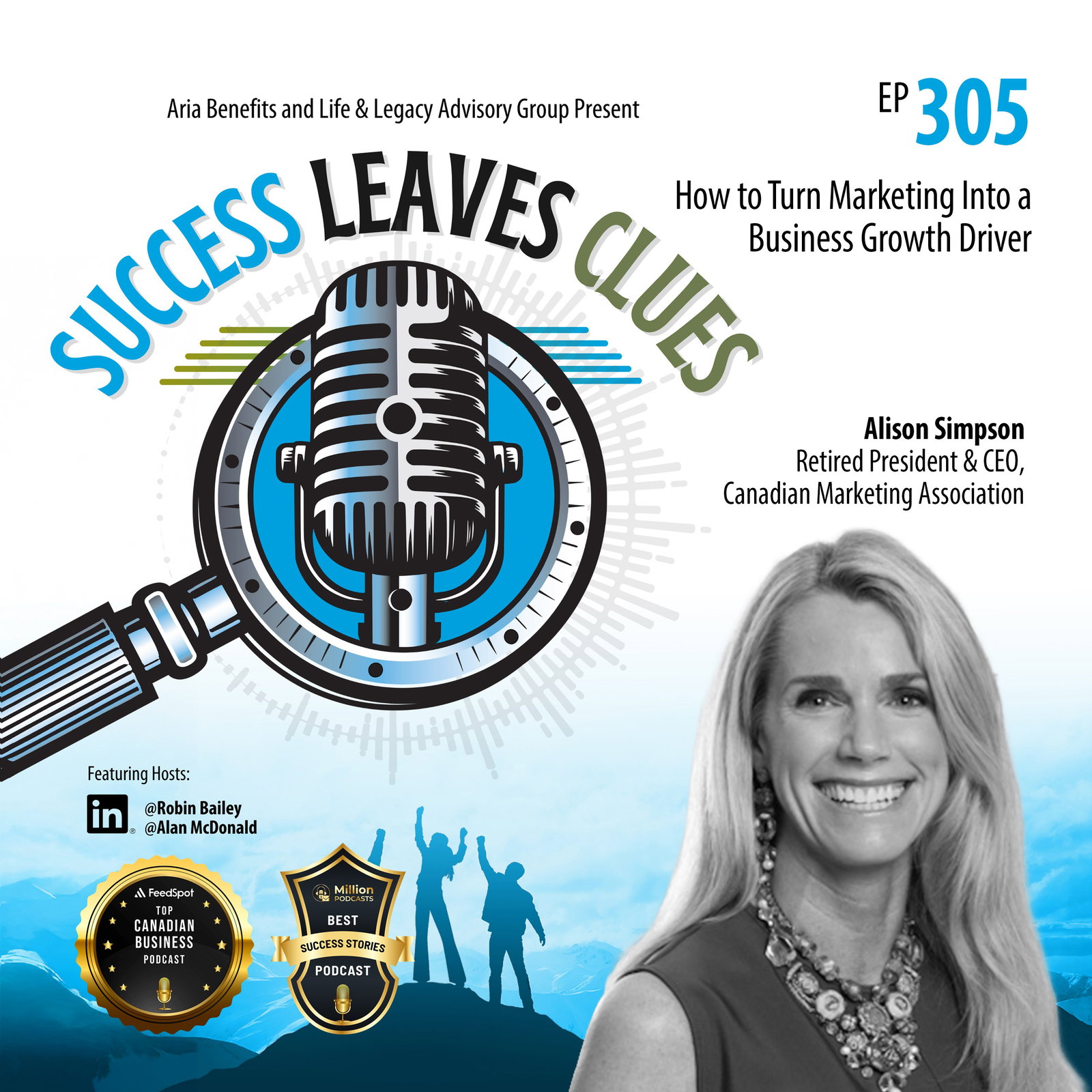 Success Leaves Clues: Ep 305 - How to Turn Marketing Into a Business Growth Driver with Alison Simpson, Retired President & CEO, Canadian Marketing AssociationSuccess Leaves Clues with Robin Bailey and Al McDonald · on Customer Lifetime Value71 / 100
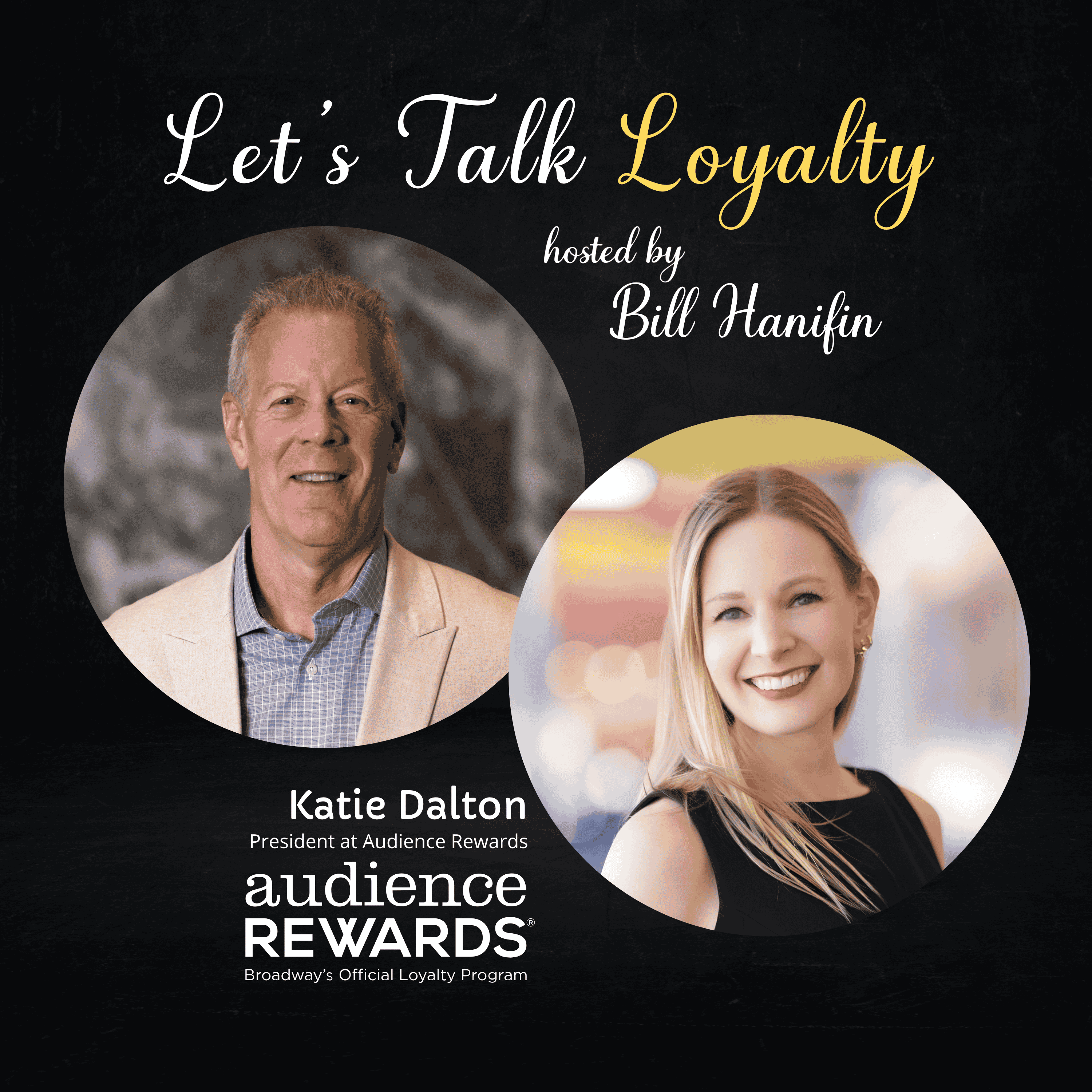 Audience Rewards: Transforming Broadway Loyalty Through Fan Engagement (#795)73 / 100
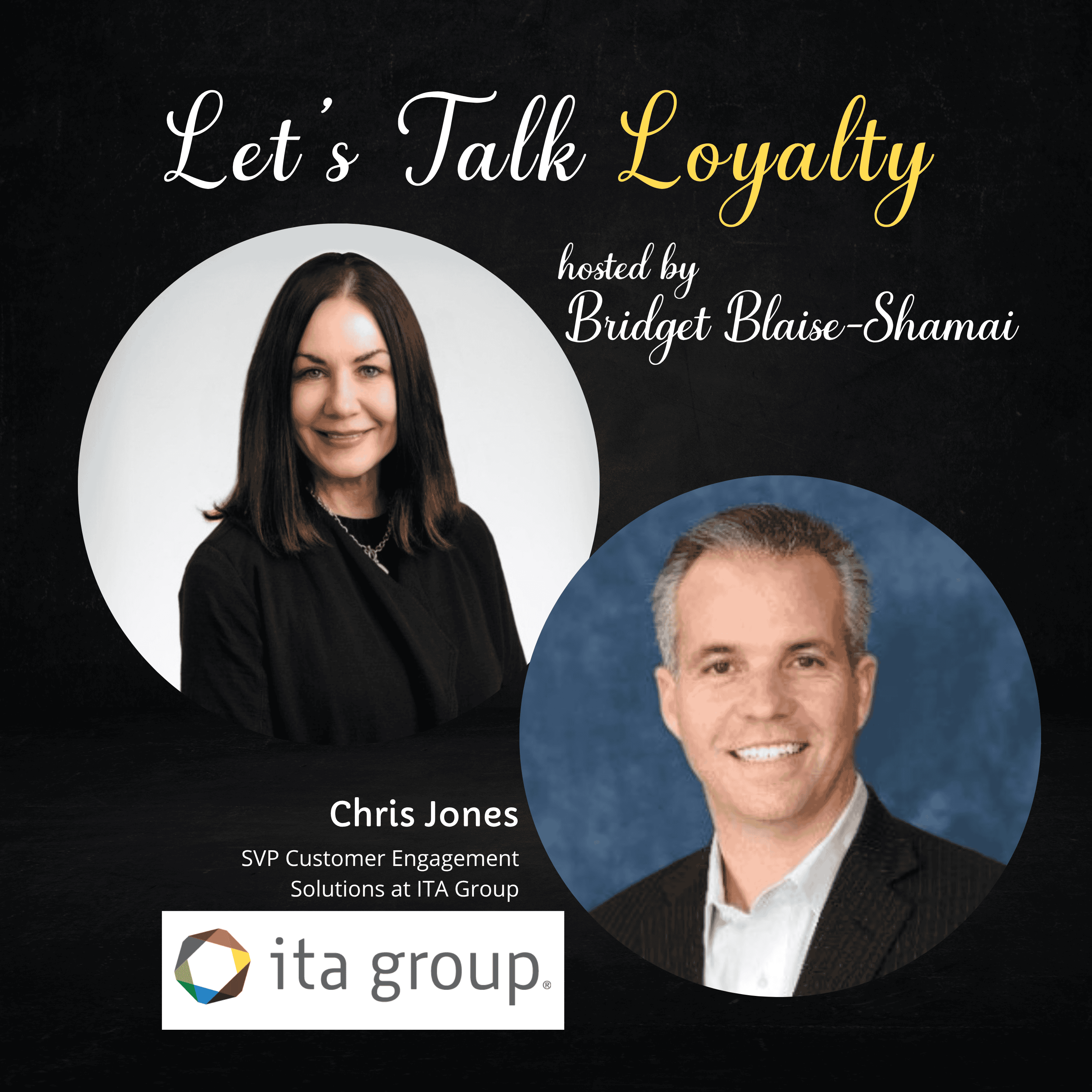 ITA Group Research Reveals Powerful Loyalty Drivers (#787)85 / 100
 Best of the Back Catalogue | Creating Emotional Connections That Last (#784)58 / 100
 Best of the Back Catalogue: What makes a Coalition Loyalty Programme Truly Successful?(#794)
 7-Eleven: Loyalty, AI & Redefining Convenience for the Next 100 Years (#793)