
Hosted by Becky Hamm
Listed under Business › Careers, Education › Self-Improvement, Health & Fitness › Mental Health
Joyfully Unstoppable is a thoughtful, practical podcast for experienced women leaders who are ready to succeed without the stress.
71 episodes · publishes weekly · latest 2026-09-22 · ~22 min/episode
Rank
#4995
Substance
49.8
/ 100
Breakdown
Scored 2026-09
Updated monthly
Across the index
#4995 of 6203
Substance
Top 81%
outscores 19% of the index
Joyfully Unstoppable ranks #4995 on The B2B Podcast Index with a substance score of 49.8 out of 100, scored across 5 recent episodes. It scores highest on insight density and originality. The episode delivers one substantive reframe - imposter syndrome as externally imposed 'imposterization' rather than an individual defect - with some historical grounding, but large stretches are occupied by rapport-building, a meandering gardening analogy, and host monologues that severely dilute insight per minute for a B2B operator audience.
Averaged across 5 recently scored episodes, with cited evidence.
The episode delivers one substantive reframe - imposter syndrome as externally imposed 'imposterization' rather than an individual defect - with some historical grounding, but large stretches are occupied by rapport-building, a meandering gardening analogy, and host monologues that severely dilute insight per minute for a B2B operator audience.
“Imposterization is about taking a look at the systems, the people that make up the systems, um, and how the policies, the practices, the cultures that are built within institutions”
“equity-centered leadership is a fiduciary responsibility”
The etymology reframe - backed by a direct conversation with the original researcher who herself objected to the 'syndrome' label - is a genuinely interesting and uncommon angle; however, the broader thesis that systemic conditions rather than individual deficits cause self-doubt is well-established in DEI discourse and not particularly contrarian.
“she said,'When you write this up in whatever journals you're going to seek publication in, please do not call it imposter syndrome, because we never called it that, and that term is problematic because it places the blame on us.'”
“if it's so easy to undo was that really the work or was it a performative measure?”
Dr. Pulliam holds credible practitioner-researcher credentials - a grant-funded study, direct contact with original imposter phenomenon researchers, and 20-plus years of institutional leadership - but her domain is higher education and DEI coaching rather than scaled B2B operations, limiting direct transferability for the target operator audience.
“I wind up- Um, getting a grant to do this really cool study in twenty nineteen, twenty twenty”
“I had a chance to speak with Dr. Pauline Clance, um, because I, I needed her permission to use this imposter phenomenon scale for my study”
The episode names specific researchers (Clance, Imes, Lobins), a grant-funded study, a 2019-2020 timeframe, and references student GPA data, but there are no dollar figures, retention metrics, named organizations, or outcome data that would give a B2B operator concrete benchmarks to act on.
“my students were, you know, 3.5 and above GPAs, you would think. And to the university, they retained them, they graduated them.”
“we saw Lots of diversity statements being created and plastered all over websites, and we saw divisions and departments and people hired into these equity, diversity, whatever you wanna call it, roles, many of which tended to be people of color”
The host lands one substantive conceptual challenge - pushing back on fairness versus performance as frames for equity - but frequently displaces guest airtime with extended personal monologues and affirmations, and the closing 'one message' question is the weakest type of podcast closer with no follow-up pressure.
“if I can be frank, the, the marketing that is out there in support of women, either in leadership roles or just in general, it is that pain-point marketing and focus on what's wrong and what's broken”
“fundamentally equity was about fairness, my initial thought was, well, I don't, didn't think about equity that way. I think equity is about outcomes and performance”
4 periods tracked.
12 scored on substance · 68 tracked in total.
68 Self-Doubt Isn't a Stop Sign: Here's how to keep moving forward
2026-09-01 · 21 min
63 Six Steps to Prove You're Ready for a Promotion
2026-07-28 · 27 min
59 We're halfway through 2026. How are your goals doing?
2026-06-30 · 22 min
58 Is it overwhelm or is it time to uplevel?
2026-06-23 · 22 min
57 Imposter Syndrome Is a Fallacy: Dr. Nicole Pulliam on Equity in Leadership
2026-06-16 · 37 min
56 Leadership for the Long Haul: Avoid Burnout & Navigate Office Politics for Career Success
2026-06-09 · 27 min
55 Leading Change? Here's How to Do it Well
2026-06-02 · 29 min
54 Good leaders do these 3 things. Do you?
2026-05-26 · 21 min
53 What to do when you're the only woman in the room
2026-05-19 · 24 min
52 Seven Growth Steps to Recover from Failure
2026-05-12 · 21 min
51 Seven Tips for Sandwich Generation Leadership
2026-05-05 · 29 min
50 Six Systems for Effective Leadership
2026-04-28 · 21 min
Add this badge to your site - it links back here and updates automatically as you rank.

<a href="https://index.fame.so/show/joyfully-unstoppable-executive-leadership-for-women" target="_blank" rel="noopener">
  <img src="https://index.fame.so/badge/joyfully-unstoppable-executive-leadership-for-women/badge.svg" alt="Ranked #736 on The B2B Podcast Index" width="360" height="136" />
</a>Track Joyfully Unstoppable's rank
Get an email whenever this show moves up or down the Index. Monthly at most, no spam.
Companies, products and tools that come up most across this show's episodes.
The themes that come up most across this show's episodes.

Founder-Led Sales Stories with Pete Kazanjy
Peter Kazanjy

The Secret Life of Great Leaders
TripleGoal

The Dental Economist Show
Planet DDS

The Centre for Army Leadership Podcast
The Centre for Army Leadership

Humanity At Scale: Redefining Leadership
Bruce Temkin

The Shift Code
Project Management Institute
Podcasts that dig into the same topics.

Leadership Performance Under Pressure
Dex Randall | Leadership Performance Coach
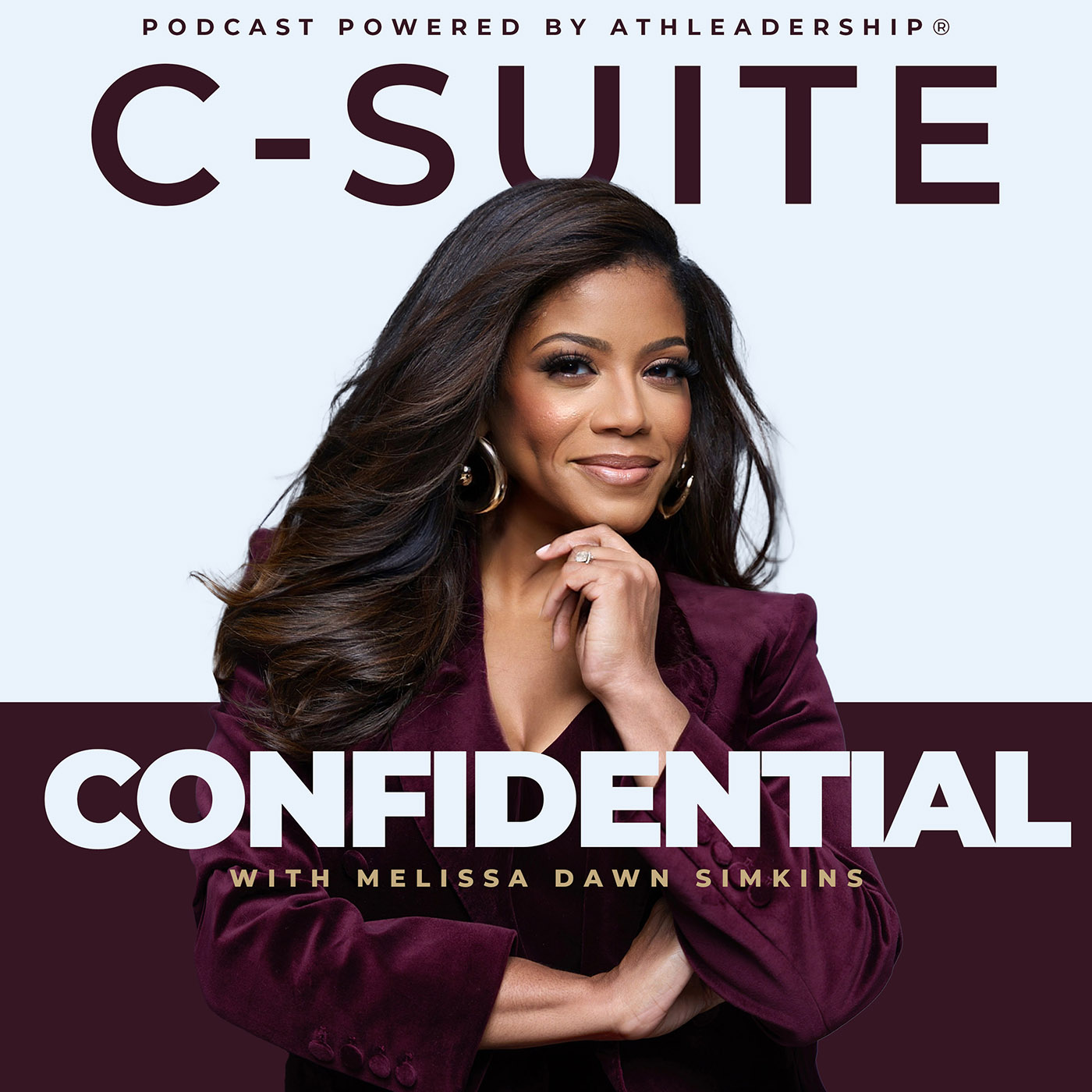
C-Suite Confidential
Powered by Athleadership (R)

The Customer Success Playbook
Kevin Metzger and Roman Trebon

No Limit Leadership
Sean Patton, Leadership Development & Executive Coach

The Career Refresh with Jill Griffin: Leadership Strategy for Senior Professionals
Jill Griffin

foHRsight
Mark Edgar and Naomi Titleman
