
The Trades Podcast · 2026-05-01 · 28 min
Key moments - from our scoring
Substance score
28 / 100
Five dimensions, 20 points each
Jason Napolski, president and CEO of ATexPest.com, leads a 35-person full-service pest management operation across the Austin metro area and surrounding Texas communities. ATexPest specializes in general pest control (50% commercial, 50% residential), rodent trapping and exclusion work, subterranean termite control, and increasingly challenging Formosan termite management. Napolski discusses how software-driven routing and real-time mapping have transformed operational efficiency, allowing the company to answer customer questions without interrupting technicians. He emphasizes the Texas Department of Agriculture licensing structure, monthly continuing education beyond state requirements, and a two-tier service model splitting routine treatments from specialized "special forces" teams handling complex jobs like wildlife trapping (raccoons, skunks, roof rats) and structural termite cases. The episode offers insights for pest control operators scaling operations, managing commercial partnerships through sanitation partnerships rather than blame, and adapting to industry chemical restrictions by investing in better, safer alternatives developed by laboratory chemists.
ATexPest offers full-service pest control (50% commercial, 50% residential), rodent trapping and exclusion, subterranean termite control, Formosan termite elimination, and wildlife trapping for animals like raccoons, skunks, and roof rats across the Austin metro area and 35-40 mile radius.
Formosan termites have larger colonies that cause rapid structural damage rather than cosmetic damage, build mud cartons in walls for moisture, and nest underground on exteriors. They're more aggressive and prevalent in pockets around Austin, unlike native subterranean termites which cause smaller cosmetic damage over longer periods.
Napolski treats commercial work as a partnership rather than transactional, providing detailed sanitation schedules (daily, weekly, monthly cleaning areas) in editable formats and using evolving products like residual baits and gels, particularly for German cockroaches in restaurants where food contamination complicates traditional bait effectiveness.
Texas Department of Agriculture regulates pest control through a certified applicator's license starting point, with continuing education requirements that vary by license category. ATexPest exceeds state minimums with monthly in-house training, ongoing field quality control supervision, and monthly continuing education meetings to stay current on new products and application methods.
Digital mapping software with built-in routing and real-time technician tracking allows dispatchers to give customers accurate arrival times without interrupting field technicians, eliminating transfer calls and holds while improving the first-impression customer experience.
Our reviewer’s read on each dimension, with quotes from the episode.
The episode is dominated by biographical backstory, small talk about Texas weather, and vague operational platitudes. A handful of operational nuggets (50/50 split, special-forces service department, rodent exclusion model) appear but are never developed into actionable depth for a B2B operator.
When I first got started, the most effective treatment, for instance, for German cockroaches in a restaurant would be baits and gels. But when you have, uh, chicken nuggets or hamburgers laying on tables, it's a roach dinner. Won't eat. Want to go to this roach jelly.
The built in mapping tiers and so forth are so helpful because we can give customers answers and put time on.
No contrarian or first-principles thinking appears in the episode. The one mildly counterintuitive point - that product regulations being removed is ultimately a positive - is stated briefly and never developed into a real argument.
it's actually a good thing when some of those older products in my opinion get taken away because then, then our great chemists and laboratories come up with, with better options
it's not really from M licensed professionals application buying them. It's usually somebody going to Home Depot buying a product and they read the label and it says add 2 ounces and they think 6 ounces
Jason is a genuine 25-year practitioner running a real multi-department pest control operation, not a career thought-leader or podcast regular. However, the conversation fails to draw out the depth of his operational experience in ways that would elevate his credibility further.
We're at 35 team members. That includes a full office staff. And then we have our service department kind of broken up into a couple of areas.
We're about 50, 50 commercial residential. So we handle home services as well as some very large commercial, uh, customers as well.
The episode offers a small number of biographical data points (35 employees, 35-40 mile radius, 50/50 commercial/residential, started 1997) but contains zero revenue figures, growth rates, customer retention metrics, pricing structures, or named client examples that would give operators concrete benchmarks.
We're about 50, 50 commercial residential.
We're at 35 team members.
Host Danny frequently delivers long, rambling, self-answering preambles that telegraph the desired response, and there is no meaningful pushback on any claim throughout the episode. Jeff occasionally leverages his own pest control background for a slightly sharper question, but interesting threads (e.g., exclusion warranty model, formosan termite spread) are dropped before any depth is extracted.
And uh, let us know a little bit about your employees. How big is the team? What's the um, say general area? How far do you guys service?
And I think we just heard it through a, uh, previous guest on, uh, during the interview process and you know, especially for employees that are in homes, technicians, you know, one of his questions that he asked is, you know, it would be, you know, asking a question that generally wanting to find out that they have never been asked.
Computed from the transcript - who did the talking, and the words that came up most.
In this episode, Jeff and Danny sit down with Jason Napolski , CEO of A-Tex Pest Management , to discuss how a locally owned pest control company continues to grow while maintaining a strong hometown approach to customer care. Jason explains how A-Tex focuses on customized pest solutions, ongoing technician training, and creating systems that allow the business to scale without sacrificing service quality. The discussion also explores leadership, employee development, and the importance of staying adaptable in a changing marketplace.
Transcribed and scored by The B2B Podcast Index.
Danny: Welcome to the Trades Podcast. A, uh, podcast about the business of home improvement and promoting the trades to young adults. That's right, promoting the trades to the young adults. To anybody out there listening and wanting to learn a little bit more about the trades. This is the Trades Podcast. I'm Danny.
Jeff: And I'm Jeff.
Danny: We're excited to have some awesome insight from one of the biggest, uh, states in the country. We got Texas. That's in the house. We got Jason. Jason, how you doing?
Jason Napolski: Doing well, thank you.
Danny: Awesome. We're excited to have you on. You're covering, uh, the Atex pest management team. You're the president, you're the CEO. We're excited to have you on. Want to learn more about you, your business, the area, the culture, the, uh, um, the industry. Because Texas definitely has, uh, some pests that I'm sure that can be managed.
Jason Napolski: Absolutely, absolutely. Looking forward to this.
Danny: Yeah. Well, that's awesome. Well, go ahead, introduce yourself. Let everybody know who you are in the trades podcast world and, uh, get a little background.
Jason Napolski: Sure, sure, sure. So my name is Jason Napolski, originally from Ohio, so basically grew up in Ohio. My mother kind of remarried and, uh, moved to Texas and did some visiting down there. But, uh, that's what brought me down here and currently, like you said, the president, CEO of Aptex Management. That's how I ended up coming down to the Texas area. Just visiting and realizing how kind of fell in love with the, uh, weather. First of all, not having six months worth of winter per year was a big bonus. But also just the state itself, uh, the people were so kind and just that Southern, you know, Southern down south attitude and politeness and so forth. It was quite a bit of change from what I was used to up in the, uh, Ohio area.
Jeff: M. How long ago was it before you made the move, Jason?
Jason Napolski: So, yeah, so I basically, once I finished up high school, which was 1993, dating myself here. But, um, once I graduated, that's when I decided, hey, uh, pack up and move. Which was a big decision. All my family was still up there. My brother so made the decision to move down, secure, basically a warehouse job, just a normal job while going to school full time as well in the evenings. The original plan was chiropractic, so I was doing pre med courses and doing all of that, working full time and going to school full time. Um, so that's kind of how I got started in the Texas area initially.
Jeff: All right, nice. So any of the, uh, technicians hurt their back, you can, ah, get them a little adjustment and Kick them back out in the field.
Jason Napolski: I do get requests from time to time, but no licenses. Uh, uh, I try not to open myself to any of that liability.
Jeff: I understand.
Danny: It's more the pest control. The pests that they're going to need some of those adjustments.
Jason Napolski: Yeah, yeah, exactly.
Jeff: So tell us about your company.
Jason Napolski: We're not making them feel better. We're trying to get rid of them.
Jeff: Tell us about your company. Do you specialize in any particular, uh, pest or general?
Jason Napolski: Absolutely. We're a full service company. So, you know, we do pest control. Your normal pest control. We're about 50, 50 commercial residential. So we handle home services as well as some very large commercial, uh, customers as well. We also specialize in rodent trapping exclusion, which is basically securing the properties, sealing up areas to rodents out permanently. Um, and then also, uh, sectarian termite control and elimination as well.
Danny: We want to thank our sponsor, Superior Flooring. Cabinet Designs is one of the landmark family owned businesses in Encinitas. We owner, Sheryl Robertson. With years of customer experience managing her family's hardware and cabinet business in North Park. Sheryl Robertson and the Superior team dive deep to learn about your project and help you find the perfect solution for your flooring and cabinetry needs. Call today at 760-436-0900 or visit www.superiorfloors.com.
Jeff: subterranean. Do you, uh, have, uh, formosin termites in that area?
Jason Napolski: Unfortunately, they have made it their way to Austin. They're not that prevalent. There's kind of pockets of them in specific neighborhoods. But, uh, they have made it here, unfortunately. And that's a challenge. Just because of their activity and what it takes to treat and eliminate those. It's a bit different.
Jeff: They are a lot more aggressive. They definitely, um. For all the southern states, there's a growing problem.
Jason Napolski: Absolutely. Just like you said, the size of the colony, which leads to, you know, quick massive damage. Structural damage which we don't really see with the native or subterranean termites. Much smaller colonies. Most of the damage is, uh, cosmetic by the time we get in there to eliminate them. But with mimosium, it just doesn't take long at all. And the biggest challenge is their nest underground. Um, on the exterior they can get up in the wall and actually build a carton of mud. Mud. It's high, put the moisture they need there.
Jeff: Do you guys do the repairs when you find damage?
Jason Napolski: We don't really provide damage warranties or things of that nature. Kind of what I've seen in the industry even from the beginning Is a lot of companies that do offer damage guarantees or damage repair, especially before formosin. It just really wasn't neat with it being cosmetic, maybe drywall, some minor repairs. The amount that the customer needs to pay annually to keep that damage guarantee typically far exceeds any repair cost. It's actually of statements to the customer typically to do any repairs that needed. But most of the time, like I said, we don't see structural repairs with things that need to be prepared to replace. A lot of times drywall, they're going to look for the easiest cellulose material to feed on before they get to like the hardwoods. Two by fours, things of that nature.
Jeff: Um, and a little bit different here in California.
Jason Napolski: Yeah, you guys probably have a lot of tents or houses and still going on there.
Jeff: Oh yeah.
Jason Napolski: The downside of that is there's no, as you're, I'm sure you're aware, there's no residuals. So you can at the house, eliminate them and two years down the road be right in the same boat again.
Jeff: Absolutely, yep. But when you can't find all the termites and get to them where the tiny comes in.
Jason Napolski: Absolutely, absolutely. Yeah. Yeah. We don't, we don't offer that service here. Even though that has been a bit of an issue with Mobson. Uh, I'm not really sure of any competitors that do in our area. Now I'm supposed they do, but they're trying to target treatments. It's definitely challenging dealing with um, and making sure that it's the best experience that they can have.
Danny: And uh, let us know a little bit about your employees. How big is the team? What's the um, say general area? How far do you guys service?
Jason Napolski: Sure. So we're in what we call the Austin metro area. Basically it's Austin, Texas and then about a 35, 40 mile radius. Um, um, there's a lot of suburbs and small cities surrounding us that are growing really fast. Austin is one of the fastest growing cities. For a while there it was the fastest. Have a lot of Californians that moved out here, um, which of course we welcome as well. So it's a good mix. Um, as far as the customers that we're serving, pretty significant radiance. We will travel outside of that a couple times a month for larger customers that have multiple locations or so forth. But in general it's all sitting in a 30, 35 mile radius. There's plenty of, uh, people moving into the area, plenty of business here locally that we don't have to, you know, we want to focus and kind of hyper focus almost, rather than trying to spread out and spread yourself thin and have quality be affected. Yeah.
Danny: And uh, how big is the team you said currently?
Jason Napolski: Uh, we're at 35 team members. That includes a full office staff. And then we have our service department kind of broken up into a couple of areas. One department handles general custody treatments in our residential and commercial areas. That's somebody that you would think of just come to your home and your routine, best control where your business. And then we have a special service department. I kind of say it's like the uh, special forces in the military or something. They handle the tougher jobs, the Roman jobs that take a lot more time, effort later, just more difficult in general. And then we have a full sales team as well.
Danny: Yeah, I mean just even just shine light on that space. I know just from Jeff and having passed a, uh, guest on the show, there's different levels of tiers of licenses that you may need to handle specific pests out. Is that the same out there in Texas? What does that look like?
Jason Napolski: Yes, yes, absolutely. So we're regulated by the Texas Department of Agriculture. Coming in without any experience. It's kind of plumbing or electric. You have a dentist license that you start under after you were licensed level, which would be a certified applicator's license, which I, which I still hold to this day.
Danny: Right. And that's. There's specific training that goes into that and, and you know, beyond those licensing and those training, is that internal or do you. How do you source that those trainings is that. And within the company?
Jason Napolski: Sure, sure, absolutely. We have a very in depth, uh, detailed in house training that everybody goes through, um, to fulfill the classroom for the customer.
Jeff: Um, I'm sitting here looking at all our pictures. Do you have respirator rules, uh, out in Texas?
Jason Napolski: Not, not really. So it's kind of depends on defense more than anything and of course safety. So if there's something a small space or under a house or a small area, or for instance if we're treating an addiction which will often use a dust insecticide, we'll get them have a respirator in that period of time.
Jeff: Yeah. Uh, and California, it's basically if you're applying pesticides, you better have a respirator certificate. That means no beard.
Jason Napolski: Yeah, we don't really have that. But um, you do a respirator fit testing on it to make sure there's not much reason to be wearing a respirator. It's not sealing and keeping out the bad stuff and letting you breathe that over there.
Jeff: Yeah.
Danny: And you know, that all comes down to you know, one, you know, the, the, you know, paying attention. You know, obviously you said you're governed by the uh, state Department of Agriculture over in Texas and you know, keeping up with those regulations and you know, uh, I'm sure that's a big role for you as the president and CEO to make sure that that's being passed down and you know, staying up on the licensing that you have in order to carry on the business. So that's a big role and that trickles down into your training. That trickles down into how you retain really quality technicians to let them know, hey, you're getting trained on the most up to date information and we're passing that along to the clients as expectations from customers kind of evolve and change within the industry. How did you guys adapt that with your sales and service and approach to that aspect when customers are asking for different things?
Jason Napolski: Yeah, yeah, absolutely. It's, it's very important to number one, stay in tune to the industry and the changes that are going on rapidly sometimes but kind of consistently. And there's always evolution going on which you know, you know, from our viewpoint in our industry sometimes can be a negative because we get products and specific chemicals that get in the way. Just safety measures and that's always a bit controversial most of the time when it comes to products being restricted or removed. It's, it's not really from M licensed professionals application buying them. It's usually somebody going to Home Depot buying a product and they read the label and it says add 2 ounces and they think 6 ounces or the whole bottle and gets contaminated. But just, just keeping the thumb on the pulse of the industry. The newest uh, products that are coming out, it's actually a good thing when some of those older products in my opinion get taken away because then, then our great chemists and laboratories come up with, with better options are often different modes of effectiveness that are going to be less of a danger to mammals and so forth, much more effective to the pests and the targeted insects that we're going after. Staying in tune with that, making sure that we're always evaluating the products that we use, the methods as well. It's not just product but our applications themselves. Beyond training that we do initially have ongoing training, monthly meetings um, on these sort of items as well as end of year meetings just to make sure that we're doing that continuous activation and keeping everybody up to speed on not just the best and safest products, but what's best for the customer as well.
Danny: Yeah. And I think we just heard it through a, uh, previous guest on, uh, during the interview process and you know, especially for employees that are in homes, technicians, you know, one of his questions that he asked is, you know, it would be, you know, asking a question that generally wanting to find out that they have never been asked. So those training and those soft skills for someone to be out there as a technician, you know, you gotta be able to pass this information on like, hey, like, what chemicals are you using? And you don't know. With so much information out there, any customer can really look into this as deep as they, you know, as, as they would like. So that one customer will come up and say, hey, you know, this product is not supposed to be used or is this something that's supposed to be used? Are you sure? And then that's where the technician should have that expectation of being able to answer that. Uh, is that something that you have come across? I'm sure.
Jason Napolski: Just, just prepare and our staff to be able to answer those questions and be honest if they don't know the answer and say, hey, I'm not 100% sure, but let me reach out to management. That's one reason I'm so involved daily basis as well, as well as the spar management be there for our team m challenging situations to help them do it as well and still provide that great experience and accurate information to the customer.
Jeff: Absolutely. I know I've been in the position where customers hit me up and it's like, well, that's a really good perspective. Let's look that label up and read it together.
Jason Napolski: Absolutely.
Danny: Yeah, it's great. We've been able to kind of get to know a little bit more on the operational side of your business or, uh, excuse me, on the customer service side of the business. But I think a big piece is the operational side because that, there's a lot of work that goes into implementing, you know, good customer service and the way that they, you know, your customers find you marketing. But, you know, as you've grown to be. I think you said it was closer to 30 plus employees or even 50.
Jason Napolski: Correct? Correct. Yeah. Well, about mid-30s right now.
Danny: So in that piece, uh, you know, you've, you've had to improve a lot on the back end, the actual operational side, scheduling, routing, you know, the efficiency of, you know, how long a job should take for a technician in order to move on to the next. And you know, then therefore they get paid more, revenue keeps growing. What, what, uh, what have you seen even through probably technology or softwares that you've been able to implement that has helped you, you know, kind of grow the company?
Jason Napolski: Yeah, absolutely. I mean the biggest thing is just software force digital age. When I first got started in the industry, 1997, it's my introduction. Besides implementing that software and those other uh, areas that the efficiency.
Danny: Efficiency, yeah, it's good insight.
Jeff: The software programs that are out now compared to a decade ago or light and day and their abilities to track things, allow for interactions with the customers. Yeah, big, big difference.
Jason Napolski: The built in mapping tiers and so forth are so helpful because we can give customers answers and put time on. They're like, hey, how, how long is it going to be before your technician gets here? We map right clearly where they're at, how long it'll be there. We don't have to call them back, reach out, interrupt the technician, service from him, map it in real time and answer now that's the goal. The goal is no matter who answers, we can, we can give the customer service and the answer to any question they may have from start to finish with that initial phone call without a bunch of, bunch of transfers putting people on hold. Anything like that.
Danny: Yeah, yeah, absolutely. Ah, those are some things that, you know, definitely keep people shying away from, you know, even reaching back out after that first phone call. You know, always that first impression that always mentions, uh, which is always huge. And I mean that first impression I imagine was a little different when you started out. Um, you know, so through the trades podcast we speak to a lot of business owners that um, either just starting or are looking to grow in their, in their, in their company as well, all throughout the country. And now that you mentioned that you've worked essentially every position within the company, you've probably had some setbacks, you probably had some things that you wish you didn't do or things that you wish you could have said differently or done differently.
Jeff: We call those learning opportunities.
Danny: That's right, exactly.
Jeff: It is. But yeah, I mean in California you have continuing education requirements. Do you have that in Texas?
Jason Napolski: Yes, yes, absolutely. So the state has depending on your license, uh, uh, category requirements just to maintain your license. But as I said earlier, we go above and beyond that. We're usually doing monthly continuing education rather than annually.
Jeff: Um, absolutely. Throughout my career in the pest control industry, the amount of knowledge and continuing education you can continue to get far exceeds your ability to actually ever get it, all of it done. There's always new things coming up, new opportunities to learn.
Jason Napolski: Yeah, yeah. Absolutely. It's good to have that good base foundation like, like to answer the customer's concerns and questions. But it's definitely not boring. You get to deal with something different every day. Um, especially a company like ours that does specialize in multiple areas of the service industry as far as the rodents, wildlife, the termites and the pest control. So that's three solid areas. There's always something to learn and stay on top of things to be able to apply to, uh, stay ahead of the competition.
Jeff: So you mentioned wildlife. Are you trapping animals also?
Jason Napolski: Yeah, yeah, absolutely. The most, the most common rodent, uh, issue that most homeowners of this staff are going to be roof rats, which we'll do trapping and then the exports work for like I said, it's just securing the buildings entry points to keep them out permanently is the goal. If we can do that fully warranted, guaranteed. Uh, we also do all wildlife trapping as well. Skunks, balsams, raccoons, until at ah, pretty much uh, the majority of wildlife, what they would be considered very good.
Danny: Sounds like a video series in the making. You know, I'd love to see some of those uh, highlights of those trapping skills. Uh, yeah, it's, it's, it's like you said, it's, it's could be a, you know, very uh, fulfilling business. But in the end, you know, it's not for everyone. It's gonna take some, some, some different type of mentality to come in and, you know, learn these skills. But in the end the education behind it that comes with it is by far splits, I think what a lot of other construction industries don't have. And that, that's definitely what I think really puts uh, pest control in a very unique niche of how it operates, what it takes to have a business like yours, and the level of professionalism that it takes to be in the dirty side and have a big operation behind it.
Jason Napolski: Yeah, yeah, for sure. I remember uh, my first experience on my, the very first day on the job training. Um, you know, I, I was thinking we're spraying for butts. And our first call was crawling under a home with a very small clearance and full of uh, cat out that expired. So that was kind of my introduction to the security side of things. But that didn't, didn't deter me. So I'll stay down the pathway. 100 agree. It's not just uh, some of the industries you get that basic training and they just cookie cutter or plug that in and repeat that on a daily basis forever. Kind of diversity can definitely keep it
Jeff: more interesting, uh, question for you. You have multiple pest routes in residential area. Do you rotate your technicians so that they're not doing the same route year after year?
Jason Napolski: Typically that occurs with growth. And since we are fortunate to be, uh, growing rapidly, the thing you want to do is work all day and for two or three hours on top of it. So I try to minimize that as much as possible. So most of the route changes comes from that. But we do have a quality control supervisor that's in the field every day circulating continuing training as well, with all of our team, as well as my partner, the vice president, uh, in the field, much more assisting with that as well and inspecting your work, training. Just making sure the customers are, uh, eating the best possible service that we can see physically, but also with the communication side, seeing how they are communicating as a customer. And it should that we're keeping that at the forefront, that customer experience, which really comes through and shows in our reviews, our customer feedback.
Jeff: Fantastic. And one, uh, thing we hadn't touched on is you have commercial work, uh, any challenges out there and advice for other business owners that are thinking about
Jason Napolski: doing commercial work for their satisfaction that they want to see as well.
Jeff: I love the saying it's a partnership out there. You know, it's not you yelling at them to clean the place up and them yelling at you to spray more chemicals so they don't have to, um, just had a experience with a local company, uh, here. And, um, instead of yelling at them, I printed out a big old schedule of do the monthly cleaning in this area, the weekly cleaning in this area, the daily cleaning in this area. Gave it to him in a Word document so he can manipulate it to his thing. And he found that very helpful.
Jason Napolski: Yeah, yeah, it's good when you have, when you, when you have a receptive customer that is open to. Like you said, that partnership, not just. Well, that's what we pay you guys to get rid of our bugs. We need your help as well. And it's an important part sanitation, especially in the restaurant industry and depends, uh, on establishments. Products are evolving and there's some residuals that are out now that can be applied that, you know, you know, act as baits. But really when I first got started, the most effective treatment, for instance, for German cockroaches in a restaurant would be baits and gels. But when you have, uh, chicken nuggets or hamburgers laying on tables, it's a roach dinner. Won't eat. Want to go to this roach jelly. You're going to eat the fries and the burger. I want the fries in the burger. So, you know, that's kind of how I would try to make it to customers sometimes. M. You can, you know, you know, tone it down, humor to get to it. But there's also those, some of those tough customers that just, just. It's a little bit harder to get on board with that.
Jeff: A little more challenging, that's for sure. And there's, I mean sometimes what I just came across out the back door cook on his break was, had bird seed in it. He was feeding the birds out there. There was no birds out there, but plenty of rats.
Jason Napolski: Yeah, there come the rats.
Danny: Yeah.
Jason Napolski: I mean even uh, I'm fortunate with where we are to this point now that it gives a little bit of a freedom. So I'm able to do drop offs in the mornings for my kids, an eight year old, uh, my wife off from the school. We were dropping off this morning, walk right out of the school and a big roof rat right in front of us. Almost jumped on her feet or she screamed and went crazy. But they're out there.
Jeff: Oh yeah, yeah. We, we keep uh, building into their home territory. It's going to happen.
Jason Napolski: Absolutely.
Danny: Yeah. Yeah. Good insight. Yeah, this is, this is really good. I mean um, again we've had Jason right here, this president and CEO of Atex Pest Management out there in the Metro Austin area. Jason, just to learn more about your, you know, your, your process, your procedures, your strategy, your employee retention, the softwares and just the, just uh, overall understanding who you are as a business owner, starting it from the ground up and how you were exposed to it, business partners that you have, it's a lot of in depth information that I think a lot of people can relate to and absolutely take away a lot of information from what you've been able to build. So congratulations on your business and you know, everything from your team and all the success you guys have been able to have out there. It's just been awesome to hear about it and be able to put it on the, on this podcast for everybody to listen to.
Jason Napolski: I appreciate you uh, allowing the time and the platform too to share a little bit and hopefully people definitely get some, some good information background on industry and a good career path or those, those wanted to see.
Danny: Yeah. What's the best way to reach out to you if someone's uh, looking to look for a job or has, has little to no experience and, or wants uh, to dig uh, a little deeper on the business side of things? How do we reach out to you?
Jason Napolski: Sure. Absolutely. The best way, finally, is our website.
Jeff: Fantastic.
Danny: Yeah. Amazing. Thank you again. We're going to put that information out there. We just want to give another big shout out to our, uh, podcast studio right here. It's the, uh, Better Business Bureau Ignite Studio, uh, that they have here in San Diego. Thank you so much for letting us, uh, record here. Jason, thank you again for letting us be on the show. Uh, you know, you coming onto this show to come talk to us a little bit more about your business, so I appreciate you and, uh, have a good rest of the day.
Jason Napolski: All right, thank you. Thank you guys as well.
Other episodes covering the same guests and topics, from across The B2B Podcast Index.
 Episode 5: Nice vs Kind Leadership: Why Being "Nice" Can Undermine Your TeamLeadership & Management Reset Podcast · on team development49 / 100
 168 | Delegate Without Feeling GuiltyWomen of Faith in Leadership · on team development41 / 100
 Program for Emerging & Transitioning Leaders - with Dr. Nancy ScottLeadership Upside · on team development41 / 100
 Ep 170: Why We Should Reject Mediocrity with Andrew KlementThe Limitless Leadership Podcast · on team development
 Play As a Tool For Learning and Culture Building with Guest Alex SuchmanfoHRsight · on team development
 AA217 - Extreme Ownership: Military Leadership Lessons for ProfessionalsArguing Agile · on team development
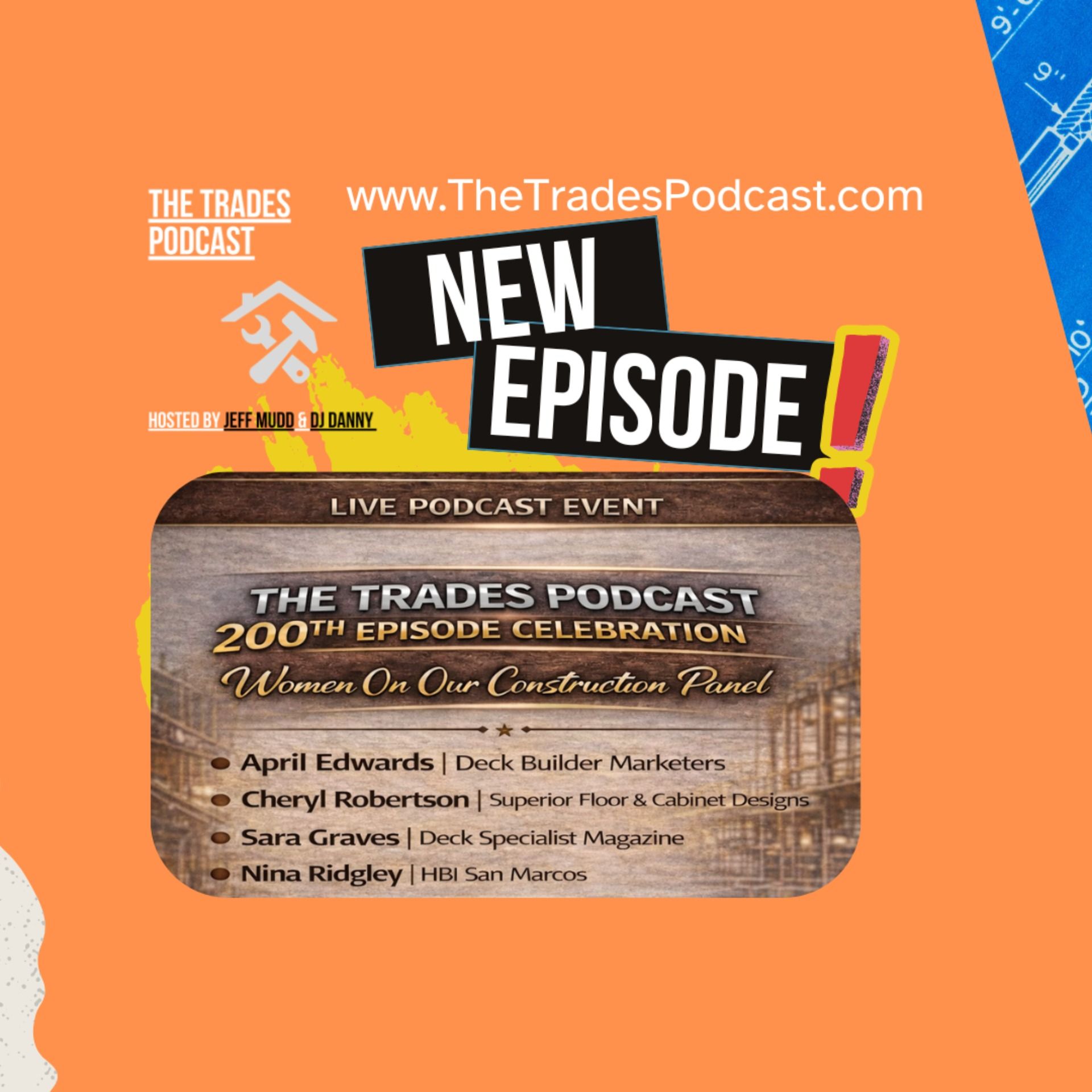 Ep 200 Women in Construction - TheTradesPodcast.com57 / 100
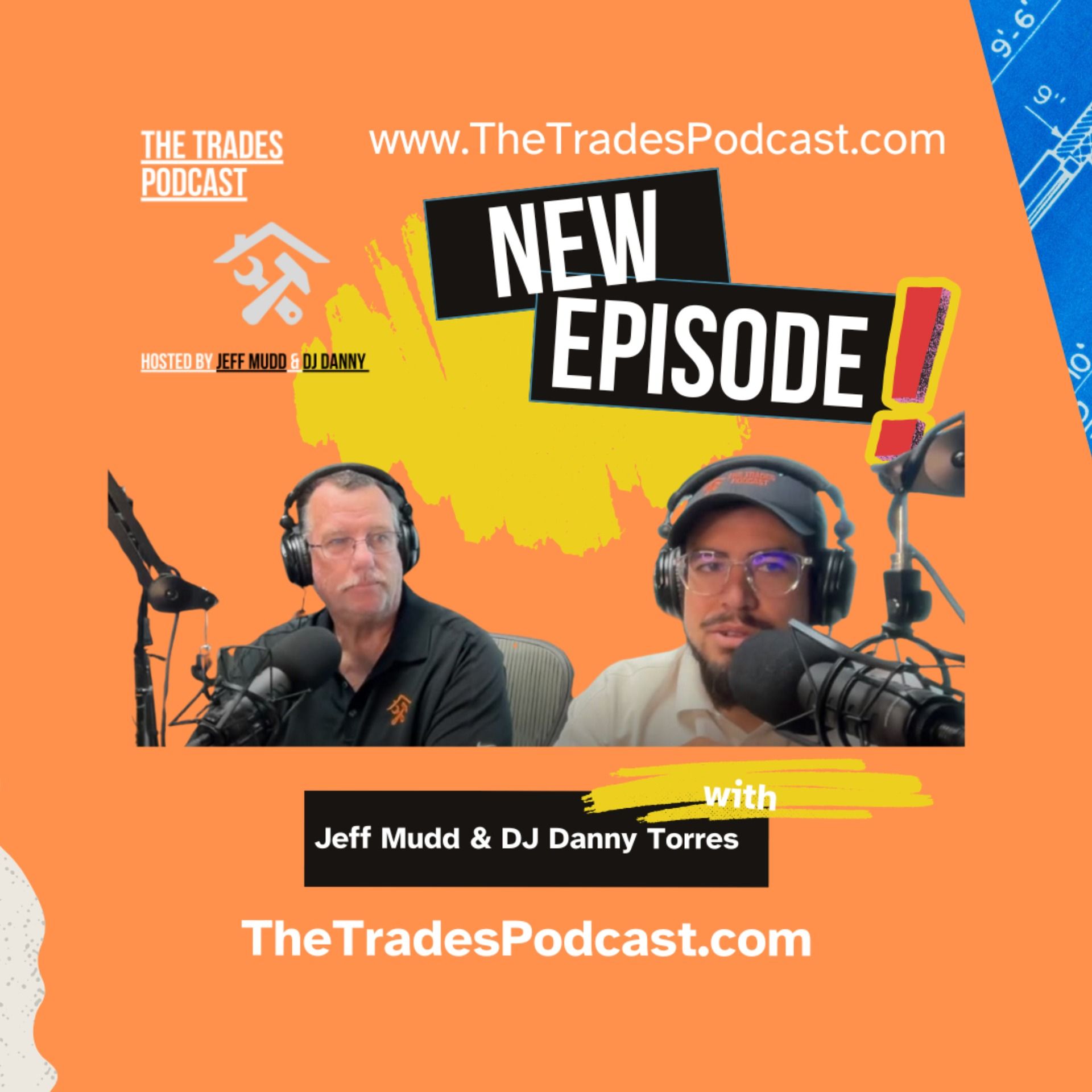 Ep 198 TheTradesPodcast.com - 2026 Labor Statistics Pt. 251 / 100
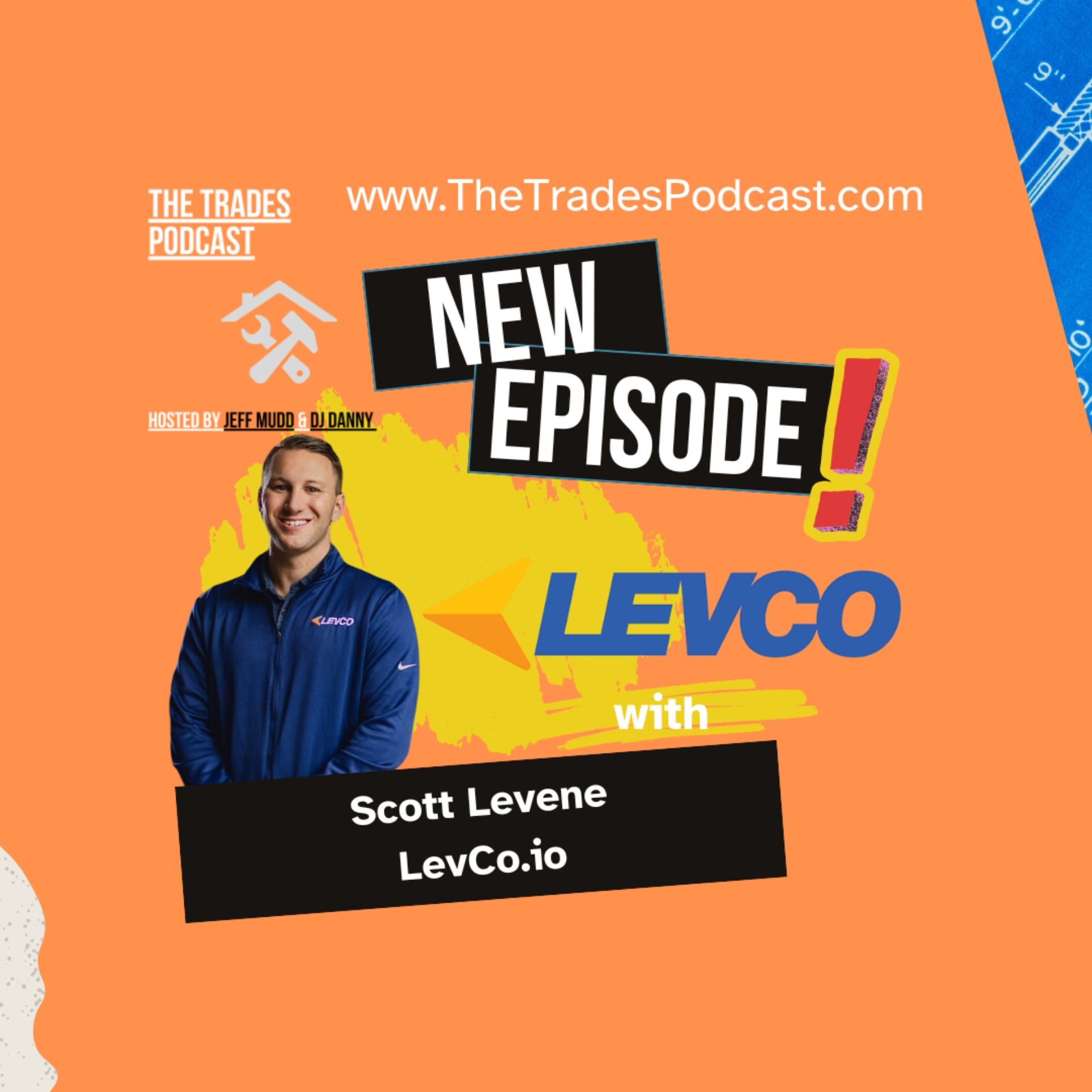 Ep 197 Scott Levene - LevCo.io78 / 100
 Ep 196 Are You Losing Employees?- TheTradesPodcast.com46 / 100
 Ep 195 PHCCweb.org - Mark Valentini & Taylor Bray81 / 100