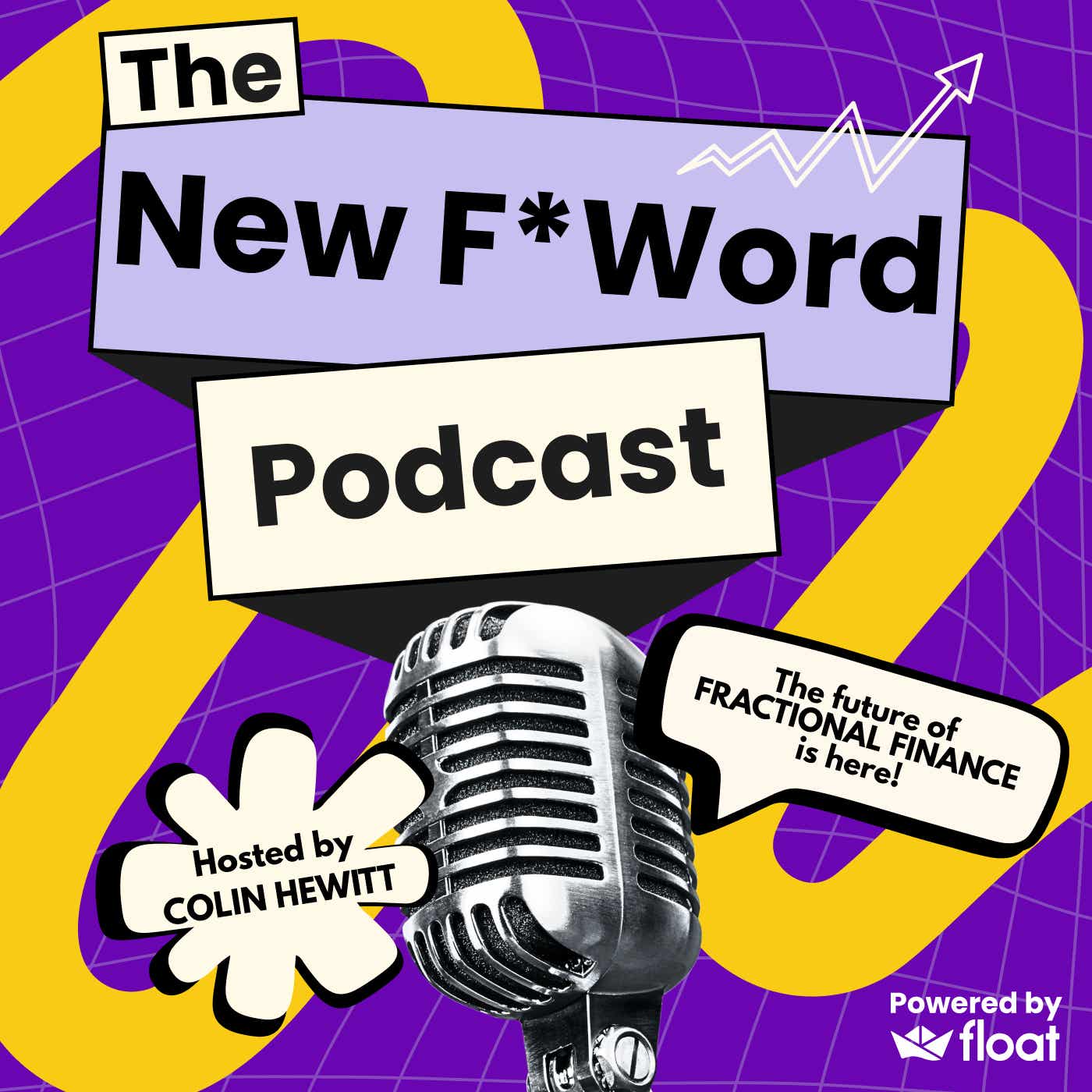
The New F*Word · 2024-09-18 · 40 min
Key moments - from our scoring
Substance score
37 / 100
Five dimensions, 20 points each
Marc Obrart of Finnhaus discusses how embedded, flexible finance teams - particularly fractional CFOs - enable scaling businesses to access strategic financial leadership at a fraction of permanent headcount costs. The core insight is that businesses outgrow traditional accountancy support, which tends to be reactive and disconnected, and instead need finance leaders immersed in the business, building relationships across leadership, and facilitating growth rather than just processing transactions. Finnhaus differs by operating as a 'people-first' academy: hiring based on attitude and soft skills, then accelerating career development from apprentice to CFO level, ensuring clients receive culturally aligned finance teams. Obrart explains the fractional CFO model only works when the right person is matched culturally, when CFOs focus on strategic work (not fixing operational infrastructure), and when supported by strong finops or controller-level staff handling day-to-day execution. This approach lets scaling SMEs, startups, and private equity-backed companies build diverse C-suite leadership cost-effectively while freeing founders and CEOs to focus on growth and fundraising rather than financial management.
Fractional CFOs must be fully embedded in the business, building relationships and understanding strategy deeply - not just available via email or Zoom. Traditional accountants operate at higher volume and remain disconnected, making them reactive; fractional CFOs are immersed in the team and proactively facilitate growth plans, which is critical for scaling companies.
The company runs as an academy to accelerate careers (at least two times faster than traditional paths), allowing people without experience to progress from apprentice to CFO level. By hiring on attitude and soft skills, Finnhaus builds a culture where finance professionals learn commercially and relate to different industries, breaking the stereotype of traditional finance hires.
CFOs should focus exclusively on strategic work and mentoring, supported by a finops person or controller handling day-to-day operations like reconciliations and payroll. Deploying a CFO to fix broken infrastructure wastes executive-level rates; it's better to fix those foundational issues first, either internally or with other support, before bringing in fractional C-suite leadership.
Cultural alignment means the CFO can act as the founder or CEO's right hand to guide the business from point A to point B, not just validate financial competence. It requires understanding the business challenges, the leadership team dynamics, and whether the CFO's values and working style fit the company's goals and growth trajectory.
Yes, Finnhaus can shift CFOs if it's not working, but they invest heavily in matching the right person upfront through a careful process led by their own CFO expertise. They'd rather decline engagements than place a poor fit, and they'll advise on alternative support if their services aren't right for the business at that moment.
Our reviewer’s read on each dimension, with quotes from the episode.
Mostly generic observations about fractional finance being flexible and cost-effective, with repeated platitudes like 'people first, numbers second'; the few concrete insights (Xero's limitations, CFOs getting pulled into infrastructure work) are buried in filler.
it's people first, numbers second
the balance sheet actually tells you more of a story than your P L does
Recycled, widely-circulated arguments about embedded fractional teams, cultural alignment, and 'not someone in the twilight years of their career'; no contrarian or first-principles thinking.
we're for all things sustainable, scalable and giving businesses best in class finance teams
They are brilliant finance people who love working with founders
Marc is a co-founder and former CFO with 14 years in industry including private-equity-backed businesses, a genuine practitioner, though the discussion stays largely at pitch level rather than demonstrating depth.
I spent the last 14 years in various industries and working my way up
my last kind of permanent roles were with private equity businesses
Names some concrete tools (Xero, Telaru, Dext, Float) and a few figures (18-person team, 2-3 year fractional cycles), but no client names, dollar figures, or measurable outcomes; largely abstract.
we have 18 people in our team now
it's actually called Telaru, which is, which is brilliant
Host asks a few relevant follow-ups but they are soft and affirming, with no pushback; the episode functions largely as a promotional chat that also plugs the host's own product Float.
Amazing. Well, that is quite, that's quite, that's quite a solid intro right there
that's what nearly everybody tells us
Computed from the transcript - who did the talking, and the words that came up most.
Is your business missing out on the financial expertise it needs to grow? In this episode, I sit down with Marc Obrart, co-founder of fin-house, to explore how fractional finance is revolutionising the way startups and SMEs approach their financial strategies. Marc shares how fin-house is shaking up the traditional finance model by offering tailored, agile finance teams - delivering high-impact CFO services without the full-time commitment. We explore the gaps in conventional accounting, why proactive financial guidance is critical for scaling, and how fractional CFOs are helping businesses make smarter decisions. From streamlining day-to-day operations to navigating high-level strategy, Marc’s insights provide a fresh look at the evolving role of finance professionals. The New F*Word is produced and managed by Urban Podcasts . This is a public episode. If you would like to discuss this with other subscribers or get access to bonus episodes, visit newfword.substack.com
Transcribed and scored by The B2B Podcast Index.
Speaker A: Welcome to the new F Word podcast where we cut the fluff on business finances and lift the lid on the new F Word, the fractional finance revolution. It's a game changer for small businesses. I'm your host, Colin Hewitt, co founder of Float Cash Flow Management for Xero on QuickBooks. We believe that really understanding your business finances makes all the difference in the world and having a strategic partner like a fractional CFO is the key to unlocking that. So join us as we dive into personal stories and actionable insights from forward thinking finance leaders and and seasoned entrepreneurs to discover why fractional finance leaders have become an irreplaceable part of small business leadership. Welcome to the new F Word podcast. It's great to have Mark Obraert with us from Finnhaus. Mark, really excited to getting into conversation today. How are you doing?
Speaker B: Yeah, I'm all good, thanks Colin, and thank you for having me. It's uh, yeah, I've been really excited about this for a long time.
Speaker A: Cool. Well look, why don't we just start with you telling us a bit about Finn House, like what's different about it? How did you get into it? Where'd the idea come from? Love to hear.
Speaker B: Yeah, of course, yeah, sure thing. So, yeah, so I'm the co founder, there's two of us. I'm the co founder of Fin House. We, our ah, um, objective or mission is we're fueling startup scale ups and SMEs with awesome finance teams. So we're basically all things fractional finance. We provide an embedded flexible finance team as a service. So we cover everything from day to day right up to C Suite fractional CFOs which is where we obviously started our conversation as well. And the latter side of things, particularly on the fractional CFO side is a really big focus for us now. We've seen a huge shift across SME businesses, uh, or anything from startups, scale ups and established SMEs which can include charities and not for profits, that they want to sort of keep cost based lean. They want to have the right people that can deliver high impact in their business. And that's where certainly over the last few years there's been a shift in what that C suite dynamic M can look like and making sure you've got the right person that really knows how to deliver impact. And that for us is what's always been the uh, ethos and makeup of what we wanted to do with Fin House. So for us there's really like two gaps. We saw two issues in the market one was the go to for most these businesses going on that particular journey was generally to their accountancy firm to get their outsourced finance team on function support. And that's fine, that's great up to a certain level and in terms of the day to day it's usually run really well. They'll implement some sort of tech stack and it's all very good. But then those businesses go on their growth journey and they get to a point where they need to know more, they need to make proactive decisions, they need people, finance people in their business facilitating that growth. And m, what we've tend to see with the traditional outsourced finance function piece or model or deliver service offering is that it tends to be quite reactive and it's usually a higher volume play there and, and the people just aren't um, in the business or they're not immersed in the business and they're not part of the team and, and really facilitating the plans that needs to happen. So we want provide something that was very much it's like people first, numbers second. So it's all about relationships, it's all about knowing how to deliver ah, impact and value add by being part of the organizations we work with and that's either in person where it is and obviously some businesses now and the last few years we've seen you know, a significant amount of businesses operate in a different capacity that has hybrid and remote. But that's fine. We still know how to drive the relationship side and get people on side and really deliver our uh, offering in a way that is entirely collaborative. So that was the main piece for us being able to plug in the right levels for the business. So you give them a sustainable finance team that can grow and evolve as the business does and when the time's right to transition ourselves away we can do that and move to more of a hybrid model and go and put the right permanent people in the business. And because everything's always culturally aligned and we understand the business, it means that that's always a seamless transition. So we're for all things sustainable, scalable and giving businesses best in class finance teams is what we're basically about. The second piece to what we wanted to do was accountancy is a diminishing profession. It doesn't have the numbers of people wanting to start their careers going into the profession. Now firms are finding it really difficult to bring talent in and obviously there's been been set up of apprenticeship schemes and things over the last five to 10 years which is brilliant. And, and a really great obviously opportunity for, for everyone involved in that but generally it just doesn't have the numbers going in. And I went through that journey myself and more often than not it's not around nurturing and developing talent. It's obviously it's working on high volume of clients. It's a means to an end, they support someone getting qualified and you're just churning through work all the time. And we wanted to set something up where we could have Fin House run as an academy which enables people to accelerate their careers, you know, say at least two times faster, give layout a, ah, really well structured training program and pathway from if someone is joining us as an apprentice or literally a uh, school either or graduate with no experience and they can have a pathway right up to CFO effectively that's what we enable people to do and we hire people based on who they are. So it's all around attitude, their soft skills and their ability to want to like carve out a career in finance, but commercially and within industry. So that's what our pathway is all about, which is where I think there's been a huge shift in generally what, you know, becoming a relevant finance person is all about. So we give them the exposure to different industries they get to work across small portfolio. It's not high volume, it's challenging, it's difficult, it's not for everyone. We almost say people have to go through some sort of Marmite test with us because we know it's not easy and it isn't everyone's cup of tea. But for people that really want to build out what could be an awesome finance career for themselves, then come with us, come on the journey and we will help get you where you want to get to. And that's been really rewarding for us and fulfilling. And you know, we have 18 people in our team now. We've, you know, uh, we've had recent promotions as well from people up to finops, which is our day to day level, up to finance manager. Uh, and I think it's really exciting to see people come in with us and go on a journey in such a short space of time so they can come and be with us as long as they want to be. The longer they're with us, the better. Obviously. Amazing. But equally we embrace if someone has a better opportunity or they end up going and working with one of our clients or they want to go and focus in a particular industry or particular type of company, we embrace that. We'll help them. We know when they go, they'll be better. And for us that's great. And we've always got someone ready to step up or bring new people in and that's the academy side and how it's run. So the ultimate result of that is that the companies we work with get great finance people that are human first and are able to build relationships, get on with the people they're working with, communicate really well. And yeah, we're trying to break the mold of, you know, what in the past has been a stereotypical finance person and that's not us. And we want to do things differently and yet position ourselves that we can help businesses when it comes to all things finance. Basically.
Speaker A: Amazing. Well, that is quite, that's quite, that's quite a solid intro right there. I think I'm wondering, like a couple of things came up for me as you're talking. One is, you know, obviously it's very, it's very of the time. Like it feels like this, the shift is happening. First of all, the shift to remote. Secondly, the shift of business has gone, you know, we can get this, this kind of quality of financial reporting on a fractional basis of what it would cost to hire a full time and the shift away from just relying on our accountants to, to do it for us. What, like, what brought you to that kind of insight in the first place? Did you come from an accountancy background or.
Speaker B: I did very early on in my career and then I spent the last 14 years in various industries and working my way up from. My first role in industry was finance manager and I've gone on a journey up to CFO level and I was, my last kind of permanent roles were with private equity businesses and then I ended up. I think what was really interesting for me was I think the culture of the organizations I was part of and I'm not obviously generalizing that it's all PE at all, not far from it. But the ones that I was involved in were super high, uh, change transformation, which was brilliant in terms of being a finance person that wants to have impact. I love that. But culturally everything was always aligned to having to specifically hit numbers and targets. If you didn't, people were gone. And it at times created like tox toxicity within the business and it wasn't always around like really what's best long term for the business because it's all around finishing a cycle and, and you know, the business exiting. So I ended up leaving my, my last role in that and I sort of lost a lot of enthusiasm for what I was doing. I, I Went on a. I got great exposure and, and I loved in a way what I was doing in terms of helping the business. But I certainly lost my way a bit. And before I was at a bit of a crossroads of thinking, right, I need to do something which is a bit longer term because private equity cycles are generally quite quick as well. So it's. You do it and then you move on. And I wanted to sort of think a bit longer term around my next role where I could go in and really go on a journey with the business. And just very coincidentally, just through sort of personal, some personal connections and network, I fell into doing fractional CFO work. And, um, within a few months I was working with five different businesses. And what I loved about it was, I mean, people buy into people as well. That's always, I think, a fundamental thing. And I was able to be myself. And I was working alongside just some amazing founders and CEOs. Most of them were women as well, which was great. It was like, refreshing to, like, the boardrooms I'd been in previously with that as well. There wasn't enough of diversity and everything like that. It was always much more stereotypical and things like that. So it was just so refreshing and just working with, alongside brilliant, visionary entrepreneurs. And I just. And they took to the way I was trying to help them and facilitate them and they were kind of coming off the back of having this more traditional outsourced finance support. So they were relying on their accountants to give them the strategic and commercial advice and it just wasn't there. Not because they weren't understanding of the business, but they just were like, you know, they got it and they were trying to help as best they could, but they were just so far removed. And when, you know, for me to. Certainly when it comes to fractional, you've got to be in the business, like fully embedded and know the business. There's, you know, you can't just subscribe for a CFO and just have it like on, you know, just pick up the phone or drop some emails or jump on a zoom and, oh, I've got a question, you know, can you help me answer this? It's. You've got to understand the business and who the key people are and building relationships with wider support functions and, and teams across the business. And that's where it really sort of opened my eyes as to that. That's what businesses need. And the fractional bit is just great for businesses going on that journey because what it allows them to do is you can have a super Diverse leadership team with other fractional people and you're pulling in expertise that's been there, done it, but still dynamic, hungry and culturally aligned to where these businesses want to go on their journey. And it means obviously one, you do it as a fraction of the price but you can still get the maximum if it's the right person and what it then allows them to do is invest and build the levels or the layers below that. So from m an operational perspective things can run super slick and you get hungry. You know, certainly like talking from the finance side of things as well. You can have a great finance manager or controller and some, some, some couple of people supporting on the day to day side. So you've got them, you've got someone guiding and mentoring them and, and, and helping them understand and build their knowledge up and it's just all comes together in a really slick, cost effective way. And it means that business is just going to go faster and get to where they want to sooner. And I think it's, that's what it's all about. I think so many of these, these businesses going on, on that growth journey and the size that they are in terms of that SME arena, what you know, they, it's just having the right people in the right places and then by doing that and that's where just fractional is just great. And I think for the people we work with in a fractional capacity, like uh, you know, I don't do so much delivery now but everyone is like minded. Like we're, we're really good at matching people culturally, having the right people and we've got dynamic fractional CFOs that want to make an impact. They're not in the twilight years of their career just looking for, to keep themselves busy. They are brilliant finance people who love working with founders and CEOs and businesses and helping facilitate their growth journeys. And that's where if you get that right, I think it's just a perfect formula for, for success.
Speaker A: And is there also the opportunity if it's not the right fit for you for somebody to say look, do you have anybody else or we're not, we don't feel like we're getting this, this, it doesn't click with this person. So you can change it up because you've got resources for that or do you?
Speaker B: Yeah, yeah, we, we can. I mean I think certainly when it comes to C Suite, we're really particular like the, the motions that we go through, the process we go through with a CEO or founder or uh, whoever else might be involved in a leadership team is we, you know, like at the moment it's myself that will lead on those fronts and as a CFO myself, like we understand intrinsically what their challenges are, get to understand the culture of the organization, what they need. So we want to make sure that we present the right person. We might have someone in mind initially, but then that might shift based on then what the challenges are, what the dynamics are, whether it does need to be in person. So actually we need to have someone who regionally it works for them and things like that. So we're really selective and careful with what we do. Of course things can always not work out and then yes, we can shift it out. But what we, I think it works really well in our uh, in our formations of how we do things is that, you know, obviously the CFOs plug in with working with in house finance people as well. But if they need extra support, we can obviously plug that and we make sure that the CFOs are doing CFO work. I think that's where there sometimes is a disconnect. Not that the CFOs don't want to roll their sleeves up and help. They want to do whatever they can and if they see problems, their instinct is to try and fix that and make sure things are right. But it's just it where that creates frustration is then, you know, you'll end, you end up paying people obviously at uh, you know, an exact level rate. And yes, they put things right and it's great. But you know, then you have like the CEO or the founders getting frustrated or why aren't, you know, what's going on with our strategic plans or we should have moved forward or we're about to do a funding round and I thought that was going to kick off six weeks ago. But actually what the CFOs gone in and done is fix the infrastructure that hasn't been working properly. Whereas we want to get that balance right. We've got other people that can do that and we would advise, even if we can't do it or it's not right for us to do, then we'd make sure that that bit's done properly and say, look, there's no point having your CFO yet. Let's get that bit right. Whether you use us or use someone else, that's never an issue. We'd always advise what's best for the business, but then make sure you plug the CFO in at the right time. I think that's the key bit. And when that is done right, I think our track, you know, generally we get that right. And I think the way that we've delivered it, the way I've worked with businesses in the past, you know, when it's right. And yet you've got to make sure that that relationship side is so key as well. Getting on with the person and knowing that that trust can be built up early on. Because that's the key when you work fractionally. You have to build the trust almost instantly. And I think when, when that's not there, it makes it very challenging.
Speaker A: Yeah, no, absolutely. I think it, it sounds fantastic. Like what you're talking about, like that sense of the right person, obviously. Uh, you know, I was speaking to a finder friend of mine recently and he was saying that you know, a cfo, he wants more time from, from them. They were fractional and just real. I think we were sort of talking through, well, is it really more time from the fractional CFO or is it actually releasing the fractional CFO to do more of the things that they need to be doing? I'm thinking about bringing in like an, more of a, like a finops person or somebody to, you know, just take on some of the legwork that uh, to release the FCFO into that more strategic piece. And I think that probably happens a lot because often, again, sometimes if it's just, if it's like you say, if it's somebody coming at the end of their career, they might not, they might think, think, well I'll just do it because you know, I want it done. Or they might, they might not want to say, I think you need to hire another person and then, then there's a risk of bringing in somebody that they don't know. So I think if you're bringing in the right team and you're sort of helping say like it's not just about one person, it's about getting the whole system right. So who would you typically say? Obviously somebody you don't want your FCO reconciling, your QuickBooks or Xero account.
Speaker B: No, exactly. And I think it's really important to get that, that balance right. And I think, you know, even if you look at it maybe like taking a step back, like if a business was going to hire a full time cfo, they're not necessarily going to go for someone who's at the end of their career. Like yes, they might have the name and they've got a degree of extra element of gravitas and they've got, they've got a track record behind them, but you didn't look at it and say well okay, great, you've been a CFO at a FTSE 250 business but you know, we don't have tens of millions in our budgets or team budgets across the business. You know, we struggle at times to make payroll. And then I think again you'd look at that and say there's probably not the right cultural fit. Like yeah, maybe in a non exec capacity or some very light touch, high strategic level, they might be able to add some value. But you know, someone going through that process would look at it and be well actually the most important thing here is cultural alignment. You generally, if you've got a cfo, uh, coming in or you're looking at candidates, you'd expect them to be able to do the core elements of what a CFO should be able to do. It's not, you wouldn't really look to validate them from a financial capacity. You're going to validate them um, culturally to say can you come in? Can you be my right hand person essentially and really get us to where we, you know, we're at point A, how do we get to point B and maybe what does even point C look like? And I think that's the absolute key with it. And that for us is how we go about doing things fractionally like from when we deploy our finance team. That's not necessary. I mean it would always have a cultural alignment because of the way that we work, our ethos plugs into any business. And I think on the day to day side that's what makes us different is that uh, it's not industry specific. You know, we can work across any industry because of the way that we, we build the relationships up and we run day to day and, and get to know the businesses and you know, we live by a value that I am my client is that it doesn't matter what level you're doing or what you're doing. You need to understand everything and who the people are and what the costs mean and, and start to build up that commercial understanding. So in, in getting that bit right I think but with the cfo but is really like the, you know, it's the icing on the cake and that's the bit that has to be perfectly aligned. There's no room for that not being right. And I think also like on the day to day when it comes to, you know, business owners, CEOs, founders, they don't really mind who runs their day to day. They just want it done, they need it done. Um, they just want the business to run smoothly and people get paid when they need to get paid, clients pay and the money comes in when it needs to come in. Obviously cash flow is, you know, is essentially the key to everything that you just want to know that things are running in the, in the right way. But the CFO is kind of there to obviously steer that ship and make sure that's happening. But it's then doing all the other key bits that, that it. More often than not, the CFO coming in is taking away challenges and issues that the CEO, um, or who could be a founder as well, obviously. But let's just say the CEO is, is struggling with like he gets to a point where they can't maybe take it further. No one will know their business better than they do at that point obviously. But they need their time freed up to help facilitate that journey from A to B. So that's really where the CFO comes in and does that. And I think that's what there really is like in my view, certainly how we view it, uh, at Fin House, there's no room for error when it comes to matching that side of things up. And it's got to be perfect. And I think because we've done it and we understand the needs of and, and the people that we work with, CFOs on our roster are, you know, Finn House sort of through and through in that sense as well. And in terms of what they want to do and what they value, it lines up really well. So. But that's it. But yeah, when we might to your point as well, some, uh, what you were saying a moment ago around, you know, sometimes you can see the fit wouldn't be right just from initial conversation even and you know, we've, we would be absolutely bold and just say look great, you know, your business is great or whatever, but this just isn't right for us or there isn't the right alignment in, in, in your thinking of what you want a CFO to come in and do is not actually what a CFO should do. And we almost say that on our, on our website as well. Like, you know, this is what we're about in terms of cfo, but we sort of say hang m on, wait a second, do you actually need a cfo? And we would even have that conversation say, look, not just the kind of as a way to sell our uh, finance team as a service in or whatever, but you know, we would, you know, always advise and Say, look, actually, look, we just not right for you yet, but this is what we would advise you to go and do. And it might just be we refer them on to someone else, or it might even be that an accountancy firm could be the right option for them, or what they have at the moment might be the right thing and we need to talk to them six months or 12 months down the line. So I think it's always about everything, the conversations we have. We want it to be trusted from the beginning as well. That's the thing. So people can be like, actually that's really useful. It's refreshing to hear that we're trying to help and that's how we want to be, want to be a trusted voice and someone that can. We generally or genuinely care about these businesses. And you know, the. Who we work with, you know, we see them as, as partners almost, not just clients. It's the companies that we want to support and go on a journey with. And that's so important to, to build that, that, that up, I think.
Speaker A: Have you ever had a situation where you like the business but you didn't have somebody on your roster, uh, that you felt was the right fit for them? Like you did you need to go and hire somebody else? Or it just was like, we'd love to help you, but we just don't have the right person? Like.
Speaker B: Yes. So so far, not really many instances of that. We've, we've definitely had, uh, some, some cases of like switching up who we had in mind initially with then sort of thinking that actually this is going to be better for someone else. I mean, we had one not that long ago where it was like, they're quite specific in terms of the industry that they operate in. So we had someone in mind who specializes in that. But it turns out, I mean, I think it was just that morning I spoke to a cfo, uh, who was interested in coming and joining us and being part of us. And it just turned out this business who they were culturally in the fact he literally lived five minutes from where their office was. I actually felt that's, you know, what is perfect. And it turned out to be, yeah, a really, really great fit. And, and, and, but yeah, I think if we had a gap or we felt there was something missing, like uh, we, we, you know, we, we. We would gladly go and find someone or we, we're generally in a position that we've built. We have our, you know, quite a strong network and actually the, the pipeline of, of like more and more people are Wanting to move into this as well. It's quite amazing actually the conversations like with, with superb CFOs who uh, are in permanent full time roles and now sort of having to think that you know we, we've. I've done some great stuff in my career and actually you know I like the idea of having flexibility and you know I can build things around my day where I can be with my kids or I can do the school run and, and I can, I want to work with different companies and, and unlock their potential and grow. So I think generally there just is a very different view to like what it can be. I think people. I spoke to someone maybe about six to eight months ago who's like I didn't really think I could be a portfolio or fractional CFO. I thought I needed to wait 10 years to do that. And I'm like not at all. Your experience is amazing. And he was really, this person in particular was struggling. He had had an excellent track record, like uh, very good, interviewed really well, came across really well but was just really struggling to find the right permanent role because you know it's always super competitive. I actually think there's less of them now as well. I think certainly certain company level, of course corporate ones will always exist and so on. But I think if you, you know he had been uh, on an interesting SME journey up to an exit and I think wanting to go and do something similar again. Yeah, there's not as many roles and I think people do like the idea of fractional because it keeps inflexible. You might bring one fractional person in to, to be with you from you know, on a more of a project basis. It might be a six month transformation piece or like specifically aligned to new software and, and systems that someone's just you know, more of a transformative CFO and you bring them in and then the next one might be right. Okay, there's a two year exit plan. So you bring someone in who's, who's just absolutely seasoned, understands that dynamic. Then the business might have a change of direction. Think actually no, we're not going to exit now. We want to work towards maybe an ipo. So then you might bring in a different cfo. And I think all of the fractional cycle, you know, it typically could, you know I'd say two to three years is probably quite a solid cycle to have. It can obviously go beyond that and it can be shorter. But I think a lot of the fractional people will work within cycles like that. Uh, knowing that they go and have the impact they need and then it might just be actually it needs a bit of a refresh or a change or something. But again amazing flexibility to do that. Whereas if you've got a full time person it's much harder. You've got long notice periods. Uh, is there equity involved? How do you, you know, sometimes the exit of that person, it might not be as amicable as it could be or it can be awkward. So it just takes away all of that.
Speaker A: Yeah, absolutely. Love it. And I mean just to jump in on the tech side of things, you know what, what have you found? You must have a, do you have a standard tech stack that you, you know, you say we'll just do whatever or do you like bring recommendations in people? How does that work?
Speaker B: Yeah, we have a few, I mean we, we, I mean in terms of finance systems, I mean more often than not now every business tends to be on Xero for the size of business we work with. And the great thing about Xero is its flexibility to, to plug in to so many other um, pieces of software and, and then it can obviously scale up to like the next level of, if you move on to like Dynamics or something like that, it gives the option to be able to do that. I mean don't get me wrong, it has so many flaws in so many ways as a, as a finance system there, I mean you can't formally close your month end or anything like that. You know someone can go in and open the dates and of course there's always audit trail of everything that happens. So it's not, it's not a free for all but it has its flaws. I think reporting in it is awful. It always has been. If you run a small group, if you have a group of companies, you can't ever see a consolidated view. In Xero you have to go from company to company which has always been tricky, the cash flow functionality and it is awful obviously where you can guys come in and it's so refreshing and brilliant to actually see something that is so easy to plug in and give people exactly what they need as well. But yeah, we're not partnered with Xero in any way but it is in terms of ease of use and adaptability with so many other key systems it's brilliant in that sense. So we would always advocate if someone's not on it to get onto it. And actually it's quite straightforward these days to port someone over if you needed to just because it's more sustainable. But yeah, we have others like for Payment platforms, just a streamline like batch payment processing from Xero into a payment platform that adds like extra layer of control and visibility. Just makes that super simple. We use one of those. It's actually called Telaru, which is, which is brilliant. Really. Really uh, excellent, excellent platform. I mean that is. It's been a game changer that it's really great and they're great to deal with as well. And there are um, like we use Dext as well for processing of invoices is great. Obviously it does have some expense functionality around it as well. So that's generally good. And yeah then it. Obviously each business then is different. I mean I think when it comes to reporting we, we've built some of our own reporting like insight reporting for you know, whether it's like dashboards, KPIs, models, that type of thing. Today it's really like we haven't found anything that really hits the nail on the head or is all encompassing to do everything because one will fall down on the staffing model or one will fall down because it can't deal with a uh, US entity or. Every business is so different. And I think that's what was really refreshing about float is that it focuses on cash flow. It's quite nice to have a focus on something which is probably the most important element to be able to forecast and have visibility on. But I think, yeah, it's really interesting. I think there are some new players in the market market who are trying to do something around the reporting but it's never fully worked. But I mean we standardize as much as we can. Certainly when it comes to like reporting on the balance sheet, that's a standardized thing. Obviously you don't need some companies who have different accounts and schedules or reconciliation reports to others. But we can standardize that and we do that in a really good way. I mean I'm sure you've probably seen as well, but I'm still amazed to this day the number of businesses that oh no, I don't look at my balance sheet. I mean the balance sheet actually tells you more of a story than your P L does actually. But it's, you know, that's interesting thing in itself but we standardize as much as possible and use plugin software to drive efficiencies and make that as good as it can be. But yeah, it's not there yet. I think the next year to two years will be really interesting in how AI integrates into some of the tech as well and can take away some of the mundane or administrative tasks. But we just see that as a positive because that just helps make things more efficient. And again it just comes back to the way that we want to interact and build the finance function and team. It will just enable us to do that even more and elevate it even more. So I don't see it as a threat. I actually just see it as a really positive option.
Speaker A: Yeah, 100%. Yeah. No, it's great to hear all those other systems. I think like you say, I mean software is hard and it does ultimately come down to the team and the focus and you know, that's been something over 10 years we've been learning is like it just takes time to. And even zero like you said, it's still, you know, sometimes they say the end of the beginning, like we're just getting, we're just getting started. And yeah, I think it's a great strategy though to take something and fundamentally what they've done is they've made it accessible to other apps to build on top of, you know, compared to something like Sage, which is a more closed ecosystem and a sort of, you know, like it's, it's never going to be like you say, none of the reporting apps are ever going to nail it for everybody. So I do think there's some like some stuff around that consolidation. There's some people working on that. You know, Michael Wood, who's ex founder of Receipt bank or Dext, is kind of, they're, they're working in that space and a couple others too. Mayday. And so there's definitely people trying to solve those problems which is, you know, it's because there's an ecosystem, because there's a marketplace, it makes sense. So yeah, it's exciting.
Speaker B: It is really exciting. I think it's amazing to look back Even the last 10 years at the software that exists to help certainly around the day to day side of things. And I think that's where thinking of what makes a relevant finance person now is not what it was 10, 15 years ago. And I think that's where being someone who likes to interact with the business and you know, no matter what level, I mean if you're CFO level even more so like it's got to be about how you, you almost have to operate, you know, as like a CEO as well. It's, it's, it's really just about the people and understanding operationally the business and, and you know you're, you'll get the most fulfillment and enjoyment around what you do if you know that. Well I need to have a really slick engine running in terms of all the day to day side of things and then it just allows you to go and do the bits you need to do where you get the most enjoyment and fulfillment and actually the business gets the most benefit. And I think that's just what's so interesting that how I think the role of a finance person now even, even like finance manager or controller is so different to what it was like. It's, you know, numbers are obviously always fundamentals are important. Of course they uh, are having a controlled and governed environment. But that's so easy to, easy to. It's. There's. Everything has its challenges even like when the likes of crypto companies now it's a froze up a whole other challenge. But I think generally getting your infrastructure right is easier to do with the fact that software is so sophisticated and so easy to plug in and you just subscribe to it. And you know, I remember doing system upgrades and rollouts like early in my career and obviously supporting on that at the time it's like it was just, you know, you're working through the night to try and get systems in place and then something falls down and something's not working. Whereas now almost, you know, you can take data from one system to another and within an hour everything's up and running and perfect. I mean it's, it's amazing. And then I just think that's just, that just fuels the opportunity to. Yeah, to be more people facing and be able to like really deliver uh, impact in, in a really exciting way from a finance perspective.
Speaker A: Well, look at Neil. Really refreshing to hearing what you're, you're doing and not sort of bringing people in an early stage, getting them excited about finance and what finance can actually deliver for businesses and then you know, taking them all the way up to that CFO level. And I think it's really unique to be then releasing them and saying yeah, go and work for that company full time or you know, go and do it yourself if you're, if you're happy. And it's a really, it's a really refreshing model. So, so yeah, congrats with everything you've done and we really wish you all the, all the best and I'm sure it's going to go from strength to strength.
Speaker B: I hope so. And same for you guys. And yeah, I mean obviously with CFOs all the time as well. So absolutely talking more about float and how it can be used and implemented and I mean cash flow is always the biggest issue to tackle and almost get on top of. I think when you're going into a business, I know that for any CFO role I've gone in and done is the first priority I've always done is be right, just get on top of that. And you know, we took on a brilliant business towards the end of last year where it was going through a particular challenging time on cash flow and some uncertainty and not the right people in the business not having the visibility they needed. And you know, you just got to get on top of that and m. Um, understand what goes on and you know, that is the basics and fundamentals. I think that that fuels everything else.
Speaker A: So yeah, I mean that's what every, that's what nearly everybody tells us. And um, it just feels like, I think obviously our challenge in the past has been before the sort of fractional CFO rule existed. It was almost like, well, of course you want to do that in a spreadsheet because you've got the flexibility, you can set it up the way you want it. But now if you're fractional and you're doing that for five companies, if there's a faster way to do it and that's really our prerogative is just to make it be very focused on the best operational direct method cash flow and just make that as easy as we can. And that's kind of our mission for the next couple of years is just like make it easy nail art and hopefully we don't see anybody else working in that space in the same way. So all this all in one reporting, which is a bit more general.
Speaker B: Exactly. Yeah. I can absolutely second that. From what we see and I think what was great around when I was demoing alignment and from one of one of your teams taking me through the platform in a bit more detail, it's also a great validation of how good your data is in Xero because when you see the output in on a cash flow perspective and you know CEOs can look at that found is whatever they. That you know, someone's looking at, it can be. Hang on a sec. I know that's not right. I know my clients or company, our customers pay us on um, whatever terms saying it might just be that it's not been input correctly in the setup in Xero. So it's a great way to validate because, well, you can report wherever you want onto whatever platform. If what's going in isn't good, then you're not going to get anything coming out, which is good. So I think it was a great way to sort of validate that and really see, see the key cash flow cycles in, you know, the most important way and view. And it was great to see it from that perspective.
Speaker A: Brilliant. Well, look, yeah, hopefully we can do more together and, you know, it's been, Been great to chat, so. Yeah, thanks, man. I actually have a call with my fractional CFO in a couple of minutes. I have to jump, but it's been great chatting and where people, where, where can people find out, uh, more about you guys? What's. It's finn house.co.uk or.
Speaker B: Yeah.co.uk yeah, or someone can always, like, hook me up on LinkedIn. Hopefully they might be seeing a bit more of me on LinkedIn as well. Now I've kept getting told I need to do more on it, so. But, yeah, yeah, there's, um, there's, there's a lot links to my calendar as well on, on the website. So, like, always happy to chat to anyone if anyone needs any help or support and, you know, love meeting people and chatting and helping any way we can. So, uh, yeah, thank you. It's been brilliant to be part of this, so thanks as well.
Speaker A: Thanks for tuning in to another episode of the new F Word. I hope you enjoyed it. Remember, expert financial advice shouldn't be limited to those with just big budgets. You can access the same level of advice for a fraction of the costs. Thanks to this fractional revelation, I believe that every growing business needs to know how much a game changer this can be. So if you love the episode, please consider subscribing to the show. It'll help us keep doing what we're passionate about. And feel free to share this episode with others who might find it useful. Finally, we'd love to hear your thoughts. Feel free to connect with us on LinkedIn.
Speaker B: See you in the next one.
Other episodes covering the same guests and topics, from across The B2B Podcast Index.
 Lessons from a finance revolution at Mars, with Colin MossFP&A Today · on Fractional CFO81 / 100
 235: Why Execution Beats Strategy Every Time with Patrick Thean, Rhythm SystemsSuccession Stories · on Cash Flow Management80 / 100
 $15 Trillion Locked in Client Invoices - Get Paid FasterPredictable B2B Success · on Cash Flow Management75 / 100
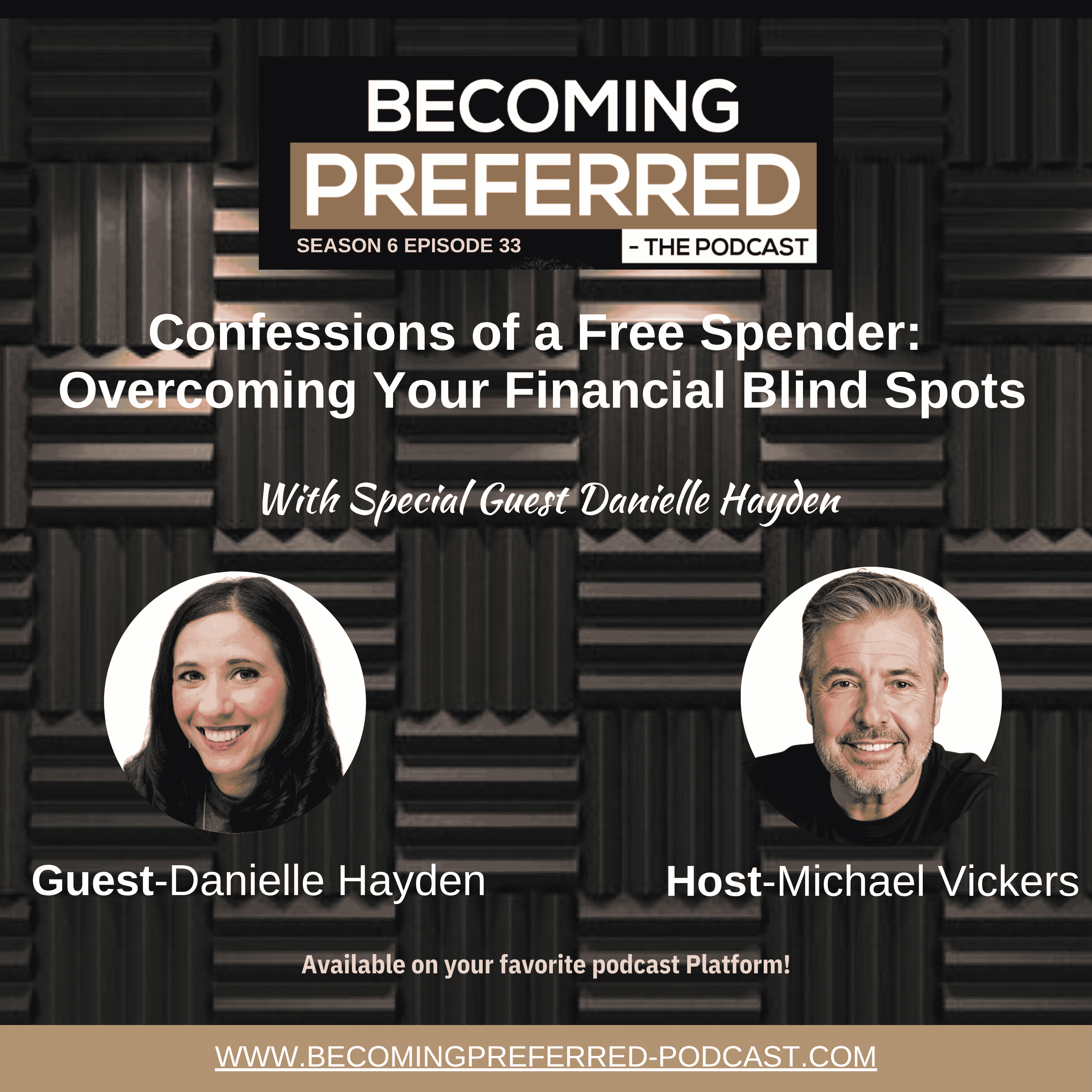 Danielle Hayden - Confessions of a Free Spender: Overcoming Your Financial Blind SpotsBecoming Preferred · on Cash Flow Management75 / 100
 Beyond Numbers: Business Leadership for CFOs Part 2Informed Decisions · on Cash Flow Management74 / 100
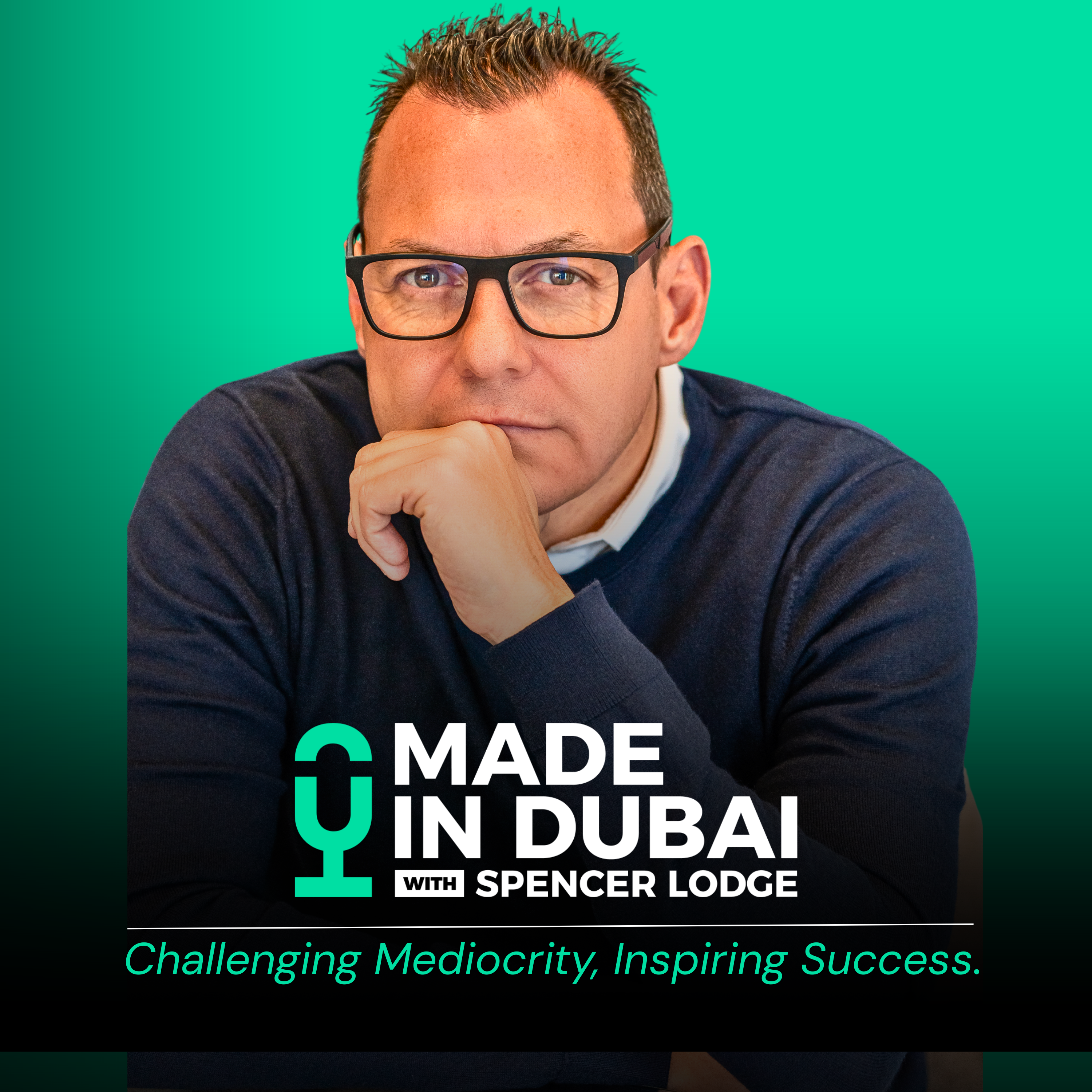 #404: Dennis McGettigan, From a House of Ten in Dublin to Dubai's Biggest Pub EmpireMade in Dubai with Spencer Lodge · on Cash Flow Management74 / 100
 What Fractional CFOs Really Do For Growing Businesses with Alison Bolt58 / 100
 The CFO Skill Nobody Teaches: Coaching and Human Leadership with Alastair Manson55 / 100
 How Fractional CFOs Actually Add Value with Jonathan Rosenzweig57 / 100
 Greatest Hits: Cash, Clients, and the Secrets Behind Growing Businesses82 / 100
 How Laura Taylor Built a £1M+ Firm That Won The Advisory Game72 / 100