
The Digital CX Podcast · 2025-03-18 · 34 min
Key moments - from our scoring
Substance score
52 / 100
Five dimensions, 20 points each
Justin Neal brings deep enterprise experience to a discussion about the practical realities of implementing digital customer success. Having worked at IBM during the early days of Gainsight adoption, VMware (through its Broadcom acquisition), and now consulting independently, he's seen how digital CS functions evolve and mature. The conversation focuses on demystifying digital CS for operations-minded leaders: it's not about replacing humans but enabling them to work at scale through coordinated technology, automation, and process design. Neal emphasizes a critical tension in the market - many companies are trying to solve 'do more with less' through digital without first establishing the operational infrastructure to support it. He warns against rushing into campaigns without contact data, escalation workflows, and lifecycle thinking in place. Yet he also advocates for pragmatism: perfect data and perfect processes shouldn't paralyze execution. At VMware, the team was willing to do manual work initially to get started, validating hypotheses with imperfect data while building toward sophistication. Neal's consulting work with startups and enterprises like Schneider Electric increasingly focuses on helping organizations think holistically about where digital lives structurally and how it partners with existing CS operations teams.
Digital CS uses technology and automation to build scalable customer engagement at volume, targeting segments like SMBs and tech-touch accounts that can't receive manual CSM attention. Regular CS ops focuses on the processes and tools supporting direct customer relationships, while digital CS specifically builds journeys, campaigns, and automated plays within those tools to touch customers who would otherwise be uncovered.
There's no single model - some companies run digital through CS ops as a unified function, others have separate digital CSM teams supported by ops for data and reporting, and others embed ops-trained people within CSM teams to build self-service campaigns. The right structure depends on company goals, available talent, and whether you want centralized control or distributed ownership.
Attempting to launch digital campaigns and motions without establishing the operational backbone first - including contact data quality, escalation workflows, renewal handling, and lifecycle thinking. This creates inbound demand the team can't manage and makes the program unsustainable.
No - companies should identify the minimum viable data and messaging to get started, even if it means using general communications or doing initial manual work. This allows you to validate your approach, learn, and build sophistication with real data over time rather than endlessly preparing.
If these teams don't align around the shared goal of customer retention and growth, competing priorities (like pulling logos or hitting short-term revenue) can undermine digital initiatives. Friction between teams makes it harder to build sustainable digital motions and causes scope creep.
Our reviewer’s read on each dimension, with quotes from the episode.
The episode covers familiar CS ops and digital CS concepts with some practical observations, but relies heavily on platitudes and general advice rather than novel frameworks or counterintuitive claims. Key insights about starting imperfectly, managing data constraints, and aligning cross-functional priorities are useful but well-trodden ground.
You don't have to have it all figured out on day one. You can grow as you build.
I think a common theme, especially this year, is more with less.
The guest rehashes standard CS ops positioning without fresh frameworks or contrarian views. The story about a Ford dealership and a birthday party venue illustrate execution but don't represent original thinking about digital CS strategy.
It's the idea of using the technology, the tooling things in place to build at scale, build for an automation, build for something that's going to be much more impactful than just an email or one phone call or one action.
Digital CS or this type of motion to kind of solve that.
The guest has solid credentials with relevant experience at IBM, VMware, and SolarWinds, and is actively consulting. However, he's positioned as a practitioner-turned-consultant early in his independent journey rather than a recognized operator at the top of scale now. His depth in CS ops tooling is genuine but somewhat niche.
I started out of college, you know, a bright young lad and wasn't really sure what I wanted to do so you know, got into a little sales, a little bit into IT recruiting.
I was lucky enough to then use that experience to, to shift over to a much larger company than IBM... IBM... back in 2018 when CSOPs, gainsight, digital CS, that was all still in its infancy.
The guest provides company names (IBM, VMware, SolarWinds, Schneider Electric) and references specific tools (Gainsight, Pendo, WalkMe) but offers minimal concrete data, metrics, timelines, or measurable outcomes. The Ford and birthday venue stories are anecdotal rather than evidence-based.
At that time it was, how do we set this up? How do we build it out and then kind of collect data and gather the information that we need to then make better Decisions and kind of build actions around that.
Like, oh, well, it actually makes more sensorship this way.
The host asks competent setup questions and follows up on the guest's background, but rarely pushes back, probes assumptions, or creates productive tension. The conversation is collegial and pleasant but lacks the sharpness needed to extract genuinely novel thinking. Few hard questions about trade-offs or failures.
Yeah, for sure. And you're right, like those experiences between, you know, small startup and large enterprise business are massive.
Yeah, that's awesome.
Computed from the transcript - who did the talking, and the words that came up most.
Justin Neal, a digital customer success expert with a long pedigree in operations, joins the show to break down the fundamentals of digital CS, the power of operational alignment, and how teams can drive impact with limited resources. He and Alex discuss starting small with automation, the key to a successful first 30 days in CS, and standout examples of digital excellence in action. Chapters: 00:00 - Intro 03:11 - From sales to digital CS mastery 05:00 - Startup vs. enterprise: learning the ropes 06:13 - Consulting, Broadcom, and new ventures 08:08 - Digital CS explained in simple terms 10:30 - Ops and digital: a powerful partnership 14:43 - Doing more with less in CS 19:39 - Start small: digital CS doesn’t need perfection 21:05 - Nailing the first 30 days of CS 23:52 - Seeing digital excellence in the wild Enjoy!
Transcribed and scored by The B2B Podcast Index.
Speaker A: This episode of the Digital CX Podcast is brought to you by, well, me and the Digital CX Masterclass that I've spent the better part of two years building. This extensive course is designed to help fast track you to Digital CX mastery. More on this later in the show, but check it out@digitalcustomersuccess.com masterclass. Now, on with the show.
Speaker B: You don't have to have it all figured out on day one.
Speaker C: Exactly. Shine that light across the leaders and let them know it's okay. You don't have to be perfect with day one. You can grow as you build.
Speaker B: Yep. And yeah, stuff's going to go wrong, but, you know, that's how you learn.
Speaker C: Exactly.
Speaker A: Once again, welcome to the Digital Customer Experience Podcast with me, Alex Turkovich. So glad you could join us here today and every week as we explore how digital can help enhance the customer and employee experience. My goal is to share what my guests and I have learned over the years so that you can get the insights that you need to evolve your own digital programs. If you'd like more info, need to get in touch or sign up for the weekly companion newsletter that has additional articles and resources in it. Go to digitalcustomersuccess.com for now, let's get started.
Speaker B: Hello and welcome back to the Digital CX Podcast, the show where we talk about all Things Digital in CX. It's episode 95 and we're back to the interviews today. Uh, today I'm joined by Justin Neal, who is a digital CS operations guy
Speaker A: and, uh, all around super smart, super experienced, lots of stuff to share.
Speaker B: He's got an incredible background, including stints at companies like IBM and VMware and SolarWinds. He's done some consulting, has a ton of certifications to his name. Uh, so he's very well experienced, super knowledgeable, and brings, uh, a lot of great little tidbits to the table. Please enjoy my conversation with Justin Neal, because I sure did. Justin, I want to welcome you to the DCX Podcast. It's super nice to have you. I appreciate it.
Speaker C: Thank you. Thank you.
Speaker B: Yeah, for sure. I think we have lots to talk about. Okay. So of course I do a little bit of digging on my guests and do some, you know, LinkedIn stalking as you have to.
Speaker C: Sure.
Speaker B: And it is insane to look at your profile because you have a lot of cool kind of work experience. Right. IBM, VMware, I think I saw maybe SolarWinds and part of an acquisition, maybe something like that.
Speaker C: Yep.
Speaker B: But you have a crap ton of certifications. You have a master's degree. I think you're working on your mba. Like do you have time for anything else? Like what's going on with that?
Speaker C: Yeah, I, I, I try to stay, you know, stay busy and I found both uh, all these things to be very enriching and helpful as I continue to learn. And now I think learning is a lifelong journey. Right. And I hope to teach my kids that too. And I kind of want them to see me as a, a doer dad that's always kind of looking for stuff and finding out information and learning new things. So I think it's important to steal those values. So I certainly try to live those myself as well.
Speaker B: That's really cool. Awesome stuff. Like, you know, obviously a lot of it is ops related. No surprise there, some good artificial intelligence stuff. So I love folks who are staying current with those kinds of things. Give us a little bit of a taste of, you know, your background and what led you to where you are today and what you're doing today.
Speaker C: Yeah, so I would say my experience has been a little bit, you know, it's, it's shifted, it's changed a bit through time. I uh, started out of college, you know, a bright young lad and wasn't really sure what I wanted to do so you know, got into a little sales, a little bit into IT recruiting. Kind of opened the doors for, oh, this whole world of tech and IT and you know, what can I do with that? Where can I go? I knew it wasn't really looking to stay in recruiting forever, but then I kind of landed in an account management role at a really small startup up and then shifted over to the uh, early version of customer success at a small startup that was kind of looking to grow and continuing to grow. And I was I think second or third CSM M hire back in 2015 and that was the company that then was acquired by SolarWinds. So I kind of steered the ship towards that CS focus again when CS was brand new but the function was kind of being built out. And then from there I learned kind of both the, what CSM does and how CS works and the introduction to that and the upsides of the backside of that of building out a gains on instance, understanding how those tools connect and what kind of the admin type of work is. And that sort of interested me and I sort of gravitated towards that and was lucky enough to then use that experience to, to shift over to a much larger company than IBM. And this was again back in 2018 when CSOPs, gainsight, digital CS, that was all still in its infancy. So I was lucky enough to be a part of that wave and part of that experience when it was brand new, especially a large enterprise company like IBM. So. And since then I've really been lucky enough to again kind of be a part of the industry, part of those experiences, part of the growth of all this to kind of what it's become today.
Speaker B: Yeah, that's cool. What a, what an awesome journey. Sounds like you got in at the right time too.
Speaker C: Timing is as I say, timing is everything. And uh, I think it certainly was a key piece for me.
Speaker B: Yeah, timing is everything for sure. And yeah, and you earned your Gainsight stripes, which is awesome. Anybody who's, who's been deeply involved with Gainsight, uh, implementation or managing a Gainsight instance, I have mad props for having been there, done that. Uh, it's fun.
Speaker C: I don't think I realized. So I went from like the small like tiny startup to IBM and like the extreme difference was so crazy to me.
Speaker B: Yeah.
Speaker C: And I don't even think I realized how complex even an IBM was because that uh, was like my first true experience with a large scale kind of CRM tool and those integrations and then even going from there to some of the other companies I've been, I'm like, oh wow, IBM was even a more complex beast than anything else even I've seen since then. So it was a nice first taste into that sort of experience.
Speaker B: Yeah, for sure. And you're right, like those experiences between, you know, small startup and large enterprise business are massive. It brings me back to my days at Dell where it's like a few hundred other people within the same organization doing the same thing.
Speaker C: Right.
Speaker B: Super fun. Cool. So what are you doing today?
Speaker C: So today I have um, been venturing out on my own doing a little consulting. My time with VMware wrapped up mid last year. We were a part of the Broadcom acquisition. I think that was a pretty big well known story. So that all happened late 2023 through mid 2024. I had a transition role where I helped kind of export some data. Some kind of last minute gainsight changes things like that. That was last summer. I took on a short term consulting role at Schneider Electric. So they're kind of dipping their toes into the CS post sales, CRM SaaS digital transformation space. So they were kind of looking just for some general guidance on what does that look like. And I kind of realized that I enjoy doing that. I enjoy looking at it from a larger Scale from a broader perspective and with the experience that I've got at these enterprise level companies, I can definitely provide some insights and value onto that. So, Brian style a little bit on my own, doing a bit of my own consulting at the moment. So I've had some conversations with some smaller companies, some startups and people looking to kind of get into the experience. So that's been great and enjoyed doing that while I have, um, them on the search.
Speaker B: Yeah, that's great. I love it. So as part of your, you know, consulting world that you're in right now, as well as just in general helping others understand what it is you do, one of the things that I have routinely asked guests on the show about is how they describe digital CS or CX in kind of layman's terms to folks who don't really get it because I mean even some CS folks, uh, there's still some gray area or some kind of this black box phenomena that happens with CS folks as well as to, oh, whether we have digital CS or not, there's a lot of gray area around it. So how would you describe it to somebody who you were helping get their arms wrapped around digital?
Speaker C: Yeah, when I think about this, I think about again way back to IBM days when we were starting to build what now is digital cs, but at the time weren't even sure what to really call it. It was basically how do you build for the scale, how do you build for kind of a larger motion than this manual touch points? These things that our systems are doing, they're taking all their time up. So to me, it's the idea of using the technology, the tooling things in place to build at scale, build for an automation, build for something that's going to be much more impactful than just an email or one phone call or one action. It's meant to be a true digital or a true automated outreach. So something that's designed to be built at scale, built for many different use cases, it can be applied to many different things and it can be through email, in app, uh, you know, different types of communication tools. But really it's the idea of building a practice, building a solution that's scalable and that's, that can be built out for different things.
Speaker B: Yeah, I love that you led with the human element of it because I've talked about it on the show Till the cows come home. But the fact that a lot of folks make the mistake of thinking that, you know, digital is purely tech touch and it is that. Right. But a big part of it is also putting stuff in place to make sure that your humans are operating as efficiently as possible, which, yeah, I think is super important. And also, I mean, it kind of lends to my next question.
Speaker A: Right.
Speaker B: So, uh, you and I are both taking part in, um, Maddox Summit that's
Speaker C: coming up April 10th. Because.
Speaker B: April 10th. Hey, so by the time of you're listening to this, it's about three weeks. So Matic is having the summit where, you know, you and I are both speaking at it. And I think one of the things you're talking about is related to how ops and kind of digital intersect. But I think one of the things that I found with digital is that invariably the work of an operations team and the work of a digital team is intersect squarely. In fact, there's a fair amount of folks who are running their digital program out of ops, not necessarily as a separate kind of situation. I wondered without giving too much away, because I know you're talking about this at the summit, but have you seen that evolve over the last decade or so with regards to where digital lives and how they intersect with ops?
Speaker C: Absolutely. So yes, I do plan on covering this in detail about a month from now. So definitely, if you have a chance to listen, please join the summit. And if, uh, this is something of interest to you, which hopefully it is, please, uh, uh, feel to join that. So for me, I've been lucky enough to kind of again be a part of that since those IBM days early on, where we're looking at a tool like Gainsight and we're building it out as a CS ops team, figuring out all the different use cases of it, the different functionalities, including the email campaign functionality and the, the ways you can build communication with the tool and you realizing that is a part of what the strategy for CS is, not just, you know, building out a notion of what systems are going to do with their high touch accounts or day to day, but also the scale, the SMB, the tech touch segment. Again, back in IBM, this was a ton of customers, a ton of different. A segment that just had not been touched has not been seen. We didn't really even know how to where to start with that. Right. So it was essentially building that as a part of the OPS arm and building out these journeys and these plays and all these different things to kind of target those customers for the first time. So at that time it was, how do we set this up? How do we build it out and then kind of collect data and gather the information that we need to then make better Decisions and kind of build actions around that. But it's all built around the pillar of csops because you need those functions in place be able to truly support that. So I would say the two can work hand in hand. Sometimes I've seen it like a UKG and a VMware where Ops sits in a separate seat and is supporting the CS function, the digital CS function. Sometimes I've seen it where digital CSMs can come in and actually I uh, train them on how to use gainsign and how to use some of these features and so then they can do that self service support where they're building their own campaigns and they're building their own kind of journeys and I'm there to maybe support that with reporting or with kind of actions or things in gainsight to then help them with that or sometimes just integrating with other tools like a Pindo or a walk Me or in app or some sort of tool that also kind of pulls into the gainside and then you're seeing it as kind of a larger csops function but again all focused on digital metrics and digital kind of motions. So uh, I've been lucky enough to again kind of see it in some different perspectives in different ways but they do go hand in hand and there's certainly ways to strategically kind of plan where both can work in parallel towards those larger goals.
Speaker B: Yeah, you know I get asked a lot about how to properly structure a digital CS team or structure their organization around digital CS and it annoys people when I answer it this way. But my answer is it really depends on what you're trying to accomplish and it depends on honestly who you have on your team too. Because you know, a lot of times fundamentally uh speaking right when it comes
Speaker A: to digital there, there is a customer
Speaker B: facing element of it whether that's a scaled team or digital CSMs or whatever you call them. M Right. There's kind of like this, the, the human facing element that is a result of some of these digital motions. But then you've got to have folks on the team who are specifically tasked with creating these motions and building these motions and planning out how they're going to be implemented and what's going to happen, what the customer experience is, which tools need involved, what data do you need? Like the list goes on and on. Right, right. And I think that's an interesting thing to think about where okay maybe you have a program manager or a project manager or a set of program manager that are tasked with building these digital motions and that's like where the Partnership between operations and the ownership of the tools and the data comes together as, as basically this partnership to make it work. But again, like, I think you nailed it on the head when you said there's any number of ways to go about doing it and you happen to have experience in a lot of those ways.
Speaker C: Yep, absolutely.
Speaker B: Yeah. Do you, as you're advising some of the customers that you're working with, are there any kind of trends that you're seeing currently in terms of what people are working on or things that you feel are common misnomers? I guess what we're trying to do is get a little bit of free advice to the audience. But, like, what are you seeing out there?
Speaker C: I think a common theme, especially this year, is more worth less. I think it's a lot of smaller, maybe companies that are still trying to figure out how to invest in cs, whether it's a startup that I'm talking to that's, oh, they have a CSM and have cs, but they don't know how to cover all these accounts, so they need to figure out how to cover more with the limited technology they have in place or the least amount of work that it would take to do that. So a lot of the time just trying to solve those issues of, uh, we have all this revenue it's uncovered, we don't have enough bandwidth to do that. So they think of things like digital CS or this type of motion to kind of solve that. And I have to kind of be, say, be careful about that because until you have the right, again, ops motion or tooling in place or the practices in place where you think you can kind of deal with all the different things you're going to have to deal with, like escalations or, you know, renewals or all the different functions that an OPS team or an OPS tool can support, you may not want to go down this path. Right. Because you need to be able to think through the whole customer life cycle and how to support that. Whether it's, I mean, if you have a CSM that can do that, sure. But if you're talking about a scale, you may not have the bandwidth. The deputy desk. So even if you can send out communication and maybe have someone that kind of manages that, you still need someone to, to really build the operations piece underneath that, to be able to support her for getting the full customer's life cycle.
Speaker A: Hey, I want to have a brief
Speaker B: chat with you about this show.
Speaker A: Did you know that roughly 60% of listeners aren't actually subscribed to the show? On whatever platform they're listening to it on now.
Speaker C: Ah.
Speaker A: As you know, algorithms love likes, follows, subscribes, comments, all of that kind of stuff.
Speaker B: So if you get value out of
Speaker A: the content, you listen regularly, um, and you want to help others to discover the content as well, please go ahead and follow the show.
Speaker B: Leave a comment, leave a review, anything that you want to do there, uh, really helps us to grow organically as a show.
Speaker A: And while you're at it, go sign up for the companion newsletter that goes out every week@digitalcustomersuccess.com now back to the show.
Speaker B: Yeah, that's so, so valid. And another theme of the show recently has been like, hey, you can't really do a lot unless you have the data in place. But then I think you bring up an amazing point about, um, the operational back end of that. Because if you're going to go send out a bunch of emails on a specific thing, you better be ready to handle some of the inbound responses that come about. And that's something, uh, you got to think about, like, what does that holistic lifecycle look like?
Speaker C: Yeah, and you bring up a couple of interesting points there because you may think, you know, you may think you have kind of this playbook or an idea, and again, you may be limited on what you can staff, how you can staff it again. I think a lot of companies are trying to scale on that as much as they can, and I think sometimes it's some alignment where you have to ensure that the CS team ops revenue product, like the idea is truly to grow a customer base, grow usage and ultimately hit to renewals. Right. So if your goal is, if everyone's bought into that goal of we need to keep our customers happy and keep them around, then great, we can all kind of agree on that and build the function toward that. But if sometimes there's competing priorities, where revenue is more important or our brand names are more important, or pulling in more logos is super important and they're not thinking about the long term, there can be some friction there. You can think about, oh, well, it actually makes more sensorship this way. And um, it's the whole idea of CS really in general kind of being re emphasized, uh, in that way.
Speaker B: Yeah, and those things can be a massive distraction too. You know, I've been part of organizations where there's definitely like a flavor of the month and the flavor of the month gets all the attention and then the running the business piece doesn't get all the attention. So that's another really good benefit of having a digital and an ops team is that you can rest assured that while you're focusing on some of that flavor of the month stuff that you've got regular like day to day customer operations in check.
Speaker C: Right? Absolutely. And we, it's funny, you also just touched on data and I'm thinking about how some of the times like I work with the team and they would say, oh, we want to send all these campaigns out, we want to do all this great work, but we don't have contact data in place yet or we need to figure out how to pull the right data in before we can do that. And it's definitely uh, a balance of yeah, I get you want to wait, but I also think you got to start somewhere. So where is it where you have enough to work on, but that's not the final product. So you're just kind of starting with something in it like a VMware. We were willing to kind of do some manual work to just to get started. Right. And we were just willing to try things. And I think especially at some of these companies, like you have to just be willing to give it a shot, get some data in there and then start working with what you have rather than waiting for everything to be perfect. Right. It's definitely a balance of having to figure out where that point is.
Speaker B: It's really good advice. And I've been part of situations where execution has stalled because we didn't live in the perfect world that we thought we lived in. You know, where you don't have to go right out of the gate with like hyper personalization.
Speaker C: Right.
Speaker B: You uh, can keep things general enough in your communications to where you're still conveying the message, you're still getting the information out there. It might be kind of a spray and pray approach or you're just getting it out to absolutely everybody. But if you keep it general enough, I think that's a great way to start and to learn and to figure out what's working and what's not working while you work on, you know, the data cleanliness. You don't have to, you don't have to have it all figured out on day one.
Speaker C: Exactly. I uh, that would shine that light across the leaders and let them know it's okay. You don't have to be perfect. With day one, you can work as you build.
Speaker B: Yep. And yeah, stuff's going to go wrong, but you know, that's how you learn.
Speaker C: Exactly.
Speaker B: Are there like digital motions that you have seen or experienced yourself, um, or built yourself that you think are kind of top notch or really cool or stand out in certain ways? Like are there other things that you've encountered in your career or in recent times where you've been like, oh, that's a really cool thing, you know, I wish more people did that.
Speaker A: We'll be right back with this episode. I gotta go pay some bills. As mentioned at the beginning of the show, I'm self sponsoring this episode and I wanted to talk to you briefly about the Digital CX masterclass. Now I started this podcast as a way of unifying a lot of information about digital CS because I just wasn't finding it out there. And one of the recurring questions that I get is where can I go to take a course on digital cs? Now there are some organizations that have a few courses here and there. Uh, they're not massively extensive, they don't have a bunch of templates and resources associated with them. And so I wanted to change that. I've spent the last couple of years putting together a pretty extensive course structure that spans six parts, a little over 50 modules, uh, a lot of video based content. But it also includes things like practical templates, upwards of 150 different templates that you get access to. There's a community where you can chat with other digital CX leaders and myself. There's also access to the chatbot that I've developed that is trained on the content of the show and the masterclass and a bunch of other stuff that I have developed. So if you're a new digital CX leader and you're trying to fast track your way on board, or you're a leader that wants to upskill their team, or you're an individual contributor that's just trying to get way better at Digital. Go to digitalcustomersuccess.com masterclass There is a self paced version there and I am doing live cohort based sessions about once a quarter. So go check those out@digitalcustomersuccess.com masterclass. Now let's get back to this episode.
Speaker C: Yeah, I mean I think a few things. So I think number one is the most important thing to build with Digital Motion is that early on relationship it's when a you have to ensure there's a clean handoff or a clean and very much understood approach of uh, when the customer becomes a customer, when the sale happens and we're passing them over to cs, what does that mean, what does that look like, how is it scaled and then what sort of communication or how are we handling that from a digital perspective, right? Is it, do we send an email introducing everyone, do we have kind of a three step where we introduce you here, then we set up a time here and then we do a follow up here. And it's very much important, I think would say it's very important to be thoughtful on how that is done because that is your first 30 days or so post sale and you're really building that rapport. You're really kind of building that trusted relationship. So even if it's a scaled model or a digital or one to many model, it's still the idea of you coming across as hey, I'm here for you, I'm here to help, I'm here to be your customer success person. And again, Whether it's a 100 emails you're sending out to different customers, but it's kind of the same consistent template and same process that should be really ironed out I think from the first uh, one as one of the first motions that you create.
Speaker B: Yeah, totally. I dig it. There was a. I'm trying to think who the company was. Oh, it was Ford. I just bring it up because the other day I experienced a pretty cool kind of situation with Ford where I had to take a car in for some service or whatnot. And this dealership had their stuff, like their digital stuff just figured out, fully figured out. And you don't think about that with car dealerships necessarily. Like you think of this like clunky, disjointed situation.
Speaker A: So I don't.
Speaker B: I want to get more information as to what was behind all of that. But long story short, I won't go into the super details but the email communication and the text communication and the phone communication were all intertwined in a way where there was contextual relevance being passed between all of the separate conversations. And I'm guessing there's some like cool transcription stuff happening there. I don't really know. There's definitely probably some artificial intelligence there. But base basically when I was exchanging actual messages with my service advisor, he uh, had kind of full awareness of everything else that was happening with me in terms of the communications and the status of the car and the status of my loaner that they gave me
Speaker A: and all this stuff.
Speaker B: I was like, Jesus, like why can't we all do that?
Speaker C: Yeah, that's awesome.
Speaker B: But I love seeing that stuff in the wild because those are the things that give you all, you know, the ideas and spark things. And I think, you know, B2C has always been real good at that.
Speaker C: Yeah, I think you're right. I recently had a birthday party for my now 5 year old and about a month ago we were trying to figure out where to have it and so we started kind of narrowing down places. We found this play place locally owned, you know, a little while from here. So I inquired. They were really quick to get back. They sent very specific follow ups, they sent very specific pricing information. It was very easy to kind of get what I needed from them. And it made it easy to make that decision of okay, here's what I feel like it's going to be like. If we have it here, it'll be as easiest for us as possible. Because when you're kind of trying to organize this kind of stuff, you're just make sure it's a location that's easy enough for everyone to get to. You can get in, get your stuff together, you know, have everything ready for you and then you can get out. And we learn again as parents of growing children that uh, having it somewhere else and having that kind of all done for you is definitely the way to go or it's a much easier experience. So being able to kind of communicate with them directly, them sending us emails and kind of setting up a personal site for us and uh, it's an evite to get invites out and then following up with how many are coming and just all that communication was very much done digitally. And I know they have like dozens of birthday parties a weekend so I know this isn't something that they do manually. Right. So I had to think, man, they must have some really good back end process here to do this right way and to make me as a customer feel like this is, I'm important to them. Right. So I said that's a nice shout out example of a company that uh, is doing it right.
Speaker B: That is such a churn and burn business. My wife and I used to run a cooking school for kids and our bread and butter on the weekend was like kids birthday parties and oh my God, this was, I mean I'm dating myself but this is you know, 15ish years ago. So we were still on paper man. It was like a paper notebook, all the details are written down there and coordination and all that kind of stuff. It took so much time to do that. And uh, I'm guessing there's probably a vertical sass software out there for like you know, birthday events, places and if there isn't then we need to jump on that, right?
Speaker C: Oh yeah. And especially like not only being, organizing yourself but going to other people's where you're like, wow, sometimes it's great and sometimes it's like, this is a mess and I don't really know what's going on. So there's definitely a difference.
Speaker B: Yeah, exactly. That's cool.
Speaker A: Well, awesome.
Speaker B: As we kind of wind down, you know, one thing I always love to do is ask people what they're paying attention to and what's in your content diet in terms of books and podcasts and whatever. Like, what do you pay attention to to. To keep yourself up to date? I know LinkedIn learning is probably in that list. I don't know.
Speaker C: Yeah, absolutely. Yeah, I've been trying to consume more content. You know, I've had a little more time to do that lately. So, as you kind of hinted at, uh, I jumped out some certification opportunities from actually from Pindo. They have a series called Mind the Product. And while it's a little bit of a shift from cs, it still kind of can be applied. And I can see a direct application to CS because it was about AI for product management and understanding product data and how kind of to capture that. And Pindo is such an interesting tool because of what it is and what it does and how much it collects. And one of the challenges I think that I've noticed in a role where you're dealing with that is how much data you're getting, how much noise there is and how hard it is to kind of dig through that and find relevancies. So, yeah, those minor product courses for me were really valuable and really something I found to be truly helpful. So that's one area that I found to be great. Obviously, keeping up with all the CS tools, Gain side, Pub spot, all those guys and what they're doing and their shift, especially on, like, the AI side. And all Nick's posts about what he's learned about AI, it's like, so fascinating to kind of learn how much is changing, even week to week with him. So that's been great. I have a plug for a podcast, Rebels of Sass with Dan. Yeah, yeah, she's great. And yeah, just really cool to hear some of the stories on different perspectives, different changes and kind of the way people, uh, are approaching these issues. So I love that. Um, I'm going to shout out my CX Exchange folks. So Jan Young and her newsletter and some of the folks that are involved with that. So that's great. I'm involved with CX Exchange as well. Happy to be a part of that group. And this is a great community. Um, also Plug Success Panda, which is another great resource for folks looking to either get into CS or get some internship. I'll be appearing on a panel, uh, in a couple weeks on digital customer success for them. Uh, but it's just a great resource for anyone that is looking to develop in cs. So lots of great resources there as well.
Speaker B: Yeah, that's awesome. Those are all real good plugs. And then also, I mean, there were already some shout outs in there, you know, but are there any other shout outs that you'd want to give to folks doing cool stuff in digital?
Speaker C: Yeah, I, uh, say Kat who was on last week. I love her weekly post. She's great. And of course all the other folks that are presenting at the Mattech Digital cs, uh, summit. So that's going to be great. And really if I'm sure a lot of them have been on here before, but if not, then I'm sure you'd love to have them on. But really a lot of great thought leaders in that space.
Speaker B: Yep, awesome. That sounds good. Well, look, we're doing the Matic thing in a few weeks. Sounds like you're doing some stuff with Success Panda too, which is great. That always good resources. Where else can people find you, engage with you and to learn more about you?
Speaker C: Yeah, so my LinkedIn's very active. Um, I'm on there posting pretty frequently. I've got a substack that I write pretty exclusively about csops Digital cs. I post articles in there pretty much weekly about kind of that journey. Also kind of some reflections on my MBA and how that kind of correlates to cs. I've got my LLC set up my consulting, so you can certainly find my website there and kind of learn what sort of services I'm offering.
Speaker B: Uh, what's your website? Let's plug it. What's your website?
Speaker C: It's just success. Wavesolutions LLC.com Cool.
Speaker B: Justin, thank you so much for the time and all the knowledge and the insights. Super appreciated and yeah, see you in a few weeks. But again, appreciate you coming on.
Speaker C: Thank you, Alex. Thanks for having me.
Speaker A: Thank you for joining me for this episode of the Digital CX podcast.
Speaker B: If you like what we're doing, uh,
Speaker A: consider leaving us a review on your, your podcast platform of choice. If you're watching on YouTube, leave a comment down below. It really helps us to grow and
Speaker B: provide value to a broader audience.
Speaker A: You can view the digital customer success definition word map and get more information about the show and some of the other things that we're doing@digitalcustomersuccess.com this episode was edited by Lifetime Value Media, a media production company founded by our good mutual friend Dylan Young. Lifetime Value aims to serve the content, video, audio production needs of the CS and post sale community. They're offering services at a steep discount for a limited time, so navigate to lifetimevaluemedia.com go have a chat with Dylan and make sure you mention the Digital
Speaker B: CX podcast sent you.
Speaker A: I'm Alex Turkovich. Thanks so much for listening. We'll talk to you next week. As mentioned throughout this episode, go check out the Digital CX masterclass@digitalcustomersuccess.com masterclass I look forward to seeing you in the classroom.
Other episodes covering the same guests and topics, from across The B2B Podcast Index.
 Future Proof: The Future Mortgage ProfessionalFuture Proof · features Justin Neal62 / 100
 CELab - Ep 185 - The Four Faces of AI Resistance: Eve Kedar on Why Customer Education Should Own the AI RolloutCELab: The Customer Education Lab · on Gainsight77 / 100
 Eliminating Bad Execution: Making Strategy Work with Daniel MälsjöStrategy Candy · on Customer experience64 / 100
 Hijacking the AI Hype: Why Your "Automated" CS Strategy is a TrapThe Rebels Of SaaS · on Gainsight63 / 100
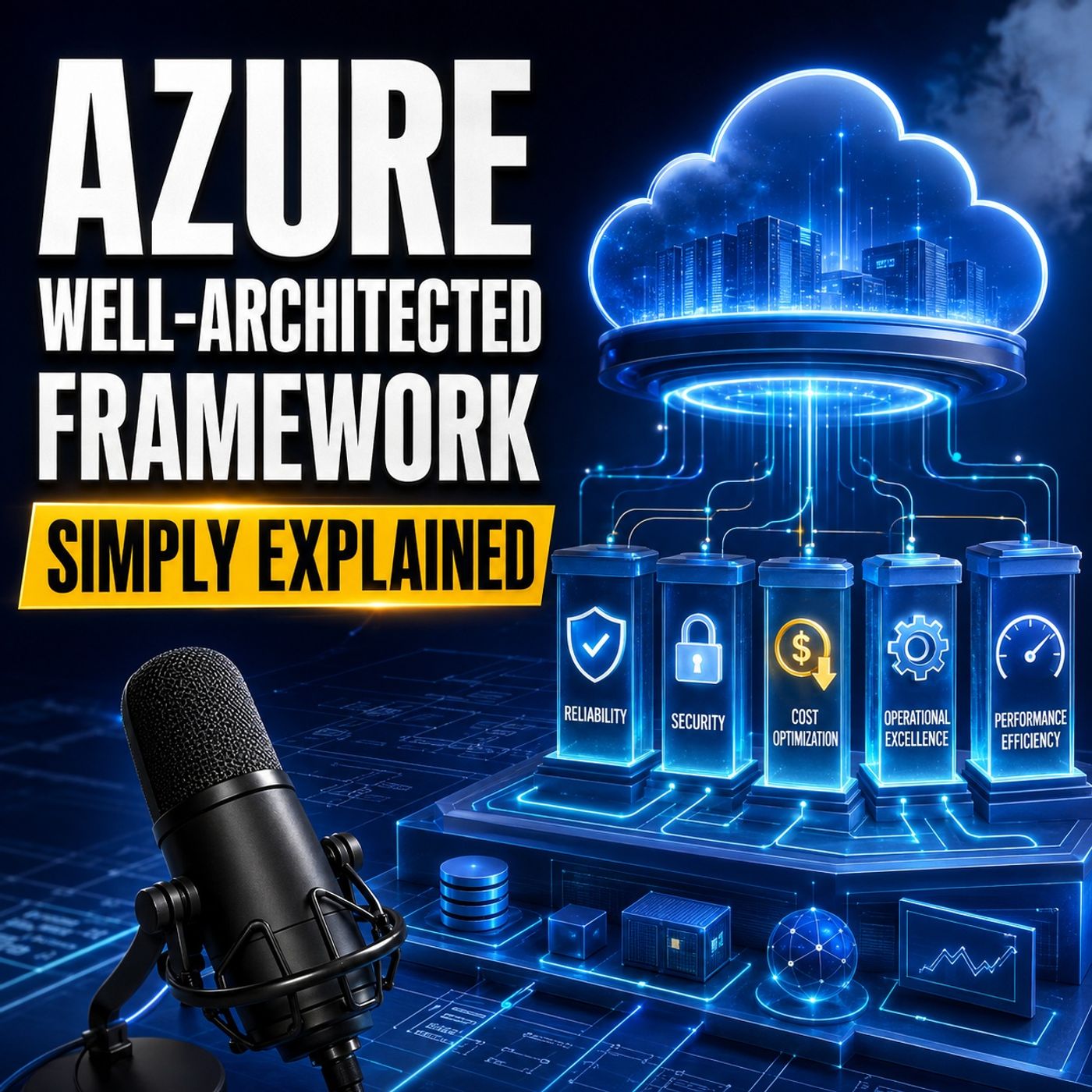 Azure Well-Architected Framework - Simply ExplainedM365.FM · on Automation63 / 100
 Ep 173: How to Upskill Leadership Skills in the AI Era with Jacki LutzThe Limitless Leadership Podcast · on Customer experience48 / 100
 Digital CX with Real Impact: Kat Kenny on DAP, AI, and Customer Education | Episode 10880 / 100
 Why Culture is Key to AI Transformation in CX with Eric Mistry of Zapier | Episode 10665 / 100
 Live Vibe Coding Session: How to Build Your Own Suite of CX Tools | Episode 10547 / 100
 The Biggest AI Unlock for 2026: Scheduling Tasks in Claude | Episode 10448 / 100
 Unlocking CX Efficiency with Claude, not ChatGPT: Co-Work and Skills Explained | Episode 10359 / 100