
Retail Media Moguls · 2025-02-06 · 30 min
Key moments - from our scoring
Substance score
53 / 100
Five dimensions, 20 points each
Alice Anson, Director of Digital Media and Nectar360 at Sainsbury's Group, outlines how the retailer is transforming from spreadsheet-based campaign management to a sophisticated omnichannel retail media operation spanning 820 in-store digital screens, a proprietary DSP serving 100+ brands, and post-checkout loyalty integrations via Citrus Advertising and ROKT. Over six years, Anson has built a 60-person campaign team managing thousands of campaigns annually while scaling Nectar360 to 200+ staff across data, planning, and client services. The discussion covers Sainsbury's multi-product suite - including sponsored search, branded shops, homepage placements, and a digital trading platform connecting social, web, video, and connected TV - all powered by Nectar's 8 million customer loyalty database. Anson emphasizes phygical (phyical-digital) integration: using cross-shopping behavior, customer sentiment data, and store foot traffic metrics to serve contextual creative through Clear Channel screens in power aisles and newer concept stores like Kiln Lane, where 80 digital screens replace traditional POS. This episode is essential for retail media strategists, brand marketers working with grocery retailers, agency planners evaluating omnichannel activation, and retail tech leaders building connected measurement frameworks.
By end of Sainsbury's financial year, approximately 820 screens are planned across the Sainsbury's Live ecosystem, split between external screens at store entrances and internal power-aisle screens managed through a partnership with Clear Channel. Concept stores like Kiln Lane feature around 80 digital screens including digital headers, interactive displays, and smart shop handsets, all designed to replace traditional point-of-sale rather than add clutter.
Sainsbury's leverages Nectar loyalty data to understand cross-shopping behavior, full customer journeys, and search-to-conversion patterns, combined with Sainsbury's Insight Platform analytics, store foot-traffic metrics, weather data, and pollen data. This enables segment-level personalization - serving different creative to value customers versus ethically-minded shoppers - at the right moment in their journey.
The analytics team monitors pre-post control stores depending on campaign objectives and uses Nectar's 8 million customer database for in-depth brand uplift studies via market research. Anson notes the business is moving toward productionizing brand snapshot studies at scale and aligning with ISBA and IOB standardization efforts to compete with programmatic and CTV metrics.
Sainsbury's launched a post-checkout non-endemic experience in partnership with ROKT to capture loyalty moments after purchase without disrupting the checkout journey. The offering delivers high conversion rates and helps brands build loyalty while customers are most receptive, complementing traditional endemic placements from Citrus Advertising.
The proprietary DSP serves in excess of 100 brands (representing major holdcos running multiple campaigns) and activates thousands of campaigns annually across social, web, video, and connected TV. Nectar360 as a whole engages approximately 950 different clients yearly, with Black Friday alone generating over 5,000 campaigns on Argos.
Our reviewer’s read on each dimension, with quotes from the episode.
The episode contains genuine operational specifics - screen rollouts, campaign volumes, team structure - but is padded with standard retail media mantras about 'right message, right time' and AI commentary that adds little a practitioner wouldn't already know. The useful nuggets are real but spaced out by filler.
I think we were upward of 5,000 campaigns over that period of time
around 80% of the sales still do happen for Sainsbury's...in a physical environment
The episode recycles widely-circulated retail media frameworks - phygital, data-driven personalisation, the 'AI is really just algorithms' point - without offering genuinely contrarian or first-principles arguments. The Clear Channel co-selling model is one of the more interesting structural details but isn't explored deeply enough to generate fresh insight.
AI is not a new thing. I think it's a new buzzword for us
retail media is just a media channel. Right. But you can't recycle a TV ad and then put it on a website
Alice Anson is a genuine practitioner who built Sainsbury's digital retail media suite from spreadsheets over six years - a real operator at scale, not a circuit speaker. Her credibility is demonstrated throughout by specific product, team, and partnership knowledge, though she stays largely at a strategic rather than tactical depth.
took over all of our on site retail media...At the point where everything was being done with spreadsheets it would take, you know, three months to get something onto the website to now where it is a matter of minutes
we work with around 950 different clients every year
The episode gives concrete numbers on team size, screen counts, client volumes and campaign counts, which is more than most retail media podcasts offer. However, it is conspicuously absent of any ROI figures, revenue contribution, CPMs, or conversion rate data - 'really high conversion rates' is cited but never quantified.
by the end of our financial year...the plan is to have around 820 screens within our Sainsbury's live eco system
Kiln Lane...has got around 80 different digital screens within there
The host asks reasonable clarifying follow-ups (how many advertisers, how is the Clear Channel inventory split) but frequently agrees, volunteers his own opinions, and rarely challenges an unchallenged claim. The Rose/Thorn/Bud closing device is a formulaic substitute for substantive final probing, and no tension or pushback is generated throughout.
Are they clear channel, effectively doing backfill or are you literally have you split the client base
I think gamification is just a huge piece of retail media. We've always used it for our partners
Computed from the transcript - who did the talking, and the words that came up most.
Welcome to the Retail Media Moguls podcast , hosted by Stuart Adamson and brought to you by Platform 195 . In this episode, Stuart welcomes Alice Anson , Director of Digital Media at Nectar360 , who shares insights into Sainsbury's and Argos’ innovative approach to retail media, their extensive product suite, and how they're bridging the gap between digital and physical retail experiences through data-driven strategies. The discussion covers: Building and scaling digital retail media products from scratch Managing thousands of campaigns across multiple retail brands Leveraging Nectar loyalty data for targeted advertising Innovation in physical store digital experiences The role of creative execution in retail media campaigns Future trends in AI and retail media technology With over six years at Sainsbury's and extensive experience in travel and retail, Alice brings valuable insights into how one of the UK's largest retailers is revolutionizing the retail media landscape through data-driven innovation and customer-centric strategies. Retail Media Moguls is handcrafted by our friends over at: fame.so This podcast is brought to you by Platform 195 .
Transcribed and scored by The B2B Podcast Index.
Welcome to the Retail Media Moguls Podcast brought to you by Platform 195. We share trends and strategies across retail media to help you accelerate your brand growth. I'm your host, Stuart Adamson. Welcome to the Retail Media Moguls Podcast.
I'm your host, Stuart Adamson, founder and CEO of Platform195. Today we have the pleasure of welcoming Alice Anson to the Retail Media Moguls Podcast. As the director of Digital Media and Nectar360, Alice plays a crucial role in bridging the gap between digital and physical or phijical retail experiences. With extensive expertise in building supplier relationships, marketing strategy and data driven insights, she has helped shape innovative customer experiences for major brands across the uk.
On today's episode we will be diving into the exciting rise of phygital retail media and discussing how this fusion of physical and digital touchpoints is transforming the future of consumer experience and brand strategies. Alice, welcome to the show. Thanks Stuart. Great intro as well.
I enjoyed that. You're very welcome. So tell us that you've had a dynamic career actually, you know, and in one of the biggest retailers there is. Tell us a bit about that journey and how long you've been there and tell us a bit about Sainsbury's and Argos.
Yeah, so I've been within the Sainsbury's group now for just a little over six years and my career before that really was across the travel and the retail space. So doing various different roles across kind of buying, marketing, etc. For brands like lastminute.com and I kind of came to Sainsbury's because I had those fond memories of a child of being pushed around in a shopping trolley on a Friday night.
But my mum really kind of just enjoyed the brand and my encounter with it and was really lucky six years to go to embark on my retail media career. Took over all of our on site retail media as we now know it. At the point where everything was being done with spreadsheets it would take, you know, three months to get something onto the website to now where it is a matter of minutes. And really over that six years of kind of built our, our digital retail media products from scratch.
So whether that be partnership or built expanded into off site Argos and yes, most recently been really lucky to start taking on some of our digital space in store and what we think about doing with that as a brand. So it's been a wild ride and definitely one that I've enjoyed and learned a lot about. Just give us a quick view of that product suite. Let's do online first because I'm really excited about the instable stuff.
So just online, just tell us what you've got that you know, if I was a partner coming in and wanting to buy it, what would you be selling me? Yeah. So from our website, so whether that be Sainsbury's, Argos, Habitat and Tea, we've got everything from kind of sponsored products across search browse offers, homepage through to banner advertising through to kind of shop in shop experiences I think kind of branded shops, recipes, all of those kind of portfolio of things. And we run majority of that through Citrus advertising.
We have our post checkout non endemic experience that we work with a company called Rocked on and we're just looking at how we expand that out not only to kind of have the typical non endemic experiences, but how we start to capture more loyalty and use that placement to really kind of capture more customers within our Nectar journey, which is obviously the data that powers everything. And then we have our proprietary DSP that we built in house which is called our digital trading platform and that allows you to activate campaigns across social media, the wider web, video and connected TV and you can build out your audience sets, push your creative and then get all of your measurement there in real time to both your traditional media metrics, impressions, clicks, et cetera, but also all of your sales conversions and be that in store or online.
And again that's all kind of connected through the Nectar card and all of the data that we capture there. Wow. Certain your self serve platform. So that dsp, how many advertisers or partners have you got running through that now?
In excess of a hundred I would say. And it's really like if you think about advertisers. Right. So I would more translate that to brands because actually we work with all the big hold codes as well.
So when you think about the hold coast, they're kind of running multiple different brand campaigns across there. So it's really kind of grown over the last three to four years and we've expanded out recently into Argos as well and capturing the general merchandise market which is phenomenal but still relatively small. If you Think Connect to 360, we work with around 950 different clients every year. So it's growing part of our portfolio.
We've got a long way to go to capture everyone. Yeah. So those products, so for each of those 950 are they then doing multiple products within that? So you've probably got how many, sorry for my ignorance, but how many actual physical Product campaigns do you think you're running at any given time?
Any given time. I wouldn't like to say but you know, we are well into the thousands and thousands of campaigns every year. We never like to put a number on it, so to say. But I know that kind of my campaign and media management team for Black Friday for example, just within Argos, I think we were upward of 5,000 campaigns over that period of time.
So it's pretty phenomenal amount of work that the teams get through every year. Yeah, scales. So how big is that team now? So my team is around 60 people and that's split across kind of our Sainsbury's on site Argos and then media agency client service teams and broader digital partnerships.
The total Nectar360 business is over 200 people and that's across data planning, client service, campaign and media management. And then we're really lucky that we do sit part of an amazing retailer. And as part of that we have access to centralized analytics functions, finance, HR and talent and then our amazing product and engineering teams who actually build everything that we're then able to put out into market. So it's a really nice kind of matrix organization if you like.
Yeah. And that product and engineering team that sits within the main business product and engineering team but helping you build the media solutions out, is that right? Yeah, absolutely. So all of our product and engineering teams are kind of organized in different verticals and we have a media agency vertical that we work extremely closely with to prioritize, prioritize everything and build everything out.
And we're really lucky that actually we've got some amazing people within that team with a lot of ad tech experience which actually when you think of a business like Sainsbury's, you probably wouldn't expect, you know, the likes of people who've come from Meta and Google and sky, etc. But that's really the talent that retail media is now attracting. Yeah, that's awesome. And what about the support then from the sort of stakeholders within the business?
Are you getting the support you need? Is there still a little bit of tension between retail media and product and commercial and E commerce? I think there is tension, but I think that's really healthy because at the end of the day, without those kind of challenging conversations around what is best for the customer, was what is best in terms of the mindset of the customer at different points in the customer journey, we wouldn't really be doing our jobs properly. I definitely don't think within our organization it's that negative Tension that you sometimes hear of within kind of retail media businesses.
But ours is all around actually how do we make sure that everything we're doing feeds back to that customer mission? Feeds back to, you know, the reason that they've trusted us with their data and all of their information is because they want us to reward them for that. They want us to kind of give an exchange for that. And those are the kind of debates that we have in the room which I really enjoy.
And I think it's interesting because we are the guardians, if you like, from a media perspective. But then you start to hear some of the stuff around actually if we do this, what does that do to page load speeds and then how does that completely change the customer experience? And I think it's those different perspectives that actually is why I love working in retail media. Because you're not working in, you know, silo.
Yeah. Not working in a pure media business but you're working as part of a big retailer. That's fantastic. And actually I've seen that switch the last few years where actually you're getting people in these organizations that now are they really accept the retail media is part of the world and actually they have to accommodate it rather than it be a bunch of media people trying to bang on their door saying please help us get some sponsored ads on the site.
It's a part of their job to make sure it all works. Harmony, tell us about that. You mentioned doing the sort of non endemic experiences post sale. Are you taking non endemic advertisers on the site or is it post and away?
Yeah. So from a non targeted perspective, so think on digital screens, think our store estates, et cetera. We've kind of done non endemic for quite a while. So think of the likes of Apple Pay, etc.
And kind of advertising that those have kind of opened up as new channels again for us. It all comes back to what is that customer mindset at that point in time? What are they looking for? What would they expect?
How are we helping them to kind of complete their mission with us? So non endemic in that sense we've done for a while and we're continuing to scale that. The post checkout piece that we implemented last year with ROKT is all around actually how do we not disrupt the customer journey but provide an opportunity to create more of a loyalty experience once they've completed their shop. And it's definitely something that has really resonated extremely well with our customers.
Really high conversion rates from the that channel and we're starting to learn More and more about what customers want to see at that point in the journey. So, yeah, it's really interesting for us. Exciting. So your loyalty data is obviously such a huge part of that retail media offering.
How are you using that versus just sort of standard search data on site? What's the sort of proportion of use in that? Tell us about how you're using that data for partners. Yeah, so we obviously have all of the traditional on site stuff that you would experience, but actually the power of the Nectar data that we have and also our platform, Sainsbury's Insight platform, where we have a version both for Sainsbury's and Argos, allows us to really dive into more of actually what the customer's thinking and feeling as well.
So through that platform we can look at kind of cross shopping behavior within our Argos platform, we can actually look at the full customer journey. So post search, what did they go on to look at? What were all of the search terms that actually converted versus just the search terms that were being used? What type of customer group was within that?
So through that actually we're able to provide a much richer view on how our brands can talk to customers at the right point in the journey, but also with the right messaging. And that's something that we're really passionate about is retail media is just a media channel. Right. But you can't recycle a TV ad and then put it on a website and expect it to convert in the same way.
So actually, through using the customer data, how can we understand that this is a value customer versus this is a customer that's really passionate about kind of ethical credentials and then change the advertising content according to that and serve the right message for the right customer and then ultimately at the right point in their journey. And is that happening? Does it get too segmented and too fragmented, the bottom of the, you know, as you segment and segment and segment, or is it sort of the nascent stages?
It depends on the point in the journey you're at as a brand, if you like. Some of the biggest advertisers in the world are FMCG brands. And so, you know, they definitely come to us with much more granular plans that they want to, you know, activate against. And we're lucky that we have the data where we can do that and we can prove the returns.
And then you have brands that are on the start of that journey where actually it wouldn't make sense for them and they wouldn't be learning anything particularly significant. We have an amazing planning team that are able to understand what the objective of every brand is that we work with and then kind of create the plans off the back of it. And that would include what should that segmentation plan look like, what should we be looking at in terms of different creatives, etc.
Then we can work with the brands to either create those creatives through our in house creative studio, or kind of adapt to the existing creatives that they've built themselves or with their own creative studios. Brilliant. So with that data in mind, how are you bridging that gap between online and in store, the digital piece, how are you using that data to do that? It's amazing because if you start to look at our off site proposition and all of the data that exists within that, it's true, you know, around 80% of the sales still do happen for Sainsbury's.
Slightly different within Argos in a physical environment. And that's influenced by obviously everything we see around us. If we think of ourselves as consumers and customers, which we are, we don't just shop online. And I get told off a lot by my e commerce team because I love going into a store and going around the aisles, but that doesn't mean that's the only way I shop.
So if I'm short on time, I will do an online order. And so through the power of obviously our nectar data, we can understand how customers shop and what their preference is. Whether they're a single channel shopper or whether they're a multi channel shopper. Then take the different experiences that they're expecting into consideration.
So when you start to overlay the data within a physical store environment, that can be stuff like actually inspiration within BWS categories because actually it's Christmas and I've got friends coming around and I'm not really too sure what kind of wine I should be buying because that's not in my wheelhouse. Versus some of our bigger kind of power aisle executions. So be that our Sainsbury's live proposition, which is our 75 inch screens, the clear channel or some of the and newer propositions that we've got in some of our concept stores where it's all around driving awareness of offers that we've got of nectar price offers, but also some seasonally relevant products and through using the data that we have around what customers are looking for at that time, also the data that we have around the screens, so where are they located within the store and then kind of the broader information that we have around actually what are the busy times in that store, how Many customers do we get from a football perspective, we can start to bring all of that together and really, really use it.
And I think the interesting thing for me is where that then goes once you've got that basis. So how do you start to bring in additional targeting levers such as weather data or pollen data, et cetera, to really start to switch up those messages and overlay. Actually stuff that is super relevant from a customer perspective. And I liked the point earlier that you said around kind of retail media, it's a part of the acceptance and I think retail media is really additive to a retail environment because let's be honest, if we get it right, we drive sales.
Ultimately that's what we want to do. Whether you're the brand or whether you're the retailer. Yeah. Or the customer, because obviously they're responsive to it.
So let talk us through those digital formats. You touched on them there. That's really, really exciting to hear. Tell us a bit about the Clear Channel piece first.
Actually, that's really interesting. You've effectively got Clear Channel screens in the stores. How many? How does that relationship work?
Tell us a bit about that. Yeah. So by the end of our financial year, which ends in a couple of months, the plan is to have around 820 screens within our Sainsbury's live eco system. And that is split across external screens which are at the front of the store.
So as you come in and then you've got our internal screens that sit along our power aisle or that kind of the main aisle through a supermarket. How that works is that we work super collaboratively with the awesome team at Clear Channel to a get the screens in the ground. And we've got someone in our business called Felice that's been kind of leading all of this. And how he's got that many screens in the ground is phenomenal.
Alongside the team from Clear Channel. And then we both sell the proposition. So we both go out there to our brands and our agency partners and we contact them according to what their briefs are and generate the content and we put them onto the screen. And it's been really interesting because actually we're starting to see more and more brands be interested in this in store environment and we're also starting to see a lot more creative executions within the in store environment.
And it's really interesting because I think when I first took this on kind of around six to eight months ago, I was like, oh, customers just want a message and then they move on. But actually our customers really love it where you've got the video messages that are super engaging and make you stop and want to look at it. And so it's definitely changed my perception of what customers look for from a digital in store experience. Are they clear channel, effectively doing backfill or are you literally have you split the client base and you said like we're going to go after this sort of endemic brands.
You can go after non endemic. How have you divided the world up? We kind of work with different contexts, let's be honest. So if we start to think about the in store environment, actually predominantly those are shopper and trade marketing contacts that we have really in depth relationships with because we sit within the retail environment versus a clear channel who have brand and more upper funnel agency relationship.
So today actually it's working really, really well because we're able to to work together to fill the screens ultimately, but also not step on each other's toes and both make sure that we've got an additive experience. Brilliant. So what other digital formats have you got in there then? So you've got the screens.
Tell us a bit about the others, what's new because you guys are obviously at the forefront of this. So it's exciting to hear. We've got the big screens and then we've launched a few concept stores. So we've got a store in Whitney and a store in Kiln Lane.
Kiln Lane was the most recent one that we opened and I think that has got around 80 different digital screens within there. Now you'd think that it's really overwhelming and it's not actually because it's done in a really nice way and it's done in exchange for traditional point of sale. So it's not just more for more. It's about making sure that it's the right messages at the right point.
And those can be kind of digital headers. And when I went in we had a really nice message which was kind of welcome. Kind of Kiln Lane shoppers, get your breakfast. Here's something from Muller, et cetera.
It was really nice the way it was all done and then throughout the day it changed. We've got some interactive screens within there which actually we thinking about how do we use those to the best ability. And then you've also got our smart shop concept, which is the kind of handsets that you're able to use as you move around the store. And we started to sell kind of homepage advertising that about 12 months ago.
And that's something that's working really well. And we see quite a Big uplift in sales off the back of that. So thinking about how we become more intelligent through our process there and, and the whole thing for us about our digital physical estate is how do we make sure it's all really connected together so that as a customer you're not just seeing a whole wallpaper of the same thing as you're walking around the store, but it feels the right messaging at the right point in the journey.
And that's something that we're starting to work through now as more of our stores will become more digital over the next few years. So let's talk about that reporting piece then. Or let's say optimization and reporting, they sort of go hand in hand. How are you doing that from a connected on site, off site.
Talk us about how you connect all those things together. Yeah, it's something that we're alongside a lot of our kind of peers within the retail media space. We're kind of on the journey to connect that up more and more. We sell a lot of omnichannel campaigns, so it's always been part of our toolkit to be able to pull together all of the reporting and look at total sales uplift, but also total brand uplift.
So our analytics teams are able to monitor pre post control stores, et cetera, depending on what the campaign objective is and go out that way. And then we're really lucky that through our Nectar program we have around 8 million customers that we can contact from a market research point of view. So we were able to do really in depth brand uplift studies as well. Which when you start to think about the direction that retail media has gone over the last few years, it's definitely more around that brand building and awareness driving piece.
And the fact that we can use our Nectar base to do that is really interesting. And then if we think about the next 12 months for us, a lot is around how do we start to productionize more of these capabilities that we have so that we can run more of them at scale? So how can we run brand snapshots versus the kind of full in depth campaigns that we do? And then also how do we make sure that we're continuing on that path to standardization of the metrics that we use within the retail media space.
And obviously all the work that ISBA and the IOB have been doing around standardization of metrics and definitions, which personally is super important to me because that's how we actually compete with those really established media channels like Programmatic, like CTV et cetera. And that'll be a journey that we continue to go on, not just the 12 months, but probably forever more, right? Yeah, exactly. So you mentioned earlier about the creative executions that these partners are wanting.
That's really exciting because. And obviously you've got in store is a creative environment waiting to happen. How are you? And obviously online there's experiences and things.
Give us some examples of how you're doing those or what creative executions partners are doing. We're seeing all sorts of stuff. I think one of the campaigns that I really enjoyed over the Christmas period was something that we did with lego. So we did a big gamification campaign with Lego, which was all around kind of engaging with us as a brand and then spinning a wheel, if you like, to then get a reward out of the back of it.
And some of the prizes were amazing. You could have won a trip to Legoland, you could have won LEGO kits, but also you could win, you know, discounts or the products that we sold. And they really brought that to life through the really strong power of their brand and the characterization that they have through their characters, etc. And the piece that I liked the most about that was actually the creative told a story.
So we didn't just get the same creative. Every point that you looked at it, if you were getting it in an email, it was all around the LEGO characters kind of telling you what to do. When it was on the website, it was a LEGO character's kind of directing you to the different areas of the site that you needed to go to. And I thought that was really, really interesting.
The other stuff that we've done that personally have loved over the last 12 months is our purple Coke can that we launched back. I think it was in the summertime. And that really shows the power of creativity, I think, through the retail and retail media piece and how it can all come together. Because there's not many channels that can hand paint 100 purple cans, put them in boxes, and then create the media storm that we did across social media and back that up with all of the retail media touch that allowed us to really kind of push that messaging out to customers.
And it was something that customers absolutely loved. It was a real unique moment. And I think that's what I hope moving forward is that we can create more of those unique moments that really kind of drive that customer engagement and that customer loyalty into the retail channels. Absolutely.
And actually it feels deeper connections with your partners, deeper connections with the customers. It creates brilliant results that you can go back to your partner partners with and say, look at this. I Think gamification is just a huge piece of retail media. We've always used it for our partners and previous roles because it's just a way of really demonstrating the power of the brand has in terms of getting engagement from customers and ultimately that pushes you up.
It shows that you can do work further up the funnel and ultimately prove your value in that area. And your deal sizes and relationships just get stronger and stronger as a result of doing that stuff. Stuff. And customers love it.
They really love it. Like it's that whole piece. And not just in the media space, but when we think about the loyalty space, which is a huge part of Nectar360 every year we do the wrap up of your year in Nectar. What did you buy?
Were you the number one shopper buyer of, I don't know, Ribena within your local supermarket? And customers love that kind of stuff. So it's that whole how do you fuse them together so that the data that you get from your customers, you're giving them back surprise and delight and engagement along the way. Fantastic.
So tell me about the AI. Obviously it's a big buzzword. Everyone's talking about AI. Are you using AI in retail media yet?
Have you got it in the plan? Does it have an application in here? Yes, I think, let's be honest, AI is not a new thing. I think it's a new buzzword for us.
But think of social media and the campaigns that we've been running in that space for years. It's the AI algorithms in the background that actually serving them to you. I think if you think about actually from a client to retailer relationship, there's kind of two areas of AI growth. I see.
So there's the growth of the predictive AI. So when you think about the volume of data that we sit on, it is billions and billions of rows of data and as we said before, thousands and thousands of campaigns and the fact that AI can mine all of that data really quickly and come back with suggestions for campaigns or suggestions for customers that you should target using kind of natural language models I think is really interesting because that is how we create more accessible ways of marketing to everyone.
And we're all time poor, let's be honest. So we all have a little bit of help in that space. And then the second area for me is more in the generative AI space. Now I do think we're probably six months too early in my personal opinion.
Along that journey, I've seen a lot of gen AI tools. I think the tech text AI tools are much, much Better than kind of the creative tools at the moment. But it will catch up. Just look at where we are with AI photographs versus where we were six months ago when every human would have seven fingers.
And now actually they've got the correct amount of fingers on each hand. So I think those two pieces are definitely what we will see most innovation coming out of within the next 12 months. And definitely there'll be applications within retail media idea. Yeah, I agree.
I totally agree. We're using it quite a lot now within partner campaigns. But it's funny you mentioned about the algorithms. I don't think I've heard the word algorithm for a couple of years now.
It's always as AI. But you're right, we have already had them. It's just algorithm. The word algorithm's been rebranded.
It's like retail media has been rebranded. It was shopper marketing. That wasn't cool enough. Yeah.
And it's always existed. It's not new. Well, I think, you know, we're almost out of time actually. We've been going for half an hour.
So one of the things, I don't know if you've listened to the podcast before, but one of the things that we do at the end of it is we do a thing called Rose Thorn Bud, which is effectively three things. And I do it with my kids in order to get them to tell me what actually wrong, just give me one word answers, they tell me what's gone on in their day. But a rose is something that's going really well, something that's good. The thorn is something that's a challenge.
And if we're putting this obviously in the retail media context, what's difficult? What do you need to. Where do you think you need some. Well, where are you challenged?
Right. And then thirdly then is Bud, which is. Is what's next? What are you looking forward to?
So it'd be really good just to get your view from a Nexa 360 point of view, you know, in terms of the rose thornbud of your world. Yeah. So I think the rose for me within the retail media space is probably the people that I work with. I think we have seen such a huge influx of talent into retail media from many, many different industries.
And I think we're really lucky because of that, that we've got some amazing people that are in my teams, but also that I classify as peers and even people across what we typically class as the compet set that are really supportive. And I think that's definitely the race for me is the people that we work with. I think the thorns are definitely that piece around standardization and measurement. Scrutiny of this area is only kind of stepping up more and more as we move through.
And there are some real hurdles that we have to jump over because when we think about the retail media ecosystem, actually if you think about ctv, it's pretty simple. You're selling a campaign across a TV infrastructure. If you think about retail media, actually for me it's the horizontal of the data that sits against all of the different channels. So we have so many channels that we need to think about how we pull everything together, how we standardize everything.
Lots of different technology that's behind that, that then we need to work with the partners to standardize all of the information that we're getting back. So that's the one that for me is just a little bit gnarly and something that I think we will continue to have to get through. And then the bud. What am I excited about?
I think I'm really excited this year to see what the role of technology continues to be within this space. I think we're going to see more innovation than ever before. I think we're going to see a lot coming out of markets that we might not necessarily expect. There's some amazing stuff happening in Latin America.
I think Asia is a little bit overlooked within the retail media space and I'm really interested to see how that starts to come together and also how we start to see more collaboration across the broader commerce space within that environment. Because actually there's a lot of non compete areas within commerce and I think we'll start to see some divergence there and I think that will just create amazing innovation and innovation and technology is something I'm super passionate about.
So yeah, definitely something I'll be looking out for. Yeah, interesting that global view in Asia. Asia is doing it, but it's quite, it's always been fragmented. Asia is not one thing.
It's, you know, 14 very different markets of varying sizes and, and very, very different shopper habits. It's a tough nut to crack. But huge development in Australia. I mean that's really exciting down there.
Well, I think we're out of time, Alice, but I just want to say a huge thank you, thank you for joining us on the podcast and sharing all those insights on the rise of Phygital and the developments at Nexo360. It's really inspiring. So, you know, thank you. Really excited to see where that journey goes and hopefully you'll come back on and talk to us about that at some point.
Point. Lovely to have you back, but thank you so much. In the meantime, thank you so much. As time has flown by, which is always a good thing, I think.
The Retail Media Moguls Podcast is brought to you by Platform195. To learn more about Platform195 and how to connect retail media with intelligent marketing to accelerate growth, visit platform195.com and then make sure to search for Retail Media Mogul in Apple Podcasts, Spotify and Google Podcasts, or anywhere else podcasts are found. Make sure to click subscribe so you don't miss any future episodes.
And on behalf of the team here at platform 195, thanks for listening.
Other episodes covering the same guests and topics, from across The B2B Podcast Index.
 €4M ARR to Surfpreneur in Costa Rica | Ilias Contreas, S3E9ProfitLed Podcast · on Digital transformation77 / 100
 The Hard Truth About CX and What Comes Next with Zack HamiltonBusiness Transformation Pitch with The CX Goalkeeper · on Digital transformation73 / 100
 Bedfellows: How Boll & Branch Keeps Humans and AI in the Same SheetsFuture Commerce · on Customer experience72 / 100
 Microsoft's $2.5 Billion AI Investment: Street TalkMachine Learning Podcast · on Digital transformation69 / 100
 Where employee experience takes flight with Maruchy CantuLove Your People Podcast · on Customer experience68 / 100
 Digitize Before You Automate: Yoav Kutner, Founder & CEO of OroCommerce, on the B2B Commerce Gap (Recorded at the B2B eCommerce Association)MarTalks- The #1 Ecommerce and MarTech application podcast · on Digital transformation65 / 100
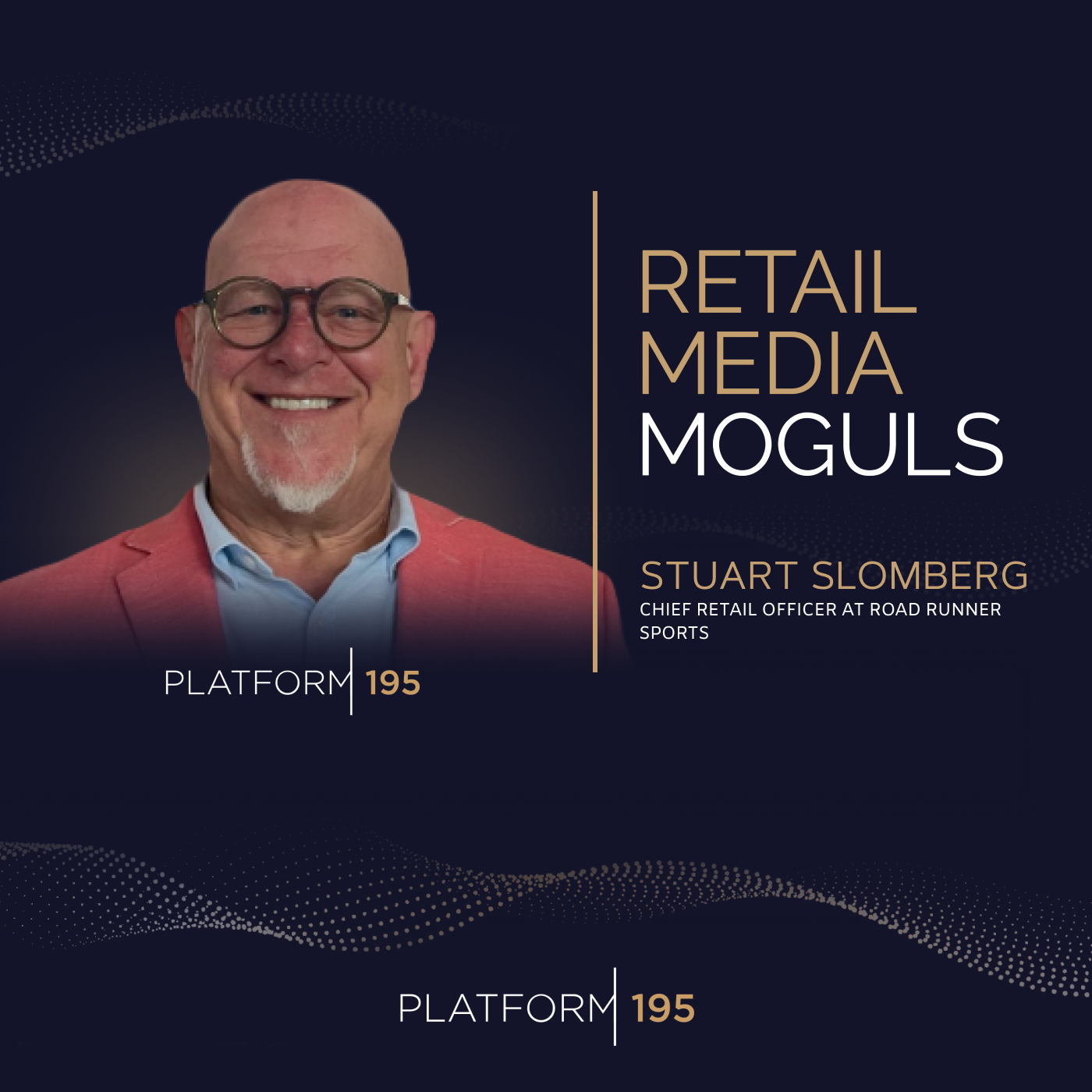 Customer-first: The Road Runner Sports Approach to Specialty Retail58 / 100
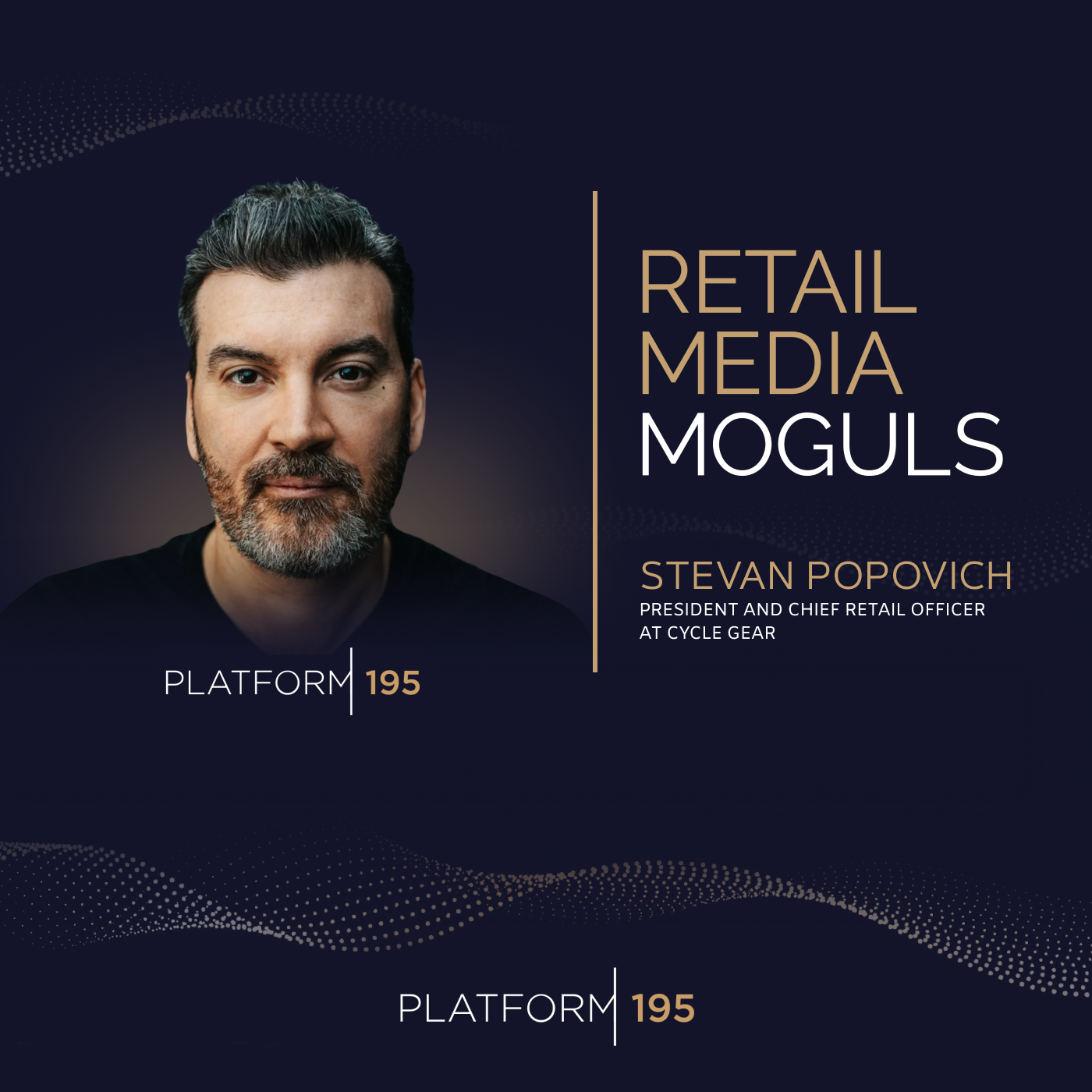 Community First: Cycle Gear's Guide to Specialty Retail Success65 / 100
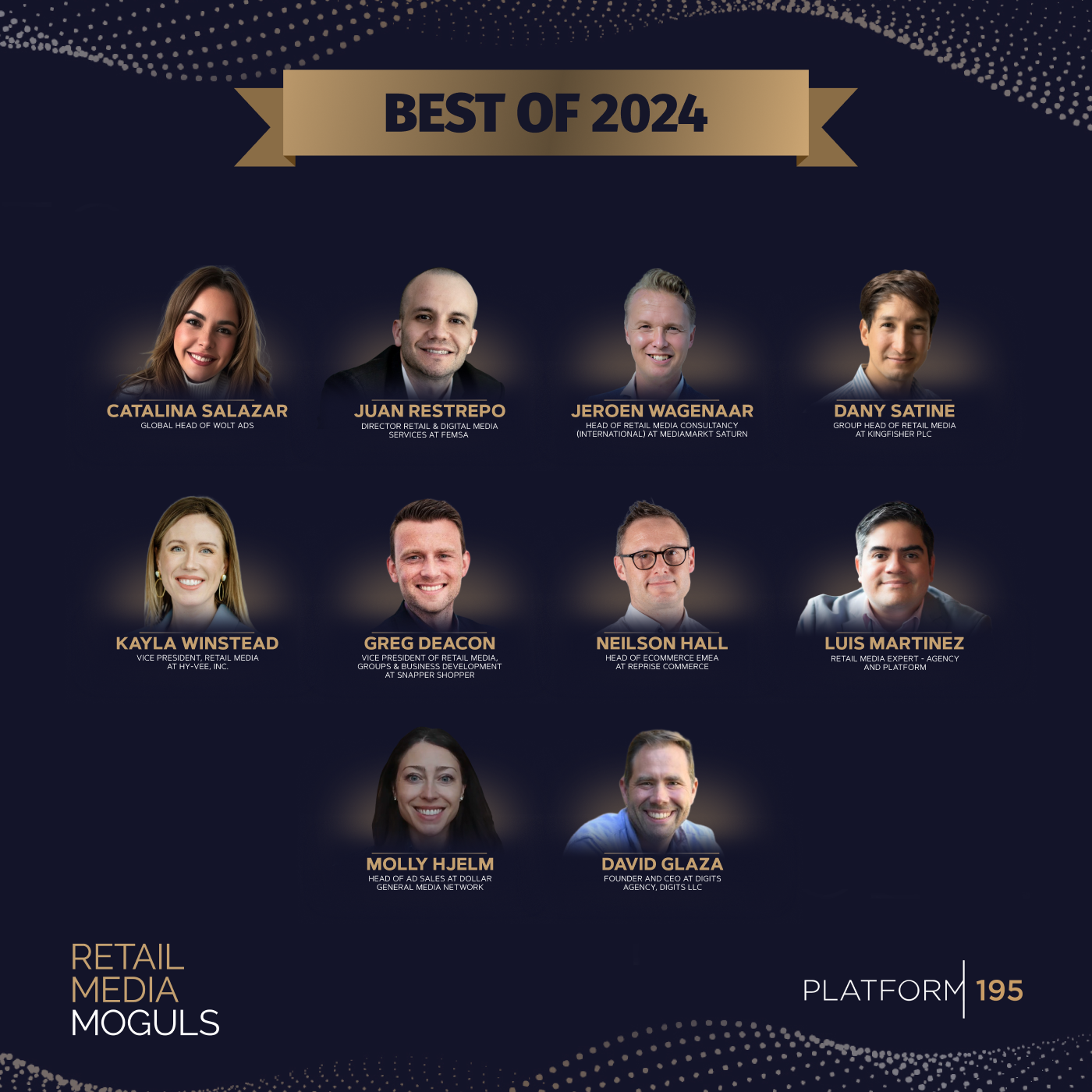 The Future of Retail Media: Lessons from 202476 / 100
 From Store to Digital: Kingfisher's Omnichannel Retail Media Journey80 / 100
 FEMSA's Retail Media Revolution: Latin America’s Bold New Network83 / 100