
Groundswell Origins Podcast · 2024-03-14 · 1h 4m
Rand Fishkin challenges the prevailing panic about AI's impact on search marketing, arguing that Google's shift toward direct answers (zero-click searches) happened a decade ago and already accounts for 65-70% of all queries - a trend he's tracked through multiple studies with SimilarWeb, Semrush, Ahrefs, and Datos. The real sea change, he argues, is that organic search has become nearly impossible for smaller brands; the first page of Google is now dominated by 50-100 major players per vertical, making SEO a non-viable marketing tactic for new entrants. He highlights the House Fresh research exposing how major publishers like Real Simple and Martha Stewart's site rank for product reviews they never actually conducted, leveraging brand authority rather than effort. Instead, Fishkin identifies three underinvested channels with proven ROI: email marketing (with consistent 25% open rates and 2.3% CTR over 25 years), digital PR (podcasts, YouTube, newsletters, webinars where audiences already trust voices), and word-of-mouth (which requires embedding marketers in product and business strategy, not keeping them siloed). He explains SparkToro's origin - built after leaving Moz with a non-compete - as a solution to audience research gaps that surveys and expensive enterprise tools like BrandWatch and Hootsuite miss, aggregating behavioral and demographic data across Google, clickstream panels, and social networks to answer questions about where audiences spend attention and whom they trust.
No - Google already answered 65-70% of search queries directly without clicks five years before AI emerged, and that trend has been accelerating. The real damage to organic traffic happened a decade ago, not now.
Nearly impossible. Google's first page is now dominated by 50-100 major brands per vertical; the days when you could compete by learning SEO tactics are essentially over for most sectors.
Because they have massive domain authority and decades of Google trust. House Fresh's research proved these sites copied other reviewers' work without actually testing products, yet they rank first because brand familiarity trumps effort in Google's ranking.
Email marketing (proven 25% open rates), digital PR (guesting on podcasts, newsletters, webinars your audience already trusts), and word-of-mouth (which requires embedding marketing into product and business strategy rooms, not keeping it separate).
SparkToro answers behavioral questions surveys can't (where audiences spend time, whom they trust) by aggregating data from Google, clickstream panels, and social networks, and does so at a fraction of enterprise tool costs like BrandWatch.
Computed from the transcript - who did the talking, and the words that came up most.
️In this episode, we're joined by Rand Fishkin , a leading figure in digital marketing. Rand highlighting his expertise in the industry. They cover the evolving landscape of digital marketing, SEO, and the impact of AI. Fishkin challenges the common belief in AI's immediate transformative role in Google's search operations, emphasizing other influential factors. The discussion explores attribution data loss, AI's role in search experiences, and the future of marketing strategies in an AI-integrated world. Fishkin shares insights on challenges like zero-click searches and the dominance of large corporations in Google's results. Personal anecdotes and professional experiences enrich the conversation, providing a deeper understanding of strategic considerations for navigating the digital marketing landscape. Paddle into another episode of Outstanding Humans with Sustainable Ideas The Groundswell Origins Podcast interviews legends in marketing and business, as well as the influential and the fascinating across industries, to learn about what it takes to create sustainable growth in your bottom line and impact.
Transcribed and scored by The B2B Podcast Index.
Speaker A: Foreign. Aloha and welcome to another episode of the Ground Soul Origins podcast where I connect you to outstanding humans and sustainable ideas. I'm your host, Scott Martin, and today we have the one and only Rand Fishkin. He is somebody that if you've been in Internet and uh, know anything about SEO, this guy has been on top of it for better part of the last. Feels like last 15, 20 years. Uh, he's been the co founder of inbound, um, for 14 years. He was the founder and CEO of Moz, and he's now the co founder and CEO of a company called SparkToro. Um, and, uh, this guy's just got a labyrinth of, of experience. He's also an author of Lost and Founders. So the guy's like, really been around. He's like the voice of what's kind of going on within, uh, search. His new tool is just fascinating. But this conversation, we talked about the future of search, um, some of the effects of AI and where things are going in terms of how businesses are looking at, identifying and finding their audiences. So without further ado, let's paddle in. All right, let's paddle in to the one and only Rand Friskin. Welcome.
Speaker B: Thanks for having me. Good to be here.
Speaker A: Did I pronounce that right?
Speaker B: Yeah, yeah, you nailed it.
Speaker A: Okay. Okay, good. So, um, really stoked to have you on here. Uh, just before we were talking, I feel like I know you. I've seen so many of your videos over the years and really sad to have you and I just want to dive right into, um, the. What actually initiated me actually reaching you was I saw this one video that you did and I can't remember what you call. It was like Google Apocalypse or something like that was about AI and, and how it's going to. Google is going to change or possibly change, uh, the way Google is done. And I was curious if anything, if you have any updates from that or if you want to describe a little bit about that, because that really intrigued me because it feels to me, especially when I'm looking at a lot of your posts and the way I'm feeling about marketing is that things are shifting big time with AI and there's so many different moving pieces. I'm curious to hear what your, what your thoughts are on this. A really hot topic.
Speaker B: Yeah, it is, you know, it's a very hot topic. And I am quite skeptical, um, I am skeptical that that is going to be a big change or a bigger change than many of the other things that are happening in the universe of not Just Google, but sort of how the, how the web and discovery and traffic patterns and marketing work overall.
Speaker A: Mhm.
Speaker B: To be honest, I think for example that um, the loss of attribution data, which is based on a number of factors that are all happening at the same time, but loss of sort of marketing attribution data is a much bigger deal to marketers than Google putting search generative experience into its interface. Um, I think people explain that a little bit.
Speaker A: Like why is that?
Speaker B: Yeah, because. So for the last, you know, 12, 15 years, Google's results have been getting more and more like answer boxes, right. So Google pulls results from all sorts of places. You know, if you search for whatever, how old is Tom Hanks, right. They, they instantly give you the answer. If you ask it for a list of major video games in the action genre that launched this year, it'll just give you a list, right? So that's been going on for a long time. Uh, AI, you know what, what we've called AI, which is just large language models that predict words that come after other words. That doesn't, doesn't really change that like, you know, the source of it might be changed. It's much more expensive for Google, um, to do search generative experience than it is to do classic kinds of results. But I don't know, I mean if the, you know, if the text box comes from a website and Google gives you the instant answer or the text box comes from, you know, their uh, bard AI does, how does that change anything? I don't see it. I don't, I don't see the.
Speaker A: Okay, but if I'm a company that's trying to market and use Google to get people to come to me, doesn't that affect me that way?
Speaker B: And what I'm saying is it's already affected you. AI is not. Yeah, right. So, so uh, what was that four years ago? Five years ago, I did some research on what was called zero click searches, right? The percent of Google searches that end without a click. Essentially the user gets their answer from the search results themselves. And you know, on mobile those numbers are huge. They're, they're uh, you know, more than 60% of all queries. More, I think 65% of queries are essentially solved before you have to click any result. That was true five years before AI. So my, my sort of um, position on this issue is if you're panicking about this now, you're panicking a decade too late. It's already happened. Right. The thing that you were worried about, right. Essentially that that Google was going to take more and more of the search answers themselves, that they were going to answer those right in the results and no one was going to click on anything and you weren't going to get traffic from it. That already happened. It continues to happen. That number continues to grow. Right. I think I've done the research now three times with, with um, different clickstream, uh, data providers. Uh, so you know early on it was um, oh my God, I can't remember the name of the guys who are defunct now. But then I did it with similar web doing with Dados. And you can see in each of these panels right that it's accelerating, the trend is accelerating. So it was, you know 50% of all searches ended without a click in 2018. By 2021 it was 2/3 of all searches ended without a click today. Is it possible it's 3/4? Probably not that high. I don't think it's accelerated that much but I guess it's somewhere between 65 and 70%. And we haven't, it's not that we haven't noticed. Marketers have noticed right. Like the uh, amount of traffic that you get from certain types of queries in Google has gone dramatically down. Folks are having to try and think about average click through rates in addition to other metrics that they think about when they target keywords. Um, I'm just saying it's already happened. The fear you have, right? It's sort of like if you were worried about um, the uh, corruption on the Supreme Court of the United States, I'd be like well that, yes, I'm worried about it too but it's kind of been going on for 20 years so maybe right, like it's more, it's
Speaker A: status quo but it's like this is just a new element that's raised awareness to it or whatever. So you know it's like I think that probably the bigger issue is there's this, it feels to me like there's a big like degraded um, ability for organic um search to be found, for businesses to use organic to draw them through search through social and stuff. There's, it's just the, the sands of, is changing. I just find it's like there's a uh, at least I'm experiencing a big change. I'm not sure what your perspective is on that.
Speaker B: I mean I think you know to me the, in addition to the zero click search problem which has obviously been a huge one, the, the other two massive ones are one a uh, change in sort of, I would Say how, how and whether Google is willing to consider new websites, smaller websites, um, independently owned sites. You can see in a bunch of research, right, everybody from whoever it is, cistrix to Ahrefs to Semrush, Cyrus Shepard has done some reports on this, right, that essentially, you know, the, the top, the first page of Google is dominated by a few hundred companies. If you're not one of those companies, you are nearly invisible. 15 years ago, 10 years ago, uh, well, starting about 10 years ago, right, this, this was quite difficult, right? It was difficult to compete against the uh, whatever Walmart or Amazon or you know, if you're in tech news, techcrunch or difficult to compete for, you know, uh, product reviews against Home and Garden and New York Times and Wirecutter and all these kind of stuff. But there was opportunity. A decade ago there was opportunity. You could break into it. You could, if you were very good at search marketing, you could, you know, whatever, go to Moz and M, watch, watch the old Whiteboard Fridays, right, and learn all this stuff about how search worked. And then you could do a pretty good job and you could, you could use SEO as a way to sort of kickstart your business's marketing. And to be frank, I think those days are almost dead in almost every sector. And that is because, you know, 50 to 100 dominant players in every kind of vertical you can possibly imagine have taken the search results over. Competing against them, if you're a new brand is, is next to impossible. I'll give you, you know, a good example is my current company, so SparkToro ranks for almost nothing. We've been around six years, so we're, you know, moderately, uh, new. Maybe at five and a half years we're moderately new. But I don't even rank for the name of my own blog posts, right? I published the research about zero click search results. It got hundreds of links, thousands of people talking about it. It doesn't rank anywhere. You know, it doesn't even rank in the top five for zero click searches. It's Search Engine Land and a post from Search Engine Journal and a bunch of stuff that talks about the research that I did, but not the original research itself because Google doesn't want to rank new things, things that don't have a lot of authority, things that haven't, you know, earned. So that to me is, you know, a big sea change. Whereas SEO used to be a marketing tactic you could invest in early on or when you didn't have very much traction today. Not true.
Speaker A: You posted a note. I Think was yesterday, for yesterday about reviews. Um, and it got quite a pretty strong reaction. You want to share a little bit about that?
Speaker B: Yeah, yeah. So this was not, this was not my piece. Right. This is a piece from. Ah, gosh, I want to get the author's name right. They had done. Sorry.
Speaker A: It was pretty well researched.
Speaker B: Yeah, very, very well researched. Um, the folks who, you know, put this report together had basically um, said that uh, a lot of the big media players, everyone from you know, whoever you want to call it, uh, Real Simple Magazine to people, to you know, New York Times and a lot of these other ones essentially were using their, their domain authority and their historic ability to rank well in Google to publish reviews for products that they had never actually reviewed.
Speaker A: Right.
Speaker B: That, and there's lots of evidence in the piece that sort of confirms this, right. That essentially um, the company that did it was House Fresh. Right. So it's a couple of folks who work at House Fresh and they sort of did this deep dive into. Hey, are, are these people who say they review these products actually reviewing them and can, can we prove that in any way? And they have some really good evidence suggesting that they can prove that they did not review the products. Right. They essentially just crawled the web or browsed a bunch of other sites, including House Fresh, and then sort of just rewrote their content, put it on, you know, whatever it is, Real Simple's website or Martha Stewart's website and boom, they rank number one because, or page one because they have a big brand that people have heard of before and Google's ranked for a decade or two decades. And what are you going to do? Right? Google's not going to change that. Google has no interest in promoting and they get nothing from promoting smaller websites, independent websites, websites that did the work versus those that are just sort of known brand names. Searchers aren't really complaining. Google's market share has never dropped. It's only ever increased. They've, they've never lost, uh, to Bing, they've never lost to duckduckgo. They've never lost to Yandex. Why would they change now? Right? So you know, Google is sort of like, yes, we're screwing, you are going to do, you know, we're the mafia.
Speaker A: Well isn't that, that's pretty much like all the social channels. I mean I think that's the, you know, you have no control. They're, they're, they're focused on their own agenda. And I think a lot of people think of it like it's a public service and it's not, it's a running. It's a business that's not there's aim to not help you promote your small business. You know. And uh, and that's the systems that, that most people are working up against. I think that philosophy of somehow they owe it to uh, you is, is probably something that people just need to get over and learn how to actually navigate around it or without it or, or with it. So what's some of your thoughts on. On where are the wins for, for businesses that are trying to really navigate this and, and make an impact on their branding and marketing?
Speaker B: Yeah so for, for um, my money Scott, like I think the two most valuable under invested in highest return on investment uh, channels. Sorry, three actually I'm going to say three. Number uh, one is email marketing. So if you build up an email list, if you look at average open rates, average click through rates, the value of an email list and the performance of them over the last 25 years, it is one of the only channels in marketing that has not moved. You know I look 10 years ago at, at sort of Mailchimp's average open rate and in the 25% average click through rates around 2 1/2 percent. Today it's 2.3% and 26%. Great, right? Like that hasn't moved the value of an email list as high or higher than ever. The second one I uh, would say is what I'm going to call sort of um, new world or digital online pr. Essentially finding sources of influence and being present in those places where your audience and customers already pay attention to people that they know like and trust. For example, uh, going on a podcast that is well known to your audience that people subscribe to, where they watch the YouTube video later, where they get it in their email inbox. And being able to you know, sort of talk about your company or your product or um, even just being an interesting guest and getting sort of the halo effect from that incredibly valuable. Same thing is true with YouTube channels. Same thing is true with companies that run webinars. Same thing is true with people who run blogs or news sites, um, or email newsletter publications. Right? You find those sources of influence in your field. You get your, you find a way to get your company in front of those people. You can, you could pay, right? It could be an advertised or sponsored type of thing or it could be organic, invaluable. That's essentially how we've built SparkToro, right? I sort of knew from the get go with SparkToro that I was not going to be able to get, you know, millions of visitors to the website like I could with Moz because, you know, I started doing SEO for that site in 2003. But starting in 2018, not m going to happen. So, um, we basically pursued a strategy of producing, uh, or going and finding all of the sources of influence for digital marketers and uh, product researchers and founders and folks who care about the audience research that we provide and then being present in those places. Uh, and that's, that's paid huge dividends in the, the third one, the last one, I'll say hardest one, uh, word of mouth. Word of mouth marketing, still insanely powerful, works like a charm. Um, don't knock it, but, but very difficult to do. Most marketers are not even invited into the rooms where the conversations that affect word of mouth marketing happen. Those rooms are business strategy and product strategy. Right. Your business and product strategy will inform whether you create something that people organically want to amplify and talk about to their sort of friends and network. And tragically, most marketers are sort of hired after the product is developed and they're kept out of the rooms where product development happens. But word of mouth is insanely powerful.
Speaker A: Well, I wrote the book called Groundswell, which is basically how to create compelling word of mouth. So I agree with you. You know, it's like it is so hard that you have to really devise a constructed strategy to really lean into how Q actually can create word of mouth. Um, the one I was going to ask you if you're, if you're familiar with or if you like it or not, the one that I'm experiencing anyways, it's called private virtual communities. So for example, um, um, um, I'm on if you're a circle or mighty networks, uh, tribe, different things of that nature. I'm on muddy networks, and I'm finding that quite useful because I have a direct relationship with the audience they're subscribing. Um, I have like, you know, a thousand free subscribers and I've got a whole group of paid subscribers. I can infuse things. So it's kind of no interference between me and my audience, which I'm really down with is in terms of a scalable, sustainable idea, is no interference and be able to talk directly to my customers. I'm. I don't know if you've ever utilized that yourself or if you have an opinion about that, but that's the one I would throw in the mix as being, uh, a viable one. But I'd be happy to hear if you don't think that makes sense or if you have a point on that.
Speaker B: Uh, I think it is fantastic in very particular sorts of niches and verticals where you have audiences likely to use and adopt those kinds of things. And, and I would say that's, you know, probably less than 1% of companies sort of qualify. But if you qualify, great. Like, fantastic. Right. I think that that can be a great channel, great opportunity.
Speaker A: Um, yeah, like somebody. If you're selling like cell phones, nobody wants to be a part of a community of cell phones. You know what I mean? Like, so frankly, very much m. Yeah,
Speaker B: this is true for, you know, the overwhelming majority of E commerce doesn't apply. The overwhelming majority of B2B, you know, enterprise software doesn't apply in some very specific focus niches where sort of your, your audience and customer overlap really. Well. They have, they're, they're used to community participation and, and that makes sense. Right. Video game world has this with Discord. You know, a lot of game companies build up their Discord, uh, audiences and that, that community can be valuable. It can help with word of mouth. Right. The groundswell thing you're talking about. The, the challenge of course is that, you know, with, in, in video games and in Discord communities, it's very often like a, um, you are only gonna get the sale one time from those folks. Right. And so it becomes a, a very, um, high cost of new customer acquisition source. Even though it's a very powerful source for potential word of mouth and customer engagement and those sorts of things.
Speaker A: Yeah. And I think that when you're looking at that, it's. If there's a subscription model and there's a. They're going on a journey together, they're experiencing something together, connecting together. It's a beautiful model for that. Um, but you're right, it doesn't apply to everybody in any way, shape or form. It's definitely. You have to create a compelling reason to be part of something over a period of time. And usually it means you're, you're, you're something, you're becoming something. It's like there's a journey you're going on. It's the way I would kind of look at it as. Yeah, yeah, yeah.
Speaker B: I mean, I think that, you know, for example, like a, a whole ton of companies who are sort of in the um, learn AI, you know, learn best practices around it. Use, ah, AI for your work, accelerate your AI learning. A lot of private communities are forming around that, um, which I Think you know, is great and probably accelerates a lot of people's learning. And also my, my guess is fast forward five to ten years from now, very few of those communities will still exist. After those, you know, after AI just becomes kind of whatever the, the same to like um, there were tons of private communities around like learn mobile app marketing. You know, in 2008, 9, 10, those communities will likely, uh, those don't exist really anymore and same here.
Speaker A: So you know, you started this company called SparkToro and you. What was the impetus? Like what made you start this? Like give us a little like what. Like you, you've got such a long history in digital market. What made you decide to build this? Because it's, it's really interesting because I think it solves or has the potential of really helping target identify some interesting insights that I never really, I didn't really think of in the way of other applications I've looked at. Yeah.
Speaker B: Um, so when I, when I left Moz, I had to sign a non compete, um, and that meant that I could not do anything to do with, you know, SEO directly for five or six years. Um, and the uh. But I did, I did not want to try and join a company as an employee. I didn't think I would be a great team player. I think, I think I've gotten once an entrepreneur.
Speaker A: You always are.
Speaker B: Yeah, well. And you know, my last few years at Moz, I'd stepped down from the CEO role and I was sort of an individual contributor to the company. And those, those years were really painful and hard for me. I wanted to, I wanted to get back to a company where, where I sort of owned the design of the business. Um, and uh, so I knew I wanted to start something myself. The um, the space of audience research is. I shouldn't say it's empty. There are plenty of players, but they're all enterprise players. Right. So you know, whatever a brand watch or hootsuite or um, you could go to a, you know, even some data providers, right. Like a similar web and do clickstream data or comscore or something. My sense was a. They don't solve the problem that we're exactly trying to solve. Right? Like what are the behaviors and demographics of my audience? Where can I reach them? How can I reach them? What do I do to reach them? Um, and, and second, I, I felt that the, those, those enterprise providers, like it was just. Was way too expensive. Right. So classic audience research, Scott. Right. Was surveys and interviews. There's nothing wrong with surveys and interviews. In fact, like we were talking about with the private communities that like, like the one you run. Right? Awesome product insights, awesome. Ah, customer insights again. All this amazing sort of, um, contextual data and uh, experience from folks. I love that. Absolutely love it. I did a ton of it in the early days of SparkToro. I recommend everyone does it, but there are questions that human beings are terrible at answering in those ways. You know, questions like, um, which social networks do you use to talk about this thing? Or where do you, who do you pay attention to for this particular type of product insight? Or um, hey, we're gonna. Can you give us your LinkedIn, uh, URL so that we can go crawl 10,000 of those so that we can aggregate them and see what you share in common with everyone else and then compare that to the whole group of everyone on LinkedIn and see what's unique about, you know, your group. Like those kinds of problems cannot be solved by surveys and interviews. You need a big data solution. Um, and that's what Casey and I were excited about solving. Right? So we, um, initially sort of did this through social data exclusively, kind of crawling all these social networks and that now have expanded much, uh, broader.
Speaker A: Right.
Speaker B: We collect data from, well, from Google and search engines. We collect a lot of data from clickstream, um, panels. Right? So we have a, you know, tens of millions of panelists who've opted in to data collection. We buy our data from DAOs on this and then that plus search data, plus social data. Um, a lot of our social data now is LinkedIn. And so we can say like, oh yeah, we know that, um, whatever it is, architects in um, Wisconsin have these attributes and they follow these sources and they subscribe to these YouTube channels and they visit these websites, they search for these keywords. And if you wanted to answer that question pre SparkToro, just, just a huge
Speaker A: pain in the ass. Multitude of tools to try to piece that together. Like, you know, uh, what's it called, like Follow the people or whatever it's called and stuff. I did, I have one of my clients is a, uh, one of the top color, uh, designers for interior design. And I tried your tool and it was cool because I was like, I was like, there's like, I didn't even know. There's like this huge subsection of people in Reddit and it's huge. And I'm like. And so it gave me all these like, really cool little, like, it just opened up my eyes into little parts of the world I would have never known. And yet the volume of it was not like they weren't so niche because it was so small. It was Nishi by name and where it was, but, but by size was something I now had got to bring forward and go, look, this is a considerable new direction for us to look at. How can we, I just don't know, haven't figured out how we're going to talk to this Reddit group and how that matters. But I'm like, oh, I didn't know there was such a huge following under these really niche categories.
Speaker B: Um, yeah, I mean I, I'll tell you what I use Reddit for a lot. Like when, when SparkToro shows me a, you know, community of people in Reddit that looks like the audience group I'm going after. I don't do a ton of like promotion to Reddit. Like, I'm not trying to submit posts and like answer things and link to my site or whatever. Most of what I'm doing is passive listening and then turning that into content. So if I see, for example, I saw that the digital, um, marketing subreddit, um, and a few other marketing subreddits were talking about dark social traffic beginning of last year. You know, essentially that, that um, whatever, Facebook, LinkedIn, Reddit, YouTube, especially TikTok don't pass any refer string data and so you can't see traffic that comes from them. And so there's all these marketers complaining about it. And I was like, oh, how serious is this problem? So I, we actually like built a little test, like a little test website and then we link to it from a bunch of different social profiles in the bios and in the posts and whatever. And then we saw how much traffic actually came to the site. Right? We manually measured because the site had no other way to get traffic from it. It was a specific page on a deep URL, right? Nothing, nothing out there. And then we, uh, sent a survey to a few hundred folks. We asked them to click on all the different social bios and then follow the link. And then we looked and we were like, oh, okay, LinkedIn hides about 30% of all referral data. Uh, Facebook hides about 50%. WhatsApp hides 100%. TikTok hides 100%. Um, Slack hides 100%. So now we have all this data on dark social and we published it and of course somebody linked to it from the subreddit, right?
Speaker A: Boom.
Speaker B: Like, you know, it's this, it's this sort of, um, using Reddit or any social forum or discussion data as kind of an inspiration for, hey, let's go see what problems we can solve and then talk about them and, um, turn that into.
Speaker A: Yeah, yeah. It's like you're finding the need or you're finding the problem and, and recognizing, oh, I didn't know that was a problem I could solve. So that's one. The one I was looking at was also these niche magazines. So I was like, oh, maybe I need to go look at what the website is or the Instagram following of that newsletter to kind of go. Those are the people we need to mirror or be able to like. So it was kind of like I was doing reverse engineering of audience development. It's kind of where I was going with it is, ah, that the pure intent of it, more or less.
Speaker B: I mean, so the applications, the applications are not something that we want to restrict people on. Right? We really. Our sense is, hey, if you want to use it and all you're going to do is just put a bunch of websites onto a list and then upload that to your Google Ads platform and run a bunch of, you know, display ads, go for it. If you're going to do that with YouTube, like, no problem. Yeah, go to town, right? We don't. We're not, we're not precious about what you do with it. But if you want to reach out to those folks one to one, right. You can add it to a list and then get contact information for each of the publications and reach out to people and be like, hey, you know, I think whatever, I'd be a great guest for your podcast. Or, hey, I'd love to sponsor your YouTube channel. Or, hey, maybe we could do a collaboration on a joint piece of research together and put together a webinar together. Uh, all that kind of stuff is things that our customers use for it. Even, for example, in pot for podcasters. They'll, like, look at their audience and then they'll go, oh, this person. This like, person on social is very well followed by my audience. Or this person who runs this small website is very well followed by my audience. I'm going to go invite them as a guest because I know that if I get them as a guest and they amplify it to their audience, I'm going to earn a bunch of people who are exactly right for my audience.
Speaker A: Uh, that's how I'm going to use it.
Speaker B: Right.
Speaker A: When we're done this, I'm going to test that. It's a great idea. Yeah, I mean, you know, it's like. And that's. Yeah, good.
Speaker B: Oh, no, I was just going to say a bunch of event organizers do the same thing with conferences.
Speaker A: Right? I think that's like, you know, that's, that's, that's something that, um, you know, going from the spray and pray and kind of like utilizing the, you know, the classic, you know, Facebook targeting to find your audience. It's a different way of looking across wider range and getting specificity with your energy. I think that is what's what I saw. And what I see is really important today is like, where are you going to put your energy and time in building relationships? So you mentioned before you could pick up the phone. That's funny because I was looking at a couple of them going, oh, I could maybe talk to that person they have and see if we could connect these two and maybe they could do a collab together or something. I never thought of that because I wouldn't even know who they were. So, um, I, I feel like, you know, that's one of the things, the trends that I see is coming is this collaboration where we share audiences, we share messages, we, we work together because we, we share something in common and value or whatever. Um, where you would try to market and spend money, it just, it doesn't have the same effect. And it's, it's certainly not gonna have the response that a collaboration would have. You know, this is a collaboration me and you, right?
Speaker B: Like, right, right, right. Yeah, absolutely. I mean, this, this goes back to what we were talking about at the very beginning, which is my sense is that the, the advertising roi, uh, has shrunk dramatically in every single channel. And that is because, you know, Google and Facebook and Apple and Amazon and Taboola and Outbrain and TikTok. Their, uh, their goal is not, hey, we should really make it, uh, cheap and easy for companies to reach their audiences through our platform. No, it's. If you make a dollar of margin selling anything, we want 99.99 cents of that to be spent on advertising on our platform because that's how we're going to get growth, right? That's how we show Wall street that our numbers are growing up. And it's, you know, it's just the, the history of every one of these platforms is the same that, like the. There was a time when Amazon advertising was a great deal. There was a time when Facebook ads were a great deal. There's a time when TikTok ads were a great deal, when Google Ads are a great deal. And that time is not 2024.
Speaker A: I'm going to share with you this. I was at this Gardener, uh, thing about, like we were talking about these changes, right, that are going on. Tell me if this, if you've seen this stat. So it says prediction number three. This is the gardener marketing predictions for 2024. One half of consumers will significantly limit their interactions in social media. By 2025, a perceived decay in the quality of social media sites will push 50% of consumers to significantly limit their use of major platforms. And I'm like, what is that? Like that. I mean to me, I'm like, I think it's because there's audience overwhelmed, content overwhelmed, lack of trust. Like AI is going to create the sea of same. Like, I feel like things are changing so interestingly right now, but that audience attention is going to go somewhere. What do you think of that step?
Speaker B: Uh, so Gartner, uh, Gartner does not grade their past predictions. And the only way I'm going to trust a publication that makes predictions is if every time they publish a New year's predictions, they grade last year's and the year before or whatever and they say, here's how accurate we were. And they never do that. And my understanding from there was like a substack newsletter that looked at like 10 years of, of Gartner, uh, predictions and Forrester, you know, and they were like, they were right less than 5% of the time. They essentially. What they had to do. Yeah, what they had to do was for uh, example, one of Gardner's, uh, early predictions, maybe as Forrester was, um, that the, that mobile apps will entirely replace the web. No one's going to use Google chrome or Firefox 10 years from now, like, usage of those platforms will be down 95% or more. It'll be like a few Linux nerds in their basement who use it. Everyone's going to be on apps. Well then just, just dumb, right? Like just completely out there. Anyway, regardless of these kinds of things, um, the, uh, what should we call it? Oh, oh, one of their predictions, this was one of my favorites. I think it was 18 months ago. Like it was right after ChatGPT came out. It was, um, in. It will take. You know, while large language models have been very successful with, uh, text, it will be another two to five decades before they can do video. Right? Before they can take a prompt and turn it into realistic, believable video, you're like, oh my God, it took, you know, 16 months or something like, shut up. You guys don't know what you're talking about. Stop making predictions. Whoever you're hiring to make A prediction. Just stop. Stop publishing them. Um, until. Until you get.
Speaker A: Definitely have not given them. I've. Definitely have not given the scrutiny that you have, which is. Thank you for that. The funny thing was when I read that stat. So I read this stat, and my wife was in the room, and she goes. She goes, oh, my God. She goes, I literally just turned off and removed a couple apps because I'm actually. I think I'm close to down 50% because I just don't want to do it anymore. And so I was going, oh, my gosh. Like this. So I'm going. And. And I've actually mentioned the stat. I've heard from other people saying the same thing, that they're. They're actually, like, pulling it back. They're not finding the value in their feeds as they used to, and they're just. They're going. And I'm like, wow. So that. That's why I was like, oh, my God. I'm like, is this, like, where's that. Where's all this attention gonna go?
Speaker B: Okay, I. I cannot publish this yet because I don't have permission to publish it, But I do have a document from our clicks.
Speaker A: Is this in the code of silence right now?
Speaker B: Sort of. Sort of. But I'll be able. I can. I can tell you whether over the last 13 months, usage of major social platforms has dropped significantly and by how much. Um, let me see if I can pull that up while we're. While we're on this call and validate. Validate the theory. So, I mean, look, I. I was one of the heaviest Twitter users out there for, you know, 10, 12 years. And then, you know, Elon bought it and kind of turned it into whatever, like a Nazi free for all. And I was like, oh, I don't think this is my vibe anymore. Like, my feed has gotten real scary and my replies have gotten way worse, and there's no trust and safety team, and I can't report accounts that are threatening me and my wife and whatever. Like, I'm. I'm out of here, right? So I, you know, I log into Twitter like, once a week. Just, uh, look at my replies and then, you know, I'll post whatever, something promotional for my company, but I'll. I generally try and stay away from that platform, but I've shifted my activity right to threads. I spend more time on LinkedIn probably than I used to, that kind of thing. The younger, like, younger generation folks, for sure, they, um, have shifted a ton of their attention to TikTok, which is essentially an Entertainment network, not a social network. So, uh, you know, I could see those types of changes being.
Speaker A: But, but that's not, that's so. That to me is. That's just where the audience moved. I mean they used to be on Snapchat, they used to be on, on Vine. It's just like, that's just audience moving. They were declaring that was going to be down overall. Like there's like a big roof and I'm like, where was the attention is going to go? Somewhere that behavior has been in place. So I was like, to me, I'm going, what does this mean? Like in my mind, um, and I was thinking, well, the theory I've been thinking a little bit more about is, you know, with more AI, there's going to be more amazing clickbait, more amazing stuff. And we're going to be so overwhelmed with what, what we'll. We'll look at as somebody being an expert when really they're not. You know, it's like, like having this conversation with you, it's like this is somebody that's in their master. You're able to catch and pitch and stuff. But people are producing content. There's gonna be people that are propping themselves to be experts and, and uh, and people are gonna slowly get more mistrustful. This is my theory, right? Like there's gonna be more mistrust and we're already getting a bit of a collapse of attention. I'm already paying Netflix so I don't see ads. I'm like in social media going annoyed by my posts. And I'm like, it feels like it's just kind of like there's a change in, in my mind is what will be next or what's gonna, what is gonna shift where people are not feeling like this mental fatigue of doom scrolling as they call it and stuff, you know, and where there is some value that in, in what we're doing and, and that's kind of where my brain is going is I'm trying to, trying to see where it's going to go.
Speaker B: Well, so I pulled this up while we were chatting and uh, so I have data for the last 13 months.
Speaker A: Okay, I like that we have data now. Not, not some random prediction based on no data. So that's good.
Speaker B: Yeah.
Speaker A: So is this all through sparktoro, by the way? Uh, is this through your, is this through your system?
Speaker B: This is our clickstream data provider, Dados, who basically, you know, we buy data from them so they have a clickstream panel, you know, tens of millions of Basically, people around the world who have installed, you know, their software, you know, they get paid like whatever, 10 bucks a month or something, and they install their software on their computer or their, um, phone. And then it tracks the URLs that they visit, it anonymizes them, aggregates them. And then, and then that data, you
Speaker A: know, gives you a little behavior snapshot of what's going on.
Speaker B: Yeah, right, right, Like Comscore, like, like Nielsen. Right, Nielsen TV families, you've heard of those, right? Where they like monitor all the shows you watch and then send it back. So, um, so what, what we can see is like, you know, okay, Twitter is obviously down by like a third. Right, we know that Twitter's gone significantly down. So that's a good example of what you're talking about. People sort of realizing that, um, their Twitter feeds or you know, whatever they liked about it is not there anymore. And I think lots of press has been written about that. Um, but Instagram, almost no change. Uh, Facebook, Facebook is down a tiny bit, but so small, you know what, and not only really in December, which I think is probably just holiday. Um, YouTube almost exactly the same. Uh, Reddit. Reddit is up. Oh, actually that tracks because when they made their ipo, uh, filing, they said that, they said that traffic had gone up. Uh, what did they say? Like about 20% or last year 10%.
Speaker A: Oh my goodness. Why is, why do you think that is? What do they do different?
Speaker B: So I have heard, um, a few things. One is the changes they made, which I think they were total dick about, and I hate the fact that it worked. But they shut down all the third party clients of Reddit and you can only access Reddit through the mobile app or their website. So there used to be lots of distributed sort of traffic that um, took that. The APIs were shut down as well, third party APIs. So that probably is, um, a big part of that.
Speaker A: Uh, you think about all these changes sometimes. Oh, sorry, go ahead.
Speaker B: Oh, no, I was gonna say Reddit, uh, also, um, had a lot of success with sort of the moderator strike. Right. They were able to like quash that, unfortunately. Again. Right.
Speaker A: I think. Mhm.
Speaker B: It sort of sucks what, what happened there. But, um, that LinkedIn is up.
Speaker A: I'm on LinkedIn.
Speaker B: I bet they're taking, they're probably taking a lot of Twitter's traffic.
Speaker A: Mhm.
Speaker B: Uh, uh, let's see, who else? Pinterest. Pinterest is up about 20%.
Speaker A: Pinterest. Are they still around? Yeah, yeah, I forgot about them as a platform.
Speaker B: I saw a filing for Pinterest that I think they, if I remember correctly, there was like a news article about them doing quite well in the last couple quarters of performance.
Speaker A: I mean I remember there was a period of time and they were doing really good on um, e commerce because you could pin to purchase. Right? Like there's just a really good correlation between visual mood boards. You can actually target people because they've already kind of pre. Pre con. Pre pre forecasted or, or you know, signaled that they were interested in these products and, and there was an ability to kind of capitalize on that. So. But I didn't know. I thought it kind of went away for a bit. So um, I think social platforms, they
Speaker B: had some bad quarters for sure. I interest definitely their growth slowed, but it, it, it looks like they've recovered the last year. I know their SEO has done really, really well. Same with Reddit. Right. So both of them have been, Reddit's been crushing the Google results, like absolutely just dominating. Um, yeah, so TikTok. TikTok's up quite dramatically. That's no surprise. Right? They've been growing everywhere. Uh, let's see. T co which is Twitter, that's down. Who else is in here? Threads. Threads is. I mean they were like 00000 but then, geez, the last.
Speaker A: So last July when they basically replaced Twitter, let's be honest. I mean, Twitter just that, the weird timing of it and then Threads going live like that was like, it's all the energy moved. And once people get in a habit, they just don't want to change the habit. You know, like I've fallen out of my Twitter habit like completely, which is kind of unfortunate. You know, a lot of people listening, they're, they're spending, investing a lot of time building audience on these platforms. And you know, you can imagine if you built your whole business around Twitter and then it changes on you and it's like, you know, people building large audiences and that could change on any platform at any given time. You know, like Instagram could do some weird change and we don't know. And, and then you know, how many businesses are like, like these businesses that were built around Reddit and they were just completely beheaded. Right? And that to me is. Yeah, good.
Speaker B: No, I was going to say like Facebook, uh, What was that, 2009? 10. I remember all of us marketers like complaining, oh, I used to get like 7%, you know, 10% engagement, uh, rates. Right. So you'd post something on Facebook and like 10% of your audience would engage with it. 7% of your audience. And we were complaining because it had dropped to like two and a half percent. And you know, in the last like six years, seven years, it's been 0.01%. And we're sort of like, yeah, well, what are you gonna do?
Speaker A: So, so it makes me wonder, it's like, like, so is it, is it allowed to continue with these platforms because people have no other choice, or is it because. What is the, the real reason? Because you think, in my mind, it's like, well, if I'm not getting the engagement, people are gonna start doing something else. And not, uh, being on my platform, on Facebook, right. Because I, like, I have, like, I used to have Facebook groups, and a lot of them, I get like, so little engagement and contact. It's like. And I'm like, I spent so much time doing it. That's actually what gave birth to my whole sustainable growth marketing journey, that I wrote the book because I was just so sick and tired of unsustainable activities, realizing you have no control. And so the idea around on entrepreneur sovereignty was really important to me because I'm going one of these platforms, you know, it's like you're on. You're not even on rented land rent. When you're for a renter, you have rights. You're in, you're in, in a, you're like in a, A, A, uh, foreign country that's hostile to you.
Speaker B: Yep.
Speaker A: Like, they're, they're actively trying to get you out of the country. Like what. That's what we're doing. Right. Like so, you know, but I, I
Speaker B: think it's, it's, it's one of these situations where, um, if you are a marketer, I think that these platforms are still. Some of these platforms are still valuable to. For you, and it's really about what am I good at, what do I enjoy doing? And which platforms still have my audience participating on them, sort of around my topics, um, and the topics that I care about, and then using the platform's bias to native content. Right. So, like, gosh, it's insanely hard. You know, Twitter, when Elon published the, um, the Twitter algorithm, right? There's like a don't show post if it contains a link, you know, and you're like, oh, shit, no wonder my posts with links don't do well. Um, and so, yeah, and I do use these social networks, uh, as places to participate in conversations, learn from other people, follow the people I care about, promote the things that I want to promote. But In a native format. Right. It's what my colleague Amanda Natividad calls zero click marketing. Right. Like how do I surface things on LinkedIn, Reddit, Twitter, YouTube, Facebook, um, threads, whatever that doesn't require a click but is likely to get engagement and amplification. And then I use the engagement and amplification to grow my sort of following in those places, to grow my brand recognition and sort of recognition of, you know, my personal brand or my name or my company name and then leverage that as uh, sort of a halo effect over the brand's results. And what's, what sucks is you can't measure it the way you could measure clicks. Right. You can't see the traffic coming to your site. All of that traffic is going to be type in direct or branded search traffic. So it's going to look like oh, Google sent it or it was direct traffic or whatever. But you know what still comes still valuable. It's just harder to measure. And I think for marketers and brands that are willing to sacrifice the attribution and the measurement, they can still get a ton of value from these places. We, you know, SparkToro gets uh, hundreds of people every week who try the free version of the product.
Speaker A: Right.
Speaker B: Sign up for the freemium version. Almost all of them heard about us through social and through sources of influence. Almost none of them we can measure.
Speaker A: Yeah, I'm of the opinion you leverage it, you don't rely on it. And yeah, I, I think of, you know, off channel migration is what I focus on is like use the channel for what it's worth. It's, it's benefit of building awareness. Um, but try to find, identify valuable re ways for them to want to find you on either other channels or more importantly the channel you own which would be email. Um, but the one I do like, I don't know if you, what your experience is, but I actually really don't mind. Of all the social channel Tools is the LinkedIn newsletter, um, least to get a hard ping on that. Like I find that that one's been really, um, I've had more, more podcast conversations, migration to newsletter from that one tool than almost anything else that I'm doing right now. I don't know what your experience has
Speaker B: been again I think, I mean for us LinkedIn is our biggest by probably a factor of two or three. Right. So it's, you know, it was LinkedIn and Twitter, now it's LinkedIn and threads and then Twitter and YouTube. Um, but LinkedIn is huge in B2B SaaS. And in sort of marketing universe and.
Speaker A: Yeah, well, I mean, and you're killing it there because you're showing up with original thoughts, original research, and really compelling conversations. I look at your. You got. You get so many conversations going there. Like, uh, what could you share with us? What is your one, two, threes on? Maybe for somebody that's going on LinkedIn, because I think you've. You have mastery there. Like, I look at you, I'm like, oh, man, if I can have like a fraction of what you're getting, you know.
Speaker B: Yeah. I mean, it's interesting for me, um, for me, LinkedIn is a place to sort of post about professional topics that are, I think, um, of interest to me, generate passion and responses. And also, I almost want to say that people are hungry for truly good content on LinkedIn. And the feed, my feed at least contains very little of it. I am shocked when I scroll 50 posts deep that I'll have maybe one or two things that I think, oh, wow, that's really good. That could be LinkedIn's algorithm. But I actually think it's the fact that a lot of creators for LinkedIn aren't as creative, thoughtful, empathetic, and targeted with their posts on that platform, um, as. As they are on, you know, threads or Instagram or, um, YouTube or those kinds of places. And I don't know why it is. I. LinkedIn's not. I feel like it's not that hard.
Speaker A: The majority of people, like, they, they just repost something that's business like, and that's it. That's what they think that showing up is. And I think it's. You need to editorialize it. Like, when you wrote that one about the, um, of. You gave a really good little preempt up to the repost that you sent on that research. And I was like, oh, now that makes me want to go in. I kept on following the strings, so I was like, oh, good. You know, So I think that's what, um, what you're saying is just. You can't mail it in. You got to, like, you actually have to put some thought and connect with your audience with some meaningful sort of provocative, you know, information or questions or something, you know?
Speaker B: Yeah. I mean, the other thing is native content, right? Like, native video does so well, especially if it has, uh, annotations. Right. Text annotations. Um, native.
Speaker A: Are you going live on there?
Speaker B: Sorry?
Speaker A: Are you going. Are you doing live video on there?
Speaker B: Uh, no, generally I have done, but. But generally, no. I almost always upload recorded clips. Uh, that I produce in obs the software I'm using to create this video right now. You know, but obs lets me do kind of, you know, fun things like uh, will it show me? No, it's not going to show it. Um, but you know, it'll let me like put over on the side of my screen I can have you know, a web tool or some sort of, you know, whatever. If I want to show off something in ChatGPT or something inside SparkToro or something from a third party tool, I can. I put it up next to me and talk about what's going on in there. Um, and those work really well. Charts and graphs with original research that are, that you natively upload the image works great. But if you put that in a blog post on your site and then you link to it on LinkedIn, that post is going to get buried. No one's going to see that. Right. LinkedIn hates people leaving LinkedIn. They want to keep you on LinkedIn. So you know, I think people, you got to play to that zero click marketing philosophy.
Speaker A: Yeah, it's hard to get the, again the goal is get them across the channel into a different, your own platform. And I think I've, I mean I don't know if. Do they still punish you if you put the link in the, in the comments. Have they caught onto that now? Is that the new algorithm?
Speaker B: Like it seems like it still works. I don't think they've caught on to. I mean, yeah, they seem to sort of.
Speaker A: It'll change when it comes to these algorithms, it feels like it's whack a mole. Like everybody figs a growth back hack and then you're like oh then we got to try this now and stuff. So it's just the never ending sort of like algorithm update that's required on every channel.
Speaker B: Yeah. I mean Instagram for example, like if you do the Instagram link in bio trick that tends not to work very well. Although Instagram claims it's not anything in their algo. They say it's just because people don't like posts that contain a link in bio and so they'll scroll past them and not click the like and not leave a comment. That kind of thing. I don't know if that's true. But what about hashtags?
Speaker A: Does anybody even use hashtags anymore?
Speaker B: People use hashtags like crazy on LinkedIn. No, post them.
Speaker A: They people post the hashtags. But do people actually use hashtags is my question.
Speaker B: Oh, so uh, I think the use case for hashtags is less people clicking the hashtag and then seeing all the posts in there. And it's much more, um, alerting the algorithm that people who have historically liked posts that contain the hashtag xyz. Like this post is also for those people. And then the algo will show them that post in the feed. Oh, what I found with threads as well.
Speaker A: Oh, so is that, um, does that work? So on threads, but that on LinkedIn then?
Speaker B: Yeah, threads and LinkedIn. So LinkedIn, for example, you know, I click a lot of, um, what's the hashtag? I follow indie gaming. The indie gaming hashtag a lot. And I click on post because I, you know, in addition to running SparkToro, I also run Snack Bar Studio. Right. A video game studio. And, and so when I see content from indie game stuff, I have historically interacted with it and so now LinkedIn shows me a lot of indie game content.
Speaker A: Okay, awesome. I still use it, but I only, I don't put that many. I only put like maybe you know, three or that are really relevant. Um, yeah, you know, and I sort
Speaker B: of like inside a. It helps a word stand the actual comment. Bold. Yeah, you can't use bold or italics, whatever. So using the hashtag will help a word like achieve prominence in a post that would otherwise just be a wall of text. So again, you know, it's these, it's these empathy things. As you scroll LinkedIn, right. Or as you scroll Instagram, you scroll Reddit, look for the things that stand out to you, look for the things that stand out to your audience and customers and then learn from that and mimic it like we were talking about. Right, right. That, that whole, like just having empathy for people in your audience and trying to create the things, not just create the things that they want, but create them in the style that they want to. Mm, mhm.
Speaker A: So let's take a crystal ball. You're, you're, you're, you've been in this industry for so long, you've had so much intimacy across platforms and things. You know, where does the future. Like, what do you, what do you see the, the, what do you see in sort of like the road ahead, if you will, if you could anticipate the next couple years. Where do you, what do you see happening? Um, and what do you think that would be something that is unexpected, that people wouldn't even think about?
Speaker B: Um, okay, I'm going to answer, I'm going to answer one way and then, and then another. Um, so my, my. Here's the thing that I think people um, aren't seeing, but that will almost certainly come is uh, death of third party cookies. Plus rise of privacy, you know, sort of regulations, uh, plus rise of ad blockers, plus multi device journeys, plus lack of, plus dark social right will mean that slowly over the next few years CFOs and CEOs and the people who report to them are not driving all their advertising and marketing decisions based on attribution and trying to predict, you know, well, we spent $50 in this channel and that was responsible for this conversion right here, or 20% of this conversion. I think that will slowly fade away. It was reasonable to do maybe 10 years ago. It's not really smart to do anymore. You're just going to get biased to the advertising. Big advertising players who claim attribution. I think that will create a sea change throughout the marketing and advertising universe where people take the kinds of, I don't want to say risks, but they, they advertise and market much more like we did in the 20th century, which was essentially like, hey, this whatever. Uh, we're going to buy billboards on you know, uh, uh, Michigan Avenue in Chicago and then we're going to test same store sales rise over the next six months in stores around Chicago and we're going to see whether that worked. And then we're going to roll it out to Detroit and Philadelphia and Boston and all these other towns. That used to be how marketing and advertising was done from a data driven, um, perspective. And we, we kind of threw in the towel once the Internet platforms were providing us with all this traffic. I think we have to go back in that direction and I think that many people are going to be forced in that direction in a few years. So it'll be weird. It'll be like the Mad Men times again. Um, a little bit, you know, in
Speaker A: terms of, I could not agree more. I'm literally doing, I used to, I started, I cut my teeth into direct response marketing, doing tons of direct mail and all that stuff. I'm going back and doing it now and it's working great.
Speaker B: Yes, yes, totally, totally. It's weird to return to it, but it's, it's because sort of all the things that you could do with tech have been taken away by platforms or restricted by governments or challenged by consumer behavior. The other thing I'm going to say about the future of marketing is marketers don't need to predict the future. We don't. We're followers. I mean that in a good way. What I mean is it is not for 99% of marketers out there, it is not smart or valuable to jump on a channel or a tactic or a platform before your audience is there. It really is not. You can really wait for people's behavior to show you where you should market rather than saying like, oh man, I think AI is the future. I need to really like dive into AI and marketing. I mean, don't let me stop you. If it's like solving your big problem and saving you a bunch of time and you had to categorize a ton of rows in Excel and now you can just use the ChatGPT plugin, fantastic, like great, go for it. But if you're like, oh man, I, I feel like I need to be at the cutting edge of this in order to be a successful marketer. You don't. A marketer's job is to be present in the places where your customers are with the conversations and messages that resonate with them at the time when they need them. Go where the people are. Don't try and predict where the people are going to go.
Speaker A: I think that is a beautiful ending to this podcast. It's exactly a great sentiment. You know, it's like, uh, with AI, it's like right now we're in this, this huge like the hype cycle, right? It's so high and people are trying to figure out prompts and stuff. And I'm like, you know, why just give it some time because there's gonna be a prompt that, an AI that's gonna make it, that prompts that. Your prompt engineering, like lead time. It's not like it was coding back in the day when doing HTML, it's gonna be shorter than you've ever possibly imagined. Like it'll be over before it began. So, you know, um, I'm, I'm not standing on the sidelines completely. I'm playing around with mid journey, but I'm not diving in. And I normally have in the past of going in, being at the forefront of these things, uh, I did a little bit with web3 and tokenization and it got burned. Um, that was sort of like I really over invested my energy and time in that, you know. And uh, it really had me really thinking that same centimeter saying, it's like, you know, is that really, like it's a little too early? Like let's wait for the plateau of like where people are. It's really kind of a mass adoption because there's so much work to be done where they already are and where people already at, you know, couldn't agree more.
Speaker B: I think Web3 is a phenomenal analogy to our current moment. I do think large language models and, um, you know, predictive image generation, all that kind of stuff. Um, yeah, I think, I think it's going to be a real tool. I don't think it's, you know, like, like web3 and blockchain was. But I also would say you don't, you don't have to be at the forefront. It reminds me a lot of the mobile, like when the iPhone launched and everybody thought they had to make a mobile app. And very frankly, about 500 companies should make a mobile app and almost nobody else, everybody else should just be quite accessible on the mobile web. And we all know that, we all accept that. There's no one who argues against that anymore. But in 2009, 2010, every conference I went to was like, oh, my God, what's your mobile app strategy? How are you going to build a mobile app and get it adopted? And it's like, yeah, it turns out people install about 30 apps on their phone and you never use them.
Speaker A: Yeah. And most of the apps I have, I don't even use them. Like, I have them there. I'm scrolling through them. I'm like, when was the last time I even opened up that app? You know, um, you know, so it's. There's a very small amount that I use very frequently. Mostly social and a couple little tools more than anything else. So, um, thank you so much. This has been a great episode. I want to take more of your time, but it's like, usually an hour. I would take more than another hour if you let me. And keep talking. It's the same. A good, um, such a great dialogue to have you on here. Um, where can everybody follow you? I'd like to send people to you. So where, where can they follow you and where you'd like them to reach you?
Speaker B: Yeah, yeah. So, uh, I post a lot of my stuff on LinkedIn, as we talked about. I'm just Rand Fishkin there. Um, if anyone wants to try a free SparkToro account, it's not, um, there's no credit card, free trial or anything. It's just free. So it's a freemium service. Uh, you can go to sparktoro.com, give that a spin. And if you are interested in taking, uh, the role of a chef in 1960s Italy and fighting magical monsters and cooking their parts, uh, the video game company that I am working@is snackbarstudio.com beautiful.
Speaker A: Thank you so much. And thank you, everyone that's listening. Um, as usual, go to Groundswell FM and, uh, leave me a voicemail. Let me know what you thought of the past podcast episode. Give me other ideas, any feedback, we're happy to hear them. And until next time, mahalo.
Other episodes covering the same guests and topics, from across The B2B Podcast Index.
 #44 Marketing After GPTs: AI Search, Zero-Click Content & the Future of SEO with Rand FishkinFixing the Game Podcast by Luke · features Rand Fishkin96 / 100
 AI Hype vs Reality: What actually works in marketing (w/ Rand Fishkin) | S3 EP2The paid media lab · features Rand Fishkin92 / 100
 219: Your Homepage Is Not Your Homepage Anymore with Rand FishkinNo Hacks · features Rand Fishkin90 / 100
 Zero-Click Marketing: Rand Fishkin on Attention, Trust, and the Future of B2B DiscoveryBeyond B2B Marketing · features Rand Fishkin84 / 100
 Rand Fishkin on Building Brand Influence in a Zero-Click WorldContent Disrupted: Bold Takes on Brand Marketing · features Rand Fishkin79 / 100
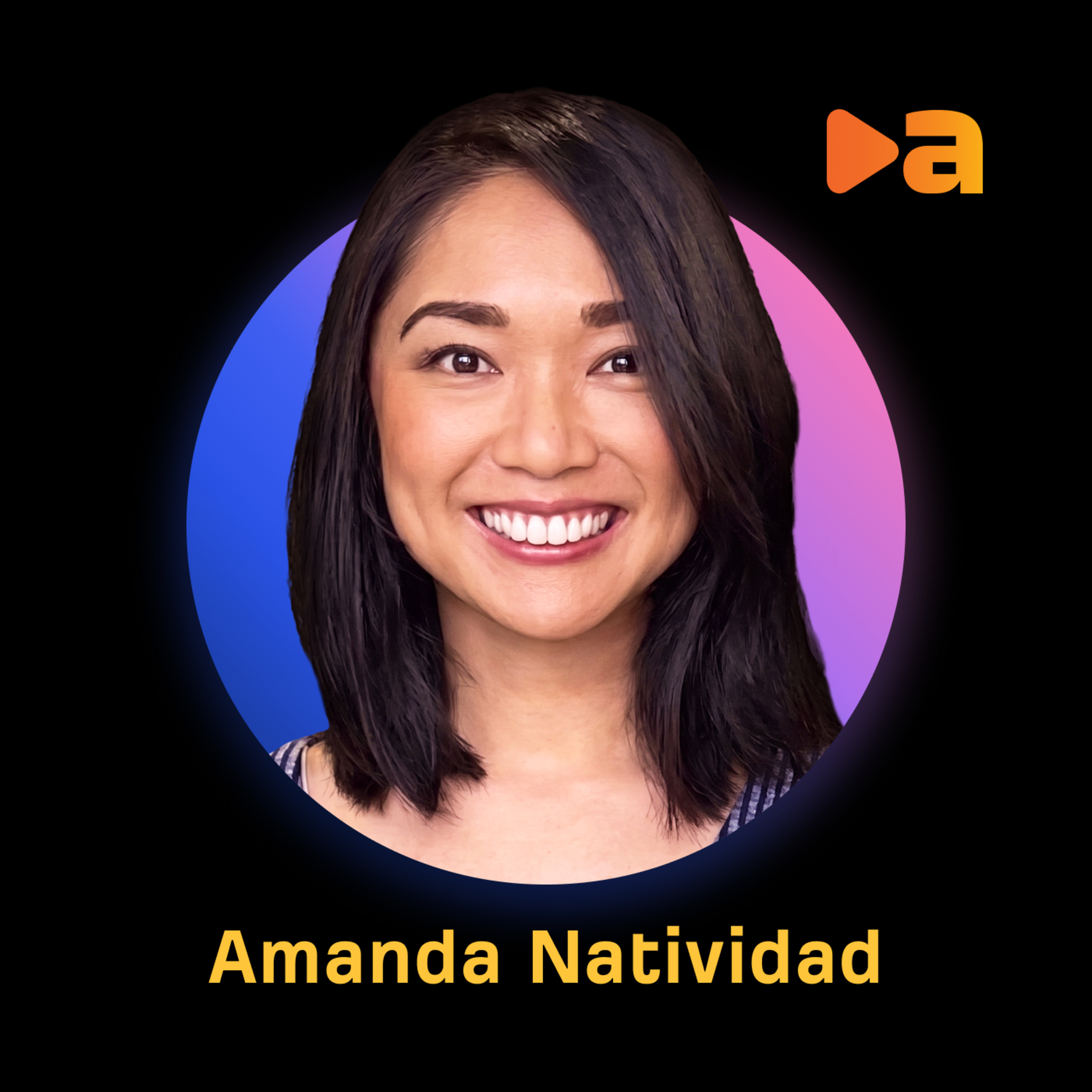 I Debated the Inventor of Zero-Click Marketing | Amanda Natividad (SparkToro)Ahrefs Podcast · on SparkToro88 / 100Scott A. Martin | Groundswell Book Origins47 / 100Rob Bell | The Heretic CreatorJason Feifer | The Future of EntrepreneurshipRenee Warren | Create Visibility with PRChristopher Young | The Economics of Ethics on Brand Valuation