
Free Startup Fundraising Advice & Investor Pitch Practice with Scott Fox, CEO of StartupCouncil.org · 2026-04-11 · 1h 12m
Key moments - from our scoring
Substance score
33 / 100
Five dimensions, 20 points each
Scott Fox, CEO of StartupCouncil.org, hosts a free weekly session where startup founders practice investor pitches and receive feedback on raising capital. This episode features Mustafa Ozber, a medical doctor and AI developer, pitching A1 Diagnosis - a blood-based risk assessment platform for age-related macular degeneration that uses AI to detect molecular degeneration years before vision loss occurs. Fox emphasizes the importance of concise, data-driven pitches (two minutes maximum) for professional investors, highlighting Mustafa's effective approach: he leads with the problem (20 million Americans affected), explains the solution clearly, provides unit economics ($250 price, $60 variable cost, 70% target margin), demonstrates team credibility (university research background, co-founder with $10M+ fundraising experience), specifies funding ask ($1.5M for lab certification), and names expected revenue timing (Q1 2027). Fox contrasts this with common founder mistakes - vague storytelling, emotional narratives unmoored to financials, and failure to specify stage and ask. The discussion is useful for founders preparing pitches, investors evaluating early-stage healthcare AI startups, and anyone seeking practical fundraising guidance without the $1,000/hour consultant fee.
Lead with the problem and its scale, explain the solution simply, provide unit economics (price, costs, margins), establish team credibility with relevant experience or prior fundraising success, state current stage and progress, and specify your exact funding ask and revenue timeline.
While stories engage audiences emotionally, professional investors need concrete financials to assess viability; without numbers, a compelling narrative is just fiction. Numbers enable investors to quickly determine if the opportunity fits their thesis and stage focus.
A1 Diagnosis has completed proof-of-concept studies and is raising $1.5 million to achieve CLIA lab certification, with expected revenue starting in Q1 2027 through a B2B insurance endorsement model.
The platform detects dying retinal cells in a patient's blood before symptom onset; blood is drawn at an eye doctor's office, analyzed with AI algorithms at the lab, and results are provided to patients and doctors years before vision loss develops.
CEO Mustafa Ozber is a medical doctor with six years of AI research experience at UC Irvine; co-founder Dr. Murat Badai is a Stanford scientist with over $10 million in prior fundraising and regulatory and commercialization expertise.
Our reviewer’s read on each dimension, with quotes from the episode.
A handful of genuinely useful observations appear - the funding no-man's-land around $1.5M, why crowdfunding campaigns require a pre-existing audience, and how side letters compensate for SAFE's investor-protection gaps - but they are buried under extended preamble, multiple ad breaks, greetings, and meandering chat responses. Signal-to-noise is poor across 72 minutes.
one and a half million dollars is a hard amount of money to raise... it's too big for angels and it's not big enough for venture capital
you put your offering up on one of these crowdfunding platforms and then suddenly people show up and throw money at you. You need to have a campaign
The episode leans heavily on well-worn startup folklore - the jockey-vs-horse metaphor, Paul Graham's 'be investable,' and the three-types-of-people joke - with little first-principles or contrarian thinking. The practical observation about the $1.5M raise being a structural dead zone is the one concrete, non-obvious point.
there's three kinds of people in the world. There's those who, uh, make things happen, those who watch things happen, and those who wonder what happened
how do you get an investment, Be investable?
There are no expert guests; the episode features two founders practicing pitches. Mustafa has legitimate practitioner credentials (MD, six years UC Irvine AI research, presented at Stanford AI Healthcare conference), but Michael is an MBA student who just lost a nonprofit marketing job - neither qualifies as a high-caliber operator who has scaled something.
I'm a medical doctor and AI developer and CEO of A1 Diagnosis
I performed research at University of California Irvan for six years and wrote AI algorithm. Co founder Dr. Murat Badai is a Stanford scientist who raised over $10 million
Mustafa's pitch supplies real unit economics ($250 price, $60 variable, $50 fixed, 70% target margin, $1.5M raise, Q1 2027 revenue) and the host references concrete platforms, check-size ranges, and regulatory thresholds. However, the broader Q&A answers are often approximate ('I think it's $5 million') and the general advice sections stay abstract.
price is $250, uh, $60 variable cost and $50 fixed cost. Target net margin is 70% at scale
you can only raise up to, I think it's $5 million
The host delivers specific, actionable pitch feedback - flagging the laboratory-platform ambiguity, advising a dramatic pause on the 'first platform' claim, and correctly diagnosing why Michael's agency model won't attract VCs - but the overall register is supportive coaching rather than rigorous challenge, and chat questions receive surface-level responses with little probing follow-up.
you said you were the first platform to X, Y and Z. That's a big deal. Like when you have a big deal like that. Slow down
Why do you need the money? Right? If, if this is just you and you're a brand guy, what's the money for?
Computed from the transcript - who did the talking, and the words that came up most.
StartupCouncil.org offers free, honest #startup #mentoring for #entrepreneurs working through real-world #fundraising, #VC, and #businessstrategy challenges - including live critiques of real #founder #investorpitches. These sessions deliver practical insights founders can immediately apply. If this helps you, please LIKE & SUBSCRIBE! Find out how to JOIN us at ** Did you know that ON-CAMERA PRIORITY goes to MEMBERS of StartupCouncil.org ? Members get more direct feedback and live interaction. Followup Questions? Scott Fox and the StartupCouncil.org team are listening - comment below! In this free Startup Fundraising Office Hours episode, CEO Scott Fox answered questions from founders worldwide, on camera and via chat. The focus: helping entrepreneurs accelerate fundraising and better position themselves with angel investors and venture capital firms. Mustafa, Irvine, CA: A medical doctor and AI developer, he pitched A1 Diagnosis, using a blood-based AI platform to detect macular degeneration risk years early. He is raising $1.5M for lab certification with a 70% margin target.
Transcribed and scored by The B2B Podcast Index.
Host: BILT is the membership for where you live that lets you earn points on rent and as of 2026, mortgage payments too. Now renters and homeowners can earn up to 1.25x points on housing payments each month. Bilt's new Palladium, Obsidian and Blue cards turn your spending into flexible rewards. You can redeem with top airlines, hotels and more. Apply at joinbilt.com mission that's J-O-I-N-B-I-L-T.com mission terms and limitations apply, so subject to approval and eligibility, BILT cards are issued by Column N, a member FDIC, pursuant to license from MasterCard International Inc. Hey, how are you? It's time to talk about your startup. It's time for startup fundraising office hours. I'm Scott Fox and we're going to spend the next hour or so together unpacking the challenges, obstacles and the opportunities that you have in startup land. This is a free show that I do as part of our work at Startup Council and we're here to help you answer the questions and, and figure out the next steps so that you can find success as a startup entrepreneur. There's a lot of challenges and it can be a lonely job as well to be a startup founder. So I'm here to help you, based on the benefits of my years of expertise, to help you negotiate the twisting and tortuous path, especially around raising money. The language of venture capital and angel investors is different than that of normal people. So we're here to help you demystify some of that and take your questions and practice your investor pitches and come together to help each other, really, here in our chat rooms and in the follow up communities that we host both on LinkedIn and over here@startupcouncil.org if that sounds like fun to you, you're in the right place. Thanks for joining me. We've got people checking in tonight from all over the world as usual. I've been doing this for a long time, but we're really trying to help people. I know that sounds silly, uh, and may uh, a bit disingenuous, but the fact is that it's hard to be an entrepreneur and when I started out with my first company back uh, in the dot com 1.0, the web 1.0 boom, which was almost 30 years ago now, there weren't any resources really at all and it was really hard. These days the world's more focused, more appreciative entrepreneurs and there's a lot of information out there the blogs and podcasts and AI. I mean, there's all kinds of tools you can find. Right. The problem these days is actually it's almost too much information. It's hard to get straight answers from real people who've actually done this stuff who won't charge you $1,000 an hour for their time. Right. So this is community service charity work that I do based on my years of expertise and uh, I'm trying to help. Here we go. Right. So let's do this together. And if you're here, um, checking in from around the world, we are happy to have you here and want you to be, uh, enjoying yourself and asking questions and um, participating as much as you can so that we can add some value in your life as you build your startup going forward. So who am I? Why do I have the microphone? Well, like I said, I'm a long time. I'm a serial entrepreneur. That they call that. Right. I raised my first venture round back in web 1.0 and I've been building and helping and consulting and now mostly investing in early stage startup companies all over the world for several years, many years now. I've written these books behind me over here. Uh, the three in the middle are in English. There's a bunch in other languages as you can see, Japanese and Turkish and Polish and Vietnamese and so forth all over the world. And those books are about my journey from being a corporate person who realized he didn't really like corporate work and trying to reinvent myself as an entrepreneur. And those books I wrote to try to help other people do the same thing. So if that's interesting to you, check them out. Uh, the newest one, click millionaires, uh, is about 10 years old, 12 years old now, so it's a little bit out of date. But the principles could still be helpful to you if this is the path that you're on. In the meantime, I'm working on a new book which we'll be previewing, uh, a little bit today probably, but certainly in the next couple months about specifically how to raise money as a startup entrepreneur. Because I've moved from the founder side of the table where I'm asking for money to the investor side where I'm investing the money. So I've got both, uh, perspectives and hopefully that can be helpful to you both in upcoming book, but also here during this show. So we're here, we're live on, uh, Facebook and LinkedIn and, and um, uh, there's another one, Facebook and LinkedIn. And YouTube. Right, and YouTube and uh, if you're watching this on any of those, I would love to hear. I'm going to turn on the chat here so that folks can chime in and say hello if they would like. And it, uh, looks like there's some people in there already. And, um, yeah, go ahead and let me know what, ah, what networks you guys are on. Make sure you can hear me and see me also. Um, I think you can see me probably, but sometimes we have trouble with the audio. But please let me know if Linked. If anybody's on LinkedIn, please say hello. And if you're on YouTube, say hello. And if you're on. What's the other one? Facebook. Um, just let me know things are working, uh, because we would like to make sure that everybody's included because that's the way we promote this, right? Is that it's in multiple channels and it's free. Right. So I can't. Can't argue too much about that. I hope so. Um, happy to help you. And we're going to get on backstage. I can see it looks like my. Is that my friend Mustafa back there? Yes, Mustafa's here and so we're going to bring him on in a minute. And I think he's probably going to want to practice his pitch again. He's a very smart guy and his pitch, he, he's. He's smart in general. In fact, he's a medical doctor. But, um, he's smart also because he comes back here, uh, repeatedly, and his pitch gets better every time. So proud of him for taking advantage of the, uh, of the opportunity.
Speaker B: Um.
Host: Oh, sorry, I turned that off. Too many buttons here. Okay, chat. Turn the chat on. And they put this overlay thing on it. Remove the overlay. No, that's not what I want. I just want this thing to get out of my way. I guess it won't. All settings. Here we go. Overlay on message alignment. M message opacity. Wow, you can all customize, man. These could help pants here all the time. There's some confirmations. Great. Dr. Sanjay Prakash Sahu has LinkedIn. Thank you. Uh, Sanjay and, uh, Harit Svitivis. Oh, Harold, you're here in Orange county, right? YouTube. Nice to see you and Chuck on YouTube. Okay, and in live from LinkedIn also, where are you guys with, um, it looks like. Oh, John. John's from Tustin. That's right near here. And the rest of you, where are you in the world? Are you, um, Orange County, Southern California. That's where I live. Or are you. I don't Know, are you in England or India or Australia or, uh, Minneapolis, and there's lots of places. Uh, and I know we get people from all over the world here, so come on in and let me know where you are. And go ahead and post your questions in the. In the chat as well, if you'd like to. And if, uh, anybody wants to come backstage as well, we can do that as well. Let me put up the. The invitation link there. Yes. So this should work to get you on camera if you want to chime, uh, in and join me backstage, but only if you have a specific question or an investor pitch you want to practice. Okay. It's not just a hangout sort of thing. Uh, otherwise, I'll work out of questions on the chat room. Right. And I'll just talk about them, and, uh, we'll be as helpful as we can. Of course. But. But if you'd like to come backstage, that's the way to do it. So. Okay, so here's a couple more people. Chuck is in Seal Beach. That's near here. And Mars is John in Orange county, and Michael from Corona, and from D.C. there we go. Finally, I had everybody from Southern California. That's unusual. So, Hannah. Okay. From D.C. delhi. There we go. Thank you, Dr. Sanjay. I know we're. I know we're worldwide, so it's good to have the rest of, uh, uh, the globe represented. So. Okay. And there's another one, Sunil Kumar Singh from Patna. Okay. Oh, yes.
Speaker C: Okay.
Host: From fatna. Excellent. Bihar. Excellent. My. A lot of friends there, including, yes, Mr. Anshuman Sinha, good. Good friend of mine. Okay, so let's go on and. Oh, sorry, I have to do the disclaimers. And then I'm gonna bring, um. If you want to come on camera, like I said, use that URL or let me know if it's not working. I haven't updated that lately. But let's talk about, um. Oh, there's a good question, John. Uh, side letters for safes. Yeah, we can definitely talk about that. Let's, uh. I need to do the disclaimers. Okay, here we go. And then I'll get to the. To the real stuff. Okay? This is not qualified legal or financial advice. Please consult your own professional advisors. I have a lot of experience. Um, but these are all just my opinions, okay? So you should not act on them. I'm just some guy you met on the Internet. So please hire your own attorneys, accountants, uh, manager, medical, doctors, whatever it is you need to get the, um, advice that is specific and appropriate for your Situation. All right, so this is not to be relied upon. This is for entertainment purposes only. I'll do my best. But, uh, as Seth Godin likes to say, your mileage may vary. And then also this is being recorded and will be replayed. So, um, don't say anything crazy or too confidential. And we will be posting it. It's actually literally live already or else you guys couldn't see it. Right. So this is a, uh, worldwide broadcast and it will be archived on YouTube and a lot of other places around the Internet. So hope that, uh, sounds like fun to you. And what else? Uh, okay, let me just do a couple more here. Since we got it, uh, come and Find us on LinkedIn. Happy to say hello. The Startup Council has a big audience there, as do I personally. Happy to see you there. And I guess I should say this show is. We don't have sponsors on this show right now, but Startup Council, that's this organization that I run. You should all be members there. I literally. We built it for you. It's a platform that connects all the resources and helps you connect with each other. And, um, it costs. It's. We're just launching right now, so it's only 49 a year, not a month. And then you can get listed and get in the mix with the investors that I know and all this stuff. And I'm trying to, I'm trying to get a situation where we get enough momentum together that the hole becomes greater than the sum of the parts, as they say. Right. And we get some real momentum. And in fact, there's some amazing discounts that we got already.
Ryan Reynolds: Ryan Reynolds here from Mint Mobile. I don't know if you knew this, but anyone can get the same Premium Wireless for $15 a month plan that I've been enjoying. It's not just for celebrities. So do like I did and have one of your assistant's assistants switch you to Mint Mobile today. I'm told it's super easy to do.
Narrator: @mintmobile.com Switch upfront payment of $45 for 3 month plan equivalent to $15 per month. Required intro rate first 3 months only, then full price plan options available, taxes and fees extra. See full terms@mintmobile.com Ryan Reynolds here from
Ryan Reynolds: Mint Mobile with a message for everyone paying big wireless way too much. Please, for the love of everything good in this world, stop with Mint. You can get premium wireless for just $15 a month. Of course, if you enjoy overpaying. No judgments. But that's weird. Okay, one judgment anyway. Give it a try@mintmobile.com Switch upfront payment
Narrator: of $45 for 3 month plan equivalent to $15 per month required intro rate first 3 months only, then full price plan options available, taxes and fees extra. See full terms@mintmobile.com they're starting to get
Host: some critical mass there. If you are uh, in the market for um, especially software like SaaS, services like Dropbox or Xero or QuickBooks or AWS or there's hundreds of offers that we've got on the site that can way more than repay the uh, the small membership fee. We just charge the membership fee to keep out the knuckleheads and to cover the basic costs. Right. It's a break even operation. It's charity work that I do essentially. Right. So visit startupcouncil.org org if you uh, would like to participate because we'd love to see you. Oh there's. Sorry, here's a better explanation of that. Okay, so that's enough preamble. Let's get to, I think we'll get to uh, let me just say hello to anybody else in the chat room and then Mustafa, I'm going to bring you on. Let me, let me just see here. What's. Make sure nothing's on fire here. Okay, so Sunil. Yep. Good. I'm just looking at your questions. Okay, yep, yep, those are all good questions. Um, Manuel and Banana. Banana Bread and John. Yes. And then I saw something about somebody losing their job. What was that? There we go. Michael, this is incredible. Hold on, what is this about? Just like a non profit today I'm gonna fundraise for my own business. Oh, okay, great. Okay Michael, well we will definitely talk about that. Just hang tight. I guess you got time right? You've got. You lost your job. I'm sorry, I don't mean to make fun of that. Um, you just got let go today but yeah, you've got some time. Let's figure this out. Happy to help and uh, we'll see if we can put you on the right track. Okay, so let's bring on a live, um, let me put up the link once more uh, for uh, how to join me and if any of you who are here want to come on and um, participate live, then we can talk to each other. Right. Otherwise I will just keep talking and reply to the questions just as I did there when I put it on screen. So that's the URL and let's bring Mustafa on and see how he's doing here. Click, click, click with this. Click with this. Uh, oh yeah, Please like and subscribe. Oh, yeah, invite your friends. Right. We're just getting started here. We got about an hour. So if you have friends who could benefit from this, please go tell them right now. Um, why not right here? Just tell them to come over to YouTube. We're happy to help. And, um, the more the merrier. And you can help each other too. I don't have all the answers. Okay, uh, there we go. All right, so here's Mustafa. Uh, okay, Mustafa. There he is. He's back. Hey, doc.
Speaker C: Hi. Uh, hi everyone.
Host: Good to see you.
Speaker C: Good, good. Nice to see you too.
Host: Yeah. Where did I see you last? I saw you recently somewhere in person. Oh, that's right. At that Red Bull event I hosted. Right in, in Santa Monica. Yes, yes. That was great. That was a surprise to see you there. I'm glad you made the drive. Yeah, that's fun.
Speaker C: Yeah, I'm happy to see you too. At that time it was really nice. And, and also last week I was in, um, Stanford University. We have a AI Healthcare conference. We attended. It was great. And I presented over there. 15 minutes. Wow. Great.
Host: Wow. About the company or something like research or something?
Speaker C: Uh, this is a AI healthcare conference and I presented the A1 diagnosis. Our company.
Host: Oh, about the company. Fantastic.
Ryan Reynolds: Great.
Host: Well, that's. You're getting around.
Speaker C: Yeah. Thank you. And also just before the uh, uh, co founder of uh, Tex Genomics company. This is a two billion dollar company.
Host: What was the name? It broke up there.
Speaker C: Oh, sorry. Uh, if my Internet might not be great. Uh, the, the company name is 10X Genomics. Uh, maybe you heard that 23 and me, uh, you might heard that the founder of the same founder of the person he opened up another company. 10X Genomics right now is 2 billion dollar company. Right now in the market cap.
Host: Wow.
Speaker C: I presented just before him.
Host: Oh, I see.
Mustafa Ozber: Great.
Host: Well, that's pretty good company. Good for you. Good for you. That's exciting. Okay, well, do you want to do your usual, uh, pitch practice?
Ryan Reynolds: Yeah.
Speaker C: Ah, I'm happy to do that.
Host: Okay. Um, let me just tell the audience here how this works. So what we do here on this show is a two minute pitch. So no slides, just talking. And this is, uh, clearly an artificial, um, exercise. You know, it's rare that in the real world you would do a two minute pitch, but I picked that number because it's long enough to get the ideas across and it forces the founders to really be concise because the one thing you don't want to do is have a 10 minute pitch. That could have been done in four minutes because we investors will all fall asleep or start, you know, looking at our phones.
Mustafa Ozber: Right.
Host: So you being concise is really important because we're all in a hurry. So uh, this is a two minutes only verbal and I'll set the timer. He's done this, um, Mustafa's done this a few times so he shouldn't be any problem time wise. But if anybody else wants to try that, that's, that's how we do this. And then here's the key. I'm going to give him feedback because I listen to pitches all the time and I have lots of opinions. Opinions. But also would love to have your opinions. Those of you who are watching, who are in the chat room, if you have opinions about things that he could do better or differently or things that he left out, um, that would be really helpful to hear as well. And you can put those in the chat room. Right. And that way we all help each other because like I said, I do not have all the answers. I'm just kind of the master, uh, of ceremonies here. So okay with that preamble. Here's, here's Mustafa. Go ahead and whenever you're ready, doctor.
Speaker C: Okay. Hi everyone. My name is Mustafa Ozber. I'm a medical doctor and AI developer and CEO of A1 Diagnosis. 20 million Americans have H macular degeneration which cause central vision loss. It is irreversible. It is detected after damage happens. Our AI powered laboratory platform detects H macular degeneration, uh, risk iterates molecular degeneration risk years before vision loss. This is the first blood based risk assessment platform for H macular degeneration. I would like to explain our technology in a simple language. When we get older, some cells in our eyes start dying. Where do these cells go? They go into the blood. Previously we couldn't detect them, um, in blood. Now we can how it works. The patient go to the eye doctor office, blood is drawn. Send it to our laboratory, we analyze it with our AI platform. We provide this assessment result to the patient and doctor before vision loss happens. Unit of Economics m price is $250, uh, $60 variable cost and $50 fixed cost. Target net margin is 70% at scale. Who we are. I perform research at University of California Irvan for six years and wrote AI algorithm. Co founder Dr. Murat Badai is a Stanford scientist who raised over $10 million who has a regulatory and commercialization experience. What we have done, um, proof of concept study is completed. We are raising $1.5 million for clear lab certification. Our model is B2B insurance endorsement opportunity revenue start first quarter 2027. A1 diagnosis. See the future clearly. Thank you.
Host: Wow, that was awesome. Seriously, man, that, that was, that. You were nailing it there. I, I, you, I. Wow, that was really good. You, you, you must have been listening to me. At least. It's the kind of pitch I like. Um, yeah, I mean, okay, so before I get too enthusiastic, everybody else who's listening, if you have suggestions. I've heard this pitch a few times and I've heard a lot of pitches in general, so I may already be a little bit, uh, biased in a positive way. Right. So if you were new to this and, and you're not a doctor, like, I'm not a doctor either. Uh, put your comments in the chat room. Like, what didn't you understand? Or what suggestions you have. Because that's why he's here. He's looking for feedback from real people. Right. We can all ask our mom. And mom, mom always thinks what you're doing is great.
Mustafa Ozber: That's her job.
Host: Right. But you gotta have other people, you know, validate you. So, um, okay, so any suggestions from the audience would be super. So. Okay. But I want to highlight some things. You did really well. I have, I always have a couple suggestions. But this is the third or fourth time you've come here, I think.
Speaker C: I, um, think fourth time. Uh, yeah, yeah. Okay. With your suggestion is getting improved and improved.
Host: Yeah, that was, that was dynamite. And what's interesting about it is that it wasn't so much a story because a lot of people who do pitch coaching want you to tell a story. And, uh, that is a valuable approach if you're not talking to experienced investors. You want to tell a story for people who, if you have more time, first of all. Right. Because you didn't have a lot of time. So a story is good because it brings people in emotionally. But if you're talking to professional investors, I don't really care about the story. I want the numbers right. Because the story can be great, but unless I know what the numbers are, it's just fiction. So what you're, you are, you are a victim of my advice.
Ryan Reynolds: Ryan Reynolds here from Mint Mobile. I don't know if you knew this, but anyone can get the same premium wireless for 15amonth plan that I've been enjoying. It's not just for celebrities. So do like I did and have one of your assistant's assistants switch you to Mint Mobile today. I'm told it's super easy to do@mintmobile.com Switch upfront.
Narrator: Um, payment of $45 for three month plan equivalent to $15 per month. Required intro rate first three months only, then full price plan options available, taxes and fees extra. See full terms@mintmobile.com there's nothing like the
Speaker G: American Express Platinum card.
Host: Find out your welcome offer after you apply, which could be as high as 175,000 points.
Speaker H: Learn more and find out your offer@American
Host: Express.com Explore Platinum Terms Apply because I like that pitch a lot because you're doing what I want to hear, which is numbers. So you gave um, uh, you said, uh, you gave unit economics, you gave margin. You mentioned that your team member, both you and your team member were not only qualified, but that he'd raised $10 million previously. That always gets investors attention.
Speaker H: Um,
Host: you talked about what stage you're at, the proof of concept. You're moving from this to this. So we knew how far along you were. And then you more specific about the ask, which is really why you're here, right? Like what do you actually want? Because I see so many pitches. I'm not telling you because you figured this out, but everybody else listening, um, so many pitches. People want to come in and tell a story. And it's this vague thing about like, and I don't mean to make fun of it, but I see so many pitches like I'm going to cure cancer because my grandma died of cancer. And that's a lovely and noble thing, but I need to hear about the business, right? And because I want you to cure cancer too. Of course. But we can't help you unless you give us the numbers. So this is, this is great. Um, and if, if I were an investor in that area, I now have heard enough to know whether I'm interested or not. Because the other big trouble that we have as investors is people talk and you're like, okay, this is interesting. He's an aerospace company and I'm an aerospace investor. But I'm um, they leave me unclear as to how far along they are, right? And I'm like, okay, so do you have the airplane built or is this just on paper still or somewhere in between? And you also, you hit that like I am, this is where I'm at. And that is important. And the reason I say this is because investors have a job and they are given a job by their investors, the limited partners, which is usually to, they don't just invest in general. They invest like uh, companies, uh, of a certain stage of development and that's an important, important thing that founders often miss. We don't invest all the way from the earliest stage companies to late stage companies. Most of us have a focus, and if you gloss over that, we can't help you. So, anyway, I. I'm very excited about this. That was great. So, um. Okay,
Speaker C: go ahead.
Host: What was that?
Speaker C: I. I said the investor. Every investor has a master hypothesis. Um, we need to make sure also when we reach the investor, they matching actually their hypothesis and ours or.
Host: Exactly, Exactly. Yeah. Our hypothesis. If you make it easy, it's like anything else. If you make it easy for us, we'll make it. Oh, um, are we back? Hopefully. We're back.
Speaker C: I can hear you. Okay.
Host: It disappeared there for a second, but I think I'm back.
Speaker C: Yeah, I can't hear you.
Host: Okay. I froze. Yeah, I think. I think it was me somehow. I don't know. That's been a while since that's happened. Sorry about that. Okay, so Michael says, love, uh, the enthusiasm and humanity you brought to the pitch. Yes. You're excited about it, and, um, it's personal for you. That's great. I think that's. That's a key thing. So if I was going to improve it, and I think that's why you're here, hopefully. Can you hear me? Are you still with me?
Speaker C: Yeah, I hear you.
Mustafa Ozber: I. I hear you.
Speaker C: Okay.
Host: If you don't mind, I'm going to turn off your camera.
Speaker C: Right.
Host: And that might reduce the bandwidth load. Okay. But hopefully you'll still be able to hear me. Um, okay. I can still see you backstage. Can you give me a thumbs up? Can you still hear me there? Okay, good. Okay. Okay. And you can hear me now. Haral says, too. Okay, good. So I'm just going to give a little more response to Mustafa. Um, but I took him off camera because that might have been, you know, you know, it takes bandwidth. Okay, so here's a couple thoughts for improvement. We've talked about this before, and it's still. And this is because I'm not a medical person, if you're talking to a room full of doctors, they'll probably get this much quicker than I am. Um, but you talk about it as a laboratory platform, and then you mentioned the word assessment. I would love just one more sentence that says something like, um, you know, we take a sample of blood and we use, uh, a, uh, special device in the lab to create lab results that tell us what we're after. Or something like. Like, because I don't know what happens. Right. And it's it's my ignorance, not. This is well established stuff, obviously in the medical world, but I don't know exactly and I'm still not clear. I think we've talked about this before. Are you software? Are you hardware? Is there a device? Are you using somebody else's device? Like, do you have some dependency on a supply chain that I couldn't quite hear? And that might be a more advanced topic for two minutes. You did great. But to me, a laboratory platform, I still, uh. And again, it's me. I don't know what a laboratory platform means. Right. So just a little more explanation about that I think would be helpful. Um, another thing you said about the platform though, is you said you were the first platform to X, Y and Z. That's a big deal. Like when you have a big deal like that. Slow down. Like, we're the first platform, right? Bang, let that hit. You know, it's like this is a. We are pioneering. With a dramatic pause. We are the first. Like, oh, okay. You know, like, like let people absorb that because that's significant. And, um, it means opportunity, right? It means risk also, but it means opportunity. Um, and then I'm just looking at my notes. Your unit economics are great. I love the fact that you and your team member were, are both, um, very accomplished. I liked the beginning, by the way. You introduced yourself as a medical doctor and AI developer. That right away is very attention grabbing, at least to me. Like, how many of those do you meet? Right? You're doing both. That's, that's pretty cool, I think. Um, and then your partner had a great record, I think you said, about regulatory and compliance. And that's, that's very good too. You also discussed the business model, which was great, the insurance reimbursement and so forth. Um, and explained where you were in the process. I mentioned that already. The other suggestion I would have, and this is more strategic, is that one and a half million dollars is a hard amount of money to raise. I don't know if we've talked about this before. It sounds easy and that may be the number you want. The problem is that it's too big for angels and it's not big enough for venture capital. So I would wonder if there wasn't a way to restructure your plan just to make it easier on you to raise either $500,000 or say 3 or 4 million or something like that. Right. And I have to say this is. You're in the med tech space, which I don't know as well. So I'm using, um, software industry sort of benchmarks, which are my expertise. But at least in software, I, anybody ever says they want to raise a million or a million and a half or even 2 million, I always try and stop them because there's no, there are few investors in that space. There's a lot of angel investors who could together, you know, each. Right, use 25, 000 or 50, 000 checks and you could get up to, you know, 2, 3, 4, $500,000. Especially if you go to a group like a Tech Coast Venture Group or something like that.
Speaker C: You could.
Host: And then there's certainly venture firms who will write you, uh, a two million dollar check or, or they'll lead a round of two or three million dollars. They'll put in, say, you know, I don't know, 750,000 or a million, but then they want to do a round so that there's a two or three million dollars raise. To try to raise one and a half million by itself, in my experience, at least in software is very difficult. You're kind of in a no man's land, so that would be something to think about. Um, and I know that that is difficult because you have, obviously you didn't pick that number out of the air. You have capital requirements and goals and there's a reason for that number. Right, But I'm just telling you, it's like, it's like trying to, uh, I don't know, it's like trying to buy a car. That's exactly $47,000, right? There's lots less than 40,000 and lots more than 50. But if you're right in this one spot and you have to be right there, it's hard. So you can do with that what you will, but that's my experience on it. I hope that's helpful. So, um, and we can talk about that more next time I see you. Okay, cool. So Michael's in backstage as well. Thanks for showing up. Nice to see you. I hope that's helpful. Um, let's see the next, uh, thing. So, Michael, we're going to bring on here in a second. There was. I want to do a couple of the, uh, Michael, if you can hang on a sec. I want to bring in a couple of the chat, uh, questions because, um, then we can go back and forth.
Speaker C: Right.
Host: Keeps it more interesting. Okay, so where were those other questions? Okay, so here's a good one. Let's start this. Please explain the purpose of the letter that accompanies the safe. Great, great question. John. Um, so a safe is a simple agreement for future Equity. This is, this is right in the sweet spot of my new book actually. So I'm going to take your question down and I'm going to put up. Don't, I think have a little promo for the book? Oh yeah, here.
Speaker C: Okay.
Host: So this is going to be coming soon. So if you're not on the email list, we have a special email list just if you want previews of the new book. And, and it is all about exactly this.
Ryan Reynolds: Ryan Reynolds here from Mint Mobile. I don't know if you knew this, but anyone can get the same Premium Wireless for $15 a month plan that I've been enjoying. It's not just for celebrities. So do like I did and have one of your assistant's assistants switch you to Mint Mobile today. I'm told it's super easy to do@mintmobile.com
Narrator: Switch upfront payment of $45 for 3 month plan equivalent to $15 per month required intro rate, first 3 months only, then full price plan options available, taxes and fees, extra fee, full terms at Mintmobile. Do Jake.
Speaker H: I'm Jake Stauch, co founder and CEO of Cervel. We built Servl to automate the IT work that slows companies down. Onboarding password resets, access to applications. My laptop stopped working. While employees wait for help, their real work is put on hold. IT desperately wants to automate this work and that's why they need Serval. You just tell Serval what you want to automate in plain English and it's built. No drag and drop workflows, no expense of consultants. Employees get unblocked and IT teams go from drowning in tickets to building what actually matters. With Cerval, it becomes the AI engine powering the entire company. This is a new way to run it. We guarantee you'll automate 50% of all tickets and we'll prove it to you in a free four week pilot. Go to serval.com tickets. That's S-E-R-V-A L.com tickets.
Host: Kind of stuff. Just what I was telling Mustafa. Like how much to raise, uh, who to target. And then what are safes, what are side letters, what's the best deal structure, all that. It's like, but in plain English, like the way I talk. It's what's literally me talking, right? So, okay, so a side letter was safe. I was just. It's funny you asked because I was just working on this on Sunday, uh, this chapter in the book. So a side letter. So let's start with safe. Safe Simple Agreement for Future Equity is a templated deal that early stage companies use these days to raise venture capital style money. It's not usually used necessarily with venture capital firms, but more often for friends and family and angel investors who want to get in early without a lot of expensive paperwork. Because when you do a real venture round to do priced equity can cost tens of thousands of dollars and eat up a lot of what you're raising. Right? If you're only raising say 100 grand, you don't want to spend 10 or 20 of that on the documentation. A safe is a simple letter, a few pages that you can sign and be done in 10 minutes. It's a very standardized template. The problem, and there's a lot more details here that I'm glossing over that we'll do in the book or if people have follow up questions. The side letter is what has evolved. Because the safe is so simple and so easy to document that it doesn't protect investors as much as they would like. For example, it doesn't have standard information rights or it doesn't say what happens if things go this way or that way in a bad way. There's protections that investors want, most favored nations clauses, pro ratas, things like that, which are all addressed in a side letter. So as lawyers are typically wanting to do, the simple two or three or four page safe template now generally has a side letter of several pages as well, which is negotiated and which does take time and money to negotiate. So um, those are the kinds of things that we're talking about. And the purpose, to answer your question, is that investors want to protect themselves. They want some of the benefits and legal protections that they would get if they had signed a more elaborate and more expensive deal, but without the full monty, without the full investment in all that paperwork basically. So they are fairly standard these days. A real, um, active venture capital firm will have kind of a standard side letter. In many cases they'll actually just give you that and they really won't even want to negotiate it much. If you're just working with an angel investor, uh, or an angel investor group, they might have a sort of more of like a suggested format that you can negotiate. Like everything in venture, it's negotiable. But the basic answer to your question is the investors are trying to protect themselves because a safe by itself is an agreement to give you some, a, uh, certain amount of equity to be determined later. And that's lovely in terms of its flexibility and its low cost to document, but it leaves the investor kind of unprotected, uh, if things don't go as well as everybody hopes, which often happens, of course, especially in startups. So I hope that answered the question. But if you can ask a follow up or, or two if you'd like, uh, in the chat room there. John. Okay, let's see, that was our first question. And then, um, let's do this one. And then Michael, I'll bring you on if you don't mind. Okay. What are some good practices and habits to get into as well as pitfalls to avoid as an entrepreneur? Well, I'm literally writing a fourth book about this. There's three of them behind me already. So there's. I go on and on about this. I, maybe you could be more specific, but let me pick a few if, uh, just to try to be helpful. Good practices and habits to get into. Um, geez. I mean, because we could talk about management, we could talk about marketing, we could talk about investors, we could talk about, you know, product development. There's lots and lots of questions there. But I guess, man, I'm not even sure where to start. I mean it's, it's really about work ethic and, and delivering what you promise. Um, in the context of this show, we mostly talk on this show about fundraising strategy. So let me, let me take a lens on that like so that investors will want to work with you. Investors are looking for someone who can deliver what they promise. Uh, it may not work out the way you expect, but the key is that you are adaptable and will work hard to succeed anyway. They call that resilience or grit. And that is really what I think we're looking for when we, uh, meet investors. Uh, sorry, when we meet founders, especially if they have new ideas that are sort of unproven, which is the exciting stuff, to be honest. There's this metaphor in investing about whether you invest in the jockey or you invest in the horse. And the horse is the business, the business model, the team, um, the market opportunity, it's all those other things. And of course the jockey is the CEO, the founder or the co founders, who are the people to do this. And at the earliest stages, which again what this show is mostly talking about, early stage investing. The jockey is critical and the thing we're most looking for, there's the obvious things. Are they smart, Will they work hard, Are they honest? Uh, can they attract other people to work with them and believe in that vision and contribute to it? And other people means not just, um, customers, but it means also teammates and colleagues as well as investors. Right. You've got to convince everybody that you're going to make this happen. And that's what I'm leading to. The best practice to get into is to demonstrate resilience. You are the person who is going to make this not only possible and not even just probable, but inevitable. That's who we want to invest in. We want to invest in the person who's going to really make something happen. And that's a rare thing, as you know. Right. There's very few people in the world who actually make things happen. Um, as the old, uh, joke is, uh, there's three kinds of people in the world. There's those who, uh, make things happen, those who watch things happen, and those who wonder what happened.
Ryan Reynolds: Right.
Host: And most people are the third. So we're looking, but we're looking for the first. Those who make things happen. Um, and that's the opportunity is to, to try to be inevitable, impressive and confident. And, uh, like Paul Graham, the founder of Y Combinator, is famous for saying, how do you get an investment, Be investable? So that's kind of vague. Maybe that didn't. Didn't answer your question.
Speaker C: But.
Host: But a lot of the other more specific tactics that you might have been asking about fold into that. Right. So do you have to get up at 5am every morning? Not really. Do you have to have gone to Harvard? No, of course not. Uh, you know, there's lots of other things, but it comes down to are you a person who's going to get shit done?
Speaker C: That's.
Host: That's what people want to see. Okay. So I hope that's helpful. Again, you can be more specific, uh, if you'd like banana, uh, bread. Okay, Michael, uh, if you are still with me here, I'm going to bring you on and let's hear what your situation question is. There we go. Hey, Michael the mollusk. Hey there.
Ryan Reynolds: Yeah, hey.
Mustafa Ozber: How are you today?
Speaker C: Good.
Host: Nice to meet you. What's going on?
Mustafa Ozber: Oh, it's a pleasure to meet you. I, uh, I think we may have met at a TCVN event. Oh, okay. That's the connection. Or maybe if you're affiliated with Cal State Fullerton's startup, Incubator.
Host: Sure, sure.
Mustafa Ozber: But, yeah, it's really nice to.
Host: Nice to see you. Great. You too. So you lost your job. I'm sorry to hear that.
Mustafa Ozber: No, no, it's okay. I, uh, I pivoted around three, four months ago. Um, I had the opportunity to work with a nonprofit that works with foster youth. And mental, uh, health, uh, patients who are dealing with complex trauma. And so taking that pivot away from being in sales positions, I'd worked with startups. I took it on because I really enjoyed the message. And I had a colleague that worked, uh, uh, he worked there and he went to university with me. So I kind of, not to say I, I, he, he really believed in me in my undergrad and I kind of owed him in that sense. I really wanted to pay it forward and kind of be like a driving workhorse to see his vision through. And I was able to do a lot in kind of that short time. And the reality of non profit is again, it's the first thing to get cut oftentimes is marketing. And so that was the reality that I was dealt today. It was a rainy, uh, day.
Host: Yeah.
Speaker G: Yeah.
Host: Okay.
Mustafa Ozber: Not a bad thing at all.
Speaker C: Yeah.
Host: Well, so what's next? Or how can, how can we help?
Mustafa Ozber: Yeah, so I have been working on it quite a bit. Um, I'm currently pursuing my MBA at Cal State Fullerton and my interest in marketing at the core of it is human connection and an ethnographic approach. And with media marketing, with doing workshops with traveling, uh, and being an MBA student, my biggest bottleneck is funding and um.
Speaker H: I'm Jake Stauch, co founder and CEO of Cervel. We built Serval to automate the IT work that slows companies down. Onboarding, password resets, access to applications. My laptop stopped working. While employees wait for help, their real work is put on hold. IT desperately wants to automate this work and that's why they need Serval. You just tell Serval what you want to automate in plain English and it's built. No drag and drop workflows, no expensive consultants. Employees get unblocked and IT teams go from drowning in tickets to building what actually matters. With Cerval, it becomes the AI engine powering the entire company. This is a new way to run it. We guarantee you'll automate 50% of all tickets and we'll prove it to you in a free four week pilot. Go to cervel.com tickets. That's S E-R-V-A L.com tickets.
Speaker B: You're listening to a podcast right now. Driving, working out, walking the dog. If you're into podcasts, chances are you have something to say too. With RSS.com, starting your own is free and easy. Upload an episode and we distribute it to Apple Podcasts, Spotify, Amazon Music and hundreds more. Track your listeners, see where they're from. And start earning from ads like this. Even with just 10 listeners a month, if you've been thinking about starting a podcast, this is your sign. Start free@rss.com getting from point A to
Mustafa Ozber: point B. Leveraging a digital platform has significantly helped, and I've been able to get a good following. But it's those in person environments. Uh, I've seen that working in the foster system with those students and these youth there, and having that presence is way more impactful than, you know, coming down or zooming in, sending them a video.
Host: For sure.
Mustafa Ozber: This is for video to inspire, but also to have that presence show the community you care to, uh, take action. That's kind of my. My bottleneck.
Host: So what's the question? I hear you. I agree.
Mustafa Ozber: I guess I have a pitch prepared for the Mollusk. Uh, that's kind of my. My company with marketing. If. If I would. If. If I am to. To pitch it. If that's okay.
Host: Sure. You want to do a pitch?
Speaker C: Okay.
Host: Yeah.
Speaker C: Cool.
Host: Let me put on your.
Mustafa Ozber: Oh, go ahead. Sorry.
Host: Let me put on the timer. It's two minutes. Did you hear the explanation earlier of the format?
Mustafa Ozber: Yes, yes. Um, uh, it's sort of an elevator style.
Host: Yeah.
Mustafa Ozber: Okay. I'm hoping I got it down, but I will be going off of notes, so I hope I'm not cheating.
Host: That's fine. As we're here to practice. No sweat. Nobody's writing checks tonight, and you don't have to be perfect, so it's cool.
Mustafa Ozber: I appreciate that. Thank you.
Host: All right.
Mustafa Ozber: Okay. Here we go.
Host: Yeah, go ahead.
Mustafa Ozber: Most brands don't fail because they lack creativity. They fail because they can't adapt fast enough. Hi, my name is Michael Batorak. I'm the founder of the Mollusk, a media and marketing company built around adaptability. Adaptability. I have to adapt to that word myself. In nature, a mollusk, like an octopus, survives by reading its environment and adapting instantly. That's how brands need to operate today. Before building the Mollusk, I worked with organizations like Adobe, Rotary International, and the Walt Disney Company, which shaped how I think about storytelling, community, and brand at scale. I'm also pursuing my master's in marketing to pair creativity with strategy. I saw that most brands are too rigid in a constantly shifting world, and that's where I come in. As the Mollusk, I focus on adaptive storytelling, using an ethnographic approach to understand how people act, are actually behaving, and building campaigns that resonate and convert. At its core, I'm investing in people, helping them believe in their ideas and finding the Right mediums to communicate effectively. Whether that's workshops, storytelling sessions and live events. I look to open doors to larger campaigns. Right now I have a live website, a strong portfolio and the foundation in place. The bottleneck isn't capability, it's distribution. I'm raising an initial $50,000 with a path toward 200 grand to scale production, client acquisition and reach. This model is built around 2,000 to $10,000 brand packages with expansion into larger campaigns and experiencing our uh, experiences targeting 25,000 to $75,000 in monthly revenue. As I scale beyond capital, I'm looking for reach so media, strategic introductions and strong networks. I'm also exploring opportunities like that of Small Business Administration, California Arts Council and hello Alice to raise additional funding. At the end of the day, I'm building this regardless of funding, even if it takes the shirt off my back to do it and the right support just accelerates it. So the Mollusk is a creative partner and platform for people and brands that want to evolve, not just go with the current. So I hope you'll take your bets on me.
Host: Wow, that was. Hear that. It just kicked off exactly 2m minutes. Nicely done. Thank you. That was very nicely done. Michael. Um, uh, I'm not sure you're in the right place, but I want to try to share you benefits of my experience anyway. That was very well done. You have a very nice honest approach and you're well spoken. Um, I can imagine it would only be better if you had it kind of internalized and weren't reading notes. You're going to be very good at that part of it that, that I don't have any concerns there. Congrats. That's, that's not easy to do. So. Um, yeah, and it's compelling. I mean you, you, I think people would, would be interested in hearing for, for people that do that kind of thing. They would be interested in hearing. The issue is that it's not a venture capital type business. So um, so more like. So I don't have any problems. Pitch well, I guess. Okay, let's one thing at a time. The pitch. The pitch was very good. I like in the sense that it gave you a sense for what you want to do where you see the need. You were good about saying like who the target customers are. I particularly like the fact that you quantified them campaigns of 2 to 10,000 and then growing up to up to $75,000 campaign like that gave me a sense of the market range which is very helpful because again, investors eat numbers. Like we need the Numbers to size things. So that was, that was good. Um, what I didn't understand is, and you don't have to answer me, but this is for you. Like, why do you need the money? Right? If, if this is just you and you're a brand guy, what's the money for? And don't, don't answer. We don't have time to debate it. But I'm just like a venture capital pitch is usually I need more than 50 grand because most of you, most venture investors, like it or not, they're rich. And they'll just say, get that from your friends and family or put it on your credit cards and you may not. I certainly didn't have friends and family, that kind of money or credit cards of that credit limit when I was starting out. Right. So that's not a fair response, but that is the response you'll get. Like if I put you in front of a bunch of my venture friends, they'd be like, well, just do that yourself. So I don't know for you whether that's possible or not, but that's the reaction you're going to get. It's not enough money to interest investors. So it's kind of like what I said to Mustafa a few minutes ago. He wanted a million five and I said, you should probably do 500 or 5 million for you if it's under a hundred thousand, nobody's even gonna talk to you because it's not, that's not a venture investment. That's a get a job and, or sell your car or you know, something more like bootstrappy. Right. Um, and the problem with that, and the reason that is is because, um, the business model of an agency generally is not a venture capital backed model because it scales when you hire more people. And software type investments are grown based on the uh, the scaling of software. Right. So if Facebook adds another thousand users, it doesn't cost them hardly anything.
Ryan Reynolds: Right.
Host: Because it's all just software. If you add another thousand customers, you're going to have to hire like 900 more account executives. Right. From what I'm understanding and maybe misunderstanding, but. So unless you have an AI or software play in there that scales this for you, it doesn't sound like a venture investment. That doesn't mean it can't be a fabulous business. I mean, I have an uncle who kind of had a business like this back, you know, back in the day and he did great, you know, but it was a people intensive business and he's out schmoozing and taking people Lunch and playing golf and you know, and that's a great life. Right? I mean, if you can do a million, 2 million, 10 million a year, dude, you don't need venture capital, go do that. Right. So it's just a different model. Right. So um, so like as your friend, I think you're a great pitcher. I can see you'd be good at what you're claiming you're going to do. I don't know that you're in the right room for me or people like me to help you. So what I would suggest is to more network with people who have had success in the marketing world or the agency world and get them to be friends and see if they'll invest because they would understand and appreciate the model more than say, tech investors.
Mustafa Ozber: I appreciate that. Thank you.
Host: That makes sense.
Mustafa Ozber: Yeah. I think if there's an opportunity, if there's anyone in VC who is looking for a marketer or someone to help tell their story.
Host: Mhm.
Mustafa Ozber: Or even in that sense if they know someone who can point me to those maybe tech companies that would like to, again, if they would like to get involved and whether they have a piece of hardware or it is a software that could be promoted through this sense I, uh, already have in the Adobe network is interested in being a part of it through their educational backing, but getting more support. Of course there's the software, the hardware, and then kind of just like the, the landscape I guess to which it's performed so interesting.
Host: Well, it sounds like you might have something there. Maybe the pitch just needs to evolve a little bit and talk more about this kind of network idea that you're building. Because that's another form of leverage. It doesn't just have to be software. If for example, you had a YouTube channel with a million subscribers already, m. You'd be, you'd already have a sense of a different kind of leverage. Right. And um, so yeah, you might have something there. You're here in Southern California, right? You think we met somewhere?
Mustafa Ozber: Yes, um, I, I live in Corona, California.
Host: Okay. Yeah. Um, so the, the Orange County Startup Council that, that I run, as you probably know, um, you, you're probably on the email list. That's probably how you heard about it. But no, um, there's a lot of resources there and the events there, um, that we, we have a calendar there. You should just go to the events and meet people and there are a lot of people who um. Yeah, like tcvn. Right? Did you mention. Yeah, like Tony, you know Tony at tcvn, he's amazing.
Mustafa Ozber: Yeah, yeah, yeah.
Host: I mean like you should, you should contact Tony and see, you know, if you can help him out or get involved somehow.
Mustafa Ozber: I think to the uh, the point two of the event space. Like when I found out that I did get laid off, I was kind of like, wow, I have so much time to go to Rotary meetings, to go to these kind of events. And when you're working in non profit, I think that there's a certain demand and there's, there's a willingness to really over perform because every time you make a video it's an appeal that can then get the kids Legos or it can get them toothbrushes or whatever it is. And so I think as much like I was working really hard and like a lot of hours to, to do it and to reallocate that and like the framework and the structure that I had developed while I was in this position too, the different kind of nurtured mindset, you know, again, like a nonprofit versus a startup kind of culture.
Host: Yeah.
Mustafa Ozber: Changed my approach a bit. It was more of a walk through the garden in a sense, rather than like through the fire and the flames of like, you know, startups, how they kind of start. Yeah, it was a different, a different tone, which was, was nice. And I think it's like if I stay in one industry for too long, I kind of am, um, I'm eager to see what else is out there and how I can apply what's going on to something else.
Host: Well, that suggests that you're in the right place in terms of thinking about an agency, because that's one of the benefits of an agency model is that you get different projects. You work in hardware this week and restaurants the next and then sports, you know, like you can mix it up for yourself and take clients that you want. Yeah, well, I wish I had more specific advice for you, but I, I feel like you've got something there. You're just going to take some massaging. And um, look at the calendar that we have on the OC Startup Council side. There's a bunch of events coming up. Um, and I think you should like get out and mingle and just talk, have this same conversation with 10 more people. Um, like give yourself a goal. Find 10 more people to have this conversation with in the next, whatever, three weeks or something. And I think you'll level up quickly because you're, you're at that point now where there's something but you're not, at least I'm not quite sure what it is. And you're Kind of massaging it and. And I bet, uh, you can find something pretty interesting.
Mustafa Ozber: I appreciate that. I, uh, think one way is even articulating, like, my presence when I do go to set events, because I don't want to like Palmer. Lucky is, like, overly casual when he goes to events like that, but also being too corporate looking, like, I think even just the network or someone to give feedback in that regard of how professional look. And I apologize. I'm in. Actually, we're in T shirts, so.
Host: Yeah, no. Ah, we're both were. Yeah.
Mustafa Ozber: Uh, but, uh, I think that piece of. Of those best practices or, you know, like that adaptability. And I like that you said evolving, because that's the theme of the mall is because you start as one octopus, and then you, like. Usually there's only one octopus in an environment, which is the most challenging thing. When there's another octopus, it's like sometimes there's a little bit of a standoff, you know, like a Texas showdown. Um, but ultimately it's there to protect the ecosystem and make sure that everybody's, like, looked after. And, you know, as much as I have eight tentacles, like, they're all spread thin because I'm doing consulting, marketing, graphic design. And, um, I think as a grad student, especially, like, that's. That's true through the, uh, Chipotle bowls that I eat. You know, it's.
Host: Yeah, we're gonna have to move on here. But one last quick one. You said your MBA student at Fullerton. Is that what you said?
Mustafa Ozber: Yeah. Cal State Fullerton.
Host: There's a new director there. Maybe you've run into Scott Taylor.
Mustafa Ozber: Yes, yes. He proposed, uh, doing some work, and I think the. The funding just wasn't there quite yet to merge and to have that work done. But I've posed however I can support, you know, in that way of letting you know. Yeah.
Host: Well, even if. I mean, of course you need to be paid, but if you got a volunteer to start, sometimes that's a good way to get started. Um, and last. And I'm gonna have to go to get on to some other people here, but the, um. In the fall, in October, they're going to do the SoCal celebrates entrepreneurship thing, which is a consortium event. Um, and I'm sure that we're gonna. I'm part of that peripherally. Um, I'm sure we're going to need marketing help, so that might be a way to get in on things.
Mustafa Ozber: I would love to. To help however I can. So I appreciate you taking the time tonight, too.
Host: Thank you all right, Nice to see you again. All right, so that was Michael from Corona, California. And interesting, uh, story there. I don't know, am I crazy or did he have some interesting ideas there? I hope that, uh, I think he's going to land on his feet. It might, he might have to bounce a few times, but hopefully, hopefully that's going to come together for him. Um, all right, I'm going to head back to the chat room here and uh, see what else we can do to help people here. Let's see, this is the point of the show where I often get. People actually want to know if they can work with me directly. So I, I don't do a lot of one on one work anymore because I do a lot of this. I speak and at events all over the world and I, uh, judge pitch competitions and I write books and I broadcast. So if you want to work with me directly, this page will, uh, talk about that. But it's expensive. I'm just warning you so because I don't have much time. But if that's, if you really do and you're ready, especially if you're like a growth company and you're in revenue already and you can afford it, I can, I can help you like one on one with calls and things like that, if that's, uh, what you are interested in. Um, yeah. Okay, so then, um, let's see. Okay, so, yeah, I wanted to put this up. We have several groups on LinkedIn that I don't talk about much. Um, but this is a private group just for, um, startup council, friends and family. So if that's interesting to you, um, go, go join us there because that's free. And then of course visit startupcouncil.org to join us as a member because that's really where the action is these days. All right, let's get back to the chat and see. I know a number of interesting questions have come in here. Um, let's look for
Speaker C: where were we?
Host: Okay, we did that. We did Banana bread. So Manuel says, have you heard of investors partnering with general contractors to build and split the profit at the end of the project? Uh, I guess you mean construction projects. Um, I, No, I haven't, but man. Well, that's not my expertise. This show is really about technology investors and investments like software and hardware or maybe med tech devices. Um, what you're saying makes sense logically, but it's not my expertise. So I don't know.
Ryan Reynolds: Um,
Host: I'm trying to, trying to be helpful. Investors partnering with general contractors um, yeah, I don't, I don't have any insights there for you. I'm sorry. This is really about a venture capital kind of investments. Um, just as a thought, you might look for. I don't know where you live, but you might look. There's two resources that I often recommend that might have helpful advice for this one is the sbdc. I'm assuming you're in the United States anyway, I can't really tell, but small, um, Business Development Corporation is a taxpayer funded service, meaning your tax dollars. And sbdc, um, they have offices all over the country and they do business consulting for free. So there would likely be someone there who would have an opinion on this that would be better than mine because I'm like, I'm a software guy. That's kind of the opposite of what you're asking. Um, so I would Google sbdc and the other one is the um score, uh, S just like it sounds, S C O R E and it stands for Service Core of Retired Executives. And that is also a volunteer. Uh, the SBDC has actually paid people with. The SCORE is a volunteer, uh, group of retired executives. And there are people from all kinds of industries who volunteer to help co coach, um, people who aren't retired, younger people. Right. With their expertise. So I don't know this because again for the third time, I'm not a contractor sort of person. Uh, but I'm sure if you're, oh, you're an Orange county because you're here. So if you're in Southern California, there's a lot of contractor expertise. Right. So I wouldn't be surprised if some of the people at the SBDC and at SCORE would have the kind of expertise that could be helpful to you. Uh, because unfortunately I don't. But um, I wish I did. But um, I, I, So there you go. Does anybody in the uh, chat room have suggestions for manual. Maybe they have a better answer for you. But maybe those uh, hints, those clues will give you a step forward on your, on your pursuit. Good luck. That sounds like a good opportunity. And that's the way you know every, I will say every project has a financial partner or sponsor. So again, I don't know that world, but I do know that you know, you've and you know better than I do like construction loans and there's lots of ways to finance things and if you can offer a compelling return on your investment, then there are people with money around. The problem is just of course finding them. So I would start with uh, uh, uh, help uh, with the SBDC and maybe score. So, um, okay, Score. Thank you. Thank you, Haral. Score is good. Thank you. And, uh, Dr. Sanjay says he can help Manuel. Uh, so maybe you two can find each other on LinkedIn. Um, and Manuel says thank you. So, of course, yeah, happy to help. I only have, have a lot of different expertise, but that ain't one of them.
Speaker B: So you're listening to a podcast right now. Driving, working out, walking the dog. If you're into podcasts, chances are you have something to say too. With RSS.com starting your own is free and easy. Upload an episode and we distribute it to Apple podcasts, Spotify, Amazon music and hundreds more. Track your listeners, see where they're from, and start earning from ads like this. Even with just 10 listeners a month, if you've been thinking about starting a podcast, this is your sign. Start free@, uh, RSS.com you're listening to
Speaker G: a podcast right now. Driving, working out, walking the dog. If you're into podcasts, you, chances are you have something to say too. With RSS.com, starting your own podcast is free and easy. Upload an episode and we distribute it to Apple podcasts, Spotify, Amazon music and more. Track your listeners, see where they're from, and start earning from ads just like this. If you've been thinking about starting a podcast, this is your sign. Start your new podcast for free today@rss.com
Host: um, all right, let's go on to the next one. As startup council was the single most critical capability a founder must build today to create a war, resilient and globally dominant startup. Wow, that's a good question, uh, Dr. Sunil, or you're not doctor, sorry, Sunil Kumar Singh. Um, the single most critical capability founder must build today. Well, revenues, I mean, maybe you probably meant something more sophisticated than that, but, um, it's surprising to me the number of founders who forget that they're in business to make money. And the point of revenues is that not only will they pay for what you have, you know, you're doing today, your expenses today, but they allow you to keep going and grow, right? So, um, if you have good revenues, that covers over a lot of other problems. Product defects, customer service problems, legal battles, bad staff, good staff, time zone differences, what, you know, whatever your problems are in your startup, if your revenues are going, you know, up, up, up, you're going to figure it out, right? Because you can pay people to do it. So that's the thing. I would really look at growth as the number one answer. Uh, I particularly your questions. Timely, of course, Sunil, because of the war. Resilient and globally dominant startup. Um, I think maybe. You said you were in India, right? So I think you're probably feeling the, um, Iran attacks, um, more than. Than we are here all the way in California. Right. But it certainly is a factor and it's making everybody question their supply chains and the resilience of their infrastructure. Um, so, uh, I don't have a single factor for you, but, um, yeah, diversifying your risk. Trying to keep growing, um, and demonstrating, Demonstrating resilience and uh, trying to, um, have a diversified approach to your supply chain and to your team even. Like it's turning out that having remote teams is actually good in some ways because, you know, uh, if one area, the Internet goes down or they don't have enough oil to keep the lights on, you know, then you have people in another region maybe who can pick up the slack. So this is kind of a new hybrid work environment. We're working with all of us to figure out how to be resilient. And everybody thought data centers, for example. Um, nobody thought about how vulnerable those are to drone attacks. Right? And it turns out they're big targets, big bullseyes on the roof, essentially. And that's a problem. So I think you're right to be thinking about that. Um, and, uh, I wish there was a single answer. Um, and anybody has suggestions in the chat room again, let me know. Happy to, Happy to dialogue about that. It's complicated. Um, I just wanted to say hello to uh, Myeong DOK Lee to, uh, South Korea. Nice to have somebody in from South Korea as well. I don't get too many of you folks. So nice to. Nice to see you. Uh, I do this at this time zone so the people in Asia and Australia and India can join us easily. Right. It's nighttime here in Southern California, so I'm glad to see you here. Uh, um, Young Duckly. And uh, Harold was, uh, clapping for something we said, I guess.
Ryan Reynolds: Great.
Host: Ah, executive summary. Oh, that was for you, Mustafa. Um, Mars thought you did a good job, I think. Let's find these last few questions before we wrap up. Okay. Reg D versus Reg cf. Yeah, that's a good one. Um, thoughts for early raises? So what Aaron is asking about there is these are two different, uh, legal regimes. This is in the United States, so two different securities laws, um, sections that allow startups to raise money. You can't just sell stock to the public, at least in the United States. And I think that's true. In most countries because people get into lots of games about ripping each other off basically. Um, so at least here in the United States you can't just sell stock to the general public. If you're going to sell stock in an early stage company, it's supposed to be to what we call accredited investors, which people who have real assets affect a few million dollars sort of thing. Who can afford the loss basically. So um, the Reg D and Reg cf. Reg stands for regulation. So Regulation D and Regulation CF and the CF starts stands for crowdfunding. So the difference between them, very roughly speaking, and I'm not an expert here, so anybody who's listening, go ahead and chime in and correct me. But more or less Reg D is for um, sophisticated investors and larger amounts of money. Very simply put, Reg CF is this new thing called crowdfunding which means that people without millions of dollars in assets can invest like small amounts like a hundred dollars or five hundred or a thousand dollars and they don't have to be accredited, um, but you can only raise up to, I think it's $5 million. So it's kind of a different vibe. Basically. One is kind of like the big boy insider game that has traditionally been uh, the paradigm that Wall street has operated under. And then Reg CF is this new thing. It really kind of got started in 2016 with the Jobs act under President Obama, but now it's 10 years old and it's quite healthy with platforms like We Funder and Start Engine and uh, Republic and um, uh, Net Capital and Title 3, things like this. So they allow you to list your company publicly and promote the investment to say, come buy shares in my company to the general public. So that, that's historically not allowed since the uh, the Glass Steagall act and the uh, the different laws uh, that were passed after the great stock market crash back in 1929. And at least here again this is all in the United States. Um, so Reg D is kind of for 5 million or more from sophisticated investors and institutions. Reg CF is more for smaller crowds, uh, of people who may not be as sophisticated. So thoughts are um, it depends on who you know and what kind of uh, reach you have. So Reg D is for bigger investors with more money if you know them and you can raise say 50 million or $100 million then do that obviously. I mean if you have good use for the money. Of course, um, the real question kind of inherent in your question is Reg cf. Crowdfunding is amazing. Like it's a, there's a, a platform I'm in. I'm literally investors. Not both on but in Start ah, Engine and we funder and Kings Crowd and a bunch of companies in that space. I think it's amazing and, and exciting. It's a whole new asset class and um, uh, in fact actually Aaron, you should watch for this. On the 13th through the 15th of April. Anybody that's interested in crowdfunding, the, um, Investment Crowdfunding Week is coming online. It's a three days of virtual seminars and uh, presentations and panels, all free, sponsored by Kings Crowd. This, uh, platform I just mentioned, they're like the leading data analytics for the crowdfunding space and it's all free and I don't have the link on me, but you could Google it. Kings crowd. That's one word. Kings Crowd Investment Crowdfunding Week, April 2026. And you'll find the links and you can go and there's going to be amazing like Tim Draper and a bunch of big speakers and stuff. And um, I was posting about that on LinkedIn today. You go find me on LinkedIn and you find the links as well. But anyway, um, crowdfunding is great if you don't know the big boys. And also if you have an audience that is likely to want to invest in smaller amounts. And there's two parts of that. Smaller amounts, meaning they're not accredited investors. But also the first part, um, that you have an audience. And that's the key with crowdfunding. It's not magical. Like you put your offering up on one of these crowdfunding platforms and then suddenly people show up and throw money at you. You need to have a campaign, a marketing campaign to reach people who are interested in your company, or at least your kind of company, ideally. In other words, you come to the crowdfunding platform and use them for the administration of the offering, all the legal and uh, documentation, uh, follow up sort of administration, because that stuff is important and it's, it's legally required. Um, but the outreach is not something you can necessarily count on them for. You need to bring your own audience. So now that I've given all that background, if you have a company that needs large amounts of money for stuff that is not easily understood or is technical, like say an advanced medical device or some deep tech thing or something that's going to take many years to develop and it's kind of sophisticated, I guess, in a sense, Reg D is probably what you're going to have to do. Reg CF works best with things that the average person is going to understand. And get excited about. So as I don't know how much experience that everybody here has with um, crowdfunding but like some of the big products there were uh, like ah, a cooler that uh, had Bluetooth speaker in it and rolls, you know, like, oh, everybody can understand that. And a bunch of people bought it.
Speaker C: Right.
Host: Or you know, specialized consumer products or like gluten free food or, or like one of the first crowdfundings I ever did.
Speaker G: How.
Host: How many of you remember the movie Robocop? Robocop was set in Detroit. I grew up in Detroit and like 15 years ago it was really one of the first crowdfunding things ever. Um, there was a Kickstarter campaign. This wasn't equity crowdfunding, it was just general crowdfunding. But uh, was uh, we all contributed to build a statue of Robocop in Detroit. So that's the kind of thing like if it catches people's imagination and they can chip in 50 bucks or 500 bucks instead of 50,000 or 500,000, then that's more the vibe for crowdfunding in general. So um, probably again some of you have um, experience with crowdfunding and if you want to post in the chat room or later, if you're watching this later in the replays on YouTube, you can post questions or comments to follow up there. I hope that's helpful. John says, uh, hold on here, what else we got? Okay, this looks like this might be our last one. Okay, I just want to put the. John, I'll answer that question. But uh, Banana Bread, uh, appreciated my enjoying their uh, name and uh, general advice. So I hope that was helpful. Uh, let's see. Okay, so this I think will be our. Yeah, okay. Probably our last question this evening. Yeah. John says how often do angels or VCs want to examine a startup's financials after an investment? That's interesting. I get this question a lot about ah, uh, the financials before an investment. Right. The um. Oh, Aaron. Okay, sorry, just I want to hit that back to. Aaron, you're still here. So if you have any follow ups on that, go ahead because I can hit that again before we leave. It's. There is a big distinction between D and cf, but it depends a lot on the specifics of your company. Right. Um, so if that was helpful, fine. And we're done. Great. But if there's a follow up, let me know. Okay. So John, um, usually people ask about what financials, the pro formas they call them, the projections, ah, are needed before they raise money. And again That'll be in my new book. But, um, how often do they want to see it after? That's a great question. You know, there's not a straight answer on that. The general idea is if we're talking about early stage startups, which is, uh, what we're usually talking about here, you will have developed a relationship with your investors, ideally anyway. Right. If you have investors who you only talk to every other year or maybe once a year when you issue the K1s or something for the investment, they're not the type of partner investors that I would recommend. Uh, and that can be okay, right. Sometimes people have more money than help or they just, maybe they love you. It's your uncle or aunt, you know, they put in a million bucks and they're fine with it. You know, if you have family like that, congratulations. Um, but if you're gonna, um, if you're going to report after you've raised the money, they're going to want to know, depending on the strength of your relationship is what I'm trying to say. So would they love monthly updates? Sure. Is that going to take a lot of your time? Yeah. Uh, the number one problem I would say that, um, maybe not the number one, but certainly a absolutely recurring problem that we have as angel investors is we put money in and then we don't get updated financials. Sometimes people just ghost us completely. Right. Uh, sometimes it takes legal action to find out even what's going on. This actually goes back to the first question of one of the first questions of the night, which might have been from you actually about side letters. That's one of the things that goes into a side letter that you have to give us updates at some cadence, you know, monthly, quarterly, something, you know, and you. And we have information rights that we, if we don't, if you don't hear from us, we have a legal right to come in and look at stuff and find out what's going on. Because you took our money. Right. So that kind of thing is exactly what the side letters are for. And they're going to want to know as much as they need to feel like their money is being well guarded, you know. Um, so, uh, the reason I made the distinction about early stage versus later is because once you get into a later stage and you start selling, um, like series A type stock, the preferred stock agreements will have more specific requirements built in. Like there has to be a board meeting every X months. The board meetings will require preparation of these kind of financials that shall be delivered, uh, on this, these periods to the board, you know, it will all get formalized. And so it's really the question. It will become clear what is expected in the deal for the early stage. The problem is that, um, if you sign a safe, it doesn't say any of that. So everybody's kind of like, you know, the founder's like, I'm busy, Leave me alone. I'm building your company. Leave me alone with the investors. Like, you took my money. Like you, uh, got to tell me at least what's going on every now and then. Right? And it's, it's a tension that we see a lot. I, I'm doing it gently. It's actually more like this bang. And it's a problem. And, um, that's why these side letters exist. So I think that was you that asked. And those two questions actually dovetail. Exactly. Um, so the short answer is, um, they want to see it as often as they need to to be reassured. Right. Um, and my, um, recommendation is that you over communicate. You want to keep those investors on your side. Not only did they believe in you early and, um, both you in terms of your company, but also you personally. Right. They're betting on the jockey. So these people have a personal stake in you and they believe you. Right. You owe it to them to keep them updated even when things are bad. Because the sooner you tell them when things are bad, the sooner they can try to help you because they've got their money in it too. Right. And their reputation. So we are incentivized, we want to help, but we can't help unless you tell us. Right? And of course, if things are going well, we like to hear that too. The problem is it takes a lot of your time to deliver that. This is where AI is really going to help a lot. Right. Because increasingly things are platformized and, um, you can run your QuickBooks reports with a couple clicks and then maybe use AI to massage it and send it out automatically. So this is gradually evolving. But as a founder, as a human, you have to be in the default setting of I'm going to communicate. Because if you don't, not only can it lead to, um, upset formerly friends and legal action, but on the positive side, these people are, you're most likely future investors. Right. Unless you're never going to raise money again. You need these people. And even if, like, say your next round is going to be 5 million and, uh, you're too big for angel investors, well, who do you think the VCs are going to call for references they're going to call your old investors, right? And if your old investors say, yeah, you know, I like those folks at the beginning, but they, you know, they would never give us any information and they were a pain in the ass to deal with and they ghosted us, that's not a good look. So anyway, that's, uh, that's kind of that. So I hope that's helpful. And I think we're about done here. What else we got in the chat, uh, room? Uh, thank you. Uh, good. You guys contact each other. Aaron says thanks, uh, Odyssey says great points and pointers. You're welcome. And, uh, John, excellent. All right, gang, cool. Well, that was fun. I hope it was useful to you. We'll be back again, uh, before too long to do this again. And let me remind you before you leave, um, let's see. Oh, not that one. Oh, actually that one too. If you want, if you go to conferences and you like conferences about startups and stuff, this is the only worldwide calendar I know of startup events that, that we built. And it's free. But that wasn't what I was looking for. I was looking for this one. Yeah, come. Oh, like and subscribe. Actually, that's the thing. Can you please click to like and subscribe, whatever platform you're on, LinkedIn or YouTube or whatever, leave a comment, please like and subscribe forward to your friends, all that stuff. Uh, blah, blah, blah. All those clicks really do make a difference, uh, in terms of the algorithm. And it means that I can keep doing this because if I do it, you know, for only a couple people and nobody reacts and I'll just stop doing it. That's fine. I got other ways to spend my evenings. But be happy to, I'm happy to try to help, um, and would love you guys if you could return, uh, the favor with a couple, a couple clicks. And the, uh, real point here, the takeaway is go join Star Council. Um, it's for you and it's full of discounts and services and um, all kinds of stuff that I wish that I had had back when I was a first time founder. So there you go. Thanks for watching. Hope to see you again soon. Tell your friends like and comment and click and come join us@startofcounsel.org we'll see you next time. Thanks for watching.
Speaker B: You're listening to a podcast right now. Driving, working out, walking the dog. If you're into podcasts, chances are you have something to say too. With RSS.com, starting your own is free and easy. Upload an episode, and we distribute it to Apple Podcasts, Spotify, Amazon Music, and hundreds more. Track your listeners, see where they're from, and start earning from ads like this. Even with just 10 listeners a month, if you've been thinking about starting a podcast, this is your sign. Start free@, uh, RSS.com you're listening to
Speaker G: a podcast right now. Driving, working out, walking the dog. If you're into podcasts, chances are you have something to say, too. With RSS.com, starting your own podcast is free and easy. Upload an episode and we distribute it to Apple Podcasts, Spotify, Amazon Music, and more. Track your listeners, see where they're from, and start earning from ads just like this. If you've been thinking about starting a podcast, this is your sign. Start your new podcast for free today@rss.com.
Other episodes covering the same guests and topics, from across The B2B Podcast Index.
 Overdose Deaths Just Had Their Biggest Drop In History, with Keith Humphreys, Stanford ProfessorNeural Compass · on Stanford University89 / 100
 How Medical and Dental Practices Can Grow More Profitably with Ibrahim AshmaweyProvider's Edge · on Unit economics78 / 100
 Sell AI Avatars $25 EachAI Paycheck · on Unit economics74 / 100
 How a Solopreneur Bootstrapped an AI Writing Tool to 8 FiguresBootstrapped Business with Fexingo · on Unit economics73 / 100
 How Atlassian Built a Billion-Dollar Company Without a Sales TeamStartup Stories with Fexingo · on Unit economics72 / 100
 The $14M Secret to Building a Business That Can Run Without You with Richard StroupeThe Exit · on Unit economics71 / 100
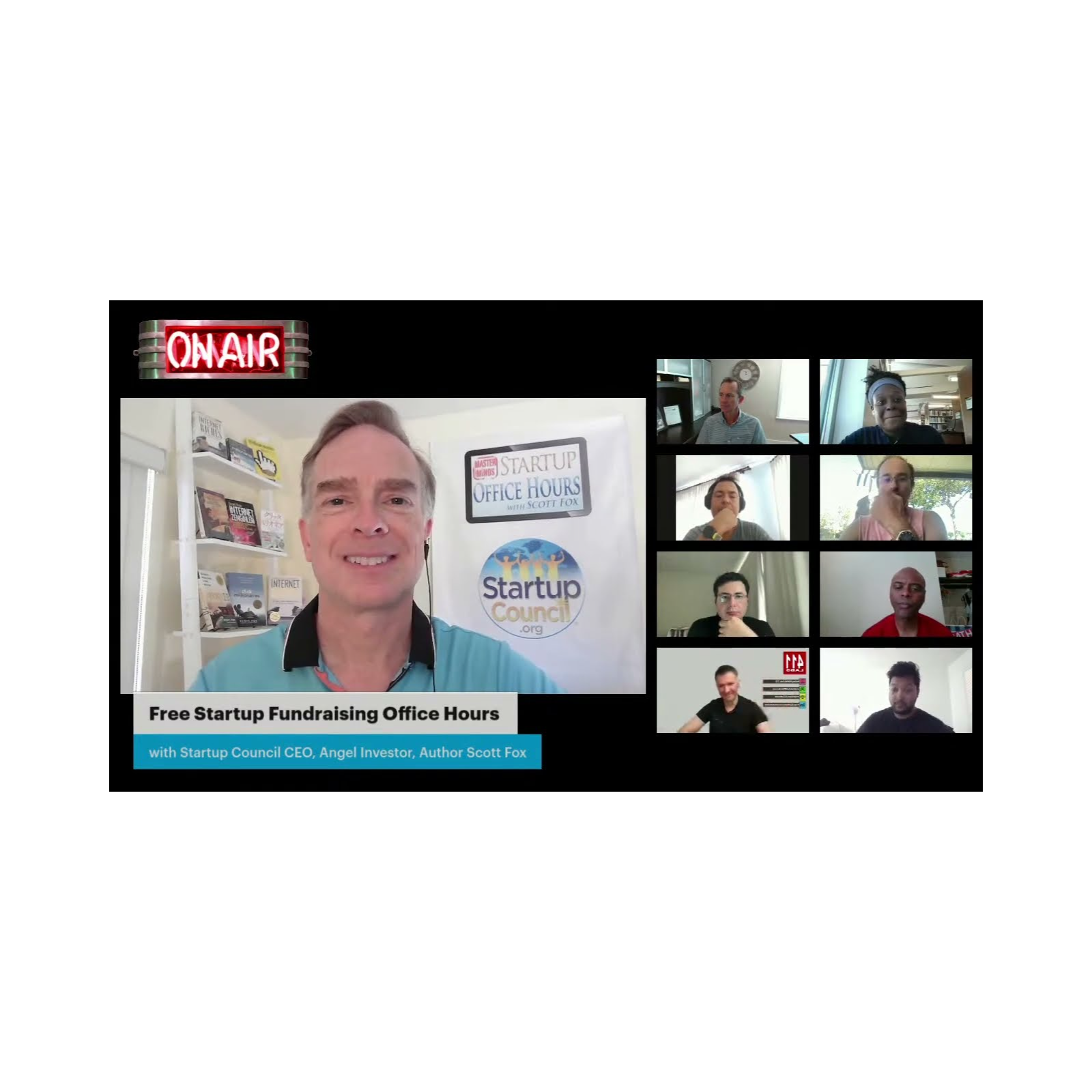 Your Free #Startup Angel Investor VC Fundraising Q&A Advice Show with StartupCouncil.org's Scott Fox56 / 100
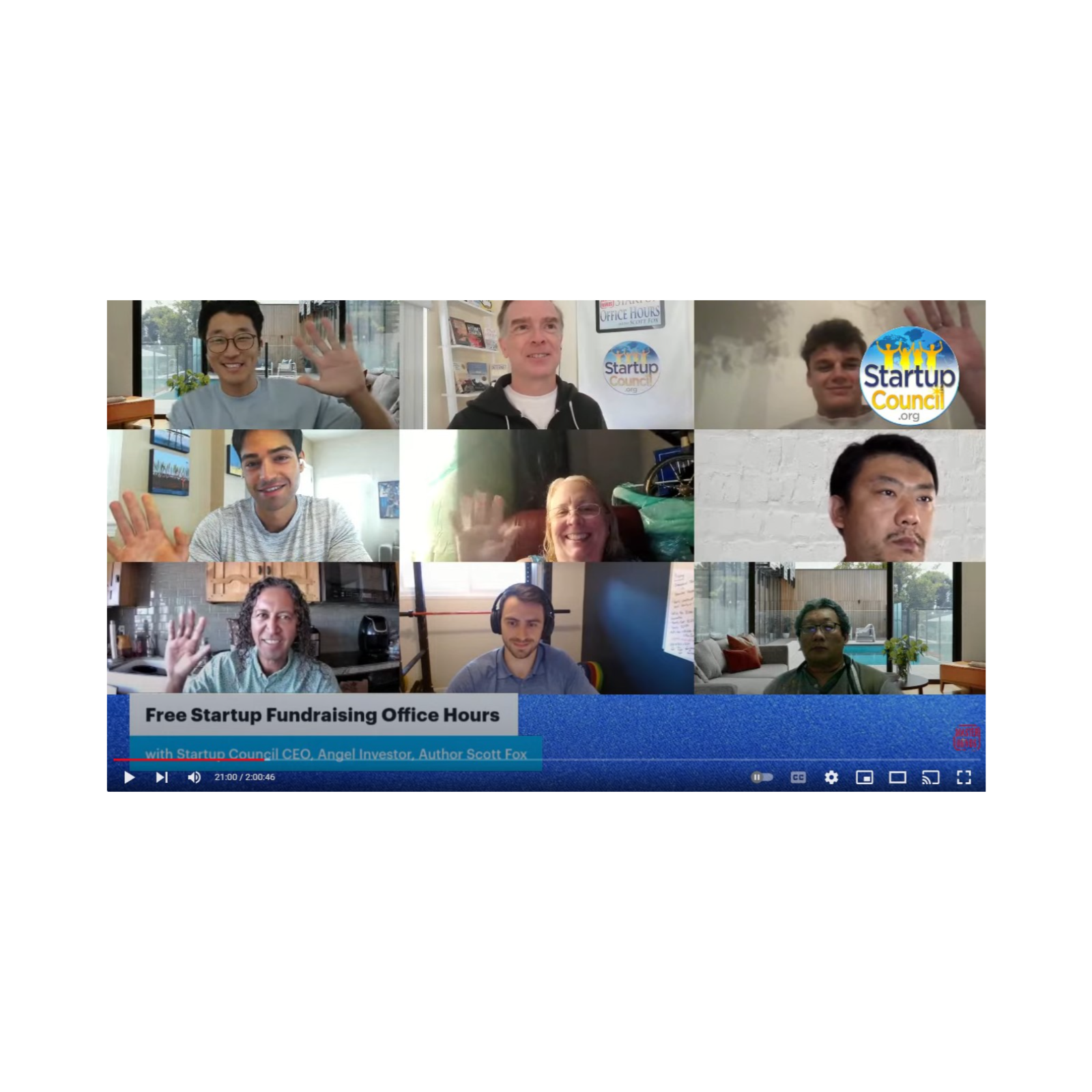 Live #Startup Pitch Coaching + Free Angel Investor Strategy Members Q&A @ StartupCouncil.org55 / 100
 Free Startup Pitch Practice + Angel Investor Q&A w/ StartupCouncil.org and #StartupFriends Worldwide58 / 100
 Live Startup Pitching & Angel Investor VC Insights: Scott Fox StartupCouncil.org CEO73 / 100
 Live Startup Pitching & Angel Investor VC Insights: Scott Fox StartupCouncil.org CEO