
Brave UX with Brendan Jarvis 🇺🇦 · 2025-09-30 · 1h 14m
Key moments - from our scoring
Substance score
40 / 100
Five dimensions, 20 points each
Aryn Korpalski, Senior Vice President of Corporate Services at Fieldwork, discusses how research operations leaders can balance client demands with participant wellbeing and cultural sensitivity in global recruitment. Drawing on her 13+ years in the field - from Denver client services specialist to executive leadership - Korpalski emphasizes that hospitality and human insight must intersect at every level of research delivery. She unpacks how Fieldwork navigates complex, time-critical briefs across multiple geographies, manages client blind spots before they become problems (like cultural norms around gender and space in Tokyo ethnographies), and tells stories that extract meaning from high-volume data sets. For research ops leaders, program managers, and client service teams, this episode provides a masterclass in proactive communication, anticipating client needs, and maintaining zero-surprise policies without sacrificing the authenticity participants need to share openly. Korpalski's philosophy - rooted in Will Guidara's "Unreasonable Hospitality" - reframes research support as thoughtful gathering rather than transaction, with practical guidance on difficult conversations when client expectations conflict with participant dignity.
Korpalski recommends a zero-surprises policy: anticipate cultural differences and logistical constraints before they arise (like limiting home visit observers in Tokyo due to apartment size and gender norms), tee up these constraints with clients early, and equip teams with response options for unavoidable unexpected situations rather than disappointing clients on the day of research.
Clients may not know local cultural customs around gender of interviewers in home settings, physical space limitations in urban apartments, or how much has changed in a market since their last visit. Fieldwork's approach is to answer these questions proactively based on regular market experience, rather than waiting for clients to ask.
Korpalski frames it as simplifying data to avoid getting bogged down and focusing on narrative: tee clients up with the why (why the insights differ), what the learnings actually are, and tell the story rather than overwhelming them with data complexity.
According to Korpalski, hospitality isn't about giving more - it's about giving more thoughtfully. It means really seeing clients and participants, helping them feel validated, and being intentional about how you gather and connect people, whether that's in the research facility or during complex client conversations.
Korpalski notes that the magic of in-person research happens when researchers sit with findings and have real conversations (like over dinner) that spark insights - something that's harder to replicate in virtual recaps 15 minutes after interviews, even with skilled moderators.
Our reviewer’s read on each dimension, with quotes from the episode.
The episode surfaces a handful of genuine operational insights about participant management (three phone touch points, over-recruiting, cultural customs in ethnographies) but these are buried under extended personal storytelling about musical theatre, soccer, rugby, Chicago vs Denver, yoga, and calendar habits that deliver no value to a B2B operator. The insight-to-filler ratio is poor for a 74-minute runtime.
we screen our participants over the phone. They're validated and confirmed over the phone. So we have three phone touch points and then they also get an email and people process information in different ways.
there are seasoned researchers now that have never done in person research because they started in 2020 and they just have never been in a facility before
Almost every framework referenced is borrowed and credited to another source - Will Guidera's 'Unreasonable Hospitality,' Priya Parker's 'The Art of Gathering,' Ted Lasso's curiosity quote, Warren Buffett's 25-priorities exercise. The one genuinely fresh anecdote (the participant who refused payment) is compelling but underdeveloped, and the broader thesis that 'human connection becomes more important as AI grows' is a well-worn industry take.
hospitality isn't about giving more, it's about giving more thoughtfully
hearing that respondents request to not be paid and sent just reminded me of the value of the work we do beyond the insights our clients are able to gain
Korpalski is a genuine 15-year practitioner in research operations and participant recruitment at a real industry facility company, which is meaningfully different from a career thought-leader. However, her SVP role is in corporate services rather than revenue or product leadership, and the depth of operational expertise surfaces only intermittently in the conversation, limiting her practical value for a broad B2B audience.
she is the Senior Vice President of Corporate Services at Fieldwork, a company trusted by researchers around the world for its in person facilities, digital capabilities and global recruitment services
Erin began her journey at fieldwork in 2010, starting out as a client service specialist in Denver
There are some concrete process details (three phone touchpoints plus email, over-recruiting buffers, 60-90 minute interview windows, Tokyo apartment size constraints) and one vivid participant story, but almost no hard performance data - show rates are described only as 'strong,' no recruitment conversion numbers are given, and no named client outcomes or research results are cited.
we have three phone touch points and then they also get an email
we always want to do over recruits to make sure that there is sort of that buffer
Jarvis does ask one genuinely sharp evidence-seeking question about whether the high-touch approach reduces no-shows, and he probes the organisational source of budget pressure on in-person research. However, the first 20-plus minutes are consumed by softball warm-up questions about musical theatre, cartwheels, and rugby that produce no learnable content, and he largely accepts claims without challenge throughout.
I was curious to know whether or not you have any evidence that supports that that high touch service based approach leads to both the better outcome on the day, but also a reduction in no shows
where is this cost reduction, lack of in person effort is being driven from. Is this something that you see is being driven now from the research organizations within your clients or is this further up the chain?
Computed from the transcript - who did the talking, and the words that came up most.
Aryn Korpalski reminds us that research is as much about human connection as it is about data - and why hospitality, curiosity, and thoughtful service are the real secrets to impactful insights . ====== Episode Chapters: 00:00 - Why In-Person Magic Can’t Be Replicated Virtually00:30 - Welcome and Introduction02:00 - Meet Aryn Korpalski03:06 - Musical Theatre, Sports, and Finding Confidence in Rugby10:00 - Growing Up in Denver and Becoming a Chicagoan14:42 - Curiosity, Hospitality, and the Work of Fieldwork18:20 - Complex Briefs and Protecting Participant Trust22:55 - Global Research and Partnering with Competitors27:30 - Preparing for the Next Thing: AI and Data Quality35:11 - Baking Accessibility Into Every Project40:30 - Making Research Emotionally Accessible44:01 - Beyond Insights: Community and Connection47:23 - The Power of Observation Rooms51:30 - Gathering Intentionally and Leadership Energy56:00 - Why Making “Yes” Matter Builds Trust1:09:05 - Closing Reflections and Where to Find Aryn ====== Who is Aryn Korpalski?
Transcribed and scored by The B2B Podcast Index.
That's when so much of the magic happens. You've sort of sat with it and you're out at dinner and have this aha moment because you've been able to chat about it and you can't really replicate that in something that's virtual. A recap 15 minutes after the interview. I think it's a lot more difficult, maybe not impossible.
There's some very skilled moderators and researchers out there that can do that. But I think that what I've seen is really the thoughtfulness about why we're here, what we're doing. As budgets continue to be smaller and smaller, you have to be able to defend the choices you make. You may.
Hello and welcome to another episode of Brave ux. I'm Brendan Jarvis, Managing Founder of the Space in Between, the behavior based UX research partner for enterprise leaders who want an independent perspective to align hearts and minds. You can find out more about me and what we do at thespaceinbetween Co NZ Here on Brave UX though, it's my job to help you to keep on top of the latest thinking and important issues affecting our field of design. I do that by unpacking the stories, learnings and expert advice of a diverse range of world class leaders.
My guest today is Erin Korpalski. Erin is a seasoned research, operations and client services leader who has spent over a decade helping researchers connect with the right people carefully and creatively and at scale. She is the Senior Vice President of Corporate Services at Fieldwork, a company trusted by researchers around the world for its in person facilities, digital capabilities and global recruitment services. Erin began her journey at fieldwork in 2010, starting out as a client service specialist in Denver.
Since then she's worn many hats, including Project Manager, till team Lead and Strategist before joining the company's Executive leadership. Today she oversees corporate operations, works closely with Fieldworks largest clients and plays a key role in driving the company's long term strategy. Throughout her career, Erin has been known for her commitment to excellence, her responsiveness in the face of complexity, and her belief that service isn't a department, it's a mindset.
She's also passionate about building inclusive research practices and about creating spaces where people feel safe enough to share. And now she's here with me for this conversation on Brave ux. Erin, a very warm welcome to the show. I'm thrilled to be here.
Thanks for having me and that lovely introduction. I am really happy to have you here. Erin and I really enjoyed preparing for today. There are many things that we haven't actually had enough focus on the show that you've done professionally that I'd like to explore with you.
But before we get to those, I'm really curious to talk to you about something that you were into in a big way at a young age, and that is your love of musical theater. And I understand that your first paid role had you singing a solo, but not quite in the usual way. What's the story there? Yeah, so as a kid, I always loved musical theater.
I had the chance to participate in it, and typically in the ensemble. And I had an opportunity to play a, as you mentioned, a role with a solo. And unfortunately, that song was meant to be sung entirely off key, so it didn't really speak well to my skills as a singer. And I will say, though, it is very hard to sing a whole song off key.
But I think that that was really from the beginning, this opportunity to embrace what I think some could have seen as failure or something really difficult or a blow to your ego to be cast in a role that was really intentionally, maybe not the most skilled. And I've tried to keep that learning with me ever since then. And I still have a love for musical theater. I think that we were talking a little bit before of the behind the scenes, and something I really love about performance in general is there is so much that happens behind the scenes that can be messy and complicated, and you got to work through it so that you ultimately can deliver something beautiful, share a story that impacts people from all different walks of life.
I don't suppose you feel like giving us a taste of the. That song sung off key, live on air. I'm only kidding. I don't think I'm.
I don't think I'm going to put, you know, subject the listeners to that, but maybe one day, cast your mind back to that time. Do you recall the conversation you were having when you found out that that was the part that you were given, that conversation you were having with yourself? I can think on it now with a lot of insight and reflection. I was really just happy to advance and have this opportunity to advance in musical theater at that time.
Like I said, I had done a lot of ensemble roles. This was a chance to challenge myself, to be on stage by myself, which was terrifying. So it really. It forced me to, I think, overcome some fears that I had.
And I don't think at that time, I felt like it was a bad thing that I got cast in. In a role that was meant to sing off key the whole time. It was really Just an opportunity to take on a new challenge in a place that I cared about, a place that I wanted to succeed in and, you know, thought I had big, big goals and dreams of my Tony acceptance speech one day, which is still possible, just hasn't come to fruition yet at this point. Well, speaking of areas that you cared about, obviously musical theatre is one of them.
I understand though that sports weren't really one of those areas that you cared too much about. I believe that instead of scoring goals on the soccer field, you were the kid that was doing cartwheels at the back of the field. When you reflect on that contrast between theatre and soccer in this case, what do you think that your younger self was trying to tell you about who she really was? Oh my gosh, that's a great question.
When I think of the areas of the similarity, I guess between the two, there is a team element in both of those. And so I really did like that team element. I think with soccer, for whatever reason, there was a lot more fear of failure. And I'd have to really think about what young Aaron was thinking about with that fear.
I started soccer a little later than some of my friends did. I was, you know, my best friend at the time, who's remained a really close friend of mine, ended up being a D1 soccer player, just an incredible athlete. It felt like she was so far ahead, I never had the chance to catch up. And musical theater offered the skill set was a little more diverse to being successful.
You know, you had the acting element, the singing element, the dancing element. And so while we've established singing may have not been my strength, the dancing and the acting side of it was I offered a little more there, whereas in soccer I just didn't have that same skill set. There was a fear in a different way, I think a physical fear. So I would say there was a.
Maybe it was a feeling like I was coming too far from behind when it came to soccer and wanting to do something that maybe felt like more of an even playing field for me. I've been coaching my son's football team in two different locations actually, because we've moved cities recently. And it's very interesting. These are five and six and up to seven year olds.
It's very interesting as the, as the adult in this whole arrangement, seeing the various degrees of skill and attention and energy that six or seven little boys put in to this pursuit. And my son's somewhere in the middle. He got a goal last weekend, which was a big proud moment for me. But there are some kids that are just on another level, and it is patently obvious.
So, yeah, it's one of those illuminating. I feel like sports are quite illuminating, particularly for children. Early on, you can definitely see that diversity and skill and attention that people put into it. Absolutely.
And later in, I guess in high school, I started to play rugby. People are always shocked when they hear that. And the reality is I couldn't play tennis and I needed to play a sport. So rugby was the alternative, which is kind of a crazy origin story there.
But something I really loved about rugby is that it did highlight diverse skill sets, as you had people that were really strong and aggressive, and they got to highlight that skill set. You had people that were really fast. And I think that even in reflecting maybe the differences of soccer and acting is, I'm a very social person. I like to talk a lot.
And so acting led a musical theater. There were more, I think, social opportunities where soccer, you were spread out on the field, you were farther away from people. I liked being close. Now, I don't know if you've come across Sam Ladner in your travels, but Sam's a previous guest on the show, and she also played rugby.
I'm not sure if it was in high school. I think it might have been university. But she also said that people were often, I believe she said this, that people were often surprised when they found out that she was such a keen rugby player. It's certainly a very physical game, being from New Zealand.
It's our national game, so I'm intimately acquainted with it. Although I have to say, you're far more brave than I've ever been. I don't think I've ever laced up a rugby boot. I'm more of a football, soccer, soccer kind of guy.
But for those of you who don't know what rugby is or haven't seen a game, it's think of American football without the pads. It's pretty intense. Right. I mentioned that we'd moved cities recently, and I understand that you moved cities at some point in your career.
You grew up in Colorado, and you started, as I mentioned in your intro, I think, at the Denver Office of Fieldwork. And you're now, I believe, in Chicago. And you've said before that you're proud to be both a Coloradan and a Chicagoan. What does it mean to be both of those things?
So there is a. I guess I'll start with Colorado. I grew up in Denver, and it was very much part of my identity in being really connected to the outdoors. I was a big skier, hiker, camper.
I was just very proud, and it brought me a lot of joy to be able to connect with nature in this way. Denver's also a city. For those of you that may not be as familiar with it. It's gone through a lot of transition in the last 10 or so years when it comes to development.
Colorado in general states that gets one of the most amounts of Sunshine in the US so I grew up with 320 days of sunshine a year. My drive to school was looking at the Rocky Mountains. It was incredible. I was in a community of people that really took advantage of everything that we had there, so we would go up skiing every weekend.
It was just. When I think of Colorado, I think of the community I had. And at one point, my best friend and I were going to write a book called the Book of Epic to tell people about how to live epically, which I've gone back and reread what we wrote, and it's very funny. But we really were living a life that was taking advantage of what we had in front of us.
And so that's really where I. I'm really proud to be from Denver. I'm really proud to be from somewhere that has changed a lot, having known it what it was prior to that, and Chicago. So I've been in Chicago for the last almost 11 years, which is wild.
I love Chicago for the diversity of experiences that it provides. I think there are a lot of similarities in my life in both places of having diverse experiences, being able to take advantage of what the space offers. Chicago, if you haven't been. It is an incredible town for food.
It's incredible town for culture, for art, for just diversity of people and thought and experiences. And I'm so proud to be from this city. It's a city that I've been really involved in in different capacities within different communities here. And so I am just really proud of the city, the people I've met, and kind of seeing what comes from a city, it can be a hard city to live in.
Also. It's not always easy. And seeing the grit that comes from that, but also the human side of it. Sort of the Midwest mentality of people holding the door open for you or wanting to help you out is something I experience regularly in Chicago.
So I've. I always thought I was a mountain person, an outdoorsy person, and I do love that. I love the outdoors, but I really love the city. So it's.
I think being both is this example of, like, both can be true. It's not just, you're not just one or the other. It's like both of these things you can really love and you can be both an outdoorsy person and a city person. You mentioned the book of Epic.
Thinking about the last 11 years in Chicago, do you feel that you've been able to continue that lifestyle of living epic, or is it different? Is it more muted, Is it more serious since you've left? You know, I think my definition of epic has changed a little bit. And that was something that was hard to reconcile with when I first moved here because it was redefining a new normal.
You're not going up to the mountains every weekend. And so there was a mourning period of the loss of the accent to some of what I had and the transition into, okay, what does fill my cup now? What does make me feel like I'm living epic? How am I making connections?
I think, you know, there's so much talk about as an adult moving to a new city, how do you make friends? Like, how do you, how do you just, like, bring, you know, community around you? And so I think I'm still living epically, but it looks very different. There are times where epic is, is not having plans on the weekend and my husband cooks us dinner and we watch whatever show we've been watching.
And that feels epic to me because it fills my cup. I can totally understand that. I feel like there are probably some quite well documented patterns that we go through in life. But if you think about your career and the things that you've been up to at field work, it's pretty clear that you've hit some pretty epic milestones.
Right. Like you've got a senior VP role now. We were just talking before we hit record that you're a year into your MBA at Kellogg, Northwestern, I think. Yeah, right.
So you've certainly been doing some epic things. What is it that on top of all the day to day work that you need to do in that VP role, what is it that compels you to further yourself in the way that you've been furthering yourself? I think there's a, a quote from Ted Lasso, which you haven't seen Ted Lasso. It's a great show about a coach of a soccer team.
And he really just, I think he wants to believe the best in people. And he talks, there's a scene there and he took a quote from someone and I'm not going to remember who he took the quote from, but he talks about curiosity and stay curious and not judgmental. And I think those have really been. That's what continues to drive me in the work that we get to do.
I mean, we're really at field work, and where I sit, we're a support system for the curious, which is such a fun place to be, is our clients have a wide range of questions, and they need people to help them answer those questions. And so we get to sit in this incredible space of connecting our clients with the people to answer their questions. And there's so much curiosity involved in all of that. And that's really what keeps me driving forward, is the curiosity.
And I think that roadmap to get to the curiosity is the hospitality element of what we do, of making safe spaces for people to connect and share authentically. And that's what keeps me going, it drives me forward. It's so fun to see something that comes to market from the research we were able to help support, especially when it can change someone's lives. And that's some of the work we are doing.
You know, you spoke of hospitality there, and I have heard you before or refer to the work that you do at field work as sitting at the intersection of hospitality and human insight. And I felt that was a really beautiful framing, bringing those two things together. And you sort of touched on a little bit there about what that kind of work meant to you. But I was curious, before we get into some more things to do with the work that you do at fieldwork, where do you attribute that sense of hospitality?
Does it come from someone, perhaps that was a role model for you, or is it not that obvious, like, where do you get that from to do what you do so well? It's something that has popped up in my life at several different points and really manifested itself in different ways. And I think it's only been more recently in the past few years that I've really made that connection with hospitality and the impact of it. At the end of the day, I believe hospitality is about really seeing somebody.
There's a great quote from a book by a restaurateer, Will Guidera, his book Unreasonable Hospitality, and he talks about hospitality isn't about giving more, it's about giving more thoughtfully. That really resonated with me from experiences I've had in my life when I've been at events or been around people that were particularly thoughtful and helped see me and helped validate who I was. And I think there's so much power in how we gather. I think that these last couple of years when gathering was limited in different ways, at least for me personally, refine what that meant and how to do it well and thoughtfully.
And I've always been someone that has really valued the community around me. And so with that, how do you gather that community? And one of my favorite things, I'm one of those people, I love my birthday because it's the one day where I get to force all my different friend groups to come together and get to know each other. And I'm so lucky to know really interesting people.
And I love when interesting people get to meet interesting people. And that's one of the driving forces and something that really, I think resonates with me when it comes to hospitality. It doesn't need to be big, but it needs to be thoughtful. If we can stay on this hospitality theme a little here, you, as part of what you do and what your team does, often field complex briefs.
And I imagine some of them are rather time critical as well. And that strikes me as a situation, perhaps I'm drawing on my own client service experience here, but a situation where you probably have to handle some of those situations with the grace of a concierge. What's one of the more difficult or unexpected or perhaps challenging requests that you've had to handle and apply that mindset, that hospitality mindset too? I think some of the more challenging requests that we're navigating is when we're managing really like large, complex data sets and trying to simplify those.
And so it, you know, we get to that place, there's a lot of different roads to get to those high volume, high data, complex sets. Especially when maybe it's not exactly what our clients had expected was going to come out of the data. So navigating that conversation of why, why is it different than the expectation, what is, what are these learnings and insights and being able to do that in a way that is we're not getting bogged down by the data and actually able to tell the story.
So I would say some of those are some of our more complete, complex situations. And I think just like a concierge though, is, is, is how are we teeing anybody up to make the best decision as quickly as possible? When you go to a hotel, you say, I want a dinner reservation at 7pm for five people. They don't come to you often with well, I can get you four people at 6:30 or I can get you eight people at 7:45.
It's, it's limiting the options to tee up the, the most ideal options. And that's what our team is Always trying to do when we're navigating these really complex data sets. And you add the layer of cultural differences as well. Our team works globally, so we may have clients based in one country and research insights coming from five different countries that the client may or may not have a lot of experience in.
And so what does that look like when you're seeing those cultural differences in this very clear place where you're comparing it culture to culture? Well, tell me a bit more about those cultural differences, because like you say, you might have research and insights in one location, yet you're recruiting globally. That seems like it could set up some critical conversations that you may need to have with clients, particularly when they might not be as aware as you are or your team is as to the needs or the differences that affect the particular participants that you're recruiting.
How do you broach those conversations with clients, you know, where they might not be fully aware of what they need in order to make the research successful? And I imagine you need to be conscious of their own needs in terms of your client needs and not overstepping, perhaps an invisible boundary there. So how do you navigate those more complex and curly conversations? One of my colleagues talks about it as looking out for our clients questions.
Blind spots is we have clients that may not. They may do research in Tokyo once every seven years. And a lot changes in seven years. And so for us, we're doing it more regularly.
So it's. It's answering a question before it's asked and teeing up our clients with especially some more difficult things that we've seen our clients navigate in the past. We're applying those learnings to our clients in the future. And so one of the examples I give is in certain cities, if we're doing ethnographies, if we're doing in home research, is there's certain cultural customs of the gender of the person coming into the home.
There are certain. In large cities with small apartments, you can only have so many people come to those interviews. And so answering that question for our clients before they even ask it, so they can make their plans. Well, if we're doing research in Tokyo and we really can't have more than one or two people tag along.
We don't want anybody to get to the day of the research and be surprised that either the respondent sees five people come in or the client has flown there, and we can't host everybody in the respondent's home. So we want to tee that up before it's even a question for our clients to make sure everybody in the situation knows what's expected of them and what they can expect of the engagement, whatever that might look like for the research. So it sounds like a zero surprises policy.
As much as possible, we control for what we can control for. I can tell you early in my career, when I was, as you mentioned, I started at Fieldwork Denver as a client service specialist, which is really the day of person to manage anything that's happening on the ground. And I can tell you that people will surprise you in wonderful ways and in surprising ways. And so there will be unexpected as much as you plan.
And so our job is to make sure our clients sort of know we've planned for all the unexpected. And then at the same time, we have a couple of options to respond to whatever that unexpected is with the potential clash of culture or values, particularly when you're doing global research. So you might have, say, someone coming from a North American context and going into, like you were talking there, a house in Tokyo. Have you ever run into situations where those differences in values or cultures lead to expectations that on the day have been difficult to reign in?
And where I'm going with this is kind of a roundabout kind of train of thought that I'm going through here. I just wonder, given that you're being paid by your clients to do the work that you do, yet the sensitivity around the participants experience is also, I imagine, quite high up your list of priorities. Whether you've ever had to make hard decisions around disappointing a client because they might have an unreasonable expectation, like too many people in the space, for example, or whether or not you always favor the client and sometimes you've had to redo things with participants.
The participants are the lifeblood of what we do and they need to trust us, not just for us, but for our clients to gain the great insights that lead to business impact. And so for us, it really is about managing the respondent experience. And if that does clash, and I can give an example of in, I want to say 2021, we were doing research in person. There was obviously a lot of rules, it may have even been 2020, a lot of rules around who can be in a room, how many people.
And there was our client expected something that we hadn't put prepared the respondent for of who was going to be in that room. And in that situation, we had to explain to our client that this, you know, this respondent's trust is really important to our business. And if we didn't have our participants trust, we wouldn't be able to recruit them for the research. So it is always a delicate conversation and I think it's one I don't think I know it's one we want to avoid prior to the research actually happening and if it doesn't there are, you know, there are tricky things we're navigating on site.
That's why we always, you know, in, in our business we always want to do over recruits to make sure that there is sort of that buffer that if something happens the day of and I think there could be cultural clashes or someone sick that day and they don't want people in their home, they got called to an emergency. So we always want to prepare for the unexpected as much as possible. And that unexpected. It can be a lot of different things.
I help out with some wedding planning on the side for some friends and I've really loved doing that because it's really, it's forced me to flex that quick decision making in the moment muscle when you're there on site and the mother of the bride expecting something that maybe wasn't discussed prior to the day of the wedding. Being able to practice the kindly thoughtfully navigating what their needs are and how we can get them that while also managing everything else that's going on with the wedding around us.
I'm getting a flashback here to our wedding where I'm waiting for my. My bride to be to come down the. What wasn't an aisle as such because we were outside. They played the wrong, they played the wrong intro music but.
And we had a wedding planner but clearly they got the wrong, the wrong track. We didn't let it ruin our day. But yes, you do have to have to flex that muscle of just rolling with it particularly on that point end of. Of the client service because as you say things can and will go wrong.
And so yes, it's important to maintain a pleasant and flexible disposition at all times. You mentioned that 2021 situation during the P word that we won't say anymore where there were yes, some very large challenges around running in person research. And I understand that during that time that you, you partnered with other people in the industry, other organizations, even competitors at some point to keep that kind of research going. And I don't want to give you any cold sweats about that time because it certainly does give me cold sweats.
I think I opened my lab in February 2020 only to have lockdown come into effect in March 2020, so the month after. But I was curious to understand that if you can go back to that time and think about what that partnership with others in the industry, including your competitors, what that experience taught you about leadership in your space. So at that time, sort of a little more context around that partnership is we found out that we really wanted to be a news source for what was happening with in person research.
What we realized is a lot of people had ideas and thoughts and they were sharing it, but we wanted to key our clients up to know what was happening on the ground. So it really was meant to be a news source. And something that that experience really did teach me is about the value of collaboration and that competition can look a lot of different ways. And if we really believe in the quality of service that we provide, that's what really matters.
And competition's great. I think that we really believe in the value of in person research and the value it has to our clients research. And of course we want to be the chosen vendor, but if we're not, we're really happy that our clients are engaging in in person research with their participants. We've seen the value of it, not just from a participant standpoint, but watching our clients get together.
And so the experience taught me about the value of putting some things aside that I think maybe, maybe throwing a few business books out the window, because I don't think there's necessarily a lot of business books that say partner with your competition, make sure they succeed. Also in this experience though, I think it's led to the industry being better. The fact that in person research was being championed and in a time that our business was, it was a really difficult time personally and for our business is we have a large footprint for in person research and the importance of showing up for the people around you in those times, being able to collaborate with those that maybe we weren't always collaborating with on a regular basis.
And this was a shared, a collective support system for one another to talk through, challenges, best practices. As someone I mentioned earlier, I really value community. This experience just further reinforced how important important community is and how important to have different people speaking into you for different experiences. And so us not isolating ourselves as an organization, but leaning into the greater good of the community and also the work we do.
It's not, I mean, it's never just about us, but other people's businesses were impacted when there was struggles around in person research. And so for us to be that support service to help others, it not only felt good, but I think it was a net good for the industry as well. Somewhat demonstrates, I think, the unifying force that a common enemy, in this case the P word that I won't mention, could galvanize in a particular industry. And it's great to hear that you're able to cross the aisle, so to speak, and engage some competitors to try and keep everything going for in person during that time.
Now, that was the past and I don't want to dwell on the past too long. I want to talk to you a little bit about the future. And this is to do with you describing fieldwork previously as always preparing for the next thing. And that's not just about reacting to change.
That sounded to me like an active scanning ahead as to what's coming next. Now, I know predictions about the future are fraught, so I'm not going to ask you for any super wild out there ones, but I am interested to understand what signals you've been seeing in your role at Fieldwork and that the company's seeing about the evolution of this type of role that you provide in the research industry. Where are things going? Yeah, I mean, I think that I don't think you can have any conversation about the future without talking about technology and particularly AI and what that is going to bring.
I think that in what I've seen and continue to see is been a really interesting evolution of the conversation about AI and where, where it actually makes sense, because there are many places it makes a lot of sense. I think it's helped us further refine though where it doesn't make sense, what cannot can it not replace. And it's human conversations and insights. I think that I can benefit research, but I think that our future and the future that we're planning for with fieldwork is that human connection is going to become even more important.
And not just, not just this conversation, but how do we make sure a person is who they say they are? How are we teeing up the right people for our clients to talk to? There's so many ways and data quality is just such a hot topic in our industry. We're in a world where everyone wants to be faster and cheaper and how do we get from I was just reading a case study for school about Amazon that they wanted to decrease the time from.
I want to. I have. And that seems to be where our world is just going is I need to go somewhere, I order an Uber. How fast can it be there?
Whatever that looks like. But I think at the same time people are realizing the importance of slowing down and making sure there is quality. And with any technology, any, any validation technology, any sort of bad actor A liar, cheater is. Has access to that same technology and can figure out how to counter it.
And so for us, it's how do we continue to make sure that the people are who they say they are, as our clients want to become? I think that the incidents, the specificity of who they want to talk to is. It's becoming more and more specific. One of the examples I give is when we look at accessibility research is making sure there is a diverse representation not just from experiences when it comes to gender and ethnicity and age, but from your, you know, hearing ability, seeing ability, mobility, neurodiversity.
How are we making sure all of those people, all of those voices, all of those experiences are involved in research? And for us, making sure that we're able to give a megaphone to those, to everyone, and be connecting with them. And when we rely too heavily on any technology, we want to ask the question of is who might it be limiting? Who might not be able to fill out a survey online?
Who may not be able to, you know, see a screen in the same way that as someone with 2020 vision, that I can see a screen? Well, let's talk about that, because I understand from my own experience as a researcher, not all clients request an inclusive sample when they're briefing a company such as Fieldwork. It's not always baked in to the way that they do things. But I understand that at Fieldwork, you do bake that into your process, regardless of whether it's specified in a hard sense.
Why is that so important to you to field work, and what does that look like in practice? Yeah. And so for us, I will say I'll add a little asterisk into baking it in. What we want to have is make sure our clients can access all types of respondents.
So it's a conversation we're having. It's one that making sure when participants join our database is that they can, whoever they are, they can join our database. And so naturally, you are making sure that the pool you're pulling from has a diverse representation of our participants, and we have ways to screen our participants. So it's really about taking down those traditional barriers that may exist for that connection, not just through our screening process, but we have an online platform that we will support virtual research through and making sure that's accessible.
Making sure our participants feel the space that they're joining, whether it's virtual or in person, was made for them, is that there's there. Our buildings are all accessible, our facilities are all accessible, that we have the proper support on site, knowing the types of participants we're going to be welcoming to our space. So I would say it's really about reassuring our clients that if their research is around accessibility or they have certain quotas, that there's not going to be roadblocks, there's not going to be these extra steps or that they can't do it because we are connected to these different types of communities and we make sure it's easy for them to show up.
You mentioned accessibility a couple of times now, and I understand that for you this is more than just physical accessibility, it's emotional accessibility and contextual as well. And you see this as it being something that's quite important for the success of certain types of research that is being conducted. How have you seen the practices that you've put into place around these specific forms of accessibility make a difference in how things have turned out? Both for the quality and the depth of insights that clients have been able to achieve and also for that very real in person participant, or it doesn't even have to be in person, but that participant experience, that respondent experience.
You know, when I think about what our clients are showing, are looking to us to do, they have typically, let's call it 60 to 90 minutes with a participant and they have only so many interviews they're having per day. And we know those are long days. I'm sure you've been on the other end of the 10, 12 hour days of interviews. And it's our job to make sure those participants, when they're there in those 60 to 90 minutes, that they're able to be engaged in your conversation to give you the insight that you're looking for.
And how we do that is making sure the before and the after is really clear for them. So one example I give is when, you know, you think about when you sign up for a new platform, if you got a new app or something, you have to read their terms and conditions. And I'm sure it's not either you or me, but I know some people may just scroll through the terms and conditions without reading them and they check. I agree.
I mean, again, it's not us, it's none of the listeners, but some people may do that. And for us, when we're screening our participants and confirming them, it's not just an email, it's a conversation on the phone. So that if a participant has any concerns about where they're going, whether that's in person or virtual, they have a real person on the other side that they can talk to and they can ask questions of it's someone who knows the screening criteria for the research so can also proactively share.
Okay, if we know people may have mobility limitations, make sure we're reminding them, okay, we have elevators. Here's the way you're going to go. There's not stairs, here's where the escalator is. And so making sure our participants aren't showing up really flustered because they have all the information, they knew how to get where they were going to go, whether that is an in person or virtual location.
You know, we think about if we're doing non English speaking groups, do we have someone there that can communicate with the participants again in person or virtually? It's these little things that when you think about it, you're like, yep, of course. But they do make a huge difference for our participants. I think it might have been Brene Brown talked about handrails is how do you give your guests the handrails to show up successfully where they're going?
And that's what we really aim to do is having a dialogue and making sure no one feels like there's, you know, any question is a silly question to ask because so often our participants are going to a new space. They're not, you know, they may have never been to our facility before. They may not be. I don't.
I live in the city of Chicago. I have not owned a car in 10 years. And if somebody told me to drive to downtown Chicago and park in our parking structure, it would be really stressful for me. And so having somebody that can set me up for success, regardless of sort of who I am and how I'm coming there is really important to us.
And I think for our clients to gain better insights is they're not spending the first 15 minutes of the interview with a flustered respondent. Someone trying to navigate the technology, they don't know how to use it. It's their first time using whatever that platform is or they didn't know how to get to the space is where our clients are able to make the most of the time with that participant. So I understand that you screen every respondent on the phone as part of the process, which is very thorough.
And it seems like what you're saying there is that there might be a subsequent phone conversation once they've been accepted into the study that you then have with them to brief them to try and alleviate any concerns and address anything that might prevent them from having a great experience or perhaps even from turning up. I was curious And I don't expect you have data to hand, but I'm going to ask you a data question anyway. I was curious to know whether or not you have any evidence that supports that that high touch service based approach leads to both the better outcome on the day, but also a reduction in no shows.
Because I know as a researcher no shows. Some of the worst things that you can have as a researcher is that disappointment that you get when someone doesn't turn up and all the questions that it naturally raises as to why, when that happens and how you can prevent that happening in the future. So what can you tell me about what you might know as far as evidence goes about the importance of both of those phone calls? It sounds like you're having two phone calls here.
Yeah. So we screen our participants over the phone. They're validated and confirmed over the phone. So we have three phone touch points and then they also get an email and people process information in different ways.
And so we want to make sure they both hear it and can see and have something to reference back to. I would say in general our show rates are strong. We also, I think piece of evidence I would point to is getting that update from a participant. If they can't make the research, they call us and let us know.
So while no shows are unfortunate, it's nice to know that maybe a no show is going to happen and so that, you know, depending on the time, maybe we can find a replacement or you can adjust your day. We can call someone in the researcher can adjust or we can call a later interview in earlier. So I think that dialogue, the value of the relationship we've seen in several different ways. And I really think it's that participant feeling, that sense of ownership of the relationship.
It's not just a checkbox to say I'm going to attend, it's a relationship. And when you have that, I think it does become. There's a societal connection that I think can make it harder to not show up unless something really did come up. It's the reason why if people hide behind anonymity online, they can say whatever they like and there's zero real cost back to them.
But as soon as you put your actual name to something, it encourages a different kind of behavior. Absolutely. Yeah. You're encouraging a better, a better, more relational way of working together which makes it more difficult for either party to do or say something that would be detrimental to the other.
So I really like that high touch, personal, personal approach that you've been taking. And I want to Zero in now on a particular story that you've told about that, about a particular participant or a respondent who said to you, please don't pay me, I just want to talk to strangers. If you can remember that particular participant, what did that moment do teach you about what people are really looking for or what some people may be really looking for when they participate in research?
Yes. So this happened in. It must have been 2021. So a point in time where we all probably were talking a lot through screens and talking to the same people in person over and over and over again.
And so this participant, we always over recruit for research and if everybody shows up, we'll pay and send extra participants. And hearing that respondents request to not be paid and sent just reminded me of the value of the work we do beyond the insights our clients are able to gain. It's the feeling of connection. And it's happened to me several times after a long day of research.
I'm dry, I'm going down in the elevator and I'm in the elevator with participants and you see them exchanging phone numbers. They want to get together afterwards. And it brings me so much joy to be able to create those spaces for people to connect. I think even more some of the type of work, you know, we support a wide range of work.
Consumer B2B health care. When we get to see consumers that are struggling with certain conditions and highlight their voices to those that are making decisions about their medications, about the devices, it's incredible to be able to be on that other end to, to say, like, we got to give you a voice and we got to connect you and to see the brands that are interested in that, the brands that. And it's not even, you know, medical conditions. It's I use certain apps every single day.
And when we can deliver a better, we can help our clients deliver a better experience on those apps you use every day. Again, it feels small, but it makes such a difference in someone's life if they can go to the Walgreens app or, you know, name that pharmacy and order their medication quicker, that's amazing. Or book a flight. Easier to go see a loved one.
Like, it's those sort of things that I really, that experience, that story of a participant saying I just want to be with other people just reminded me of what we're doing. It's so much bigger than insights when you think about people connection. And I really, I value people connection and see the societal good that comes from it. It's not just the connection that can happen, say between participants and between a researcher and a participant in the context that you've provided them with before I get to this, I think what you do is often undervalued in the impact that it has further down the downstream.
And I suppose that designers and researchers might feel similar to the impact that they can have on product, particularly digital product, but any product, I think that would fall into that same feeling that it's often one of these activities that is less obvious as a contributor to a better experience. So I totally hear what you're saying there. But coming back to where I was going earlier, there's the connection that happens in the observation room when you're on site at a particular location.
And I know that this is something that you've seen quite a lot of power in that connection that these spaces can provide. How have you seen, over the time that you've been at field work, which I think is around about 15 years, how have you seen the, that that observation room experience evolve? And what is it? That is what has changed.
Like if you could contrast it to where you, where you were when you first started to where it is now. What's changed and why? When something is taken away and then you get it back, I have found more clear definition of the value of it. And so there was points where, you know, our clients are when they're traveling to do in person research.
They're going through three cities in a week. It's, you know, can be two to three focus groups, full days of IDIs. It's a lot. It's exhausting to be in those spaces and, and work still happening.
Right. You're not just the research, your emails coming in. There's a lot happening there. And so it felt maybe a little more not like an obligation, but a given.
Of course we're going to go and do research. Of course. Of course we're gonna go to Chicago and Boston and Denver in this week. Of course we're all gonna see each other.
It's evolved to. It's not a given, it's not a of course we're gonna see each other. There's more of a conversation of can we do this online? Can it be.
Does it have to be in person? Why does it have to be in person? Who's there? Who's involved?
I mean, I, you know, there's seasoned researchers now that have never done in person research because they started in 2020 and they just have never been in a facility. Facility before. And so that, that thoughtfulness to why we're here, I think I've seen an increased focus, maybe in our back room, an increased thoughtfulness of who's going to be there, why are we capturing attention? I know, I hear from researchers with remote research, especially when their clients are attending, is it's really easy just to turn off your camera after the research.
Right. You don't get that. You don't have the dinner afterwards, the coffee the next morning. And in my experiences, that's when so much of the magic happens.
It's the. You sort of sat with it and you're out at dinner and have this aha moment because you've been able to chat about it and you can't really replicate that in something that's virtual something. A recap 15 minutes after the interview. I think it's a lot more difficult, maybe not impossible.
There's some very skilled moderators and researchers out there that can do that. But I think that, that what I've seen is really the thoughtfulness about why we're here, what we're doing. As budgets, you know, continue to be smaller and smaller, you have to be able to defend the choices you made even more. And it's forced to thoughtfulness, which I've just really loved seeing.
I mean, I love when I go into a back room and I see, you know, you see these sticky notes everywhere after a session where you're like, you can see that, like, stuff was really happening and they're leaving and, you know, we're making them a dinner reservation at our favorite restaurant in Chicago. It's. It's those connections and they're, they're brought together because they're answering the shared question. And oftentimes when our clients are trying to convince stakeholders to, you know, make a change or there's insight that's going to impact business, having people actually see it firsthand, it's not someone telling someone, telling someone this is what your consumer wants or needs.
It's the decision maker actually hearing it from the participant's mouth of, this is what matters to me. And I just, I think that can lead to quicker decision making, quicker insights and greater business impact. My assumption is I'm not, I'm not usually the one convincing the stakeholder. So you could probably speak more to that then than I can in this position.
Well, I have to say that I'm sold, but you didn't have to work too hard to convince me of all the things that you've just said, given that I have a lab space up in Auckland. However, I'm curious to understand from you. You mentioned a Number of things here. Right.
You mentioned how it's more rare that the sort of backroom experience is happening in a physical sense. You mentioned that budgets are under pressure. You mentioned that there are some researchers that have lots of experience by now, say five or so years that have never done any in person research. Which in and of itself is slightly alarming.
Having seen the other side of the pandemic as a researcher and what that was like beforehand, I said the P word. I shouldn't have said that, but there's so much in there. And what I, what I was keen to get a sense from you on is where this cost reduction, lack of in person effort is being driven from. Is this something that you see is being driven now from the research organizations within your clients or is this further up the chain?
Like where exactly has this struggle originated from? Who is driving this agenda? I think it's coming from a lot of different places and it varies based on the industry and even the client is, you know, we hear the client wants to do it, the, the researcher doesn't, or vice versa. So I think it's a lot, it's coming from a lot of different spaces.
Something though that I have seen. I think it's, it's also driven, if people haven't been back, to do much in person research. And that's the area of being reminded. I remember in 2122 when we started going to conferences again, the sentiment that I heard over and over again was I'm so happy to be back.
I'm reminded of why traveling and these long days and all of this is so worth it. And I think that sometimes you gotta experience it to be reminded of the value of it and how special and magical it is. And there is a convenience. I mean, we're, you know, life moves fast.
There's a convenience of turning on your camera versus getting on an airplane and getting somewhere else and being away from home. I mean, you know, there's families at home, there's life, there's things that travel for work is taking you away from. So I see it coming from a lot of different spaces. And so there's not just a one size fits all response to any of that.
The conversations have been productive to bring it back to someone's personal experience. So we're, you know, going to a birthday party in person is my preferred method of celebrating a birthday versus doing something like this. Yeah, I was gonna say you don't wanna hop on the, on a live, a live stream and do the birthday that way. Not even a Little bit.
And I think I'm in the majority in that opinion. And so we're in the space of making human insights human and come to life. And it's reminding people of why that's so valuable. And I do think the backroom experience is something that really resonates with people.
It's that we're in such a space. There's so much around us that is taking our attention in life in general. I mean, email, zoom, my phone, all of that sort of stuff is taking our attention. And so when we can find spaces that force focus, I know very few people that have felt that was bad and they didn't gain something from it.
You've got a very interesting and clever forcing function in the form of a question that I believe that you use here. And it isn't just should we do in person? Your focusing question is why are we gathering? There was a great book I read about gathering called the Art of Gathering and Gathering Intentionally.
And something that really resonated with me in that book is they were talking about baby showers. And traditionally baby showers are. It's an event for women, the person having the baby, and it's about their community. And they were reflecting on, you know, when we think about what the family we want, it's going to be a shared responsibility between, in her case, her husband and her.
And she wanted the baby shower to reflect that. And so it wasn't going to be just for women. They wanted men and women to be there as the support systems for both of them. And so how do we gather more intentionally and bringing the people to the space in a way they can be successful and is reflective of this thing that we're gathering around, whether it's research, a baby shower, a wedding, a birthday party.
And how are we gathering more thoughtfully? We've spoken a little bit about the energy that's required to do this type of work, particularly where people have to get out from behind their desks and actually travel somewhere. You know, the long days, the 12 hours of IDIs, back to back, you know, the. The kind of drain, I suppose that can bring to a person's energy if it's not contextualized and well managed and they're able to recharge.
I imagine given the work that you and your team do, that you have to maintain a reasonably high degree of energy when it comes to your client engagements. How do you encourage or contend with the various levels of energy that are within your team? How do you help your team to maintain the level or recharge to the level of energy that's required to do the things that you do. That's a great question.
And I think something that's really important to be cognizant of because we all, I think, also show our energy in different ways. I'm a very expressive person. I love a good exclamation point. And I have team members that are equally as joyful about what they're talking about.
It's just communicated in a different way. And so I think first for me is to understand the person and making sure I know when that energy is draining and when it's not, because not everybody wears it on their sleeve and it's not always clear. So I think that's first and foremost. Second is making sure when we're reviewing our projects, when we're reviewing our internal processes, is is our energy being drained in areas that it shouldn't?
Are there efficiencies that we can be addressing as a team to make sure that we have the energy ready to go for the things that it needs to be applied to? I think this goes with some administrative tasks, for example, is, do we need to be doing this? Is there a better way to be doing this so that our time can be focused on the energy of the relationship? And are we alleviating sort of these other burdens?
What is actually taking away from that energy? And it's really, our team works very, in a very integrated way from our project management and our bidding process. It's very team oriented, not individual oriented. And that's really allowed us to put pressures on systems and not people.
And while there will be times that you got to keep going, you got to push through, making sure that we're celebrating those wins, we're ignoring, acknowledging when things are tough because that it is going to happen, but making sure that our team's able to operate in a place that they feel supported, set up for success, and they don't feel like they're spinning their wheels in places that aren't moving them forward. So that's really what my focus is on, is our operations and making sure our team doesn't feel, you know, they're collecting data for the sake of collecting data isn't always helpful.
Is what are we doing with that information. Information when, when someone's teeing up something to us, how are we helping deliver a win for them? And if we can't deliver that exact win, how do we reframe it in the way that it is a win for the individual? Delivering maybe hard news or a project didn't Go as great as you wanted it to.
It just for several reasons. How do we turn that into, okay, what can we do better next time so we don't feel like it's a completely lost experience? It's how do we apply that for the future? You said earlier that you love a good exclamation mark.
And given that you're in the SVP role, I don't imagine that you are afforded much luxury when it comes to turning up at work with low energy. Oh, no, no, I don't want to. That's something that I think a lot about for myself. Of I really want to be that duck on the top of the water that, like, he's really smooth and going across the water, but his feet are going like crazy underneath.
It's one of the areas that I've really done a lot of self reflection on. And how do I not make my problems someone else's problems, but also bring them in to help when I can't do it on my own? Or how do I bring the team in in a way that is productive and helps us move forward? And there's always a balance in that.
Of I think, acknowledging when things are difficult or there's a lot on your plate. I really hate the word busy. And I find myself trying to step back and find a more interesting way to explain what I'm experiencing, what my team's experiencing. Because busy is just.
What does that even mean? You and I probably have different definitions of busy, of what's on our plate, what's going on, but when it's filling your cup. I got this question a lot when I started grad school of how did you add one more thing to your plate? So on, on any given week, it's about, on average about 12 hours of additional time that I had to find in my day.
I always ask the question of like, what was I doing before? Like, I've been able to find 12 hours. What, what was I spending my time doing before? But I, I think that in my experience is if you're filling a cup that doesn't have a hole in it, you're able to fill more into that cup.
But if you've got a hole in your cup, the water is just going to keep coming out. So how are we making sure that for me, addressing where those holes might have been so I can increase my capacity? And it's, I think a lot of it happens outside of work, taking care of myself, making sure I understand who I am, how I'm showing up, reflecting on myself as A leader knowing where what could trigger me knowing that the people around me and where I might be able to ask someone who's just better at doing something than I am before I get to the point of total meltdown is okay, how can I, how can I lean on the community around me to help with what I'm doing?
I've done that a lot in my marriage. Of what can we take off of each other's plates so we can both show up at 100 collectively? Coming back to this word busy, I agree it's a bit of a throwaway. You know, ask someone how they've been and they go, I've been good and really busy.
I think for me when busy becomes a problem is if I start to say I'm too busy, it's often because I'm not able to deliver on any one of the things I've chosen to to the level that I feel like I should be bringing to that. And so for me that's my cue. And I'm notoriously bad at listening to that warning sign early, which can lead to other issues and more serious kind of conversations that you have to have with yourself and your, your significant other. So it's great to hear that you've got that practice of reflecting on it.
It's also making me recall something I was reading recently which talked to our need to be continuously productive even when we are attempting to relax. And that there is also a healthy limit that we could be mindful of as individuals as to the amount of self reflection that we're doing when we, when we're trying to actually step away from the busyness and other aspects of our life. We've become notoriously bad at actually doing nothing or doing something that isn't considered remotely productive.
And the role of hobbies was touted as something that can be a rejuvenating force. So doing something purely for the sake of the enjoyment of doing it, not for any other productive means. And I think one of your hobbies is, is yoga if I'm right. It's funny what you were just saying about the productivity side of it is I've been a.
I practiced yoga for 10ish years at this point consistently. And in 2020 I decided to get my yoga teacher certification. So this was a 200 hour endeavor and onto the like we make our hobbies this thing that's not just like we're doing it for fun, it becomes now this, at least for me, this accomplishment. And so I went into to doing my yoga teacher training and I Had all these grand ideas of being a teacher and adding this thing on.
And I wanted to be the best teacher in Chicago. And that was a learning moment for me to be like, let's just. This teacher training taught you a lot about yoga and let's just do yoga. And it almost in the end helped me release the competition I had when it came to my yoga practice.
Is hearing other instructors say, like, I don't need to do the most of every pose every time. I don't need being on my head isn't success. And hearing others share that was, I mean, I think a practice I wish I could apply to my whole life because I'm. I'm really bad at relaxing is I need to relax with the big screen and the little screen and the littler screen.
Like, it's never just one, one thing of relaxation. And I feel a lot of guilt in relaxing. It's not very relaxing, is it? No.
Oh my gosh. It's something that I have a lot of room for improvement on learning how to relax better, but taking out that judgment. And I think it comes also from a place of. It's a self assurance.
I had a moment in time where I was really into habit tracking of, okay, you worked out this many days, you ate healthy, you got eight hours of sleep this many days. And therapist at the time said, well, why are you tracking that? It's like, well, because I want to make sure I have these habits. And she's like, but why?
Why does it matter? And it was this moment of me of, like, why does it? Is my worth based on the fact that I slept eight hours, five days a week, and I worked out four days a week, like, is that really what my worth comes down to? I hope not.
I hope I offer more than just those things. Can I tell you a dirty secret? What's clean? It's a clean secret.
I should say it's not a dirty secret. Last year I got into the habit of blocking every single minute that I could out in my calendar and running in parallel a quite structured to do list with this whole system behind how I was going to do what I needed to do. And I found by the end of the year, I was exhausted by all of the tracking and all of the weight that having the calendar full up for everything that I was doing placed on me. And so this year I decided to go the complete opposite route and just back myself as being a relatively organized person.
And I no longer run a to do list and I no longer block things out in my calendar Unless I need to stop people booking meetings there for thinking time. And it has been such a weight off my shoulder to realize that as a competent human, I can cope without needing to go to that degree of detail to manage my life. I find myself, I've been there of over complicating things that it's. You don't need to.
But I think there's a sense of like, well, if I could, could I do more? Could I be better? Could I hit this thing? And what I found in doing that without having a purpose driven behind it or a purpose that really aligns with, with me, it didn't get me anywhere.
And I had this aha moment. I was reading a book and it was talking about the word priority and that the word priority is singular. It was intended to be singular. And we have made it so not singular.
And it's like, you know, we have lists of 25 priorities. And I love the exercise Warren Buffett takes people through of list out your top 25 priorities, circle the top five and know the other 20 are going to be your biggest distraction in getting to those top five. And I choose a theme for the year every year. And this year is Make Yes Matter.
And it's my, my intention is if I'm going to show up in a space, I want to show up 100%. I want to be there. I want to. I want my energy to be there.
I want my focus to be there. And if I don't think I can do that, should I even be in that space? And so it's progress. It's not perfect.
I show up in spaces I can't dedicate all my energy to. But at least having that filter has made me a little more aware of, okay, is this actually moving the needle, whatever that means in that particular situation? I think it's an important reminder is certainly giving me a reminder of certain areas of my life where it's okay not to win. And I'm fully behind ambition.
I think the energy and drive that comes from, from that pursuit of excellence is certainly worth the investment and definitely not something we want to discourage in our culture. It's one of the things that has made for exceptional advances in humanity. I think the question is how and where should I apply that level of discipline, focus, ambition in my life. And I've certainly had to learn that, you know, there are certain areas where it's not, not needed to maximize the enjoyment that you get out of other activities that lie outside of work or whatever that pursuit is.
I conscious of time, Aaron And I've got one final question for you, and I think I touched on this earlier, that you'd been at fieldwork for your entire professional career, if I'm not wrong, and that's about 15 years or so. And clearly you have risen through the ranks to where you are now. And executive leadership, if someone who's worked with you closely was reflecting on the difference or the impact that you've. You'd had on their life or their professional life after you'd moved on from fieldwork, what would you hope that they would say about you?
That's a really good question. I would hope that what they would say is that I think First Aaron pushed me to show up better in whatever space I was in and showed that risk taking is worth it. That's been something I've really been. Been really top of mind for me as of late is, is navigating the feeling of regret versus fear and not letting fear hold me back from trying something new.
And sort of when the potential for failure is there, I think regret is, can be worse than failure. I don't think it is worse than failure. And so I would hope that someone would reflect on their relationship with me and felt that I helped them push through that fear to the point that they could achieve something they maybe never felt they could achieve. And it can be big.
It can be, you know, sales milestones or just feeling like they could get on a stage when they never felt like they could get on a stage before. And we do a lot at fieldwork and I'm really involved in helping our team find their voice on LinkedIn. I think LinkedIn's just an incredible tool for connection. It's been an incredible space for me to find my voice as a thought leader, to understand my personal brand.
And I've really felt the benefit from a personal standpoint and then even a professional standpoint, connecting with clients, potential clients in ways that I would have never been able to had it not been for this virtual platform. But something I've really loved in what I've done is there's a lot of fear on LinkedIn. I don't know if you remember your early days on LinkedIn, the fear of posting. And we were talking earlier about an experience I had where someone approached me about a misspelling I had on LinkedIn.
And I was just mortified and I'm so happy. That didn't stop me from continuing to engage. And I really have loved being part of the journey of people that last week I celebrated my colleagues very first post on LinkedIn and that was so fun to connect on Zoom and we were writing the post together and to be able to do that and I think being able to give someone confidence that they can do these really scary things. And so I would hope that's what the relationship that someone would look back on is that they felt supported to push themselves farther than they thought they could actually push themselves.
Wow, that's a beautiful focus to have. And do you have any regrets from our conversation? No, I just wish it was longer and I wish it was in person, but there's only so much we can do there. That's true.
I have no regrets. But yes, it would be lovely to have done it in person and perhaps we'll be able to make that happen sometime in the future. Erin, this has been a wonderful start to my day. Thank you for so generously sharing your stories and insights with me.
Thank you for your great questions and having me on. I really enjoyed it. It's my pleasure. My pleasure.
Erin, if people want to connect with you, they're interested to follow your career, perhaps to know more about the work that you're doing at Fieldwork. What is the best way for them to do that? I'm on LinkedIn all the time, so. Erin Korpalski on LinkedIn.
That's probably the best way to get ahold of me. If you're more of an email person and LinkedIn's not your jam. Aaron A R Y N kieldwork.com Perfect.
Thank you Erin. And to everyone who's tuned in, it's been great having you here with us as well. Everything that Aaron and I have covered will be in the show notes, including detailed chapters, so you can hop back to any part of the discussion that you want to hear. Again, if you've enjoyed the show and you want to hear more great stories like this.
Conversations like this with world class leaders in UX research, product management and design. Don't forget to leave a review. Subscribe so that the podcast turns up every two weeks in your feed and tell someone else about the show. Perhaps there's someone else out there that you feel would get value from these conversations at depth.
If you want to reach out to me, you can also find me on LinkedIn. Just search for Brendan Jarvis and you should see me. There's also a link to my profile at the bottom of the show notes. You can find me there.
And lastly, you may want to check out my website which is TheSpaceInBetween Co NZ. That's TheSpaceInBetween Co NZ. And until next time, keep being brave.
Other episodes covering the same guests and topics, from across The B2B Podcast Index.
 #192 - Slowing Things Down to Speed Up Research with Jared Forney of OktaAwkward Silences · on Research operations90 / 100
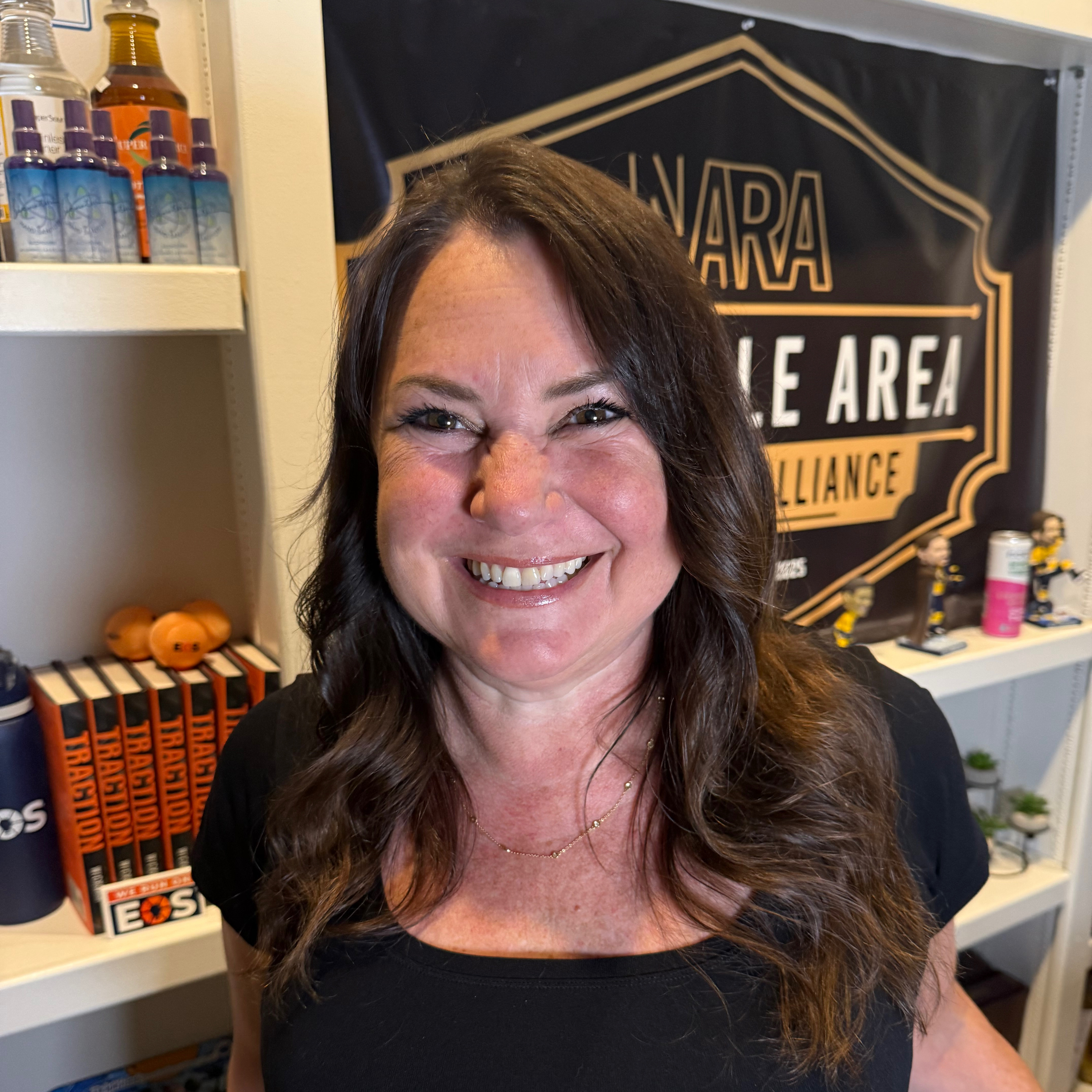 Jessica Hazard-Owner- NY PIENashville Restaurant Radio · on Will Guidera's Unreasonable Hospitality76 / 100
 Your tools aren't broken, your processes are with Zontziry JohnsonThe Curiosity Current: A Market Research Podcast · on Research operations67 / 100
 EP 156 - Stop Wasting Research with Jake BurghardtProduct for Product Management · on Research operations59 / 100
 What Breaks When Your GM Takes Two Weeks Off?The Shift Change · on Ted Lasso58 / 100
 Episode 268: Rethinking What Done Means in Product OpsProduct Thinking · on Research operationsBrendan Jarvis - Saying Goodbye to Brave UX25 / 100Wolfgang Bremer - Trust, Teams, and Tangible Impact56 / 100Changying (Z) Zheng - Connecting Teams Through Ops79 / 100Jake Burghardt - Stop Wasting Research93 / 100Ehab Bandar - Designing a Life of Creative Freedom88 / 100