This is Growth! · 2025-04-11 · 46 min
Twine solves a critical operational gap: customer feedback scattered across sales calls, CRM systems, and team members' memories never reaches product teams in structured, actionable form. Brian and Max, both founders with deep B2B SaaS backgrounds (Brian in product management and go-to-market; Max in sales, sales engineering, and customer success), built Twine to automate what was previously a manual, bias-prone process. The platform integrates with call recording tools like Gong and CRMs like HubSpot or Salesforce, then uses large language models to identify key moments, classify feedback (product, pricing, service), detect revenue-at-risk signals, and surface themes ranked by customer segment and deal value. Product managers get region-specific or product-area-specific reports; CS leaders can drill into renewal risk by root cause instead of broad buckets; go-to-market teams see critical feedback tied to deals in flight. Case studies show teams generating 100+ daily insights, saving 5-10 hours weekly, and reducing decision cycles from months to weeks - one customer went from six months of roadmap debate to a shipped release in one week after Twine surfaced the need. The setup requires just two integrations and minimal manual configuration.
Twine integrates with call recording tools like Gong and analyzes every moment of recorded calls using AI to classify feedback into categories (product, pricing, service), detect sentiment and tone, identify revenue-at-risk signals, and surface key clips - without requiring manual transcription or logging by CS or sales teams.
Twine supports over 15 CRM integrations including HubSpot and Salesforce, allowing it to map customer feedback to account context like deal stage, total contract value, and customer segment so feedback can be ranked by business impact.
Setup requires only two integrations - your call recording software and CRM - and insights begin flowing in real time once connected; teams report generating 100+ daily insights and saving 5-10 hours per week immediately, with thematic reports available within days.
Instead of lumping all product-related risk into one bucket, Twine surfaces specific root causes (integrations, functionality gaps, reliability issues, pricing concerns) ranked by revenue impact and customer segment, enabling CS leaders to quantify and prioritize risk drivers without weeks of manual analysis.
Yes - Twine uses semantic reasoning rather than keyword matching to recognize when customers describe the same underlying problem using different language, and it connects those insights across your entire call library to surface the true theme and its revenue impact.
Computed from the transcript - who did the talking, and the words that came up most.
Ever wondered how companies effectively integrate customer feedback into products? I chat with Brian and Max, founders of Twine, an AI-driven platform that connects go-to-market and product teams. We discuss turning insights into actions, the power of nonverbal communication, intriguing 'customer love' reports, and why fostering a customer-centric culture is crucial for success.
Transcribed and scored by The B2B Podcast Index.
Speaker A: Brian. Max, I am m so excited to have you here today on the podcast. Welcome. It's been a long time coming. Since last year when we first met, I've been obsessed with twine. I've just been, you know, a big brand advocate, talking about it on LinkedIn. And I'm so excited that the audience gets to listen and learn from, from you both today. So thank you so much for, for being here. Let's start from the very, very start. What is twine? What does it do? So maybe Max, you can start there for us?
Speaker B: Yeah, absolutely. Um, twine is really all about bridging the gap between go to market and product teams and bringing really customer voice into the forefront. And the way our teams kind of come together, uh, oftentimes it's hard to document this internally and route it to the right people in an organization. And so uh, we're trying to make sure that that customer voice is easily heard and that that process is less manual for teams, uh, across the board.
Speaker A: And uh, tell me more about like how does it all work on the background? Like what are the mechanics for listening and then translating that into things that product teams can use to take action?
Speaker B: Yeah, so at our core we're all about customer facing calls. This is our gold mine of information. Customers are sharing what they need, what they love, um, what they need against the competitors out in the market. And that's always shifting. So we plug into the calls that you're having and recording every day and we're essentially just clipping the really critical moments where customers are sharing that information with us. Uh, we then integrate into your CRM so we can map all that beautiful feedback, uh, to, to the customer context, which is often something customer, uh, that customer data is something that product teams don't often have access to internally. So making the connection for that and then surfacing those themes across the calls is something that uh, really unlocks how teams can then come together and have conversations internally.
Speaker A: I have been in the receiving end of so many product requests for customer feedback. It's like, can you find 20 customers that have this problem? We want to dig deeper with them to understand what they're trying to do. But I've also been on the uh, on the preparing end of some of the feedback because there were things that weren't being addressed by the product team, they weren't in the roadmap, but they were coming up in conversation. My team was surfacing that to me and we're trying to compile examples to then go back to the product team. So this is like a uh, it's a bi directional uh, connection that CS teams and product teams have and it's incredible to see that, you know, there are now products like twine, they're coming up to the scene and really mining that goldmine of conversations that we have. Because it's so time consuming to do that. Um, it's, yeah, not just time consuming but I think one of the things that uh, that ends up happening and I've seen so many times, is you end up going to the, the same customers over and over again, like cab customers or you know, your, your, your top, most, you know, highest spending customers, you go back to them over and over again for feedback and you end up with a really myopic view of what the install base actually wants and, and needs. Um, we're going to talk a lot more about this so, but before we go, we go down that way. You know, Brian and Max, you're both founders, you're starting a company which is a fantastic thing. Um, but it always, you know, the founding story is something that we're really interested in. So maybe Brian, you can start unbox, you can follow that. What is, what do we need to know about your background to understand why you're building Twine?
Speaker C: So, so for me in particular, uh, I think the macro thing for both of us that I shared is we both felt this problem for years. My background is in product um, management mostly at B2B SaaS companies, ones that happen to be scaling at the time that I was there. And so adding go to market teams globally and just trying to figure out how do we grow the product, grow the business, grow the culture. Uh, as teams are expanding, the surface area of the product expands and just firsthand having to process all the problems that we just discussed like how does data get transferred across an organization? Naturally more tools get brought onto companies as they grow, which creates these like artificial silos of information as well. And uh, when you have a globally distributed team it's just almost impossible. And so I felt it primarily from the product side throughout my career. I think the one unique aspect that sparked swine for me is in my last company I spent about a year to year and a half running go to market. So I actually went to the other side of the equation and was suddenly responsible for revenue. I was sitting on QBRs with CSMs, I was doing pipeline reviews with our sales team and just realized it's a very unique thing to drop a product person into those environments and probably uh, doesn't happen that often. Especially when you're responsible for making some of the decisions. And it was this spark in my brain of there's probably a better way to be doing this. And I tried to hack together things internally, um, but it wasn't quite doing exactly what I wanted. And then this is in 2023, ChatGPT is launched. Large language models start to be quite good at structuring unstructured data of which much of this is. And so that I think for me was the original spark for. I think there could be a much better way to solve this problem that I've experienced at every company I've worked at.
Speaker B: Yeah. And from my side I was the polar opposite. So I was always in larger B2B tech companies on the go to market side, uh, in my career I was in sales, sales engineering, customer success engineering, jumped uh, through a few different areas and oftentimes I was as a technical salesperson the human bridge. Having to file the tickets with the product team, um, give the feedback, find customers to do betas, remember who is interested in all of this. And it was an incredibly manual task that was very at risk to being uh, you know, prone for subjectivity, uh, bias or recency bias where you know, you can only remember so many customer calls at a given time. And so um, when AI came about and we could start to realize that we could use this in a really multi, uh, functional kind of multi team way um, where you know, um, we could take the manual lift out of this and look at things objectively and at scale. That's where we really decided that this was something uh, we wanted to come together on and bring our experience to create like a shared, a shared center, a product that anybody could jump into and get value out of.
Speaker A: Yeah, that's incredible that both of you had such hands on experience, experience with this problem from the different angles that, where this appears. And that comes very clearly in your product by the way. Like when, when you know you're looking through like the twine demo functionality it's like there's stuff there that's designed for product managers to help them consolidate and understand information to do their jobs faster. And there's stuff there to help go to market teams, be better enabled, get, get better support. So there's definitely, you know, when you look at wine you see that experience that you both had coming to life in the uh, in how the product is structured and it's really great. Uh, one of the things that I've been doing is I've been looking at uh, the twine case Studies. Right. So I haven't personally use Twine in my work, but I've been really, really interested with the, how you guys are developing, how it's helping people. Obviously we met and I said I saw demos of your product. Um, and you know there's a ton of benefits to, to using Twine. I, I kind of wrote some of them down here that I, I really kind of like was impressed by. So you know, there are case studies where you are saving five to 10 hours a week, week for teams generating over 100 insights daily. I don't even know how product teams act on 100 insights daily. But it's awesome to see that this is coming through, getting 15 times more feedback, increasing by three times the velocity of the development cycle. Those are some incredible outcomes and benefits from using Twine. And uh, I'll say this as a uh, customer success leader, there are so many times when like I said, we spent hours and hours and hours to try and compile the level of insight that you're getting just using large language models, just looking at the unstructured data. Like Brian was saying, um, but what I love to hear is okay, this is the outcome. That's the kind of what you get on the other side of bringing Twine in. But like, be honest with us, like what does it look like to implement twine? Is it difficult? How long does it take for you to start seeing some of this stuff?
Speaker C: So uh, I think the first thing you mentioned some benefits. So like time saving. So the first thing that you want to set up to like capture that is connecting Twine to your call recording software. So tools like Gong and all these other sales, like you have this data, this wealth of information that it's primarily used for sales coaching or CS coaching on calls. Um, but you can repurpose that data to be quite useful. So just by integrating that, connecting your CRM. So whether it's HubSpot, Salesforce, we support over 15 CRM integrations. You can then combine those data sets and process them through our pipeline and start getting real time feeds of key moments on calls or when there becomes hundreds a day, you want to do more thematic analysis to try to find the things that are merging. So just by setting up those two integrations and turning on twine and Twine is a concept called tasks. So you just assign it work to do on your behalf. The information just starts, starts flowing. Now once that happens, there are a number of ways you can customize the reports. So maybe you just want to focus on uh, we have an Upcoming planning, uh, for product quarterly planning, what are the things that are impacting upcoming renewals that we could do to impact the most revenue that's potentially at risk? Or if I'm a product manager and I just want to know, I only care about my part of the product that I'm focused on. How do I make it? So Twine just gets super focused on the thing that I care about. So, uh, there is an evolution of how you can evolve Twine to be more personalized and tailored, especially at larger companies. But to get it set up, you really just need to integrate, um, your call recording software and your CRM.
Speaker A: I love, uh, that point about integrating the CRM. And you mentioned the cohorts that you can build things like deals in flight, renewals, et cetera. Because actually that is the other side of product feedback. You might be hearing a ton of different things from your customers. And as a csm, you might not have either the business outcome or, uh, the business acumen or not have spent enough time to actually gather all this information. But not all product feedback. Feedback is made the same, right? It's not because you're hearing something 10 times that, that is actually putting things at risk, like maybe one or two other things that you hear that are really not, uh, you know, preventing you from closing deals, making you lose customers to the competition. So it's really being able to discern between like critical feedback that needs to be incorporated into the product as fast as you can versus things that are nice to have that obviously your customers are, you know, are, are talking about. And I think that connection with the CRM is, is really powerful for that. Right, because you can see where the customer is in the life cycle and use that information to understand the potential impact of, of, of delivering that. Um, I think this is, you know, one of the, one of the things that I'm seeing this a lot with AI now is the implementation time being cut down significantly, like people being able to plug and play and start getting value out. And it sounds like Twine is like that too, right? It's like as soon as you plug into your stack, as soon as the data is flowing in, the insights will start coming. Um, what does it look like for, um, you know, from an interface perspective? Right. So if I'm like a product manager, like what do I see versus if I'm a go to market leader, like how are the different Personas that we talked about interacting with Twine?
Speaker B: Yeah, so we've worked really hard to make things functionally specific. Um, so for A product manager, uh, you can create essentially what we call tasks because it's really like hiring twine to do this work for you. Almost like an analyst, uh, you're assigning it to tasks, go back and evaluate those calls. And to Brian's earlier point, it may be that they have a particular area of a platform that they need to look at. So they could create a feedback report that's just focusing on intel subjects around that area. So that could be essentially customers mentioning my product area. And it'll be doing that uh, AI secret sauce of semantic reasoning, not just keyword matching and really pulling through like what was the general dynamic of the conversation when the customer decided to share this information with us? Um, uh, the nice thing about this is then it opens up the ability for them to look at things by what's in the CRM. So an example of this to ground it in a real world use case would be one of our recent customers. They have their product team in Australia and they have a brand new sales team in the uk. They have no product presence there. So by plugging twine in they're able to ingest all the customer facing calls from that region and then filter product feedback of interest to them by that region and instantly almost like put a product manager in twine into that region. So they could feel heard, the go to market team could feel heard. I think that's one of those classic cases where for a product manager that just solved a massive problem for them that's regionally specific, maybe not just product specific. Um, for a go to market team it might just be looking at uh, critical product feedback or service feedback, um, where you have a renewal coming up in the next 90 days and if that's happening in my team could be globally or regionally surface those themes first. So it really comes down to the use cases that you want. But those things are very tailored to each function, um, depending on who's in the platform.
Speaker A: M. Uh, as you're, you're saying that the thing that came to my mind is like the work that I do as, as a CS leader when it comes to forecasting and explaining my numbers when they're, you know, the, the next six months of, of risks and opportunities. Um, to give you an example, in HubSpot we meet every single week and we talk about the, the future forecast and how it's moving, is it getting better, is it getting worse, what are the trends, et cetera. And, and I think most custom will have a forecasting motion in place. Um, and you know, there's usually buckets of reasons for risk. So it's like, um, you know, there's risk because, um, you know, the customer can't afford HubSpot. There is reasons where, you know, there's a competitive situation, uh, happening. So there's like buckets of reasons why there's potential risk. And for the longest time that I've been in cs, like product fit is a bucket, right? But it's like one bucket is this massive bucket where it's, you know, there's like a product concern of it could be anything, it could be integrations, it could be, uh, block functionality, it could be, um, reliability and downtime. It could be like literally anything that goes into that touches the product fits that bucket. And when we're talking about future risk, we say, you know, in Q4 their renewals are risk because of product fit. And to go down and be able to distill what are the core reasons and to find out whether the reasons in Q2, Q3, Q4, if they're all different, if they're the same, that is actually a very difficult thing. It's very time consuming to the point that, um, in all honesty, we only really go the next level down when there's a problem.
Speaker B: Right?
Speaker A: If there is, if that quarter's renewals are not looking very good, then the next stage from that bucket is to go and say, well, why? And then you go and you do that deeper analysis that will take weeks for you to do to get everybody's accounts, to get the detail of the product, roadblocks, to be able to group them, et cetera. And just as you're speaking about that, I'm thinking in my head, I'm like, can twine surface those buckets for a CS leader? Um, yeah. So over to you. Can it do that?
Speaker C: Yeah, we built the. So without getting too in the weeds with how the AI part of it works, we basically on every call, uh, classify and review every moment for certain things. So you mentioned like product feedback, pricing, uh, and packaging, which we have a whole bucket that we call service feedback, which is essentially everything other than, um, the product pricing, packaging, documentation, levels of support, whatever it might be. Um, and we have built it such that if a product manager were to go through every single second of every single call, what are the things they would write down if they were just like perfect at their job? Similarly for the uh, non product feedback, and if you can do that accurately and also denote what part of the product are they talking about? Is this actually you mentioned before, like, knowing the Difference between at risk versus uh, uh, just like nice to have. Um, often customers don't say that directly. They're not just like sometimes they do of course, but they're kind of insinuating it through the tone of voice or the sentiment of the conversation or the back and forth. And so we spend a lot of time, uh, extra extracting those moments that are actually product revenue at risk. Here's the part of the product they're discussing or service levels, revenue at risk. This is what they're talking about. Pricing on this plan, for instance. And when you take that and can augment it with the CRM data of total, uh, account value, total uh, opportunity size for deals that are in flight, or maybe the upside of this potential account or by certain segments that you strategically are going after and you want to treat those differently. Um, you can slice and dice the data with all of this information to generate reports that will summarize the key themes, rank them by revenue opportunity and, and pull out those key clips, which I think is an important thing that product managers often need. Like what did the customer actually say? Um, what was the sequence of the conversation that led to this insight that you had? And uh, that little highlight reel that gets pulled out to just make sense of the theme so you can dive and explore specifically what this customer said versus that customer said, um, can be quite, quite powerful.
Speaker A: Yeah, I think that the piece of hearing from the customer's mouth is so important because if you think about the product development cycle historically, you get the internal feedback and then the product manager will prioritize that and will have to go externally to go talk to customers, to listen to them anyway. The product manager is not just going to take the word of the sales organization or the CS organization and start building without having that customer facing engagement. Engagement to really deep dive into what is happening, why it's happening, what, what are you trying to do? How does it fit to your process? Like the product manager wants to understand the problem and put their arms around the problem to then figure out what is the best way to solve this inside the product. So when I think about like what Twine is doing is it's, it's already cutting that stage of having to circle back. Right. I'm not saying product managers might not want to circle back any, uh, anymore, but it just gives them so much more context of uh, front to maybe even tailor that first conversation with that set of customers to go deeper into those problems. Instead of like having to do that initial surface, basic level of understanding, um, and then Obviously helps them get in touch with the right customer, the customer that actually said those things instead of again tapping into a set of customers that haven't, um, necessarily expressed that, that problem, but are just the easiest customers to get. Maybe they're very engaged, maybe they love your product. Um, so I think that like the hearing from the customer is so important and I think Max, you said something about like, you know, I think you said that it's not just like keywords, but it's like in reasoning and semantics. Because again, I think that's such a, such an important thing. It's like, how are customers speaking about this problem? Like what words do they use to describe these things? And you know, that without the sanitized version of, you know, taking a, uh, customer success manager and, or maybe the 10 customer success managers that heard about this in different ways. And uh, by the time it gets to the, to the product, it's like that broken telephone thing, right? It's like every single hand that the feedback passes through, the feedback changes slightly by the time it gets to product. It's not exactly what the customer had said. So I think being able to take that from the customer's mouth and then, and then reason, because there might be, and you might have examples of this or have seen this, but there might be customers that are speaking about the same problem in very different ways and the LLM is able to then connect the dots that maybe other people haven't. Um, does that happen? Is that part of the value?
Speaker B: Yeah, absolutely. I think there's a lot to be said for semantic reasoning over keyword matching for one, just at a technical level, I think the other side of it is the non verbal communication. So much of what humans relate to and connect with is non verbal. And as much as a transcript or a summary can help set the context. There's nothing that can replace a product team hearing something as a clustered group of feedback and then watching five or six two minute clips of customers saying it in their own words with the emotion behind it. We're finding that there's a culture shift that happens very quickly when even trialing twine where um, we will go from a CS team that is logging maybe a piece of feedback per person a month and the product team's going, yeah, yeah, okay, cool. But what did they actually say to. They get a thematic report from twine across like the last quarter's worth of calls and it will surface a theme and they can see it next to revenue and then watch the clips and now they're showing up to these internal meetings with the CS team prepped, convinced by the customer. And it's a completely different internal discussion around where to prioritize roadmap. Um, we had an example in a customer recently that said they had been arguing over a product roadmap decision for six months. Um, turned on report from Twine. The engineering team was the one that received it and actually went to the product manager and said, hey, we can do something about this. They turned around a release inside of a week and by the end of that week they saw a customer love report from Twine come back praising the thing they released. So they went from six months to one week and that was something where the engineering team was now coming to the product team to solve something that the go to market team was hearing and no one had to log anything manually. Like, that's. That to me was the real unlock where you've got teams now coming voluntarily to the center to fix something just because the voice of the customer is driving it all. If that makes sense. Yeah.
Speaker A: Wow. Yeah. No, it's. That, that is honestly, uh, that's unheard of. I think, uh, when you go outside the startup, uh, phase of a company where, you know, the founders are like heavily involved in the product and a small development team and a small sales team and everybody's kind of working together at stage of a company, like, I feel like everybody's so responsive to everything that happens and so bought in. But the bigger you grow, the larger your organization. When you are like in the, in the dozens, then the hundreds, then the thousands, like, what happens is usually you get further and further and further from this sentiment and this culture of like, fast, uh, fixing and really being guided by what the customer is saying at that moment. And to be able to bring that back to a product team and get them so much closer to what is the pain point for the customer and whether that's like a low effort. Let's just do it because we can do it and it's going to help people. It's so great. But Max, you just said something there that's really interesting. You said the product love report. Tell me more about that. What is that?
Speaker B: Yeah, so a, uh, big thing in Twine is that we don't want to just focus on the constructive feedback. Let's just call it. There's a lot of benefit, I think, for product teams, both morale wise, but also to know where to double down when we're doing things well within a product. And that's traditionally something that we're not incentivized or uh, given enough time as go to market teams to document. We barely have enough time to document the really critical, uh, negative feedback or feedback needs work and attention. Um, and so we have, uh, to Brian's earlier point, we classify product and service feedback about things that need to be worked on. But customer love is all about customers praising what we're doing both as a team or a product. Um, and we're surfacing candidates for beta recruitment, for case studies and testimonials, um, for sales enablement so that petenpool can understand what are people loving about our products and then how do we incorporate that into our talk tracks and how we take this out to market. So yeah, customer love is all about the positives, right? What are we doing? Well, uh, and democratizing that information just as much as what we need to work on.
Speaker A: I love that so much because I think what you said about like, we barely have time for the constructive feedback to be packaged for us to take action on it. And it's so true. But that means that I don't think we spend enough time talking about what is right and what to double down on and what customers love and then circling back on those real stories, the way customers speak about those successes and integrating that back into our go to market, into our safe place with customers that maybe aren't in that same spot and how can we get them there, um, recognizing great work that the product team does as well. Because, you know, the other piece of feedback I received from customer success teams a lot is that they feel like their feedback, it's like it goes into a black hole and it's in the ether and nobody knows. Is something going to be done about this? Is this important? Is it not important? Am I alone in that feedback? So we know that we're sending the feedback, but we never know what's going to come out on the other side. Is something going to be done about it, it or not. And I, and I think that, you know, to be able to close the loop on that entire thing of like, we've, we've heard from the customer, it was a big painful problem because it was impacting our renewals this year. That was creating risk. We acted on that feedback, we brought it back to the product and now customers are speaking positively about this and this is a success story that we can like, we can literally tell from, from start to end, I think go to market teams really, really appre being able to say that because, you know, the majority of customers are very reasonable and they understand that you know, SaaS businesses are continuously evolving, right? We're continuously building and getting better. And actually what builds trust with the customer is being able to go back, circle back and say, you said that that was a problem and we fixed that problem. You said that there was a need for your business. We're now meeting that need. And if you can do that enough times with a customer successfully, that builds trust. Because they're going to go to the next company and they're going to say, well, I might save a few bucks here, but are they going to act on my feedback? Are they going to meet my needs? Are they going to move in the speed of my business? These guys do. And that is a value add on itself. That is part of the value of working with this company. So I just love that there is a full feedback loop. Brian, I'm going to ask you this question, and this is a leading question because I know it exists. But I want the audience to hear about this. In this closing the feedback loop piece. I know that there is, uh, entwine, uh, a way for people to identify the customers that were part of giving that feedback or that had those challenges to be able to go back to them and also a way for us to enable our uh, go to market teams to have those conversations. So tell the audience how does that all work?
Speaker C: There are two sides to this. Um, the first we've already talked about a little bit, but just to pick up on it like one of the big challenges that product teams have on acting on this information is that by no fault of any individual or team is that the data set is rarely comprehensive and objective across all calls. And so there's always this. Is this really what all, how many customers are actually saying? This is it. You mentioned just the key customer advisory board customers who might be like the most vocal. Is this representative of the whole customer base? Maybe you just have one very charismatic CSM or very thoughtful csm and so you need to kind of navigate these. So what Twine first does is gives product teams a data set that uh, they can trust and make sense of and still sit down with their counterparts and these other functions. But at least you're all starting from the same uh, data set, uh, of understanding. Then what we can do is use all this information, all these moments on calls to close the loop, as you said. So if a product manager is releasing a new feature or uh, providing an update to the product, they can tell Twine what that is. So usually there's some release comms that'll go out Internally, whether it's through Slack or emails, uh, or internal wikis. Every company does this slightly differently. But if you just take that comms, give it to Twine, Twine will go back through all the moments on calls and find the customers who ask the for those things and send a DM to each account owner of those customers and say this is the product change that's occurring. Here is a ranked list of customers that you own or accounts that you own. Uh, and here is the moment of them asking for it, whether it was yesterday, six months ago, two weeks ago. So you can actually begin to formulate a way to very personal, in a personal trusting way, uh, closed loop with that customer and let them know that this thing has actually occurred. So the problems that we heard as we were just building this feature set was CSMs often have a hard time making sense of all the product updates or things will ship and they've just missed it and the customer told them about it on a call, which is a whole, like that's a huge problem. But then also knowing like, how can I be enabled to very quickly and personalized way close the loop. And so Twine doesn't go so far as to like write the email or suggest what to say on the call because that's what CSMs are great at. But it gives them the information they need to very proactively, um, and quickly close loop with customers based on exactly what they said.
Speaker A: Yeah, that is, that is phenomenal because I, you know, HubSpot, I use it as an example because I know so, so intimately. We get dozens of product updates every single week. Like sometimes if we're getting closer to, you know, big events like our conference, uh, inbound, et cetera, there's hundreds of product updates. And to be able to like, you know, look at all of that and then do that reasoning of like matching every single product update to every person that ever said it, said anything related to it, that we wanted to kind of relate back to them. It's really impossible. Like it's, there is no way a CSM is doing this. And what I see happen a lot is that um, there is this expectation that the CSM will be the connective tissue between the um, what happens in the product release and then bringing it to life to the customer. That might be obviously a centralized place, like a part of the website that has all the releases. That might be like a webinar that the product marketing team does if it's a big release, et cetera. But ultimately it lies with the go to Market team to go and say to the customer, hey, you said this thing, we now have it. Let's uh, drive some adoption of this with your team is going to add value to your business. Like the CSM is expected to tell that story but with very little tooling up until now in order to do that. And what happens is CSMs end up sending this really bog standard newsletters to their customers. And I've been on the receiving end of many of these, which is like the CSM cherry picks like their top updates that they think are most interesting, that add most value and they create this really standard email that isn't tailored or personalized to their individual customer and sends it out in a regular basis. Maybe they send this every month to their customer. But actually what you said about the personalization piece, like making this like relating it back to the conversation we had. So if you came to me and you just sent me an email that said, here's the 10 things that, that we released this week or this month, um, go have a look. Here's links to all the demos, et cetera. The chances of me actually doing this are literally zero. Unless there's so painful for my business. And it's there on that list of top 10 that I'm going to be like, oh, okay, that's cool. But honestly, after a while I'm not even going to open those emails anymore. They're going to arrive in my inbox and I'm going to mark them as read and move on with my day. Which is very different than if a CSM sends me a very unique email that says, hey Daphne, in our conversation in January, you said that you wanted to do X, Y and Z with your team. We now have that in the product. And here is a video of how you do it. In our next conversation we can walk you through how to set this up. That is like, oh, okay, awesome. I'm looking forward to it. I'm going to watch this video. Let's set up our next call. Because it feels so personal. So that is, I, um, think that's a, you know, biased view from a CS leader. I think that's like one of my favorite parts of uh, of twine. I'm obsessed with value. Um, anybody that, that looks at my content like is, you know, I'm always talking about like, what is the value that things drive to customers? How do we measure this? How do we communicate back to them? So I'm going to ask you this, this, this question. What is the value of twine? We talked about A bunch of, you know, potential, uh, uh, you know, we talked features, functionality, we talked, uh, about what you can do when you're pitching twine or when you, when you're circling back with the customer to evaluate whether they're getting value from your product. Like what are some of the things that you're looking into.
Speaker C: So usually, um, there are, there's a stage, like a progression, I guess, of this. But usually the first thing is how, how do you transfer this information back and forth, these functions today? And it's usually somewhat manual, pretty painful. Um, so there is a time constraint of, uh, excuse me, time expense that's being taxed on basically every rep, every product manager, every product ops, repops person who's involved in this process. That is a immediate thing that twine can get dropped in and just start pulling together the data in a way that doesn't involve people having to go in and review calls and manually log things so your reps get more time to support customers. Product teams get a data set that they can trust that is more comprehensive.
Speaker B: Uh,
Speaker C: the next, and I think somewhat more important thing is you actually get far more data flowing back and forth. So not only are you automating the manual thing you're doing, but you're opening up the floodgates. You gave a couple of the numbers that our customers have said. Usually if they're using a manual logging system, they're getting from one to two things a day to hundreds. So you are understanding your customer and their opinion of your product and company and service at a far deeper level than you did previously. So that's the second thing is you're just getting a far better understanding. And then finally, by having this information flow freely throughout the organization, uh, you're making much quicker decisions. We gave the example of someone just an engineer jumping on a problem that came up on a call across the world that could be solved quickly. They knew that they had the context because it was delivered to them. This was turned around within a week. That's, uh, an example of a smaller company, but larger companies. I think it still creates this agility in the organization of how quickly you can make decisions, which ultimately has much larger implications on, um, retaining customers, um, growing your, uh, revenue, expanding, uh, into new markets, all this stuff. But I think those are the main things. It's like, initially you save time, then you get a much stronger, richer data set to make decisions on. And that data is shared throughout the organization. So everyone's making far more informed decisions much quicker. So that's usually the Three buckets. We see.
Speaker A: Yeah. Saving time, improving the customer experience, and ultimately making more money. Right? You make more money with this because you save more customers, you sign more deals. So, uh, I think the, the value prop is really compelling. I'm going to shift gears a little bit because there's something I need to say and ask. And it's. I am such a fan girl of your brand. Like, it is gorgeous. The twine logo, the website is a masterpiece. Like, it's just so beautiful. It's like genuinely, uh, you know, it's not often that I go into a website and I look at a B2B SaaS branding and I'm like, wow, this is, this is really gorgeous. So I need to ask you, like, what is that? Is that. Is there a story behind the brand? Is the brand trying to convey something? How did you come up with it? Uh, it's okay if the answer is no, because it is very beautiful. But usually when you think about branding, there's always something there behind, behind the logo.
Speaker C: The simple answer is, um, who you should give that praise to is, uh, our designer, Beck. A lot of this, ah, just comes out of her brain and experiences. Um, and we've tried to create a culture where we all have the freedom to explore things and be a bit different. I think the brief that we discussed together is, uh, we are building B2B software for enterprises, so it can't be too, uh, out there, but we want it to feel, uh, unique and grounded in this kind of like, connective tissue feel of an organization. The thing that we're actually trying to solve, which obviously comes through in the name of the company. Um, but not to fall into these patterns of. Just use the standard blue color, uh, illustration style. Let's explore some things that are a bit different. And so, um, there are a lot of inspirations that we looked at and like, um, things that are from, uh, a bit retro that have kind of made its way into the brand, things that are a bit more organic, that have made its way through. Um, but a lot of this comes down to just the fact that we have Beck on our team and she's, um, fantastic at what she does.
Speaker B: Yeah.
Speaker A: Wow. You're going to be. You have to be careful. We're all going to go after beck now on LinkedIn.
Speaker C: It's. That's. We know that's happening all the time. She's very, she's very, she's very talented. And I think, um, it's good that everyone knows that. What were you going to say, Max?
Speaker B: I Was just going to say, I think we aren't a massive team, but we incorporated design into the founding members on purpose. That was a very diligent, um, thing, um, that we did because it is a shared problem and it's a tool shared by different functions that aren't traditionally sharing a platform or a tool. So design becomes a kind of paramount. It needs to be intuitive, it needs to feel easy to use. Uh, you know, and it can't be this thing that has 17,000 steps to set up to get value out of it. And so I think the way that um, you know, Beck has not only translated that in the website, but also in the product design is a huge part of our success.
Speaker A: Uh, I love that, like being deliberate and starting from day one, because I think people sometimes. And that says a lot about founders as well. Right? Where you go from, some people are like, let's, let's just build something that works and then we'll figure out how to make it pretty afterwards versus saying design is a foundational component of how we solve this problem and how people engage with this product. So let's embed it into the core of what we do. And ah, you see that very clearly when those two approaches are different in a product and when the user experience is put at the core of everything that you do. So, uh, go back, that's what I'll say. Uh, Brian, Max, that was my last question for you, so I want to open up. Is there anything else that we didn't talk about that you're like, the audience needs to know about this before we leave or anything? Any parting words you want to leave the audience with?
Speaker C: Just an acknowledgement. I know we've, we've spent a lot of time on this, but like, the challenges that I think a lot of CSMS product managers, uh, sales leaders, uh, feel is like normal. And uh, like we did a bunch of research to decide whether or not we should start this company. And it's very funny, every time you ask someone about these problems, the initial reaction is like a, uh, like, like everyone that like, knows it's important, tries their best to solve it, but it's quite hard. And so I think just being okay with that, but then understanding that twine can solve some of it. It can't necessarily solve everything obviously, but, um, just being open for like new, new products, new tools or if you have new ideas, like, we're always trying to understand how we can make the product better for CSMs product teams and so on. So we'd love to hear from you, even if Twine isn't the right fit right now, because we're very thirsty for understanding how we can continue to apply our product and AI to solving problems.
Speaker A: Max, any final words from you?
Speaker B: I would say first of all it's been amazing getting to get to know you through this process and for um, showcasing I think an example of how it doesn't have to start with um, it's tough sometimes for I think organizations to figure out which function starts this process. Um, and you're a good example of this, of CS leaders can start meeting product in the middle. And actually in this scenario, um, it's a fantastic way I think for a lot of CS organizations to be a champion internally of change with very little lift. And I think that um, that's hopefully something that we get to see more and more of is, you know, this is like a really easy win for any go to market team that's recording their calls and has a CRM. They basically spearhead change and help the whole business bear hug customers and move towards product, market fit, wherever that takes them, you know, wherever the market demands it. I think that's um, that that's on any product or go to market org to start. Um, and uh, it's cool to see you I guess, uh, being a beacon for that change. So yeah, thanks for giving us the opportunity.
Speaker A: Yeah, thank you so much, Max. I mean for those of you listening, if you listen to the end, like there is a call to action for you, right? If you're struggling with um, risks in your install base that are not being solved by product, if you're struggling with escalations, if you're struggling to be on top of everything that's coming out of the product and connecting that to the customer to drive adoption, this is the tool for you to look into. Um, and it doesn't need to be owned by product. You can start in customer success, you can start there connecting to your CRM like Max said in your calls, and really gather that knowledge to be able to share a product. And slowly but surely that can be uh, a cultural change in your organization. Max and Brian, thank you so much for being here today. This has been a pleasure. Uh, I am going to leave twine's website, your LinkedIn all in the show notes. So if people want to connect, if they want to learn more, they'd be able to find you. Uh, but thanks again.
Speaker B: Thank you.
Speaker C: Thanks Daphne.
Other episodes covering the same guests and topics, from across The B2B Podcast Index.
 Radiology Can't Keep Up. Here's Where AI Actually Helps | Dr. Nina KottlerRethink Imaging · on Large language models96 / 100
 Why AI Will Replace Risk Managers Who Don't Adapt | Kristen BessetteRisk Management: Brick by Brick · on Salesforce85 / 100
 Adamma Ihemeson on Building Autonomous AI Systems You Can TrustBack on T-R-A-C-K · on HubSpot84 / 100
 How to Hire a VP of RevOpsGTM Science · on HubSpot83 / 100
 The End of Software as We Know It: How AI Agents Are Rewriting HR, SaaS, and Organizational DesignAI First with Adam and Andy · on HubSpot81 / 100
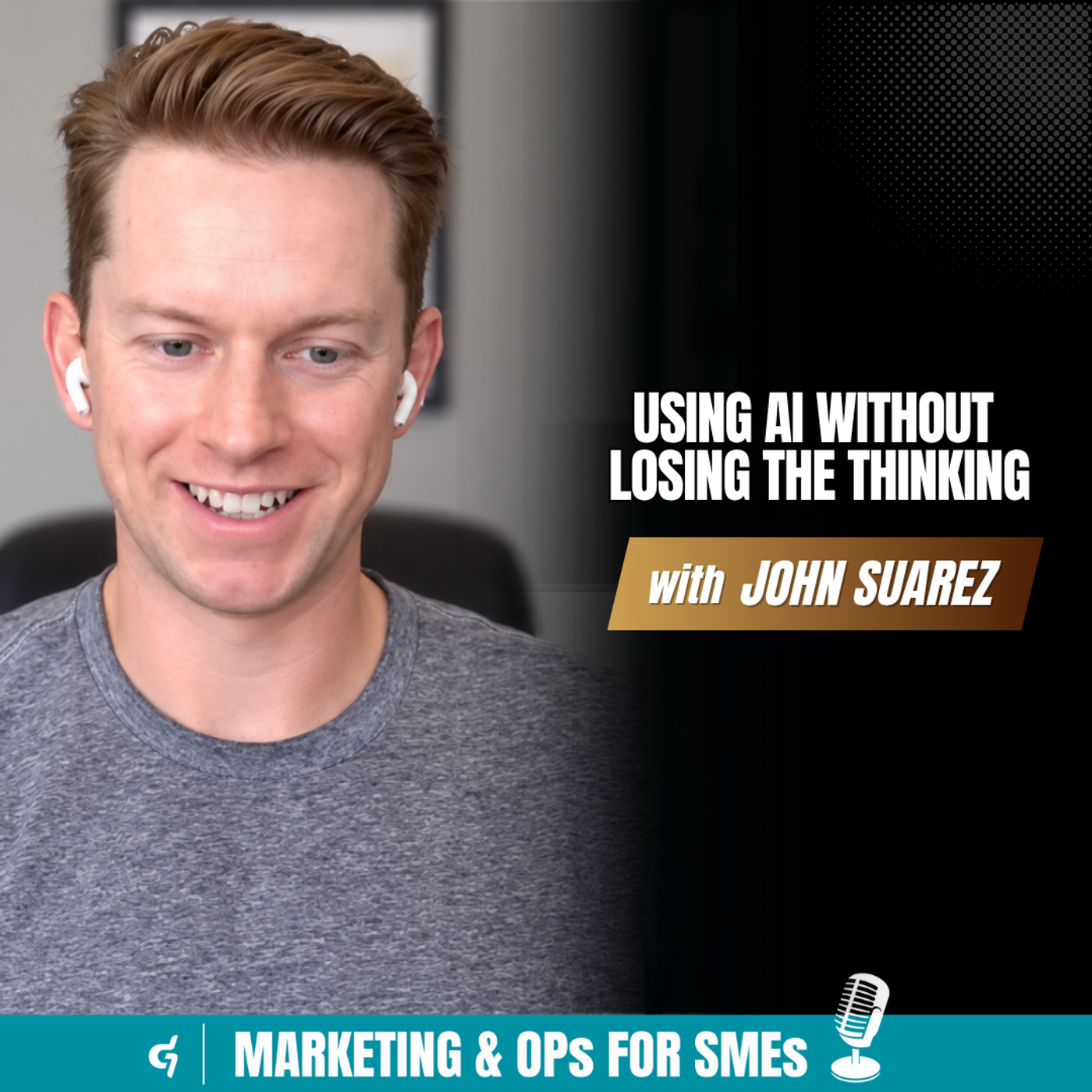 John Suarez on How Businesses Should Actually Use AI Without Losing Human JudgementMarketing for SMEs · on HubSpot78 / 100Cutting the cost of Customer Success by 70% (without layoffs), with Jim Richmond, CCO of Smartling87 / 100Gal Biran: How Base Is Turning Customers Into a GTM Force Multiplier73 / 100
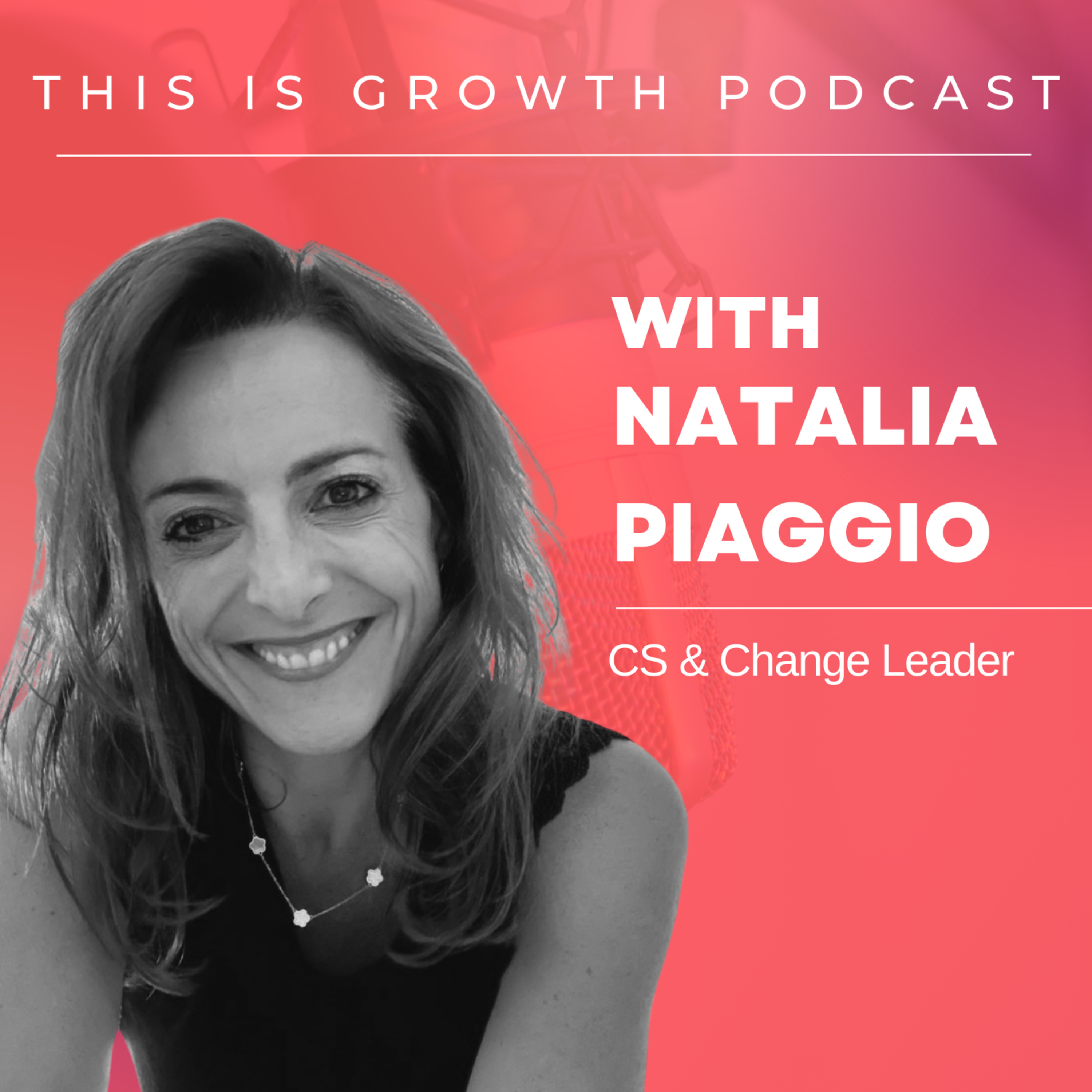 Customer Value is The Only Moat Left, Here's How You Deliver it with Natalia Piaggio
 Scaling a $3bn Customer Success Engine with Jon Dick, SVP of Customer Success at HubSpot
 Scaling Customer Success With Gemma Cipriani-Espineira, RVP of Customer Success for Twilio