The Retail Tea Break · 2026-06-11 · 44 min
Key moments - from our scoring
Substance score
58 / 100
Five dimensions, 20 points each
This eTail UK Mashup episode brings together three digital experts examining the intersection of AI, data strategy, and digital transformation in modern retail. Samantha Mo, Senior Digital Marketing Manager at Samsung, shares how AI adoption across Google, Microsoft, and Meta has reshaped performance marketing, but stresses the critical need to understand how AI works - including data collection and infrastructure - before implementation. She highlights Samsung's shift toward user-generated content and authentic influencer partnerships, noting how a simple microwave demonstration campaign outperformed polished creative agency work. Abdu Alhadithi, Digital Director at Sculpted by Aimee, discusses the real-world complexity of migrating fragmented websites and systems into one consolidated platform. He addresses the tension between moving fast and managing risk during trading seasons, and emphasizes that achieving a single customer view requires accepting ambiguity while leveraging multiple data platforms to their strengths rather than chasing a mythical perfect single source of truth. Both speakers underscore that sustainable growth requires transparency, honest assessment of capabilities, and comfort with iterative learning rather than perfect execution.
If AI breaks or underperforms and you don't understand how it's built or what data it's collecting, you cannot troubleshoot or manage it fundamentally - you're simply trusting a black box without visibility or control over results.
Authentic, honest user-generated content showing real product usage (like a straightforward microwave demonstration) drives faster sales and better brand perception than polished creative agency content.
Managing timelines and risk while live trading seasons continue, data sitting in silos (often dirty), multiple systems not communicating, and teams spending most of their time managing infrastructure complexity rather than strategic work.
Rather than searching for one perfect data platform, leverage two to three platforms each to their strengths, accept some ambiguity in the process, and create a unified picture from complementary systems - it's a journey, not a solved problem.
Samsung's founding principle of being 'a brand for the people' drives product design around consumer needs (accessibility features, food-waste reduction), which translates into marketing that emphasizes genuine consumer benefit over technical specifications.
Our reviewer’s read on each dimension, with quotes from the episode.
The episode contains a mix of practical observations and generic advice. Strong moments include Abdu's discussion of single customer views, Ben's specific examples about free delivery thresholds and German return rates, and Samantha's point about understanding AI infrastructure before implementation. However, substantial portions consist of exploratory questions, event promotion, and repeated themes (AI adoption, customer centricity) without novel frameworks or surprising data points. The substance-to-filler ratio is moderate but not dense.
You need to build that foundation before going with it because if something breaks in AI and you don't know how it's built, then how are you gonna go by fixing it
where the differentiation is going to be, you what limits brands is keeping up with that innovation
The episode predominantly recycles well-worn themes: AI is transformative (ubiquitous in 2024 discourse), data siloes plague growing companies (standard consulting wisdom), and testing culture beats perfectionism (lean startup canon). The most original observations are Ben's specific critique of how British retailers uncritically accept German shopping behaviors as immutable fact, and Abdu's point about multiple data platforms serving different strengths rather than seeking a mythical single source of truth. Most other insights feel familiar and predictable.
different data platforms have different strengths. And, and what you need to do is just leverage your two, three platforms each to their strengths and then create a full picture yourself
because they're not as close to that German customer as maybe we should be, we just accept that that's what they do
Three credible practitioners with substantive experience: Samantha Mo (senior digital marketing manager at Samsung across 16 European markets, decade in performance marketing), Abdu Alhadithi (17 years in digital commerce, senior roles at THG Ingenuity with major brands like Elemis and P&G, current Digital Director at Sculpted by Aimee), and Ben Newbon-Stead (20+ years in global digital operations and omnichannel retail). All three are operators with measurable scope of responsibility rather than pure thought leaders. However, none are C-suite founders or household names, and the episode doesn't extract enough specific case studies or proprietary learnings to justify a higher score.
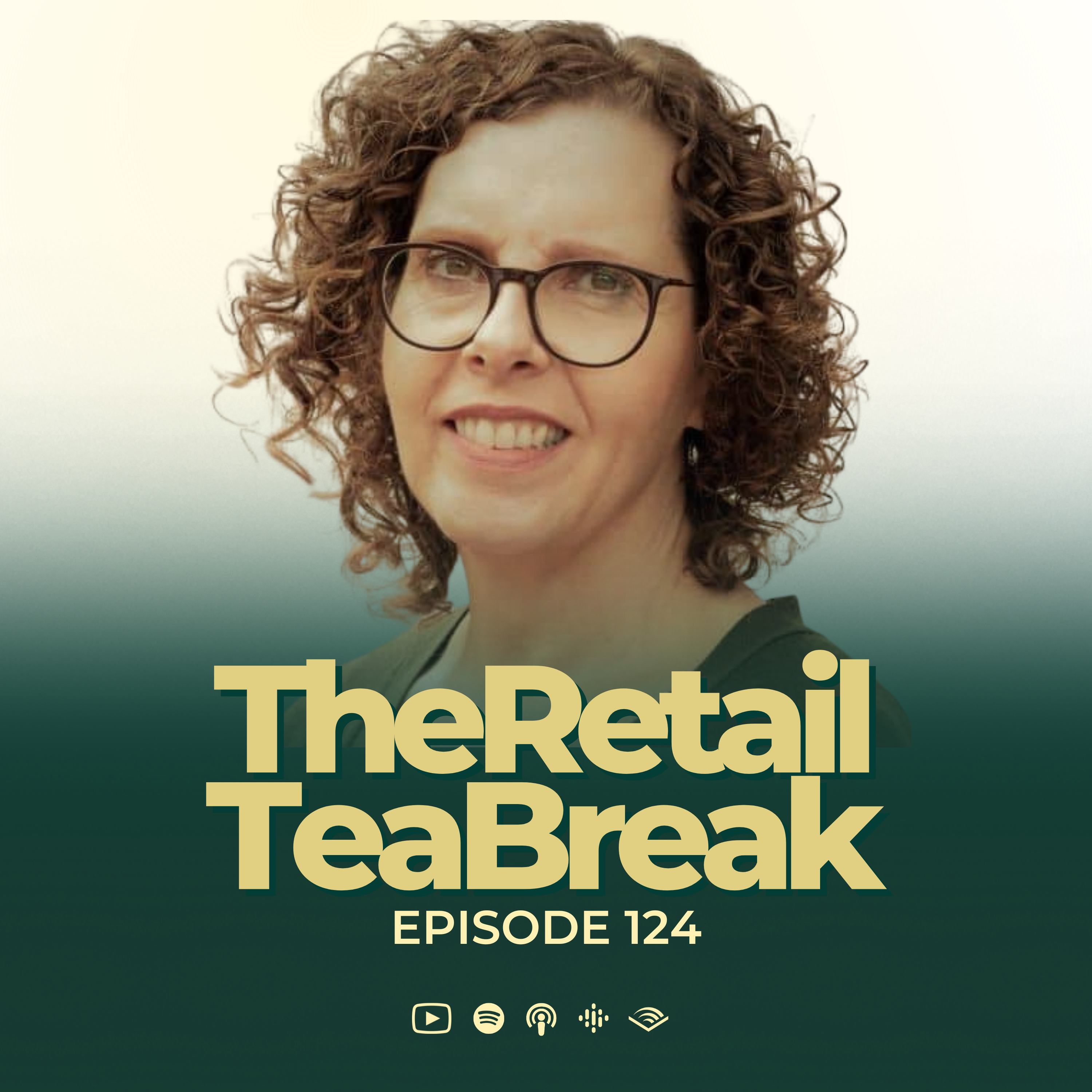
Samantha Mo is the senior digital marketing manager at Samsung. With more than a decade of experience across performance marketing, paid media, affiliate, social, and digital strategy
Abdu has helped some of the world's leading brands scale, transform and enter new markets, holding senior leadership positions at THG Ingenuity
The episode mixes concrete examples with vague claims. Strong specifics: Samantha's microwave campaign that sold out for three months, Ben's free delivery threshold analysis tied to changing average order values, and Abdu's multi-market consolidation challenges. Weak spots: AI benefits described generically without named tools, platforms, or ROI metrics; Samsung product accessibility features mentioned without numbers or adoption data; no specific performance uplifts quantified beyond 'sold out' and vague 'uplift across brand perception.' Most strategic advice lacks supporting data or named client examples.
We ran a campaign in the UK a couple of months ago and the content was literally this influencer just showcasing like a microwave. It wasn't like a really nice shiny microwave or anything. It was just a microwave for them demonstrating how the product worked. And honestly, they just flew off the shelves like, I think it sold out for like three months
their threshold of free delivery is way below their average selling price. Oh. Because they put it in a 50 pound or a hundred pound 10 years ago when they opened the site
Host Melissa Moore asks competent, setup questions that allow guests to explain their perspectives, but rarely pushes back, challenges claims, or excavates deeper. She asks open-ended prompts ('What were the biggest challenges?') and affirms answers warmly ('That's really interesting'), but doesn't probe contradictions, request evidence, or test assumptions. Ben's observation about German returns behavior draws some probing ('That's scary, isn't it?'), but without follow-up on root causes or data. The tone is collegial and comfortable, but lacks the sharpness expected of strong B2B interviews. Few instances of genuine disagreement or productive tension.
I'm really glad you mentioned that because look, as you said, lets call a spade a spade
I love the honesty there because I think it's something that an awful lot of people need to hear right now
Computed from the transcript - who did the talking, and the words that came up most.
In this special eTail UK mash-up episode, Melissa Moore is joined by three industry leaders who are helping shape the future of retail, e-commerce and digital marketing. Samantha Mo from Samsung, Abdu Alhadithi from Sculpted by Aimee, and global digital operations expert Ben Newbon-Stead share their perspectives on the opportunities and challenges facing retailers today. Together, they explore how businesses can make better use of AI, create stronger customer experiences, improve data strategies and build organisations that can adapt in a rapidly evolving digital landscape. From authentic marketing and customer-centric product development to digital transformation, operational excellence and the importance of experimentation, this episode is packed with practical insights for retail leaders looking to drive growth and stay ahead of change.
Transcribed and scored by The B2B Podcast Index.
Well, welcome to season 10 of the award-winning Retail Tea Break podcast. My name is Melissa Moore, The Retail Advisor. I'm a retail educator, trainer and retail conference MC, and each week as your host, I'll be joined by industry experts, retailers, and brands to dispel the myths, share their knowledge, and give you an insight into the retail industry. There's well over a hundred episodes now for you to listen back to on your favourite podcast platform.
Or of course, watch us over on YouTube. And while you're there, please hit that follow button so that you get to listen first every week. And if you've enjoyed an episode, don't forget to leave a comment or subscribe to the podcast to stay connected. And remember, sharing is caring in the retail industry.
Share an episode across any platform with your network. And if you're on LinkedIn or Instagram, tag me, Melissa Moore and the Retail Tea Break podcast. Ooh, and a little secret we've been keeping. You can now find the Retail Tea Break podcast on Substack.
You'll get to read my take on each episode, extra learnings and lots more insights, so subscribe to the Retail Tea Break podcast on Substack today. In the meantime then, grab a cup of tea, sit back and enjoy season 10 of the glorious Retail Tea Break podcast. This episode of the Retail Tea Break Podcast is the second of the special eTail UK Mashups, featuring three experts from across the digital marketing and retail landscapes. Samantha Mo from Samsung, Abdu Alhadithi, Digital Director at Sculpted by Aimee and Global Digital operations expert Ben Newbon-Stead.
So together they explore some of the biggest opportunities and challenges facing retail today. So from AI and performance marketing to digital transformation, customer experience, data strategy, and building organisations that can adapt quickly in a fast changing world. So whether it's creating strong customer connections, making better use of data, or building the foundation's needed to embrace new technologies, all three of today's guests share practical insights and real world experiences that retail leaders can learn from.
And you can hear more from them and more from me as MC eTail UK at the Emirates Old Trafford Cricket ground up in Manchester on the 16th and 17th of June. So if you can't see us there, let's join the conversation here. Samantha Mo is the senior digital marketing manager at Samsung. With more than a decade of experience across performance marketing, paid media, affiliate, social, and digital strategy, Samantha has worked with some of the world's leading brands, including Asda, Lloyd's Banking Group, TUI, and Samsung.
Today she leads digital innovation initiatives across 16 European markets, helping drive greater efficiency, effectiveness, and performance across Samsung's direct to consumer business. Samantha, welcome to the Retail Tea Break podcast. Hello, and thank you for having me. I'm really excited to be here.
I am thrilled to be able to talk to you because again, you look after such a huge portfolio, but within that there's so much going on. So I suppose to kick us off then, performance marketing has evolved dramatically over the last few years from attribution challenges to changing consumer behaviour of course. What do you think has been the biggest shift and how has that changed the way your team approaches performance marketing today? I don't dare say this, but I would say AI, I'm sure everyone has probably mentioned AI, but it really resonates within obviously the digital marketing space.
All of our partners have adopted it, so the likes of your Google, your Microsoft, your META, everyone is using AI to help with consumer behaviour, customer insights, everything about to do with targeting. So I would say that is probably the one thing that's changed dramatically over the past few years. It's certainly exploded over the last few years. And for us as a team, I think we've just had to adopt it essentially, because if we're, if we're not using it, we'll be behind, but also we need to be mindful of how we're using it as well.
So I think there's two, two prongs there and I think it's, it's definitely helped us over the past couple of years. It's definitely accelerated things like efficiencies, it's helped us find new customers. It's really, really sort of helped us in terms of like being more creative in a space where sometimes we just don't have time to do that. So yeah, time efficiencies as well I think has definitely helped.
But yeah, we definitely see the shift over the past couple of years in how we use it and how we've adopted it across all of our channels as well. So yeah, I'd say AI. What I find really interesting, and it's not actually my, my remit at Samsung, but why I really find interesting and it, it makes me smile when I think about it, is how the product team use customer insights for our, our Samsung products. And I think when I last spoke to you, like obviously people think of Samsung as this huge business who obviously like create a lot of really cool products.
And you know, we sell a lot, we make a lot of revenue, make a lot of profit. But actually at the core of everything that we do, and at the core of like what the product teams do is they think about what the customer wants and the needs of the consumers. And obviously it is, you know, your standard consumer, generally we'd think, you know, you buy a washing machine or a fridge or soundbar, whatever, it's like, you know that that's that you look at sort the techie specs of it, the Dolby Atmos or whatever, yeah, I'm not a technical person, but just...
Either am I, so that's good. Exactly. But for those people who need something a little bit more niche, we, we do provide it. So the likes of our soundbars for example, they, they are dual sounds.
So people who are hard of hearing, for example, they can listen to the same TV or music as someone with standard hearing because there is that functionality across our soundbars for people in their hearing aids. Similar to fridge freezes. Like people might look at our fridge freezes and think why have you put a TV screen on there? Like when I first looked at it, I was like well I don't really need that on my, on my fridge.
But actually it's there to help with food waste. It's helped to, you know, people who go to the supermarket and they forget what's in their fridge so they can look into it and not buy a duplication of something that's already in their fridge that they might chuck away because you just won't be able to use it sort of thing. So all of our products have like that sort of, I guess thinking behind it. And I think that that's kind of what makes me really smile about our products is that people don't always know that.
And it's a real shame really 'cause like obviously from a marketing perspective, like we could definitely do more to, to help bring that to life and really tell that narrative. And I think, you know, generally our products are, are very, very useful and really help sort of like efficiencies, people's everyday lives and it makes people's lives a lot more convenient as well. But yeah, people just don't, not everyone knows about that. And it's something that I would, I would like to share a bit more about.
And I'm really glad you did, it makes me view the brand in a very different way that you are not just a tech company. Yeah, yeah. It's really, really interesting. And I think like at the heart of everything that Samsung do, it is about the consumer.
Like even if you look through all the Samsung's history, like we started off as a noodle bar. We weren't a tech company to begin with. I didn't know that at all! The very first Samsung was a noodle bar, it was to give the people what they wanted in Korea.
Obviously Korea went through quite a few tough times in the past and the whole point, and the whole point of Samsung generally is a brand for the people and they've really lived by it. And it, it's just evolved over the time. Like it, it is every brand has like technology has come in and we've adapted to it. So yeah, it's, it's a part of Samsung's history that I do really enjoy talking about because it, it is so like wholesome, like from a brand that you do view is quite, you know, a bit of a mean machine and like, you know, just a force to be reckoned with, to actually everything that they do is, you know, it's actually very humbling and yeah, it, it does give a different perspective of the brand overall.
I'm really glad you shared that. 'cause again, it does, it puts the brand in a completely different light to me, it almost builds that emotional connection, which can be quite hard, as you say, with a fridge or a washing machine. But I think it will make a lot of people listening as well view Samsung in a very different way, which is gorgeous. Kind of bringing us up to date, as you said, there's a huge history there.
There's a huge, I think, excitement around AI and marketing as you mentioned, but also, and you must have seen it being in the position you're in. There's a lot of noise, there's a lot of kind of chaos and craziness going on. From your perspective then, what foundation should businesses in general need to have in place I suppose, to deliver meaningful results, continue delivering and growing as many businesses have? Yeah, I'd say that like, obviously AI is coming in so quickly and like a lot of businesses are using it.
What I'd say we're certainly very mindful of is how it's being used and how it's built. I think, you know, you can get quite carried away of using it and you know, if someone comes in, they're like, oh, let's put this new AI feature in because it's gonna improve ROAS or revenue or efficiencies. But there's a lot of times where people don't ask like, how are they doing it? So like every time a partner comes to us, they're like, you know, we've got this core new AI feature.
We're always like, but how does it work? Like what data is it collecting? Like how is it built? Like what are you actually looking at to be able to come to this conclusion?
And I think that that's the element that I feel as though a lot of businesses... well, I can't speak for everybody, but a lot of people are potentially missing is, you know, you need to build that foundation before going with it because if something breaks in AI and you don't know how it's built, then how are you gonna go by fixing it, if that makes sense? So I think that's one of the most important things, like having built that sort of like infrastructure understanding like how it works, what data it's collecting, how then it comes to conclusion, should then you then use AI off the back of it?
Otherwise it's just, you're just trusting a bit of tech but may or may not give you really good results, but you, you wouldn't, you won't be able to control it or manage it fundamentally. So I think that's probably one of the key takeaways is to really try and understand like what we're actually harnessing using AI. And I love the honesty there because I think it's something that an awful lot of people need to hear right now that it's not AI first, it's actually, what's it telling you?
How is it built? What's the data? Because again, I presume, and again, you know this part of the industry an awful lot better than I do. Presumably if the data's not of any use, like why would you use it?
Why would you be spending and investing if actually the results you're getting you can't then go on and utilise within the business. Yeah, exactly. And it's like, like every penny counts in this day and age. Like even for business like Samsung where people assume that we have like astronomical budgets, it's, you know, it every little counts and like everything is measured and scrutinised.
So yeah, you've just gotta be so careful of stuff like what, what you using? And then also there's obviously the privacy behind the, the legislation that comes behind it as well. And obviously working with 16 different markets as well, like the different legislations across like the world globally as well, there's a lot to think about. So yeah, probably need to sort of dive into it a bit more than just to say, oh yeah, we'll just switch it on and see how it goes sort of thing.
And like as much as I'd love to do that it's, it's probably not the best way. That's it. Stop chasing the new shiny thing and I think a lot of us are very used to that. But yeah, wise advice there as well.
Well look, I'm really looking forward to obviously meeting you in person and seeing you on stage at eTail. Looking ahead then to the next 12 months, what's the one, and I hate to use this word, but I'm going to, trend in digital marketing or even in e-commerce, that retailers should be really paying attention to. I think, ooh, I think it's a continuous trend that I've seen and it's not gonna die down at any point, is this whole, I guess, transparency, influential that sort of, I guess really sort of user generated content that we're seeing come through through social media.
I think what we've seen through a lot of testing and the creative and content that we've been using at Samsung is that using influencers or people with a lot of trust and credibility, it might not be the shiniest of content, but it really, really drives like sales revenue and then also the brand perception as well. Like if you choose the right people to talk about your brand and demonstrate the products correctly, like it really, like you see enough uplift across like the brand perceptions just generally.
So I think that overall is a trend that I don't think it's gonna go away. I think it's, it's just gonna get bigger and bigger. And I feel as though at the eTail event, I reckon it'll be something that will, will be brought up quite a lot if I'm being honest. I think that's really interesting as well, that it doesn't have to be the shiny thing Yeah...
that they're going after. It's that humbleness, it's that honesty that I presume the consumer looking or watching this content really, it really speaks to them. Yeah, exactly. Like we ran a campaign in the UK a couple of months ago and the content was literally this influencer just showcasing like a microwave.
It wasn't like a really nice shiny microwave or anything. It was just a microwave for them demonstrating how the product worked. And honestly, they just flew off the shelves like, I think it sold out for like three months or something else, something crazy like really exceeded targets for like a good few months. And it, yeah, it wasn't the shiny thing that you'd see from like creative agencies, it was just somebody being very, very honest about the product and really showing like what it's about and what it looks like.
I think it's really interesting though this user generator content that that's that lived reality. It's someone, as you said, hoovering at home, using a microwave the way they live and feel it. Again, I think it speaks to that Samsung authenticity, which is why the brand was started in the first place. It's lovely to kind of see that full circle moment.
Yeah, yeah, exactly. I mean, yeah, don't expect us to change everything to UGC content. I think like there will still be, you know, the really nice, shiny, really impactful stuff as well. But there's definitely a place like UGC content within Samsung for sure.
And it's definitely on the rise. So yeah, we'll see. We'll see how those assets, come out in the next few months. Fantastic.
Well, Samantha, delighted that you could join me today. We're really looking forward to seeing youat eTail. Thank you so much. Yeah, thank you.
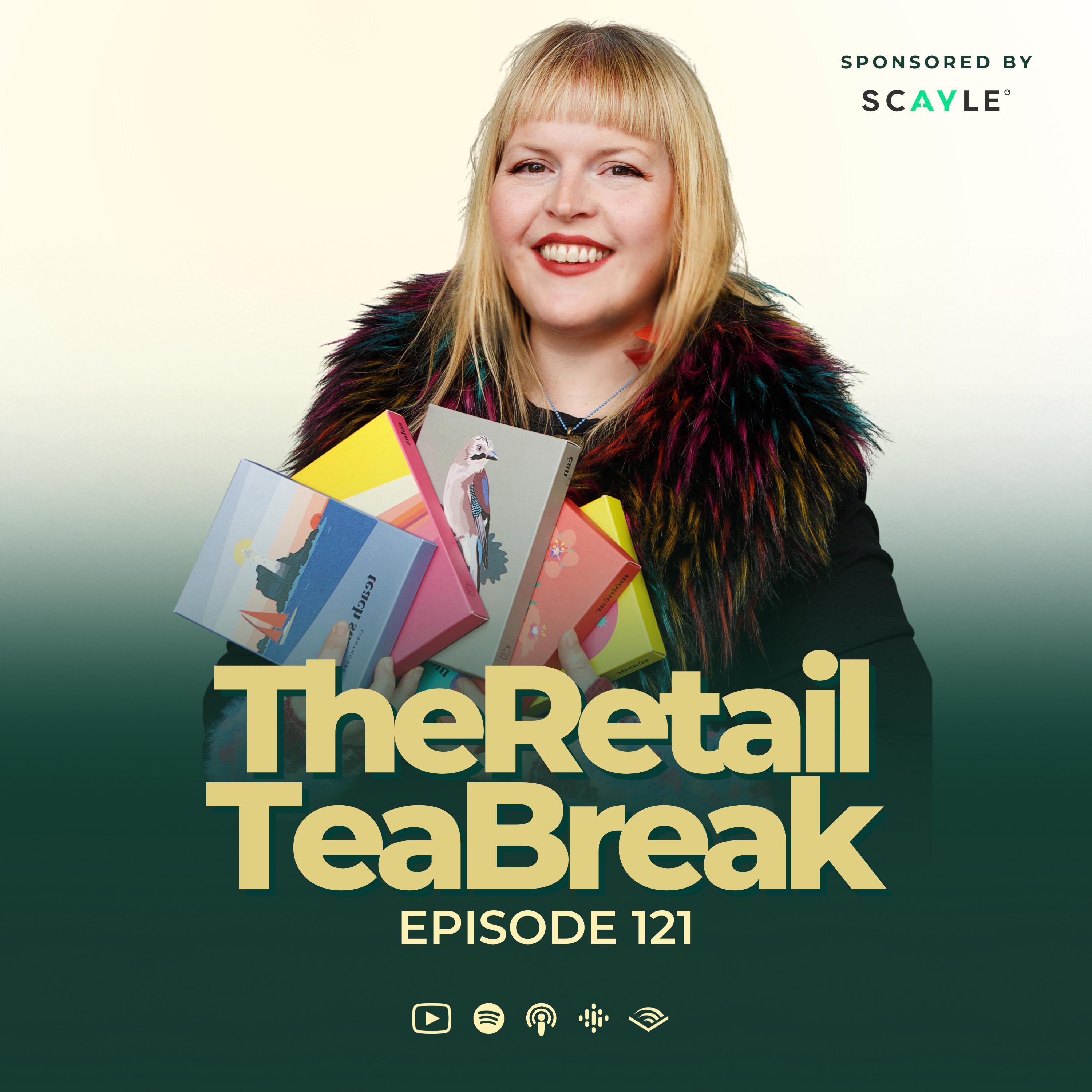
Thank you for having me. Abdu Alhadithi, Digital Director at Sculpted by Aimee, where he leads e-commerce, digital marketing, marketplaces, and social commerce, driving growth across direct to consumer channels, Amazon, and emerging platforms like TikTok Shop. With more than 17 years experience in digital commerce, Abdu has helped some of the world's leading brands scale, transform and enter new markets, holding senior leadership positions at THG Ingenuity, working with brands including Elemis, No7, P&G and Nintendo.
Abdu, welcome to the Retail Tea Break podcast. Thank you so much for having me, Melissa. I am really excited to have this conversation. I'm sure everyone listening, watching knows the brand really well, but you are bringing a very different part of the brand to life this afternoon, so very excited to kind of talk to you about your interest, but also your insights into this other world with Sculpted by Aimee.
So retailers often end up with fragmented websites, systems, and then obviously customer journeys, but at Sculpted you've been simplifying and consolidating all of that now into one ecosystem since you joined the brand. What were the biggest challenges in bringing everything under one roof for you? Yeah, it's, something, almost every retailer I've worked with faces at some point you kind of, you grow fast. You make a lot of pragmatic decisions along the way, and then before you know it, you've got multiple systems that don't necessarily always talk to each other.
And data sitting in silos, that's if the data was clean in the first place, and then team spending the majority of their time just managing the complexity of everything. So it's always good to, to simplify. But the two things that I would probably say keep me up at night or kept me up at night during the process is, things around timelines and risks. So in the past, whilst I've done multiple of these sort of migrations for other brands, when you're doing get an agency setting, it's very different to when you're doing it in-house.
So when you're in-house, you've still got your team's targets, you've still got the trading season, seasonality and all of that happening and you're trying to push and pull. And one thing that changes in the company's calendar could impact, your timelines on such a, a mammoth task. It's an absolute beast is consolidating or migrating websites. So that was a huge, huge learning for me, despite thinking initially, yeah, we've done so many of these in the past and this should be, relatively, relatively simple.
But, you know, you've got, also the realisation that the world doesn't really stop while you're doing that infrastructure work. So managing that tension, between, you know, the let's move fast and let's not blow something up, midweek or mid peak, during a trading period that's, that's quite, that's genuinely difficult. But the, the second piece around the risk is just understanding and, and being able to predict what can go wrong. So I've seen a lot of those in the past where things can go wrong and it can be extremely disruptive.
And so when you're doing it and it's your own personal sort of target that's at risk, it's a whole other different type of pressure or different type of stress as opposed to when you're in an agency setting doing it for someone else and you go, this is the best job that could possibly have been done, and whatever has happened as a result is out of everyone's control. And you understand that. You acknowledge that and, and you move on. When it's in-house, as much as you know that, it still plays on your mind because you go actually in, in the next 10, 11 months, there's still X amount that needs to be achieved.
Will we be able to do that? How and, and, and the whats? So that for me was also a big, point of a big challenge. Now moving into the, the payoff, so to speak, I think the big impact would be on customer experience.
So when you do get it right, the benefits are real and they last forever. So I'm not gonna talk about the big picture of, you know, brands can scale up and all of that, that's all granted and then everyone know, knows that and talks about that. But the most immediate one is just having that simply one platform that you can work from. So when you're running conversion rate optimization or, CX improvements across multiple websites, there's multiple projects, lots of integrations that happen and, and test mapping.
And, it can get quite messy and can get quite difficult to consolidate all the learnings into one place. Whereas doing it all in one consolidated website, you can finally run proper clean tests and actually learn from them. So what you also benefit from is the cost efficiency and the operational efficiency. Fewer people in a team can manage multiple countries as well.
But the thing that I'm most excited about long term is the piece around customer data, and I will speak about that in, in more detail later, but, you're no longer working off fragmented and disparate data sets. You start pulling a genuine, what you call a single customer view, and then you can segment it by market, by region, behaviour, skin type, et cetera, et cetera. But it all lives in one place and it obviously takes a journey, to get to that place. And that's why I said it's a long term piece, but that's when you can really start personalising at scale.
And it takes time to get there. But once you do, it's a very strong competitive advantage. That's really interesting that you talk about this kind of one view 'cause I'm always fascinated, I suppose, looking from the customer's perspective. I am a customer of the brand, so I feel like I know this quite well.
The customer doesn't almost realise, do they, that you've now grabbed everything and pulled it all together. And in that respect, is there this kind of one perfect strategy or one single source of truth? Because surely the reality is just like you were saying, that it is actually messier in the background. So how do you make confident decisions in an environment where actually as much as we'd all love it, that perfection just doesn't exist these days?
Yeah, I love how you said that because generally when you listen to interviews or you know events, nine outta 10 times people will be talking probably blue sky thinking as though it's reality. And you know, we've got this perfect data, we've got this incredible tech stack. But the reality is they probably leave that event and go to the office to probably a relative degree of organised chaos. And, and they're still figuring it out just like everyone in the audience is.
So, to make it quite different, yes, it's worth being really honest and transparent about that because, it's not always very polished and it's actually morphed in the not not polished. And I think a big learning for brands would be just realising where you need to be comfortable with that ambiguity. So you go into single source of truth, and that's, a lot of brands will go in and bring in, let's get this new data platform that's gonna be our single source of truth. Actually, nope, that didn't work.
Let's go get another one, and then let's get the third and then the fourth. And then after multiple iterations of back and forth reinventing the wheel, thinking, well, how do we do this? And the reality is, different data platforms have different strengths. And, and what you need to do is just leverage your two, three platforms each to their strengths and then create a full picture yourself.
That's what I've learned from it. And that we are all on a journey. I don't think anyone has cracked AI. And the moment you learn AI the next day, AI evolves.
And so that learning is no longer relevant. And so to, to know that we're all on a journey, we've, throughout we, we will be for the foreseeable, but as we were open and honest, teams will be more comfortable saying, actually, I've tried AI for this. I've tried a different prompt to what you've given me and it's worked better. Brilliant.
The prompt that worked for me three days ago is probably not optimal anymore. And I think that's where being a bit more comfortable with, with ambiguity again, but also clarity around that permission and exchanging learnings just will, will build that consistency. I'm really glad you mentioned that because look, as you said, lets call a spade a spade. Everyone's using it.
It doesn't matter whether it's Claude or Chat GPT or like anything. There's so much out there right now. But what very few are talking about is exactly what you've mentioned there, is this culture of sharing the AI tools, making it a safe space to do so, you know, within your teams in-house. But the fear then is it's not the fear of not using AI anymore because like it's here we have to, there's, there's a fear now that actually it's the lack of sharing.
So it's the, almost the secrecy within teams. 'cause they, they haven't been given the permission, and I say that in inverted commas to, to go and play, but the risks that companies that don't allow this knowledge sharing as you talk about, it's, it's almost the danger seems to sit there now than not even using AI. Yeah, absolutely, it's almost the million dollar question is how do you use AI and will AI replace you? Will it not?
And a lot of people panic and talk about that, but the reality is, it, it'll come with its, with its limitations and you kind of have to be the conductor and, and use it as a, an assistant, so to speak. But, you know, where brands can really benefit is, and a lot of it goes down to leadership. So, you know, if your team leader has a lot of experience in the space and has tried certain projects in a certain way, that doesn't mean that's, it's a one size fits all, and that will always work everywhere else.
And so going and, and using the proper prompt methodology and go, this is what we're doing. This is what we wanna do, these are the objectives, using X, Y, and Z sources, can you find out what other brands have done and what case studies there are that I can learn from? And then you could probably come up with hypothesis that your manager hasn't come up with. And again, someone who's been, you know, I've been in the digital world for, what, 17 years now, but it moves so fast.
It's not like a, you know, many other industries where, you know, for example, you could be managing joint business plans on an annual basis and you kind of can predict there's a level of predictability there. But in digital, everything that you learn almost every year, you have to get back to the drawing board and go, right, what do I need to learn this year? AI is throwing everything in so many different directions, and there's a lot of learning for people. And so that whole, saturation of leadership and people climbing up the ladder, it creates a fair world where people can progress faster than others.
But by the same token, people who have a lot of experience could probably do it letting go of that ego and the pride and going, I've done this for 17 years. I've done this so many times. Actually, someone who's 10 years younger than me could go and use a really good prompt and come back and correct a fact that I have, because what I've done that worked two years ago probably doesn't work now. And I need to be comfortable with that and go, if we are gonna really be honest with ourselves and be data driven date or data informed, that trumps my personal opinion.
So let's take that, let's dig into it and let's enhance and perform. And, you know, you're giving them the direction, you're giving them the safe space to go and fail fast as opposed to sort of restricting their ability. I think there will be a journey for, for businesses to get comfortable with that. And you're almost sort of redefining your role as, as a leader, as a guide or as a coach, whatever it may be.
But you kind of have to go along that, that, that journey and, and do what's best for the people. They will carry the business at the end of the day. They will carry you and your team at the end of the day and, and, and take it from there. I'm so grateful that someone like you, as you said, that's been in this industry so long, you know, is seen as a thought leader, has, has almost given us permission to do that because I think it needs to be said.
I think there's a lot of people very scared out there of doing it. But actually, as you said, if the guardrails are up, if people are communicating and talking about it in house, then, then why not? You know, why not do it? As you said, once the best, I suppose, solution or the best result is coming out at the end of the day, leave the ego at the door.
It's okay to do so, and also you are elevating that next generation of people coming up behind you, which I think is absolutely gorgeous. But look, obviously I'm looking forward to seeing it next week now in Manchester, eTail. And I know you're gonna be on stage, you're talking a lot about this and so much more with your background, but actually before I let you go then, you've obviously helped brands scale rapidly in multiple markets over the last 17 years. Looking ahead though, for those listening, what do you think will separate retailers that are gonna thrive digitally over the next few years from those that I suppose are, are realistically got a struggle to keep up?
Yeah, it's a, a question I try to think about quite a lot. Probably a bit too much, but my honest view is the gap between brands and retailers in the digital space. So people who win and those who struggle isn't gonna be about your technology or ecosystem. That's massive.
That's very foundational, fundamental to the success of a business. But a lot of these tools are readily available now. So if you live on, say, Shopify platform, you've got access to thousands of those tools that sometimes very, very, very attractive prices. And so those tools will no longer be a USP for brands.
Where I see the differentiation is going to be, you what limits brands is keeping up with that innovation. And so whilst you have tools that can automate and streamline a lot of your work, you might have processes that slow you down. And, and, and what you wanna probably establish is more of a, a fail fast culture where teams have permission to go out, be bold, be brave, and test things. And with the realisation that perhaps seven in 10, maybe even nine in 10 tests might fail and, and not bring back a tangible result.
But that one test that succeeds could drive that 0.2% uplift on your conversion rate. And a brand that sells, you know, in the hundreds of thousands a week, that could be a few, a couple of million at the end of the year, from, from a difference point of view. And so being able to adapt to the changing environment and going, we've got the foundations right, we've got the tech.
How do we use the tech to the best of its potential? Let's not slow it down. Let's probably reduce the guardrails and the restrictions or the red tape around going out and testing things. A good couple of terms I like to use is sometimes done is better than seeking perfection.
So the availability of these, you know, innovations and automations is you can get things done very quickly. You don't get things done for the sake of getting them done. But you can think of a hypothesis quite quickly, and you've got tools that will spit out hypothesis for you. You look at what's what makes, what resonates the most.
Go out and test it very quickly. Pick out the insight. Once you've picked out the insight, then go design it, engineer it, and build around it because now you know that's a project worth, worth doing. But if you are front loading all of that sort of process, then in the space of time that you're on one test, you could have probably run 10 15 in that.
And that is, in my opinion, where, the difference will be made between brands that win or retailers that win. And those who will probably struggle just because in the space of a year, they're doing 10 x, 10 times less or fewer tests. And in the world of digital, there's so many variables. As much as working with multiple brands can give people experience, every brand has a unique audience.
And so your past experience might be relevant to a certain extent, and there's a point by which you go, we need to test, we need to see, does that work for our audience? Does it work well with our tone of voice? Does it work well with our imagery, our personality, and so on and so forth. And so the faster you can start iterating in tests, and not, and not restricting that is, is is for me, the key ingredient to long term success.
Such good advice there. And again, you know, that comes from a place that you've been there yourself, that you, you've worked these things to. I'm really looking forward to hearing you on stage at eTail in a, in, in a few days time. Really Abdu, thank you so much for joining me today.
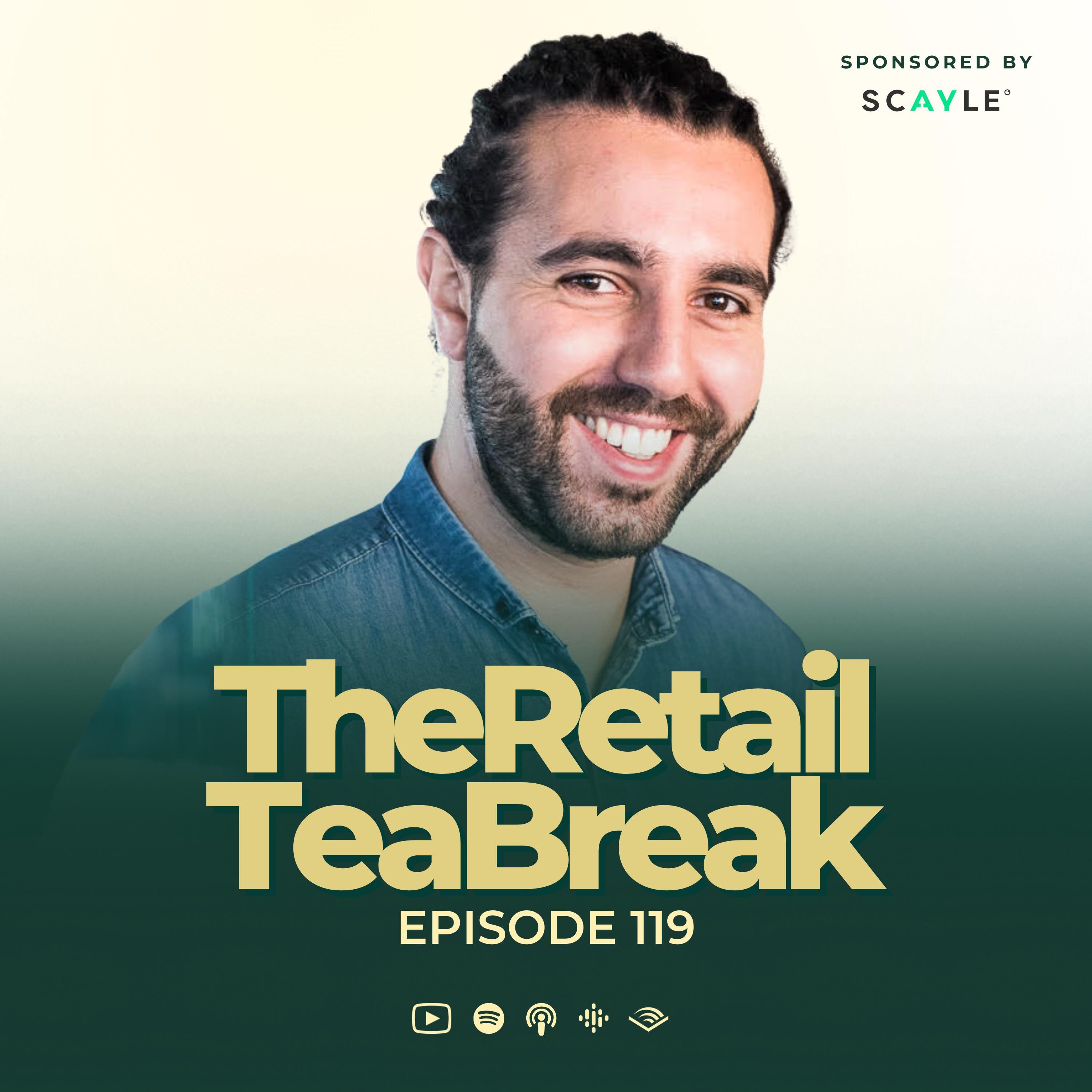
Thank you so much, Melissa. I really enjoyed that conversation and yeah, look forward to meeting you in person. Ben Newbon-Stead is an expert in global digital operations, who's got more than two decades of experience helping retailers deliver better customer experiences through operational excellence. Throughout his career, Ben has led e-commerce, omnichannel and retail operations across multiple markets, building high performance teams, and driving continuous improvement at scale, known for his practical consumer first approach.
Ben is passionate about helping retailers challenge conventional thinking, simplifying complexity, and creating experiences that work better for both customers and colleagues. Ben, welcome to the Retail Tea Break podcast. Thank you very much. It's good to be here.
I am so excited to talk to you because you just speak with this honesty that this industry, I often think public facing is, is lacking a little bit. And actually with that, your huge amount of experience that I know we're gonna talk about, you have this incredible kind of insight into retail, digital operations, and I love the fact that you mentioned to me that you often challenge businesses on this idea of customer trend centricity, which again, I think is needed. And I love the fact that you say to them something so simple, "when was the last time you personally shopped your own website?"
What's the reaction that you get to that? Yeah, it seems to be the question that I ask that, that tells me more about how customer centric any business is really. And the reaction is generally 2 different ones. One which is absolute dear in the headlights.
Oh, I don't really do it as a customer. I take the customer journey. I take my customer journey. It's not the one, that all our customers do.
For instance, I'll go on the homepage. The mass, the vast, vast majority of customers don't land on a homepage, but every internal journey starts at a homepage. That over importance that's given to homepage quality is mind blowing. So they always start at the wrong place.
They never come in via an ad, ever. And it really shows. They'll go in, they'll log in using their account, which enables them discount, and then they'll go, I actually do, you know what? I know that our search isn't very good, so I'm going use the nav.
That's dreadful. And the, and therefore it's just a bit of a hidden thing. If I don't see it as a problem, I don't need to prioritise it as a fix it. Those kind of things are the ones that if you aren't well versed, don't feel like they'll lose you money.
So if you are one of the senior non-digital drivers of the business, you don't think that loses you money. You just think that we need to get the search better. So it's a real eyeopener on where and how the senior people in that team come into the site. They, there's a real miss.
On the flip of that. You do get some that go, yeah, absolutely. I do it every week or I do it whenever we have a new offer. Whenever a new campaign launches, I do it.
And you can really tell that because you'll get senior people that say, I can't check out. And it'll be something really specific. Like they've got a product that's no longer available in a wishlist and it hasn't cleared properly. And therefore the site's clogging somewhere.
It's a real eye-opener on when they go, "yes, that's the last time I found a problem." Which is generally the second question after, when did you last find a problem? I, I love this. And I, it's not about catching people out, as you said, it's the honesty there.
If you talk about customer centricity, are you living it? And actually on that, and it's, it's an, it almost feels like we're playing a game of kind of two separate teams now in retail. Those that are, are honest as they are with you, that, that try it, it's not right. But they'll keep trying.
But also this idea of mindset. 'cause I am definitely seeing it more and more, and I dunno if it comes from a place of fear, but one of the biggest challenges, of course, we're seeing we're in this retail transformational age that, and I suppose we've never really come out of it even since e-comm, you know, people saying, well, that's how it's always been done. Is that coming from a place of fear or actually, is it just that it's easier to do that, it's cheaper to do that? We'll just stick with what we know?
I think it depends, if I'm honest, I think sometimes it comes from fear. Mm. Fear of missing out. For the vast, vast majority of retailers, they're not cash rich at the minute.
It's the fear of, of not being here in 18 months is real for a lot of people. So yeah, I think there's a fear. I think there's a fear of missing out. There's a fear of going, we've missed the AI bubble, so we're playing catch up.
Yeah. Or we've missed whatever fad has come around and whatever keywords and, and, and buzz phrases and things like that. And next on the list, we missed that. And therefore we're seen as not innovators, and we're not early adopters.
We're, we're really in that second and third tranche of businesses that get on board with something. And there's a fear that that then makes their brand look worse in some way. I don't think that's true, by the way. I don't think being, not being an early adopter makes you any less strong as a brand.
But there's also an element of that's the way we've always done it and it hasn't caused us any problems. That's true actually. That's an interesting point. So, if it never cause you a problem, you don't look to fix it.
Yeah. If you, as a real simple kind of touch, touch kind of storm for this, if you look at if ever a business has a threshold to free delivery, I guarantee you, if a business thinks like it's not broken, we don't need to look at it, it's that their threshold of free delivery is way below their average selling price. Oh. Because they put it in a 50 pound or a hundred pound 10 years ago when they opened the site.
'cause everybody had that and it's never been broken. And actually now the average selling price is one hundred and twenty pound or seventy pound, and therefore it's irrelevant. It's irrelevant. So either remove it completely because it's now not pushing the cart value up, which is what essentially that threshold was always meant to do.
A, a non-customer metric, a complete business metric. Increasing that order value, which is not a bad thing, but it's, be honest about what it's doing. Or alter it to take it to that a hundred pound level. If it's still there and it's still valuable and it's still worth doing because the cost to serve has gone up.
Petrol and fuel is an all time high. So actually getting a product to a customer is sky high. Now that cost, then there's that fight too. So there's this, , I think for certain brands, removing a, a paid option for delivery is probably the right thing.
For some brands, never having a free delivery option might be the right thing. But it's, it's all about understanding what your customer values in that. There'll be lots and lots of research out there that says customers won't buy if they pay for delivery or if they pay for the returns. Yeah.
But I think there's probably a, there's definitely in fact, a brand understanding of what your customer does, what your customer wants, and where their value set is broadly. And does that align with yours as a brand? You can then match them things much, much cleaner. Going back to your original one on, is it what we've always done?
Mm-hmm. I know we've spoken before about this. There's a, there's a real irk that, that I have around British retailers in particular who trade in European markets and because they aren't as close to that European customer as they would be maybe their English and British customer, they accept what's happening as a behaviour type of that country. Germany, for instance, has, I think most people will tell you, has a much higher, rate of return on fashion than the UK.
I have a view that that's one, comes from historically where that market came from, it was very much a pay on return market or, or what we would've had in the UK as the catalogue market where you buy everything and send it back, and then your account is tallied and you pay the balance. Because of that, there's been a behaviour, I believe, in retailers that have said, do you know what, that's just how Germany shops. Mm-hmm. And therefore, if that was the UK we'd question that because we maybe know that we don't shop like that as much anymore, but because we're not as close to that German customer as maybe we should be, we just accept that that's what they do.
That's scary, isn't it? That we just don't understand our customer how they shop. Yeah. It is a bit scary, really.
In most cases, it's never the biggest market, so therefore it's never priority one. It's crazy. It's crazy when you look at it that way, isn't it? There's a fear there, but actually a bit of time and understanding, and it kind of brings me to my next question though, and maybe this ties in together with it.
AI, we have to talk about it. AI, let's throw it into the mix here. AI and e-commerce right now, from an operational then, and customer perspective, even figuring out, like we've just talked about that German customer, where are you seeing a genuine opportunity for retailers to, I suppose, create real value at the moment with AI? I think it depends massively on what type of business you are.
So, the kind of the early stages of AI Mm-hmm in, in e-com was chatbot and it was very operational. He was very functional. But actually the learning and the training of that bot was really easy if you were selling socks. But if you were selling medicine, actually, would you want that?
Mm-hmm. Would you want an AI answering a question on either medicine for yourself, if you're a pharmacy or medicine for your pet? Yeah. To a pet care team.
And I go, actually, I'm not sure that's the best use of AI in that type of business. Where it might be really worthwhile. And where I think there is value is in potentially translation. So thinking back to that German customer, there are, if your prompts are strong enough, then making sure that the translation is a really decent start point.
And there are plenty of people doing this really well. But there are a lot of people that it would really benefit. Definitely. And of course the customer would as well.
Look, last question then ahead of eTail UK and I'm really looking forward to seeing you there. What are the big conversations retail leaders should really be focusing on, do you think, Ben, over the next 12 months? Well, we've briefly touched on AI, and actually AI, I suspect ahead of, when we're at eTail will be the hottest of topics, and how it can support with simplification on the operational side as well as that customer journey. But for me, AI is only as good as a prompt.
And your prompt is only as good as your data. And that data could be your product data, your customer data, or simply knowing who that customer is. So the big thing for me, the big think point for me, is your data set up for to enable AI to benefit you rather than hinder you. Getting that wrong could be really brand damaging.
Getting it right could be phenomenal. And if your data is set up and you know your customer is, then that's the unlock for the win for me. I love that 'cause there's a real honesty there of having your foundation right, your data, your customer knowledge, really seeing who they are and also understanding how you are as a brand. I am so excited to kind of catch up with you properly at eTail.
You too. And of course to hear you speak on stage, you've an incredible amount of experience there, Ben. Can't wait! Thank you for joining me today.
Thanks Melissa. That's it for this special eTail UK mash-up episode. A huge thank you to Samantha Mo, Abdu Alhadithi and Ben Newbon-Stead for sharing their insights, their experiences, and their practical advice on navigating the ever evolving world of retail and digital commerce. And if you'd like to hear more from industry experts just like these, join us next week in Manchester at eTail UK on the 16th and 17th of June.
So thank you for listening to the Retail Tea Break podcast. We'll see you again very soon.
Other episodes covering the same guests and topics, from across The B2B Podcast Index.
 Privacy, Power, and Prediction: Reclaiming Control of Your Personal Data, with Carissa Véliz | Lawyerist PodcastLegal Talk Network · on Meta85 / 100
 Why DTC Brands Lose Customers They Think Are Already Theirs | Agnes Seville, Little SleepiesThe MarTech Matrix · on Performance marketing79 / 100
 Iran Hacks the US Water Supply - The 443 Podcast - Episode 382The 443 · on Meta77 / 100
 Michael Moritz: Steve Jobs, Sequoia, and the Weight of HistoryThe Puck: Venture Capital and Beyond · on Google74 / 100
 Meta Ads: Drive More Sales Using Partnership Ads with Christina Bell, WebtopiaKeep Optimising · on Influencer marketing69 / 100
 Selling Before Building: $1M ARR in Six MonthsThe SaaS Podcast · on Meta69 / 100