The New F*Word · 2025-05-29 · 37 min
Key moments - from our scoring
Substance score
52 / 100
Five dimensions, 20 points each
Adam Scher, CFO at Prosperity Partners, brings nearly two decades of finance experience from Big Four accounting, private equity, and startup operations to explain how fractional CFOs are filling a critical gap in the startup ecosystem. The conversation centers on three core areas: why SaaS and funded companies desperately need finance leadership (beyond basic bookkeeping), how business valuations work across equity compensation, buy-sell agreements, and fundraising scenarios, and the operational metrics - particularly customer churn - that directly signal company health and valuation multiples. Adam makes the case that startups prioritize product and sales so heavily that finance and operations get outsourced by default, yet institutional investors now expect professional financial reporting and KPI tracking. Colin and Adam dig into practical examples: how charging for implementation improves customer commitment and reduces churn; why a 10% monthly churn rate signals a gym business model, not SaaS; and how cohort-level churn analysis reveals whether product improvements are actually working. The episode will resonate with founders raising capital, fractional CFOs building their practice, and operators who've struggled with spreadsheet-based financial management.
Valuations serve four purposes: establishing strike prices for employee stock options, structuring buy-sell agreements between partners, and supporting fundraising or exit decisions. Importantly, valuations done for one purpose (like employee equity) don't compete with or limit valuations for another purpose (like raising institutional capital) - they're purpose-specific documents, similar to home appraisals.
Cohort churn reveals the true health of the business by isolating when problems occurred and when they were fixed. A company with high overall churn might actually be improving - early cohorts that experienced a software bug left, but recent cohorts show much lower churn, indicating the product is now stable and the business trajectory is improving.
Charging for implementation (as a consulting fee) aligns incentives by making customers more committed to success; if they've paid several thousand dollars to turn on the software and committed to a 12-month contract, they're more likely to actually use it and less likely to churn, compared to free-trial customers who may never activate.
Startups progress from friends-and-family rounds (hundreds of thousands to millions) to Series Seed ($500K - $5M) to Series A ($50M+). At Series A and beyond, institutional investors expect professionalized financial reporting and KPI tracking beyond bookkeeping - which is when fractional CFOs become valuable because companies can't yet afford a full-time finance executive.
Companies prioritize product and sales, leaving operations and finance to be outsourced. Many still struggle with Excel because sales teams run separate systems and integration with accounting software (like QuickBooks Online) is incomplete, requiring manual bridging steps to connect what sales reports to what the financials show.
Our reviewer’s read on each dimension, with quotes from the episode.
There are a handful of genuinely useful nuggets - that a valuation is single-purpose and non-transferable, the 'don't compete against yourself' point on employee option valuations, and cohort vs. revenue churn framing - but they're diluted by long stretches of basic explanation (VC round definitions) and hedged tariff speculation.
for companies getting a business valuation, you'd get one for a single purpose and it's not really usable
the value put on the company for the purpose of your employees doesn't translate and isn't a mark against the company
Most content is standard finance/startup fare (funding rounds, churn metrics, eat-or-pass-through tariff costs). The 'startup prenup' buy-sell framing and the idea of restructuring contracts to shift value to non-tariffed service components are mildly fresh, but much is recycled.
it's like this buy sell with the valuation as a way of sort of building in your own kind of startup, uh, prenup
is there a service component and that's not part of what's being taxed um, in the manufacturing
Adam is a genuine practitioner - in-house CFO/COO who sold a software company, founded a hardware startup, and now does fractional CFO and valuation work - so he speaks from operating experience, though not at large scale and the fractional practice is admittedly new/one-person.
I ended up leaving to go run a software company that I ended up being the in house CFO and COO for and ended up selling um, in 2017
I founded my own technology company which was a, ah, computer vision hardware company
Provides concrete data points - 25-50% China tariffs, 30% COGS increase, specific funding ranges, CRM retention benchmarks of 90-95%, hundreds of units produced - grounded in his own hardware company, but much of the valuation and tariff talk stays general and hypothetical.
the US instituted between like 25 and maybe 50% tariffs on goods imported from China. So for us that was a 30% increase in COGS
the best CRMs main, you know, retain 95% of their customers a year or 90%
The host is engaged and there's genuine back-and-forth (the guest even turns questions back on the host about Float's churn), but questions are soft, claims go unchallenged, and the tariff segment devolves into the host admitting he doesn't understand the space rather than probing.
Do you see in float that your churn is biggest in the implementation phase
without being political I'm trying to think what, what are the tariffs trying to
Computed from the transcript - who did the talking, and the words that came up most.
Adam Sher, CFO at Vero Capital, shares his journey from Big Four accounting to scaling tech ventures. He empowers Series Seed to Series A startups by streamlining financial operations and investor communications. His insights on SaaS metrics and valuations are invaluable for CFOs helping founders navigating growth. We explore small business challenges, from tariffs to global supply chain disruptions. Adam’s candid reflections on his own startup failures, paired with actionable strategies for managing churn and rising costs, offer founders clear, practical guidance to thrive in turbulent times. This is a public episode. If you would like to discuss this with other subscribers or get access to bonus episodes, visit newfword.substack.com
Transcribed and scored by The B2B Podcast Index.
Speaker A: Hey everyone. I'm delighted to welcome Adam Scher to our podcast today. Adam is CFO of Vero Capital, which is a multi strategy PE company based out of New York. Adam moved from big four accounting into the startup ecosystem where he was able to leverage his expertise to guide emerging companies. In our conversation today, we discussed the importance of understanding business valuations and explore the impact of customer retention and the challenges posed by tariffs in this brave new world we are living in. Enjoy. Welcome to the new F Word podcast where we cut the fluff on business finances and lift the lid on the new F word, the fractional finance revolution. It's a game changer for small businesses. I'm your host, Colin Hewitt, co founder of Float Cash flow Management for Xero on QuickBooks. We believe that really understanding your business finances makes all the difference in the world and having a strategic partner like a fractional CFO is the key to unlocking that. So join us as we dive into personal stories and actionable insights from forward thinking finance leaders and seasoned entrepreneurs to discover why fractional finance leaders have become an irreplaceable part of small business leadership. All right, hey everybody, it's great to be back on the new F word and speaking to Adam Scher from Prosperity Partners, uh, over in the U.S. adam heads up um, business valuations and their fractional CFO offering there. So um, um, thought it'd be a really good conversation uh, and there's a few juicy topics for us to get into today. So Adam, welcome. Why don't you give us a bit of a background as to how you ended up uh, where you are today.
Speaker B: Sure. Well, nice to see um, you Colin and thanks for having me on. This is really fun. I started briefly in big four accounting, um, doing audit support and valuation work in commercial real estate. And then all of my clients um, went bankrupt during the Great Recession in 2008 and 9. So I found myself needing to do something else and got a little bit lucky and then spent the next seven years at a uh, commercial real estate fund, underwriting office and hotels and doing investor relations at a Philadelphia uh, based private equity fund. And from there was started to do some side consulting with some technology companies and that was really the foray into business consulting, CFO consulting. And that really took off and I ended up leaving to go run a software company that I ended up being the in house CFO and COO for and ended up selling um, in 2017. And then I founded my own technology company which was a, ah, computer vision hardware company that did gamified training and automated line calls and scorekeeping for tennis and unfortunately that wasn't successful. It's hard to bat a thousand and so after five years I had to wind that down and um, found myself back in accounting, um, with Prosperity, which is the firm I had worked with for many, many years on the tax consulting side for when we were doing capital raising and an M and A. So you know, found myself back here doing consulting, CFO work and business valuations. Um, and it's been a lot of fun and it's certainly uh, an ever changing world, at least in the U.S. i'm sure.
Speaker A: Um, so just, just going back to when you were uh, uh, you became CFO in this, in your own startup. Like is there anything you, do you think that was a really useful like jumping off board in terms of had you, you'd never been CFO before, like what was there? It was a steep learning curve. How did you find that experience?
Speaker B: It was, there was one of the big differences was at the real estate company I would rotate between having like 0 and 1 and a half employees doing work for me. So I didn't have a lot of management experience. So jumping into the technology company there was a uh, team in place in engineering and sales and customer success that outside of engineering I was suddenly responsible for. So figuring out that I'm managing teams and training teams as opposed to like doing a lot of the day to day work was a pretty, pretty big difference. And I was really fortunate that there was some existing um, people who could really work independently and do their own sub management of their teams while I kind of stumbled around figuring things out. So yeah, that was uh, I mean it really was a big difference. You know the similarities are financial analysis, it was still a startup so there's a lot of, there's always more work than people. So the ability to step in and do things, particularly in business analytics and intelligence and financial planning and analysis, um, while I'm you know, figuring out how to manage basically like a 30 person customer success support and sales team.
Speaker A: Yeah, I mean I think that's one of the challenges sometimes in uh, a small startup when you, when you're trying to play that FC or CFO rule, you get pulled into everything from doing demos to, you know, it's not, it's, it's, it's hard to keep the, the boundaries I imagine.
Speaker B: Yeah, I, part of it is, you know, you have to learn the business. So I did sit just like as part of understanding how people worked and I don't know how well this scales, it was a 50 person company so I knew everyone and uh, and you know, outside of some of the engineering things like pretty well understood what everyone did. So it was like important, you know, spend a lot of time with the sales team. This is 2015, 16, 17 so we're all going to the office. So I'm sitting with the teams, sitting in on sales demos, like having them sell me. So I understand the other side of it. Sitting in on engineering teams, listening um, in on customer calls and then also traveling around the country visiting customers and seeing how they use the software in the field. This was um, CRM and marketing automation software for gyms. So I'd go and visit different gyms around the country and see what they were doing and you know, basically let them yell at me for a day every stop and that's you know, and, and then bringing feedback to the team.
Speaker A: Yeah, and, and in terms of how you're now, how did you end up running the and fractional CFO service? Is that something that you brought to the accounting practice or was it something they decided they wanted somebody to come in and do and you kind of got the gig?
Speaker B: So prosperity is dominated by the like business tax and high net worth tax work. And out of that is a lot of accounting needs. And so typically you're, you can handle bookkeeping, AR AP monthly close and stuff that falls under like what a controller would do. And then unless you've really been in operations, you don't have the management experience to then provide sort of the management consulting of like of the finance part of a company. So there was a lot of business the company was turning away and referring out because the expertise stopped where it stopped and it was an opportunity to re keep some of the business. And then as similarly on the business valuation side sort of the work stopped and we referred that out. So it was an opportunity to match some of the unique skills from being in house and an operator as opposed to a traditional um, accounting background which I didn't have.
Speaker A: Yeah, makes sense. And yeah. How many fractional CFOs do you typically have in the, in the um practice at the moment?
Speaker B: So it's still a new practice. So it's me. And because it's a professional services model, you push down a lot of the work. So we've got, you know, our, our team of senior people and I share some of the work with them and then we have our associates and seniors and so there's you know, we do a lot of internal training. So when we get new Engagements that sort of moves up the value chain or into some of the management work. Like, I spend a lot of time and the other managers do too, um, explaining this part of the process for the business. So it's often like we deal with a lot of startups that are funded, so series seed up to a. So for people not as familiar with like venture capital and fundraising, the like rounds of financing go. You might have a, uh, friends and family or angel round. So people in your network or extended network and the amount of money there can range from, you know, a hundred thousand dollars to a couple million dollars. Then if you get into like a series seed, you might cross paths with more institutional capital. So people whose jobs it is to place money and the investment sizes can go from. I mean, they've really exploded. So this is kind of just ballparking it. It's, it's uh, there's a pretty big range, but you know, from call it like half a million and up to like 5 million. And then series A is where you've had some traction with sales and you think there's a defendable position with where the product sits in the market. So you want to grow faster. So you could raise $50 million or more. I mean, yeah, it used to be maybe 5 or 10 million was a series A range, but it's really increased. And so what happens at that size is these companies all have salespeople or a sales founder. They have a product founder or an engineer and they might have. And so the whole company is oriented around building the product and selling the product. And that's exactly what you would expect. And so then there's other parts of the business, operations, you know, managing people, hr, obviously, legal, accounting and some compliance. And that stuff gets outsourced as long as possible because you're solely focused on building the product and selling the product and improving the product. So the normal function of how some of this accounting and accounting management builds is you let your tax accountant sort of handle the mess. You might have one of your own, um, internal ops staff do some of the bookkeeping and support. And then you just sort of let things as they may, but as if you bring on institutional capital, you, the expectation is that you're reporting on the business, which includes finance, but also how you're discussing sales and incorporating your successes, uh, and failures into your feedback loop and improving the process. Um, similarly with engineering in your release cycle and all of that, the expectation is you professionalize the tracking of your own company and that you can communicate it. So because these Companies are growing fast and often, um, not yet profitable. It's a challenge for them to just hire an experienced um, finance executive because again, it's not product, it's not sales. So in those cases, in this startup world there's room for a fractional cfo where on, you know, a handful of hours a month to maybe even like full time for six or nine months, you can, you can rent someone like me to help bridge that knowledge gap and, and help be the face of the company and those other circumstances like with your investors or potential investors or strategic partners.
Speaker A: Yeah, it makes sense. And so it's just you at the moment and not uh, who plays that main ah, role in the FC or are there other.
Speaker B: Yeah, it's a new, it's a relatively new business practice. And you know, the fractional cfo, as you can hear, it's kind of a, uh, narrow target of companies that have that need and then can pay for that experience. So if you're a small business that's growing organically, you might get there over time naturally, or someone might grow into that role or you might never need it, or if you've raised enough money, uh, you can hire that person in house full time. So it's a. And because then you're effectively, you know, an employee at the company for the intents and purposes of talking to other staff, talking to investors or other stakeholders, just not on a full time basis. Like it tends to be time consuming. So it's, you know, I don't have on that like 50 clients I'm doing that for. There's a few clients at a time. So it's, it's also a harder to scale part of the business than you know, doing straight tax work or bookkeeping or controller work.
Speaker A: Yeah, makes um, sense. And in terms of uh, I know you, you talked, we talked a bit about this uh, earlier where you, you focus on valuations is a big part of what you do. I know that's come up as a topic in some um, forums that I'm part of where you know, fractional CFOs are asking about, you know, this is sometimes not an area that they've had a huge amount of experience in. Like talk to us about how you would approach that and what, what's involved in that work that you do there.
Speaker B: Sure. A lot of the companies, I mean basically as a startup, if you're taking money or not, there's a few points in the life of the business where knowing the value for a purpose is important. So one, and I think A lot of people come across this, even if they're employees, is if you get some kind of profits, interest incentive equities or stock options, those have a basis. So you join the company and as part of your compensation you can get some sort of shares or claim to the future profits of the company in the hopes there's a nice event, capital event, and you get a valuation to determine like the baseline price at above, which then you can participate in the profits. Um, and something to keep in mind is for companies getting a business valuation, you'd get one for a single purpose and it's not really usable. So for the employee incentive equity or stock options, your, the valuation that's done for that is just done for that purpose. It's not usable. Something that business owners do express concern about is, well, we want the value for the employees to be low so there they can be excited about the stock options. That doesn't really cost me anything as the business owner, but I'm expecting to raise money in the next few months and I don't want to have to compete against myself because of this valuation. Just came in really low because I'm trying to do the right thing by my employees. And so it's helpful to understand that in the employee, uh, stock option world, everyone understands that the value put on the company for the purpose of your employees doesn't translate and isn't a mark against the company as you go out and try to raise money and establish a different value, sort of an understanding of everyone. And in a certain way, if you've ever bought or sold, um, your own home and your broker says has an appraisal like that's never going to convince the buyer that this piece of paper says like they should overpay for your house. Like it's like they do their own work and there's a competitive process. So in a way it doesn't convince someone else to, to pay more for the company or invest at a higher valuation. It's uh, kind of a supporting document to help you come up with a compensation plan. And uh, a couple of other major areas where this comes up in for business valuations is if you're, if there's an opportunity to maybe buy out a partner or provide liquidity for existing executives or options, but you're not raising like institutional capital. Maybe one of the business owners is staying in the business, one of the others is leaving for whatever reason. It happens all the time. You need to figure out a way of assessing the value because you don't, you're not running a market based process. So there's a business valuation for the purpose is of like a buy sell or some kind of split. And you know the easiest way to account for that is in when you're forming the company and you've got your operating agreement between the partners is you put in either a formula or the concept of a buy sell that then gets adjudicated by evaluation specialists. So there isn't this what happens when you know, you want to go do your own new business because we, you know, the business isn't working out in the way you wanted. You could just leave. Now you have all this equity that doesn't really mean anything to you. I can't do anything with it because I can't get it from you. So it's like this buy sell with the valuation as a way of sort of building in your own kind of startup, uh, prenup. There's, there's happier reasons than that but it, it's one of them. And then, and then finally you're trying to, you want to raise money or maybe sell the company. And what the business valuation does isn't so much as provide like the answer to your potential investors or buyers, but it's a tool for the business owners to say what's going on in the market. How do I stack up? If, if I think this is way off from my value, what are some of the metrics and KPIs that I need to look at and maybe pause for six months or 12 months and make some adjustments in the operations of the company. So you, so that's a different version of analyzing the company with the uh, with trying to build up your own knowledge about where the company stands or where you need to make some adjustments to take it. So for example, if you're a software company, you know, one of the biggest metrics is your churn rate. So if you are you know, 10% a month per churn, you know, you look like a gym and uh, not a software company. So you're. So the valuation exercise is going to point that out and say well for call it like a CRM, it's a business I know well the best CRMs main, you know, retain 95% of their customers a year or 90%. So you're churning you know, half to 75% of your customers a year. So even though you know, ABC CRM sold for 20 times EBITDA, uh, or like 5x revenue, like these are some of the characteristics of the industry or these other companies that are over up here and your company's not there yet. So you can either have that knowledge and proceed and try to raise money or sell and understand where you might come down at at the lower end of the range. Or it's an opportunity to you know, look at the product, talk to your customer success team and say we need to change this because we're being undervalued by the market. And yeah, so I think that's the other way that that's the third way we see valuations getting used.
Speaker A: Yeah, absolutely. I know uh, at float we, we often talk about um, short, medium and long term churn. So where's the churn happening? And people maybe they haven't got fully started. So if it happens in the first three months it wasn't really ah, an activation was more of an extended trial. You know three to six months is something maybe didn't quite go according to plan or and then anything after you know, nine, nine months feels like you're losing somebody who was with you for you know, who committed a bit of time and so you can actually look at different parts of the business. But yeah, churn is uh, a uh, we could have a whole, a whole episode just on looking at that.
Speaker B: Do you see in float that your churn is biggest in the implementation phase that uh, like zero to three months?
Speaker A: Yeah, definitely that's. We have a significant drop off in, in the, in the early months of people like we call. Yeah just that you know they, they sign up because our trials are relatively short and people sign up and then think they're going to use it or hope they're going to use it and then potentially drop off and you know it's amazing how many, you know even offering free call uh, it's amazing how many people, they're just too busy. People are busy and uh, you know if you, they haven't maybe trialing multiple pieces of software and you know and, and sometimes just life events as well. So it's really, it is really tricky to get people and, and you have, they have to be at that ready to buy stage often to want to talk or to want to, to get involved.
Speaker B: But yeah, one thing we did is um, we charged for implementation and so that is you know like a consulting fee. But on the other hand it focus customers because if you are going to pay several thousand dollars to get this thing turned on then you're probably going to use it because you're going to be you know, whomever the head of sales or is going to be upset that I didn't get the thing we just paid for and I'm on a 12 month, um, agreement. So now what? And that makes, I think that helps align incentives. It's a benefit to the company. It's definitely a challenge. If you're doing a free trial, how to then get like additional paid services. I don't know. How have you handled that?
Speaker A: Yeah, I mean we're, we're in that, uh, kind of tricky spot where, you know, the subscription price is like $50 a month. Right. So it's, it's hard to. It is a. It is a free trial and it is m. It is a smaller end of the spectrum or so. Yeah, I think that's, that's the challenge that we're in. You know, we're in that. We're in that sort of SMB fee is, um, we're still working on it, to be honest. It's still, it's always one of these areas that it comes into focus sometimes and then you think there's other things we could be working on that are more significant. But yeah, like, it's always uh, it's always one you could be doing more on.
Speaker B: Do you also look at like cohort churn and like logo Churn, not just revenue?
Speaker A: Yeah, we have a really, uh, good app for that called Chart Mogul. I don't know if you've come across that, but it does really nice cohort breakdown. So, you know, you can see each month when, when customers joined and what the drop off rates are. And it's just, uh, you know, it's. We m. Thing is things move so fast that, you know, even looking back by a couple of cohorts, it's in months, it's. It's kind of like, oh, uh, well, yeah, we've changed everything now, so how much, how much can we put by that?
Speaker B: It's something that I found is easier to pay attention to if you're reporting to a group of people, whether it's just your internal executive team or your board or your investor group. So you look at cohort churn and say, you know, oh, you know, revenue churn was really high this year. But that's actually an incomplete story because what happened was we signed up our first set of customers in the first quarter and we had a huge hiccup in our software and everyone was mad and 50% of those people left and we released some updates to software and our cohort churn since then, it was really low. And so, you know, we think what happened in the second quarter and third quarter is more indicative of the current state of the company as opposed to the first quarter. So. But it's. Yeah, I mean it's hard to look at that unless there's like a specific like reporting goal. But yeah, I mean some of that software you mentioned, um, if it's automating, it can, can help and certainly provide a lot of good like product feedback as well.
Speaker A: Yeah, I think if you're. If in SaaS, we've been blown away by what you can do now and having that. I've seen companies that are in SaaS that don't have it and gosh, it's trying to do it in spreadsheets. It's really hard just to keep updating. You know, it's just, it's, it gets a mess.
Speaker B: Yeah, we do an unfortunate amount of work in Excel still. So we, we've done a good job of getting clients turned on to some better FP and a thing software that integrates with like QuickBooks Online, which is the most common counting software we use and our clients use. So we've definitely been moving in the right direction with getting better tools and getting some like automation and AI enabled tools to help reduce time spent on some of the basic like transaction classifications or like consolidating certain financials so you can look at the relevant summaries. But it's been, it's definitely been a challenge and there's other systems people like using, you know, particularly like the sales teams always run with their own software and it's like hard to get the right integration into the accounting software. So there's always like an intermediate step to bridge the data of what the sales team says they're doing and how that actually translates to what happens in the financial statements. It's certainly one of the most frustrating knowledge gaps to bridge. It's, it's constantly a struggle with our. And it's, it's always kind of like a time suck at the beginning to get, get that thing sorted out.
Speaker A: Yeah, no, well, it's, it's actually really nice to talk about SaaS metrics, um, because you know, I've spoken to a lot of CFOs and, and very few of them have that real in depth experience. You know, they would be saying, oh let me see, let's talk about cohorts or let's talk about, you know, different types of churn. Like it's just not, it's a lot of people haven't got that, that level of experience to, to dig into. So it's really, really interesting. I think that's something you have uh, to offer that, that we, I haven't seen a lot of, to be honest. Adam, just, just one thing before we um, before we have to wrap up. Something we were talking about at the beginning, which I think is fascinating, is I know you do a lot of work, you're doing work with um, companies that are actually like buying materials, uh, overseas. Um, and that's something that you know, again, I haven't a huge amount of experience with. So um, I'd love to hear like your views just on. We're living in interesting times and there's a lot of talk about, a lot of talk about tariffs and you know, thankfully that hasn't really hit the SaaS world um, yet and it might do. But you know what, what's it like for businesses that are dealing with shipping, um, and the uncertainties of tariffs at the moment? Like what's experience there?
Speaker B: It's been uh, so right now it's, it's new and people are, companies are trying to figure out how to, if they could, how they can absorb, I mean one is how can we absorb the cost? So if you're a small business, like the, one of the reasons you're outsourcing your manufacturing is because it's so much cheaper. It's a substitute for research and development. So if you had enough time and money you could have your in house process and develop something that gets the job done faster, cheaper, sooner. But until that day happens, how can I get something sellable now? So like shine has been the answer for several decades and there isn't this flexibility if you're a small business to just change your manufacturing process. So you know, I had some personal experience running the hardware company. So in 2019, 2020 in the US instituted between like 25 and maybe 50% tariffs on goods imported from China. So for us that was a 30% increase in COGS on our goods. And so we looked at finding a uh, US based manufacturer and even then at the small quantities we were doing, you know, hundreds of units at a time, there was still a major delta in price and we were selling to price sensitive customers. These are tennis facilities and gyms with low with single digit profit margins. So we can't just say our stuff is now, you know, an extra thousand dollars up front per quart just because of this policy. So we had to uh, basically eat the cost. And so looking forward to today. How is it just going to be the same story? So one is how price sensitive are your customers and two, um, with some of these companies can you actually split what you're doing into like the raw components. Component, sorry the raw components that might be subject to the tariffs and other services you might provide. So if you're assembling and then shipping out a uh, product that has a physical uh, component is there a ah, digital piece, is there customer service you can provide and shift what you're doing in the contract or in presentation to say you're part of this online community? There is a service component and that's not part of what's being taxed um, in the manufacturing is. So you can maybe offset some of that through how you've presented your product in that way. So it's, it's still figuring it out and sort of everyone, you know, no one wants their stuff to cost more as like a general rule. So it's uh, you know, people are kind of trying to figure out what to do. Not every business is uh, you know, 50% net profit margins. So even the lower ends of the terrace at 10% make a big impact. I think it's easy to get lost in reading a headline about how Amazon's web services gross margins are so high when one, they're the market leader, they have economies to scale and what they can do isn't just replicable by a 20 person team with 5 million in revenue in a, you know, in a hundred customers.
Speaker A: So yeah, I think, I think it's just really, I guess the question having not really, not really fully understanding this space, you know what, what, what are the tariffs? I, without being political I'm trying to think what, what are the tariffs trying to, are they, do you think that the, it's hit for a long term change of behavior that customers go, we don't need to look at, we're not going to look at China to manufacture anymore. We're going to manufacture uh, locally. Like are they, do you think it will, that it'll change the behaviors or do you think it's always going to be cheaper in China even with the tariffs and we just have to work, people have to work out how to, how to absorb them.
Speaker B: I don't have uh, any experience working at large companies so I don't. And I think there's a really big difference between what large companies can do and how they can shift their processes versus small companies. So if you look at like an Amazon that has their own data servers, they can, and they're vertically integrated. Like there's an obvious upfront cost to shift where some of that, those processes happen but they can then go back to a scale where they're getting the marginal cost down. So my sort of high level thought is it affects your company size and the extent you can affect a huge amount of your product production process makes a big difference in the medium and long term. I think in the short term it's just more expensive for everyone. And to the extent you can pass through some of that, it might result in some lower consumption. And so for businesses like my old businesses and a lot of our clients, you're stuck with having to figure out how to either eat the cost or pass through some of the costs. The difference. So, you know, five years ago the difference in manufacturing with a new 30% tariff on Chinese goods was still at least 50% more to manufacture in the U.S. so it was just a higher price for us. And I think that's going to be the case for most small businesses. There's some, I know in professional services you can get accounting talent or software engineering talent in a lot of different countries. And so you can certainly shop your regulation and tariff and get high quality work. And so if you're using offshore developers or customer service agents and you, and you're affected, there's other jurisdictions you can look at. And so for those businesses there's going to be some short term pain because you have to shift some things around. But I think you can do all right on your cost and controlling them there. I think when you're manufacturing things and you're a small business, it's, it's just tough. Yeah, I think it's just bad news. I don't know.
Speaker A: Yeah, well, look, let's hope that um, uh, let's hope that it all. It's not as extreme and seems to be, uh. Yeah, the markets don't seem to like it.
Speaker B: Yeah, I mean that's one thing. The market can punish the policies until there's a change and I think the US typically responds to that. So yeah, hopefully uh, some things go in a different direction there.
Speaker A: Well, look, Adam, it's been so good to chat, um, really interesting and um, feels like there's so much more we could get into, but I think we should wrap it there and we'll put links in the show notes to where people can find information on you Prosperity Partners. And yeah, thanks so much for coming on.
Speaker B: Absolutely. Great chatting with you, Collins. This is great, so much fun.
Speaker A: Thanks for tuning in to another episode of the new F Word. I hope you enjoyed it. Remember, expert financial advice shouldn't be limited to those with just big budgets. You can access the same level of advice for a fraction of the costs. Thanks to this fractional revolution, I believe that every growing business needs to know how much it gains changer this can be. So if you love the episode, please consider subscribing to the show. It'll help us keep doing what we're passionate about. And feel free to share this episode with others who might find it useful. Finally, we'd love to hear your thoughts. Feel free to connect with us on LinkedIn. See you in the next one.
Other episodes covering the same guests and topics, from across The B2B Podcast Index.
 The Hidden Asset Class: A Framework for Buying a BusinessATLalts · on Fractional CFO services86 / 100
 Sapna Shah, of Sie ventures, joins Guy to discuss being a strategic partner to a founder and CFOs and seed investingCFO Insights · on Fractional CFO services78 / 100
 Ep 227: From Chaos to Clarity: Understanding Your Business FinancesMoney & You with Michelle Perkins · on Fractional CFO services77 / 100
 1532: The Anti-Startup: Why Buying a Business is the Smartest Path to Entrepreneurship w/ Mark FlemingWantrepreneur to Entrepreneur · on Fractional CFO services76 / 100
 Something Quietly Hit Accounting Firms in 2025. Here's What to Do About It. | Erica GoodeThe Accounting Leads Now Podcast · on Fractional CFO services76 / 100
 ChartMogul: What happens when a sales leader takes over marketing at a B2B SaaS companyThe SaaS Growth podcast · on ChartMogul74 / 100
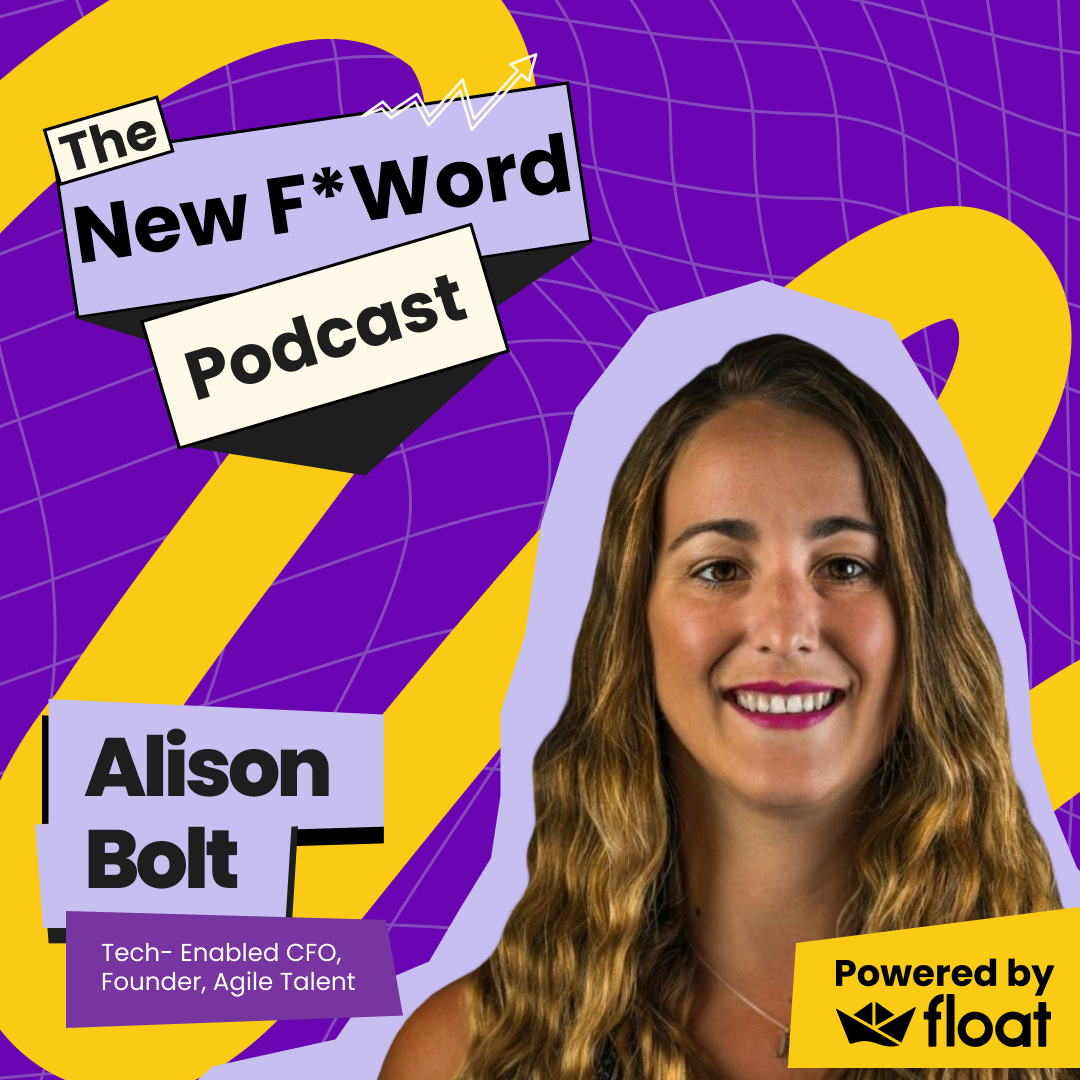 What Fractional CFOs Really Do For Growing Businesses with Alison Bolt58 / 100
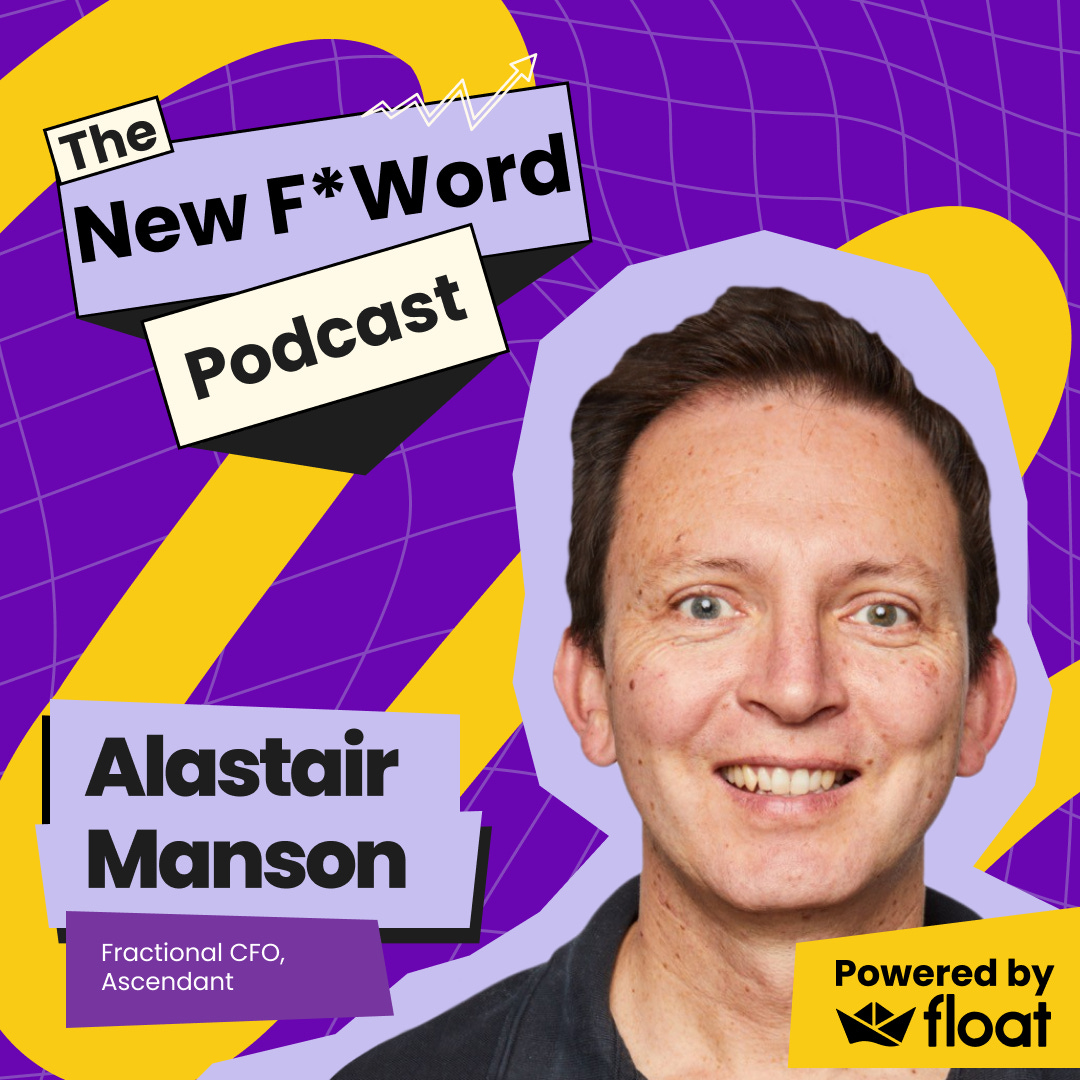 The CFO Skill Nobody Teaches: Coaching and Human Leadership with Alastair Manson55 / 100
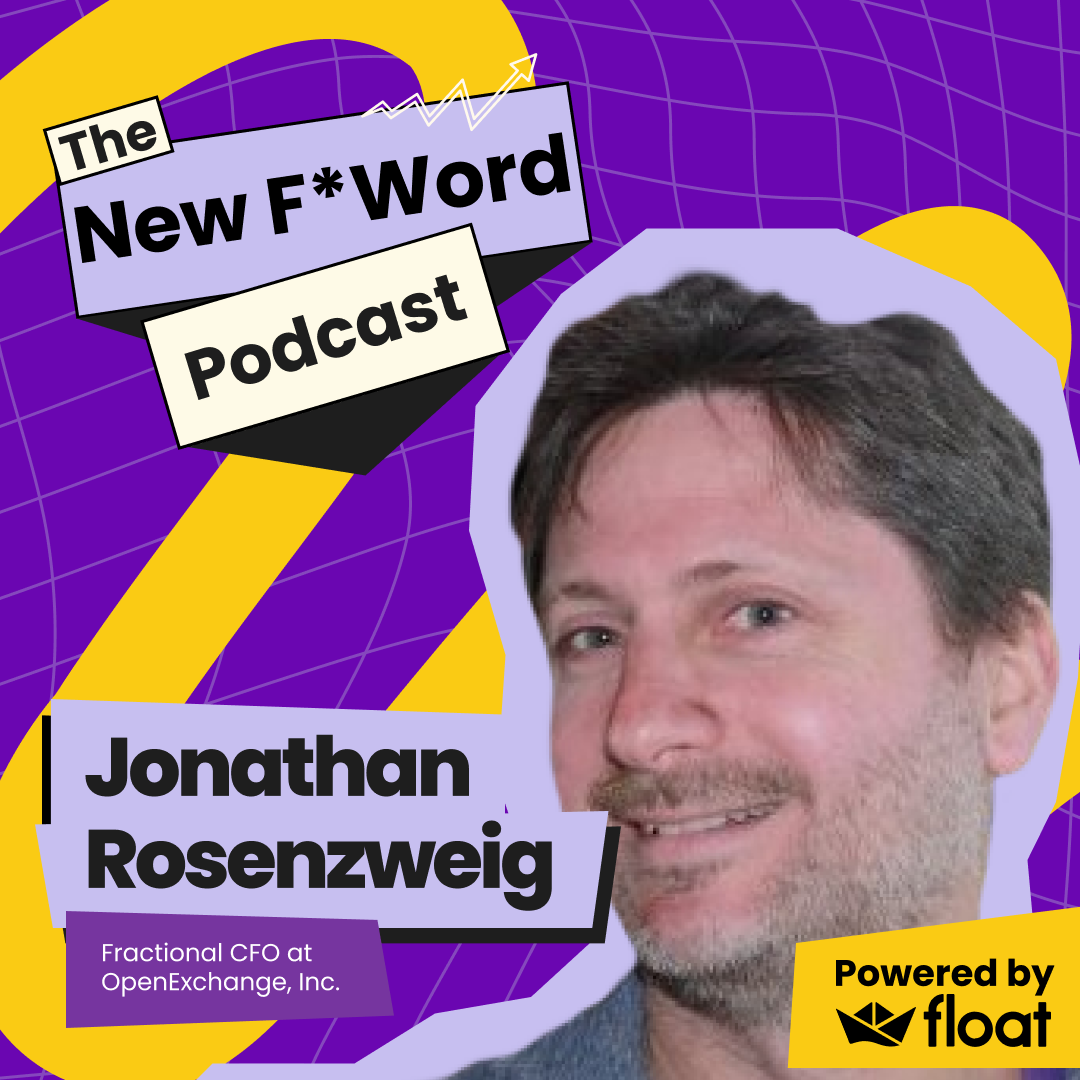 How Fractional CFOs Actually Add Value with Jonathan Rosenzweig57 / 100
 Greatest Hits: Cash, Clients, and the Secrets Behind Growing Businesses82 / 100
 How Laura Taylor Built a £1M+ Firm That Won The Advisory Game72 / 100