The Modern Retail Podcast · 2026-06-27 · 32 min
Key moments - from our scoring
Substance score
36 / 100
Five dimensions, 20 points each
This inaugural mailbag episode tackles the multifaceted state of affiliate marketing - now roughly a $17-20 billion industry by most accounts. The hosts first distinguish between different affiliate models: publisher-driven performance marketing, creator influencer partnerships, and deal site aggregators like Rakuten and Honey. They explore what makes affiliate partnerships feel authentic versus purely transactional, touching on brand-values alignment and audience trust. The conversation then pivots to AI's disruptive impact: with roughly one in five consumers now relying on AI summaries or chatbots for product discovery, attribution is breaking down. Guests like Doreen Mooney (Kinetic319) and Wendy Berg (Rakuten CMO) highlight how LLMs collapse the discovery phase, making it harder for publishers to claim credit for sales. The hosts examine how different AI agents rank sources - Reddit and YouTube tend to outrank obvious paid affiliate content - and warn against low-quality AI-generated content eroding consumer trust in recommendations. A notable shift emerges around Substack: with 35 million active subscribers and higher open rates than traditional emails, newsletter creators are becoming a high-value but scarce affiliate channel. Finally, Adiel Sebueno's voice memo raises an operational insight: many brands still manage creator and publisher affiliate as one function with one budget, when they should arguably be two separate jobs with distinct teams, tools, and success metrics. The episode serves B2B operators deciding how to allocate affiliate resources in an era of AI-driven discovery and creator-first marketing.
AI agents are collapsing the customer discovery phase into a single prompt, pulling from curated sources like Reddit and trusted publications rather than individual affiliate links. This makes it harder for publishers and creators to claim credit for sales, since customers often skip affiliate intermediaries and land directly on brand sites from AI recommendations.
Yes - Substack operates on a different model with higher conversion rates because subscribers are paying for and actively trusting the creator's recommendations. Placement is harder to secure since Substack creators typically demand paid sponsorship slots in newsletters, not traditional affiliate commissions, but conversion and engagement tend to be significantly higher.
Authentic partnerships require genuine product fit, values alignment, and the affiliate already being a real fan or user of the brand - not just chasing follower counts or commissions. Gen Z and younger audiences can detect inauthentic endorsements quickly, so vetting creator or publisher values against brand mission is critical.
Most major AI agents (ChatGPT, Gemini) heavily favor organic mentions from trusted, authoritative sources like Reddit, YouTube, and established publications like Wirecutter over obvious paid affiliate content or brand-generated material, similar to how Wikipedia requires external validation.
No - they are fundamentally different jobs requiring separate teams, tools, budgets, and success metrics. Creator affiliate focuses on trust-driven conversions from engaged audiences, while publisher affiliate relies on discovery and traffic volume. Consolidating them under one person typically underperforms.
Our reviewer’s read on each dimension, with quotes from the episode.
There are a handful of genuinely useful observations - AI collapsing the middle of the purchase journey, attribution breaking as users skip directly from LLM-cited articles to brand sites, and Substack's conversion advantage - but these are surrounded by substantial filler, hedging, and vague 'it depends' answers that dilute density considerably.
AI collapsed sort of the middle of that customer journey, you know, that experimentation, discovery, look around, read around phase is now all happening in like, one prompt and one answer
the biggest decline she's seeing is credit across the board for all of her affiliate programs right now on behalf of the brands
A couple of heuristics - 'if the affiliate link is broken, would the recommendation still be there?' and 'is this built around inventory or genuine taste?' - are genuinely useful framings, but the bulk of the discussion recycles standard creator-authenticity advice and generic AI-uncertainty talking points without first-principles reasoning or contrarian positions.
if the affiliate link is ultimately broken, would your recommendation still be there?
is this built around inventory or is this built around genuine taste?
There are no actual guests - only two journalists hosting a co-hosted mailbag chat. Practitioners (Rakuten CMO, Kinetic319 affiliate director, Mephisto CEO) are quoted in passing from prior reporting but are not present, so none of their expertise is interrogated in real time.
I'm um, special projects editor Melissa Daniels, today joined by co host, senior reporter Gabriela Barco
I recently caught up with Wendy Berg, who's the CMO at Rakuten
The episode cites Gartner numbers (17%/16% AI usage), a Substack audience figure (35M+ subscribers), and one concrete commercial result (Mephisto selling out a shoe colorway via a Jake Wolf promo code), which lifts it above pure abstraction, but most claims are brief and unsupported, and the sourced practitioners are relayed secondhand without depth.
about 17% of consumers rely on AI summaries to get information for products or services. And about 16% use AI chatbots to search for new products or services
there's 35 million-plus active subscribers on Substack and substacks also tend to have higher open rates than traditional marketing emails
The mailbag format produces decent listener questions, but the two hosts consistently validate each other, never push back on a claim, and give open-ended 'it depends on budget' closings to nearly every question; there is no productive disagreement or probing follow-up that forces a more precise or honest answer.
Wow. I think that's a great example and just really shows the power of trust
I love this take. I love an inside baseball ops question
Computed from the transcript - who did the talking, and the words that came up most.
Few areas of digital marketing have exploded in recent years as much as affiliate marketing. What's more, it's actually proving effective: eMarketer in September said that affiliate marketing would drive more than $210 billion in US e-commerce sales that year. By 2028, that figure is expected to hit over $287 billion.But with that growth comes a myriad of questions about implementation and how brands can actually get results.This week on the Modern Retail Podcast, co-hosts Gabriela Barkho and Melissa Daniels answer listener questions around affiliate best practices and how it's changing amid changes in shopper behavior and media consumption.The conversation gets into: How to ensure authenticity in partners How AI is reshaping affiliate marketing The role of Substack and new media channels Balancing workload across channels
Transcribed and scored by The B2B Podcast Index.
Speaker A: Hello and welcome to the Modern Retail Podcast. Our show that covers the ways the retail industry is changing and modernizing. I'm um, special projects editor Melissa Daniels, today joined by co host, senior reporter Gabriela Barco. Gabby, how are you today?
Speaker B: I'm great, how are you?
Speaker A: I'm good. I'm so glad that we get to have a discussion together today. Been a minute since we've had a co hosted pod and I can't wait to talk to you.
Speaker B: Yeah, me too. This is an episode that's been a couple months in the making, so I'm excited that we're finally putting it together because we have been getting so many great questions from listeners, uh, and readers.
Speaker A: Yes, this is our first official mailbag episode of the Modern Retail Podcast. We asked for your questions about affiliate marketing to help drive this conversation and thank you so much to everyone who sent in questions and suggestions via LinkedIn, posts via email, via our newsletter. Um, and we're really just going to unpack the state of play in this multi billion dollar world of affiliate marketing. When it works, when it doesn't, best practices and of course where it's all going with the AI of it all. Um, but before we get into the questions, I just want to level set here because we actually had to think about how to define affiliate marketing for purpose of this conversation. Um, it's not something that's unifor across the industry and every time I had a conversation about this with someone they're like well, what kind of affiliate? You know, because people call it different things.
Speaker B: Yes, I run into this all the time. And so now when I talk to brands and they mention affiliate just even in passing, um, I have to pause and be like, do you mean like influencer marketing or do you mean um, affiliate links, publishers, um, performance marketing I guess is the technical term which is what like PR agencies have basically started become known for. Um, yeah, so I do separate them into two different buckets because to me they're very different. I mean pitching, um, a reporter or commerce editor is very different than having like a creator, um, talk about your product on social media. So to me they're very different. So for the purposes of today's episode, we are going to um, disclose that every time we answer a question.
Speaker A: Yes, we will hopefully be contextual. Um, but you know, there are the similarities there. If you think about what affiliate marketing really is, is it's a way of promoting your product through attract link because that's something that's common to the creator side, the publisher side, the deal Side, you know, usually there's a discount code involved, not all the time. Um, and then the affiliate, whether it's a deals website, influencer, publisher, they might get a commission on the sale. And this is sort of the, you know, win, win, win that we sometimes hear about, um, when affiliate leads to conversions. So let's dive into the questions here today. Um, the first question is just gonna help maybe set the scene for us a little bit. And this came from the PR pros at Propeller Group. Thank you so much for hashing these out for me. The question is, what makes an affiliate partnership feel authentic versus purely transactional? Gabby, your thoughts?
Speaker B: Yeah. So when it comes to creators, um, I think marketers have been beating the strum for years at this point. But the most important thing is that the product actually makes sense and that the creator actually can speak to it, um, in an authoritative way and can come across genuine, uh, to their followers. Because, um, one thing we hear a lot about is that Gen Z and, you know, really just generally young people, they are basically immune to marketing or to advertising. And so this, they can sniff out, you know, an inauthentic campaign pretty easily. And to me, that really starts with seeking people who are already a fan of the brand. And I feel like that's a generic answer, but it's really step one. And then from there maybe try to figure out, like, why does this person actually want to work with you as a brand? Or why do you want to work with them? Because I have heard some nightmare stories of brands working with a creator, and then it turned out they're not necessarily values aligned or missions aligned. And then the followers will come back to the brand and be like, I can't believe you're supporting this person. Um, we see it all the time with reality or celebrity, sponsored, um, content. And so, yeah, I think, uh, the vetting process is, is also really important.
Speaker A: Yeah, no, I feel what you're saying is that you want to make sure the folks who are out there selling your products and repping your brand fit with who you are, fit with what your vibe is, and are actually, like, truly fans. You know, I feel like that's why so much of the Tik Tok affiliate content can really resonate, because those are oftentimes actual fans applying to work with the brand. It's not someone who, you know, you're approaching out of the blue based on their follower content. There's already an alignment there.
Speaker B: Yeah. Um, I'm curious, you know, on the, uh, deals or the publisher side how that works, because One thing, um, we know from our side of the industry is that, you know, these outlets are shrinking and there's just way less people working on these, um, on the content or gift guides or whatever. These, um, yeah, these links are going to. And so I do wonder whether that's also being impacted now, regardless of the product.
Speaker A: Yeah, this is a question I spoke about with a source of mine, Delaney Del Mundo. She's an SVP over at Platform and does a ton in the affiliate and marketing space. And one of the questions that she said she kind of poses to brands to see if something is a fit is, hey, if the affiliate link is ultimately broken, would your recommendation still be there? And I thought that was a really interesting guide post of how you know whether something's a fit or not. Because that is a question of whether you're actually serving the reader with content that matters versus just trying to get a link in something that you hope is going to get, get eyes on it. And yes, of course that link is convenient and could lead to conversion, but you know, but that's really, should just be a way of getting credit for a recommendation that was already happening.
Speaker C: Right.
Speaker A: Because it was already a natural fit into what this piece was, what this publication was about. Um, you know, I think a great example here is gift guides. Um, you know, what Delaney had said is, is this built around inventory or is this built around genuine taste? And um, to me that's going to be the ultimate question in how you make sure your products are getting surfaced in the right places. Um, and because like you said earlier, readers and followers are smart. They know when something is just an ad versus like hey, this is actually helping me come up with a decision on what to buy.
Speaker B: Mhm.
Speaker A: And while we're on the topic of, of content being curated, we got a lot of questions about AI and the effect that AI is going to have on affiliate content and vice versa. Um, because you know, all those publisher, uh, pieces, all those content blogs, all those inventory lists, all those things you're putting out there are getting scraped by LLMs, of course. So what does that mean for affiliate marketing? Just to sort of level set to. Again, I was looking at some Gartner Data recently around AI said about 17% of consumers rely on AI summaries to get information for products or services. And about 16% use AI chatbots to search for new products or services. So we're approaching, you know, maybe 1/5 of shoppers using AI at critical points in their shopper journey. So when you think, think about affiliate, that you're putting out there on publisher sites that's going to impact what those summaries say. Right. All that's going to get looked at. So one of the other specific questions that we got, um, curious if this was anything that you've come across in your reporting. Gabby. If consumers start turning to AI shopping agents instead of clicking creator links, does the entire affiliate model need to be rebuilt from scratch?
Speaker B: Yes, this is the billion dollar questions apparently. According to. That's a big question. Yeah, according to uh, affiliate marketers. Because uh, well, first of all I'm hearing like none of us know because it's all changing every day, which is something we hear, you know, just more broadly about the AI question. Um, but yes, I think recommendations, uh, from these chat bots and the fact that, and you know we've talked about, about this a lot over the last few months, uh, on the show, which is that more and more people are asking these platforms for recommendations for gift ideas. Um, yeah, so I talked to Doreen Mooney who is the director of affiliate marketing at Kinetic319. Um, they work a lot with direct to consumer brands, um, a lot of CPG brands. And she said that the thing we're dealing with right now is the fact that people are going into the articles that are ranked on ChatGPT. So those are the articles that the LLM, um, is pulling from, let's say strategist or wirecutter. And then people are going directly to the site of the brand from there. And so the publisher or affiliate is not getting the proper credit through tracking. And so saying the biggest decline she's seeing is credit across the board for all of her affiliate programs right now on behalf of the brands. And that's really scary because attribution is like the number one thing that you're trying to track when it comes to performance marketing. Right. Whether it doesn't matter whether it's a social media link or a creator or a publisher. And so if you can't attribute that sale to a specific outlet or channel, um, that becomes a problem because right now it's not like you can plug that into ChatGPT. I mean we don't really know what's going on with their advertising ventures. But um, yeah, this is basically where everyone is getting stuck. So you're just hoping that they'll land on your page, maybe use a generic code that way and you'll get the sale anyway. But yeah, tracking is really hard.
Speaker A: Mhm. Yeah, I think that's a great breakdown of how it's changing Things. I recently caught up with Wendy Berg, who's the CMO at Rakuten, um, you know, the deal site, and she was explaining to me how, you know, because AIs collapsed sort of the middle of that customer journey, you know, that experimentation, discovery, look around, read around phase is now all happening in like, one prompt and one answer. Uh, instead of you maybe going to multiple sites, taking more time, you know, that is sort of shrinking the opportunity that brands have to make affiliate matter in other places. But from the Rakuten standpoint, she says it's actually performing really well, uh, because they've been able to sort of drive discovery and they're helping bring new customers into the brand who are already in the Rakuten ecosystem. So, like, any change, I feel like that happens in this realm of digital marketing. You know, there are some sites and services that are maybe well positioned to take advantage of the changes in people's changing behavior.
Speaker B: Yeah, I do think, um, Rakuten, Honey, you know, all these deals, uh, sites are kind of benefiting in an indirect way, to be honest, because they're the ones whose promo codes that are coming from all over the web are getting plugged into the LLM.
Speaker C: Right.
Speaker B: So, whereas, um, what Doreen said is that the customer themselves. And I know, I don't know about you, but I feel this way, like when you're just looking for a product and you want that 20% off, like, they don't care whether that's coming from a publication or from Rakuten or from Honey.
Speaker C: Right.
Speaker B: Like, they want that 20% off. And so it's the customer journey. Sure, it's like slightly changing, but to them it doesn't. Yeah, it's not really making that much of a difference. It's the brands that are unfortunately being impacted. Um, yeah. And so, yeah, she's like, you know, they're using these promo codes that are coming from all over the web, but they're not approved through this specific affiliate program. Um, and that's basically. I'm just kind of repeating what I was saying earlier. But, um, I was reminded because you mentioned Rakuten, that, uh, yeah, this is kind of a push and pull situation.
Speaker A: Yeah, it's a great point. I just had a montage in my mind of when my husband was upgrading his smartwatch. Cut to me, like, searching Rakuten, searching electronic sites, looking at our credit card rewards to see who might have extra cash back on certain brands. And he's like, can you just order? Can we just buy my watch? And I'm like, no, we have to find the best deal. I don't know if brands hate me probably, but this is how I shop.
Speaker B: Yeah. And I think that's the natural customer journey. And we all do it, whether consciously or subconsciously.
Speaker A: Anyway, as I mentioned before, we got a ton of questions from people about how AI is affecting this world of affiliate marketing. This question stood out to me for what it says about where we're thinking about the technical aspects of it all. And that's how will agents parse affiliate content? Will they be able to discern organic reviews from pay to play slope? I mean, my, my gut instinct says no, but, you know, and I feel like people are already trying to figure out ways to game LLMs, uh, you know, and get their products surface and, and get their mention surface. You know, you mentioned earlier about all the things people are doing behind the scenes to get their content ready for LLMs. Um, but I also think that customer trust is going to play a big role here. Gabby, what do you think?
Speaker B: Yeah, so this keeps coming up a lot, right, when we talk to companies is that everyone's trying to figure out what these agents are, uh, what, what they're ranking, what their preference is, where they're getting their information from, um, and, you know, uh, listeners, if you're interested in more of that, please go back and listen to my AI reviews episode from, um, a month or so back. But one thing I learned is that ranking, depending on who you're talking about, I mean obviously ChatGPT is going to differ from Gemini etc, is that, um, the big one is Reddit. Um, for Gemini, it's YouTube. So like organic mentions more so than maybe like an ad by the brand themselves? Uh, pretty much when brands are talking about themselves, that's like the bottom of the list of the priorities. Like, it's essentially, it's kind of like how you can't really edit your own Wikipedia page easily. It, um, has to come from like an authoritative voice. Um, it's pulling from organic voices on Reddit, on Instagram, across social, on forums, because the agents deem those to be the most authentic. And so if it's a paid affiliate link, I think that's where the tension is right now.
Speaker A: Right.
Speaker B: Like, is it coming from. I imagine like, you know, a trusted source, like a wire cutter is probably, probably going to rank higher than maybe some random content farm that's just, uh, aggregating links. Right. I don't know. What are your thoughts? That's the way I understood it.
Speaker A: Yeah, yeah, no, that makes sense to me. And Definitely makes sense as far as what we know about how LLMs work and what they're surfacing. Um, but I also just think there's this kind of, like, race to the bottom that's still happening with content where, uh, you know, either the brands themselves or people looking to, you know, surface themselves and LLMs, for whatever reason, is a resource, are using AI to make content about things in hopes that it gets surfaced by AI. And that's where I start to get really suspicious, um, of the slop stuff. And I'm like, okay, well, how much of this is going to be leading to recommendations that customers can actually trust? Because I think, you know, and I go back to at how nearly one in five people now are, uh, using AI Search or LLMs to get product recommendations. Right. They're doing that because they want it to be unbiased. You know, they want it to be fast, and they want to be efficient, and they don't want to waste their time trying to go through a million guides for whatever reason why, but they also feel like those recommendations are going to be trustworthy and unbiased. And, yeah, all of a sudden it's like giving you.
Speaker B: Yeah. Thinking ChatGPT is giving you the least biased take on a multivitamin or whatnot. Um, it's like, no, sweetie, that's coming from somewhere. We just don't know where it's coming from somewhere.
Speaker A: Yeah, but like, you're doing it because you're like, okay, this is where I'm going to get my answer from. You know, there's a. There's a trust there, otherwise you wouldn't be going to it.
Speaker B: Right.
Speaker A: And if you started to get bombarded with ads or slop in those results, you will lose that trust in that process. Right.
Speaker B: So. So you're trusting that it's pulling from, like, an Oprah's Gift Guide or like some. Some prestigious affiliate program.
Speaker A: Totally. And I think that's the only way this keeps continuing to grow.
Speaker C: Right.
Speaker A: Is if those results have real legs behind them. All right, are we ready to tackle another side of this equation? Um, and get back to the publisher side a little bit? Um, we. We got a really interesting question about the role of substacks. This came from a PR and brand marketing strategist. She says, I'm curious to learn more or hear your thoughts on affiliate and its impact in relation to new media. For example, substack. Should we be weighing these the same as editorial publications, or should the model be looked at differently?
Speaker B: Okay, so this is pretty interesting because I kind of hear, um, it's a mixed bag for brands. Um, on the one hand I hear that substack content tends to be a better converter in that the people reading or consuming the content who are most likely going to be subscribers. Right. So they're like fans of this person. Um, mhm. I guess they're more trusting and so the conversion is higher. So they are probably going to buy that product. Um, on the other hand it's a lot harder to get placement is is what I heard in that like a lot of these creators want like a paid placement in the newsletter because that's the only, I believe that's the only way um, you can advertise uh, right now. Right. It's just through like you can't do it directly on Substack so they have to place it the affiliate link in the actual newsletter. M which tends to get um, a lot of clicks. Sorry, I'm not the most familiar with how substackers are getting pitched but from talking to brands and marketers, um, it's kind of like becoming very um, sought after and prestigious which happened very quickly. I feel like I just turned around and all of a sudden they're like oh, we're getting turned down. I'm talking about some really big direct to consumer brands being told no.
Speaker A: And I'm with you here. I think this is a totally different model than you know, your average legacy publisher who has an affiliate system that they've been building and workshopping for the last 5, 10, 15 years. Um, and that's because like you said, these are folks who are subscribing. Uh, they're folks who are potentially paying to read this person's content. So they are taking that recommendation for the product a lot more seriously than something they just stumbled upon via Google. Right. There's an inherent trust in the person who's making the recommendation. When I talked to Delaney a platform about this, she called it kind of like an untapped surface, an untapped area for affiliate marketing yet and she, she mentioned something that I think is really interesting here, is that there's 35 million-plus active subscribers on Substack and substacks also tend to have higher open rates than traditional marketing emails. So you think about that audience and that's more eyeballs than you might get just doing traditional marketing emails through yourself, through a collab partner. Um, and that's powerful. You know, I think showing up in people's inbox that way is really powerful. And just the idea that people are paying to read someone will just drive more recommendation power than, you know, your average search.
Speaker B: Yeah, so it is kind of hard, I guess, because obviously there's like only a tiny percentage of these substack creators that are getting a lot of that traffic and engagement. So if you're a brand, you're kind of competing for the few effective ones. But there are some good examples. Uh, I was talking to, uh, Logan Bird, who's the president and CEO of Mephisto usa. They make like these luxury footwear, um, and they tested substack in a pretty interesting way. Uh, I think most recently they worked with Jake Wolf and they basically gave a promo code for a specific color of the shoe and they ended up selling out of that product because so many people clicked through. And so, you know, he's got like a big Jake Wolf that is, has a pretty big fashion following. And so it was like, it kind of just hit right time, right audience.
Speaker A: Wow. I think that's a great example and just really shows the power of trust that people have in this kind of creator, um, and, and, and, and what people want to see from them. Well, moving on to our final question, we actually got one, um, via voice memo that I want to share. This is from Adil Sebueno. She's an E Commerce and marketing strategist based in San Diego. Uh, uh, let's hear Adilce's question.
Speaker C: Melissa, this has been on my mind. Nothing happening in affiliate right now is really quote unquote new cashback publisher stuff. That stuff still feels like plumbing, still works, but it's not strategy anymore. Creator, affiliate. That's the piece that's taken on the more visible role lately that's driving that intent creation. Have been loving those tools that I mentioned, like super affiliate. And what I keep on coming back to is how many teams are still managing both. Like it's one thing, one strategy, one budget, uh, one way of measuring it. The same success metrics, but it's not one system anymore. It's two completely different jobs. And treating them the same is getting really expensive. I can't wait to hear what you think, uh, on the topic. It's quite one that's on the mind of a lot of teams. Uh, and, and actually looking to hear what other people think too.
Speaker A: I love this take. I love an inside baseball ops question into how brands are managing the things they have to manage. And, and what I think Adiel says asking and getting at here is whether teams should be expected to manage both. Uh, if, if, if that's the way things should be going or if really the move is to bifurcate responsibilities out. Because as she mentioned, the this is two completely different jobs. To manage publisher, to manage creator, and treating them the same is maybe not going to yield the results you want. Um, Gabby, I'm curious what you've heard from brands. You know, do they keep all this under one person? Do they have a, uh, larger team sort of bifurcated to deal with different kinds of affiliate marketing?
Speaker B: Yeah. So, um, the answer seems to be it depends on the brand's budget. It's like, what's your budget?
Speaker A: Sure.
Speaker B: Uh, obviously if you can afford to retain two different agencies or two people, whoever it might be in house to run these two programs separately, that's probably ideal. But like I said at the top, um, a lot of brands do treat them in the same bucket. I'm not really sure why that is. Maybe they feel like it's more efficient, um, but they'll have one person, you know, sourcing creators, reaching out to creators, seeding product, and then also the same person might be pitching editors whatnot. So, um, it really depends, I think, uh, and it depends how big your program is. Right. But yes, uh, what I've heard from marketers is like, do you have the money to do both? Or, uh, or not. And we've also seen a lot of performance marketing agencies that are offering like a hybrid or a mix of both. I feel like that kind of came on really strong the last few years as, you know, PR agencies like traditional PRs, had to really adapt to, um, the challenges of, of the media industry right now and shrinking newsrooms and whatnot. So they have to figure out, you know, how to bring in revenue themselves and they are taking on affiliates. So yeah, um, I think that answered the question. At least that's how I took it. Um, but maybe every company is different totally.
Speaker A: And like you said, it's a matter of resources, a matter of budget, um, and really what your goals are. I mean, I think about a company that is going to launch a TikTok shop and wants to run affiliate there and you know, having someone in charge of that and making sure that goes well and is successful is maybe a different skill set than reaching out to publishers and trying to secure gift guides. Right. I mean those are two very different things. Um, you know, that being said, this question of doing it with one budget is going to be really hard, I think, for brands to figure out. Um, especially again with the AI of it all. Um, you know, I just see the rush to get those trusted third party mentions of your brand happening. And, you know, in that rush, um, because publisher content really supports search visibility and AI visibility. I just think that's an area that people are really going to want to invest in if that continues to be the way that the LLMs work.
Speaker B: Yeah. And we didn't really get into this too deeply because there's a lot to cover. But I also wonder whether, um, category specificity is playing a really big role. One thing that Doreen mentioned, who also works, uh, with the likes of Reserve Bar, which is an alcohol delivery, uh, platform, um, is that there's a lot of regulations around that on both sides, all affiliate sides. Right. Like, you can't obviously target or promote these products to certain demographics, um, on certain platforms. And so you start to really run into a lot of cobwebs there. Right. Like, of like, where do we go from here? On top of all of the challenges we just talked about. And so, like, if you're a sexual wellness brand, probably dealing with the same issues, um, with censorship and whatnot. But yeah, I do think the type of product you're working with probably also impacts this budget we're speaking to.
Speaker A: Absolutely. Yeah. It's going to dictate what lanes make the most sense for you. Like, so many things, it depends. Well, that's all we have time for today, but, um, just again, thank you to the listeners and followers of Modern Retail who wanted to have this conversation with us. We love hearing your hot takes. We love hearing your questions. It inspires us to dig deeper into the things that matter to you. So keep the questions coming. Gabby, thank you so much for sharing your expertise with us today.
Speaker B: Thank you. It was fun. Um,
Speaker A: thank you for listening to this episode of the Modern Retail Podcast, a show by Digiday Media. If you haven't already, please subscribe and head to Apple Podcast Podcast to leave us a review and a rating. If you want more from Modern Retail, you can find us at, uh, modernretail.co. you can find me senior reporter Melissa Daniels on LinkedIn and Blue Sky. And you can also subscribe to our LinkedIn newsletter at the Modern Retail profile. We'll see you next week.
Other episodes covering the same guests and topics, from across The B2B Podcast Index.
 Wins Above Replacement: The New Way to Judge FoundersVenture Unlocked · on ChatGPT88 / 100
 Paul Graham On Startups, Ambition, and Great FoundersY Combinator Startup Podcast · on ChatGPT88 / 100
 The AI-Native Law Firm, with Ryan Walker of General LegalMeeting of the Minds · on ChatGPT88 / 100
 Stop Asking What AI Can Do. Ask What Your Staff Hates to Do.Small Business Big AI · on ChatGPT84 / 100
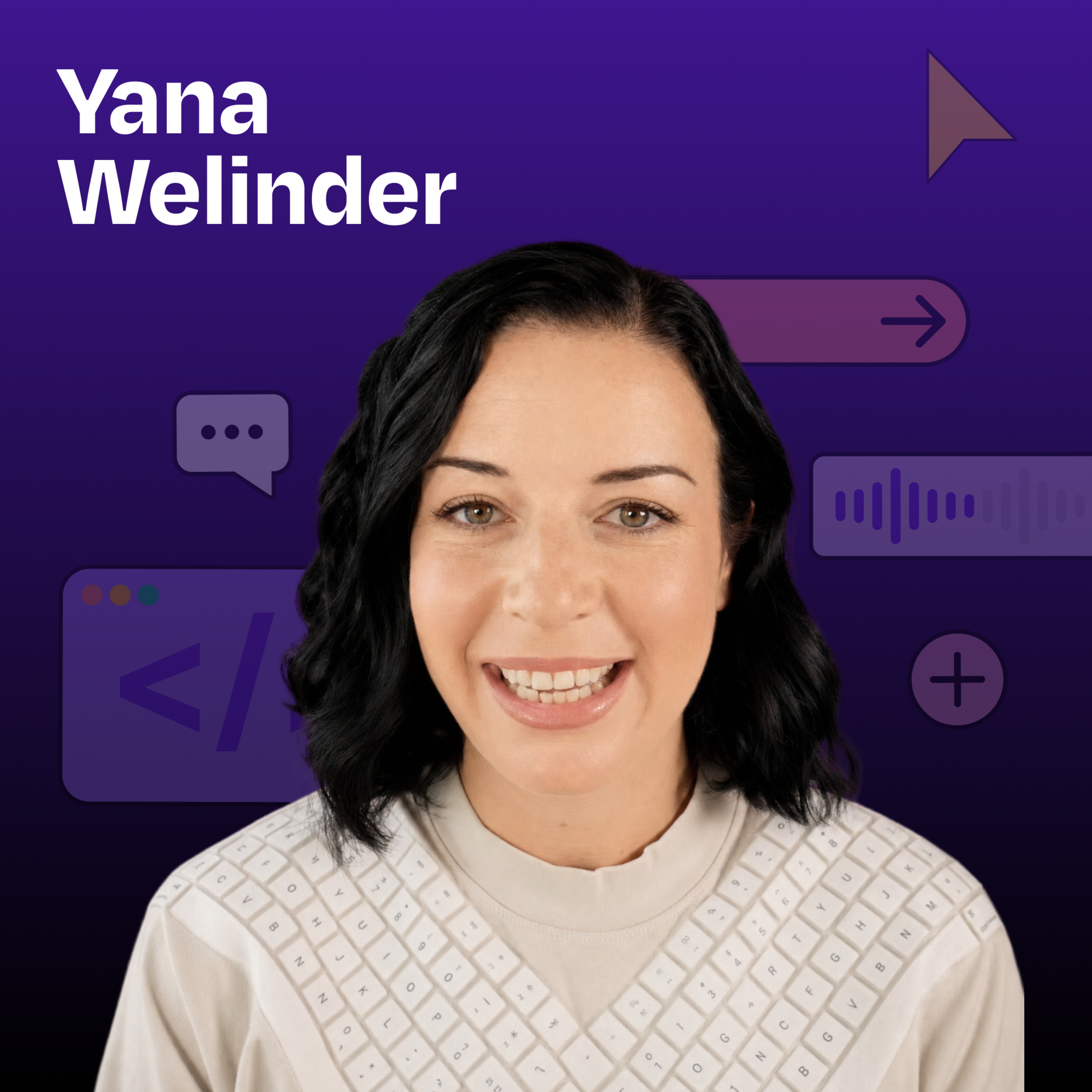 How a solo founder used Codex and ChatGPT to launch a fashion brand without engineers | Yana Welinder How I AI · on ChatGPT82 / 100
 It's Not Autopilot: What AI Does Well (And Doesn't) - AXIOM Insights Learning & Development Podcast #46AXIOM Insights Learning and Development Podcast · on Gemini79 / 100
 Is Prime Day still worth it?
 Why the World Cup is a make or break moment for retail this summer
 The next era of Pride Month marketing
 Pacsun's CEO on how the brand cracked its Gen Z strategy
 Hits and misses from Q1 earnings season