
The BreakLine Arena · 48 min
Key moments - from our scoring
Substance score
59 / 100
Five dimensions, 20 points each
Rahul Roy-Chowdhury brings 15 years of experience building Chrome at Google to his role as Global Head of Product at Grammarly, a writing assistance platform serving millions globally. He explains why he left one of tech's most prestigious roles for a mission-focused startup: Grammarly's goal of improving lives through better communication resonates with his long-term vision of serving billions of users, similar to his Chrome trajectory. The conversation explores how Grammarly is evolving beyond correctness - grammar, spelling, diacritics - toward richer communication challenges including tone detection (identifying unintended negative tone in emails), engagement signals (making messages stand out in crowded inboxes), and clarity optimization. Bethany Coates, CEO of BreakLine Education, shares concrete examples of how Grammarly has transformed opportunities for veterans and non-native English speakers in professional settings. Roy-Chowdhury emphasizes the universal human need for effective communication and Grammarly's responsibility to help users navigate remote work, distributed teams, and cross-cultural communication norms. The episode also touches on the company's response to the Ukraine crisis and its deep commitment to supporting Ukrainian colleagues. This is essential listening for product leaders thinking about mission alignment, scale, and how communication tools address downstream human needs.
Grammarly is moving beyond correctness (grammar, spelling, diacritics) into tone detection (identifying unintended negative tone), engagement assessment (helping emails stand out in crowded inboxes), and clarity optimization - addressing how users actually communicate intent and emotion in remote work environments.
Roy-Chowdhury was inspired by Grammarly's mission to improve lives through improving communication and saw a worthy 10-year vision where billions use the service to communicate better. He applies the long-term lens that kept him at Chrome - belief in a mission even when success isn't immediately clear.
Users describe Grammarly as a trusted friend looking over their shoulder, providing an extra pair of eyes to ensure they communicate ideas effectively. It's particularly valuable for those who lack confidence in English communication and people with learning disabilities who need additional support reviewing their work.
The tone detector identifies unintended emotional cues in emails - like detecting when you sound unhappy, negative, or judgmental - and alerts users so they can pause and revise before sending. This prevents miscommunication in remote teams where context (like rushing to lunch) isn't visible to recipients.
Grammarly doesn't share specific numbers as a private company, but Roy-Chowdhury believes communication is a universal human need and aims to help people at scale comparable to Chrome's billions of users globally.
Our reviewer’s read on each dimension, with quotes from the episode.
The episode contains several actionable frameworks (user-centric product management, inclusive decision-making, tone detection in communication) but relies heavily on motivational anecdotes and repeated mission-focused rhetoric that pad runtime without advancing novel operational insights. The product management section offers some substantive process thinking, but much of the conversation dwells on personal storytelling and values alignment rather than concrete, non-obvious business lessons.
Product management at its core is about putting users at the center of everything. You put users at the center of everything. You look at everything through the lens of what user problem am I solving
you want to make sure that you run a process that's very inclusive, lots of different viewpoints... you want to make sure all the perspectives are captured
The core tenets - user-centricity, mission alignment, psychological safety, inclusive decision-making - are well-established in mainstream product management discourse. While Rahul applies them thoughtfully, the frameworks themselves are not contrarian or first-principles; they represent best practices already widely circulated in PM and leadership communities. The tone-detection feature is a concrete product example but the underlying philosophy is conventional.
Put users at the center of everything. It sounds like a bit of a cliche, like, uh, you know, put users first or user centric, but really it is that simple
You put users at the center of everything... hold yourself accountable. Are, uh, you solving a real user problem?
Rahul Roy-Chowdhury is genuinely senior: 15 years at Google leading Chrome (one of the world's most consequential products), now Global Head of Product at a unicorn. He has substantial hands-on operational experience at massive scale and is actively leading product strategy at a mission-driven company. This is a credible, practicing operator - not a consultant or career podcaster.
I worked for Google for 15 years. That was quite a wild ride. Most of that time I spent on the Chrome team
I left Google and I joined Grammarly to lead the product org that's where I am today
The episode lacks concrete metrics, financials, and case studies. Grammarly's user numbers, growth rates, and revenue are explicitly withheld. The tone-detection feature is named but not quantified in impact. Anecdotes (Kim Penson, user messages received weekly) are personal but lack scale data. The Chrome example is framed in broad strokes rather than specific milestones or decisions. This is a values and principles-heavy conversation without the specificity that would allow replication.
Well, we don't share numbers because we are still kind of a privately held company working towards our mission
every week I'll get maybe three or four messages from people who, uh, are just Grammarly users. And they just want to share the impact that Grammarly's had on their life
The host, Bethany Coates, asks thoughtful opening questions and creates space for Rahul to develop ideas, including probing on why mission matters and requesting vulnerable moments. However, she rarely pushes back, challenges claims, or forces deeper specificity. Questions are primarily open-ended and affirming rather than adversarial. There's no real friction or productive disagreement; the conversation flows smoothly but lacks the edge that would test Rahul's thinking or expose assumptions.
I want to peel back the curtain here because I love Grammarly and I have loved Grammarly for seven years
Help us understand this discipline, help us understand what product management means, what's most important to you
Computed from the transcript - who did the talking, and the words that came up most.
Join us in the BreakLine Arena for a conversation with Rahul Roy-Chowdhury, Global Head of Product at Grammarly, an AI-powered writing assistance tool used by millions to help people communicate with confidence and precision. Rahul joined Grammarly with 15 years of product management experience at Google. He believes that now, more than ever, effective communication is vital. In this episode, Rahul dives in on how to apply a human-centered approach to product management and problem-solving, as well as the core strength of empathy in leadership and team-building. Rooted in a mission-driven mindset, he emphasizes the value of building a high-quality decision-making culture through an inclusive process. He shares the message to all colleagues: “you belong.” Rahul closes with the advice to stay focused on the most important things, stay balanced, and savor the journey. “I care about the mission, and I care about the possibility that what I am working on can impact the world. Trying to bring about the world we believe in keeps me going.” - Rahul Roy-Chowdhury
Transcribed and scored by The B2B Podcast Index.
Speaker A: I do think it's important to create an inclusive environment where, number one, people feel like they belong. Number two, people feel like they have the psychological safety and the space to be vulnerable and to be able to share that they don't know something. Because often I think this is particularly true for product managers, but I think it's true in general where you have this sense of like, oh, I'm supposed to have all the answers and I don't. And that's on me. And it's not. No one has all the answers. What's up everyone and welcome to the Brakeline Arena. We are so grateful that you are here.
Speaker B: The Brakeline arena is a space that welcomes change makers, hustlers and leaders in the tech industry to share their journeys and passions and insights. We are hosted by Brakeline Education, which serves to help top performers from under selected backgrounds land new and exciting roles in the tech industry. If you're a person of color or a veteran or a woman, there's info in the show notes about how to join our community. Now let's dive into the arena for today's special guest. Welcome. Um, everyone, this is Bethany Coates, CEO of Brakeline. I am thrilled to be here today with Rahul Roy Chowdhury, the global head of product at, ah, Grammarly. Rahul, thank you so much for joining us.
Speaker A: It's great to be here. Thank you.
Speaker B: Delighted to have you. And hey, as we get started, Rahul, will you just talk to us a little bit about your background, Tell us a bit about yourself as we get going?
Speaker A: Yeah, sure. If I go back in the distant mists of time, I actually wanted to be an academic. So when I started, when I graduated college, I joined a PhD program and I was studying artificial intelligence way back when, before it was cool. But then I realized a couple years in that academia was not my thing. I left, I dropped out of my, uh, PhD program. I started working as a software engineer and I did that for several years. This was out in the east coast, in New York. Then I moved out west to California to go to grad school. And Bethany, that's where we got connected all those years ago. Since then, I worked for Google for 15 years. That was quite a wild ride. Most of that time I spent on the Chrome team and I feel very fortunate to have been having a front row seat to some really interesting changes in tech over that time period. And then after my very long Stint At Google, 15 years, just about a year ago, I left Google and I joined Grammarly to lead the product org that's where I am today.
Speaker B: Thank you so much, Rahul. Uh, and I wanted to just before we leave, that part of your story, what was it about? Academia, uh, after first approaching that as a dream, a, uh, life dream, and then deciding, hey, that's not for me, how did you know that that was no longer the right path?
Speaker A: I think it's deeply personal based on what you're interested in, what gives you energy. But for me, I remember very clearly the moment was I published a paper in a pretty prestigious AI journal. And it's kind of a big deal that you publish a paper in these things. And I was like, well, it's great that it's there, but it didn't give me a lot of personal satisfaction. I didn't see the connection between my work and having an impact out in the world. And I realized that for me, doing things that actually have an impact out in the world is important. That's when I've kind of realized that if this thing that's supposed to be really awesome didn't really give me a lot of satisfaction, it's probably not the right thing for me to spend time on.
Speaker B: I love that. And I'm so glad that you shared that story because I think so often we have a goal in mind and we realize later it's actually someone else's goal for us rather, um, than the one that we really want to pursue. And sometimes it's too late. And so I'm really glad that you shared that story of just having the courage to actually determine a new path for yourself. I want to get into 15 years at Google. Raoul. Nobody does that. That's a really uni.
Speaker A: It's rare.
Speaker B: Yes, it's rare. And I actually really admire the grit and the tenacity that that suggests. But I'd love for you to talk to us a little bit more about how did Google capture your attention for that long? How did you decide that that was the right place to be for that length of time?
Speaker A: Yeah, you know, I think when I joined the Chrome team, which was quite early on in my stint at Google, it was still a very new project. No one was clear what was going to happen to it. Was Chrome going to be successful? Not successful. Many people thought we were kind of crazy inside Google, outside of Google, but I really was inspired by the mission of, uh, making the web platform better. And that was my guiding North Star to say, I'm inspired by this mission and I want to spend my time working to make this mission come to life. And that's A timeless mission. Making the web platform, um, better is not something that gets done in a year or two years. In fact, it's still not done. It's an ongoing process. But I spent the next 10 years on Chrome because there was just always a new interesting set of problems that we had to think about. So it was never sort of, okay, we're done, let's just keep chugging along. It was always, oh, wow, this thing came out of left field and now how do we respond to it? A great example of this is the rise of mobile. I mean this takes me back because now I think everyone just assumes mobile is the way things work. But back when Chrome first launched, there was no iPhone and Chrome was a very successful product at the beginning on desktop we had achieved a fair amount of success. So when mobile came along, we weren't quite sure what that meant for us. Maybe there's a little bit of complacency because we had already achieved some success on desktop. And so that was just a whole new set of challenges for us to work through and think through. So every couple of years there was one of those big shifts in technology or compute that really kind of not only kept things interesting, but also kind of humbled us to make sure that we were really focused on solving user problems.
Speaker B: I'm really glad that you shared that story. We always encourage brakeliners to make the right long term decision and the reason is you can learn so much just by digging in for a while. Another one of our guests, Linda Shaffer, who's the COO of Checker, same kind of career trajectory, Raul, where she really dug in with a number of different companies and that was her form of acceleration. So thank you for sharing that. You're ah, at one of the world's most famous companies, working on one of the world's most famous products and everything's great. Rebel, there's no reason at this point why you need to leave. I mean you're at the pinnacle in many respects. And then this company Grammarly comes calling and it's 1% the size of Google or something like that in that zip code. Can you talk to us about what the opportunity was that you saw at, uh, Grammarly after building one of the most successful products at one of the most successful companies in the entire world?
Speaker A: Yeah, that's a good question. That's the one that I asked myself when I was going through this process of change. You know, it comes down to the fact that I really care about the mission and I really care about what I'm working on and the impact it can have in the world. So in the early days of Chrome, success was far from clear. Like now you look back and say, well, Chrome is very successful and lots of good things happen. But looking from that vantage point in the early days, it was very unclear how we'd ever achieve all this success. So the thing that kept me going, the thing that kept us going was just really a belief in trying to bring about this world that we believed in. A better web, an open web is going to make the world of computing better. When I talked to Grammarly, what was really interesting, the mission of the company is to improve lives through improving communication. And that really spoke to me. It resonated with me very deeply. And know if I apply my long term lens, I have a habit of sticking around for long periods of time to do different projects. But if I fast forward 10 years at Grammarly and I'm imagining a world in which billions of people around the world are using our service to communicate better, to show up better, to be understood better, to understand others better, and that feels like a worthy future to try and bring about. And so I decided to sign up for it.
Speaker B: So I want to peel back the curtain here because I love Grammarly and I have loved Grammarly for seven years. Raoul when I found it, when we were founding Brake Line and we needed a tool to really level the playing field for communications for our, uh, brake liners who are coming from the military, we also serve women, people of color, and, uh, we wanted to make sure if they have one shot at sending an email, that that email is perfect or sending some kind of message or some kind of communication. It has to be perfect. Because many times when you're coming from an unconventional background, one shot is all you get. And so I love this product so much and I have seen the impact that it can have on people's lives and on their ability to carve a new path for themselves. And sometimes I really like to look at mission both at the macro level, but also at the micro level. Like, what has this done one person? And I have tons of examples of that for you, Rahul. Do you look at. Yeah. Do you look at it that way or are you always thinking macro level? You know, I'm thinking about you building Chrome for billions of users. But what motivates you most?
Speaker A: I think, at least for me, speaking for myself, I want to make sure that I'm always looking at both. I want to understand what is, uh, our path to scaling our impact, because I do think that we could help a lot of people. And so how can we make the product useful and discoverable by all the people that we think we can help? But also, who are these people? And, uh, it's important to make it real, not some abstract entity. So I love talking to users. I love hearing about how Grammarly has helped people in their lives. I get unexpectedly. To be honest, when I joined Grammarly, I didn't expect this. But one of the most gratifying things that has happened is every week I'll get maybe three or four messages from people who, uh, are just Grammarly users. And they just want to share the impact that Grammarly's had on their life. And it makes my week. Every time I read one of these things, I'm just so happy. Sometimes you get, you know, you have a busy week and you're tired and you're stressed and all this stuff is happening, and then you read one of these things, you know, like, this is why we do it. This is why we do what we do. It's really critical to keep our users and the impact we can have on specific users. Like, just as our guiding North Star,
Speaker B: I'm going to tell one of those stories. It was very early on at, uh, Brakeline, one of my favorite brakeliners. And I say this about all 1500 of them, but one of my favorites was in our very first class. Her name is Kim Penson. She's an army veteran. She wouldn't mind me telling this story. And we had just said, download Grammarly onto every device. There is no excuse for not having Grammarly. Well, she forgot to do it and she sent an email out with a typo, like all of us do all the time if we don't have this tool. And she had BCC'd me, and I was like, kim, I can tell you did not use Grammarly. So she downloaded it and then got introduced to a company and ultimately got that job. Just one of many people's lives who have truly been enhanced and changed by access to this product. And I think about it, even Rahul, at the educational level, you know, where we know that access to really outstanding education, there's variability in terms of that access across our country. But Grammarly is an example of a tool that can help all of us be at our best. Have you thought about the social impact of this product? Because I certainly have. I see it every day.
Speaker A: I care a lot about making sure that we are helping people, improving people's lives, improving their access to opportunities. And so among the many stories I'VE heard of, uh, folks who are not confident communicators in English using Grammarly as really a trusted kind of one person described it as. I visualize Grammarly as my trusted friend looking over my shoulder, making sure that I'm showing up in the right way. And it's so nice to feel that, that your product is able to have that impact on someone's lives. We've heard stories of people who maybe have some learning disability who rely on Grammarly to make sure that there's some. An extra pair of eyes looking through the work, making sure they're showing up in the right way. They're communicating the ideas that they want to communicate in the way they want to communicate it. Now, today, more than ever in this world of remote work and Covid related disruptions, the way we communicate, the way we show up is more critical now than ever before. I really feel like I want to make sure that we can help people navigate all of these changes. Communication is hard anytime at, uh, the best of times, but more so now than before with all of these changes happening and how we do work.
Speaker B: Raoul, can you tell us a bit more of the Grammarly story? You and I have both given some personal examples of folks in our orbit who have used it and benefited from it. Can you talk to us about the trajectory of the company and particularly where you all are headed next and what you're thinking about specifically with respect to product as you chart that path?
Speaker A: Yeah. Grammarly has been around for a little over a decade, started by a set of really inspiring founders who felt like they had a problem that they needed a solution for, and Grammarly was a solution to their problem. They were not native speakers of English and they felt like they were not able to communicate all these ideas they had in their heads in the most effective way possible. And so they dreamed this out, they dreamed this product to solve a need that they had and they launched it and it started helping many people around the world. And Grammarly's been on a massive growth trajectory over the last decade, scaling in terms of the number of people it helps in terms of the kinds of suggestions we offer people helping people in more places around the world. And so it's been a wonderful success story. This has all happened before I joined, so I can't claim any credit for it. So it's all credit to the founding team of really building this incredible thing. And now that, now that I'm here, we're thinking about where the future lies for us. It really is about making sure that we Stay true to our mission, improving lives through improving communication, but really putting a focus on these trends and disruptions that are making it more harder but also more critical than ever before to communicate effectively. And so a couple of ways in which this manifests itself, for example, in our product is it's not just correctness. It's not just about grammatical correctness and not having diapers and spelling errors, et cetera, but it's also about. Is the email engaging? Did you actually capture the attention of people who are receiving hundreds and thousands of emails every single day? What is your email gonna do to stand out and get your point across quickly? It's about tone. Are you communicating in a way that you intend to communicate? We have this feature called tone detector, where when you're sending an email out, we'll pop up something that says, you sound pretty unhappy.
Speaker B: Is this a flame mail detector, Rahul? Is that what I'm hearing?
Speaker A: It's among many other things. Among many other things. And so it detects if you're sounding negative or you're sounding judgmental, and you can then pause and say, well, actually, that's absolutely not what I intended. Um, I'm just in a rush. I just want to dash this email off quickly before I go to lunch. But we're all remote. We're not talking. We are working with teams that are spread across the world, and so the other person doesn't know you're just heading out to lunch and in a rush. So they'll look at the email and say, oh, my goodness, what did I do to offend this person? And so this is where this is the root cause of ineffective communication that just causes so much pain and stress in our lives. This is where Grammarly can help. So we want to move beyond correctness, which has been our historical focus, to all these other aspects of communication. Your tone, your level of engagement, your level of clarity. And so we think there's a lot of potential here. We've barely scratched the surface of what's possible as the technology keeps evolving.
Speaker B: This is so fascinating to me, and I'm so excited that you're giving us a peek into what's coming next. One of the reasons why this is so interesting to me is because Brakeline started with veterans, and you can imagine why the military would have a completely different culture around communications than the civilian population in America does. Within the military, sometimes it's just all about speed, and you're trying to convey really important information as quickly as possible. So you may think less about the emotional impact that you might be having on, um, the person who's receiving it versus those of us in, you know, in business or in professional life who think a lot about, like, how will this feel when I send this note? So I love the idea of a facet of Grammarly that sort of helps you think about what emotion will you elicit when you send this note?
Speaker A: Yeah, it's interesting, you know, because there's all these different contexts in which people communicate. Military versus civilian. Another one that we often see is consumer versus enterprise organizations. And the question is, well, these are all very different places and the communication norms are different. That's true up to a point. And we certainly want to make sure we understand the context. But I'm a firm believer that at the end of the day, the other person is a human being. We're all humans and we have common ways of processing and understanding information. And it's not like when you switch from military life to civilian life or personal life to work life, you become a different person. You're still the same person. I want to apply that very humanistic view to how we do things. I don't know that it's that different. There's some differences for sure.
Speaker B: Well, I think that we can just get acculturated into our environment, but then especially when you leave that environment, you jump into a different type of culture. All of those cultural norms now apply to you, and if you haven't been thinking about them or tuned into them for five years or 10 years, it can just be an underdeveloped muscle. And really that's where a support infrastructure around you, like Grammarly, can be so crucially important.
Speaker A: That's great. Yes, I very much agree with that.
Speaker B: Can you give us a sense of scale, you know, where Grammarly is today and where you all expect to be a couple years from now?
Speaker A: Well, we don't share numbers because we are still kind of a privately held company working towards our mission. But we're super optimistic. I believe that communication is a very fundamental human need and we think we can help most people communicate better. And that's aligned with our mission and we want to figure out our pathway to get there. You know, when I started Chrome, uh, when, when I joined the Chrome team and it was just getting off the ground, no one quite knew the scale of what we would ultimately end up doing. But when I left Chrome, and this was a few years ago, we were serving billions of people around the world because connecting to the web, finding information on the web platform, it's a pretty universal need. If anything, communicating effectively is an even more universal and elemental need. And so I really want to find a way for us to be able to help people at scale. And it's going to take us a while to get there, but that's the mission we're on.
Speaker B: Hey, Raul, you have mentioned mission at least five times, and we've only been talking for about 10 minutes. Why is that so important to you? Because it's clear that that's at the center for you. That's not true for everybody. Sometimes it's comp. Sometimes it's benefits, sometimes it's the geography of a particular role. But for you, mission has been front and center since we started this conversation. I'm just curious where that comes from.
Speaker A: Yeah, it's an interesting thing. And by the way, you know, that's, uh. It's a very personal thing, and there's no judgment in how people make decisions. But for me, really, I think where it comes from is, number one, I feel like our time on this earth is limited. It's really important to me that I spend the time well in a way that I can look back and say, you know, I'm really happy that I worked on this effort because I can see the impact it's had. And that's, for me, a personal compass in how I use my time. I have young kids, and I want to be able to talk to my kids about what I did. I want them to feel that it counted for something. There's another aspect to my kind of, maybe you call obsession about mission, which is, I do believe for people in the technology industry, we do have a responsibility to build things well, to build things with a level of empathy and a level of understanding of people's needs and a level of responsibility to the impact that technology has on people's lives. Technology is so pervasive now in ways that I could never have imagined when I was in college studying computer science. I mean, I have this robot vacuum cleaner that I got to, like, program now, and that's crazy. Technology is just pervasive in our lives, and it really is important for the technology industry to really internalize and take responsibility to do it well. And so I think a sense of mission to me is a way I can ground myself in making sure that we are shouldering that responsibility.
Speaker B: Thank you so much, Rahul. There are many aspects to mission at, uh, Grammarly. And another component to that that I was inspired to see was that the company spent a significant amount of time on relocation and assistance efforts for the Ukrainian workforce, maintained Salaries maintained, benefits to its employees in Ukraine, even those who have joined the company's army to fight the Russian invasion. Would you share a little bit about this initiative? This is part of history in the making. It's part of world events and would love to know more about the mentality that went into those decisions.
Speaker A: Yeah, you know, it's been obviously a very difficult several months for us in the company, for all of our colleagues. Grammarly has deep ties to Ukraine. We have uh, a lot of uh, colleagues are based in Ukraine. So we've been working through as a company to figure out how best we can A, support our colleagues and B, show support for Ukraine, show support for the country of Ukraine, the Ukrainian people. And we've done a bunch of things to try and do what we can to demonstrate our support. We apply the lens of let's just make sure we're doing right by all of the people who work at Grammarly. Let's support them in the way they need to be supported. We are working through it as we speak. I can't share a lot of details because this is still an active and evolving situation. Our first thought is how can we best support our fellow Grammarians, as we call ourselves?
Speaker B: Mhm. Thank you, Rahul. And it's just clear in your comments about why you joined the company, about the mission, what it means to you, about the support that you all are extending to the workforce, particularly employees in Ukraine. And to me this just sounds very much like a company that's grounded in its values. And I would love for you to tell us a little bit more about Grammarly's values and how you see those showing up in the day to day context of working for the company. And one of the reasons why I think that this is so important is that in some ways I've felt like the uh, core American values have been tested in unique ways over the last several years. And I think I've heard from so many people who feel really strongly that they want to be part of a team where value systems are upfront, you know, and really part of the core fabric of the experience of working for this company and as part of this team. And that just seems so apparent with Grammarly, but I'd love for you to tell us a little bit more.
Speaker A: Yeah, values are very important and it's very important actually to make sure that the values are lived. Values, not values that you write down on paper because you wish it was that way, but it actually isn't. It's really important that the values reflect how you genuinely operate as a company. And it's reinforced in interactions that people have on a daily basis. We are, uh, a very values driven company. We have a set of values that guide our behavior. During the interview process, we test for values fit to make sure that the values that we hold dear, uh, are values that are shared by people coming into the company. You know, I won't share all the different values, it'll take too long. But for example, one of the values is, is to be empathetic. This manifests itself in how we operate as a company. This showed up in a big way during the crisis in Ukraine where we had many colleagues who were in an active war zone. And how do you show up? How do you show up to help? And how do you show empathy for people who are struggling? And so that's an extreme example, but it shows up in many smaller ways in every interaction we have. But you know, these values also guide how we build our product and how we go to market to our, uh, users. Empathy is really at the center of putting users at the core of what we do. It's not that we are building things because it's cool or because we have a good idea and we fell in love with the idea and we just want to get it out there. It's actually putting users at the center, making sure that we are very clear that we are solving a problem that users actually have, not that we wish they had, that they actually have. And it's an important problem for them. And so it guides how we build a product.
Speaker B: So I want to get into Rahul, your philosophy around product management and how you approach product management, but just before we get there, you chose this value of empathy. And again, this is an ongoing theme. Just in the last couple of minutes where, where we started this conversation, it's clear that this is part of how you live your life. You just talked about how folks in tech have a responsibility essentially to their users and to the community. Where does your drive for empathy come from? Is this something that you learned from your parents as a child? Is it something that, that you read about in a book? Where and when did this become a core principle for you and how you wanted to live your own life? It's clear that it's part of Grammarly, but also part of you.
Speaker A: Yeah, that's a great question. I, uh, honestly, I'm not sure. I don't know where. I don't, I can't really. I don't know how far back it goes or how deep it goes. I feel like I'VE always been grounded in my life to live by a code, by a set of principles, to do the right thing, even when no one is looking. It's important to me personally, but I do think, you know, some of it certainly came from Chrome's success, where, uh, when we were building it, we never anticipated that it would be as successful as it ended up becoming. And so it reached so many people all around the world and was having such a big impact on people's lives. And it was fantastic. It was just so inspiring to see that. But also it kind of was a little terrifying. And so I, uh, think maybe that's when I started really thinking about we're really reaching a ton of people. We're having a huge little things we do can have a massive impact downstream. So let's really be careful and thoughtful about what we do and not just throw things over the wall and say, oh, we'll figure it out. And so I think operating at a large scale maybe also brings that home very clearly.
Speaker B: Okay, Raul, so here you are, you built Chrome, and again, I mean, as you mentioned, you started working on Chrome before mobile existed. I mean, you were really there. You were really there from the very, very beginning and then build this product that billions of people now use on a daily basis. You are one of the most preeminent minds working within the sphere of product management in the entire world. I'm just going to put that out there because there's no chance that you would actually say it that way, but it's true. And so help us understand this discipline, help us understand what product management means, what's most important to you as you think about building great products that people will love. And then I want to get a little bit more into your leadership philosophy as well, what and who you're looking for as you build out your own team. But first, can you just teach us about product management?
Speaker A: Yeah, well, it's actually quite simple. Product management at its core is about putting users at the center of everything. It sounds like a bit of a cliche, like, uh, you know, put users first or user centric, but really it is that simple. You put users at the center of everything. You look at everything through the lens of what user problem am I solving, and let's make sure it's an important problem. And teams can get led astray because you can fall in love with your own technology and you can try and backfill it into a user product you wish they had. User problem you wish they had. We talk to users, they're like I guess I don't think it's a big deal. But you keep, you seem very insistent that it's a big problem. You know, don't push your stuff. Really listen to users, understand their problems and make sure and hold yourself accountable. Are, uh, you solving a real user problem? And is there a problem that is important for users to be solved? And then the second aspect of that, because to build products and to actually be sustainable and to scale it, you need to actually build a healthy business and ecosystem around it. So then once you understand what the problem is and you're convinced, you've convinced yourself no rationalizations, really convinced yourself it's an important problem to solve. The question is, why is your solution good? What does your solution do that others can't do? And how are you bringing some unique, differentiated value that'll help you scale as you build a product over time and again? It's a place where it can be easy to fall into a lot of wishful thinking. So, uh, I think a lot of product management is just being very honest, even though it can, uh, be quite scary at times to recognize that I wish this problem existed, but, oh, uh, man, the research says it really doesn't exist. Be clear, be clear on what's actually going on. And don't build for a world you wish existed. And so really putting users at the center and making sure you have unique, differentiated value, that's really at the core of everything.
Speaker B: And Raoul, when you're building a product that is being built for the world as it is becoming, rather than as it is right now, how do you test for relevance with your users, you know, when they might not see what you see on the horizon? How do you help them see that? And how do you test with them that this product really is at the core of what their experience will be? I'm sort of thinking about the tone tool that you were talking about and how people can see Grammarly as a tool to help them with grammar. They might not have understood that it could also help them in these other ways as well.
Speaker A: Yeah, you know, that's an interesting question because, uh, when I talk about user problems, sometimes the problems are not apparent and it takes some craft and care to really uncover what's happening. So it takes something like communication. There's a lot of ineffective communication that happens in the world. But if you ask an average person like, hey, do you communicate ineffectively or effectively? That question is kind of like, doesn't really make sense. Like, what, what does that, does that even mean? And so you really Got to go into what exactly is happening, what is your ongoing sense of points of friction that you experience on a daily basis, going deep. And you kind of uncover. For many people, I think communication is a good example of this. But for many people it's not their role or they don't have the time to imagine the future, but they can articulate the challenges they have in their lives. And then it's a role of the product management team to connect a problem that users have to a future built on technology innovation and built on a product that people love. And communication is a good example of. It's almost like it's baked into our operating environment. So you can't imagine something different because it's like, well, this is how it always has been. And so why would I imagine anything different? So rather than poke at symptoms you really want to understand, like, tell me what bothers you, tell me the times when you feel like you didn't show up at your best, uh, the times that you're stressed and we kind of, you take that insight and then use those insights to develop solutions.
Speaker B: So you're taking a very humanistic approach to product management. You talked a lot about having the user at the core of what you do, but also a deeply analytical approach. You know, you said don't be disillusioned, you know, or like, don't create some fake reality. We have to live in the world as it is rather than as we might want to pretend it to be. Who are you looking for? Like as you build your team, what are you looking for in terms of skill sets, experiences, styles, strengths? What's top of mind for you?
Speaker A: First of all, there's no one common pattern. I think that teams benefit a lot from having a, ah, diversity of experiences and life experiences and backgrounds. And I value that. I think it actually really helps build much better products. But a couple of the core strengths that I find help building great products. Number one, someone who is just kind of able to take this user perspective and be empathetic to user needs. Number two, someone who's able to bring some level of systems thinking to a problem. What I mean by systems thinking is just to understand how the levers work. Okay, so the user has this problem. We have these core capabilities. Can I use these core capabilities to solve this user problem? How do they all connect together? How does the entire system work? And once you understand how the system works, you understand what the levers are that can move the system forward. So systems thinking is something that uh, I care about. And then the final Thing I care about is how you operate really matters. This is true for everyone, but in particular for product management. You're working across many different functional teams in any company. Uh, you're working with engineering, with design, with customer success, with sales, you name it. The product manager is there kind of shepherding everyone towards an aligned goal. And how we do it matters. We want to do it in an inclusive fashion. We want to bring people along, we want to be transparent. And so I value people who can bring that level of transparency and inclusion in the way they operate.
Speaker B: Uh, Raul, I'm thinking about some of our brake liners who are going to look at you and say, yes, but he's a genius. You know, he was on an academic track. He was researching AI before AI was even a field. And then he went to Stanford and to Google, and I can't live up to that standard. And so I always like to ask our guests to talk to us about a moment of imposter syndrome or a moment of failure or a moment of friction in your life and in your experience, that can just humanize you a little bit. Because right now I could see some of our aspiring product managers saying, gosh, you know, if that's what it takes, I'm not sure that I, I'm not sure that I can measure up to that whole package. Can you talk to us, you know, if we rewind some time, talk to us about just your journey and maybe one or more of those moments where you had to push past or push through something hard.
Speaker A: Yeah, I listen, I've had imposter syndrome on and off, not had, have imposter syndrome on and off. I don't think it ever goes away. I can give you many examples, but one that comes to mind in particular is when I first joined the Chrome team. This is way back 2009. We had just moved, my, uh, wife and I and our 6 month old kid had just moved from Bangalore, India to the Bay Area, started the Chrome team and the mission was to make the open Web platform better. We had a very small group of people, but they were all experts on the web. They knew all the technical details of the web platform. And here I was, I didn't know anything about the web. I just loved the mission. But I knew nothing. And I really struggled with, uh, trying to figure out, how am I here? Like, I don't even, I don't belong here. There was one person who's a senior engineer on the team, who, I still remember this so clearly, took me aside and said, hey, listen, I can see that you're struggling a little bit. You're not saying a lot in meetings, but you have a lot of good things to say, and you belong. I believe in you. And that conversation had a huge impact on my life because the fact that this person who was an expert believed in me allowed me to believe in myself. So if there's one thing I can tell all brake liners, anyone listening to this is, you belong. You belong. And you should never doubt that.
Speaker B: Rahul, thank you so much for sharing that anecdote. And we actually talk about that dynamic a lot and being really intentional about surrounding yourself with people who can hold up the mirror to you and remind you of who you are and what you're capable of, which is what that senior engineer did for you. Is that now part of your leadership philosophy? That moment meant so much to you. Is that also how you show up as a leader?
Speaker A: I try to. I, uh, aspire to. I do think it's important to create an inclusive environment where, number one, people feel like they belong. Number two, people feel like they have the psychological safety and the space to be vulnerable and to be able to share that they don't know something. Because often I think this is particularly true for product managers, but I think it's true in general, where you have this sense of, like, oh, I'm supposed to have all the answers and I don't, and that's on me. And it's not. No one has all the answers. I struggled with this myself, and I actually found, paradoxically, as I became more senior, I was more comfortable just admitting my own ignorance, uh, at various things. And I try to make a point of doing that because I think I want to create a place where everyone recognizes that that's okay. Here's this guy. He's a senior person, and he's saying he doesn't know it. Oh, that's interesting. Maybe that. Maybe I can say that too. So I. I try to model the behavior. I don't know if I'm always good at it, but that's my aspiration.
Speaker B: So you've told us a little bit about psychological safety and the role that that plays. You've obviously talked about empathy. You've talked about holding up that mirror and being a supportive presence for folks who are trying hard, delivering and who have a lot of potential. Have you found other tools, tips, techniques that are now core to your leadership style and approach? You know, things that you think about on a regular basis when you are aiming to inspire, motivate, and get the very best out of the team, I
Speaker A: have a set of 10 operating principles that m one of my product leads recently shared with the entire product team, which encapsulates some of this. But one example I'll give you is it's really important to be able to make decisions. Well, as you're building products, lots of stuff comes up, unexpected things, resourcing constraints, like I want to do everything, but the team can only do one thing, not, uh, five things. And so you got to keep making these trade offs. And so it's really important to me that we get to a very high quality decision making culture. And to me high quality implies two things. Number one, you want to make sure that you run a process that's very inclusive, lots of different viewpoints. Sometimes someone has a very good opposing viewpoint but is not comfortable speaking up, and so you want to make sure all the perspectives are captured. So you're making a high quality decision based on all the inputs. That takes work. If you just rely on people spitballing in a big meeting, then the loudest voices are going to carry the day and the uh, people who actually maybe have the right answer will just feel intimidated and not speak up, leading to bad decisions. So you want to be very inclusive in surfacing all the information. So if I'm making the decision, I want to make sure everyone is heard. I understand all the viewpoints. Then once we make the decision, I want to be super transparent about communicating it to everyone so no one feels like, wait, what just happened? How do we decide it? Or I don't like it and uh, I'm just going to keep arguing against it. And so it's important to be clear and to just let everyone know that here's how we made the decision, this is the decision. And the, uh, goal of a good decision is not to make everyone happy. It's very rare that everyone's going to be happy. But the goal is for everyone to feel like, all right, I was heard. I don't agree with the outcome, but I can disagree and commit because at least I felt I was heard. That's one example of some of the kind of the best practices.
Speaker B: I love that. Thank you.
Speaker A: Raul.
Speaker B: Huh. I know we're coming up on time here and I wanted to ask one last question, which is you've done it all so well. You've lived this really productive, high impact, high quality life. You've lived your values and your principles. You've worked on products and within companies that have missions that you care about. As our folks who are tend to be still embarking in the early stages of their careers. As they think about how to chart their own course, are there suggestions or bits of advice that you'd want to share with them, um, based on what you have done so well? You know, as they think about how do I choose my next opportunity, what should I be thinking about in terms of whether this will. Will be the right next step for me? Could you share more about how they could create a framework to make the best decision for them?
Speaker A: Yeah. First of all, let me just say that it's not like it's all been roses, and I, uh, don't want anyone to come away with the impression that it's all gone swimmingly. Well, I've had plenty of challenges and setbacks. It's part of life, and the key is to be resilient in the face of those things. I'd say a couple of things. One is, you know, this sense of mission that I keep coming back to every five seconds. It's actually, there's. The reason I care a lot about that is because not only is it very fulfilling, I actually feel like if you have a group of people who are very aligned and want to bring about this change in the world, your odds of success are actually higher than if you had folks who are just really not that focused on the mission and wanted to do something else. So actually, I feel like not only is it a nice thing to do, it leads to better outcomes. And so it's something to think about as you're thinking about your future and your career. Another thing I'll say is, as you're working day to day, uh, like, if I were to go back in time and look at some of the things that I wish I had done differently, there's lots. But there are a couple in particular. One is, I would say don't mistake activity for impact. It's easy. I still do this. I've done this a long time where you just feel like, I've just got to be busy and I've got to do stuff, and I run like, uh, running around like a headless chicken, and there's tons of activity happening. But actually, if you pause and just say, why am I doing it? Like, what is the. Is this important? Or am I just kind of filling my time just to look busy and look important? I. At least what I've seen in my career is you can be smart. You don't have to run yourself ragged if you can just stay focused on the most important things and so take some time before you dive into action mode. Take some time to really think about where you can have the most impact. I wish I had done that more in my career coming up. And the other thing I'll say is spend, have a balanced life. Spend time with the people you care about. Just make sure that you're investing in those relationships. As a parent of young kids who are growing way too quickly, I'm just realizing how quickly time flies. And it's important to savor the journey. It's not a thing that I've learned in my time is I was very focused on, all right, I'm going to tough it out because there's some end state that is going to be this nirvana thing that's going to be amazing. But actually it's a journey. It's not the end state. There is no end state. It really is the journey. Enjoy the journey. And if you're not enjoying the journey, maybe that's a good sign to think about why you're not enjoying it.
Speaker B: Thank you so much for those thoughts. Uh, Rahul Roy Chowdhury, global head of product at Grammarly. Such a treat to have you with us today. Thank you so much for joining us, Bethany.
Speaker A: It was great to be here. Thank you so much. And thank you to all the Brakeliners and thank you to all the great work you're doing at Brakeline. Really inspirational. Thank you guys so much for joining
Speaker B: us for another episode of the Breakline Arena.
Speaker A: We're hoping that you're walking away feeling
Speaker B: a little moved, a little inspired, and if you really had a good time, feel free to head on over Rate Subscribe Leave us a review it does help us spread the good word. Keeps these good vibes rolling. Yes, we would love to hear from you.
Speaker A: Thanks again and we will see you next time. Sa.
Other episodes covering the same guests and topics, from across The B2B Podcast Index.
 SEO GEO: Category Page SEO Dos and Don’ts with Liv Day, DigitaloftKeep Optimising · on Engagement signals73 / 100
 Hemant Taneja, CEO of General Catalyst: Great founders always strive for excellenceDeal Talk: Interviews with Private Equity Leaders · on Grammarly70 / 100
 AI for Growth: Lessons from Leaders Dr.Karen JacobsAI for Growth: Lessons from Leaders · on Grammarly65 / 100
 AI is Not Gonna Take Your Job, but a Bookkeeper Using AI WillThe New F*Word · on Grammarly63 / 100
 The Write Inheritance: How Words Build LegaciesB2B Branding & Marketing by Bejoy Peter · on Grammarly52 / 100
 Chromium Domination and Hidden Browser APIs with Ben Morss \\ Marketing RoundtableMarketing Roundtable · on Chrome49 / 100
 Anthony Mirabile, Managing Director at Goldman Sachs | Service Before Self
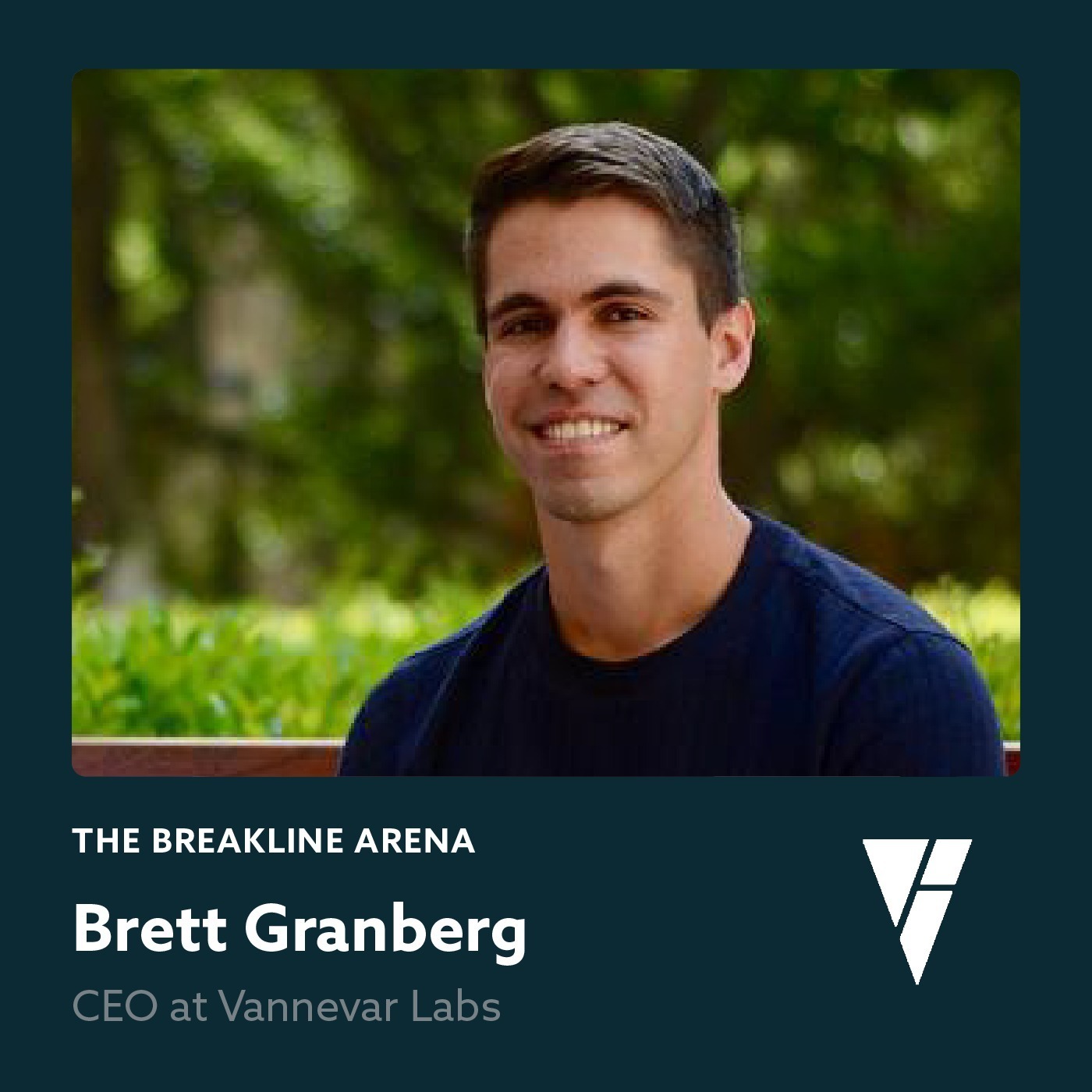 Brett Granberg, Co-founder and CEO of Vannevar Labs | Revolutionizing Defense Technology
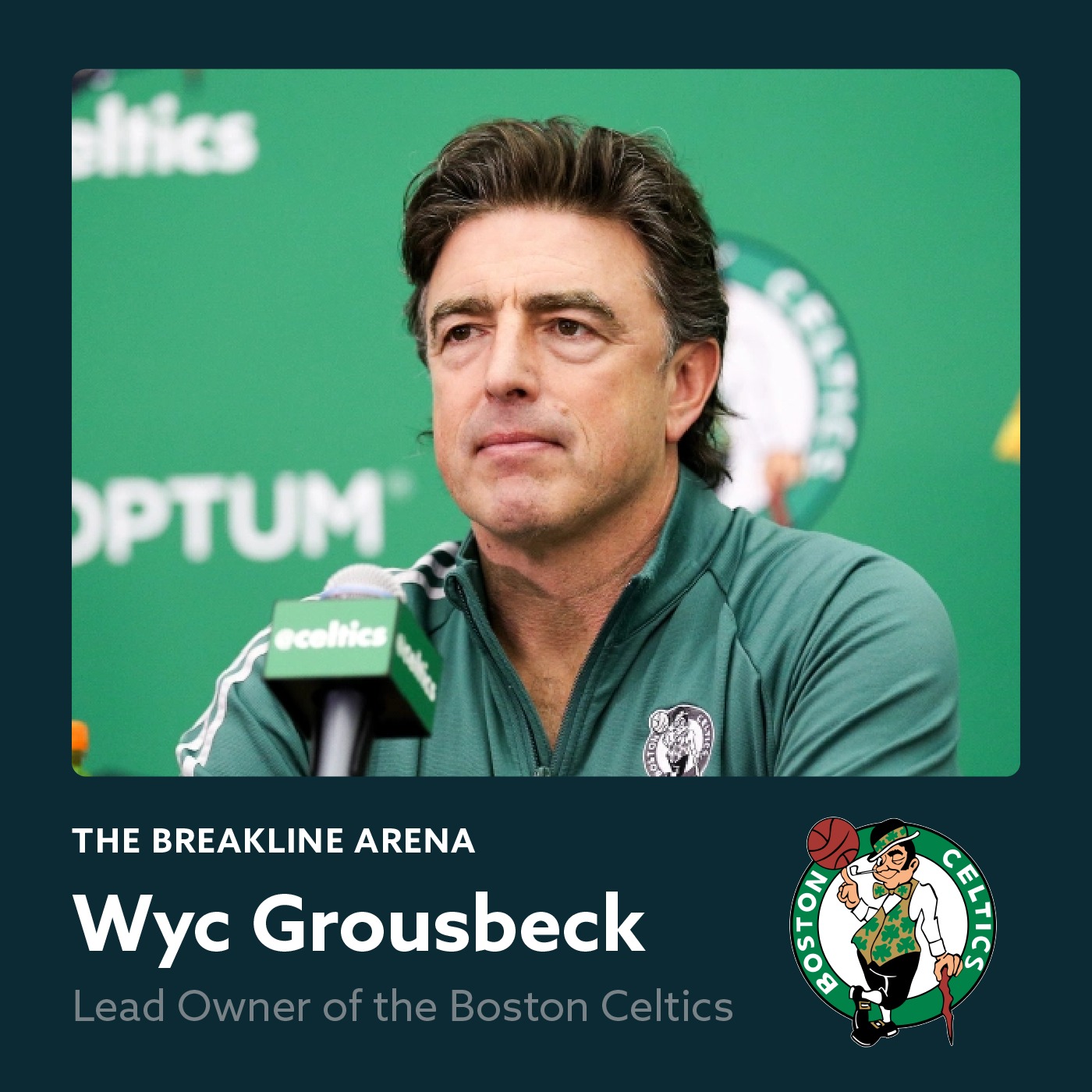 Wyc Grousbeck | Life Lessons for Winning
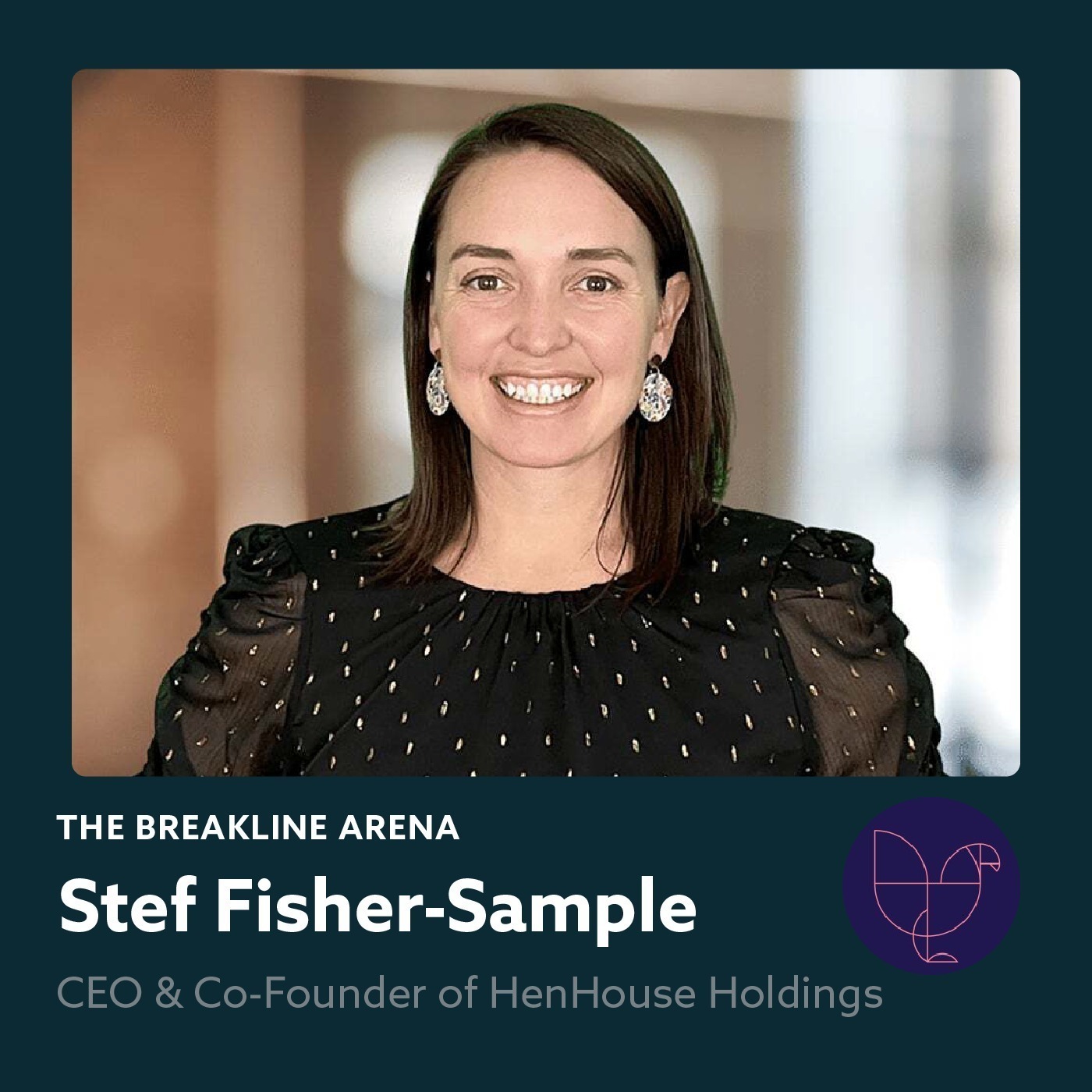 Stef Fisher-Sample, CEO and Co-Founder of HenHouse Holdings | The Secret to Entrepreneurship and Franchising
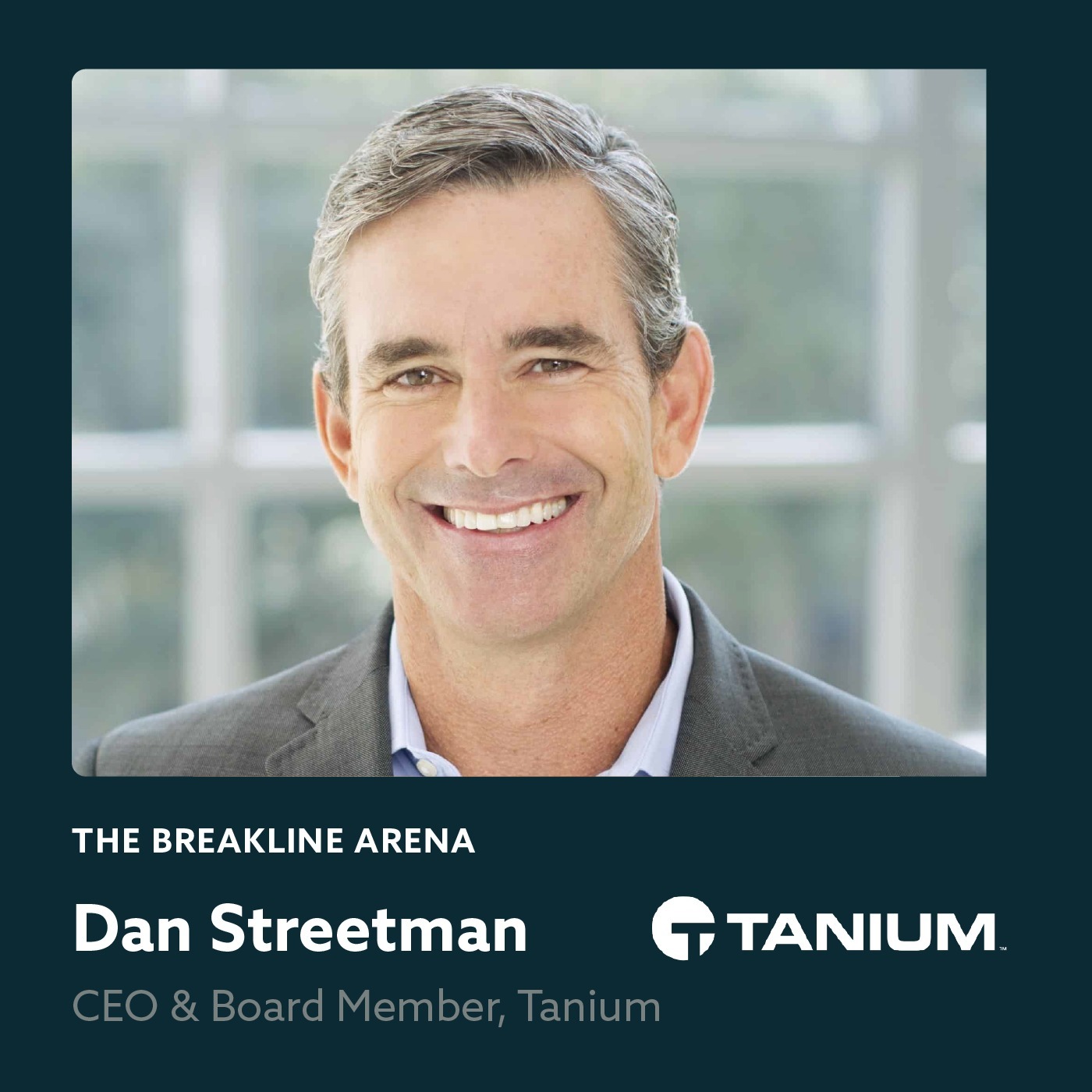 Dan Streetman, CEO of Tanium | Working and Living In Service