
The BreakLine Arena · 52 min
Key moments - from our scoring
Substance score
52 / 100
Five dimensions, 20 points each
Crystal Maggelet, CEO and Chair of FJ Management, shares her unconventional rise from building 14 Crystal Inns in the 1990s to leading a $8-9 billion holding company with 16,000 employees across convenience stores, a refinery, a bank, and spas. Rather than following a strategic plan, Maggelet embraced opportunities - including taking over her father's Flying J business during the 2008 financial crisis when oil crashed from $140 to $30 per barrel, leading to bankruptcy. She negotiated the company's survival by selling truck stop assets to Pilot Flying J, paid back $2 billion in claims, and pivoted by acquiring Maverick convenience stores in 2012 and Come and Go in 2023. Now she's shifted focus from growth to purpose: investing foundation profits into affordable housing and hunger relief for employees earning modest wages, while maintaining family ownership and long-term employee security. Her story resonates with founders wrestling with legacy, succession, and finding meaning beyond pure business expansion - especially relevant for multi-generational business leaders and operators in petroleum, hospitality, and retail.
Flying J filed for bankruptcy in late 2008 after oil prices crashed from $140 to $30 per barrel, leaving the company owing $400 million. Over 18 months, Maggelet negotiated the sale of most truck stop assets to competitor Pilot Flying J, ultimately paying back nearly $2 billion across 5,000+ claims and exiting bankruptcy by 2010.
FJ Management acquired a majority stake in Maverick in late 2012 and doubled its store count from 240 to roughly 400 stores by 2022 through aggressive new store development, generating increasing cash flow that funded further expansion and acquisitions like Come and Go in 2023.
The family refuses to sell, maintains control with no outside investors, and now prioritizes reinvesting profits through a large operating foundation focused on affordable housing and hunger relief - especially targeting low-wage convenience store and Come and Go employees who struggle with housing and food costs.
Her father taught her the importance of fair deals where both sides feel good and the value of listening in business relationships; her mother modeled confidence and grace while building Diet Center franchises after years as a stay-at-home mom, showing Maggelet that success doesn't require a traditional education path.
Our reviewer’s read on each dimension, with quotes from the episode.
The episode is primarily biographical storytelling with occasional operational nuggets - the cash-accumulation dilemma, the bet-stay-in-petroleum-and-give-back reasoning, and the shareholder-power lesson. But vast stretches are motivational narrative, generic leadership platitudes, and host affirmations, leaving the insight-per-minute rate quite low for a 52-minute runtime.
all my business training, right, you don't sit on cash...I didn't have any ideas? I mean, it was, this cash is coming in. What am I going to do with it?
I just decided, and this is really only in the past couple of years, really what we know is petroleum and people want petroleum. People are not changing their way.
The thesis that a legacy petroleum operator should double down on its core and use outsized cash flows for philanthropy rather than chase ESG pivots is a mildly contrarian and coherent strategic argument. Otherwise the episode recycles broadly familiar career wisdom - say yes to opportunities, trust your gut, surround yourself with low-ego people - without developing genuinely fresh frameworks.
if I'm in all petroleum assets, I'm going to have the luxury of, uh, having really good businesses. And if I take these really good businesses and I start giving back with our profits, then I can do maybe better than someone else to own those businesses.
I view our enterprise as a, almost like a flywheel, that if I can keep these businesses growing and profitable, that I can give more and more back
Maggelet is a genuine practitioner who led a multi-billion-dollar bankruptcy reorganisation, paid back nearly $2B across 5,000+ claims, then built a 840-location convenience chain - she has unambiguously done the thing at scale. The score is tempered because the conversation extracts her story rather than her operational method, leaving much of her hard-won expertise on the table.
We have 16,000 employees ourselves for across all the companies are in the high billions. Like 8 or 9 million. I don't know exactly, but it's a pretty large organization. Just 840 convenience stores.
in the end, we paid back almost $2 billion and over 5,000 claims
The episode contains a solid layer of concrete detail - oil moving from $140 to $30 a barrel, Maverick's 240 stores at acquisition doubling to ~480 in a decade, the Berkshire Hathaway sale, Jimmy Haslam named as a counterparty - but key figures are approximate or self-contradictory ("8 or 9 million" instead of billions, $400M initial estimate vs. $2B reality) and operational mechanics are rarely quantified.
Oil had gone from $140 a barrel to $30 a barrel and we just had some financing vehicles that really weren't allowing to endure that
Maverick was like started kind of in, I would call it late 50s and they had built 240 stores by the time we bought them in 2012. And we basically double mostly by building stores by 2022, 10 years later.
The host lands a few genuine follow-ups - pressing on the cash-as-a-problem framing, the shareholder-power realisation, and flagging Maggelet's understated delivery to create useful contrast - but the bulk of the interview is warm biographical prompting with heavy affirmation, no substantive pushback on vague claims, and audience-submitted questions that trend toward soft inspiration rather than operational depth.
You said something so profound, which was, I didn't realize the power that I had. When you were talking about the previous leader, do you realize the power you have now?
I just want to put a little bit of a finer point on it
Computed from the transcript - who did the talking, and the words that came up most.
In this powerful episode of BreakLine Arena, we sit down with Crystal Maggelet, CEO and Chairwoman of FJ Management, to explore what it means to carry forward a family legacy with purpose and grace. Crystal shares the remarkable story of saving her family business from the brink of bankruptcy, stepping into leadership in a time of immense pressure, and choosing to say “yes” even when it felt risky. From reviving FJ Management into a $9B enterprise to raising four children while leading with heart, Crystal offers invaluable insight into leading with integrity, humility, and resilience. Listeners will walk away with a deeper understanding of what it means to blend family, business, and values in a way that leaves a lasting impact. Please like, rate, subscribe, or review our show if you like what you’ve heard! We’d love to hear your thoughts! If you’re interested in joining our community, please visit . If you’re interested in exploring partnerships with BreakLine, please visit .
Transcribed and scored by The B2B Podcast Index.
Crystal Maggelet: I've never been afraid to take risk I guess in my career even though I didn't know where I was going to go, I just wanted to keep doing more and more and in many times it's about, and this sounds strange maybe, but it's about creating opportunities for other people. I love that part of my job, careers and opportunities in our world that's not very stable for people sometimes because there's a lot of buying and selling of businesses. I love having a second generation, 50 plus year old business that people can feel secure that they have a career.
Host: What's up everyone and welcome to the Brakeline Arena. We're so grateful that you're here with us today. The Brakeline arena is a space that welcomes change makers, hustlers and leaders to share their journeys, passions and insights. We're hosted by Brakeline Education which partners with fast growing companies to help them build top performing diverse teams and serves to help top performers from under selected backgrounds land new and exciting roles in the tech industry and beyond. So if you're an executive, a ah, people leader, a recruiter or a job seeker, there's info in the show notes about how you can partner with Brakeline. Now let's dive into the arena for today's conversation.
Host: Crystal Magalet, CEO and chair of FJ Management, could you tell us a little bit about yourself? Sure.
Crystal Maggelet: So was born and raised mostly in Utah. I went away, got my college undergraduate degree at Pepperdine in business and then ended up getting a uh, master's from Harvard Business School. But other than that I basically lived in Utah my entire life. I've mostly been entrepreneurial. The first job I had actually I worked for my family's business before I went to business school. And then when I finished business school I worked back east a little bit. But then I came home and started the Crystallines, which was a very small independent hotel chain. And after that I did a stint as a mom for a few years of four children and still kind of involved in the hotels. And then I ended up becoming CEO of um, what was then Flying J, which was my father's business that he had started. He passed away and so I became CEO at that business when it went into bankruptcy actually. So not in the best circumstances but that's what I've been doing ever since January of 2009. There's a lot of iterations along the way and I think a lot of the questions will cover it. But where I find myself today is I am CEO of FJ Management which is our holding Company and I'm also CEO of Maverick. We own a number of other businesses. We still own the Crystal End Tab Bank, a refinery called Big West Medspas called vo and I'll get in trouble if I forgot any. But anyway, that's a uh, flavor for what our holding company does, I guess and what I do today.
Host: And Crystal, can you give us any sense of size and scale for the holding company as a whole?
Crystal Maggelet: We have 16,000 employees ourselves for across all the companies are in the high billions. Like 8 or 9 million. I don't know exactly, but it's a pretty large organization. Just 840 convenience stores.
Host: Yeah. Amazing. Incredibly like huge and very complex and lots of different types of businesses. Did you set a goal early on in your career? I mean did you have a vision that this is where you would be at this point in your life? I've had some people say I had a 20 year plan and then some people say my career only makes sense in hindsight. Were you somewhere along that spectrum?
Crystal Maggelet: Very much not on the spectrum of having a plan at all. In fact, I joke with my adult children today and say I still don't know what I want to do when I grow up. So what I was really good at and what I was very fortunate to have is that when I was offered opportunities, no matter if it was convenient for me or not, I took them. M and ah, that's really why my career ended up where it is today. That and I think a lot of hard work. But in general I didn't really have a path. I knew I wanted to be successful. I always tried to do the best I could do at whatever I was doing to keep all the doors open. But that was about as good as my goal setting.
Host: God. Mhm. So you talked about. I just want to put a little bit of a finer point on it. It was from the early 90s to about 2000, you built 14 of these crystal Inns and grew that business all at the same time as having four kids in five years. And then in 2009, as you mentioned, you stepped up into the top position at FJ Management, leading the family business in and out of bankruptcy at the height of an economic recession. Can you talk a little bit about the ebb and flow of how you've leaned into any one of these moments? I mean right now you're running a 9 billion enterprise. That's just incredible scale. And sometimes people look at just the current moment. But there was a lot, as you said, a lot of hard work, a lot of leaning into yes to the opportunity and, and many ups and downs over the last 20 years or so. Will you talk to us a little bit about that? Those peaks and troughs?
Crystal Maggelet: Yeah, definitely. I mean I think super exciting time when I was in my late 20s and single and I was offered the opportunity by my father to come back and do the Crystalline. At that same time I met my husband and you know, it was awesome. But it was a lot of work because it was only me really in the beginning doing the hotels and I didn't have hotel experience but I knew I could do it. There was like a joke around Salt Lake just because it happened in coordinate my wedding, that my dad gave me the hotels and wedding present and I was kind of the laughingstock of um, who is this woman coming in and offering this hotel. And now periscopal inns are like a courtyard, they're not some big resort hotel or anything. And a lot of blocking and tackling to get those hotels open and going. And I was in my late 20s, early 30s and I was feeling my clock ticking as far as children. And so I felt it was really important to start a family at the same time, even though it wasn't the most ideal timing. And so I started my family. I had a first child at 31, I had a second child at 33 and I was still working. I had the ability and the means to get help and I was still working full on full time m developing hotels, managing hotels. And then my husband and I decided we'd like to have more children. And I kind of knew the push the give around that, that if we were going to have more children I needed to step away or I felt I did or at least step away from the day to day. And so my husband took on the day to day operations at the time in 2000 and I stepped away and I ended up having twins which made that even more of a life changing decision. When we had more children and for eight years I still was very. I'd always been involved in my family's business in this, in Flying J, I'd been on the board. So I always had my foot in the door. I kind of understood the players. I actually went to monthly meeting that I understood even more of the players and more depth within the company. But I never had any day to day responsibility. And so during that eight years that I was technically a stay at home mom, I did keep involved in the Crystallines as well as um, Flying J from a very, very high level. And then when in 2008 December of 2008 I became aware that Flying J was having problems. Oil had gone from $140 a barrel to $30 a barrel and we just had some financing vehicles that really weren't allowing to endure that. And I had no idea we'd go into bankruptcy. But in late December we went into bankruptcy and solemnly my father passed away a few years earlier in 2003 and this was 2008. My children were 8 to 13 and I saw I was leading the company that had been leading the company for a long long time. Our CEO of Blind J and I really just wanted to work and within a few weeks the CEO and the time had quit and ah, the rest is a little bit history and there's a lot of stories around that. But a year and a half later, because we sold most of our truck sub assets to Pilot, one of our competitors that luckily kept some, which is really important part of this story, we were able to exit bankruptcy and pay everyone back. That was 2010. By 2012 we had paid back any debt that we needed to get out of bankruptcy. We had ownership in PI and Flying J, still about 20%. We were able to buy Maverick in late 2012 for my cousin and it just grew from there. We had lots and lots of opportunity and um, we built a lot of Maverick. Our refinery is an amazing business. My minority ownership, our minority ownership in Pilot Flying J was amazing and worked out really well. So we just uh, it was a great launching pad in 2023 bought come and go and doubled our size and convenience business. So I've never been afraid to take risk I guess in my career. Even though I didn't know where I was going to go, I just wanted to keep doing more and more. And then many times it's about, and this sounds strange maybe, but it's about creating opportunities for other people. I love that part of my job, careers and opportunities in our world that's not very stable for people sometimes because there's a lot of buying and selling of businesses. I love having a second generation 50 plus year old business that people can feel secure that they have a career. That's really a long answer to that question.
Host: Oh, it is so fascinating and your style is so understated. So I feel like I want to just underscore the immense challenge that was facing you as you were coming. I mean you had stayed lightly involved but really you had been through this period as a stay at home mom coming back, uh, and watching your family built billion dollar business go into bankruptcy and being the person who had to save it. I mean, it's just amazing. What, uh.
Crystal Maggelet: When I came in that we owed $400 million and I was very comfortable we could get there, I felt like we could. I didn't know what I'd have to sell. In the end, we paid back almost $2 billion and over 5,000 claims. So I probably could have done that if I had known how big the dollars were. I mean, it was crazy.
Host: Isn't that incredible? I mean, what you're talking about is rising to the challenge. You didn't know how big the challenge was, but it was part of your proclivity for saying yes, for leaning into yes to the challenge. You just said yes to it and went after it and bit by bit got there. As you look back, I want to get into the period that you're in now, which is much more fun, but that was such a trying period of time. As you look back on it, was there one particular challenge or was there one moment where your confidence flagged or where you weren't sure how you were going to sort out? It was so complicated that you weren't sure how you were going to sort it out or where the light was at the end of the tunnel?
Crystal Maggelet: I don't remember feeling like that very much because, honestly, after being home for eight years, it was so mentally stimulating for me personally. And I had Crystalline still, so I knew I'd maybe put Crystalline at risk, but I really. Maybe not naively, but I believed we would get out and pay people back. I never really had a time because I believed our businesses were worth what we needed to pay people back, and I really wanted to save jobs and I wanted to pay people back, and I believed we could do it. And I had really good people around me, and that's a really important point. Really good people around me. And I was in a world during that time that. The funny thing is, and maybe this motivated me, it didn't bother me, but the bankruptcy people that I had hired, which were top bankruptcy people, were not used to having a bankruptcy handled the way I wanted to handle it. And when I first called our investment banker and told them that I had met with Pilot and the Pilot sounded like they would buy the company for a good number and it was going to be a good outcome, he literally said to me something along the lines, crystal, essentially, you're so naive. That'll happen when pigs fly. He literally was so. That's crazy. That's great that he believed that. And if that can happen, that would be wonderful. But there's no way. And a year later, we did it. We did it exactly the way that I had outlined to him that day that I, you know, we were going to do this deal. And part of that was my. The personal. The other side. Jimmy Haslam, who negotiated with me and was fair. There are a lot of breaks that I got along the way, but I always believed we would be able to do it. Part of the thing, the biggest thing, was leaving my children in such an abrupt way, changing their lives in such an abrupt way.
Host: Yeah, I wanted to ask a little bit about that because I heard you say the intellectual stimulation of it was actually really engaging and maybe even almost fun. Despite the fact that it was a, uh, high pressure, tough situation. I was wondering if the fact that this was your late father's business, like, was there an emotional component to it, like a sense of this is our family's legacy that was tugging at you? It sounds like also 30%. Yeah.
Crystal Maggelet: Why I did it. I mean, I believe my dad had a lot of integrity. And I was like, there's no way that he would have ever wanted the business he started to go down like this. Like that. A hundred percent is what motivated me to do it. I really felt that I didn't have a choice in that. Uh, it was like, I gotta do my best as the stockholder, family owner of this company to make this right.
Host: Mm m. How did you message that to your kids? Like, as you were making this very quick transition, were there things that you did as a family to try to smooth it out for the kids that you remember?
Crystal Maggelet: I remember very well because this was something, you know, I got a call saying we might go into bankruptcy from the general counsel, not from the gentleman leading the company. And I wanted to fly back to New York City from Salt Lake and see if I could raise money to keep us out of bankruptcy. And I sent my kids down and I said, hey, Mom's going to leave tonight. I'm taking the red eye fly Grandpa Jay's company, and he's gone. They don't really even know him, but they knew the company. They knew I went to meetings there, is in trouble, and I've got to help. I'm going to be away a lot for six months now. It's been 16 years. And I did, over time, I really tried to be there for important things. I don't know if I always succeeded, but it was definitely my intention. I wasn't picking my kids up from school. I was missing moments with them that stay at home, parents probably yet But I hit a lot of high points and we raised very independent kids and three of my children are daughters and I'm proud of how independent they are, but it wasn't always easy. And I think the two twins that were eight don't really remember that I was a stay at home mom. The older ones do, even though they weren't that much older. But the twins don't really remember ever that I stayed home. And that makes me a little sad. But I think if I were to look at, is there a trade off, I uh, think I would rather have been a strong female role model. Not anything again, women that don't do that for me mentally, I think I was a better person working the way I did.
Host: Mm mhm. Thank you for sharing that, that story. You have a book, it's called Building Value to Last. And you talk in that book about growing up as the daughter of two entrepreneurs. Do you remember business lessons, life lessons that you learned from your parents as a result of their own professional journeys?
Crystal Maggelet: I definitely do. I mean, I think a lot of that, what you get out of being in that world is modeling. I mean you see people, you have a doctor or a parent and they end up in the medical field. You see this happen. And I think for me it was a lot that too that my parents got divorced when I was 10. I saw M. My dad leave on Mondays and come back on Friday. And I knew he was working really, really hard to start a business. And I watched as our family moved from a littler house to a bigger house and I kind of understood. I watched my dad and later in life he would talk to me a lot about how important it was when you do a deal that both sides feel good about it or. He was a stickler on listening and how important it was to listen when you're working with people. He taught me these lessons even though from age 10 I wasn't really around him. Um, he took moments to teach me in that way and visit with me. My mom probably was a lot more. I got to watch her in action. I got to watch her go from again, kind of like what happened. Meeting largely stay at home mom to starting Diet center franchises in Texas. Then I would travel with her. And she did it with such confidence and grace. And I saw that and I saw that she won doing it that way even though she had no education. She got married two weeks after high school and people loved her and her friendliness and just her approach. So they both taught me a lot and they were successful at what they did. And so they was kind of like, well, I want to do what they do, I've got to do what they do. And just really impressive parents from a business standpoint. And I learned a lot from them, both of them.
Host: Amazing. And it's particularly amazing to hear about your mom's success as a high school graduate and coming out of a period of being a stay at home mom and then building her own business, I imagine at some point that was daunting for her. And when you're talking about being a strong female role model for your kids and you also had that in your own mom, which is wonderful. Okay, so I want to get into now the fun phase where you got through the bankruptcy, you got through the really hard stuff, you paid Everybody back. In 2012, you acquired a majority interest in Maverick. And I think you mentioned you have over 800 locations now across 20 states. You recently acquired come and go. Can you talk to us about this business, your plans for it, uh, what interests you, why you're excited about it, why it's a great business to be in and what you find fulfilling about it and also where you expect it to be maybe five or ten years from now.
Crystal Maggelet: I think I pick up from what we were talking about on the bankruptcy and coming out in 2010. And when I, for that year and a half, two years, I had so many super smart people around me and I was paying them, right, their advisors, and they went away. And now I had this business that wasn't, uh, the business I grew up with was very different and it was very hard. It wasn't as fun at that moment in time to kind of figure out, what are you going to do? Because we still have great businesses, but they weren't the same as I knew them. And it was very hard to think through, what does that look like? You know, we own an oil refinery, we own a bank, we have a minority ownership. Where are we going? And, ah, I think we were very lucky to have the opportunity to buy Maverick only a few years later, which brought back a family brand that we were in control of. I mean, even though we were part of the Flying J brand, still, we weren't in control. I was on the board of Pilot Flying J, but so all of a sudden we had a brand to build from and it was very successful right away. And we relatively quickly started building a lot of stores and we got up to 400 stores by, I think by 2022. So Maverick was like started kind of in, I would call it late 50s and they had built 240 stores by the time we bought them in 2012. And we basically double mostly by building stores by 2022, 10 years later. And that generated more and more cash. And I continued through that journey to find myself always with a lot of cash, which is an interesting dilemma. And no doubt wondering what to do, what to do, what to do. Not always feeling as entrepreneurial as my parents. And we tried, we've tried a lot of things through the years. We ventured into assisted living with a partner. We still have some assisted living in California. We ventured into healthcare by being a single LP for a healthcare service company. We bought nine companies, figured out that although that was, had turned out to be a great investment for us, it wasn't going to lead to the next what are we going to do? And a lot of what I was trying to do for credit their first 10 years is figure out what not to do in petroleum. Because that same say, call it 2010 to 2020, there was a lot in climate change, we've got to change this. There's going to be electric cars, all of that, right? Those were headwinds to me in my family business. So I did a lot of, I would say experimenting and I made some mistakes, but luckily I didn't make a lot of mistakes. And so we continued to move forward and we continued to grow the business and get bigger and bigger. And then I just decided, and this is really only in the past couple of years, really what we know is petroleum and people want petroleum. People are not changing their way. And if I'm in all petroleum assets, I'm going to have the luxury of, uh, having really good businesses. And if I take these really good businesses and I start giving back with our profits, then I can do maybe better than someone else to own those businesses. And so really in the early 2013-14, we had already started a foundation in 2008, and by 2013, 14, we're in a position we could start funding that foundation. We did a lot of scholarships. That was what we did then. We really were able to jumpstart that in 2023 when we sold the rest of our Flying J stock to Berkshire Hathaway. And I was able to start a very large operating foundation that's focused on affordable housing. And really, so today our family's really small. I'm the only second generation and there are third, three, sorry, parasite, third generation, plus the spouses, they're 24 to like 39. So they're quite young. But they all have really amazing values. And we as a Family really feel like we've done really well and we have enough. And so where uh, I find myself today is I have growing businesses and they are still growing and doing amazing and ah, I get to take the some of the profits fund the foundation. We just been in profit share at Maverick, which is huge to me because our hourly employees, they don't make a lot and we did a survey a few years ago about what their needs are. And because I was focused on education in our foundations previously I mentioned that scholarship and it came back that housing food was where our employees struggled, our team members. And it kind of broke my heart and I'm like, well if that's the case, our foundation is going to do affordable housing and hunger. And we got very involved with Beat America, Feeding America and started this, you know, doing our own affordable housing. And that's really where I see what we do going forward. We as a family don't have any desire to sell the company. For me, I still feel what I said earlier that I want to have people feeling like they work for a company that's going to be around and it's this company is about serving families, not ours. It's about our family helping other families and a priority are our universe family. A couple weeks ago I got to take our 20 plus year employees on a career in the Mediterranean. And it was so fun to visit with these people about their careers with us. And many of them I did not, I'd never even seen, you know, and some of them were come and go which is our new acquisition. And it's just so rewarding to me to be able to look at this part of my life, probably the last third of my life and know that I get the rare opportunity to be able to give back. And the patrolling businesses largely in other investments we made is wild be able to do that. So hopefully that answers your question.
Host: Yes. Amazing. That was such a rich answer. But I want to go back to one thing you said toward the beginning which was you were spinning off a lot of cash and it was a really interesting problem. You sort of couched it as a problem. And I think a lot of times we think of cash as a great thing. Can you talk a little bit more about what was challenging about that and why uh, why you viewed it that way?
Crystal Maggelet: So all my business training, right, you don't sit on cash. My dad, bill flying jam debt, you not only don't sit on cash, you are doing stuff all the time and going to the bank for more money. And I didn't have any ideas? I mean, it was, this cash is coming in. What am I going to do with it? Because I'm not going to give it in and out. I'm not going to go spend it because I want to build our business back. But because I didn't consider myself to be very strategic or very entrepreneurial. I mean, I looked at hotels to buy hotels. I looked at different things. I couldn't get comfortable with the prices of things because private equity was really coming into its own. Um, and prices were so high I was probably more risk averse on like acquiring things. And that Maverick solved that problem to some degree, but it also helped with that problem because they were kicking off a lot of cash. So it's just continued to be a really high cost problem for our company. And I'm not sad that it's a problem, but it's just, it's very interesting. Cause you can spend cash. Obviously I could have gone and bought businesses. I want to make sure I do make the right decisions. I didn't just want to spend the cash to spend the cash. You know, I invest, I should say invest the cash.
Host: It's fascinating to me to hear you say, you said something like I'm not very strategic or you didn't feel very strategic at the time. And you are someone who took a billion dollar business out of bankruptcy and then turned it into a $9 billion business. I mean, there are few people in the world who would be more exceptionally high impact than that. And I'm interested, you know, as you look at yourself today and what you've achieved, particularly since you came back to work and saved the company and built it, do you have a different conception of yourself today than you did, you know, maybe 15 years ago? Or do you feel like exactly the same person?
Crystal Maggelet: Like the same person? I think that's an interesting thing because I've had people along the way say that I change. And I've had people say, I haven't changed at all. I don't want to change the good things about me. Right. What has really changed, and it happens along the way and you don't recognize it, is that, uh, I'm 60 years old. And the wisdom that you get just by being out there doing things is amazing. And it's so exciting to sit in a room with younger leaders, which I get to do a lot now, and be able to listen to them and help them because of the wisdom that I've had over the years. So I think that's the biggest change. I think as a person I hope my values haven't changed. I've had a lot of opportunities. You, uh, know, I've been on board. I mean, and I've been asked to do things that to some may look like, oh, yeah, she's changed. Like, she's much more. I don't know. I hope no one would ever say is egotistical. That would make me really sad. But, you know, that I have changed, and I'm not as approachable, maybe or something. I don't know. I hope not. But I have changed just by aging, just by the education that I been able to have through the work that I've done in many different areas.
Host: What you're describing reminds me of my mom. And one of her greatest mantras is the best years in life are ongoing. And when you were talking about the accumulation of wisdom and deploying that wisdom in new ways, are there other benefit of longevity and having a long career and being able to sort of amass a huge body of knowledge, but also experience in addition to having more wisdom? Do you find yourself being more patient? Do you find yourself being more forgiving? Do you find yourself feeling more courageous? Are there other benefits to that, that process that you've noticed?
Crystal Maggelet: You know, one of the biggest benefit for me personally is that I still get to learn every day. You know, I say I have wisdom, but I've never done. And that, to your mom's point that you said about what she said, I feel so lucky. Even though I have a lot of responsibility, I feel very lucky that I can learn every day. And that is such a gift. I do believe I probably. I'm still not very patient as a person, but I try.
Host: I try.
Crystal Maggelet: One of the things that I think is really important as a business leader is that you can forgive people's mistakes. I hope that I become more forgiving of, um, what happens with people, because I made mistakes, right? And people have forgiven me. One place where I'm not patient at all and not forgiving is when people don't accept responsibility for things that drives me crazy. Because someone can make a horrible mistake, and if they step up and take responsibility for it, they're. I'm going to forgive them in a nanosecond. But if they don't, at this point in my life, I, um, have no, you know, no forgiveness for that, I guess. And I've had a lot of people who I trusted in my life who have deceived me or have not lived, um, up to my expectations. And I like people so much that even in that scenario, I still trust people.
Host: Yeah.
Crystal Maggelet: I mean, I. And it's a superpower in a way, because I don't have grudges. I don't. You know, people can lose my trust, but I usually can forgive them if they own it. You know, they. But, uh, anyway, so great. It's a fun journey. Life is a fun journey. And I, I really believe that chronological age is not that important. You know, we were skinny, um, up the mountain. Like, I want to be able to skin up the mountain with people that are a lot younger than me. Right. I want to stay young, um, mentally and physically as long as I can.
Host: Crystal is referring. We went skinning in Park City Mountain Resort, I think it was last year. So for those of you joining us in Utah, favorite pastime, and we're just talking about going for a hike as well. One of the things that you talked about, Crystal, that you described as a huge asset that you had were people around you who were really smart and meeting you where you were and able to advise you and that then all of a sudden they sort of scattered when you got through that acute period. And maybe you've reassembled your kitchen cabinet of folks. And I was curious, what do you look for in people who can play that role for you? Peer to peer, coach or mentor or advisor, counselor? What draws you to people and, uh, what enables people to play that role?
Crystal Maggelet: I think the things that I feel are really important, and I brought this up maybe even a couple of times. Low ego. That is huge. I've seen egos fail people so many times. So I appreciate people that are not that. You know, confidence is just so important too. Quiet self, uh, confidence. Everybody wins if they have quiet self confidence and work hard. And that's kind of what I live for. And, you know, intelligence is important too, of course. But I think that for me, I want to surround myself with people who want to work hard and just. Or there, sir. Because that's kind of how I feel. I feel like I'm there to serve. I try not to be sorcery. Those to me are the most fun people to work with. And, you know, I, I think I've tried through years, different scenarios, different people along the way, but in the end, the tried and true people that have been by my side for 20 plus years definitely fit this, I guess have, um, traits that are hardworking, confident, willing to take anything on, and very smart. You know, they are smart too. And where I find myself right now, and a lot of those people are leading my companies and I am watching mentoring and it's really rewarding, and I'm so happy to have been around me.
Host: But Crystal, Lauren has a question, and she says, in the midst of this explosive growth of your business, your family legacy, your philanthropy, how do you stay so grounded as a person? We're talking about a 9 billion enterprise, but I think everyone here can sense how approachable and centered and grounded you are. And how do you do that? How is your head not completely up in the clouds at this point?
Crystal Maggelet: Because I want to be different than a lot of people in my scenario. I want people to look at me and say, that's cool if you're not that way. Like, rather than. Well, I expect she'd be that way, right? Yeah, it's fine. She's that way. She earned to be that way. She's mean. Whatever happens when people get like that. Right. I want people to be surprised. I want people to feel how I got to know her because I went on a hike or I met her skiing and then I googled her and it's, oh, my gosh, you know, that's fun. That is really fun. I don't want to be on lists. I. And for my own family's sake, too, I feel it's really important to fly below the radar. And it's super intentional on my part. And I really try to stay grounded that way for future generations. Um, because when people don't do that, it just make. It's hard enough to. To be a future generation. It's high cost problems, but it's hard enough to be a future generation of, um, wealth. And then if your name is not. If you're, you know. So that the idea of staying, um, below the radar keeps me grounded really simplistically. This is kind of funny, but I work out every day, whatever I do, and that's my time in the morning to kind of get my head together. And I do it really, whether I'm traveling or whatever. And I. I really think over 40 years, which is scary, that has really grounded me. That's really kept me mentally in a good spot.
Host: Yeah. Having a daily practice like that to dovetail with this. Mac says, I'm loving this chat. You've carried forward a powerful legacy while also forging your own path. How have you balanced honoring your family's entrepreneurial roots while evolving the company to meet modern challenges? And I think this is true because you do have this. Your father's sort of voice and, um, example in the background, too.
Crystal Maggelet: I'm sure it's an interesting question because, of course, the reason I did it was because I wanted to keep a legacy going. I always felt like my dad was really fair to his employees and I knew him enough to know like that he, he didn't want to sell the company. You know, some of those just baseline values are really from him and I carry them with me. I think that the way we do business is different. He used debt a lot. I haven't used it and it's not really, I wouldn't, I just haven't needed to as much. So that's something that's kind of a little different. I mean, I guess he could, if he was around, he could think, well, you could be three times as big, you know, if you had used debt. I'm like, um, I'm plenty big for now. And so I think that I, I have ended up, I struggled and the third generation does struggle even more than me with the petroleum aspect of our business. And as I said a few minutes ago, I figured out a way to reconcile that. But some could be critical of that. Like, well, how can you be in the petroleum business? And it's like, well, because I can give back. And I. But that's something my dad probably never would have even thought about that like he, this business was going to go on forever as it was, right? We're going to build a bunch of truck stops. He didn't envision, to my knowledge, ever that something would happen to the petroleum industry. And I went through a time when I thought we did have really big headwinds. And there's a social side of me that I kind of like, well, I wish we did have headwinds. I do kind of think there's climate change, but we don't have headwinds and people aren't buying electric vehicles. And going back full circle. If I can use those profits to do good or to help our employees and team members more, then that's great. And I think my dad would like that. But I don't think it's quite the same way he went about it.
Host: Mhm.
Crystal Maggelet: That's kind of a second generation thing too. We get to be the ones that give back more. You know, the first generation sometimes makes money and doesn't ever have the opportunity to uh, sort of give back. But I view our enterprise as a, almost like a flywheel, that if I can keep these businesses growing and profitable, that I can give more and more back, that we as a family can give more and more back to society.
Host: Amazing. We have another question here, which is if you could go back and Give your younger self one piece of career advice. What would it be?
Crystal Maggelet: Don't change. Um, I get that question all the time, and I don't know the answer because I think that's how you learn and grow. And I make mistakes. Like, it doesn't mean I haven't made mistakes, but I needed to make those mistakes to become. To move to the next stage. I needed to make those mistakes. And if I had altered any piece of that, would I be where I am today? I don't know. So I really don't have. I probably would just say, just do what you did as a career goes.
Host: Lean into. Yes, perhaps. Amazing what you did. Um, Maverick is such a big brand and had such a singular impact on the industry. And there's a question here. What advice do you have for leaders who want to make an impact on their industries? Is it about going after a huge vision? Is it about incremental progress each day and just putting one foot in front of the other? Is it something in between? You know, if you want to go
Crystal Maggelet: big, I think if you are a person who can have a visa, I think that's awesome. And I think that does often lead to success and, you know, believing that you can do a certain thing. And I think that is how you make an impact in the industries you're in. I mean, I think most. And I don't know if I'm answering this right, but I think, like, most industries have trade organizations who are working to do different things within those industries and leaning into those trade organizations. If you want to have an impact in that certain industry, I think can be a great way to get involved and be on board and things like that and to stay on the forefront of what's going on and your certain industry. I think if it's about growth, then I think it is really just putting your head down and working really, really hard and treating the people around you well so that they have your back. And I think usually that, uh, works
Host: well as you look ahead for the company. You have key people now building these various businesses. You described trying lots of different things and even putting your toe in the water with very different industries, healthcare and other industries. And then you came back to building Maverick and acquiring similar brands. Is that going to continue to be the strategy for the long term? You know, building and acquiring? Are there other things that you're thinking about as you continue to expand the business?
Crystal Maggelet: You know, I wish there was a silver bullet to have a different line of business, you know, that could become as big as our petroleum businesses over 20 years. That's kind of where I was going with healthcare. It is just so hard when you're as large as we are and when you sort of have a formula to recreate yourself. So I think I. Mostly what I believe we will do is kind of stick to our knitting, is what I would say. But I think that that would be the next generation to figure out. What does that look like? I want to grow our foundations. I want to give back some of our profits to our team members, and I want to keep growing the businesses we're in in a smart way. But there will be, uh, we're big enough that we always are diversifying in certain ways. Like we have a real estate division. We just bought a multifamily apartment building. We're going to keep investing in other things outside of petroleum. And over time, those things will grow and become something better. I think the next generation will have more of a role. And when I say that, I mean my next generation leaders, who, not necessarily my family, they will have a voice, hopefully. But I really see the people running the company, they see the task at hand and are focused on it. But I think we have a lot of opportunities still in the space we're familiar with.
Host: Are your kids interested in joining the company and building?
Crystal Maggelet: Yes. I think it's intimidating, and I get it. I was that kid. It's overwhelming. You know, we have a lot of businesses. It's not. It's not, uh, small. It's hard to know where you fit, um, in. It's hard to be a family member in the business. So, you know, I think my father didn't put pressure on me. And it's kind of strange because he always told me our business was professionally managed. Don't worry, you don't have to being part of this business. And look where I landed. So it's kind of a weird scenario for me. I try not to push my kids to be in the business, but it's hard because it is my family's legacy. And, you know, you struggle as a mother. You certainly want your children to be happy and do what their passions are. That's kind of where my head is at this point. I do. My son, I have one son, he is running affordable housing for the foundation I talk about. And recently I have a daughter that was doing real estate, one of the twins, and she decided to come back to the family business. And she's actually filling in for my chief of staff, who had a baby at the moment, which has been super fun to work alongside. My daughter and she's going to move on to another responsibility in our company. So I don't know, sort of. Stay tuned, stay tuned.
Host: We have a question from Ann and she says you've mentioned how valuable making mistakes and failing has been with respect to your own growth. Can you share more about any notable mistakes you've encountered or made in your life or career and why they stood out as valuable to you?
Crystal Maggelet: If I really went way back, I knew Flying J was in trouble and I, um, knew I was a large stock. I mean, I was a large stockholder. And my brother who's passed away was there. He's two years older than me. He wasn't working the company. I had a stepmother that was involved and not really working either. But I knew we had the wrong person running the company several years before. Like, I even would tell my dad, this guy isn't really what you think. But I could never get any traction of that. And, you know, I think I never really felt that I would speak up a little bit. I didn't have the confidence to really say no, really. Like, this is nifty. This is the reason why I remember having discussions right before we went into bankruptcy with the executives and they were so afraid of this leader and they could kind of see it too, but I could not get traction. And, you know, I probably was a soft voice, not a loud voice. It probably would have been better. That was probably a mistake because I might have been able maybe to have kept, uh, our family business out of bankruptcy if I'd screamed louder or if I had realized the power I really had as a large shareholder. This guy didn't have the power. I was afraid of him. You know, my dad had groomed me that he was this amazing leader and was going to run our company and it build all the value in our company. Well, that really wasn't true. And I couldn't. My gut feel I knew that wasn't true. The other mistake that I've made without getting into, like any specific one, this is one of my secret weapons is gut pill and M. When I don't listen to it, I tend to make mistakes. So if I'm in my head for a ride, kind of my instinctual gut feel, I have tended to make small mistakes, not huge mistakes. But, you know, I don't know, you can maybe argue that going into healthcare was a mistake. It hasn't turned out to really be a mistake. It's still been a great investment for us. And it helped me realize that going really far away from what we know doesn't necessarily make sense. That's hard to build from. So in a small way, I probably learned it would be bad to go make a huge acquisition of something completely foreign to us. Right. And I did it in a small way. Turned out okay. But, you know, these nine healthcare companies were all kind of small. And, you know, I was like, these are gonna be complex. I can't make any of these bigger and do what I want. And it was a good lesson, but it was. It couldn't solid you. That was a mistake.
Host: You said something so profound, which was, I didn't realize the power that I had. When you were talking about the previous leader, do you realize the power you have now?
Crystal Maggelet: I probably don't. I think when I talk about doing good for the world, that's the power I feel. But I also. There's this whole notion of staying under the radar and the power that you have. You know, I mean, people will often say, why don't you get in politics? Or why don't. Like, that doesn't meet my baseline value of flying under the radar. My kids often say to me, mom, you don't understand what you can do. I might understand. I might choose not to. So I think it is a little overwhelming sometimes if you. And I think it can get to your head if you overemphasize the power you have, if that makes sense.
Host: That lesson that you learned about using your voice in a way that was really important for the company. Have you imparted that learning to your daughter, who's now your chief of staff? Like, are you encouraging her to use her voice?
Crystal Maggelet: I try very hard with my kids, all of them, to feel comfortable speaking up. It's hard. I definitely talk about that a lot. I talk about confidence a lot with younger people because I think in today's world, it's so sad because I think it's really hard for the younger generation to build confidence. I think we haven't taught them it's okay going back to my mistakes. We haven't taught them that it's okay to make mistakes for what you learn. We have allowed them to see only people on their phones and social media. Everybody does great but me. There's so many things I hope that I can impart, not only in my kids, that I can impart on others. To have the confidence to have a voice like, that's super important. And when I have. When I know I need to have a voice, I'm not afraid to use it. You know, it's just that part of it too, like not overusing the power I have. Right. So that when I want to use it, I'm heard. And that works. Yeah.
Host: When I want to use it, I'm heard. That's something that I would wish for everyone who's part of this conversation today, and Crystal Magillet, CEO and chair of FJ Management, thank you so much for carving out an hour for Breakline today. Thank you guys so much for joining us for another episode of the Brake Line Arena.
Crystal Maggelet: We're hoping that you're walking away feeling
Host: a little moved, a little inspired, and if you really had a good time, feel free to head on over rate. Subscribe Leave us a Review it does help us spread the good word. Keeps these good vibes rolling.
Crystal Maggelet: Yes, we would love to hear from you. Thanks again and we will see you next time.
Other episodes covering the same guests and topics, from across The B2B Podcast Index.
 12 Leadership Lessons from a Fortune 500 CEO - Bill Foote, former Chairman and CEO of USG CorporationThe TechEd Podcast · on Berkshire Hathaway87 / 100
 The SpaceX IPO Report Card, OpenAI vs. Anthropic, and the Private Market No One Talks About | CJ Gustafson w/ Guest CJ Gustafsontrading places · on Berkshire Hathaway76 / 100
 The Buy-and-Build Playbook: How StoicLane Is Rolling Up Professional Services and Keeping It ForeverConsulting Uncensored · on Berkshire Hathaway69 / 100
 Why Execution Beats Perfect Planning with Pete MeyerFounders' Forum · on Feeding America67 / 100
 How Nubank Disrupted Brazilian Banking from a BasementStartup Stories with Fexingo · on Berkshire Hathaway58 / 100
 The Heartland of Risk and InnovationChampions & Challengers · on Berkshire Hathaway51 / 100
 Rahul Roy-Chowdhury, Global Head of Product at Grammarly | Value-Driven Communication79 / 100
 Anthony Mirabile, Managing Director at Goldman Sachs | Service Before Self
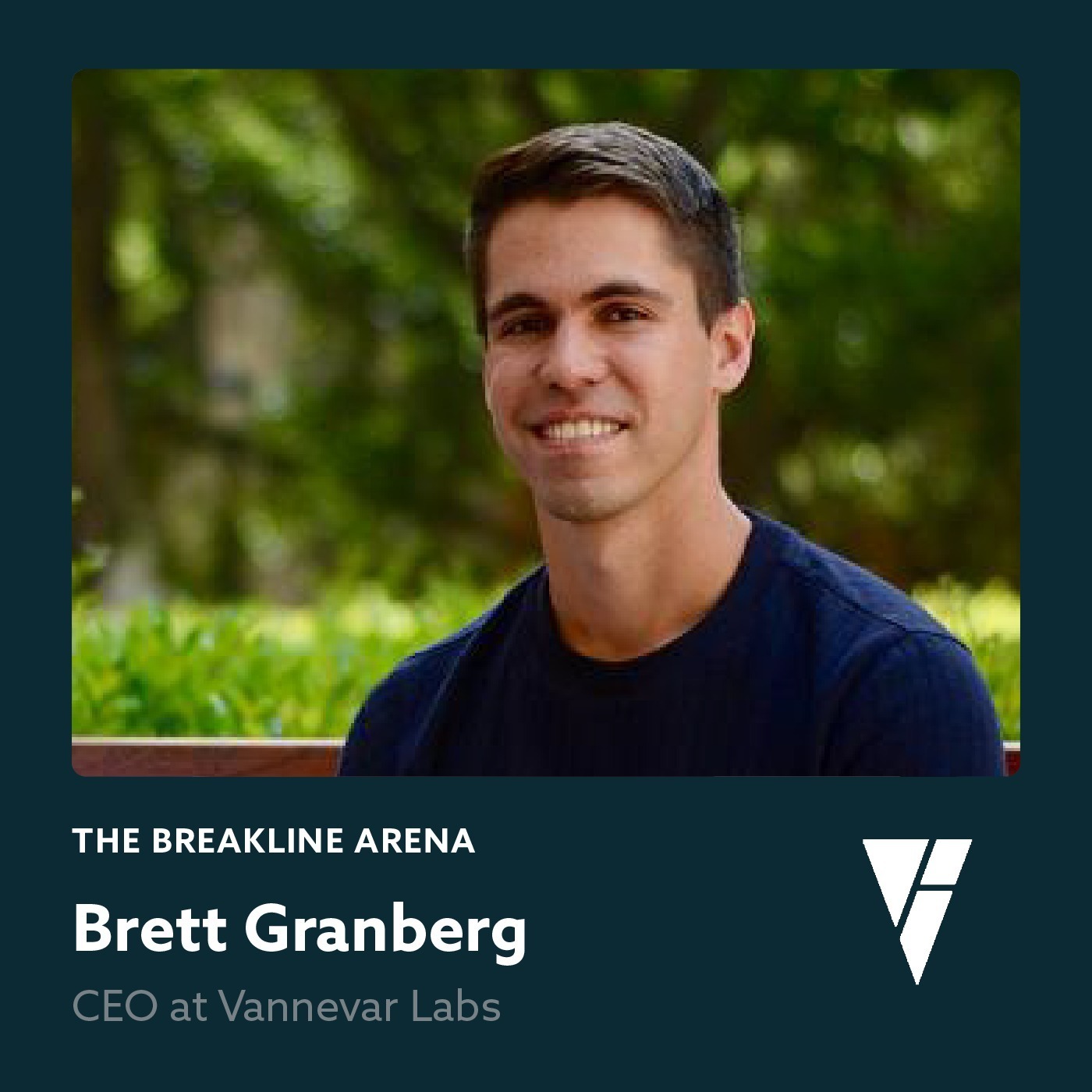 Brett Granberg, Co-founder and CEO of Vannevar Labs | Revolutionizing Defense Technology
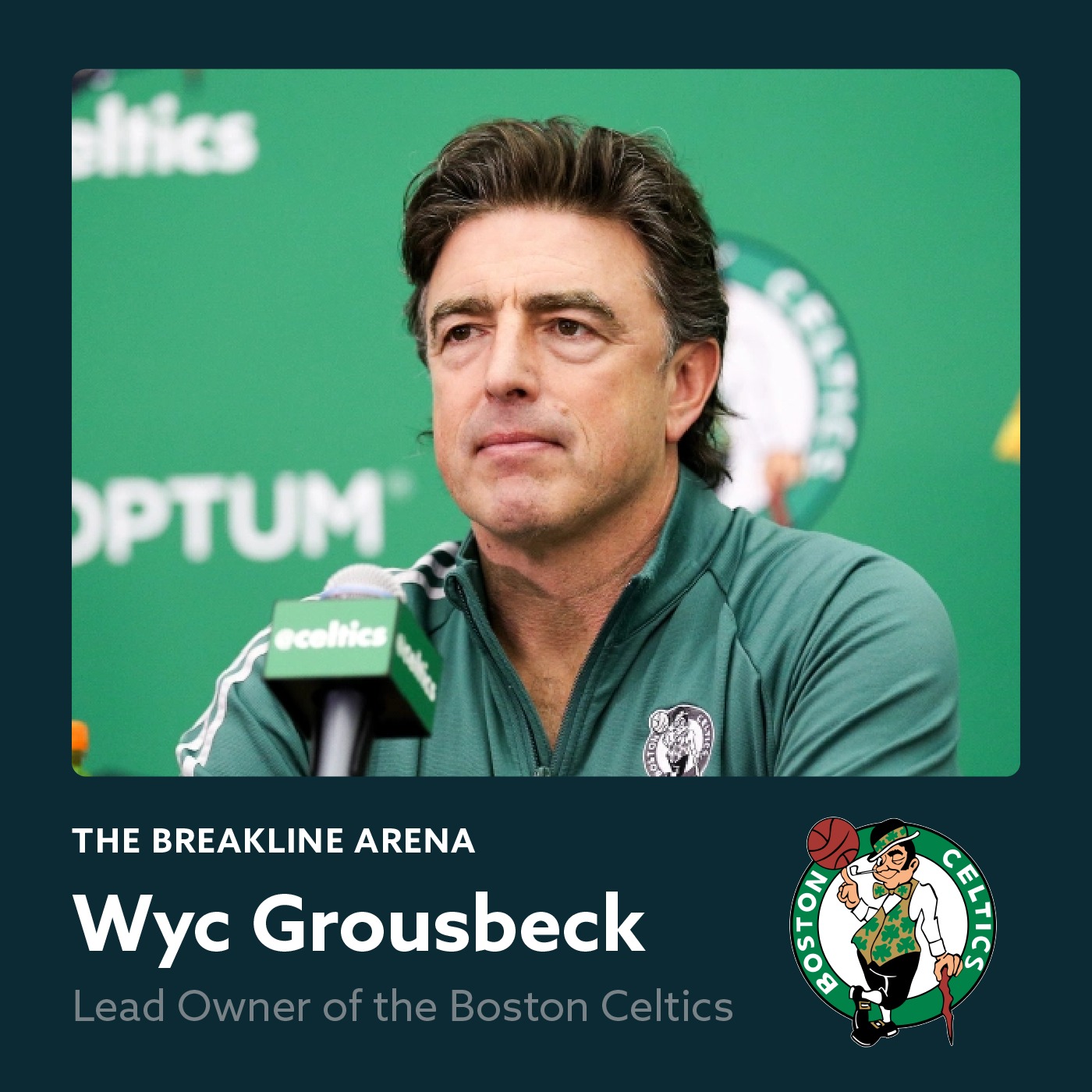 Wyc Grousbeck | Life Lessons for Winning
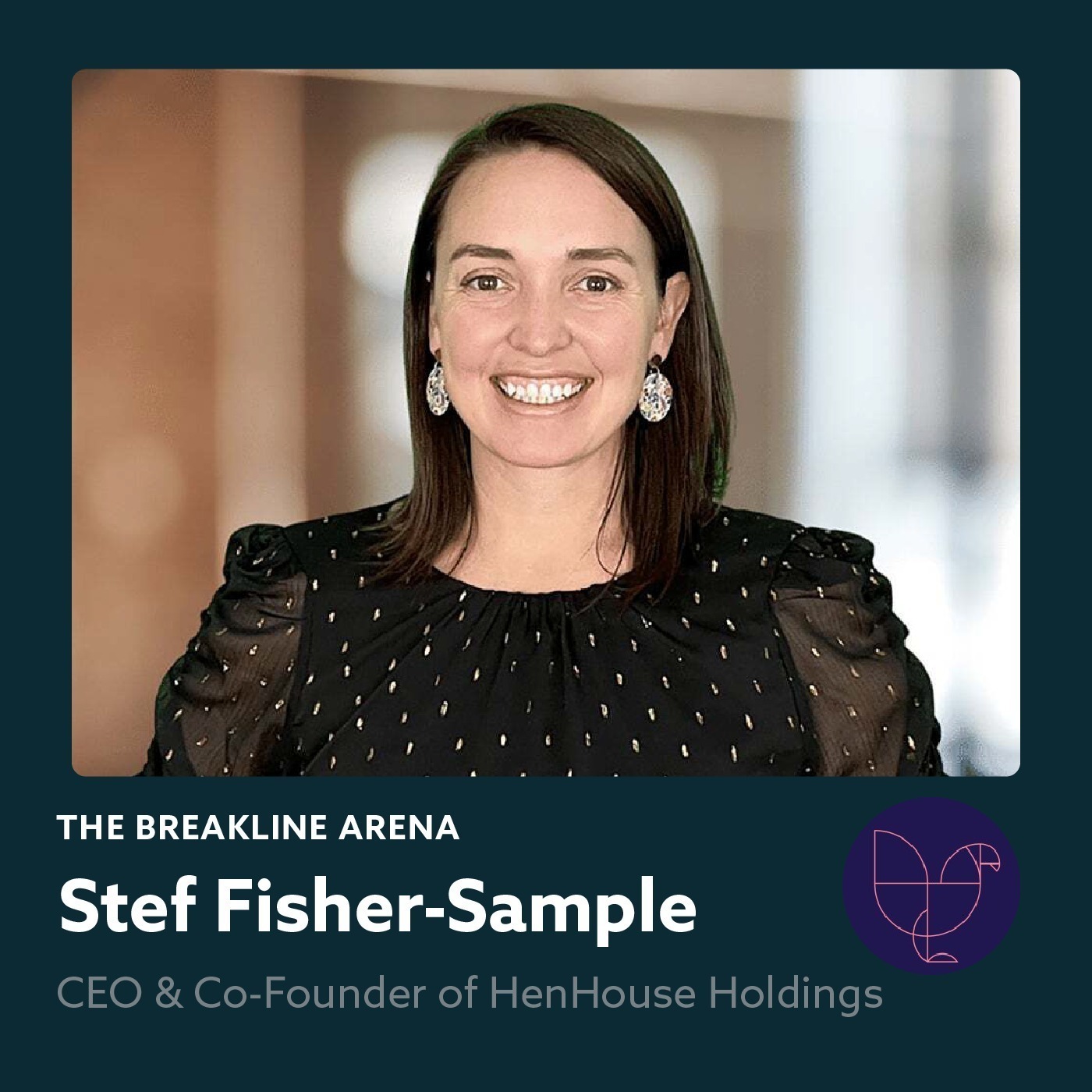 Stef Fisher-Sample, CEO and Co-Founder of HenHouse Holdings | The Secret to Entrepreneurship and Franchising