
Marketing Roundtable · 2026-06-02 · 1h 13m
Key moments - from our scoring
Substance score
29 / 100
Five dimensions, 20 points each
Ben Morss, developer evangelist at DeepL, traces an unconventional path back into technology after a career in music composition and theatre. Starting as a music professor in 2007, he taught himself PHP and JavaScript while working at startups, eventually landing at The New York Times in 2012 where he worked on the website and crossword/games section. He then moved through AOL before joining Google in 2014 as a customer solutions engineer, where he worked on web performance optimization for clients and eventually became a product manager on Chrome. The episode explores how Morss navigated career transitions through recruiters, built public speaking skills via Toastmasters, and transitioned from coding-focused roles to customer-facing developer advocacy. His narrative touches on the changing job market for developers, the impact of AI on technical roles, and how generalist thinking from music - understanding context and composition - applies to modern software challenges. This is valuable for career-changers, aspiring developers evaluating their paths, and those interested in understanding how developer evangelist and solutions engineering roles work at major tech companies.
Ben Morss earned a computer science degree but pursued music instead, earning a doctorate in music composition, working as a musical theatre pianist, director, and composer before returning to tech as a music professor at a local school in the late 2000s.
In 2007, he quit his music professor role, got a part-time job at a startup, and taught himself PHP and JavaScript on the job. After working at several startups, he used recruiters on sites like dice.com to connect with better opportunities, eventually landing at The New York Times in 2012.
Ben applied as a software engineer but wasn't selected; instead, he applied for a solutions engineer role after Facebook recommended the position, which better suited his interest in working with customers rather than just coding. At Google, he worked on web performance optimization for clients and eventually became a product manager on Chrome.
He wanted to work with people and have collaboration opportunities, which music had provided. Solutions engineering at Google appealed to him because it involved customer interaction, not just coding, and the interview questions tested skills like recursion and hash tables rather than complex algorithms he couldn't solve quickly.
The New York Times' Toastmasters Club helped him overcome his fear of public speaking and gave him confidence to deliver presentations to clients, which became a key skill he used throughout his later roles in developer advocacy and customer-facing positions at Google.
Our reviewer’s read on each dimension, with quotes from the episode.
The episode is overwhelmingly a career biography with almost no actionable substance for B2B operators. The few concrete takeaways - a Chrome keyboard shortcut, a passing observation about AI translation market growth, and a note about Chromium's TV dominance - are scattered among roughly 60 minutes of personal anecdote and platitudes about persistence and job-hunting.
Command Shift A searches all your open tabs for a certain tab that's open. There's also a little button or a little icon with a little like a magnifying glass that might be or may not be in your ribbon.
Most TVs run chromium. Also. They run some flavor of Chrome.
Every idea surfaced is a well-worn take: AI won't eliminate jobs, it expands demand; talent plus hard work beats talent alone; old tech layers don't disappear. Nothing is argued from first principles or against received wisdom, and the 'Venn diagram of passion and market need' framing is textbook career-coach boilerplate.
if you have some talent and work harder, it's often better than having a lot of talent and not working harder
you go from like, you know, 0 to 60 all of a sudden. But it always happens eventually and then there you are
Ben Morss is a genuine practitioner - Google PM on Chrome, developer advocate at DeepL - with real hands-on history in web platform APIs and developer relations. However, his seniority is mid-level (never C-suite or founder), his domain is web dev/devrel rather than B2B operations, and the episode extracts very little of his actual technical depth, making his caliber mostly latent rather than demonstrated.
I was a product manager on Chrome at the end
I was working on APIs, not actual like front end features. So I was working on the things people use to make like audio work or make Bluetooth work
There are some genuine specifics - dates, headcounts, a named layoff event, a concrete keyboard shortcut - but no business metrics, conversion data, or named customer case studies that would be actionable for an operator. Evidence for claims about translation quality or market growth is referenced only as 'studies' without citation.
in 2023, in January, they suddenly laid off 10,000 people
Got about a thousand employees and large clients and small clients all over the world
The host routinely answers his own questions before the guest can, mirrors back what was just said with 'yeah yeah yeah,' and never pushes on a single claim. The episode title promised 'Chromium Domination and Hidden Browser APIs' but the host never steered toward those topics with any depth, and there is zero productive disagreement across 73 minutes.
Yeah, yeah, yeah. I can relate to that quite a bit.
It does seem to be different. I still think that relationships matter if you connect with a recruiter and they get to know you and you know, you know that they're incentivized to fill the position.
Computed from the transcript - who did the talking, and the words that came up most.
In this episode of the Marketing Roundtable, Brian Cosgrove sits down with Ben Morss, Developer Evangelist at DeepL, to break down the hidden infrastructure of the modern web and the reality of entering the artificial intelligence landscape.Ben shares his engineering insights from his time as a Product Manager on Chrome, pulling back the curtain on the dominant Chromium ecosystem that powers everything from desktop browsers to smart TVs. The conversation explores the hidden capabilities built directly into browsers, including web Bluetooth support, serial ports, and underutilized power-user shortcuts.The discussion also tackles the shifting realities of software development, contrasting traditional engineering with the rise of AI-driven tools.
Transcribed and scored by The B2B Podcast Index.
Brandon Jones: Hello everyone, and welcome back to the Marketing Roundtable, a digital marketing podcast. My name is Brandon Jones and I'm the producer, along with a paid media expert. And I'm going to kick it over to Brian Cosgrove, the host for today.
Brian Cosgrove: Hi, I'm Brian Cosgrove, principal and analytics strategist at Brandio. And uh, with me today we have Ben Morse.
Ben Morse: That's right, that is me. Uh, I am Ben Morse indeed over here, and I'm the developer evangelist at a company called DeepL we, which is a European AI company that does language translation.
Brandon Jones: Welcome on. It's great to have you.
Ben Morse: Thanks. Good to be here.
Brian Cosgrove: So Ben, uh, it's great to have you on the show. We really appreciated you kind of coming out to the Philly analytics event and uh, you know, and sharing some things with all of us. You've been in this space for a while now. You've been focused on, um, kind of this, this AI world for a bit. Uh, can you just, you know, help people understand that may not have heard of DeepL, a little bit about what that company is and a little bit about what it means to be a data evangelist.
Ben Morse: Uh, so what Deep Bell is. Deep Bell was founded in 2017 and uh, was just kind of like the best at language translation. Um, had made their own models or these neural networks that we really were good at understanding the context of language translation and made a popular tool that would give you translations that had a lot of good, like context and felt like natural more than other translation, uh, services did, give you alternatives you could use and give you definitions of words and other kinds of stuff. It became very popular. The company is German, so it became popular in that area, you know, Germany, the countries in that area around Europe. And in 2022, 23, 22, I've lost track now. ChatGPT came out, everything kind of changed because these models, LLMs can do translation pretty well. Just kind of because they do everything pretty well. It's been a race since then to make LLMs and train LLMs and fine tune LLMs that can be better than the competitors out there for Depot. And nevertheless, it's a pretty, uh, successful company. Got about a thousand employees and large clients and small clients all over the world. And for me, my story, I was, uh, I think you were a computer science major. Did you say that before we started there? Yeah. Good job. I was a computer science major. I was a huge nerd and really into math and computers and all these things. And uh, got a computer science degree in college, but got really into music. I actually went off and did music and didn't program much for a while except to earn money as day jobs and I played in bands and I got the doctorate, music composition, classical music stuff and came to New York with a woman I had met in California and got involved in musical theater, made a living as a musical theater pianist and director and composer and gradually came back to tech because it just made a lot more sense to actually have a thing that gave me like a, uh, regular salary plus I really missed it.
Brandon Jones: Yeah.
Brian Cosgrove: Ah, it's so interesting. I mean they say that obviously music and math have so much overlap between them and it does seem to be that there's a big connection there. Um, so you know, help me understand a little bit about uh, you know, a lot of people and a lot of our audience are trying to figure out how to get into this industry and even understand what the different roles are that are out there and what kind of career journeys look like. What you just described to me is so interesting. Um, you know, about how you kind of left the industry or you know, left tech and then came back and circled back for obvious purposes, practical and pragmatic reasons. Um, but I'm kind of curious, you know, as you've been back in tech and, and with all of the changes that have happened over the last few years, help me understand a little bit about what that transit, what kind of, you know, with that transition, um, how you got back in. Because it's hard to go from you know, your, your resume being in, in music.
Ben Morse: Yes.
Brian Cosgrove: Ah, to kind of jumping back in there and you know, help me understand the beginning. Like, like what was that transition like?
Ben Morse: It was really hard to do actually. I had to persist at it for quite a while and I have a number of friends who have been actors, musicians, dancers are right now and trying to get back into some other kind of field. And I feel terrible for them because it's harder for them. They didn't have a computer science degree from a good school to fall back on like I did. Even for me it was pretty hard. Like when I got back into it really, uh, more seriously, I actually was a music professor at a small local school and for a couple years, not that long and I 2007 I decided to quit that and get a part time job at a startup and taught myself PHP and taught myself JavaScript more or less on the job and just started learning as I did it. But I had worked for a number of startups uh, that were never going to go anywhere. They'll talk to a lot of recruiters that were pretty shady and it took a while to get back into it. It took a few years because everything had changed so quickly even at that point. So it took a while to do it.
Brian Cosgrove: 2007 is an interesting time. You're right before that big crash in 2008.
Ben Morse: So true.
Brian Cosgrove: Yeah, so you're kind of at an interesting time even to get back into it. And with the big crash it definitely had to impact a lot of the startup world.
Ben Morse: Yeah, it probably did. There's still a lot of startups in New York though. Uh, it was a time when New York was starting to emerge as a bit more of a tech hub, which it had never been before. I don't think it was happening more over here. And so I was able to finally get a job actually by working with recruiters and learning more skills at the New York Times in 2012 and I became a software engineer again full time. To my surprise, a couple years later I got a job at Google and worked my way there from a customer solutions engineer person to being a developer advocate where I was traveling around the world like running events in various places and I was a spokesman for Google and then finally a product manager on Chrome. But all of these things took so much work. Work is ridiculous. I, people should keep on trying because the more you learn, if you like it and you're enjoying it and ah, you have skills people can use out there, you can, you can do these things well.
Brian Cosgrove: You taught yourself right, uh, PHP and got yourself kind of into the, into that mode, um, despite kind of being away from it for a bit. And then you know, what you described as you, you know, you came through, you went through some rounds, some challenges about startups. I mean, did you learn anything kind of being part of those startups? Like what was that experience like for you?
Ben Morse: Yeah, it was often disappointing because a lot of startups just, they don't really have ways of like succeeding or don't have procedures or people there that really know how to succeed. And some of them really do and some are fantastic also. Some have really good ideas and just don't get lucky with the marketplace that they're in and they reach a certain point and they kind of just like stay there. It's pretty tough. And I, uh, I thought about starting my own startup many times, but I already had had a lot of experiences in music, like starting bands and writing musicals and those were all these like startups and I knew how hard that was to do even in music. And I couldn't imagine doing it with someone's venture capital. So I never got involved in that. My neighbor is doing that kind of stuff right now. And plenty of people I meet at conferences, especially today, like half people at, uh, certain conferences are starting their own business because they want to get involved in agentic AI on the ground floor.
Brian Cosgrove: Now, when your circle was a lot of music people and the university that you taught at, how did you get from there even to getting into this startup world? Like, how did you even meet people doing startups? Or did you go to events? Did you just kind of show up to job fairs? Like, how did you break through to kind of even get those startup opportunities?
Ben Morse: I think I just found ads, answered the ads until someone was interested in giving me a chance. Honestly, in some cases I had like a college friend or someone else who had a, uh, startup they wanted something to help with, but I think I answered lots of ads. That was a tough way to do it. A lot of folks do go to events looking for jobs. I see that all the time. And I don't know if that works. I mean, it might work. There are actually, there are cases I've met somebody at an event where I've been like, be awesome for Deep Bell because you've got a background both in linguistics and in, like, AI research and you have this kind of background, but most people don't. So it's just very competitive. It's competitive now. I think actually part of what I got lucky because it wasn't as competitive then. The desire for programmers was almost infinite. So if you could write any code, you might be able to get a job somewhere.
Brian Cosgrove: Yeah, it's really changing.
Ben Morse: Um, yes, it is changing, you know,
Brian Cosgrove: and the good coders are more powerful than they've ever been, meaning they can produce more finished product than ever with the new tools that are out there. Uh, but a lot of the people that were kind of just part of the process, that weren't leading or weren't the strongest, they're the ones that I think are finding that there's just less of that role, uh, than before.
Ben Morse: I think that they are. Yeah, I think that people are afraid now that coders will, you know, will go away. Very few coders will exist pretty soon. I think that isn't true, and I could be wrong because anyone who says they know what's going to happen is just, you know, they're making that up. They don't know what's going to happen. But I think people will need more and more software. There's a Word for this. I forget what it's called where as like the capacity to create things increases, the demand also increases. You see this in various ways.
Brian Cosgrove: It makes complete sense, right? You're saying, you know, this is the world where you can do more as a developer and produce more than you ever could before. So, so there's a part to, uh, your point. I feel like this is going to increase demand. It just means that you won't have 30 people to do the one piece of software. It means you might have 15 new pieces of software.
Ben Morse: You might have a proliferation of lots of little apps that just, you know, no one maintains, which happens already. People might create thousands of apps and no one's going to maintain them. So you have to figure out which ones will, will survive. But I think it's kind of like design like, I imagine that like, you know, uh, 50 or 60 years ago, people wanted a poster for an event or wanted to make a publication. The standards weren't that high because it was hard to hand typeset all this stuff or use lithography machines or whatever you use or draw these things. And now people want a much higher standard because you can do a lot more slick stuff on a computer. So I think designers are still very, very popular. It's just they're supposed to do more stuff than ever before. And I figured that now that we've seen the uh, latest, uh, ChatGPT OpenAI model can make posters, uh, with text now and very detailed text. We're still going to see the desire for more and more of these things, I think.
Brian Cosgrove: I know, I know. And there's so many interesting pieces because, you know, now that anybody can go and create a poster, you know, that seems semi competent, like you said, the bar is going to be going up and you know, the curators, the people with amazing taste that know how to direct the agents or uh, direct the tools are really going to be the ones that are going to find their position elevated, it feels like. And the people that were more like, you know, the mechanical operational roles are the ones that are going to, you know, be a little bit more challenged, I think, because a lot of that part operationally is going to, you know, AI is going to do some of that, whereas the people that had great ideas but maybe couldn't, you know, it's like a, uh, great artist who can't draw, you know.
Ben Morse: Yeah, exactly. Like I could now make art. Maybe I can't draw anything, but I've always wanted to create visual art and maybe I'll be able to do that.
Brian Cosgrove: It's, it's amazing. So you went from the startup land and there's an interesting piece there where you got a big break in the New York Times. You know, a, ah, very big, big organization it sounds like. Can you tell me a little bit about how you go from churning through startups to you know, okay, this is a serious career job.
Ben Morse: I think it's probably changed since then. I think I realized at some point that there were these people called recruiters I didn't know existed previously. And uh, I could like find them and say that I existed. I put my resume on some sort of site like dice.com or something that I had like 20 recruiters answer me the next day. And uh, most of them I realized were just like basically scammers who would offer me the classic like, you know, I've got a part time role for so and so too in Jersey City, working 15 hours a week for my exclusive client. But they were just someone who found a listing or trying to, trying to game it. I found there are better recruiters actually who actually would work with you and help you find something a little bit and would get to know you a little bit and bring companies in to uh, get to know you. And I was able to just work that, work recruiters and play recruiter against recruiter a little bit and meet better and better ones until I got some pretty nice job interviews. And now I don't know how that would work because everyone's going on to LinkedIn and just spraying out resumes probably. So it may be different now.
Brian Cosgrove: It does seem to be different. I still think that relationships matter if you connect with a recruiter and they get to know you and you know, you know that they're incentivized to fill the position. It's uh, noisier now for anything that can be automated or the AI can assist with is almost like where they're diminishing returns. But if you're actually talking with them and engaging with them and taking up attention and time and space with the recruiters, it seems like that lane potentially could be even better now when the other lanes are almost inundated with um, you know, like how do you get in front of them where, where that
Ben Morse: makes sense if you know somebody. Yeah, you get to know somebody. And I guess the key with all things in life is if you want something also you have to figure out who wants what you have too. So they can take some time and invest some time in you and you know, they can, it can be a two Way street.
Brian Cosgrove: Yeah, absolutely, absolutely. And so, so you worked with a recruiter. They got you this amazing, you know, job with a pretty large organization. Um, and then you were able to, to transition from, from this experience or tell me a little bit about what it was like at the times. What was your role in kind of, you know, what, um, what kind of experience helped you land that role?
Ben Morse: I'm not sure. I mean, I guess I just had enough of a background and then knew enough things and you know, new PHP and by then new JavaScript really well by then and had again probably the college degree helped and yeah, I was able to get the interview. I'm not sure how it happened.
Brian Cosgrove: Did you work on the website? Yeah. Did you, like, which parts of the organization did you get to work with?
Ben Morse: I worked on the website and uh, this was 2012 and early 2013. I worked on the website in general and I worked on the, what was called the crossword section back then and is now the game section. It was a brand new thing where this guy called Eric had done a hack project where he made a crossword puzzle that worked on the web. And it didn't happen very often, but someone said this is great, we should make it into a product. And so they did and so I got to work on that. But first I was just working on general web things and, and uh, it was just kind of a lot of systems they had that were made over the years. Even one language they had called Context, which only they used, no one else used anymore. Someone had invented it and thought was a cool idea. So it was kind of hard to actually change things on the website at the time. I think it's all changed a lot since then because I looked on, look at the code now sometimes and of course it's all different. Everyone uses frameworks now. I remember back then one problem we had was they uh, had used prototype JavaScript which is an old JavaScript library. They also used jQuery, which was the cool new library back then.
Brian Cosgrove: Right.
Ben Morse: And both of those things use a symbol called the dollar sign to indicate that they existed. And so you'd have both things on the same page. $sign. Either it'd be jQuery or it could be prototype and so things would break. Sometimes we had odd problems like that. We had to deal with namesake. It was just interesting getting to know like the actual professional world. I had been a musician. This was like a job where you got, went to the office and you wore a decent shirt, you know, and decent clothing and you sat at a Desk and you did a job for eight hours a day or more.
Brian Cosgrove: It was different and so, and it became a springboard. Did you go directly to Google from the New York Times?
Ben Morse: Actually I left there, I went to AOL for a year and AOL was already kind of, you know, it wasn't what it used to be,
Brandon Jones: uh, but
Ben Morse: people that really were nice. It's just that there were often layoffs. Every once in a while you'd see a team that was just, you know, there get to know them a bit and they were just gone the next day because AOL was just uh, trying to find ways to survive and they were trying to be a media company and own the Huffington Post and publish things like Stylist and other such properties. But ah, making money for them was kind of challenging.
Brian Cosgrove: Yeah, I mean when so many people had AOL email addresses and Instant messenger and they were kind of at the center of the web for so long, it's kind of sad to see that they weren't able to leverage that somehow.
Ben Morse: And it was, they were very proud of their background. They had been, you know, they'd been bigger than any company is now. They, you know, control the means of distribution. They, uh, you people had accounts with aol, you had, they gave you access to the web, they gave you access to email, they did all this stuff and it just, for some reason they, it didn't persist. And people, other companies came in and took all those things from them.
Brian Cosgrove: So, so you, you did a stint over at AOL and then, and then was, was Google after that or, or did you kind of.
Ben Morse: Yeah, I, uh, for Some reason in 2014 I started getting these contacts from recruiters at like Facebook and from Google and other companies. I don't know why, it just began to come through LinkedIn at the time. So I said, okay, this sounds exciting.
Brian Cosgrove: Well, they were hiring a lot. That's definitely a big part of it. But also maybe, you know, you had those two names on your resume already by that point. Between the New York Times, which is a large website, and uh, you know, the AOL experiences large infrastructure in that tech world. Uh, I could see that being attractive. But um, so tell me about that role at Google. Like what was the role, what was the, you know, the responsibilities there?
Ben Morse: Yeah, I had four different jobs there. Ultimately I had actually applied to Google the previous year as a software engineer and I had not gotten that far. But it wasn't my ambition to just write code. Like I had partly left, uh, writing code full time because I wanted to see People and be around people.
Brian Cosgrove: Right.
Ben Morse: Music afforded that possibility. More often of collaboration and such things. Recruiters would call and I'd say, what do you have that doesn't involve just coding? They would say, are you a front end or a backend engineer? I'd say, what do you have that involves not just coding? They say, are you front end or backend? They didn't have those kinds of roles as recruiters, but Google actually did, uh, actually applied to Google and Facebook, and Facebook said, we have this thing called a solutions Engineer. You should apply to be a software engineer because it's kind of a better job. So I did that following their advice, and Google said, we have this thing too, called a solutions engineer. So I applied for that. And Solutions Engineer appeals to me because it involved working with customers. I thought that'd be kind of fun, not just writing code, but also talking to customers. Facebook. I got through a couple rounds of the software engineer thing, but I'm not the person who can really be a Facebook software engineer or meta software engineer, I don't think. I can't write. Like, I can't solve complicated coding problems that fast. If you say, here's like a graph traversal over here or this, you know, this infix notation and then make it into this. I can't do that in half an hour for you. I can do it given enough time, but I'm more of a more methodical coder. But solutions, uh, engineering, the questions they had were one level lower. It was more like, can you use hash tables, can you do recursion, Other kinds of things that, uh, my brain can handle in the time allotted. And also it was the questions about, can you give a presentation to people, can you talk to clients? And I felt like, as a former musician, I could do more of these things. And also New York Times had a Toastmasters Club, which was very helpful, it turned out, because I thought I could never give a talk before anybody. I can barely speak without talking over myself or fumbling over my words in some way. I tend to be a person who talks too fast. But Toastmasters was very inclusive. People were there from all walks of life at the time. So it wasn't just people who were reporters. Actually, no one reporters were there. It was folks from all over the company working various kinds of jobs. And it was useful because I ended up giving a lot of talks in my jobs later on. It turned out that I could do it. So, yeah, I got the job as solutions engineer. And I was always shocked every time I passed an interview I was really surprised because I thought, why does Google want me? But they eventually did. And then Google was kind of pretty cool. Uh, you know, got to meet lots of people and work in big organizations, meet these clients, got to travel around some. And then I started uh, this program with someone else where we would go to customers and look at their websites and give them advice on improving the website performance. Because actually sales was doing this and they had no background in any kind, in any kind of technical stuff. They just knew some things and thought it was important. And Google wanted to have web performance being better because if the web was better, that was better for Google strategically. So I started this program for our group to do these things and that was pretty fun to meet clients and find things they could do to easily improve web performance, which people almost always have something you can do. And we thought that mattered, that people wanted to see websites load faster, especially on mobile phones. And then kind of through doing that, actually found there was a job actually in the sales organization doing just that, working just with clients on mobile sites. So I took a job doing that. That was my second job there. And then I started working with CMSs and organizations, uh, that made lots of websites thinking if I can work with someone like WordPress or like Weebly to make all their sites faster, it's better than just one site being faster. And then through that the developer advocates found me and said I should apply for a job with them. Um, which I was very surprised by because these were like these often these famous people, I mean, in nerd land, famous people in JavaScript Land who are well known for, you know, on Twitter having lots of followers and saying fun things about what they had done with the web. This was a phenomenon, still phenomenon.
Brian Cosgrove: Now this is so interesting. So I mean, and this is 2000. Is this 2014ish or 2000?
Ben Morse: I joined that group in 2017. That's when I got the developer advocates. Yeah.
Brian Cosgrove: Okay, so that's super interesting. So you had done four different roles at Google and kind of transitioned through them. And that one that you just mentioned sounds really exciting because you had direct contact with customers. You're helping them improve their websites directly. So you're already operating in this consultant type role at that point.
Ben Morse: It's a bit, it was pretty meaningful, a bit repetitive. After a while you saw the same things again and again. You couldn't always get people to fix, but they fixed things sometimes. And it was just meaningful to meet people who had businesses and talk to them and help them make it better for Them in some way and better for the users too.
Brian Cosgrove: Yeah. So you're pacing the reality at that point. What's interesting to me is all of this, you know, you came from this music background where networking and people skills is critical also.
Ben Morse: Very true.
Brandon Jones: Yeah.
Ben Morse: So true in music.
Brian Cosgrove: Yeah. And so, and so you go. But also the nature of what's bringing people together too is, is aesthetic. It's, it's a different kind of conversation that you might be having, but it's also technical because playing the notes, playing the instruments is uh, you know, so precise to be able to, you know, the scales and all of the math involved are not, not trivial. Um, what I'm in, you know, through line, I guess that I'm like hearing from you, is that what you developed, kind of taking some of those human skills and then building them up with the New York Times and then kind of having that allowing you to transition with Google away from just being a true, just tech specialist into more of a, you know, a consultative role, more of a presentation oriented role. Kind of put you in the right lane to be noticed and you know, by that community that, this dev community that you're talking about, you're already that mix between the human and, you know, connection skills and the tech, and the tech work, I guess.
Ben Morse: Yeah. A lot of folks got a computer science degree and get a master's degree and go right from there into a job in engineering. I took a very circuitous route and maybe it was not the smartest route to take, but at that age I couldn't do anything else. I just needed to go out there and play music and do other things. And I couldn't imagine working, uh, for a company. You know, I changed in various ways. I matured in various ways. And also at the time Google had changed a lot from its days as a startup, but it was still a place you could be, you could be a personality and you could still fit in there quite nicely. And people that I worked for, uh, were often interesting personalities and many did not have college degrees in programming. Some of them did. A lot of them didn't. They just had discovered it at some point and they had come from other kinds of backgrounds and they were just interesting people.
Brian Cosgrove: Yeah, yeah. Um, and they've always taken their recruiting very seriously. And I know they went at one point they were very like academically focused and then eventually they started to go in a different direction in the 2010s. And um, yeah. So I'm curious, you know, coming out of that, you know, being a Googler, I guess working at their, ah, you know, at their New York, I guess the old DoubleClick offices. Right. And uh, what, what part of weren't they on? Um, in New York around it was like Chelsea Market area.
Ben Morse: They still have the, they bought a building in 2012 ish or something. I'm maybe getting this wrong on the Internet now but they bought 111 8th Avenue which they still still is the main building now and they now have Chelsea Market also and then other buildings in the area. But when I got there DoubleClick was still a thing. There were still DoubleClick signs on the walls. And then he folded that gradually into the Google brand and called it something else. But yeah, that was, I guess DoubleClick had been there. I don't know if it was there previously. I don't actually know.
Brian Cosgrove: Yeah, I think when they acquired them that was their headquarters and then Google said where'd you sign them?
Ben Morse: I never knew that.
Brian Cosgrove: Yeah, yeah. So that's, so that's an interesting um, so an interesting, you know, kind of transition point there. So after you've worked at Google in tech, it's kind of like a license to work anywhere in tech.
Ben Morse: I thought that would be the case but actually it wasn't because I wanted to get a new job finally. And uh, it was hard to find a new job actually I was looking in 2023 and 24. I think things have begun to change by then because already Google had layoffs uh, earlier in 2023 which is part of why I wanted to leave because Google's morale changed to some extent then. It's still a very special place for a lot of people. But there are some people that started just taking it more like a regular job and some of the internal trust in Google was lost. It's still a magical place in many ways. But of course all companies demature. But I think by then there had been various big company layoffs like Meta had a few rounds of layoffs, Microsoft had layoffs and by then the market already had tightene in some. So I uh, was told you could just say you're a Google pm, which I had been by then. I was a product manager on Chrome at the end. You can get a job anywhere but actually couldn't. There were a lot of Google PMs out there, Google engineers I think trying to get other kinds of jobs.
Brian Cosgrove: At that point the market was saturated. So tell me a little bit about it sounded like in 2017 you met this group, tell me about that group. And you said they, they Had a lot of followers on Twitter and they were people doing big things on the web. Tell, you know, like, I think the audience would be interested to know more about that.
Ben Morse: Yeah, you wouldn't know if you weren't a programmer about the idea of like being a tech influencer. But it's really a thing now and it was a thing then also. And there were just people that were known as like the best JavaScript experts or the people that could do things on the web no one else could do that, could push the web in boundaries it hadn't gone to before. And for Google it was very important to make the web do more and more things because for Google, you know, Google's revenue still came from mostly ads on the web and may still be true now. And so the more the web could do or more people were using the web for any purpose that was just better for Google. So Google incentivized to make the web just better, which was nice because people could work in this developer advocate team and just say, make better web stuff. Look at this cool thing I did. Look what I can do with service workers or I can make this cool animation happen or this new CSS thing to make design better. And uh, that was useful for Google for people to point these things out. So people could sincerely say, uh, I did this cool stuff. Not say, google wants you to believe these things I want you to believe. Because all they had to do was do fun things that were exciting on the web and introduce new features. And people wanted to hear that. So that was kind of neat. And there were people that, a lot of the people that were known for web performance or making websites faster or making web apps that were more advanced were working at Google at the time. And uh, so I was surprised I was asked to join this group. I didn't quite join the group exactly. I joined a group that was working on a thing called amp, which you may have heard of because you're involved in the world of marketing now.
Brian Cosgrove: Yes, yes. So you helped develop amp or you were involved?
Ben Morse: I got there. It already was developed. But I was one of a couple of people that were developer advocates for amp. And there were a couple of us who were in charge of basically trying to give AMP a better, uh, brand among developers because they didn't all like it very much.
Brian Cosgrove: Yeah.
Ben Morse: And to uh, show people that AMP could be used in useful ways and that we saw it as a way to make faster websites more easily and also for non programmers, not for a way for Google to like grab part of the Web for itself and make people do a certain thing. Although in fact, publishers did feel obliged to use it because if they use amp, they were able to get special positioning in Google Search in this, uh, news carousel. So it was a complicated, interesting role. As well as doing web performance then too, but also working on amp.
Brian Cosgrove: Mostly there was such a push to make the web, um, smartphone friendly. That was such.
Ben Morse: Yeah, it wasn't for a long time.
Brian Cosgrove: It wasn't. And I mean, um, you know, and there were all the debates about progressive enhancement versus, you know, you know, in mobile first and.
Ben Morse: Yep.
Brian Cosgrove: Um, yeah. And so, uh, but that was a big, A big shift and there was a long period of time when, you know, people still did a lot of their E commerce only on laptops and desktops computers.
Ben Morse: You couldn't really do that on a mobile phone without a lot of effort and.
Brian Cosgrove: Right. Uh, yeah, but, you know, it's, it, it's, it's changed quite a bit and now it's the, you know, it's the dominant form of traffic. But a lot of people, you know, I look at it as when the web and E commerce became a big thing, there was, People were worried, oh, uh, all of the physical stores, all the brick and mortar stores are going to shut down. And what we had is there was some of that, but then there are still a lot of brick and mortar stores. It's just, it just become. Yes. End. And you know, it. And then when we had the mobile web come along, you know, there's still a lot of websites and a lot of people still using websites from laptops and desktops. It became like a new kind of layer that coexisted with the old layer that coexisted with, you know, the brick and mortar kind of storage system.
Ben Morse: That's true. There are multiple ways to. Yeah. To buy stuff.
Brian Cosgrove: Yeah. And I feel like now we have this new AI level, you know, layer that's added on.
Ben Morse: Yeah.
Brian Cosgrove: And I just feel like it's a continuation of the same thing. It's like we're gonna probably still. We're gonna have the AI layer and then we're still gonna have the mobile web layer and then we're still gonna have the desktop web layer and we're still gonna have physical stores.
Ben Morse: That's really important insight because the old stuff doesn't go away. Everyone thinks, for example, everyone's just vibe coding now. LLMs do all the coding. But I'm, uh, sure plenty of developers don't do these things at all.
Brian Cosgrove: Right.
Ben Morse: Similarly, people still are using desktop computers to Buy things. They're still walking into stores to buy things. They're still buying things over the phone. I mean, when I was at the New York Times, one problem we had with the crossword puzzles is that a lot of our users were older and used older computers. We had to support older browsers that no one else supported because a lot of our users are still using Internet Explorer 6, for example. And it's quirky, but we have to support all those things and, and also Support Internet Explorer 7 and Internet Explorer 6 simulation mode, and all these crazy things that people wanted to forget about and just put behind them. But yeah, the path doesn't go away.
Brian Cosgrove: Yeah, yeah, it, it just, it just, it's. Some of the concentration just moves and shifts around and, and gets spread, you know, between the paths.
Ben Morse: Mentioned jQuery before, but jQuery is so widely used. Everyone's forgotten about jQuery. But still very popular on the web.
Brian Cosgrove: Yeah, yeah, jQuery changed a lot. Um, people did not know how to operate with the dom. Uh, you know, it was like a whole extra skill set that you just. That was so much easier that you didn't really have to learn.
Ben Morse: It was fantastic.
Brian Cosgrove: Yeah.
Brandon Jones: This podcast is powered by Brando, a uh, digital marketing agency that not only provides a, uh, diverse mix of digital services, but offers guidance, experience, and true partnership to bring your business to the next level. We offer expertise in analytics, paid media, web development, SEO and design, just to name a few. We've worked with businesses on every level, from local operations to Fortune 500 companies across a variety of industries. We have expertise to help strategize and execute your digital marketing needs. No matter what step in the process you're at, we're there for you. From wireframes to paid campaigns, brand new experts in everything digital. Please reach out today to learn more about how we can help your business grow it.
Brian Cosgrove: Um, so, you know, so here we are and you're, you're making these changes. You're involved in a lot of exciting things. This is that period right before, you know, right before COVID did you. So, so how long did you stay with Google? Can you tell, you know, the audience just a little bit about that?
Ben Morse: Yeah, I got there in 2014, left in 2024. So I was there for nine and a half years in the end Years. Yeah. When you're involved in a company for a while, it's hard to leave because it's just exciting. When I ran out of things to do at a certain job, I was able to find something else to do, which was really, really fortunate. Like when Covid happened and my job of going to conferences and organizing events and doing all this outreach in person and giving talks in person totally changed. And we, uh, did things over, you know, like where I am right now, this became my office, this attic of our house here. Um, it wasn't quite the same and I wanted to do something different. And Amp, we realized that a certain point was kind of. It plateaued and was on, um, the decline. And the person who wrote amp had left Google and writing was on the wall for Amp, so I wanted to do something different. And so I decided to make a transition to being a product manager on Chrome, which is very hard to do, but I was able to do it and I wanted to finally leave Google. It just took a while to go through all these. I could keep on finding things to do that were interesting because Google was a very big place.
Brian Cosgrove: So one of the themes of what you've kind of described there is even how you sort of brute forced, uh, your role into the startup world. Uh, you know, you have a persistence that some people are challenged with when it comes to just applying, just putting themselves out there. Just sort of like going through the process. Do you look at it as a numbers game? Like, how do you kind of handle, um, when you approach it? It takes some diligence, I think, to do that, to kind of apply for things, uh, as persistently, to chase after what you're interested in.
Ben Morse: That's a fantastic question. It's a very deep question and I think I'm very persistent. But I don't feel like I'm persistent. I feel like I'm always giving up on things. But, uh, I can give you an example behind all these things in my life where I've tried to keep on doing things that seemed very hard to do. Uh, even in music. I had a lot of very big goals that weren't ever going to happen, really. Uh, I wanted to become a better singer. Speaking of music, I think part of, I realized part of why I wasn't really as successful as like a band leader. Although I could be a good keyboard player and other things, I could compose well in some contexts, not all contexts, but I just, When I let a band, I couldn't sing serious songs. We were known for doing goofy songs and I couldn't do serious songs. Apparently someone told me I didn't sing very well. I was like, oh, you're right, that's the problem. I'm not a good singer. And I just was. I couldn't get any better. Basically, I took vocal lessons and I just. I'd never improved at all as a singer, so I stopped doing it for a while. Actually, during COVID my daughter wanted to become a better singer. And we had a friend we'd worked with who was a great actress and a great singer who's now a professor at Penn State. My daughter took up a couple lessons from her over Zoom, and they didn't really hit it off. I thought, I'll try this. And we really hit it off. We were good friends. And I started learning how to sing again, which is one of the hardest things I've ever done in my life. Because you do a thing physically for a number of years and you use your throat and your tongue and your mouth in certain ways to do it differently. Really hard. I was doing things. Pretty much everything was in, uh, active, kind of like, uh, painful in some cases, like, uh, not useful way. But we learned how to sing from scratch, and it took a ton of persistence. My daughter would say, you keep giving up, but the next day you start again. I think that's what persistence is for me. You might say, I can't do this.
Brandon Jones: Whatever.
Ben Morse: The next day you might say, actually, I kind of want to do this after all. So, um, you just keep on doing it. And in some cases you won't get anywhere. You have to realize, at a certain point I'm working on this thing, I'm going to be able to dunk a basketball. And you realize, I've done this for six months and I'm not dunking the basketball, so I'm going to stop trying to dunk a basketball. But some things you are going to succeed at and like applying for a job in a new field, for example, if you have skills someone could use out there and, you know, they could use your skills, it's going to work out eventually. If you don't have those skills, it may never work out. So you have to also know when you should stop persisting and change your direction, which is very hard to figure out.
Brian Cosgrove: Yeah, yeah, yeah. I can relate to that quite a bit.
Ben Morse: Uh, do you have similar stories from your life of, uh. Because you were a tech guy, right? And you're still doing tech, but you're. Yep, I'm still doing what you're doing quite a bit.
Brian Cosgrove: Yeah. Yeah. I just. I feel like, um, you know, I'm learning a language right now, and it's. It's a big challenge.
Ben Morse: So I, uh, like a human language.
Brian Cosgrove: This is really the only way I'm learning Japanese. And persistent.
Ben Morse: Oh, that's a challenging one. If you're an English speaker natively. Yeah.
Brian Cosgrove: Yes.
Ben Morse: That's very admirable.
Brian Cosgrove: So, yeah, it's fun. Reading and writing, though, is I. It's hard to recreate that environment that, you know, if I had grown up and gone to school learning this language, I would have written all these characters in every grade. You know, all the way through, I would have been developing all of that skill set. And now as an adult, it's like I have to. I have to do it all kind of, and I'm trying to compress it. And it's. It's a challenge, but persistence, um, if
Ben Morse: you believe in it, you want to do it, you'll be able to do it. If you move there, live there for a while, it'd be a lot easier because you'd be forced to actually read Japanese and speak Japanese all day.
Brian Cosgrove: Yes. I am fortunate now with a lot of AI tools that can have it generate interesting stories, uh, or translation to what you do. I, uh, can take interesting stories and try to get things at a reading level with the vocabulary that. The working vocabulary that I have. And that's helping tremendously. But I, you know, it's forcing me to think about it, and there is a persistence there, so I can relate. And I can only imagine that, you know, your voice is the one instrument that it's like, you know, you're dealing with. With flesh here. You're not dealing with, ah, you know, with something. You can just buy a different version of it. So, um, I can imagine.
Ben Morse: Bizarre learning process. You've got to like, you know, teachers use metaphors, but they also try to use physical things. Like this is, you know, the larynx. This is where it is. This is actually that your tongue goes down over to here. The tongue is huge, actually. It's down there pressing down against this thing over here. This thing over here is still down there. And just, uh, understanding what the soft palate is. And then metaphors, like, you know, imagine that the sound is traveling through your face. They just use lots of techniques, and the teacher is really fantastic. That was unteachable. And I've become a decent singer. Excellent.
Brian Cosgrove: That is excellent because it also. The sound is different. Like when you hear your own voice in a recording, it sounds different than how you hear it when you're speaking.
Ben Morse: Yes. If you want to learn how to sing, my advice to the audience out there is, um, don't think about how it sounds. Think about what is easiest to produce with the least effort.
Brian Cosgrove: So you know, with that persistence, one of the areas, like you said, you give up and then you go back to it. So it is a form of persistence, even if it doesn't feel like it. The one area, too, with all of that is you survived periods in Google when they had multiple rounds of layoffs. You were there nine years.
Ben Morse: There was one major layoff when I was there. There have been layoffs other times, other kinds of forms. I missed the ones that were like, I don't know, 2008 era. Uh, I wasn't there yet. But there have been some small layoffs since then. But in 2023, in January, they suddenly laid off 10,000 people. And I remember that was, uh, trauma for the workers of the company because some of their friends were gone.
Brian Cosgrove: No, and that's the thing, is the big companies aren't necessarily safer in some ways than some of the smaller companies.
Ben Morse: Um, that was the big change in attitude. Exactly. Because people thought, I can work here my whole life if I want to. And they realized, well, maybe I can and maybe I can't.
Brian Cosgrove: Yeah, like I said, it's so interesting. I mean, this is one area that you might be able to help a lot of people out with. I think is just like you said, you were able to transition within Google and kind of follow projects and work that kept you engaged and interested. Uh, can you tell me a little bit, some advice for people who are maybe in the. They feel like they're in the right company, but they're maybe not in the right, Right position.
Ben Morse: Yeah, it's not a bad place to be. Like you're saying before, one of the hard parts in applying for jobs is knowing the right people. And, uh, people can get you things. If you're in a company with people, it's much easier. You already have part of the company. You already have that trust that they've hired you to do something. So. And you know people, you can meet them, you can talk to them, and then they'll be your contacts for the next job. Hopefully it's not happened at Google. I mean, for software engineers, there was a culture that was pretty nice where they could, uh, meet people in other teams and just change teams pretty smoothly. There's more job fairs for that. And the, uh, culture was you're supposed to support that. If you're, if you're like, uh, IC wants to go to a different team, you're supposed to say, oh, that's great, go ahead and do that. That's fine. Changing from area to area was harder. There definitely were different Kinds of areas. And people didn't always think if you were in area A and they were in area B that you could do their job. That was true. Yeah, very. In many places. Like when I became a developer advocate, it was quite different from being a customer solutions engineer. And then finally when I became a product manager, that was the hardest thing of all because, um, it was Covid time and it was harder to communicate with people and the culture as you find what's called a rotation. You'd spend six months to a year doing a different job like that, and then they would. Afterwards you would basically apply for the job from scratch as if you were like an external person. And so I couldn't find a rotation for a while either. So then I kept asking people that I knew and finally there was a director I knew who was nice and he recommended me to people that he who worked for him. And then some of them started offering me rotations and I did a rotation and it seemed to go well. And then I did the interview process. That was incredibly difficult.
Brian Cosgrove: Was it okay?
Ben Morse: It was really hard. But the point is that if you're working at a company, uh, you think it's the wrong kind of job. If you have the skills truly to do something else, you can probably get that job. But you may not have those kinds of skills yet. People often think you have those skills, but actually you lack those skills. Like product manager is a classic thing. People want to be product managers. Being, uh, a product manager requires a certain skill set and certain experiences that not everyone has and a certain way of looking at things and a certain attitude towards the world that is pretty unique. I don't know if I've really mastered it myself, honestly. But yeah, you can, you can get that job internally, I think, easier than getting a job externally. That's the point.
Brian Cosgrove: Uh, yeah. And the exposure that you get internally to just the company, the operations and the other departments is different than if you're completely external.
Ben Morse: I think it should be easier. But still, if you're working a job that's not meaningful at your company, it may be hard to get out of that to a job that you find meaningful. But it's often quite possible to do, I think.
Brian Cosgrove: And did you mention you were working in product management on Chrome at one point? Okay, so Chrome's a very popular browser that, yeah, a lot of users, lots of people. Do you have any like, tips and tricks that people should. Chrome does well, that people don't even realize are, hey, this is a feature that we built that you need More people should be using this.
Ben Morse: There are tons of things like that. I just don't know what they are. Because I would recommend to uh, people that made these kinds of features ideas I had, they'd say you're not the average user, you're like a programmer, power user. Your ideas aren't very good ones. And that could have been true. I was actually working on APIs, not actual like front end features. So I was working on the things people use to make like audio work or make Bluetooth work or such things. Not the actual things. Like here's what you click on as a Chrome user. But actually there's something Chrome, uh, supports Bluetooth. No one knows that.
Brian Cosgrove: I did not know that.
Ben Morse: Yeah, we were pushing that for a little while, that Bluetooth. Oh my God. Various things like serial ports. All these things are things that you can use on websites, web apps. Not widely known. But for the average person using Chrome, I recommend using tab groups. Tab groups, or using a plugin that organizes your tabs. If you say, I've got a hundred tabs open, you just call that a tab saw. It's like a little saw pattern of tabs. Don't do that because you'll be hopelessly lost forever. But you can make, you can take like, you know, these 15 tabs for this project over here, put those into a group or get like an extension like one tab and then you can close them and they're still there for later. You can open them whenever you want to. You have to just trust it, try it out, you know, and realize, oh, I can do this. They're back. Then you can close them for a while and return to their project. You can just um, get back to those things.
Brian Cosgrove: Okay.
Ben Morse: Your tab shouldn't be your to do list. That's a bad way to do it. Make a to do list of a different sort and close the tab.
Brian Cosgrove: Yes. Yeah, that's, there's a Google sheet. Is your to do list.
Ben Morse: I don't know, something like that would be better.
Brian Cosgrove: So that's, so that's super interesting. So, um, yeah, no, I think that's a great tip, uh, that I will definitely take away.
Ben Morse: One more thing. Sorry. Command Shift A searches all your open tabs for a certain tab that's open. There's also a little button or a little icon with a little like a magnifying glass that might be or may not be in your ribbon. It's called Tab search. But if you use Command Shift A, you can then search for, uh, open tabs by title. If you've lost a tab somewhere. You can find it again. Indispensable.
Brian Cosgrove: Okay.
Ben Morse: It's full of features now. Chrome.
Brian Cosgrove: That is. That is amazing. All right, so that, that's exciting. Um, Bluetooth tab search.
Brandon Jones: Um.
Brian Cosgrove: Um, yeah.
Ben Morse: Also some trivia I didn't know before. Most TVs run chromium. Also. They run some flavor of Chrome.
Brian Cosgrove: Yeah.
Ben Morse: That it's used everywhere. That's pretty shocking to me.
Brian Cosgrove: So that's it. And that's, uh, you know, it's a, it's a huge deal because it also means if you, you know, obviously focusing on it for development means you are compatible. And a lot of other places too. Yeah.
Ben Morse: It's also standard now. Most browsers use Chromium. Like Edge is Chromium. I think Brave is Chromium.
Brian Cosgrove: Yeah.
Ben Morse: Safari is not. Firefox is not.
Brian Cosgrove: Right. But they're also WebKit and Chrome is WebKit too. Right.
Ben Morse: They had a fork at a certain point. Yeah. They used to all collaborate. Then they had a little bit of a parting of the Waze and Chrome happened.
Brian Cosgrove: Chrome. So it's interesting. So, okay, so. So there's a lot there. Um, and I'm curious. Tell me a little bit about the transition from Google to ah, DeepL.
Ben Morse: Yeah, I wanted to get involved in AI, actually. Uh, um, I had realized at some point it was happening. And um, part of my plan actually becoming a product manager had been I had some friends who had left, uh, working on amp or on the web to go work in Google Health, where they're hiring a lot of people. I thought, this is good for humanity, which I want to be able to be involved in some way. They're doing things like, uh, this is pre LLMs popularity. They're doing things like, uh, um, looking at retinal scans for signs of diabetes and other ways of using like, AI models and useful ways for health. And I thought, I want to be involved in this. And the culture of Google was once again, when you have a certain job in a certain area, you can get that job in other areas too. So being a product manager, like on, um, Chrome, which is pretty unlike Google Health, was not the hardest thing to do if you knew somebody over there or you just applied for the job. After layoffs happened, that became much harder to do because there weren't jobs available, period, even for outsiders. So you couldn't move internally that easily anymore. So that path was closed off to me. I had no AI experience, like work experience. I learned about it. I had taken an AI crash course at Google and learned about LLMs and I was reading about it a fair amount and asking friends and neighbors lots of questions about how things worked. But I had no specific work experience working with AI, so I couldn't get a job to AI, PM or anything else there. So I had to leave.
Brian Cosgrove: You had to leave. Okay. All right, so, uh, tell me a bit about, you know, kind of your immersion, sort of your transition to AI. So did you immediately apply? Was, was this kind of like one of the first companies that you applied to or like, how'd that search go? How did you make your way over to deeplift?
Ben Morse: It took a little while because I wanted to get jobs that involved AI, but I realized that I couldn't just apply for jobs that involved AI because I had no practical work experience. You know, I had not done this as a job. So, uh, if people want to hire a product manager to do X, they wanted to do X before because then they could actually have a record of doing X successfully and launching products in area X. So I applied to a few places. It was kind of hard to find applications. Um, I spent a little while working at zocdoc. That didn't work out very well. Actually. That was a pretty short time. Uh, then I was looking for a job somewhere else and I started applying for developer advocate jobs because I realized I kind of missed doing that kind of work, which I'd done before and successfully. And so I actually had, uh, an offer for a job as a developer advocate for a well known European company. But they were very slow to make the offer because they were on vacation for the summer and they just kind of did things kind of gradually. And in the meantime I saw that DeepL having like a meetup somewhere in New York and people are going to go talk about AI. I thought that could be kind of fun. Yeah, I've got a night off. So I went down there to attend, uh, this talk and the head of research was there and he was really interesting and people there had a lot of fun things to say. And it turned out actually they had realized I was coming and they recruited me to apply for the PM job there. So I hadn't realized that, but then I got there and they were like, do you want to apply for a job here? And I said, okay, that seems interesting. And so I did and they were quick and I ended up taking the job there. And then after a few months as a product manager, I saw actually an opening was happening internally for a developer advocate. And I saw the job description and I thought, I want to do that because that would be the most fun thing I could do. And I think also as a product manager I was limited in some ways in my compatibility with the role. And so I uh, knew the guy who was uh, hiring somebody. There's an example of internal move. He's like, hey, we're thinking about you. Anyway, we knew you had this background and so everyone agreed I should do that instead. That was harder to hire for this job. So I became the developer advocate, uh, @DeepL. And that happened I guess last February or March that that finally happened. So they wanted to get more involved in North America because they were pretty well known, very well known in Europe and pretty well known like in places like Japan. But in North America people don't know DeepL that well even now. So, so that was the idea to get some visibility for DeepL over here.
Brian Cosgrove: So that's exciting. And as a developer advocate, you're looking for people to create new projects to integrate with DeepL. Is that kind of the main.
Ben Morse: There's various things that tends to involve usually developer advocate. We've been trying to find what that even is so far in this conversation. But um, traditionally it's uh, kind of a weird job. Um, I think it originated when somebody at Apple back in the 80s became, they called themselves the evangelist, I think it was Guy Kawasaki and then tried to just talk about what Apple was cool to people. And AOL had somebody uh, who did this when I was there. But the job evolved to be a thing that companies had who had tech. They want people to understand better and wanted developers to understand because marketing to developers is challenging. They don't really trust traditional marketing. Sometimes if you say, hey, this thing here is great, you wonder, well, why is it great? You didn't see why it was great. So, uh, developer advocates, the kind of there's outward thing where you're trying to market your products to the world, which usually means not saying, hey, it's awesome, but just showing uh, cool things you can do with it to people or even talking about similar areas or being an expert in areas around that. So people will trust you as like a thought leader in that space. And then they see you're working for a certain company and they trust the company more. It's an interesting space to be in. And the other part of it is trying to um, make developer offerings better. Like to advise on developer offerings that you have and ways to improve those things because you're the person who isn't making them yourself. The engineers will make what's easiest for them to make. Easiest to build. In many cases you have to say, actually if I didn't work here, I couldn't use this thing. I know why you did this because you already had this thing. But people don't want it this way. They want it this way. So do the extra work to do this thing instead. And they have to listen to you or not, but hopefully they'll listen to you at least some of the time, make things better. And then also getting feedback from people that use this stuff and the developers and see what they really are craving, what features they want, what they find challenging and then also making material people can use to learn this stuff. So like whether it's documentation for developers or videos that are how tos or quick start guides, tutorials, it may change even more now because people now a lot of non programmers are programming because they can now vibe code. So I think it may evolve more to that kind of thing too. Like if you don't know how things work, don't know what you're really doing, want to use our stuff, then use it in this way and try doing this kind of thing. It'll be a good path for you to go down.
Brian Cosgrove: Yeah, it's interesting. I mean I feel like there's going to be more applications that are even built out for single individuals or smaller groups and organizations. We're going to see more software out there. Not just the big ones that you purchase and buy, but there's developers I think at different levels now because of how accessible it's becoming to develop.
Ben Morse: Uh, yeah, Deep Bell is happening in a big way because people are into AI and uh, everyone's making their own apps now. It's remarkable. They're all using, all using cloud code or other tools to just make stuff happen. It's quite remarkable.
Brian Cosgrove: That's exciting. And so you know, with your role, how much time do you get to spend maybe in the world of the developers and kind of in those communities? Is it like an online thing or do you go to like developer events or how do you like how do you come into contact, uh, with the developers?
Ben Morse: Yeah, I mean it's good to know the developers who use the product and uh, it's good to also do other kinds of things. And my goal last year was to really be just get out there to meetups and things in the US to say hey, we exist or go to hackathons and say try the API, we exist. So there's that. But also knowing users is pretty important and that happens by. Yeah, there's like often there's Discord channels. We have a Discord channel. We have also a community website that people go on to talk about things. It, uh, can be hard to find them sometimes if you're a smaller company like DeepL, not that we're that small, but if you're like, you know, if you're Google, everyone wants to give you their feedback and they have. Google had very organized systems for getting feedback and for involving developers and things. At DeepL, it's more a matter of trying to talk to even people in sales and say, hey, is your client struggling with something? Can I talk to the developers about what they're doing and getting to know those developers and you find those people that will give you feedback, the ones who want to talk about what they like and don't like. The ones that you trust to really, you know, give you good feedback.
Brian Cosgrove: Yeah, yeah. I mean, it sounds to me like this is what drives the requirements that the product manager should be focused on. I mean, you've kind of been in that product management role and now you're kind of almost in a research, like a customer research, voice of customer type.
Ben Morse: Uh, yeah, I guess it is like that. Yeah.
Brandon Jones: Yeah.
Brian Cosgrove: You know, and, and mixed with, you know, I guess a little bit of this evangelist, like you're, you're a bit of the company's influencer by showing up
Ben Morse: to these events and, and, and, yeah, influencer person. That's the idea. Yeah, we try to be, you know.
Brian Cosgrove: Yeah. Well, we really appreciated you, you know, coming and speaking at our event in, in Philadelphia. And you kind of can see that we're trying to bring together developers and analytics folks and AI folks together.
Ben Morse: That was fun. Yeah. I mean, I went down there because I was curious about the meetup. I went down there. Was it November? To check it out. I thought, this is really interesting. There were some great talks there. I thought I learned quite a bit. I wanted to come back and just do it again. And I got to go give a talk of my own, which also was really interesting.
Brian Cosgrove: Yes, we very much appreciated it. I think, um, this is kind of where people can make some of those connections that, that might lead to their next positions too, is coming to kind of events like this.
Ben Morse: Yeah, there's a community that didn't used to be where you can go to meetups and events and talk to people. It can be a little hard because people are a little shy and it's hard to talk to strangers. But if you go a couple times, you get to know people a little bit and get to know their Worlds. And I, uh, think it's fascinating. I mean, when I went the first time, there was a talk about, uh, the challenge of using LLMs to read text on these gas canisters.
Brian Cosgrove: Yes, yes.
Ben Morse: I thought maybe the most boring talk ever. But it was amazing because the challenges he phased were so intense and it's such a big problem, it turned out. And actually he started making, like, simulated graphics, uh, using graphics programs to simulate his own canisters to get synthetic data. And then he brought these things to the field, and the workers whose job it was to read the data didn't want them to do it because it was their job to try to read these things. And it was so interesting.
Brian Cosgrove: It really is. And there's a lot of that, um, pushback. I think a lot of people, you know, don't like that they had a crushy position and AI can do some of that work.
Ben Morse: It's scary. I mean, yeah, scary for all of us, honestly, but it is happening. And if you go with it and learn how to use the stuff, you can also become very powerful in what you're doing.
Brian Cosgrove: Yeah, yeah, it's exciting. Um, so what should people know? I guess. So you're working with Deep Bell right now. Tell us something about translation. Tell us kind of a little bit about the state of things in that world, uh, that you're in.
Ben Morse: Yeah, uh, it's a big topic for me because we talk about it here all the time. Is there a part you're interested in, especially aside from learning Japanese, which is an amazing.
Brian Cosgrove: Yes, thank you. Um, I think what I'd, I'm curious about is what are the opportunities with translation that maybe some of the companies that are a little bit ahead of the curve are leaning into and how are they making use? You know, like, is this making glo. You know, having global websites easier? Is this making, um, internal companies communications easier? Like, like, how is it kind of showing up with the companies that are really making the most of it?
Ben Morse: Things are all easier now. I, I mean, as an English speaker, one's lucky these days because English has become like the new lingua franca. And, uh, you can go to other countries. People often speak English, which is. Makes you kind of lazy about, you know, reviewing your German or reviewing your Japanese before you go somewhere. And maybe it will change as America's position in the world is a little bit, a little bit in transition now perhaps, but it seems like this has happened for a little while. But, uh, if you want to reach people, a language they know natively is still easier. And not everyone speaks English, of course. So if your website is in other languages, there's a lot of studies showing people will use these websites more in other countries and buy things more from these websites. Yeah. Uh, for companies, internal communication, it's important to, For a lot of governments, it's very important. Like I was at DrupalCon recently where there's a lot of people working for governments and nonprofits, and a lot of folks were saying, you know, now in the state of Washington, this city, we have to use 10 languages. It's by law, of course. If you go to New York City and ride the subway, many posters are in 12 languages. If you, if your healthcare company sends you a disclaimer, it's in a bunch of languages. And the more you can do that, the better. And it's easier to do than ever before. Um, one really surprising thing is that. But computers have gotten pretty good at translating things. You may have remembered using Google Translate some years ago and people would laugh at how it came out. There were games where you translate things like English to Korean and back to English and see how much they changed. Or translate song lyrics back to your language and see how much they had changed. But they've gotten really pretty impressive. And there actually are studies showing that people, when they don't know who the translation is. Human, sorry. If the person's given a human and a non human translation and doesn't know which is which, they often prefer the non human one, which to me is really crazy that it's gotten that good. So the potential is enormous. I think that's actually also a good example of how a job that might have gone away, hasn't gone away, and how the demand grows. So translators, when AI translation first came out, of course they were upset about it because this was their job and there's an art. And if you ever read a novel translated from a different language, it can be quite different. Or especially you forget poems or song lyrics. Any book really can be interesting or not interesting, or the whole character of it can change. There's a lot of art and creativity to it. Um, but then translators began to use AI translation and it became really standard. They have these tools now that are called computer assisted translation tools where they get a first draft from, uh, the computer. And also if they translated things certain ways before and certain phrases occur, those things appear automatically. They don't have to do those things twice. They look at the computer translations and they modify them until they like them. And they can work faster this way. So you don't want to just, uh, put out AI uh translations directly, usually because you may be surprised. Sometimes you want to have humans fix them up. Usually it's until they're what you find, uh, to be useful for your own use, your own business, your own local community, things that feel local. But these translators are still working and they're doing more than before. And the demand has grown because people know that you can do it now. And so you have to have more and more things be translated. It's just progress in all ways.
Brian Cosgrove: Yeah, it's the paradox, I guess. People think that a lot of these AI pieces are going to cut out jobs. But we keep seeing more and more that it's like, well, no, now that we can translate more easily, more stuff that just we didn't even bother to translate, it is now like the market grew because of, uh, it's accessible at a different price point or speed or otherwise than it used to be.
Ben Morse: Much cheaper than it was.
Brian Cosgrove: So if it's much cheaper than it was, then people who said, I'm, um, not going to translate because it's too expensive suddenly are in the market and the market's a whole lot bigger for the service. So it's, you know, it creates jobs. Even if each of the individual jobs right now isn't as time consuming or as expensive, there's more, there's larger.
Ben Morse: I think. I think it does. I mean, we'll see what happens with jobs and how jobs will progress, but I think that this is what happened, that people's jobs will just change and certain jobs may vanish and certain jobs may reappear just as like a product manager was in a job or developer advocate was in a job before. Most of our jobs we have now in the white collar world didn't exist before. I think it would just keep on evolving and people will just want more and more stuff. We'll see. That's my hope.
Brian Cosgrove: Absolutely. Um, one, one last area you have. You know, fortunately, your job description allows you to go and attend lots of events and travel and kind of spend time in different communities. You just mentioned DrupalCon. Uh, I know you came to our event. I imagine you go to quite a few more. Are there different. You know, what would you encourage people, you know, if they're looking to build their network and kind of get themselves out there a bit. What are some events that you'd say, okay, these are definitely, um, you know, worth worth putting on your calendar, um, you know, and helping them sift through when, you know, not all events are going to Be as exciting as every other one. What are some of the events that you'd say, uh, were absolutely remarkable? Uh, you know, in your experience, remarkable events?
Ben Morse: It depends what you want to do with yourself. I mean, there are people that love going to hackathons and love building things. Hackathons and building a project in four to six or eight hours and maybe winning a cash prize. And now actually you can be a non coder. I've seen non coders win hackathons now and have the best project, they have the best idea and they could do something really good even by themselves. Um, if you want to do project work, if you want to meet people and get more involved in the community and learn with people, there is plenty of meetup groups for that, you know, where you can be part of those learning communities and learn things together. That's a really good way to get involved because learning things on your own can be intimidating. And of course, social networks being involved make you persist more with these things. Uh, I tend to be, actually, I'm a little shy sometimes at these things. I don't always, I'm not always the best person at meeting people, but I try to become the person who's like, I can talk to somebody. How bad could it be? And to do that, I think I still enjoy events that are, if I can go to events like that are more like, uh, a conference where people are all working for companies in a certain area. If you get to that stage, those are often the most fun for me because you see people, you know, at, uh, various booths from various companies you may have seen before, and it's fun. Just like seeing them all do their thing and hearing what they're all doing and learning from what they're all involved in. Being immersed in their area for a couple of days. That was a very wishy washy answer. Uh, it depends.
Brian Cosgrove: Yeah, yeah. And I think it's directionally helpful. I think people then can take from that and say, okay, these are those conferences for my industry, or these are those kinds of meetups for in, in my lane. Um, and so, no, I, I think that's super helpful. And I just, I'd, I'd really like to thank you for, for joining us on this podcast. I feel like.
Ben Morse: Thanks for having me. That was really a fun conversation. Like you've got lots of deep, uh, insights and questions about things.
Brian Cosgrove: Yeah, thank you. Thank you. Yeah, I mean, our intention here with this is, you know, there are people in different stages of their career that wonder what it's like to kind of get into the industry. And, um, I think what you shared is helpful, especially for that person that's currently doing music right now but has that tech degree or, you know, that, uh, hey, there are exciting things ahead.
Ben Morse: So people ask me these things, questions a lot and want to talk to me about these things, and I feel like I always have pretty lousy answers because it just depends on your situation and what you can do. And I don't want to advise folks in ways that will bring them down roads that are difficult. But I think it is true that if you want to learn something new and you have the skills for it in any way, you can usually get better at that thing if you care about it. There's a lot of research now about, you know, people think this person's just a genius, but actually they had to work really hard to get through what they did. And if you have some talent and work harder, it's often better than having a lot of talent and not working harder. So you can do these things. And if you have things you. If there are things you like doing that people also need in the world and there's a match there, if that Venn diagram is some sort of intersection, you find the intersection and you can get out there and do what you want to do.
Brian Cosgrove: Yeah. So, yes, agreed. Um, and thank you again.
Ben Morse: Thanks for having me.
Brian Cosgrove: Yeah. And everybody listening in. I hope, you know, you're thinking about networking and how important that is. You're thinking about your human skills and what you can do there, how you can blend that together with your tech, um, piece. You're thinking about how you could move within a big company or, you know, even how to break through from not being, you know, in a, in a company with a big name into a big company. Yeah.
Brandon Jones: And always remember, uh, to Ben's point, uh, persistence is key as long as the goal is attainable and, uh, well aligned. So thank you, Ben. This conversation has been very encouraging and just, it's great to go over some important skills and see your journey of where you landed and just inspire others to do the same. Look at what they're good at and what they want to do and kind of find the intersection of both.
Ben Morse: Yeah, thanks. I'm glad to hear that it was useful. I mean, persistence is hard. People give up a lot, and I give up a lot too. But if you really care about it, you'll keep on doing it.
Brian Cosgrove: It.
Ben Morse: And, uh. Oh, yeah, I had another insight for you over here. If you're looking for a job out there, you know, it's weird because you have no job, you have nothing. Suddenly one day you have a job and then you have a job and then you there you, there you are. So you go from like, you know, 0 to 60 all of a sudden. But it always happens eventually and then there you are so that they will come. Awesome.
Brandon Jones: Uh, so to our audience, thank you for spending time with us. Learn more about Brain do and our marketing services on our website at www.brain do do. If you'd like to see more from us, please consider subscribing or giving us a follow. We can be found on social media with the handle Brain Do. And of course, if you learned anything helpful from this episode and want to give a comment, have a question, uh, please leave us something in the comment section and we will address it. Otherwise, we'll see you next time at
Ben Morse: the Round Table Roundtable.
Other episodes covering the same guests and topics, from across The B2B Podcast Index.
 Episode 029 AI and the Rise of the Superpowered SoloAI Tools for Practicing Lawyers · on ChatGPT88 / 100
 Wins Above Replacement: The New Way to Judge FoundersVenture Unlocked · on ChatGPT88 / 100
 Paul Graham On Startups, Ambition, and Great FoundersY Combinator Startup Podcast · on ChatGPT88 / 100
 The AI-Native Law Firm, with Ryan Walker of General LegalMeeting of the Minds · on ChatGPT88 / 100
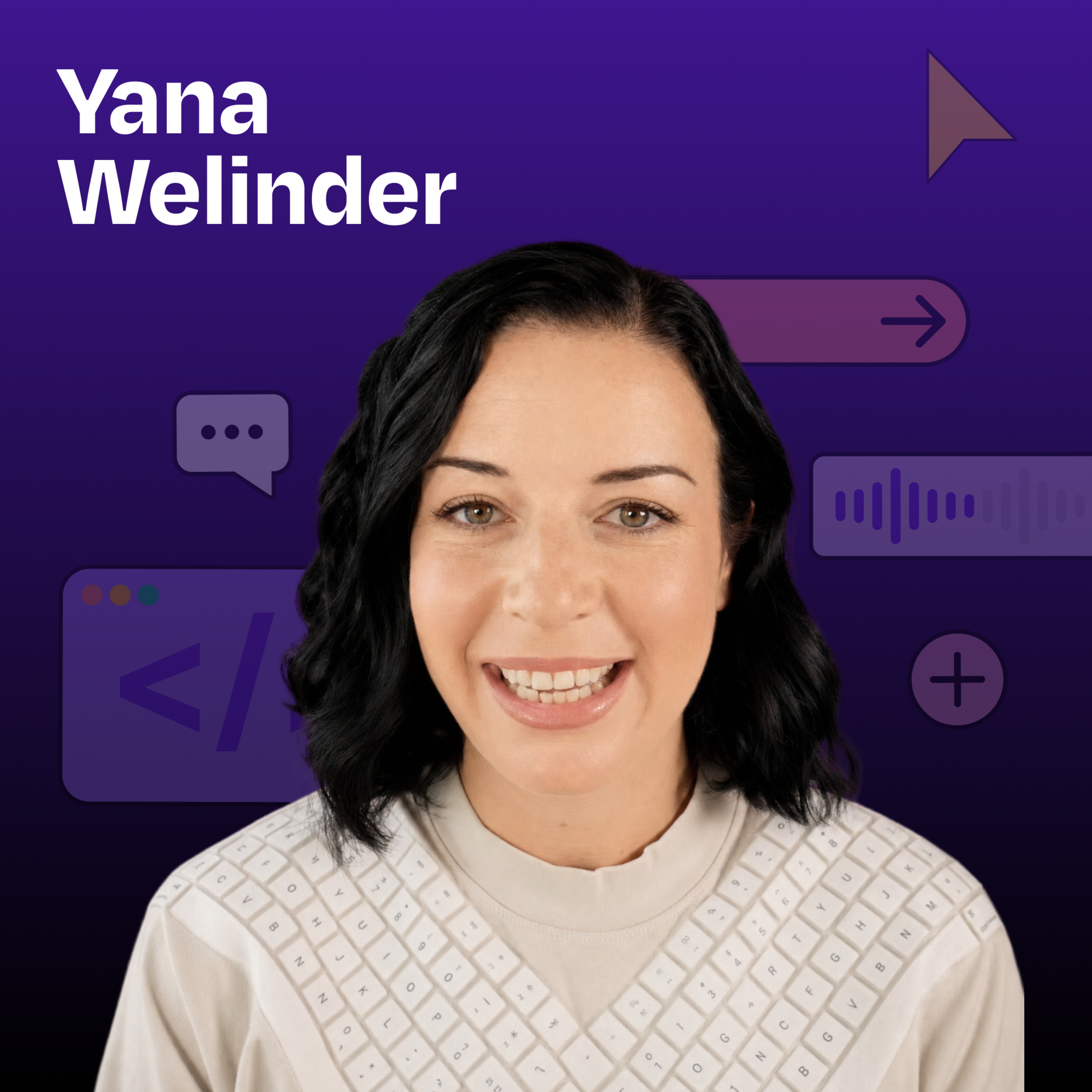 How a solo founder used Codex and ChatGPT to launch a fashion brand without engineers | Yana Welinder How I AI · on ChatGPT82 / 100
 Rahul Roy-Chowdhury, Global Head of Product at Grammarly | Value-Driven CommunicationThe BreakLine Arena · on Chrome79 / 100
 Revamping Digital Measurement to Maximize Actionability with Ben Yurchak \\ Marketing Roundtable75 / 100How Backend Data Shapes Front-End Growth with Sarathkumar Nallusamy51 / 100How to Think like a CRO Expert with Josh Silverbauer74 / 100Measuring Trust and Audience Behavior with Andy Asaro80 / 100The Art of Marketing Architecture with Biswajit Chakraborty81 / 100