I Used To Be Crap At Sales · 2025-05-14 · 56 min
Key moments - from our scoring
Substance score
61 / 100
Five dimensions, 20 points each
Catherine Olivier brings two decades of sales development leadership to this conversation, currently managing global SDR teams across the US, UK, Germany, and France at Cognism. She breaks down the evolution of SDR management, arguing passionately against the "activity vanity metric" trap - blasting 20,000 emails weekly means nothing without conversion data. The episode explores the critical manager-to-rep ratio (never exceeding 7:1), why quality research and personalization now separate high performers from struggling reps, and how tools like Outreach, SalesLoft, and Gong have become table stakes for modern SDR programs. Olivier also recounts her deliberate networking strategy to land the Cognism role - researching the company, multi-threading with hiring teams via LinkedIn and phone, and leveraging her network to bypass application pile-ups. Her candid reflections on imposter syndrome and the loneliness of leadership will resonate with first-time managers struggling with the transition from peer to boss. For B2B operators building or scaling SDR functions, this episode provides actionable frameworks on team structure, hiring approach, and modern expectations around outbound quality.
Never exceed seven SDRs per manager; beyond that, you won't have enough time each week to coach and develop people sufficiently. Five is ideal, but seven is the hard ceiling before cracks start showing.
There's been a massive shift from quantity to quality - blasting high volumes of generic outreach no longer works. SDRs must now deliver well-researched, personalized, and considerate messaging, with tools like Outreach, SalesLoft, and Gong making this expectation standard.
You must set clear expectations from day one that the relationship has changed; you cannot ease into it. If you're close friends with one or two people on the team, it creates a perception of favoritism that's difficult to overcome.
Treat it like a sales opportunity: research the company thoroughly, reach out to multiple stakeholders (hiring team, HR, sales leaders, SDRs) via LinkedIn and phone to understand needs, multi-thread your way to decision makers, and leverage your network to get face time with influencers like the CRO.
Conversation intelligence platforms like Gong, cadence/sequencing tools like Outreach or SalesLoft, and research/intelligence tools are now table stakes; they enable SDRs to deliver the quality and personalization now expected in outbound prospecting.
Our reviewer’s read on each dimension, with quotes from the episode.
Catherine provides solid, actionable insights on SDR leadership including the 7:1 manager-to-rep ratio, the importance of personalized management, quality over vanity metrics, and practical hiring philosophy. However, much of the conversation relies on fairly well-established leadership principles (setting boundaries, knowing your team, avoiding overextension) and devolves into personal storytelling about commutes and parenting that, while relatable, adds limited operational insight density for B2B operators.
I think there's still way too many SDR leaders out there who are, like, very proud. Like, oh my God, my team sent 20,000 emails this week. It was a great week. There you go. Really, was it? Though? What did you book from that?
you can't manage every single person the same way, even if it's only seven people, it's still very necessary that you kind of figure out what makes your team tick on an individual level
Catherine's core thesis - quality over quantity, individualized management, and challenging vanity metrics - is not novel in 2024. The 7:1 manager ratio is presented as experience-based rather than research-backed or contrarian. Most frameworks (setting expectations early, knowing your team, building culture) are standard management doctrine. The hiring approach (looking for softer differentiation criteria at final stage) is practical but not groundbreaking.
there's been a massive shift of quality, of quantity. So definitely the shift from just blasting and just putting more and more and more activities in knowing that at some point things will be okay
what worked last year, last month might not work. Now you think you've cracked it, and then everyone copies, and then it stops working
Catherine has genuine, high-level SDR operator credibility: multiple VP roles at scale (EDB, Click, Talent, Cognism), current global leadership of SDR teams across 5+ regions, and a track record of building and restructuring teams. She is a practitioner, not a consultant or podcast circuit regular. However, she is not C-suite or revenue-generating in the traditional sense (SDR is pre-revenue), which slightly limits her relevance to broader B2B operator concerns.
Former senior director of Global sales development at EDB, VP of global sales development at click, VP global sales development for talent, the ambassador for SDR leaders, EMEA, and now they're the current VP of global sales development at cognism
I have a team in America with a manager, a team in Germany with a manager, team in France with a manager, and I've got three teams in the UK
While Catherine references specific tools (Gong, SalesLoft, Outreach, Cognism) and gives concrete details on team structure (7:1 ratio, 5 UK teams across SMB/mid-market/enterprise, regional breakdown), she provides almost no metrics, customer outcomes, benchmarks, or data to support her claims. The talk is largely anecdotal and experience-based ('I've seen it work') without numbers, conversion rates, or case examples.
I have a team in America with a manager, a team in Germany with a manager, team in France with a manager, and I've got three teams in the UK, like call them an SMB team, a mid market team and an enterprise team
So I think currently I've got a team of five with a manager, six over the manager and a few of seven with a manager
Mark asks decent foundational questions and follows up on themes like the transition from peer to manager and balance of work/family, but rarely pushes Catherine on contradictions or asks for hard evidence. When Catherine offers platitudes ("be yourself," "trust your gut"), Mark doesn't challenge or dig deeper. The conversation is warm and conversational but lacks the intellectual friction needed to extract deeper insights. Mark's questions are often softballs that let Catherine deliver polished talking points.
I suppose one of the things that your work on then, and you've spoke to me about before, is giving them the confidence to do that flip the question, What's one thing you wish SDR managers would stop doing?
How do you go from being a friend to a manager?
Computed from the transcript - who did the talking, and the words that came up most.
Leading a global SDR team? Just promoted to SDR manager? This episode is packed with real-world advice from Catherine Olivier, VP of Global Sales Development at Cognism, on how to build and lead high-performing sales development teams - without burning out or losing your team’s trust. Catherine shares hard-earned lessons from her experience leading SDR teams across the US, UK, Germany, and France. She unpacks what most first-time SDR managers get wrong, how to avoid managing like your old boss, and the biggest mistakes leaders make in a hybrid, high-pressure sales environment. Learn how to: Structure and scale global SDR teams Manage former peers without favouritism Coach new SDR managers for long-term success Avoid common leadership traps and burnout Build culture in remote sales teams Deal with imposter syndrome in sales leadership Like this episode? Don’t forget to like, comment, and subscribe for more sales coaching insights! Find out more about MySalesCoach / Seriously level up yours/ your teams sales skills with a MySalesCoach Membership for only £20 per month (+vat)
Transcribed and scored by The B2B Podcast Index.
catherine olivier: I think there's still way too many SDR leaders out there who are, like, very proud. Like, oh my God, my team sent 20,000 emails this week. It was a great week. There you go.
Really, was it? Though? What did you book from that? Mark Ackers: Former senior director of Global sales development at EDB, VP of global sales development at click, VP global sales development for talent, the ambassador for SDR leaders, EMEA, and now they're the current VP of global sales development at cognism.
Today's guest is Catherine Olivier. A Unknown: lot of people don't realise how lonely leadership can be. You need to keep that distance, and you need to be able to step away and not take it personally. What are Mark Ackers: they finding hardest right now as first time SDR managers, you catherine olivier: can't manage every single person the same way, even if it's only seven people, it's still very necessary that you kind of figure out what makes your team tick on an individual level.
Mark Ackers: How do you go from being a friend to a manager? If catherine olivier: you're being very close friends with, like, one or two on a team, you always have the perception of favouritism, I think people don't realise how tricky that is. When they get into it, you can't ease your way into it. You have to set expectations from day one that they go, okay.
Now it's different. What's Mark Ackers: one change that you are seeing right now that wasn't apparent last year. It's continuously catherine olivier: changing. So what worked last year, last month might not work.
Now you think you've cracked it, and then everyone copies, and then it stops working. If you're an SDR who doesn't manage to have well researched and well personalised messages, you're doing something wrong. Mark Ackers: What do you believe the ratio should be of manager to rep? Golden catherine olivier: Rule, never more than SDRs to one manager.
If you add more, the cracks are starting to show. Mark Ackers: Hello and welcome to another episode of The I used to be crap at sales podcast. I'm your host, Mark Akers, the co founder and Head of Sales here at my sales coach, we call the podcast app because it's true, and all of our guests say the same, and today I am joined by someone with incredible experience when it comes to building leading, high performing, winning sales development teams. Today's guest, if you haven't guessed it already, is Catherine Olivier.
Catherine, a big welcome to the I used to be crap at sales podcast. How are you? Thanks very much, Mark. I'm really pleased to be here, delighted to have you, Catherine, obviously has gone through your resume there.
I appreciate I might have got that in the slight wrong order. That is an incredible background, so well experienced, as I say, when it comes to building leading, winning sales development teams. But of course, your journey started somewhere. We always kick up the podcast off with a yes, no question, Catherine, did you used to be crap at sales?
Oh yes, when you said yes, what part of your career come racing to the front of your mind when you had that light bulb moment that perhaps you wasn't as good as you may have thought that you were, I suppose I just immediately go back to my first days as an SDR, right? And I can't age myself too much, but that is in the day of real telephones, phone books and excel sheets and nothing else, and really having no clue what to do, how to approach it, and just trying to shove a solution down people's throat no matter what, was there a particular moment when you just thought something needs to change, because what I'm doing is not working, yeah, for sure.
I mean, it's that point where you don't hit quota right where you go, Oh, my God. So clearly I need to change. The situation that I was in was that it was a group of all new SDRs that all had never done SDR role before. So it's like the situation where no one knows what to do, and you don't have a coach available to kind of show you the row.
So it's just trial and error and testing and testing and testing and then eventually figuring out what works best. And how did you figure out what works best? Did someone help you? Or was this all on your own?
No, no, I did get some help eventually from the AES that were like, Oh my gosh, our SDRs are struggling. We better give them a little bit of help here, and then it's starting to really break down what we were trying to do, which is like you need to first build a relationship, and you first need to maybe start with some information gathering before you assume that you know what they want. And I think that was that little light bulb moment that you go, Okay, it's not just about trying to push, push, push, but it's more a game of give and take, and there's no wrong answer.
I'm just curious, what was the reason it wasn't your manager helping you? You know, not thinking back, it's a very long time ago, I can genuinely not remember whether I had a manager or who it was, which is kind of an idea of how much I worked with them and how much impact they had, was it quite a big team. Then that all fell into one manager. I think we had like 15 SDRs.
I think at that point we were just doing the best we could. And eventually more structure came, and eventually people started to join who had more experience and were taking everyone under their wing. Do you feel like you might have lost people in the team that could have gone on? Be great, but because it just took too long to get the structure in place, people quit the profession.
Possibly, Unknown: possibly people that thought they weren't any good, but maybe with the right type of coaching, they could have been better. Obviously, you mentioned Mark Ackers: 15 there, jumping to where you are today, and then we'll come straight back. But you obviously know what it looks like, structurally to have a great sales development team. What do you believe the ratio should be of manager to rep?
Golden Rule, never more than seven. SDRs to one. Manager. Tell me why it's seven.
It's not five, it's not 10. That's a hard one. catherine olivier: Probably just experience. I've seen it.
I've seen it work kind of up to seven, and if you add more, the cracks are starting to show where there's just not enough time in a week to to deal with anyone, everyone sufficiently. Five, great. I mean, I'd have a one to one ratio if you could have it, but that's just not realistic, right? So I think currently I've got a team of five with a manager, six over the manager and a few of seven with a manager.
You do what you can and the fewer the better. But don't try to go over seven. Is what my advice always is, Mark Ackers: sounds good. So just recap for us.
Then, what is the structure of your team look like today? I have catherine olivier: a team in America with a manager, a team in Germany with a manager, team in France with a manager, and I've got three teams in the UK, like call them an SMB team, a mid market team and an enterprise team, and each of those with a manager, Mark Ackers: you must be incredibly busy. We'll get to your time and cognism And that's where we're spend most of the episode. But I suppose before then, one of the questions I like to ask guests as well is, when you look back at your career, everyone's made a big, big mistake in sales, something where they've maybe lost a deal, so it's gone completely wrong.
It's a funny lesson that they can look back on. Now, what would you say when you reflect back is probably one of the biggest mistakes you've made in sales? catherine olivier: Oh, I've made so many over the over the years, but I think, personally, it's been thinking that I can do everything. So I've had teams where I had not only the sales development team, but I also had an inside sales team, and I had a customer success team, and everything rolled up to me, and it's three exceptionally different motions, right?
With different skill sets, different people, different targets, different everything. And at that point in my career, maybe it's different now, but at that point, there was no way I could do all of that successfully in one go. So what happened, like what broke to make you realise you can't do anything. Well, it's the shifting in between motions, right?
Like the SDR team. You have to support them in, like the lead conversions, the outbounding and all of that. But then you have to also work with the inside sales team that has quotas of closing things, and they need support with like pricing and demos and all of those kind of things, and then you have the customers that are trying to, like, either renew or they're trying to expand, and that's a whole other host of discussions and issues that come up with with that. And that is just a lot, if it all flows into one person.
Oh, absolutely, like too many plays to spin with someone with such a background in sales development, I'm curious what made you fall in love with sales development, of all the different aspects of sales, what was it that made you fall in love with this part of the role? I think there's a few things. One is that it's continuously changing. So what worked last year, last month, might not work.
Now there's new tools, there's new tactics, new strategies, every single time, and you think you've cracked it, and then everyone copies. And then it stops working. You have to start all over again. So I think that staying on top of things, staying relevant, staying modern, I would almost call it right, not not being stuck in in the past with what used to work for you.
I really do like that, right? So, so that's definitely a thing that I that I enjoy about it. Another thing that's very, very important is obviously the SDRs being that career building team, right with the youngsters very often that are in the beginning of their sales career and are trying to figure out what, what is next for them, and then kind of guiding them towards that. Like almost every single SDR that's interviewed usually goes, oh, I want to be, be an AE next.
That's what I'm going to be. And then, fine, I don't say much. And then they get started, and then they figure out, wait, actually, I'm really good at something completely different, and I'm going to go in this different direction. And like being part of that journey, and kind of like being there to support and mentor them where we can is, I think, a really, really important and fun bit of being an STR leader.
Well, I love the you know, very clear. You got a passion for it. Let's talk about some of the changes that you have seen. You know, I appreciate you said yourself.
You don't know age yourself with some of your answers, but some of your answers are, are indicating you've got vast experience here, right? You've done this role for a long time. You talk about what worked last year isn't working this year. What's one change that you are seeing right now that was, uh, wasn't apparent last year?
Well, whether it's last year or a little bit longer ago. I think there's been a massive shift of quality, of quantity. So definitely the shift from just blasting and just putting more and more and more activities in knowing that at some point things will be okay. Now you really need to be a lot more researched, considered personalised, etc, at least in organisations that I've been, that I've been at, so that's a big shift, and there's just a lot more tools these days to help SDRs with doing that right.
So I think expectations have gone up that if you're an SDR who doesn't manage to have well researched and well written and well, personalised messages you're doing something wrong, because everything is there to help you do it. And a year ago, I don't think a lot of that was available yet. So people were like, No, it's fine. Like, he couldn't help it, you know what I mean?
And now it's like, no, no, no, no. You should exactly know how to how to do this now. And you Mark Ackers: mentioned tech stack. So I want to ask you what a key piece of technology is that you use today that perhaps you didn't use a couple of years ago?
And the answer, of course, cannot be cognizant. But I'll do that for you at my sales coach. We're we're customers of cognizant. And Cognizant is a customer and my sales coach, of course, but yeah, Cognizant is an amazing tool.
I know we'd be lost without it. But without saying, cognism, what is one piece in your tech stack that you didn't have a couple of years ago that you just couldn't live without now looking to unlock your team's full potential, at my sales coach, we pair individuals and teams with expert coaches for personalised one to one and group coaching sessions. Our platform makes booking seamless. It tracks progress and delivers real results.
Studies show expert coaching increases win rates by 30% and revenue by 7% whether you're an individual or a team leader, we provide coaching that sticks and delivers visit my sales coach.com use the link in the bio and start achieving your goals today. catherine olivier: So I'll break that answer up in two. I think, like, couple of years ago, like, long time ago, we didn't have things like outreach and SalesLoft, so having that has made an incredible impact to how SDRs go about their day to day, right?
So I think that's been, that's been one massive shift that I've seen over the years. But again, that ages me massively, because that's been around for a while. And I think tools like Gong, right? Recording, insights, training and coaching on on calls, etc, made a massive impact as well, and that's not been around for too long either.
It feels like it's been around forever, but it really hasn't. Yes, Mark Ackers: I mean, there I'd say, like table stakes. Now aren't they having having a tool like, like Gong, conversation intelligence, obviously, Jiminy here as a UK version of that as well. And then, like say, sales, loft, outreach.
I've bought outreach before and been in that process. Do you have a preference out of sales? Often outreach? Ah, catherine olivier: funny that you ask.
Everyone always asks me I started the first one I got used to was sales loft. Then when I changed organisations, they had outreach, weren't happy, and then we moved to sales loft, so that was an interesting one, and in other organisations, so the last one, and now with Cognizant, we have outreach. And I think, to be fair, both are good, both do a similar thing. So I might have like a personal preference, but it's not necessarily based on how well they work, fair enough.
Mark Ackers: I'll let you stay on the fence of that one slightly let's talk about landing the role at cognism. Huge shoes to fill, in the sense of David Bentham. Had that role, very well known in the industry, been with cognism a long time? Take me back to first of all, how did that opportunity come about?
Did you apply for it, or were you approached? Funnily catherine olivier: enough, both. Okay. So obviously I'd known Dave and been following him, and like following cognism as well, so, and I'd been a Cognizant customer for quite a while.
So it's also like, Okay, I know about it, and I love the I love the company and the product. So obviously you then see, hey, something comes up at cognism, and they go, Wow, okay, this is kind of perfect, because it's a role that suits me to the T and it's a company that I'm genuinely passionate about, so I would love to work there. So I applied immediately, and then adhere anything for a while. I think they were kind of overwhelmed with the number of applications that came their way.
So I did what I think everybody should be doing when you're applying for any type of role, whether it's SDRs or anything in leadership, you start reaching out to the people in a company, right? So reaching out to the hiring team, people in HR, people in sales, people on the SDR team, to just understand what was going on, what were their needs. How would that fit me? And if there's anything specifically that I could bring up then in interviews.
And then, funnily enough, Dale Thorne, who is one of the founders of SDR leaders of the USA, who's a dear friend of mine, he spoke to Cognizant CRO at one point, and he was like, oh, have you spoken to her yet about the role? And I think the answer was no. The application got lost somewhere in the in the heaps of other ones, right? But then he he dug it out, and he reached out and he said, Actually, I've, I've had a look, and I think it would be a very good idea if we have a Mark Ackers: chat.
A few things there. One, using your network, really smart move. Two, I agree, treating the role like you would a sales opportunity, working it multi threading. How did you reach out to those people?
Was that email? Was that phone call? A mix? What were you doing?
A mix of phone and LinkedIn, and then, what did the interview process look like? This is a type of interview that many people might not have gone for, an incredibly senior position a massive organisation responsible for a large team. What did that interview process look like, start to finish? catherine olivier: So mine was a little bit lopsided, because I started with the CRO who would have, would probably have been the last one, right?
So that was, that was an interesting one. So had a chat with him, spoke, obviously, to the to the recruitment team. So had a, had a lot of sessions with James Corfield, who is our head of the TA team, and he's been great. So answering all the questions as to, like, why is this role even here?
Like, why did they leave? And understanding a little bit better about about the expectations. And it was with God I've got to think back. Like, like, a workshopping session with, like, some heads of sales.
So I sat down with with John islet, for instance, right the head of our sales organisation. I do know that the very last one was a an hour with the CEO to again talk about that. So I I've had different experiences in going for these type of roles and having interviews, having to do your 3060, 90 presentation, I've had to present a five year plan before where they asked me for a five year plan that I had to present, etc. That wasn't the case here.
It was very, I would almost say conversational and strategic, and really seeing whether my views and my way of working, etc, aligns with what they needed. How Mark Ackers: helpful do you think was the recommendation from your friend straight to the CRO in terms of taking your interview to more of a place of look, we trust that you're a good candidate. Let's talk strategy, versus dropping you in at the very beginning of the interview process. I catherine olivier: think it was hugely important.
Mark Ackers: Here's the thing. I know you're going to say that, and as did everyone that's listening, and it's the same in sales, getting that referral into a decision maker is just a game changer. But I know you would have seen this to say, I appreciate you manage SDRs versus AES and quota carry, but you'll still see this. Oh, we go after referrals a lot.
Oh, well, perfect, right? But what I see all the time from from sausage, they don't ask for referrals. Like, it's just something that inherently, they don't do as often as they should when it absolutely works like, you know, as a great example there you mentioned, obviously, and you have, like, when we went for your resume, it had a number of these roles when you are interviewing, how do you prepare for for an interview like that? What?
What do you want to show in those interviews? I catherine olivier: think, start at the basics and really research the company itself. I think is important. But then I usually try to talk to various people on different teams to kind of prepare as well, like, what's what's been going well, what's not?
What are the main discussion points and talking points so to say within the organisation, and I'm trying to link that back to things I've seen and done before, and how I've solved that, or how I see that you could approach it, because I'm very much a believer in I don't want to pretend to be something that I'm not, or pretend that I know things that I actually don't, is kind of a take it or leave it approach. This is me. This is how I work. This is how I look at things.
This is how I would challenge things. And if that's the way you think you would like your organisation to be run, then I think this is a match. If you would like it to be completely different, then I would need to go against everything I stand for. And then I rather not talking about Mark Ackers: the first few weeks in that role.
Then, as I say, I'm really keen to understand the mindset, right? I know you're really strong leader. I've spent time with you equally. I know what it can feel like to fill shoes from someone else.
How do you approach those first few weeks and those first few conversations? I'm the new boss. How do you approach those situations? Very catherine olivier: carefully, but I've been very, very lucky with incognizance, because my boss, the CRO Rob tomcek, he gave me time.
So instead of giving me the team from day one, having seven people reporting to me, the whole organisation sit under me, he gave me a quarter or longer, if I wanted to, to just understand the business. So they kept. Running the way they were running. They didn't change a thing.
And I was just there observing, talking to people, interviewing, participating in meetings, and just taking notes and making a plan at that point. Rather than just coming in from day one going, Hello, we're going to do everything different. I was very, very fortunate to be given the chance to just take the time to understand the business better before having to make any decisive calls. Mark Ackers: I love that.
I mean, to give you a quarter just feels like a really well thought out process from cognism and the right way to do things. One of the questions I'll have for you and everyone has impostor syndrome at certain points in their career and in day to day life. No doubt, even though you are well qualified and exceptional candidate to hire into this role, they would have been part of you that had that level of imposter syndrome, new role, new gig, as I say, taking over. How did you manage that imposter syndrome that you may have had taken the role I have catherine olivier: it every day, to be fair.
So that doesn't really ever go away. I don't think, at least, not for not for me, but I think it's just about trusting your skill set and going, Look, I also have to trust the people that hire me that they know what they're doing, and they wouldn't give me the role if they didn't see something in me, right? So, and that's kind of where I'm getting back to, like, I'm not pretending anything that I'm not so I don't have to be fearful about, like, keeping up a pretence or anything like that, as I as I go about my my day to day, just like I've told them exactly what I know.
I've told them how I want to approach it. And they saw, yeah, this is a good idea. So now that's what I'm going to be doing. So kind of read by staying really, really close to myself, I think it's the way to, like, try to minimise that imposter that imposter syndrome.
But generally, it doesn't ever really go away. Mark Ackers: I agree everyone I speak to. And when this comes up about imposter syndrome, everyone has it. And as you say, near enough, if not every day is near enough.
Every day when you're having those moments of imposter syndrome, how do you deal with it? Do you deal with it in your head and by yourself? Or do you speak to anyone catherine olivier: most of the time? It's, like, fleeting and I can deal with it in my head for by very rationally going, No, come on.
I can do this. I've done this before. If it gets worse, and specifically, like, around the times that you're, like, interviewing for new roles, or there's like, massive changes happening in organisations that, you know, oh, my goodness, Am I doing the right thing here? I'm very lucky that my husband's super supportive.
So he'll, he'll listen, and then he'll go and be the voice of reason, going like, come on. You've been doing this for ages. You can do this. This is fine.
And something else that's been super, super helpful has been like a community, like the sales leaders of EMEA, where there's other SDR leaders in similar situations, and I can just call them up and go, am I crazy? I'm trying to do this, like, is it just me? And then you can have that, you can have that conversation. So that's been really super over the past few years as well, Mark Ackers: amazing.
And one of the things that I know you now get because we've started working together with my sales coach. Is access to a coach here, one to one coaching. But I'm curious, throughout your career, have you ever had a coach or a mentor that you work with? catherine olivier: I've had a coach once before.
They let me think back. So that was when I was at EDB. They gave like a certain level of leadership, leadership coaching. So we all got group sessions, and then some one on one sessions with our personal coach.
And that was very helpful, but it was very much focused on how to become a better leader as such. And it wasn't necessarily, well, it sounds relevant, like very personal on like the How to Become a Better you kind of thing. Mark Ackers: What about though, throughout your career? Have you had someone that you've been able to lean on, maybe, maybe less formal than a coach and a coach relationship, but someone that's kind of taken you under their wing and helped you?
There's been catherine olivier: various people, I think, over the years, where some helped more than others, some helped very consciously, and others maybe more by accident. But you learn from people that you work with. Someone who always comes back in in mind is a lady called Paige powers. I was back when I worked at Extreme Networks as a just an SDR manager, and later the leader of their inside sales team and their SDR team.
And she was head of Global inside sales, and it was the first how to call it, like powerful woman, female leader that I ever encountered, because, like, tech sales, it's a lot of guys, right? So all the like, there's girl SDRs, but I hadn't necessarily worked for a female boss before, and that was a revelation at that point in my career, in any case, and she taught me things like, maybe consciously or subconsciously, from her end, about like being just yourself, and not being afraid to just be a woman, even though everyone else is not, and just making kind of that your strength, rather than trying to pretend you're all masculine and one of the guys and stuff like that.
And I think that was super, super valuable. That point, Mark Ackers: Paige powers. What an incredible name. That sounds like a superhero name, right?
So tell me a bit more about Paige powers, then it feels like she was important person in the development of you. You've shared there that she encouraged you to be who you are. And I've really picked that up in the interview that one you're not afraid to say, look, this is who I am. These are my strengths.
These are my weaknesses or blind spots. And you'll say that even at the risk of someone saying, Well, maybe you're not right for the job then. And that comes down to my second thing that I've noticed is you're really not attached to the outcome. The outcome will be what the outcome is.
I know who I am and what I can do, and it feels like perhaps you first learned that from from Paige. Would that be fair? catherine olivier: Yeah, I think that's where it started Exactly. So do what you think is right and make people understand why you're doing what you're doing.
Go to Bat for your team, right? Like, she always threw herself up as, I think she called herself a mama bear or something like that, where she was like, I protect my team and try to protect them at all costs, and that's her job, and they don't need to worry about everything. And I really, really liked that in her approach of things, right, trying to shield the team. And she was always very personally involved on a personal level, you know what I mean?
Like, genuinely trying to get to know people, and don't be like, Oh, I'm I'm the big boss, and, you know, I don't care about all those minions under me, very, very personally involved. And not a weaker leader for it, right? I think even a stronger one, because people would run through fire for her. You know what I mean, it's like, because of that kind of relationship, and I think that kind of opened my eyes, like, that's how I would like to be when I grow up, right?
Still not there, but it's something to something to strive for. Mark Ackers: When you say you're still not there, would you say that it's just you being humble and a little bit of imposter syndrome? Or are there things that you genuinely think you need to work Unknown: on? No, I always have to work on things, right?
Absolutely. What's one thing that Mark Ackers: you would like to to improve on? catherine olivier: That's a tricky one, but I think I'm very aware of the fact that I sometimes get really stuck in my ways, like, Oh, I think this is the solution, and then I'll keep working on it like forever, even if it's not going anywhere. And I need to be able to kind of what you were saying, like, detach from the outcome and, like, take a step back.
Like, I know this is what I have been working on for a very long time, but it's time to let it go. It's not going to go anywhere and start over or try something different. And I think that moment of letting go, I I'm still a bit on the late side with that sometimes, what's Mark Ackers: the last thing that you let go of? Because it just wasn't working.
As catherine olivier: the comp plan changes, right? Like, I know something needs to change, and I want to change it, but eventually just need to go away pause, you know, like, wait a little bit and regroup, talk to more people and then try again. When you say talk to more people. Who do you mean, generally, within my organisation, so the people that are going to be either impacted by it, or the people that have a very better, much better understanding of the impacts and the numbers behind it, etc.
So I have a very close relationship with Rev ops and and stuff like that. So I think that's an important one. But I also run like ideas past other SDR leaders, like, oh, I would love to go, and I don't know, pay on this, and then they go, oof. I'll never do that because I tried it and didn't work, right?
So it's really nice to have other people that you can just ask, ask things. But on the other hand, you need to keep in mind that they don't know your organisation and your team, that the way that I do and their views might be skewed based on like, their circumstances. So it's like nice to have like a sounding board and to kind of get maybe some fresh ideas, etc, but then you do have to make sure you can apply it properly in your own organisation. And that's what I need, like the various bits of my team for and I think Mark Ackers: that's an important thing, you know, when you can lean on other people and ask what's working for you and and sort of take, but take back the bits that you think you can apply, and maybe not the bits that wouldn't work.
But I love that you've got other people you can reach out to. And again, it just comes back to you're not afraid to say, look, I don't think I've got all the answers here. Can somebody help? And even internally, where sometimes people might not want to do that, they might not want to look weak internally.
They might want to look like they haven't got the answer internally, but you're just look, this is my strength, this bit I need some help with, and you're not afraid to do that. And I really admire that. I kind catherine olivier: of have the same approach to my my team and to my CRS, right? Because I tell them, Look, I can sit on my little perch and, like, make plans for you, and like, make rules, but you guys are doing it on a day to day.
I don't know how it impacts you, genuinely, hour to hour, right? So if there's anything that you need or that I'm trying to put in place that you feel will not work, let me know. If you have suggestions. Let me know.
Right? It's been a very long time since I've been an SDR like on a day to day. Basis, and even though I think I have a fairly good understanding of how it's all going every single day, I might not have the right insights in the intricacies. So to say right so I always say, Look, I don't know everything.
So if you're feeling I'm missing something or I need to look into things, please flag it. I love that Mark Ackers: as a sign of a great leader, you know, really embraces that feedback, of that that circle of feedback and that feedback loop from their team. It may be 10 years time, maybe five years time, someone in your team is going to be on a podcast, and they're going to be talking about their own page powers, and that's going to be you, because you're, you're leading the SDR managers at cognism, many of whom are first time SDR managers themselves.
What are they finding hardest right now as first time SDR managers? Oh, catherine olivier: good one. I think one of the things that is always hard when you're first time SDR manager is that you can't manage every single person the same way, because people are very different. They respond to different things.
Call them triggers, or, you know, it's the stick, carrot, kind of discussion like, people have different ambitions, different things that drive them. So you can't just blanket your approach to your team, even if it's only seven people, right, it's still very necessary that you kind of figure out what makes your team tick on an individual level, and then kind of adjust your approach for that. And I think that's hard, because when you've been in SDR, your manager managed you a certain way, and you might assume that that's how they managed everybody, and that's therefore the way that everybody needs to be managed going forward, and it's again like that, disconnecting from, wait a second, I can do things differently because this person needs different inputs, different outputs, different approaches.
And that's fine. That's okay, but coming to that conclusion, and then I think effectively implementing that is always a learning path. I think what Mark Ackers: you said there, whilst it was so obvious, is also a light bulb moment, in the sense of you're totally right. If you're managed by someone, you will just assume that's how they manage everybody, because you don't know what you don't know.
And I think, like I say, it's an obvious thing to say, but until you really say that out loud, when you step up into management, you almost have this warped reality of, well, this is how I was managed. That's obviously how they managed everybody. And it can be hard to not fall into that trap. As I say, really obvious thing, but a real light bulb moment, I think, for many people to when they're thinking about stepping up into management, to consider how are other people managed?
And I think one of the mistakes that many people share with me, and I think you'll probably say you've made this mistake yourself at some point, I know I have, is that that's why it's easy to try and hire people like you hire a team of mini use because you can manage them in the same way. Why is that the wrong thing to do? Because catherine olivier: you should never have a team of all the same people, because then you'll never get any fresh ideas, fresh approaches, different views, etc.
You need it specifically, because what I said, Right? SDR, world keeps changing, and you need to keep innovating and being creative, etc. And every if every person thinks exactly the same way, you're gonna get down through a very, very narrow path. How Mark Ackers: do you ensure then that when you're hiring people, that you are hiring people that are just very different to you?
Have you got a way of doing that, yes catherine olivier: and no, like in the way that when we're going through a hiring process, we're looking for skills first and foremost, right? We're not gonna go like, Oh, we need to have someone who was x, not. Okay, so we're going for skills and experience. However, you eventually end up with a pool of, I don't know, say, 10.
Then you have two roles, and you go, like, how we're going to do this? And then it's very much about like, who's slightly different, who's exciting, who has that extra gene, Sequoia, right? That you go, Okay, this is not something we've seen before this. This would be like an interesting addition.
I mean, we know what's what's successful when you're looking at SDRs, like people have who have played, like, competitive sports or anything like, like those things. Yes, great. SDRs, absolutely. But I don't want the full SDR team that were all former competitive sportsmen, right?
That that's another like extreme on that, on that end. So it's nice to kind of mix that up a little. So I trust my team to go through the first cycles of the hiring process themselves and then present me with their top got it top five, or something like that. I always do the final round, and then I pick and make a case, right?
I'm not the final decision maker on that and as such, but I try to explain to to the team like, who I think would be a valuable addition based on maybe those softer type of criteria. Mark Ackers: Hey, sales leaders, do you want a cost effective way to develop your team skills? And help them smash their quotas. My sales coach offers team memberships for just 20 pounds per month per individual plus VAT.
This will give your reps access to small group tactical coaching sessions, daily power hours and exclusive events, all led by world class sales coaches with over 25 group sessions to choose from monthly, there's something for every role. We have sessions for SDRs all the way out to CROs. Empower your team to perform to their best visit my sales coach.com.
To get started. The link is in the description. Have to ask, have you got in the these final stage interviews? Have you got a killer question that you love to ask, and it can make or break the success in in the interview, not catherine olivier: really genuinely.
I'm trying to think my starting question is always really, really simple, because I found people are for one reason, or they're very nervous when they get to talk to me, so I need to, kind of, like, ease them into it, right? And my first question is like, why did you apply like, and then they do have to put it all on the table. And I think some people go, Well, I just needed a job. And then it's like, no, bye.
But it's the ones that that come with, like, a well thought out answer, which I would like to think they'd have after they've gone through like two other or three other rounds by then, right? They should have an answer that kind of summarises everything they've learned about themselves and about us in the roles before, in the rounds before Mark Ackers: I just did the job, is an incredulous answer to be giving at that stage of an interview. One of the challenges that that we have in sales is that first time managers are almost always former great reps that have been promoted, like top performers, that get promoted and for logical reasons, in many ways.
You know, we don't want to lose them. We want to retain them. They're ambitious. Hence, they've been top performers.
But being a top performer doesn't mean you're going to be a great manager to start with. Now we could talk about that, but here's the other challenge that I think rarely get spoken about, and I've struggled with this as as many, many other people that have had a first time manager role. How do you go from being a friend to a manager that's catherine olivier: so hard, it is so hard, I think people don't realise how tricky that is when they get into it. It's a reason that you have to be very, very careful who you pick to promote into a leadership position if they were very much part of the SDR click, so to say, right before, and that's why very often, I would very much gravitate to those people that are already almost naturally just mentoring and Helping the rest of their team already rather than maybe being the the a list superstar 100 or 50 plus percent.
SDR, those are not necessarily always the ones that are the most helpful, because they're very much focused on their own success, right, and doing the right thing. And fair enough, right? That's okay, but it's those ones that are doing well, but are then also taking time out to sit down with the others, or, like, sharing their their experiences, or their their tips and tricks, etc. I think that is way more valuable when you're, like, deciding who to like, promote into, like, a leadership role.
When they are interviewing for that, it's like very much. Do you realise what this means? Right? Because it's going to be hard, and you'll have to do that from the beginning.
You can't ease your way into it. You can't go, Oh, my first month of being the manager, I'm still very much your friend. But then I need to start becoming a little bit more harsh on you the month after, and then the month after that, I'm really gonna, like, crack down on things. Doesn't work.
You have to set expectations from day one that they go, Okay, now it's different, and it doesn't mean we can't go out and have a drink after work again, but it is going to just be slightly more distant, I think. And I think a lot of people don't realise how lonely leadership can be, right? Because there's fewer and fewer of you, the higher up you go. It's very much like the team versus the managers, sometimes, right, depending on what the circumstances are.
And then you need to keep that distance, and you need to be able to, like, step away and not take it personally and just go like they're doing their thing, and I have to do mine. And it is not always what you might want to do, but that is the maturity I think SDR leaders need to have if you want to be successful manager your former peers, rather than Mark Ackers: make it just about cognizant, because then you might be talking about people that work there today. If you look back across all the people that you've managed across your career, what are some of the mistakes you've seen people make, where they've stepped into a manager role and they've got that wrong, they've acted like a friend and not a manager.
Have you got some some maybe some funny stories or some observations that you can share, catherine olivier: don't date them? That's That's step one. That's a given, though I think it is where, when an SDR has like to put it like in a generator. Generalisation has like a grievance, and they go, Oh, this isn't right, and I feel hard done by and it's unfair.
And then instinctively, immediately the manager going, Yeah, you're right. Like, absolutely, I feel Yeah, right, because they were an SDR before, and they know the pain. They feel it. They know they understand it without taking a beat and having a moment ago.
Wait a second, but what of like the view of the company and of the wider team, and actually the overarching rules, and without immediately agreeing to whatever the SDR is feeling and like kind of making it a bigger thing, just going like, I'll look into it. Let's look at this. Let's take a step back. And I need to explain to you why.
Yeah, it might suck as an SDR, but from a team perspective, it is the right thing to do. I'll Mark Ackers: avoid the can of worms around don't date them. Because, yeah, I could imagine there's some funny stories there. But are there any other stories of where they've just got that line wrong?
Because that could be quite humorous. catherine olivier: I think it is about specifically after work, getting too close. So not the dating part, but just the like being, being very, very close friends. If you're being very close friends with, like, one or two on a team, and your team is bigger than that, you'll always have the perception of favouritism, right?
Like, Oh yeah, but you'll do that because you tennis with each other, or because you, you know what I mean, like, there, there's always that kind of thing, even though it might not even be the case, right? But I think being very aware of, like, the perception of, yeah, putting the one SDR above the others because you happen to get on a lot better is a very scary thing to have. Mark Ackers: So that's really interesting, right? That that perception of favouritism socialising, one of the things that I've always seen people struggle with is is socials after work?
What do you think a manager should do? Should they because there's options, right? They don't go at all. They never go, or they go but they leave early, or they go and they're the last ones there because they want to stay out late.
What? How do you get those situations right? I think catherine olivier: it does depend on your personality and so on. I would never necessarily tell an STR manager, oh, you're not allowed to stay until the end, right?
Because if they're the type of person that really enjoys that, then who am I to tell them? No, they should stay very sober. So I think, I think you need to keep your wits about you, because you need to make sure that you keep that professional relationship right. Okay, so it's, it's very much like you can be there and you can have a good time, but you need to make sure that you don't say the wrong things, that you don't start blabbing about things they have no concern about, and that you're not that person that everyone then is talking about because you were, I don't know, dancing on the table or fell off the bar or anything like that, right?
Because, again, you have to maintain that sense of professionalism and and so on. And I think as a leader, that's something you have to make sure, like, I don't care how you maintain that if it means you don't drink at all, or if you have to leave early because, you know, you can't contain yourself, you know, that's fine, and that's a goal you'll have to make yourself. Mark Ackers: I think that could be the hard thing. You know, well, just last week, I was an SDR, I was their friend, and now a week later, it's someone's birthday or someone's leaving do, oh, I've got to be completely different.
And, yeah, I mean, I'm sure we can exchange many a story. There people on the tables of one of the bars. Let's, um, let's talk about how you're managing in a hybrid world. So, yeah, I was in your offices a couple weeks ago.
We sat down, and we're talking about, you know, our coaching of your SDR managers. And, you know, I asked you about your commute to work, and what was it again? Was it? Was it three hours?
No, no, it's just over two. I mean, that's still horrendous. So a two hour commute each way, and you know, you're, you're a mother, you've got a young boy, haven't you? And I asked, well, how often do that?
You said, two days a week. And I'm curious how, and I know you'll have a great answer for this, but that's, that's the new norm, right? We live in that world where, if we want to attract the best talent, which obviously cognizant. Do you embrace that?
And that's what your one you know, you live two hours away. Why would you want to do that every day, four hours lost when, as I say, you've got a family. How do you in a remote world, stay close to your team? I catherine olivier: think it's I've grown used to it a little bit in the sense that I've had fully remote teams before.
I also managed all the way through COVID. So that's that's helping with the experience as well, as you can imagine. But I think the main thing is just managing expectations, right? So when it comes to like, how often I go to the office, I was very clear whilst interviewing, like, there's no way I can do this five days a week.
It's just not happening. If that's what you want, then that's not me, right? Just from a practical perspective. I love being in the office, by the way.
I love being around people and just being able to walk over and just having a chat, etc. But yeah, at the moment, that's just logistically not possible. So what I do make sure of is that the time that I am there, I'm like, available. So.
So I tend to make sure I block out time that I'm not in meetings and I'm just there, because what's the point of me coming in and then going, Oh, I've got back to back meetings for five hours. I'm going to sit in this meeting room and I'll come out when I'm done right then there's genuinely no difference for me just being at home or being in a meeting room in the office, trying to make sure that I block my day so that I either have, like, the one on ones with the older managers, right, that I can do that in person, I have separate moments that I'm just there for SDRs to come and have a chat, or for me to just walk over to to sales or to operations or marketing and just go and have a have a catch up, and have that personal connection, and then all the other hard work I can then do when I get home.
I Mark Ackers: think that must be hard for you as well, though, because you're coming in to serve your team. But equally, when you're going to be in the office, I know other senior leaders. We're great. Catherine's in, we can get some time with her, and you'll have to push back on that, because again, you know, what's very clear is how you put your team first, but that must be very difficult for you to try and juggle both sides of that.
Yeah, catherine olivier: it is. So it's, it's the ever evolving state of my calendar. And anyone you talk to will say that my calendar is absolutely insane, but I try to just juggle it as much as possible, and even if it means I can go and walk to go and grab some lunch with a chunk of the team, you know what I mean, and just have, like, a light hearted chat and get to know them a little bit better. That for me, is super valuable.
Mark Ackers: Speaking of going for a walk for lunch, you and I walked over to Borough Market. Have you been Unknown: back since? Yes, like many times. Have you?
Have you discovered anything new? Well, we had a great Spanish sandwich last week. This was amazing. Mark Ackers: I saw these strawberries and chocolate at Borough Market.
Yes, they're too messy to walk with, though. Oh, okay. Well, next time I want to, I want to try those. You have to take me there.
Um, speaking of juggling, right? So juggling Canada and whatnot, let's get into you as the coach and mentor there, but, but also a mother, and it's very pertinent for me. My, I've got two boys, but my, my wife, just returned back to work two days ago after a year off for maternity leave, and our youngest has started nursery. So it's very pertinent to me, and I'm very conscious of it.
You're a leader and a parent. How do you balance the intensity of both military catherine olivier: precision, I would say so it's, it's a regime, right? Almost like my husband and I have like the like school drop off, school pickup, like he does the one I do the other. The beginning of the week.
We make sure we know who is, who does what on which day and and whether we need to change it because of meetings or events or anyone being out of the country and stuff like that. It's having a school where I can genuinely have him from eight in the morning until five or six in the afternoon, so I can have a full day in in between. And he's used to that, right? He's been there since he was, like, six months.
So so he doesn't know any better, and loves it. But that gives us the space right to to plan our days around it. And I think for me, it's being ruthless with, like, blocking those moments out. So like, I I'm, at the moment, in charge of all the pickups, so I don't drop off, I only pick up, and that is blocked in my calendar.
And I can be on calls, because I'll be in the car, so I can speak on my hand, hands free setup, but I can't look at slides, so it's specifically in my calendar. If you want to talk to me now, it's a chat, and it's not like I need to check out any graphs or anything like that. So doing that, and then having an hour after where I can spend time with my child to, like, talk through his day, feed him, bathe him, and all of that, and then I can be back on calls again, right? That's, that's fine, but it's really about being very, very, I think, again, ruthless in like, No, I can't do this because this is my time with my family.
And once he's in bed, you know, all bets are off, I'm back. That's fine, Mark Ackers: but that's the time of your husband, yeah, but he catherine olivier: has the same he works very much American hours as well, so he works later, late as well, which is why he can do the drop off in the morning. So, yeah, it's the it's to juggle. So so to say, yeah, do we get loads and loads of time together in the evenings?
Probably not, but, like, we make up for that over the weekends. I don't work on the weekends at all. Mark Ackers: Good, so I'm glad you have that boundary. And this next question comes from a parent that my first born was in nursery, eight till six, five days a week.
They went to school and it was after school club every night of the week. Now, got a baby that's just started nursery. So this comes from a place of a parent that's done exactly the same. But I also know the guilt that my wife has balancing her career and and I feel that too, but I feel that that sits heavier with her as the mother, and I'm just, I'm just wondering, you know, we tell ourselves every day, this is the right thing.
This is what's best for our children. This is the right thing. But I'd love to hear from you as the as the mother, and there'll be loads of other mothers that listen to this, that have their kids in after school, clubs, breakfast clubs. How do you and.
And Gil is the wrong word, because I don't believe you should have it, but I know it sits with us as parents. How do you deal with that catherine olivier: as much as possible? Again, by rationalising it out going like one, he doesn't know any better, and he's very happy child, so it doesn't seem to doing any harm in him at the moment. Two, I also know I'm a much nicer person or better mom.
I think if I work, because I noticed that when I'm on maternity leave I was miserable, that might just be me. There's a lot of people who love it, right? I couldn't wait to go back to work because I really, really missed it, right? So I know that unless I'm working, I'm not a very happy person to be around.
So it's better for him that I'm doing what I'm doing doesn't make it any easier, though. I mean, I've travelled to, like, I had to do a presentation in in Las Vegas, and I was like, on on the verge of getting on that plane, and then my husband calls saying I'm at a GP because he's sick. And then it's like, that moment where you go like, Okay, what do I do? Do I now not get on this plane knowing that there's like 1000 people waiting for me to do that presentation, or do I trust him to deal with it, and then kind of say, like, let's see, let's see what happens.
And that's the choice I made, because it wasn't ridiculously urgent or severe at that point, at least that's what I thought. Went to America. I got there and it was tonsillitis. So he was a very unhappy baby for that week.
My poor husband was like, lack of sleep for five nights, I think so he wasn't very happy. But that was then, that is then the balance right for like, I'm the I'm the leader of the organisation that is expected to go there and do this. Do I trust my partner to have my back and to deal with this? Did I, like, literally, every day think, Oh no, I need to get on a plane back home.
Yeah, pretty much. So I cut it short and went home. But I had, I had to go at that point, at least that was the call that I made, and other people might make a different call, right? And it might also be like circumstance or anything like that at that point, but it's never easy.
First Mark Ackers: of all, you made the right call, right? You, You are the best person to make that call and judge. So you made the right call 100% and I can just so relate in a number of ways. I I've been at the train station, wife's not well, child's not well and and I appreciate like dad guilt doesn't get spoken about as much, but had that same thing of, do I get on this train or not?
I've got to deliver a talk at an exhibition or show, etc. I think what you've said, though, is just so relatable. And I think so many people are gonna smile when listening to that. And literally, last night in the kitchen, talking to my wife, day two back at work, and she says, I think I'm a better mom already.
I feel like I've got more patience for my for my little boy. You know, he's quite clingy because he's just come back from his second dad nursery, but I feel like I'm here for him because I've been at work. My mind's been stimulated. I'm really enjoying being back.
I'm gonna be a better mom going forward. And yeah, my wife definitely enjoyed a limited paternity leave, but part of it sucked. Charlie was unwell. She was unwell, or a friend last minute dropped out because their baby needed a nap, and it can be a really lonely place, but yeah, it's, it's great to hear how you deal with and again, these are unfair words, but it's what is called that, that mum Gill and I was really conscious to get into your mind of someone with such a demanding job, how they deal with that, with one hell of a commute as well.
And I really enjoyed that part of the conversation, I think coming towards the end, because, again, you mentioned how busy your calendar is. I know we're so fortunate to have your time today. Let's try to wrap this up. What's one thing you wish every SDR manager would start doing various catherine olivier: things?
First thing that comes up is like, just be yourself and trust your trust your gut when it comes to, like, dealing with your team and ask for advice and then make, make something. Tailor, make something for your group, rather than try to fit in the mould that been set for you. Too often, I just see people doing what everyone's been doing, never questioning processes, setups, etc, that are available to them to go. Well, I know this is available, but do I like this?
Do I even want this right? Does it make sense for me and for my team? And I think that just trying to fit the mould and then not succeeding is way worse than just trying to suggest other ways of doing things. I Mark Ackers: suppose one of the things that your work on then, and you've spoke to me about before, is giving them the confidence to do that flip the question, What's one thing you wish SDR managers would stop doing?
Well, catherine olivier: one thing is definitely pushing for inputs rather than caring about the outcomes. I think there's still way too many SDR leaders out there, despite all evidence to the contrary, who are, like, very proud, like, Oh my God, my team sent 20,000 emails this week. It was a great week. And you go, really, was it though?
Like, how many came back positive? What did you book from that? You know, where they're like, Oh yeah, my team. They were, they were, they were on fire.
They all made like, 300 calls today. It's like, Yeah, but was that good? Did they get anything from that, right? So, so I think a lot of people hide behind vanity metrics, if it makes sense, right?
We've been very busy putting loads and and look at all the numbers that we're that we're throwing at it without then actually showing what gets out of that. So care about the outcomes. First dashboard Mark Ackers: managers. The easiest thing to do is to build a dashboard with loads of widgets and gives you numbers.
The hard thing to do, sit look at the emails, listen to the calls, check the responses and the quality, because that takes time, and I think it's such a true point. Here's the thing that's been a problem the whole time I've known the world of sales and sales dashboard managers. And I think it's great that you know, you mentioned some tools earlier on, tools out there that that help you get better insight into into what's going on. Catherine, I have loved our time together this.
This has been a great episode. I feel like we've gone into so many different little pockets of areas that I've really enjoyed. I just want to say thank you for coming on telling us how you went from being crap at sales to the incredible leader you are at cognism today. Delighted that we get to work together as customers of each other, and want to thank you for coming on the podcast.
And I'll come down to your offices again soon, and we'll go and check out those strawberries at Borough Market. Thanks for coming on. It was a pleasure. Take part.
You.
Other episodes covering the same guests and topics, from across The B2B Podcast Index.
 127. AI Won't Replace You as a CSM (But It Does Raise the Bar) - with Dan Ennis!Customer Success Career Coach, Career Tips and Proven Job Interview Strategies For Every Customer Success Manager · on Gong95 / 100
 How B2B Marketers Use Dark Social to Track Enterprise Buying CommitteesB2B Marketing with Fexingo · on Outreach92 / 100
 The Evolution of Modern GRC ft. James Huang, Head of GRC @ GongSecurity & GRC Decoded · on Gong86 / 100
 Agentic AI in Sales: What Business Leaders Need to KnowScaling with AI · on Conversation intelligence86 / 100
 How B2B Brands Use AI for Sales Call AnalysisThe Growth Operator with Fexingo · on Gong86 / 100
 Gong's Amit Bendov on Powering Your Company BrainAgents of Scale · on Gong83 / 100
 Why the Best Salespeople Struggle Most When They Become Managers | EP27 | John Mason66 / 100
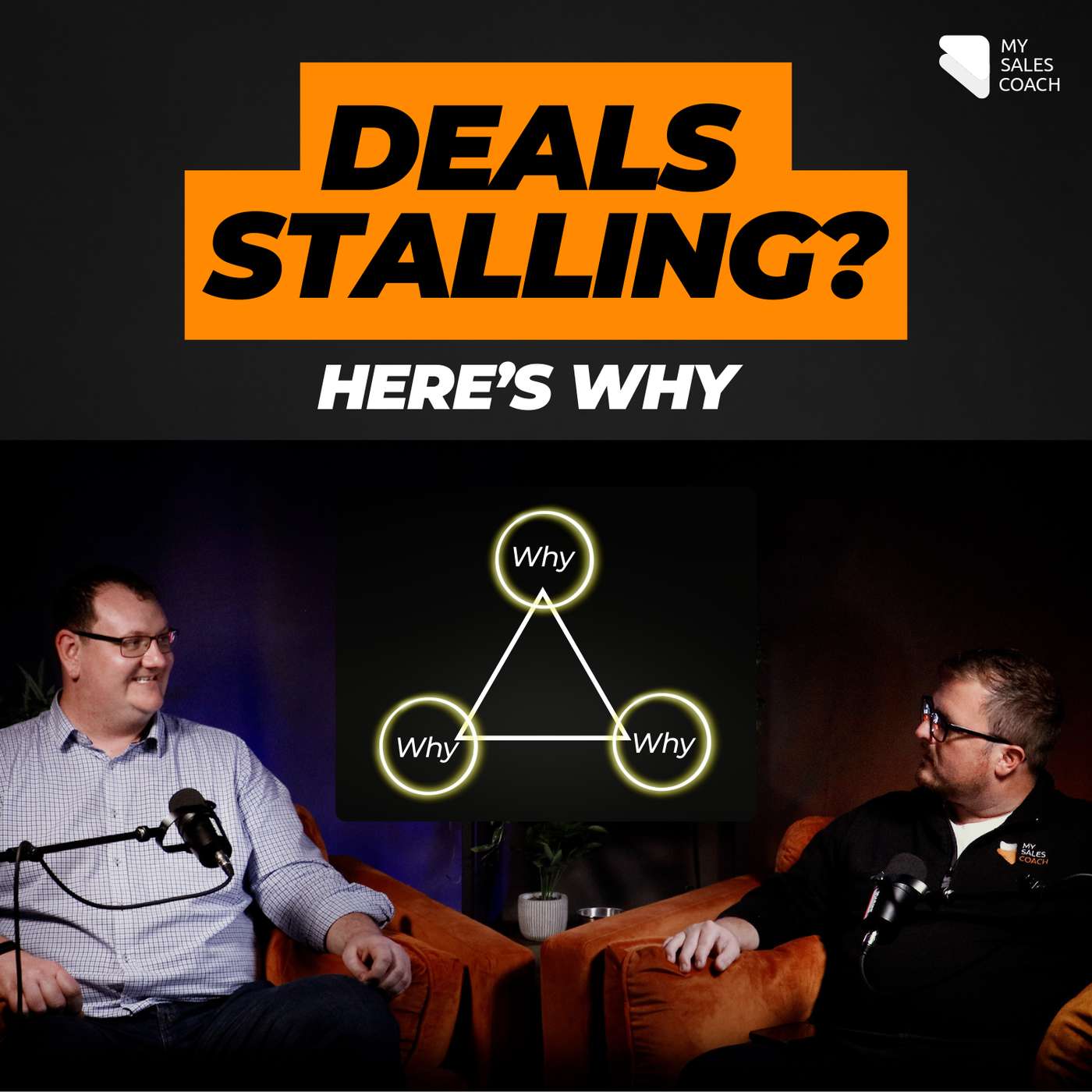 The '3 Whys' Framework Top Performers Use To Close More Deals | EP26 | Scott Cowley88 / 100
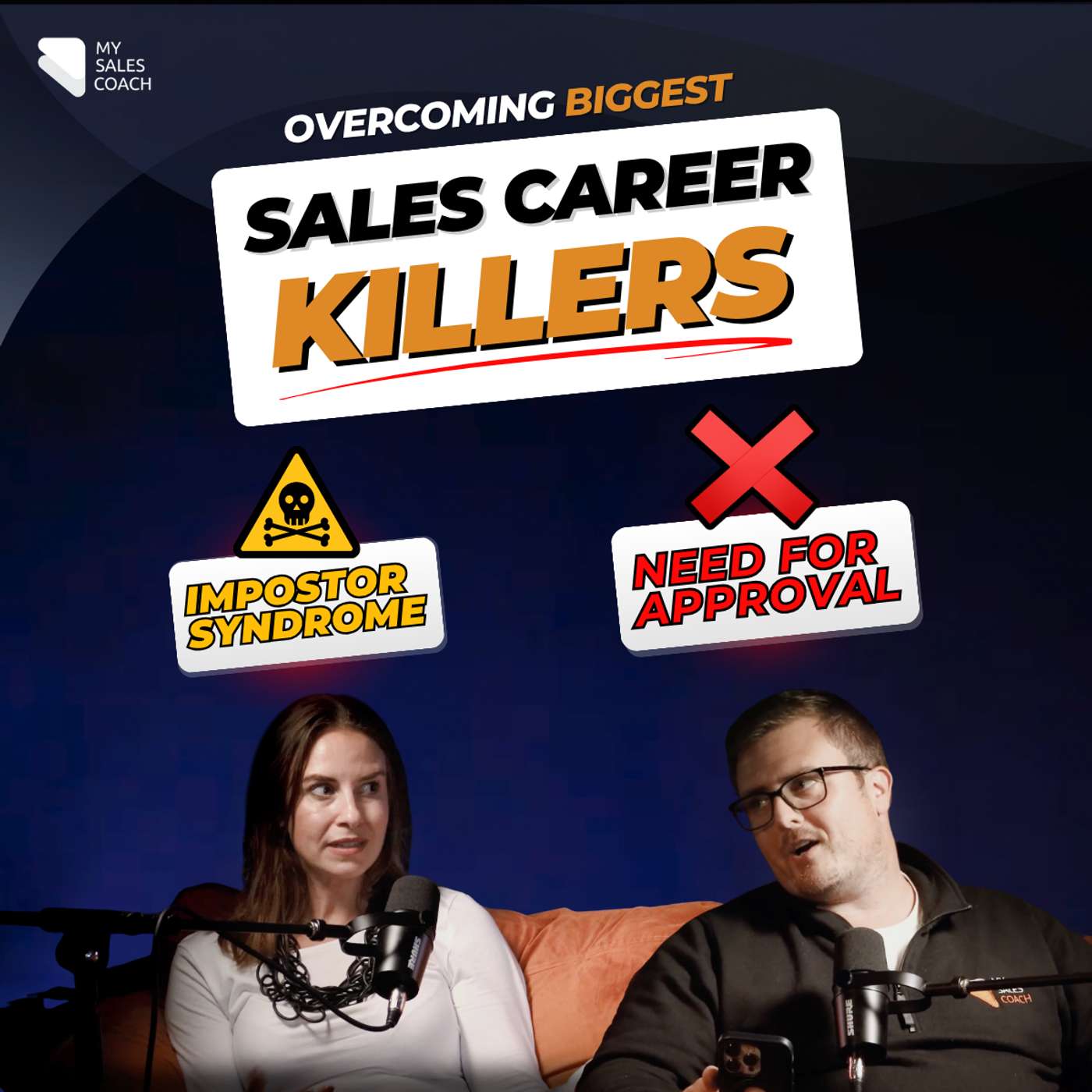 The Two Silent Killers Destroying Sales Careers (And How To Beat Them) | EP25 | Jessica Williams86 / 100
 TOP 15% of Salespeople Do THIS to Stay on Top |EP24| Niraj Kapur77 / 100
 From The Sales Floor To BBC Traitors Final Four |EP23| Andrew Jenkins70 / 100