
HR Voices · 2026-06-11 · 21 min
Key moments - from our scoring
Substance score
57 / 100
Five dimensions, 20 points each
84 Lumber has built a distinctive talent development system centered on internal promotion: 96% of store leadership started as entry-level manager trainees. Paul Jader explains how this is powered by a combination of structured learning management systems, on-site training facilities that process thousands annually, and a deeply embedded cultural norm of mentorship and knowledge-sharing. The company's recruiting challenge is significant - hiring 3,500-4,000 people yearly for frontline and manufacturing roles - but messaging and storytelling are central to attracting candidates willing to invest in a multi-year career path. Critically, Jader emphasizes that while AI tools help surface candidate matches and draft initial outreach, human recruiters remain essential for assessing culture fit and store-specific compatibility. A weekly partnership with the marketing team on messaging and placement strategy demonstrates how HR-marketing collaboration drives recruiting effectiveness. For B2B operators managing distributed workforces or high-volume hiring, this episode reveals how technology enhances rather than replaces human judgment in talent matching and development.
The company combines structured learning (on-site training facilities, learning management systems with clear progression modules), cultural mentorship where experienced employees feel obligated to develop newcomers because they were developed themselves, on-the-job training, and opportunities for rotation across different functions to build well-rounded skill sets.
AI tools analyze job descriptions and candidate profiles to surface top candidates and draft initial outreach emails, reducing time spent manually reviewing hundreds of resumes; recruiters then personalize outreach and make final culture-fit decisions, with store managers conducting final interviews and site tours.
The company seeks candidates willing to invest in a multi-year career path, who are team-oriented, collaborative, incentive-driven, willing to learn continuously, and understand they can progress from manager trainee to store manager or other leadership roles regardless of prior construction or sales experience.
HR and marketing coordinate weekly calls to discuss recruiting hotspots, messaging strategy, where to place job ads, and how to tell the story of day-in-the-life opportunities through video content and other channels to attract the right candidate profile.
Because frontline and manufacturing roles involve physical work like unloading freight, loading customers, visiting job sites, and working production lines; candidates need to understand and see the actual work environment before committing, not just read a job description.
Our reviewer’s read on each dimension, with quotes from the episode.
The episode contains several useful operational insights about internal mobility, recruiting structure, and omni-channel hiring tactics that a B2B operator could apply. However, much of the conversation consists of warm rapport-building, repetition of core themes, and anecdotal storytelling without deep quantitative backing or novel frameworks. The advice on tools - learning management systems, on-the-job training structure, AI-assisted matching - is solid but not particularly original or dense with fresh thinking.
I mean, we've got a training facility here on site that we bring, you know, a couple of thousand people, folks each year. We've got a really structured learning management solution that has modules that teach people what they need to know to be successful in that, in that role.
I think it really helps make that productive. There is still a human factor in this, and the recruiter is making the decision and looking. They know, I would argue maybe not every store, but at least every market, and sometimes every store is - there's something unique about that manager or that team, and you know what that fit is
The core thesis - building internal mobility through structured training, a strong promote-from-within culture, and combining formal and on-the-job learning - is well-executed but not contrarian or fresh. The emphasis on human oversight in AI-assisted recruiting and omni-channel hiring (digital plus grassroots flyers, truck signage) represents sensible execution rather than original thinking. The broader frameworks circulate widely in HR discourse.
So really focusing on finding that next generation of talent to bring into the organization. You know, we, we say you don't need to know anything about building materials or construction or how to swing a hammer. Um, we can teach it to you.
There is still a human factor in this, and the recruiter is making the decision and looking. They know, I would argue maybe not every store, but at least every market, and sometimes every store is - there's something unique about that manager or that team
Paul Jader holds a dual CIO and Head of HR role at an established, multi-location company (7,600 associates, 34 states) and has lived a 9-year journey integrating IT and HR functions. He is a practicing operator with genuine field exposure and decision-making authority, not a consultant or thought-leader. His seniority and relevance are real, though his visibility is likely regional rather than national; his insights are grounded in actual execution rather than theory.
Paul Jader. I'm the Chief Information Officer and Head of Human Resources here at 84 Lumber. We're, uh, about 7,600 associates nationwide, 34 - 320 locations in 34 states.
I'm a firm believer if you don't know where you are, you don't know where you're going. So, um, about a year and a half into that journey, I had, built some great relationships and, and sort of earned the trust of the team
The episode includes concrete operating metrics (7,600 associates, 34 states, 320 locations, 3,500-4,000 annual hires, 96% internal promotion rate for store leadership) and references specific practices (on-site training facility, learning management system, weekly marketing calls, A/B testing by geography). However, the evidence is largely descriptive rather than outcome-focused; no revenue impact, turnover comparisons, time-to-productivity metrics, or ROI figures are provided for the initiatives discussed.
We're, uh, about 7,600 associates nationwide, 34 - 320 locations in 34 states.
About 96% of our store leadership team, from our chief operating officer down to our, you know, store managers and, and that, um, 96% of them started in that entry-level position as a manager trainee.
Rebecca asks warm, open-ended questions and builds rapport well, but rarely pushes back, challenges claims, or pursues uncomfortable territory. She allows Paul to lead the conversation with his narratives and confirms his points rather than probing for contradictions or testing assumptions. There are few sharp follow-ups that would pressure Paul to defend or quantify his assertions. The tone is collaborative and affirming rather than investigative.
Yeah. That's like lightning in a bottle, honestly, 'cause it's so hard when you ... It's hard to, to force that to happen. That's something that has to happen, like - it really is ... that's culture, you know?
Do you have a project that you're working on right now or an initiative that you're working on right now or you and your team that you're excited about?
Computed from the transcript - who did the talking, and the words that came up most.
Summary On HR Voices, host Rebecca Taylor talks with Paul Yater, who holds the unusual dual role of Chief Information Officer and Head of Human Resources at 84 Lumber, a building materials supplier with 7,600 associates across 320 locations in 34 states. Paul explains how the company promotes 96% of its store leadership from within, hiring up to 4,000 people a year into entry-level manager-trainee roles. He breaks down the machinery behind that pipeline, the training facility, the learning system, the structured onboarding, and argues that the real driver is a pay-it-forward culture no software can replicate. The conversation closes on where AI belongs in recruiting: surfacing and ranking candidates, never making the culture-fit call. It's a useful listen for HR and talent leaders deciding how much of people development to automate.
Transcribed and scored by The B2B Podcast Index.
Paul & Rebecca === Welcome to HR Voices, a podcast where people leaders share their side of the story. We talk about the challenges they're facing, how they're addressing them, and what changes they hope to see as the workplace evolves. This podcast is sponsored by AllVoices, the all-in-one employee relations platform. Hello, and welcome to HR Voices.
I'm your host, Rebecca Taylor, and I'm here with Paul Jader, Chief Information Officer and Head of Human Resources at 84 Lumber. Paul, thank you for coming. Welcome. Thanks for having me, Rebecca.
Looking forward to it. Me too. I'm excited to chat with you ~'cause I know we only chatted a little bit sort of before we started recording, but~ we're gonna take a little bit of a different approach to this episode. We're not gonna be talking about a specific scenario 'cause I think that Paul actually has a story that's really, really relevant and just a really sort of, interesting piece of his work within HR at 84 Lumber that I wanna ask him about so that everyone can kind of benefit from learning it.
So buckle up. If you're used to a typical HR Voices, it's gonna be a little bit different. But I think this is gonna be a really good conversation. So Paul, can you start by just telling us who you are, who you are- Sure ...
tell us about your role, what you're doing. You got it. Paul Jader. I'm the Chief Information Officer and Head of Human Resources here at 84 Lumber.
We're, uh, about 7,600 associates nationwide, 34 - 320 locations in 34 states. Building material supplier. Very cool. So we help build the American dream.
That's- I love that. I love that. I know you have such a sort of a widespread workforce too, right? So you're sort of in- We do ...
a lot of different places. Absolutely. Yep. So how did you end up at 84 Lumber?
What brought you there? Sure, yeah. I got, I got a call from a recruiter and, uh, I'm from this area. I grew up just down the street, so I'm, I'm doing what I love in my hometown and got a call about it and talked to the leadership team, and they were really committed to an IT transformation, was how I originally got here.
I'm an IT guy by trade, and maybe we can tell a little bit of the how does the heck does the IT guy- Yeah ... start running IT- HR. Um, but got here and, uh, built out a team, put together a roadmap, and you know, it's a, it's a great place to, to just find ways to give people the tools that they need to be successful and help our customers every day. Yeah.
I love that, and you're picking up on what I'm putting down because I do wanna hear this story. So we're seeing, you know, so many HR folks kind of evolve into, leading AI transformation at their organizations and sort of then by default becoming more involved with IT, you know, technology, and we're sort of seeing it go the opposite way, where it's HR expanding their remit into technology. You took kind of the opposite journey, so I would love to hear the story of how that happened and- ...
and how does it, how does it feel being on the HR side now? Sure. Yeah, no, it's a good, good question, and, and a common question. So I mean, it was really come in for, from an IT roadmap, put together a strategy and a plan.
I- first 90 days was listening, figure out what's working, what's not, what do people need, you know, where are the priorities, um, understand where we are. I'm a firm believer if you don't know where you are, you don't know where you're going. So, um, about a year and a half into that journey, I had, built some great relationships and, and sort of earned the trust of the team, and we had turned over the HR role a couple of times, and I report to the chief operating officer, and I could see the, the stress and the, the, um- The stress that it was putting on him, and I'm like, "Look, we need you focused on the mothership."
Like, "Hey, look, I'll take a shot at this. If you'll take a shot on me, I'll take a shot at this HR thing." And he's like, "Look, you know, I really understand the relationships you've built with our field team. You understand our stores.
You understand what's happening. I like the strategy and the roadmap and the people that you've brought in on the IT side. Our people are our most important asset. We need to become more contemporary.
We're more modern over there. Yeah, let, let's take a shot at this." And, you know, that was about a year and a half into this nine-year journey, so ever since I've, I've been doing both. But I've got wonderful teams on both sides that really understand what's going on and allow somebody like myself to have, you know, these two roles.
It's - I've got some really talented IT and HR professionals really helping to drive the mission. Yeah. You're really the infrastructure. I mean, IT is the systems infrastructure of the organization, and then HR is obviously the people infrastructure- Yeah ...
of the organization. So you're really the heart of it all, right? Bringing it all together. Yeah.
So you've had - you know, it's been kind of, you know, eight years that you've been in sort of this combo role, which, you know, I'll say the elephant in the room, you've been overseeing a lot of transition in those eight years, I get, right? Because- Yeah ... we had COVID that sort of changed how we were operating. For sure.
Now there's AI that may or may not change how you're operating. I know you're in more of kind of a physical frontline type of workforce, so maybe it impacts folks, maybe it doesn't. But what are some of the challenges that you've navigated that have really kind of shaped how you're doing the role today compared to when you started it eight years ago? Yeah, I mean, a huge focus has been on recruiting.
I'll be honest with you. It was, you know, especially coming out of COVID and since then, and, we hire about 4,000 people every, between 3,500 and 4,000 every year, so getting the right people- Wow ... into this location, and, um, a huge pr-promote from within company. So we...
About 96% of our store leadership team, from our chief operating officer down to our, you know, store managers and, and that, um, 96% of them started in that entry-level position as a manager trainee. So really focusing on finding that next generation of talent to bring into the organization. You know, we, we say you don't need to know anything about building materials or construction or how to swing a hammer. Um, we can teach it to you.
So, you know, getting that message out there. Are we in the right places? Are we connecting with customer or c-connecting with associates and candidates in, in the right manner? You know, we've sprinkled some AI into that, that piece of the journey and, and are leveraging some technology on the, uh, on the recruiting side.
But just getting the right people in the right places to be able to tell the story. And it's really at the end of the day, a recruiter's job is to, we've got opportunity here, how do we match that with the right candidate and the right person? And finding the culture fit and, uh, the person that's wired to be what we call 84 material is, is what we're trying to do every day. Yeah.
Yeah, I love that 'cause I think there's like, you know, we're kind of in this phase of just HR transformation overall, where we're questioning everything that we've done before. Mm-hmm. And some things that got us here are gonna take us there, some things are gonna change for specific industries and remain the same for others just because of the way that employees have to work at those different companies. And so it's interesting 'cause we had a, uh, we actually had a webinar conversation last week, um, so the timing of this is like kind of funny and, I swear, unintentional.
But the whole conversation was around what are the metrics that we're sort of questioning and that- ... we're maybe revamping and rechanging, and the thing that came out as one of the prominent metrics that are probably one of the most important things to value within an organization are internal mobility. Absolutely. So people either moving laterally into different roles, moving up into different roles, and really just kind of focusing on really nurturing who you have there.
So can you talk to me about that? I mean, having sort of, you know, people who've grown up within the organization, you know, be the folks that are sort of promoted. Yeah. How do you drive that internal mobility culture?
What's your secret is really what I want to know . Sure. Yeah, I mean, culturally it's who we are, but let me talk about some of the tools, and then we'll bring the culture- Yeah ... piece back together.
I mean, we've got a training facility here on s- on site that we bring, you know, a couple of thousand people, folks each year. We've got a really structured learning management solution that has modules that teach people what they need to know to be successful in that, in that role. We've spent a lot of time on onboarding and, you know, how do you figure out where those tools are and how to use those tools and structure around, you know, what do I need to learn day one? What do I need to learn week one?
What do I need to learn in month one? You know, where am I? Who do I contact for that? And then there's a ton of on-the-job training.
Like because that 96% statistic that I qu- we quoted, most of the people have walked a day in the, in that- Yeah ... that new MT's shoes. There's really this pay it forward culture of, everybody at 84's got a story about somebody that took them under their wing and who helped them or who was influential in their career and helped them to develop and taught them, and there just really is this culture of I owe it to this organization, and people did this for me. I wanna do it for the next generation.
So if you take sort of that, the structure and the tools and the, the learning development that we've got as a program with the culture and the people that we've got here that care and wanna help one another, I would say that's the magic that makes it happen to, to help people understand that career mobility and where am I on that journey, and what, what are my next steps, and what do I need to rotate through, and what other experiences do I need to pick up along the way to round out my skill set?
You know, what haven't I done that helps me be ready for that, that next role that I'm trying to get myself into? And, and I would say I'm emblematic of that as well. Like, how the heck does the IT guy end up running HR? I think it's, uh, you know, it, it's indicative of who we are as a company, that, it, we take good people and help them do more things and grow and learn and contribute to the organization in ways that we find that make sense, right?
Yeah. That's like lightning in a bottle, honestly, 'cause it's so hard when you ... It's hard to, to force that to happen. That's something that has to happen, like- it really is ...
that's culture, you know? It's like it's happening even when people aren't asking you to do it. It's like you're just gonna help the person who needs your help because you've been in their shoes before, you can relate. It's just human, natural, normal, cultural for you to step in and help someone.
That ... Well said. That's exactly how it feels and how it materializes here, so that's real. Yeah.
That's very cool. And so you're hiring a lot. I mean, you said you're hiring, I think you said, like, 4,000 people a year. Mm-hmm.
Is that what you said? Yes. Yep. So what is it about ...
I mean, you know, we talked about internal mobility, we talked about, you know, obviously there's a lot of f- future potential because of that internal mobility plan, but how do you get people in the door to start, yeah. It, it- That's, that's the hardest part. We've spent a lot of time on messaging and, and telling the story, and we're really looking for people that are willing to bet on themselves, right? Yeah.
"Okay, I understand that if I'm really good and I'm committed and I work hard those first two or three years, I could be a store manager." You know, depending on how good you are and how well committed you are and how f- quickly you learn, and it has to be opportunity. I mean, we're growing. We're still opening locations.
Yeah. Um, I think it's finding that person that is, willing to learn, right? They're, they're willing to be a sponge. They're committed.
They wanna work hard. They understand that, you know, they understand that I've got a career. I'm selecting a career, and I'm on a journey, and I'm on a path, and that's something that interests me. Um, and, and how do I figure out how to, to learn as quickly as I can and, and really plug into this, this opportunity that we've got?
Those are the things that we're really looking for. Like, you, you really don't have to know much. We're not looking ... There's not, like, a specific background that makes sense.
Team-oriented, collaborative, willing to work as a team. That store really does work as a team. They're helping one another. You know, we've got goals- Yeah ...
and incentives that drive that collaborative team behavior. There's individual incentives as well. Um, so somebody that's incentive-driven, is and, you know, can look at a scoreboard and say, "Yep, that's where I wanna go. Those are my goals that I've set, and how do I get there and what do I need to be doing?"
Um, those are the type of people that usually, you know, do pretty well here, and the kind of folks that we're looking for. Yeah. That's really cool, and it's funny 'cause it's, it's similar to, similar in theory, but very difficult, but dif- very different in the way that it shows up. My, I started my HR career at Lord & Taylor, Fifth Avenue.
Sure. And it was a similar sort of, you know, you're looking for associates who are competitive, who are kind of like, always looking to show this excellence to the customer and sort of figure it out. But I think there's like, what's really interesting about 84 Lumber specifically and your type of field is that there's also a lot of expertise that they get to learn, right? Yeah.
It's not- 'Cause it's not just about materials. 100%. You are gonna- It's about physical things- You're- ... the way people interact with their homes.
Yeah. You're gonna learn a ton, right? You're gonna learn- Yeah ... the building, the building and construction process.
You're gonna learn how to do sales. You're gonna learn store operations. You're gonna learn inventory. You're gonna learn ordering.
You're gonna learn how to look at a P&L. You know, inventory management, reordering, all those ki- you know, loading and unloading freight. All those kinds of things you're really gonna learn- Oh my gosh ... on the job and quickly.
Um, so yeah, there's, there's a ton that can be learned, um, and we've got a lot of structure of processes and people that can help you, on that journey. Yeah. It's cool 'cause it's just like you can sort of see some, some sort of the result of all of the work that you've done in maybe if you get photos of finished projects afterwards, right? Yeah.
It, it's interesting- Seeing your work in the real world. Yeah, it's interesting, and I talk to my recruiters a lot, and you'll - those recruiters love it when they're like, "Yeah, I hired that new store manager." Like, "I watched him, I talked to them, I brought him in as this MT, and I saw him go to be a co-manager, and now they're running their own store." And it's just fun to see, you know, sort of that, that attachment of that recruiter to that.
"That, that was my person," right? "I, I, I helped them get there, and I, I, you know, lit that spark," if you will. Yeah. Oh, I still say that about people who I recruited 15 years ago to different jobs.
Like I'm like, "Oh, I hired them right out of college." Yep. You know, "I gave them their first job, and I met their mom, and now look at them. They're running their own company.
They're doing whatever." Right. It's like the, when you're a recruiter and you really take a lot of pride in what you do- Yeah and you work for a company that you're proud of, you really do see it as something where it's like, okay, I'm making, I'm making a difference in this person's life. But also, like, I'm making a difference in the company.
It's, it could be really hard, but really rewarding. Right. And when you got the good blend of both, that's again, that's really, really hard to find, so you should be really proud. That is the magic.
That is definitely the magic, yeah. What's something - Do you have a project that you're working on right now or an initiative that you're working on right now or you and your team that you're excited about? You know, it, it's still really focused on what's the right thing. Um, you know, we've, we've been trying to use everything from a hiring perspective and really getting creative about, very great partnership with our marketing team about what messaging do we have, where are we messaging, you know, how are we getting people though to understand these opportunities.
Um, really doing a lot about day in the life. I mean, we want people to understand what this role looks like and doing a lot of video content to show that and put that out there. So the - I mean, we're not - This is a very physical natured job, right? And you mentioned it a little bit.
Yeah. But, you know, you're gonna learn all those things that we talked about, but guess what? You're gonna unload the truck of freight when it comes in. You're gonna have to load a customer, and you have to go to a job site and those kind of things.
So just really helping people understand that. We've also got manufacturing, so we're looking for a lot of manufacturing frontline roles, you know, in our components manufacturing locations to, to be a part of that and be on the production line helping to build, you know, trusses and wall panels and things like that. So really just focusing on continuing to get the message out there and make sure we're telling the story and presenting the opportunity, and getting the right people in and, and helping the comp-company continue to grow has been, you know, an immediate focus.
And we have been in-infusing technology there, so we've started to use some of the AI and from a, matching perspective and initial outreach. Uh, it doesn't do the outreach for you. It will just take the- Yeah ... okay, here's the job description.
Here's the position. Okay, this look like the top candidates, and then it will draft the initial outreach email, and then our recruiters still personalize that and do that content. But we've, we've - I think it's helping to make folks more productive, and hopefully get us to the getting those people in those jobs more quickly and, you know, reducing our time to fill and things like that. So those have been some of the things we've been working on.
Yeah. Yeah, I was gonna ask if you had any, you know, and this is putting you on the spot, but not intentionally. But I know, you know, I talk to a lot of my recruiter friends, and they're struggling with volume, and usually it's they're struggling that they have too much volume, and it's hard to kind of figure out what's relevant volume. 'Cause it's not just volume of a lot of people with qualified applications.
You do get a lot of bot applications. Sure. There's, you know, it's just a complicated time. Do you have any tips any tips for navigating that?
I, I, I would tell you start to look at some of those AI matching tools. Yeah. A lot of the vendors and providers out there that are doing that can help you. I think it really helps make that productive.
There is still a human factor in this, and the recruiter is making the decision and looking. They know, I would argue maybe not every store, but at least every market, and sometimes every store is- Yeah ... there's something unique about that manager or that team, and you know what that fit is, and you know what they are gonna like or aren't gonna like, and that's what makes a great recruiter is you really understand your internal customers to be able to match with that candidate.
But I think getting that more quickly and not having to manually sift through a queue of, you know, a couple of hundred resumes, getting to the here's probably the top five that I ought to foc-focus through can get me more quickly to getting on the phone with that candidate and telling the story, getting them, you know, figuring out if they are the right one, which one's the best fit. I just think it, you know, at the end of the day, if I can help the recruiters be more, or the tools can help the recruiter be more productive and get that match of that candidate with that opportunity, it's good for the candidate, good for us.
That, that is the ultimate win-win. So, I think there's always a human in being involved to make sure they're a culture fit, and I don't think AI's gonna do that anytime soon. But at least from a, a background, a skill set, a, a f- an initial fit or initial screen- Yeah ... getting that to the recruiter I think is what we're trying to do and where we've seen some, some benefit.
Yeah. No, that definitely, that m- it definitely makes sense 'cause I think that's sort of the fear is sort of where does AI stop and where does the human come in? Of course, yeah. And I love that you're describing it as it surfaces things, it surfaces, you know, it makes some of the initial connection points, but a human still reviews them, and I'm sure confirms them, maybe- Right ...
tweaks prompts if it needs to, right? Like, there's - 'Cause we do the same thing. I mean, we are, we're using a lot of different, you know, AI tools for a lot of our different types of tasks just, you know, in general. But even our product, like with AllVoices, we have sort of a, um, we have an AI component that helps to surface things.
You have sort of an AI partner that's there with you every single way that you're, putting in case information or summarizing cases. But but there's always a human at the end of it, or there's a human throughout the entire process to sort of- Sure validate, does this make sense? I mean, our, our recruiter is our initial screen. We've always got the store manager as the ultimate hiring decision.
Um, you know, we're always doing a store tour and an in-person interview- Yeah ... to, to re - 'Cause, like, back to that day in the life, we really want you to understand- Yeah what's happening. Um, we want you to see the environment you're gonna work in and what, okay, w- I think I know what a manager trainee would look like and what it would do, but can you show me- Yeah ... and can, can I help me understand it?
And let them ask questions and, you know, sort of do that day in the life kind of thing. Yeah. It's a personal experience, and, like, work is personal. Work is human- Right ...
you know, for, for us, so it's nice to kind of have that at that level, too. Absolutely. Yeah. So there was something that you said, too, that I wanted to call out that is, I heard it and it was music to my ears, and I was like, "Let me make sure that I get back to this."
So you mentioned that messaging is a big part of how you're sort of targeting the right candidates, getting the message to the right place to attract the right sort of group. This is sort of the hill that I'll die on in recruiting, is that if you are not partnering with your marketing team, you are doing yourself such a huge disservice, because this is what they're really, really good at. They're really good at figuring that out, and they usually wanna help. No question.
I mean, that is - We have spent - since I've been in this role, we have spent a lot of time. And we, we ha- we do a weekly call every week to say, "Okay- Yeah ... here's our hotspots, here's what we're focused on, here's the challenges. You know, what, what's our digital response look like here?
You know, what are we doing digitally here? What are we doing there? We gonna do a hiring event here. What are we doing to support that?
Okay, which ones are we A/B testing, and then what is our, getting our best response for this role or this job and this location?" And it, it's, it's so unique how it's, it's geographically different. It's who are the competition. Yeah.
Like, there's a lot of analytics that go into that to say, "Well, this works here." You know, in Buffalo, what works in Buffalo, New York, doesn't work in Sarasota, Florida, right? Yep. And what works in, you know, California doesn't work in Texas, right?
It's just very interesting and very unique and, uh, yeah, we spend a lot of time with that and getting the messaging right and telling the story and, and, um, yeah. Amen with the handhold and, and be a, a great partner with marketing 'cause it serves both of you well, well better. And you're spending big dollars and doing the right things- Yeah to make sure you're, creating the right content that tells the right story. Yeah.
And it just emphasizes that, I don't know how to say this in a way that doesn't sound cheesy, but it's like we're all in this together. Yeah. We're all in - You know, we're all trying to grow the company together. Yeah.
Sometimes we're directly involved with revenue, sometimes we're involved in revenue by adding people, and by adding people, we need to work with other teams to maybe help that too. It's like sometimes, you know, some organizations or even just at d- different parts in our career, we can sort of just silo ourselves and, you know, just sort of be like I'm in HR," or, "I'm in sales," or, "I'm in whatever my department is, and so that means that this is the work that I own." And I just think examples like you shared of how you can cross-collaborate with other teams internally is just - even when you're doing a, even when you're doing a job that doesn't seem like it's part of their job, is just so important, 'cause that's what makes, that's what makes a team.
That's what makes a company. Yeah. It's not just a bunch of random people doing things. F- for sure.
And, and I will tell you, sometimes it even goes back to the, the grassroots piece of it, right? Oh, sure. The IT guy's gonna tell you, "Oh yeah, it's digital content and all that." But, you know, we've done things like flyers and done grassroots and go to community centers and, you know, put flyers up, and we put a, a, a, um, sticker on the side of a, our trucks.
Our trucks are on - Our delivery trucks are on job sites all day long, and we put the word, we are hiring" sign- Yeah ... on the side of the truck, and, you know, we get people hired that way. And we did fence signs. I mean, sometimes you've gotta think about it broadly, too, that says- Yeah ...
yep, do all the digital marketing. It's important. It's gonna drive behaviors, and it's gonna drive everybody into that funnel. Um- Yep ...
but there's also traditional ways to, to fill that funnel as well, and don't forget about those, I guess. Yeah. I believe they call it omni-channel marketing. I think I heard that word literally just earlier today, and so now I'm like, "Wait, let me apply this now."
Yep, exactly. Yeah, so that they see you everywhere, and then it's just, you're, you're top of mind so that when they're either looking for - 'Cause, like, job recruiting and sales, especially for a business like 84 Lumber, they can be similar, right? 'Cause you're just, it's like you just want people to know who you are, whether they become a customer, an employee, or both. Like, either way, that's a great situation.
Yep. Exactly. Yeah. Very cool.
Well, I know we're actually just about at time, so I have one last question for you. If you were able to give one piece of advice to someone who's really focused on building their own internal mobility program, what's one thing that they can do today that will take one step in the right direction? Yeah. I mean, really look at your training program, both formal training and on-the-job training, and are you bringing the right two pieces of that together?
Does your formal classroom or learning management solution complement what's happening, and are you giving your leaders who are doing the on-the-job training and paying that forward and teaching that, are you giving them the tools to help them be able to do it and the ticklers and the reminders? So put structure around that on-the-job training as well to help people remember, "Yep, this is what you need to be teaching. This is the communication style." Teach things like, okay, what does that generational communication need to look like, and how do you talk to a 20-something if you're not a 20-something?
And, you know, all those kinds of things that help people understand how to relate to one another and how to teach and how, how people learn, you know. And those kind of things are what I would say is my best advice. Oh, that's so good. So good.
Thank you. And thank you, Paul, so much for being here, for telling us more of your story and for sharing, you know, about all the different programs that you're building and how you're taking this approach, 'cause I think you're doing a lot of, like, really cool stuff. So thank you for your time. Sure.
Thank you for the opportunity. I appreciate it. It was a, it was a good time. Good- Yeah ...
good, interesting. Yeah, it was fun. And thank you, everybody, for listening, and I hope you all have a good rest of your day. Bye.
Other episodes covering the same guests and topics, from across The B2B Podcast Index.
 The Truth About Hiring in 2026 (What Every Leader Needs to Know) w/LHH's Alex Ridder, Chicago Recruiting's Ravi Subramanian and Bamboo HR's Brandon WelchYour Work Friends · on internal mobility86 / 100
 Nectir Part 2: From Flat Round to The Biggest AI Deal in EducationThe Pitch · on Learning management systems85 / 100
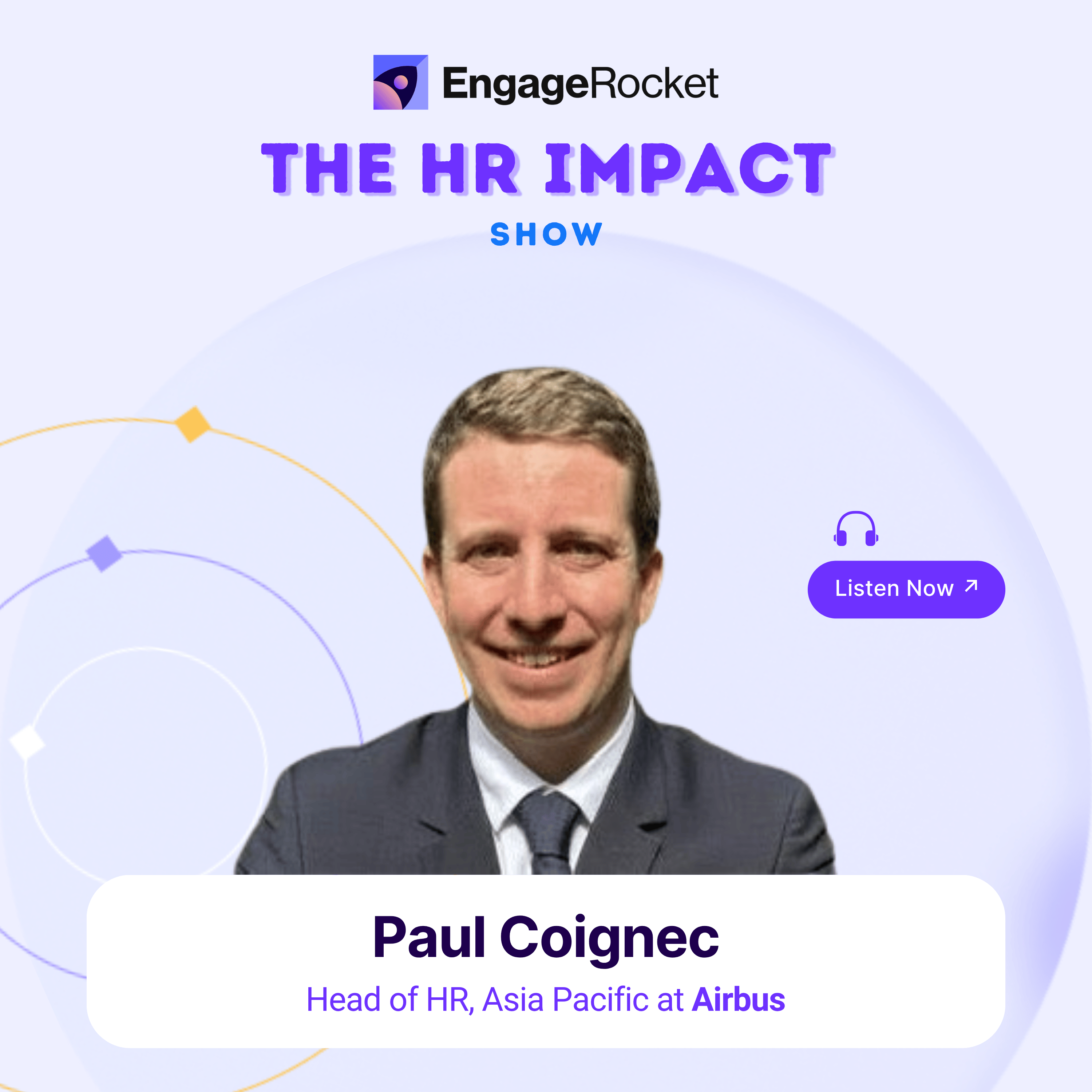 From Complexity to Empowerment: Airbus’ Approach to Decentralized Leadership: Paul Coignec (Head of HR, APAC at Airbus)The HR Impact Show · on internal mobility81 / 100
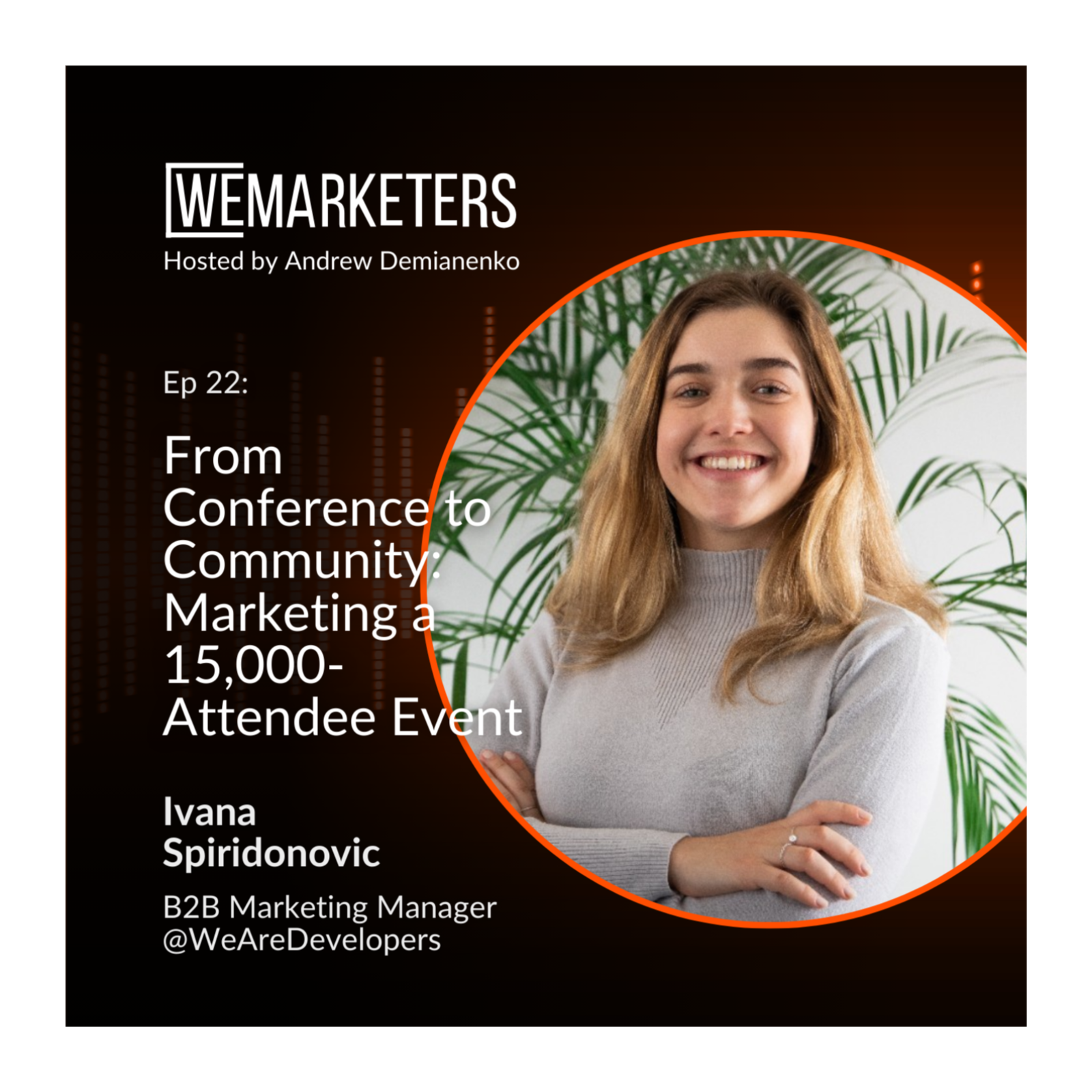 From Conference to Community: Marketing a 15,000-Attendee EventWeMarketers Podcast · on internal mobility80 / 100
 The Secrets to Successful Team Development featuring James TerryLead with Culture · on promote-from-within77 / 100
 [WiCS PowerUp Masterclass S2:E4] The Future of CS: Biggest Takeaways from Pulse EuropeWomen in Customer Success Podcast · on Learning management systems75 / 100
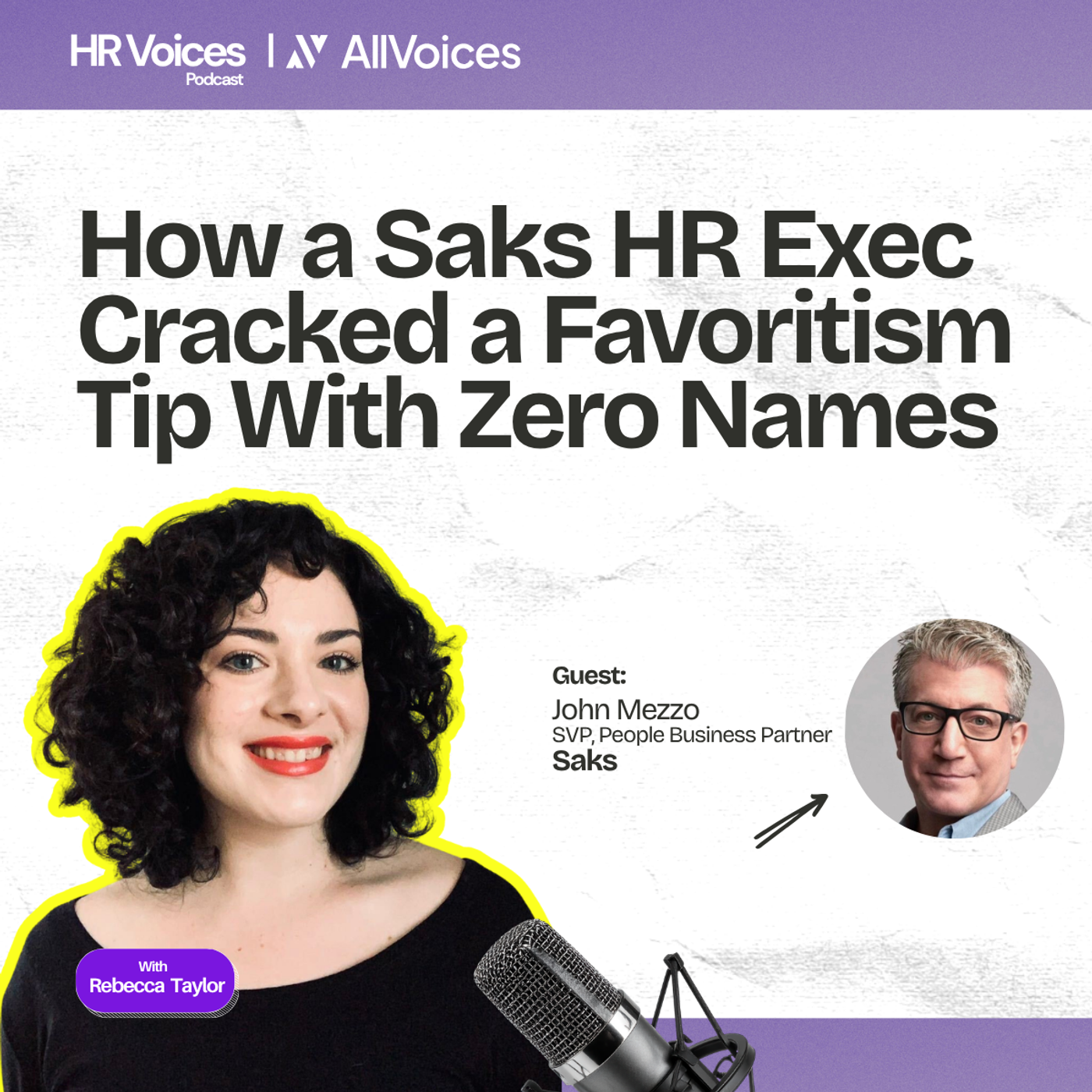 How a Saks HR Exec Cracked a Favoritism Tip With Zero Names60 / 100
 No Moonlighting Policy, No Violation, Still a Problem w/ Miriam Chan of Miro54 / 100
 The Assumption That HR Needs to Solve63 / 100
 The Manager Who Broke the Rule and Was Right58 / 100
 When the Data Tells a Different Story Than the Manager64 / 100