
Give It A Nudge · 2024-12-24 · 1h 13m
Key moments - from our scoring
Substance score
30 / 100
Five dimensions, 20 points each
Caitlin Judd's path to building Lady Brains - a podcast and community platform supporting founders and female leaders - began with formative years abroad. After studying a Bachelor of Business in Marketing, Media and Communications at Monash University in Melbourne's eastern suburbs, she took an exchange program to the University of Miami, where she stayed for nearly two years. During that time, she worked across diverse roles: selling high-end artwork, contributing to a glossy magazine on Fisher Island, working with the second-largest theater company in America, and creating original content like behind-the-scenes YouTube interviews with performers like Cirque du Soleil. She developed job-crafting skills and an entrepreneurial mindset in the American environment, which encouraged experimentation. Upon returning to Australia around 2012, she took a corporate marketing role in manufacturing for two and a half years - work that felt misaligned with her personality despite learning value. That "hiccup" led her back to entrepreneurship, driven by her desire for impact and the buzz of building something meaningful. The conversation explores how her independence, developed through navigating environments alone and without family safety nets, continues to shape her leadership today, though she's learning to balance that drive with self-compassion and openness to what unfolds naturally.
She studied international marketing at the University of Miami, interned, worked in multiple roles including selling high-end artwork, working for a glossy magazine on Fisher Island, and with a major theater company. She also created original behind-the-scenes interview content with artists like Cirque du Soleil performers.
She felt the manufacturing industry marketing role didn't suit her personality and wasn't aligned with her values and impact goals, despite enjoying the people and learning from the experience. She realized she couldn't sustain a 9-to-5 career path long-term.
The American environment encouraged job crafting, experimentation, and the mindset that you can build and try anything. She learned to pitch herself for opportunities without formal experience and developed confidence to create value where none existed before.
Lady Brains is Caitlin's podcast and community platform that supports founders and female leaders, marrying community media with founder support and creating something from the ground up - an extension of the entrepreneurial skills and values she developed through her career experiences.
Our reviewer’s read on each dimension, with quotes from the episode.
The episode is heavily biographical and conversational rather than substantive. While Caitlin discusses her journey from Melbourne to Miami to launching Lady Brains podcast, there are few novel, non-obvious insights that a B2B operator would extract. The latter half touches on female founder funding gaps and a 'me-we-us-world' framework, but these are familiar concepts without new data or frameworks. Most of the runtime is spent on personal anecdotes and lifestyle details.
I think there's that connotation of just like not having your shit together
You have to take a chance on yourself. No one else is coming to save you
The content recycles well-worn narratives: the 'found myself' overseas experience, the mentor-changed-my-life story, the female founder/funding gap problem, and the entrepreneur's journey arc. The 'me-we-us-world' framework is presented as novel but is a standard appreciative inquiry model. The discussion of AI and writing, while timely, doesn't offer contrarian or fresh thinking - just observations that align with existing discourse.
I think ignorance can be bliss
It's magical. It's a magical world
Caitlin Judd has built a successful podcast (Lady Brains, ~110 episodes) and worked with founders/coaches in wellbeing and branding spaces. However, she is not a seasoned B2B operator with P&L responsibility, scaling experience at a large organization, or venture capital/investing track record. She's an early-stage angel investor and brand/podcast consultant - credible but mid-tier in terms of depth of operational experience. Her value is more in personal brand and community than in battle-tested business scaling.
I launched Lady Brains podcast
I've invested in their company
The episode lacks concrete numbers, named examples beyond personal anecdotes, or data-driven insights. References are vague: 'about 110 episodes,' '65% of wealth transfer' (later corrected to 34%), '3% of female founder funding' without context, and abstract frameworks. The founding gap discussion mentions no specific funds, metrics, or timelines. Personal stories dominate over specific business case studies or actionable metrics.
there's like 110 or something
65% of wealth is going to be transferred to women by 2020. I think it's 34
The host (Steve) demonstrates genuine curiosity and allows the conversation to breathe, asking follow-up questions like 'Did you know her or no?' and 'How'd you get the number?' However, he rarely pushes back or challenges claims. He acknowledges his own unstructured approach and celebrates the guest's preparation. There's rapport but limited intellectual friction. The host doesn't probe deeper on funding gap solutions or press Caitlin on the applicability of her frameworks.
Did you know her or no
See, that was a sliding door
Computed from the transcript - who did the talking, and the words that came up most.
In this episode of Give It A Nudge, Steve interviews Caitlin Judd, who takes us through her fascinating journey, starting with her roots in Melbourne, where she studied business and media at Monash University. She shares her transformative experience living in Miami, working across marketing, acting, and even selling high-end art, before returning to Melbourne to pursue a corporate marketing career. Feeling unfulfilled, Caitlin made a bold pivot into freelancing, supporting female entrepreneurs and leaders in the wellbeing sector. She discusses the importance of mentorship, coaching, and empowering women in business - particularly in the male-dominated investment world. Caitlin also dives into her podcasting journey with Lady Brains, which became a powerful tool for personal and professional growth, allowing her to build a community of like-minded individuals.
Transcribed and scored by The B2B Podcast Index.
Speaker A: Hey, move those routers there. Oh, hey, it's me, your data center. And as you can hear, I'm making some big changes in here because AI is making some bigger ones everywhere. So I took a little trip to Nokia. Super fast Routers, optical interconnect, fully automated, the whole data center networking portfolio and they deliver. That's them. Hey, Nokia, right on time.
Speaker B: Get your data center AI ready. Someday is here with Nokia.
Speaker C: If you're a maintenance supervisor for a commercial property, you've had to deal with
Speaker D: everything from leaky faucets to flickering light bulbs. But nothing's worse than that ancient boiler that's lived in the building since the
Speaker A: day it was built 50 years ago.
Speaker C: It's enough to make anyone lose their cool. That's where Grainger comes in. With industrial grade products and dependable, fast
Speaker D: delivery, Grainger can help with any challenge,
Speaker C: from worn out components to everyday necessities.
Speaker B: Call click granger.com or just stop by
Speaker D: Granger for the ones who get it done. Welcome to what is going to be an epic episode of Give it a nudge. We have finally, finally got Caitlin Judd on the show. Caitlyn has done many things, very well, known for her podcast Lady Brains. But we're going to explore all the other things she's done and is going to do today. Welcome, Caitlin.
Speaker B: Thanks, Steve. Thanks for having me. Finally here.
Speaker D: Finally here. And I've seen you three times this week.
Speaker B: Aren't you lucky? I know.
Speaker D: Which is crazy.
Speaker B: I know. I hadn't seen you for ages and then like, like a long year, I don't know.
Speaker D: But yeah, and then three times in one week.
Speaker B: I know.
Speaker D: It's, uh, nearly three days in a row.
Speaker B: I mean, you basically now have to hire me because I've just been hanging around loitering.
Speaker D: Are you going to be here tomorrow as well?
Speaker B: I know I'm getting on a flight tomorrow, so I cannot be here. Uh, but I will. I'll be back. I'll be back.
Speaker D: Well, you have been asking questions of people many times. I don't know how many shows you did a lot over the years in all the different formats, you would have done a lot more than I have. So I'm a little nervous.
Speaker B: Oh, don't be nervous. We just have a very different interview style, that's all.
Speaker D: I bet mine's completely unstructured and unplanned. I'm sure you do a lot of research.
Speaker B: I know. I saw you last night and I'm like, so what do you want to talk about tomorrow? I don't know, Are you coming in tomorrow? I guess I'm coming in tomorrow. Meanwhile, I spent hours researching, curating my questions. But no, look, they're both great approaches.
Speaker D: I did try that research stuff.
Speaker B: Not for you.
Speaker D: I find that I'm thinking too much about all the research and not thinking about the conversation. Whereas if it's a conversation, you never know where it's going to go. And I have to listen to you because otherwise I've got no questions to ask. So I'm forced to pay attention, which is a weakness.
Speaker B: This is true active listening. No, it is a good way to do it.
Speaker D: But we're not here to talk about. We're here to talk about you.
Speaker B: Oh, I don't know.
Speaker D: Don't try and turn that around.
Speaker B: I will. I'll try and turn around a few times, but yes.
Speaker D: Okay, so where should we start? Let's start not quite at the beginning, but. Where did you grow up in Australia?
Speaker B: Melbourne. I'm a Melbourne gal.
Speaker D: Yeah. And whereabouts?
Speaker B: The east eastern suburbs.
Speaker D: Okay. Um.
Speaker B: Where I went to, you know, uni.
Speaker D: Uni school.
Speaker B: Kinder. Primary school. Like, you know, when you just go the wrong way. Going the wrong way. I really went backwards, didn't I? That was a Benjamin Button moment. But I really, you know, you grow up in such. I grew up in such a tight knit small community in Melbourne. Right.
Speaker D: Not small, but that's Australia though, isn't it?
Speaker B: You don't really move for education.
Speaker D: No one move. I've been here 25 years now.
Speaker B: Yeah.
Speaker D: And I've moved all over Sydney, which people frown upon and ah, they can't get their head around how I can live on the North Shore in the eastern suburbs. All over the place, they just, they just. I was in Manly at one stage as well, which people cannot fathom at all, other than the people that live there. I think growing up in England's not quite the same as that, but.
Speaker B: Yeah, yeah, that's true.
Speaker D: But you headed overseas pretty quickly, right? So let's talk. Let's start there.
Speaker B: Yeah. So, yeah, so I was living in southeastern suburbs, um, went to school and I, I was at Monash actually and I saw that you could do an exchange program.
Speaker D: What were you studying?
Speaker B: I was studying a, uh, Bachelor of Business, Marketing and Media and Communications with, uh, sociology as well. So yeah, I was kind of. I didn't really know what I wanted to do when I got out, which I think so many people most, you know, most people don't really know. So I was like, what's really general. I was like arts and let's do business as well. Just to. Just for a bit of backup, just in case. Um, I knew I liked, you know, I had the creative brain. And then I also really loved, um, business and business management. And so I just thought, yeah, let's go, let's, let's, let's follow that path. Um, but I remember getting into, I think, year two or three, and yeah, I saw the exchange program and I was just like, yep, let's do it. And no one, no one that I knew, none of my friends had considered it. We talked about it, like, it wasn't really. Now I feel like everyone kind of takes a semester or a year overseas when I wasn't a thing. No.
Speaker D: Did you do it, like, in England? It was a big thing to do a student exchange at like 15.
Speaker B: Yeah, you go to France.
Speaker D: Okay, I went to France. We had a French girl came and stayed with us. That was quite common.
Speaker B: I would. Okay, so I could have gone to Japan, but I stopped learning Japanese at, uh, like year 10, if I had carried it through. But, uh, yeah, I was doing two languages, so I was like, nah, Japanese
Speaker D: is not like a natural extension of English.
Speaker B: No, no, not really. No, it is. Yeah, I loved it. I really enjoy it. But, um, but no, I didn't that through. So then I missed out on Japan.
Speaker D: So where'd you go?
Speaker B: I went to Miami, which is super cool, which is so cool. And yeah, I set my, you know, Excel spreadsheet to, you know, measure all the. All the different components of the universities in the U.S. i was like, okay, Joe, I want to go to Boston. Too cold. Do I want to go to, you know, Arizona State? Too big. Do I want to go, where's the best party life? And, you know, obviously, Miami.
Speaker D: Hot fun.
Speaker B: Hot fun. You know, just. And it was all those things. It was, I swear. You know, I actually saw someone last night who we met at the University of Miami, you know, all those years ago, and we were just like. It was like living three years in six months. Like, it was everything and anything you could imagine doing. We did it.
Speaker D: And it wasn't Melbourne.
Speaker B: Pardon?
Speaker D: Wasn't Melbourne.
Speaker B: It was not Melbourne at all. It was, um. Yeah, it was really eye opening.
Speaker D: There's a lot of energy there.
Speaker C: Right.
Speaker B: So so much energy. Very transient.
Speaker D: Yep.
Speaker B: So you've just. It's a melting pot. You meet people from all over the world. And that's where I've established kind of, uh, you know, friend friendships right from. I've got friends that are in London, I've got Friends that are in, you know, Spain. I've got friends in, like, lots of different places because we all met there. Yeah. Which is really cool. Yeah, yeah, it's really cool. And I know, yeah, that's how a lot of people build, you know, I guess now their networks through exchange or through, you know, living and working overseas.
Speaker D: You're right. It's quite common now. Did you. Did you learn. You would have learned a lot in terms of life.
Speaker B: Yeah.
Speaker D: Did you learn a lot in terms of uni or was it really just a massive life experience?
Speaker B: Yeah, but there was a little bit of study there. Uh, no. What was cool was actually doing international marketing, you know, studying international marketing in another country. You learn a lot and, you know, you do deep dives into huge American companies. That was pretty, pretty cool. Yeah.
Speaker D: Yeah. And they would have been ahead in terms of their.
Speaker C: Everything.
Speaker B: Absolutely. Right. Everything's bigger and everything's bigger and better. Bigger budgets, everything, you know, so. So that was great. Um, so I like that. Yeah. And advertising. So advertising and marketing with the international lens. Yes. I definitely think it helped me, you know, kind of think obviously locally, but also globally, you know, and. And I carried that through. And even coming back to university, like, I remember we came back and studied, um, Starbucks. And why that failed in, you know, Australia. Why didn't it did, you know, but then being able to. Having kind of studied or applying that a lens from the other side from America and coming back, it was great. And you know, I loved kind of jumping and diving into that and adding my perspective, having kind of, you know, studied it. Studied it over in the US as well. So that was cool.
Speaker D: Was it hard to come back?
Speaker B: Yeah, I mean, it's like a. I didn't. I met someone, fell in love and stayed there for two years.
Speaker D: You omitted to mention that a minute ago. Yeah, I mean, when I said, what did you learn? You didn't say, ah, oh, I fell in love.
Speaker B: Yeah. I fell in love the first weekend met someone, which is quite crazy. You know, that really set the trajectory.
Speaker D: Exotic.
Speaker B: My entire life. Oh, yeah, yeah, yeah, He's. He's gorgeous. But, um, yeah, that's really funny that it. My whole life did change because of that.
Speaker D: Wow.
Speaker B: That moment of going, yeah, I'm going to go study. And I chose that, that university. And, um, I think my life has taken a certain path because of that decision.
Speaker D: Sliding door moment.
Speaker B: Yeah. 100%. 100%. I think everyone has that moment.
Speaker D: I think you have a few, you have a few, you can recognize them. Not then, but later.
Speaker B: Yeah. Down the line you're like, oh, what did that. You know, what's that resulted in? Um, for sure.
Speaker D: So you live in Miami for two years?
Speaker B: Yeah, on and off. I was, yeah.
Speaker D: The year studying.
Speaker B: Yeah, a little. Yeah. A few other places, but yeah. Yeah, almost two years.
Speaker D: Okay, so where'd you go from there? What happened after that? So you, you're still in love two years later? Hopefully.
Speaker B: Uh, you know, long distance isn't easy.
Speaker D: It's not ideal.
Speaker B: It's not ideal. It's also not easy getting visas over there. No, I think I tried to got every visa under the sun, but, um, yeah, after I studied there, I interned there, I worked there. I used that place as a bit of a hotbed to really experiment and try everything, you know, and the opportunities that were presented were amazing. But you just don't get here.
Speaker D: No. And you still don't. Same in London, where I grew up. There's just, there's just more going on. Like, it's as simple as there's opportunities here, but they're very few and far between in comparison.
Speaker B: Totally. And you know, I think you just kind of, you make your own luck. That's what I say. And that's a very, um, I think, you know, especially American kind of mindset, much more positive and they really, they, they foster that, they encourage that. And I just remember going, all right, you know, yeah, cool. I want to learn how to sell high end, um, artwork to high, high net worth, you know, individuals. Um, then I worked, you know, for a glossy mag on Fisher island, one of the private islands off south beach, where like, Oprah has a house that's, you know, and I was, yeah, you know, like, and then I was, I did, I tried my hand at acting. Like, I tried, you know, you just try. I worked for the second biggest theater in America, like everything. And then, and then that's where I learned how to. And you know, it's funny because I, you know, we'll talk about obviously, lady brains and I, and I look at that and I'm like, how did I manage to kind of create a business that marries, um, I guess Community Media founder, you know, supporting founders, um, and just. And really kind of creating something from nothing. And I was trying that in the US like there was always that, you know, kind of that you can, you can make it, you can try, you can build something. I was working in the theater in America and, um, you know, they needed someone to do like a behind the scenes segment. Like, I got to go on stage, chat to, you know, Du Soleil, like all of the, all of you know, the incredible artists. And I created this segment, I got sponsors so someone would do my hair and makeup for free. You know, like I turned it into a YouTube. There's like YouTube videos of me, you know, on stage interviewing. Yeah. And like it's, you know, I look back at that and I go, that's pretty savvy for a 21 year old to believe that I could go into this huge organization, um, pitch myself as like this person that could do the interviews. I had no experience thing.
Speaker D: I've got, I got. Do you think you believed or do you think you didn't not believe? So I think a lot of people don't think they believe. They can't. Right.
Speaker B: Yeah.
Speaker D: But I think particularly there are countries that don't necessarily foster it as much as the us but. So do you think you went in there thinking I can do anything or did you just think you could go in there? Because why the hell not? I'm 20, what have I got to lose? Kind of thing. And, and no one questioned it because they don't so much there.
Speaker B: Yeah. I think ignorance can be bliss.
Speaker D: Oh, absolutely.
Speaker B: Yeah.
Speaker D: It's not just. It's heaven.
Speaker B: It's heaven. It is. I think there's that. I think last I know, right? I wish I was my 21 year old mindset, I could do anything. Um, that I think it was also just being in the environment and you know, like that is encouraged to kind of job craft. Right. Create your job crafting, which is going in there and making your role or your job to better suit yourself. And then I also think, you know, like, I was fortunate to have, I guess a partner at the time that was just really encouraging and was like, yeah, get out there. Like, go do it. You know, get out. We were talking about, you know, he was a surgeon. So he's like, we were just talking about, you know, your daughter wanting to be a surgeon. And yeah, he was just like, you know, go, go do whatever. And I was like, yeah, cool, why not? Also, no one knows me. Yeah, there's that piece of, you know, being anonymous, no judging, no school friends, there's nothing. Nah. So that gave me license.
Speaker D: It's fundamentally formed you really, these years because you're still young.
Speaker B: Um, thank you. I don't feel it. But, but this, I'm not 21 anymore.
Speaker D: I mean, you're still changing now, right? You're going through a change right now. But this, this would have had so much to do with forming sort of core Values. All that kind of complicated stuff.
Speaker B: Yeah.
Speaker D: That is in. Within you. That sort of sets everything off. Right.
Speaker B: Yeah. And like, you know, was it obviously, you know, like any life experience, it's never a straight walk in the park, but. Or daisies, but it, you know, yes, it does. It does set your values. It also makes you question your values. It challenges you. What do I want? Do I want to be here? Is family important to me? You know, like, you. You definitely start to ask yourself bigger, uh, questions when you start to put yourself out into environments that perhaps are uncomfortable.
Speaker D: And you're alone to some degree, and you're alone.
Speaker B: And, you know, that's been. That. You know what? That was probably the moment that really formed and developed my, um, independence and probably has pushed it too far, I think. You know, you know, I look, you know, people like, yeah, you're so confident, so strong, and, you know, you've done all these amazing things and. Yes, all of those things, but I'm also tired. I'm ready for it, you know, like, I do. It's. It's funny, sometimes I think that perhaps I push that too far and, you know, how do you pull it back and find that kind of, you know, softer, more graceful?
Speaker D: Are you getting better at that?
Speaker B: Yeah. Ah, I feel I am practicing it. I'm not.
Speaker D: I just feel I'm a little bit more aware.
Speaker C: Yeah.
Speaker B: It's awareness. It's self, compassion, it's kindness. It's also going, you know, you don't have to force. Force yourself through the world and life. Like, if things are meant to be, if things are meant to happen, they will. Um, you know, and I'm trying to lean into that and believe that more.
Speaker D: I think if you open yourself to them, though, that's the key.
Speaker B: Right.
Speaker D: Things happen all the time. Yeah. But you have to not just recognize them. You have to be willing to. You've taken quite a lot of risks in your career. We'll get into that next.
Speaker B: Yeah.
Speaker D: Um, you have to be of a mindset of willingness to try.
Speaker B: Yeah. You got to give it a crack, is what my friend and I used to say in high school. Just give it a crack. And I. And I.
Speaker D: And you did. You went to Miami and you gave it a hell of a crack.
Speaker B: I gave it a hell of a crack.
Speaker D: So when did you get back?
Speaker B: So, yeah, back and forth. Not long. Like, that was, what, 2010, 2012? I was back. Um, and that's when mum was like, okay, time to go get a real job. Time to. Time to go get a real you know that, like. And that's. It's so funny. Like, it's. You just look at. You look at, you know, your upbringing, and I'm sure everyone has this story, whether it's your parents, whether it's society, whether it's someone telling you what you should do based on their values, based on what's. What they think is good for you.
Speaker D: Thank God you didn't get a real job.
Speaker B: Well, I did.
Speaker D: Well, not for long, though.
Speaker B: I did, uh, two and a half years, I think it was. It was really not long. Yeah, because, like, so by the time I was 25, I was back out on my own, let's be honest.
Speaker D: And what was the real job?
Speaker B: The real job was, uh, it was a marketing role, but it was in, um, the manufacturing industry. And I. While I enjoyed my time there and there were people that I enjoyed working with, it wasn't suited to my personality. Like, that's not, you know, it's.
Speaker D: No Miami.
Speaker B: It's not.
Speaker D: It was.
Speaker B: That was also. Yeah, that was in the back of my mind. Um, but no, you know, there was just this. I had this kind of question that was always in the back of my mind, like, well, what. What. What else? What do you want to do? Like what. What impact do you want to have?
Speaker D: Yeah.
Speaker B: And I just felt, you know, after. Yeah. Like the, uh, the wild ride of living in America, coming back and then settling in and to it to a 9 to 5.
Speaker D: Did you have that moment? This is awful.
Speaker B: This is not me. It's not me.
Speaker D: Can't do this for 40 years.
Speaker B: No, absolutely not. So, yes, I gritted through two and a half. Um, you know, I learned a lot in that time. Um, but it was not enough to keep me there. And look, you know, perhaps if it was a different role or a different. I don't think so. But, yeah, I think at the end
Speaker D: of the day, that was a sliding door moment.
Speaker B: That was a hiccup. That was a go. It was like. Exactly. And sometimes you just.
Speaker D: You need hiccups.
Speaker B: You choose the, uh, the path of least resistance. But you know, you do wonder, uh, when you're driving to work and you're on autopilot, you're like, yeah, this is probably not.
Speaker A: Hey, move those routers there. Oh, hey, it's me, your data center. And as you can hear, I'm making some big changes in here because AI is making some bigger ones everywhere. So I took a little trip to Nokia. Super fast routers, optical, interconnected, fully automated. The whole data center, networking portfolio. And they deliver that's them. Hey Nokia. Right on time.
Speaker B: Get your data center AI ready. Someday is here with Nokia. How to have fun anytime, anywhere. Step 1 Go to Chumbacasino.com Chumbacasino.com Got it. Step 2 Collect your welcome bonus.
Speaker C: Come to Papa. Welcome bonus.
Speaker B: Step 3 Play hundreds of casino style games for free.
Speaker C: That's a lot of games all for free.
Speaker B: Step 4 Unleash your excitement.
Speaker C: Woo hoo.
Speaker B: Chumba Casino has been delivering thrills for over a decade. So claim your free welcome bonus now and live the chumba life. Visit chumbacasino.com GW Group no purchase necessary void no prohibited by law sea terms and conditions 18 plus not it and I want to have. I wanted to have impact. And there was always that entrepreneurial kind of like, you know, people say that, but it was just always like buzzing and I looked at people that were doing their own thing and creating their own wealth and changing the world and I was like, that's cool. That's cool. It looks hard and I know it's not going to be easy and by every stretch it's not very easy, but. But you know, like, would I change it? No, of course not. No, I wouldn't. It's the most rewarding and wild adventure.
Speaker D: We talked about this a little bit at the event that we both had very small speaking parts at last night. We both said that, you know, it's that it's an exciting place, the world that we live in in terms of just creating things. Right. And working in communities and stuff. And it's a magical place. I think. Yeah, I think I said that last night. Did I say magical?
Speaker B: Did you say magical?
Speaker D: No, I don't think I did. I should have.
Speaker B: Oh my God. You were really feeling, feeling good last time. It's magical. It's a magical world. I'm like, there's a song there. I can't think of it.
Speaker D: But yeah, there's no singing on the show.
Speaker B: Am I not allowed to sing?
Speaker D: Well, you can sing, but if you sing, I feel I will. And then I think it'll be bad.
Speaker B: I could, uh, look, if I back in tune. Can you sing? Look, yeah.
Speaker D: I think I feel like most girls can sing.
Speaker B: Can they?
Speaker D: I think so. Most. Not every, but I think m more than guys. I think less guys than girls can sing.
Speaker B: Yeah.
Speaker A: Okay.
Speaker D: I don't know why. I think that, uh, I've got no basis for that at all.
Speaker B: Like zero. You just made that up.
Speaker D: I've made that on the spot. I'm just basing it on me Just
Speaker B: go and ask 10 women today to sing and see if you're right.
Speaker D: Uh, get arrested for sure. Those days are gone. Those days are long gone.
Speaker B: Those days. Yeah.
Speaker D: Although if we take a camera, you can ask people to do anything.
Speaker B: It's true.
Speaker D: You can't. And then it's not inappropriate anymore.
Speaker B: Yeah, well, which seems wild, right?
Speaker D: Because everyone wants to be, uh, everyone. Content creator, Everyone wants.
Speaker B: Everyone wants their five minutes of fame.
Speaker D: Yeah. I think I feel like we've lost track. Hold on.
Speaker B: Let's go back and check.
Speaker D: You're leaving this manufacturing company. What are you doing? Did you decide to leave and then work it out or did something, an epiphany come to you and an opportunity came up?
Speaker B: This is the full origin story, isn't it?
Speaker D: Um, so basically we can gloss over it, but just give us a clue.
Speaker B: No, no, no, no. And this is another, this is another, um, really important piece of my story, I suppose, um, is while I was there, while I was working, you know, the 9 to 5, and those questions were coming up. What more do I want? What legacy? What's out there? Why do I feel disconnected from this work? And what am I going to do about it? I was listening, actually, probably not. I wasn't listening to podcasts because they weren't around there, but I was watching webinars and I was, uh, reading blog posts and articles all about, um, kind of female leadership and women in the workplace.
Speaker D: Mamma mia. Mamma mia. Must have been about that.
Speaker B: Women's agenda. Um, a few others. So it was because I was in the manufacturing industry, very male dominated. All of the execs were male. Um, and I. That was my first taste of. Oh, fuck. My lesser honest. Yeah, because I'd come from. I'd come from Miami, where I didn't say that like, a little bit, but a lot of my, A lot of my bosses and the CEOs were women.
Speaker A: Really?
Speaker B: Oh, my God. Yeah.
Speaker D: I did not know. I'd never lived in Miami at that time, but, yeah, I thought that was a global thing.
Speaker B: Yep. In fact, like the owners of the, of the, you know, like the, um, gallery that I worked at, the, uh, CEO, in fact, the CEO and the marketing director of the theater, um, that I worked at were both female. Um, the publisher of the magazine that I worked at was female. So I had come from. So I had come from this world where I was working with women that were like, just badass. Incredible. And then I got back and then I was in this, in industry and I was like, I couldn't See, there were no women inside. Melbourne's also you and the sales team.
Speaker D: It's quite traditional. Melbourne anyway. Like, it's much. Out of all the cities, it's probably got the most still tradition. Yeah.
Speaker B: So it was a slap in the face. And so basically I, um, I ended up calling, uh, who's still a mentor and a friend who ended up becoming a client. All these, all the things, um, still working with her today. Uh, I called Megan and I was like, megan Della Camino. She has done some incredible work. She has a program called Women Rising. Um, and I called her and I was like, um, hi, I'm, um, stuck in a job and I don't know if this is for me. And you know, I help, basically.
Speaker D: See, that was a sliding door.
Speaker B: Yeah, that was.
Speaker D: You had no contact with her before? You just rang her?
Speaker B: No, I rang her. I found her. I watched a webinar and she was talking about like, female leadership and representation in the workplace, you know, And I called her and it took. And it's not like I saw her and then picked up the phone the next day. I obviously, like, stared at my phone. I'd go outside. I remember, like, I remember calling her, like out the front of the workplace. Like, I think it was on lunch break. I was just so desperate. I was just like, you know, like, I need a mentor, I need a coach. I need someone that can help. And this is what, you know, there's a, There is a glaring gap here where, you know, right. Like the whole network piece, I didn't have the network in Melbourne to lean on. I didn't have anyone I could call, um, that was kind of in, in the space that I was in or perhaps wanted to do what I wanted to do. So I called her and, um, and she threw me a lifeline. Like, you know, I ended up doing one of her female, um, leadership programs, flew to Sydney for it again. 25, 24, would have been 24, 24 year old me. Flew there in a room full of all these really impressive, powerful women, um, from all different industries. And I was the little young one there. Like, you know, okay, let's, let's learn. And I learned so much about, and so much about just, you know, my values, my, my vision, my strengths, my, um, you know, all of the amazing, incredible things that, you know, you don't really learn about. Um, and then I set a goal, I set an intention, um, and from there I actually got hired by her and her business partner. Um, and that was the start of my freelancing career.
Speaker D: I love the fact that you did that. Do you feel when you went to that course that you were almost back in Miami? Do you feel that you were in a free thinking? You know, they had that. Obviously it wasn't as war or it was. Sydney would have been a bit warmer, but it was. But it wasn't as warm. It wasn't as colorful. It wasn't as quite vibrant. But did you feel that sort of freedom in your soul that you kind of get when you go into these environments?
Speaker B: 100. It was, um. It was that moment where I was taking chance on myself again.
Speaker D: You felt at home, I'm guessing.
Speaker B: Yeah. I mean, intimidating. You're sitting there, you know, like the. I shoot, uh, some. You know. With Telstra. Exactly. Yeah. It was intimidating, but not in it. But not also, you know, like, yes, these are impressive women, but I look up to these women and, you know, I'm gonna learn something from them today. Um, and it's okay that I'm here, but like. Like, how amazing that I got to go and do that.
Speaker D: But that's. Cause you made the call.
Speaker B: I made the call. I made the call.
Speaker D: How'd you get the number? Cause it's.
Speaker B: I don't know.
Speaker D: It would have been. There was. It wasn't as easy.
Speaker B: I must have emailed her first, and perhaps she's like, here's my. Or. You know, to be honest, I don't remember the details of that. I don't know if I could have been on the. Or, you know, but I, um. But yeah, yeah, it was pretty amazing. But when you get to a place where you're like, I need.
Speaker A: Hey, move those routers there. Oh, hey, it's me, your data center. And as you can hear, I'm making some big changes in here because AI is making some bigger ones everywhere. So I took a little trip to Nokia super fast. Routers, optical interconnect, fully automated. The whole data center, networking portfolio. And they deliver. That's them. Hey, Nokia, right on time.
Speaker B: Get your data center AI ready. Someday is here with Nokia looking for excitement.
Speaker C: Chumba Casino is here.
Speaker B: Play anytime.
Speaker D: Play anywhere.
Speaker B: Play on the train. Play at the store.
Speaker C: Play at home.
Speaker B: Play when you're bored.
Speaker C: Play today for your chance to win and get daily bonuses when you log in. So what are you waiting for? Don't delay. Chumba Casino is free to play.
Speaker B: Experience social gameplay like never before. Go to Chumba Catch Casino right now to play hundreds of games, including online slots, bingo, Slingo, and more. Live the chumba life@chumbacasino.com. BGW approved.
Speaker A: No purchase necessary. Void.
Speaker B: We're prohibited by law. See terms and conditions 18 plus. I can't. I can't sit here. Uh. I can't do this any longer. Uh. I want more. You have to. You have to take a chance on yourself. No one else is coming to save you.
Speaker D: No. And it's good when you realize that.
Speaker B: Yeah.
Speaker D: Because that is remains the same forever.
Speaker B: Forever.
Speaker D: That's not changing.
Speaker B: You're with yourself. You gotta. You gotta save yourself. And you gotta like yourself, as annoying as that is. Yeah. Or love yourself. Sometimes you don't always like yourself, but. Yeah, so. So, yeah, that's another whole different. That's a whole nother. That's all we can, you know. Yeah.
Speaker D: That's a Balance the Grind interview.
Speaker B: We'll do that another day. Yeah, yeah, yeah, yeah.
Speaker D: So, um. And you freelanced ever since? Pretty much. Right?
Speaker B: Yeah, I mean, I. Yes, I was, you know, freelanced in the, um. Most of my clients, and especially Megan and a few other clients were in the positive psychology wellbeing space, female leadership space. It was all about looking at, um, who do you want to be in this world? You know, what are your strengths? So what are you good at? What do you enjoy doing? And, you know, taking that forward, but also looking at, like, your wellbeing. So avoiding burnout and, you know, all of those, like, amazing things again, that we, you know, I think are underrated and we don't talk about enough.
Speaker D: Not until it's too late.
Speaker B: You know, until it's too late.
Speaker D: We're not very good at prevention.
Speaker B: No, we're not. So most of my clients were in that space, which just, again, I'm, you know, the self awareness that's happening. I'm learning about these businesses. I'm learning about people in organizations. I'm learning about, um, founders that are going on their own journey. Um, and I was freelancing for about, what, a couple of years? Four years. Four years. And then, um, that's when, you know, I had been kind of talking to my friends about starting something else on the side. And I knew that, yes, freelancing was great, but there's an element that, like, it can be lonely, and it's very
Speaker D: lonely, and there's no end to it. Like, there's no.
Speaker B: There's no.
Speaker D: There's no belonging.
Speaker B: And you're not really, like, yes, you're building your own personal brand. Um, of course, you know, you're building your own personal brand. You're helping others build their brands. I built something. Helped you know, founders build some incredible brands.
Speaker A: Right.
Speaker B: Global, um, wellbeing, speaking, you know, brands, they're authors that they were doing amazing things. I even co created products with them. Like, so, you know, I really did get to, um, try my hat at being a founder.
Speaker D: Yeah.
Speaker B: Kind of indirectly, kind of like a.
Speaker D: Testing.
Speaker B: It was testing. Testing. Yeah, yeah, exactly. And, uh, and then, you know, they'd bring me on to kind of co create products and run, um, you know,
Speaker D: workshops and again, incredible experience.
Speaker B: I'm getting all this incredible experience. Right. And they're also like, a lot of my clients paid for me to do training.
Speaker D: Yeah, that's good. Which is a freelancer. That's on you.
Speaker A: Yeah.
Speaker B: Because I was really integrated in their teams.
Speaker D: Yeah.
Speaker B: And I think, you know, if you are a freelancer, never be afraid to ask, like, can you pay for me to upskill me?
Speaker D: Were you ongoing? You weren't going in and doing a gig and then leaving. Right. You were more embedded.
Speaker B: I had long term clients to do
Speaker D: things that they didn't have the skills to do.
Speaker B: Yeah, a lot of the time. Yeah. I had long term, not like long and short, but, you know, a couple. And those long term clients are the ones that like invest.
Speaker D: They're going to pay for.
Speaker B: Right. Um, so I did that and then as I said, it got, you know, you get a bit lonely. Not lonely, but you're just like, okay, like, what else? I've done all these things and I really want to build my founder network in Australia. How am I going to go about that? How am I going to tap into that? Um, and so we created it ourselves. When you don't. Easiest way, you know, sometimes. But yeah, you know, often we hear people solving their own problems and for me that was really okay. Yeah. Who do I want to meet? Who do I want to get to know? Um, how can I help?
Speaker D: Who was your first person you approached?
Speaker B: Someone you knew for, uh, which part?
Speaker D: For your podcast.
Speaker B: For the podcast? Yeah. Because it started off with events and then the podcast. Yeah. So like the events were just friends, friends and friends of friends and bringing them together. The podcast. Yes. So we reached out to, um. Greta Van Real was your first one of. One of them. Yeah.
Speaker D: Did you know her or no.
Speaker B: Yeah, yeah. So we. What we, we reached out to a few friends.
Speaker D: Yeah.
Speaker B: And then from there, when they said yes, we then put them in the deck and then we would go out and kind of, you know, you leapfrog off.
Speaker D: No, I had a friend for my first one as well. I was terrified.
Speaker B: Oh, yeah. We had no idea what we're doing. No idea.
Speaker D: Like, what are you supposed to do? There's no. There's no book.
Speaker B: There's no book. We had a little traveling.
Speaker D: There wasn't even a podcast to take out.
Speaker C: A podcast?
Speaker B: Yeah. Podcast. Check out a podcast. Yeah, exactly. Had a podcast. And it was new.
Speaker D: It was quite new. Yeah, it was very new.
Speaker B: We were. We were, you know, One of the OGs, like, as people call the, uh, call the show. So, yeah, you just kind of wing it. Um, but Friends helped, and it makes it a little bit more of an easier interview.
Speaker D: Oh, it's. I think. Yeah. I think you've got to do a friend for the first one. Yeah, I think at least someone, you know. Yeah, yeah, it becomes easier.
Speaker B: It does become easier.
Speaker D: Like, anything. And so. And how long before it sort of really took? Because it wasn't that easy to promote it either in those days.
Speaker B: No. Um, do you know what? It didn't take that long to kind
Speaker D: of take five, 10 episodes. Week.
Speaker B: Yeah.
Speaker D: First one.
Speaker B: Yeah, like, first. Probably five, 10.
Speaker D: Well, she's a great first guest. Right?
Speaker B: I mean, I. Look, I was looking back the other day through, like, our socials and people just getting around the first. Yeah. Like, you know, we would promote it, and we did it, like, coming soon. You know, the Lady Brains podcast and the tiles, and it was funky. It was fun. We teased it out, and then, yeah, people. People just really got around it pretty.
Speaker D: And there wasn't a lot of lady stuff, if you want to call it that. I mean, the fact you use the word lady where most people at that time would have been using the word woman. Yeah, I think that was, uh. Whether that was intentional or not, it was a cool place.
Speaker B: The name was sticky. The name was really sticky. And to this day, people still say, I love the name.
Speaker D: Yeah, the name's cool.
Speaker B: Yeah, it's a sticky name. And, um. And that definitely helped. I think the name helped, although, I don't know. Do you remember we actually launched with Ladyland?
Speaker D: No.
Speaker B: So we were so. It was so early days that, like, there was already a podcast called Lady Brains in the US. In the US and they were, like, Southern, very droll, very different content to what we were putting out.
Speaker D: Almost opposing.
Speaker B: Almost opposing. And so even though we were with a network, we got advice to. It was really random. We ended up going with Lady Land. Then we realized, oh, no, we went with that. Then we signed with the network, and we were like, do we keep it. Do we switch it back to Lady Brains? And, uh, I remember us Having a conversation with the people at network and they were like, yeah, it's a bit. Sounds like a bit of a stripper. Uh, sounds like a PlayStation. It sounds like a play. Yeah. So we switched it out. We were like, well, this makes more sense. It's a line.
Speaker D: It was a good change.
Speaker B: It was a good call.
Speaker D: Yeah. Lady land. None of those things.
Speaker B: Lady brains.
Speaker D: Lady brains is good.
Speaker B: But you didn't know whether you could back then. Again, we were just, you know. Yeah, it was. Just figure it out.
Speaker D: Ah, how many shows did you do in the end?
Speaker B: You know, there's like 110 or something.
Speaker D: Or something. Roughly.
Speaker B: Yeah. Yeah.
Speaker D: That's a long time, isn't it?
Speaker B: It's a long time.
Speaker D: When you think about how much you change over that time. That's a long time. And you would have. I mean, I'm sure you do, because I know I do. You learn so much doing podcasts, like, so much. It's like having an. It's like reading their book, but the author reading it to you in an intense way.
Speaker B: It's, it's, you know, uh, from. From the listener perspective, from an advertiser's perspective. Well, from their perspective. Right. Being being either a founder of the brand or the brand themselves. That is 60 Minutes, say, of like captured promotion. You captured audience, you're promoting your story. People are buying in the power of audio, you know, the power of podcasting.
Speaker D: Yeah.
Speaker B: I don't think we realized that, but not to the degree. It wasn't really until we started looking, sitting down with the networks that we signed with and looking through the data and really understanding it. It was amazing. It was amazing. And it is still so powerful, I think.
Speaker D: I mean, I listen to audiobooks as opposed to read.
Speaker B: Yeah.
Speaker D: Because one, I like the author listening to them and they give you so much stuff in between. I just read a book, um, just recently. I was finished it today. I love it. When I finish a book, I get a sense of achievement. Yeah.
Speaker B: Well done. What did you read?
Speaker D: I read the Gap in the Game by Benjamin Hardy, which you would love.
Speaker B: Okay.
Speaker D: You should read it. Um, it's very much your. Ah, your. Yeah, I'm not gonna tell you too much about it. Okay. But they have. It's co authored. Right. So they have like a 20 minute conversation in between each chapter, so you feel like you're getting this incredible extra insight. And I. I've read these books by, uh, Kevin Hart. I don't know if you've ever read any of his books.
Speaker B: I haven't, but.
Speaker D: Oh, My God, they're motivational books. They're actually really good.
Speaker B: Kevin's.
Speaker D: Kevin's. He's so funny.
Speaker B: He's so good.
Speaker D: And listening to him read it. I mean, I listen to when I'm riding on a bike. Not that I ride on a bike anymore or running or drive. I rode a bike shortly for a period of time. I did a little sporting thing, but I don't know. But yeah, I listen to it when I'm. And m. You're completely engrossed in it.
Speaker B: Yeah, because. Exactly. You're completing another task. So your brain is, like, wired differently while you're listening and completing an activity. Um, it's amazing. Like, you can listen while you're cooking. Do you know what I love the most? So we used to get feedback from our listeners, and probably the most, like, what I would consistently hear from our listeners, if they would kind of DM us or write in or call us, sounds like talk back. Um, they would say, oh, my God, we just put this episode on in our warehouse. Everyone in the warehouse is listening. It's listening to it together. Or. So we had teams. Which doesn't also, like, I think about our stats. It doesn't even reflect, like.
Speaker D: No, no, you're underdoing yourself.
Speaker B: You had entire teams, entire organizations listening to an episode together. Like, I just love that. And I know. I'm sure you know, because it was the business focus and people would learn, then they dissect it, then they'd discuss it, then they would apply it like it was.
Speaker D: You ever do merch?
Speaker B: Yeah, we did. We had a really. We did. We did merch in lockdown. And I, um, I modeled it, like, in the park next door in. I got my housemate to take photos. Like, uh, the whole thing was done in lockdown. I did full. I did the whole, like, flat lay, you know, set up my. Like, set up a little photo studio in. In my house. Then did the photo shoot in the park next door. Like, one at nighttime in the dark. I'm going to go and look flash photography. And you know what? I think also, you know, people in lockdown, they had nothing else to do. But we, like, it was hugely successful. That first one, that first, um, drop. And then people still wear the jumpers. I saw someone wearing one the other day. Like, did you go up to them?
Speaker A: Hey, move those routers there. Oh, hey, it's me, your data center. And as you can hear, I'm making some big changes in here because AI is making some bigger ones everywhere. So I took a little Trip to Nokia. Super fast routers, optical interconnect, fully automated. The whole data center networking portfolio and they deliver. That's them. A Nokia right on time.
Speaker B: Get your data center AI ready. Someday is here with Nokia.
Speaker C: Ryan Seacrest here. When you have a busy schedule, it's important to maximize your downtime. One of the best ways to do that is by going to chumbacasino.com Chumba Casino has all your free favorite social casino games like spin slots, bingo and solitaire that you can play for free for a chance to redeem some serious prizes. So hop on to chumbacasino.com now and live the Chumba life. Sponsored by Chumba Casino. No purchase necessary VGW Group void where prohibited by law. 18/ terms and conditions apply.
Speaker B: No, like I know her chest or on Instagram she was doing a story and I was like, oh, that's so cute that people still wearing it. And why not Hats. We had hats. We had. Yeah, we had all of it.
Speaker D: What was your. Not your favorite guest? What was the favorite? Because that's a big question and you're going to upset so many people.
Speaker B: So we won't do that.
Speaker C: All of them.
Speaker D: Absolutely. All equal.
Speaker B: All of them.
Speaker D: Um, I could ask you your worst is, but that's even worse. What was your favorite? Tell me.
Speaker B: No one.
Speaker D: What was the favorite thing you learned about in doing that? About yourself or about the podcasting about it? What was the. What do you think was the most enjoyable thing about the whole thing? Oh, that's a big question.
Speaker B: Oh, gosh, that's a huge question. I think what I most. Uh, it's probably two things. One is you definitely improve and get better over time with practice. Now, I know that is really obvious, but if I listen back to one of my original episodes, sometimes I don't even speak. Like now, to be fair, there were three of us, so it was always hard to get a word in with two people that, you know, love to chat. But, um, but you know, you, you. You're finding your voice. You're literally finding your voice. I think podcasting and tv, but maybe podcasting a little more because you're not so worried about what you look like. It's such a great training ground training center. Like, you step into that room, you put your headphones on and you just start to listen to yourself. And it's media training, right? It's the best. It's the best form of media training. And where I was six years ago to where I am now, not saying that I'm m. Perfect But I've definitely come a long way, and I think I can hold my own. And I think what it's taught me is to also be able to, yes, prepare. I do a lot of research and preparation, but I also go in there and I listen actively. It's active listening. And so if the conversation now needs to deviate, go in a different direction, that's also fine. So I think that adaptability. The adaptability. So the skills. Um, obviously it was one thing.
Speaker D: Did you analyze the, like, one thing. I. We don't have time to do it with our podcast because we've cheated things going on. But I would love to sit and just do the podcast and nothing else and every week analyze it, look at the stats, look at what I could do better, look at the little changes I could make. I would love to. And I saw. I heard Stephen Bartlett talk about this in his book that I've just listened to as well, which is a really cool book. Um, because I like his podcast. He gets some really fascinating guests.
Speaker B: He's great.
Speaker D: But his book is also really interesting, and he talks about how they obsess over the podcast and how tiny little details and I would have the luxury to be able to do that. Did you get. Because you were very successful, you might have had the time to do that.
Speaker B: I was, uh, we were pretty obsessive. Um, and I think at the end of the day, it is a good show, like, and that you have to have a good product. And it was. And that's why people listen. That's why, um, you know, it would. We had a fairly consistent listen through. Listen. Like it's a culture.
Speaker D: Um, we'll call it. It's not that, but listenership.
Speaker B: Listen, Rate.
Speaker D: Listen.
Speaker B: Yeah, whatever it is.
Speaker A: Ah.
Speaker B: So, you know, people, the stats are there.
Speaker D: Someone else analyzed.
Speaker B: Yeah. And then, you know, we would figure out, okay, you know, 40 minutes is, like, ideal. Or we'd figure out, um, you know, you'd start to figure that out, apply that. Um, so, yeah, you definitely. You learn. Look, you know, we did other things. So you couldn't just obsess over that. It'd be cool to just have a show and, like, call her daddy, just, you know, sign a contract. Well, I think it was $120 million or something. Hundred, like, cool. If someone pays me 125 million, I will scrutinize the shit out of my pocket.
Speaker D: I'm there, I'm there.
Speaker B: Ah, like, cool. I will live and breathe that thing for 125 mil. Um, but, you know, yeah, you do you learn things? And also we, um, had the added benefit of, we were with both of the major networks in Australia so, you know, be able to sit down and learn from, um, journalists from, you know, producers from the most incredible people that have backgrounds in radio, in, you know, in real storytelling. I took a lot away from that experience as well. Um, what makes a good story, how to edit it, how to cut it together. Um, so yes, I learned a lot. The other thing, the other thing that I learned and that I'm really proud of is, uh, towards the end we created a series, a mini series that sits in our show. Um, and that was with the one two. Um, so their founders who became, ah, Lady Brain's listeners and then they started their own, um, business, BRA Tech company. And I was part of that journey. You know, they came in, they did our ah, Brains Trust program, um, where we mentored them and supported them through the early stages of their founder journey. I became friends with them, they would come to our events, all of these things. And we ended up, um, investing in their company. We invested in the one too. Um, partly because, I mean there's obviously many reasons why you choose to invest in a company, but, uh, lived experience, not being able to find the right size bra. I'm just gonna put that one out there. Um, but also I love the founders and they've got incredible backgrounds, they work really hard. I love the product. Um, and you know, I was able to see the journey and go on that journey with them. And we were able to then tell their story in a five part series. And that was an entirely new skill set. It's a mini doco and there are sound effects in there. There's um. Yeah, no, I know.
Speaker C: Listen.
Speaker B: Oh my God. Like, you know, when, like they say they're going overseas, there's a plane. There's no. When they're in the city, when they're in New York, there's New York street sounds. It's cool. Like, you know, there would be sound effects. Then there was also we'd add voiceover so we would, you know, kind of narrate the story. That was an entirely new skill set. We ended up winning an award for that and I'm really proud of that work because, um, it was different. It was different. We were learning on the go. Yes. We were able to apply a lot of what we'd learned and there is obviously the interview component there. But it was, it was really, it was really fun and challenging and new.
Speaker D: Right?
Speaker B: And new. And then being. It's a full Circle being able to also invest in them, um, and watch their journey, you know, continue and um, to share their story on our podcast. I'm really proud of that. And I learned you can do different things within the constraints of what you've created.
Speaker D: Well, we touched on this before we started filming and we should touch on it now in that you know where you're at now. I think you have a brain similar to mine. You like to do a lot of things right.
Speaker B: Multi, passionate.
Speaker D: Everyone keeps telling me your too thinly spread. You need to focus. But I can't focus, so that's a waste of time.
Speaker B: What do you tell them?
Speaker D: I said I'm focusing on lots of things. M. And that's my focus. I need different things to focus on or I can't actually focus. So as long as those different focuses have some line of connection somewhere.
Speaker B: Yeah.
Speaker D: Then you're focused on the whole thing. That's my view. That's maybe just what I tell myself, but I uh. To make yourself feel better and make them go away.
Speaker B: Yeah.
Speaker D: I don't know. You tell me. I mean you're not dissimilar. You have a lot of things going on right now. You're looking for new things at the same time as doing other things. Like you're all over the shop too. Which is how people describe it.
Speaker B: Like all over the shop. I don't know. You can take, you could take that. I don't feel like I'm all over the shop.
Speaker D: Well, you're all over the shop. Looking around.
Speaker B: I'm shopping.
Speaker D: That's. Let's go.
Speaker B: Um, I'm shopping for new ideas. Yeah, I think shopping and all over the shop. All over the shop. All over the shop. For me there's that connotation of just like not having your shit together.
Speaker D: I think that's what they mean when
Speaker B: they talk about I don't have my shit together every 24 7. You can take that one. I'll say I'm shopping. You can be all over the shop.
Speaker D: Okay.
Speaker B: Um, shopping, shopping. Maybe not. I don't know. So what do I think about this? I definitely. I think we are similar. Like multi passionate human being, if you, if you will. Um, I like to think that you can do all the things you can. Perhaps you can't do them all at once and you know, depending on your ah, appetite but also you know, your commitments, time.
Speaker D: It depends on intertwined life. If you can do. Because I had. I'll give you a great example. Um, I had last. When was it doesn't matter. What day was the other day? I had, um, two or three people come in and see me about completely different things.
Speaker B: Yeah.
Speaker D: And I ended up talking to all of them about all of the different things that I'm doing and we found connection points on all. So I had three meetings, but it was like having 12. So I don't know. That's. That's my view on it.
Speaker B: No, I agree. And I think you can kind of see, stack things. Right. You can stack your skills and your talents, your strengths and your values. So, you know, for example, like, yes, I now would consider. I've studied media, but I also have the practical experience of, you know, launching a successful podcast and that is transferable. I can help mini series as well. I could go and create a show for someone else. You. Someone else. I could, you know, start another one for myself. I, um, advise people that. People that come to me, like, I want to start a podcast. So, yes, like, I advise, I coach, I mentor. So I'm doing different things. But let's just look at it under the guise of. Yeah, media and podcasting.
Speaker D: Yeah.
Speaker B: Then obviously, you know, I've got the experience, um, in the wellbeing and wellness space, um, again, helping founders build businesses and brands. Like, I've got a brand background.
Speaker D: Yeah.
Speaker B: I've built the Lady Brains brand. I've built lots of brands. Um, so again, whether I go into consult, whether I coach, whether I mentor, whether I start my own writing or, you know, video segment.
Speaker D: Are you a writer?
Speaker B: Yeah. I love.
Speaker D: It's a skill that is dying.
Speaker B: It's a skill. Do you know what? Substack's pretty thriving, I reckon.
Speaker D: Uh, you know, I had a really interesting conversation with someone who you probably know, who I won't mention in case you don't and don't like them. And you might get a funny look on your face. But, um, I'll tell you afters.
Speaker B: But we could bleep it out.
Speaker D: We could believe. No, we're not doing it. It's not too risky. Anyway, we were having a conversation really early this morning and we were talking about AI and how it's going to affect media.
Speaker B: Yeah.
Speaker D: And I put a post out on LinkedIn about three months ago where I said, does anyone want to talk about AI and media with me? I'm interested to know what you think, because I had some things going around in my head. M. Because I'm all over the shop. Anyway, I got the most amazing response from a gentleman in Europe who manages the AI policy for the un how that happened and he Said, you want to have a call? I'm like, hell, yeah. So, yeah, he rang me as I was pulling up outside the gym. So I sat in my car and talked to him on like, yeah, on
Speaker B: your phone, love, AKA me, for like
Speaker D: an hour and a half.
Speaker B: Yeah.
Speaker D: Um, and it was one of the. He. It was one of the most fascinating conversations I've had, and I wanted to move one of our media brands to be entirely AI to see what would happen. And he didn't necessarily think it was a great idea, but what he said was he believes what will happen is right now there's a blurring between written and AI written. And some people are hiding it, some people aren't. What he thinks will happen is it will completely separate and you will have completely AI written and then completely, um, human written.
Speaker B: Yeah.
Speaker D: And that no one wants blended because they don't understand it. And that's like your glossy magazine and this is like your, uh, English literature. And he thinks that the written stuff will be of higher value, but this will be more commoditized, so there'll be money in both. That was his view. It was a bit much for six in the morning before the gym, I have to say. He was overseas, so it made the time made sense. But it's just really interesting.
Speaker B: Yeah.
Speaker D: How that is going to change.
Speaker B: It will change, I think, though, you
Speaker A: know, uh, step into the world of power, loyalty and luck.
Speaker D: I'm gonna make him an offer he can't refuse. With family. Cannolis and spins mean everything. Now you want to get mixed up in the family business. Introducing the godfather@champacasino.com test your luck in
Speaker A: the shadowy world of the Godfather slots.
Speaker D: Someday I will call upon you to do a service for me. Play the Godfather now@Champacasino.com Welcome to the family.
Speaker B: No purchase necessary VGW Group void where prohibited by law 18 terms and conditions apply I think, I think the storytelling component is just so important.
Speaker D: Absolutely.
Speaker B: You know, no one. No, it's lived experience and being able to show up.
Speaker D: That's the point. That was his point. Think storytelling is not. It doesn't have the stories have the
Speaker B: lived experience, you know. Yes. It can, you know, aggregate like information and pull. Suggest that. Pull all of that together. And so I think the kind of the. The lesson stuff and, and you know, uh, I recommend you do X like, you know, that. Like that kind of, you know, that advice. Advice columns and pieces like that. Yes. AI can be. Yeah. But when you're starting to. Then put in your own Experience and that, that, that human element. Right. Uh, I don't think that you can, you can fake that. And I also think you know what you're reading. Like, we're also pretty. Still pretty smart.
Speaker D: I think the brains are pretty smarter than we think. Well, the good news is, is that if you're a writer.
Speaker B: Yeah.
Speaker D: Your writing skill is going to become the Hermes of bags or the Dior of bags. That's what it's going to become. It's valuable and much more desired.
Speaker B: That's so true. Also, you know, again, I find this really funny and I don't know what this says, um, but I went for it. I applied for a job. I mind you haven't done it. Had a, hadn't had a job interview in 10 years. And I applied for this job, this amazing job came up recently, uh, last year and I applied for this job and I, it was like, um, through applied, which is, you know, uh, they remove any bias so you don't know. They don't know who's applying. And you have to answer three questions. Anyway. The first time I applied, I, I wrote it and I submitted it and then it didn't get through the next time because I didn't hire anyone in the first round. The second round I took what I had written, put it into AI to jazz it up a bit. So it was, they were my ideas. But I just go all, uh, right, I'm just gonna like. I, you know, did a bit of editing, then put into AI and. And again then I re. Edit a lot of stuff, but I used it as a tool.
Speaker D: Yep.
Speaker B: Put it back in applied, got through, then managed to get into the top. I got it. I didn't get it, but I got, I was in the top three, um, you know, people who got, you know, for the job, job application. And I find that so fascinating.
Speaker D: Why do you think that was?
Speaker B: So first time didn't get through, then got through and got right. Right all the way through.
Speaker D: What did you say to the art? Uh, did you say jazz it up? Surely you go, what did you do?
Speaker B: Yeah, it's funny, I can't really.
Speaker D: Did you give it the context of companies?
Speaker B: Given the context? I don't. I wouldn't have been that good at prompts because like, I wasn't really using it. So I'm not going to say it was a sophisticated prompt.
Speaker D: It's interesting.
Speaker B: It could have just been, you know, I just find it really, I find that really fascinating.
Speaker D: Worrying.
Speaker B: Yeah, like worrying. Like what does that. Uh, yeah, I have worrying or or it helped me say what I needed to say in a better way. Like I'm not anti it, but I also just love. I do. You just enjoy kind of writing and bashing stuff out.
Speaker D: Think of it this way, right?
Speaker B: Yeah.
Speaker D: Storytelling, right. Goes back to when time began. It improved over radio.
Speaker B: Yeah.
Speaker D: It improved through television, it improved podcasts, and now it's just improving through AI. Uh, it's the same kind of evolution. It is quite the same, but it's, it's an evolution. And I think one of the things I was reading the other day, well, this morning I was reading this morning. I woke up really early this morning. I was excited you were coming on the show. So I woke up really early, but I was reading and they were saying that, you know, if you go back to the Wright Brothers, right, when they were dreaming of flying, which was impossible, it's impossible for them to fathom that a teenager would be sitting there with a mobile phone. Uh, so our brains are not actually capable of imagining what is going to happen. And it's because it's happening so much faster now. It's even more daunting, I think.
Speaker B: So true. It's so true.
Speaker D: So what's next now, apart from the holiday on Friday? Tomorrow?
Speaker B: Yeah, tomorrow, the holiday.
Speaker D: But you will have come back on by the time this comes out, I would assume, because we're not releasing this tomorrow.
Speaker B: I don't know when we release it, when we're back.
Speaker D: Uh, well, how long's the holiday?
Speaker B: Don't worry.
Speaker D: Oh, maybe, maybe it will. Depends how this is received.
Speaker B: I might never be back. No, no, no, that'll, uh, be fun. Miami holiday. No going at night.
Speaker D: Yeah. I mean, what's, what's the. You're going to think and all that kind of stuff and relax and just have some fun. Right. So where's your head at when you come back? Do you have some projects you're ready to get back to and you're just gonna see what else eventuates or.
Speaker B: Yeah. So, I mean, you know, for me, right, the work that I've been doing and what I love so much is supporting women, particularly early stage founders, um, or young women that are in organizations that again, are scratching their head a little. Like I was, um, you know, in my, in my early 20s, going, hey, is this it? Is this my pathway? Is this what I want? Is this how I'm going to create, you know, wealth for myself? And you know, I mentioned earlier I was working with a group of 20 year olds and you made them all cry and I'M sorry for making them all cry. But um, you know, they're wondering like, is this, how am I going to afford the lifestyle that I want to live?
Speaker D: Well, there's a lot more now right to do. There's a lot more visualization of what can be with social media. So I think that desire to get there quicker is much stronger.
Speaker B: Yeah, yeah, absolutely. So, so, you know, it's continuing to support women and I love my coaching clients. Um, you know, again, early stage founders or women that are in corporate or in organizations that are just wondering, um, can I start a side hustle? Should I start, start a side hustle? When is it the right time to, you know, leave my, my cushy, you know, job and, and go all in? Um, and so yeah, working with them is, is such a joy. I really, really enjoy it. But also, you know, they come to
Speaker C: me and it is Ryan Seacrest here. There was a recent social media trend which consisted of flying on a plane with no music, no movies, no entertainment. But a better trend would be going to chumbacasino.com it's like having a mini social casino in your pocket. Champacasino has over 100 online casino style games all absolutely free. It's the most fun you can have online and on a plane. So grab your free welcome bonus now@chumbacasino.com sponsored by Chumba Casino. No PURCHASE NECESSARY VGW Group VOID where prohibited by law 18/ terms and conditions apply.
Speaker B: It's never ever, uh, just about the business. It's always about like what's going on behind, behind the scenes and you know, what are the stories that you're carrying through and what are the limitations and what are the struggles. And you know, again it's that balance and I, and I credit that to the, to the, to start I ended up studying positive psychology um, way back when. And I credit that like looking at your wellbeing and being it, being a really, um, conscious founder, you know, conscious conscious founder, uh, conscious human, conscious worker. Um, yeah, your responsibility to take care of yourself and do the work. So I try and look at it from all angles and help them, you know, figure out their life goals, their work goals, their wellbeing goals, um, and take that, you know, holistic approach. So I'm doing that, um, so working one on one, working in house with, you know, startups and organizations to help them build a really cohesive team that they all support each other, they all know each other's strengths and values. Um, and I really love, I love doing that work. Um, and then I'm really curious, you know, where we're in an interesting spot where, you know, we're looking at 65% of wealth is going to be transferred to women by 2020. I think it's 34.
Speaker D: Yes.
Speaker B: And, and 10 years.
Speaker D: Yeah.
Speaker B: You know, and so I thought it
Speaker D: was sooner, actually, but yeah.
Speaker B: And, you know, and, and this is, you know, still. I would still consider myself, um, relatively, you know, fresh in this kind of area, but having now started to dabble in, in angel investing, called doubling. It's probably not a doubling activity. Is it like, it's a gambling. You get. It's gambling, yeah. I mean, it's, you know, doubling. An angel investor investing, um, you know, starting to support, um, a lot of the funds. Like, there are female focused funds and a lot of them come to me saying, hey, what's the, you know, you've created a community for women in business. Is there a pipeline here? And I'm really enjoying that. So connecting founders and funders. I'm doing a lot of that at the moment. And that's feeling really rewarding.
Speaker D: We do it and it's really rewarding. We do it as a side thing.
Speaker B: A side thing.
Speaker D: It's amazingly rewarding because you're helping them. You're helping them in a thing that is incredibly daunting and hard to do.
Speaker B: Yeah, exactly. And so when I look at, you know, that transfer of wealth, what is going to happen? What needs to happen? Are they going to be supported in that journey? The women that are going to come into.
Speaker D: Not someone like you does it right,
Speaker B: you know, and so I'm starting to look kind of 10 years ahead going, okay, what's the opportunity there? How could I support these women that are going to, um, you know, find themselves, um, you know, with some capital to perhaps invest or to start businesses? I think that's super, super exciting. Um, I'm also looking at how do we close the gap? How do we close the funding gap?
Speaker D: How do we. You know, this is a topic that comes up on this show.
Speaker B: I know. I love that you talk about it.
Speaker D: We don't have an answer. We've not come up. No one has given me. I mean, uh, as I've said before, there's thousands of people addressing it and every week the report comes out and it's the same. It's 3% if all.
Speaker B: Yeah, yeah.
Speaker D: That's just. I mean, 3% is so low.
Speaker B: It's so low.
Speaker D: It got up to five briefly for two weeks. I think that was just a weird fortnight where someone must have been away, but.
Speaker B: And I love how we think 5% is like, oh, my God, it's crazy. It is. Look, it's. It's a huge problem.
Speaker D: And the stats don't support it either. That's the even more crazy thing. Everyone's data obsessed, and yet the data says female founders are a better investor investment, and they don't get any. I don't understand that. Most of these VCs have not run businesses. We've had that conversation before. Um, some have, but a lot haven't. So you think they follow the data, but they don't. They don't because the data tells them to do something that they don't do.
Speaker B: Yeah, I think, um, I think, you know, firstly, it's.
Speaker A: It.
Speaker B: You have to acknowledge that this is a multifaceted problem. It's not. It's not. Um, I think a lot of people, like, oh, it's so complicated, so hard. It's like, what do we do? I don't actually think it's that complicated. I think if we look at it from, uh. Let's look at it from, like, funding funder and founder. Right? Like, that's pretty simple.
Speaker D: It exists on both sides.
Speaker B: It exists on both sides. Okay. Now, quite often you have the funder saying it's the funder saying it's the founder. Uh, the founders aren't coming through. We have a pipeline. Like, they kind of push it back on the founders. Then the founders are going where the funders aren't, you know, allowing.
Speaker D: Not meeting us.
Speaker B: They're not meeting us where we need to be met. So firstly, like, I think we just need to, like, we need to stop fighting. I think there's two kind of, you know, like, we need. We need to, like, go.
Speaker D: Intervention. We need an intervention to bring them together.
Speaker B: Look in an intervention. And, you know, I've got another framework that I think might work. Um, so I think there's that we look at it from the founder and funder and acknowledge that there are, um, There are things that we need to look at on both sides of this equation. Then if you layer that with, say, I don't know if you've heard of this framework, the me, um, we, us or world. Right. Okay. So ME acknowledges. Let's look at it from the founder perspective. Me as a founder. Okay. Um, I need to look at whether or not there, firstly, is a financial literacy gap, because we know that Australia has a financial literacy gap. Right? So I need to go and upset where I need to upskill. Okay. I need to acknowledge that perhaps I have a money story or there's something there that, you know, I'm holding myself back. Perhaps I'm not putting myself out for opportunities. Perhaps, you know, um, I've been told that, you know, you know, it's a different problem. Right. So then I look at kind of like a me. Um, what can I. What's in my control? What can I do? Am I, um, going out and networking? Am I being an active networker? Uh, am I spending, you know, am I meeting someone new every day? Whether it's a half an hour phone call, what am I doing? Where's my responsibility as a founder? As a funder? They also need to look at the me and go, okay, have I done gender bias training? You know, have I, like, acknowledged the problem? Firstly, so many, you know, VC funds don't even acknowledge the problem.
Speaker D: Unconscious bias.
Speaker B: Like, the unconscious, unconscious bias. Right. Because it's. They all. A lot of them obviously are funding people that look like themselves. Um, we know this. There's data here. I'm not saying anything new.
Speaker D: Very true.
Speaker B: So from the individual perspective, m. Am I investing in people within my network that I just know and trust and think is a good person? There is a responsibility on the me. We all have that, and I think we all need to acknowledge that. And, um, they need to. There needs to be resources to support,
Speaker D: and that needs to be done before anything else. Right?
Speaker B: Correct. Then there's the kind of the way. So that's like small teams. So maybe if you're in a founder team, uh, like, let's come up with a strategy, you know, to. Again, you know, let's just say it's a female and two males. Don't disempower the woman on the team. Like, maybe she should be the one that's going out there and knocking on doors and understands how to pitch and like, let's empower her, you know. Then again, the teams from a funder side. What is that vase a fund doing?
Speaker D: Yeah.
Speaker B: What are they doing differently? Ah, are they actually reporting their metrics? They should be. I think that we'll get to that a minute. But I, you know, what are they doing as a team? Um, what are they doing as an organization? Uh, they have a responsibility to kind of be. They should. This should be on the agenda, if not every week.
Speaker D: Every week.
Speaker B: Every week should be a KPI every week. Are you allocating more time every week? Maybe they are. You know, like, more time every week to speak to more female founders at different stages. Because what we know is that if you speak to founders earlier, they're more likely to feel supported through that journey and then come back to you. Because a lot of women don't, um, you know, uh, I guess approach a VC fund too early because they think they're not ready, but perhaps they are, uh, or they're just. Then they're almost there. But they wait until they really feel ready.
Speaker D: They don't build the relationship.
Speaker B: They don't build the relationship, which you have to do again. And that comes back to a me thing. But also the place has to be inviting. So what are they doing that isn't, doesn't feel inviting? And uh, like, let's not pink wash here. There's a lot of pink washing in this, in this industry. But what can we do that's going to attract top tier talent? And how can we make them feel comfortable? There's got to be, they've got to ask themselves that question. Then there's the. So that's me. There's a way, there's an us, there's an ass, and there's like a global lens that we apply to this. And I think that that looks like policy. I think that, you know, reporting on statistics should be mandated. Uh, it should be equity Clear is doing some work. And you know, they, you know, there are a few big funds that are reporting on how many women are pitching, how many pitches do they see. So looking at it from the pipeline perspective and then also looking at it from the other side of the coin, which is, um, how many women are we funding? You know, and I know there's probably more data on that, but tell us how many pictures you've seen from women this week. Like, I would like genuinely like to know. Yeah, um, not Dex pictures, not decks pictures. So I want to understand, um, you know, it should be mandated. I really do believe that. I don't think that's, I don't think that's a, uh, you know, a lot of, A lot of VC funds go, oh, that feels scary. And you know, this is scary. And some have stepped up to the plate and I appreciate that. It's not scary. It has to be done. There is a problem and you know, I think like feel uncomfortable for five minutes. Imagine put yourself in our shoes and scary.
Speaker D: Because they know the answer.
Speaker B: They know the answer. So, you know, I think that there's like, uh, there's a government perspective, then there's looking at education. Again, let's encourage and support, you know, girls from a young age to have a healthy relationship with money that has Gotten better. Gotten better.
Speaker D: Not there, but it's gotten better. It's going in the right direction.
Speaker B: Going in the right direction.
Speaker D: And that is a slow burn. Like anything to do with education takes a long time.
Speaker B: Oh, 100% it does. But I think, you know, you catch it early and then you know, you just feel like you're setting them up, setting women up for success, um, setting girls and then women up for success. Um, so looking at the educational component and then like I think what should be done. You know, we're always talking about the problem, right? Like what is the problem? How do we solve it? Let's look at what's going, right? I would love to know the founders that, the pictures that have come through, where did they come from? And I'm sure this data exists, right?
Speaker D: It would do.
Speaker B: What's the pipeline? What event did they come from or what introduction did they come from? Where, what's that? You know, like let's look at what's working. I know that's a very small figure, but let's look at what's working and let's look globally.
Speaker D: That's what everyone does in tech, isn't it?
Speaker B: Let's exactly, let's get everyone together, um, and run. Say, you know, I think I love the framework, the appreciative inquiry framework.
Speaker A: Right.
Speaker B: It's a four day model. It looks at um, so we first d is discover. Let's look at what's going well as I said, so let's get everyone in the room, cross section people, the funders, founders, people that are you know, thinking about um, you know, raising capital, some that are already have and some that have perhaps exited. Let's get people in the industry, you and M. Me, you know, that have, that have perspectives on this or male allies. Let's get, you know, let's get a cross section of um, you know, society that are in the startup space, education policy. Yeah, everyone in the room and go, let's look at what's going well. We uncover, we unpack that, then we go, that's discover. Let's look at, let's dream up what's possible. What are some of the solutions here based on what we know, what works. Let's go to dream and let's start thinking about some of the solutions that we can apply to different, you know, to the VC and the funding side. So funding and founder side. Then let's design. So we've now we've dreamed up the best possible scenario. What does the ecosystem look like in five years, 10 years, whatever. Let's design the solutions and then let's deliver them. And I think we're not taking a proactive enough approach. I don't think. I know. Look, I know there's stuff out there, don't get me wrong, but I think if we all come together and we try to solve this, and maybe that sounds a little bit, you know, like utopia, but I do think that there are things that have, that haven't been explored that can help solve this problem.
Speaker D: I don't think that's. We went to this community event last night, right. Community collection event. It was all about that. Everybody spoke about how the ecosystem is all about that.
Speaker B: Totally.
Speaker D: So there's no reason why we can't do that.
Speaker B: There's no reason why we can't do that.
Speaker D: We do that with other things, just not this. Yeah.
Speaker B: And I really think that the big funds need to step up and lead this and I think they need to stop saying, oh, this is so hard and this is so challenging. Suck it up, get over it. Yeah, you've got, you know, you've got all the money there. This is a huge problem. It needs to be solved. Step up to the plate. And I encourage anyone to reach out. And I'm happy to get back from holiday. So when I get back from holiday. But I'm really. I love, I love that problem and I want to help solve that problem.
Speaker D: And I think a lot of people do.
Speaker B: Yeah, I know. I don't get me wrong. Uh, I, uh, definitely.
Speaker D: But I think it needs accelerators, it needs people to accelerate it. Because everybody kind of wants to, but nobody really.
Speaker B: Yeah, yeah. And I just. Exactly. And I think that a lot of the kind of, you know, as, uh, I mentioned pink washing or, you know, creating the accelerated programs or the female leadership programs, you know, just to, to make it look like you're kind of doing something I think can be really dangerous.
Speaker D: It's like the environmental policies and all those big corporates. Right. They're very much lip service.
Speaker B: It's a lot of lip service.
Speaker D: The person who creates them is usually full of the passion, but the actual. You need to get everyone to buy into it, otherwise it doesn't work.
Speaker B: Absolutely. So look, you know, I love to say that I've got all the answers. I definitely don't. But I do think that, um, there are steps that can be taken to help us kind of come together and start to move m that needle.
Speaker D: Like, I've had an idea. What I'm not going to tell you now. I'm going to tell you Later.
Speaker B: You're going to tell me after?
Speaker D: Yeah, I'm going to tell you after.
Speaker B: Well, I'm excited because you're, you know, you're opening a club and as we're going off on tenants here. But, you know, I do think that you're opening club. You obviously mentioned to me you want to get, you know, more women as founding members. And this is the start of where you, you know, you create something that is equal. And I think, you know, business, especially tech and finance in Australia, has a bit of a branding problem. Right.
Speaker D: You say equal, right? And I want 40%, which actually isn't equal. But I'm, um. Everyone's going, well, that's a big target. And I'm going, I really want 40% female founding members. And everyone's going, that's a big target. That's not actually even equal. We're not 50. 50 is equal. When you said you want to make it more equal, I'm thinking, well, I'm not even going for equal. I'm going for under equal. I should be going for 60.
Speaker B: You should be, um. You should be.
Speaker D: And look, we've done everything possible, possible to try and do that. We've thought about the spaces, we've thought about everything, the design, the whole lot.
Speaker B: But, yeah, my best suggestion, um, let's deduct the, uh, funding gap. So that'll be a 97 discount. Sold. I mean, 3% of the price. Um, yeah.
Speaker D: Geez, that would set that work.
Speaker B: That would have 80%. And you're like, I'm not making any money here.
Speaker D: We've gone bust.
Speaker B: Yeah, we've gone bust. But look, you know, happy to. Again, let's see what's worked out there. And this isn't, you know, it just takes a bit of, um, a bit of thought and talking to different industries and countries. You know, what's working over in the us? How are they? You know, they're a little bit ahead, I think, but, you know, but again, what is working?
Speaker D: It's not working in the UK either.
Speaker B: Yeah, yeah, There'll be somewhere.
Speaker D: You know what, it'll be one of those annoyingly smug countries like Finland or Sweden. They're probably nailing it.
Speaker B: Great. I'm heading over there. I've probably going to head over there, so I'll see who I can chat.
Speaker D: They always are. They always. But no one knows. They keep.
Speaker B: No one knows what they do. Yeah, stop, gay kids, because it's dark.
Speaker D: Half for you.
Speaker B: Success. Yeah.
Speaker D: Um. All right, we're going to wrap it up because we've been talking for ages. I heard you say to me 40 minutes is the ideal time. That was your analytics. We must have gone way over. I don't know how long. I haven't looked at that.
Speaker B: It's 12:30. It's, uh, I don't know what time when we start, like 11:15.
Speaker D: We were talking, we were talking a lot at the beginning. I don't know.
Speaker B: We're at one hour.
Speaker C: Thank you.
Speaker B: Thank you. Thanks, Steve. Nice to be on.
Speaker D: It's so good to have you on. We're going to get you on.
Speaker B: Can you have me back?
Speaker D: Yeah, we're going to get you on the other show. Remember? Not today because we won't have time.
Speaker B: But no, I really. Yeah, I told you, once you get me talking. Yeah, but, um. But, um. Yeah, look, we'll. I'll be back because I think we'll have some. I'm really excited. I'm really excited. It's been, you know, like it's been. It's been a year. But I'm also really excited for what's next.
Speaker D: We've had some good chats last three. I think there's a lot to think about.
Speaker B: Yeah, there's a lot to think about.
Speaker D: All right, well, look, thank you. I hope everybody enjoyed the show. What a show. See, it's worth waiting for. These ones, don't forget. Subscribe. We'll see you next week.
Speaker C: It is Ryan Seacrest here. There was a recent social media trend which consisted of flying on a plane with no music, no movies, no entertainment. But a better trend would be going to chumbacasino.com. it's like having a mini social casino in your pocket. Chumba Casino has over a hundred online casino style games, all absolutely free. It's the most fun you can have online and on a plane. So grab your free welcome bonus now@chumbacasino.com sponsored by Chumba Casino. No purchase necessary vgw group void where prohibited by law. 18 terms and conditions apply.
Other episodes covering the same guests and topics, from across The B2B Podcast Index.
 How Performance Creators Beat Meta's New Algorithm with Mal Chia, Managing Director & Co-Founder at Ecom NationThe Partnership Economy · on Content creation87 / 100
 Why B2B brands should be doing influencer marketing with Ishveen JollyThe Dave Gerhardt Show · on Content creation83 / 100
 502 - The Eras Tour: Part 3 (The hybrid period)The Mindtools L&D Podcast · on Job crafting67 / 100
 Scaling Smarter, Not HarderMind The Business: Small Business Success Stories · on Content creation66 / 100
 Ep 131 - LIVE AI Content BuildThe Fabulous Learning Nerds · on Content creation64 / 100
 How to Identify Unrecognized Customer ProblemsSaaS Therapy · on Content creation60 / 100
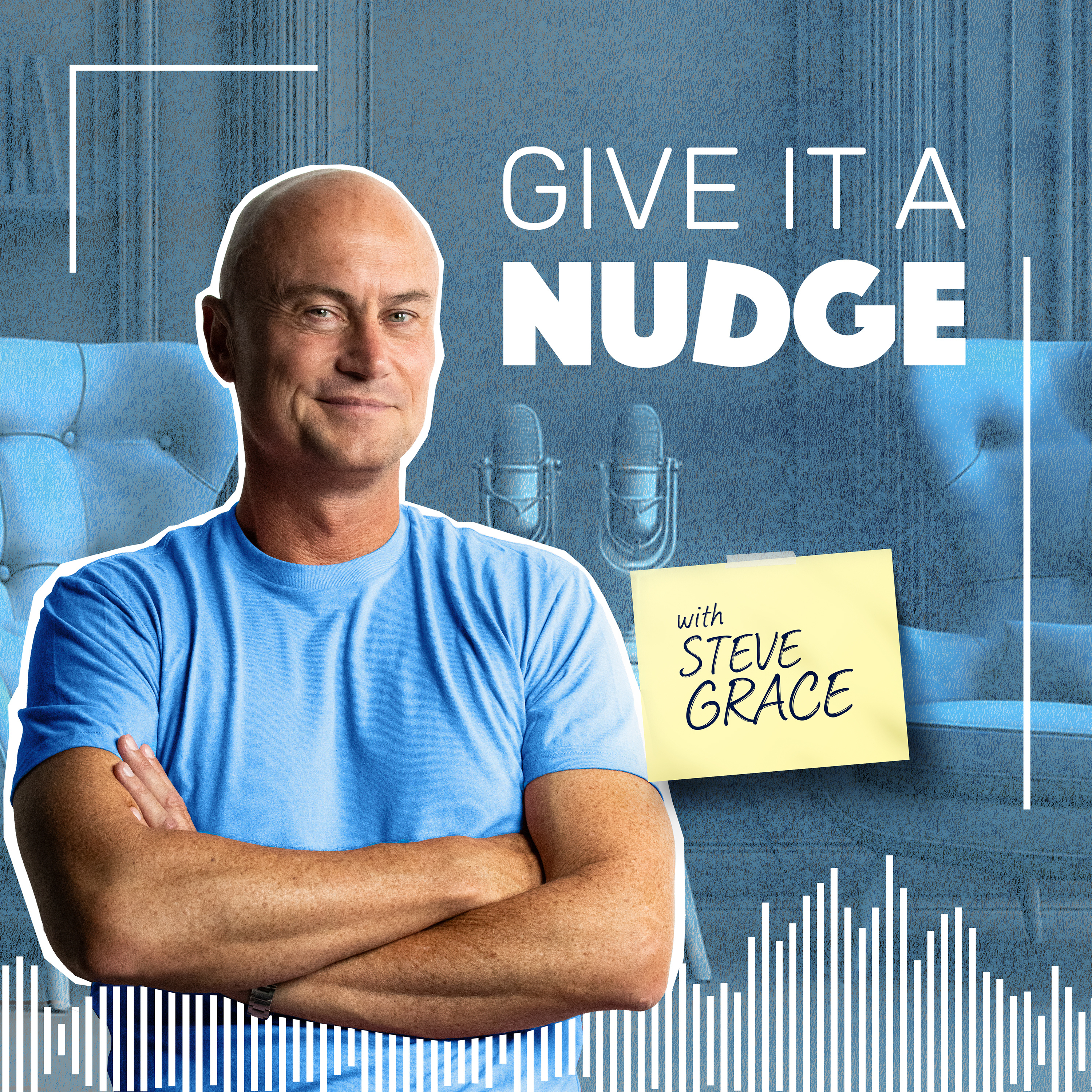 The Carbon Fiber Armor Built For Elite Special Forces61 / 100Leaving Deloitte to Build A Tech Startup66 / 100Fired Twice to Building a $7 Million Real Estate Empire56 / 100How Mary Technology Is Killing Fact Chaos In The Courtroom83 / 100
 Meet the Operator Who Helped Nexl Reach Escape Velocity75 / 100