Frankly Business Podcast · 2026-06-21 · 1h 53m
Key moments - from our scoring
Substance score
57 / 100
Five dimensions, 20 points each
Houston-based real estate developer Femi Rogers challenges Nigeria's pervasive 'japa' (migration) narrative, arguing that at 25 with current knowledge, he wouldn't leave - not because Nigeria is better, but because modern entrepreneurs don't need capital upfront to start businesses. The Western world, he argues, is a debt trap: mortgages, car loans, credit card debt, and 40-50% taxes mean most immigrants live paycheck-to-paycheck despite appearing wealthy on social media. Rogers contrasts this with Nigeria's informal economy and lower cost of living. However, he identifies a critical problem: Nigerians misuse credit when they access it abroad, buying houses and cars instead of investing in businesses, because they've never managed significant money before. He illustrates this through real examples - a man who inherited wealth and squandered it, young entrepreneurs seeking ₦10-20 million loans without executing smaller projects first. Rogers advocates for understanding how to leverage credit strategically (like his approach building five US houses with the capital one Nigerian house costs) rather than consume with it. He emphasizes that diaspora remittances (₦23 billion annually) vastly exceed foreign direct investment (₦900 million) because investors don't trust Nigeria's opaque systems, and addresses real estate ROI expectations - 30% cash-on-cash returns are standard; promises of 50-70% signal Ponzi schemes. The conversation covers credit culture, entrepreneurial mindset shifts, investment due diligence, and why transparency is essential to unlock diaspora capital.
He learned how to raise capital and build a business profile without needing money upfront, making geographic location less critical. Most Nigerians migrate for job security, but Rogers was always an entrepreneur and built confidence with investors through ideas and execution rather than capital.
Mortgages (often borrowing 97% of a house's value), car loans, credit card debt, property taxes, HOA fees, and income taxes of 40-50% mean foreigners are in constant debt cycles. A person posting photos of a $1 million house may owe $970,000 after a 3% down payment.
They spend it on consumption (cars, houses, clothes, funerals, weddings) rather than investment or business leverage, because they've never managed large sums before. Without understanding how to deploy credit strategically, it becomes a prison rather than a tool.
Real estate typically delivers 30% cash-on-cash return; anything promising 50-70% is a red flag, likely a Ponzi scheme. Legitimate operators may exceed 30% through leveraging (using other people's money or staged sales), but they can explain the mechanics - scammers can't.
They don't trust Nigeria's investment system because there is no clarity or transparency in business operations - everything is shrouded in secrecy, making it impossible to verify operator credentials or project legitimacy.
Our reviewer’s read on each dimension, with quotes from the episode.
The episode contains a genuine cluster of useful mechanics - leverage math, three-method property valuation, cap rates, title vs. approval distinction, deed of lease structure - but these are heavily diluted by extended moralising about work ethic, mindset, and motivational anecdotes that add nothing for a B2B operator. The insight-to-filler ratio is below average for a 113-minute runtime.
In Nigeria, if I was developing in Nigeria, I looking for one billion naira cash. To build one house in the US that's my one billion naira cash. We build five houses.
As of 2025, diasporans remitted almost about $23 billion. That's a lot of money. Foreign direct investment was only about 900 million.
The leverage comparison between Nigerian cash-on-cash development and US construction-loan-financed development is a genuinely clear and underused illustration, and the 99.999-year deed-of-lease structure is a specific local insight. However, the bulk of the episode recycles well-worn themes: diaspora misconceptions about the West, credit misuse, mindset over circumstance, and Nigeria's opportunity narrative.
My 1 billion naira cash will build five houses. Yeah. So let's assume that when I build one house in Nigeria, I make 30%. But because I took a loan in the US for 7, 8%… I built five. I now earn 50% based on leveraging.
The developer owns the land… what you can do is give the people you are selling to 99.999 short of one day. So when the deed goes back to the government on the hundredth day, it comes back to you first.
Femi Rogers is a genuine dual-market practitioner - he ran 100+ staff businesses in Nigeria, deliberately drove Uber in the US to learn the system, has executed construction deals in Houston, and has personally suffered a $850K+ title-chain failure. His experience is real and operational, not theoretical, though his scale appears small-to-mid and he does not disclose portfolio figures that would confirm institutional-level credibility.
When I left Nigeria, I had over 100 and something staffs in my various businesses. When I got abroad I told my wife that I want to drive Uber.
I brought in about 500k cash from Nigeria on that first deal. I bought the land. I spent another 350 to 400 to build the house. That's all I had.
The episode punches above average on concrete numbers: diaspora remittances ($23B) versus FDI ($900M), cap rates (10-12% on Lagos Island, 6-7% mainland), US construction loan ratios (20% equity/80% bank), government mortgage rate (9.7%), family health insurance ($2,500/month), and a named personal deal loss with dollar figures. The leverage math is attempted in real numbers even if muddled mid-explanation.
Your rent should be about 30 million because it's about 10 12% cap rate. So within 10 years you should be able to get your 300 million investment back.
In the US the best I put in a project is 80. The remaining 20. Uh, sorry, is 20. The remaining 80 I get from the bank. Construction loan.
The host shows flashes of genuine pushback - invoking the surgical anesthesia analogy to challenge reform optimism, citing GDP per capita to counter the minimum-wage argument, and pressing for a red-flag return threshold - but consistently lets the guest pivot into motivational speeches without reining him in. Multiple questions are bundled together, and the leverage math explanation is allowed to collapse without the host demanding clarification.
It's like you're performing a surgical operation on an individual. An individual can die out of pain… Not even what the operation is trying to treat. But the pain alone from the surgical operation can kill the individual.
However, if you look at the minimum wage in the US if you look at the GDP per capita in the US over $70,000 compared to that to Nigeria here, which is less than a thousand dollars.
Computed from the transcript - who did the talking, and the words that came up most.
Everybody wants to leave Nigeria. Japa. Escape. Start over abroad. But what if everything you believe about migration, wealth, and “the West as heaven” is wrong? In this episode of Frankly Business Podcast, serial entrepreneur and real estate developer Femi Rogers breaks down the uncomfortable truth about money, migration, and wealth creation across Nigeria and the United States. From building businesses across two continents to managing real estate investments in Houston and Lagos, Femi shares rare insights on why many people leave Nigeria expecting wealth… but struggle to build it abroad.
Transcribed and scored by The B2B Podcast Index.
Speaker A: In this same economy that you say that this is so bad, people are becoming billionaires on a daily basis doing legitimate work.
Speaker B: Everyone wants to leave Nigeria, Jaguar, start again and escape the system. But what happens when a man who built businesses in both Nigeria and America
Speaker A: says at 25, if I know what I know now, uh, I won't jagba.
Speaker B: In this explosive conversation, Houston based real estate developer Femi Rogers reveals the side of migration nobody talks about.
Speaker A: There's a lot of misconception by a lot of Nigerians about the Western world. They think the roads are, uh, paved with gold, things are easy. And that's wrong. I think a lot of people are realizing that now.
Speaker B: The taxes, the debt traps the illusion of luxury. And why many immigrants abroad are one paycheck away from pressure. But this isn't about jackpot. This is about money and wealth creation.
Speaker A: But it's not everybody that understands how to use credit. They are not used to Africa, especially Nigerians. They never got a loan all their life. When they see money, they use it on the wrong thing. If credit is used wrongly, it imprisons you.
Speaker B: Why many people stay broke after making millions, why Nigerians misuse credit, why diaspora investors, uh, don't trust the Nigerian system.
Speaker A: Diasporas have more money. We've not tapped it. The reason why they are not investing is because they don't trust. There is no clarity in the way you do business. Everything is shredded in secrecy.
Speaker B: And why transparency may m be the key to fixing the Nigerian economy.
Speaker A: As of 2025, diasporans remitted almost about $23 billion. That's a lot of money. Foreign direct investment was only about 900 million. So you can see the difference from
Speaker B: doing Uber in America after employing over 100 staff in Nigeria.
Speaker A: When I left Nigeria, I had over 100 and something staffs in my various businesses. When I got abroad, I told my wife that I want to drive Uber. She said, ah, no, you, you even have like four or five drivers. When you are in Nigeria, you know, how can you go and owe you, but you are too big for that. I'm not too big for anything.
Speaker B: To building multi million dollar real estate projects across two continents.
Speaker A: If I was developing in Nigeria, I looking for one billion naira cash.
Speaker B: Yeah.
Speaker A: To build one house in the US that's my one billion naira cash. We build five houses. Yeah.
Speaker B: This episode will change everything you think you know about wealth, migration and success. This is the Franklin Business Podcast. Femi Rogers, you're very much welcome.
Speaker A: Thank you, Frank.
Speaker B: To the Franklin Business Podcast.
Speaker A: I enjoy Your podcast, I've seen a lot. Oh, yeah.
Speaker B: Thank you, thank you, thank you. If you were 25 and you're in Nigeria, would you jackpot?
Speaker A: I wouldn't.
Speaker B: Why?
Speaker A: Right. So there's a lot of opportunity in Nigeria. Uh, and uh, you know, my own situation might be quite different.
Speaker B: Yeah.
Speaker A: You have to also understand that we all have different situation wherever we're doing.
Speaker B: Very true.
Speaker A: So at 25, if I know what I know now, um, I won't jack back.
Speaker B: What do you know now that is
Speaker A: making you say that over time I've been an entrepreneur and I started being an entrepreneur since when I was like 25. Actually. M. I've learned that to start a business, you don't put the money up front. Um, you don't need capital up front. Do you understand? There are so many other things you can do to start a business. You have to, you have to first of all build a profile. Okay. So based on that, if I was 25, I wouldn't need to Japan because I can raise capital out. I have the knowledge on how to do that. I can build confidence with investors. I have ideas of starting a business. However, it's not all Nigerians that are like that. A lot of Nigerians jackpot because they need jobs. I don't need that. I. I've always been an entrepreneur all my life. I never worked for anybody. Maybe when I, I did what I did Uber at some point and I also did interior decoration at some point just for a few months to learn about. It was purposefully to learn about some few things. It wasn't like I was trying to earn income from those things.
Speaker B: Yeah.
Speaker A: So based on that, I won't have jackpot. The way you are looking at it, I did move my operations to the US So I don't see it as a jackpot. What I did was an expansion of my business. Right. Because I wanted to go global. And so I've always been operating in Nigeria. I'm still operating in Nigeria and the US at the same time. So yes, I want. I won't jackpot away from Nigeria. Nigeria has a tremendous loss of opportunity and you need to be around, especially when you're in Nigeria. But I'm letting my m. Kids, I bring my kids every Christmas to build network among, um, their mates and understand Nigeria because they would need Nigeria in the future.
Speaker B: A lot of people will say, what happened to the American dream? Is it dying or is Nigeria arriving late? Because a lot of people here aspire to go there, aspire to go to the west, which is where we got the jackpot, um, ideology from. And it's something that has been from time immemorial. And some people will say, yes, talk. You're saying it. You wouldn't, but you did. Some people say, but you did. And you built businesses in real estate, you built investment company in the US and here in Nigeria, um, across the globe. How would you balance it? What would you tell Nigerians who are listening that these are the opportunities in Nigeria that they can tap into and they don't need to leave the shs of this country before, um, they become big in entrepreneurship.
Speaker A: There's a lot of misconception, please tell me by a lot of Nigerians about the western world. They think the roads are paved with gold, things are easy, you know, and that's wrong. I, I think a lot of people are realizing that now. Right. It's a tough place to live abroad. Right. There are some countries. For instance, I've not been in the UK, uh, United Kingdom, UK for like 20 something years. I just don't like, generally don't like Europe. You know, I go through Europe sometimes, go to maybe one or two countries, but uk, no expensive opportunities are low, the tax are high. Do you understand? When you look at someone staying abroad that lives in a big house, I, I've seen some celebrity that moved abroad post in um, their mansion, right. I just bought it. I saw one recently and people were, oh, she bought a big house. All she need Is to drop 3%. So if you are buying, let's say a million dollar house, yeah, you drop only 3%. 3% of a million dollar is maybe 30,000.
Speaker B: Yeah, this thousand dollars.
Speaker A: You owe $970,000 and you are sweating to pay the mortgage every, every day. That's why people abroad don't sleep. You owe money on your car, you owe money on your mortgage, on the house. You are paying tax, you are paying HOA, what we call, um, association of Big Money. 30 days is a very short time. Yeah, it's like, you know, before you know what, it's 30 days. And uh, you have to look for money to pay. Credit card depth. So many things going on. So when you see Nigerians or you see people post this lifestyle, the clothes they wear, everything they wear is depth. Busy in Yoruba.
Speaker B: Yeah, absolutely.
Speaker A: So they don't sleep. They have to walk all the time over and over and over again. Here in Nigeria, people are, you know, laid back. You know, they, they take their time. You know, the things I always remember, uh, you know, back in the days, you Know when, when we have nepa, sometimes you owe nepa. You can't owe anybody abroad. Uh, there's nothing like you are owing. They don't know you pay in your 30 days or they cut off your light, cut off your water inside cold. So you see people sweating. They go inside 0° just to get to work. They wake up 4am inside. If you understand what it means to wake up at 4am Inside freezer and um, be working on the street. To work.
Speaker B: Yeah.
Speaker A: And you are doing three jobs. That's not a life. So when people look at the western world because of what they see, they see all the, you know, things looking good. They don't understand what it takes to live there. And then at the end of the day, people like me that have businesses abroad, right, you do your business, you make money, they tax you 45, 40% to 50%. I had some investors, but people would, okay, I invested on a project with me, yeah. In the US and uh, when they were going to move, they tax them, they will tax them in the us they are moving their money to Canada. They also tax them like they weren't expecting all this tax. So yes, abroad is good because you can get, you will live it, you good, you live a good life, but you will not, you will work for, for it. And sometimes what you get is not worth the effort. And it's not everybody that can rise above. When I went to the U.S. because my own siblings grew up in the U.S. practically, okay, I was like the last of our family. So I stayed with my parents. So I already have, you know, I have people that understand the system. One of my, my brother, one of the first thing he told me is that in, in the US you have to first understand everything is like a system, right? You can use this, you can use the system to ride above, you can ride above the system to survive or allow the system to drown you. It's not a lot of people that get those kind of advice or have people that already know how the system works. Um, so they get there, the, the first thing they do is take their credit card, start making debts. And then all your life, what you are chasing is how to pay your next bill. That's what they call living from hand to mouth. Because what you are doing every day is you are looking for money to pay the next bill. That's not freedom, that's not life.
Speaker B: But that's an enabling environment. It's an environment that enables you to build. You have access to credit and that credit can be utilized for different things. Credit is like the lifeblood of entrepreneurship. And that's what we complain about in this part of the world, where an average Nigerian wants to start a business. He's thinking about capital, how to start. He's thinking about, I've got this idea. I've got the capacity, I know what to do, but I don't have what it takes to be able to do it, which is credit. And you're saying, uh, so I need that balance because credit is there. And when Nigerians go over there, um, I'm asking you two questions in one, I need that balance. 1. Secondly, I also need you to explain the concept of Nigerians going there, and the first thing they think about is working. How did you get that mental shift to run a business from day one
Speaker A: in the US Talking about credits? Yeah, Credit. Yes. You need credit. You need finance. You need finance.
Speaker B: Very true.
Speaker A: As a leverage, as an. As an entrepreneur. Entrepreneur, yeah. When you get. We call it leveraging, you know, so when you get the loan, you use it to leverage. But it's not everybody that understands how to use credit.
Speaker B: Okay, how do they use credit?
Speaker A: That's the problem.
Speaker B: Yeah.
Speaker A: Right. They don't know how to use credit. They are not used to having credit, especially Nigerians. They never got a loan all their life. So when they see money, they use it on the wrong thing. Right. So it is also a. If credit is used wrongly, it imprisons you. That's what happens to a lot of people. Right. They don't know how to use that. If you give money, somebody that has not seen, let's say, a billion naira and has never done business before, before in his life in Nigeria, Forget abroad.
Speaker B: Yeah.
Speaker A: You give him a billionaire, he will cause problem. Now, I bought a house. I have a particular instance.
Speaker B: Tell me.
Speaker A: My first house I bought in Abuja.
Speaker B: Yeah.
Speaker A: It was during the time when, uh, Obasanjo was, um, selling off some of those, um, government properties.
Speaker B: Oh, yeah, yeah. Privatization. Yeah.
Speaker A: The man I bought the house for was my landlord. I was using the house as a showroom. And after a while, he asked me if I wanted to buy it. I said, oh, yeah, I'll buy it. When I paid him the money, he went back to his village and married wife. He married a wife. In two years, he blew all the money, and he was calling me for change. In, like, five years, he died. It's not everybody. You give money. Somebody that has never controlled money before. All you are saying, give him credits. That's why I said from the beginning that look from What I've learned, I didn't learn it by, you know, waking up one day and somebody giving me money. I didn't have money when I started business. I learned how to make money without having money, creative way. That's how. When you give somebody that has already been there and knows how to handle money, then he can run with it. So talking about credit, credit, credit, you learn somebody in the u. S. The first thing, you give him free credit card money. Uh, there, uh, the guy goes to buy a big car, he goes to buy clothes, he's trying to look good. I know people that want to start business in Nigeria, the first thing they do is they go and rent a big house. They don't have the business idea, they don't know what they want to do. But they are renting a big house and he thinks he wants to do business. You know, there are people that they borrow money to go and do burial, borrow money to do 58 birthday, uh, you know, there's no way you are even going to argue them out. So you borrow money, you get credit, you are using it for burial. How do you get, how do you pay the loan? And it's not a lot of people that understands this. I've met people, I've tried to explain to some people, they don't even understand, they will argue. People sell their house to do burial. I've seen it. So that's an example of somebody that so desires to go and marry wife.
Speaker B: Yeah.
Speaker A: Wow.
Speaker B: Um, so this is really, really deep what you're saying. And it's becoming a habit, a bad financial habit. How do people, how, what you advise regarding credit? How do you advise potential entrepreneurs to use credit?
Speaker A: The first thing is, and the banks know this, the first when, when you want, when you walk into the bank and you want to, let's take Dangote for instance, just did a, a uh, project worth $20 billion.
Speaker B: Yeah.
Speaker A: A guy like that, there's no amount of, there's money you give him in Nigeria he can't make use of. You know, he has a lot of things going on.
Speaker B: Very true.
Speaker A: He can handle the money. So the first thing is you have to learn how to use money. You have to have the network, the structure to execute it. If there's a limit to how much you can give everybody, you can't just come. I, I, I have some Nigerians that contacted me one time and they were looking for investment in their project. Young guys, yeah, two of them, they got on a zoom call with me. They talked about their idea, they Want money. They are looking for 10, 20 million naira. And I asked them, have you ever seen this kind of money? Have you used one? Have you executed? What have you done? They have not. But the idea looks nice. There is something they call momentum. You start small and begin to build from 100,000 to 200,000 to 300,000 to 400,000. Then at that point I know, okay, right. You've used 500,000 to start something. So I can give you a loan of 400,000. Right. You don't come to ask for 10 million when all you have done all your life is 500,000. So the first thing, people just don't like hard work. They want free money. Somebody to come and give them money. Somebody that does not know anything but just have a beautiful idea in his head. And he thinks there is. I was talking with somebody recently.
Speaker B: Yeah.
Speaker A: And he was asking me that about investment. That, you know, when you give money to somebody and, you know, something goes wrong and, you know, there is a couple of real estate investors that have issues. And I was explaining to the person that because you give your money to an. To a operator or maybe like a real estate developer.
Speaker B: Yeah.
Speaker A: And there was issues does not necessarily mean the guy wants to dip you for. From day one. Right. There are so many things that influences a business. If you are talking to a seasoned investor, somebody that knows what he's doing, he understands that, for instance, I don't have control of economic shift. If, uh, you know, suddenly because of government policy or they are doing reform. And then the naira, we have already started the project. And then I don't control that. I don't control market cycle. I don't control so many things. So the person you gave money, Right. Anything can go wrong doing an investment. It doesn't necessarily mean he wants to dupe you. If you give the money to an experienced person, he understands where the market is. He understands what you're doing. Right now in the US what we're doing is we're building properties and holding it and renting them out because the market is a little bit slow. So we change strategy instead of selling to make capital gain, I mean, before we make 30, 40%, you know, capital gain.
Speaker B: Yeah.
Speaker A: On a house, when we build. But now market is slow, interest rates is high. So, yeah, we are buying less. So what are we doing? We are holding it. We build it, hold it, and, uh, rent it out for the next three or four years. Once the market is better again, boom, we start selling. We build equity in those houses. The Our, uh, tenants are paying our, uh, mortgage. You know that. So you need to understand where you are in the market and what strategy you are going to apply. So an experienced person, an experienced operator knows how to work. The first thing you want to know when you are giving money to somebody. And I've seen this, it happens all the time. You have people, they promise you big money. Bring it. I'll give you 50 return. 70 return. What Nigerians do is, oh, he's going to give me 50. And that's why they have all those issues, um, that, uh, what do you call it when, when, you know, a lot of them are, uh, folding up, they get their money and they run away.
Speaker B: Okay, okay.
Speaker A: But they promise them high returns. M. You go, somebody is promising 50, 70. Which business is it? Ponzi scheme. Yeah, 50, 70% return on investment. You should immediately, you should have a warning in your head. Now, Nigerians don't look at who they are giving money to. They are looking at the returns. What you should look at is, who am I giving the money? Does he have experience? Has it been in issues? Has he been doing this thing for a long time? How many has he done? That's the profile you want to look at before you give your money up. But unfortunately, a lot of people, when we talk with people, and I'm saying, invest with people. Me, and I'm saying, well, this is, this is how it's going to work. They think your money is. I know somebody that promised you. In fact, somebody just invested with me recently. And, uh, she came back again and reinvested with me. So when she was giving me the money, said, I, uh, want to introduce you to somebody. I said, uh, that person was supposed to have invested with, with me, with you, alongside me. The last investment that we did. Yeah, that you have given me return and you have paid me back. But he didn't invested. He gave the money to somebody else and they lost all their money. I said, what is helpful? He said, they gave them, they promised them high return, but mine was lower than theirs. And they went to give the money to the person. This is a problem a lot of people get into. You know, uh, they don't understand. The first thing is risk mitigation. You are giving your money to somebody that doesn't know anything, that you lose all the money. What's the point of losing all the money? Reduce what your expectation, look at the profile. And, uh, you know, people that know what they are doing know that you can't make that kind of ridiculous. What business are you doing that? You're making 70, 80%. Giving a return to investor. 70, 80, 50%. Except you are. I'm not even sure if.
Speaker B: So what. What return do you think is a safe place to play? Look, what return do you think is a red flag? Oh, a green flag.
Speaker A: The truth.
Speaker B: Yes, please.
Speaker A: Especially in real estate, both in Nigeria and abroad. Uh, cash on cash. And it's a little bit complicated. I can respect cash on cash. Return on investment is usually about 30%. So if I build a house in Nigeria.
Speaker B: Yeah.
Speaker A: As a developer, usually is about 30% return. So which means that if I put 1 billion, it's probably about 1 point. Um, sorry. If I put 7, uh, I don't know how to do the math. 70%. I'll get another 30, you know, ROI. If anybody starts off. So if. If I. The operator knows that I'm getting 30 cash return. Okay. And I'm promising you 50. There is something you need to understand. Why now. It's not impossible when you are leveraging. And I. I don't want to go into those details.
Speaker B: If you can, you can go into the details.
Speaker A: All right. So if it's a cash. That is what we call cash on, uh, cash return on investment. You give me one billion. That one billion is what I use for the old project, right. And then I get 30% return on it. That is cash on my 1 billion. But if I leverage on other resources or other people's money or bank's money.
Speaker B: Yeah.
Speaker A: My ROI can go up. Let me see how to explain that. So if I get. If, let's say I'm building a house now, it cost me 1 billion to build, and I need 1 billion. You. My investors say, oh, I mean, we'll give it to you at, uh, 20. Yeah, you give us 20 on our 1 billion.
Speaker B: Yeah.
Speaker A: Right. Then I got the. I got. I said, okay, don't give me a full 1 billion. Give me 500, 000. Let me start the structure, right. Then I sold it. So all I borrowed from you is 500.
Speaker B: Yeah.
Speaker A: Thousand. Not one billion, 500,000. I'm giving you the same 20. But what has happened now is my loan, my exposure to you. So on 1 billion, I would have given you 200, 000 or 500. Uh, I will give you only 100,000.
Speaker B: Yeah.
Speaker A: So I've reduced my loan by a hundred thousand. So all I'm paying you back as my debt.
Speaker B: 100 million. Yeah.
Speaker A: Then I begin to sell the houses. Uh, plan. So I have done a creative way of making money. There I didn't go and buy, borrow the full money. So I'm, I'm, um, you know, so that's leveraging. I've leveraged on my buyers, you know, resources, and then I use their money to complete the project. Right. There are other ways of leveraging. That's how you can reduce or increase your, you know, roi. So that's why I said you can make more than 30, you know, from an experienced person. He knows how to, you know, leverage. But on cash. On cash. When we are talking, most times you make about 30% on any business. Most businesses. So when I'm talking with you and you, uh, are giving me anything more than 30%, I'll ask you questions. If you are a smart investor and you tell me how to work around it, I know. Okay, all right. You have a way of working around it. I understand it.
Speaker B: So, uh, if you look at it, really, you, you play in, in Nigeria and in the U.S. um, I'm happy it's even in the U.S. not other part of the West. Uh, because Nigerian real estate industry looks like it's overpriced. There are conversations around, oh, we're going to experience a bubble very soon. Oh, it's, it's, it's way beyond the actual value. Everything we're just seeing is the perceived value. Uh, perceived value. Some Nigerians will say we've had a trend a lot of times where they will say they would rather invest in properties in the U.S. use $500,000 to buy a property in the U.S. it gives me, I have, I get more benefits than investing $500,000 in some properties here in Nigeria because the value of the property, the location and all whatnot, the benefits you get in the grand scheme of things, what you get in the US Is better. What do you have to say regarding that? Investing in real estate here or there.
Speaker A: Right. Nigeria has its opportunities. And I don't think the prices of properties in Nigeria is overpriced.
Speaker B: Why?
Speaker A: There are principles of valuing properties. The only problem is that the operators in Nigeria don't really understand what they are doing. Right. I see realtors. I was, I was going to buy land recently, and when I was, when I came in January, I spoke with them, they said, okay, land around lake is about 1.21. 1.2 million per square meter.
Speaker B: Yeah.
Speaker A: Now the guy is telling me, I know 1.7, 1.8. I'm asking him, how did you arrive at that price? He kind of smelled well. He said the seller feels like, well, he can get 1.8 which is what is driving the market. Somebody m wakes up and say oh, I think I can get this. So speculation, they are not using the principles of valuation. Okay. When you want to value anything, especially property.
Speaker B: Yeah.
Speaker A: There are three main principles you have to understand. One, your cost of construction plus the profits you want to make on top, which is usually about 30 can tell you what the value of the property is. Right. I buy the land, I uh, build it and I put my 30 developer 30% on top. I will tell you this property is this two. Rent or income, especially income generating property. There is something we call cap rates, capital rates usually on the island, maybe it's about 10, 12% on the mainland maybe about 6 or 7%. So that's like the rates of capital increase. I, I don't want to go into that. Look, you, you, you can, yeah, it's, it's a little bit complicated for you. So, so if I'm renting a house, let me explain like this. Your rents in Lekki in 10 years you should be able to buy your the money you used to build a house. So if you build a house for 1 billion in rent directly or if you. Let me say, okay, let me say you bought an apartment in Lekki for 300 or 350, which is what they are selling uh, right now averagely.
Speaker B: Yeah.
Speaker A: Your rent should be about 30 million because it's about 10 12% cap rate. So within 10 years that what that means basically is within 10 years you should be able to get your 300 million investment back. That's another way of valuing it. So if you tell me what's the price you bought a house, I can quickly do a quick math based on the income of what they are renting in that area. So this is what the value of. I can tell you what the rent should be or the value of the property should be. The last and the most common one which we use in Nigeria is comparison. Frank bought his house down the street 1 billion. So therefore I am want to sell my own for 1.1. Okay. So the real is going to say they sold that land for 1 billion. So it's OGA we are selling, that is two months ago, we are selling this one for 1.1. Yeah, that's how they come up with the price. But there is a problem.
Speaker B: Tell me about the problem.
Speaker A: They don't have the data. It is known that buyers never give you the real price. So if you tell me you are the buyer, you are the owner of the house, you will tell me you bought the house at 800, you will be telling me 1 billion. That's what buyers do. So if a realtor is quoting, Frank told me he bought it for 1 billion. He's usually 90% of buyers are lying. They didn't buy it at 1 billion. There is no clear data that says so now I said my, I put mine. I'm um, trying to sell it at 1.1 based on what Frank bought at 800. So we are not really working on real value.
Speaker B: So are you saying that the reason why they do that, why do they do that? Is it, is it because they are trying to increase the value of the
Speaker A: people of the area? Own more people don't like to undervalue so mentality of uh, somebody that owns something, if you, if you own something you put a lot of value on it. And uh, that's why even sellers wants to sell higher than the real value. So it's just a prince general principle that you know, people that wants to sell is thinking oh my thing is worth this. Meanwhile it's not really worth that. The seller, uh, the buyer is going to look at it from another perspective. The lender, if you go to bank, bank will look at it. That's when the bank will say oh no, no, no, no. This thing is actually 600 because everybody looks from a different perspective. But there is a general principle. If I know actually comparison is a good way of valuing the property. Right. These are much that is a matter of demand and supply.
Speaker B: Yeah.
Speaker A: So but there is no data to support what they are doing. They are buying banana for 4,5 billion because somebody said one was sold. There is no imperative data. This is one of the things they do in America. In America when you sell a property, you submit the price as a realtor and they know the price and they put it online, the actual price. You cannot inflate it. You cannot lie. So those data is there. They know how long it took you to sell it. They know how much you sold it. They use that data to value properties. We don't have that. There is no clarity in the way we do transaction in Nigeria, which is one of the biggest problem diasporans have. But then let us go there now. No, let's go there, please. Well, I mean that's different. I'm um, still trying to answer your question.
Speaker B: Yeah.
Speaker A: On whether properties are overvalued.
Speaker B: Yeah.
Speaker A: However, the reason why I said property as properties in Nigeria are not only especially Lagos. I know more about Lagos than any other place.
Speaker B: Yeah.
Speaker A: In Nigeria. I know about value Is that the value of anything is also based on how much people are ready to pay for it. Right. If you put it in the market for 100 billion and uh, you find somebody that wants to pay on that bill, that's the value at the end the of of the day according to the principles of demand and supply.
Speaker B: Irrespective of whitewashing, irrespective of money laundry,
Speaker A: somebody is ready to pay for it. That's your value. If as soon as you get somebody to pay for it, you have established a value. Right. The only problem I have is that we don't keep the data. It's not clear the government should provide is a structure and we have technology now where we know actually those, how much those properties are bought. And we can use that to say, okay, Frank is saying the truth, he bought it, that he sold it or uh, he bought it at 1 billion. Right. We're not depending on hearsey. Okay. So we should have those data so that we'll be able to value. And it's very important. The reason why it's important is this what you were talking about that people abroad are now looking at it. There might be a bubble or they don't really understand, understand the way the transaction is that yeah, once there is transparency then transparency is the currency that diasporans want. They want to do business and they want to know, you know here you want to check your title, you go to Alausa or wherever they say you will meet somebody at the entrance. They will say okay, let me go and check for you. It doesn't work like that abroad. I can go online and check who is the owner of that property. We need to put in place those transparency. That's when investor, diasporan investor money comes in. As of 2025, diasporans remitted almost about $23 billion. That's a lot of money. Foreign direct investment was only about 900 million. So you can see the difference. You know, the real investors are uh, bringing down that million. Diasporans are sending change to their family. $23 billion. Diasporans have money we've not tapped in. The reason why they are not investing is because they don't trust. There is no clarity in the way you do business. Everything is shredded in secrecy. Do you understand? There is no transparency and that's the currency that the diasporans want. They have the money to jumpstart this economy.
Speaker B: So you think that this economy can be jump started by diasporans.
Speaker A: The economy is already on the way to being jump start based on the reforms. You know, we don't have the volatility or the, you know, uh, inconsistency of the, uh, dollar to foreign exchange and so many other things are being put in place.
Speaker B: So you love the reforms. You love the reforms.
Speaker A: That's the only way to go. You don't have any option. I don't know why people are complaining. What is, what other choice do we have? Do you understand? You have. Nigeria was going to crash. We had to put the reform in place. How do you see, this is the problem I have with a lot of people. You want to make money. Meanwhile, you don't want to. You don't want to, um, what's that word? You don't want to invest. You don't want to put something in it, but you want the money to come. If you plant corn, it will take six months to grow. Now, uh, you put effort into tilting the ground, Abby. Now let's tilt the ground. Now, let's work. The people that made the reform said they made it so that, you know, to help our economy in the future. But only three years into reform, everybody is screaming, but we begin to see the changes. You understand institutions, you know, financial institutions are saying, this is the best way to go. People that don't understand finance, I don't understand anything. Are saying, no, you understand. Some people would say, when you plant corn, are, ah, you going to eat it immediately?
Speaker B: Not at all.
Speaker A: So you'll be hungry for a couple of months before the food is ready. Now, if you want to, if you get to your house and you say, uh, madam, go make food for me, will food be ready instantly?
Speaker B: But some people can die out of the hunger before the food becomes.
Speaker A: Very many people have died out of hunger.
Speaker B: Uh, that's the conversation on the street right now, people, the pain is unbearable. And I'm going to give you a classic scenario. It's like you're performing a surgical operation on an individual. An individual can die out of pain. That's why sometimes they administer anesthesia, uh, because when they are given, when it's given to the patient, it numbs the pain. Because that pain, if you don't have high pain threshold, that pain can take your life. Not even what the operation is trying to, um, treat what the doctors are trying to treat. But the pain alone from the surgical operation can kill the individual. And so Nigerians are going through this pain, and many of them are saying it's quite unbearable. So what do you think is the sucker that the government, in your own perspective, what do you think should be the circle to Nigerians first of all,
Speaker A: the way we see things are different.
Speaker B: Yeah.
Speaker A: People say things in separate ways and it all has to do with your mindset. Okay. Um, there's also a saying that says there is no gain without pain.
Speaker B: Yeah.
Speaker A: There's no pain without gain or something like that.
Speaker B: Yeah.
Speaker A: You want to gain, there must be some level of pain. All right. I've heard of people that went into clinic for surgery. The same surgery you're talking about.
Speaker B: Yeah.
Speaker A: And ah, the doctor is saying this guy is going to die. But he's determined to make it as a mindset somebody before I enter surgery going, don't die. The way we see things are different. Some people see that this is an opportunity for me to get in there and I have a network of friends. I know friends that I call when I want encouragement. When there is pandemic and everything is going on, I have one or two friends that I call. They are always positive. Ah, uh, this is an opportunity. We will get in there. Meanwhile you call some people, they are always crying. You that already think that you have problem, you are, you are not getting going anywhere in this same economy that you say that this is so bad. People are becoming billionaires on a daily basis doing legitimate work. Abby, you don't know them. You see them now. They make money. Right? We see them do their work and uh, they make money.
Speaker B: But those are handful of people. Just a handful. And the way a society should grow his communities.
Speaker A: Anywhere society is there anywhere in the world where you see everybody being wealthy. It's only a handful of people that understands the dynamics but life.
Speaker B: But we should have better living standard. Uh, middle class is shrinking. So would you say is a result the middle class shrinking is a result of. And the disparity between the wealthy and the poor is so wide. It's getting wider by the day. Do you think it's a result that's why the mindset being put in place.
Speaker A: Because previously prior, before now. Uh, yeah, right. If I want to make a lot of money, all I have to know is no. The CBN government people make money from corruption from those space. Those opportunities that were I think what they were purposely created. Right. Just go and just navigate your own yourself to go and know uh, NNPC people, they will give you allocation and you take that allocation, sell it outside or take it to Kotono and uh, make a lot of money without really bringing the, you know, proceed to bringing the product to Nigeria. You bring proceed to Nigeria. Those are opportunities. That's how people were building wealth. Those opportunities were derived Depriving Nigerians from mid. Mid. From there, this middle class from growing. And so if you remove those right, yeah, there's going to be a problem, there's going to be pain.
Speaker B: Yeah.
Speaker A: But it takes time for that, that thing to sieve back into the society. Now that there is a level playing ground. There is no. Somebody knows CBN chairman, so therefore he's making money. The other one knows an NPC chairman is making money. We all know we have to enter the market now and uh, do groundwork. That's where we are getting to. Then there are more people that don't know or they don't have to know CBN, MD or governor who begin to make money legitimately. Um, but it's, it takes time before that will happen. People also need to learn that they have to know how to work this out. So somebody that doesn't have experience in how to build wealth, not going to build wealth. The same thing we've been talking about since no matter how much you give him, he will lose the money. The money will still come back to people that knows how to get money.
Speaker B: How do you get money?
Speaker A: You first. We've spoken about. You need experience, you need to build.
Speaker B: I'm a fresh graduate out of Unilag. I'm in the m. I'm in the labor market. I want to be wealthy. What is your advice for such.
Speaker A: You know why Igbo people are in trading?
Speaker B: Tell me, please.
Speaker A: They're already in business from, um, 12, 10 years old. They're working with their master. They learn how to manage money before they own their shop. The apprentice, that apprenticeship.
Speaker B: Yeah, apprenticeship model.
Speaker A: Uh, so you want to make money, you want to start business, you want to start a big business, but you don't even understand the dynamics. There are certain principles that goes abroad that you have to understand to build wealth. That's why somebody that's built well before dropping in Afghanistan, you still make money because you understand that you put this and tools. You know, one of the biggest thing you need is credibility. The money. I can step to him and say, give me $100,000. You will look at me. I say, oh, God. Because he knows this guy will make the money. I've done in. I can see there are some people, they can't borrow 1000 naira. You can't give them 1000 naira because that, you know, he's going to go and smoke Igbo next door, take beer. So the money itself is not the problem, is the experience and the credibility that is most important. How do you build the experience, it takes time. It takes time and effort. It doesn't happen over there. You remember the guys I told you that they came to meet and I can't remember how much they were looking for, and I asked them, have you done anything before? No, they just got the idea there are people that can raise. That's why I said dangote. If Dangote wants to read a hundred billion dollars today based on what he has done before, it won't take him a second. In fact, look at the IPO or wherever he's doing that. Yeah, because he has the profile, he has the credibility, he has built. You know, everybody knows him for that.
Speaker B: Not everybody can be a dangote, number one. Number two, not everybody can have a rich uncle that gave him about 25,000 in the 90s. So, uh, I need us to talk based on real terms.
Speaker A: Very good with Bible code, but have you ever heard about the, the principle of the talent or the. What do you call it? Talent, where was saying that they gave somebody 10 talents, give somebody 20 talent, and he buried his 30 talent.
Speaker B: Yeah, right.
Speaker A: One they gave the guy. They gave 30 talent, went to go and m. Bury it. He went to go and save it. That's why, you know, he has some governors that saying when they give them money, all they want to do is save. And you save money. That's the 30 you saved. By the time you bring it out one year later, inflation, 24 is less than 30 is reduced by 24%. They gave the other guy, I can't remember what he did with his own. I, uh, think he maybe made some money with it. But the third guy multiplied it, right? Those are the kind of people you want to give money to. Went, he worked, he took the money, invested it and ah, worked it and brought it back. And Jesus said they collected money from the other people and gave it to him because he had the experience and he's built the profile and he has shown that he has the capacity and he can do it. Those are the people that will always get money. But to do that, you need to work it. You need to prove yourself. When you prove yourself. The three of us are in this, this room now. I keep on making money every day, right? And you, you are sleeping and you expect that when somebody comes with money, they will give it to you. No. Now the other guy thinks that when he gets money, he wants to go and save it on the ground and, um, bring the same money back and say, okay, this gave me money for four years. Take your money back. It doesn't work like that.
Speaker B: So you don't believe in the concept of saving?
Speaker A: No smart businessman puts money in the bank. The people, the bank that you put money in, what do you think they do with it? They invest it. Now they invest it, they make 30% and give you 5% or 10% back.
Speaker B: So I'm working 9 to 5. I barely have time. I entered Lagos traffic. I barely have time to run a business or start a side hustle. I'm making a lot of money. You're advising that I don't put it in the bank. Where do I put it? I, um, am 25 years old, fresh out of school. Maybe graduate internship, graduate trainee, making a lot of money. Where do I keep the money?
Speaker A: You have to look for people that have experience to work with with. You partner with them, you invest with them, they mentor you, you work with them. You have to start from that place. If you don't have the time, you have to look for operators that do those things. I have, I have people like that, that work with me. Diasporans that work in big firms abroad, they don't have the time and they invest in real estate with me. And uh, we talk about the deal, we talk about the next deal. Do you understand? And I explained how it works to them. They are learning. By the time they retire, they already have a couple of properties they are listing out and they're already in the business. Do you understand? So there's no way you'll be investing with somebody. You won't be asking questions. So they under, they are beginning to understand the dynamics of investment, right? There are other people that are saving money. When I was growing, I used to work for a man here in Nigeria. He was in Shell. He started working in Shell from the day from Youth Service. He never works anywhere else. He grew to the topmost level in Shell, right? Shell Petroleum or Shell.
Speaker B: Yeah.
Speaker A: He retired and the day he retired, he couldn't even book a flight. He called me and said, femi, uh, I never booked a flight for myself. All my life they used to book flights in the office. He does not know anything. A lot of people like that are the ones that when they retire with all their money, they go and give it to 419. They don't have any sense of how to invest money. There was a minister in this country that is, they swapped. I went to go and buy vessel.
Speaker B: Yeah.
Speaker A: So you need to get yourself amongst people that, that are doing this and look for experience, not return. Look for experience, not return, not the return.
Speaker B: So I Have a quick question and a lot of there are conversations around investing in properties, in investing in properties abroad. Uh, m. Oh, instead of spending a million dollars here in Nigeria, why don't you invest in Houston, Texas? Why didn't you invest here, buy this property here? What's your advice for somebody who wants to buy a property in Nigeria and, and is thinking, rather than buying this property here, why don't you buy, invest in the US And I get more benefits? What is your advice for such persons? One and secondly.
Speaker A: Okay, please, you know, for high net, we're talking about high net worth people. We're not talking about people that have, um. You know.
Speaker B: Very true.
Speaker A: It's most important 1m of us now to spread out your investment.
Speaker B: Yeah.
Speaker A: And that's, that's what we are doing. That's why we have projects here in Nigeria. We have projects because this is like playing chess.
Speaker B: Yeah.
Speaker A: On two chessboard. Right. If you win, you win on both sides. Right. And if something happens on one, you have leverage on the other side. Yeah. There is, there's something we call market circle. Right. Every market has a circle. There is time when the market is good and then it goes down. Yeah, son. And then it comes back again. The market cycle of Nigeria is different from that of the U.S. right. So when you invest on, um, in two different markets.
Speaker B: Yeah.
Speaker A: What you have done is you have spread out your risk. Right. And that's the advantage of spreading out. Apart from that, the world is becoming so global now that it's easy to invest anywhere. You know, a lot of savvy people are now trying to globalize their operation. They are getting second passports. They are able to move abroad and you know, go from one economy to the other. These are, uh, people that are smart and savvy. This is what they do now. Right on. You know, so these are very highly exposed people. And that's why people invest in 2, 3 markets at the same time. So that you can, you know, uh, leverage or balance your risk.
Speaker B: What's the advantage of investing in, in properties in the US While in Nigeria? What are the advantages leveraging?
Speaker A: So one of the things Nigeria does not have is you don't get bank loan. You, uh, know, remember I was trying to describe leverage. Every time you leverage, you multiply your roi. What we do in Nigeria is cash on cash return. Right. I build my house with every money that I have. I as a developer in the U.S. the best I put in a project is 80. The remaining 20. Uh, sorry, is 20. The remaining 80 I get from the bank Construction loan. Right. So if I need to build a house of 1 billion, at what rate? On the average rate of 6%, you know, 7%, 8%. Depends. So if I want to be the. I want to build a project of 1 billion naira. Right. All I have to need is 200 000, 200 million naira and um, I borrow 80 million from the bank at a reasonable interest rate. That is why, you know, investing in a country when you leverage like that. So let me give you an example. Example of why I call it leverage. Please do now. So in Nigeria, if I was developing in Nigeria, I'll be looking for 1 billion naira, uh, cash.
Speaker B: Yeah.
Speaker A: To build one house in the U.S. that's my 1 billion naira cash will build five houses. Yeah. So let's assume that when I build one house in Nigeria, I make 30%. But because I took a loan in the U.S. for 7, 8%, let's even call it 10%. Right. And I built five of it. 10 in five places. I now earn 50% based on leveraging because I built five houses while my M. Nigerian counterpart is building one. I'm uh, making 30%. I am building five and I'm making 50%. That's called leveraging. So I'm multiplying faster. That's what you know, investing abroad gives you. However, Nigeria has a very high return because there is homes, uh, there is, you know, deficits for homes.
Speaker B: Housing deficit is really high.
Speaker A: Housing deficit is high. We don't have enough. And that's why when we're talking about the value of property. Yes. Let's talk about Lake Ikui and um, the island or Lagos state. Look at the amount of people trooping into Lagos. And uh, look at the properties that the last time I did a Check which was AB 20 years ago, only about 15% of Nigeria. I don't have the. As of today, about 20 years ago I did a check only about 15% or 18% of Nigerian owners a home own like is their own.
Speaker B: That was. That's 20 years ago when you did.
Speaker A: Yes. It would probably be less now own the remaining people. Right. Maybe another. I think maybe about 30% were living inside houses. Living inside the home. The many people are living on that bridge. They are not living. It's either your migad, your cook, they are squatting or living on that beach. Only about 30, actually that 30, maybe 15 owns another 15 rents. The people that own that owns in Lagos are the same people that owns in Abuja. They are the one buying all over because they are the only people that can afford it. Every other person is just renting or squatting or living under the bridge or living your migad, you tell him to stay there. At the middle of the night you invite 10 other mega to sleep with him. You are, you are actually hosting 11 people in your security house.
Speaker B: Yeah.
Speaker A: That's how it works in Nigeria. There's so many people squatting, so there's housing deficit. There's so many people that needs a house. That's why the opportunity is here. And uh, the return is high and almost guaranteed. However Nigerians, a lot of Nigerians don't have purchasing power but still the opportunity is here.
Speaker B: Credit is a very big issue. Um, especially in real estate. You've said it that around the world there's no place where you, most places you, you don't have to pay 100% to get a property. 20%. You're able to 3, 5% even 3, 5% mortgage. And I know that we don't have that over here. How do you think if you were to be in the position of power and you were in charge of housing, what would you do to revamp our mortgage system?
Speaker A: I think the government's already working. They already have um, a product where they have about, I think about 1 trillion and they're doing it about 9.7%. Um, interest rates.
Speaker B: Yeah.
Speaker A: For starters.
Speaker B: Yeah.
Speaker A: I even thought the interest rate would be higher than that because you know it takes time before you see Nigeria is already putting the policies in place. But they are where America was in 1950. At some point. America's interest rate too was like 15. But we need to work more on it. Real estate has the ability to jump start the economy because he employs a lot of people. Bricklayer, uh, carpenter, painter. You know how many people you employ in a construction site.
Speaker B: Yeah.
Speaker A: So he has the ability. The government should provide not just mortgage. And I think they are working on it. Right. They should also provide construction loan for developers. So as uh, developers are building, buyers are buying because they have been empowered with mortgage, uh, facility.
Speaker B: Oh yeah.
Speaker A: So then there is more, there is more turnaround. The market will jump start. People are being employed in the construction industry. Buildings are going and then that's, that's the way forward. And everybody knows it. I, I believe everybody knows it. If you put me in charge today day we definitely have to start providing funding for the real estate industry. It's very, very important. They want people to be employed. That's where you employ people, especially the low skilled people. Carpenters, painters, all these People, you know, they get busy. Empower, uh, people to buy homes, give them the loan.
Speaker B: Is, is real estate still, uh, the pathway to wealth creation? Real estate there always is. Oh. If you don't have real estate, if you're not in real estate in some way, you're not fortifying your wealth, you're not wealthy. Do you still believe that in this digital era?
Speaker A: Remember the reason why real estate.
Speaker B: Yes please.
Speaker A: Remains the best investment meant, um, sector is because it holds its value. There are so many reasons. One, when you invest in real estate, let's take tech or let's take um, Bitcoin. When we're making money on bitcoin, all
Speaker B: those, they're still making money fictitious.
Speaker A: It's losing its values.
Speaker B: Oh, okay. Yeah, yeah. The MIC market is in cycles.
Speaker A: Yes. I'm not saying you can't make money on those things, but you remember when I said about risk?
Speaker B: Yeah, true.
Speaker A: The first thing you want to think about is your risk in real estate. When somebody, when you give money, somebody money to build a house, you will see the house physically, you can go there and touch it.
Speaker B: Very true.
Speaker A: Okay. But if you build, if you give me to build a tech, um, app or anything, or you borrow all those things people invest in, they are not physical. So one of the things about real estate, good thing about it is that you can feel it. It's physical. It holds its value over time. Real estate always appreciate because they are not making more land. They don't make land anymore. So the more they build, the more less land. And then demand rises. Right. It saves tax. You can get income from real estate when you rent it, uh, out. There are so many reasons why real estate hold wealth. The wealthiest people in this world, no matter what they do, they still put some money in real estate because that's where you can save money. The greatest thing about real estate is this. It's not easy to sell. You don't wake up. I can sell my shares in 24 hours if I have shares in Dangote.
Speaker B: Yeah.
Speaker A: Already people trying to but try to sell a property, you will find realtor. The realtor will look for market. They will list it. They will never. It takes a long time. Then you say go and bring 500 million. The person will say, okay, I will pay within two months. Uh, it takes a long time to sell.
Speaker B: What's the average time now? What's the average time? Your experience? It depends on Nigerian market. How long does it take to sell an average property in Nigeria?
Speaker A: Uh, there's no data, so I can't in the U.S. okay.
Speaker B: With your experience, how long do you think?
Speaker A: I think maybe between 30 to 90 days.
Speaker B: 30 to 90 days in the U.S. puts a deposit. Uh, okay.
Speaker A: In the, in the U.S. it's, it's. It depends on the market cycle. There are times when, um, during pandemic, people were buying houses in two weeks, three weeks because the interest rates were down. Everybody was applying at the market. The, the houses was moving fast. Now interest rates is high. Less people want to buy because they're scared of interest rate. Um, so it, it all depends on market cycle and so many other factors. Right? Real estate is. So most times when you have a real estate invested in real estate and uh, maybe you run into financial issues, uh, and you are trying to sell your house. Most times, most people already got the phone that they say, I'm not selling anymore. That's why real estate is good, because it's not easy to sell. M. Most times by the time you want to sell it, oh, I got the money back. I don't need to sell anymore. That's one of the reasons it holds down wealth. My m. Mom M Used to tell me, put your money in real estate because in Yoruba woman, it holds down your wealth. You don't have. When you are building a house, you don't have cash flow. You looking for money everywhere to put into projects. So the money you are supposed to use to drink NSC and moe, you'll be putting in the project. So it holds down money. There's a lot of reasons why people that invest in real estate are wealthy. So that's a very simple ways to. For you to just logically see why people.
Speaker B: People say for you to be able to make it in real estate, you need to have political connections. How true is that?
Speaker A: It depends on the scale of real estate we're talking about. You know, um, you know, if you're trying to build large scale, you might have the attention of the, the authorities because you need certain approvals and uh, you have a large investment. It's not everybody. And that's, that's very. It's not, we're not talking so commercial large scale. If you simple people that invest, you know, they don't need to know the governor. Right? But when you want to do a very big project and you know, so many things are involved, you might want to step to the authority. Yes, but. So I don't think you need political. Well, you see, in Nigeria, right, people have to pull string for a lot of things. Okay. And I do understand that, right? The system. And this is one of the problems that we're talking about. Diasporans are looking and they don't understand because it's not everybody that knows. Governor, is there anybody that knows them in the Ministry of Works or uh, you know, in Town Planning? These are the things that the country has to rectify if they really are serious about investors bringing money. Well, I don't want to go and beg somebody in Alausa, give me permits. I don't want to. Why would I do that? I put my money down, then I'm begging them and I'm bribing them and doing all that. It's not, it's not the way forward. Serious investors don't want to do that. That's why they take their money out where you don't have to do all that. Recently I was telling the fellow developer of mine in Lagos and uh, they've just introduced something right where they have inspectors in Lagos come to inspect your property, your, your construction at uh, different levels, right? To see that you follow approved plan. It's a good thing. But the government needs to look into it because what is happening now is that when you send those people, they take bribe and approve whatever you have done abroad, it is done. They learn that from abroad. You know, we do that in the US But U S put extra um, layer. Layer for you not to be able to do that. For instance, inspectors in the U.S. you don't know the inspector that is coming today. It is in the morning, 8am that they will pick the inspector and they tell the inspector, this is your site, this is your site. So he can't contact me. And I don't even know who is coming. But I guess, but when it comes,
Speaker B: I can give him money. I don't need to.
Speaker A: He doesn't know who you are. Because they also plant people in places to make sure that if that happens they can. So you know what you did that. And they also have other ways of knowing. You know, like the next inspector that comes can see your own floor and say ah, this uh, thing was done wrongly and notice, you understand. So you need to be extremely careful. Also the cars that they use are being tagged. There are so many things that they put in place. But I guess Nigeria will get there. But we're a little bit slow about that. But these are the things that we need to put in place to show transparency in our transaction. Uh, I don't want to know any politician really. I really don't want to. That's one of the problems where, why we reduce the amount of investment that we are doing in Nigeria. Because now I have to go and push. I want to go and know who someone who is or I want to go and know who somebody is. Um, I'm going to beg them and say please, I want to, you know, I want to invest. I have a property I bought in one of the states 16 years ago. I'm still begging for covo. I'm still sending people and I've been paying and um, paying. They are not. The governor have not signed the CEO. That's ridiculous. CEO's full within 20. If I buy a property in the U.S. if I buy a land in the U.S. now, my deed will give will be sent to me by email within three or four hours after closing. It will be registered it, you know, they have to take it to court to you know, be, um. What's that word? 24 hours. 24 hours.
Speaker B: So you think that all of this is. Why do you think this is happening in Nigeria?
Speaker A: Because they don't want transparency. There is technology. These things, ah, are very easy. Very, very easy. Look, let me tell you an example. The first time I got driver's license in the U.S. i went, I did my driver's test. The guy came, I said, okay, you passed. He said, go there and take photo. I was thinking I was going to take the photo like we do in Nigeria. Then you go three months. So I sat down, they took my photograph. I had and the guy just gave me m. My driver's license. I didn't have to go anywhere. As they took the photo, the driver's license came out. There is no security anything they put in Nigerian driver's license that is better than that of the US So why do you have to go and come back to get a driver's license? I didn't want to go and get my driver's license. Yeah, they gave me temporary rubbish. They can print it out instantly. Passports. We get it from post office. You don't have to. All these things are uh, very easy to do. It's uh, Is the government or the people ready to do it? They are not. They don't have the will. They make money. Somebody is making money off all the bad system. Someone is making money somewhere. I went to go and get driver's license here just last week. They gave me a temporary driver. They can print it down. Then I took it to one room. I paid them change to help me to laminate the paper. I'm like, what do you think, um,
Speaker B: is the smartest economic move that a young Nigerian can make. Yes. Right now in 2026, uh, to improve their living standard. What is the smartest economic move they can make? Things are really tough.
Speaker A: Things are tough everywhere. Yeah. Tough in the U.S. seriously tough in the U.S. yeah. Do you know how much it takes to buy a nylon bag of groceries? A bag of groceries? Groceries, Bread, butter and all those things. I will go into supermarket and buy it. $80. Just one small bag.
Speaker B: However, if you look at the minimum wage in the US if you look at the GDP per capita in the US over $70,000.
Speaker A: What's the minimum wage in the US
Speaker B: minimum wage in the US look at, look at GDP per capita over $70,000 compared to that to Nigeria here, which is less than a thousand dollars.
Speaker A: First of all, this argument has been. I've read this argument online and it's very difficult to explain to Nigerians that please do. Stayed abroad.
Speaker B: Please do.
Speaker A: They won't understand and they will keep on arguing.
Speaker B: Please do.
Speaker A: An average rent, a bad house in the US is about 1500. $1500 to $1800. Not a very good house per month. Minimum wage I think is about $12 an hour which will amount to about 3,000 something. Right. That month already you have paid 1,007 to 1,008 out of your 3,000. Meanwhile they are going to tax you. Tax is about between 20 or something. For minimum wage they tax everybody.
Speaker B: Okay.
Speaker A: Yeah. Even when you go buy groceries as you are buying your bread, they are removing tax. Now you will see they remove tax everywhere you go the tax. Right. So are left with 15. You buy AC and uh, you pay for electric, city electricity, house.
Speaker B: Yeah.
Speaker A: Ah, you maybe 100 sometime in summer, 200, $300 where it's very hot in Texas you pay for water. They don't owe this. All these things you don't owe before you know what that your 3000 is gone. As you are, as you are living your. As they are giving you the money you are just using like this or they are removing it from your bank. Boom boom boom boom boom. When you first speak is gone. You don't have anything again to live on. You are just empty hand. You saved remaining to buy groceries in the house for your people to chop. They live from hand to mouth, right. Then there's nobody helps anybody in abroad. Uh, nobody is going to borrow you $15. If you call you, if you get there, you call your friend to today I said give you $50. He will pick your money because he himself doesn't have $50. He's living from Hand to mouth. He won't pick your court the next day. The way we have lose money here, we have loose money.
Speaker B: Really?
Speaker A: Oh, yes.
Speaker B: Tell me more about it.
Speaker A: There is too many people in Nigeria that work. That don't work and earn money. Whichever way it happens. They are not working, but they have money. I don't know. It doesn't happen like that abroad. Nobody does. They will do. Where will you see it?
Speaker B: Unemployment benefits.
Speaker A: There are people who.
Speaker B: They get it abroad.
Speaker A: You are employed before you got unemployed.
Speaker B: Yes.
Speaker A: And you know, you know the funny thing about how people are fired abroad?
Speaker B: No.
Speaker A: You're here. They give you 30 days now notice. There is nothing like that too. This, we call it, um. You can terminate by will. By will. Your employer can say as you are entering in this morning, say you are fired. No need to give you 30 days notice. You can lose your employment in the twinkle of an eye. That's your three key.
Speaker B: You can also lose your employment before coming to the office here in Nigeria.
Speaker A: They will give you time and you'll be doing. Sorry, sir. Sorry, sir. It's okay. Good. Don't try it again. Nigerians like shouting. I was at the airport the other day. If you did that, I will arrest you. Just making noise. It will just. They will just tell you you are fired. It doesn't even if you are trying to double it, you would think maybe you are trying to remove the gun in his leg. You know, you don't apologize for making a mistake. They fire you instantly as will. So even your three key. And that's why you get employment. That's why they put in place employment benefit. Okay. People are fired for like two, three months unemployment benefit. Uh, they pay, you know, and you know, it's not that unemployment benefit is not. It's not for you. It's a contribution that they were removing from. So all these things are not free. Stop looking at it as though they're giving unemployment benefit. Do you know how much it costs to pay for your health on a monthly basis? Me and my family, I spend about 1,000, about 2,500 on health insurance. M4 of us ridiculously high. I've gone to remove my teeth, but before I paid 2,300. I didn't even m. The te that I've had since I was a teenager in Nigeria. Nothing do my seat. I was using my teeth. I went there and they said, oh, yeah, there's something wrong with your teeth. Uh, I said, okay, how much is it going to cost you? Oh, don't worry, don't Worry it's not going to cost you much. Maybe three or four hundred dollars. Okay. I went under the light. They did. I don't know what they were doing there. Before I know what I finished they said uh, well you know, they didn't know it was going to be that much. They sent me a bill of 2500. Since that day I come here to Nigeria. I removed dentists for my ridiculous everything Is they short of saying too much calm abroad. M. It's terrible. Sometimes you want to cry. Expensive petrol. Gas. The gas that we are making noise. Right? Gas. The price of petrol is based on plots international rates.
Speaker B: Yeah, true.
Speaker A: Um, you have to calculate it based on that. I know, I know that a lot of Nigerians are not earning and if we are going to be sentimental and we put empathy, you know the government has to do something about all this. Right? But the reality is that a lot of Nigerians too are not working and they don't want to work. If you ask them why don't you have a job? They will tell you I don't want to. I did when I left Nigeria. Ah. I had over a hundred and something staffs in my various businesses. When I got abroad I told my wife I don't even know one street to the other that I want to drive Uber. She said ah, no, you, you even have like four or five drivers when you were in Nigeria, you know, how can you go and owe you drive Uber? I said yeah, but I need to. If I don't, okay, you want me to just be driving around. If I drive Uber I will make money while I'm driving around. But you are too big for that. I'm not too big for anything. There are so many Nigerians. They don't have anything. They will get there. They can't drive Uber. They will tell you they don't want to work here too. Is the same problem. People just don't want to work but they want big money. That's the problem. There is no. You can't tell me there is no work. There's too much work. It's just are you ready to do the same work? I. When people say there is no work is ridiculous. How can you say there is no work in this kind of environment? There is too much work now. But they are not. We are not ready to do the work. People always complain. I personally don't like to hear complaints. It just gets on mind. Look, if if get there and do something, stop complaining. The time you are using to complain is a waste of time. Stop complaining. About everything. There are things you can control and things you can't control. I can't control the president and I can't control the government. Right?
Speaker B: Yeah.
Speaker A: So let me face what is on ground and do whatever I have to do. Some people are saying, oh, I have a friend that is always going to say, oh yeah, it's because you have opportunity. You create the opportunity. Why you are there complaining? Me, I'm already moving. You are there complaining about how bad the economy is. Me, I'm already finding out to solve my problem. There is opportunity. People just don't want to do it. I had a friend.
Speaker B: Yes, please.
Speaker A: I want to tell you that story and I hope you know where. If he listens to this. When I was in Abuja, I had a business in Abuja before I left. And when we moved to Abuja in 2000, when Obasanjo became president, you know, a couple of us went to Abuja to establish businesses and do business. So I had my friends who went there. I had a business already. I already an entrepreneur. So I went with some of my staffs who were there. I established a business and I'm a hard working person. So from morning I would have gone to work. By evening I'll go and pick up my friend in his house. Hey, let's go and have some drinks and relax. The house he was staying, which is his uncle's house, there was only the one young man. I used to sit there. We just say, hi, pick up my friend, we'll go, I'll drop him back maybe late at night one day. That young man that I always see in the house. Yeah. I found that established one of the biggest telecoms company in Nigeria. He and his colleagues, we're talking in those days, we're like under 30, in our uh, 20s. They started. I don't want to name the company. They started one of the biggest telecoms
Speaker B: company, part of the three major ones. No, okay.
Speaker A: No. They were doing. They were laying cables.
Speaker B: Oh, okay, okay.
Speaker A: I don't want to name their company.
Speaker B: Yeah.
Speaker A: Meanwhile, my guy was staying in the same house with him and didn't know. He never asked him. Okay. Do you know the funny thing was. So what they asked him. Ah, your head. Correct. Like this. This guy was setting up a company and you didn't know. He said. I knew now that uh, that he used to go to meetings with his friends, they were young and that uh, he would want to borrow that guy. That guy had a car. You want to borrow his car? So he will go and drop him at the place where they are having the meeting.
Speaker B: I take the car.
Speaker A: Meanwhile, the boys were establishing a billion dollar business. And uh, you never knew. This is what is happening with a lot of Nigerian youths under their nose. Things are going on, but they are sitting down there complaining. If you tell them, take this, follow me as I'm pitching my own YouTube pitch, they will say no, they don't want to do that. It's too much hard work. I beg. They don't want to do those kind of businesses. That's why.
Speaker B: You know the CEO of Money Points, was he. I don't know. You must have seen the.
Speaker A: Yes, absolutely right.
Speaker B: You believe in that.
Speaker A: I know what you want to see. Nigerians are on jerseys. Were unemployment. He's absolutely right. Have you tried to employ a few Nigerians? They don't even have. A lot of people don't even have good work ethic.
Speaker B: What, what are the good work ethics you look for when employing Nigerians or when employing people in general?
Speaker A: Let me give you an instance.
Speaker B: Black don't crack. Remember that.
Speaker A: Let me give you. Let me just give you one instance.
Speaker B: Okay? Please.
Speaker A: Do you know what time I got here? Spot on. For the time you told me to come.
Speaker B: Yeah.
Speaker A: Half of your staff in Nigeria, they come late. And of course it affects your business. Your staff come leads. You won't start work early, right?
Speaker B: True.
Speaker A: I didn't understand. You will tell them, they will tell you a guy there was traffic you that knows that there is traffic in Lagos, right? You want to resume on the island at 8:00'. Clock. And uh, you are still leaving your home, wherever you are staying at 7. What do you have to do? There's a way to rectify now. Move your own. Move your time to five. See, let me tell you something. This morning. This morning.
Speaker B: Yeah.
Speaker A: I've done 16,000 steps before 9. Before I got here at 9amm. I've worked out. I didn't just work out alone. I've done 16,000 steps. Right? I've had meetings before 9am I know guys that they will wake up at 5am M. Entrepreneurs in this Nigeria, they will do all their workouts. They will be in Abuja in a meeting in Abuja. They woke up in Lagos by 9:30 in the morning because they are on the first flight, 7am but even before they go to that place, they have already woke up. And I used to do that. 4:00am um, do my workout and everything. I'm at the airport. 7:00am I'm in Abuja for my meeting. 9:30. I mean, uh, uh, guading power or whatever you know, say for my meeting. Meanwhile, I get guys in Lagos. They wake up at 11:12. I am already looking for my next flight to bring me back to Lagos. And I've done even within that time. I'm doing business, I'm doing meetings with other people. I've already accomplished so much. How wouldn't I be wealthier than that person? You are waking up at 11:12. Your mates has worked out, is better fit, he's better shaped. He has gone, he has done meetings, he's in a meeting in Abuja at night. You are still snoring. And, uh, you are waking up at 11. When you wake up at 11, first before going to the kitchen and look for yesterday's EBA, when you eat it, finish, you stuff yourself with calories. When you finish eating the eba, then you are looking for, okay, which place we go hang out now I beg. I bet maybe m. We meet for joints. You go and stuff yourself with aqua and, uh, you want to. And you are dreaming of big deals. Am I lying? You don't know people like that. A lot of people like that. There's a lot of people like that. They don't want to work. They want big money.
Speaker B: Okay, so real estate in Nigeria, real estate in the US I'm just going to ask you a few fireside questions. Real estate in Nigeria, in the US which market are you going for and why?
Speaker A: Both markets have their, uh. I want everything, okay. Benefits, leverage. Leverage in the U.S. uh, leverage. Okay. M. Stability.
Speaker B: Stability.
Speaker A: Right. Nigeria, uh, benefits in Nigeria, margins, higher margins, uh, creativity in, um, um, uh, structuring deals. Okay. I like the energy of, you know, of the people here. And, um, there's a lot of opportunities. You know, there is less people, there's less competition, there's a lot of competition abroad, you know, so that's. So I want to play in both markets and I want to be able to, you know, move over the borders.
Speaker B: Lagos or Houston.
Speaker A: It's. It's the same thing as I, uh,
Speaker B: I just said Airbnb or long term,
Speaker A: they both have their. You. You want to mix it. You want to mix it.
Speaker B: So you want to mix it. Okay? M. But people say cash flow.
Speaker A: Airbnb gives you, uh, capital gain.
Speaker B: Okay?
Speaker A: And, uh, you. So. So I always tell people when they talk about what kind of investment do you want to invest in? Let me give you an instance. Yeah, it depends on who we are talking with. There are people both in Nigeria and here, right? They have a lot of money. They don't know where to put their money. They don't need monthly money. They have big money coming in. Maybe they have a business that gives them a lot of monthly money so they have cash flow. Yeah, they are looking for capital gain. They, they want to, oh, let's build that project together so that we can make 30, 40% return at the end of the month. Of the month. Those ones are looking for capital gain. There are some people, people that they are in retirement. They are looking for a business where. Okay, a rent, where monthly rent, you'll be giving them cash flow. So it depends on who you are talking with. Everybody has their own perspective. They have their own place in the market. But if you are a stable person, you want to have both, you want to be playing on both and that gives you stability. Also you want to play on both borders.
Speaker B: M Competence or networking?
Speaker A: M Networking is very important. Networking is your net worth. You know, it's the people that you know, you know, um, that decides your
Speaker B: capacity, not your competence.
Speaker A: You can build competence easily. In fact, with a good network, you can have competence.
Speaker B: Wow.
Speaker A: You know, so network is very important, um, what you will get easily because of your network. And I struggle for it for a long time. It bridges, it's, it's. We are talking about loans and all that opportunity. Yeah, true, true, true, true. Yes. Network. Network for everything you see. And it also depends on where you are, what parts, what, where you are in your level. When I started business, yeah, I started small so I needed to be with my staff when they were doing. I had a furniture company, I had an importation company. I was in oil and gas and I was there. I used to go to um, Apapa where they were loading, um, my petrol tank. I've been in construction side. I had a project in B. I was stepped under the staircase in those days just to make sure me and my wife, my staffs were delivered. There's nothing I've not done you. I had furniture and all that. At that point I had to be an operator. I had to be there. Now I have structure. I have people that takes care of everything. I don't have to be the guy that is going to be, you know, following them around.
Speaker B: Yeah.
Speaker A: What I want to do is network. I want to market, I want to people see me. I want to be the chief marketing officer, the face to my organization where I was before. What took me to that level is not what is going to take me above, uh, that level. And I recognize that. So I'm not. I know an operator. We have the structure that will take care of that. The next thing now is you know, we, we need to network, we need to market.
Speaker B: So what you're inferring is that at ah, the start of one's journey, you need to build competence, build experience, you
Speaker A: need to build all that. You see, I don't have to be at uh, any sites, I don't have to be anywhere there. All those things I've done on the phone, I can I still describe to people abroad. Uh, if I'm here, they call me two three a.m. um, they wake up. Now that they have an idea, I will tell them what to do, describe what's the problem. This, this I know it, I've been there, I've done it, I've been involved. So I have the experience. Right. So I don't have to be here anymore. Past that stage. Yeah.
Speaker B: So in, in general if you look at the, the real estate industry is very capital intensive. Um but there are young people who are passionate about it. What is your advice to a young person who wants to come into real estate, doesn't have money. What, what would be your advice to such person? How do you approach the market? And then I want you to describe. He said it's very. Real estate is not something that you can easily liquidate. But what's the best selling strategy for real estate? Selling is almost everything in life.
Speaker A: So first of all, um, the young person, you have to build network, build experience and ah, you don't have to build it by being the money bag. Okay. So a lot of developers started by being a realtor. Realtors don't have anything. Some of them don't even have money to take bus out of the house. Right. That's how they started. And then they start getting into deals and then halfway in between the bill they make one millionaire they want. And then you have to learn creativity on how to you know, work with other people and put money together to invest JVs, collaboration, all those kind of strategies are there. So you don't really have to have even we that are already developed, we are already doing big projects. We don't, I don't put. There is only. There is no developer that uses all his money to develop. You can't, you are ah, limited, your project is limited to how much I have. So if I have 10 billion naira, I can only do 10 billion worth of project. But I want to leverage, I want to do a hundred billion.
Speaker B: Yeah.
Speaker A: So I need more money. So that's the same thing with somebody that has a hundred million. You have to first understand that you don't never have enough money to do big projects or to do something like real estate. So what you have to do is creative funding. You have to understand how to structure deals, how to work, how to collaborate, how to partner. And so there are solutions. You don't. And that's why I said at the beginning of this talk, you don't need money first. You need experience. When it comes to selling. Yes, please, I'm selling right now. M. There are different strategy. A lot of people that knows me, that wants to buy, they call me out of the prison family. I know you're in the U.S. i want to buy a property. I need, you know, every week, every day I get that kind of call. You need to be in front of, especially social media. The world is changing so fast. There is so much opportunity, technology, so many things is moving. You know, you need to be able to vision it. Right. You know, anybody will say how, uh, people say, what are you doing on podcast? You can't figure it out. I'm selling visibility. I need to talk about what I do. And that's how, when people want to do a deal, they remember me first and they call me. But there are also other ways of selling properties. You can list them. There is online, you know, there are so many things going on, I can't begin to go into all those things. But they are there. All those things are there for people that really wants to know how to do it even the problem now is that things are ah, changing so fast that what I'm talking about now, one month down the line, they are doing something else.
Speaker B: Yeah.
Speaker A: So it's all strategy.
Speaker B: So if, if you want it, you, you want, you, you, you, you, you have a 300 million naira property, you're a realtor. How would you sell it in Lagos? You have a direct mandate to that property.
Speaker A: The easiest way, yes, first of all is network.
Speaker B: Okay.
Speaker A: And using um, online social media network and all that. So that's the easiest way. Realtors used to operate. You, the successful realtors nowadays, you see them posting online, you see them showing those properties. So there is something, if you word of mouth, I'm talking to you one on one. How many person can I talk to? How many people can I talk to in a day? If I go on the street, I'm talking to 10 people. But if I get on social media right now, as we are going, we're talking, probably a million people is looking at us. I've marketed to a million people. Social media is powerful.
Speaker B: Yeah.
Speaker A: Right. Two, three million people see what I'm doing right there and they don't stop seeing it because you keep on reposting it. This is the easiest way to market. Marketing has gotten so easy. It's technology, you know, so you use it. It's not uh. I don't want to post on newspaper.
Speaker B: Yeah.
Speaker A: They're going to want to read.
Speaker B: Yeah.
Speaker A: So. Yeah.
Speaker B: What's the future of real estate? So many things evolve. So many things evolve. Look at production, look at camera, look at phones. Once upon a time, three things. But what do you think about the real estate market? What do you think is going to be the future and how would it evolve?
Speaker A: Homes will be homes. M. People still have to live on that shelter.
Speaker B: Yeah.
Speaker A: And most likely for now it's going to be concrete that they use in Nigeria.
Speaker B: Yeah.
Speaker A: In uh, the U.S. we use wood. I'm not sure where the materials are going to change both areas and there's a reason. So. And then the size maybe might reduce. But in Nigeria, especially in Lagos.
Speaker B: Yeah.
Speaker A: Buildings have to go up because there's no more land. Okay. So we need to go up. We need to go uh, vertical.
Speaker B: Yeah.
Speaker A: Uh, that's. That has to happen. The land has, are ah. Strong and that Nigeria has to. Lagos has to start thinking about. I understand that the population of Nigeria is going to be about 400 million by 2050. 20 what?
Speaker B: 50.
Speaker A: 2050. When you start providing for those 400 million people infrastructure, they start thinking about where they are going to lead.
Speaker B: Yeah.
Speaker A: Or else there will be a lot of crime on the street.
Speaker B: Okay. So I think this just a very direct question. I've. I had somebody ask me that question before. I didn't have the answer to it. So I'm going to use this opportunity to ask you said how's real estate is going to go vertical because there are no more land. You can't reproduce land. You can. What is available is what is available. So it's a um. It's a non for. It's a. It's a. It's a non fungible Took um, assets in a vertical structure, say 20 floors. I buy the fourth floor, somebody else buy the fifth, the sixth. Who owns the land?
Speaker A: The developer. A lot of people make that mistake
Speaker B: really.
Speaker A: Uh, so the developer owns the land. You can't buy that common. You can't. Well it depends.
Speaker B: Okay, please.
Speaker A: It depends on how you structure it.
Speaker B: Okay.
Speaker A: But it's very difficult to structure. So this is what, this is how people structure it. You can come up and say okay, all of you. I'm um, handing over the land to you. Right.
Speaker B: So everyone. Yeah.
Speaker A: You can do that. But that's really the case. What happens is for if you buy a property that has its own land, like a duplex.
Speaker B: Yeah.
Speaker A: Or like a single family home.
Speaker B: Yeah.
Speaker A: They give you a C of O. O. A deed of assignments. Okay.
Speaker B: Yeah.
Speaker A: Which means you own the land and the building.
Speaker B: Yeah.
Speaker A: For an apartment they give you a deed of lease. You don't get it. Did. And, and I've had people argue, they don't understand that they lease the place. So if the developer has a hundred years deed of assignment or C of O. Yeah. You know, even the government doesn't give you infinites. You know, they probably give you 100 years or something like that. It reverts back to the government. What you do as a developer is to give the people you are selling to 99.999 short of one day. So when the deed goes back to the government on the hundredth day.
Speaker B: Yeah.
Speaker A: Or the 100 year last day, it comes back to you first and then you hand it over to the government. Do you understand? Did you get that? Oh yeah. That one day shot is the agreement to send to them. So it comes, it reverts back to you before you go back to the government. So it's a deed of lease.
Speaker B: Deed of lease, yes.
Speaker A: What if I want to get as an apartment? You don't get a deed of assignment. Okay, okay. I do.
Speaker B: Okay. Yeah.
Speaker A: Disclosure. I'm not a lawyer. Um, I'm talking both as a real estate developer and my experience.
Speaker B: Yeah.
Speaker A: And it's the same thing in the US and here in Nigeria. Ah Is a deed of list. That's again deed of lease.
Speaker B: And it can last for 900 years.
Speaker A: That place to you for 99. For the time they have. The developer has a lot of the Paleo don't educate. They don't educate their people. They would think they own the place forever. No, he's reversing back to the developer and the developer itself is C. Now there can be a cross in the C that uh, you know, it can be, you know.
Speaker B: So what's the next thing for you? What, what industry are you eyeing? You've been in real estate. You, you, you thought about having to. You're setting up a venture fund. You, you want to invest in companies and all of that.
Speaker A: What's the next one of the things that. In my, in my group of company.
Speaker B: Yeah.
Speaker A: Um, we have an investment arm. Um.
Speaker B: Yeah.
Speaker A: And um, we deal with especially diasporans. That knows, you know, so because we've, we have credibility. We've worked with people and they know us. So we're able to raise funds for projects. We have the experience of raising the funds. We know how to structure it based on how it is structured and the Western world and the U.S. you know, uh, that experience of how to structure reason of funds is a little bit different from the way they structure fund here.
Speaker B: Yeah, true.
Speaker A: Right. And, and for, for instance, in the US when we, when we raise funds, we comply with SEC rules. Here in Nigeria, people don't even understand that SEC has a rule both in Nigeria. Here.
Speaker B: Yeah. Security and Exchange Commission people.
Speaker A: So we bring that expense experience to the table. Uh, for our project, we've been raising funds, but we're thinking of pivoting into venture capital. We have a lot of connection, uh, with foreigners.
Speaker B: Yeah.
Speaker A: Who are interested in tech, especially Nigerians are doing very well in tech. So um, based on our network there and the people we have, they don't want to, they don't understand this terrain that much. We can bridge that gap.
Speaker B: So you think that.
Speaker A: Okay. Okay, really good.
Speaker B: We need more of that. We need, we need more of that.
Speaker A: We need infused.
Speaker B: Yeah.
Speaker A: We need transparency in the way we do business. I don't, it's just in Nigeria, you know, people. Well, I don't know if it's a culture, but we need to be playing about whatever we are doing. And um, you know, it's one of the biggest things that, you know, people abroad are looking for.
Speaker B: It's been a pleasure. It's been a great, great pleasure talking to you. Yeah, it's been a great pleasure talking to you. Um, so we have a culture on, uh, a final note, where you recommend who you want to have, who we should have on the Franklin business podcast. And when we have the person, you are also going to ask the person a question. So would ask the person that question.
Speaker A: Are you talking about anybody.
Speaker B: Anybody in business? In business. Obviously someone who you admire. Uh, who.
Speaker A: Well, um, one of my, the people I admire really is uh, Femi Todella. I met him him once and uh, yeah, I spoke with him once also. Uh, I like the way as he's. He's somebody that build his wealth on network. Noticing we've spoken about network here. He's once somebody that navigates. You can see he's always close with the high rollers. Chairman Get Chama. If you can't get, if you can't get from here.
Speaker B: Okay.
Speaker A: Interesting. What, what interesting fellow?
Speaker B: What question do you have for him?
Speaker A: Let me start from the scratch. As far as I know, I know when he started from. I know his father was the governor at some point.
Speaker B: So can you call that scratch?
Speaker A: See, I'm not sure his father handed over funds to him even if they were fine. You. You said something about Dango the other time that you know he had capital. You how many people they gave capital and they squandered it. You know how many people their father were governors.
Speaker B: True.
Speaker A: You have to give these people their credit. He's not the only person that his father was a governor. Dakota was not the first person that. That they gave capital. Um, who is this man? The thought is now the third wealthiest
Speaker B: richest Nigerian, Abdu Rabu. Rabu.
Speaker A: I think Rabu second. I'm not sure the eu.
Speaker B: Oh, um. Are you talking of the glow?
Speaker A: Yeah, Glue.
Speaker B: Okay.
Speaker A: They said that was an ally of UM Bida. But he's not the only person that was an ally of There so many people that government made where he is. They did their work. Now m. People say somebody and opportunities are uh, for. There are opportunities for everybody. It's either you are not positioned or you can't see it. Most likely most of the time people are not ready to grab opportunities. Not that the opportunities people are handing you. Even when we talk about is Dangote the only grandson of his grandfather. He must have been doing something at that age that the man will say, let me invest in you.
Speaker B: Yeah.
Speaker A: So when you are not positioned and you're not ready, you are ah, smoking Igbo or you are doing something stupid and you expect somebody to give you money. There are so many children or wealthy people that their parents cannot even leave tanker ball for them. So. So that's it.
Speaker B: So what's the question you have for him?
Speaker A: Uh, uh, I mean you took me by surprise. Um, that's what we do understand. I know he has evolved over time.
Speaker B: Yeah.
Speaker A: And. And that's one of the biggest things you need in life. You need to evolve. You can see at some time he consolidated and sold off Xenon.
Speaker B: Yeah.
Speaker A: He's now in the banking industry. It's part of his evolving, you know. And also. Yeah. I just need to know what is the strategy. I see. See, that's what I recognize. Uh, you see, we all have mentors. I don't even have to know people miss physically, I can be looking at you for from a distance and make you my mentor. He's one of my mentors. But it's not the only one. I have so many people, so many Nigerians that look at from a distance. I don't have any question, but I would like to know, you know, a little bit about his experience, about what he went through when he was growing his business.
Speaker B: You would love to know what he went through when he was growing his business.
Speaker A: His failure.
Speaker B: His failures. Yeah.
Speaker A: There's no successful person that has not failed severally. None.
Speaker B: What are your failures?
Speaker A: I have a lot of failures.
Speaker B: You mind if you share one groundbreaking failure that almost broke?
Speaker A: You have a lot of failures and a lot of disappointments.
Speaker B: Yes. Mind if you share one before go?
Speaker A: Human beings are the greatest disappointments in this world. You know, you rely on people. Screw you up there a lot. Uh, you know, I can't be naming names.
Speaker B: No, you don't have to mention experiences.
Speaker A: When I moved abroad, I was one of them was. I was, let's say, almost swapped. Okay, so let me give you this. I discovered I had high blood pressure in the U.S. i didn't have it when I was in Nigeria.
Speaker B: Yeah.
Speaker A: And it was because I went through some stress and I had to go to the clinic. And they said, ah, man, your blood pressure is high. Maybe I've been having it before. Then. Um, it was my 40s. Um, I went, I had a deal. So in the US if you want to buy land, and I wanted to buy land to build, to go into my construction.
Speaker B: Yeah.
Speaker A: Ah, I brought in about 500k cash from Nigeria on that first deal. I, uh, bought the land. I spent $500,000 when I wanted to buy the land. I was a Nigerian. The guy is extremely rich. I don't want to name names. We all know him. You know him? He was my first guy on my network, contacted him. He said, for me, no problem. I told him, I've already seen this land and this land. This is how much they sell it. They said, no, no, no, don't buy that land. Come and buy my own. He sold it higher than the ones I said. He said, those ones. That one is near a church. It won't sell. Which was a lie. And this one, you know, but buy my own. So he put money on his. Okay, fine. Cuz I felt that I needed him because he could be my mentor. So we bought the land. And, uh, when you buy land in the US you want to close in what we call a title house. Something like a lawyer who is going to help you do the deed, but do a due diligence on whether the person that sold the land is the owner of the land.
Speaker B: Yeah.
Speaker A: When they do that, also the title house Will give you insurance. These are some of the structures.
Speaker B: Yeah.
Speaker A: I said, look, I've searched that land, though. Frank owns the land. I can also give you an insurance certificate that says that if anything happens.
Speaker B: Yeah.
Speaker A: To you, that is a title problem, Come back and claim the money from me.
Speaker B: Yeah.
Speaker A: So when we wanted to close, we went to a title house. The title people said, let me pay for title insurance so that we give you insurance for this time so that we can do the due diligence and give insurance.
Speaker B: Yeah.
Speaker A: My friend said, uh, why do you want to waste your money on title insurance? Trust me. Now you know me. Do I? Am I going to swab you? I said, but, you know, say, no, no, no, no. Don't search. Don't search. I'm the one that is going to put you through this. Uh, even the lady that was doing the title called me back that you need to do due diligence and pay for it. I said, let me talk with my guy. I don't want to offend him.
Speaker B: Hey.
Speaker A: So the guy said, no, no, no, no, no, no, no. Let's go there. Let's go and close. Why did she tell you that? Why did Sharon tell you that? No, no, no, no, no, no. We went there, uh, that day we closed. I didn't get title insurance. I bought the land. I spent another 350 to 400 to build the house. That's all I had. I wanted to sell the house. They did a search and ah, said, not good. It has what we call a breaking chain. Maybe a lawyer can understand a breaking chain of titles. It's a long story. I don't want to go in that. So I can't sell it. I'm stuck with the property. Now, apparently my guy that sold me the land knew that that land had the problem and sold it to me because I was the next gullible person that just came from Nigeria, sold it at a premium. If he had told me I would not build house on it. I even went for that. To build, to use 350,000, uh, last cobbler that, that I brought from Nigeria to build the house on top of it. Now to sell it became a problem. I got stuck with the house for months. I couldn't sell it.
Speaker B: Wow. So how did you rectify that?
Speaker A: Eventually. Eventually I got a title house that was ready to give me a title. So buyers need title insurance, you know, when I bought the land.
Speaker B: Yeah.
Speaker A: So, because that was a. So red flag was you want to sell something, you don't get title insurance. They do. They did the first title, the first, second, third buyer that came, they went to title. Those title has looked at it and said they will go back to the buyer. Buyer one, buyer two. Up to about 1960. Oh, the title break what they call a breaking chain.
Speaker B: Breaking chain?
Speaker A: Yeah. They couldn't in 1960, the person that sold from Frank to. To Dio, there was no receipt, no proof of that transaction. They could see the name, but no proof. Their database has up to when.
Speaker B: And you said it that the price would always reflect.
Speaker A: So there was no proof that was a breaking chain. So the title was saying they can't ensure that because the family of Frank can come um, and say my great, great, great grandfather didn't sell it.
Speaker B: True.
Speaker A: So they're not going to insure it if that happens.
Speaker B: Yeah.
Speaker A: But I eventually found a title house after working out. I said we don't go as far back as that. We only need 10 years. Those ones give me title insurance and I was able to sell it.
Speaker B: So what's your advice for somebody who wants to buy real estate? What. What steps should they take to avoid this?
Speaker A: You have to do a, uh. Very good. Your due diligence.
Speaker B: Let's make it practical. What due diligence. You go to the U.S. you do title search. Okay.
Speaker A: Okay. Both U.S. and Nigeria.
Speaker B: Yeah.
Speaker A: You see, like I said, in the US it's transparent. You can even do it yourself. Okay.
Speaker B: Yeah.
Speaker A: In Nigeria you have to go to Alasa and rely on. You're somebody that will go inside and do it. There's no transparency. That's a problem. Nigeria has to put transparency. We don't have to. There's technology. I don't have to rely on somebody in alas. I should go online and search. Frank owns this property and was bought from this day and they bought in this time. It bought it. You know, all those information should be online.
Speaker B: Okay, how about the U.S. it's like
Speaker A: that's in the U.S. now. So you want to know make sure you do your due diligence on title. Now there's a difference between title and um, approval. A lot of people don't know that there's a difference between title and approval. So because you bought a land does not mean that you have the right to build a house or there is a type of house. There are land that you can only build warehouse. There is a land that can only be hotel, shopping mall. And you want to go and build a living quarters in it. It's not allowed. Or in a residential area you want to build. You know, so what they can approve you for. And there is land that you can't build anything in Abuja, uh, they have gardens that they can actually sell or lease out to people on a long time, but people will not, uh, try to go and build a structure on it. It's not supposed to have approval for structure. Yeah, even there are some spaces that are like canal in Lagos here where they can sell part of those places to you. But on the plan, master plan, you can't build on it if you can own it for guarding. Yeah, but you can't build on it. So owning the title is different from approval. Ah, okay. You need to do all those due
Speaker B: diligence first and then the next step.
Speaker A: The next step is if you are building like a developer, I mean, you want to build to sell. Yeah. You need to know your numbers. You need to know how long it's going to tell me, take me to sell in this area. You need to know what my profit margin is. You need to know my cost, um, and so on and so forth. And like I said, when you are working with an experienced person, you need all the things to do.
Speaker B: We should definitely have a part two. Mr. Fermi, thank you very much for coming. Yeah, it's been a great one having conversations with you around real estate. I'm sure you got great value from this conversation. This has been the frankly business podcast. Uh, I'll see you on the next one. Make sure you like, share and subscribe. Cheers.
Other episodes covering the same guests and topics, from across The B2B Podcast Index.
 210: Practical Math for Therapists: Is Your Marketing Working?Money Skills For Therapists · on Return on investment (ROI)83 / 100
 Ep.29 SHOW. ME. THE. ROIThe Product Design for Learning Podcast · on Return on investment (ROI)80 / 100
 Automation Will Not Fix a Broken ProcessSpeaking of Supply Chain · on Return on investment (ROI)79 / 100
 Redefining profit, centering human flourishing, and building an incorruptible mission-driven roadmap w/ Eric Ries #260The Engineering Leadership Podcast · on Ponzi schemes75 / 100
 A Conversation With Jeremy Sharpe, President, Sharpe Development GroupThe Failure Gap · on Real estate development65 / 100
 The Myth of the Shiny Pretty Product - Building for Customers and BusinessPractical Product Management · on Return on investment (ROI)62 / 100
 He Left Mercedes-Benz to Prove Africa Can Build Cars | Tobi Ajayi (Nord Automobiles)86 / 100
 Before You Buy Land in Nigeria, Watch This | The Complete Real Estate Guide
 The Truth About Business, Power & Survival “Nigeria Should Structure Corruption” | Keji Giwa
 I Missed a 10,000x Startup… After Investing Early in Paystack | Abasiama Idaresit
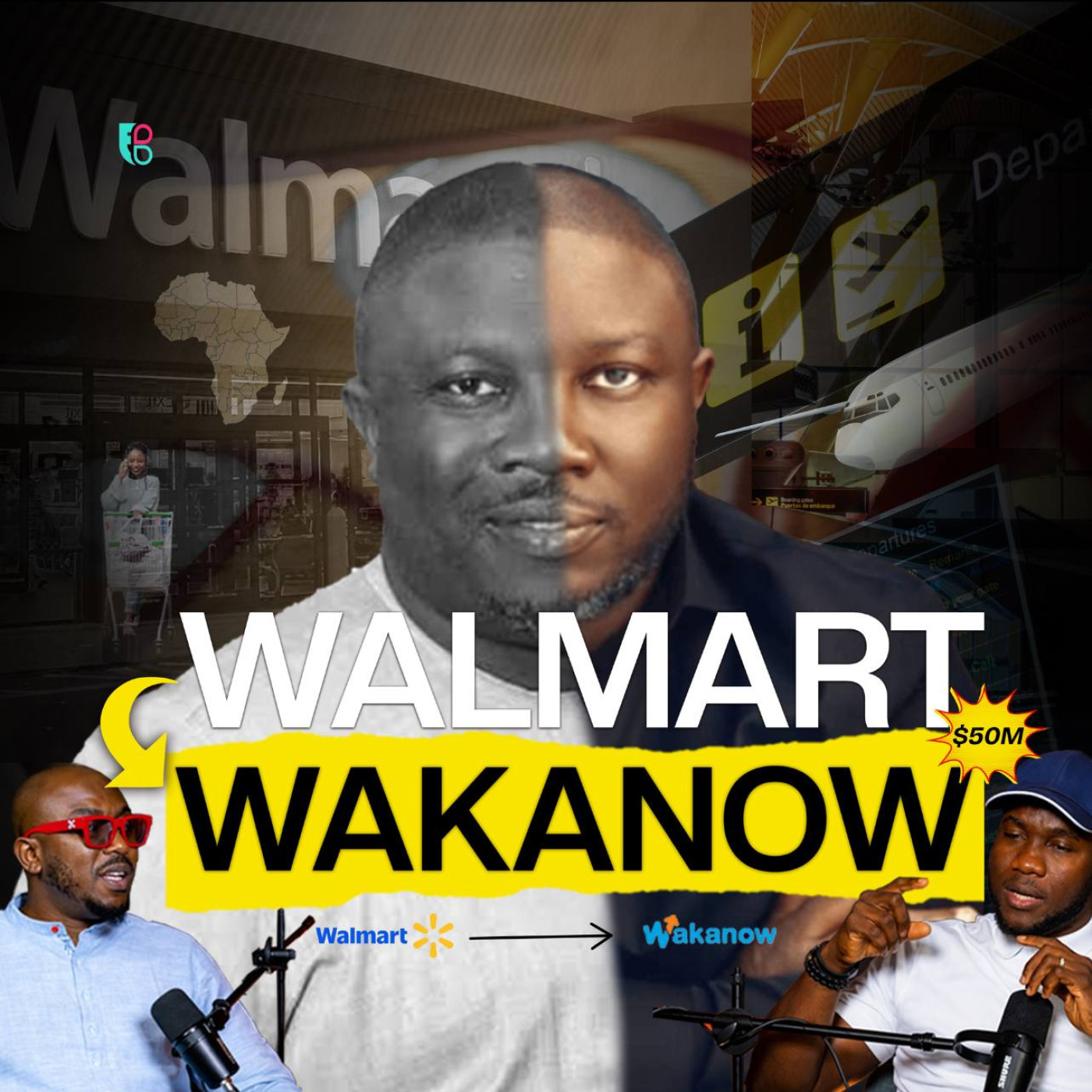 From Walmart to Wakanow: How Bayo Adedeji Is Fixing Africa’s Travel Problem | $50M Raised