Frankly Business Podcast · 2026-07-30 · 1h 46m
Key moments - from our scoring
Substance score
66 / 100
Five dimensions, 20 points each
Tobi Ajayi's transition from Mercedes-Benz to founding Nord Automobiles reveals why assembly - not manufacturing from scratch - is the universal automotive model, even for Tesla and global OEMs. The real obstacles to Nigerian industrial development aren't engineering or corruption alone, but rather the lack of backward integration (local component suppliers), prohibitive financing costs (27-28% versus 3-5% globally), unreliable infrastructure, and leadership that lacks manufacturing experience. Ajayi argues that Nigeria's presidents and vice presidents have typically come from military, civil service, law, or accounting backgrounds - not production industries - so they fail to implement the patient, long-term policies manufacturing requires. He points to Dangote's refinery and steel ambitions as the manufacturing mindset Nigeria needs, and identifies specific high-import categories (furniture, machinery, vehicles, electrical equipment) that should be produced domestically given Nigeria's 220 million population and abundant resources.
Nord uses existing body molds from Chinese OEMs because justifying custom mold creation requires 20,000+ annual units; without that volume, it's commercially impossible to break even on tooling costs. Tesla began the same way, buying existing body shells before scaling.
Tobi argues productivity is the core issue, though linked to corruption; more fundamentally, leaders lack manufacturing experience, infrastructure is inadequate, financing costs 27-28% (versus 3-5% globally), and there's no local supply base.
Nigeria lacks the industrial ecosystem and forward-thinking policy to develop furniture manufacturing at scale, despite having raw materials and labor, illustrating how policy neglect and leadership misalignment waste domestic potential.
Nord relies on patient equity capital from investors rather than bank debt; even this approach yields only ~10% cost of capital for select companies, making profitability fragile compared to global competitors.
Nigeria should import chips and semiconductors from Taiwan or the Netherlands, but manufacture machinery, vehicles, electrical equipment, and furniture domestically - all in the top imports but producible with existing labor and resources.
Our reviewer’s read on each dimension, with quotes from the episode.
The episode contains numerous substantive insights about manufacturing constraints (high financing costs at 27-28%, infrastructure gaps, raw material imports), market dynamics (less than 1% local market share), and policy solutions (tariffs, government patronage). However, there is significant repetition - particularly around the manufacturing vs. assembly distinction, which occupies disproportionate time - and some filler dialogue that dilutes density. A smart operator would learn concrete lessons, but the pacing is uneven.
One of Nigeria's biggest problem is productivity and not corruption. But I also tell people that the reason why productivity is low is because of corruption.
Manufacturing is a long term. Almost all over the world most manufacturing countries maybe 5% maximum. Some of them are even less than 3%. So but I don't know recently is about 28, 27% that uh, you cannot manufacture at that rate.
Ajayi articulates a coherent thesis linking leadership quality (non-manufacturing backgrounds) to industrial capacity, and makes a sharp distinction between productivity and corruption as root causes. The tariff-based policy proposal for brand-new vs. used vehicles is somewhat novel. However, much of the framing - Africa's manufacturing gap, mindset issues, Chinese dominance in EVs - is well-trodden territory in development discourse. The guest repeats frameworks rather than introducing genuinely counterintuitive thinking.
Most people that have led us are traders. Either they were in the military, civil service, they don't understand what it takes to actually take a position as paying for citizens.
So tariff for brown new cars. So. Because if you're driving a brand new car, you have money now. Obviously a rich guy... let us separate the. That's the boys from the men.
Ajayi is a credible operator with direct experience: former Mercedes-Benz executive (senior role, trained in German factories), founder of a functioning auto assembly company with 100-200 staff, proven revenue generation, actual investment backing from respected VCs, and expansion into EVs and financing. He is actively solving the problem he discusses, not theorizing about it. His credibility is genuinely earned through execution, though he is still relatively early-stage relative to mature industrialists.
What I learned from Mercedes Benz in my opinion was more than everything I Learned in my 4 years or 5 years, sorry, university.
I met Samson in 2019... when I... you know... at this time I already give give up on not because I had finished my money I own not represent this time time 100
Ajayi provides concrete numbers (27-28% interest rates, less than 1% market share, ~20,000-unit breakeven for tooling, 6-year model lifecycles, top 10 import categories from Nigerian statistics) and specific examples (Dangote's refinery and steel plant ambitions, a friend buying used cars, Unilag partnership, NAMA WhatsApp group, Ogun State governor purchase). However, there are also vague sections (no specific revenue figures for Nord, no exact timeline for European entry, limited dollar amounts), and some claims lack supporting data (e.g., precise talent retention metrics in construction).
The federal government especially, you know, and for good reasons. The military, the police, you know, they are very patriotic. You know, there's no way you carry gun, you go and uh, fight in the bush.
We sell less than 1000 units a year. But I need to, but to justify what I'm doing, I need about 20,000 units that I have to face out maximum in six years.
The host asks reasonable opening questions and follows up on key claims (government patronage, EV feasibility, failures, funding). However, follow-ups are often soft and accept Ajayi's framing without pushback. When the guest repeats the assembly-vs-manufacturing distinction at length, the host does not press for brevity or challenge the necessity of that tangent. The host misses opportunities to probe deeper on contradictions (e.g., if tariffs work, why hasn't India or Brazil used them more aggressively?) or to test edge cases. The conversation feels more like a platform-building interview than rigorous interrogation.
Um, a lot of people here made in Nigeria cars. And what they say is you're just assembling plants, you're just assembling parts from China. Does it really annoy you, or is that. Does it have some element of truth?
You once worked in Mercedes Benz and um, you understand global standards. In all regards. Um, tell me about what do you think about Nigeria's industrial um what do you think about our manufacturing industry in Nigeria?
Computed from the transcript - who did the talking, and the words that came up most.
Nigeria has over 220 million people, yet imports nearly everything - from cars and furniture to industrial machinery. Why? In this episode of the Frankly Business Podcast, Frank Fagbo sits down with Oluwatobi Ajayi, Founder and CEO of Nord Automobiles, to unpack one of the biggest questions facing Africa’s largest economy. They discuss: • Why Tesla also started by assembling vehicles • Why manufacturing is so difficult in Nigeria • Why high interest rates kill industrial growth • The truth about “Made in Nigeria” • Mercedes-Benz lessons that changed everything • EVs vs petrol vehicles • Why productivity matters more than corruption • Building the Nord Innovation Hub inside the University of Lagos (UNILAG) • Why Nord is expanding into Europe • Car financing in Nigeria • Entrepreneurship, investors and building a global African brand If you’ve ever wondered why Nigeria imports so much instead of manufacturing locally, how Tesla started, whether electric vehicles can succeed in Nigeria, or what it really takes to build a Nigerian car company, this conversation answers those questions.
Transcribed and scored by The B2B Podcast Index.
Speaker A: You cannot be the largest country in Africa and not be making your own things. Most people that have laid us in this country, if you look, most of them have not really been in the business of making things either. They were in the military, civil service. They don't understand what it takes to actually take a position as paying for citizens.
Speaker B: Everybody says Africa should manufacture but almost nobody tells you why it's so difficult.
Speaker A: What I learned from Mercedes Benz in my opinion was more than everything I Learned in my 4 years or 5 years, sorry, investing.
Speaker B: What if I told you that the biggest reason Nigeria isn't building world class product is in talent.
Speaker A: People that have led us are traders. Either they were in the military, civil service, I'm talking about president and vice president.
Speaker B: And it isn't even corruption.
Speaker A: One of Nigeria's biggest problem is productivity and not corruption. But I also tell people that the reason why productivity is low is because of corruption. So they go hand in hand.
Speaker B: A former Mercedes Benz executive walked away from one of the world biggest automotive brands to prove that Africans can build build their own cars.
Speaker A: I wanted to show the Germans generally the Africans can make.
Speaker B: In this conversation, Toby Ajayi, the founder of Nord Automobiles explains why Tesla started by assembling cars.
Speaker A: That's how Tesla 2 started. Tesla used to buy I think a carbon little. Yes. In the UK because in the beginning if you don't have the volume, you cannot make commercially the body yourself.
Speaker B: Why Nigeria imports almost everything play parking furnitures.
Speaker A: A tropical country, country in the equator like Nigeria importing furniture. Then you ah, are saying there are no jobs.
Speaker B: Why factories struggle but real estate keeps winning.
Speaker A: The government should be encouraging people to put their money in hard boring manufacturing.
Speaker B: Why borrowing at 30% makes manufacturing almost impossible. And why productivity, not politics may be the real battle for Africa's future.
Speaker A: Let's use lawyers and accountants as an example. Very brilliant, um, lovely people. But at the end of the day they're usually involved when the money is being made, the hard work has been done.
Speaker B: Yeah, true.
Speaker A: Look at Adangote is moving for example, um, look at Abua is moving from
Speaker B: Mercedes Benz to building an innovation center inside University of Lagos to taking an automobile brand into Europe.
Speaker A: The guys I send money to that helped me do the R D, they are lecturers in China, they're lecturers in German universities. Wow, do we not have universities here? I approached the University of Lagos and I told them that I needed uh, just a very small place.
Speaker B: This isn't just a conversation about cars. It's a master class on how nations become Industrial powers and why Africa's biggest opportunity may still be ahead of us. This is the Franklin Business Podcast. Mr. Toby Ajayi, you're very much welcome to the Franklin Business.
Speaker A: Thank you very much. Thank you. Thank you so much.
Speaker B: Um, a lot of people here made in Nigeria cars. And what they say is you're just assembling plants, you're just assembling parts from China. Does it really annoy you, or is that. Does it have some element of truth? Because I got that feedback when I came to your, um, um, plant, um, in Unilag, and I've seen the great things you're doing. Also, you're planting Ekpe. Um, let's talk about that.
Speaker A: Okay, so. And I've answered this. Not this particular question, but the question of, um, do you manufacture? Do you assemble? Yeah, I've answered the question I don't know, I don't know so many times. So I would answer it again. Connect it to.
Speaker B: All right. Please.
Speaker A: Um, the. The question you asked about. Source of, um, the components.
Speaker B: Yeah.
Speaker A: Um. M. The way to make a car is to assemble a car. So to make a car is to assemble a car. To. To make jollof rice is to cook jollof rice. To make cake is to bake cake. These clothes you are wearing, someone made it.
Speaker B: Yeah.
Speaker A: Whoever made it. So the clothes, you know, you sew clothes.
Speaker B: Yeah.
Speaker A: Do you understand?
Speaker B: Yeah.
Speaker A: So that's how you make. So for cars is assembly. For table, for example, you assemble. For phone, you assemble the phone. Do you understand? For laptop, you assemble the laptop. Do you get different. No, it's a different component. So that's how you make those things. So for cars, you assemble cars. Now, the word manufacturing is not. You know, it's still there. But you manufacture components. You don't even manufacture engines. Even engines are assembled.
Speaker B: Wow.
Speaker A: Yes. No, no, engine is. You don't manufacture an engine. You assemble the components. The different. Different components. The pistons, the rod. You put it together. You know, the combustion chamber. You assemble everything, and it becomes the engine.
Speaker B: Yeah.
Speaker A: Then you carry the engine. You, you, you. Even. The. Even the transmission is assembled. You know, you assemble the engine and transmission together, which big. It gives you the. What we call the powertrain. You bring it in, you make the, um. You, You. You. You create the body, the metal parts, the plastic parts.
Speaker B: Yeah.
Speaker A: Through different frame means, you know, so you can manufacture different components. Then you assemble them in sections, and at the end of the day, you assemble everything to become a moving, working car. So, um, when people say, we just know, we assemble because that's what everybody does. That's what Mercedes Benz is doing. That's what Toyota is doing. That's what Tesla is doing. That's what, um, uh, byd, whatever name you want to call. That's what everybody. You assemble cars. Now the question of, are you just bringing up, uh, assembled cars from China and components from China? Yes, a lot. A large part, I've said it so many times, also a large part of our, uh, components are coming from China and it's the same thing with vehicle manufacturing companies in Europe. You know, China is currently, China is currently the manufacturing base of the entire planet. So we are not even anywhere in other countries, maybe like the us, maybe Germany can try to, you know, even at that, they still get everything from China. We in Nigeria, we have to go with the country that produces the cheapest, let's uh, say the best at the cheapest price, you know, and that's what we do. And I understand some people who maybe, um, some people may have seen maybe some shapes that look like, oh, I see this thing somewhere. Yes. What we do is that they call it the glide. We go, we buy a body of. Because I have, we have a design. Now you cannot create your design because you need to create modes more that, ah, they're expensive and to break even. It's not an, I always tell people, it's not really an engineering problem. We can, we know the mood, we can design it, we can create it and that mode will form the shape of the car.
Speaker B: Yeah.
Speaker A: You know, so it's not an engineering problem. It's been, it's something we can do. It's more of a volume problem. It's probably financing problems. I always tell people, um, so I'll tell you what we do first.
Speaker B: Yeah.
Speaker A: So what we do is that when we have a design, um, because we know that we need probably 20,000 units minimum to justify, you know, um, creating components from that mold.
Speaker B: Yeah.
Speaker A: You know, we look for, we go to China and we look for a Chinese oem, they call them original equipment manufacturer that has something similar to that mold.
Speaker B: Oh, okay.
Speaker A: I get to my point.
Speaker B: Absolutely.
Speaker A: So imagine you want a vehicle that looks like a Prado, for example. You go to China, look for somebody that's creating something that looks like a Prado. So you buy that box, that ship, then you buy your engine from somewhere. You buy this from somewhere, you buy that from somewhere. Do you get.
Speaker B: Yeah.
Speaker A: So that's how Tesla 2 started. Tesla used to buy I think a car called Lutos or so. Yes. In the uk because in the beginning if you don't have the volume, you cannot buy the, you cannot make commercially.
Speaker B: Yeah.
Speaker A: The body yourself because you need, you need, you need a lot, you need like tens of thousands of volume to justify creating the mood and ah, making the body. Do you understand? For each single model. Yes. For each thing. Every, any variation, any variation, you need to create a new mode. So for example, if you make this bumper, if you want to change even the same model, if you want to change the bumper, you have to create a new um, mode for the bumper.
Speaker B: So is that, is that the reason why. Sometimes. Okay, let me mention.
Speaker A: So let me finally ask a question. Right? So if you want to insult me.
Speaker B: Yeah.
Speaker A: I always tell my friends and some customers if you want to insult me and say, oh, this uh, boy, I know this body. This body is from social company in China.
Speaker B: Yeah.
Speaker A: I always tell you you are insulting yourself because the react, the reason why I'm buying from that company in China is because our country, despite the fact that we have 200 million people, we cannot, you cannot give a, your one of your uh, one of your top three manufacturing auto firms 20,000 units to justify making. So you are insulting yourself. It's not me because it's not an engineering problem. I don't feel bad about it because it's not lack of skill. Personally I can, personally as a human being I can make these cars. A lot of people in my company can make these cars. So it's not, it's not a skill issue. So I don't feel bad about it. It's a commercial issue. Do you know what I'm saying?
Speaker B: Yeah.
Speaker A: Can I justify this investment if I don't have the volume? And I don't have the volume. We sell less than 1,000 units a year. But I need to, but to justify what I'm doing, I need about 20,000 units that I have to face out maximum in six years. Yes. Because every model. Maximum, maximum. Sometimes you don't have to. Maximum can only last six years, if you notice because after six years you have to create a new vent.
Speaker B: Yeah, they do four, four years or something.
Speaker A: I think it's six, two. Everybody. Most people do six years. Years actually. Some do five, but it's either six or five years. So and every. So in the middle they do what we call facelifts. So that's also going to cost a lot of money that facelift. They just, they don't change the entire vehicle. They change the bumper, the grill, a couple of things. It looks a little bit different from what you see. Yeah, you've.
Speaker B: You once worked in Mercedes Benz and um, you understand global standards.
Speaker A: Yes.
Speaker B: In all regards.
Speaker A: Yes.
Speaker B: Um, tell me about what do you think about Nigeria's industrial um what do you think about our manufacturing industry in Nigeria?
Speaker A: Um, it's very challenging to be fair. Manufacturing um in Nigeria is. That's what I always tell people.
Speaker B: What are the challenges?
Speaker A: Um um number one infrastructure. So you are uh, more or less your own government. You have to most times the road to your. The road from. So first things first. Before I even start we have. We are not a manufacturing country and we should be which is one of the biggest ironies. You have 220 million people, even more yet many of you want to be traders. Many of you want to be representatives of global brands. Many of you want to be selling um the not only vehicles, the components of factories in other countries that are not even up to you. You know it's a big mismatch from an economic and political in my opinion. And even when you consider our population.
Speaker B: Yeah.
Speaker A: So. So the, one of the, one of the biggest problems in my opinion is the, the lack of backward like the lack of local components. That's one of the biggest challenges of manufacturing anything in Nigeria or my. Or assembly anything in Nigeria. Everybody even those in oil and gas have that same problem.
Speaker B: Raw materials.
Speaker A: Raw materials. Yes. So the raw materials are raw.
Speaker B: Raw.
Speaker A: So even, even in our uh, Greek space, you know the chocolate, you have to, you have to send the cocoa abroad first. You have to refine it. Even oil and that we're doing it. Don't you?
Speaker B: Yeah.
Speaker A: Dangote came to save us. We did it for 40 years, you know. So more or less. For more or less. 40 years. So people say it's less than that now. So that's the first problem. The inner um m inadequate or lack of raw materials in country. First problem in my opinion.
Speaker B: Yeah.
Speaker A: So it means that you have to import many of the things that you ordinarily should have. That adds some cost. It means that you can't control certain things. You, you know, you can't even improve, you know if the factory, if your raw material is maybe they say I have a factory in Lagos and my raw material is in Benin. I can easily go there and talk to the company and see how I can improve. Prove. Yeah but my factory, if my raw material is in Shenzhen, it means I have to plan on flying 16 hours to China, you know instead of just maybe a four hour drive to Benin Drive. So by air 30 minutes even, you know so um, so number. Um. So we don't have an infrastructure. Uh, so when you. So when the, when the companies arrive at the port.
Speaker B: Yeah.
Speaker A: You have to you know, in many cases uh build the road and the infrastructure that would get these containers to your factory. You have to provide yourself with um, um, power, you know, big generator, diesel or gas as the case may be. Uh, or you have what some people do. You have, you belong to a, an industrial cluster where you guys have your own power plant.
Speaker B: Yeah.
Speaker A: Um, you basically infrastructure. I don't want to be breaking it down to road and power is one major one. Um, cost of financing is also one. Almost all over the world. Most manufacturing countries maybe 5% maximum. Some of them are even less than 3%.
Speaker B: How many percent is it here Their interest rate.
Speaker A: So but I don't know recently is about 28, 27% that uh, you cannot manufacture at that rate. So manufacturing is a long term.
Speaker B: Yeah. Uh, have you been able to beat that margin?
Speaker A: Yeah. So what we've been.
Speaker B: Because I'm trying to understand how, how that works.
Speaker A: So it's not sustainable. What some of us have done, I would say we are lucky is that we've been able to prove ourselves to, to, to, to investors.
Speaker B: Yeah.
Speaker A: Who in many cases have come in with, with equity. So we've, what we've, what we've done is we've been able to get what I call patient capital financing. Yes. You know, maybe not cheaper but patience.
Speaker B: You know. So.
Speaker A: And still it's not. Even if you go to. By which we've not gotten yet. You know, it's still like 10% and that's the best. I was talking to one of my friends in uh, in Spain and ah. He was shaking his head and um, I'm like 10% is my best like. And it's for the select few. He couldn't believe it. For manufacturing, imagine you're about to do something that you know, the breakeven period is 10, six years. How there's no, you know. So that's why you see most people either the dream dies.
Speaker B: Yeah.
Speaker A: Or for the lucky ones you go for equity. Yeah. Use your own money. Grow step by step. Yeah. So that's one of the problems. So financing is also a problem. One very big problem again is um, um. Inconsistent government policy. Uh, I think we, we have a, we have a serious problem at um, our leadership at the top leadership in Nigeria. This has nothing to do with politics. It's not a party thing. It's not a pdp, apc, lp, whatever the Name, you know, whatever political party is not about that. It's a leadership issue. I always tell people that if you look at your estates in Lagos, there's almost no, there's almost no top estates in Lagos where there's no leadership to. So there's almost no leadership. There's almost no estate in Lagos. Top estates. That's. That's to show you that we have a significant leadership problem as a country and we have to try and solve it. Uh, I think so. Maybe from the new generation, maybe those that are currently in secondary school so have the will people understand what it takes to be a follower, to be a leader. You know, understanding that both has. Before you even become a leader, you have to be a follower first.
Speaker B: Yeah.
Speaker A: Understanding, you know, what it takes to be a leader. The humility, this, the, the, the, the sacrifice, the long term thinking, you know. So um, many, many times most people that have led us in this country, if you look they, I don't know, most of them have not really been in the business of making things.
Speaker B: Wow.
Speaker A: Yes. Look around. Look. For many years either they were in the military, they were in civil service. I'm talking about president and vice president. M, like even other. Even M. You know, either in the military, you know, um, civil service, even those, those that were in private sector either. Ah, lawyers, regulators, regulators, accountants, you know.
Speaker B: So are you saying that they don't. They don't understand what it takes to be in manufacturing and so provide the necessary policies? Yes. So.
Speaker A: So all these, like I said, let's use industry, let's use lawyers and accountants as an example. Very brilliant, lovely people. But at the end of the day they usually, they're usually involved when the money is being made.
Speaker B: Yeah.
Speaker A: So an accountant decides how to spend the money, how not to spend the money after the money has been made, after the work has been done, the hard work has been done.
Speaker B: Yeah, true.
Speaker A: Look at how Dangote is moving for example. Um, look how boy is moving. Dangote is almost 70. He just finished building his refinery. He's talking about building a steel plant. That's how manufacturers think. He can't help himself. Um, I'm way younger than him. I'm not anywhere close to him. But I can understand how he thinks. I can't like it's like we can't help ourselves in trying to create value. We can't help ourselves. Like we. The money is how is going to spend it. Who is going to like he's about to demand is seven is almost 70.
Speaker B: Yes.
Speaker A: He's about to start a steel plant. When will the steel plant be done? But that's what. He doesn't care. He, that's what, that's how I am too. I don't care. People tell me a lot of my friends, oh Toby, you've made some money now I'm like, I don't care. I'll keep pouring my money, I'll keep investing, I'll keep reinvesting all we've made in Nord and other businesses of manufacturing in Nigeria. I don't care. If my generation doesn't break through, the next generation will. It's about, it's not, it's. It's about because you cannot, uh, I've uh, said it so many times. You cannot be the largest country in Africa and not be making your own things. Yeah, I cannot, it doesn't. I can't sleep when I think about that. You cannot have the amount of people, the amount of young people, the amount of brilliant people and you cannot make your own things. We are and ah. The reason why, if you look at Nigeria, you might be tempted to think people don't want to marry. The reason is because incentives are very low. And that's. It goes back to the leadership. And that's what I'm saying. So you know, so if for some reasons we are lucky.
Speaker B: Mhm.
Speaker A: Or like I said, all traders people that have led us are traders people like, who have trade. So they don't understand what it takes to actually take a position and stay there for six years before you break even. Most people that have led Nigeria do not understand that. They don't understand that. So if they don't do something, he has to work in two, three years. And that's why you see, uh, most of our rich men are either in banking or some sort of financing where you can do T bills, make your money in 12 months, 24 months. You cannot grow an economy. Economy like that, T bills is supposed. It's excess money. You understand?
Speaker B: Yeah.
Speaker A: When the government wants to mop out excess money, we don't, we don't have enough. We, we. The, the gap, the manufacturing infrastructural gap in Nigeria is immense. I was reading the other day, I think, I can't remember the amount. The, the years were so high I couldn't even remember. Maybe 50 years or. I can't remember them. The year it was, it was significant. The government should be encouraging people to put their money in hard, boring manufacturing.
Speaker B: What are the things you think we should be really involved in? What are the things we should be Making that you're saying as Nigerians.
Speaker A: Thank you. Ah, very good question. Um, if you did that you can use data to push yourself. Just look at the top 10 things.
Speaker B: We consume.
Speaker A: We consume, we import. Which you can say is taking out. People always say ah, FX is high. And I'm like one way or the other, as much as you want to blame your government, you are part of it one way or the other. Other the reason why your dollar is 1000 whatever is because of the amount you need.
Speaker B: Yeah, true.
Speaker A: The amount of the pressure you're putting on, the effects. The amount of things you want to import.
Speaker B: Yeah.
Speaker A: So to answer your question, let's just go to that look at bring. Let, let. Let's go to the uh, Bureau of Statistics or Nigerian Custom Service. She gave us the top 10h items Nigerians import. I've not checked. But the last time I checked this was before.
Speaker B: Petroleum is number one.
Speaker A: Petroleum is number one. But I don't, I don't.
Speaker B: Machinery and industries.
Speaker A: Yes. Material.
Speaker B: Exactly. Electrical equipment.
Speaker A: Yes. That's number three.
Speaker B: Vehicles.
Speaker A: Yes. And automobile parts. Yes.
Speaker B: Number four.
Speaker A: Yes.
Speaker B: Pharmaceutical products.
Speaker A: Yes.
Speaker B: Now on the vehicles, cars, trucks, motorcycles and plastic products.
Speaker A: Yes. Those are the top six. I don't know. I know the top six. So you just mentioned the top iron
Speaker B: and steel products which I don't think we should.
Speaker A: No. I don't know about cereals and food
Speaker B: products and then fertilizers and agricultural chemicals and furniture.
Speaker A: So those are, that's the thing.
Speaker B: How do we import furnitures?
Speaker A: We should not be.
Speaker B: Exactly.
Speaker A: You're importing furnitures. A tropical country in equator like Nigeria.
Speaker B: Importing furniture.
Speaker A: Importing furnitures. Then you are saying there are no jobs. Are you not supposed to have a, like a furniture making school? Do you get my point?
Speaker B: Yeah.
Speaker A: You have, you have the land, you have the wood. Why are you doing this? Okay, um. So to just think. So just to answer your question, let's just pick that machine and machineries. Why are you still importing machine and machineries? What you should be importing are ah, chips.
Speaker B: Chips.
Speaker A: Yes. Import the chips. From Taiwan, from Netherlands. But the machines can be made here. Like I go there, I see people that make. They don't have two heads. I don't know why we just look down on ourselves. Why don't we, why can't we make our own computer? We are 220 million people. Why can't we make our computers ourselves? Like I said earlier, you don't have to make all the components yourself. The chips and all those really high grade things can Be even China doesn't make their own chips themselves. Even the US don't make their own chips themselves.
Speaker B: Yeah, true.
Speaker A: M. Yes. From Taiwan.
Speaker B: Yeah, from Taiwan. Tsmc. Yeah.
Speaker A: Why are you importing cars? Usually brand new cars.
Speaker B: So with do you think. I want us to address it from first principles.
Speaker A: Okay.
Speaker B: Using the first principles theory, where do you think the problem is from?
Speaker A: What?
Speaker B: Let's go down to the foundation. You've mentioned the leaders, but uh.
Speaker A: Is there.
Speaker B: Is that. Is that part of. Is there a people problem? Is this system problem? Is it political problem? M. Let's address it from the first principle.
Speaker A: So there's a people problem. Of course. Nigerians. Nigerians like mentality. We have that. So I'll give you a story. I hope. I hope the. It's because my big egg. I hope he doesn't break my head after this interview.
Speaker B: Yeah.
Speaker A: So I have an egmo. Very good. He loves not a lot. There's a lot of not. And he's born more than 20.
Speaker B: Wow.
Speaker A: He buys for his business bosses, pickups, different small cars. And there was one day, sometime last two years actually I went to his house to just say hello just to thank him. And I happened to just um. It just happened that I got there while he was unveiling a car. I don't say because it wasn't a new car. Yeah, it was a three years old car was from Japan. She know the brand. An suv.
Speaker B: Yeah.
Speaker A: So I looked at this car, a used car. This man is doing well.
Speaker B: I told you.
Speaker A: He bought about 20. He has business like a lot of businesses, you know, nice estate. I don't want to mention his estate. And I looked at the car, I said how? I looked at someone, I said why are you buying brand new cars for your staff? Brand new buses, brand new pickups, brand new sedans from Nord. You buy brown. Your. Your staff actually beat that. The first zero mileage.
Speaker B: Yeah.
Speaker A: They enjoy five years warranty. But when you want to buy your own car, you are going to buy a Tukumbo car. Why? So I've come to understand that. Well, for his business, he recognizes the quality a brand new vehicle brings to the table. In this case, not. Yeah, that. Oh, five years warranty. This car will last long. You know, this car will do well.
Speaker B: Uh.
Speaker A: And that's why he started by buying two units. It's both of our 20 now. So he's tested and say ah, this vehicle is very reliable.
Speaker B: Yeah.
Speaker A: You know, keep buying. So you. He recognizes that his business needs that reliability, needs that assurance to keep him in business to keep him reliable to his own customers. But he's willing to take the risk for his own personal self in buying a used vehicle because he can manage it himself. And he needs that social status that, oh, um, I'm buying this imported or driving this foreign vehicle, you know.
Speaker B: Yeah. So you think it's a mindset.
Speaker A: So it's a mindset thing. Yes, it's a mindset thing.
Speaker B: So to play the devil's advocates with. For him. Yes, he can, he can comfortably say that. And uh, we always hear this from, from, from finance guys. They tell you that the moment you drive that car.
Speaker A: Uh, yes.
Speaker B: Of the parking lot.
Speaker A: Yes. The, the, it's, the Depreciation is about 25%.
Speaker B: Depreciates by 25%.
Speaker A: Yes, you're correct. So what do you have to say?
Speaker B: Regard that.
Speaker A: I can answer that. But.
Speaker B: Yes, please.
Speaker A: Uh, but let me answer, Let me, let me, let me just turning back before we go into the mathematics of that.
Speaker B: Yes, please.
Speaker A: So why, why has he bought up to 20 brown new cars for his staff, for his business, when of course, the same principles apply? Same principle apply. Once you drive out of the showroom, um, it depreciates significantly by about 20%. But why does he still buy it? For his business, for his staff. Why does he buy a brown new car for his manager? Why? The reason is because brown new cars are, ah, incredibly reliable. Incredibly reliable. Regardless of the brand. To be fair.
Speaker B: Regardless of the brand.
Speaker A: As long as it's not a shitty, shitty brand. A brownie vehicle is very reliable. And of course let, uh, me sell not too.
Speaker B: Yeah.
Speaker A: At, not as like top of the, the range, top quality. So he knows, he's tested it and that's why he keeps buying. So when he's gone to buy that one.
Speaker B: Yes.
Speaker A: Used. He knows that it will make him closer to his mechanic.
Speaker B: Whoa.
Speaker A: But he's done his calculation. I'm like, you know what? I would rather save 30%, 40%, you know, and be. And that uh, be closer to my mechanic. After all, it's my personal car. If he breaks down, I can decide not to drive it. I can decide to drive another car.
Speaker B: Yeah.
Speaker A: But he cannot allow his staff vehicle. You know, he cannot allow his manager's vehicle to break down because he needs the manager to always. He doesn't want maybe a customer complaining
Speaker B: and it's not affecting the business.
Speaker A: Exactly. And manager cannot attend to the business or the customer. Why? Because your car broke down. He doesn't want that. So he's willing to actually drive a car that can break down, but his business would not. You know, I can understand it, but that is where the business, the, the government now comes in.
Speaker B: M. Yeah.
Speaker A: Because for us in north, for example,
Speaker B: how do they come in?
Speaker A: I was explaining for us in North.
Speaker B: Yeah.
Speaker A: The cost of the equivalent of that car, uh, is even a brand new vehicle, even a brand new Nordic will be, will be. Will be more affordable than that three years old car he bought. The same equivalent. Yes. More affordable. So it's just a follow thing he wants, you know, he wants to, you know, it's not yet, it's not yet socially acceptable.
Speaker B: Yeah.
Speaker A: At the highest level.
Speaker B: And we are psychological beings as humans.
Speaker A: Yes. So that's why. So what the government needs to do is to, is to um, create a policy that makes it. To encourage people to buy more at that level. So what you do, what you're saying
Speaker B: that I'm hearing, it's tariff.
Speaker A: Tariff. Exactly.
Speaker B: Trump.
Speaker A: No, no, not only that, you do too. No, not. But for the guys who can afford it. So not the blanket tariff that Trump does.
Speaker B: Yeah.
Speaker A: So tariff for brown new cars. So. Because if you're driving a brand new car, you have money now. Oh, obviously a rich guy.
Speaker B: So.
Speaker A: So, so let us, let us separate the. That's the boys from the men.
Speaker B: Yeah.
Speaker A: Do you get.
Speaker B: Yeah.
Speaker A: Now so for the used car, old cars. No, because the masses are driving it, the middle class are driving it. So don't touch it. In fact, I even reduce the tariff. Reduce the tariff on that so that more, more middle class people can be able to afford their tokumbo.
Speaker B: Yeah.
Speaker A: You know, but the brand new ones that the, the big boys want to drive, you know, let's say from like look at this man, um, out that bought three years old.
Speaker B: Yeah.
Speaker A: So you do brand new to five years, you know, brand new cars to five years old. Jack the tarip off or jack the tariff up just to improve the middle class do. Why are you subsidizing your elites, the richest people in your country, especially when they make one. In Brazil, the auto industry is one of the biggest employers of labor. Like is. Is. I've forgotten the data now, but it's like top two. So maybe number two in the olive country. Brazil. Same thing in China. You know, China now.
Speaker B: Yeah.
Speaker A: The Chinese auto industry is I think after the government, one of the highest employers of labor. Why. Why do you think it should not be Nigeria, even India? That is not very known.
Speaker B: Yeah.
Speaker A: For automobile, the auto industry is one of the highest employers of labor. But in Nigeria it ends in showrooms. The auto industry is not creating jobs in Nord. We have over 100 staff, close to 200 actually. Just not. And we're not even doing up to how many vehicles are we doing a year. So imagine us doing not. We don't like if I tell you like it's. It's embarrassing. We're doing maybe the entire auto industry. Not only. Not the entire auto industry in Nigeria is doing I think 0.6% of the market.
Speaker B: Whoa.
Speaker A: Yes.
Speaker B: So you've not even gotten to 1%.
Speaker A: Yes. Not a company. No, no. Though m. Manufacturing and assembly industry is less than 1% of the um, of the market. Annual market.
Speaker B: So what do you.
Speaker A: So 99% of our money goes outside.
Speaker B: What do you think is a safe spot? Where do you think? 5%, 10%.
Speaker A: So I don't. So now I think that I will focus for the industry, for the local industry. So I think for real growth, I think we should create a policy which I can tell them what I propose it to them before. Yeah, create policy. It's not only tariff. I can mention all that thing. Please do but create, create a policy that will bring at least 50% of the vehicles that are brand new to local manufacturers to local manufacturers. 50% of the brand new vehicles, local manufacturers.
Speaker B: They say charity begins at home.
Speaker A: Yes.
Speaker B: Your government, do they patronize you?
Speaker A: That's one of the problems. So it's not only tariff. So what tariff? Government patronage.
Speaker B: They don't patronize you? No, they don't patronize Ivm.
Speaker A: Okay, so the Persona is not the patronage. But not enough. Like when I say no, I mean imagine they buy 1 in 10 from you. Is that really patronage? And when you say so let me, let me break it down. The federal government is a big supporter of made in Nigeria vehicles. But the federal government, there are 36 other states.
Speaker B: Oh yeah.
Speaker A: Yes, states. In fact, more than that. There are 36 states, there are 774, 470 local governments.
Speaker B: Yeah.
Speaker A: So. So they all that we just focus on the federal government through the bpp. The federal. They won't even make some policies that are better than um, bpp. The federal government especially, you know, and for good reasons. The military, the police, you know, they are very patriotic.
Speaker B: Yeah.
Speaker A: You know, you know, there's no way you carry gun, you go and uh, fight in the bush. You try for your country, one way or the other, you won't be patriotic.
Speaker B: True.
Speaker A: That's why you see, some of the most pathetic Nigerians you find are usually diplomats.
Speaker B: Yes.
Speaker A: Because you know why? When you, when you are around, um, when you do things for your country, it's just like when you're in a relationship.
Speaker B: Yeah.
Speaker A: No matter how, of course, it'd be sweet. It's just like, you know, not like relationship to be good and bad, you know, up and down, sweet pizza. But one way or the other, you. You will fall in love with the person.
Speaker B: True.
Speaker A: That's how people in the military, the police, um, um, uh, diplomats, not civil service, I'm sorry to say those people don't care about Nigeria that much.
Speaker B: Yeah.
Speaker A: You know.
Speaker B: Yeah.
Speaker A: You know, police, military. Yeah. Ah, diplomats. They. They really love Nigeria, I think, because, you know, you see, especially for diplomats, every day, you see how you see you, you, you, you. You feel how your country, how you can be better, how you be. You would have been more respected if your country was better. Every day you see it as a diplomat. So you see that they're always, very. Always country first, country first. Most times, you know, because you're seeing the.
Speaker B: The effect of the inefficiencies of your country rub off on you personally, your pedigree.
Speaker A: So same thing with the military. You know, they lost a colleague because Nigeria is not able to, you know, fish out the bandits. As much as they want to blame the leaders, they. They strive for a better country. They want a better country. They want a country that can pay itself. They want a country that is employment. They are very frustrated because they've lost a. A course mate. They've lost somebody. You know, I went to Matrix because I have a lot of them as friends. I understand.
Speaker B: I also went to military school.
Speaker A: Yeah, so. So it's. It's. So that's why, that's why you saw the military, for example. Army, Navy, air force, defense. They are big supporters of me in Nigeria. Like those ones there. You need to speak to them too much. They love me in Nigeria. Yes. Police too. Same thing. For obvious reasons. Um, uh, what are the reasons? Let me not assume.
Speaker B: People.
Speaker A: No, no, no. The reason I'm saying, as bad as we can think, they are actually patriotic.
Speaker B: Okay.
Speaker A: Police. They are actually patriotic, okay. Yes. And so they have. They have issues in discipline, no doubt.
Speaker B: Yeah.
Speaker A: Which is what it is. Human beings will exploit, um, institutions, a system that is bad. That's just it. But at the core, an average policeman is patriotic. At the core, yes. But he's. But he knows that if he does it like this, nobody will catch him, so he will do it. Not because you don't understand. I'm not explaining.
Speaker B: Yeah, I get it. I get you.
Speaker A: So. So, um, so Going back to what I was saying, the federal government, then the MDAs of the federal government, they buy a lot, but there is small fraction of the entire federation.
Speaker B: Yeah, true.
Speaker A: State governments do not buy. They, they love Japan. You can waste your time with the state governor. My governor bought anyway. So he bought just one. That's just one governor. Which is Ogun State. Yes. You know.
Speaker B: So do you think that it's a function of quality?
Speaker A: No.
Speaker B: Do you think.
Speaker A: Let me tell you why it's not. Okay. Let me tell you why they have to go and rethink.
Speaker B: Yeah. Not coming from a place of sentiment.
Speaker A: Let me. Yes, I'm going to answer you. No.
Speaker B: All right.
Speaker A: Um, six, in fact. Okay. About 25 companies on the Nigerian stock exchange are, uh, not customers. Wow. Six out of the top ten are not customers. Soon I'm on the go to make it 10. Over 10. Your top 10. The top 10 companies on Hydra Stock exchange will be non customers. There's one. There's only one. Course, there's only one company that very. Is by over 10. But there's one company I can't even, I can't even reach their procurement team. So I don't even know the company's name. Starts from a. To even reach. Our procurement is hard. But six out of the top 10 are, uh, not customers. So it's not a function of. So quality. Yes. Because they're in business. They are your biggest, most profitable companies. Companies in the Nigerian Stock exchange in the country. And they are not customers. Not even. I'm talking about even like not. Not customers. So if those people are, uh, buying Nord. Not one Y unit. I'm talking about where they are. Main customers.
Speaker B: Yes.
Speaker A: They are mixed suppliers. It's not a function of. It's a. Because why are they buying? They are, uh, that's why they are where they are. They go for value, for money. And uh, well, that's what we offer. That's why I started not in the first place, you know, providing world class, top quality, reliable, elegant vehicles at unbeatable prices. That's why I said I know. So, so the, the, the state governments that are not buying. Yeah, I don't buy phones. Many reasons. I don't even know if we have time to talk about it here.
Speaker B: Yeah, we do. We do. We have time to talk about it.
Speaker A: So there are many reasons. Uh, number one. Number one is. I don't know. It's a. So some of them, they, uh. How do I say it now? How do I say it nicely? Just say the way it is.
Speaker B: Because you're the one in the industry, you know where the two pinches the.
Speaker A: And that's why tariff has to happen. So the many times the vehicle purchase has to be given to a, a party person as, oh, as compensation for what he has done.
Speaker B: Yes.
Speaker A: So you have to go and look for that party person. And it's very difficult. Like who is the person? You sometimes you don't know the person. Only governor know knows the person. Sometimes you are the person. You say oh, you are the person that will be buying. So the person just goes go and buy his Toyota. You are not even, you are not even aware. So while the person might not even be living in the states.
Speaker B: So there's a lot of corruption that happens in, in the procurement of some of this. Okay.
Speaker A: You know. Okay. They don't, you know and it's not like federal government. They, they, they, they have some system. They have the, they have what you call the bpp.
Speaker B: Yeah.
Speaker A: Burial Public requirement.
Speaker B: Yes.
Speaker A: There's a bit of, um. I'm not saying there's no corruption there too, but it's a bit of, you know, it's harder. Yeah, it's harder. It's more, you need to think. But at the state level, anything goes
Speaker B: and there's no so much eyes on the, at the state level everybody just focuses on.
Speaker A: And even if it happens, what can anybody do? It's like that's what I'm saying. It's, it's, it's, it's, it's why sometimes I don't blame as much as I'm one of those, but I believe that one of Nigeria's biggest problem is productivity and not corruption. But I also tell people that the reason why productivity is low because it's corruption. So they go hand in hand.
Speaker B: So chicken and egg.
Speaker A: Yes. The reason why, that's why people don't want to produce. I would let me give you a story that happened to me in 2019. I went to meet a politician. Uh, that time, uh, I was trying to raise money for not trying to be the politician to raise money. And um, he asked for my, his accountant asked for my financials then. This was 2019.
Speaker B: Yeah.
Speaker A: And I showed it to him and he did. Of course that time the revenue was really low. And he looked at me because he knows me very well. He's like, Toby, you mean with all this, your hard work, all this, your heart, I see everywhere you uh, are this, you are where you are everywhere. This is how much you are making.
Speaker B: My goodness.
Speaker A: To him, he's like, what I can't do this for this. That's why, that's why they rather go and do when even when they steal money, they go and put in real estate they don't want to. Now of course the funny thing is that if you had given me money then I don't think there's any business he will have done that. You will have earned the amount of return you will have earned in north. But the thing is that it would have taken him about seven years, six years, five years because we said uh, you know, but he doesn't, he doesn't, doesn't care.
Speaker B: Yeah.
Speaker A: You know, he's not going to take that risk. So that's the thing. So we must, we don't. You know, so because people can make money from anywhere uh without actually really being productive. They can make money from just being close to power and using that to secret. There's very, there's little incentive from even the sharp guys, the guys with sharp mind m. To be, to be productive.
Speaker B: Wow, this is really deep.
Speaker A: Yeah, really deep.
Speaker B: China, they've taken over evs.
Speaker A: Yeah.
Speaker B: You started Eve. Um, I know that you launched last year or so.
Speaker A: Yes. Yeah.
Speaker B: Electric vehicles for those who are watching. And so EVS used to look like a distant future. China has taken over the market. Now you're driving through Lekki, you're driving through the mainland island, some part of Nigeria, you're seeing evs. And with this reforms that happened, subsidy taking off, uh system, you've seen that a lot of people had to look for another alternate other alternatives of saving cost which is richer EVs. And now you play in the industry. Do you think. Yeah. Do you think that we have a chance in this whole EV revolution? What is the future of automobile.
Speaker A: Okay.
Speaker B: Um.
Speaker A: Last year we launched a. Um is uh, our fully old subsidiary of Nord.
Speaker B: Okay.
Speaker A: Um for electric vehicles. And we decided to separate it entirely because we believe that it's an entirely different segment that would also be able to do other things.
Speaker B: Yeah.
Speaker A: You know, like autonomous driving and other things.
Speaker B: So we can.
Speaker A: He can have his own team.
Speaker B: Yeah.
Speaker A: His own funding and everything. So. So um, I would say the same if the same success uh, or challenges we would see in the EV space is the same thing we will see anywhere else in manufacturing in Nigeria. The same thing still applies. Yes.
Speaker B: So I'm talking about China dominating the market.
Speaker A: Oh, the Chinese. The Chinese. Oh, I didn't get a question. So the Chinese. Well, um, I think local manufacturers stand a chance. Yes. And I think it's even for me, uh, people have asked me in a different. You've asked. I don't know if you're asking the question. I'm thinking but my. If the question is am I worried that China is going to dominate the market? The answer is. I don't know if the answer is worry or not. So um, it's a. I think China will eat more into the market of the traditional manufacturers um from Japan, from Europe more than from us. So um, we will sell as much as we're selling. Maybe even higher. Yeah, we, we should. So it would just be a shame that when the Japanese products or the Korean products finally you know lost the Nigerian market is not a Nigerian company that took over but a Chinese company. That, that would be the shame. You know. But because this, because the reason why those foreign companies are ah winning is still going to continue if we don't do the things that I mentioned to you which is tariff Nigerian. So number M1 is actually the government patronizing at all levels to tariff 3 financing you know and um some other things. Financing on both sides. Financing the customers and financing the manufacturers you know on both, on both sides of the. Of the table.
Speaker B: Yeah.
Speaker A: So um, if we don't do these things the foreigners will continue to win us. And after is African free trade, whatever. Uh yeah. African free trade Continental free train is about to start. I've always told people if it starts and we haven't gotten our acts together, forget manufacturing for Nigeria. We will not. Because true other African countries, other parts of the world especially China will dominate us.
Speaker B: Okay. Continue.
Speaker A: They will just, they will just bring in vehicles to maybe one small African country and through the free trade, through the free trade zone area, bring it to Nigeria and there's nothing you can. You're going to do about it. So for the stop that we have to get our manufacturing base very strong so we can compete the way other countries compete. You know know. So um. And um. But I, but let me say something that the, the what I call the silver lining there.
Speaker B: Yeah.
Speaker A: I may be more comfortable. I would rather as a new 9. No not is 9 years old. I would rather compete as a 9 years old company with a Chinese 25 years old company, 30 years old company than m compete against a 120 years old company, European or Japanese company. Whoa. Yes. So it's better for me. I've told people this. Yes. It's easier. It's easy enough. It has happened. It's easier to, to. To. To. To. To. To convince a customer to choose you.
Speaker B: Yeah.
Speaker A: As a 9 years old Nigerian company when the other player is a 20 years old Chinese company.
Speaker B: Yeah.
Speaker A: Versus a 100 years old Japanese company. Me, it's harder. M. So I, I don't mind that they come into the market. But like I said, the only shame will be that we might. When we might just still be playing second. Second in our, uh, own country.
Speaker B: Evs. What? Apart from the whole conversation around, a lot of people are still finding it difficult to embrace the concept of EVs. Why? Is there, is there an underlying problem? You are, you are behind the scene. You know everything. You know fossil fuel, advantages of fossil fuel over EVs. Advantages of EVs over. Let's talk about that a little bit. So someone wants to go get a car while what would you tell the person that, hey, I think it's better you go for evs or I think it's better you go for fossil fuels. What are the pros and the cons?
Speaker A: So, um, there's a reason why Even in the U.S. um, electric vehicles, the penetration is less than 5%. Yes. Even in the U.S. even in the almighty China.
Speaker B: What's the reason?
Speaker A: I'll mention the reason now. Uh, even in China that has strategic reasons. And the government is heavily subsidizing it. Heavily. Like UVs are heavily subsidized and also financed in China by the government. By the government. Wow. Yet I don't think I've not checked the stats for China, but I doubt is up to 50 even in China. I don't think it's anywhere close because I go to China a lot. I don't think for every, I don't think it's one to one. Like for every maybe two vehicles I see is one I still see. Because you have in China, the plate number shows, the plate number for evs is green. The regular, the ICE vehicles is normal plate number. So I don't, I think, I still think normal. I. Internal combustion engine vehicles are still a lot higher. So you have to say why. Now the reason is this. Electric vehicles are, um, nicer to drive, they are very modern. Uh, they are easier to maintain. But they are not, um, that they are not the best for setting things. For example, for commercial vehicles, they're not the best M. That's why you see a lot of commercial vehicles don't use them. And Even in the U.S. korea companies don't use them. Companies don't use them that much. They use them, but not that much because of, maybe because of range. They have a range problem.
Speaker B: Yeah.
Speaker A: If I'm moving from state to state, all I need to do is go to a filling station and buy four. But for evs I need to actually spend some time charging. Even the fast charger has probably up to 1 hour, 2 hours do you get which is no matter as small as you think it is, it's a problem because you have to also understand that um, charging infrastructures are not that widely. Filling stations are almost everywhere. No matter how bad it is.
Speaker B: Yeah.
Speaker A: And worst case scenario, if it's bad, bad, bad, bad, bad, you can say someone's gonna use cake to buy.
Speaker B: Can evs even realistically work? Uh, in a country still using steel hell bent on generator.
Speaker A: That's. So those are the only issues we have a serious infrastructural issue in Nigeria. So even um, what most. Because we know we are tave, we have the EV subsidiary. So a lot of the customers that buy are customers that number one, they have other cars. So the EV is not their only car. It's not their first car.
Speaker B: Yeah.
Speaker A: Number one, it's just because it's finance so they buy it too. It's like ah, uh, this is mine. It's like a country home. I don't know if you have your main home.
Speaker B: Yeah.
Speaker A: They have the country where you go on weekends. Exactly.
Speaker B: So are you saying yeah indirectly that it's not advisable to make evs your major car or your first car.
Speaker A: Well, you can make it your major car. Like I said. Like I said. Country room. Your country room can become your major house, but you need to still have another room. So. So you can make um. So what, what our advice is. I know it's not about advice. You cannot make if. Yes. So evs can only drive. Well for now Nigeria at least intra city.
Speaker B: Okay.
Speaker A: So it's nice when if you work in Lagos, you can make it your only car. You can drive it. But the minute you want to go to Enugu M or Kogi.
Speaker B: Yeah.
Speaker A: Or Ekiti, you have to think twice.
Speaker B: How do you maintain. How do you maintain your evs? What are the major maintaining maintenance culture to imbibe with evs.
Speaker A: So evs generally are easier to maintain.
Speaker B: Yeah.
Speaker A: Um, but doesn't mean there's a. There's. I don't know who did the market getting people say there's no man, there's maintenance. You need to maintain. Yes, of course. Tires and everything. So you need to change tires. You need to change. There are lubricants.
Speaker B: Depending.
Speaker A: Yeah, they're lubricants.
Speaker B: Okay.
Speaker A: Yeah.
Speaker B: Interesting.
Speaker A: Yes. Not engine lubricant. There's Brick oil, because it uses bricks.
Speaker B: Yeah.
Speaker A: So. But some, some, you know, it depends on the technology, depends on the car. So. But generally there are lubricants. There's um, there's, there are also uh, fluids for the wiper. So those have to be checked. There's also a brake, there's a braking system. Let me put a braking system. So you have to check it regularly. And uh. Yes, but I agree that even the braking system, the maintenance is not as much as, as a normal, normal internal combustion engine vehicles. Because EVs are designed a bit differently.
Speaker B: Yeah.
Speaker A: You know, but the maintenance is still there, just that is significantly, significantly lower. Then you have to also agree that um, EVs are also slightly more expensive than the internal commercial engine vehicle. So let me give you a good example now.
Speaker B: Yeah.
Speaker A: The same car, same size, same shape, same gross vehicle weight, petrol versus EV. The EV will be maybe 30, 40% more expensive.
Speaker B: Why?
Speaker A: I think the battery. Yes. Maybe when cost of batteries drop, it will. For now maybe battery maybe. But yeah, for now it is.
Speaker B: So, um, one of the producers of this show said I should ask you. Okay. And um, he's, he said categorically, I wrote it. He said that he's looking at seeing the collaboration with. A collaboration with IVM instead of competition and other local manufacturers. Why don't we see that often so that we can uh, collaboration amongst manufacturers. Why does it not happen in different industries in Nigeria? Let's talk about that.
Speaker A: So I think in the auto industry we actually collaborate a lot. Um, more because. Not because we are nice or whatever, but because we cannot fight. The market is small. I told you. We currently control less than 1% of our market. So what are we fighting for? Yeah, so there's no reason, there's no like we, we. The, the bigger uh, the bigger uh, the bigger uh, opponents are. Ah, the Tukumbo market. Yeah, so we actually contribute. But you don't also see it because like I said earlier, the market is too small, you know, so there's no, there's also very little reason to openly collaborate. But we, we have a WhatsApp group. We of NAM. It's called NAMA. Nigerian association or no Nigeria Auto Manufacturing Association. Yeah, so we have it. We have a WhatsApp group where most of us are uh, most people are quiet anyway to be fair. Yeah, um, we, we are very friendly towards each other. We don't um, we have decent respect for each other. Yeah, of course it's not perfect. They are still, we are still competitors. In other day there's still some back and forth, you know. But compared to many other industries I think that we have quite healthy relationship. But for collaboration, like you said, it's, it's an economic question. There's. Is it a com. A country? For example, let's say this company is 100 vehicles a year. This company is doing 200 a year. This one is 500 vehicles a year. What's the. Where's. Where will you collaborate? I'm going to buy Kuzu. So each model. Some companies are doing just 10 models a year. So where are we going to collaborate? There's no. It's not because you don't want to collaborate, but there's no reason to collaborate. You see what I'm saying? So it's like you have. Let me use it. Like you have hotels that have let's say 1000 rooms. Mhm. Yeah, but you really. Mhm. First of all, first of all a month you can only you have 1,000 rooms. So that means that 1,000 times 30. That means that technically a month you have 30,000 capacity.
Speaker B: Yeah.
Speaker A: Right. But in that month you only get uh, let's say 10 people. Take 10 over 30, 000.
Speaker B: Wow.
Speaker A: So then, then there are like four hotels along the road. Same problem. Then somebody is saying you guys should collaborate. Collaborate how? What can I collaborate about? But at the same time we will not fight. So what are we fighting about?
Speaker B: Yeah. The market is so small. It's. The market is so small.
Speaker A: But guess what? The market is actually big. But guess what? They are foreign owned hotels, same quality as you. But just that because they carry foreign names, they're always fully booked.
Speaker B: Do you see that changing anytime soon?
Speaker A: It can only change with policy. I've said it. There's no way I will be 80 years old, 90 years old. If the government does not create a policy to encourage it. People, when people are not going to buy ah, a Nigerian car, uh, if there is no deliberate, intentional policy uh, to encourage it, it's not good. So let me tell you, it's.
Speaker B: It will happen.
Speaker A: So when the government encourages to encourage you for like five years.
Speaker B: Yeah.
Speaker A: Then it becomes a, you know what follow we like to is, you know, people will not on. So you have to encourage it. Let it become a normal thing after like five years when it's a normal thing. Even if you, even if you open the market again because it's now normal.
Speaker B: Yeah.
Speaker A: People will go back.
Speaker B: Yeah.
Speaker A: I'll give you, I'll give you another example in fashion. I've said it so many times. Um, when, when I was a lot younger because I'm still young, you know.
Speaker B: Yeah.
Speaker A: When I was a lot younger, um, let's say late early 2000s, late 1990s, second or secondary school.
Speaker B: Yeah.
Speaker A: Um, it was very fashionable to. Buy used clothes. It was the in thing like before we used to insult people who go to boutiques to buy brand new clothes. We used to call them all day. Yeah, I remember that line. So we used to insult them because at that time it was socially not even acceptable. It was socially expected and praised. Like you said, even you even insult those that don't do it, that buy brown new. That's why that man as rich as he is. It was that man I told you about.
Speaker B: Yeah, yeah.
Speaker A: He's going to buy because right now nobody's going to insult him.
Speaker B: Yeah, true.
Speaker A: Uh, for buying a used car.
Speaker B: Yeah, yeah true.
Speaker A: So, but slowly. Mhm. Because of the, because of the um, growth of the fashion industry which I will explain how it happened. Nigerians have now normalized after like 20, 25 years buying brown new clothes. So now even a guy that is not rich knows that he needs to wear a brown new clothes.
Speaker B: How did it happen?
Speaker A: You know he didn't buy wear brown new clothes.
Speaker B: Yeah.
Speaker A: Even if he doesn't have money he has a friend as a tailor.
Speaker B: Yeah.
Speaker A: Make one for HM him No matter how bad it is now. So now in Nigeria if you buy a tokumbo clothes, you know, just like I said in Germany for example if you buy a used kind Germany there are used cars, they have a very. You, you are not, you are not going to be forming big boy, you know that. Ah uh, not because I'm buying used because I cannot afford it. There's no, there's a social whatever around it.
Speaker B: There's a social stigma.
Speaker A: Yeah not really a stigma but there's a social understanding. It's not like Nigeria that a very rich man. You see people, most of the Rolls Royce that come to Nigeria are used. So you know, you say you someone that can actually afford it but choose not to afford it. I, I, I get my M point.
Speaker B: Yeah I get it.
Speaker A: So you won't find it in like I said Germany a guy that can afford a brand new vehicle will buy a brand new vehicle. So if anybody see anybody buying a used vehicle it's because the person feels that I can use the money for other things. It's not accepting that. Oh yeah, this is where I am currently financially. But in Nigeria it's not the same. Some of our richest men still want to buy the used now he happened in fashion because I don't really think by design, maybe by some of our leadership failures even we do not have a proper world class mall in Nigeria. Are you aware? So you know in, when you go to malls abroad you would enter, you see Gucci, Prada, uh, Zara.
Speaker B: Yeah, true.
Speaker A: You see designer, you know, lv. You see them in the mall.
Speaker B: Yeah.
Speaker A: Now it means that those who can afford it and those who are aspirational.
Speaker B: Yeah.
Speaker A: In those countries will have to go there and um. Buy. So even if you don't have, you go and borrow and buy. So very. So over time those brands become the in thing in that country.
Speaker B: True.
Speaker A: We don't have that in Nigeria. That's why one of the one profession in Nigeria is private shopper.
Speaker B: Yeah, yeah, true.
Speaker A: Because we don't have the mall. So you have to send somebody that's job. You have to send somebody to go and buy for you.
Speaker B: Yeah, true, true.
Speaker A: Now but it's still, it's still, there's still a big constraint. So I'll give you a good idea. There was one sleepers. I wanted to buy a designer slippers. I liked it because my friend has it but I think I couldn't travel so I bought mine. I bought it because my friend like I bought it. The designers, you know, foreign sleep. I bought it because I like it. And I went somewhere and it got bad rain beats me. So I didn't like. It was still okay, but it was the leather slippers. It was still okay but I didn't like how it looked because it went to the beach and it was really raining on the beach on that day.
Speaker B: Yeah.
Speaker A: I forgot the slippers outside. So he got really bad. So I had to buy a new one. And um. Because I had not traveled.
Speaker B: Yeah.
Speaker A: And I could not just walk to any mall to buy it even though I had the money to buy it.
Speaker B: Yeah.
Speaker A: I went to buy one from a Nigerian company, a Nigerian designer designer. And guess what? Even though I bought that foreign one now if on an average day you still catch me when the Nigerian guy is on if you know, I, if I want tomorrow I will still buy from him.
Speaker B: Yeah.
Speaker A: It has not become normal. You understand?
Speaker B: True.
Speaker A: Because it's so when something is not readily available, you would have to fall back to what's available and so and, and slowly become socially acceptable.
Speaker B: Oh yeah.
Speaker A: So in Nigeria now nobody's going to look down you because you are wearing a Nigerian designer uh, on your back.
Speaker B: Yeah. At all.
Speaker A: At all. But in many African countries that's not the same.
Speaker B: Yes. Even growing up then we always love you. See, we want to wear football.
Speaker A: Yeah. You want to wear these things. You want to wear that?
Speaker B: Thank you. But. Yeah, but now it's.
Speaker A: But now it is changed. Because Reebok, you don't m. Come to Nigeria.
Speaker B: Yeah.
Speaker A: So when you could have, when you, when it was hard to get. So when your Reebok spoils, you cannot find a new one. What do you do? You use locally made. Just buy local one and get used to it.
Speaker B: Yeah. Okay. Why did you take your plant to Unilad Manufacturing plant? I just want to know the science behind.
Speaker A: So it's. That's one of our best decisions. Like good decision, good partnership with the University of Lagos. It's like I said, it's one of my best decisions. I knew it was going to be a good decision, but I didn't know, you know, it was going to be this good. So at that time when we were looking for an R and D center.
Speaker B: Okay.
Speaker A: Because in the auto industry and for us in north, we, if you check our balance, if you check our financial statements, you see we have, we do a lot of R D and that's why we are, that's how we know we can compete with anybody if we get the right support, you know. So we do a lot of R D. That's research, development.
Speaker B: Yeah.
Speaker A: And, and we used to do them in Germany.
Speaker B: Yeah.
Speaker A: Uh, and M in China. Oh. And this was, you know, um, 29, 20, 2021. But by 20, late 20, 21, 2022.
Speaker B: Yeah.
Speaker A: It became very difficult to get dollars. Of course, you know that. Yeah, you have to get dollars, you know. So it became very difficult to find US dollars. And M, I, I was not meeting the target, the R and D target. I could, you know, I couldn't. Because I couldn't. In fact, it was even hard to send money, get money to buy the component, let alone pay one lecturer or something somewhere. So I took uh, you know, having solution driven minds. I was like, okay, how do we find solution to this problem? After then I realized that the guys I send money to that helped me do the R D, they're lecturers in China, they're lecturers in, in German universities. Wow. Do we not have universities here? So I approached University of Lagos and I told them that I needed uh, just a very small place and their partnership with their professors, their students that have a lot of ideas, don't worry about you will just help me, you know. And luckily, just like, you know, uh, this opportunity means preparedness. They Also had somewhere in mind a land that has not been used for many, many, maybe even decades, you know. And I was introduced to the vc. He liked the idea. In fact their worry was will I execute it? Will I do what I was saying? So I said I promise it. Don't worry. I don't. My word is my bone axe around. I'm going to do what I say. And the VC said okay, no problem. And we signed an MOU and I built the um Nord Unilag in Industrial um, uh, innovation complex. And it's been like I said earlier, one of our best decisions. So we go there, the lecturers and the students, they come there, they you know, try to, you know, see how vehicles are made real life. They try to see how you know, some of their ideas in automobile engineering can be brought to life. You know, a lot of Unilac students come there for internship. I think about 15 or 13, 30 a year. I can't remember now. So we. And some of them move about three staff, like full staff now. Not just intense that those are intern. They serve the doors now. Full, full time staff in North. So I like the fact that it's also a pipeline for this talent. Yes.
Speaker B: So do you, do you think we need to see a lot of synergy between. In the manufacturing industry with our institution?
Speaker A: Yes. In M. China is a regular thing.
Speaker B: So it's. Is that what is helping China? Is that.
Speaker A: Yes. One of the things so, so when, when I, I remember when I, when I went to Unilag, it wasn't that easy. I had to say. I had to convince them.
Speaker B: Yeah.
Speaker A: You know, I had to convince them. Uh, I had to you know, prove, make a presentation, tell them how it.
Speaker B: I've been there by the way.
Speaker A: Really good place. Thank you.
Speaker B: So good.
Speaker A: Luckily they agreed but I saw a
Speaker B: couple of female engineers.
Speaker A: Yeah, yeah. So we are trying to ensure that we uh, give uh, them a m. Reason to believe in engineering in their country.
Speaker B: Yeah.
Speaker A: So when you're an engineer you don't have to go into finance. You know, most brilliant engineers in Nigeria go into finance. They go into the money market.
Speaker B: I'm going to quote um, Kelvin, Kelvin Umechuku, who's the founder of Bumper. I don't know if you know Bomba. Bumper is a platform that helps business, small businesses. And he said something categorically quickly. He finished from oau. He said five years. He said for five years, Frank, I studied mechanical engineering. And we're doing all of this on paper.
Speaker A: Yeah.
Speaker B: That he did not see car.
Speaker A: Yes, yes. It's not that there's no, there are no cars, but how the cars are structured. Yes.
Speaker B: To be able to help him understand.
Speaker A: Yes.
Speaker B: Uh, the practical behind the theory.
Speaker A: Yes.
Speaker B: It wasn't available. Available.
Speaker A: Yes.
Speaker B: So this is a laudable.
Speaker A: Yeah, yeah.
Speaker B: So talk to me.
Speaker A: So you just, you just said it. I told somebody that because when I, when I, when I started my career at Mercedes Benz.
Speaker B: Yeah, tell me.
Speaker A: And uh, Mercedes Benz sent me to the factory in Germany, tried to train me seven months after I joined Mercedes Benz.
Speaker B: Yeah.
Speaker A: Uh, let's say one year, let me round it up. But I think it's less than one year. What I learned from Mercedes Benz in my opinion was more than everything I Learned in my 4 years or 5 years. Sorry, university. Yes. I still use, I joined Mercedes Benz in 2012. I still use the knowledge, uh, about engineering.
Speaker B: Yeah.
Speaker A: I got from Mercedes Benz today more than all I got from my five years in university.
Speaker B: Whoa.
Speaker A: Yes. I was in University from 2014-20, 2010. That's like six years because of strike. So five years in total. But if I want to. When I, when I have a problem, an engineering problem. And so most times I have to refer. But most times I have to think deep and everything I have to go and remember something that happened in the factory in Germany or something that I saw on some, maybe a facilitator taught me. Mercedes Benz very little has to go back to the university. Very little. Because a lot of it, like you said, is theory. It's on paper, you don't even understand it is uh, you know, you just did it so that you can pass or when you, or in reality you come. Well, I still pick some of it, like I said.
Speaker B: Yeah.
Speaker A: But some m of it I won't say invest is secondary school like the, you know, the laws of motion.
Speaker B: Yeah.
Speaker A: All from secondary school. Not really investing. Yes, we did a lot of it, more investing, but started from secondary school. So yeah, I applied those laws of motion and the Newton's three laws, you know, and um, some other principles in physics, you know, been applied. But like I said, they didn't even start from university. So our university has to improve and that's what Unilag is not enjoying.
Speaker B: Okay, well if you go, if you.
Speaker A: Those, the boys and the girls, they have tick tock. I watch, I just laugh. Talk about how they're doing these, how, oh, this is, oh, they now see how they can do this and I know one or one or two of them and I'm very happy with my computer in future. Okay. Maybe I'll be my 50s there. I don't mind. Yeah, really good. Really good.
Speaker B: So I, I. Tell me about your failures. Um, what we know is light, camera, action.
Speaker A: We see you now.
Speaker B: Yeah. Like the, at the front burner. You, I would love to put it like, you're an icon of success for an average Nigerian.
Speaker A: Thank you.
Speaker B: Who aspire to do big things across different industries. But I'm sure it didn't just happen overnight. There are a couple of failures you encountered. It's a groundbreaking. You can't, you, you can't do what you're not exposed. Exposed to.
Speaker A: Yeah, you're right.
Speaker B: How did this idea of nod start? Okay, what, what gave you that inflection point that I want to start an automobile.
Speaker A: Okay. So, um, I started not because. Okay. Like I said earlier, I worked at Mercedes Benz.
Speaker B: Yeah.
Speaker A: I've always been, I've always wanted to be an entrepreneur.
Speaker B: Yeah.
Speaker A: So I left Mercedes Benz to start a dealership of Mercedes Benz. Oh, yes. But I was still in the Mercedes Benz family.
Speaker B: Yeah.
Speaker A: It's not like I left. I was only in Mercedes Benz Nigeria.
Speaker B: Yeah.
Speaker A: You know, so I left to become a dealer.
Speaker B: Yeah.
Speaker A: Then after a while, um, I just saw that there were many reasons.
Speaker B: Yeah.
Speaker A: Many reasons. You know, many reasons. The fact that, that, but the major part was I, I wanted to prove, I wanted to show the Germans generally.
Speaker B: Yeah.
Speaker A: That Africans can make their own things because somehow, somehow in a subtle way, they just think we can't. So I wanted to show that we can. And I, I, I was not happy that we're always importing our cars, like, because in a way, it also affects the national pride.
Speaker B: Yeah.
Speaker A: You know, people just think that you can, you know, like, I don't even till now. People just, you know, they, they talk to you like, almost like you don't have it, you don't have what it takes mentally. M. You know, it's a bit, in my opinion, concerning. So I wanted to. And that's why when I see people who choose foreign companies, I just, I just shake my head. That's why I see, like I said, most diplomats will not. They always sit on, they sit on tape at, uh, tables where national pride means a lot.
Speaker B: A lot.
Speaker A: It determines where you sit, where you don't see it, what role you sit. So they take it very seriously. Did you get. So they're not ever going to put another company above their own, especially when at the detriment of their own country, you know, so, um, so I wanted to show that we can do this then at that time again, um, in Nigeria at that time. Things are changing now because north is one of. We changed it to. By that time you could only find brand new or good vehicles, top quality vehicles that are, uh, expensive.
Speaker B: Yeah.
Speaker A: Or cheap vehicles that are very bad quality. There was nothing in the middle at that time.
Speaker B: Yeah.
Speaker A: So it was very difficult to find, um, affordable vehicles with very good, good quality. The Korean brands were the only ones trying at that time.
Speaker B: Yeah.
Speaker A: But they also had one or two issues, you know. I don't know.
Speaker B: Yeah, I get it.
Speaker A: Yeah. But so I, I saw that need. So, okay, we're going to create a segment where people can actually come and buy vehicle that will give them the same quality as any vehicle anywhere in the world.
Speaker B: Yeah.
Speaker A: But for like half the price.
Speaker B: So, um, we're rounding off now. I, I just want to find out from you the. You started not financing.
Speaker A: Yes.
Speaker B: Cars are not around the world. They are car financing institutions around the world. Auto financing institutions. Cars are not cars and houses. They're not something that you just take or uh, your entire money and buy. So they are supposed to, to be aided by financial institutions. Yeah. How did you. What is it about that?
Speaker A: Not, uh, auto finance like you just said.
Speaker B: Yeah.
Speaker A: So a car is usually the second most expensive thing any human being will buy. Wow. After a house. House is number one.
Speaker B: Yeah.
Speaker A: Of course that people will buy private jets, but I'm talking about. Yeah. Generally an average human being. The second most expensive thing any human being will buy is a car. So it's almost, it's almost like Nigeria is saying that we're not ready to, to industrialize or we're ready to develop our auto industry. If you expect people to continue bring out 100 of the money to buy a car, it's not going to happen. So. And that's why we call created not finance. Because we realized not only from just normal statistics that we study, but we also. We saw a lot of people come to our showroom, want to buy our vehicles. They love it. But they are 20 million shots that 30 shot, 50 shots. You know, so we felt that. And they can have the money later, but they could not. So we. So before we started on finance, we started it by just giving by discretion, you know, oh, this person comes, he has 50 of the money. Okay. Let him take it. He'll spread over time. But because of the, the, the lack of structure.
Speaker B: Yeah.
Speaker A: Around it, um, a lot of people exploited it. Oh. You know, I'm sorry to say some of us are very badly behaved when it comes to credit yeah, true. You know, it's. It's a function of what's a Leadership too.
Speaker B: Yeah.
Speaker A: Like we are a country where people don't pay for. Then they have. There's very little consequences for bad action. So it has also more or less got rubbed off into. Into the final. Into the credit system. Like.
Speaker B: Yeah.
Speaker A: Uh, in for example there's a very big incentive disincentive. Sorry. Yeah for someone was because. Okay, let me just announce. We will be. Let me mention the country not Is going to Europe soon on the country very soon.
Speaker B: Wow.
Speaker A: Yeah. So we're going to be. Because uh. We're also going to. We're uh. We're going into a financing company too so that we can offer. We can be there and offer financing for the citizens of the country.
Speaker B: Oh, okay.
Speaker A: Yeah.
Speaker B: So yeah.
Speaker A: You know, so they can buy vehicles and in our analysis, one of the reasons why I was very happy was that there's a very big. There's a very like the disincentive to not pay your loans. So the person that was explaining to be the owner of the financing house of bank was explaining to me on why we should come was like immediately you is showing on your record. And a lot of. Lot of things go. It means that the minute your house expires, your landlord may not even rent out to you again because it's going to be showing that this guy is a debtor.
Speaker B: So for you to get other.
Speaker A: Yes. No. So even your landlord may not rent house to you if you have a bad credit.
Speaker B: Oh wow.
Speaker A: Yes. But Nigeria nothing happens.
Speaker B: That's why.
Speaker A: So we got a lot of bad loans. Uh people who I know have the money. I'm talking. I know somebody I gave a friend. In fact the friendship is. That's why I had to stop because I had. I have a friend who is almost a very good friend because the person. The person. This person ends the amount. The person should. The amount I say the person should spread and um. Pay.
Speaker B: Yeah.
Speaker A: Over one year.
Speaker B: Yeah.
Speaker A: The person ends it person has a fraction of it about 80 of it a month yet I said pay this amount over one year. Yeah. The person see defaulted. I don't know if you understand.
Speaker B: Absolutely.
Speaker A: The person can pay in one month.
Speaker B: So it's intentional.
Speaker A: So we have to. So we created not finance to provide structure around it. We got a lending license. Not healthy things. The management team team is different. The credit. We have a credit team. We even. So we work with banks. So it's not to be. So it's not me.
Speaker B: Yeah.
Speaker A: You know What I'm saying.
Speaker B: So if someone wants to get a car now.
Speaker A: Yeah.
Speaker B: If someone wants to get nod.
Speaker A: Yeah.
Speaker B: From conceiving that idea. What's the next step? And the next step, what should they do?
Speaker A: So if you want to buy. Yeah. So you want to buy or tavi. So yeah. What um. Um, you go to not finance.com.
Speaker B: yeah.
Speaker A: There's a link to even not page itself.
Speaker B: Okay.
Speaker A: So you go there, you click the vehicle you want.
Speaker B: Yeah.
Speaker A: Uh, you click that. You want financing.
Speaker B: Yeah.
Speaker A: You. You fill in your form.
Speaker B: Yeah.
Speaker A: Um, they're gonna ask you for some details. Details like. Yeah, you fill in the form and also you have to submit some documents.
Speaker B: Okay.
Speaker A: You know, ID doc. Some documents. You submit it online, you upload it. I think the person can be done uploading everything in 30 minutes.
Speaker B: Okay.
Speaker A: You know when they are done, when you're done, um, there's a team. We get a notification.
Speaker B: Yeah.
Speaker A: On the back end.
Speaker B: Yeah.
Speaker A: So the team um, reviews it and um, if the person. Of course the person gets an answer in 48 hours. So if you pass.
Speaker B: Yeah.
Speaker A: You can come and pick the vehicle immediate immediately.
Speaker B: The same day.
Speaker A: Yes. Wow.
Speaker B: Interesting.
Speaker A: Yes. Great, great, great conversation. You don't qualify or what we need. Oh, we. We want this. Oh. Um. This. This is what you know. Yeah.
Speaker B: Do you believe that we have a talent problem in this country? Tosi, the founder of Money point said
Speaker A: something 100 you agree?
Speaker B: 100.
Speaker A: Yes.
Speaker B: Tell me one instance where you experience bad talent and it affected your bottom line.
Speaker A: So um. So let me say something first. Anybody would disagrees.
Speaker B: Yeah.
Speaker A: With. To. Is it that lying? Okay. No, not for. L. Let me say is either number one not an employer of labor. One. Two does is not in a leadership position. So it doesn't. Doesn't manage Nigerian.
Speaker B: Yeah.
Speaker A: That's two. Three. The person is lying. So. So. Or the person is naive. Lying or naive.
Speaker B: Yeah.
Speaker A: So is it that you are you uh, you are not. You don't have what it takes. So you are not employer label. So you can't know or you're not a manager of people, so you can't know.
Speaker B: Yeah.
Speaker A: So this is their naive. You don't know. You just think because you are walking around your you know if you are really an employer of labor.
Speaker B: Yeah.
Speaker A: A manager of people. And uh. You don't agree with what he said. I think you're lying because we have. It's not us. It's not one sided. We have a significant. You can ask him. Uh. See actually just ask the managers in node not even me that I employ people, just the top managers that have people working on it, working under them. Ask a manager in the bank, how
Speaker B: do we fix it.
Speaker A: So, um, we have a. Cultural issues to start with.
Speaker B: Okay.
Speaker A: Ah, okay. Let me, let me, um, we, we have a. Let's make money quick mentality. And uh, nothing good comes easy. Not like. So the, the. There is a problem now where the younger ones now, um, not all of them.
Speaker B: Yeah.
Speaker A: But some do not see the need, need to take time to learn a skill. There's some skill. Let me use the auto industry as an example. Electrical. So there's mechanical, there's electrical. So what you call rewire.
Speaker B: Yeah.
Speaker A: You need minimum of six years to
Speaker B: understand it, to be decent at it. Practically.
Speaker A: Yes. Wow. So even if you don't go to school to learn it, like you need to be working under somebody for like six years to be decent at it. To not burn anybody's car or do it properly. But beyond go and find out now how many young people want to stay six years. Wow. So that's what happens. So the one happens that the guy comes, he does one and a half year and he thinks it's good enough and he goes, sometimes even go and set up his own shop. So that, that's the problem. Why we don't see the problem in the mechanical sector is that in mechanical, you know, you can still be, you know, you can still be managing it. You know, even if you're not good enough, you can still be hiding it. But electrical, you can't hide it.
Speaker B: Yeah, true.
Speaker A: You can't hide. You don't know it. You don't know it. And you need time. That's why people go to school. That's why in Germany, for example, there's a vacation school, school for these things. And people actually stay in school. Let me tell you, one of the other business that I have is a farm. We, we used to do for. I had it for many years now. We used to do cassava amaze. We, it got bigger, uh, about. About seven, almost 70 in one place. 30 something in another place.
Speaker B: Acres.
Speaker A: Yes.
Speaker B: Okay. Hectares, Acres, Acres.
Speaker A: Not hectic. And we've had to stop. We've stopped cassava amaze. Now we've gone to oil palm. Do you know why?
Speaker B: Why?
Speaker A: Because we don't have the manpower to actually cultivate. In fact, there was a year we cultivate only 10 acres. Just 10 out of like 100.
Speaker B: Wow.
Speaker A: 70 in one place, 35 in another place. We cut only 10. There was a year only 10 because we did not have people to cultivate yet where you are down on a Saturday and go to any of these event centers in VI you will see able bodied men, boys begging for 1000 uh, Naira for. Begging for. For money. Ask that boy, call him and say okay come, come. I have if farm somewhere. I'll pay you a decent amount. Our phone. Let me just tell you, uh, our farm. Right. We also offer accommodation.
Speaker B: Wow.
Speaker A: There's accommodation yet it's hard to find people. So now we've moved to oil pump. You know why I moved to oil pump? Because the oil palm is easier to mechanize it. Oh yeah. So not because I wanted oil. So you see. So you have an investor for example that wants to create jobs. Jobs.
Speaker B: But you can't.
Speaker A: You don't even want the job. So now we've go to oil palm because we cannot be wasting the land. That's some. We've. We've never used. We've never used 50 of our land efficiently. We've never.
Speaker B: Wow.
Speaker A: So now we've gone to oil plant because we can use tractor. So now we've cleared the entire thing. We just already see a clear entire thing. Now we've planted the um, palm fronts. We need maybe three or six years.
Speaker B: Definitely gonna have a part two of this.
Speaker A: So. So. So. So yes, we do have. So it's a cultural issue.
Speaker B: Yeah.
Speaker A: The reason is because for you to have people say I asked some questions. Are you paying decent amounts? Okay, let me. I'm not. I mean automobile. Yeah, but I see Nigerian, I build houses. Like my house. Not for commercial reasons.
Speaker B: Yeah.
Speaker A: Okay. I buy land, I build my house. So do you know, do you know how many times you go to your site, employ after you employ top quality people from top quality companies and you go and you see nonsense. Is it label too. That's the problem. The person that is plastering the world is plastering nonsense. Is it nonsense? Is it? Is it? Is it also p. Is he also
Speaker B: paid
Speaker A: people that are supposed to come to work at 9, coming strolling to work at 12 easy also pay. Go ask people in construction what they go through. I was telling one of my friend, I can never be in this your industry. The same way they say they can never be here. Yeah, but in my industry they still. As far as my industry, there's still talents in my industry like, like I still. Like I'm still proud.
Speaker B: Yeah.
Speaker A: To be a Nigerian. But is that construction sector. Jesus's Lord. Like come on. Deadlines are suggestions. You tell somebody that. Oh no. Like they agree. You tell someone it's not. You're rushing them. How long will it take you to finish this job? Two months, sir. Uh, two months. Okay. That's two months from. Okay, today's date. So you now sequence it. Okay. That means that when this job finish in two months, this guy joins you. Pay the guy according to what he wants, 80%. Whatever it is, he goes two months later, he's not even done half of it. Is that also a payment issue or cost issue? 2 months is not 50 done 2 months after. So there's a lot. There's a lot.
Speaker B: Yeah, there's a lot. There's a lot. What's your advice for entrepreneurs as we're rounding off?
Speaker A: Um, entrepreneurship has been where you were,
Speaker B: say, 20 when you started.
Speaker A: When you're conceiving the idea, the advice I'll give them.
Speaker B: Yes, advice you give them.
Speaker A: If. For the 20 years old now.
Speaker B: Yeah, yeah. For, for, for young. Okay.
Speaker A: So, so, so I'll say I'll be, I'll try and be very frank.
Speaker B: Yeah. Um,
Speaker A: entrepreneurship has. I was. Because I'm saying it because I, I was having a conversation with one of my mentees a couple of days ago. He was telling me about the challenges, and I was a bit surprised by some of the things he was saying now. And I realized that this boy has, um. I don't know, they sold a different dream to him, you know? You know, I always advised him, but I was like, ah, I think I have to manage this boy's expectation. So, so, so I told him, somebody, I'm going to just repeat it here.
Speaker B: Yeah.
Speaker A: Um, entrepreneurship recently has been, uh, has been, well, I call it glamorized. You know, they've been. There's been, there's been a bit of paintings, like a romantic endeavor, you know. Well, you are the. This. No, it's not. It's not. It's a very tough job. Very tough job, like parenting. If I'm a parent, I'm a dad of two beautiful girls. And it's one of the hardest job I do, but I think God has done it. God has put some maybe hormones or whatever in us that allows us do it regardless. I enjoy it, but we all know that it's a very hard job. Like, that's how entrepreneurship is. Your company is like another baby. The only good, good part of it is that at the end of the day, you can make money from it. That's a good part. So don't. Let's not, don't be confused that, um, it's a sweet journey. It's a journey that you enjoy, you become rich if you are successful.
Speaker B: Yeah.
Speaker A: Conditions, 5%. Uh, I think. I can't remember the statistic. I think 90, 95 of businesses die in their first five years. So, M. If you are successful, you will be wealthy.
Speaker B: Yeah.
Speaker A: You have money. You will live the life you want to live. You know, money, we all know money is very good.
Speaker B: Yeah.
Speaker A: But don't think that that journey is sweet. Is sweet. Is that because when I was like, hold on, who told you that? Because he was complaining about things that I. I expected him to know that it's normal. M. It's part of the baggage. But it was. I was like, no, no, no, no, no. I don't know who told you this. It's hard. But you. So, but so it's sacrifice. It's like I said, it's like parenting. It's building for other people. Wow. Making other people's life better. You know, waking up in the morning and asking, how can I make my customer's life better? How can I. How come my. How can my service delivery be better? How can I do this better?
Speaker B: Yeah.
Speaker A: How can I raise money?
Speaker B: Yeah.
Speaker A: That is not me that I'll spend, is. I'll use it to do things that will make my business and my customers enjoy. Then at the end of the day, when I am successful in all these things, I get financial gain.
Speaker B: Wow.
Speaker A: So, uh, you have to be ready. You have to be intelligent. You have to be a lover of acquiring more knowledge and learning more.
Speaker B: Yeah.
Speaker A: You have to be open to feedback. You have to open to what people have to say to corrections. You can know it all. You don't know it all. Not, uh, in a. Not if I don't know it. You don't know many things. Because a, uh, business, there are so many departments.
Speaker B: Yeah.
Speaker A: But you have to also be competent on your own so that when someone is telling you something that is not correct because people will give you their own opinion. So, example, you have a lawyer, you have a legal thing. The lawyer will give you his or, uh, her own legal opinion. It doesn't mean that that's the way you want your company to go. So you have to have a good idea of. Of what you. Where you want to come in to be.
Speaker B: Yeah.
Speaker A: And what legal advice should be so that you can see if what they are saying tallies. Because of course, I don't know, they are still experts.
Speaker B: Yeah. True.
Speaker A: Same thing with the accounting. Same thing with everything. So you have to be very competent. You have to read a lot. You also have to have integrity. I'll say, people, I got to where I am by being a man that will stick to what I say, you know. And if someone gives you one error, uh, and you say you're going to return 20 cobo, return 20 cobo at their one error, even if it means that you go home with nothing in your pocket, that same guy will come and give you that one error again or two naira if you ask.
Speaker B: Yeah.
Speaker A: And that time when you make an extra one error, you can keep your one error. You understand?
Speaker B: Yeah.
Speaker A: Because you, you've, you've, you've always um, you, you did your part when it was hard. Now that is there is a feast. You can of course after paying him back or her back, you can take the rest as you, you know. So entrepreneurship is about um, building, solving problems.
Speaker B: Yes.
Speaker A: Many people's need, you know, in exchange for financial gain.
Speaker B: You one of your major investors, Samson smrd, cfa. Um, the co founder of Zrox.
Speaker A: Yeah.
Speaker B: How did you, how did you position yourself for such investment? And ah, what can you say to entrepreneurs that hey, you're looking for funding, this is what to do. Have been there. This is how to attract them, not pursue them.
Speaker A: Okay. So I met Samson in 2019. Samson is one of my best friends, you know, some said as business friends. And now we are like his top three now. M. So I met Samson in 2019 through a friend in Lagos business school. So at this time I was ready. I already give give up on not because I had finished my money I own not represent this time time 100 and uh, I had some money. I started with some money and next thing the money was exhausted. And um, I think I already took a bank loan. Yeah. Took a bank loan already.
Speaker B: Yeah.
Speaker A: I did some businesses but you know how bank loan can be. The interest rate was high.
Speaker B: Yeah.
Speaker A: But it was able to. He allowed me to show proof of concepts to the industry. But I didn't have any money again. So I was like man, um, when my rent expires, the rent of the office expires. I was going to go into farming because I was done like I was done with the headache and everything. There was uh, the money I use is starting note. I could have bought two houses there with it. And I put everything into note and the money has finished. If I one of my very good friends there was insulting me that ah, look at you. He just blew this money away, you know, and this and that. So I like I said I'd given up. Uh, but because like I said, because a man of integrity. Man, that is very hard working. So someone in my class in Lagos Business school then heard about. And like, no, we're not going to allow this to happen. So she introduced me to something and something initially told her that he wasn't going to invest in auto industry because he thought it was trading.
Speaker B: Yeah.
Speaker A: She was like, no, he's not going. And she was like, no, trust me, it's not true. Just listen to this guy first. So when, when I, so I met him. So to be fair, we always talk about the meeting today. It was a meeting of two uninterested parties. So he wasn't interested in investing. Me too. I just wanted to. I also, I've given up. I just wanted to talk to this guy. Yeah, I know. I'm um, moving. I'm gonna start farming in Abrakuta. So we were both, you know, freestyled. Yeah, I was just talking and telling him what I planned, what, what I was doing, what I was, what I was doing, what I was the manufacturing this. And he, he saw that it was not the trading he was thinking and this guy wanted to do proper manufacturing and he became very interested. So. And I said I was interested. I was like, ah, let's have another meeting. So we had another meeting. He came to my office. We had another meeting in my office. Then he introduced me to sh. I don't know if you know sh.
Speaker B: His co.
Speaker A: Founder. Co founder.
Speaker B: His partner. Yeah.
Speaker A: So introduces me to Shola and. And next thing I had evaluation, uh, at that time for one of the big fours.
Speaker B: Okay.
Speaker A: I gave to something Samson.
Speaker B: Slashed it,
Speaker A: slashed it bad. But you know, at that time, it came at a time when I was tired.
Speaker B: Yeah. Like I said.
Speaker A: So I didn't have time to argue. So they bought the company cheap.
Speaker B: Yes.
Speaker A: Telling me those. So they, they. So it was like, okay, this is valuations. Okay. Yeah, come. I'm um. Because I'm done. I'm um, done. So they, they came in and you know, I saw the part of the company to them M. I still retained, uh, super majority.
Speaker B: Yeah.
Speaker A: So.
Speaker B: And.
Speaker A: And um, the rest is history. So. So, so basically to answer your question, how you put. So you have to remember I already, I already done a lot of my job. I already put the screen in the game like I said. I already put money that I could have used to buy two houses in Chevron. So they could see, even though it was not. But they could see I already had supplies in China that I was going to let go because, you know, I already had, you know, a license, you Know, I already had an office.
Speaker B: Yeah.
Speaker A: I had a staff, I had. So basically it was a running company. Do you know something? There was a skin. It wasn't a green. It wasn't an idea.
Speaker B: An idea. True, true.
Speaker A: It was just. It was. It was a company in its early stage. It was not an idea and so
Speaker B: it was easy for them to back it.
Speaker A: Yes. So they just need backing. It was not an idea per se. It was a company itself in the very early stage where when it came we already sold vehicles, we had revenue. Yeah, we already had. We already had vehicles on ground. Not vehicles. Yeah, on ground. Buses.
Speaker B: Yeah.
Speaker A: Which already sold. So. And they saw the revenue, they saw the pictures, saw the delivery, they saw the customer. But it was very small. Small, you know.
Speaker B: Yeah.
Speaker A: So they, but they could see where it was going, you know. So. So I would say do your own beats. It's easier.
Speaker B: How much did you raise?
Speaker A: I don't tell you. Maybe you tell you. So. So it's easier.
Speaker B: Yeah.
Speaker A: To uh. It's easier to raise money, I must say. Don't say use. What easier. Other people that have, you know. So it's easier to raise money when you have shown that you are beyond an idea when you're ready at least in the early stages of the company.
Speaker B: Okay.
Speaker A: Because investors can see the pathway to revenue generation. They can see it. You've even shown it already. It's easier. It's also easier to show that you have a skin in the game is also have a good reputation in your industry.
Speaker B: Okay.
Speaker A: I was in Lagos Business School at one hour awards in uh, the auto industry. I was a CEO of a dealership of Mercedes Benz. I was head of the division for Mercedes Benz. So I had like industry knew me. I had a good name. I had a very good name.
Speaker B: Yeah.
Speaker A: Because Samson told me eventually when we came very close that he did some research. Research about me and he was very wild by. And I was. I was not even 30 then you get. No, I was 30 when I met him. He was 31 when I met him. So she was very surprised. He was not. Not surprised but impressed. So most things not the investors you going to ask about you like ah, that guy, when he was resigning he didn't return his laptop.
Speaker B: Yeah, true.
Speaker A: You know, so things like that. So that's what I say.
Speaker B: Interesting to me. Ajay, thank you very much. It's been a great one same year. We should do this again.
Speaker A: Yeah, we will. Hopefully. We're talking.
Speaker B: We're going to be talking about your private jet company.
Speaker A: Yeah, we'll see. Moving to PJs.
Speaker B: All right, uh, you've heard it all. I have nothing else to say. Make sure you like share subscribe it's been a great one. Um, tell me in the comment section what did you enjoy about this interview? I would love to hear from you. And would you be buying not motors or you'd be going back to book buying your 7 years old? 10 years old Tokunberg has what is really holding you back. They've set up their car financing model. So you want to give it a shot. Cheers.
Other episodes covering the same guests and topics, from across The B2B Podcast Index.
 The Future of Auto Financing - With Robert GwerengweNo Free Lunch With Greg Stewart · on Chinese OEMs82 / 100
 Tesla/SpaceX merger, Rivian R2 progress, new Mercedes GLA, and moreElectrek · on Tesla71 / 100
 584. The Category Creation FormulaThe Brainy Business · on Tesla65 / 100
 From 1 Tesla to Thousands of Cars: Bootstrapping, EV Marketplace & Passive Income | Rei VardiSuper Entrepreneurs Podcast · on Tesla65 / 100
 Solar Battery Rebate Rush: Don’t Choose The Wrong Installer - EP64Your Energy Answers · on Tesla64 / 100
 Smart Humans: Pre-IPO Briefing on Waymo and Autonomous Driving w/ Sacra's Jan-Erik AsplundSmart Humans with Slava Rubin · on Tesla63 / 100
 Japa Won’t Make You Rich - The Truth About Migration, Wealth & Nigeria’s Broken Investment System | Femi Rogers77 / 100
 Before You Buy Land in Nigeria, Watch This | The Complete Real Estate Guide
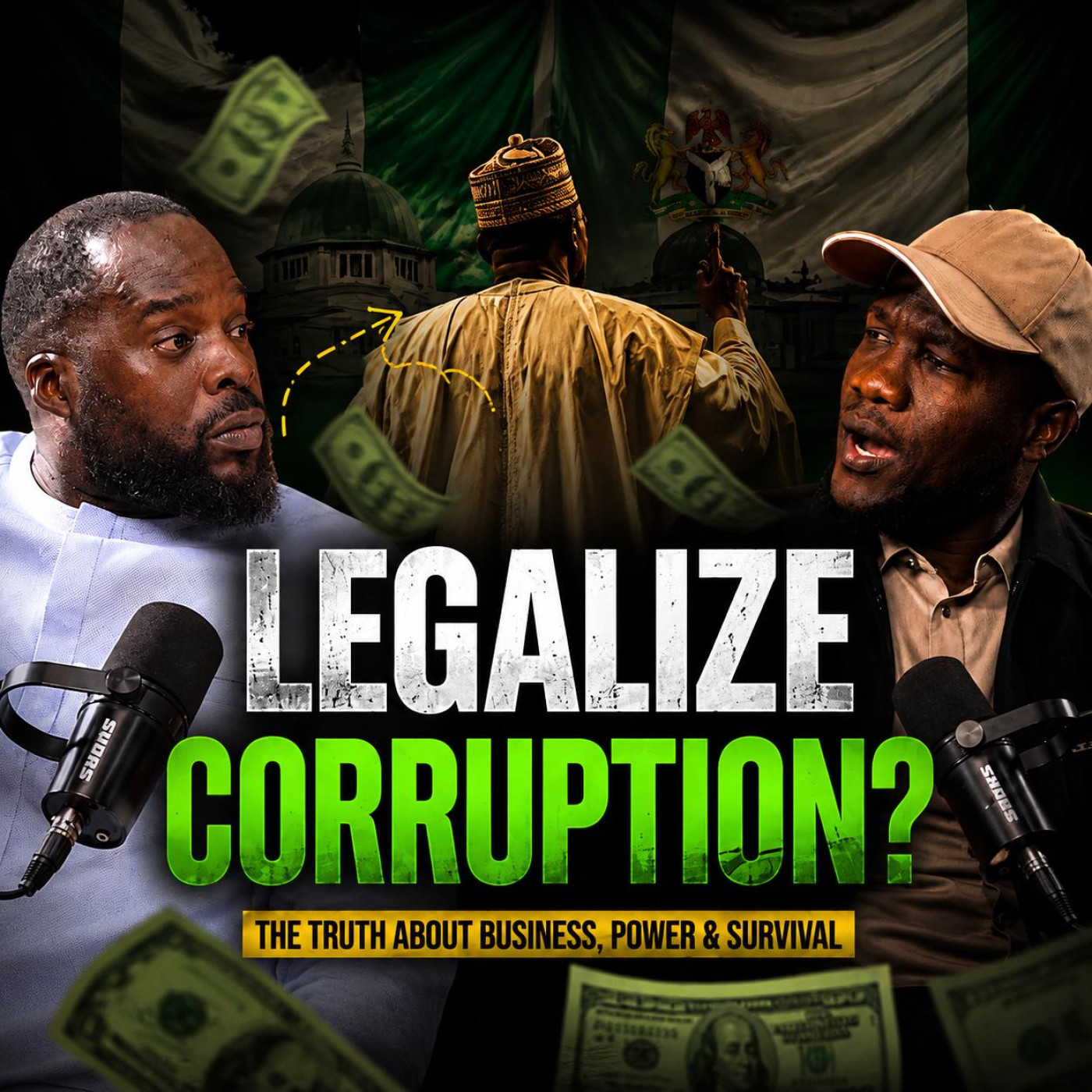 The Truth About Business, Power & Survival “Nigeria Should Structure Corruption” | Keji Giwa
 I Missed a 10,000x Startup… After Investing Early in Paystack | Abasiama Idaresit
 From Walmart to Wakanow: How Bayo Adedeji Is Fixing Africa’s Travel Problem | $50M Raised