The Product Design for Learning Podcast · 2026-03-25 · 1h 5m
Key moments - from our scoring
Substance score
60 / 100
Five dimensions, 20 points each
This episode challenges the common misconception that ROI in learning should be measured purely through financial returns. Paul Morgan, former head of L&D at Microsoft, and Sarah Wood, a revenue enablement specialist, explain that learning investments always work in concert with multiple organizational factors - culture, management, market conditions - making it impossible to attribute financial outcomes to training alone. Sarah emphasizes that ROI requires establishing baseline metrics before intervention, then tracking definable behavior changes tied to capability improvements (pipeline velocity and win rates in sales enablement; speed to competency in onboarding). Paul stresses that 80-90% of organizational outcomes stem from non-financial factors: culture, engagement, belonging, and how people feel about their work. The hosts discuss how onboarding often fails because company culture doesn't align with L&D promises, and how organizations like BrewDog scaled financially while their culture deteriorated. The conversation shifts to product thinking: people adopt tools and services (free apps, ChatGPT) based on perceived value, not cost. This lens applies to learning products - success comes from solving real problems and earning emotional buy-in, not from compliance metrics or course completion rates.
Focus on leading indicators tied to the specific problem: behavior changes, error rate reductions, speed to competency, engagement metrics, or retention. These non-financial metrics precede and eventually drive financial outcomes, which are lagging indicators affected by many variables beyond training alone.
Most organizations look backward at financial results or track vanity metrics like course completion and satisfaction scores. The correct approach involves establishing a baseline metric of the problem beforehand, identifying the root cause, designing a targeted solution, then tracking the specific behavior or outcome change over time.
Onboarding fails when the program culture doesn't match the actual organizational culture people enter. New hires get excited during two weeks of training but then move into teams with completely different norms and practices, leading to disengagement and attrition.
Non-financial metrics are the leading indicators; financial returns are lagging indicators that eventually follow. Culture, engagement, belonging, and how people feel about their work drive 80-90% of organizational outcomes, so measuring these first is more useful than chasing financial metrics.
Apply product design thinking: start by understanding the real problem and its measurement, then design something that solves it so well people want to use it (like free consumer apps people choose to engage with), rather than compliance-driven content people endure.
Our reviewer’s read on each dimension, with quotes from the episode.
The episode contains several substantive insights about ROI measurement and learning effectiveness, particularly around non-financial metrics, relevance in training design, and the multi-causal nature of organizational outcomes. However, much of the discussion circles around established concepts (culture impacts results, measure what matters, avoid one-size-fits-all solutions) without deeply novel claims. There's considerable repetition of core points across the three speakers and significant tangential discussion (BrewDog, Instagram, M&S ads) that dilutes density.
no one act can ever give you a return, uh, in a company...we're really talking about in learning is about the impact or the value that doing a particular activity is having on the organization
I think where people struggle is where they're trying to show that one element of learning and development can deliver direct return on investment. And that just isn't possible because life is not that, uh, simple
The core argument - that ROI in learning is multifactorial, culture-driven, and requires business problem diagnosis before solution design - is neither new nor counterintuitive in L&D discourse. The critique of conference-speak and LinkedIn thought leadership is valid but well-worn. The guest's emphasis on conversation and relevance over technology is pragmatic but not fresh. Few genuinely counterintuitive claims emerge; most positions align with practitioner consensus.
ROI is confusing. It. I just think what value...Are we enabling them to sell more? Are they selling more? Are they feel happy about it?
we are over complicating the complicated. The reason why Skills is not moving forward is because everyone's trying to complicate it
Paul Morgan (ex-Head of L&D at Microsoft and SIG plc, now consultant) and Sarah Wood (background in L&D and sales/revenue enablement) are relevant practitioners with real organizational experience. Both have operated at scale and speak from direct implementation experience rather than theory. However, neither guest is currently in a major operational role, and neither represents cutting-edge or exceptional seniority in the field. They are solid mid-level practitioners rather than standout figures.
I've worked in organizations where the culture and the belonging drives that overall feeling for driving the overall business forward
I run a weekly live enablement session. So I'm pulling sellers out of their day for 45 minutes once or twice a week. That has to be something actionable
The episode severely lacks named examples, concrete metrics, and numerical evidence. Most assertions are general or illustrated via anecdotes (onboarding drop-off story, compliance training, O2 example) without data. Sarah provides one clear example (reducing error rates on forms from boring video to focused screenshots) but it lacks numbers. Paul references his work but rarely with specifics. No financial figures, error rate percentages, retention metrics, or measurable outcomes are cited. Reliance on narrative rather than data is a significant weakness.
It turned out the top five error rates were 95% of every kickback. Okay, now I can do something with that
I worked with a company who were a large PLC software organization who basically felt as though that people from the outside didn't have the skills to be able to come into their organization
The host (Greg) asks reasonable open-ended questions and does push back on vague ideas (e.g., the AI for cross-functional collaboration request). However, follow-ups are often soft, and the host frequently derails into tangents (BrewDog rant, Instagram, M&S ads) rather than drilling deeper into claims. The guests are not meaningfully challenged on assertions; instead, they receive nodding agreement. There is little productive disagreement or sharp interrogation of trade-offs. The conversation is cordial but lacks the rigor expected of substantive business discussion.
if you didn't do this, if you just didn't do any of the things you just did and people just carried on with their day, what's the worst thing that would happen?
Cool, cool. What are they going to do afterwards? And they're like, well, they just need to know about it. I'm like, mhm, mhm, let's talk about this more
Computed from the transcript - who did the talking, and the words that came up most.
In this episode, Greg Arthur hosts a lively discussion with Sarah Wood and Paul Morgan on the nuances of measuring ROI in L&D. They explore why traditional metrics often fall short and how organisations can better understand the real impact of their learning initiatives.
Transcribed and scored by The B2B Podcast Index.
Speaker A: So, um, welcome to the Product Design for Learning podcast. I have two guests this week and we're talking about roi, which is return on investment. We'll probably just say ROI to save time. We've got Sarah Wood and Paul Morgan and they will introduce themselves in just a second. And there is a link in the comments on LinkedIn for a poll that we did which pushed out ROIS. The current most important thing that people that at least responding to the poll, um, say is bothering them or that is hard to measure or is the thing we should all be focusing on the most. So before we get stuck into it, I'm going to ask, uh, as we always do, uh, for the quickest of quick introductions from both Sarah and Paul. So, Sarah, if you want to go first, tell us who you, uh, are. You've got 60 seconds to summarize your entire being.
Speaker B: Hi, I'm Sarah. I have a strong background in L and D, but in recent years I've moved over to sales enablement and revenue enablement. So ROI is something that is always on my mind.
Speaker A: Nice. Thank you, Paul. Very quick. Yeah.
Speaker C: Paul Morgan, been part of L and D for some years. Uh, ex head of L and D, uh, at Microsoft and companies like SIG plc, now basically an independent consultant supporting companies doing projects around capability.
Speaker A: And that's me. Lovely. Thanks, Paul. Thanks, Sarah. Um, cool. So, like I said, first thing. Well, actually, the only thing we're really going to be talking about today is roi. And before we get stuck in. So I know we've done 60 second intros. What is your 60 second version on what ROI is, and ROI in learning more specifically? And I'll preface this with I spent a bit of time recently with a couple of different organizations and they both talked about ROI as almost two separate things. Even though they're both talking about learning, they're both talking about people talking about skills, talking about capability. But they couldn't have been further away from each other. And I found that completely bonkers. But maybe that's just me. So, Paul, you want to go first this time? What is your 62nd version of? When someone says ROI in learning, what do you say?
Speaker C: So, two things. Firstly, I think ROI is something that everyone talks about, but as you say, Greg doesn't really. Don't really know how to measure. Uh, and I would preface it by saying no one act can ever give you a return, uh, in a company. So I think we should start with that. There are a number of things that happen in organizations that enable organizations to get a return on a Number of investments. So I think what we're really talking about in learning is about the impact or the value that doing a particular activity is having on the organization. And really what I think about in terms of ROIs is in terms of what are the indicators that, uh, are showing that that activity with other activities at the same time is having an impact and is showing value to the business. I think where people struggle is where they're trying to show that one element of learning and development can deliver direct return on investment. And that just isn't possible because life is not that, uh, simple. So for me it's more about, it's the impact and the value, uh, that that particular activity along with other things are having on the business. Whether that be better engagement of people, whether that be retention of employees, whether that be improvement in terms of people's knowledge, et cetera. It's some level of indicator that shows that that investment has been worthwhile.
Speaker A: I agree, Sarah.
Speaker B: Yeah, I mean, I feel like I'm just gonna repeat, Paul, but in different words. Um, so I, yeah, I prepared, I prepared a. Even. I took it really literally, Greg. And I timed myself. I was like 60 seconds or less. I better do this. So, um, so what my, where my head is with it is roi and learning is a, uh, clear business return for a learning or enablement intervention tied and compared to a baseline metric over a defined period of time. So we have to be really clear about what, what is the problem, how are we measuring that problem, and how is the proposed solution tied to the measurement? It's not about smile charts or attendance tracking, but those definable traceable behavior changes that are clearly tied to capability uplifts. So in my world of revenue enablement, we would be looking at pipeline velocity, win rates, acv, that kind of thing. In my previous L and D roles, I was looking at general speed to competency when designing, onboarding or reduction in error rates when performing specific tasks. That sort of thing.
Speaker A: Yeah, awesome. I mean, yes to both those things. And for me, I'll fill m. My fill. My time as well is like you were saying, Sarah, it's measuring. If someone says, we've got a problem right now before we go and rush off and start building something or throwing tools at it or wherever it's going to be, it's usually asking them, well, how are you measuring? That's a problem. If they just say things like, well, people aren't happy. Tell me, tell me how you know that. How many people? How angry are they? How are you measuring their anger? Like what else is happening or if we're talking about a behavior or a skill or thing isn't being done. Again, give me some sort of measurement or show me something that shows that you can measure that and you can measure it again later on. And then to your point, Paul, about having multiple interventions, um, I usually try and go back, like take it completely away from learning. When I try and explain to people around, think about it like somebody trying to run the hundred meters in like the Olympics or something, their coach doesn't just say to them every day, just, just do it faster today because that, that's how we're going to win. Because there's other guys, he's still faster than you if you just go faster. So easy. Come on. It doesn't work like that. Like there's probably like, actually I don't really like running but like, I'd rather just walk or get a cab. But like, uh, if it's like their diet or stretching or technique or the type of shoes they're wearing or, I don't know, loads of different things that they have to really think about, it's not just, I can just get there a bit quicker or do this one thing only doesn't. And I find it mad that people still talk about ROI and learning. As in, well, we'll just get a new LMS or we're going to get
Speaker C: AI for everybody training and yeah, we'll do some sales training and you know, we aren't selling enough. We need more sales training. Only if life is that simple, you know.
Speaker A: Exactly.
Speaker C: We turn that dial, then we'd all be very rich.
Speaker A: Exactly. And also it's trade offs. As in if you're, if you're, if you're putting a learning intervention in front of people, you're potentially taking their attention away from the thing that they're doing.
Speaker B: Yeah.
Speaker A: So if you're doing that, you're reducing the time that they're involved in the problem to go and focus on something else and then putting them back in there, which might be the best thing to do. But it m. Might also be you're losing time on production or service or whatever it's going to be. So yeah, that's my, I was way over 60 seconds. But that's my, that's my version of it as well. But interestingly, talking about multiple things, I saw, I think it was LinkedIn, I could be wrong. Um, there was a post about ROI isn't just financial. And the person that was talking about it was saying that, um, it definitely felt they were talking about that kind of board level, cfo, CEO kind of level. But, um, I also feel like, like it's more to anybody that has to measure roi. So it's not just uh, you know, the top of the company. It could be head to learning other stakeholders or anyone that's involved remotely, but also the people that you're trying to support, I think, as in if you're, if you're pushing an audience through an intervention or a series of interventions. When it's been happening to me as an employee, one of my questions has always been, well, why are we, why being even made to do this? Or why am I doing this rather than maybe something else I feel might be more beneficial. Um, but again, they were talking about it as in purely not financials, as in it's one of many, many, many things. Annoyingly, they didn't go into what those many, many other things were. But how do you guys feel about that statement in terms of roi not just being a, ironically a return on investment, but that investment not just being financial?
Speaker C: Sarah?
Speaker B: Yeah, I think that, um, we have to remember, you touched on it already, Greg, that an organization is composed of people and behavior leads to business outcomes, and that can be positive or negative. What those people do on an individual level, a team level, department level, and uh, fundamentally an org level leads to outcomes one way or another. Right? So financial measures are downstream and lagging indicators of any successful learning intervention. If we're talking about how are we going to change behavior and how, what are we going to look at when that has changed? Because, um. Well, okay, an example would be I worked in an organization that had a really, really strong onboarding program. The L and D team did an amazing job, got new hires, like really excited about joining the organization. That culture in the L and D team was not the same as the culture down on the ground in the actual teams that they were moving into. So the way the, the way the business functioned, they would be onboarded for like two weeks and then they would move into their teams with their managers. And it was like, what company have I joined? Because this is not the same. So that investment in that onboarding program actually led to a steep drop off of new, uh, hires. And so that, that you, you, you have to, you have to look at that wider picture. And it's like if you're making an amazing program, is it reflective of the company culture, for example?
Speaker A: Yeah.
Speaker B: So I'm, I'm going off of my, uh, track of my notes because that, that story I think is a really powerful example of how we in L and D could be thinking in a very isolationist like mindset that has a negative impact on an organization rather than a positive one, which is what we want. So that downstream measurement that we need to think about, like, how are we impacting things over time and how are we going to track that over time? It's not just monetary, but eventually it's monetary. And those other metrics need to be logically following what you want that outcome to be. If that makes sense.
Speaker A: Yeah, yeah, I think so. Just. And just before we go to you, Paul, I think on that, that point, um, so onboarding has always been something where I've, I've always kind of wondered, and maybe it's a whole other episode, whether it should be a learning thing or a, uh, wider people thing or just everyone in the company thing. And then everyone goes through the same onboarding. You know, maybe maybe like crowdsource what should be in there rather than just go, well, it's just you guys and you're the only one to get to decide what happens to when they join the company. Um, but then the return on investment, for me there is, ah, are you getting somebody up to speed to do the thing you hired them to do as quickly as possible in the best way that everyone involved is happy, like, and happy and comfortable that they're doing the thing that they're to do. Because most of the time onboarding is never really about the job you've applied for, been interviewed for, maybe gone through way too many rounds of interviews to turn up for. And then you go, oh, uh, but now we're going to talk about something completely removed, like the company history. And like, I've sat through slides where it's like, we were formed 250 years ago. I wasn't alive then. So whatever happened then probably doesn't bother me right now. So, like, if anything, they're wasting my time, they're wasting their own time, and it's time that they could be spent reshaping my opinion on what am I there to do? What are they getting? Are they getting the best out, uh, of me? Are they preparing me all these kind of things? Um, yes. I feel like maybe that does ultimately come down to currency, as in, I'm being paid to be there, so is somebody else. Could that money be spent on something else or even more people doing more jobs? Um, I don't know. Bit of a weird one. We'll come back to onboarding because I feel like that's, uh, that'd be A hot topic. Um, but Paul, sorry, before I go off on a tangent.
Speaker C: No, I think, I think, I mean, you know, what's the, what's the saying? Culture eats strategy for breakfast.
Speaker A: Yeah, yeah.
Speaker C: And fundamentally I've worked in organizations and for organizations where the majority of the metrics are non financial that drive a financial outcome. Right.
Speaker A: Yeah.
Speaker C: I've worked in organizations where the culture and the belonging drives that overall feeling for driving the overall business forward. And talking about onboarding, I, uh, worked with a company who were a large PLC software organization who basically felt as though that people from the outside didn't have the skills to be able to come into their organization and they should only promote within. When I uh, looked into it with them, basically the reason why everyone was failing is because they weren't given an onboarding plan and they were expected to understand the particular code of that organization without being truly onboarded and educated as to what it was and the environment and how the organization works and how the construct of that organization worked. Basically they were leaving. So in, um, terms of, you know, it's interesting about onboarding, it's so much about the organizational culture, it's so much about, you know, not only what it does, but how it does it and actually the roles and responsibilities. How engaged is the audience, uh, how responsible does everyone feel in terms of, in that organization which will lead to a financial outcome? And you know, we're people at the end of the day. We're, you know, the emotion, the culture, the relationships, the responsibility we have. It's. In my experience it is in the majority of cases non financial that make the financial.
Speaker A: Yeah, right.
Speaker C: It influences the fact if you're not engaged, if you're not enjoying your job, then the finances are, you know, are impacted. Not using a, a recent example, but Brew Dog. Yeah, that is a prime example of an organization that basically had the right culture at the time. Right. But then the culture became, you know, it started destroying what it had, uh, and it turned against it. You know. Yes, it was doing well, but it wasn't making any money. And then they had all those scandals. That isn't financial. That's, that's cultural. That's cultural. There's the way that people feel and the way that they act and the way that they, they kind of feel responsible. So I think in the majority of cases this is the problem with roi. Everyone's going after the financial metrics, but we're humans and the environment that we work in has such an impact on our day to day work and how, how much we do for that organization and how much we want to understand about that organization. And then you've got the market and then you've got, you know, everything else on top. So for me, I would say 80, 90, you know, percent of it is non financial, but we're obsessed with the financial, you know, let's get the data out of SAP or let's, you know, life isn't that simple. Uh, life isn't that simple.
Speaker A: Absolutely. And I'm gonna cc Toby King when we post this because he had a whole livestream about Brewdog and I, I did didn't have a sleepless night, but I went off on a Mr. Fisherman James on his little live stream. Only at Toby James didn't turn up. He don't care. Selling Brewdog for God knows how many millions. But like they're almost like a dumpster fire of, of how to get everything so horribly wrong when it's going so well as it, it was, it was, it felt like on the outside such a great product, great branding. People were falling over themselves to try and work with them as they scaled. Then obviously all the scandals started coming out and it didn't matter that whilst the scandals were kind of like from a people perspective, like dipping finances were going up, they were still opening more bars, they were expanding into different countries, they were doing more things that felt bigger and better and more wild. But ultimately it didn't have a long term. Like if they'd sold then maybe it had been a different story. But like it's just become a, uh, a real hot mess.
Speaker C: And it's so important about culture. You know, I worked for my, when Steve Ballmer was the CEO and then obviously Satya Nandela becomes a CEO. Uh, they're two completely different individuals. And I think the culture, you know, the culture impact of that individual has to change the organization. It was a very different organization when I was there, when it was growing. Then it needs to change its, you know, its organization, its culture about how it behaves. Yeah. You know, not going into a huge, huge conversation about Brewdog, but I think, I think that's where, you know, back to Sarah's point, right. You know, there are so many other things that you're doing in an organization to try and affect, uh, the culture has to support that particular push, that particular movement. And if you come into an organization and it's completely the opposite, then however skilled you are, you just won't be able to function.
Speaker A: Yeah, absolutely. And um, yeah, thank you for saving me from a brew dog conversation. Because this would be a seven hour episode of me hating on.
Speaker C: Ah, apologies,
Speaker A: but talking about. So like I say, this LinkedIn post didn't talk about the many, many other things other than financial. But again we talk about product design methodology when we talk about learning products a lot when we speak to clients. As in you wouldn't use unless you had no other option. You wouldn't use a bad product or service twice. And any good product. Even though we kind of talk about Apple as like, and I kind of give it the quotes as if like it's a person who go, oh, I'm buying it from Apple, you're buying it from a company. But that company is made up of gazillions of very clever people that are laser focused on how do I get you, the individual, the customer, to be completely addicted to our ecosystem where if you buy one thing, it connects to another thing. And then when we update that thing you go, oh my God, this is so good. Life has never been better. Now I'm using all of your products. They go, oh, now we've got this service that goes with this product and another add on to it and you go, I have to spend £9 million on things I probably don't need. And um, and it's lovely. And everyone feels like they're having a nice time but like ultimately they're thinking about we as people that work at Apple. How do we get you, the consumer, also people to buy into our products? They're not thinking about how do you get to buy into our company. They think about the product and the people. So when we're talking about learning products, um, for me it's like I say, there is obviously an element of financials but it's much more around that emotional and behavioral connection around can we get people to buy into this product? Because they're trying to do something at work, whether they want to be better, they want to get paid more, they want to have more success, they want to try different things out, but they might have a barrier to get there. So we need to give them something or some collection of things to help them get there better, to get there quicker, faster, better wherever you're going to be. Um, but I still feel like people fixate too much on, well we did this, so we got this back. Whether it's learning hours or cost spent. What other things would you guys recommend people if you said to them we're taking financials off the table, like what, what other things would you guys recommend people try and look at?
Speaker B: I think, I think that, like my perspective, it has to be tied to what the problem is. And so some of those metrics are going to be really unique. So going back to my example that I talked about before about reducing error rates, that was a very specific example. It's like, well, why, why are there error rates? Oh, it's because the forms that they have to fill in are really complicated and, and if you make one mistake, it kicks the whole form back. Okay, so great. Okay, what, uh, what are we training? How are we training them now? Oh, an hour long video walking through the entire form that is so boring it makes you want to die. So no one's doing it, no one's watching it, and so they're just winging it. Okay, great.
Speaker C: Cool.
Speaker B: Good to know. Now, um, what are the top five error rates? It turned out the top five error rates were 95% of every kickback. Okay, now I can do something with that. Now I'm going to do a screenshot of where you go wrong and a quick bullet of how to fix it. And instead of it being a deep dive into the boring form, it is a quick, oh, God, I don't know how to do this one bit. Now I can go and consume that really quickly. And I fixed the problem and that is what I started tracking. It was like, okay, well who's, who's looking at this? Which managers are excited about this solution change and how are they communicating it to their team? And eventually that leads to a financial impact because the error rates have reduced. But at first I have to understand what that problem is before I can then track other things tied to the solution. And that, that's, that's individual to the actual situation. So I think, I think there's uh, a, there's a methodology but, or, or a framework you can apply to anything. But the actual, the nitty gritty things that you track is gonna change.
Speaker A: Yeah, yeah. And I, and I think as well, it's, um, like again, taking it away from financials. If you look at the, I know everyone say everyone, a lot of people who are kind of glued to their phones a lot or their devices, like the, the top performing apps are all largely free or super cheap to use. Like there's free versions of ChatGPT, Instagram is free, Facebook, if people still use that as much. But like news sites are free, most of them, unless you pay for like, you know, the extra subscriptions. So all of these things are free and we're choosing to spend our time on them because we feel like we're getting A realized benefit, as in they're either addicted and that's their benefit. They've already told themselves they're getting or they're going there. Like I go to Sky News, for example. So Love or hate Mr. Murdoch, I quite like his news app. So that again, probably a whole separate conversation. But, um, but I go there, it's got all the things I need and then I go to other places for other things. But I could also go to like one of thousands of other news apps, but I go to that one because it does the things I need it to do. But it's again, it's free. Like it's not, I'm not choosing to spend my time or money with it. Uh, so there's no financial ROI for me. It's just, oh, I didn't know something I've got on there, I now know something. I have an opinion. Whether I do something with that is up to me. Um, Paul, sorry to come back to you. Before we move on to the next question, what would you suggest people look at if it's not financial in terms of roi?
Speaker C: In fact, what Sarah said. So let me just choose, uh, an example. I was uh, erm, for two years and I was given the responsibility of completely changing their compliance training. All of their seven and a half thousand employees because it's that, you know, everyone hated compliance. No one loves compliance, right? I had the worst job in the world and I used to introduce myself as the most hated person in the company. Um, but it comes back to relevance, right? You know, people were doing training that they didn't need to do because they, they were either. In the us you have different states and you have different laws and if you're in California versus you're in New York, you need to do different things. Well, don't, if I live in California, don't get me to do something that's not relevant for me in California, that's in New York. If I, if I don't drive for work, don't get me to do a four hour defensive driving course. If I don't travel, don't ask me to do, you know, the traffic, you know, the whole travel training. You know, if I'm organizing travel for someone, then I have to do it. So it all comes down to relevance. And I think the interesting thing that we don't talk, uh, enough about and Sarah touched on it, is in terms of, it's the process as well as the training that brings the relevance to the individual. If I'm not very good at closing, give Me training on closing. Don't give me training on the product because I understand the product or market conditions. So make, make it relevant. And I think, I think what we did is, is we understand the number of hours that people were doing and then in terms of what they would have to do and then, then the reduction. And then what we did is obviously we then asked people who were coming into the organization, how did it compare to training they've had elsewhere? Is it less, is it more, is it more relevant? And then work out in terms of what those particular impacts are and actually whether you're doing the right thing. I remember working at, uh, O2, and it was when some new FCA regulations came in and we did some new training, and it took twice as long as for them to do the input than they had it before. Well, okay, timing, you know, how long does it take? What do they have to do? And then, and then what can you do with the process? It's not all financial, and I think, I think it's. It's down to the relevance. Give. Give me what I think I need to know and give me the tools that will help me do my job better. But don't give me something that, that I already know or, you know, compliance is all about awareness. But you have everything from 15 minutes to an hour and a half now. Uh, if I, you know, if I need to know and be aware of what sexual harassment is. Right. Or GDPR or cyber security, I don't. You just need to tell me the things that are relevant to my job. Right. You know, if I'm in the field and I don't use a laptop. Right. But I only use a, uh, handheld device. Only tell me what's, you know, actually relevant. So for me, it's all about relevance. But it's the process. It's the problem with the process. And then training. And sometimes it doesn't have to be training. It could be communication, because we're in a world of. How many times is training actually communication?
Speaker B: Yeah.
Speaker C: Right. Uh, they will need to be trained on the next iPhone. Or do they just need information about what's changed?
Speaker B: Yeah.
Speaker A: Or do they just need to know where to get it correct when it's coming out? Because they can probably figure it out themselves.
Speaker C: Yes.
Speaker A: And this, this is one of the things that, uh, Ashley from, from Maz and I talked about was around, uh, and she explains it more eloquently than I do around. You can't help people understand a good product if they have no idea it exists. So if You've not given them a reason to even engage with it. They're never going to know. And the same with the bad product. You can put the best marketing in the world, they'll go and find it, but then they'll immediately form an opinion and go, that was pointless. I have no idea what I'm doing with that stupid.
Speaker C: It's also about target market as well. Are you, are you targeting the right people with the right information and at some point, you know, your age and you know that actually buying a top at the age of 56 in, in river island is not the thing to do. Right. So, you know, you know, as an example, I don't get ads on my thing about river island because obviously, um, I'm too old, you know, or, or super dry, you know, if I wore super dry today, people think I was sad. So it's, it's also targeting your audience properly. Right. And actually having that impact.
Speaker A: Well, I'm getting M and S ads, so I'm not really sure what I should take from that. But, uh, we're going to move on. So I'm going to read my notes on this.
Speaker C: So we.
Speaker A: Yeah, so this is a bit of a bug bear of mine, uh, and I'm not gonna project that onto you guys, but my bugbear, um, so LinkedIn is its own special place of where people feel like they have an opinion they need to share about everything. Um, conferences, learning conferences. And I've only really been to learning conferences, so I'm not entirely sure if it's the same when you go to like a marketing or a sales one, but those kind of places I seem to see not always the same people, but just lots of people talking about roi. Talking about data is another one. Storytelling seems to used to come up a lot. And as if, like we're all experts, we've got this down. Like, I've said data six times in this presentation. Um, I'm going to talk to you like I'm telling a story because storytelling is really important. I've probably got an AI image behind me with like a finger pointing, some bits like a minority report. And then they go, roi, namaste. And they just leave the stage. Everyone goes, oh my God, this guy's so clever. Um, but then you speak to these people in their jobs or you speak to the organizations they work for and it's just not happening. Like you go and ask them like, so you're doing this leadership program or you're doing this mandatory, uh, training or wherever it's going to be, how are you measuring? We can't just say, how are you measuring that? And it's usually completion rates, learning hours, or everyone really liked it or we got some really senior sponsors involved. It's like, okay, but if you didn't. Exactly, Sarah.
Speaker C: Uh, I love it.
Speaker A: My favorite one is just like the hostage style photos of everyone, like in the room.
Speaker C: Like,
Speaker A: just, just like, great, great session today. And everyone's like, like, just classic. But like, what I really want to ask them is like, if you didn't do this, if you just didn't do any of this and people just carried on with their day, what's the worst thing that would happen? How'd you know that's the worst thing that would happen? And maybe you should start there. And if you haven't done that first, why did you do any of the things you just did?
Speaker C: Uh, yeah, we forget Greg. Right. Uh, the interesting thing is, right, is that L and D loves to think it's in charge, loves to think it's in charge, loves to think it's in control. But in the majority of cases, the business is telling L and D what to do.
Speaker A: Right?
Speaker C: In the majority of cases, 50% of the time, whether we like it or not, is, I've got a problem. Do this. Now, there are some cases where there are some problem statements and other bits and pieces where you can have an impact. But in the majority of cases, people are told what to do.
Speaker B: Yes.
Speaker C: Right. This is the way we want you to spend money. This is what we want you to do. And this is the program. This is how we're going to measure it.
Speaker B: Right.
Speaker C: The thing that winds me up the most in conferences, and I posted about this a while ago, is we need to help everybody and just give them practical examples. What did you do? How did you do it? How did you measure it? Here's the Excel sheet I did. This is a methodology for your boots, right? Go and do it and replicate it. But we don't do that. We tell them about new technology that can do certain things with no results. And more people walk out of conferences with more questions and answers, but they don't walk away with an Excel sheet they can download or a model that they can work on that will basically help them in their job and they can go back. So I think, you know, we are told what to do because the organization, you know, there's some influence we have. Sales enablement is a really good one. Right. That there are, uh. That's a very complex area that probably has more input than Any other area. But leaders think there's a problem and want to do particular programs and you need sponsorship. So I, you know, back to the point about exhibitions. I want to see more customer, less partner. Mhm. Right. But I understand how these, these events are sponsored but I want to see more areas where here's the Excel sheet or this is the program that I ran and this is the data set that I used and this is how you can go and use it and you can accelerate. But we just don't give people practical stuff. We talk all these terms. Storytelling is not new, right? No. Um, why is not new? Big Data is not new. None of it is new. Right. All it is is a rehash. But we uh, we as a, a profession need to give each other more tools to help each other because then we'll be in a better place rather than um, you know, don't get me started on skills. Don't get me started. You know, we're going to have a skills economy. But I mean, I'll shut up there and I'll let Sarah speak then.
Speaker A: After you. Sarah gone.
Speaker B: Um, yeah, I mean you, you. I have similar bugbears. I really. When, when a few years ago especially ah. Around the time of COVID when. I don't know if you two noticed this, but there were a lot more jobs in the L and D space because everybody was moving to online. And so all of a sudden like there was like loads of opportunity and um, there's been a lot of teachers since then that I've noticed trust trying to move into L and D and move out of teaching. So I've worked with a lot of those people who are trying to understand the corporate space and what does this mean and they're really vulnerable to these high fluting thought leadership things that float around on LinkedIn. And it winds me up as well because like this idea of getting a seat at the table and being a change maker and it's like you have to get out there and you have to, you have to tell them what good learning intervention looks like. Hi, I'm an L and D practitioner who is only creating elearning. I get given a scope and I create the elearning that is uh, not in any way my responsibility as an individual contributor. And to then have them read all this on LinkedIn or go to these conferences and being told that they should be behaving this way in their role is really unfair and sets people up to fail and makes them feel like really unhappy in a probably quite a good job. Like, we can influence, but it's limited. I mean, I like to say, um, LND is like the stepchild of hr. Nobody likes hr, so, like, we're not a popular function in the business. We create compliance training, for God's sake. Like, nobody likes us very much. Like, we need to just accept that we make amazing videos and amazing pieces of elearning that people resent the hell out of us for having, having to do so. If we understand that we have limited scope most of the time and we work within that scope, there's plenty that can be done. To your point, Paul, like, we can tell people and we should be telling people. It's like, go see if you can listen to those calls. If you're creating training for people on the phones, go talk to the managers. Like, we can't be L and D and enablement can't be the tail that wags the dog. It's not possible. We have to go and listen to what people's pain points are and design for that. And that may mean that you're given a slide deck and you're told, go create it into elearning. And you do something very small to shift the mindset of the organization. But that's all you can do. And that's okay.
Speaker A: Like, that's so true.
Speaker B: So I could rant on this for a long time.
Speaker A: No, this is, this is great. And this is. I'm here for this. I'm here for the, the agginess. Like, this is what I thrive on. To both your point, it's like, I feel like there is the, the industry we all work in has basically, it's built itself up and now it's eating itself. It's just basically crumbling because someone somewhere has gone, I don't think this is working. Like, I don't think this is the way we should be doing it. Um, um. But then that's just become like a societal norm that someone else outside of the profession says, do this. And now we're being told, well, are we trying to find a better way of saying, well, let's all sit down and think about the problem and work through it. Like, like product designers and all these things that we engage with all day. And then like Paul said, It's kind of 50, 50. Some people go, yeah, sure, but then someone else goes, absolutely not. There's no middle ground.
Speaker C: End of. Exactly. Uh, I think the one thing we can do better at and people struggle with is, and I love Sarah's point in terms of people coming to this profession not knowing what it is, but we have to give them skills that they don't have. How do they partner with the business? And I know everyone talks a lot about this, but that is the fundamental element of what a job is. We're a service orientated. What questions do you want to do? Understand their language, go and speak to people and then just try and help. Do your best to help, you know, 2% of being better every day to help and then you'll be respected. Don't think you're going to do this amazing learning and pigs are going to be flying and planes are going to be doing and we're going to be using AI headsets. I mean, it's just not going to happen. Yeah, it's just not going to happen. Be more realistic about partnering with the business and taking the workload off the people that want to sell and support them and start there. Right. But you know, I love, you know, seat at the table, blah blah, blah, strategic.
Speaker B: I mean,
Speaker C: I mean the thing that winds me up the most.
Speaker A: Greg, bring your own chair.
Speaker C: Yeah. Well, I used to say create your own, create your own room. Right? No, don't, don't, don't have a seat at the table. Create your own table. Invite other people to your table. Don't try and. Because they couldn't give a shit about you. Right. They're doing kind of bigger things. And I think, you know, we have an opportunity to really support the business and do the best as we can with the tools we have. Right. But let's just be pragmatic. Let's think about, you know, what impact can we have and how can we support the business and let's do the measurements. Return on investment. Right. The thing that drives me the most is strategy. Strategic. If I hear that word anymore, I'm going to die. Fundamentally, if you look at the, the definition of strategy, it's a plan. Mhm. Right. It's a plan. So help the business drive the plan, whatever the plan is, and be involved in the plan and support the plan and see how the plan goes, good or bad.
Speaker B: Right.
Speaker C: And anything you can do to measure awareness of the bits and pieces, just go with it and be pragmatic. But you're so right. We're bringing all these tools, AI and LXPs and LMSS and other bits and pieces. Forget it. Just go and go and be on the ground. Be with the people, support the people and make a difference and start there.
Speaker A: Absolutely. I would love to see, uh, at the next, whichever award ceremony happens next, someone wins an award purely for just having a sensible conversation.
Speaker B: Yes.
Speaker A: Yeah, they just gave this person as won an award because someone asked them to just do something and they said, how about we just have a chit chat first and talk about if I just did the thing you asked me to do, what's really secretly going to happen? They go, not much or we've told them, okay, you might tell me something on Monday, I forgot it by Tuesday. So what do you really want to happen?
Speaker B: I feel like you've been listening to my calls lately, Greg, because I literally had a conversation like that. I had someone come to me instantly. I have been, I have to stick to it.
Speaker A: Um,
Speaker B: I run a weekly live enablement session. So I'm pulling sellers out of their day for 45 minutes once or twice a week. That has to be something actionable. That has to be. The ROI has to be high on everyone's priority list if we're going to be pulling them out of their selling. So I had someone from product come to me and say, uh, I need a half an hour session with sellers about this. And I'm like, cool, cool. What are they going to do afterwards? And they're like, well, they just need to know about it. I'm like, mhm, mhm, let's talk about this more. And so they pulled me into the product conversations and I was able to softly, softly catch emonkey. And eventually they were like, oh no, we don't, we don't need a live training. They can just read about it.
Speaker A: Like we talked about apps earlier, like Instagram for example, like when you first. So I avoided Instagram for years and then eventually got it recently. So like when you first get it on and you open it for the first time, like M, most apps has like a little splash screen, big logo, there's maybe like 15 words on it. One of those words is also Instagram and it basically says like login or like a little tagline and you log in and then there's maybe like two or three screens where it's like, here's your home button, here's your profile. Gives you a little walkthrough of what things are and then you're on your own. Like that took me all of 30 seconds to a minute from opening it for the first time to being able to just do whatever I want with it. Um, but that is again one of the most addictive apps in the world, has gazillions of users, is probably billions in dollars worth of revenue and ad spend and all the rest of it. And culture is formed on there and people have all sorts of things that happen to them on there. That to me feels like the greatest example of how learning should take something that you can do in 60 seconds and then create some sort of social environment. Rather than going, we're going to noodle um, on this script for way too long and then create something for way too long. So by the time we actually release something, the problem's already out of date or changed or devolved or whatever. It's going to be. Way too many people have got involved in whatever this thing's going to become. Whereas you could just go, well, I've just managed to just log in, just go, oh, uh, I can do these things, I can do this. I can choose where I engage with people and where I don't engage with people. And even I find myself sitting there going, I'm just, I've just been doing this for like 5 minutes, just looking at nonsense. I'm like, I gotta stop. But then no one's doing that with learning. Going to scroll the learning catalog and just, just casually like, oh, this is so good. So much content in here. Like, no one's doing that exactly, like. And it does, it does make me wonder like why we have heads of culture, heads of learning heads, you know, Sorry, Paul. Skills based organizations, all these kind of things. Like, they're probably well meaning and probably is people doing them really, really well. But at the moment, if we're not measuring a return on investment, financial or otherwise, what is the benefit of them? Ultimately, what is the benefit of a learning team if you're not measuring any return on investment?
Speaker C: Learning team is a necessary evil, right? Whether we like it or not. Right. It's because we have to, they have to do things. How organizations feel about them is all due to, is all due to the culture. It's all due to the person at the top, the CEO. Uh, do they believe it or not believe it? You know, is HR actually at the board table or not? Is it reporting into ops? I mean all these things come back to, in terms of the culture, organization and how it, you know, sees learning and development. However, right. You know, um, the industry is struggling whether it's impact making impact or not, because it's always the first to go. I mean, you know, you only have to read kind of blue Eskimos, um, you know, uh, update on the market. But I think, you know, the interesting element is, is that, you know, if you look at the Don's latest report, you know, the biggest thing is how do I show value yeah, yeah, yeah. You know, and really, I'm not a believer of roi. I just think it's something that confuses a lot of people. As long as you can prove what value you're making in the organization and what, what impact you're having and people feel like you're doing, you're aligning with hr. Ah, Whether you love them or hate them, you know, uh, and you're building one plan to do one thing and you're making success and you're partnering, then that should be enough. I think sometimes we're looking for something that doesn't exist that you can't measure. You know, we're saying so many times that you don't, you don't measure financial. But maybe there's a feel good factor, right? You know, we always do these HR polls, but I don't think we take enough notice of those. So, you know, it's. For me, ROI is confusing. It. I just think what value. You know, look at Don's report. You know, you know, AI has gone down, has gone up, Skills has gone down. There's a surprise, everyone's gone up, right? It's not skills. It's now capabilities. You know, let's crack on that one for another 12 months. Um, but it's really about value. And actually, you know, taking a, you, uh, know, in this particular group of people, are we enabling them to sell more? Are they selling more? Are they feel happy about it? Yes or no? And actually, what's the market conditions? Is the product relevant anymore? Is it not relevant? You know, I worked at, uh, O2 when Amazon came out with the, the, uh, phone that was based on Facebook. Right. I don't know if any of you remember it. They spent billions, right? Didn't sell a single phone. Why? Because it was the same price as the iPhone.
Speaker B: Right.
Speaker C: And no one wanted it.
Speaker A: M. Yeah.
Speaker C: So, you know, there are so many other things, but I think, you know, back to the roi, whatever you want to call it, fine. Doesn't matter. Are you showing value? Can you show value? And how do we as a society in L and D support each other and be a lot more open as to. This is what. This is the problem I had. Take LinkedIn. Here's a solution. And here's the sheet I used to. Let's have a discussion. Yeah, yeah, that's M. My 2 Pennif.
Speaker A: I think it's also just. And I think you're right, ROI is confusing to a lot of people. But I think the point I was trying to make was if an L and D team turns around and says, we can't measure any value from what we're doing, or we're struggling to do that, then someone, somewhere that's deciding who gets what budget will go. Well, we could just take that entire team's budget in terms of the money they spend, the money we spend on those people, and just. And just spend it somewhere else or just keep it in the bank like it shouldn't. It should be the first thing that people say.
Speaker C: And, uh, you can't measure it. We have to do it anyway. Well, if there's that understanding, then then that's fine, but at least have that conversation.
Speaker A: I think I would, I would then challenge that with. Well, then why do it?
Speaker C: Compliance training. Necessary evil.
Speaker A: Yeah, I would. It would be like if someone had said to me, you need to go for a run three times a week, you know, And I was like, oh, but, but why? But they're like, well, you just need to.
Speaker C: But, uh, but Greg, you know, with all due respect, right, you know, politics and culture in an organization, right, as an L and D team back to what Sarah was jfdi. All right, all right, uh, see you later. See you next Wednesday. I'm gonna ask any more questions. And it. And we all have to challenge, but at some point, as, uh, Sarah said, we have to know our place as well, right?
Speaker A: Yeah, I mean, absolutely.
Speaker B: So from a revenue enablement perspective, I often think about carrot and stick. I mean, I make fun of like, heart, touchy feely, softly, softly. I make fun. But I am, I am quite a touchy feely sort of person myself. So I do think about, well, we're forcing people to do this. How can we entice them? Like, I've gamified things and given them prizes and all that kind of stuff. Has it actually, like, stuck? No, no, but they did it. Um, but yeah, I think that if we're, if we can, with as much precision as possible within our sphere of influence, define what the problem is, uh, um, then we can create a solution that can be measured. So if we're talking about like, culture, what about coaching culture? So that's something that I think about a lot with, um, sales managers. A lot of sales managers are promoted into management because they're good at selling. They're not good at peopling, particularly, they're good at selling. So we have to support them in coaching their team and being. Instead of being the player in a team, being the coach of the team, knowing how people should move on a board is different than knowing how you should move. So that is like a really clear thing where we can give them frameworks, we can roll out a manager's program, but then we also need to follow up on that and measure how they're using that frameworks. And are we tying it something like conducting documented deal reviews in one to ones, for example, and then following, making sure they're following the framework. That's then input into a system that we can track and those deals that are being measured and reviewed by the manager can be followed and to see if those deals that are tied to those coaching conversations are improving compared to other deals that maybe aren't tied as closely to coaching conversations. Those are the kinds of things that I think is, like, that's how you build a culture of, like, good, good coach managers is by giving them really clear steps because you've defined a really clear problem, not just like, we'll tell them it's better to be coach managers rather than yelling at their team. I. I don't know how you measured that. How do you even entice people to change their behavior if that's all they know? Those are the things that are on my mind.
Speaker A: This is. This is a whole part of ROI that I think people struggle with, is around measuring behavior. I think partly, like to Paul's point is there's a political side of working in an organization. Then there's also the human side, as in, you can measure some things and then some things I don't feel come. And again, saying Paul said earlier, isn't just one thing. You have to measure multiple things that give you a picture of something. But it may not be the clearest picture every time, but it's better than not doing anything at all.
Speaker C: Yeah.
Speaker A: Um, and it's also not always. Some of it might be financial. Our, uh, best salespeople always leave the organization because the mantra is a and screams at people. You'd be like, okay, cool, well, then we're losing. We're losing revenue because we're losing the best people. But then it could also be something like, people just feel like something's not quite right. That's a. That's a whole other needle in a haystack thing that, you know, maybe requires a bit more than just a learning team going, here's a thing. Like, do this thing, and we'll maybe guess it will be all right. Like, that's too nebulous. Um, but, yeah, I feel. I feel like, uh, my. My ideal goal would be that people just try and do ROI in some shape or form rather than Just currently. Just talking about it as if. As if, you know, data is really important and AI helps me with my data, but then still largely just doing nothing about it. Like, I'd rather people were honest and just said, I'm really struggling with this than just going, everything's fine like that. That was the reason I stopped. Didn't go near Instagram for a while. Was everyone being like, everything's great. And you're like, it's not.
Speaker C: It's not. You know, if. If it's the same as saying, how is your day? Uh, at the moment, someone that says, it's not great. You know, you don't have to look. You don't have to be a genius to look at the news and other bits of people.
Speaker A: Yeah.
Speaker C: See how people feel. Or. Or it's tough, right? Anyone tough is lying. Yeah, I think, I think you're right. I think back to the. We should just be helping people to collect data points. And then, uh. I love your point. You know, it either gives you a picture or it doesn't. It's clear or not, but at least it's a picture. And then basically, you can discuss that picture with other people and see whether they see it clearer than you do and at least have those conversations.
Speaker B: And I think an element of humility in those conversations as well is like, ROI isn't clear, causation isn't correlation. Let's just say I think this might be tied. I think. Think there's an impact because I think it'll open up the conversation. Everyone's going, oh, yeah, I'm not quite sure either. And then. And then you can get a clearer picture because everyone's speaking honestly instead of bluffing and bullshitting. Like, we don't need that.
Speaker A: Yeah. And it's. And it's never always, uh. It's not, uh. It's not transactional, as in, I do a thing or I try and measure a thing, and then I get an exact response. Like, I'm not putting into a calculator,
Speaker C: but it'll give me, like, one never equals two. Right. It just. It just never does.
Speaker A: Well, this is the.
Speaker C: But you can have all these things together and you can. You can present them and you're present. You're trying to get some insight from the data points. And actually, if you start discussing those things actually may come out. I mean, we're, you know, data. We've talked about big data for donkey's years. Right.
Speaker A: Yeah.
Speaker C: And, you know, and it'd be lovely to see at these exhibitions a value track Or a, uh, how do I deliver impact track. And all it has is people that are trying to do it and trying to have conversations. Because I think the people that are on the ground doing it need to be at these conferences. Not the managers, not the director, not the heads of. Right. The people that are actually fundamentally doing the work and struggling and actually as a community, how, how do they help one another?
Speaker A: Yeah. And I will, I will give a little shout to the uh, the Learning Network guys that do their behind the scenes of the award winners. So the people that have won learning awards, like they actually share their products. One thing that always bothered me was you go to the Learning. Any learning awards and people like, oh, we've won and it's this company. You go, well they. All I've seen is that they're wearing a tux. Like I have no other information about what they've done to uh, to get the award. And they go, they just won.
Speaker C: Like, cool.
Speaker A: And I appreciate some people are under NDAs and that kind of thing, but I want to see not just the nice outcome of like, this is how. This is what we did. That won't. But like I really like the, you know, behind the scenes things of like a film or people making a record or whatever it is. Like when they kind of get, they don't just walk in and go, oh, we knocked it out in the day and it was great. Just, just came out perfect on the first day. Like I want to see them arguing or going, this is really good. And then like cut to six hours later going, we've just wasted six hours. This is the worst thing we've ever done. Like I want to see that. I want to see all the rabbit holes and all the bad bits because then that's how you understand.
Speaker B: Yeah.
Speaker A: What you spend your time on and how you work as a group and you know, uh, ultimately it goes back to, for me at least learning industries as people trying to help other people do something or to not do something but shouldn't be. Again, I feel like that's really interesting.
Speaker B: I would build on that even more. Greg and I would say we're trying to solve people's problems and make their lives easier. That is how I go into discovery conversations with my stakeholders. I'm like, how can I take this off your plate? You're getting people coming at you with questions all the time. Let's, let's change this dynamic. How are we going to fix this for you? How are we going to make this easier? Um, and the amount of times that I've seen literally seen stress leave people's aura. Uh, thank God someone's saying that and thinking about it from that perspective. And I'm like, cool, let's work together. And to your point, Paul, this is peopling like 95% of the job is connecting with other people. That. And, and once you do that, it all becomes like, clear, doesn't it? And, and you can.
Speaker C: There is no easy path. Right. There is no, there is no proven thing. Every organization is different. But just trying to have those conversations is the basis of just trying to. Trying to support the business.
Speaker B: Yeah. Yeah.
Speaker C: You know, and learning people, learning from learning professionals. Wow. I think we may have something here. Huh? You know? You know, I mean, how bizarre. How bizarre would you know? But no, I, you know, I think, uh, it's a great topic, you know, and I think we are over complicating the complicated. The reason why Skills is not moving forward is because everyone's trying to complicate it. Right. And we just. As an industry, we love to complicate it. Right. We love to say, what beautiful things. AI is beautiful. Okay, how, how are you using it? What are you doing it with? Give me some examples. You know, let's get, let's get practical. Let's get kind of, um, pragmatic and just give each other tools. And one thing we don't do is we give each other easy tools to use.
Speaker A: Yeah. And also just trying to. Trying to. I've never seen list of. I've, like, to your point, Paul, I've never. I've seen lists of people going, this is a great tool. This is a great methodology. This is a great team or whatever it's going to be. I want to see a list of don't do these things. Here's all the things I've tried and they didn't work. But here's also the reasons why they didn't work. Like, rather than people just listing things they think are rubbish for whatever reason, like, yeah, there's definitely lots of like, back slapping and cheerleading and. Which is all very nice in the community, but like, it's becoming an echo chamber that's becoming almost deafening now of people just saying everything's great, or here's the things we should all be doing. And I do all five, so I must be really good. And it's like, life doesn't work that way. Like, you know, come on. Um, but anyway, I'm getting on my soapbox. Maybe I'm going to stop getting targeted ads for Rid Ryland soon. But, um, Sorry, Paul, that wasn't a, that wasn't a shots fired. But then before we go, um, so just before we go, um, top tips for measuring roi. We'll take one each. What would be your one suggestion? If someone said, I've listened to this episode, all sounds great. I'm all fired up about roi. What's the first thing you would ask them to do?
Speaker C: Create a conversation. To ask what the problem is.
Speaker B: Yeah, yeah.
Speaker C: And then go from there.
Speaker A: Nice.
Speaker C: You know, I, when I was head of an India 02, I said, we're here not, uh, to solve Johnny's problems. We're here to solve business problems. And if they're not solving business problems, then let's not have the conversation. There are other things you can do as an L and D organization to give people the skills. You don't have to necessarily do it yourself. Uh, you know, just start having conversations. And, and, and I say this to a lot of people, start being curious, start looking. Uh, there's nothing more off putting than someone in an IT function when they're speaking to someone who doesn't know anything about it or doesn't care about anything in it or doesn't know anything. I, uh, know it sounds bizarre, right? You know, having a chat with a compliance person and not even looking up if the compliance legislation has changed in the last two years. It only takes five minutes to kind of prepare and actually care. And actually that, that, uh, is, I think, part of our problem. You know, we have to understand that they don't really care about us, but we need to care about them. Yes, that's just, that's my two cents.
Speaker B: Definitely. There's so many, so many things I've been thinking about in answer to that question as I prepared for this podcast. I think that to follow up on what you were saying, Greg, about being flexible, I think, like going into these conversations, as Paul has described, without a preconceived notion of the solution, I think is super important because like we, like we already said, sometimes it's not a learning solution at all. Sometimes it's a post on the Internal Teams channel, sometimes it's a PDF download, sometimes it's nothing because, yeah, nobody needs to know about it. It's fine. It's a change. Or sometimes it is an absolute directive and it's like it is all stick and no carrot. Like, it really depends. And if you come in with a preconceived notion, you need to just depend on your professional expertise of what a good intervention looks like and be flexible in those Conversations that, that's really important and it's definitely served me well in my career to not default to one solution every time because the problem is different.
Speaker A: Yeah, absolutely. And I'll, I'll just add. Sorry, after you, Sarah. Sorry.
Speaker B: No, I was just trying to think like, does that answer your question in terms of measuring roi? And I think that like, yeah, that flexibility and being able to meet the need of that problem means that you can track that solution. Whereas yeah, if you're defaulting to one solution, how are you going to track it? Because each problem is so unique.
Speaker A: Yeah, absolutely. And I'll, I'll rather add mine. I'll build on both yours. So like on um, Paul's one, I spoke to a client recently that was talking about AI in general. There was many things they were talking about with it. And um, one of the requests they got from the business just said we want AI as if it's all one thing to, to support cross functional collaboration.
Speaker B: Okay.
Speaker A: I was looking at this statement. I was like, that's like maybe 50 requests in one sentence. Like, I don't really understand how they, how they've come to this. Like, it's so succinct, but it's like 25 years worth of work in like one little thing. And so it's mad. But I think having that conversation, luckily we got to a point of finding that person that said it and was like, we need to talk about this. Like this is going to be some things that aren't even our deal, some things that probably aren't even remotely possible. Uh, and some things that don't really matter. Uh, because we thought about roi as in, well, what's the point? Like, and it pulls into your point. If around people trying to have that conversation again around. If a learning team doesn't sit and think about if we just did nothing, carrot stick or otherwise, what would happen? And if the answer is something really bad, like, great, well there's your starting point. And if the answer is everything will just carry on as it is and nobody's on fire, so it's okay. Like then maybe don't do anything.
Speaker B: Maybe that's why people are nervous about ROI is do they really want to look that in the face and accept.
Speaker A: Yeah.
Speaker B: That some of the, their interventions aren't having an impact and they know it,
Speaker A: then, then I would, I wouldn't question you should they be doing that job. But I would also be questioning if you look hard enough. Like Paul said, I have the conversations. Maybe spend some time having conversations and making things um, because you will find there is no business in the world that is running 2000% efficient like. And if it is on Monday, it probably isn't by Tuesday. Something's probably happened overnight. The big orange man in the States might have done something and. And the economy's all over the place, so you gotta go and fix that as well. Like there's enough to get on with, so maybe focus on the things that matter rather than the things that don't matter. But, um, anyway, this has been a lot of fun. Yeah, having a lot of fun. Um, thank you both. We will, um, pop the link to the poll that I ran in the comments. We'll tag both of you so you can go and find Sarah and Paul and go and find them and have nice chats with them and, um. M thank you very much. Had lots of fun. Thanks, guys.
Speaker B: Thank you. Thank you for this. M great.
Speaker A: Have a lovely day. Cheers, guys.
Other episodes covering the same guests and topics, from across The B2B Podcast Index.
 Burnout: Why Thought Load, Not Workload, Is Draining You with Liane DaveyBeyond the To-Do List · on organizational culture95 / 100
 6 M&As Later: What this CPO has Learned (Nichole Viviani, Chief People, Culture & Change Officer at Global Payments)The Modern People Leader: Forward-Thinking HR · on organizational culture80 / 100
 #49 | Key Elements of a High-Performance Culture: What HR Needs To KnowThe HR Dialogues · on organizational culture78 / 100
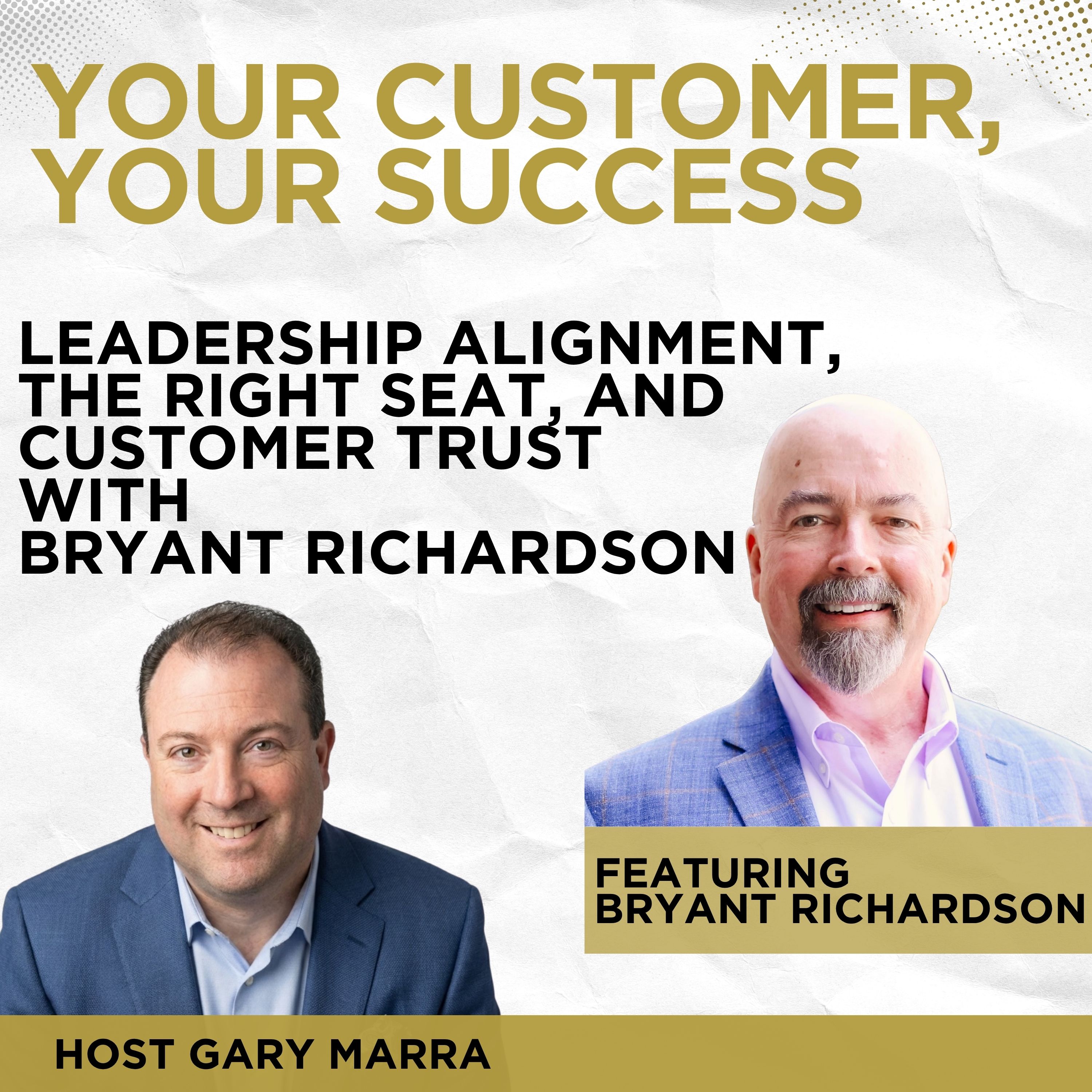 Leadership Alignment, the Right Seat, and Customer Trust with Bryant RichardsonYour Customer, Your Success · on organizational culture78 / 100
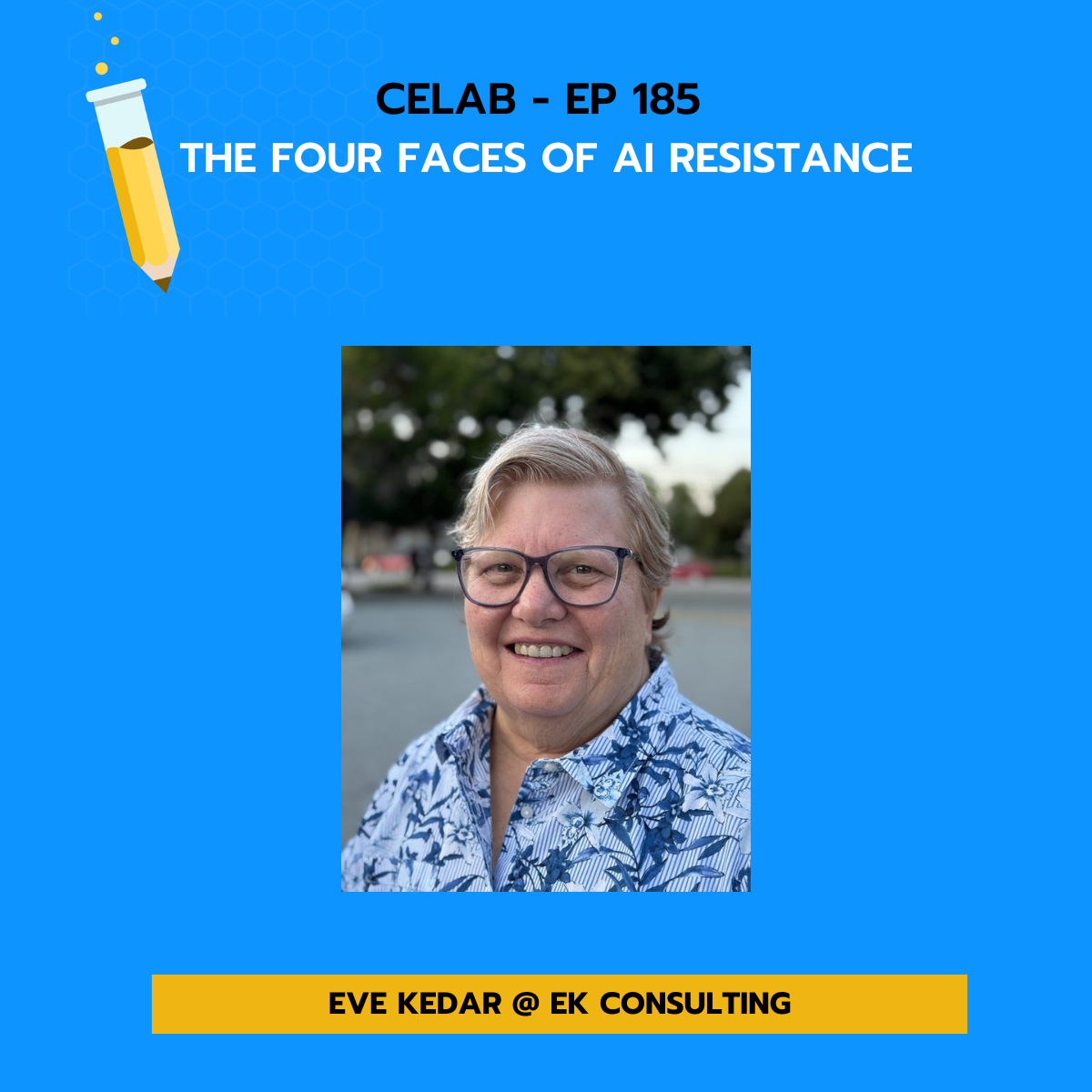 CELab - Ep 185 - The Four Faces of AI Resistance: Eve Kedar on Why Customer Education Should Own the AI RolloutCELab: The Customer Education Lab · on Sales enablement77 / 100
 Episode 77: Temitope Adelanwa - Making Sales Enablement Work as a Solo PMMThis is Product Marketing · on Sales enablement77 / 100
 Ep.30 A (genuinely) interesting conversation about Leadership Development.85 / 100
 Ep. 28 Learning Strategy is not a one-size-fits-all
 Ep.27 Agencies in L&D (2026 Edition)
 Ep.26 L&D Models: Then, Now and Next
 Ep. 25 Education and the 'rebirth' of Learning (the unintentional Xmas episode)