The New F*Word · 2024-10-16 · 34 min
Key moments - from our scoring
Substance score
41 / 100
Five dimensions, 20 points each
Simon Kallu from Growth Factor makes a compelling case for why fractional CFOs should be a non-negotiable first hire for owner-managed businesses hitting £1M in turnover. Rather than just filing accounts and producing disconnected reports, Growth Factor bundles fractional CFO services with dedicated bookkeeping, payroll, and a client concierge - treating the fractional CFO role as a strategic financial director rather than a glorified controller. Simon argues that full-time CFOs cost £150-200k annually and are overkill for businesses needing only 4-5 days monthly; fractional models solve this by providing external perspective, benchmarking against hundreds of other businesses, and the independence to tell founders what they need to hear. He shares how Tony Robbins and Richard Branson both position fractional CFOs as essential first hires, and explains Growth Factor's tiered pricing model, industry-specific pods (e-commerce, health & fitness, fine dining), and willingness to partner with existing accountants. The episode also touches on organizational structure - Simon operates as visionary while COO Yasser handles execution - drawing parallels to the Rocket Fuel visionary/integrator framework. Growth Factor's onboarding uses standardized software and processes across all clients to ensure accurate weekly bookkeeping supports CFO-level strategy work.
A full-time CFO typically costs £150-200k annually, whereas fractional models charge based on transaction volume and business size (small, medium, large tiers). Since most owner-managed businesses only need 4-5 days of CFO work monthly, fractional arrangements provide significant savings while delivering the same strategic expertise.
Yes. Growth Factor actively partners with existing accountants, sending them the information needed for tax filings while the fractional CFO focuses on strategic financial direction. Simon notes this approach often leads clients to organically consolidate services once they see the value being delivered.
A fractional CFO provides strategic, director-level advice on profitability, cash flow, and growth - not just record-keeping. They extract intelligence from numbers to identify small improvements across sales pipelines and operations that can triple business revenue, whereas accountants focus on compliance and bookkeepers on transaction entry.
Tony teaches that the number-one reason businesses fail is poor financial understanding, so he encourages attendees to hire or find a fractional CFO before leaving the event. This reflects advice from successful entrepreneurs like Richard Branson, who also prioritizes a CFO as the first hire in any venture.
Each client gets a fractional CFO (UK-based), a qualified accountant (Philippines-based), a bookkeeper, payroll support, a client concierge for admin, and a chartered tax advisor. The fractional CFO focuses only on strategy while other roles handle execution against standardized checklists and software.
Our reviewer’s read on each dimension, with quotes from the episode.
A few useful operational nuggets (productized service tiers, the sub-component sales pipeline math, foundation-first bookkeeping) but much of the episode is fitness talk, Tony Robbins anecdotes, and mutual agreement rather than dense finance insight.
if you improve the effectiveness of each of those stages by kind of 5 to 7%, your business will triple
the real value is actually in the relationship
Mostly recycled ideas: 'what gets measured gets managed,' profit-first pots, fractional-CFO-is-cheaper-than-full-time, and the fitness-coach analogy. Little contrarian or first-principles thinking.
like Peter Drucker said, what, what gets measured gets managed
a good CFO is going to cost you 150, 200 grand a year
Guest is a genuine practitioner running a 13-year fractional CFO firm with real background (KPMG, Paramount, Thomas Cook) and Tony Robbins accountant partnership, but operates at SME scale rather than large-enterprise finance leadership.
we've been going for 13 years
based on my experience of working at, you know, kpmg, Paramount, Thomas Cook
Some concrete details (pricing tiers, £1m-£10m target, £150-200k CFO cost, offshore team structure, named tools) but much is vague, and a lot of the specific numbers relate to his diet rather than business finance.
you're an owner managed business between a million and 10 million
We charge by the number of transactions, unique transactions
Host is friendly and rapport-driven but rarely challenges claims; questions are soft and often lead to agreement, and large stretches drift into personal fitness chat and Tony Robbins praise without pushback.
Yeah, 100% agree.
No, we're singing from the same song sheet a hundred percent
Computed from the transcript - who did the talking, and the words that came up most.
In this episode of The New F Word, we sit down with Simon Kallu, an expert in fractional CFO services and Tony Robbins' UK and Europe's Accounting Partner, to explore how this evolving role is reshaping financial strategies for growing businesses. Simon shares insights from his decade-long journey in finance, explaining how his company, Growfactor, helps businesses on the cusp of major growth by offering tailored financial expertise. We explore the common pitfalls entrepreneurs face when managing their finances solo, and how a strategic partner can bridge the gap between day-to-day operations and long-term success. Simon uncovers the importance of financial intimacy - understanding that while DIY methods may work short-term, external expertise can provide the fresh perspective needed to scale effectively. Simon also shares his experiences working with high-profile entrepreneurs and offers practical advice on integrating finance into every aspect of business strategy. The New F*Word is produced and managed by Urban Podcasts . This is a public episode. If you would like to discuss this with other subscribers or get access to bonus episodes, visit newfword.substack.com
Transcribed and scored by The B2B Podcast Index.
Speaker A: Welcome to the new F Word podcast where we cut the fluff on business finances and lift the lid on the new F Word. The fractional finance revolution. It's a game changer for small businesses. I'm your host, Colin Hewitt, co founder of Float Cash Flow Management for Xero on QuickBooks. We believe that really understanding your business finances makes all the difference in the world and having a strategic partner like a fractional CFO is the key to unlocking that. So join us as we dive into personal stories and actionable insights from forward thinking finance leaders and and seasoned entrepreneurs to discover why fractional finance leaders have become an irreplaceable part of small business leadership.
Speaker B: Simon, it's great to uh, have you on the new F Word podcast.
Speaker C: Hey buddy, thanks for having me. Glad to be here.
Speaker B: Uh, yeah, it's been a while.
Speaker C: I know, uh, we've known each other for a long, long time, actually. 10 plus years.
Speaker B: Yeah, yeah, I know. I'm looking forward to like just catching up in general and hearing about what's going on. So I know you've been in the, we, we met through the accounting channel initially and that was kind of the world when we were kind of really doing a lot in that space. We're not doing so much in that space anymore. But we're really kind of been really captivated by what's going on in the uh, kind of rise of fractional CFO services and um, the kind of bringing in assistance to help businesses get more of control of their numbers. So you've obviously been on that journey yourself. Be great to just get it from your perspective on what's like, what's evolved for you in the last 10 years.
Speaker C: Yeah, I'll try and give you the short answer. I mean we've been going for 13 years and we started out I think, like most people just filing accounts, doing statutory stuff like most accountants still do, I guess probably only. So we've been going 13 years, probably only the last two or three years. Uh, I kind of had a bit of a light bulb moment. One, to articulate what you're actually offering to clients. It's easier to have two or three productized services and concentrate on a really specific client that you're trying to help. So what we do now at Growth Factor is we kind of help businesses that uh, are getting on for a million pounds in turnover or they're growing quite quickly and they've realized that typically, you know, the role of a fractional CFO or a finance team with a fractional CFO is that they'll be running their own spreadsheet, they'll have a separate accountant, a separate bookkeeper, they won't be doing any tax planning, it'll all be quite disconnected. And I kind of thought, what if we connect this all up? In order for the fractional CFO to do their job properly, they need accurate weekly bookkeeping, they need the right systems, they need the right processes. So, you know, all the data that they're looking at is relevant, is accurate, is timely, but the real value is actually in the relationship. And probably something that maybe AI can still take, seeing how clever Chat GPT version 4 is. But that relationship that you build, that's the fractional cfo. And so we offer, uh, you know, a package services that includes a fractional CFO and just varying degrees based on how big the business is. And that's probably something we didn't do at the start. We just gave the management accounts, gave the reports, talked through the reports, but didn't really. We're acting more like a financial controller rather than a financial director would be the equivalent of a cfo, not giving strategic advice from the numbers, just literally reading through the reports. And I think it takes a long time to build up that experience to get to that level. But like, every business that's hit a million probably needs a cmo, marketing officer, coo, uh, a cfo. But one of the roles that definitely doesn't need to be full time, based on my experience of working at, you know, kpmg, Paramount, Thomas Cook, before I started the business, is that you probably only have four or five days work at that size of business a month. So why would you hire, I mean, a good CFO is going to cost you 150, 200 grand a year. So first of all, you're not going to be able to afford it. And so most businesses think, well, uh, I just won't have it then. Which is, in my opinion, a massive mistake.
Speaker B: Yes, yes, absolutely. And I think, yeah, we sometimes businesses, you know, like our experience, we kind of got by because our COO was able, was financially trained. So we were, we were okay. And eventually, you know, she's left the business. And we're then thinking, like, what are we going to do? Are we going to, are we going to plug this gap? Because, you know, you need it so much. And fractional was the obvious choice for us because, you know, we're, we were able to, we needed to bring somebody in to take on that role. But it is about, you know, it is at the moment, it's about two, three days a month. And that works out really well.
Speaker C: Yeah, you, I mean, why pay for something that you don't need to receive? And also even in businesses that actually have already got someone in that CFO seat, what I find really difficult for, even for my own business and my own finances, and you will as well, is stepping outside of the numbers and actually seeing the wood for the trees. And someone that's not, I guess they're not financially incentivized to try and tell you as a CEO, uh, what you need to hear to retain their job. They're an external party, they should be independent. They see hundreds or thousands of other businesses so they can benchmark yours against others. They have a different. I'm not saying that, you know, your previous scenario wasn't good. I'm sure it was. But for it to be, I think, great or optimal even, they would have the support of another fractional CFO to come. Come give a second opinion.
Speaker B: Yes, absolutely. And, um, you know, often, you know, they would admit that they would have when things got busy, the fra. The CFO work kind of takes a backseat because there's other stuff to do. So, you know, you're not maybe looking at it as in as much detail as you might do. It kind of becomes the bare minimum. So. Yeah, totally agree. It's a great, it's something that probably, you know. Yeah. I think I just see so many businesses start like starting to get the light bulb when you, when you talk about it and going, I think that's what we need.
Speaker C: Way better than me. Because obviously I think, you know, or familiarity that we work with Tony Robbins and do stuff with him at Business Mastery events.
Speaker B: And I didn't know that actually.
Speaker C: Okay. With Tony Robbins, UK and Europe, official accountant have been for five or six years. So anyone that goes to Business mastery, it's a five day event. People pay £10,000 for a ticket. Two out of the five days is just on finances. And it's basically to try and educate business owners that the number one reason that businesses fail is that they don't have a good handle on their numbers, a good understanding. And so Tony's big preach through the whole event is that people should not go away from that event without either reaching out to or writing at the top of their sort of to do list off the back of the event going, find a fractional CFO. And he's been saying that for 20 years. And he obviously knows his stuff. You love him or hate him, he's a very successful business owner. He look at people like Richard Branson. He always says the first person that he hires in any business is a cfo. Now, uh, he's going to put someone in there full time, but they're still going to be supported by people outside of a business.
Speaker B: Wow, I never knew that about Tony Robbins. Um, I really like him. I think, yeah, he's not, obviously not for everybody, but I think there's, there's a lot of. It's interesting that he's, he's taken so much time on that. You know, that's, that's a new, that's a new one for me. But damn, I'd love to. So do you, do you, do you still go to those events? Do you still bring clients along or.
Speaker C: No, they. So when Covid came, they went, we used to go. And it was amazing because we'd go to Las Vegas, Amsterdam and Miami through the year, leave, uh, the kids and the wife at home, go on the business trip. We would, to be fair, work really hard, 7am M till kind of 8, 9, 10pm Most nights. But it was so rewarding because you're just sitting there all day meeting business owners. We would have a little booth Global Accounting Advisors. There'd be the uk, us, Australia and Canadian partners. And people would get offered at that event both the second opinion on their taxes and also a cfo, uh, review. So they bring their numbers, sit down at the desk and we'd have half an hour slots to analyze their numbers and give them CFO level strategic advice. How can they improve their profitability, cash flow, reduce their risk, you know, these kind of things. Now last two years it's been remote, so kind of like we're doing this podcast online. People will get to book calls with us for free. Now they're going back to hybrid. So people are starting to pick up to want to have that human connection again. But it tends to be more people from the U.S. i think at the most recent Business Mastery, there might be 50 or 60 people from the UK flying out to the US and going through that expense to get there. But hopefully things will pick up and we can get back to those three times a year, uh, business trips in Adverted Commerce.
Speaker B: I think I've done one of his, like one of his events online over Covid. It seems like such a blur now, but I definitely did one of, yeah, I definitely did one of the online.
Speaker C: Yeah, he ran a few challenges. Different challenges, different things. Unleash the power within is probably the best way to get started. If anyone's interested in Tony Robbins, he does that in person actually in Birmingham in the nec, usually once a year. Very cool. I think people only tend to dislike Tony because he's heavy on sales. But he's a billionaire. He doesn't need the money. He doesn't need to, uh, push you through his sales funnel to get you to his event to make more money. He just genuinely thinks if you'll go, you would benefit from it. I think that's the misunderstanding sometimes, but
Speaker B: in some ways I think you can go. I did something like that with a guy and Don Martell. We went to one of his.
Speaker C: Oh, I love Dan, uh, Martell. Yeah, he was in the same mastermind as me actually.
Speaker B: So we went, we went to his SAS academy and went over to the US and it's like he's, he's that kind of like high energy, same sort of thing. And it's a bit like you just have to get over yourself sometimes and just like go around and hug people.
Speaker C: Yeah, Go all in, dance around, hug. And if you get caught hugging with a little sort of side hug, then you get told off by all the Tony Robbins facilitators. You have to go full on, face to face, hug it out properly. But yeah, I think getting back to that topic, if you talk to Dan Martell, if you talk to Tony, if you talk to any of these super successful entrepreneurs, they all have access to a fractional cfo. And what they want to do with that cfo, in my opinion, is extract the intelligence from the numbers. He does this thing, uh, Tony as well, where he breaks down the marketing, the sales pipeline, the different stages, and he shows you that if you kind of improve the effectiveness of every, say you have a seven stage sales pipeline, if you improve the effectiveness of each of those stages by kind of 5 to 7%, your business will triple. So sometimes entrepreneurs get really like hung up on, oh, I just need to generate more leads or I just need to improve conversion or I just need to retain more clients. But inside of those three things, there's loads of little sub components that if you just spent a little bit of time each week just really tweaking and refining overnight, you could think, you know what, my business has literally tripled in here and I've only made these sort of small changes that have had a massive impact. It's hard to explain without kind of showing it on a, on a spreadsheet, but, uh, you don't have to necessarily make big tweaks if you're looking at the right data.
Speaker B: When you've got the Accounting people and you've got CFOs. Is there anything in between? Like, what about. There seems to be a bit of stuff around, um, what people are calling finops or just the kind of operation of getting all the tools working or getting the systems in place. Is. Is that a separate role or people kind of cross over that.
Speaker C: No, it's a separate role. So we kind of have the fractional CFO who's UK based. Then we have a qualified accountant in the Philippines who's on that client. Then they have a bookkeeper, they have a payroll person and they have what we call a client concierge supporting them from an admin perspective. So when the client signs up, they get a whole team plus a chartered tax advisor who's in the uk, et cetera, et cetera. So that would be at the accountant role. So we would have that offshore person following detailed checklists. Because it's really important. I mean, we say we help clients with three areas. Mastering their finances, minimizing their taxes, and having a strategic growth plan that will work. So financial mastery is all about right systems and processes, right plans and measurement, which comes into the use of software tools. Analyzing cash flow, looking at performance reporting, having your own financial intelligence as a business owner, which is working with the fractional CFO to understand your numbers day in, day out, week in, week out. Every time you talk to them, you're asking them as many questions as possible, but you can't do anything. It's kind of have this webinar where I present it and I got a picture in that slide of a wedding cake so people can imagine it in their head. You can't build any of the other tiers and put the nice little couple on the top, which might be tax planning or whatever it is, unless you've got that foundational level, which is right systems and processes, accurate weekly bookkeeping. And so the initial setup is standardized. All our clients have the same software, they all run the same weekly bookkeeping process. But yeah, for sure it's a different role. You don't want that fractional CFO doing any legwork whatsoever. You want them just picking up software and performance reports that have no review points and they can just concentrate on, on executing their work with the client.
Speaker B: Yeah, sounds fantastic. And have you niched into any kind of segment or are you sticking like, are you broad? Just taking the right size of business?
Speaker C: We're saying. I think what we've done is create mini pods within the business for different industry niches. So we might have one fractional CFO who has most of our retail e commerce clients. For example, another one might have health and fitness, another one might have. We have Michelin style restaurants which is a funny niche that came. We just got one and then they recommended to another and another. So we don't, we like the variety of working within different industries but our niche is really you're an owner managed business between a million and 10 million. Ideally we, we pick you up at uh, a million and we help you put the right finance team in place to get you to 10 million.
Speaker B: And is there. Do you ever come across businesses that are just, you know, they're like they, you feel like you can't help them or they're. It's not the, it's not the finances that are the problem, it's something else at the owner manager.
Speaker C: Maybe we've had to resign or release, let's call it release to use a footballing analogy because that's my other obsession in life. You know. We'll execute the release clause if the client isn't doing their bit. I mean you can only do weekly booking if the client responds to your queries for information. The client, if the client shows that their personality is such that even if you remind them regularly all the wins that you've had for them and all the great work, they're constantly looking for more and for more and uh, for more and questioning. There's probably more. But we, I won't swear on the podcast, but we write in the proposal that we have a no something rule which means if you are something, as far as we consider it, we're not interested in working with you. We only want to uh, work with nice people. And if you're disrespectful to our staff at any moment in time, unless you have a good reason for it, you're gone. There has to be a two way relationship. I think the fractional CFO has to be able to work with the CEO or the CEO founders and they have to respect each other and they have to see each other as on the same level, you know.
Speaker B: Yeah, 100% agree. Yeah. Life too short to be be working with people that are like that, you
Speaker C: know and worrying if you get attack. I used to worry if I got an email or uh, or a text message or now you might get a WhatsApp from a client and you think what's inside here, you know, if you're thinking that you probably shouldn't be working with that client, I mean not always in the privileged position to be able to do That I get that there might be people listening or watching that are in the early stages and it's all well and good. Me saying just don't take the client on in the first place if you know they're going to be difficult. But if you've got bills to pay, you know, you might have to do that and put up with it for a period of time. But where as soon as you can, you want to sort of kind of either price those clients out is the best way to kind of do it, or release those clients.
Speaker B: And do you price pretty consistently for every client or is it really just a case of custom depending what their needs are?
Speaker C: No, we, yeah, ah, we have like a small, medium, large, like if you would go to McDonald's, although much higher, much higher value. Hopefully the only variable is, you know, payroll numbers, bookkeeping. We charge by the number of transactions, unique transactions and then they can have add ons like they might want to do. They might want to have us do that. Accounts payable and accounts receivable, manage that whole process which we, what we want to really, we want to manage the whole process around the whole finance. So for example, you know, if your CFO comes and says why is this report not ready? And you were saying, well, the client didn't give us their telephone bill so we couldn't see whether uh, there was VAT on it or not. Probably a bad example. What should be happening is you've got the logins for Vodafone and your bookkeeper has gone and got it without even having to ask the client, you know, or you've set UP Hubdoc or DexCommerce or whatever it is that's got them, you know, my team know how this all works. I don't really know how it works anymore, but I think it can go and fetch stuff for you and attach it and actually even do, you know, part of the reconciliation for you. So yeah, I think that should be in place really.
Speaker B: And you will you only work with companies or if somebody wanted to come just for the CFO services, would you say we have to do all the bookkeeping or would you, would you work with them to see how it goes?
Speaker C: No, I think it's a good idea to offer that because it's a real, real nice way to build a relationship with a client. I think for accountants if they're struggling with sales or just interested in ways to acquire clients because it is very difficult because even if a business owner uh, has a really terrible accountant, there's financial intimacy and there's a commitment and they're really. It's very difficult to take someone away from their existing accountant if you come in, which is a really good point actually Colin, I didn't mention it, but we do do that. So if someone goes to Business Mastery with Tony Robbins, they get offered a package of CFO coaching and we work with the accountant, we'll email the accountant and say, this is the information we need. And so we do offer that and we offer fixed packages for it. And I think it's a good idea because if you're showing consistent value, you don't even have to kind of try and steal the rest of it. The client will come to you after a period of time and say, look, you're doing all this, you may as well do this bit as well. Or could you have a look at, you know, when you, when you're doing the CFO role, if you see the tax liability is slightly higher than it should be and you mention that they might say, well, could you give me a second opinion on your taxes? And before you know it, you're doing their tax planning as well. So I think anything where you can get in and showcase your ability, assuming you have got that ability to add value, is a good thing.
Speaker B: Amazing. And ah, are you kind of solo leading the business? Do you have uh, a co founder or a leadership team?
Speaker C: No, I definitely have a coo. Yasser, who's also an equity partner, came on actually as an accountant and has grown all the way into being an equity partner. He's amazing, just brilliant. So where I might be the visionary and I just do not want to follow things through. I'll set things up and I'll get them going, but then after that I just get bored. He will make sure that they are executed. He's in charge of the team, he's in charge of the workflow and he just makes sure that everything from. He's more like a managing director, I guess, running the business. I think it's really important if you're trying to scale, you understand who you are. Maybe you're that uh, COO and you love following things through. Or maybe you're like me and you're a visionary. Come up with the ideas. Exciting, high energy. I'm kind of quite up and down. You know, you'll do something, you'll be really up and then you'll find periods of energy when you're down. So I think I was speaking someone events. I'm only asking me questions to try and work out whether I was this type of, uh, like, uh, what they said is, when you speak on stage or you do a podcast afterwards, do you have more energy or less energy now? So these different kind of questions, and they're like, this is the kind of person you are. This is how you should behave. Here's who you need to hire based on how you feel before and after doing certain things. Really interesting.
Speaker B: Yeah, no, I read the book Rocket Seal. I think the camera press that one.
Speaker C: Oh, I love that book. Yeah, I have that somewhere here.
Speaker B: Yeah. Yeah, that was really helpful for me and that visionary and integrator basing realizing, like, yeah, if. If I'm doing too much integration integrator work, I'm not really. I'm. I'm just not going to enjoy it after a while. So I think we're probably in the same. We're probably in the same boat.
Speaker C: Even though you might be really good, you might be really good at it, because actually, you might even be the best at it because it's your business. It's just recognizing that you might have to get someone else to do it, and they might not do it exactly how you want it done. It's just a necessary cost of scaling.
Speaker B: Yes, Exactly. Yeah. No 100%. Being there. Being there. Yeah. And, well, it sounds. I mean, it sounds really exciting. And so you're spending more of your. More and more of your time on just the marketing element of that. Like, that's. Again, a lot of people, maybe you go into CFO work and maybe set up a fractional, you know, offering. They're thinking, gosh, that's the last thing I could do. I not want to be in front of the camera. I do not want to be thinking about marketing. I'm a numbers person. Do you think that's inevitable? That they. They're gonna have to ultimately come back. It comes back. Do you have to figure out marketing somehow?
Speaker C: I, uh, I think that you have to contribute to content. But again, I like being on camera. I like talking to people. I, uh, love building relationships that way. So if you don't enjoy that and you do enjoy the accounting, hire a marketing manager. That marketing manager will tell you what you need to do. They'll ask you, hey, I need this. I need this, I need this. And if you don't like video, they're gonna ask you for written content or audio content or something else. So I don't. I don't think you have to. In answer to your question, I think it's helpful because if people see the CEO, they understand the brand, uh, and Our big selling point is that we're not your average accountant. And people can see that by me, the way I talk, the way I act, the way I dress, what I'm doing. And I try and show that on social media and show that through the way that we, you know, I write my emails to, to prospective clients. Uh, even if it's an automated funnel like I set up for my podcast to get guests in, I've still written everything. It's just automated for the process of efficiency and not. Not leaving anything out. So, yeah, I don't think they have to. If they really don't want to be on camera, I'd say find another form of medium for marketing. But you do have to produce content. I do believe you have to produce content, create a community, show people your personality, show people what you're about to. And if you need help on that, like, maybe you don't want to produce content all the time. Like, I shoot reels literally weekly. You just get a videographer and get someone to coach you, get someone to help you set it up really nicely, Create a script, practice it loads, film it once. It's a webinar that says everything you do, and then you don't do anything for the rest of the year.
Speaker B: So, I mean, I've seen your. I've seen some of your content on LinkedIn, and it, it definitely, you know, it's like you're sort of raising the bar for what is expected or what people have done traditionally. So have you. You've had some support in. Or is that just come naturally?
Speaker C: No, it's not natural. I did loads. Like, I was in a Mastermind with Forgotten His Name now. The guy that you went to see, Dan. Yeah. So I did a lot of coaching. Now, uh, I've practiced, and it's just a case of I've probably filmed content every week for the last four or five years. So I think then you just reach a point of acceptance where even if you shoot a, uh, real and you think, that was terrible, you still post it. I think that's probably the biggest thing. Just getting over yourself. I'm quite vain. So long as the lighting's good and I feel like I look okay, the rest of it's all good.
Speaker B: Yeah, you're working hard as well. I saw you posted a pico, uh, a gym pic as well, recently, and
Speaker C: I was like, yes, yeah, I'm struggling, mate, on half the calories. I was three months ago, for no unknown reason. I just set myself a challenge to get in the best shape. Of my life by the time I have a trip for my wife's 40th to Ibiza, just to see what I could do, how I could sort of punish myself for. For six months on a diet. And have I got the, you know, the. What is it? The commitment, the consistency to stay on the diet and not cheat and then that will pervade into other areas of my life. You know, I felt like sometimes actually at work, I was procrastinating. I wasn't being the most efficient, I wasn't working as hard as I could. So I think sometimes a challenge outside of work gives you that discipline and then that, that sort of creeps into your work life as well.
Speaker B: Yeah, that's awesome. And so because you, I think you said in the post you've been working out for like 10 years at least, or, you know, it's been, it's not just been a.
Speaker C: What am I now, 41? I'd, uh, like to get into a gym at, uh, 15. So that's like whatever that is. 41, less 15. A long time.
Speaker B: Yeah.
Speaker C: My knees tell me I've been working out for 25 years and.
Speaker B: But you. In the last six months, something's changed. Like you've sort of stepped it up another level.
Speaker C: I realized I went round and about and people have probably done this, who are listening, are into fitness. You know, I did bodybuilding for a long, long time, competed when I was younger, won the British championships teenage this long, long time ago, and then went into CrossFit for a bit, got a few injuries. And you just, you end up kind of like, with work, like we talked about, you end up realizing what your genie zone is, what you really enjoy. I, uh, like lifting weights and seeing the changes in my body composition, and that for me is rewarding. And the discipline of staying on a routine with my diet, like bodybuilding, people maybe look down on it, but it's one of the hardest. Whether you want to call it a sport or not, it's one of the hardest things you can do. Track literally every gram of food you can eat. Track everything on the week, which is again, data, sleep, nutrition, hydration, steps, cardio. It's like an exact science. I'll give you an example of why. I don't know. This is an analogy. Might be you can tell me if it is or not. I was doing an hour cardio on a peloton bike. I wasn't losing any, any weight. I was eating less than I am now because what my coach told me tweet. I just decided to eat even less. And I wasn't losing weight. I was stuck at Ah, like 101 kilos. He had a go at me, you know, and said, you need to eat more and you need to do less cardio because your body is just holding onto everything it's got. So I dropped the cardio right down, increased my calories by 500 and my weight has gone from 102 to 98.7. I was this morning in like the space of 10 days. And I just wrote to him like, what? How did you know to do that? And he wrote back, I am a wizard with a little wizard emoji. But you know, if you've got a fractional cfo, they're looking at your numbers. A fitness coach, they're looking at it. And you just can't see that sometimes yourself you're hurt, you're harming yourself or your business and you just don't realize it.
Speaker B: Good. That's a good time for tying it back in. But no, I, absolutely, I think, you know, that we all have, huh. Like, I think if you're, if, if you're running a business, there's a point where you have to say, right, I'm serious about this. And if you're an athlete, you have, you probably need to get a coach at some point as well. Like that's uh, the, that's, that's the thing. And I think, you know, I've realized like, yeah, like we can get. I needed in lockdown. I used to play football like just fives every week and all of a sudden, you know, that was canceled and I, I didn't, like, I just tried running, I didn't like it. So I, I ended up finding a trainer and started going to the gym for the first time in my life. So. But yeah, so these, like that's kind of all of a sudden, you know, it's not just training, it's nutrition. And you start, it all starts to uh, you know, stack where you realize, you know, you need to put in these practices. Uh, and I, I do think it's like that in business as well. You know, it's like we need marketing person, you need a finance person, we need an ox person. You know, I'm starting to realize you said, see what you haven't been able to see before.
Speaker C: And I think as well that analogy is the perfect analogy. Because if you look at the data points that I have to submit in my check in form for my coach every week, there's probably about 40 different data points similar to the data points that a CFO would look at, uh, he looks through all those data points, he benchmarks them against other clients. He has 10 years of experience of coaching. He can look at my photos, he can look at my blood pressure, he can look at my weep stats, he can look at everything and say, okay, the risks are here, uh, the opportunities, here's where we need to change the strategy or the tactics or here's how we keep going. There's a book by Keith Cunningham, who's the guy that teaches up business mastery, the finances. And on the first page he just has like business is this. You measure everything. You see what's working, you adjust your strategy, you measure again, you adjust your strategy and it's just a round circle of iteration. But if you're not measuring, like Peter Drucker said, what, what gets measured gets managed. If you're not measuring, you can't manage. If you're not measuring, you don't know where the risk is. If you're not looking at your cashflow, for example, your online cashflow tool, you have no idea what's, uh, going to happen. I think it's fine if you're under, I don't know, a hundred K to just use a profit first system of multiple bank accounts like you see on these Starling adverts. You know, when you've got money in your holiday account, you can go on holiday, you shouldn't put it on your credit card and then try and earn it back later. Same, uh, principle in business, right? Have a tax account, have a growth, uh, account, have a staff trips account, have a dividend account, whatever, Ferrari account, whatever. But it's too simplistic for a business like of my size or if you hit a million or even 500k or even less than that. If you might have time to pay on taxes, you might have a plan to increase dividend distribution. You might have like a new office you're going to open in the future. You might have all these scenarios you want to model out and see what you can and can't do and have these strategic conversations with your team. The only way you can really do that is to log into the cashflow tool and actually play with the numbers and see what's happening in the future. You can't do that by just looking at three pots in Starling.
Speaker B: Yeah, I know. I think, I agree. I think pot first is a great starting point. And at some point it's like, you know, that's what we use for our personal finances. It's just very it's very easy. Everything just goes into different bank accounts and you don't have to think about it. But in business, it just feels like, yeah, actually, you know, we can just, we can do this with, with the right, the right people and the right reporting. I'm not having to rely. You know, there's so many variables. It's not just about saving money. It's actually what happens if somebody, you know, triangles, Buster. What happens if, you know, somebody phones me and tells me they can't pay me this week and it's a big invoice or they're gonna, they're gonna pay in five installments or, you know, somebody, somebody needs a, uh, an increase. Like it's, it's, you need to be able to help the tools to have a bit of model out quickly. Most certainly, yeah.
Speaker C: Risk management is massive. And I think if you have the right systems processes, the right forecasting in place, should you need to go and get funding or finance, you can do that super quickly. Unless you're already financed up and, and therefore you can't access it if you don't have that and then you have to reverse back and put it all in place, which is going to take ages, then there's a real risk as well. And the best thing is probably to have that set up and already have it in place and approved just in case you need it.
Speaker B: Yeah, yeah, yeah, yeah, yeah. Well, that's the thing. It's like a lot of people say that's, oh, we don't even have any problems with cash flow, so we're all right. And so. Well, that's, that's fine until, until you do. And, um, it's not, it's not worth it. You know, it's not, it's not worth it.
Speaker C: It's not just about that is. It's about the optimization of cash flow. I always say to business owners, you're either like in three camps. Usually you're not in the optimal camp, which is online cash flow forecasting, modeling it, optimizing it, looking at it. You're either saving and stockpiling money because you're too scared to spend it, or. So I've, uh, met people in the prospect. One of the most successful people in the health and fitness industry. Millions of dollars in the bank account just sat there because they're too scared to spend it. And they have no accounting software set up whatsoever because they don't have to because they're in a no tax jurisdiction. It's just crazy. Or they're constantly worried about the end of the month can't pay their bills because they just spend everything. What you really want to be is in the middle, where you're spending as much as you can on growing your business, but within a kind of controlled and measured environment.
Speaker B: No, we're singing from the same song sheet a hundred percent. I feel like we could talk, we could, we could keep going, but we've kind of committed to keeping this podcast to, like, around the half hour mark. So I think we should call it.
Speaker C: That's cool.
Speaker B: But like, create the chat and, you know, let's, let's do another one.
Speaker C: Awesome. Thanks for having me.
Speaker A: Thanks for tuning in to another episode
Speaker B: of the New F Word.
Speaker A: I hope you enjoyed it. Remember, expert financial advice shouldn't be limited to those with just big budgets. You can access the same level of advice for a fraction of the costs thanks to this fractional revolution. I believe that every growing business needs to know how much a game changer this can be. So if you love the episode, please consider subscribing to the show. It'll help us keep doing what we're passionate about. And feel free to share this episode with others who might find it useful. First, finally, we'd love to hear your thoughts. Feel free to connect with us on LinkedIn. See you in the next one.
Other episodes covering the same guests and topics, from across The B2B Podcast Index.
 Xero’s CFO: Why Finance Is Taking On More of the BusinessRun the Numbers · on Xero82 / 100
 Rob Collings speaks to Guy Hutchinson, discussing AI initiatives for finance leaders and accounting firmsCFO Insights · on Xero80 / 100
 Revisiting: Wall Street to SaaS CFO with Carla Cooper (CFO @ Contentful)The Growth-Minded CFO · on QuickBooks78 / 100
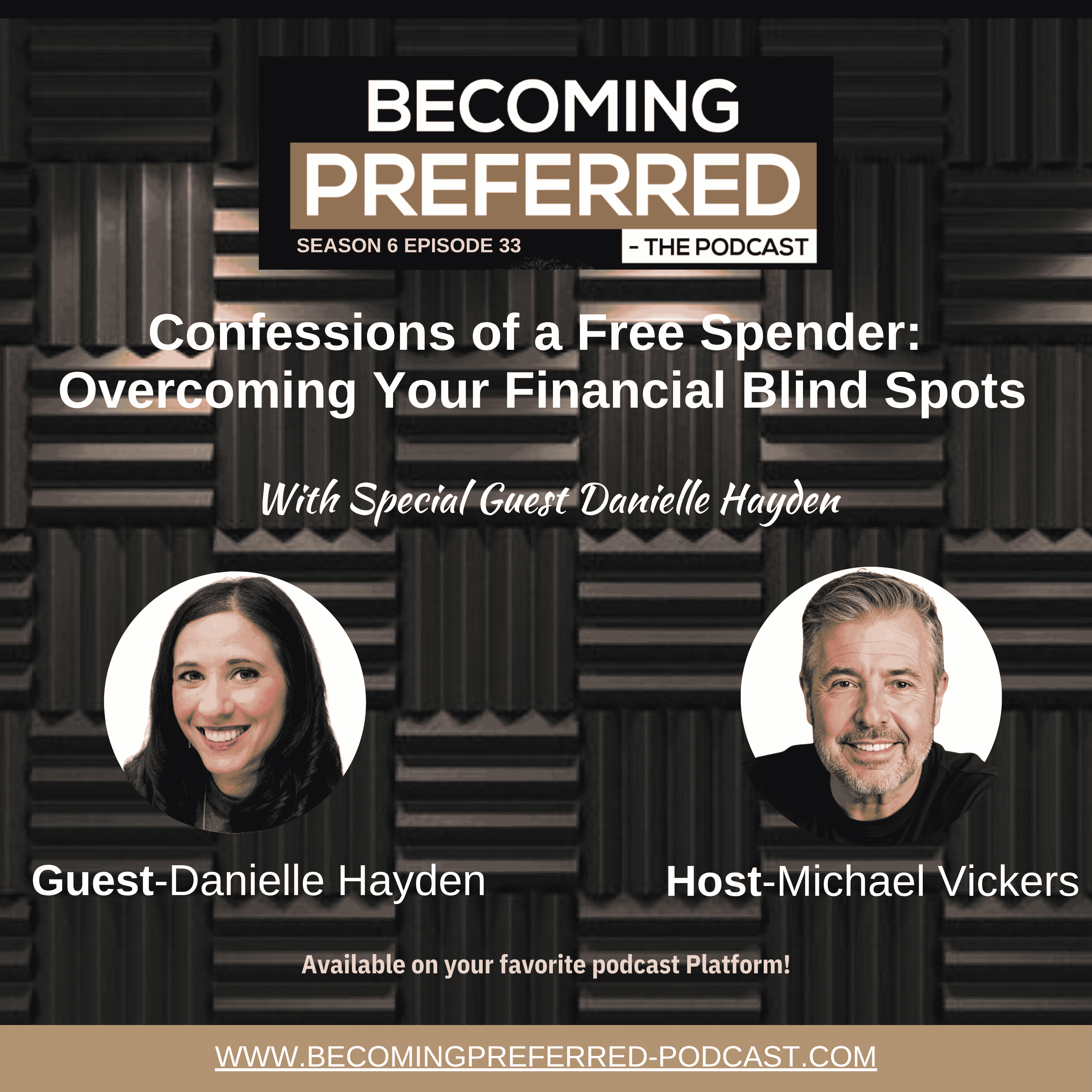 Danielle Hayden - Confessions of a Free Spender: Overcoming Your Financial Blind SpotsBecoming Preferred · on QuickBooks75 / 100
 EP1011: Lessons for B2B BNPLIBS Intelligence Global FinTech Interviews · on Xero75 / 100
 Episode 29: Retiring into the Next Chapter of Impact.Beer Stories for Private Equity · on KPMG71 / 100
 What Fractional CFOs Really Do For Growing Businesses with Alison Bolt58 / 100
 The CFO Skill Nobody Teaches: Coaching and Human Leadership with Alastair Manson55 / 100
 How Fractional CFOs Actually Add Value with Jonathan Rosenzweig57 / 100
 Greatest Hits: Cash, Clients, and the Secrets Behind Growing Businesses82 / 100
 How Laura Taylor Built a £1M+ Firm That Won The Advisory Game72 / 100