
The Executive Leadership Podcast · 2025-04-21 · 39 min
Key moments - from our scoring
Substance score
24 / 100
Five dimensions, 20 points each
Chad Prevost, author of Shockpoint: The Enneagram in Burnout and Stress, discusses how the Enneagram - an ancient nine-type personality system rooted in wisdom traditions - differs fundamentally from other behavioral assessments by examining core motivations, defense mechanisms, and the ego's role in driving burnout. Rather than merely describing behaviors, the Enneagram maps the egoic shell developed in early childhood and offers a compass for growth through wings (neighboring types for evolutionary work) and arrows (revolutionary leaps for transformation). Prevost connects burnout to the cultural obsession with endless doing and productivity, positioning it as a soul crisis often triggered by the "first mountain" of status, possessions, and achievement. He argues that leaders who conduct inner work using the Enneagram gain humility, reduce reactivity, and create healthier organizational cultures - making this tool particularly valuable for executives experiencing midlife transitions, languishing post-pandemic, or struggling to recognize how workplace stress erodes personal relationships. The episode will resonate with leaders seeking both self-awareness and a structured framework to address the epidemic of burnout affecting even those in their twenties.
The Enneagram explores core motivations, defense mechanisms, and the egoic shell developed in early childhood, rather than merely describing current behaviors. It reveals why different types might act similarly but be driven by different motivations, and it's rooted in ancient wisdom traditions (Sufi, Christian, Islamic, Buddhist) that identified these nine patterns as spiritual or psychological passions thousands of years ago.
Wings are neighboring personality types that teach evolutionary growth - a Nine with wings Eight and One stays within the body intelligence center for balance. Arrows represent revolutionary leaps: a Nine's arrows point to Three and Six, moving entirely out of the body center. Working wings intentionally develops strengths, while arrow work represents bigger transformational shifts aligned with the Enneagram symbol's geometric design.
Leaders can use the Enneagram for self-observation to identify their default emotional pattern (passion) and unconscious behaviors driving burnout. Once aware, they can choose to dismantle those patterns through intentional practice. Greater self-awareness also builds humility, reducing reactivity and enabling wiser, more flexible responses to stress - while leaders' inner work directly shapes organizational culture.
The first mountain represents the ego's pursuit of status, material possessions, family, and achievement - endless doing that eventually triggers the question 'Is this all there is?' The second mountain is the soul's invitation to authenticity, purpose, and inner work. Burnout often signals a soul crisis at the valley between these mountains, where people must choose whether to continue the first mountain or accept the hero's journey to the second.
Burnout stems from giving out more than receiving, creating an unsustainable depletion. Most people are so focused on the outer visible world of doing and outcomes that they ignore the rich inner invisible world that could sustain them through deeper listening, vulnerability, and practices beyond productivity - making the personal toll invisible until the body catches up.
Our reviewer’s read on each dimension, with quotes from the episode.
The episode is overwhelmingly padded with filler, host self-reflection, and vague spiritual metaphors. The few substantive moments - Evagrius's origin of the passions, wing/arrow mechanics, and centers of intelligence - are underdeveloped and surrounded by platitudes. A B2B operator would extract almost nothing actionable.
the passion is an emotional unconscious, lower level, default kind of mood, uh, or disposition that you live in in your type
burnout comes from giving what I don't have to give
The framing of Enneagram-as-burnout-lens has some novelty, but virtually every supporting idea is borrowed wholesale from other writers (David Brooks's 'second mountain,' James Hollis's 'middle passage,' Parker Palmer on burnout, the hero's journey) without adding new synthesis. The ego-vs-soul frame is recycled self-help.
a lot of people come to. It's, it's, it's epidemic in our culture. We're on this first mountain of um, a lot of individual things
almost like on a. Going on a hero's journey. You can go up the second mountain
Chad Prevost is a niche practitioner and Enneagram coach running Big Self School, not an executive or operator who has led organizations at scale. He is essentially a thought-leader/author type whose credibility rests on a single book about a personality tool, with no demonstrated business track record.
we at big self school, I coach a lot of people that are in what we would identify as this midlife transition
I wanted, you know, there's a. A lot of books on the Enneagram and a lot of them are highly repetitive
The episode provides a handful of named resources (Chestnut Pious Institute, IEQ9, Beatrice Chestnut's book, Evagrius the 4th-century monk) but zero business data, client outcomes, case studies, or metrics. No concrete examples of how the Enneagram measurably changed a leader or organization are offered.
the Chestnut Pious Institute vetted it for years
4th century monk named Evagrius, he developed these ideas that he was seeing in the brotherhood
The host asks only introductory, leading softballs and regularly restates the guest's answer back as a question. There is no pushback, no probing of specific claims, and significant airtime is consumed by the host narrating his own burnout experiences rather than extracting insight from the guest.
Why do you think people just fail to struggle the effects that it's having in, in their lives?
What would you say would be a next step for those that, uh, are learning right on this episode
Computed from the transcript - who did the talking, and the words that came up most.
Welcome to Episode 50! On this episode, I have Chad Prevost on the podcast as we talk about burnout and stress! Yes this is probably something you face as a leader! Burnout isn’t just a buzzword - it’s a reality for millions of us. In this episode, we dive deep into Chad's book Shock Point: The Enneagram in Burnout and Stress , a groundbreaking book that moves beyond Enneagram basics and into the heart of why we’re unraveling under pressure. We explore with Chad how our Enneagram type shapes our response to stress - whether we go numb, get anxious, overwork, or shut down - and how recognizing these patterns is the key to reversing burnout. With U.S. workers facing record levels of stress, and real-world consequences like missed work, strained relationships, and mental health decline, understanding ourselves isn’t a luxury - it’s a necessity. Expect practical insights, powerful data, and actionable takeaways for every Enneagram type. Whether you’re a Type 3 pushing past your limits, a Type 6 stuck in worst-case-scenario mode, or a Type 9 avoiding conflict at the cost of your own energy - this episode offers a map for change. It’s not about fixing yourself.
Transcribed and scored by The B2B Podcast Index.
Chad Prevost: And so burnout was just a. Or languishing. You know, coming out of the pandemic, a lot of people were beginning to really examine, like, well, why do I just kind of endlessly work and just endlessly produce? And they were. The. The term that became more broadly accepted was burning out. We could call it languishing, maybe not full blown burnout.
Cameron Nathan Singh: Welcome back to the Executive Leadership Podcast. On today's episode, we're going to be talking about burnout and stress. Have you faced stress or burnout? Uh, I'm sure many of you listening, whether you're an aspiring executive leader or current executive leader, you are facing some type of stress or you are on the brink of burnout, or you probably experienced burnout and maybe are on the other end of burnout. And so we're going to hear from Chad about his, uh, book, Shock the Enneagram. M in Burnout and Stress. You might have heard about the Enneagram as well. And you're probably wondering, what is this? I've heard about this? Or this is just another personality assessment. Well, we're going to hear from Chad and we're going to talk about how do you apply the Enneagram, meaning how do you understand yourself, and then apply that to, uh, burnout and stress. So I really hope that you enjoy this podcast episode and you're not able to only take this for yourself, but also help your leaders that you're overseeing and help your team members in this area as well. So I hope you enjoy this episode with Chad Prevost. Well, Chad, uh, welcome to the podcast.
Chad Prevost: Cameron, great to meet you and great to be here. Thanks for having me.
Cameron Nathan Singh: Yeah, I'm, uh, really excited to talk about the Enneagram and also the book that you wrote, which is called Shockpoint. Uh, it's been really great to kind of learn more about you and the work that you do and the different applications of the Enneagram. And, uh, I think we've. It's kind of a buzzword, right? The Enneagram. We've heard about this. Uh, we've been hearing about it for quite some time. Uh, a lot of people take this seriously. Some people have no idea what it is. Um, how did you get interested in kind of this area that. That you do work in?
Chad Prevost: Well, you know, there's a lot of. There's a lot of typologies and a lot of, like, little assessments and things, or some are big assessments. But I just found there was this immediate depth. And, uh, I loved the conversation that people were having who were involved with talking about the Enneagram. And it was really intriguing and, you know, and I had heard about it in the 90s when I was in seminary many years ago, uh, but didn't have any idea. Didn't embrace it. And it just washed over me. And then I've re engaged with it, you know, in the late 2000s. And it is remarkable. It has so much depth, so many different applications. So that's it. It speaks. It's. It's rich. And it speaks to our motivations and the things going on within us and not merely behavioral descriptions.
Cameron Nathan Singh: Yeah. So how does this differentiate from, like, the other stuff that's out there, the other assessments, and what's, uh, unique about the Enneagram? And. And because, uh, one of the application that. That you book Shockpoint is how it relates to burnout and stress. So how is this unique compared to, you know, the. The other assessments or stuff that's out there?
Chad Prevost: Yeah, broadly speaking, it, you know, other assessments do tend to be behavioral or recent. Like, what's going. And the Enneagram looks at the. Yeah, that outer egoic shell, that personality construct that you developed in early childhood and you've carried with you all along. So it looks at. It can do that, right? It can. It's got all the richness and psychological complexity to be able to describe the ego in these amazing ways. When, like, you finally land on the number that you're living in, you're, like, kind of called. You're like, whoa, okay, I recognize that. Wow. So it's amazing how you. Universal. It is. But it's. Again, I think if we. When we go a little bit deeper and we look at, you know, through the lens of, say, the three centers of intelligence, the looking through the somatic in the body and the emotional, and then what's going on in the fixations and the defense mechanisms psychologically that we begin to see, like, well, what are these core motivations? Like, how can a couple of different types maybe in some ways behave similarly, but they're coming at it from a different motivation, which I guess I could give some examples of what I mean by that. But, uh, another thing that separates or distinguishes the Enneagram is. Okay, so the Enneagram of personality, such as we know it well, that's just about 50 years old where we've got like, the. The personality types. But the Enneagram as a symbol is ancient. It is rich. It has been used in wisdom traditions, uh, esoteric, um, brotherhoods. And from Sufi. Sufi expressions of religion to Christian to, um, Islamic and just any. It even ties into Buddhist. It's just. It's got a rich legacy as a symbol. M. As a kind of an ecumenical symbol that looks at what would have been identified from ancient times as these different kind. They were called passions or they were called, uh, they. They use different words for what would be called sin or a spiritual like almost like addiction that. That people would have a tendency. And. And uh. And so now there's this brilliant wise arrangement and there's this wisdom in like, well, why is the one where it. And how. Why are the neighboring styles related? And then how do you do wing work? How do you do arrow work? And like there's. Once you dial in and understand the number that you. The type you live. And then there are directions for growth. Right. Whereas like a lot of times we're like, oh man, I'm overwhelmed by realizing all of the work that I need to do on myself. I don't even know where to begin. And the Enneagram can provide it. It's kind of a compass. It's. You know, it's. You can move in various directions and it's like shortcuts or at least directions to know where to go.
Cameron Nathan Singh: Mhm. And how did you make that connection with the Enneagram to things like what you talked about in your book Chalk Point, like burnout and stress. And I'm sure it's applicable other things like how did you find that connection that you can use the integr Enneagram to connect or address those type of things?
Chad Prevost: Well, I wanted, you know, there's a. A lot of books on the Enneagram and a lot of them are highly repetitive.
Cameron Nathan Singh: Yeah.
Chad Prevost: Because it kind of comes from a single source of teaching. And it's like, well, are all these people just kind of reinventing the wheel with redescribe and then trying to get credit as being an author? So I was like trying to come at it from a unique angle and you know, like, yes, burnout and stress is an epidemic of our times. And when we are functioning unconsciously, uh, often in stress, we are defaulting into mechanical behaviors that the Enneagram can really help illustrate and help you see. And then if you're willing to advance the conversation beyond merely understanding your type, then it really has rich territory for you to do important inner work.
Cameron Nathan Singh: Mhm. I see. And how did you. Why did burnout and stress come at the forefront for you? Uh, because you, of course, you wrote a book on this a while ago. Um, why were these two things that. That were kind of came the forefront. And you felt that you needed to write right on this.
Chad Prevost: Well, sure. I mean, you know, we at big self school, I coach a lot of people that are in what we would identify as this midlife transition, the um, the middle passage, as James Hollis calls it. And a lot of people come to. It's, it's, it's epidemic in our culture. We're on this first mountain of um, a lot of individual things, a lot of outer things, having the right job, having the right status, having the right material possessions, starting a family, doing a lot of these outer things. And we begin to go m. Is this all there is? Just an endless parade of doing, doing, doing. Uh, who am I? What, what does this mean? And a lot of us, because the ego is like, the ego's afraid of change. So most of us resist and want to double down on what has worked for us and what we've been practicing all of our lives for, for good reasons. Uh, we'd, you know, even what many people are willing to go down dying on that mountain, uh, on that hill rather than have their illusions of themselves sort of popped or dismantled. It's frightening. But a lot of people do come to this soul crisis and they're in the, in the valley and they are asking these questions and then there's an invitation if you want to take it. Almost like on a. Going on a hero's journey. You can go up the second mountain. And so burnout was just a, or languishing. You know, coming out of the pandemic, a lot of people were beginning to really examine like, well, why do I just kind of endlessly work and just endlessly produce? And they were. The, the term that became more broadly accepted was burning out. You know, we could call it languishing, maybe not full blown burnout, but a lot of people were having this. And so I was using, we're, you know, using the tool of the Enneagram as the tool that it is to be able to advance the conversation of what it means to be feeling the way so many are, uh, feeling. And how do you find purpose and direction and clarity, uh, out.
Cameron Nathan Singh: Mhm. Yeah. And burnout is a real, like you mentioned, it's a huge epidemic today. Because I think what, what uh, like what you mentioned is people are so used to doing, you always have to do. And when you're feeling that way, when you start feeling symptoms of burnout, the tendency for most people, because I went to actually a burnout retreat earlier this year, um, the tendency for people is almost to just Continue to push through this one pro. Uh, just one more project and it'll be all good. Or just one more. Whatever that looks like head, it'll be good. And then what often happens is you continue to push, push, push and then your body eventually catches up to you. Your body starts telling you that you need to slow down. And I think that's the real, real. It's, it's a cultural thing too. It's like it's, it's all do, do, do, continue pushing uh, forward, uh, continuing to stay busy. And I think as a society we are not used to pausing, slowing down. And that's where. That's what really contributes to this, this crisis and epidemic really. It's, it's uh, and it's, it's an ever growing epidemic too. It's more and more people at even younger ages. I uh, mean I can say for myself I burn out three times within my 20s. Uh, which should not be happening.
Chad Prevost: Yeah, yeah, you're right. That does seem young to be continually on a treadmill of feeling like you're burning out. Um, I mean, yeah, we, I, we can speak to this. I think you know, when the idea the. There is. I think or it's scary. I said that the ego will resist change. And that's true because the ego is um, cares about the outcomes and the ego helps us be in control and it's what we recognize and we understand. And the other side of it is to listen to your soul and to listen to calling and surrendering some of that control. And uh, and the thing that you know, it doesn't make sense to the, to the ego. The ego is like well you know, you've got to make money and you've. Or whatever the story is that it's, it's going to be living in and telling us and, and this, this soul, the soul doesn't care about your outcomes. It's true. So, but, so I think you know, there is an experience where we do need to yield more to listening to the soul and listening to that conversation that it's pulling us to and, and then figuring out, doing some figuring out how to balance and listen to. Okay, well I am step, I want to step into this conversation that my soul is calling me to. But I do have to pay bills and uh, and a mortgage is a real thing and I can't it. You know, money is whatever they say it, there is a bottom line reality to it. So how do I balance that strategic mind, the what the ego wants to do to protect us. Right to keep us safe so we don't just slay the ego or ignore it or. We do, but I. And finding that kind of blend of how to step more courageously into the person that work in our truer self that we're called to be, that the Enneagram can help give guidance in finding and also recognizing and, and knowing when to listen to what the ego is trying to say to keep us safe.
Cameron Nathan Singh: Mhm. Yeah. And I, I think nowadays too it's, it's um. Many people really struggle to recognize the effects of the stress and what it's. What it's the effect that it has on their personal lives and the relationships they have outside of work. Because oftentimes the stress and burnout comes from the day to day doing, which is mostly work. Um, why. Why do you think people just fail to struggle the effects that it's having in, in their lives?
Chad Prevost: Well, I mean, I, I don't know. But if we're speaking in broad terms, you know, the idea of burning out is that you're giving out more than you're receiving. And so I think Parker Palmer speaks to this where by saying burnout comes from giving what I don't have to give. And uh, so the idea is like on a basic level, how does one recharge if you're burning out and you're giving out too much? But so, well, where. What's sustaining the batteries? What's keeping you alive? And I would like to invite your, your audience to, to consider that there is this rich inner world that can sustain you with certain practices and ideas and a deeper listening to your life that isn't just about doing, doing, doing and outcomes. And in this outer visible world, there's a rich invisible world. And you have to be willing to, if you want to step into that deeper authenticity which I know is used word. But if you, you step into it with some vulnerability and some openness about who you are and what you need, you know, and there's a couple of different ways to ask for help in that vulnerability. One's the visible way of I. It's a transactional way of saying I need help in these ways that I can identify and I invite that help. And that's. There's a humility in that. And then there is this kind of help that comes. We don't even know what we need. But if we're open to it, then that is where the unexpected invisible help can come. And, and it's amazing when you receive assistance like that along the uh, the
Cameron Nathan Singh: journey m. And trying to connect the Enneagram to stress and. And burnout a little bit more closely. Um, how can people use the under. Once they understand their Enneagram type? How can they use that to really look at, you know, all the things that are causing stress in their. In their lives? Um, that. That's causing that angst in their. Just their day to day. How can individuals use that once they know their. Their Enneagram type? Because there might be people listening that don't even know what their Enneagram is.
Chad Prevost: Oh, yeah. Yeah. Well, how much time do you got? Yeah, how you use it is, you know. Yeah, some people on the surface, they're like, kind of, you know, curious. Oh, ah, what's my. What is my type? Okay, there's there's these nine universal cross cult, um, types of humans. Well, and then. And then there's almost this like, yay, I'm, uh, seven, three, four, whatever it is. But it's as much a celebration, I guess, uh, because, hey, I'm being known as much as it is going like, okay, these are some patterns. Basically you would use it in a way of being able to do what we call self observation. So when you just begin to say, gosh, I'm. I keep burning out, but I have no idea who I am, really. What the unconscious. If it's unconscious, I don't even know what I'm doing. That keeps leading me again and again and again in these patterns. And so the Enneagram gives you insight upon insight of how to direct those energies of awareness. Right, because you're trying to, like, have m more awareness of patterns that you're living out so that you can at least come to the door of choice. You can go like, okay, yeah, I'm doing that. I'm gonna keep doing it, though. I think so. Or you can be like, yeah, I think I kind of want to dismantle that pattern. And it may be a struggle, but I can see myself doing it from time to time. And I'm gonna begin an intentional practice of undoing, unlearning these patterns. And that's where, you know, a lot of, like, you know, there's a lot of psychology to this. And if you just want to be in the psychology and one wants to be separate from spiritual, fine. Right. It can take you as in, as rich as psychological territory as you'd like to go. But I do believe that there is a doorway for you to balance, like, the spiritual work too. And that surrendering and that deeper, deeper listening to who you, uh, truly are and the Enneagram can be a vehicle for that. A lot of people want to know about like in turn, like, well what, how specific? Well, we literally begin with like you self observe and you're looking for your passion. Uh, the passion is uh, an emotional unconscious, lower level, default kind of mood, uh, or disposition that you live in in your type. Uh, and they do kind of correspond to the language of the seven deadly sins, even though because the originator, uh, and a 4th century monk named Evagrius, he developed these ideas that he was seeing in the brotherhood. I think they were eight at the time. A couple centuries later, Pope Gregory got a hold of him, reduced them, ended um, up with seven. Seven felt better and used seven. But there are these, these really, these nine types. And you begin, you can begin by observing, oh, look at that default, uh, underlight kind of unconscious emotional pattern that I'm doing. And just raise that up into self awareness. There's also a lot of talk about, without going into it, just to let you know, one of the ways that people do work with it very intentionally is to work on your wings and work on your arrows and briefly what that means. So a lot of people kind of just use the wings. It's almost like kind of describing a subtype. And ah, it's more important to think of your wings as neighboring styles that have something to teach you. So let's say I am a four. And so I, my neighboring styles are three and five. And so what does being in my three wing have to teach me in my forness? And what does being in my, my five wing have to teach me and, and try. So you need, the idea is you need both wings to fly and to be more balanced and consciously, intentionally inhabiting the territory of what it means to be in the high side. You know, the positive, the strengths of your neighboring styles is good. And they call it, they call it evolutionary growth work. It's not too much to kind of work your personality and stretch it into your neighboring wing styles. And um, then they consider the arrows to be more revolutionary, bigger leaps for your personality and you know, some types. It's really interesting where those arrows point to and, and there the first arrow is called the energizing arrow. It's the one that you should be working intentionally on first inhabiting and then this. And the second one is what they call the, the resolution arrow. And it's even a little bit harder to work into that uh, style. So you know, if to riff on this for a minute, it's interesting that nines and threes and sixes are all in the center of their center of intelligence. So that means like nines are in the center of being a body type, threes are in the center of being a heart type, and sixes are in the center of being a head type. And they all share these like equilateral arrows. So they. It's interesting, the wing work for them. Say a 9 is staying in their center of intelligence. So a, uh, nine would be working in eight and one. That's keeping them in the body center of intelligence. Right. Threes working with the 2 and the 4 style still in the heart center of intelligence. And sixes working with five and seven still in the head center of intel. But as soon as they start working with their arrows, they're taken completely out of both of their centers of intelligence. Nines go to three.
Cameron Nathan Singh: Yeah.
Chad Prevost: And then does. And then to six. Right. And. And they all share that nine. Three and the six share that Interesting. Very, um, clear, definitive pattern of wing work means you stay in center of intelligence. Arrow work means you are leaping out of it. But for, uh, all the other types, it's weird and different that way. Uh, like for me as a four, my first arrow is going to one. What does one have to teach me? And then it goes to two. So it's not always perfectly correlated like it is for those uh, centers of. The centers of intelligence.
Cameron Nathan Singh: M. And I think if, if I'm understanding right, is the, the Enneagram really helps you understand who you truly are. It truly provides that self awareness. And oftentimes, uh, especially for leaders, they don't make the time to really do that inner work that's needed. Right. They're always pouring out into their work. Pouring out, pouring out, pouring out. Um, and um, they get so caught up in that busyness or whatever you want to call it, and then not doing that inner work, such as understanding who you are as a person. Um, the Enneagram is of course a, A great resource or tool or I don't know how to categorize it, but, um, the Enneagram is a great tool to use and gain some sel awareness and start to do that inner work and start identifying those. What are those stressors in your life? What is it that, uh, who, who are you? How, how do you function? How do you work? Um, and I think in investing a little time in that inner work really makes a huge difference.
Chad Prevost: Yeah. Oh, it's so true, man. You know, and so often the leaders, you know, are the tone setters, organizationally and whatever uncon of Stuff is going on, whatever shadow sides that they may have like gets passed down and it becomes the culture. And it's often the leaders who, they're complaining about the, how everything's not working right. But so often it really and truly does begin with them and they can really have a profound impact on all the things that they're worried about by being willing to step into that, that courageous inner work themselves. And you know, amongst other things. Amongst other things, Cameron, it's like when you have more awareness, you by almost default you have a bit of a humility and then, and through that humility you realize that you can't control it all and you are less reactive and, and, and so then you can respond to stress in a wiser, more flexible and more mature way.
Cameron Nathan Singh: Mhm. Yeah. Because you, I've seen, I've encountered so many different types of leaders over the years and you see the ones that do the inner work, that do things outside of work to help grow and develop themselves, become more self aware, what does it might look like. And then you see leaders that just are on like cruise control. They're like, want to ride the wave, collect their paycheck, you know, do whatever they can to get whatever accolades they can from their bosses and, and uh, you know, just cruise, cruise their way through uh, leadership pretty much.
Chad Prevost: Oh yeah, we see a lot of it. Right. I'll sleep when I die. Yeah. Um, Will, you know all that other stuff is what fuzzy or soft or weak or doesn't get results, uh, or you know, just on and on and on. And you know, I, I think that what we try to do is, is not to judge it. Uh, like we, if that's their, the journey that they choose to be on, then that is theirs to have. And I understand that many, many people will continue to choose that. And if that's where their soul and their journey is, then that maybe that is where they need to be. Um, because it's not that. This is one thing that I think is sometimes hard for people. They're like, well, when I do all this inner work and I, all this dismantling and this very difficult uh, growth work, will like everything then be okay. Will, you know, will life kind of yield, uh, this harvest of riches for me that I'm just. And it's not always a super simple answer. Sometimes I think it's like, I, I think as James Hollis puts it, he's like, it'll certainly make your life more interesting.
Cameron Nathan Singh: Yeah.
Chad Prevost: But it isn't always just this perfect because the ego wants to believe it's like, oh, I go up the second mountain and now I get all these results. Right. So I, I think it can be. It's still like, life can still be hard and life can still have plenty of challenges. But, um, I think in a lot of ways that's what life is intended to be. Right? It is intended. We're like, we're intended to constantly be learning and growing, no matter what our age.
Cameron Nathan Singh: Yeah, for sure. What would you say would be a next step for those that, uh, are learning right on this episode, about the Enneagram and saying, okay, let me. Let me give it a try. What would you say would be, you know, kind of next steps for people to maybe even take the Enneagram? Um, and what would you. What would you recommend as. As next steps?
Chad Prevost: Yeah, a lot of people have a belief and feel good with, uh, taking a test. And there's a variety of bad tests, uh, out there, and there's a few good ones. Um, I, you know, it's. I. I guess I could say that, you know, through. Well, through big self school that we. We do offer a $50 test that is the most reliable. Val know we didn't create it. Uh, the, um, Chestnut Pious Institute vetted it for years. And it also interestingly, tests for subtypes, which is another subject that we won't get into right now. But no other test really does it very well. There's one other that does. It's a little more expensive. It's the IEQ9. The IEQ9 community is a great one. They actually derived out of the Chestnut Pious program, and they are more intended for a business audience, but it's really fantastic community there too. I, I really recommend the Chestnut Pious community. I think IEQ9's a very valid one. There's the narrative Enneagram. They're a. They're a great community for, um, a spiritual direction. You might want to look at the diamond, uh, approach. So there. There are some really authoritative, very credible directions that people could go. I would also literally just. Just, you know, like read a book or two and do some personal self observation. So, yes, I would recommend my book, but it's not just, you know, the, um, Beatrice Chestnut, the Complete Enneagram, or the Guide to Waking Up Man. Those are really good, really good resources because you don't actually have to take a test to know who you are not right. That is, uh, your. The personality construct that you work in. Um, you don't need. You can begin to recognize it, and it's really Helpful. It's, it's yields the, the harvest. Right. That you can like receive is a whole lot of self awareness blind spots that maybe like things that are visible to others but not yourself. It just opens up so much discourse, so much learning. There are these rich and very trustworthy communities that would really embrace your work where you can be vulnerable. Um, but of course also we do onetoone coaching and we do enjoy using the Enneagram as a tool to aid people in their coaching pilgrimage. Um, that's really it. I think of like, I think we're all on a pilgrimage and even if we're not aware of it, we're on a journey and we can kind of be denying the calling and we can be not listening and that's our choice and it's great to be alive and even have that choice. Or we can become more aware of it and listen and accept that invitation and choose a different conversation that we'd like to have. Because you know, you can be lost and on a pilgrimage and not even you know and not know where you're at and then you can find your path and it's never, never too late.
Cameron Nathan Singh: Mhm. Yeah. And I, I think the key is, is making that effort, making that being intention, um, having intentionality behind doing the inner work, investing in yourself, um, understanding, you know, your strengths, weaknesses, whatever that might look like for you. Um, and continue to doing the work to get better and better, uh, as a leader or if you're not a leader but as a better person overall. Because any work that you do on yourself, it's not only going to help you be a better worker in leadership or whatever, but it's going to help you full uh, circle in your personal lives and all the areas that you have influence or a role in. Uh, it's going to help you in your life holistically.
Chad Prevost: I mean you're, that is exactly it, it helps, it enriches your relationship with your, your close, your close deep other relationships. It helps as a parent to, to know your kids types to meet, be able to meet their needs. You're. It does help interpersonally, personally and, and definitely professionally where we often spend a lot of our time in interpersonal relationships.
Cameron Nathan Singh: Mhm. Well Chad, uh, I think we just scratched the surface on this topic and I'll provide all the links to, for those listening. All the links that we're talking about for Chad's uh, website, his book is all going to be provided there.
Chad Prevost: Uh, thank you.
Cameron Nathan Singh: Yeah, thank you so much uh, for the time and I've learned a lot through this conversation and I'm gonna definitely go find more info on, on this as well because, uh, this is a new, new topic for me that I've never really, uh, heard of nor taken a deep dive on so.
Chad Prevost: Well, fantastic. Thank you so much for providing the, the service to others that you do, Cameron. And yeah, just thanks for engaging with the ideas and being. Being open. So thank you for your time.
Cameron Nathan Singh: Thank you. Well, thank you so much for tuning in into today's episode with Chad. Hopefully you enjoyed, uh, this episode and learned a lot about the Enneagram and how to apply this in terms of stress and burnout. And I know as an executive or aspiring executive leader, you're probably facing one or the other or both. Um, I know myself, I face burnout about, as I mentioned in the episode, three times burnout three times, uh, throughout my 20s. And I, uh, learned a lot from those experiences. And now I've changed my rhythm, changed my cadence. And I, um, love the Enneagram. I love the Enneagram and uh, I love what it has the ability to do not only for yourself, but once you start understanding, um, either the leaders on your team or how other people on your team, uh, function as well and how you can leverage that for helping, uh, your team, uh, function better. So I hope you enjoyed this podcast, um, episode today. Um, feel free to subscribe if this is your first time listening in. Uh, go back and listen to some of the previous episodes um, that are on the episode and we, we are on episode 50. So, uh, episode 50. Happy to uh, be at this milestone with this podcast. And uh, if you want to learn more or find, find more about me, you can send me an email, sing CameronOutlook.com or go to my website CameronSing.com and fill out the contact form there. Happy to connect with you, uh, in any way shape or form, in any way way that I could help you. Thank you so much. And we'll catch you on another brand new episode, uh, very soon. Thank you and take care. Of.
Other episodes covering the same guests and topics, from across The B2B Podcast Index.
 Stop Trusting the Resume: The Behavioral Science That Predicts SuccessThe Hiring Edge · on Enneagram80 / 100
 Five Minutes or Less: Improving Engagement, Trust, and CultureThe Generous Benefits Podcast · on Enneagram79 / 100
 Episode 95: Why High Performers Struggle in Leadership RolesLet's Think About It Podcast · on Enneagram66 / 100
 Human Design in Relationships with Linda LandonRoom at the Table: Building Culture by Breaking Barriers · on Enneagram65 / 100
 554: Super Multipliers: How To Multiply Great Leaders Four Generations Deep with Mac LakeLeaders Of Transformation · on Enneagram58 / 100
 50 - Leadership is a fertile soil: mind, heart, and spirit - Mariana ValdezWhen Leaders Talk · on Enneagram48 / 100
 Episode 51 | Tim Elmore | Leading the Next Generation: How Today's Leaders Can Unlock the Potential of Gen Z69 / 100
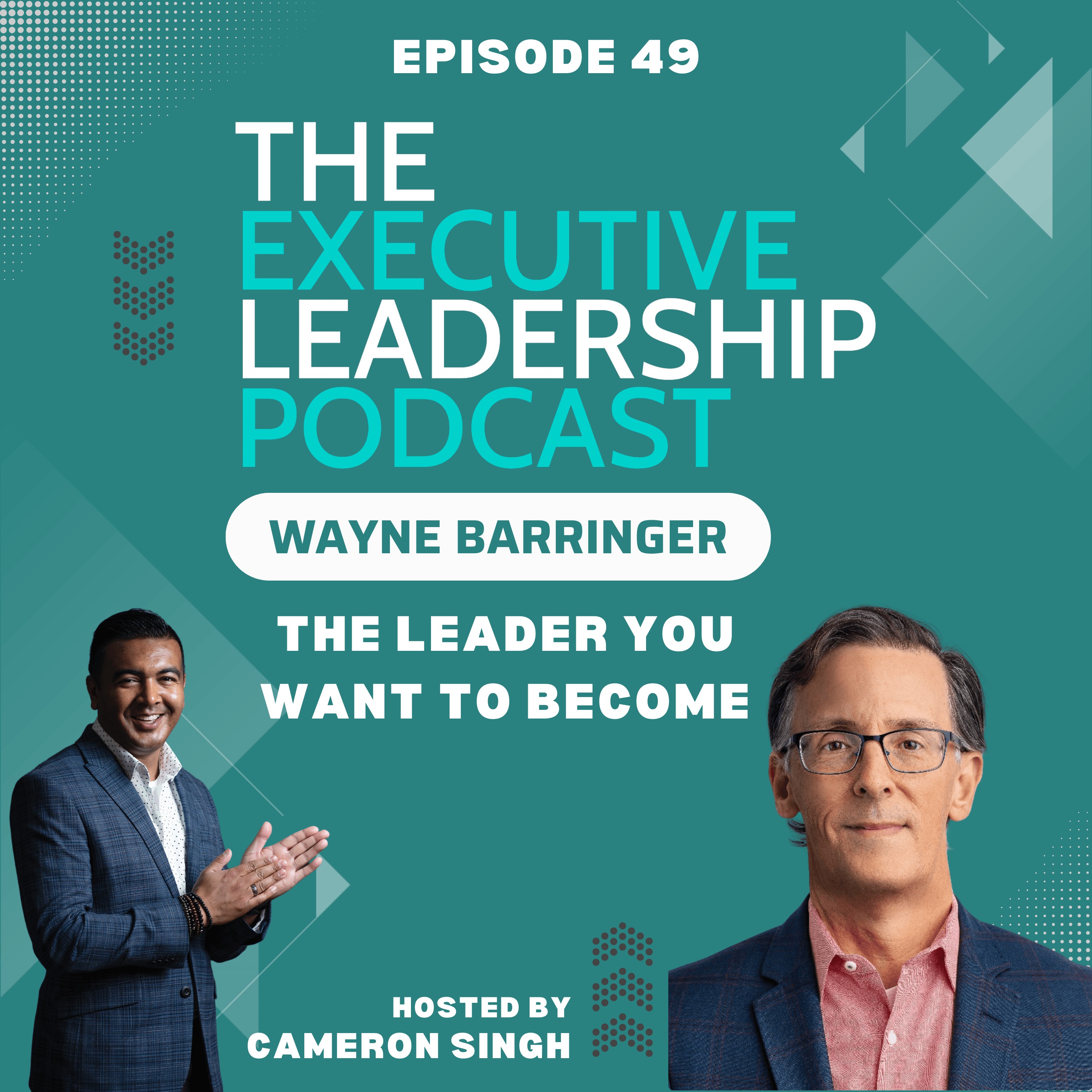 Episode 49 | Wayne Barringer | The Leader You Want To Become46 / 100
 Episode 48 | Sara Taylor | Thinking at the Speed of Bias63 / 100
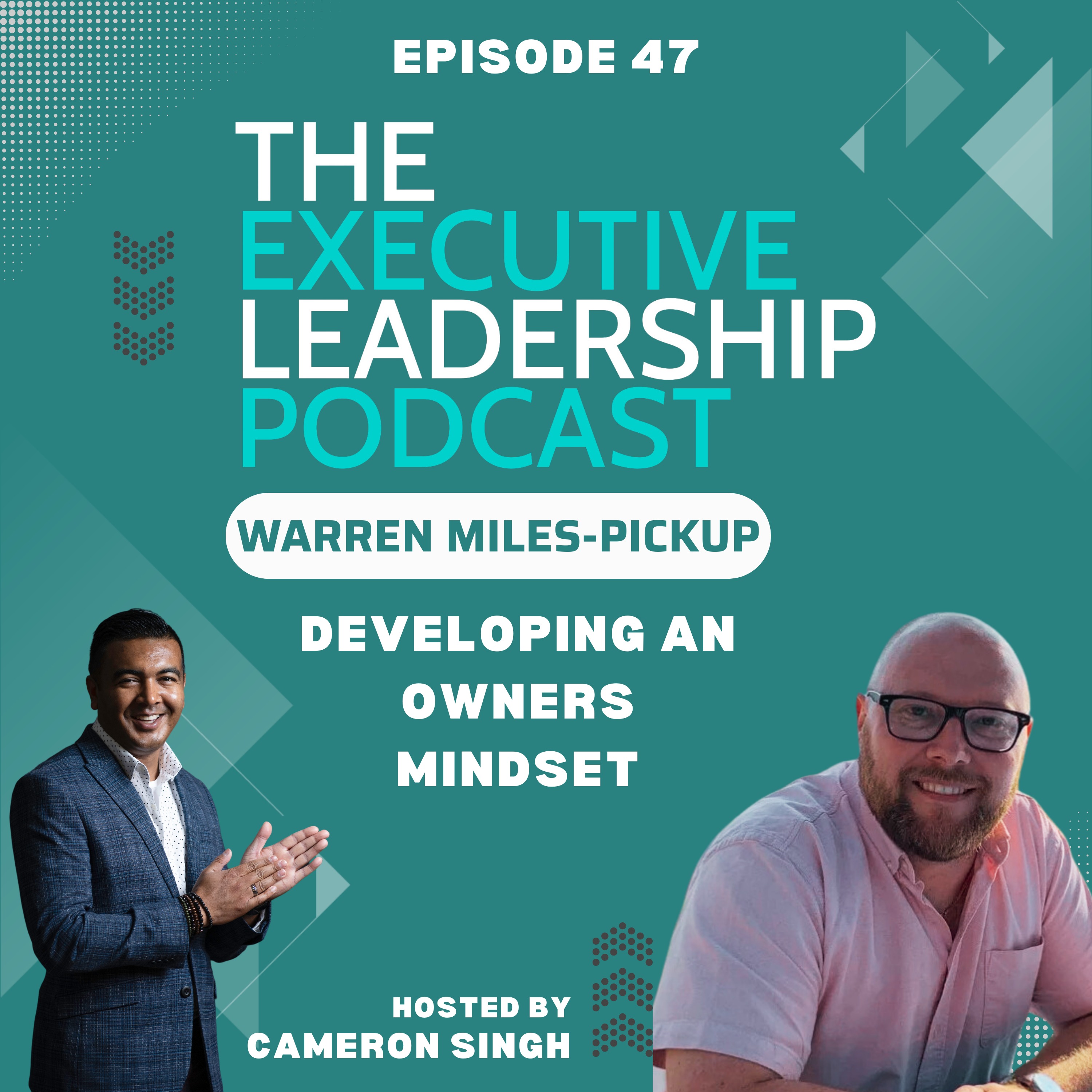 Episode 47 | Warren Miles-Pickup | Developing an Owners Mindset72 / 100
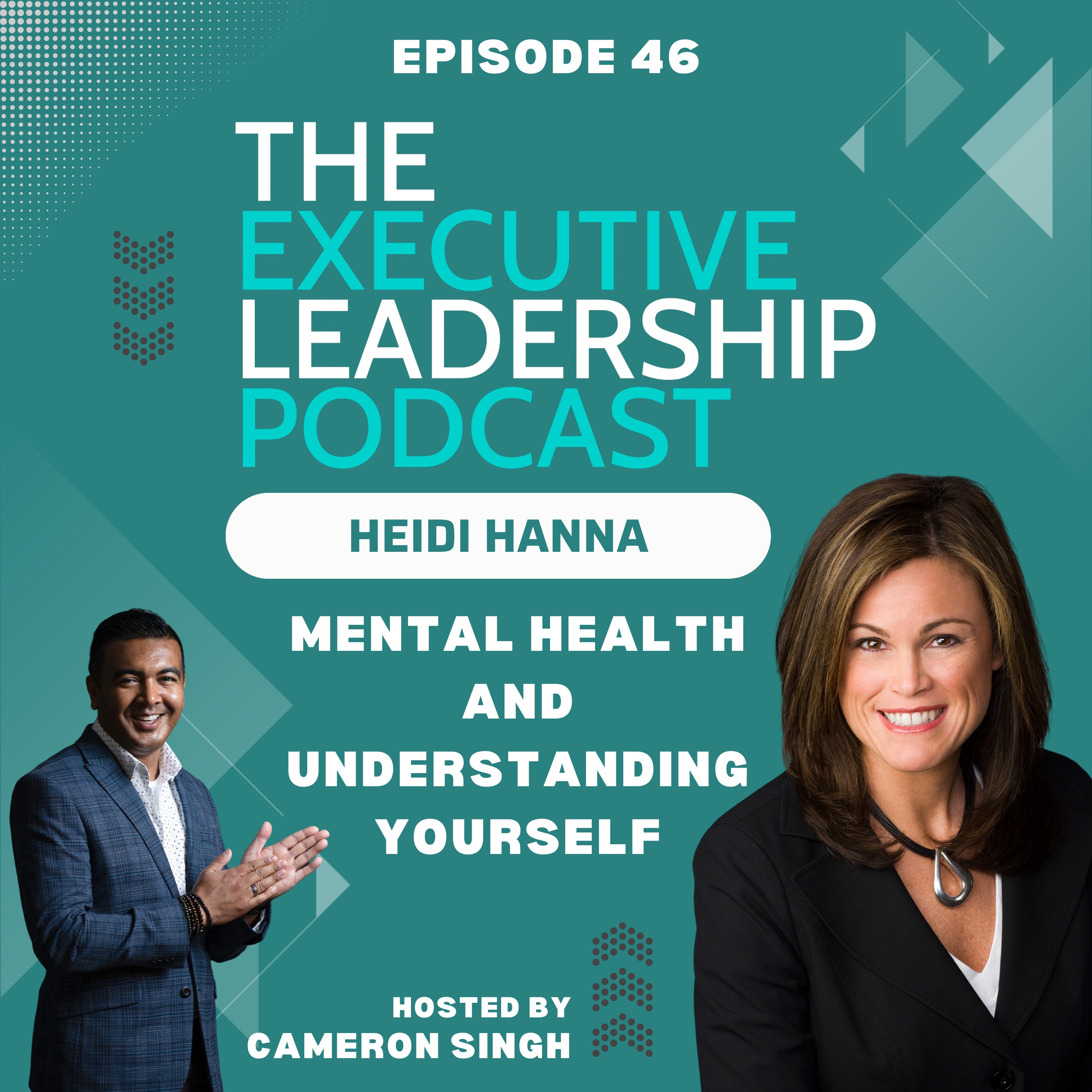 Episode 46 | Heidi Hanna | Mental Health and Understanding Yourself to Become a Better Leader