
The Conscious Hospitality Podcast · 2025-11-07 · 1h 12m
Key moments - from our scoring
Substance score
27 / 100
Five dimensions, 20 points each
This inaugural episode of season two features Jessica Arraya, the wife of host David Arraya, sharing her personal journey from childhood through meeting David. Jessica recounts growing up with supportive parents - her mother a nurse of faith and her father an engineer with a pragmatic mindset - who instilled values of community, hard work, and ritual. She describes formative transitions, including moving schools during adolescence and ultimately attending College of Charleston despite initial resistance to her father's guidance. After earning her teaching degree and master's degree, Jessica's life shifted dramatically when she met David at a college club in South Carolina. Despite being in a four-year relationship at the time, she felt an immediate connection and eventually ended her relationship to pursue what she calls "the extraordinary" with David. The episode explores themes of change, courage, faith, family influence, and the power of finding a partner who shares ambitious dreams. Jessica describes how David's vision of becoming a hotel general manager and traveling the world inspired her to leave behind a predictable life as a teacher in a small town.
Jessica's mother was a nurse and woman of faith who emphasized religious practice and family rituals like Sunday church attendance, while her father was an engineer with a pragmatic, scientist mindset. Both parents valued community and hard work, and they were highly supportive of Jessica's choices, even when it meant sacrificing time with her as they relocated with the family.
Jessica initially wanted to attend the small Christian college and was resistant when her father discouraged the choice, but she ultimately ended up at College of Charleston, which she describes as a dream school in a beautiful part of the US with great facilities. She now feels grateful her father said no, recognizing he was right despite her teenage insistence on independence.
They met at a college club when David randomly came up to dance with Jessica, who was there with her sister. Despite Jessica being in a four-year relationship at the time, they felt an immediate connection. After leaving the club uncomfortably, Jessica later found David on Facebook and invited him over for meatloaf and cookies, leading to daily conversations and an eventual romantic relationship.
Jessica studied education as an undergrad at College of Charleston with intentions of becoming a teacher, and she pursued a master's degree in a discussion-based program. She later taught in Rock Hill, South Carolina before moving to New York City with David.
Jessica chose to end her comfortable life as a teacher in South Carolina to pursue what she calls "the extraordinary" - a life of adventure and ambition with David, who had dreams of becoming a hotel general manager and traveling the world.
Our reviewer’s read on each dimension, with quotes from the episode.
The episode consists almost entirely of personal storytelling and life narrative with minimal actionable insights for B2B operators. While the hosts touch on themes like community-building, transition management, and family decision-making, these are presented as memoir rather than extractable business wisdom. There are virtually no frameworks, metrics, or specific operational lessons that would help a founder, marketer, or ops leader improve their work.
I think when you have less time, you actually appreciate that time so much more.
And I remember that transition in the beginning was very much about that. It was about, hey, I need to you need to let me run this home and let me run it my way.
The episode lacks original thinking or fresh perspectives on business or operations. It rehashes well-worn themes about work-life balance, family sacrifice, and the emotional challenges of relocation. These are standard life-coaching platitudes rather than contrarian or first-principles thinking. The content would feel equally at home on a lifestyle or marriage podcast, with no differentiation or surprising angles.
Being able to really make the most of every moment is the biggest lesson I think, that we've gained together.
Change is part of life. And if we don't allow our children to see that, I think it's harder for them as adults to be able to change.
The guest (Jessica Arraya, the host's wife) has relevant hospitality and family/expat experience through her husband's senior hotel roles, but she is not herself a practitioner or operator in B2B industries. She is primarily a supporting spouse and parent navigating expat life, education, and childcare. While her perspective on expatriate community-building has some value, she lacks the seniority and independent expertise required for high caliber B2B discourse. She is introduced explicitly as 'the most special guest of all' - a personal relationship rather than professional credential.
I had a wonderful four years there.
I think that has also been a transition for me because I so often, living abroad, I didn't have anyone.
The episode is extremely light on concrete details, numbers, timelines, or named examples relevant to business operations. While the hosts name specific locations (New York, Miami, Hong Kong, Austin, Mexico, Spain) and hotels (Fontainebleau), these serve the narrative rather than illustrate operational lessons. There are no metrics, revenue figures, employee counts, growth rates, or specific business challenges and solutions. The discussion remains abstract and anecdotal throughout.
We lived right by the hotel.
We stayed at the Fontainebleau in a one bedroom residence.
The host (Speaker A) asks soft, biographical questions designed to elicit personal stories rather than challenge thinking or probe for substantive insights. Questions follow a predictable life-history template (childhood, transitions, family influences, next chapter). There are minimal follow-ups that push deeper into business implications, contradictions, or specific learnings. The conversation feels like an intimate couple's interview rather than rigorous B2B inquiry. Some questions are incomplete or rambling ('So let's talk a little bit about...'), and the host frequently validates rather than question.
I start every podcast with gratitude. I just expressed my immense gratitude towards you. What are you grateful for?
And so let's go back to that beginning. I, uh, want you to think a little bit about what life was like when you were between the ages of 2 and 6.
Computed from the transcript - who did the talking, and the words that came up most.
Season Two of The Conscious Hospitality Podcast begins with its most heartfelt and personal conversation yet. Host David Arraya welcomes his wife and life partner, Jessica Arraya , for Part 1 of her inspiring journey - a story of love, resilience, and conscious living across continents. Jessica shares her path from a joyful, faith-rooted childhood in South Carolina to becoming the steady, grounding force behind a global hospitality family. Through honesty, warmth, and reflection, she opens up about motherhood, identity, marriage, and the deep inner work it takes to live consciously in a fast-moving world. This episode dives into what it means to lead with presence, raise children with intention, and build community wherever you are - from small-town America to the energy of New York City, the vibrancy of Miami, the complexity of Hong Kong, the sacred calm of Hawai‘i, and the beauty of Spain. Jessica speaks candidly about postpartum anxiety , faith and family rituals , navigating cultural transitions , and how she found strength in embracing her role as the “CEO” of the family - creating stability, connection, and emotional safety while adapting to constant change.
Transcribed and scored by The B2B Podcast Index.
Speaker A: All right. Hello and welcome to another episode of the Conscious Hospitality podcast. This is the beginning of season two, and I'm very happy to bring the most special guest of all onto the podcast today, and that is my wonderful wife, Jessica. Welcome to the podcast.
Speaker B: Thank you. I'm so happy to be here.
Speaker A: It's been, ah, a couple of months since I've recorded a podcast. Um, I was focusing on the new job, on the new role, on getting us here, landing. We'll talk a little bit about that as well in a minute. But really being able to now come back and to have a conversation with you, I think is the most important moment that could happen for the podcast ever. And so I think the beginning of season two is the peak. So now we just need to, ah, work guest after guest to get to this level. So, yeah, I'm so grateful that you're here with me today.
Speaker B: I'm super grateful to be invited.
Speaker A: I start every podcast with gratitude. I just expressed my immense gratitude towards you. What are you grateful for?
Speaker B: Today I. Today I'm really grateful for, um, the small moments that we get to have together. I think we've had a huge shift in our life that now, before, we had more time together and now you're back to working a lot. So I'm really happy today you had the day off and we've had these moments and we had to have lunch together. Yeah, it was really nice.
Speaker A: Being able to really make the most of every moment is the biggest lesson I think, that we've gained together, um, from all this time.
Speaker B: I think when you have less time, you actually appreciate that time so much more.
Speaker A: Yeah, no, it's, it's, it's true for sure for me that I now maximize every moment and really trying to be the best version I can for you, for the kids, in every single one of those moments, because I know that they're counted.
Speaker B: Right?
Speaker A: And so the impact that you and I are making to our kids, that you and I are trying to make with the community that we're building, is really marked by every single one of those moments. So it's about pressure, uh, really treasuring. Every single one.
Speaker B: Right? Exactly.
Speaker A: Love it. I love it. So we start these podcasts at the very beginning of each person's life. And so let's go back to that beginning. I, uh, want you to think a little bit about what life was like when you were between the ages of 2 and 6, your first memories, uh, what little Jessica was like.
Speaker B: I think little Jessica was a lot like me in my Natural state of being silly, of being funny. I loved to dance. I loved to perform. I loved to be in front of people. I loved to see people happy. And for me, that was being able to make them laugh or be more childlike as well.
Speaker A: Yeah, I think knowing you and the way that you engage with. With the kids, I think all of us have a little bit of that, like, child energy, you know? But, uh, definitely, you just walking up and doing a dance out of nowhere or every time that you speak, it's always like you're singing. These are just, you know, I can embody that little. See, to see that little.
Speaker B: That is. That is me in my natural state. And I think me really this year, trying to come back to that, because I noticed that the kids love it most when I'm silly like that. And so I feel most connected to them. And I also feel my own nervous system regulating when I'm dancing or when I'm being that person. And I'm a better parent. I'm a better wife. I'm a better friend for everybody in that way.
Speaker A: Yeah, that's amazing. And your most natural self. So, uh, talk a little bit about the way that you were brought up, some of the early influences in your life, perhaps the relationship that you had with your parents growing up, so we can understand a little bit of the
Speaker B: journey that always strikes a chord. Um, I think I'm very fortunate because I had parents that were very supportive. As a parent myself, now I get to look back on having parents that really wanted to raise me in a way that I felt connected to them, but also celebrating who I was and what I wanted for my future as well. And now as parents, they have been so supportive of our journey, and I'm not sure everyone would because that takes away from them with us. Every single time we've moved somewhere, they've come with us, they've supported us, and that meant less time with us. Right. And as a kid, uh, it was always that whatever I wanted to do, they supported and they helped me, guide me on that path, whether that was through school, through helping with school, also religiously taking me to church on Sunday. And I think that having those moments as a family are so important. Right. Because our lives get so busy and having that ritual on Sunday, there were times where I didn't want to go, and my mom would say, well, if you don't go to church, you can't do anything else for the rest of the day. And I thought, that's so mean. I'm never doing that to My kids. But now I look at it differently than as a parent myself now that they were trying to teach me how important it was to have that ritual as a family on Sundays.
Speaker A: Yeah. Yep. And I think anchoring you in those moments, you know, and it's something that we've talked a little bit about, how tradition gets lost with this new generation and how a lot of these things that we used to honor, which were these, you know, special moments, rituals, like you say, are starting to get lost because of the immediacy of things in technology and all the things that we've spoken about before. Um, but, you know, it's amazing that you had, um, two very distinct, um, I would say, m m Ways of seeing, particularly religion at home. You had a very pragmatic dad. You had a scientist dad, engineer mind dad. And then your mom, who was, you know, very much a woman of faith and a woman of practice of faith, I think, have this anchor value of hard work and how hard work does pay off and being honest and hardworking is the way of life. And I think that coming together, but in different ways in your home, I think is something unique to you. So do you want to talk a little bit about that while growing up?
Speaker B: I think, yeah, it really formed who I am because I'm both of them in so much of that way. Even though my dad was pragmatic, an engineer, very thoughtful, they both valued very much community, and I think that's something that I've taken with me now. Community is very important to me. And both of them felt like that was important. Even the small things like Christmas cards every year, they never not like, worked on that Christmas card. And that was like a ritual for our family to do that Christmas card and to get that to every single person. And now, as an adult and making something so small as a Christmas card, people get that in the mail. And because it's something that we don't do anymore, sending mail and sending cards physically, I, uh, think that means even more to somebody that's, you know, far away in another city. You're still able to be able to keep that connection with that person and that building of community. I think growing up also, I had a mom that was a nurse and was very caring, and all of those things now I have taken with me,
Speaker A: um, as a parent, yeah, definitely got the best of both worlds there. Our most incredible parents, too. So you grew up in an environment where you were going to one school, and then you shifted to another school. A pretty important moment in your life. If you want to talk a little bit about that moment, because I think it was a key pivot moment. Um, and what that meant that that
Speaker B: was definitely a pivotal moment for me. Because I think at that age, it's very hard to change in our adolescence. Right. Our whole world revolves around our friends. I'm finding that with my own children, when they change at this age. Felt like that was all I knew. And then my parents were almost, like, pulling the rug out from under me. And part of me knew that they were doing it for my best interest. But being stubborn, I also wanted to stand my ground. Well, this is what I want.
Speaker A: Yeah. I didn't want it.
Speaker B: Um, Right. And of course, I had to go with what they wanted. And they had done it to us before when we had moved from New York to South Carolina. And I remember thinking in those moments, like, okay, that went well. So why can't I accept this? For some reason, it was hard for me. I think that was just part of human development and being a teenager and wanting to do what I wanted to do. But it was the best thing that really, like, the best thing that they could have ever done for me, for my confidence. I think learning that change can be good. Um, and that change can be something that is even more fulfilling and part of life. Change is part of life. And if we don't allow our children to see that, I think it's harder for them as adults to be able to change.
Speaker A: Yeah. It does take courage, though, to take that first jump and that first change.
Speaker B: Absolutely.
Speaker A: And then it shakes you forever, because then you do see more than one perspective. But, you know, think of that transition moment that. That you went into the new school, and what were you. Because it's that first change, Right. Like, what. What were some of the worries, the concerns, and. And how did you get through them?
Speaker B: The biggest concern was that I was going from a small private school to a very big public school.
Speaker A: A lot of people.
Speaker B: A lot of people. And I. I was going to be out of my comfort zone of having, like, really the same type of people. I had the exact same type of people, uh, since I was young and the demographic was the same. So now I was gonna be going into a huge school with so many people. Was I gonna find my group? You know, who were those people? Would they like me? I was never really judged because it was always the same type of people that I had always known. So going out there and kind of having to put myself out there was scary.
Speaker A: And what would you say was your anchor in those moments to be able to get through it.
Speaker B: And I think at that time, it was really my family and it was God. I was very strong in my faith. I was raised in the church. I was a singer on Sundays. That was very important to me to be in the choir. I sang solos. So for me, I knew I was going there, and I wasn't going alone. I also had met some people, so it wasn't like I was totally going to be doing it all by myself.
Speaker A: Yeah. So you never felt alone?
Speaker B: No.
Speaker A: Which is amazing. So then it's time to make a decision to start figuring out colleges, what you want to do, what your next step was. Talk to us about that moment.
Speaker B: So, again, I. I'm a pretty stubborn person, and I. Singing was such an important part of my life, but I wanted to be a teacher, and I was adamant since I was young on becoming a teacher. So I applied to schools, and I applied to this one school where I had to try out an audition. Um, and I got a scholarship. I sang for the school, and I was given a scholarship. It was a very small school, a Christian school. And then I also was accepted into, really, a dream school, I think, in the US because it was in this area of the US that was similar to Europe. So for me, it was going to be a beautiful place to live. Whereas not all schools in the US Are in a beautiful place, but they have amazing facilities and they have a great sports team. But I was going. This was an option for me to go to the school that was going to be in this beautiful place. So I had these two options, very different from each other. One was conservative. One was a more liberal school also. So my. My dad said he didn't want me to go to this small Christian school. Um, he just didn't think it was good. It was. It was a good idea for me. And now looking back, I feel like I really pushed because he was telling me not to go. So it was even more like, well, I want to go because you're telling me that I can't. And it wouldn't have been the best option. I'm so grateful that I ended up going to College of Charleston. So grate. I had a wonderful four years there. It was a beautiful school. I learned so much. Um, and I think, you know, it led me down the path that I'm on.
Speaker A: Yes.
Speaker B: And I'm grateful that he said no. And it's funny that you have that time in your life where you think that you know everything as a teenager and you're navigating things Saying, well, I'm old enough and I know what I'm doing and I know what I want when you really don't. And, you know, that's what I keep telling my children. And I think they actually now believe that and they listen to me because we have done so many grand things.
Speaker A: Yeah, but you say as a teenager you're doing that. I feel like as a 40 year old, I'm still doing that. I think I'm in control, but I'm not. And I think I know what I'm doing, you know, but it doesn't work that way. Uh, so, so you ended up going to College of Charleston and you, you studied to become a teacher.
Speaker B: I did.
Speaker A: Or your four years there and then you, uh, decided to continue your education. Right. And why did you make that decision instead of going straight into work? What was going on at that time?
Speaker B: I think that my boyfriend, at the time, he was going into law school and I don't know, I feel at that time that the more degrees I received, the more important I would be much more valuable if I would have these degrees. And I think we, at that time, that was what society told us. Right. And I remember somebody telling me that I should go out and get a little experience before I go. And I thought, no, I'm just gonna go right now because it's easier and I haven't gotten out there, and then to go back is gonna be even harder. And my parents kind of pushed me into it. I mean, also.
Speaker A: They were supporting you.
Speaker B: They were supporting me into doing that, for sure. But looking back, I really wish I did have some more experience under my belt before I went in to get my master's. Because your master's is so much more of a discussion classroom environment. It's less. Yeah, it's much more writing, it's much more conversational, and you're working things out in a different way than you did in your undergrad. So I had very little life experience to give during that time, although I still enjoyed it because that's exactly the type of environment I love to learn in and I love to be involved in. Is that discussion and that, uh, adding value and. Yeah, I really enjoyed it.
Speaker A: Definitely. I see you much more in that, in that space than doing micro tasks. Yeah.
Speaker B: Than math tests.
Speaker A: Exactly, exactly. Thank you.
Speaker B: I know.
Speaker A: Um, so. So you're, you know, finishing up your, your master's degree, essentially. Right. You're probably, you know, six months before that, and then, uh, something happens. Let's talk about the biggest, the shock,
Speaker B: the biggest shift of your life.
Speaker A: Yes.
Speaker B: Was meeting this Bolivian guy.
Speaker A: So you get to tell. You get to tell the story. Exactly.
Speaker B: I decided to go visit my sister, who was an hour away from my school in. In South Carolina, my graduate school. And I go to visit her in Winthrop, and we decided to go to the college club that night. I had a boyfriend of four years, and we went to the club, and this, um, she's dancing with her boyfriend at the time, and then this guy comes up to me and starts dancing with me. And as a loyal, uh, human. At first I was just, like, giggling because I was like, what do I do with this guy that's coming up to dance with me?
Speaker A: Random guy.
Speaker B: Random guy.
Speaker A: It was truly random.
Speaker B: Yeah, it was so funny.
Speaker A: It wasn't like we met at the bar. I just went up the desk.
Speaker B: But so, uh. Charming. So charming. And he comes up to me and starts dancing. You took your hat off, you put it on my head. And I was like, oh, my gosh. I never thought about my hair. I just thought, oh, my gosh. Like, yeah, what was it? My sister looked at me, because you can always tell on my face, and she's like, are you okay? And I was like, yeah, yeah, yeah. And you were so good at dancing. And I think I'm good at dancing, but it's not. No, my rhythm is nothing in comparison to your rhythm. And, um, you started dancing, and I thought, this guy is such a good dancer. Oh, my gosh. I think that's. At that point, I said, where are you from? And you said, bolivia. And I was like, where is Bolivia?
Speaker A: You were trying to figure it out.
Speaker B: I'm not American. We're not good with geography. Um, but I thought, oh, wow. Exotic.
Speaker A: Yeah.
Speaker B: I've never, um. This girl from South Carolina. I've never met anybody from Bolivia. And I think we were dancing, and then we all decided to go back to, uh, my sister's house. And when we got there, I think you had this idea that, you know, like, there was something going on with the two of us. And I felt so uncomfortable with that, being that I was in a relationship. And so I got up and left. Um, and you were very concerned, checked on me, and thankfully, I don't even think. We didn't even have phones then.
Speaker A: We hadn't gotten our phones yet.
Speaker B: Yeah.
Speaker A: So I remember, like, it was the ones when you texted, like, to do a C, you had to press number two three times. And you were really good at it.
Speaker B: Yeah, we got really good at that.
Speaker A: Yeah.
Speaker B: Um, and then Natalie, my sister, I Think she. She, uh, cued her boyfriend to take you away. Because I was scared. Um, and then all that that night, I just couldn't stop thinking about that interaction, which made me also feel really guilty. But, um. And I thought. I asked my sister that morning. I was like, oh, what's his last name? What's David's last name? And she said, arya. And I was like, oh, I love that name. And then I couldn't stop thinking about it, and that's kind of how I am. And so I found you on Facebook, and that's really. Facebook community and social media is what really connected us, because then I contacted you on there, um, and I said, I'm going to be cooking meatloaf and cookies. Do you want to come by? And you did. That day, we had really long conversations, and at that moment, you told me, um, I have six brothers, Bolivia, telling me about Bolivia. And I'm like, this is just so amazing. What a life from what I was living. What a different life.
Speaker A: Yeah.
Speaker B: And I was so intrigued, which I've always been intrigued about, you know, change and, like, craziness and doing something different. And then you said, I want to be a general manager of a hotel one day, and I want to travel the world. And I was like, wow, my gosh, that sounds like such an amazing life. Well, and, um, then after that moment, I think I was leaving, and I was feeling so guilty. I sent you an email because that was the only way we had. And through Facebook, I think we have all those emails. And I said, you know, because I automatically started feeling a feeling, and so I needed to act upon that feeling and say to you, I just want you to know I have a boyfriend.
Speaker A: And so I remember I would never do anything to compromise that relationship.
Speaker B: Yeah. And so, you know, we just, you know, we need to be friends. And you wrote back with, like, the most amazing note saying, absolutely, I understand completely. Of course we'll be friends. Well, then after that, we spoke and spoke and spoke every day. Our relationship was distance. And we, uh, were, you know, we had this exchange, and we were constantly speaking.
Speaker A: Yeah, we were more connected. I mean, the distance was there, but the connection was.
Speaker B: And I knew that's what I wanted. And so it eventually evolved into ending my relationship. But I do remember this one time where I went to visit Natalie, and I think we were in that point where we weren't sure what we were because we were just technically friends because I was still with my boyfriend. I went to visit my sister, and I don't even think you knew I went, and I m. Didn't. No. And, um, I don't think he also knew this until not long ago that I went for a run, because I purposely was going for the run so I could run by your dorm. And when I ran by your dorm, you didn't come out. So I was like, okay, I'll just run around, run again and again.
Speaker A: And I guess we had probably just texted, hey, I'm gonna. Probably gonna go out for a run soon. And you're like, I'm getting over there.
Speaker B: I was like, I was really planning my run. Like, how will I look while I'm running?
Speaker A: Well, I fell for it because then I ran into you. Yeah.
Speaker B: And we were like.
Speaker A: And there you were.
Speaker B: What a coincidence. You were like, this is crazy. But I think it was after that interaction that I think I realized that I went home and, you know, ended the relationship. And then at that point, I really diverged my two lives where I would have lived in South Carolina for the rest of my life and had a very comfortable life without this fluctuations of craziness or this amazing, extraordinary life. So, yes, I chose the extraordinary.
Speaker A: All right, I'll take it. That's fantastic. You hear that, everyone? She chose the extraordinary. Let's get into the extraordinary then. So we start our journey together. Um, and I remember I was still in college. I was still in my last year of college. And then you decided to move to Rock Hill to start working, um, and gaining experience and getting into a great school on top of it. Right. Being selected as one of the top teachers and waiting for me to finish. But then we had big dreams. I had big dreams. And so I'm really curious to see from your perspective how you absorbed my madness of wanting to go to New York City right afterwards.
Speaker B: I think that's what attracted me to you, was that I also had big dreams. And, you know, starting that. That first year was wonderful. I loved teaching. It was so much more demanding than I ever thought my first year teaching. But I loved, like, us, like, building. Starting to build our life together. But what I realized that year was that I wanted so much more than that. That small town, which is beautiful and it's amazing, and I respect that type of life as well. I just knew, for me, I wanted it to be. I wanted to go into a big adventure. That's what I wanted. And I remember us being there on the weekend and being like, what can we do? That's kind of crazy, but they're really. And I think we were so eager to live each Day really, really full.
Speaker A: Yeah.
Speaker B: Um, so I absorbed your craziness and I think I took it on with our different personalities. We're both Leos, we're both ambitious, and I knew we could. I really knew we could do that together with our type of personality. So I was excited for us to move to New York. We were so. We were always kind of like, leap first, think later.
Speaker A: Yeah, yeah, it's true, it's true. I mean, but. But I do think the fact that we chose, that we found each other, I would say at that moment, gave us a ton of that courage that I was talking about earlier. Right. It's like that it takes a ton of courage to make a big change, a big leap. But for me, that was. It was like a safety blanket, a huge safety blanket. Knowing that I had a partner next to me that understood me and that loved me. That loved me. That was the. The key piece. Right. It's understood me. I. I don't think we always understand each other, but that loved me. Right. And I knew it. And I was like, that I could rely on. And so I'm definitely grateful that for that big jump, going into a whole new lifestyle, a new way of being a, ah, small example that I'll use how when we first got there, the shock of that people don't say hi to you on the streets.
Speaker B: That, ah, was really hard for me.
Speaker A: You're right. Little things like that. Right. And so let's talk a little bit about that life in New York City, what it was like for you, um, uh, with what you were doing, what you chose to work on. And I think that experience is quite unique as well.
Speaker B: That was, uh. I mean, it was a huge, growing moment because it was the first time I was leaving a very, very comfortable bubble in South Carolina. People are super nice in the US in general, they're very nice, but obviously you get to the big cities and people are. They're nice. But it's similar to Europe where you kind of. You don't get that interaction in the beginning. Once they get to know you, it's a bit different. But everyone kind of is going somewhere and doing something and they are busy and they've got things to do, and so that's not on their radar. And for me, that was. That was tough in the beginning of, you know, looking at people and saying hi and them looking at you like, who are you? Yeah, because that's what you do. That's like Southern hospitality. Um, and I was really kind of dabbling with. Did I do the Right. Thing with going into teaching is that what I really want to do? What, you know, kind of do I go back into the system of being in a school. But also loving that front, facing opportunity with being with people and building rapport and loving, building community was something that I loved even more. I love children, but it was also so demanding and thinking about my future, I was like, really? What do I want? And I think there's so many times in your life, um, that you go through that. I was kind of lucky that I started going through it early. What do you really want to do? Is this the right thing?
Speaker A: Definitely questioning it.
Speaker B: Uh, right.
Speaker A: And that was the, that was the first part because you trucked on. I mean we were in New York City and you were working on, on, you know, you basically got an au pair job that allowed you to continue staying linked to education with a private family.
Speaker B: Right.
Speaker A: Uh, teaching and teaching.
Speaker B: Also tutoring.
Speaker A: Tutoring. Right. So you were very connected in a way, but not in a more formal vacation sense. Right. And then we, and then we decided to move to, to Miami and make a change again. Right.
Speaker B: Because we didn't, we really didn't like the cold. I think that we really are aligned with the sun, with water. Um, that's something that kind of keeps coming back to us.
Speaker A: Yeah.
Speaker B: As a family.
Speaker A: Definitely, definitely. And so we, we choose, you know, moving away from the city. And I do think just to say, uh, the conditions we were living in in the city, it wasn't easy. Right. Because we didn't make a lot of money. We were just starting our careers.
Speaker B: Mhm.
Speaker A: We had very different schedules, Very different
Speaker B: schedules, night and day. Because in the beginning of, in hospitality often you have to take the really difficult hours and with education it's very normal. It's nine to five. So we had very opposite schedules. I think one of the things that we've always done though as a couple is we've always made it work.
Speaker A: Always.
Speaker B: Um, and we always see the goal and so we're able to really push through and then find those pockets and those moments. Which is the same with parent, like with being a parent and parenthood and marriage. It's like you have to find those times and you just fully dive into them and enjoy every moment in your present. You don't need a ton of time. As long as you're present in that small amount of time with that person, then that's even more valuable. So I think that's how we made. In that beginning and handling in New York.
Speaker A: Definitely there's a Moment that just came to mind that I think is probably one of my favorite moments of our life together. And that's the day we decided to leave New York and go to Miami. That. That day. So talk us through what happened when we made that decision. We were driving when we decided to drive the car down, and we were like, let's just leave now.
Speaker B: That night.
Speaker A: Yeah.
Speaker B: Oh, yes. I think what happened with our friends. She's one of my amazing friends. We've been friends for years. They were visiting us and saying. Saying goodbye, and we were like, okay, so I guess we're gonna go to bed.
Speaker A: They helped us pack a few of the last things. Right. So we, ah, had the U Haul. The U Haul is ready. I was gonna say we drove the U Haul for. From South Carolina up to New York already.
Speaker B: Right then now we were doing it back down.
Speaker A: Time to go back down now.
Speaker B: So we just. We just got married.
Speaker A: Exactly.
Speaker B: Yeah. We just got married and then we were driving down for. For my sister's wedding.
Speaker A: Exactly.
Speaker B: Um, but that's. I think we. Yeah. So in that moment, we were like, well, why don't we just go? Why are we waiting till the morning? We might as well just start driving. I forgot what that was like because we don't have that type of a life now with kids. And it just. I love that it was like.
Speaker A: It was like late in the afternoon because, remember, they were helping us pack and we put everything in the BO boxes and we went upstairs, we looked
Speaker B: at them and we were like. They looked at us like, you guys are just crazy.
Speaker A: Well, we went upstairs and there was nothing in the apartment because everything was downstairs in the truck already. So we're like, well, what's the point? Let's just put the mattress in.
Speaker B: And I love that we did that.
Speaker A: We just left.
Speaker B: I love that we did that. I forgot about that. And I love that we did that, because I just love that we just go.
Speaker A: But that's.
Speaker B: Just do it. Yeah, do it.
Speaker A: Yeah.
Speaker B: Like mom and dad. We're gonna be there a little bit earlier than we thought.
Speaker A: Yes, exactly. Yeah. So then we, uh. And we, you know, going back to your parents. We did pit stops at different moments of our life. Right. And sometimes with two pieces of luggage, sometimes with a U Haul, and sometimes with a whole container. You know, I think we've done.
Speaker B: Parents are always happy.
Speaker A: Always.
Speaker B: We were coming.
Speaker A: Yeah. So let's talk a little bit about the transition to Miami. Um, again, another great moment when we first walked into the hotel in Miami the first time.
Speaker B: That was so cool. I think, you know, we were so young, and we were able to stay at the Fontainebleau in, um, In a. Yeah. In a one bedroom residence, basically, in Fontainebleau in Miami, overlooking the ocean. I walked in there and I thought, oh, my gosh. What? Because it was so difficult in New York, and it's like we kept pushing, we kept trying, and it just wasn't working. Um, I'm right proud of us always though, that, like, we pivot and we say, okay, this isn't flowing, this isn't working. We can change it. We don't, uh, have to keep doing something that we're not enjoying. And so then we. We moved to Miami, and it was like, sunny and beautiful and palm trees. And I thought, like, this is living.
Speaker A: Is this real?
Speaker B: Yeah, this is living. And living in a one bedroom suite in, you know, in the Fontainebleau. Miami beach was amazing. But I remember when we started looking for apartments, the apartments were also great. Yeah, they were great.
Speaker A: Yeah. Yeah.
Speaker B: Comparison to looking for apartments in New York City.
Speaker A: Yeah. Uh.
Speaker B: Oh, my gosh, I couldn't believe it. But I do remember you. I would walk into some places, and because we were living in the fountain blue, I was like, well, I just kind of want to stay there, so
Speaker A: can we just stay there?
Speaker B: I would walk into those apartments and I was like, it's okay, but there's
Speaker A: no, you know, you'd forgotten about what?
Speaker B: New York Housekeeping. And you were like, why are you so. You know. And I was like, well, because I'm gonna miss my noodles fade.
Speaker A: Yes, totally. Yeah. That set the bar really high for the rest of our lives.
Speaker B: It did. That's where it started. That's why.
Speaker A: Because it was in New York. New York was the opposite. We saw some terrible moments in New York. Oh, my gosh, that's funny. Yeah. So we ended up, uh, so settling into Miami. Uh, that's when, uh, there was another. Another great moment, which is the arrival of Andres. So talk about that.
Speaker B: We were so young when we had Andres, and I think that was a huge moment for us. We both always wanted it. I always, always have wanted to be a mother. That was my ultimate goal in life, was to be a mom.
Speaker A: Yeah,
Speaker B: that was an incredible moment, and it just naturally flowed for me, but it was also a huge, like, so much growth for us. Um, but I think we came together so much as a couple. Like, we just naturally loved every minute of it. It was like every sleepless night, people would see us on the street, and they're like, you guys Just look so happy. You handle the no sleep. You know, I remember, like, it would be the messiest diaper, and I just. I would just. I was just, like, laughing through it. Uh, just. Absolutely. I was in my element. I loved.
Speaker A: Absolutely.
Speaker B: Yeah. Being a mom. Um, but it was in that moment that I went through this huge transition. And you really don't know that you're gonna feel that until you. Until it happens, until you become a mom. So much of life is, you know, us reading and learning and. Oh, when it happens, but you really don't know until you actually experience it.
Speaker A: Yeah.
Speaker B: And I had him, and I was given four months, which is amazing for, you know, the us to be able to have four months, um, off and being able to hold your job still. And then I was going back to teaching, and I dreaded it, because I loved waking up with him every day. I loved taking care of him. I loved having our time together. I didn't feel lonely. I didn't feel any of those things that you usually feel that a lot of women feel. I was very blessed. But I started to feel this anxiety about going back to work, and I thought, I know how much it takes to be a teacher, how much it takes to take care of children, and you have to give so much of that. I don't want to give all of me to them and only give a little bit to my child, because my child means everything to me. So I. You were like, okay, well, why don't you try it? You know, because we hadn't really accounted all of this in of me not working.
Speaker A: Um, and I was like, okay, yeah, that was one. One phone call. Yeah. On a random.
Speaker B: And. And he was even allowed to go with me, but he was across the street. Uh, and I. I was like, okay, I'll try it. Every day was absolute agony.
Speaker A: You should just be over there.
Speaker B: I was. It was just agony. And I remember I would go over, and they were like, you know, you need to. You can't keep going over. You need to be.
Speaker A: Yeah.
Speaker B: Uh, in your class. And one day I just went in and I just said, I can't do it.
Speaker A: Yeah.
Speaker B: And then I didn't even tell you until after, and I called you, and I was like, so I quit. And you were like, okay, all right, well, let's. We're gonna have to figure this out then. Yeah. But I'm super grateful. We did. We did, and we had to. And. But we made some shifts. Like, obviously, uh, financially, we had to make some huge shifts, but I was absolutely willing to Sacrifice. I was willing to do whatever it took so that I could be with him. And I am so grateful. So grateful that I had that time. And also, I think it was at that moment that we shifted and we said, we're going to focus on your career, and I'm going to be that constant for our children, because if we have all that change, I need to be that rock that's. They're constant, because if the world's going to be moving and their environment's going to be moving, I need to be that rock for them. But then, because I'm an ambitious person.
Speaker A: Yeah, it.
Speaker B: Then I put all of that. I know. Ambition and driving towards you, too. So it was like this double force that even though I wasn't actually having the title, I felt like I was like, let's go. Let's do this. And I was part of that.
Speaker A: Yeah. Well, uh, the way I see it is that's the day, uh. And I wouldn't have known that day to call it that until years later, but that's the day you became the CEO of our home, you know, and you took full charge and your direction started being the one we followed at home. Right. Because it was the constant, like, you spoke about. And I remember that transition in the beginning was m. Very much about that. It was about, hey, I need to. You need to let me run this home and let me run it my way, and so that this works. And then when we had two kids, even more so. Right. The challenge got even stronger. But we'll talk about that in a minute. So, yeah, we're in complete bliss, and you decide to take on your role at home. Andres starts growing. You start. You're really focusing on him, on what we're doing. And still, of course, considering, hey, at some point, we need to have a second baby already. Uh, because it was also something that we had planned very early on, but then we got a call that. Or a situation that. It kind of changed everything when we basically. Well, no, Cruise had already. We already knew about Cruise when we heard about Hong Kong.
Speaker B: Right.
Speaker A: Yeah, Cruise was already in your.
Speaker B: Yeah, I was pregnant. And then you got the call about going to Hong Kong.
Speaker A: That's right. That's right. Um, so, yeah, we were. We were awaiting Cruise and then the second shift, and I remember walking into the house and saying, hey, um, I think we're gonna move to Hong Kong.
Speaker B: No, no, you said. You said, what do you think? And I was like, oh, my gosh, that's amazing. Like, I love this.
Speaker A: What do you think? About moving to Hong Kong.
Speaker B: And we were so excited because we always loved those. When those things would come up.
Speaker A: Oh my gosh.
Speaker B: And for some reason they've always come up with us. I know. We've really manifested them because the opportunities come up and we're these type of people that we can't. If an opportunity's there, we have to go into it, we have to explore it. We cannot, we cannot say no. Because then there's always that, well, what if, um. And of course, yes, you came home and you said that and like I couldn't get it out of my mind. I was like, oh my gosh, this would be so amazing. What an experience to be able to go live in Hong Kong. And the great thing about this idea with Hong Kong is we had young children and it's so much easier with young children. And it was only temporary. We were not making the decision to go there. It was to bring the culture of, of Asia, of Hong Kong to a hotel in, in Miami.
Speaker A: Yeah.
Speaker B: Which I thought was even cooler.
Speaker A: Yeah. It was like an assignment.
Speaker B: It's an assignment. So it's like a vacation, but long. And you get to go and experience a culture, but really do like really dwell into that culture.
Speaker A: Yeah.
Speaker B: And that's something that I don't find when you travel, that you're able to do living. You're able to really live that experience in the way that people live and bring in all these different cultures into your way of living. And it's like you're still living your culture, but you're, you're mix, which is just so beautiful.
Speaker A: Yeah, no, it's true. It's this assimilation process that you have to take that takes a little bit of time. And so if you're doing it as a tourist, you don't really get to experience it to that level. No, it's that full immersion.
Speaker B: Exactly.
Speaker A: Yeah. And so we. I still remember the day that you landed in Hong Kong. You know, again, your parents decided to come with us.
Speaker B: Oh, we had cruise. I had cruise and Cruise was five weeks old.
Speaker A: Sorry, let's talk about that.
Speaker B: And yeah, so, um, you had then already gone. And my parents were so wonderful going with us because it was such a long trip. And I had a two year old and I had a four week old.
Speaker A: Yeah.
Speaker B: Um, and that was, I think that was a huge pivotal moment for me because I was so excited about it. You were already there. Yeah, I was postpartum. I had a toddler and I had a baby. And you went and you were having all These exciting experiences. I don't think you realized how hard it was for me, because I was watching you experience these things without me, and I was like, oh, my gosh, so exciting, and I can't wait. And you were telling me all about it. But I was also dealing with staying up all night with a newborn and a toddler still waking up. And so I really didn't even have time to think that we were moving across the world. And it was our first big move, and we'd moved, and most people would think our little moves were big moves, but for us, this was like our first big whoa. And I was so excited. I got on the plane and I was fine all the way on the plane. And then I remember we were flying in and cruise was so easy. Like having a baby. I always tell people, fly, fly, fly when they're little because it's so easy. Andres was a bit harder because he didn't want to be in the seatbelt, and, like, he fell off the seat and, oh, my God, it was just a mess. But I was like, I was. I had my hand on him and I had on the baby, and I saw the lights, and then the wheels hit and I started crying, and I was like, oh, my gosh, we just moved to Asia. What in the heck just happened? Like, what did we just do?
Speaker A: What is going on?
Speaker B: Yeah, it was a, um. It was a huge moment for me in motherhood, all of. And. And knowing that we were going to be doing this global journey. It was something that. It was a huge. It's like a huge shift for me because we moved, the wheels hit, and then we drive to. You meet us, and then we. We drive to our home. And I was like, oh, my gosh, I'm going to be living here. And we wake up the next day. It really took me a long time to assimilate. I don't know what it was. I think it was maybe postpartum, maybe it was a lot of different things. Was the first move. But it wasn't easy.
Speaker A: No.
Speaker B: And I think from an outsider's perspective, everyone was like, oh, my gosh, they assimilate that. She just does so well. It was so easy for her to move abroad. No. I sat in that house. I was scared to go out. I was afraid of the pollution. There was so many. So much anxiety in me. I don't feel like I was enjoying it because I was so nervous about everything. And, like, there were so many people when you would go to certain things, uh, it was just. It was really a growing moment for me that I got to this point where I said, okay, you can either enjoy it or you can sit in your house and you're having this amazing experience and miss out. And then that was the moment I finally got out and I met friends and I absolutely loved the people that I met. I started having WhatsApp groups and, and meeting people, and we would meet at the park and our kids would play together, and I was meeting moms from different. All different places. Australia, South Africa, the uk. And I loved it. I loved that, like, the dads and all of us would congregate outside. And then we made plans and we were super lucky because in Hong Kong, we usually have a live in helper. So I had somebody living in, and I could go up and see my friends and hang out with them in the pajamas. We could go, you and I, to, um, Hong Kong island, get on the ferry from where we were living and enjoy a night together having young children. She was cooking and she was cleaning the house, and I was able to just go out, enjoy my children. And once I got out of that comfort zone and once I started enjoying this decision that we had made, I realized how much I loved, like, this different type of lifestyle.
Speaker A: Yes, yes.
Speaker B: And the community that you could build, because I don't feel like you can have that.
Speaker A: Yeah, yeah. The expat life is definitely comes with very unique perks. Right. And one of them being the. The quality of the community, I would say, and the fact that you have people from all over the world that brings so many different perspectives to a situation.
Speaker B: Yeah. The immigrant life, right?
Speaker A: Yeah, definitely. So that's where we. I, uh, got the global. Will kind of be the. The global beast on us.
Speaker B: Yeah.
Speaker A: And we would continue on from there. Let's talk a little bit about the transition back to Miami. I think we talked about this the other day, about how it's always a good. It's always a good feeling to go back to Miami. Let's talk about Miami and phase two with the two boys. Uh, and then, of course, the arrival of, you know, the news that Luna would be coming.
Speaker B: Yeah.
Speaker A: As well. Right. Because that was towards the end.
Speaker B: I loved, loved living in Miami. I had two boys. It was hard. It was like. It was full on. I was in that time of parenthood and like the trenches, deep in the trenches. But I absolutely loved it. It's like, honestly, the hardest part most people find of parenting, but I, I loved that time of parenting the most. Like, we. I was constantly as a teacher, we were doing activities And I was doing things with them, and, like, I was learning alongside them, and I loved that. And you also had, like, Miami is a very social city. So, uh, we had a really great social life, and we lived right by the hotel. I could just walk. We had a wonderful babysitter, and she would have the kids. And then I would go to a night out with you right there at the hotel. We had so much fun. I think watching that hotel be built and being so proud of you bringing that from Hong Kong to Miami. And then us watching it from the ground up and you creating that and us being a part of it right there. It was such a. Such a beautiful memory. Um, and then towards the end, we found out that we were pregnant, um, with Luna. Yeah. Super exciting.
Speaker A: And what was interesting, I think, for that part also. Right. Is that we had a. We had a very. I think we had a great balance, because although I worked a lot, you know, I was still in this point in my career where I had to put really long hours, particularly a project like this. And I was. I was there all the time. But the moments that we were together, together, we still maximize on those moments. And we were planning very much planning that next phase in our life as a family, which was to bring a third person, a third child.
Speaker B: Right.
Speaker A: Like, that was very thought through in the sense that we wanted a girl specifically. Talk to me about that phase, what we did, because I think it's something. It marked the difference in my life.
Speaker B: Having a girl.
Speaker A: Yeah.
Speaker B: Yeah. I knew it was funny because I really. I always wanted a girl, but then when I had boys, I really, really loved having boys. It's so funny what you think that you want in life, and then you. What you get. And then it. It's like life is. God is telling you. This is actually what I wanted from. For you, because I knew this is what you would love. And I have. I love having my voice, and I knew if I had a third boy, I would be happy with that, too.
Speaker A: Yeah.
Speaker B: But I knew how much you wanted a girl. And so I was like, as I am, I'm a researcher, and. And I love information. So I researched, and I was like, okay, so there's a ways that we can do this, that we can have a girl. And you being one of six boys, I was like, I think this is the only way it's gonna happen. Right. If we do this. And so it was this particular diet. I can't even remember now, but I have helped a few people with this, but it's timing and Also, this diet that you. That you create, and you went full in.
Speaker A: I think a lot of dairy.
Speaker B: Had to have dairy. A lot of oats, eggs. Um, you went full on. I did as well. But you were so serious about it. So for you, I really, really wanted this. And I think when I went, you weren't able to be with me at a lot of the. The.
Speaker A: The appointments.
Speaker B: Yes. And that was my. I mean, that was really my role. Took on that role of being at home and doing everything.
Speaker A: Yeah.
Speaker B: And you having to work.
Speaker A: Yeah.
Speaker B: Um, and me having to build community and all these new places every time that we went.
Speaker A: That's right.
Speaker B: So it was just. Yeah, it was my role, and I took it on very seriously as it was my job. And I went to that appointment, and we thought it was a girl, but we were all like, no, no, no. Not until the blood test. I feel like I'm gonna cry so much in this podcast just because we're, like, going back through all of this, and it's so emotional. Um, and I got the call that it was a girl. You weren't with me, and, um, two of my friends, my friend Anna and Alize were with me, and I fell on the ground when they said it was a girl, because I honestly didn't know I wanted a girl so bad until that moment.
Speaker A: Yeah. And it's. What's interesting is you say I wanted a girl, but I also very much knew that you wanted a girl. There were many things in many moments during the. During, the, I think, upbringing of the boys where you hinted at, wow, if I had a girl going out shopping. Right. Like, going to Zara with a girl is different than going to Zara with a boy. You know, just hits home different. Um. Or Target.
Speaker B: Yeah. But now she's like, I don't like that. I don't like what you like.
Speaker A: Yeah, exactly. Exactly. So you didn't know that, you know, that that would actually be really strong.
Speaker B: Yeah, exactly what I wanted. I wanted.
Speaker A: I wanted a woman. And a strong woman.
Speaker B: She's a strong, strong woman.
Speaker A: Yeah. So they say that these, you know, that these children come with. With additional blessings usually. Right. And we had another huge change.
Speaker B: Oh, my gosh.
Speaker A: I remember very much. Just to paint the scene that we were walking through Coconut Grove in Miami. We'd gone for brunch, and we were. The kids were at school, and for some reason, we were walking down the street, and I got a call, and I hung up the call, and I said, um, I think we have two possible options of where we could go next. One of them is San Francisco and one of them is Lanai.
Speaker B: Uh, no, you just said Hawaii.
Speaker A: No, Hawaii.
Speaker B: It was just Hawaii, which we found out eventually was Lanai.
Speaker A: Yeah.
Speaker B: Uh, we were going to watch Moana,
Speaker A: and we were headed. Yes, we were headed to watch one other movie.
Speaker B: And I remember crying through that whole movie because I loved Hawaii so much. And I thought, oh, my gosh, we're gonna. We're about to maybe have this option of moving to Hawaii.
Speaker A: Yeah. Why don't you talk a little bit before that about that story of your dad? Because I think it's really. When you guys went to Hawaii when you were young.
Speaker B: Because that is funny, because so my parents took me to Hawaii when I was 18 because it was my dream to go to Hawaii. I always loved Hawaii. And we went and we stayed in this, um, similar. Like, it was like an Airbnb. Um, and we walked by. We walked by. Or we went to Wailea, which. The Four Seasons Maui. And we were out on that beach, and I said, I'm gonna stay at those places when I grow up. My dad said, well, good luck. You better marry somebody rich. And I'm like, I married even better. I married a hotelier. Get all the perks to these hotels. And we still laugh about that today. But, yes. So I think we found a Hawaii, but then we found out it was Lanai. And when we started researching, Lanai was like, so we would move to Hawaii, but we would move to a tiny island that required you to take a tiny plane from the mainland. Um, which I was also had, like, also a lot of airplane anxiety. And there was one grocery store, no stoplights. It was very, very culturally rich, but very small. So not an easy. Not going to be an easy place. It wasn't like we were moving to Maui or we were moving to Lanai. And I was like, okay, so we got our dream. But it's a little bit. It's a little bit changed. Uh, what I thought.
Speaker A: Yeah, yeah.
Speaker B: So they offered for. Well, they asked us to go, um. They offered for us to go there and take the family, um, to visit Lanai. And, um, I think we all went. I can't remember how was it that we.
Speaker A: Yeah. Ah, yeah, we all went to visit, remember? And we all went a first time. We all went a first time to visit. Um, and together we, uh, we landed. We stayed for a week. Not even a week. Right. We were there for a couple of days, and then we flew back. Remember first time. Because we said, we have to go see it. We're not going to move without seeing it.
Speaker B: I think we also said. We also said no.
Speaker A: I said, no, you were doubting. I was like, you were very much doubting.
Speaker B: Yeah.
Speaker A: And so I called them and I said, hey, uh, we need to go and see it, remember? And that. And they agreed to it. And so we went with the kids.
Speaker B: Yeah, we went and we explored the island. And I remember, obviously, we went to. God. We went. Got to the hotel, and it was absolutely stunning. Lanai is so beautiful. The hotel is impeccable. And I knew it would be an amazing opportunity for you. But when we went to see the city, I have to be honest that I was like, I don't think I can do this. I can't do this. And I was pregnant. I was stressed. I ended up getting the shingles because I had so much anxiety that I knew. Uh, and it was partly. I think I knew it was the right thing for us also. I knew we needed to do it. It was a path that we were supposed to take. That also scared me. Uh, and when you get shingles, it's because your immune system is weakened because of anxiety and dealing with a lot of things. I was pregnant, and so that was a really scary moment for me to.
Speaker A: Yeah. And I think. I mean, it was, uh. It was so unlike everything we'd ever done. Right. Because we. And we thought we'd done a lot already. Right. And I remember people already. Our families were already getting past the point that we were crazy. It was already normal for them for us to make these phone calls that we're going to these. So they were already. They were already at.
Speaker B: They stopped even. Like, your family stopped even asking how I assimilated. No one even said, how are you doing? About, like, moving to the new place? Because they were like, oh, they'll just do it.
Speaker A: Um, and we did. We did very much did. Right. I mean, so talk a little bit about what life was like on Lanai, Uh, being able to give birth to your daughter on another island.
Speaker B: Well, I think first we. We have to go back a little bit, because we then came back, um, and I said. And then I remember you came into the room, and I was crying. I was looking out the window, and I was like, we have to go. I had this feeling, and I was like, we have to go. For some reason, I don't know what it is, but there's something that our family has to experience there. This needs to be part of our journey. And I know it's gonna be difficult. And I told you and you said to me, but I don't want you ever to, you know, like, uh, because of my ambition, that we went and we did this. I said, no, it's not that. I'm making that decision with you, and this will be both of us. This is a decision that both of us are making. But for some reason, we need to do this. And I know it's going to be hard. And it was very. It was very difficult. It was extremely difficult. We flew there. We were lucky. We were again able to, um, stay for a month. We were able to stay for a month, um, at the hotel. And while we're.
Speaker A: You want to ask us something? We can edit that part.
Speaker B: Okay.
Speaker A: Come and ask us.
Speaker B: Yes.
Speaker A: What do you want to ask us? What do you want to ask us?
Speaker B: You good?
Speaker A: She's laughing. That's funny. Maybe we don't have to edit it out. That's Luna for you.
Speaker B: Yes. This is. This is. She was born in Hawaii. So we got there, we were able to stay at the hotel for a month. And I always think that really, really helps. We love. Our family loves an idea. It also allows all of our family to know why we do what we do. We connect with the staff, and we have taught them that the importance of making sure that every person in the hotel feels loved.
Speaker A: Yeah.
Speaker B: And that every person in the hotel is important, that it really is one team. And without housekeeping, without food and beverage, without these people, that's how the hotel works. That's how it is the way it is. And that's why it has the aura, as the kids call it, that it has. And being able to stay has really allowed them to see what you do. And knowing that it takes the whole family to be able to be a hotelier. Right. A global hotelier that has to move to different places. I think that's what's really helped them assimilate and know and be able to do the next one.
Speaker A: Yeah. And I will say that the beauty of the industry is that every place is very hospitable.
Speaker B: Right.
Speaker A: So arriving into the hotel in Hawaii, I still remember the first few days. I remember, uh, the first encounters that we all had with the staff and the lays they put on you and the way they make you feel part of the ohana. And they make you, you know, and they bring you in.
Speaker B: Yeah. And when I had Luna, it was like I had ohana. The gifts that they gave were so beautiful. And when we laughed and they cried, you know, it's so beautiful to already feel like you're Part of a community. And that's what is so essential to moving abroad, is community. It's feeling that you're a part of something. And the loneliness when you move comes from not feeling that and having to build that. And there's always that time period that you have to go through. But we've been so blessed in some of the places that we have been to be able to be a part of something immediately when we get there. And so for Lanai, that was nice, because then the community was so small once we moved to our house that I knew people. But again, like, I had to. Then every appointment, I had to go over to another island to be able to check on Luna because our island didn't have the facilities. And then to have Luna, uh, we had to go and stay for a month in Oahu to be able to have her. My parents flew over, which was amazing because they stayed with the kids. So then I was able to go to the hospital and have this. I had my dream birth there. I have to say that Hawaii totally gave me the birth that I had wanted for her. And I think that was, like, an amazing experience for you and I. Uh, and then taking her back to the island, she was two weeks old for a week, and she took her first plane because we had to take that tiny plane, which gave me so much anxiety.
Speaker A: Anxiety without. Without her there already. Imagine with her there.
Speaker B: Exactly.
Speaker A: It's not like you put the car seat on the car.
Speaker B: No.
Speaker A: On the way home to the. You're putting it on.
Speaker B: You're putting it on the airplane.
Speaker A: Um.
Speaker B: And, you know, it was hard. Like, all those. Those things that were so hard to live there. I grew so much, and I really learned to, you know, that I knew what I was doing and that I just had to do it. And, uh, if something wasn't there, I had to build it, you know, like, how do I get whole foods? Because there was a tiny store.
Speaker A: Yeah.
Speaker B: We had no. Like, it was nothing. When I. When I had a baby, there was no option to call delivery or to call, you know, for us to get, like, to go food. I had to cook everything. Three kids, you were working all the time. It was really hard. But, uh. And I remember the day I cooked Thanksgiving dinner, and I didn't even know you were gonna come home that day until later. And I was cooking, and she was like, I had a little baby, but I felt like I needed to have that connection to my culture that I had to cook dinner and I had to cook all of it. And I remember eventually, in the end of the day, getting on my knees and crying because I was lonely and breaking down because I had done this meal, and I was like, well, why did you have to put all this. You know, why'd you have to do the full meal? Because you're Jessica, and you had to do the full meal, and you came home early that day, and it meant so much to me. It was like that tiny thing. You came home early that day, and I had cooked this meal. But that point in our life of going to Hawaii and having all those things, like, it was so, so hard. It was also so beautiful because there wasn't any noise. We were just able to focus on our family at that moment. Having a young child, a young baby and young children. We embraced the. The Oahu, like, I mean, the aloha spirit. So beautiful. It taught my children so many things about the earth, about nature and. And connection, and it also allowed us to be able to go to all that. We vacationed a lot on that island, traveled a lot. Oh, my gosh.
Speaker A: On the islands, we visited a lot of great hotels.
Speaker B: All of the great hotels was amazing. And I got to live out that dream of wanting to visit.
Speaker A: Not only did you stay in one, you stayed them all on all the islands. Yes. Yeah. Yeah. We got to try pretty much every. Every great hotel in Hawaii.
Speaker B: Yeah. It was a great, great time. I'm so glad we did it.
Speaker A: Yeah. Yeah, no doubt. Uh, I'm kind of trying to go through the. The camera. Well, that's. That's what. Where it was. It was taking me. Right. So from. From Hawaii. I think part of the challenge was being on this small island and really not giving our children the, uh, activities that they needed, that they required. They were starting to grow into kids that really needed a little bit more. So we made a decision to speak to my employer and to see what the next steps would be. Right. And that's where we go to the next adventure, which was Austin, Texas, back, um, a bit to kind of more American roots. I'm very curious to what your perspective was on our time in Austin.
Speaker B: Austin was the hardest time for me because it was back to the normalcy that I don't really crave. Um, it was really great and consistent. I loved the ages of the kids, so that was beautiful. But, you know, my culture is very friendly and very warm, but there's not this sense of community that you get so much when you're living the immigrant life, I feel. So I had kind of a hard time during that time. You Were working a lot. Um, and I was just. I was home kind of in this transitional period and trying to build a community, but having a hard time finding that. Um, and it just felt. It just. It just felt kind of bland. Like I wanted more.
Speaker A: Yeah. Like, too routine. Right. I remember driving out of the. Drive out of the lot of our house, and like, there would be like three Teslas. Uh, everybody would be unplugging their Tesla. Similar time and driving out at the same time. It was.
Speaker B: And we were always outside with our kids. Everyone was outside all the time. We were always playing outside, and no one else was really outside. Everyone would just kind of go into their home, and it was like this just very routine life. And every house was the same, every car was the same. So I was just. Once you. I think you had that taste of this diverse culture and, like, diverse life. It's hard to go back to that. That normalcy that you've, you know, you're so used to that you decided you kind of didn't want.
Speaker A: Yeah. I do think one thing I do appreciate from our time in Austin was also a little bit the. The connection that we had to nature as well. Right. Because that was, I think, our. Our respite. Right. On the weekends, we would like, as a family. And it brought us together very much. I think between Hawaii and Austin, we were like, inseparable. And we would go on long hikes and.
Speaker B: Well, and also that's when Covid happened. So we spent. Spent so much time together.
Speaker A: Exactly.
Speaker B: It was so beautiful. I loved that. And actually, that was probably my favorite part of living in Austin was Covid.
Speaker A: Yeah.
Speaker B: Because it was different. That was different.
Speaker A: Yeah.
Speaker B: That was change. That was change. And we spent so many hours together, and it was like, because we're kind of more of a screen free family with a lot of the way that we're raising our children. I remember thinking to myself, what are we gonna do today that we don't have them? Um, on screen. Yes. It was like, like, my gosh, 15 hours. That's why we did some really crazy things where we drove across the country. To my parents, no one was doing.
Speaker A: Pretty spur of the moment decision, too. We were probably like a Tuesday for a Thursday. And then we were like, hey, let's. Let's go and see your parents.
Speaker B: Yeah, exactly.
Speaker A: Uh, that was a cool trip too, because we. We got to drive across various states and we picked Airbnbs. Some were a hit, some were a total mission.
Speaker B: Those were amazing memories too.
Speaker A: Yeah.
Speaker B: Um, and then that's when the Shift happened where we were needing to move to Colorado or you were supposed to move. But in that moment, I couldn't imagine you going for however long. We weren't sure. It was like this in between time of going to Mexico. And so we decided to go together. Go together.
Speaker A: And that was. I mean that was also, uh. I think the non negotiable became that. Right. Forever is that. That we'll go to the end of the world, but we're going together, all of us. Right. And there's a lot of people in hospitality that don't do that. Right. They'll sacrifice, go for the first three months, six months, 90 day, whatever it is, but not, not for us. And so. And it was, it was a very unique time. As it was the middle of COVID We had to drive up there, you know, using masks still, of course, very worried. We had some paranoia, I uh, think as a society. And we were doing some really unique things. Like I remember you hosing me down, uh, coming. Coming home from work and like washing groceries and stuff in the beginning and
Speaker B: getting upset if the kids touch them. I honestly think to myself, at their ages, what will be the consequences later to some of those crazy things that we were doing during COVID It seems like. I don't know, it seems like. Can't believe we went through that.
Speaker A: It's true, it's true. And again, I mean, taking away from the happy moments, I think it just kind of. Of completely shifted because we were kind of heading down a trajectory to work for one company that we believed was a great company. You know, we wanted to follow working, but Covid forced us in a way to shift into a new. A new lifestyle, a new. A new group of people. And we got to go to Aspen, which was a pretty special place, you know, very special.
Speaker B: I love that time because it was, it was the one place where it was cold. Um, we had snow, we learned to ski. These kids loved it. So much nature, it was so beautiful. And it was the first time that we had ever done a cold destination. We were always given or that was our path was to be in warm destinations. And we loved like, I loved that time.
Speaker A: Yeah. And we had a bubble within a bubble from a Covid perspective. We, uh, were homeschooling the kids. And so, you know, you were very focused on getting them, like you said, filling the days in ways that was, you know, helpful to them. And I remember looking at the amount of homework that they would be receiving from school in the beginning and telling you, and that's all all they do in one day from a school perspective, like, you know.
Speaker B: Yeah. It was such a huge.
Speaker A: How do you fill the rest of the day? And it was the. You know, and so you were taking them on scavenger hunts and taking them on, you know, like.
Speaker B: And then it was, it was really fun, like doing all those kind of things. But it was also like a lot of anxiety.
Speaker A: Yeah. Challenging and in environment because you just didn't know who you. Who you were going to be around. And wearing masks for everything. All of it. Right. So very difficult. And again, just like in Aspen, I mean, like in Austin, I think we, we went into nature and found our space. You know, doing beautiful walks. I remember. Yeah. Walking through Snowmass and just every, every place. Right. Was such a beautiful walk. And we hiked and everywhere we've gone. Right. Yeah. Um, it also gave us an opportunity to get to know Telluride and get to know other parts. Go to Denver several times. So everywhere we've gone. It's not that we've only been there. For example, we didn't talk about any of this during our time in Hong Kong, but we traveled to a bunch of different countries and experienced a bunch of different cultures there. So not only did we enjoy the moment there, but we explored everything around it as well.
Speaker B: Exactly. Yeah.
Speaker A: So that brings us to Mexico again. Complete new chapter. Let's talk about our arrival into Mexico. Some of your impressions already. Uh, you know, being able to, uh, kind of dive into a culture that we didn't really know much about, honestly, we thought we knew, but, you know, it was a lot of, I think, surprises for us in that sense.
Speaker B: Yes. I think there's always surprises when we move to a new culture. Because you think, you know, but you don't until you, you are living there. To be able to understand some of the difficult parts, the bureaucracy, all the things in the way that things work, that can be super difficult, uh, when you're trying to live somewhere.
Speaker A: Yeah.
Speaker B: And I think we moved there. You were establishing a hotel. The hotel wasn't done yet, so we were the first people to get there. So we were building that from the ground up. We didn't have like any other places. We had the hotel and we go and like, oh, this is such a fun entrance because we stay here for three months. Mexico was very difficult. And, you know, we, we got into a couple of issues with like the housing. And then we had to get out of a house because of. Of, um, some issues with the house and find a new one. And you're navigating in a new country without people that you don't know anyone. Um, I think because of all of this that I've done, and every time we've moved, I've become really good at building community. And. And so I was able to build a community, uh, in Mexico quickly that I loved. And really, it becomes your family, it becomes your tribe, because you don't have family, and you're navigating a new country, raising kids, and you don't have anyone.
Speaker A: Yeah, you need help.
Speaker B: You need help. You need support. And not even so much help as, uh, you need, like, a shoulder to lean on. And what I have loved the most about living abroad is that I have friends that I wouldn't necessarily probably be friends with in the US that because I live out of my country, and they do, too, and they've taken these leaps of faith and kind of looked fear in the face and said, you know what? I'm ready to change things. It's like this common thread that brings people together and that despite all of your differences, you have that common thread that you naturally become pretty deep friends, uh, with people that you. You may not have been friends with
Speaker A: definitely in your own country.
Speaker B: It's really beautiful. It's one of the things that I really love the most about it all.
Speaker A: Well, and you're. And you're really good at it because you upkeep the relationships. Right. And so you. And you also know by now, you know what people need in that sense, that emotional support or sometimes it's a small act, right? Like, hey, I'll pick up your kid on Tuesday if you want, from. From practice. What a change that makes for somebody else, right?
Speaker B: Yeah, exactly.
Speaker A: And being able to constantly be checking in on each other.
Speaker B: And I think that has also been a transition for me because I so often, living abroad, I didn't have anyone. So I always felt like I had to do everything. And through this journey, I've had people tell me, oh, but I'm happy to help you. I can go do this. And at first, it was really difficult for me to accept help because I felt like that was a burden for them. Um, and I had to really learn to let go of that because I really needed help. I was holding it all together and kind of falling apart, and I needed to just say, actually, this person, they actually really do want to help you, Jessica. Like, let them help you. It's not a burden.
Speaker A: Yeah.
Speaker B: This is what it means to be a village, and this is what it means to raise children, because you need A village. You cannot do this alone.
Speaker A: Definitely. And I think, um, uh, I'm very grateful for the funds that we had
Speaker B: there because they were so much beautiful friends.
Speaker A: Yeah. And very straight, straightforward people. You know, like somebody that in particular, a good friend that we have that would tell you exactly what it was like. And, you know, like, he called a spade a spade. And. And it was great because he kind of woke you up to what was happening.
Speaker B: Yeah.
Speaker A: Steve.
Speaker B: Steve. I loved our coffee chats with Steve and Amy and.
Speaker A: Yeah, great friends, Great friends. And so then I still remember a conversation with Steve when I broke the news to him. But, uh, then. Then I get a call from a friend and we had. I mean, we were still in the process of opening this hotel when I got this call, but saying, hey, I think you need to explore this opportunity. And I remember it was a Saturday that we were sitting out by the. By the pool. Oh, my gosh.
Speaker B: I remember this like it was.
Speaker A: And you sit down and I hang up the call and I just looked at you, and I remember you saying, where now?
Speaker B: No.
Speaker A: Or what?
Speaker B: No. I said, why are these. Why everything's like, okay, these opportunities come up.
Speaker A: Yeah.
Speaker B: I said, does it come up for everyone or is it just us that, like, we cannot not, like, explore them? Yes, we have to. We cannot. It comes into our orbit and we have to. We have to explore it. And the adventure sounds so exciting to us that we. We just cling to it.
Speaker A: Yeah.
Speaker B: But I remember at that moment, because it was always our dream. It was always our dream to live in Europe. Like, that was the ultimate dream of ours. And you said, it's an island in Spain. I was like, an island in Spain? How am I supposed to say no to an island in Spain?
Speaker A: Yes, it's true. No, I know.
Speaker B: Oh, like, we will be, you know.
Speaker A: Yeah. And of course, then. Then, uh, I mean, it was really. This was a difficult moment for us, I think, morally and I think just with. With what to do, because our. Our desire or adventure was. Was so, so big in this one because it was really a very shiny object that we were facing. Right. It was a very.
Speaker B: It was a very shiny object.
Speaker A: And, uh. But we were also knew that we were in a moment where, you know, it would. It would make us. It would take a sacrifice to be able to do that. And we, we. Every time we go through the list of pros and cons of each situation, and I remember this time we were like, well know, let's just put everything that we have to have all the absolutely non Negotiables. And if one of them doesn't get met, we don't do this. It's a sign.
Speaker B: But I liked that way that we handled it. It's like, okay, if it all flows and every box is checked, and our boxes were ridiculous. I mean, we were like, okay, we're going to set the bar really high on these things, and if it all goes through, we do it.
Speaker A: Yeah.
Speaker B: Um, and, you know, they all did. It all naturally flowed, like, really, really well. It was a little bit crazy.
Speaker A: Yeah, it was crazy. I was opening a hotel. I was, like, going through these conversations. You went, uh, you know, I couldn't. I was, you know, working with my team. And so you had to go and see the hotel. I joined that team without even being there. And in person.
Speaker B: Yeah, I think I negotiated things.
Speaker A: You negotiated for me? Yeah.
Speaker B: That was the first time. Um, and we brought the kids because we've always let them make the decision with us. We didn't make the decision without them. Now that they're older and it's their life as well, we have said, hey, this opportunity is out there. What do you guys think? Because this is your life, and we want you to make that decision, too. And I think that has been a big shift for us in this journey now with older children, is giving them that ownership and letting them. Because it's not something that we just say, okay, guys, we're just going. Yeah, you know, you have to come along on this journey. No, there's too, uh. So we have now asked them. So we don't do it without their. And without them all wanting to go.
Speaker A: It's definitely, definitely something that was very important for us. And. And I was grateful that you guys went and you were able to see it and you were able to experience it and get to drive around the island. And again, I'm. Ibiza. I. I'll just say it's. It's such a magical, magical place.
Speaker B: It's a magical place, but it also is a place where it's going to kind of break you open.
Speaker A: Yeah. It's not an easy place, is what I was going to say.
Speaker B: And that move for us over there, it really was this big transitional period again for both of us.
Other episodes covering the same guests and topics, from across The B2B Podcast Index.
 Family Business Done Right: The Bear Iron Works StoryCelebrating Small Family Businesses · on South Carolina60 / 100
 What Your Photos Are Really Saying About Your BrandLife Changing Money with Barbara Schreihans · on New York City45 / 100
 From Aotearoa to the world: how Wai Mānuka is going globalBusiness Is Boring · on New York City
 Get Comfortable with Being Uncomfortable with Ally LoveTake Command: A Leadership Podcast · on New York City
 Episode 68 - Franck Desplechin60 / 100
 Episode 66 - Samy Samandjeu
 Episode 65 - James W McBride
 Episode 64 - Benjamin Rogers
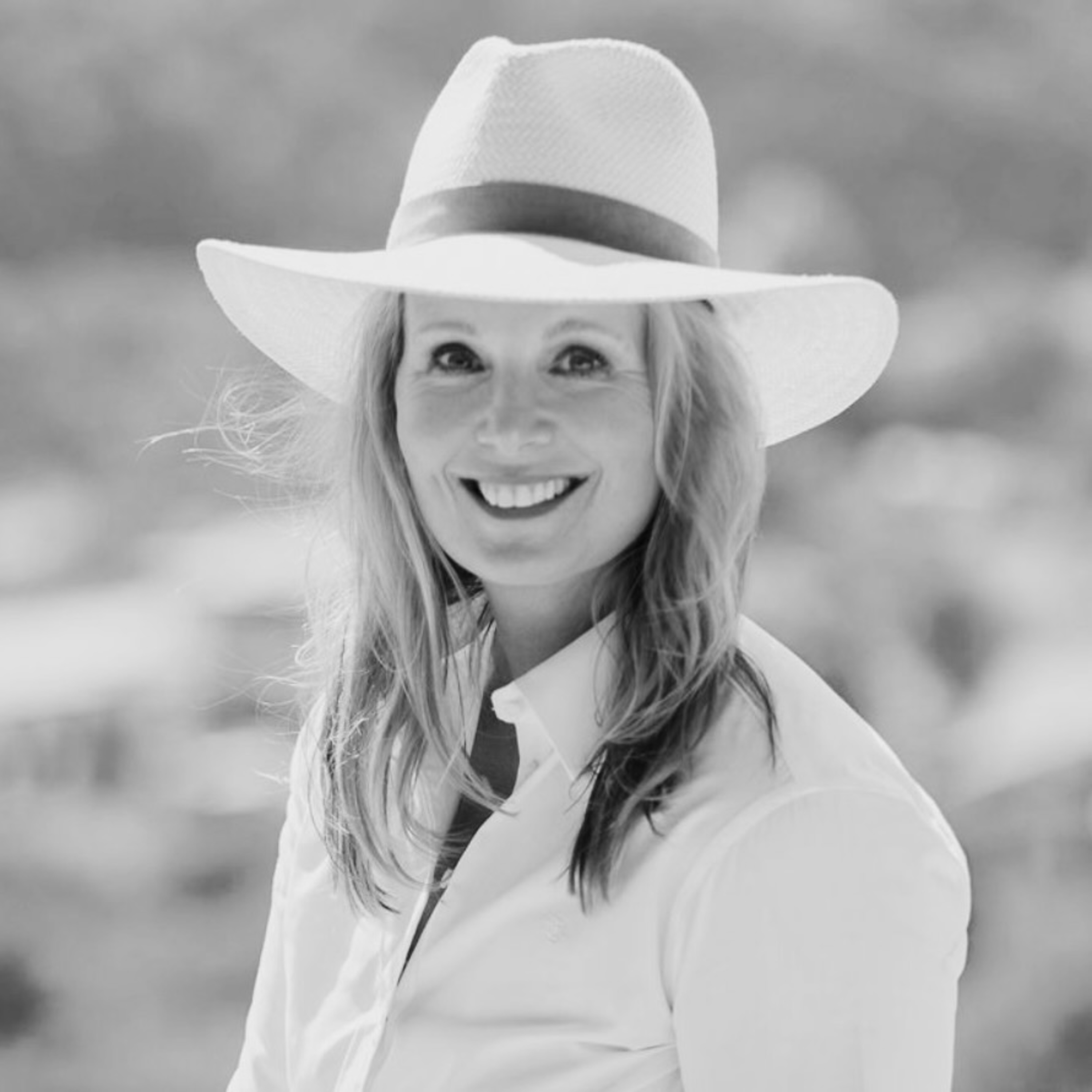 Episode 63 - Melissa Krueger