
The Career Flipper Podcast · 2025-10-23 · 35 min
Key moments - from our scoring
Substance score
25 / 100
Five dimensions, 20 points each
Jen Lorenz walked away from a 20-year career as Deputy Chief Information Officer at the New York State Office of Information Technology Services to launch Human Insights Consulting Group, a consulting practice focused on helping leaders navigate technology and transformation while maintaining the human element. Her transition wasn't driven by burnout - she genuinely loved her team, mission, and impact - but rather by a desire to challenge herself, build her own venture, and design a life aligned with travel and purpose as her children became independent. The episode explores the psychological and practical dimensions of leaving security by choice: managing the "7 internal voices" that surface during major career shifts, the importance of succession planning and stakeholder communication, leveraging transferable skills (emotional management, execution discipline), and thinking strategically about long-term sustainability - healthcare coverage, retirement planning, and tax implications for self-employed founders. Jen discusses using time as a luxury to prepare through paperwork and research rather than jumping impulsively, and how mental bandwidth freed during her transition allowed real strategic thinking to emerge. This conversation will resonate with mid-to-senior leaders considering entrepreneurship, particularly those struggling with guilt about leaving teams and wrestling with the gap between external stability and internal restlessness.
After the pandemic and as her children became independent, Jen realized she wanted to challenge herself further and build her own business rather than continue in a comfortable role she excelled at. She wanted to test her capabilities as a solo founder and design a life with more travel and freedom.
She used her time strategically to complete business paperwork and registration processes, research requirements like healthcare and retirement planning, and take vacation time at the end of her government role to create mental bandwidth for strategic thinking about her transition.
Managing her own emotions and pushing through fear, executing on decisions despite uncertainty, and time management are her core transferable skills. She also leverages her experience building and managing teams, managing organizational change, and IT leadership expertise.
She felt responsible for succession planning and made sure to time her departure thoughtfully, plan for her replacement, and ensure her team and projects had continuity before she left, treating the transition like leaving family.
She recommends picking a specific timeframe ("if not today, when is it - 5 years from now?"), using available time to prepare rather than making impulsive decisions, and remembering that managing your emotions and focusing on what needs to be done are more important than knowing everything upfront.
Our reviewer’s read on each dimension, with quotes from the episode.
The episode is a personal career-transition story with almost no operator-relevant insight; advice is generic ('pick the when', 'manage your emotions', 'use your resources') and offers nothing a B2B operator hasn't heard.
Pick the when so that way you're not like, oh, I wish I could have
managing yourself, managing those emotions is probably one of the most important things
Recycled self-help framing around courage, imposter syndrome, and taking the leap; no contrarian or first-principles thinking, just familiar motivational platitudes.
This one's a masterclass in courage, curiosity, and Choosing Yourself
you're not behind. Nope, you are not broken, and you are definitely not too late
The guest held a genuinely senior role (Deputy CIO of NY State ITS, 20-year IT career), which is relevant seniority, but the conversation never draws on that operational depth in any substantive B2B way.
She was the Deputy Chief Information Officer for the New York State Office of Information Technology Services
I am currently leaving a 20-year career in government IT
Almost no concrete data, metrics, dollar figures, or named examples; details are limited to vacation time, a vague 'paperwork process', and a company name, with everything else abstract.
I had started looking at the paperwork process
Just June of this year
The host is warm and asks open questions but offers only affirmations, never pushes back, and lets vague claims pass unexamined, making it a supportive PR-style chat rather than a probing interview.
Wow. So just out of curiosity
I just want to repeat that for everyone to hear
Computed from the transcript - who did the talking, and the words that came up most.
After two decades in government, most recently as Deputy Chief Information Officer for the New York State Office of Information Technology Services, Jenn Lorenz did something bold: she walked away. In this episode of The Career Flipper Podcast , host Jenny Dempsey chats with Jen about what it really takes to leave stability behind and create a career (and life) on your own terms. From her early days as a single mom rebuilding after divorce to building teams in IT leadership and now launching her own business, Human Insights Consulting Group, Jen’s story is proof that reinvention can happen at any stage, and that you’re never starting from scratch.
Transcribed and scored by The B2B Podcast Index.
If you're like, it's not today, okay, fine. When is it? 5 years from now? Is it, you know, it's not tomorrow, fine.
Pick the when so that way you're not like, oh, I wish I could have, I had wanted to do that. You're kind of like, no, I'm planning for this. Hey friends, welcome back to The Career Flipper. This podcast is your permission slip to stop waiting for perfect timing, stop following the shoulds, and well, start creating your own version of success, even if it looks nothing like the one that you left behind.
I'm Jenny Dempsey. I'm your host. After being laid off, I rebuilt my career path one rescued dresser at a time and discovered that flipping furniture isn't all that different from flipping your entire career. These days, I've got a great day job that pays the bills, my investor in my dreams, while I keep building San Diego Furniture Flipper on the side, as well as cheering on all of you doing the same in your own way.
My guest today is Jen Lorenz, who recently made the incredibly brave decision to walk away from a 20-year career in government. She was the Deputy Chief Information Officer for the New York State Office of Information Technology Services. Yep, you heard that right. 20 years by choice.
Jen traded security for possibility. She left a job she loved, the team, the mission, the impact, to step into the unknown and build her own business, Human Insights Consulting Group. It's all about helping leaders navigate technology and transformation without losing the human touch. She's also writing her first book, 10 Little Rules for Getting It Done, and designing a life with more freedom, travel, and purpose.
In today's episode, Jen and I talk about what it's really like to walk away from comfort, to rebuild your identity after decades in one place, and to trust yourself enough to take the leap, even when it's scary, even when it doesn't all quite make sense yet. This one's a masterclass in courage, curiosity, and Choosing Yourself. Let's get into the episode now. So just got a shout out to our friend Frank Winters because he is always keeping the Career Flipper podcast at the forefront of his mind.
And I am just like, what? That is so cool. He was a former guest from season 1 and just an absolute joy of a human. And he brought me you.
Jen, welcome to the Career Flipper. Tell everybody who you are, where you are, and what you're doing right now. Thank you so much, Jenny. I'm so appreciative to be here.
I also want to shout out Frank. He has been, uh, I met him in my, uh, former career, and like you said, he connected us, and he has just been a great supporter. Um, on those days that I'm wondering why I made some of the decisions I made, I can always call Frank and, and get some advice. So I love that.
Thank you, Frank. Yeah, thanks, Frank. Um, I am currently leaving a 20-year career in government IT. I'm excited, and, um, you know, I don't have it all figured out yet, but I think just like everyone on the Career Flippers, uh, podcast, I've dealt with some challenges, and I'm happy to share my journey in hopes that it helps others.
Wow, leaving a 20-year career. I just want to repeat that for everyone to hear. I'm gonna say one more time. Leaving a 20-year career by, by choice.
And so I have so many questions for you. But the first one is, was it the same company the entire time or were there multiple companies in there? It was the same company. The company itself changed.
It's called an agency in government. The agency itself changed throughout my career. And then obviously my roles changed throughout my career. But overall, I worked for the state, the state of New York.
I was an IT leader. And, um, yeah, served various different initiatives throughout that time. Wow. Well, all right, Jen, let's get into this.
Tell us more about all of the things that have led up to this choice. Thank you. I, um, it does sound shocking. I agree.
Uh, most people, you know, when they pick a state career, they serve their entire time all the way to retirement age. If you've made that decision, a lot of people make that decision early on for stability. Working for the state for me was great, has been So it's scary to have that change. There's a lot of unknowns and I'm almost purposefully pulling that security blanket off of myself.
But that really was kind of why I decided to make the change because I, I was successful. I can do that job. I am happy. I love the people that I worked with.
I had a great career, but I did, for myself, want to try more. I'm obviously not getting any younger, and I really wanted to see in this new stage of my life - I have children, they're grown - what else can I do? So as a challenge to myself, I decided to venture - we call it the other side, right - into consulting. Yeah.
So now I've created my own business. I am consulting now, and I want to just see how far I can go. I'd love to build a team. I'd love to I've built teams, right?
I've done many operational activities in the IT world. Can I do it on my own for my own business? How far can I go? How can I - how far can I take this thing?
That's really what I want to challenge myself to do. Wow. So just out of curiosity, when you began your career with this, with this company, did you feel at that time like one day I will do something on my own, or was that something that kind of grew over time? Yeah, when I first took the job with the state, I was - I'll say I was surviving.
I had, um, gone through a different kind of flip. I had been through a divorce. I'd been out of work for a year. I had to move back home with two small children and kind of start all over.
None of that was planned. That was a life event that was happening, and I just had to get on board with it. And so through various connections, I learned of the state offering internships. And so I took an internship.
I had gone back to college for IT-related work and business management. So it all kind of fit. I'll say I fell into the job. It fit my needs at the time.
And no, during that time, I don't even think I could come up for air long enough to figure out what my future would look like. I was really focused on the state-provided security, stability. I had a career path, I had healthcare, my kids were taken care of. So I was focused on like, let's just get our life situated.
So it took me a long time to really think about one day opening, you know, my own business. And I don't think I really started thinking about that until these last couple of years. I'd say after the pandemic and when I had a minute to actually think about my life as my children left home. What am I doing?
How am I spending my time? So it took a long time for me to come to this realization. Wow. Yeah, that makes sense.
It was survival at that point. You had a job. It provided the things that you needed for you and your kids, and you stayed because it continued to provide that. And it sounds like throughout that journey, that job provided you a lot of skills.
You learned so much there, and you grew within that company. And you liked it. I think that's also something that I want to point out because a lot of the times people think, oh, they're going to change their career because they're burnt out or they hate their job. But I think a lot of the people that I talk to, it's not always the case.
In fact, it's actually less than what I thought. And so to hear that you really liked it and you learned a lot from it, but then you started to have those ideas. Life's changing. After the pandemic, everyone kind of has this different perspective on things.
Your kids are leaving. And are older and leaving. And so what was that like when you first had that awareness of, oh, maybe I will do something? Because, and the reason I asked that is, you know, some people listening might, might be feeling that too, but they keep pushing it away.
They're like, no, I can never do that. Who am I to do that? Um, no, this is just a job. I can't risk it all.
Or I can't, you know, all the things that we tell ourselves to, uh, to not do something because it's, it's a scary, scary thing. So what was that like when you first started to have that awareness? Like, oh, maybe I will. Were you battling any imposter syndrome or voices?
Like, what was kind of going on at that time? Yes, I have a very good set. I call them 7 internal voices, not just one. They're my 7 friends.
They're like the dwarves. They talk to me all the time, and they love to tell me all the ways things will go wrong. Rarely the happy one gets any voice in there. Thank you.
Yeah, I think, you know, like I said, it took me a few years to get here. First of all, my career itself was growing and challenging and I truly did enjoy it and I really cared about my people. I'm an advocate for the people that work with me. You know, they don't really work for me.
We work together, we grow together. And I did come up, you know, if you think about a 20-year career, I spent my time with these folks. I mean, I really came up as they came up. So It was really hard because they're almost like a family to me, and I also felt like I would be leaving them.
So it was, um, finding the right time was difficult, but I had a lot of voices in my head at first saying, why rock the boat? You know, why change your life? Why put yourself through this? Not only are you - it's one thing to take another job, but you're like completely like imploding your life situation because you're building your own business.
So you have to build your own clients, you have to you know, start from the bottom. You have to - that's your income changing, right? So there was a lot of, a lot of voices about all the different ways things that could go wrong, what, you know, what to be fearful of. Um, but I've learned over the years, I, I just thrive in this environment.
So I started out my life, um, I'm actually writing a book, we can talk about it later. It's called 10 Little Rules for Getting It Done, but it all - I learned over time that the unknown is kind of where I started. I thrive now. I seek it out.
I love the challenge. I love the journey. I love that struggle. So all those voices, yeah, even though I had them, they just informed my plan.
And so it went from hard no, this is too scary, to okay, when, when makes sense. There is a way. There is going to be a path. And so when I - those days that I would feel overwhelmed, I would just postpone the - I was like, okay, today's not the day to have this, all this in my head.
Let me just - because I had that time. I, in this case, I had the luxury of time and I was able to prepare. You don't always get that, but in this particular instance, I was - I had some control. And what are some things that you did to kind of prepare, maybe financially, or did you start on the side, or Did you already have a client kind of lined up to start testing the waters?
Like, what are some things that you did to prepare? Um, I had started looking at the paperwork process. I knew that was going to take a while. So what does it mean to start your own business?
Because when I did leave my state career, I wanted to be ready to take on clients, help as quickly as I could find them and get them right. So to the extent that I needed to run through all the paperwork and get that sorted out, that was my first mission. And it took me a while. Again, I didn't have an urgent day this has to happen by, so I was able to use that paperwork process to then learn more.
To your point of like, what does that mean financially? You know, I'll get some checklist that's like, and what's your business account going to be? And I'm like, um, I don't know, I don't know yet, I have to figure that out, right? So as I got these different checklists, I would then figure out the next thing that I had to do.
So I would say I had the luxury of time. I was not able to start anything on the side, but I was able to start the paperwork. So you started the paperwork, which, yeah, that sounds like a whole adventure in itself. And you had the idea in your mind and you're like, I'm just going to do it.
And the luxury of time was in your favor. You had the job and then you made the change. What was it like putting in your notice? Like, what was that like?
Planning that was also I don't want to say it was challenging again because I was like telling all these people that by now I'm a leader, but I'm a very prominent leader in my agency and a lot of people are counting on me. I felt - I mean, I don't know if they were, but I felt very responsible for their success, for the success of the team, the success of the projects we were working on. So for me, it was almost like telling your family that you're like, you know, you're leaving them, right?
So I had that on top of like just me. I wanted to just do this for me. This is something I'm doing in my life for me. Um, so I had to like time out when that communication was going to be.
What does it look like to have someone else coming? You know, think about succession planning on that front, make sure, you know, the ducks are in the row before I can actually leave. And then I did have the luxury of having some vacation time saved up. So I was able to set a leave date, um, physically leave, and then still from the financial perspective have some coverage because I was on, um, I was able to take some vacation.
So that vacation gave me a little break as well as I transitioned. And what I found is in that time my brain was free to think. And so now I could finally do that level of thinking that I just couldn't do before because I had so much going on, so I needed that break to really plan my - the transition steps more clearly. Now things started to really come together.
Now I could really start to move some stuff forward because I had time in that amount, you know, that time to actually consider my next steps. Before, I was just doing little tasks. I wasn't really thinking, and now I had some time to do that. Right.
Yeah. I gave you that mental bandwidth to just really like - Yes, that was huge. Yeah. Yeah.
Oh, absolutely. Otherwise it's just like the juggling around of all the things you're responsible for and not really being able to focus so intensely on this, the new thing. Right. And so I think that's - I mean, that's - it's incredible.
And you put that in and you knew, like, these people have been like your family and You know, one of the things that comes up a lot with career flippers is this support network. You know, doing this alone is one thing. Obviously we're the ones making this choice and jumping into it, but the people around us, the people that we surround ourselves with, sometimes people can be not as supportive. Sometimes they can be.
And so I'm curious, like, what were your colleagues saying to you? What were your, what was your family saying? Your friends? What was that like for you?
Did you have a supportive network or was it something that wasn't available? The people closest to me are pretty used to me by now. Yeah, making lemonade out of lemons. So, but they did.
Everyone raised the fact that I'm leaving, we'll say, a comfortable, stable, predictable situation and that I'm purposefully changing my life. Like everyone's just like, just one more time, are you aware? I just want to make sure you're aware of all the things. It will be hard.
You will. You will work a lot, you will feel the struggle, you will feel pressure, right? So I had a lot of people just cautioning me in making that decision. But I did have a lot of support.
You know, everyone's like, we know if anyone can do it, you can do it. You'll figure it out. If it's not known, you'll figure it out. So I didn't have even my children, you know, I was like, hey guys, you know, life's going to change a little.
They're doing their own thing. They're on their own. I was like, but I really want to travel more. I want to start doing me first.
And not that I'll see you when I see you, but we're going to have to plan more time together. I won't just always be as readily available to come and see you. So they were very supportive, but it's hard being the mom and initiating that change in your children's life. They're grown.
But still, you're the rock, you're the stability, at least in my situation. So I wanted to make sure they were comfortable too. And they were like, we're all in, Mom, whatever you got to do. Yes, that was nice.
Yeah, I think that's so important to just have people on your team as you're doing this. You're not alone. And even if they're like, are you sure? Yes.
They know you well and you also know that the cost of potentially staying in that role, as, you know, stable and wonderful as it was, was actually, you know, the cost was more than going out on your own and doing these big risky things and starting your own thing. So, yeah, that's incredible, Jen. And I - Thank you. I think the other thing that stands out, I'm gonna jump around a little bit here, but you said this early on in our conversation and it was about, you know, these things that you've learned working for this company, working for the organization over the years, and now you're able to take those things and put them into what you're doing on your own.
And gosh, I hear there's so much of like repurposing skills, you know, what you've learned from experience and like how we're really never starting from scratch. We do have so many tools in our tool belt that we have learned. Can you talk a little bit more about the things that you have learned that are really gonna help you moving forward and like maybe of like how that maybe lend into the confidence of being able to do this? Yeah, I, I'd say two things.
One, managing your own emotions. I have just learned to do over time. I did way back in the day also have a military career, but I also have a tough mom and she just always would be pushing for what are you going to do? Like what?
At the end of the day, whatever's happening around you, what are you going to do? So how are you going to spend your time? How are you going to make a decision? Right.
So part of that is like getting to that ability to push that feeling, that emotion, that fear, push that away, focus on what needs to be done. And, you know, you got to have that, you got to keep pushing, you got to do it every day. Um, so managing yourself, managing those emotions is probably one of the most important things. Yeah.
And then, um, really just executing on what you've decided that you're gonna do. Yeah, that makes complete sense. And I thought that that is like the biggest takeaway of these like skills of like you could learn all the things and you can have all of these actionable skills, but really your emotions, like this is, it's an emotional journey. There's a lot of ups and downs and really being able to take ownership of that frees up, it sounds like, you know, the focus time, kind of going back to what you said before, that mental bandwidth and just being able to like, okay, this is what I need to focus on.
This is what I factually need to do. I feel that so much. I can very much get caught up in the swirl of all of these things. Am I doing this right?
Am I doing this wrong? I don't know. And it can feel so heavy sometimes when you're on your own and you don't have a company to be like, oh, let me just ask a question to my boss. So, yeah.
Yeah. But you bring up a good point. So in those moments, when I do feel like I don't know the answer right now, and like I said, I have 7 voices legit in my head all the time giving me all of the - I don't need my family to tell me what could go wrong. I've got them all inside of me.
When it is like that for me, I do - I will table it. So I do a lot. So time management is the - is one another key. I just will - again, when I have the luxury of time, I know not everyone always has the luxury of time, but when you do, and I can say that's tomorrow, and I do find that, that stepping away, coming back, the answers start to come.
And today you can, you know, - people can say there's good and bad with AI, but if you're really struggling, sometimes, like, for opening your own business or healthcare in business. So small business owners in healthcare, okay, today is one thing. I'm of this age and I know your business can cover it or you can cover it your own, that type of stuff. I'm wondering when I'm 75, what do I have to think about today that will help me think about healthcare in the future?
What are the What should I be listening to, um, you know, legislation-wise? Like, what matters to me as a small business owner so I can - I need to make the right decision today to, to be ready for then. I don't need to know everything today, but that's how my - that's one of the ones that when I'm using the internet and what's out there for information, that's the type of stuff that I'm really digging into. Yeah, it's not as easy to just call up all the 75-year-old business owners.
I know two of them, but their life is different than what they had to do 30 years ago, you know, compared to what I'm going to have to do planning 30 years out, it's still going to be different. So, um, when I am struggling, I do seek information to help me get - to help get me out of those ruts. Oh yeah, absolutely. And I think that is such an important call out too.
Use your resources. Like, you don't have to know it all, but ask questions, look information, double-check the information, triple-check it. I think Things like that. Like just put it out there.
If you don't know it, ask. And I also really admire like, what does my future self need as I start this business today? I think that's so incredibly important and not something that we talk about a lot, but on the Career Flipper, but it, I mean, seriously, like if we want to build these lasting careers, um, on, uh, you know, on this different career path trajectory, like It is such a valid point because, and talking about healthcare, I mean, that's the hardest part. Like, it's so confusing.
There's so many things and differs by state, you know, all the stuff's like, it's very overwhelming and confusing. It can actually be what stops a lot of people. So I love that you're bringing that up and just researching, asking the questions and doing what you need to do so this can be a sustainable long-term career for you as you, as you grow older. And, um, yeah.
Yeah, I mean, another reason why I did this is because my future self wants a good life too. Yeah. And my future self doesn't want to have to work more than necessary at the time, right? So my future self - I don't want to be a burden to my children.
So I'm really trying to figure out, you know, what are those retirement numbers? What does my life, you know, look like then? And then how do I enjoy my life now? So I'm trying to balance I want to travel more today.
I don't know that I'll be able to in my 90s travel to the extent I want to. I hope so. Yeah, but let me, let me get that all in now. Yeah, so true, so true.
And also, yeah, putting in like the type of life that we want to live, because sometimes that is a part of the reason why people change their careers, because what they were doing before did not fit their life anymore, the life that they wanted to lead. And you're factoring that in too, and that's so important. Like, you want to travel, so you'll build a career and a business that allows you to do that. And I mean, that's, that's really important as we think about this because just, just to repeat what we've already talked about, like all the things that go into creating a business, the paperwork, all the emotions, there's so much taking over our mind.
And then to think about, wait, what life do I want to live? I'm spending so much time doing these. To be able to build that in and know that we're living whether we're working or not. And so how do we want to live and what type of work and how do we want to work?
And so really glad that you brought that up. But speaking of, like, doing all the things, like, where does the book come in? Like, how are you time for the book? Like, let's talk about that.
Oh my goodness. So I spent my vacation writing a book. Yes. Well, congrats.
Well, thank you. And thanks again to Frank Winters and Carol Pearson for, you know, helping to set me up with the methodology, I'll say, to really ensure that I'm successful in this endeavor. I have not written a book before. This is my first time out there, but I am excited to share.
If there's any piece of information or things, experience that I have that can save someone else time, I am, I am happy to share. I'm certainly not - I can't say that I've done anything unique, right? I, I think we've all - everyone has their journey, um, but I'm hoping that through my, um, experiences, there's some little nuggets that just kind of get people out of their rut faster, save them some time. That's what I'm hoping.
We'll see if it comes to be. Oh my gosh, I feel like, um, you know, there's things that people tell you, like different pieces of advice through your life, and it, you know, you may hear the same thing over and over, but when like You know, there's one person that says it a certain way and you're like, oh, it just clicks. So I feel like that, you know, makes sense for your book. Like, sure, maybe these are things that have been, you know, talked about before or, you know, shared or written about, but the way that you are going to do it could be exactly what, like, that light bulb moment for someone, just how you word it, you say it, the time they're reading it, like, who knows?
And that's just exactly like what we need. Like, we need that out there. So it's so exciting. And where were you on vacation?
I'm just so curious. Where did all this happen? I know. Well, it wasn't that exciting.
I was here. You know, I'm in New York and my dad lives in Florida. So I, you know, East Coast, New York. But I did - before I left the state, I did take a vacation to Portugal.
So that's the most recent exciting place that I've been to. I did not write then. I waited till I had to leave the day job to be able to start the writing. Yes.
Wow. That's amazing. And remind us all, how long ago did you leave the day job? Just June of this year.
Wow. So it hasn't - I mean, this is like, I'm capturing this moment and I am just like, honestly, so honored that you'd be on to talk about it because it's so fresh, it's so raw, and you're in it, you're doing it, and you're like, I can see, like, I know everyone listening can't see this, but I can. I can see like the excitement in your face and just like you're just - it sounds so aligned with who you are and where you want to go. And it's incredibly admirable.
And I am just like, I'm just so excited for you. And I think there's a check-in in our future of like, where are you in the start of 2026 or as we go into the new year? I think it's fascinating to hear because you're doing it. And there are people listening.
You're doing it. You're doing it. And there are people listening right now who might be sitting at their desk and they're like, like, man, I wish, I wish I could do it. I'd like to do something different.
And but they're scared and they're feeling the pressure or family responsibilities or, you know, who knows what. Jen, what is like a piece of advice that you would offer to someone who is going through that right now, sitting at their desk listening in, and they're like, yeah, I wish I could do that, but I am, you know, I am all the things, all the, all the things. That are stopping them in their path, what would you say to them? Say if it's something that's haunting them, I would definitely start leaning towards consider it as part of your future.
And it could be a side hustle. If I had been able to maybe strategize another way, perhaps I would have done this as a side hustle. It just - that's just not what I want. I really want to travel, and that, that travel was my number one priority.
So what you know, perhaps some other people can start as a side hustle and just test the waters. I don't know that everyone has to completely throw everything upside down like I did, but I would then focus more on when. So if not today, if today doesn't work, I mean, I had responsibilities, you know, I couldn't - I don't feel like I could have put myself in this position for many years. I just could - sure.
Have other people done that? Yes, they have. But for me, it's not what I could have done or what I had wanted to do, I should say. Yeah, so it's a matter of when.
So if you, if you're like, it's not today, okay, fine. When is it? 5 years from now? Is it, you know, it's not tomorrow, fine.
Pick the when so that way you're not like, oh, I wish I could have, I had wanted to do that. You're kind of like, no, I'm planning for this. And then that opens up your mind because you've given yourself room to think about it. When you say no, when you're like, that's not going to work, I can't, I can't, you're spending all your energy on that negative.
So now you don't have room for a what's the other side of the coin even look like. So give yourself - it's just a thought. These are just thoughts. You haven't actually changed your life.
So I mean, just think about it and start putting yourself in that position of, okay, if today you're the business owner, what are you thinking about today? What is most important to you? What does day one look like? Just give yourself the chance to think about it.
And I think the rest will follow. Yeah. Yeah. Oh, it's so important.
Just, just dream a little bit. Just dream a little bit. Stay a little bit. A little bit.
Yeah. Yeah. Just, just think about the possibilities of what's there. It's not happening today, but you can really think about it and lean into that.
I love that advice. I think that is like, it's crucial cuz we just think about it, we shove it away. Well, what if you don't shove it away? What if you keep it there?
Right. Yeah. And before we wrap everything up today, Jen, can you tell everybody a little bit about the type of consulting you do, who you help, I mean, it'd be amazing if someone listening right now is looking for, you know, someone like you to, to help them. Is that something that you can share with us?
Sure. I would love to. Um, I really want to help business leaders that are feeling overwhelmed or, um, inundated with solutions, either, you know, fix your workforce or here's a tech product, it's gonna solve all the things for you, or. Their employees stressed over this conversation about AI.
So I would love to be that advisor, that partner that comes in and helps on their behalf to the extent that they want, either coach them, coach their team, help them build their strategic plan, look at their workforce, you know, what does it mean to bring in tech? Again, I have a 20-year career in tech, especially in, in government. But I've had to deal with so many different executive-level decisions that I'm someone that can save them time. So if I can come in, help work with you as you're building your business, or maybe you're growing and you just need someone to come in and think about the things that you haven't had 2 seconds to think about, you're like, this project is failing.
I don't know why, but I got to keep this going over here. You know, I'm someone that they could call. So I really see myself as someone's here to save them time. From my experience.
I want to talk to them about their workforce planning, their processes, how we can optimize, save them money, and even better, solve whatever problems in front of them. Do they need tech? To what extent do they need tech? Call me up.
I will certainly help. That's incredible. And you're lending a hand to someone, it sounds like maybe your past self almost, who is really overwhelmed with so many things going on and the way that you led your team. To give them that support.
It just, it sounds so aligned and you're going to help so many people. And Jen, where can people find you and connect with you and ask you questions and bring you on to help? Give me all the - Thank you. Yes, my website is insightbyhumans.
com. The name of my company is Human Insights Consulting Group. So I'm really trying to bring the fact that humans, at the end of the day, we decide where to spend the money. Yeah.
And I know everyone's talking about tech is replacing everything and sure, jobs will change. You know, there was a point we had the operator who used to, used to call and actually talk to the operator. That's no longer the, the case, right? So things change for sure because of technology, but humans still decide where we're spending the money.
So I'm hoping to keep humans at the table. And, uh, Human Insights Consulting Group is the name of my company, insightsbyhumans.com. Insightsbyhumans.
com. Perfect. And can - where can they find out about your book? Let's talk about that.
Yeah, so I will be, um, I'm still wrapping up the final edits. I will be posting the links on my site, and then I'll be sharing that information as soon as I have it ready. Perfect. So definitely, if you're interested in the book, we'll be making sure to share it on the Career Flipper social media, LinkedIn, all the things.
But definitely check out Jen's site to stay up to date on it. I'm so excited for you, Jen. Thank you so much being here. I just really appreciate you, you sharing your story and just giving us insights on how we can do it too.
Thank you. Thank you so much, Jenny. Thanks for hanging out with me and Jen on this episode of the Career Flipper Podcast. You'll find all the ways to connect with Jen in the show notes, but if this conversation lit even the tiniest spark or made you feel a little less like you're out here all alone, the best way to keep this energy going is to hit follow, subscribe, drop a review, and send this episode to a friend who's also mid-career plot twist.
That's how we grow this messy, magical little corner of our flippin' community. And at the end of the day, here's what I want you to remember: you're not behind. Nope, you are not broken, and you are definitely not too late. Starting again is always on the table, and that first tiny step that you take might feel incredibly terrifying.
You might ugly cry through it, but it could be the step that will change everything. So go on, take that first tiny step, even if it's messy - especially if it's messy - because really, What's the best that could happen?
Other episodes covering the same guests and topics, from across The B2B Podcast Index.
 Episode 71: Rebecca Gooch on Succession Planning and the Family Enterprise BoomFamily Business Audiocast · on succession planning84 / 100
 How ESOPs Help Family Business Owners Exit Without Losing Their Legacy | The Family Biz Show Ep. 40The Family Biz Show · on succession planning84 / 100
 Episode 103: 1 Family, 4 Generations, 100 Years: The Sprague Pest Solutions Story with Ross TrelevenFamily Business Today · on succession planning81 / 100
 Why So Many Successful Advisors Feel Stuck - Best of ReplayThe Diamond Podcast for Financial Advisors · on succession planning80 / 100
 The Man Who's Never Lost a Deal in 12 Years (Here's How) | Justin FarmerThe Accounting Leads Now Podcast · on succession planning76 / 100
 Beyond Numbers: Business Leadership for CFOs Part 2Informed Decisions · on succession planning74 / 100
 2025 Podcast Recap: Gratitude, Growth & a Misspelled Logo37 / 100
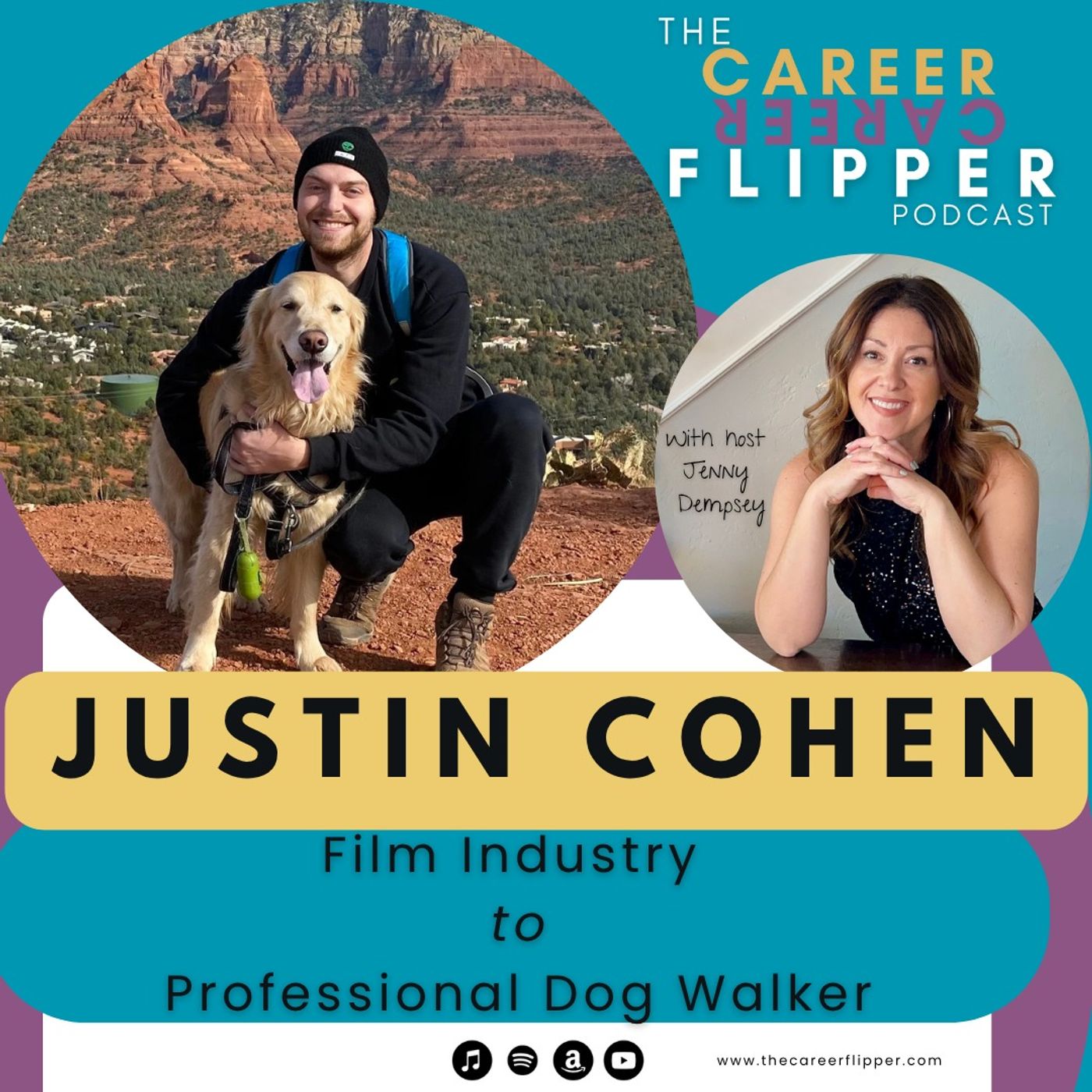 From the film industry to professional dog walker, meet Justin Cohen47 / 100
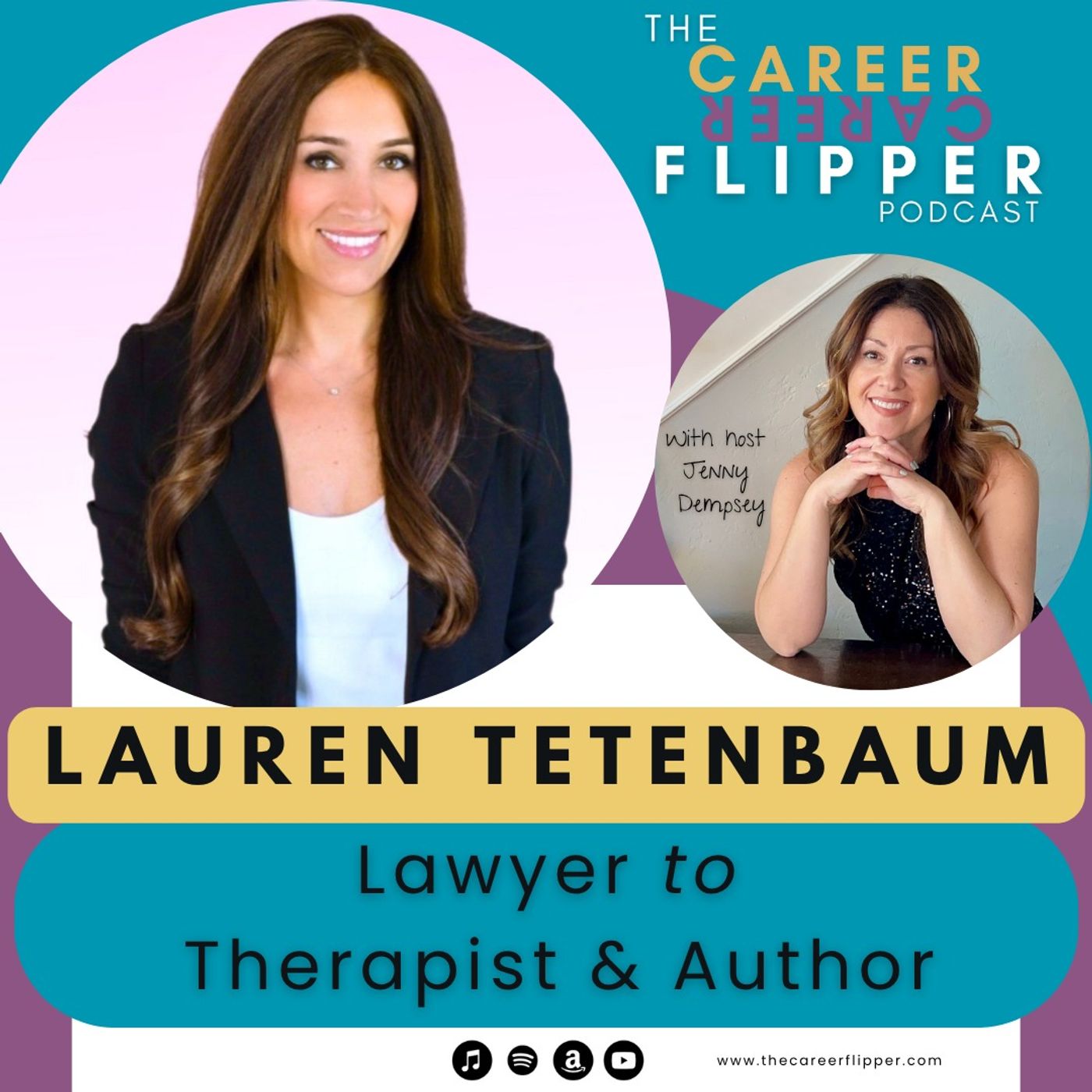 From lawyer to therapist and author, meet Lauren Tetenbaum49 / 100
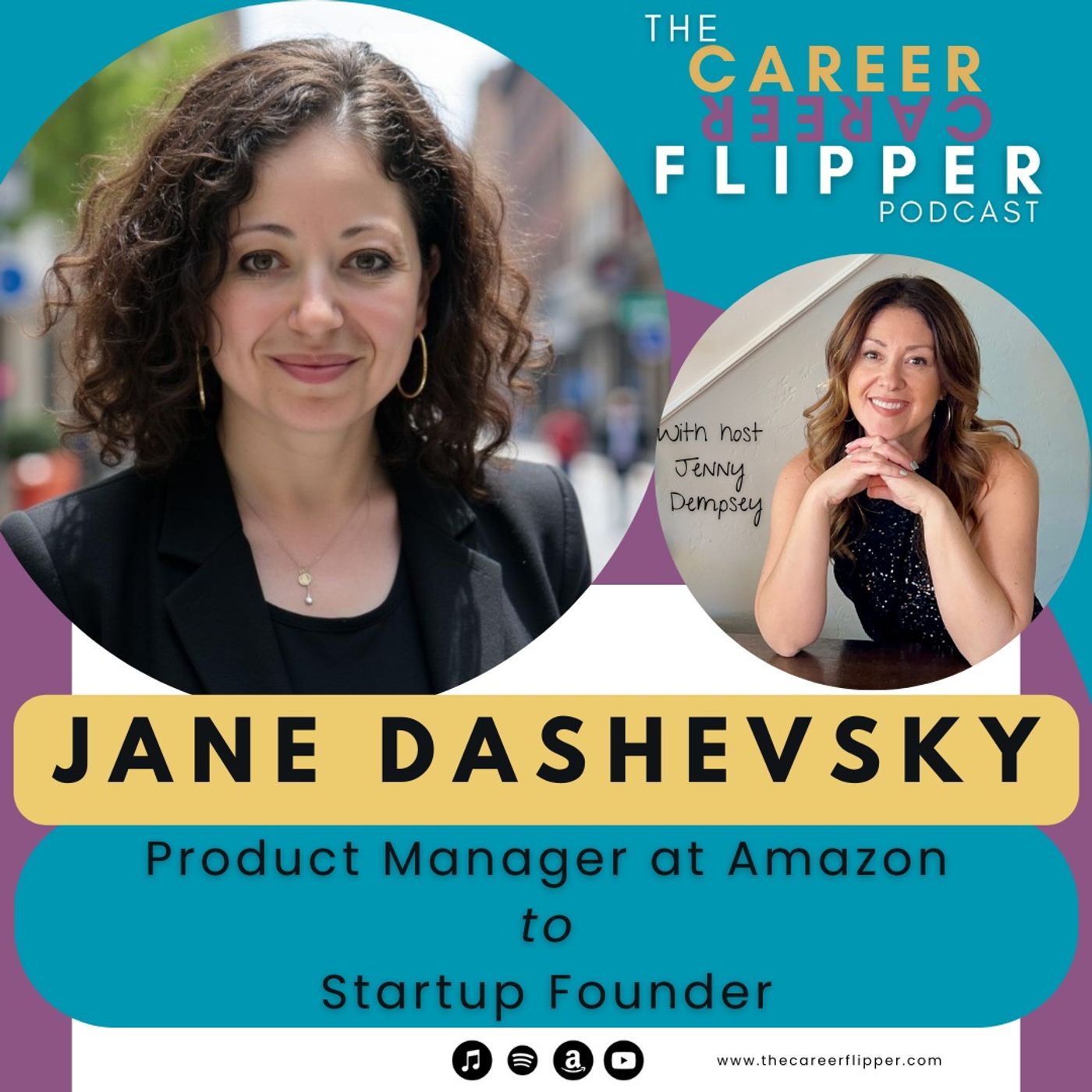 From product manager at Amazon to startup founder, meet Jane Dashevsky65 / 100
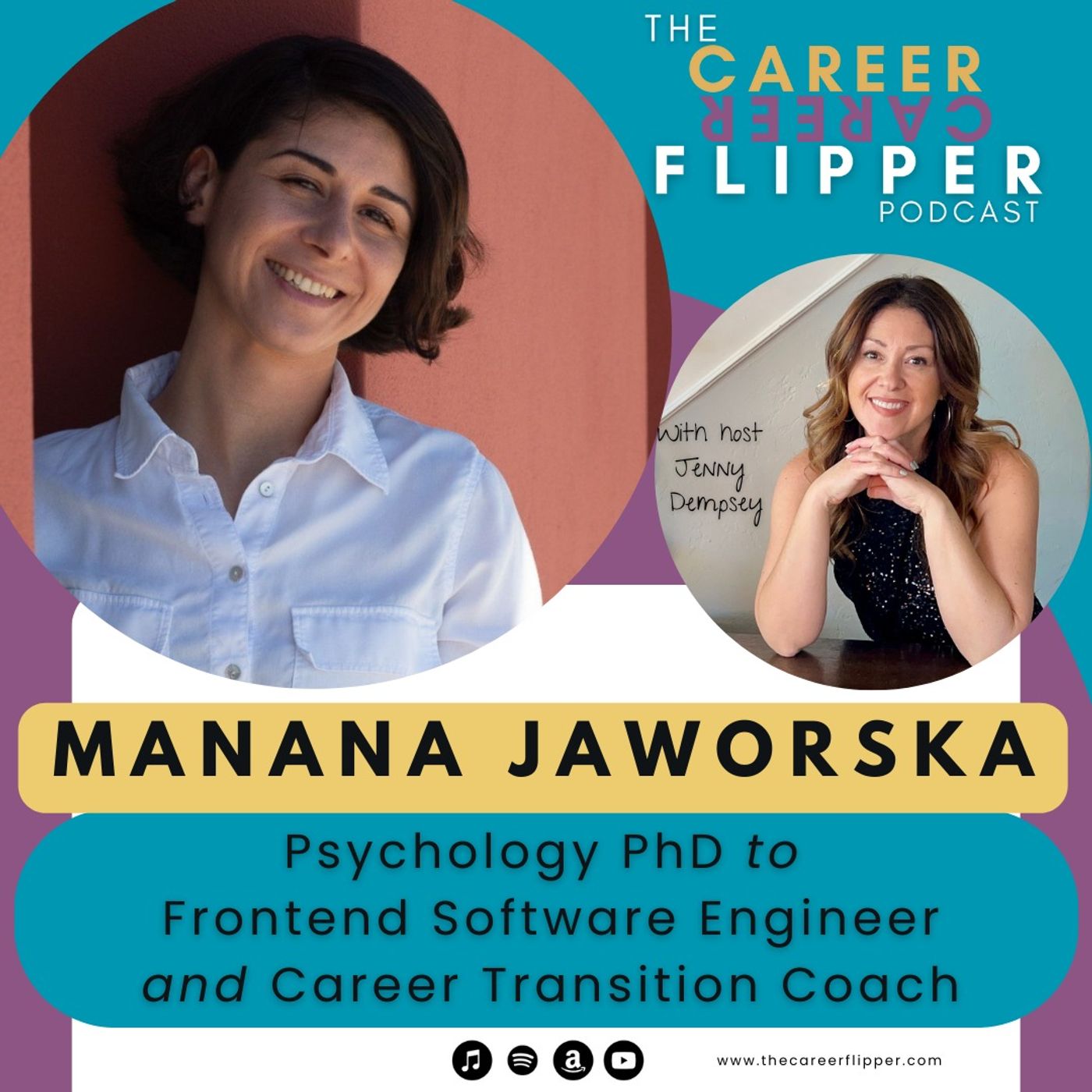 From psychology PhD to frontend software engineer and career transition coach, meet Manana Jaworska45 / 100