
Sales Leadership with Fexingo · 2026-06-24 · 10 min
Key moments - from our scoring
Substance score
31 / 100
Five dimensions, 20 points each
Lucas and Luna explore how top sales professionals use prospect silence as a closing tool rather than a fear trigger. Drawing on behavioral economist Dan Ariely's research showing that post-offer pauses increase purchase intent by roughly twenty percent, the episode breaks down three distinct types of silence: processing silence (the prospect is absorbing information), hesitation silence (internal conflict about price or approvals), and disengagement silence (they've checked out). The hosts illustrate with a Salesforce senior rep's $2.3M deal that remained silent for two weeks during a budget cycle - she waited instead of follow-up-spamming, and won. The episode provides three concrete tactics: state your price then stop talking entirely; after closing questions, stay silent and let the prospect speak first; and during objection handling, pause to let prospects reveal the real issue beneath surface complaints. For email silence, the approach shifts from aggressive check-ins to value-add touches (industry reports, case studies), with a break-up email as a final lever. Lucas emphasizes that building contextual awareness during discovery - knowing approval chains, budget cycles, timelines - makes silence predictable rather than panic-inducing. The episode also touches on cultural calibration, since silence tolerance varies globally. This framework applies to quota carriers, sales managers coaching teams, and revenue operations professionals designing follow-up cadences.
Ariely's study found that when you pause after making an offer, the prospect's purchase intent increases by roughly twenty percent, giving them space to process rather than immediately defending or negotiating.
Processing silence occurs when they're absorbing new information (eyes up, leaning back); hesitation silence happens when they're conflicted (liking the product but worried about price or internal pushback); and disengagement silence means they've checked out (short answers, checking their watch). Each requires a different response.
Talking after stating price signals the price is negotiable and devalues your offer. Silence forces the prospect to sit with the number and respond, rather than you offering justifications or concessions unprompted.
Instead of checking in every three days, space follow-ups further apart and use value-add approaches like relevant industry reports or case studies, showing you're thinking about their business rather than just chasing the deal.
The Zeigarnik effect is the principle that people remember incomplete tasks better than completed ones; silence keeps the deal open in the prospect's mind, making them more likely to return to it and seek closure rather than abandoning it.
Our reviewer’s read on each dimension, with quotes from the episode.
The episode offers a usable three-part taxonomy of silence types and some tactically specific advice (pause after stating price, let objections breathe), but much of it is standard negotiation lore repackaged; the Zeigarnik effect callback and cultural calibration add a little lift above pure platitude territory.
after you state your price, stop talking. Do not add value, do not justify, do not say 'and that includes...' Just state the number and wait. The prospect needs to sit with the number. If you talk, you're telling them the price is negotiable.
If you respond immediately, you're defending. If you stay silent, the prospect often feels the need to justify their statement, and they might reveal the real issue.
The Zeigarnik framing of email silence and the three-category taxonomy give the episode a thin layer of structure, but the core moves - 'first person to speak loses,' break-up emails, value-add follow-ups - are among the most recycled pieces of sales advice in circulation.
The first person to speak loses.
The break-up email is a form of silence - you're creating a deadline, which forces the prospect to decide. It's a powerful move, but use it sparingly.
There is no external guest whatsoever; the episode is two hosts talking to each other in what feels like a scripted dialogue, and the only named practitioner is a second-hand anecdote about an unnamed friend allegedly at Salesforce.
A friend of mine, a senior rep at Salesforce, told me about a deal she closed for two point three million dollars. After she sent the final proposal, the client went completely dark for two weeks.
The Dan Ariely '20% purchase intent' claim sounds precise but is unverified and likely misattributed, and the $2.3M Salesforce deal is second-hand and anonymous; beyond those two data points the episode stays at the conceptual level with no hard conversion data or named companies.
Behavioral economist Dan Ariely ran a study a few years back where he found that when you pause after making an offer, the other person's purchase intent increases by roughly twenty percent.
she knew the client was in the middle of a budget cycle and that silence meant they were working through internal approvals. So she waited. On day fourteen, the client emailed back and said, 'We're ready to sign.'
The format is a scripted co-host chat rather than an interview, so there is no interviewing craft to evaluate; both hosts validate each other's every point without pushback, and questions are pure setup lines rather than probing challenges.
That's brilliant. If you respond immediately, you're defending.
That's hard. I've seen reps say the price and then immediately add, 'but we can work on that.' They're devaluing their own offer.
Computed from the transcript - who did the talking, and the words that came up most.
Lucas and Luna dive into the art of interpreting silence in B2B sales. Rather than fearing dead air on calls or ghosted emails, top reps treat silence as a signal - and sometimes a closing tool. Lucas breaks down the research from behavioral economist Dan Ariely on how pauses increase purchase intent by up to 20%. Luna shares a real example of a Salesforce rep who closed a $2.3 million deal by staying quiet after the final proposal. They discuss the difference between silence that means ‘thinking it over’ vs. ‘lost interest’, and how to strategically use silence in demos, pricing conversations, and closing. Plus: why the Zeigarnik effect (from a prior episode) pairs with silence to keep prospects engaged. Practical tactics for quota carriers who want to stop over-talking and start listening. #SilenceInSales #ClosingTechniques #B2BSales #SalesPsychology #DanAriely #Salesforce #ZeigarnikEffect #SalesTips #QuotaCarriers #RevenueTeams #BusinessPodcast #FexingoBusiness #SalesLeadership #Prospecting #ListeningSkills #Negotiation #DealClosure #SalesTraining Keep every episode free: buymeacoffee.com/fexingo
Transcribed and scored by The B2B Podcast Index.
Lucas: Let me ask you something. Have you ever been on a discovery call, you ask the prospect a question, and then... nothing. Ten seconds of dead air.
Feels like an eternity, right? Luna: Oh, absolutely. And the urge to fill that silence is almost unbearable. Most reps I know will start rambling, offering more options, or answering their own question.
Lucas: Exactly. But here's the thing - that silence is actually gold. Behavioral economist Dan Ariely ran a study a few years back where he found that when you pause after making an offer, the other person's purchase intent increases by roughly twenty percent. The silence gives them space to process.
Luna: Twenty percent - that's huge. But I think most reps are terrified that the silence means rejection. They jump in to save the deal and end up talking themselves out of it. Lucas: Right.
And that's the core of today's episode - how to read a prospect's silence and use it as a closing tool. Not just tolerate it, but strategically deploy it. Silence is a signal, not a verdict. Luna: So what does silence actually mean?
Is there a way to distinguish between 'I'm thinking' and 'I'm done'? Lucas: Great question. I think there are three main types. The first is processing silence - that's when you've just given them new information and they need a beat to absorb it.
You see their eyes go up, they lean back. That's a good sign. Luna: I've definitely seen that. The prospect is literally computing.
Lucas: The second is what I'd call hesitation silence. That happens when they're conflicted - maybe they like the product but the price feels high, or they're worried about internal pushback. That silence is fragile. If you break it with a discount, you might win the deal but lose margin.
Luna: And the third is disengagement silence. They've checked out. Their answers are short, they're looking at their watch. That silence is a red flag - you probably need to re-engage them or walk away.
Lucas: Exactly. The mistake most reps make is treating all silence the same. They panic and throw out a concession, or they keep talking and bury the value prop. So the first skill is just noticing which kind of silence you're in.
Luna: I want to bring in a real example. A friend of mine, a senior rep at Salesforce, told me about a deal she closed for two point three million dollars. After she sent the final proposal, the client went completely dark for two weeks. Lucas: Two weeks!
Most reps would have sent seventeen follow-up emails by day three. Luna: Exactly. But she had a theory - she knew the client was in the middle of a budget cycle and that silence meant they were working through internal approvals. So she waited.
On day fourteen, the client emailed back and said, 'We're ready to sign.' She didn't need to do anything. Lucas: That's a perfect example of reading disengagement silence versus processing silence. She knew the context.
She knew the client's internal process. That's the deeper level - silence doesn't exist in a vacuum. Luna: So how do you build that contextual awareness? I think a lot of reps just don't have that information.
Lucas: You ask during the discovery phase. Before you even get to a proposal, you should know: who else needs to approve this? What's their budget cycle? What's their typical timeline?
If you've mapped that out, silence becomes predictable. Luna: Right. You're not guessing - you're matching the silence against a known pattern. Lucas: And here's where I want to tie in the Zeigarnik effect, which we covered in episode seventy-one.
That's the idea that people remember incomplete tasks better than completed ones. Silence keeps the deal open in the prospect's mind. They're more likely to return to it. Luna: So silence actually leverages their brain's need for closure.
That's fascinating. You're not just waiting passively - you're using a psychological principle to keep the deal alive. Lucas: Exactly. And that's why you should never fill silence with a 'just checking in' email.
That breaks the tension and gives the prospect an easy way to say 'not yet.' Instead, you want to let the silence work for you. Luna: Before we go deeper into tactics, I want to pause on something. If today's episode is shifting how you think about your sales conversations, there's a simple way to keep this show ad-free and independent.
It's buy me a coffee dot com slash fexingo. That's it. No tiers, no perks, just a way to say this content matters to you. Lucas: And it genuinely makes a difference.
Every contribution helps us invest in deeper research and better guests. So thank you to anyone who's already done that. Now, let's talk about how to actually use silence in a demo or a pricing conversation. Luna: Yeah, I want concrete tactics.
Give me something I can use tomorrow. Lucas: First tactic: after you state your price, stop talking. Do not add value, do not justify, do not say 'and that includes...' Just state the number and wait.
The prospect needs to sit with the number. If you talk, you're telling them the price is negotiable. Luna: That's hard. I've seen reps say the price and then immediately add, 'but we can work on that.'
They're devaluing their own offer. Lucas: Right. Second tactic: after you ask a closing question, like 'Are you ready to move forward?', stay silent.
The first person to speak loses. If you speak, you might offer a concession. If the prospect speaks, they either say yes or give you a real objection you can handle. Luna: That's classic.
But I think a lot of reps are scared of that silence because they think it means the prospect is about to say no. What if they do say no? Lucas: Then you've lost nothing - you were at risk of losing anyway. But if you stay silent, you might get a 'yes' that you would have talked yourself out of.
It's a low-risk, high-reward play. Luna: Okay, third tactic - I've heard of using silence in objection handling. When a prospect says 'your price is too high,' you just stay quiet and let them elaborate. Often they talk themselves into a smaller objection.
Lucas: That's brilliant. If you respond immediately, you're defending. If you stay silent, the prospect often feels the need to justify their statement, and they might reveal the real issue. Maybe it's not the price - it's the implementation timeline.
Luna: And you only learn that if you let the silence breathe. So the pattern is: pause, let them fill it, listen for the real objection. Lucas: Exactly. And here's a nuance - some cultures are more comfortable with silence than others.
In Japan or Finland, long pauses are normal. In Brazil or Italy, they might feel awkward. So you have to calibrate for your prospect's communication style. Luna: That's a good point.
Silence can mean different things in different contexts. So you need both emotional intelligence and cultural awareness. Lucas: Absolutely. Now let's talk about email silence.
When a prospect goes dark after a proposal, what do you do? Most reps send a follow-up every three days. That's too fast. You want to space it out and use a value-add approach.
Luna: What do you mean by value-add? Like sending an article or a case study? Lucas: Right. Instead of 'just checking in,' send something relevant to their business.
A new industry report, a customer success story similar to their situation. That shows you're thinking about them, not just chasing the deal. Luna: And that actually re-engages them without pressure. I like that.
So silence doesn't mean you stop working - you just shift from pushing to adding value. Lucas: Exactly. And if after three or four value-add touches you still get silence, it might be time to send a break-up email. Something like, 'I'm going to close out this file unless I hear otherwise.'
That often prompts a response. Luna: Because the prospect doesn't want to lose the opportunity. The Zeigarnik effect again - they want closure. So you're using that tension to get a decision.
Lucas: Yes. And the break-up email is a form of silence - you're creating a deadline, which forces the prospect to decide. It's a powerful move, but use it sparingly. Luna: So let's recap.
Three types of silence: processing, hesitation, disengagement. Three tactics: state price and pause, ask closing question and pause, use silence in objection handling. And for email silence, add value or send a break-up email. Lucas: That's a solid framework.
I'd add one more thing: practice. Silence is uncomfortable because we're wired to fill gaps in conversation. You have to train yourself to be comfortable with ten seconds of dead air. Role-play it with a colleague.
Luna: Good advice. I think the biggest takeaway for me is that silence isn't the enemy. It's a tool. And the best reps don't just tolerate it - they wield it.
Lucas: Exactly. Next time you're on a call and that silence hits, smile. You're in control. Thanks for listening, and we'll see you next time.
Other episodes covering the same guests and topics, from across The B2B Podcast Index.
 Why revenue growth breaks down (and how great companies fix it) with Dan Bernoske If Prices Could Talk · on Salesforce89 / 100
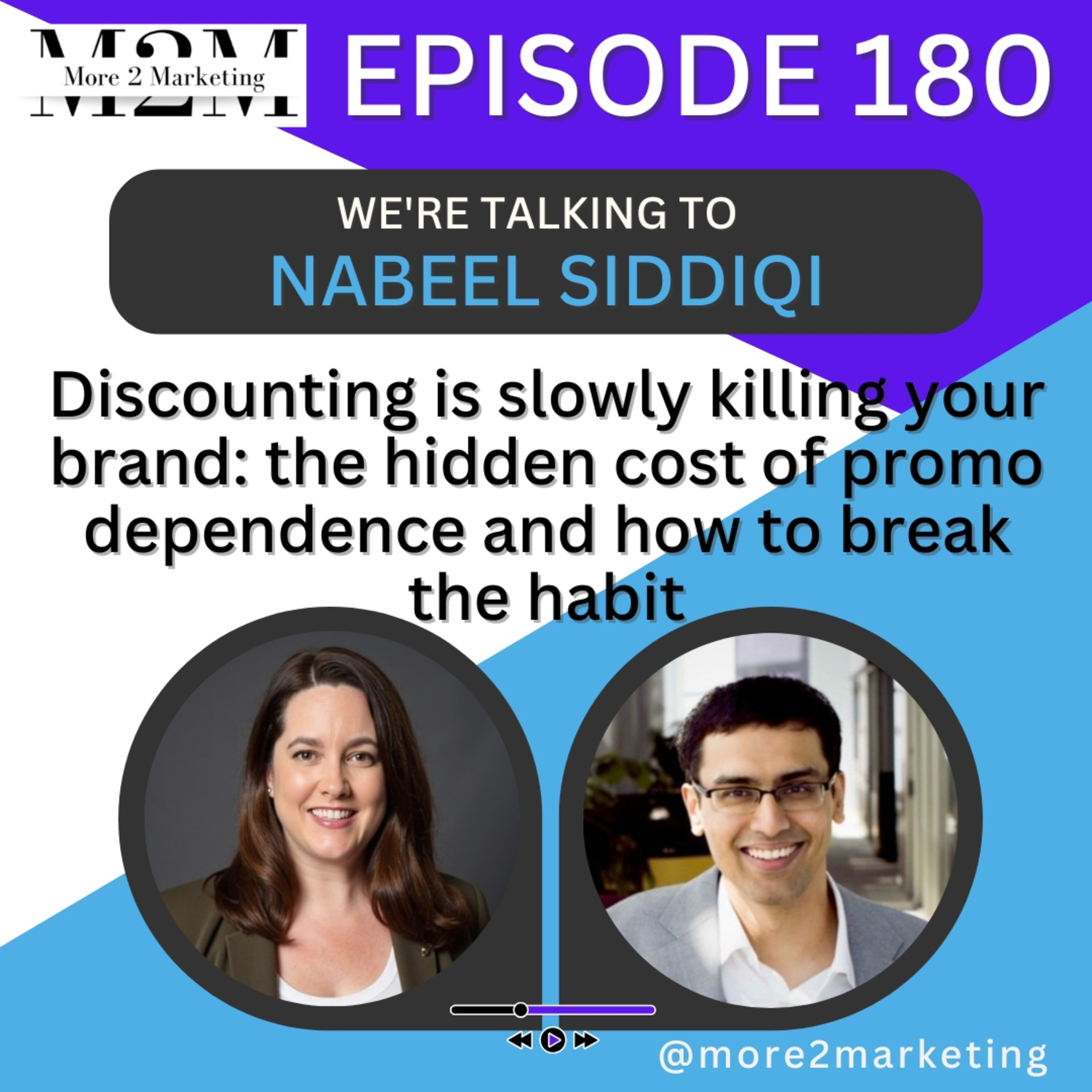 Discounting is slowly killing your brand: the hidden cost of promo dependence and how to break the habit with Nabeel SiddiqiMore 2 Marketing Podcast · on pricing psychology86 / 100
 Why AI Will Replace Risk Managers Who Don't Adapt | Kristen BessetteRisk Management: Brick by Brick · on Salesforce85 / 100
 Dose of Reality - Mark Hadfield and James James AddlestoneInspiring Futures · on Behavioral economics83 / 100
 Mike Micucci: Tell the World Your StoryThe BreakLine Arena · on Salesforce77 / 100
 Leading a Sales Team Through AI Adoption with Jillian Swenson and Alex Cruz at SentinelOneSales Game Changers · on Salesforce76 / 100
 How Top Reps Turn a Price Increase into a Loyalty Win65 / 100How Top Sales Leaders Fix Broken Quota AttainmentHow Top Reps Turn a Price Increase into a Loyalty WinHow Top Reps Turn Referrals into Compounding RevenueThe Comp Plan That Rewards Reps for Retaining Customers