
Partnerships with Purpose · 2026-08-24 · 24 min
Key moments - from our scoring
Substance score
33 / 100
Five dimensions, 20 points each
The Texas Target Communities Program at Texas A&M University hosted an internal year-end review with staff members Cedric Schi, Jamie, G, and John discussing 2026 outcomes and future direction. The program grew significantly with expanded design projects, emergency management initiatives, and youth programming. Notable achievements included G receiving the President's Meritorious Award and completing second-round comprehensive plans for Nolanville while starting new partnerships. The Southeast Texas Urban Integrated Field Lab concluded after four years with over 100 researchers from six institutions studying hazard and flooding impacts in Beaumont-Port Arthur. Pine Island and Burton both completed their first comprehensive planning processes, with community members reporting a shift from things happening "to them" to happening "with them." The Millican project addressed heirs property issues - a growing gentrification precursor affecting families with unclear land titles. Camp Dash brought high school students from coastal communities to learn disaster management and urban planning through interactive exercises. Looking forward, partnerships include comprehensive planning with Ingram (impacted by July 2025 floods), a Hurricane Harvey 10-year retrospective study launching toward August 2027, and economic development work with Comanche County. The team embodies adaptability, viewing their service-learning and research approach as applicable across varied community contexts and emerging challenges.
Heirs property occurs when land is inherited across generations without a will or clear probate, creating title confusion that makes it easy for speculators to prey on families and contributes to gentrification. The Texas Target Communities Program now works with families in situations like Millican to help them visualize land use possibilities and secure clear title against predatory acquisition.
A four-year research initiative with over 100 researchers from six institutions studying hazard and flooding challenges in Beaumont-Port Arthur. Despite ending a year early due to funding cuts, its final April workshop brought together diverse stakeholders who collectively recognized the community felt forgotten and wanted to integrate research findings into local government and nonprofit work.
Camp Dash is a four-day on-campus experience at Texas A&M for high school students from Port Arthur, Texas, where they learn disaster management, urban planning through interactive games, and leadership skills. The program aims to empower students to see themselves as agents of change in their own communities facing repeated hazard impacts.
Planned projects include a comprehensive plan for Ingram, Texas (impacted by July 2025 floods), a Hurricane Harvey 10-year retrospective study through 2027 with community engagement platforms, and economic development planning with Comanche County. Additional smaller projects include courtyard redesign work with an elementary school and student engagement initiatives.
Both completed their first comprehensive plans and reported transformative shifts in agency. Community members noted that instead of things happening "to them," the process felt like things were happening "with them," giving residents voice in defining community identity and future direction.
Our reviewer’s read on each dimension, with quotes from the episode.
This episode is primarily a self-congratulatory recap with minimal actionable insights for B2B operators. While community engagement and planning work is described, there are no novel frameworks, surprising data, or counterintuitive takeaways that would educate a founder or business leader. The conversation consists largely of anecdotal stories and vague descriptions of projects (e.g., 'great year,' 'lots of growth') without concrete lessons extracted.
I felt like our program grew. I felt like we we have done more design projects this year.
it's it's a working coastline. So there's a lot of industrial facilities in and around that area as well.
The episode recycles standard nonprofit and university partnership language without fresh thinking. Concepts like 'partnerships with purpose,' community engagement through service learning, and disaster recovery are presented as if novel, but lack any contrarian perspective or original framework. The team uses predictable phrases ('change doesn't happen overnight') and well-worn community development tropes without questioning or reframing them.
Partnerships with Purpose podcast
we honor some of our long term partnerships
The 'guests' are the podcast host's own university staff team (Cedric, Jamie, John, G) recounting internal projects. While these appear to be working academics and program directors, they are speaking primarily about their own work rather than bringing external expertise or contrasting perspectives. The host moderates their colleagues in a peer discussion rather than interviewing genuine practitioners with scaled experience outside their institution.
we got the whole staff here today
I'm Cedric Schi with the Texas Target Communities Program at Texas AM University
The episode contains some specific project names (Pine Island, Burton, Southeast Texas Urban Integrated Field Lab, Camp Dash, Millican) and references a Texas Monthly article, but lacks concrete numbers, timelines, budgets, or measurable outcomes. Anecdotes are provided (e.g., 'over a hundred researchers,' 'four day youth experience') but without quantified impact metrics or financial data that would ground claims in reality.
it's over a hundred researchers in Southeast Texas from six different institutions
It was their first comprehensive plan
The host poses opening questions ('what is one word that describes our past year?') and prompts team members to share, but rarely follows up with challenging questions or productive pushback. The conversation is affirming and collegial rather than inquisitive; no one challenges claims or digs deeper into failure modes or trade-offs. The discussion meanders and lacks the sharp, probing structure of substantive interviewing.
so today we're gonna talk through just some things that excited us about the year
That's awesome. That's great. And do you have like a maybe a short snippet from Burton?
Computed from the transcript - who did the talking, and the words that came up most.
In this episode, host Cedric Shy sits down with the full TxTC staff, Jamie Hicks-Masterson, Jeewasmi Thapa, and John T. Cooper Jr., to look back on a year of community-engaged work across Texas. The conversation highlights how collaborative planning, student learning, and local partnerships turn classroom knowledge into real-world impact. It celebrates the reciprocal nature of community partnerships along with the meaningful experiences students gain along the way. Timestamps: 01:24 - Recognizing G's Meritorious Award and team achievements 05:16 - Pine Island & Burton: community participation and stories 08:25 - Southeast Texas Urban Field Lab: hazard resilience and research 13:56 - Millican heirs property project: addressing land tenure issues 18:03 - Youth engagement: Camp Dash and empowering future leaders 20:20 - Upcoming projects: Ingram comprehensive plan and Hurricane Harvey anniversary Links: Full Annual Report Millican Project Donate to our Good Neighbor Fund
Transcribed and scored by The B2B Podcast Index.
speaker-0: Hey everybody. Welcome to the Partnerships with Purpose podcast. We're going to explore ways to engage communities through service learning projects and research. I'm Cedric Schi with the Texas Target Communities Program at Texas AM University.
We're hoping these stories will highlight and inspire more community-engaged partnerships. Okay, guys, welcome to the podcast. We got the whole staff here today. Woo.
We got John, Jamie, G, welcome. speaker-1: Thank you. speaker-0: we had a very a great year and we decided to recap it together as a team. so today we're gonna talk through just some things that excited us about the year.
but to start off, what is one word that you guys would use to describe our past year? speaker-1: I can go last since I have two. speaker-0: god. speaker-3: Go first and last.
speaker-1: Well, y but you might say mine, so I'll give you the speaker-0: I'll first. Okay. I think I I was thinking about this a lot and the word that kept coming to mind was growth. Mm-hmm.
I felt like our program grew. I felt like we we have done more design projects this year. We started to do more things in emergency management, camp with kids. I felt like there was just like a lot of growth, whether personally or just as a program.
speaker-1: I like that one. Yeah. speaker-2: We can go next. is it taking easy by saying partnership?
speaker-1: That's great. speaker-0: Mm-hmm. speaker-2: I felt we honored some of our long term partnerships by completing the second update of comprehensive plan for Nolanville. And we started new partnerships.
And you know, we're all about partnerships, partnerships with purpose. speaker-0: Yeah. speaker-1: Good one. speaker-3: I'm I'm struggling with it.
I I'm gonna say adaptability because of the changes that have happened in the leadership, the nature of our work and the new opportunities. It's kinda like what you were saying, Cedric, but yeah, w we we have a well, this is adaptability, but we've adjusted as as necessary. So yeah. speaker-0: All right, Jamie.
speaker-1: All right. Mine was gonna be expectancy, which is kind of I I was thinking of like an expectant mother, you know, like we've been growing, we've been developing things, doing really cool projects, but then there's also this expectancy that we're gonna do and take on new projects because we have some really cool proposals that we put in and we're getting really excited about future possibilities. So speaker-0: That's great wait, so that was your was that one word Did you have two at first?
speaker-1: Two words. That was one word. I had another one that was like anticipatory, but that's kind of like thinking about the future and we're anticipating some cool things coming online. speaker-2: I had another word.
That was momentum. So momentum kind of builds on that. speaker-0: Yeah, no. speaker-3: Yeah.
Now I feel like we're all in the same way. Yeah. It's new experiences in t s in in some ways it's it's affirmation of you know who we are, our way of being and doing and thinking, that that we it applies in a range of different scenarios, contexts, issues w we we can adapt and apply what we do to whatever we're facing. speaker-1: Yeah.
speaker-0: Yeah, that's that's something I love about the team. That's great. It's a great team to be a part of. so to keep moving forward, so we start all our staff meetings with some good news.
I think that's a great way to start. So I wanted to share pretty awesome news that we have this year was G winning the President's Meritorious Award. That's a funny word for me. Meritorious way speaker-1: Go.
speaker-0: to go, G. Thank you. Yeah, that's a great award. So what were your thoughts when you saw that?
speaker-2: It's definitely a big honor. but you know, I I think it is a recognition of the good work we all do and for the work we do, we need efforts from people in around this table, from our community partners and from our students and faculty and I see it as a celebration of all that. So yeah. speaker-0: What a very service oriented answer.
speaker-1: No, it's like that is why you deserve the speaker-0: Well, G G is amazing. I'll say it. G is amazing. I walk I work beside G.
I've worked beside G for three years and she's taught classes. She runs facilitation meetings. She does all the behind the scenes things, reviews comprehensive plans. I mean, and does it with a smile and with grace.
So you definitely deserve it. speaker-1: Thank speaker-2: Actually, speaker-1: you. G embodies the the core values, I think, of A and Yeah. I think you really embody respect and self service and leadership and so very well deserved award.
speaker-3: About Thai. speaker-2: There you go. speaker-0: Yeah. So we're gonna stay on G.
and last year, so last year we had two of our service lane projects was in Pine Island in the the the town of Pine Island in Burton, Texas. So G, do wanna share just like a little bit of highlights from those classes and stuff? speaker-2: Sure. for I would say for both of these this was one of their, you know, first attempts at doing something like this.
For Pine Island, it was their first comprehensive plan. And not just that, it was the first time the community was coming together as Pine Island community, asking questions of like, what does it really mean to be Pine Island and what is the future hold for Pine Island? And you know, for often for places we partner with, the planning process is special because it is a platform where we have residents who have never come together, come together with our students, with their own community and really look at where the community is right now and think about the vision.
So for both of these we did that. And with Pine Island, one thing that really stayed with me is a comment that one of our community partners made. they said, you know, often when things were happening in the community, it felt like it was happening to them. And with this process, it feels like it's happening with them.
speaker-0: well. speaker-2: They've got, you know, this chance to say what happens in their f home, basically, you know, their future. So I think that's really something that I see more and more with both Vine Island and Burton. speaker-0: That's awesome.
That's great. And do you have like a maybe a short snippet from Burton? speaker-2: Yeah. Yeah.
I actually got a chance to speak with the mayor there after we'd finished all of the amazing work the students did. We had planning students, we had you know, shout out to the biological and agriculture engineering students. they really helped the community, according to the mayor, to see what is possible. you know, the conversations that were happening in the community.
was something that was needed and the project that the engineering students did you know a is already seeing some impacts in the community. she mentioned they're moving forward with hiring some consultants to do further studies using the student work and you know it's it's really special to hear the student work being used. speaker-1: Absolutely. speaker-0: That's amazing.
Yeah, I I I remember going to all those meetings and especially in Pine Island, I remember that sentiment being the some of the community members are like, this you guys aren't just telling me what's happening. You guys are asking me for my opinion. So that's cool to g to to have got to be a part of, you know, a small town's first kind of gathering of their community and getting them on board. So that was mm hmm.
I remember seeing that and I thought that was really cool too. So moving forward on more of our projects, one of the big one we did at the past for the past three years was four years. Four years, yeah. Was the Southeast Texas Urban Integrated Field Lab.
And what an amazing project with lots of moving parts. So Jamie, you wanna just let us in on what we did in the past year? speaker-1: Yes, you've probably seen in our annual reports and other social media posts. We're been working on it for a while.
It's over a hundred researchers in Southeast Texas from six different institutions. And they've been we've been together collectively looking at some of the challenges with different hazard impacts, different flooding impacts that they face in the area, multiple disasters in the last twenty years that have, you know, really changed the nature of construction and you know, just the whole community has been impacted in some way, shape, or form. As well as, you know, most coastal communities in Texas and along the Gulf Coast, it's a it's a working coastline.
So there's a lot of industrial facilities in and around that area as well. And so it poses some unique challenges for the people that live there. So this was our sort of final year. we were notified that we weren't going to be able to f quite finish off our funding that it was supposed to be a five year project.
So that was disappointing, but we did what we could to make it the best possible effort. And I'll just say the highlight that I came away with this year was the sort of final culminating workshop that we had in April. and I say that particular meeting because it was sort of a full circle moment. So when we first started the project, we formed a task force.
It was actually two different task forces of you know community based organizations and those who are you know professionals within those subject matters and they all kind of came together to talk about some of the the challenges that they have. And so we had very diverse stakeholders. We had folks who are representing industry as well as environmentalists and a range of other people all in between. And so pretty different opinions.
and I think we came away with a collective agreement that this community, which is Beaumont Port Arthur, which is the, you know, golden triangle of Texas, has felt really forgotten over the years. they feel and expressed that they felt forgotten as a economic engine of the nation, as well as because they're not a large city, they're a sort of a small or medium-sized city, they're they're kind of feel forgotten, you know, in terms of funding opportunities and other aspects like that.
So so that was one sort of thing that they expressed up front. and then the second thing they expressed was they all collectively agreed that they wanted to have a place, a great place to live, good quality of life, because the reason they were all there was because of the people, their friends, their family, and they loved the people in their community. So so that's how we started the whole process. we had many different discussions about challenges, about hazards, about potential ideas and remedies to deal with some of these challenges.
And then at the final sort of culminating workshop in April, we opened up this workshop to even more people. So it was a larger group of different stakeholders. And the conversation in that really became we we presented a lot of the research findings. It was a lot of information, but the sentiment coming away from that meeting was, wow, there's so much that has been done.
We're so grateful. And now we want to take this information and pull it into our day to day work in local government and nonprofit work. So I just it it was sort of a sentiment of thank you for not forgetting us and kind of shining a light on this area. So that that felt really special to me in that moment and We continue to work in that area with other projects and so I can also attest to the amazing people there.
folks at Habitat and many other nonprofits over there that really do amazing work. So speaker-0: Yeah. I remember when we were first planning the meeting and we both were like, We want this to be a launch pad, we want this to be a launch pad. Yes.
And it was cool. It really felt like that's what it was. speaker-1: And then. speaker-0: Yeah.
It was like kind of like mission accomplished and also big sigh of like that was a lot of speaker-1: That was a lot of work. Yeah. But for those who are listening, if you want to learn more about the project, you can listen to the Lessons from the Field Lab podcast that Cedric and I helped host. speaker-0: That was fun.
great, yeah, that that was that was such a great, great experience didn't be I want to say a fly on the wall, but I wasn't quite a fly on the wall. I I I contributed as well. You were to be a contributor of that project was awesome. speaker-3: Any teasers from the Lessons from the Hill podcast?
Anything to whet the appetite of the listeners? speaker-1: Well, you get to hear from the researchers explaining in their own words s the things that they have found in terms of air quality, flooding, climate, some of our folks here at the hazard reduction recovery center looking at demographic analysis and social vulnerability. But you also get to hear from community members. So we have a whole episode about their experience.
speaker-0: Yeah, it's a it's a lot of great information there. So John, another project that you were closer closely tied to was the Millikan project. So you wanna share a little bit about that and what what went on there this year? speaker-3: Millican project is one example of how we have adapted.
That that project was focusing on a family that has heirs property. And if listeners, if you don't know what heirs property is, it's it describes what happens when the person who originally purchases land dies without a will. and over generations if that will's not probated, if if that that the the the title issues aren't clear. You you can have a situation where there are multiple heirs who have an interest in in the land and it just makes it hard to, you know, come to some agreement for a family to come to some agreement of what to what to do with the land.
family members also move away and so the land becomes not neg neglected necessarily, but the the it's it's a situation where it's not someone's not watching the land constantly. And it sets up a situation for speculators and predators to kind of move in and divide families and get access to the land. And it's it's more prevalent when when the land is valuable. make a long story short, you you can learn more about the this specific case from an October twenty twenty three story in Texas Monthly magazine.
In this case, it's it's called Black Land Under Siege, but it's it's not just a black issue, it's an issue that faces all kinds of families. But in this case, the land is just south of Colestation, in an area that's experiencing some growth pressure as as Houston expands north, northwest and Colestation Agon land expands south and so there's like a confluence of development pressure down in the Millican area and there's this one family that owns this land in the pr in the in one of the people in the article that is trying to take it from In any case, family reached out to us to see if they could help us imagine what they would do with the land if they were able to get clear title to it.
and so that resulted in a project with faculty and students here that produced some designs for the for the family that they're very satisfied with. but that that's that's a new type of project. in in our portfolio. But again, it speaks to what's we describe in our kind of our original mission, that is helping people in places deal with threats to their existence or the fabric of the community, whatever the case may be, we help inform their understanding of what what's possible in those places and connect with faculty and students who can take their ideas, their their dreams, and put them in on paper in in the form of a a a a plan for what they would do and then they could take those plans and go and execute.
And so it's it's not something that we we typically do, property in Millican and other places i is a growing issue. We we I think we understand more that it it it affects urban communities. Mm-hmm. Whereas air's property issues, the tangled title leads to situations where properties are maybe abandoned or neglected and so it it it they are e they're easy prey for people who are speculating to take over in what we now understand to be gentrification.
And so you know it it's it's a new kind of area if you will for us to do our work in a thoughtful way. speaker-0: Man, thanks John. And we're just we're just like sometimes when John talks, I'm just like, this is great. I feel like I'm in a radio station.
I need like a cigar. And I'm just like I'm just kinda like chilling. wait, I need a I need a I need a moderate. speaker-1: Mm-hmm.
speaker-0: Kind of like sank into the giant voice. I'm speaker-1: Yeah. speaker-0: like, tell me more. I'm just I'm locked in.
speaker-3: Well more to come. We're we're on the cutting edge. more to come. and I think it's more people can understand what's going on kind of the brick big the what do you call the comorbidities or the the the precursors of gent gentrification, it it's something that we can get out of front of.
And who better than people like us that training in land use planning and training in community based f facilitation, some a cultural humility. Mm-hmm. Right. The the the stuff that's always been a again a part of the way we think and do.
Mm-hmm. speaker-0: That's great. Well, I guess I'll go next and talk a little bit a little bit about our youth engagement. we stay we stay busy.
It's four of us on staff. And heavily heavily partnered with the Hazard Reduction Recovery Center. Seth Jordan and I pretty much run Camp Dash, which is a a four day youth experience on campus here at Texas AM. And I think the cool thing about this this camp is that it's students from poor Dr.
Port Arthur, Texas, which these are the students from a coastal town that experienced lots of hazards. I mean, pretty much the same community that we worked in the field lab. So we've done a lot of work with adults, but we've gotten got to we've gotten to also empower the students. And they come in and they they learn about disaster management, they learn about urban planning.
Jamie has been every year has been perfecting our urban planning game, building better cities kind of game where students can, you know. think about land uses and what happens to them in disasters. That's always very interesting conversations. And last year I thought was special the kid for the kids to learn a little bit more about leadership and learn a little bit more about kind of what what individual skills and gifts they have and they thought about okay what they could offer to a team.
And we had some really fun conversations with kids. Like the I remember one student, she was like, Well I always thought I was just bossy I was like, No, you're just a strong leader. Yeah. Let's let's let's reframe some of these things that you think about yourself.
Mm-hmm. And I remember at the end we we, you know, we we always interviewed students and one said, I feel like I I can actually make a difference now. Like I actually can do something. And I thought I was like, Well, that's it.
That's why we want to bring kids here so that they can go back to their community and say, I I can do something. I can make a difference about this. 'cause we know like Southeast Texas, that that town just gets hits with a lot of disasters. It gets hits with a lot of we call catalyst, community catalysts.
And there's a lot of amazing people there. And it's cool to see high school students starting to think like, actually, I think I can do something about this and come back here and do something about this. So I love Camp Dash and and I love getting to be a part of it. it was it was a great year last year.
speaker-1: It was great year. speaker-0: Yep. So w with all that, if you want to learn more about any of these stories, our annual report is out and it goes into more detail about like Pine Island and Burton. And all of our service learning and research projects and all the classes that were a part of them.
but looking in the future, I know like I said, we we were experiencing a lot of growth this year, we were being very adaptable this year. Jamie, do you wanna let us in on what's coming up? I can say that. speaker-1: yeah, so we have some teasers.
We're we're really excited to partner with the city of Ingram this coming year to do a comprehensive plan. They are in Kerr County and they were impacted by the July 4th floods in 2025. So they reached out to us and we're gonna have a number of different courses working with them and G's gonna lead the project in charge on that one. we also are gonna be working with the Greater Houston Disaster Alliance through or with the Hazard Direction Recovery Center.
So the Hazard Center is really leading this and we are supporting. they are gonna be and together we're gonna be doing a study on Hurricane Harvey 10-year retrospective. So we're gonna be coming up on that. 10-year anniversary in August of 2027.
So from now until then, we'll be doing a lot of research, quantitative and qualitative research, interviews. And then our team with Texas Tar Texas Target Communities is going to be doing some community engagement and developing some really cool virtual engagement platforms and opportunities for folks to talk about their recovery. since Harvey and what things have gone well and what things they still need help with. And we're just excited to make the work actionable, practical, useful, and something that folks can take forward and just make makes places better.
So those are the the top two that come to my mind. But others feel free to we've got a lot of random and small and fun projects coming through. So speaker-0: Yeah, I'm excited about the class that's gonna help elementary school build like a reimagine their courtyard so they get to work with students. Like what our college students will get to work with elementary students.
Yeah, we're partnering with Comanche as well. speaker-2: doing their economic development plan. It's always so great to go to our old pattern partners and start new projects. So that will be continuing our partnerships with Comanche County.
speaker-0: Yeah, so we have we have a lot of things coming up in the pipeline and we'd love for you to stay connected with us. We've got LinkedIn. You can just follow us on LinkedIn at Texas Started Communities. you could connect with us on Instagram.
We share a lot about our classes there. and if you want to support programs like ours, we have what we call the Good Neighbor Fund, which will be attached below and allow you to support the communities across Texas. Any closing thoughts guys to as we finish off wrap up the year, start a new year? speaker-1: I I think we've we've had a really full year and we're looking forward to more more growth, more adaptation, more partnerships.
Try to use all the words. speaker-3: We need Texas target communities like mantra or something that we win with. speaker-0: yeah. Kinda like a like a yeah, we end it win all we end all in the same way.
Mm-hmm. wanna take a stab at one? speaker-1: This should be one of our rules of thumb. speaker-3: Yeah, something like that.
Change doesn't happen overnight. speaker-1: Mm-hmm. And remember. speaker-0: my god.
speaker-3: That that's one? Is that good? Yeah, I don't If it's predictable as management. speaker-0: That's my favorite one right there.
speaker-2: Think we've used that in some yeah. speaker-1: Or change I like the change is a verb, it requires action too. Yeah. Yeah.
speaker-0: That's great.
Other episodes covering the same guests and topics, from across The B2B Podcast Index.
 Kevin Pannell on the project management, the fundamentals of leadership, and balance | The Dev is in the Details #15The Dev is in the Details · on emergency management81 / 100
 Ep.31 Aaron Gracey | The Leadership Conversation Every Business NeedsBe You Start Now · on emergency management72 / 100
 47. From Doers to Leaders: Avoiding MicromanagementThe Driven Leadership Podcast · on emergency management43 / 100
 Business Continuity Insights with Erika Andresen: Lessons from Hurricane HeleneRiding the Wave-Project Management for Emergency Managers · on emergency management
 Lessons from the Field Lab47 / 100
 Meet the 2026 Cooper Scholars34 / 100
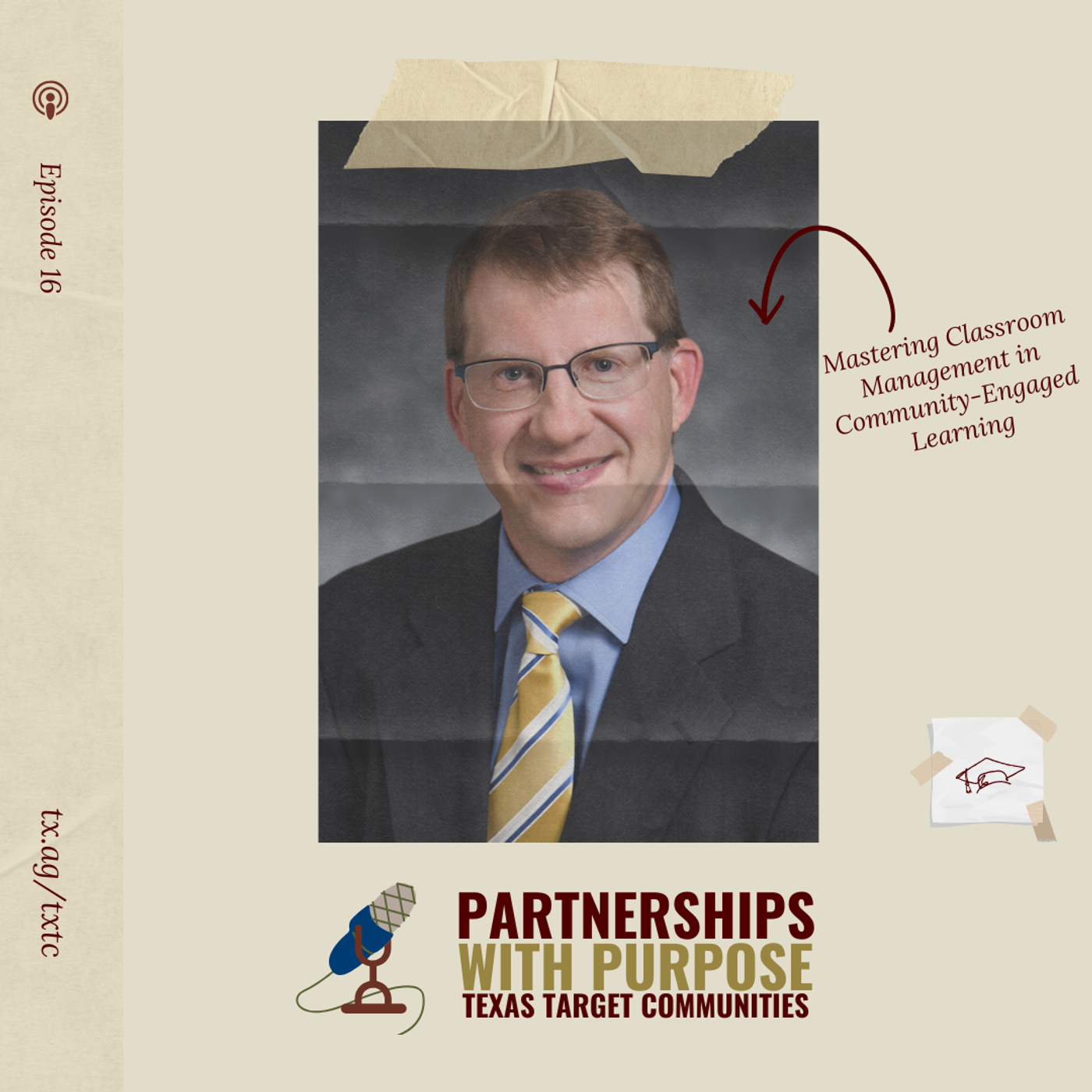 Mastering Classroom Management in Community-Engaged Learning50 / 100
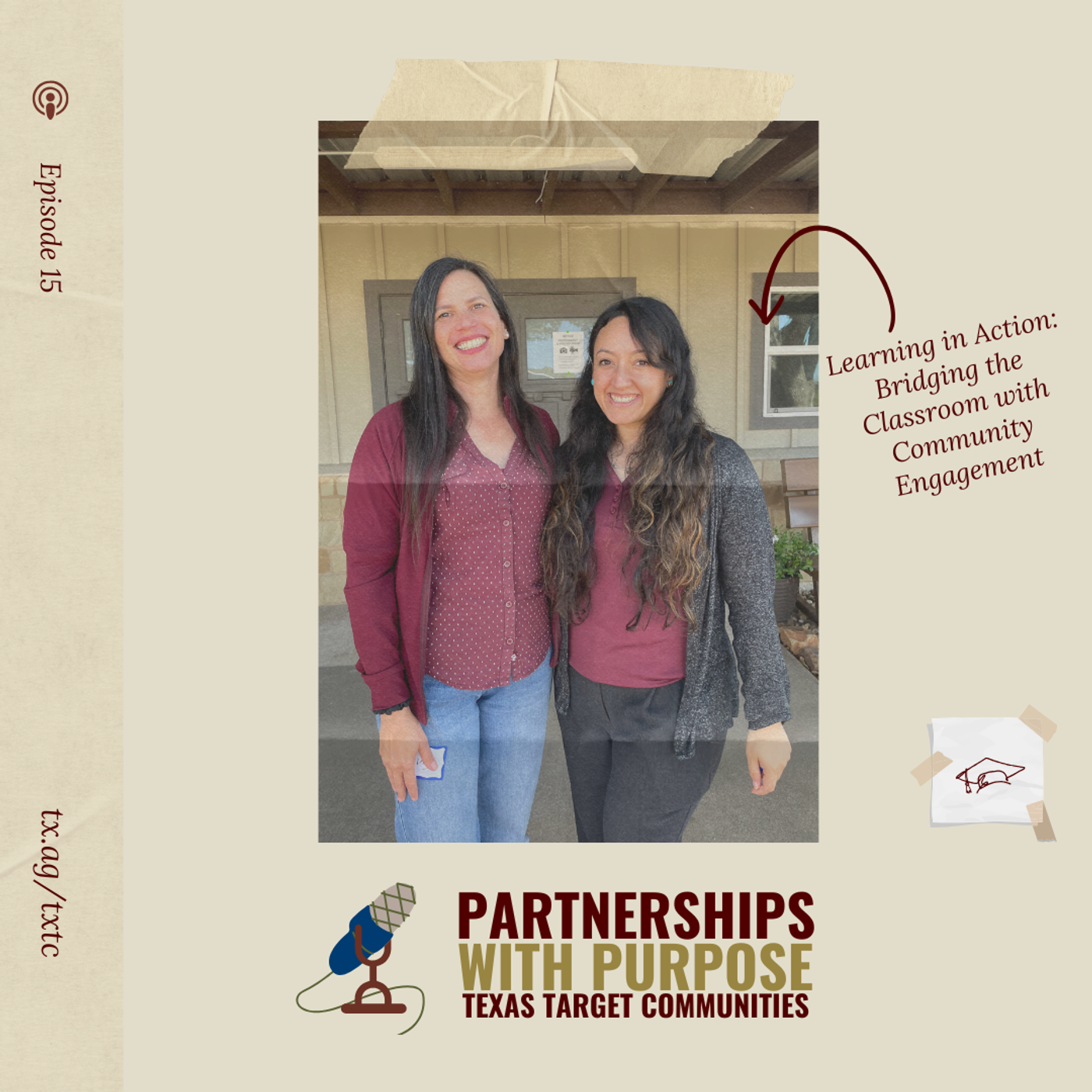 Learning in Action: Bridging the Classroom with Community Engagement67 / 100
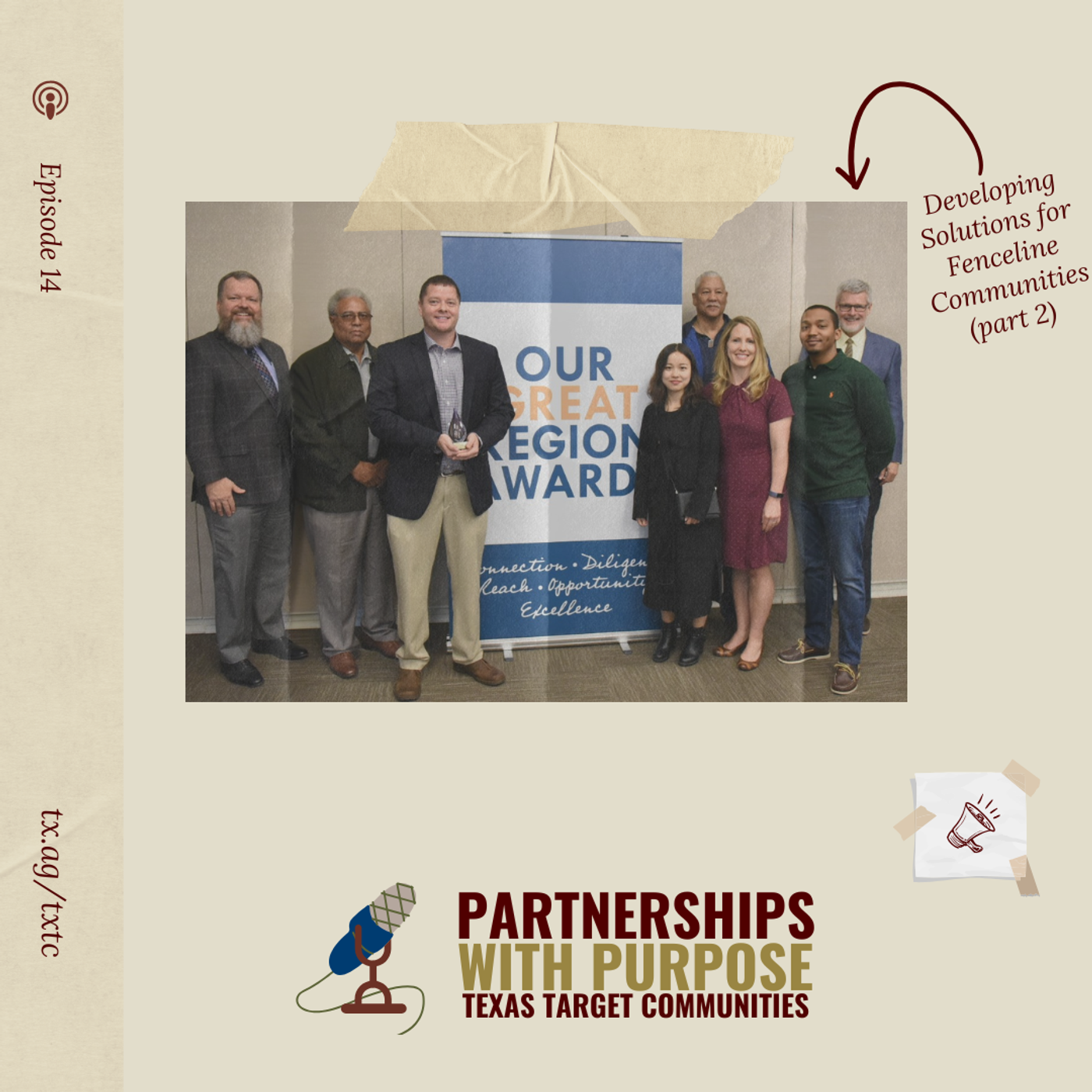 Developing Solutions for Fenceline Communities61 / 100