
Investing In Integrity · 2026-03-12 · 54 min
Key moments - from our scoring
Substance score
44 / 100
Five dimensions, 20 points each
Next Legacy Partners manages over $3.5 billion invested across venture capital firms and early-stage startups, with a distinctive mission-driven model: philanthropic families and institutions commit their entire investment capital to charitable giving upon distribution. Ben Choi, Managing Partner, describes how the firm has distributed $3 billion to charities over 26 years - a billion in the first 20 years, then another billion in just two years during the pandemic-driven tech boom. Beyond capital deployment, Next Legacy attracts mission-aligned founders and celebrity investors who contribute not just dollars but social influence and cultural capital to amplify impact. The conversation explores how stewardship, relationships over transactions, and excellence through long-term thinking drive sustainable success in venture investing and philanthropy. Choi shares his journey from Peoria, Illinois to Harvard and Microsoft, articulating how immigrant parents' values of service shaped his commitment to treating wealth as a trust for greater good rather than personal accumulation.
Next Legacy has distributed $3 billion to charities over 26 years - taking 20 years to reach the first $1 billion (celebrated in 2019), then distributing the second $1 billion in just two years during the pandemic, followed by the third $1 billion a couple years later.
Philanthropic families and institutions invest capital with Next Legacy with the agreement that 100% of distributions will be given to charity; the firm invests and multiplies the wealth, which then flows entirely to the roughly 7,000 charities supported by these philanthropic families across diverse causes.
The five founding values include relationships over transactions (prioritizing human connection over transactional exchanges) and championing excellence through stewardship (treating all resources - capital, time, attention - as a trust for something larger than oneself, with continuous improvement as an ongoing process).
Mission-minded founders contribute generosity through building companies with positive impact alongside financial returns; celebrity and athlete investors bring social influence and cultural capital that can change public perception and shape how the world thinks about issues - something money alone cannot buy.
Freshman year at Harvard, Choi got comfortable with the idea that among many impressive peers, he should focus on his own work rather than comparing himself; he reframed excellence as a lifelong process where he makes his contribution count rather than chasing asymmetric outcomes others achieve.
Our reviewer’s read on each dimension, with quotes from the episode.
There are a handful of genuinely interesting structural details about the Next Legacy model - how distributions are directed, the DAF mechanics, the milestone timeline - but the bulk of the episode is values-talk, personal anecdotes, and mutual admiration that adds little operational value for a B2B operator.
20 years to distribute our first billion and then two years to distribute our second billion. And we're now just past $3 billion distributed a couple years later
about half the time they're actually investing with dollars that were already set aside in a philanthropic account in a foundation or in a donor advised fund
The Next Legacy model itself is a genuinely novel structure in asset management, but nearly every framework the guest reaches for - abundance vs. scarcity mindset, relationships over transactions, stewardship as biblical principle, capitalism-is-flawed-but-best - is well-worn and widely circulated.
by creating great returns, we're creating, we're not just literally creating abundance, we're creating a mentality of abundance, a confidence that there will be abundance and that creates the space for generosity to flourish
capitalism is a terribly flawed broken model. It just happens to be the best one out there and demonstrably so
Ben Choi is a genuine practitioner who has spent 11 years building a real and distinctive $3.5B AUM organisation with a verifiable philanthropic track record; his career spans product, startups, VC, and fund-of-funds. However he is not a marquee name, and the conversation never pushes him to the depth of knowledge his role presumably holds.
Ben's career spans venture investing, operating and philanthropy. From early investments in companies like Marketo to building and selling his own startup
We are an investment organization and we invest in venture capital. We are what's called a fund of funds
The episode delivers a reasonable set of milestone figures around distributions and investor counts, but is largely devoid of named portfolio companies, fund-level return data, specific GP relationships, or concrete allocation strategy details that would let a listener actually evaluate the model.
20 years to distribute our first billion and then two years to distribute our second billion. And we're now just past $3 billion distributed a couple years later
We've tracked about 7,000 organizations that they support
The host regularly delivers multi-paragraph monologues about his own organisation before arriving at a question, asks consistently open and unchallengeable questions, and never pushes back on a single claim; the rapid-fire round is entirely soft, resulting in an extended PR conversation rather than a probing interview.
I've been reading a lot of Adam Smith lately. I've read the Theory of Moral Sentiments three times, wealth of nations twice, and he himself said the big dreamed up this capitalist system
What are some of the core values that have guided you and what are some of the principles that you've lived by along the way that you think have contributed to your success
Computed from the transcript - who did the talking, and the words that came up most.
Ben Choi has spent three decades across the technology ecosystem - as a product leader, founder, and venture investor - and today serves as a senior leader at Next Legacy Partners , where he helps oversee $3.5B+ invested across premier venture capital firms and early-stage startups. In this episode of Investing in Integrity, our host Ross Overline and Ben navigate the intersection of venture capital, philanthropy, and moral leadership. Ben shares how Next Legacy’s flagship model is designed to multiply capital - and then give it away. From there, the conversation goes deeper than mechanics. Ben outlines the values that shaped his leadership and why generosity is often driven not by one motivation, but by the shared joy of impact beyond yourself. Finally, Ross and Ben wrestle openly with capitalism - how it’s the best economic system ever tested at scale, it can still evolve to be even better, and what responsibility future finance leaders carry to make that a reality. Whether you’re a student trying to define success or a senior leader shaping institutions, this episode is a masterclass in using capital with clarity, humility, and purpose.
Transcribed and scored by The B2B Podcast Index.
Foreign. Welcome to Investing in Integrity. I'm Ross Overlein, CEO and co founder of Scholars of Finance, a rapidly growing organization on a mission to inspire character and integrity in the finance leaders of tomorrow. If you're an investor, finance professional or student aspiring to make an impact with capital, this show is for you.
Investing in Integrity brings you conversations with leading minds in finance to help you learn how you can make finance a force for good by investing in integrity. Today I was really fortunate to have a conversation with Ben Choi, a Managing Director at Next Legacy Partners, where he helps oversee more than three and a half billion dollars invested across leading venture capital firms and early stage startups. Ben's career spans venture investing, operating and philanthropy.
From early investments in companies like Marketo to building and selling his own startup to now stewarding capital on behalf of families. Committed to long term impact, Ben brings a rare perspective on how capital, values and generosity intersect. In this conversation we talk about Ben's journey, the leadership principles that he's lived by, and Next Legacy in Depth. Next Legacy is a super interesting firm and I really wanted to have him on so everyone could learn about their model.
He'll explain it in much more depth in the interview, but essentially in their flagship fund, investors allocate capital to the flagship fund with the promise that all distributions that come back will be given to charity. And they just crossed the $3 billion mark of capital distributed to charities as a firm. It's an incredible story. And then in this interview we talk about generosity at depth, unpacking generosity, what inspires it, what drives it, what hinders generosity.
And Ben has really interesting insights on that. And then finally we talk a little bit about capitalism, the best economic system ever tested yet, and how it can become even better. And how we as leaders, both present and future, can in our financial system can be stewards who maximize human flourishing and prosperity in our economic system. And then we get to end, of course on a rapid fire round.
Ben was very generous to come on today and he has amazing insights on generosity, one of our big themes this year in 2026. I can't wait for you to hear it. Without further delay, here is Ben Choi. Ben Choi, it is such a pleas to have you on the Investing in Integrity podcast.
We've got a lot of ground to cover and never enough time for these conversations I feel. Can you kick off with how you doing and where are you calling in from? I'm doing great. Thank you Ross for having me and inviting me on.
It's good to spend time with you. I'm Dialing in from Portola Valley, Bay area. Amazing. Not too far away.
Maya and I just bought our first home in Redwood City. I know we're close to where she works also. That's down and exit. Yeah, exactly.
Small plug for the village doctor. Anyone that needs a concierge position in Woodside, California. I was with a venture capitalist yesterday who was talking about. He comes down to our neighborhood to see his doctor.
And I asked, oh, Paul Belgian Medical Foundation. No, it's a small little. You've never heard. And the village doctor said, that's my doctor.
So I, I think I know one of her patients. Well, if they listen, they'll be happy to know that I don't know any of her patients. She treats her Hippocratic oath very seriously. They have the Peter Attia in Silicon Valley, so they chose well.
But of course, I'm biased. Ben, I'm excited to dive in. You have an incredible story, and I'm really excited to talk about NEXT Legacy. I think that what you do at NEXT Legacy has unique power to inspire generosity in the people who listen.
I think you have a unique insight on generosity which will become clearer to our listeners in this conversation. For people who don't know you, can you start by just sharing your story and your journey, how you got into technology and adventure and the path that ultimately led you to where you are today? Sure. So I was born in Peoria, Illinois.
My parents were immigrants from Hong Kong. My mom was a nurse. My dad was an allergist. And why Peoria, Illinois?
Because there was an ad in the National Allergy Medical Journal looking for an ologist to join a practice. And so my dad and mom moved their one son out there and had two more boys. So youngest three boys. I enjoyed 10 years growing up in sort of the heartland and knew nothing about tech except growing up in the 70s and 80s.
My parents, as immigrants, would always invest in their education. And somehow my brothers, my big brothers, convinced them that computers count as education. And so we had an unlimited budget. We had no budget for, like, sports equipment, but unlimited budget for computers.
So I grew up with computers in the house, and that was sort of my hobby growing up. And it was just, you know, it was a cool time. And the Mac came out when I was 8 years old. I got to see the Mac commercial with lady running with a sledgehammer and throwing it at the big screen.
So that was my childhood. We moved to San Francisco. We had family there, and my parents had a passion to serve the Chinatown population and the Chinese community there. And So I kind of grew up with this mindset of service through profession from my parents and they went on to keep on sitting in that bit for me throughout my career.
But I grew up in the Bay Area, kind of half biporia, half Bay Area. I went to study computer science at Harvard and I graduated in 98 during the dot com boom. And so I thought I was a little too late. I missed the Internet bubble.
But it turns out now, having been in the tech industry for almost three decades now, it turns out that technology continues to kind of disrupt itself and we've enjoyed and I've enjoyed multiple additional tech waves. And so now I enjoyed a career in tech. I started as a product person, product manager. My brother is the much better developer.
So we're both computer science. He's double ecs, he's a CTO developer. I went into product management, had a stint in startups, fast growing ones, slow growing ones, shrinking ones. I saw all the parts of the startup ecosystem and also had found my way through after business school into the venture capital world so we can go into more of it after some time in venture capital.
Found my way 11 years ago to the organization that I joined. This is that Next Legacy. Thanks for sharing your story, Ben. First of all, I feel like your ability to compress three decades of a very illustrious career into less than three minutes is impressive and I'd love to invite you to open up and unpack a little bit some of your thinking along the way.
You know, at Scholars of Finance, we exist to raise up a generation of purpose driven, principled future finance and investing leaders who act in accordance with integrity, humility, compassion and excellence. And for the last decade I've been studying leadership, studying virtues, seeking wisdom, developing leadership principles. We have 12 leadership principles we teach our students from serve a greater purpose, to develop trust with candor, to guard against greed and hubris.
I'm really curious. You've been extremely successful from Harvard, through your tech career at Microsoft and other firms, your very successful venture investing career. Marketo $4 billion exit now the last decade at what is now Next Legacy. What are some of the core values that have guided you and what are some of the principles that you've lived by along the way that you think have contributed to your success and your impact?
We sort of refounded our organization four years ago. There were two other organizations that we put together and it's now called Next Legacy. And so when we did went through that refounding moment, my partners and I sat down and the first thing we did Was once we were kind of at the handshake we're going to do this was we took two days off and we. We talked through values and we talked about what are we going to build our culture on, what are we going to build our strategy on, what's going to be the foundation of the operating model for how we're going to go out leading this organization.
I won't go through all of them. There are five founding values, but one of that was they're all reflections of sort of my personal values, different articulations. He was a. It was two days.
It was very quick to get to. And then. And then two days of wordsmithing because they're going to be the ones who are going to stay with. And the very first one is very.
Just very much true to my career and personal life is relationships over transactions. We prioritize relationships over transactions. And particularly in finance, that means a lot. But it means a lot also for many of the families that we serve.
And we'll get into our business model. But venture capital, finance, philanthropy, we have a part of the role of professional sports. It can become a very transactional world where somebody wants something from you or they want to sell you something. And I've just.
I've been always wired to be relational, and it has turned out to be a great way for me to live my life, but also a great way to sort of be a foundation for, I think, sustainable success, particularly in the part of finance that we operate, venture capital. I can go through others, but that's a kind of example of when we built the firm on. And I'll just unpack that in a moment. One of the most fun things that I enjoy, and we had this experience the very first time we met actually is the tech industry and the venture industry as a subset of that.
It's a small little ecosystem. I mean, there are thousands of venture capital firms, but if you're in it long enough, the people involved, the cast of characters. I love kind of coming across someone where we have a mutual connection where. And it's not, you know, this part of finance isn't.
There are other parts of finance that are much larger, I feel like. And so in venture, I often get the opportunity to have some shared connection. The fact that just yesterday a VC I was talking to you sees your wife as his doctor, as an example. But when you and I first met, you worked with someone who I had known for decades before and who he and I had served on missions, trips, and we kind of knew each other when we were figuring out how to be adults in college.
And as an example, those are just ways where those relationships, the ways to connect with people at a human level are a way to have joy, whether it's just through a friendship or in work. But it also is a basis for kind of doing things together productively. I love that first principle that you share and I share it as well. I've talked about this before.
Sometimes in building sof I get on calls with someone and it's purely transactional. You can feel it in the first 60 seconds. What can you offer me? I've got 15 minutes.
How do you make my life easier? Yes, no, thanks. Bye. It's very quick and it's funny.
We had now have a few people on the team who manage funders and sponsors and relationships and whenever we happen to like with a partner of ours, our blackrock or Blackstone, if we get put in touch with, you know, a member of the HR team or something who's like that, I'm like, hey, member of my team, do you want to take that one? Like, I feel kind of bad offloading it. But they're like, yeah, no, happy to. I love an efficient meeting.
Yeah, if I can. But we all value relationships here and I'm just constituted to want to be in relationship to want to. I'd much prefer a three hour dinner with no agenda than a 30 minute call with three next steps. As much as those calls are really important to get things done and both valuable, both are important, both are valuable.
And we've got to be wise stewards of our time as one of the most valued resources we have. But of course, sometimes you need to reduce the 30 minute quick things so you have that time for the slow, longer trust building conversations. And sometimes you have to pick and choose how many of those you can do because you need to get things done. You, you got to build your organization and that involves work tasks.
Right, right. Which we do embrace. I'm curious, maybe quickly, what are a couple other values or principles that you've lived by or built the firm around? Yeah, another one that is very much a reflection of my own personal values that we also kind of embody into the firm is we say we champion excellence through stewardship.
And this idea of stewardship is very much a Christian biblical principle. But it's. And that's for sort of where my partners and I drew on for that inspiration. But the idea of it is that the resources we are working with that we quote, have aren't ours.
And if it's not mine. Then I'm responsible to. You said to have a higher calling, to have it to work for something bigger than yourself. So I'm responsible to someone else and others for even my own time.
But quite literally I'm a steward of capital. I'm a steward of my family's time. I'm a steward of attention. So stewardship is an important value and concept that we think about in our firm and that I've always kind of tried my best but then the idea of excellence and excellence through stewardship, in my mind excellence isn't about being excellent, it's that there's always more to become excellent.
And excellence is actually a process, not a destination. So as a steward of resources, there's always better in the kind of pursuit of that never ending horizon of excellence. I guess I appreciate that a lot. Excellence is one of the four values we teach at SOF and the word steward is in our vision statement.
A future where all finance leaders steward the world's capital to serve the greater good. We have a lot of alignment there. Every week as a staff we get together and do like a 30 minute learning and development session. We have this 30 page document outlining our values, our principles, our culture.
And each week I lead a little session where we like read a section and we talk about it. We all have a takeaway and our theme for 2026 because of AI and how much more competitive it is to send good young people into finance and investing. Now our theme is Adaptive Excellence for the year. And just last week we were doing an adaptive excellence series in this L and D time and I was sharing for a long time I've had this very anxious, fear based relationship with excellence as a virtue, right?
Like guilt or you know, embarrassment, like I'm not doing enough, it's not good, I'm not there yet. In a short term view. What I've started to realize, and I'm curious your thoughts on this is if I, I can actually find joy in the process of excellence and having a long term view. Excellence is a lifetime process like you're saying.
And if I can have a long term view, I can be patient and enjoy the process of constantly growing better and better. It actually creates this peaceful, joyful relationship with excellence. I'm curious for you, like how you've had for a lot of listeners who might be type as overachievers who maybe have a stress based relationship with excellence, how do you find joy in it and how do you operate from a place of peace and operate at such a High level. Yeah.
I think one of the early formative moments for me was freshman year of college and right on campus I quickly found a community of friends where I felt very safe and at home. So I found a safe space to be comfortable in my own skin. But I think it was a common experience for all of us, and myself included, of this imposter syndrome because you look around and there's 1,599 other kids, 18 year olds who are showing up on campus and they all are impressive for some reason and inevitably there's hundreds of them where they're unachievably more impressive than my story or whatever that story happened to be.
I didn't frame it as excellence back then, but I got comfortable with the idea that, you know what, I've got my thing, I'm going to work on my stuff. I may feel like an imposter, it may not feel like I belong here, but it doesn't matter. I'm here, I'm going to make the most of it. I think some people never get comfortable with that.
But I kind of got there freshman year. There's so many people so far more impressive than I am that I'm not going to lose sleep over that. And that's very much how the venture world is, very much how the tech world is. You can be subsumed by keeping up with the Joneses, or you can be comfortable with thinking that there's going to be asymmetric returns, results, there's going to be the two man startup becomes the $100 billion overnight success.
You may or may not be that person or involved in that, but what you're working on, make it count, make it matter. I love it. Thanks for sharing. I want to segue into talking about Next Legacy and then talk about generosity more.
Next Legacy has a really unique model. I understand the model. Right. We met almost a decade ago in your early days when it was Legacy Venture.
Yes. Can you explain to our listeners who have never heard of Next Legacy, the model that you employ? Yeah, I'll describe the business and then let me describe the community. So it's a little bit backwards because normally you start with the why.
But let me kind of give you just the basics. We are an investment organization and we invest in venture capital. We are what's called a fund of funds. We have our own investors that invest with us and we take their capital and we find opportunities to invest in some of the best venture capital firms around in Silicon Valley.
So that's the product, that's the business that we're in. We also invest in startups, but we have investors and we invest into VC funds and also startups. To my 9 year old or when he was young, I would describe myself as a glorified middleman. We are stewarding other people's money and finding great managers and other founders to place the money with.
What makes us unique in this space and kind of our reason for being is that we are a mission driven investment organization. We view ourselves as stewards on behalf of a pretty unique community of investors. They come from two pools, but metaphorically, the way to think about them is they've all got wealth because they can invest with us, but they also have a high shared level of ambition to do more than just sit on their wealth. And so they come to us looking for returns.
But we're not just about venture returns. They themselves are doing more in the world. So the one group are a group of philanthropists. They are philanthropic families and institutions who agree to take their entire investment with our firm Next Legacy.
We invest it and whatever we turn it into, they agree to take all that and give it away to charity. So they have wealth and they have long term wealth and they look to us as an investment firm to amplify, to multiply their wealth. But we only accept their capital because they are going to give all of it away to charity. So over the course of the last 26 years in our organization, it takes some time for venture capital to work.
And so for the first 10 years we were mostly investing and not sending much back. It started to dribble back in years 10 to 20. When we turned 20 years old, we celebrated distributing a total of a billion dollars. It was 2019.
And so we have a gong in our office. We bring the gong every time we're able to send money out. Because every time we send money out to our philanthropic families, institutions, that's money that's going to make the world a better place. So we celebrated a billion dollars of distributions in our 20th anniversary.
And then this thing Covid happened. We went into this kind of zoom interaction and a lot of challenges happened around the world. We were actually worried for a bit. We're like, oh no, our investors need to distribute more.
There's even more philanthropic need around the world, both socially and in health, in terms of the health crisis, the pandemic. But at the same time as the pandemic, the markets, also, the technology markets in particular, went through an incredible expansion and rise. And so we were able to distribute another billion dollars in just the next two years. So 20 years to distribute our first billion and then two years to distribute our second billion.
And we're now just past $3 billion distributed a couple years later. So through our philanthropic families and institutions, all of that going to the different charities that they support. And it's a broad number. We've tracked about 7,000 organizations that they support.
There's no one kind of thing that they do that they support and send the money to. They're doing the giving, we are doing the investment management on their behalf. So that's the philanthropy part. Briefly touch on and we can circle back to the generosity piece.
But they are generous literally with the investment with us. And so every single philanthropic dollar that comes in, we have a special fund. And the only investors in that fund are the ones who have promised to give that all away. So by definition, generous.
But we view generosity kind of more broadly than just little giving dollars. There's a way to be generous with others and with the world through your other resources. So we view actually our founders and GPs as sharing that same value of generosity in that software is eating the world and technology is shaping everything about modern human life and corporate life, business life, all aspects of the world. And we think there's an opportunity for founders to make a choice.
Are they going to make a positive impact or are they going to make a purely financial decision along the way? And we view that those who are mission minded and mindful of their impact on the world as generous in that way, in that same spirit of generosity. And ultimately those who are able to have the greatest impact through building large companies in venture also drive the biggest returns. So that's the connection there.
The third piece is another group of investors, which is a group of professional athletes and celebrities, which on the surface you might think, well, what do they have to do with philanthropists and tech founders? At first they come to us for the product we offer. They want to learn about technology, they want to benefit from an investment standpoint, from our investment opportunities in the venture capital technology world. But they bring with them not just their investment, their dollars, they bring with them social capital, cultural influence, and something that you actually can't buy with dollars.
You can be a wealthy philanthropist and you can try to donate or run programs to shape how the world thinks about this or that or the other thing. But without social influence, without cultural capital, you actually can't change minds. And so our investors who come in and our investors with us from the pro athlete world, from the world of celebrity, they actually bring with them their own time and influence into the network. So that's another group that we view as being generous with their influence and they are investors in our network.
Interesting. I have so many follow up questions that I think will be helpful for our listeners to understand the model. First of all, congratulations on distributing your third billion to charity. It's incredible.
Thank you. The scope of the philanthropic impact that Next Legacy has been able to have is just amazing. And the fact that you know, your investors, your LPs, ostensibly they are making an investment and writing that entire thing off is what I understand. That's right.
I'm curious how that's structured practically. And I think that'll be the next natural question that you probably often get and that I think our listeners will have, like how do people get compensated? Is there any returns back to the investors? Should they just be called donors?
If not, can you kind of explain the mechanics a little bit so people really understand the nuts and bolts there? Yeah. At the most basic level, we're just an investment firm and our investors invest with us and they get the money back. We just make them promise to give it away and mechanically, when it's time to send the money back to them.
We're probably the only investment organization that does this. We call them up, we email them, we write them, we say, okay, first check's coming. Where would you like the check to go? Because every other investment organization just sends it back to the address on file.
You give the money back to your investor, but in our case, it's going somewhere else. So that's the literal mechanics. The money starts in different kinds of places. I'll come back to that.
But it always ends up in, for our philanthropic investors, it ends up in a philanthropic destination. Most of the time it's actually a foundation or what's called a donor advised fund, a daf. Those are vehicles that are themselves charities, but they're intended to grant on, you know, to make grants from. So there, there are sort of convenient vehicles to receive the distribution.
And then money will go out later and separately, and those decisions for giving will be made separately. But a lot of times our investors, their investment with us will actually just be a small part of their broader generosity plan. They'll just have standing instructions. I support this nonprofit.
Whenever a check's ready to come, send it over to that nonprofit over there. I, you know, I serve on their board. I'm, I'm a major donor there. This is part of that overall.
And they'll, they'll me know where I am on my, on my plan. That's some of the literal mechanics. But that means that on the starting side, when they invest with us, about half the time they're actually investing with dollars that were already set aside in a philanthropic account in a foundation or in a donor advised fund. So it is actually already money that's been quote, given away, but it hasn't been granted yet.
It's still sitting. You know, the school universities have endowments, that's capital, that is philanthropic, that is supporting the ongoing operations of those organizations. It has to be invested somewhere and so they can invest with us. The other half the time it's just money in their accounts and they'll invest with us and then it gets given away after later on.
Interesting. So they can, if they have a daf, invest from there. They invest from there. Is that them directing the allocation of the daft's invested funds or is that like Next Legacy is actually structured as some kind of nonprofit?
No, we're not. We're a registered investment advisor. Yeah. So we are.
You are an ria? Yep. So we're an ria. So we get surprise audits from the sec, which we fast and all those things.
So we are a full registered investment advisor. We actually don't have the words philanthropy or charity in the financial documents. It's part of the agreement of who we allow to invest. Interesting.
I'd imagine you track if mechanically, when the distributions are being made, you ask, hey, where is this going? You track what percent is actually going to charity. The distributions. Yeah.
Is that like 98%? Is that like some astronomical. Almost all of it is going to charity. Oh yeah, yeah.
In our flagship fund, our main fund is the fund that requires this. And every single dollar goes to charity. It's a hundred percent, whether it's into a foundation, then onto charity or directly to a charity. So it's all of it, which is pretty awesome.
We don't get to see always what charity specifically it ends in. Sometimes it's directly from us because it's easier for them administratively. And so we get to see, oh, you're sending it. Oh, you support that organization.
That's great. Where we do get insight and we've kind of developed over time. When we first started, when my partner started our organization 26 years ago, we had 39 investors. They didn't all know each other, but they got to know each other soon.
We now have, I think about a thousand investors. And so it's a large network. There's no Bill Gates, there's no Warren Buffett, there's no one person's money that somebody just decided to give us billions of dollars. It's actually a large group of very generous people and that's just in our philanthropic fund.
We have other sources of capital, what we've come to really enjoy and what we view ourselves also as stewards of is the people in their time and relationships. We're stewards of relationships. So we often bring them together in small and larger gatherings. The one thing they share in common is that they have a value of generosity.
They've been able to set aside at least a million dollars to give away long term. That's our minimum investment. And so that's the commonality. But one family may be uber passionate about social justice, another about the environment, and the third about healthcare.
It turns out that they can have really interesting conversations and really valuable relationships when we bring them together and offer them that opportunity to connect. So that's a big part of how we know where they support is actually through conversation and through relationship, through one to one time with them. Interesting, interesting. I didn't realize the investor base has grown that large.
I remember talking to Russ in my early days of living in Silicon Valley and him just it's Jeff Skoll. It's this handful of people that have this big innovative idea. And to see that it's become as broad based of a platform as it is, that's new to me. And I'm just so happy for you and the team and the world by extension, that there's been this much traction.
I'm curious, just given the uptick, the growth in the investor base, what do you think has made this model resonate as much as it has right now? Especially in today's environment of wealth concentration and generational transitions. There's a lot going on among those that have large amounts of capital. And you hear story after story of people buying large boats and $50 million homes and all these things, but there's this growing population that want to actually deploy all of that to charity.
What do you think's made this model resonate lately? What we do is not for everyone, but the two things I think that draw our investors to us. And it's all word of mouth because it's such a unique model, are innovation in technology and venture and the opportunity to generate returns and then generosity. And I love that you've been asking about that and that's such a core part of scholars of finance.
I think some people first hear about us and think with either positively or negatively. Oh, those are a bunch of do gooders. Those must be Nice people, right? They're trying to make the world a better place.
And I hope I'm nice and my partners, I think my partners are very nice. But it actually is a very unique and sound strategy that we've attracted this very unique audience that loves and seeks returns for innovation, like, wants to think about innovative things and has a value of generosity. There's nobody else like us because of that. And so that's how we brought people together.
But it's such a unique kind of little slice of the broader finance world that there isn't really any advertising that we can do to try to grow or expand our. It's all word of mouth. It's people who have a friend who realize and they realize, oh, you would really like being in this little community here. You should learn about this.
And that's how we've grown. It's incredible the growth that you've had and the fact that you get to build this community and surround yourself with people who value generosity. I relate to and I really, really admire. You know, it's kind of interesting thinking about it, about the model and about its growth.
You interact with so many people now in your investor base who have a lot of, a lot of capital, a lot of resources. I'd love to talk about generosity a little bit. You've spent now over a decade helping philanthropists channel capital toward long term good. What have you learned about what truly inspires generosity?
I think the breadth of diversity in the human psyche and the human heart is so broad that I've gotten to see. I haven't seen it all, but I've seen so many different sources of motivation. So I really don't think there's one thing, but maybe the commonality is the joy of seeing impact beyond yourself. That's ultimately what generosity is about.
People enjoy impact on themselves, but that's selfishness. It's seeing something happen and taking joy in that elsewhere. But that joy may be the emotional driver. And we have many who are very emotionally intuitively driven in their philanthropy, in their motivation for philanthropy and generosity.
We have many who are extremely calculating and analytical about their impact and how they think about generosity and stewardship and all those things, and I think each to their own. I think the really fun magic is when you put people with very different motivations for generosity together because the generosity actually is enough of a lingua franca for them to connect where they otherwise might not. They might be very different kinds of people in a different context. There may be very little for them to share, to enjoy together.
But that shared generosity, regardless of the motivation for it, becomes like a really fun connection point. It's a very unique connection that our community gets to make through next legacy. That's amazing. And I'd imagine that you bringing them together, they probably inspire generosity in each other.
When you have gatherings, I'm sure when they're talking about the causes they care about, the capital they're deploying, how they're thinking about it analytically, or how they're feeling about it intuitively, I'd imagine there's this. I hate to use the business school trope, the word synergy, but there must be this multiplying effect, this accelerant effect that happens when you bring them together. Have you seen that? The impact of our community is far beyond.
It cannot be measured by the dollars given. So $3 billion is we kind of now get to kind of celebrate. It's a nice shorthand. It's a lot of zeros.
So it's a good reminder of just how important our responsibility is to steward and viva many billions more that we're still stewarding. But no, you're absolutely right that the positive externalities of bringing not just the capital together, but the people together are far beyond the measurement of the dollars themselves. And some examples of that. There are certainly countless examples of investors learning about different efforts organizations and then becoming involved.
But there are others where they're already involved in the same sector or even the same organization where going back to that first value of relationships over transactions, even in the philanthropic world, it can be a very transactional place. It can be leaders of philanthropic organizations need to raise money. That's called sales, and that can be very transactional. There's a lot of value in building trust between who in that world are called donors?
For us, they are our investors. If you can build trust between them, they can share information, they can coach each other and collaborate in ways that are otherwise somewhat difficult to get to a level of trust. So those are some examples of the positive externalities that quote synergies that come out of the community. And that all came over time.
It was part of my partner Russ's vision. But he got started and he had to get his first investor. And he had a second. He had 39 investors in the first fund.
And it took some time to get that going. Yeah, I'm sure didn't happen overnight. And when there's a hundred investors, there's some connections. But there were fewer stories back then.
It was just getting started. It's really because we can look back over the course of 26 years that we have all these incredible stories. But I have to remind myself, you know, it takes time. It takes time to have real impact.
Earlier, your answer to one of my earlier questions, the second question to last, you had shared that sometimes people assume that, oh, this is a bunch of do gooders. I mean you were at In Q Tel, you know, you and Andy Koo, one of our mutual friends. Yeah. Nobody assumes that In q Tel@SA2getters.
Yeah, I'm like people who are at In Q Tel are elite investing professionals. Alan Marty worked for NASA. I mean I could just go through, you know, all of your resumes. I, I will, I will spare making you blush here, but the team at Next Legacy are among some of the most impressive people I know.
You clearly work really hard. You champion stewardship through excellence. If I got that right. Yep.
If I got that verbatim. I want to talk about stewardship a little bit. It's funny, people assume that sof we're just a bunch of do gooders. Yeah, we work hard.
We try to operate like a Silicon Valley for profit company in terms of our growth and rigor and like a New York financial firm in terms of our discipline and our integrity. Right. And our long term thinking. And we work really hard.
We had our 10 millionth dollar raised last summer as a, you know, little nonprofit startup. That's amazing. And well, thank you. I mean, but gosh, we feel the responsibility of stewardship.
You know, multimillion dollar budget, 20 staff, all these things. We try to champion stewardship through excellence as well. And on behalf of the executives and investors who trust us with their philanthropic capital, we want to deliver maximum systemic high leverage impact with that capital over the next 30 to 40 years. But gosh, the order of magnitude of capital you are stewarding to do good, it's, you know, many orders of magnitude higher.
We're talking three to four orders of magnitude larger. The quantum of capital that you oversee. How do you think about your responsibility as a steward? How do you feel about that?
How do you manage the pressure? How do you view your role in the, you know, among all the players when they're the people with capital, you're inspiring generosity, you're investing in the, in the VCs, in the GPS. How do you view your responsibility and role as a steward? I will answer your question directly in a moment, but as you're speaking, you were a steward of your donor capital for sure.
But I think you are an even greater steward of the human capital in the scholars that you serve and that the future careers, the future impact they're going to have, that is possibly a far more precious asset that you are a steward of, that they themselves are entrusting you with. Those organizations, their parents saying that's. That's also, to me, stewardship. Right.
And we have a parallel for us. We are stewards of capital. As a leader of my organization, my partners and I are stewards of our team and their careers. We're stewards of the relationships in our community, meaning that we protect them.
We are careful as to who we bring in and how they interact with each other. But we also actively spend time trying to unlock the value there. One version is of stewardship that's wrong is you bury it. You don't do anything with the treasure.
Right. And because you're trying to protect it, well, that is neither good nor faithful. So we think of those relationships as something that we steward very carefully. I said I'd answer your question directly, but I feel like I didn't answer your question.
It's okay. I appreciate you saying. And you did answer my question and I'll follow on. We do view our stewardship of our students as our ultimate.
Yeah. Stewardship responsibility. That's. Our mission is to inspire integrity, humility, compassion, and excellence in the finance and investing leaders of tomorrow.
We fundamentally view ourselves as raising up an entire generation of purpose driven, principled stewards who, you know, thousands, tens of thousands of them who will manage billions and one day collectively many trillions of dollars. Yeah. And hopefully allocate that to profitably growing our economy such that it most efficiently and rapidly maximizes human flourishing for all people. And we're working really hard on that.
I'm curious, like, for you. I sometimes wrestle with putting pressure on myself, like, oh, you know, we go to our board meetings and share the results. And our boards are like, this is incredible. When we have new board members.
Come on. We've now, our last three board members that joined our board of directors have said after their first meeting, this is the best board meeting I've been to of all the companies I'm on a board of for profit as well. Wow. The rigor and accountability you have is incredible.
And I'm always like, well, thanks, but there's so much more work to do, and I want to make sure we're maximizing the impact ROI with everyone's capital. How do you handle the pressure? Or maybe it's a responsibility, if you have a healthier relationship with it, of being a steward of the capital. And tell me again about sort of how you view your role as a steward in this ecosystem that you've developed.
My drive is very much internal. My partner Ryan, his formative experience was in the NFL and sort of playing at the most elite levels of professional sports. And we talk about what does it mean to be elite. And you don't just become elite overnight.
And if you are elite, it's not a place that you are at your. It's a process you're always striving towards. So for me, it is primarily internally driven and I think of it as a constant trade off between. You could always do more, you could always be better.
And so that can be a motivator and it can be also a discourager. And so any good thing can become an idol. That can be destructive. And the thing itself is neither good nor bad.
It's neither God nor devil. Right. It's what we do with it. That drive, I think I have that internally.
My partners do as well. And we are. That word stewardship we've been talking so much about today, it's something that's just inherent, a value that we grew up with. It's not, I don't want to be born with it, something that we've learned from our parents and from our faith and other things.
But we're human. And so I view it as it's up to me and what I do with that drive and that desire to be a good steward, I can totally mess that up with all the best intentions if I treat it like an idol or I can, that'd be a great positive influence. So it's a constant struggle. Well, thank you for sharing your wisdom and experience on it.
I'm earlier on in that struggle and a lot of our listeners, I'd imagine, are a lot of our listeners. About half of our, over half of our listeners, about three quarter are senior executives, awesome investors and executives and hopefully all of you listening who are 20, 30 years in into your career as well, still glean some wisdom from Ben, which I'm sure you will. And for our longer, younger listeners, I know they will. Then I wanted to ask about generosity.
This is something I've been wanting to take head on lately. I've just felt this call on my heart. I felt this passion to head on, take on greed. Like head on, like call it out, call it for what it is, not tiptoe around it, not try to avoid making people uncomfortable.
I will maintain a requisite, you know, degree of tact and thoughtfulness in how I talk about it. But you can probably Already read between the lines how I feel about this topic. I want to ask you, we talked a little bit about what inspires generosity in people. This myriad of motivations.
Can you sort of paint two sides of the coin for us from your experience of, you know, a handful of those motivations or character traits or life experiences or ideas or thoughts that drive people to be generous? And on the flip side, what do you see in people in your, around you or what have you read or learned that stop people from being generous, that hinder people from being generous, maybe that make them more self focused or you know, fearful about what might happen and hoard capital, etc.
Can you paint both sides of that coin? What are some of the things that help contribute to someone being generous? Thoughts, beliefs, experiences and that stop them from being generous? I don't know if, and I'm terribly deep in it, but the way I think about that is whether you come from an abundance or a scarcity mindset.
And that isn't necessarily what you literally have if you have a scarcity of abundance. But if your view on the future is rooted in one of those two sources, and I think if you view the world or your future as a place of abundance, then generosity is easy. You still have to choose it. It isn't necessarily a natural first thing to do.
I think we're inherently the human experience is selfish, but it's much easier to be generous coming from a frame of abundance. But if you view everything from a frame of scarcity and fear, then I think generosity is much more difficult even if you have that value or desire. And that's where I think it ties back to our business. The day job is making money for people and that could be the most greed oriented, selfish thing.
But what we think we've harnessed is by creating great returns, we're creating, we're not just literally creating abundance, we're creating a mentality of abundance, a confidence that there will be abundance and that creates the space for generosity to flourish. I just finished Andrew Rossorkin's new bestseller 1929 and it's quite, it's, I think a very, very good read. I'd highly recommend anybody. I take it you've read it as well.
I've not read it. I've heard him talk about it. Oh, it's fantastic. Maya got a signed copy and I put it aside and I audiobooked it.
He, he narrates it and it's really interesting to study the, you know, the Roaring twenties and the Great Depression after that kind of Four years before and after the crash, abundance and scarcity. It was literally like the factories were there, the people were there. Nothing changed except our belief and our mindset. In the late 20s it was abundance, there's going to be growth, there's going to be future earnings.
And that led to all this economic productivity. And then literally in a, in a year, everyone's mindset shifted to oh, there's not growth, there's not productivity, there's not opportunity. Javal, Noah Harari and Sapiens explains this notion of intersubjective reality. Like we actually do create our shared reality to some degree, you know, as a species.
And I think there's a really important point there that we need to not only adopt an abundance mindset, but recognize that it is self fulfilling. Yeah, right. A scarcity mindset is self fulfilling and an abundance mindset is self fulfilling, both individually and in aggregate. Forgive me for getting verbose here and maybe going off on a bit of a abstract here.
Last question for some depth and then we'll move into rapid fire. I've been reading a lot of Adam Smith lately. I've read the Theory of Moral Sentiments three times, wealth of nations twice, and he himself said the big dreamed up this capitalist system and explain that the biggest risks are wealth concentration and neglecting the poor. We at SOF put forth very firmly that we are firm believers in capitalism as the best economic system ever tested its scale.
But any system has risks and trade offs. And I'm curious from your perspective. We are trying to inspire the system to the economic system over the next 30 years to be a better system that maximizes flourishing, that profitably grows wealth and assets and productivity with free markets and freedom of speech and free principles. All the beauty of capitalism.
But where we are allocating investment capital to where it actually solves real problems, meets real needs for real people in the real world, and hopefully doing that efficiently and rapidly. What are your views on the responsibility that investors and finance leaders and people with capital have to create a better financial system, an economic system that actually creates the best world we could have as fast as possible? You think about innovation so much. You've been an innovator your whole life.
You're managing billions of dollars. How do you think about innovating on our economic system to make it even better? I think that capitalism is a terribly flawed broken model. It just happens to be the best one out there and demonstrably so.
Both of those things can be true. So when we observe the faults of capitalism, my view is it's not terribly useful to observe them and say that should be different because that's where you get into philosophically. That should just be different. And the only way to change it, if you try to change it from a pure philosophical standpoint, then you head into other models that have, I believe, have not worked out as well.
The beauty of capitalism is that it does have its own self governing mechanisms based on human nature. And so greed is one of those things in there, generosity is also in there. But self interest is of a core piece of how capitalism works. And so I think when we see things that we want to change, we have to work with the internal mechanisms to achieve those changes.
So I think about the scholars of finance and particularly the students that you work with who are thinking about their futures. The first step is you can't make something better if you don't understand how it works. You can't make something better if you're not part of it. There's a first step of being part of it and being excellent in it.
And the way you shape it, I think is not through telling the world it should be different or deciding one day it's going to be different, but actually inside steering it in the positive direction you think it should go. And you can't do that. Only the best at it will have the right leverage points, the right amount of leverage to actually shift the system. So we think we're doing that in our small way, in our small part.
But even venture capital, which is maybe gets lots of headlines, but it's a tiny little part of the finance world, of the asset management world, of I love that I get to, and I take very seriously the stewardship responsibilities I have. At the same time, I also love that we're just this tiny little thing. And I appreciate that there are others who have a far greater responsibility, maybe less leverage because it's so much larger. So it's harder to see the change.
But any change we want to see in this system is going to have to happen from within. One of our founding partners crossed $14 trillion of assets under management end of 2025. And Blackstone, Goldman, Morgan Stanley, all their asset management businesses are in the trillions as well. Now most of our founding partners are hundreds of billions to trillions of dollars.
And so when we talk in those orders of magnitude, a lot of them don't kind of roll their eyes. Certain people you talk to in that kind of scope, they kind of roll their eyes like I'm, like we're being grandiose, but you talk to someone At Blackrock, they're like, yeah, yeah, 100 trillion is about what it's going to take to get carbon net neutral. I appreciate you sharing that and thank you for allowing me to bring this conversation to that place for a few minutes. I like to say as a skier, we have the map starting the interview, but sometimes we go off piste.
You say something that looks like a really nice little fresh powder. It's the most fun part of it. Side quest. I want to.
Ben, move into the Rapid Fire round. I'm going to ask you a few questions and just say the first thing briefly that comes to mind. Sound good? Yeah, sounds good.
All right. What are one or two books that you'd recommend any investing or finance professional read if they haven't? Yeah. And the first one that comes to mind is Howard Morris's book, the Most Important Thing.
It's a collection of his letters. There's just so much good stuff in there and they're very bite sized. I've talked to Howard. We had our fourth one on one last week before this recording and I love his writing and his material.
For our next Rapid Fire round, what's one piece of advice you'd offer to a student or early career professional who wants to build a successful investing career without losing sight of their values? I think you gotta focus on the human beings. You start with people around you and then also stay connected to human beings behind the dollars, wherever you are. In finance, if you could share one piece of encouragement or suggestion with the other senior executives listening, the GPS, the LPs that are listening, the CFOs, CEOs, CIOs, partners, MDs listening to this.
What's one thing you invite them to consider? What a lucky time that we get to live in. And this is an incredible age of abundance, I think. And I think we've got an incredible opportunity to make a difference.
I find that incredibly exciting. Thanks, Ben. Final question. Bit of a layup for you.
You've been generous with your time with scholars of finance. You spent a lot of time with me over the years. I've appreciated our coffees and our calls. You've spoken to our students over at Stanford.
Here you are on our podcast. What's inspired you to want to spend some time, some of your valuable time, steward it with scholars of finance. And why might you encourage others to do the same? I think you've brought together a remarkable community from the first time we met.
First, I've got just the privilege of getting to spend time with people I enjoy and that's true for you with my time with you. But secondly, the podcast or time with the students. It's an opportunity to share from my experience. If I can help, particularly from mistakes made.
I find that to be a good a wise use of my time and experiences. Well, thanks Ben. We appreciate it. This was wonderful.
I really enjoyed the conversation. I've got a lot of notes from this. I'd love to have you on again in the future if you suffer through me as an interviewer again. It's been great.
I've enjoyed it a lot. Thanks for the thoughtful questions. Well, thank you Ben. I appreciate your time and I'm excited for the next time we get to do this.
Thanks Russ. Thank you for listening to today's episode of Investing in Integrity by Scholars of Finance. I want to share a huge thank you to our advisors, directors, donors, team and our members who make this all possible. If you like this episode, please leave us a review on Apple Podcasts and if you have any feedback for us, you can send it to hellocholarsofinance.
org or by visiting our website. Until next time, please join us on our mission to inspire character and integrity in the finance leaders of tomorrow. Tomorrow. This podcast was edited by Resonate Recordings.
Other episodes covering the same guests and topics, from across The B2B Podcast Index.
 From Goldman Sachs to Excel Hell: Measuring Sustainability That ESG Ratings Miss | Samantha Duncan, Net Purpose (#136)SRI360 · on Impact investing92 / 100
 How B2B Brands Overlook Offline Event AttributionThe Marketing Operator Podcast with Fexingo · on Marketo90 / 100
 Beyond Efficiency: Why AI Is Forcing Marketing to Rethink Everything, Not Just Cut CostsDisambiguation · on Marketo87 / 100
 From the moshpit to the marketing plan | What a decade in the music business taught Jason Miller about attention in B2BTrust & Influence in B2B · on Marketo81 / 100
 The Rise and Fall of the MQL - Live Workshop Recording with Jon MillerGTM Live · on Marketo80 / 100
 225: The Fall of CRM gravity (The Dungeon of martech architecture, part 1)Humans of Martech · on Marketo80 / 100
 #100 - The Future Depends on Who Leads It (Ross Overline, CEO, Chairman, and Co-Founder at SOF)48 / 100
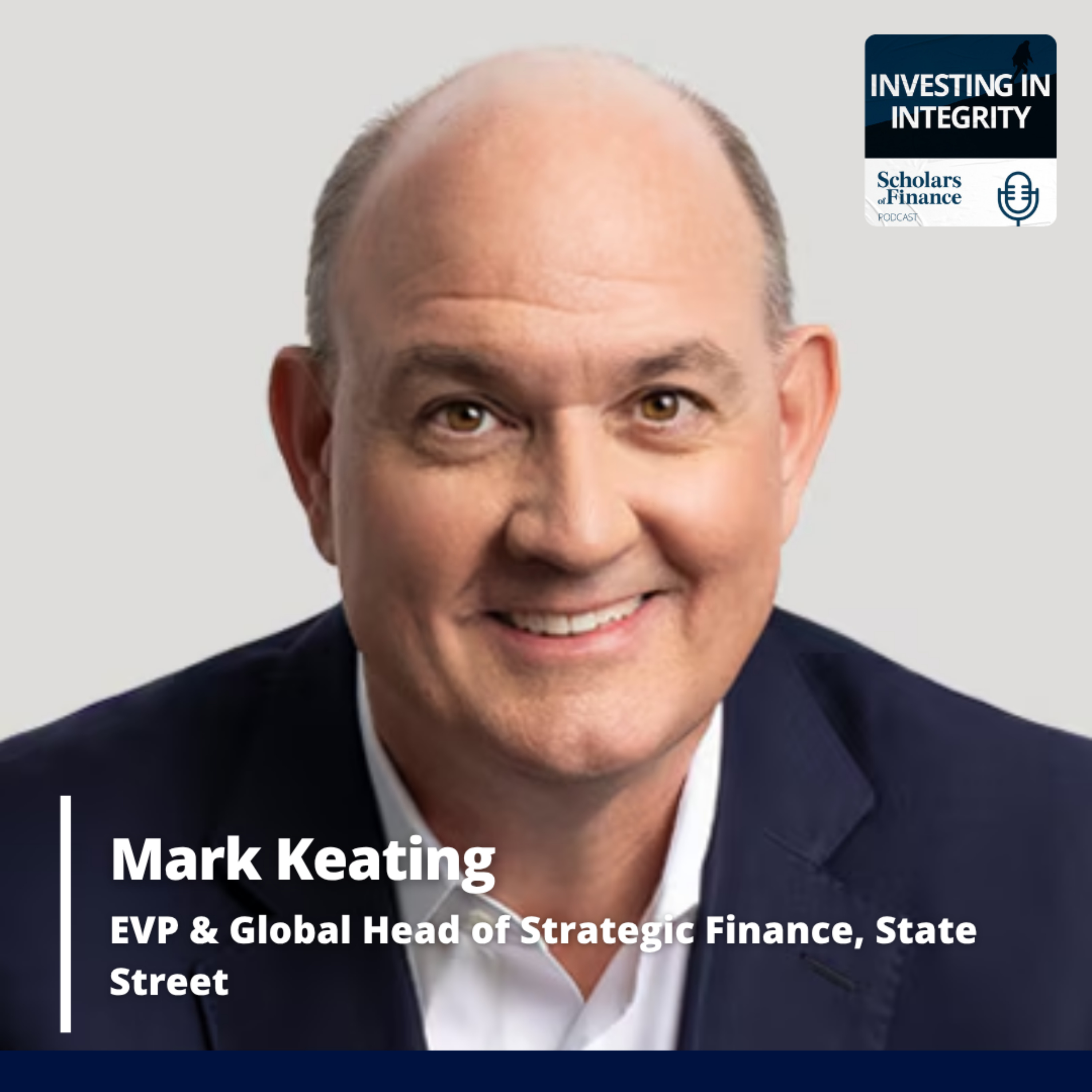 #99 - 30+ Years in a $50+ Trillion Bank (Mark Keating, EVP & Global Head of Strategic Finance at State Street)64 / 100
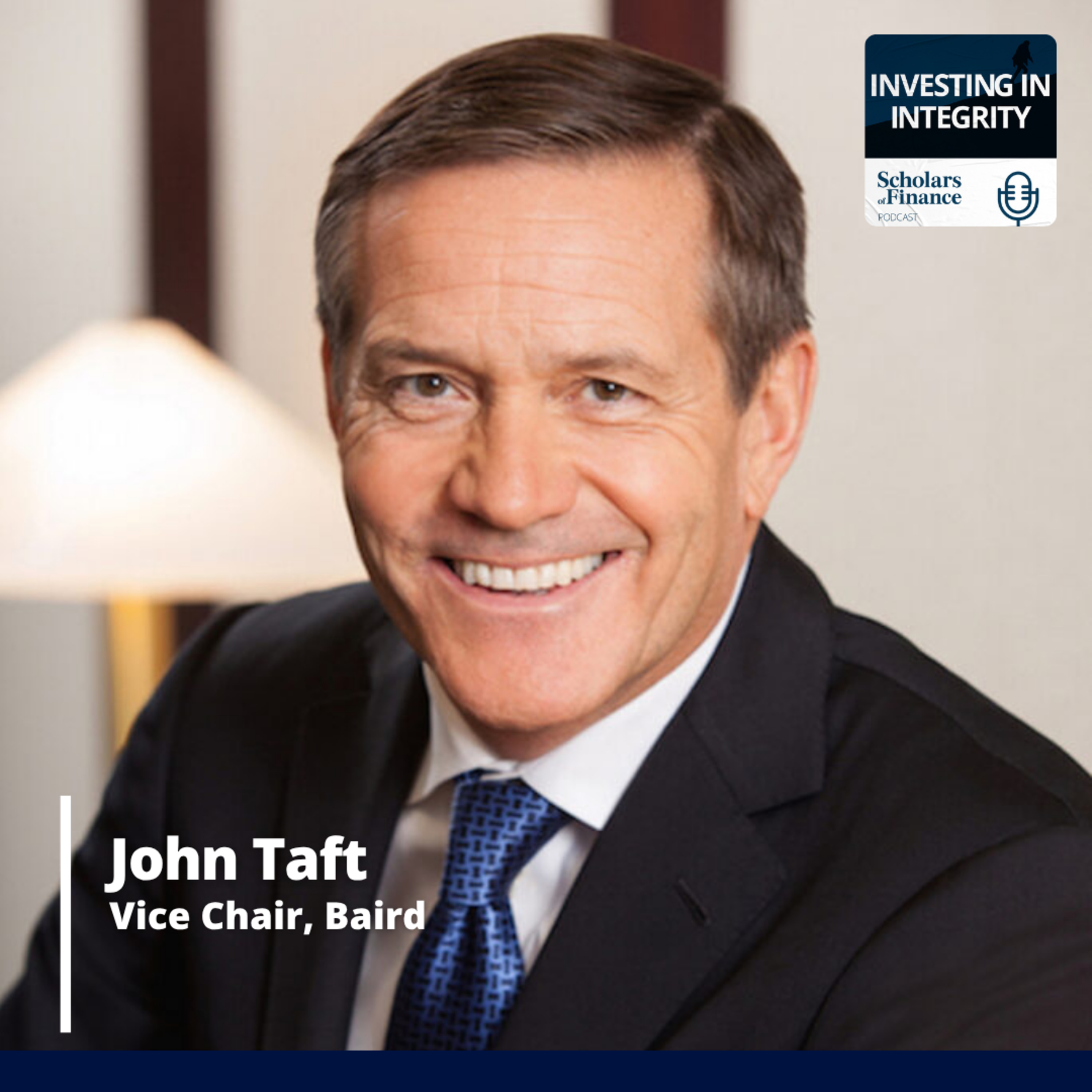 #98 - The Lost Culture of Wall Street (John Taft, Vice Chair at Baird)65 / 100
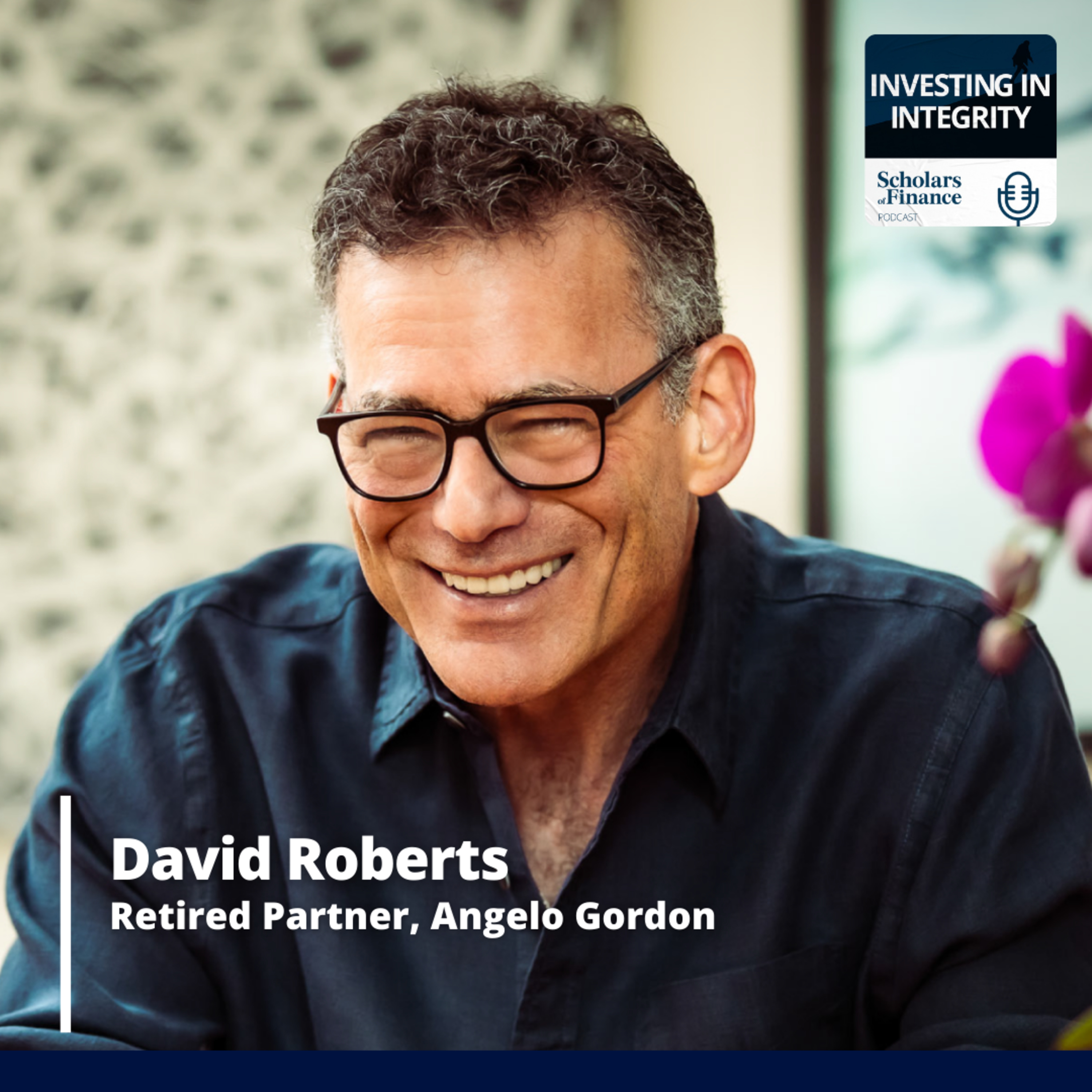 #96 - The Discipline of Giving: Wealth, Greed, and Responsibility (David Roberts, Retired Partner at Angelo Gordon)57 / 100
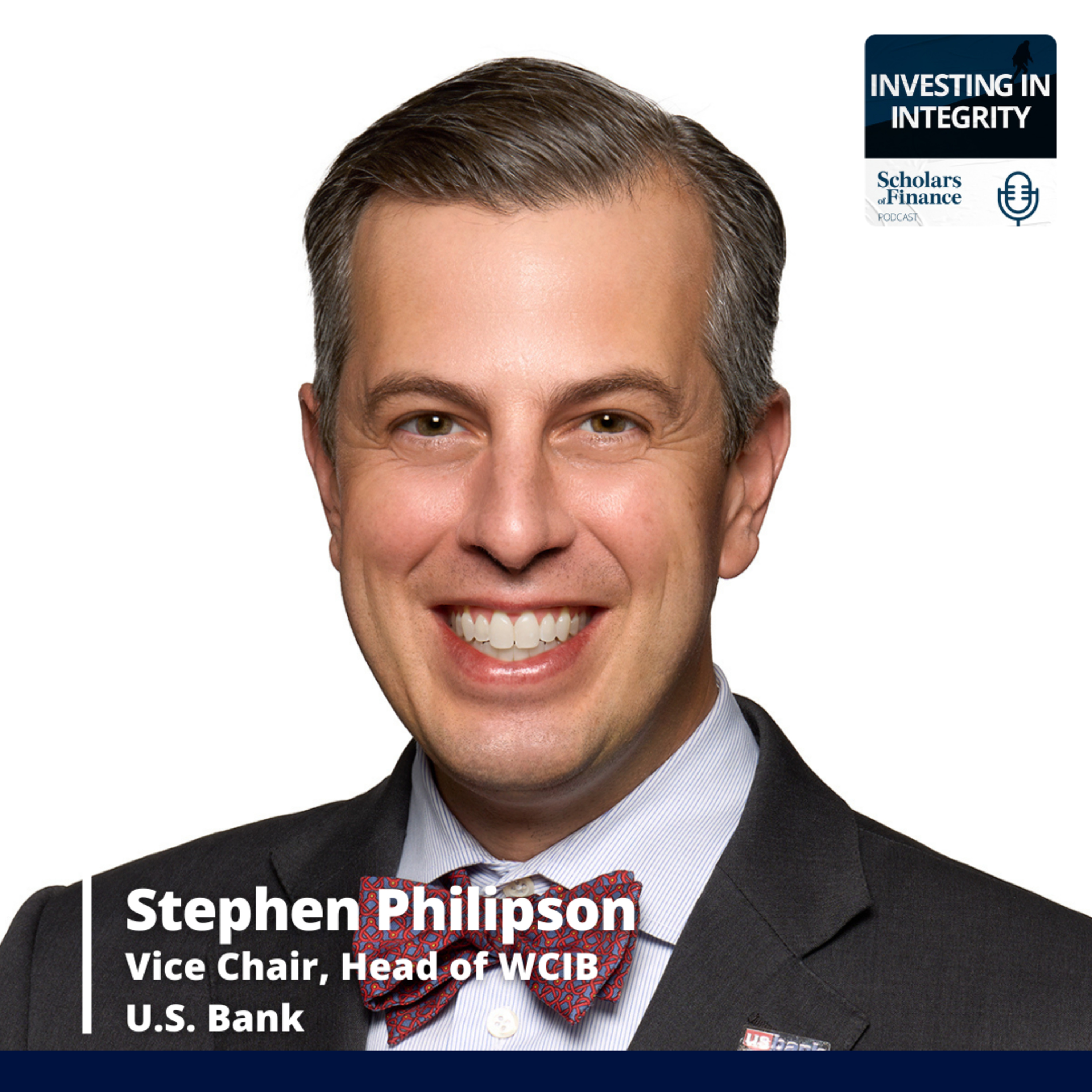 #95 - Driving Growth Through Change (Stephen Philipson, Vice Chair and Head of WCIB at U.S. Bank)76 / 100