#HRSucks · 2019-05-17 · 16 min
Key moments - from our scoring
Substance score
15 / 100
Five dimensions, 20 points each
This inaugural episode establishes the HR Sucks podcast as a platform for HR professionals and workplace operators to commiserate about the inherent messiness of managing people. The host, speaking from his experience, rejects the notion that HR should exclusively partner with leadership, instead advocating for a dual-partnership model where HR acts as a liaison between supervisors and employees to ensure fair treatment across the organization. He emphasizes that successful HR requires leaders who build relationships, set transparent expectations, and hold people accountable through celebration rather than punishment. A core principle he introduces is the practice of praising publicly while criticizing privately - never providing corrective feedback in front of peers, as this damages trust and relationships. The episode also touches on workforce expectations (showing up, maintaining attitude, willingness to learn) and the counterintuitive argument that investing in employee training and development actually increases retention rather than risking talent loss. The host invites like-minded HR professionals and those interested in breaking into the field to engage through the platform's messaging features, positioning the podcast as a space for shared learning and discussion rather than one-way commentary.
HR should serve as a balanced partner to both leadership and employees, setting clear expectations, building relationships, and holding accountability in a way that celebrates achievement while criticizing privately to protect trust and relationships.
No - corrective feedback should always be given in private, away from peers, because public criticism damages trust, harms the supervisor-employee relationship, and makes employees perceive their leader as purely critical rather than supportive.
The alternative - not training and developing employees - results in an underdeveloped workforce that stays but creates ongoing problems; investing in development increases retention and produces better-prepared people whether they stay or eventually move elsewhere.
HR should understand and balance the needs of both sides: employees need fair treatment, clear expectations, and development opportunities, while supervisors need motivated, hard-working teams that maintain quality and safety standards.
Our reviewer’s read on each dimension, with quotes from the episode.
The episode contains a few actionable principles (praise publicly, criticize privately; development prevents stagnation) but largely consists of rambling, throat-clearing, and self-aware admissions of lack of structure. The host explicitly states 'future episodes will not be just me rambling on,' confirming this episode is mostly filler. Substantive takeaways are sparse and obvious to any HR operator.
future episodes will not be just me rambling on
always praise in public, anytime you have the option or the opportunity, and always Criticize or provide feedback in private
The advice offered is standard HR orthodoxy: praise publicly, criticize privately; develop people to retain them; build relationships; set expectations. These are foundational, widely-circulated principles with no contrarian angle, first-principles thinking, or fresh perspective. The framing of 'HR sucks' is attention-grabbing but not substantively original.
always praise in public, anytime you have the option or the opportunity, and always Criticize or provide feedback in private
what if we don't spend the time and the energy and the effort training and developing our Workforce and our people, and they stay, and they stay with our company
This is a solo episode with no guests. The host appears to be an HR practitioner or operations manager (references working in a factory setting, managing supervisors), but provides no credentials, track record, scale of operation managed, or evidence of exceptional expertise. A solo founder rambling is not a substitute for substantive guest expertise.
Here I am, I'm driving to work
this is introductory to HR Sucks podcast
Almost no concrete examples, metrics, or named case studies. The host mentions working at a factory, operating on four 10-hour days, and references generic employee categories ('frequent flyers,' 'drama llamas') but provides zero specific situations, dollar figures, timelines, or companies. Even the promised 'can't make it up' stories are explicitly withheld to protect privacy.
I will never uh, share specifics about the specific place or job or company or certainly people that I'm interacting with
maintain privacy of whoever it is the story might be about
No conversation occurs; this is an extended monologue with no guest, no follow-ups, no pushback, and no interviewing. The host frequently loses focus (acknowledges a 'wonky transition' due to phone notifications, goes on tangents about TV and fantasy books), self-corrects, and lacks structure. There is no craft or intentional question design - only stream-of-consciousness rambling.
So uh, here I am, I'm driving to work
So sorry about the wonky transition
Computed from the transcript - who did the talking, and the words that came up most.
Inaugural episode. Sharing a bit of what we are doing and soliciting your feedback for content ideas moving forward. Like minded folks join along and let’s talk about why HR Sucks.
Transcribed and scored by The B2B Podcast Index.
Speaker A: All right guys, welcome to HR Sucks. We are a podcast dedicated to all things hr. And if you're like me, I'm sure you will agree that HR sucks. The uh, the act, the art of human resources. Ah, humans are messy and HR sucks. And there's a lot of ah, there's a lot of conflict. There's typically, you know, there's ah, While we, we don't necessarily like to have winners and losers, a lot of times in situations the perception is that somebody wins and somebody loses and then it's just a matter of determining whether or not it's always the company, always the employee, always the. So that bit of a wonky break right there in a transition into me speaking right now is an exact example of why when you are starting out with your podcast, you should definitely turn off notifications on your phone. So uh, here I am, I'm driving to work. It's a Friday, we work four tens and we're still working Fridays because we can't seem to get it done in four ten hour days. Um, but we're working on that. We're doing ah, we're making some solid progress toward giving folks some lives back and making sure that we're getting done what we need to get done in the time that we need it, uh, the time available to get it done so that we can all uh, work hard and then also enjoy our time off and time away with family. Especially the more closer and closer it gets to beautiful um, weather the uh, more likely it will be that folks want to not be stuck in a factory on a Friday or a Saturday when they could be enjoying friends and family doing other things somewhere else. So sorry about the wonky transition. Let's talk uh, HR sucks in all things. Again, introductory episode here, uh, just pushing some stuff out. I'm going to continue to push some stuff out to see if I've got anybody interested, any like minded folks. So that's what I'm looking for really is like minded folks looking to follow, uh, and to continue in the conversation, uh, any uh, HR folks that get it, that understand it, that have a uh, self awareness and awareness of HR and sort of uh, all things HR will understand that sometimes you need to be able to commiserate, share um, wallow in our own misery. I uh, joke that you can't make it up. Right. So while I will never uh, share specifics about the specific place or job or company or certainly people that I'm interacting with or talking uh, about or explaining about different situations, uh, I think it's important to understand that the reality that we live in many times is much stranger than anything that we could actually make up. And granted. So I'm not the, the RR Tolkien or George RR Martin or whatever, you know, whoever it is that makes up, uh, awesome books. And I'm not necessarily into that kind of stuff unless it's turned into a TV movie. And even then I'll typically play on my phone. Um, but the things that people do are typically much stranger than anything that could be made up or created in your own mind. So, uh, when you have someone that comes at you sideways and explaining a situation and you think to yourself like, what is happening right now? Is this reality? Have I somehow, uh, morphed into a different plane of reality? Why would we, why would anyone, why would any reasonable person think that what's going on right now is any semblance of normal is way beyond my comprehension. So all those things, again, just uh, a bit of a glimpse there. Not trying to take it too far down a rabbit trail. But what I'm looking to do again is just to be able to, uh, you know, sort of link some wagons together of like minded folks. Uh, as I'm looking at, you know, anchor and some of those other things, they've got, uh, the ability to be able to send messages back and forth, voice messages and things like that. And so if you have questions, uh, if you want to share stories, uh, again, you know, maintain privacy of whoever it is the story might be about if it's not something that's personal to yourself, because we're not looking to invade anyone's privacy. Um, but at the same time too, um, you know, maybe you're someone that saw, uh, a logo and it says, um, you know, HR sucks. And you're thinking to yourself like, yeah, HR sucks. Or um, maybe you're the person that wants to break into hr, uh, and you're like, man, HR sucks because I can't break in, or I'm doing this and I want to do that, or uh, maybe I'm doing some sort of operations role or something else, or just starting out my career. What do I need to know about hr? Um, and so we'll dig into all kinds of different topics. I, uh, promise that future episodes will not be just me rambling on, uh, that we will stay on topic, uh, and whether or not that actually means following some of the examples or questions or comments, or being able to follow up on, uh, other stories that are shared, uh, or if we need to break down different subjects, um, right so even talking about breaking into hr, you know, I want to be an HR professional, or, um, why. Why does HR suck? And how come every time I go in there they look at me like I'm crazy? Uh, why? Um, as I'm thinking about questions, I guess part of the responsibility of the HR professional is to be a partner to the business. And there's a balance there from being a partner to the business and the fact that. Are you partnering solely with, um, just the supervisors, manager's leadership team, uh, or are you also partnering with. And I think, I think in my particular, um, thought process, that it's important that we partner, um, with both sides of that equation, that we're a partner with the employee, that we help to understand that there's a liaison type relationship, um, between the supervisor and the employee. So that the real goal of the whole thing is to, uh, ensure that everyone is being treated as fairly as possible, um, and that we're all doing the work that we need to do to be successful in whatever area of business that you might be in. To say that I need folks that are going to show up and work hard and have a good attitude and be willing to learn and maintain safety, maintain a high level of quality, um, stay on task and stay on schedule. Those are all things that I would need from, from the employee side or from the associate side or some folks call them team members. Right? Whatever name that you put on your workforce, there's certain things that you need from that direction and you have to manage through those processes to see how things are working out. On the flip side of that, you need leaders that are going to build relationships, that are going to maintain a semblance of caring about their people. So that when you sit down and have a conversation about expectations, that it's not a punitive conversation that everyone understands from their supervisor, manager. This is the expectation, this is how I'm to perform in a certain job or function. And as we are moving along in our relationship and, um, holding accountability. That accountability word so many times is punitive. Or it sounds. I'm holding accountability. I'm writing them up. Um, yeah, but how many times have we actually said, you know what, you're doing a great job. I saw you do this, which is specifically above and beyond the expectation that we've set. And the accountability is a reward. If you don't hear anything out of this episode, listen to one, uh, thing that I'll say right this minute in that always praise in public, anytime you have the option or the opportunity, and always Criticize or provide feedback in private. Never provide feedback to your team in front of their peers. Never provide feedback or criticism, criticism or um, any kind of constructive, any accountability holding conversation that's not a reward or a celebration. Always hold those conversations in private. It doesn't necessarily have to be locked in an office, but you need to be out of earshot of everybody else. Put the shoe on the other foot. If your boss were to come to you and front of or in a room of your peers, and I use the word berate, but you get me when I say, um, tell you about something that you're not doing well, it's embarrassing, it doesn't feel good, it doesn't build trust. Um, it sets the relationship, ah, in a place where, okay, well, great. Now all I get from my supervisor is just criticism. Um, and those are never good things to be able to, um, you know, the relationship will suffer. Uh, if you're sharing feedback that should be shared in private, if you're sharing that feedback in public in front of their peers, uh, it's going to damage the relationship. So, uh, relationships, expectation setting, um, you know, holding accountability. People development is a big one. And that's actually one that's on either side of, uh. Right. So you got, you know, the people, people development side from the HR side. That is, I need to develop my supervisors and my leadership team. I need to provide an opportunity to be able to, um, career path and move from place to place and be able to, to provide that sense of I'm earning more money and I'm, I'm, I'm responsible for more things. And you know, all those things that mean, um, that I've got a progression or a career path that I'm working toward, um, that's going to make me more sticky to the organization, that I want to stick longer. Probably anybody that's listening has heard this phrase, and if you haven't, here it is for the first time and it's not mine. I can't take credit, but I don't know exactly what source to cite. Um, but the story goes essentially that, you know, what if we train and develop our people and they leave us, We've spent all this money, we've spent all this time and this effort. We're gonna dump all this into them to train them and develop them and make them better people and better employees, and then they just leave and they go someplace else. The rebuttal to that is, what if we don't spend the time and the energy and the effort training and developing our Workforce and our people, and they stay, and they stay with our company. And now we've got undeveloped folks that we're constantly dealing with, with other issues. And so training and develop is a big one. Um, so from the employee side, right, so show up, work hard, have a good attitude, be willing to learn, keep the drama to the minimum. Save your drama for your mama. Uh, there are no drama llamas allowed in the HR office. Um, sometimes referred to as frequent flyers. And we can talk more about that too. And also on the leadership side of things to say that I need, um, to build relationships and develop my leaders to where they're going to build relationships with their folks. They're going to set clear expectations, they're going to hold accountability, and they're going to celebrate in public and criticize in private. They're going to build a relationship with their team. That turnover is not, uh, just this crazy monster that everybody has to deal with, but we're, we're developing all of our team, our leadership and our workforce, uh, and making them better people. And as a result of that, um, whether or not it's here someplace else, we're doing a, ah, greater good that we've created and we're churning out, um, developed humans able to show off a work ethic and able to show off leadership skills that can be beneficial in all areas, um, both personal or professional. So that's a lot of what's on my, my mind and heart right now. I'll jump on here from time to time and just share, um, the different things that are going on with me. Again, uh, not necessarily trying to make you guys into my, make you guys into like my therapist session or anything like that, but at the same time, um, you know, anytime I have those can't make it up stories, then let's go ahead and share those. That's going to be fun. Uh, I'm gonna find where it is that we actually, um, click the button to send messages so that if you have feedback, if you want to share feedback, please do. Uh, if you want to tell me I suck, please, please tell me I suck. Um, at the same time you're telling me I suck, please provide, uh, feedback and, uh, be critical. Show me, uh, or tell me the things that I should be doing differently or better, uh, to make sure that we're doing this, uh, with a bit of excellence and making it work. Right? So, uh, at the same time, I'm not going to continue to babble on and on and on. This is introductory to HR Sucks podcast. This is A, uh, call to action for all those that might be listening to Quick subscribe, uh, to like to share a review and also to click, uh on the message button, share your feedback. Hey, how m. Am I doing? What do I need to do differently? Hey, let's talk about this. Uh, what does that look like as far as being able to do something different? Um, what do you want to talk about? You want to talk about, uh, relationships? You want to talk about accountability? You want to talk about, uh, any number of things that you can rewind into the episode here and hear about what we're talking about. What. What was it that piqued your interest? Um, what are you listening to now? What are you developing? Um, uh, I want to hear from folks with, like, minds that think that sometimes that HR does suck, but at the same time, we're trying to do the best that we can and make sure that, um, that the intention is pure. Right? There's. There's certainly. There's good hr, there's bad hr. Um, yes, HR does suck because things get messy and you do the best you can sometimes. So signing off for now, please share your feedback. I'm looking forward to hearing back from you. Uh, HR Sucks Podcast episode one is in the books. Looking forward to interacting with all of you. And, uh, in years and years when I'm a famous podcaster and I look back on this first episode and think to myself, like, oh, my God, what were you doing? I can't believe that you put that out there for the podcast verse play on universe. Uh, that you put that podcast out there. That sucks so bad. So HR Sucks episode one of the books. You guys. Thanks for listening. Share your feedback. Talk soon. Bye.
Other episodes covering the same guests and topics, from across The B2B Podcast Index.
 Evo Finance #61 - People, Culture & Risk - Building The Future Of HR In BankingEvolution Exchange Finance Podcast · on Leadership development75 / 100
 Rerelease: Why Not Shoot for the Moon? | Phil Manchester | Frontline UNSCRIPTED Ep. 1UNSCRIPTED · on Leadership development75 / 100
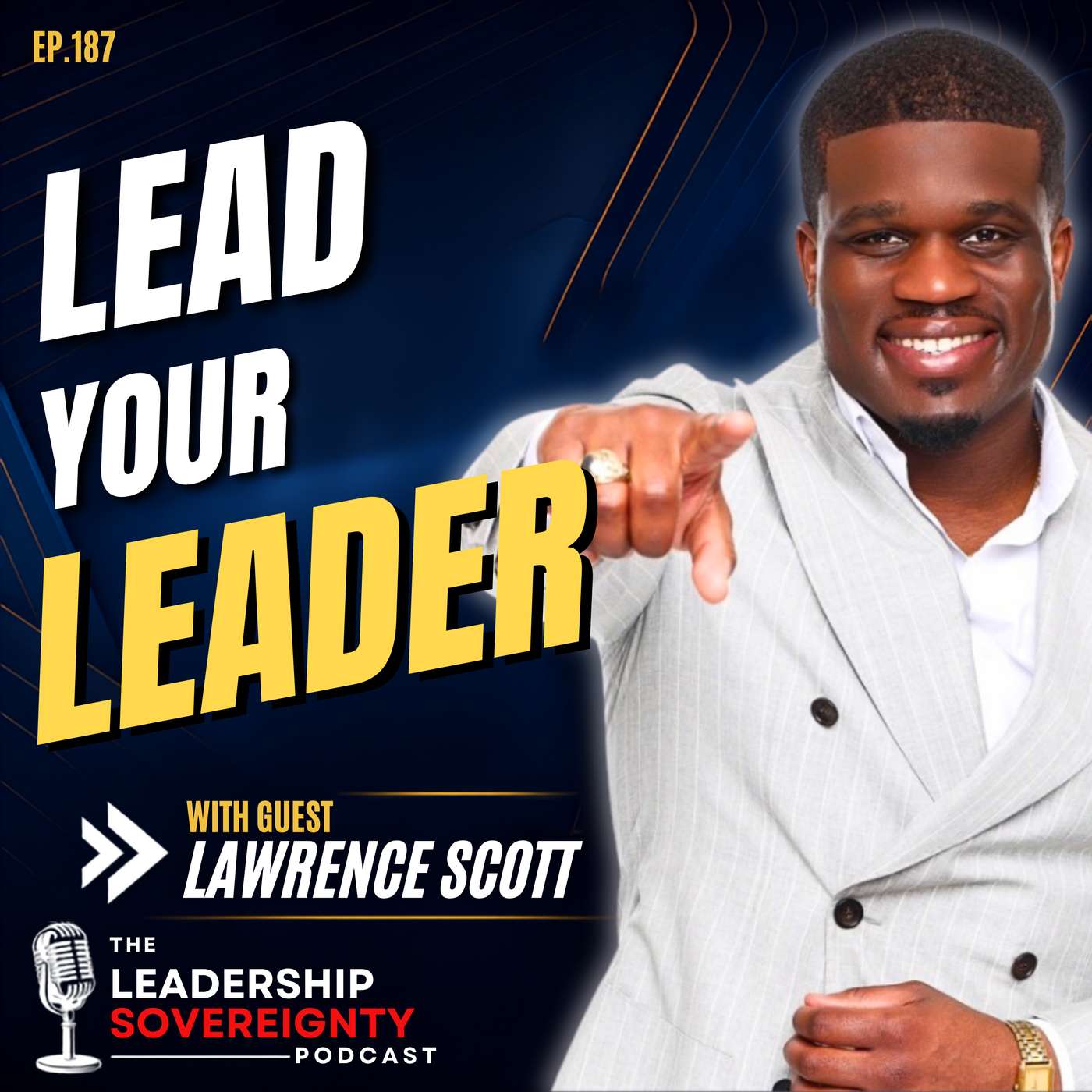 Lead Your Leader: How to Master Leading Up and Build Influence That Gets You PromotedLeadership Sovereignty Podcast: Career Growth and Promotion · on Leadership development60 / 100
 How Career Pivots Really Happen | Mary Olson-Menzel | 735Leveraging Thought Leadership · on Leadership development56 / 100
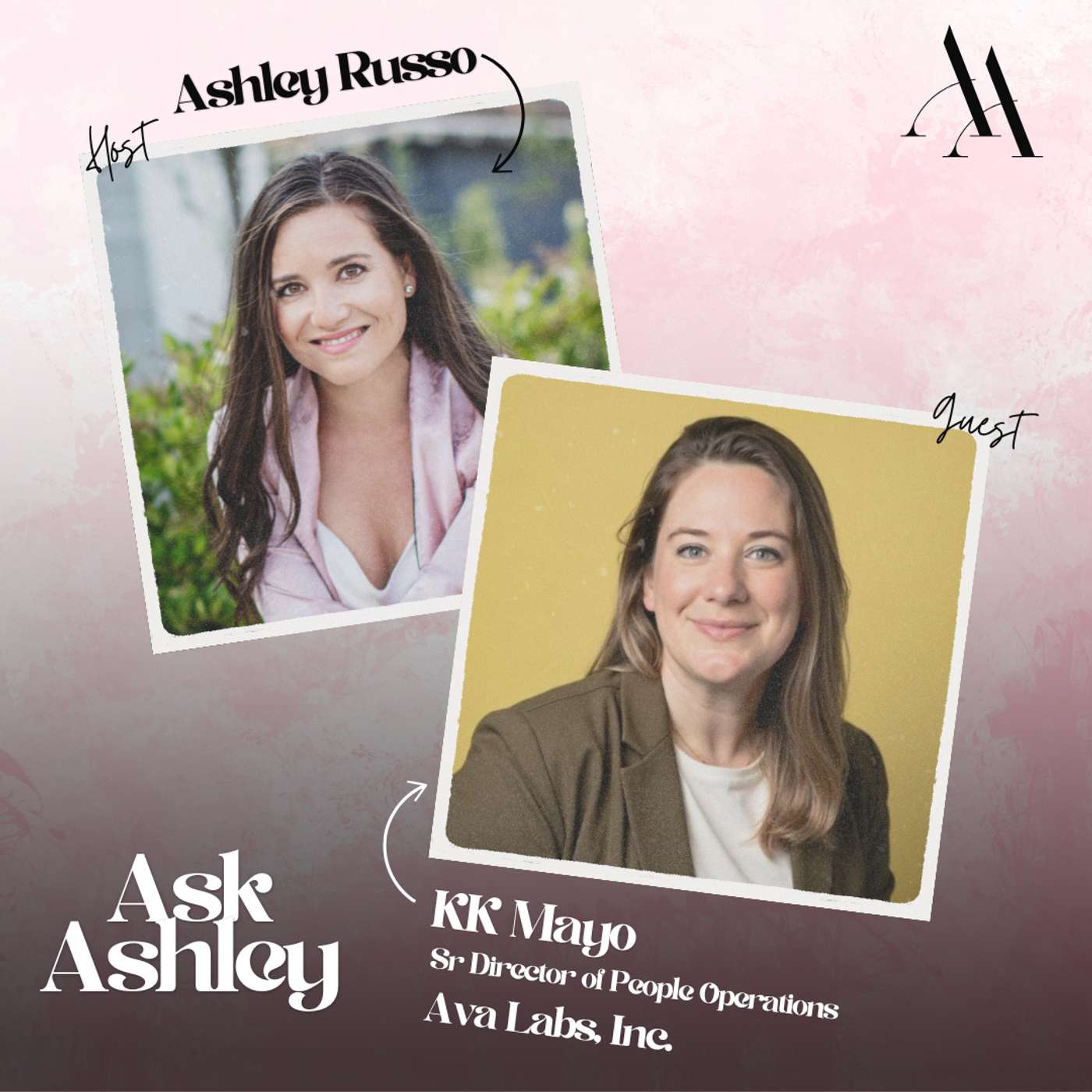 Mental Health Matters: KK Mayo on Supporting Employees in the WorkplaceAsk Ashley · on workplace culture55 / 100
 AI Won't Replace Leaders. It Will Expose Them.The Climb · on Leadership development52 / 100