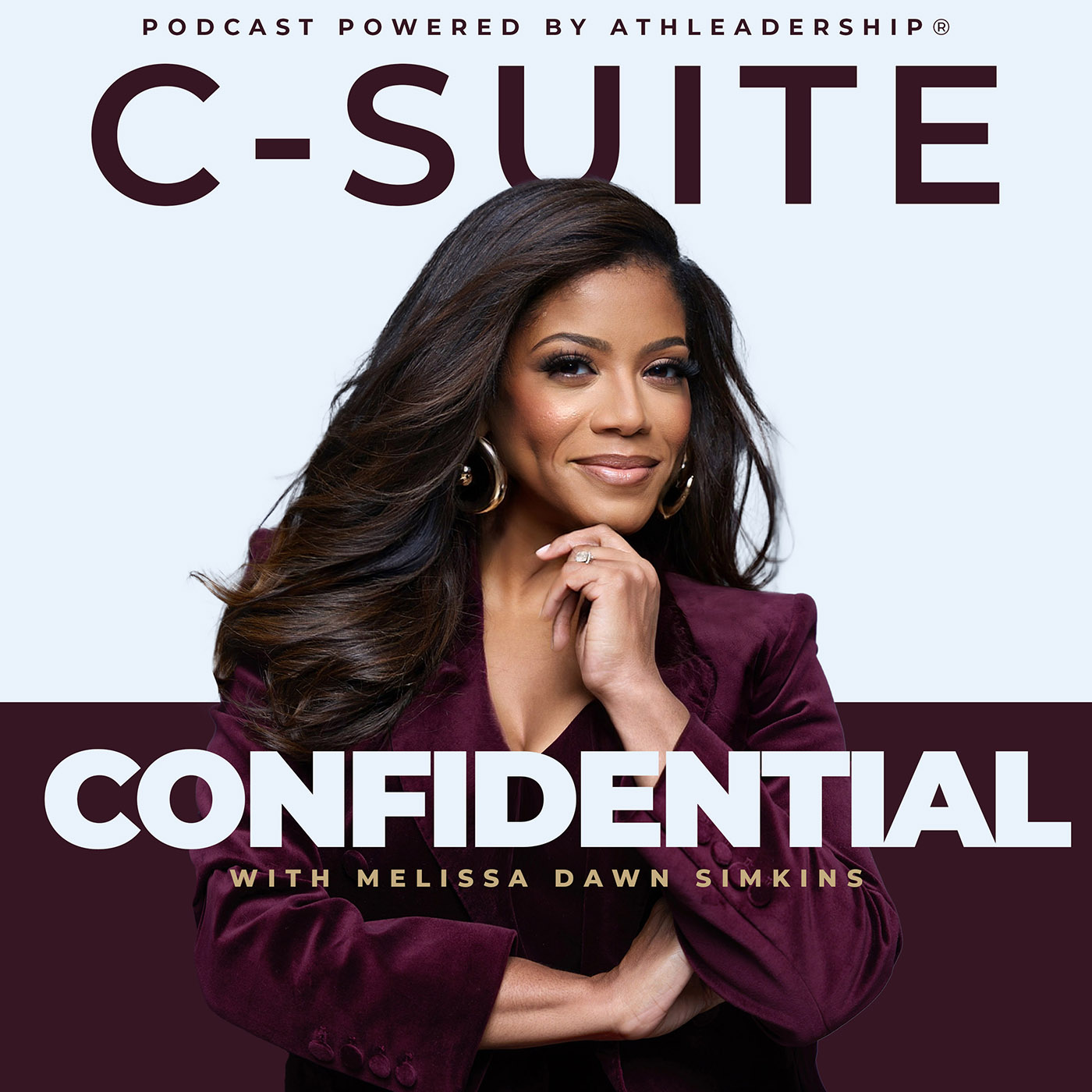
C-Suite Confidential · 2026-05-06 · 36 min
Key moments - from our scoring
Substance score
22 / 100
Five dimensions, 20 points each
Melissa Dawn Simpkins, founder of AthlLeadership and CEO of Velvet Suite, shares her personal journey of burnout and recovery with Rael Graber, a World Champion IFBB Pro and wellness coach, in a conversation centered on sustainable leadership. Melissa describes hitting rock bottom despite her success as a high-performing executive - dealing with endometriosis, chronic pain, and normalized overwork - until she reached out to Graber for help post-surgery. Together they rebuilt her wellness through health biomarkers assessment, mindset training, and establishing anchors (morning and evening practices) rather than pursuing perfection. Their work revealed that over 80% of executives and 94% of C-suite women were former athletes, suggesting a neuroscience thread connecting athletic performance to leadership resilience. This insight birthed Athletership, their new platform launching a philosophy that blends elite athlete mindset with leadership mastery. The episode is essential for executives stuck between knowing what they should do and actually doing it, offering concrete frameworks like 'make a promise, keep a promise' and reframing wellness not as a luxury but as core to leadership effectiveness.
Athletership is a mindset and philosophy combining elite athlete thinking with next-level leadership mastery to lead through unprecedented, high-stakes change. It addresses how traditional leadership muscles no longer work in today's environment and requires a new way of thinking based on athletic principles like agility, resilience, alignment, and well-being.
After major surgery for endometriosis and adenomyosis and years of normalized overwork - including sleeping in bathtubs due to chronic pain while presenting to Fortune 500 companies - Melissa hit rock bottom and realized she couldn't sustain her pace alone. She reached out the week before surgery, telling Graber she needed help building a sustainable framework for her wellness.
Graber conducted a comprehensive intake examining health biomarkers, hormones, post-surgery mobility, and mindset. Rather than aggressive weight-loss metrics, they focused on establishing realistic frameworks, cultivating calmness amid pressure, and creating daily anchors (morning and evening practices) to ground her through life's demands.
Melissa found that over 80% of executives were former athletes, and 94% of C-suite women were athletes, suggesting a neuroscience thread connecting athletic performance to leadership effectiveness.
Leaders must ask themselves 'What needs to change?' and gain awareness that they cannot continue at their current pace without risking their health or presence in 10 years - the real change requires both awareness and the desire to rewire thoughts and beliefs, not just doing.
Our reviewer’s read on each dimension, with quotes from the episode.
The episode is overwhelmingly personal narrative and mutual affirmation, with only a handful of wellness-adjacent observations that any B2B operator would have encountered before. The rare semi-useful points (recovery as strategy, sleep as performance lever) are surface-level and never developed into actionable frameworks.
resilience is built in the pause. Right. It's not built in the grind and glamorizing that grind, grind, grind.
it's the number one performance enhancing drug. We all have it available to us. And it's better than a zenic. Right. And it's free.
The episode repackages well-worn wellness-meets-leadership tropes under a new brand label ('Athletership') without offering contrarian or first-principles thinking. Concepts like agility, resilience, alignment, and well-being as leadership pillars are ubiquitous in the space.
the mindset of an elite athlete meets the mastery of next level leadership to lead through change in the moment that matters most
intention over perfection
Rael Graber is a credentialled personal wellness coach and former IFBB Pro bodybuilder, but she is not a C-suite operator, senior executive, or practitioner who has led organisations at scale. Her expertise is personal health coaching, which is only tangentially relevant to a B2B operator audience.
as a former pro athlete and a new mom as well, we had a lot of similarities in common
my method is wellness iq which incorporates six core pillars
A small number of concrete figures appear (50 lb fat loss over ~18 months, the 80%/94% athlete-executive statistics) but they are unattributed and underdeveloped. The bulk of the conversation is vague ('beautiful practices,' 'amazing things,' 'so many pillars') with no named companies, benchmarks, or operational data.
over 80% of executives were former athletes and like 94% of C suite women were athletes
50 pounds of targeted fat loss
The host is interviewing her own wellness coach about her own personal health journey, creating an inherently promotional and non-adversarial dynamic. Questions are soft and leading throughout, with no pushback, no challenging of claims, and frequent self-answering. The episode functions more as a brand-launch infomercial for 'Athletership' than an interview.
Tell me what makes you most excited
you are the well being champ
Computed from the transcript - who did the talking, and the words that came up most.
In this episode of C-Suite Confidential , host Melissa Dawn Simkins opens up in a deeply personal conversation with wellness coach and entrepreneur Ryall Graber. This episode explores how sustainable executive health are built on sustainable performance. Melissa shares her own journey navigating the pressures of leadership, burnout, and physical breakdown, revealing how even the most driven leaders can drift into exhaustion and misalignment. Melissa shares how she worked with Ryall through methods like neuroleadership and performance psychology to overcome chronic stress and pain. Building on this, Ryall introduces an athlete’s approach to executive conditioning and mental conditioning for leaders . Together, they challenge traditional notions of leadership stamina and redefine wellness for leaders as a strategic lever for sustained success. The episode also introduces the ARRA framework, offering leaders a structured path to restore energy, rebuild Leadership Resilience , and maintain peak performance without sacrificing ambition.
Transcribed and scored by The B2B Podcast Index.
Speaker A: M and in corporate or leadership culture, the grind is glamorized. And if you can't see yourself sustaining this exact same pace that you're going now in 10 years, you have to ask yourself a really hard question.
Speaker B: What's that question?
Speaker C: Leadership looks powerful from the outside, but behind closed doors, the pressure is real, the decisions are heavy, and most leaders
Speaker B: have nowhere to talk about it.
Speaker C: The boardroom moments that keep you up at night. The decisions that affect thousands of people. The quiet questions MIDI leaders carry but rarely say out loud. I'm Melissa Dawn Simpkins EdTech, founder of AthLeadership, CEO of Velvet Suite and the C Suite confidant to leaders performing at their highest level as they navigate pressure and change. For more than two decades, I've, uh, built global leadership platforms and advised executives and elite performers across business and sport in high stakes environments. If you're here, you're probably someone people count on. That's why I created C Suite Confidential. Grounded in neuroscience and the elite athletic mindset, each episode features candid conversations with CEOs, talent, leaders, athletes, high performers, coach who understand both demands and the privilege of leadership. Most leadership conversations focus on strategy. This one focuses on conditioning. If you're leading in the arena and you want to do it with strength, clarity and heart, you are in the right place. This is C Suite Confidential, where leaders come to strengthen the mindset required to perform when it matters most.
Speaker B: Welcome to the podcast. You know, if, if we're gonna have a conversation about real talk, I guess I need to go first and have some real talk. And real talk makes us uncomfortable because we have to say the things that we would whisper to our friends out loud. And this is what this show is about for leaders who don't have safe space. So we're creating safe space. And I'm telling myself this as I'm gonna enter this conversation with you. Rael Graber. Um, before we get started about how we got connected, that you'd reached out
Speaker A: to me on Instagram.
Speaker B: That's how I DMs for sure.
Speaker A: That's how it happened. I'm wildly passionate about sharing, you know, my knowledge to achieving well being and was talking about creating sustainability with wellness and sustainability.
Speaker B: That was the word. I had been working on my own well being and I was broken. And the word that kept coming to mind was, I don't want a quick fix. I want to sustain my well being. And when you said the word and I've been following you for a while.
Speaker A: Right, right, right.
Speaker B: World Champion IFBB Pro. I Done fitness, um, competitions. And I admired you. Seen you in magazines, you know how you do. You find people on Instagram that inspire you.
Speaker A: Thank you.
Speaker B: I saw that you had a beautiful family and a beautiful daughter later in life, and she gets the whole life picture. And, um, but I was like, who am I to connect with her? That's how it started.
Speaker A: I'm so grateful that you, that you did reach out, because I had to learn myself as well on my journey to create sustainability and how that looked and that's exactly how it came to be and how we, how it, how we started, how we started and how it resonated.
Speaker B: Yeah. And so many executives and leaders struggle with, um, three words. And that's where I started with you, was I need help. And so many people look at me as the coach, the one who has the answers, who helps them build the life that they desire, their purpose, their passion. But I was very broken. Um, I was depressed, I was hurt. I was physically in pain. And I said, I know enough to know that after I go through this surgery, I'm going to need someone who can help me. And it was very humbling for me to just reach out to a stranger and say, hey, I need you. I need you. I think I need you.
Speaker A: Yeah. I was deeply honored when you, when you did for the opportunity. Because this is, it's very common with leaders, right? Is you go, go, go, and you put your own well being in the back seat. And, you know, you compromise on your health, ultimately your health. And until you hit rock bottom, you hadn't actually had that awareness where that was enough.
Speaker B: Yes. It's the, um, the other side of high performance. Right. When you are very successful, when you are very driven, you're very passionate about your purpose and your, why it drives you. And I kind of call it, I need high performance rehab. You need to come back to yourself. And what drove me there was, um, having to have a major surgery, um, dealing with endometriosis and atomyosis and showing up. I remember going to present, uh, an amazing Fortune 500 company. The night before, I was just in a bathtub. I would sometimes sleep in a bathtub because I was in so much pain. But then I was up, motivating, inspiring. And even before, at the end of that year, I made the decision. I'm like, I'm going to have to do something different because this is. I have normalized something that's not normal because I just wanted to push through. And I said, um, I'm going to do, you know, a celebration for my parents anniversary, I'm going to do celebrate my husband and all of these things. We put other people first.
Speaker A: Right.
Speaker B: Even in knowing what we need to do, how often do you see that pattern or what do you see for leadership when they are continuing to push through?
Speaker A: Yeah, extremely, extremely common. Um, you know, resilience is built in the pause. Right. It's not built in the grind and glamorizing that grind, grind, grind. Uh, until when? Right, until you, until you're broken. So really starting to think more about recovery, uh, being. It's part of the strategy. It's not the end goal of like, I'm gonna get this, I'm gonna achieve this, do this, do this, and then I'm gonna take care of myself. I'm gonna go on or go away on a great vacation is like actually starting to strategically put more rest into the schedule. It's part of the recipe, uh, it's part of the success, the formula for success.
Speaker B: Coming back to your foundation sometimes because it's maybe that you just lost your foundation in the pursuit of whatever challenge or overcoming whatever issue you had. Maybe you're dealing with sick family members or you're dealing with loss, or your work has suddenly demanded so much more from you. And so you had that habit, you had those, um, practices, and then suddenly life shifts and you're doing the best you can to keep up. You're doing the best you can to keep up, but you don't realize in that pursuit of keeping up, you're losing yourself. And that was really an, uh, aha moment for me. And I had a circle of friends and I said, listen, they said, melissa, you're going to do something different. I said, I'm going to do something different, but I can't do it by myself. And the week before I had the surgery, I reached out to you and I said, hey, how can you help me? Here's my situation. And what did you first think, I mean, when you got that message?
Speaker A: Oh, I was, I was so excited for the opportunity to work with you. It was, I knew you were a woman who, who won in life. Right. And you had just hit a breaking point. And as a, as a former pro athlete and a new mom as well, we had a lot of similarities in common. And I had, I was really excited to share, uh, how to create a sustainable framework for you to start taking care of yourself and start putting yourself not in the passenger seat, but in the driver's seat of your life and how that could look even when life throws you a curveball. Right. It's ultimately, how can you become more, uh, resil, resilient in wellness.
Speaker B: Right.
Speaker A: And thrive in any situation in life, not just when life is good and it's easier. Right, right. Is like ultimately as leaders. Right. This is, These are the challenges that you're faced with every day.
Speaker B: Yes. And you know, it's interesting because in my research we'll get into the new work that's bringing us together. Now we're talking about my journey, but the new work bringing us together. Now I found, uh, statistics that said over 80% of executives were former athletes and like 94% of C suite women were athletes. And so there is a neuroscience thread of leadership between the athlete and the performer at work and in life. And I was that I've been an athlete, but there was pieces, uh, of me that had fallen away in the pursuit, in the life, the mothering, the taking care of a business, the just trying to keep up, being a great wife, trying to do all the things. What was. Where did you see my baseline? When you, we first connected, we did an assessment. Where did you see my baseline? Right.
Speaker A: I mean we did, we dove in just right after your surgery. We looked at all your health biomarkers, your hormones, uh, we looked at what mobility was going to look like for you, uh, which was very different than back in your former track days as an athlete. High performance training, now post surgery, how this would look, mindset and looking big, big mindset.
Speaker B: I mean that was the thing that I didn't realize was so influential in how I was showing up every day was the mindset, right?
Speaker A: Yeah. Our mind is the most powerful tool that we own.
Speaker B: Right.
Speaker A: So we have to train our mind just like we train our muscles, we have to train our mind as well. Um, really cultivating, um, it was a new sense of you, a new sense of self and being really self connected to that. Setting a realistic framework for outcomes and objectives. And ultimately I think really having you, the piece amidst the pressure piece for you was like really cultivating that calmness in your day to day life with all the balls, all the balls in the air. And that's learned. Right. This isn't something we wake up and we know how to do. And in, in corporate or uh, leadership culture, the grind is glamorized.
Speaker B: It is so glamorized and our identity becomes associated with those activities. Like this is what it takes to win, this is what it cost to get there. And so the more you. It really was a stepping back and saying, well, who am I?
Speaker A: Right.
Speaker B: And you Know, we talked about what, rediscovering your why. I think that was very powerful. I'm a person who pursues purpose. That is my passion. But even that journey of like, what is my. Why even. Why do I need to change these habits? Why do I need to lose this extra weight? That was not just physical weight, right?
Speaker A: And wellness is an essential core aspect of who you are, right? Like reconnecting to how important it was for you and how lost you were.
Speaker B: Without that piece, I can't even begin to express how much I was disconnected from what really drove my creativity, what drove my peace, my, my calm in the storm. Because I was in pain. Part of it was I was just in pain and I was exhausted from the pain. Chronic pain is something we don't talk enough about in the workplace because, um, it affects so many people. Whether it's migraines, whether it's things like female issues. Like I had, um, fibromyalgia. What you name the disease that people are every day walking around with, but yet it's hidden. You don't see it on the surface, but the emotional energy it just takes to push through pain just to do day to day activities, it's exhausting.
Speaker A: It's exhausting. And to hit that place right where you did hit rock bottom, you had so much awareness, which was really the, the tool, the key for change, right? Like, this has to look different. How can this look different? I need a coach, you know, I need to have someone to help me guide me through this next step. And ultimately, right? Getting out of pain post surgery and celebrating that. Oh my gosh, I'm feeling amazing. Moving your body. I remember your first rocks right where we were.
Speaker B: Walked a block and I was like,
Speaker A: like I did it. Yeah. So, so beautiful, right? A season of bloom for you. Finally, the alignment of the vision you had for yourself, not just as a leader, but as a woman and leading in your life how you saw yourself, that alignment without your health and wellbeing, it wasn't there.
Speaker B: It was interesting because even after we engaged and I started the journey and I mean, it was like celebrating the small wins. Like, I can eat, you know, real food now. I can actually walk a, uh, block. I had my first bowel movement. Like all of the things, it's probably tmi, but all the things, uh, that seem like baby steps. And then it was like, okay, gung ho. I got my journal. And again, in true high performance fashion, I had a goal and I had metrics. Every week I was going to lose this amount of Pounds and I, in fact the first few weeks it was like, this is working, I am winning. And then I was like, it's not working, it's not going like I thought it was like I, I planned it. And you were so good about letting go of that uh, pressure and just allowing my body and my ability to catch up with myself to get there.
Speaker A: Totally allow. Your body, your body had to first heal, right. Ultimately. And your heart as well, your mind, in going through everything you had endured through, had to heal, which was a, a process as well. And then resetting the framework for what optimal wellness was to you.
Speaker B: Right?
Speaker C: Yes.
Speaker B: We did a great intake because I remember you really took me through the pillars of wellness and you really helped me to begin to look at what are all of the pillars that are centered around my why. And one of the things that we always would say is make a promise, keep a promise. And I find that when we um, don't show up well for others is because we've, we've not kept our own promises to ourselves. And it's a hard truth to realize. Like, yeah, I said it's important but I didn't do it again today. I didn't do it again today. And you just kept reminding me what's your promise? Yeah, keep your promise.
Speaker A: Keep your promise and make yourself proud. And that's right. As athletes we spoke about always you generate momentum is what makes you unstoppable. So you can't wait to like I didn't feel like it today, right? I didn't, I'm just not motivated. Well, you're not going to feel like that every day. That's the outcome of going, of doing, of creating momentum in your life in general with every decision that you make. Recentering your why is what's driving all of that. So you are such a beautiful person to coach because you were so heart centered and you were so connected to your why.
Speaker B: Right.
Speaker A: This wasn't about I need to lose 50 pounds of body fat, which she did as well. This was a side effect.
Speaker B: Yeah, that was a good side effect. But it was so much more than so much more. I had to retell the story. I will never forget. Um, and this again is coming back to me, right? Coming back to myself. And I remember someone seeing a picture of me before I've gone through all this journey and they were like, who's that? And I was like, that's me. And they laughed, they were like, that's not you. And I just remember how it crushed my heart. Cause I was like, that is me. And it was so amazing because this is a journey. And I remember maybe a year later, it's been like, it was like two years. The person came back and they're like, so what did you do? You look so different. And I told this story, but my heart and God was like, tell the story that it's not that you just lost weight because that's what he could see. Uh, it was everything that I let go of, everything that I embraced, everything that I surrendered, that my life started to begin to flow how it was originally designed to flow. It wasn't like. But there was that fighting force. And so the process was so key. And you really taught me to fall in love with the process. You know, how, how powerful it is when you have a story that you can, you know, pass on to your kids.
Speaker A: Right.
Speaker B: Three days ago, our son's starting third grade and I said, okay, what's your, what's your goal for third grade? So I want to make all A's and I want to, uh, you know, have fun and be good in sports and I want to fall in love with the process. And I said, oh yes, he gets it. Nine years old, fall in love with the process. But that was what you helped me see, that I could fall in love with the process. And for a nine year old to
Speaker A: say that, say that, yeah, good job. Yeah, it's the really. That's all, uh, we can control, right? Is what can we control in our process? What promises can I keep and make to myself and everything else I can't control? You know, he can't control everyone else, but he can control how he shows up every day. Right. And it's beautiful that he sees that. And that's the journey, right? The journey. And I love the focus of intention over perfection. I think as leaders, right. This pressure to peak performance and to be perfect. Whereas if we were a little more intentional in our pursuit of excellence is how can that look, right? The harmony is. It's going to look different some days and redefining what the win is on that day. But you have to sit and you have to be right. We cultivated beautiful practices in the morning and in the evenings. And those are your anchors, right? That even when life. I know you've been working so hard to create what you're. Your vision for this has been with. With what you've creating is so huge. And you've going back to those anchors, right? Maybe that doesn't look like 60 Minute Workout because there isn't there literally, uh, there's not 60 minutes in the day. And that's okay. How can you show up for yourself today in the best possible way? Your anchors, your anchors.
Speaker B: And the other thing that I think we don't realize as leaders is how much how we show up for ourselves impacts the relationships around us. Whether it's our family, whether it's our, our, um, our team, those who report to us and, and the uh, the challenge is that a lot of times if we're not at our best, we're projecting that energy, whether it's that resentment, whether that's that fear, whether that's that anger to those that we love the most or those that are in our circle. And so I found that the more I could be well, the more I was able to be better as a leader, my team. And one of the practices that we got into, which leads us to what we're doing today is um, I started with my husband and we were just do a walk on Fridays because I was getting my ability to move back, my mobility back. And I was telling about this idea that I had in my head around the power of the mindset of an athlete. Coming back to my athletic instincts was healing me. It was changing my life. And I was like, but it's also changing my leadership. It's changing how I'm showing up. And he and I were just talking and brainstorming and, and the root idea of what now has become our new platform athletership came from this journey. It came from me coming back to my why. Coming back to my athletic instincts, which I call agility, resilience, alignment and well being. And it has totally shifted my business from this, my own personal journey. And I'm so excited about athletic. You're one of our athletic pros. And um, it's truly going to be a new way to lead. We have to have a new way to lead. So that moment was birthed through this healing journey.
Speaker A: Yeah. And taking care of yourself.
Speaker B: Yes.
Speaker C: Yes.
Speaker B: What would you whisper in the ear of other leaders who have such high stakes, so such pressure on them? And they know, they're the most educated, they understand. They've been to all the workshops, they've heard all the best speakers. But yet. And still there is a gap between the knowing and the doing.
Speaker A: Yes.
Speaker B: And they're listening to this and there's probably feeling a little conviction like man, uh, this is right. That's me. I wish, I wish. What, what, what would you say?
Speaker A: Yeah, I think you really, you need to sit with yourself. Right. And have this type of a conversation with Yourself. And if you can't see yourself sustaining this exact same pace that you're going now in 10 years, you have to ask yourself a really hard question.
Speaker B: What's that question?
Speaker A: Is, you know, what needs to change? Like change change where, where you, when you hit your rock bot, hopefully, right. Those of you listening aren't going to hit rock bottom and it's not going to be that rock bottom. That maybe that's a severe burnout or a really, uh, extreme, uh, setback with your health, a health scare. Maybe that's. Hopefully you don't have to get there, right. But you have to have that awareness of, I can't keep going at this pace. If I'm, if I'm continuing to move like I AM now, in 10 years, I may not be here.
Speaker B: Uh, you have to realize that you change. The word you said is change. That is the way that it's going to get there. You can't continue doing the same thing, expect a different outcome.
Speaker A: Absolutely. If it's broken, you have to fix it.
Speaker B: Yes.
Speaker A: But, uh, you have to have the awareness, number one, right. And number two is the desire to change.
Speaker B: Right.
Speaker A: When you're rewiring thoughts and beliefs, this is why it's a process and it's a journey. It's not just in the doing, it's
Speaker B: in doing the work and becoming a totally different person. Um, which is, it's just a beautiful rebirth because you come back to who you originally were intended to, but you also learn who you have the power to become.
Speaker A: Absolutely.
Speaker B: Like, it is so empowering and life changing. Um, so I have you to thank for that journey and I just want to make sure that the audience understands that you don't have to do it alone. I think that was one thing I had the instinct as a coach who coaches high performers, they never do it alone. They have a team.
Speaker A: Yeah. You know, Yeah. I think, um, it's really, you know, middle aged now too, as well. Like to really sit with yourself as you did and think my vision and to want to do my next level. Like I see oftentimes leaders, like, they tend to underestimate themselves. Right. And it's like when you sit and you actually go, wow, this looks different. The vision I have for my life now, right, you're running a business, you have a son, you know, a wife, all the balls in the air, it's different than it was 20 years ago, 30 years ago. To sit with that and say, what does this, what is this vision? Right? And create that framework together as a team, as we did.
Speaker B: Right.
Speaker A: It can't just be one or two things. Right. We really have to look at for uh, the whole picture a holistic, of course, science backed approach to you achieving your best, you and even unveiling more.
Speaker B: Right.
Speaker A: Unveiling that next level of, of who you are.
Speaker B: Yeah. So let's talk about what we're doing today and where we are. Um, tell me what makes you most excited. Well, me. First of all, let's define athletership because I think that's a new term in it and people like, what does that mean? What does it mean? So athletership is a term and a philosophy and a category that I came up with and it really is the, the mindset of an elite athlete meets the mastery of next level leadership to lead through change in the moment that matters most. Right. And that these moments that we're in as leaders, we've never experienced before. It's unprecedented, it's pressing, it's always changing. So much pressure, so much high stakes. And so the muscles that we had to lead before aren't working. They're not going to cut it now. We need a new way to think. And so there's this core four philosophy of athletership that is the four elements of how do you perform through neuroscience and performance psychology and its um, agility, resilience, alignment and well being. We call it Core 4 or a raw, the ARA framework. And so this has, uh, been a moment where I really took the business down to bring it back up again. So it was literally like resuscitation, um, because I had to step back and repaint the picture and said, where do I want my legacy to be and what do I want to see in the future? That is not burnout. That is really, I think contributing to what people need to sustain their well being. And so when I thought about who to bring together the athlete or pros, the athlete or avengers, I was like, I know who's not a wellness avenger. We've got an avenger for agility, resilience, alignment, well being and you are the well being champ. Um, because that's who you are and that's what I have truly experienced with you. So tell me what makes this exciting and aligned for you with the athletership movement?
Speaker A: Oh my gosh, in every way, the word athletership. I was like, I was born to be an athleter. Do you want that title? Um, well, the personal connection, right to our year and a half journey together. That is, I'm so honored and very excited and also as A leader myself and as a professional athlete, the fusion of that, um, I suffered a lot on my journey and in overcoming that created my holistic framework that's, you know, my method is wellness iq which incorporates six core pillars. And there's more coming inside of the program so I'm not going to share all of that but that it just aligns. So, um, synergistically with me is leading in life and leading well.
Speaker B: So it's powerful, Rael, because you not only are an athlete but you are a business leader and you merge the concept of athlete or ship the philosophy of athletership. Because I think a lot of people will be mistaken and think, oh, I have to be a professional athlete so. Or I have to run or lift weights and that means I can't be in athleadership. No, Athleiter is anyone who has the mindset and that mindset of agility, that mindset of recovery, that mindset of alignment and well being, uh, and resilience. Uh, and that's how it's applied. So I love that you not only embody the athlete side but you embody the leader and that's who you coach. The best of the best. We both are about elevating leadership. So I love that about you.
Speaker A: Yeah. Thank you. I'm really honored. Melissa and I can't wait to uh, be inside.
Speaker B: Yeah. We've got so much that we have planned around this ATH leadership movement and I think what the hallmark of success will be that people will stop thinking about leadership as a zero sum game that they just have to go and they don't have the power to choose as we talked about, choose your path and create the life that you desire. But it's going to take that resilience, it's going to take you being agile. Um, you have to put, well, being at the forefront. So I'm excited because I think it's a timely message and it's something that people really need, uh, to be able to sustain their leadership. What is it that you think are the core elements? And we're going to get into this in episode two in more detail. But what do you think are some of the core elements that leaders are missing that they don't even realize is foundational to their well being?
Speaker A: Sleep is. So that's my core. You know, when we talk about building a foundation at the base, right. You can't build a luxury villa on quicksand. So when we look at building that uh, framework is sleep is, you know, this, I can sleep when I'm dead. Right. It's still to have that mindset in our 40s, in our 50s and beyond, and you really, truly can't. Is maybe you can pull it off for a little while, and then the health impacts are profound, uh, on that. So really creating beautiful sleep strategies and actually watching. I mean, it's the number one performance enhancing drug. We all have it available to us. And it's better than a zenic. Right. And it's free. I mean, it's free. Right. So that's, uh, I think the challenge
Speaker B: for our audience, and I know for me as well, is just the calming of the mind and really being able to put a period. At the end of the day, it's always like a comma. It's like, okay, and then. And then there's this and this and this and this. How do you encourage people that have so many balls in the air to, like, put a. Put a period?
Speaker A: Yeah, it just gets. You get to lead differently. You really get to lead differently. Where you take care of yourself first. And Even if that's 10 minutes a day, right. Where you're showing up for yourself first, you're more intentional, you're more connected. Um, you're equipped with tools and strategies to navigate and be more. Right, resilient. We talk about flexing, sexy, bendy, rather than. Right, breakable. Uh, you get to. And you have to lead. You have to lead differently.
Speaker B: You have to step into a decision to change. It all comes down to change because we create these habits. And I think that's one of the things that I really appreciate about our work together, but also how I've been able to create change in my life and others. Is that consistently what we do? I always say what you do daily determines who you become permanently. And it's the little things.
Speaker A: Uh, it doesn't need to take hours. And there's such a misunderstanding there as well. Right. This misconception of I don't have the time, I don't have the 90 minutes. Okay. What, what can you create? We all have. Time isn't owned or tangible. Right. It's like, what can you create in your day? And, you know, one of my gifts is I always meet. I will meet my client exactly where they're. Where they are, and I will create realistic outcomes. Realistic. Right. And achievable goals. That's how we're going to generate momentum. If that only looks like 10 minutes, I'm gonna ensure that you win with your 10 minutes. And that's where the change starts to happen. It's huge.
Speaker B: Right?
Speaker A: This doesn't need to be. I know we don't all have. I wish I had 90 minutes ago too. Right. But really looking at micro moments of creating awareness, intention and uh, connection and what that looks like. But there's a whole, you know, we start slow to go fast. And we did so many amazing things in each of those, in each of those core core pillars.
Speaker B: It's, it's, it's. I used to share with me one time, Alyssa, it doesn't matter what it's all out there. Just whatever's in your hand, just learn to work your hand. Uh, no matter how, whatever it is. Right. And so we're going to talk about that in the next episode around, like, what did we do to work your hand no matter what, how much time you have, how much resources you have, how access to coaches or no coaches. Like, how do you really put together a game plan?
Speaker A: Yeah.
Speaker B: Ah, that will change. And I want to leave us with like, what were some of the outcomes that happened through our working together that you can recall? Just to say it's. This is not just feel good, this is real results. Because that's what we want, results.
Speaker A: Oh, yeah. I mean, the data spoke volumes, right? Your body recomposition. So we. Her health was her primary. Was your primary focus. Right. It's like get healthy. But of course, achieving, uh, beautiful, uh, desirable body composition that feels good, performs well, recovers well, uh, is a side effect of being healthy. So like we spoke about is like 50%, 50 pounds of targeted fat loss. Now that didn't happen in 50 weeks. You hear like a pound a week. It's the healthy way. Right. And I really think we did a great job of like, ah, uh, it's not like you said, the first four weeks, it's, it stopped. Well, just like anything in life. Right. It's like these peaks and troughs of like, okay, now I'm traveling. What's a realistic framework for travel?
Speaker B: Travel really big for executives. Yeah.
Speaker A: Jump into that.
Speaker B: Mhm.
Speaker A: But really, right, we saw the long game. That was a year and a half of like, you were all the balls in the air in a year and a half. But you had made a commitment to change, to step into that. So. Right. We saw massive changes in your health, biomarkers, your blood work, um, your ability to cultivate connection. I think your rest, digest, parasympathetic, sympathetic nervous system, uh, central nervous system regulation. Right. Sleep quality, stress level. Yeah. Perception of even. Right. Stress is really like the doctor, how's your stress like? Well, why are we always talking like we have stress? So we're creating a lot of this as how are we perceiving it? Right. So the ability to develop more um, well being and more resilience and wellness.
Speaker B: So much good stuff here. I want to know about results at the end of the day people want to know about outcomes, maybe share three outcomes of working together and what our audience can take away from that.
Speaker A: Absolutely. I mean I think your health, your biomarkers hormone.
Speaker B: Right.
Speaker A: Metabolic health, phenomenal improvements and your body composition. Right. As well. We saw 50 pounds ish of targeted fat loss, muscle gain, your um, ability to navigate really hard the food noise and strengthening your relationship with food. Huge. Watching you navigate that with confidence and grace in any situation, you know from home to being out in a ah, business setting or a buffet social setting. Um, and your confidence I think as well. I think the alignment of the woman you wanted to see when you looked in the mirror and who you were on the inside aligning with what you saw on the outside, I think that was. There's so many.
Speaker B: We're gonna get into it.
Speaker A: We're gonna get into it.
Speaker B: We don't enough time and I think we were at time for this episode. But there's so much goodness um, in terms of the journey and that's what I really want our audience to get to because they want to know how they can do this for themselves with a busy life, hectic schedule and so many demands. Um, this has been great, Rael. So much good stuff Raell. And this episode and we've run out of time. But the good news is I think this deserves an episode too. So I want to come back with you to talk about the how, how did we do this? So that anyone listening can build their own playbook for how to transform their life and take back their body, their health and their well being. So are you game?
Speaker A: I cannot wait. These are the nuggets. The nuggets, yeah.
Speaker B: Uh, thank, thank you so much for being on C Suite Confidential.
Speaker A: Thank you for having me.
Speaker B: Thanks for joining us on C Suite Confidential. Every episode is designed to help you condition your leadership for pressure, performance and long term impact. If today's conversation resonated, be sure to subscribe on your preferred podcast platform so you never miss an episode. For more insights on athletership where elite athletic mindset meets next level leadership conditioning, visit athletership arena.com until next time. Remember, leaders aren't born, they're built. You've got this.
Other episodes covering the same guests and topics, from across The B2B Podcast Index.
 56 Leadership for the Long Haul: Avoid Burnout & Navigate Office Politics for Career SuccessJoyfully Unstoppable · on leadership sustainability40 / 100
 366| The Leadership Reset You Keep Postponing and Why You Should Make it a Priority NowA Leader’s Purpose · on Neuroscience of leadership37 / 100
 100 Leadership Conversations All Led to One Place | Ep. 100Let's Think About It Podcast · on Neuroscience of leadership36 / 100
 What Real Leaders Do When Things Go Wrong (and Why It Changes Everything) with Diego CamachoThe NeuroLeadership Edge: Pressure-Proof Leadership™ & Calm Authority · on Neuroscience of leadership
 The Science of Inner Certainty: Leading Through Chaos with Amir Glogau75 / 100
 Rest, Resilience, and the Science of Sustainable Success with Khalia Collier82 / 100
 The Leader's Brain Under Pressure: The Neuroscience of Leadership Conditioning with Dr. Michael Platt60 / 100
 The Career Move Most Leaders Are Afraid to Make with LaChina Robinson59 / 100
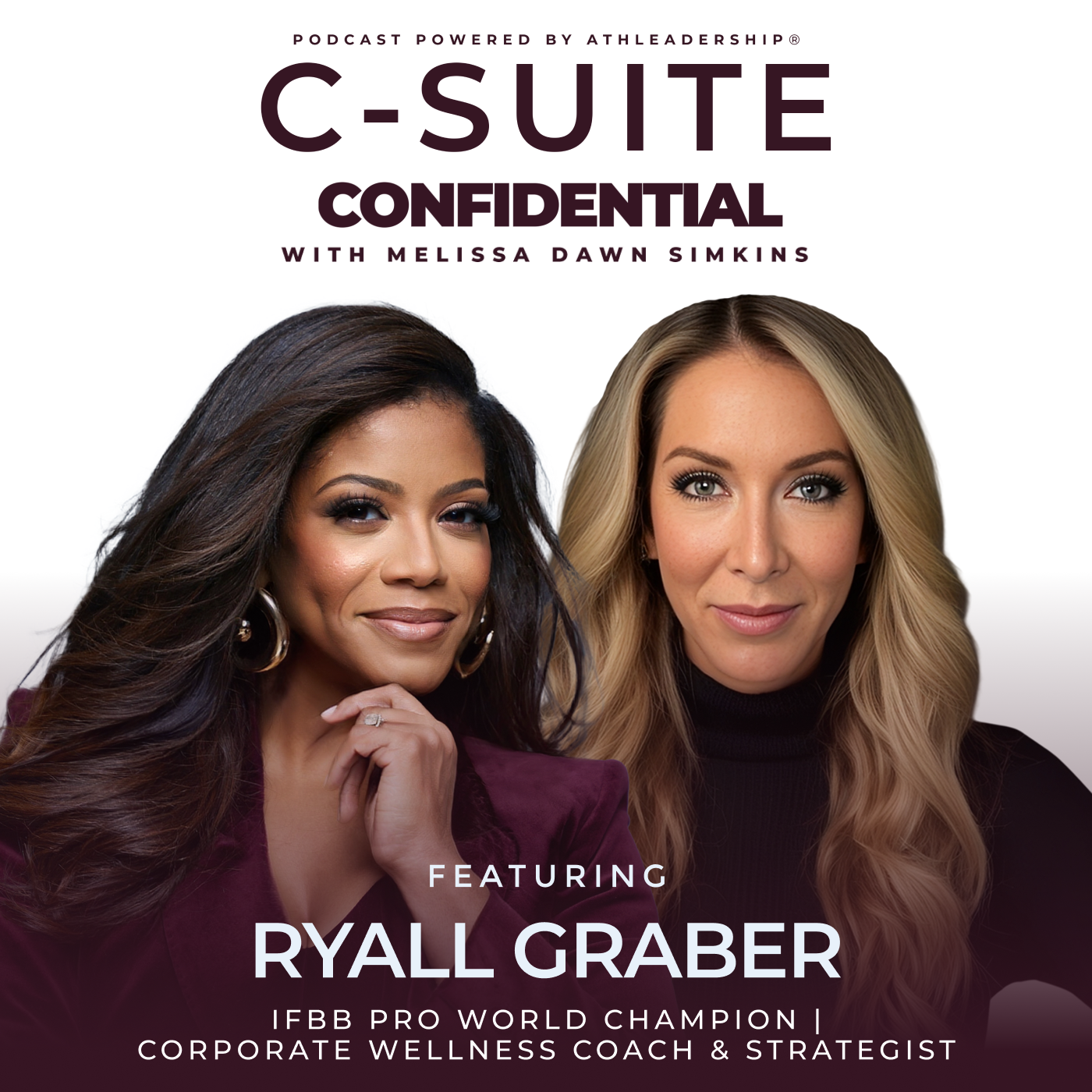 Why High Performers Crash and the Six Pillars That Rebuild Them, with Ryall Graber48 / 100