C-Suite Confidential · 2026-05-20 · 47 min
Key moments - from our scoring
Substance score
28 / 100
Five dimensions, 20 points each
Ryall Graber, a championship fitness competitor and founder of Wellness IQ, shares her recovery journey from burnout, eating disorders, and hormone imbalance - and the six-pillar framework she developed to help leaders rebuild sustainable health. Starting as a dental hygienist in Bermuda, Graber earned her professional fitness status in 2007, competed at the Arnold Sports Festival, and traveled globally with Arnold Schwarzenegger. But behind the magazine covers lay severe binge eating and complete hormonal collapse from unsustainable training and competition cycles. After taking 10 months to heal, she developed her methodology around rest and recuperation, nourishment, movement, mindset, biomarkers (blood work and labs), and calm - which she applies to high-performing executives navigating similar burnout. In this episode, Graber and host Melissa Dawn Simpkins detail how they applied these pillars to Melissa's post-surgery recovery, reframing her relationship with food, understanding hunger cues, stabilizing blood sugar through meal spacing, and shifting from 'diet' thinking to eating for vitality and family presence. The conversation contrasts sustainable wellness practices with fast-fix mentality and weight-loss drugs, grounding recovery in the athlete's mindset: slow progress, daily cumulative effort, and alignment between external achievement and internal health. Leaders managing high stakes, chronic stress, or post-health events will recognize themselves in this framework.
The six pillars are: rest and recuperation (deep recovery beyond sleep), nourishment (for body, mind, and soul), movement (personalized, not punishment-based), mindset (releasing self-limiting beliefs), biomarkers (blood work and lab testing), and calm (inner peace amid pressure).
After hitting rock bottom following years of back-to-back competitions and travel, Graber took 10 months off to heal her relationship with food and body through working with a private chef, holistic practices like breathwork, and shifting her mindset from performance-driven to health-driven - ultimately retiring with Arnold titles while prioritizing sustainability over wins.
Many people confuse hunger with tiredness, stress, or emotion, leading to overeating or poor food choices. Learning to assess hunger on a 1-10 scale - distinguishing real hunger from fatigue or emotional need - allows you to fuel strategically, stabilize blood sugar, and avoid the energy crashes that follow overfilling your stomach.
Strategic meal placement throughout the day with balanced macros, fiber, and whole foods stabilizes glucose and insulin, preventing energy crashes and excessive hunger that leads to binge eating. Overeating or skipping meals causes blood sugar spikes and drops, fatigue, and poor food decisions.
Both involve high stakes, pressure to perform, and risk of burnout when lacking a solid foundation. The athlete approach - incremental daily effort, self-leadership, redefining narrative, and sustainable practice over quick fixes - directly applies to leaders rebuilding health and managing chronic stress.
Our reviewer’s read on each dimension, with quotes from the episode.
The episode is dominated by personal backstory, mutual affirmation, and generic wellness advice (sleep more, eat balanced meals, don't skip meals) that any wellness app would surface. Occasional practical tips like hunger-scale awareness or pre-event protein loading exist but are buried in filler; the density of novel, non-obvious claims per minute is very low for a B2B audience.
obviously the desire to change has to be greater than your desire to stay the same
if you're not getting enough sleep, you're going to want to self sabotage with food
The six-pillar framework (rest, nourishment, movement, mindset, biomarkers, calm) is a standard wellness coaching structure with no novel B2B-specific framing, and the episode recycles well-worn self-help language throughout with no contrarian or first-principles arguments.
you can't outrun your fork
it went from. Okay. These are tasks like, I have to do this to. I get to do this. I want to do this
Ryall Graber has genuine practitioner credibility as a professional competitive athlete with 48 competitions and 9 professional titles, and has coached over 1,000 clients including post-surgery recovery cases; however she is a personal wellness coach, not a B2B operator, making her relevance to the stated leadership audience thin and mostly analogical.
48 professional competitions. Um, massive, massive
I have coached over a thousand, um, high performing humans in my life
There are genuine specifics around the guest's athletic record, named diagnostics (Dutch tests, Oura ring, WHOOP), and one concrete technique (box breathing with exact counts), but virtually no business metrics, published research citations, or named executive client outcomes to support the leadership framing.
we ran Dutch tests, basic health biomarkers
box breathing is beautiful and easy. You know a four count in hold your breath for four counts and breathe out. Four counts
The host is interviewing her own personal wellness coach in what is essentially a mutual testimonial; questions are leading and affirming throughout, the host frequently dominates with her own story, and there is zero pushback or probing on claims, mechanisms, or evidence.
I just wanted to say how impactful that was to hear your real story, and it just drew me closer to wanting to work with you
I love that you talked about the connection, the brain, the gut connection
Computed from the transcript - who did the talking, and the words that came up most.
In this deeply personal conversation, Ryall shares her story about a binge eating disorder that escalated into severe hormone burnout recovery , forcing her off the competitive stage for ten months. Rather than reframe hardship as metaphor, she shows exactly how the pressure systems that drive elite athletic performance. Relentless pushing, suppression of pain signals, and identity tied to achievement mirror the executive burnout patterns she now sees in the C-suite leaders she coaches every day. The stakes look different, but the breakdown is the same. Melissa then turns the lens on her own journey, sharing how she integrated Wellness IQ into her ninety-day recovery plan following major surgery, and what that year-and-a-half process of rebuilding leadership energy actually looked like in practice. Ryall walks through her six core pillars which are rest and recuperation, nourishment, movement, mindset, biomarkers, and calm. She explains why each one is a system, not a suggestion, and why together they form the foundation of genuine executive health and executive performance .
Transcribed and scored by The B2B Podcast Index.
Speaker A: Obviously, the desire to change has to be greater than your desire to stay the same. I have coached over a thousand, um, high performing humans in my life and all of them would say to me, I don't have time. And it's like, how can I will help you make the time? You know, when you really want to change more than stay the same? It's that cumulative effort every day.
Speaker B: Leadership looks powerful from the outside, but behind closed doors, the pressure is real. The decisions are heavy, and most leaders
Speaker C: have nowhere to talk about it.
Speaker B: The boardroom moments that keep you up at night, the decisions that affect thousands of people. The quiet questions many leaders carry, but rarely say out loud. I'm Melissa Dawn Simpkins edtech, founder of athLeadership, CEO of Velvetsuite and the C Suite confidant to leaders performing at their highest level as they navigate pressure and, and change. For more than two decades, I've, uh, built global leadership platforms and advised executives and elite performers across business and sport in high stakes environments. If you're here, you're probably someone people count on. That's why I created C Suite Confidential. Grounded in neuroscience and the elite athletic mindset. Each episode features candid conversations with CEOs, talent, leaders, athletes, high performers who understand both demands and the privilege of leadership. Most leadership conversations focus on strategy. This one focuses on conditioning. If you're leading in the arena and you want to do it with strength, clarity and heart, you are in the right place. This is C Suite Confidential, where leaders come to strengthen the mindset required to perform when it matters most.
Speaker C: We are back, Rael. We had so much to talk about. We weren't able to get it all in the first episode. So this is part two and I am so excited to just dive into what our audience wants to know, which is the how. There's so much, ah, in the, I guess in the atmosphere about just getting to the now like quickly and there's a process. There's a process. As you say, a process. It's the Canadian in me too. The Canadian says the process, uh, but in the process. And I want to break down what we did to actually get outcomes and results. Before we do, um, we want to know a little bit more about your backstory. So maybe tell us about who Raelle is and how she became a, uh, world class champion athlete.
Speaker A: I grew up in Northern Alberta in Canada, in a small town. I was always, um, a sporty kid, I wouldn't say a natural athlete, but, um, had an interest in athletics all the time. When I went overseas, I Was actually a dental hygienist.
Speaker B: Interesting.
Speaker C: Yeah, I guess we have great teeth there.
Speaker A: Oral hygiene. Uh, I moved overseas. I left the cold, always had a dream of living in a warmer climate. And moved, uh, to Bermuda in a role as a dental hygienist and signed up for my first fitness competition.
Speaker C: How old were you?
Speaker A: I, uh, was 29. Okay, 29. 2006. So now you know my age. Um, so just it was my year of moving to a new country and embracing more of an alignment in where I wanted to be in my life, meeting new people. And I embarked on this like quest to get in the best shape of my life. I really had no idea what I was signing up for.
Speaker C: Like, so how did he just said, I want to try this. How did you even find out about this as a profession?
Speaker A: Yeah, I went to a friend of mine. Her husband was competing in Canada before I left and I went to his bodybuilding competition and I saw my sport that I earned my professional status in was fitness. And it's like performance, uh, component. So you have to do a routine. It's like gymnastics on Red Bull. I say, um, and then there is a physique component as well. So the aesthetics but also the performance aspect which really excited background a little bit in gymnastics as a child. And I thought, you know, this is a great. Just a personal quest. And it set the tone for my 2007 year of me. It was like my year of like spreading my wings and stepping into an entirely new. It was like my first real season of bloom and working on my life design. So I enlisted and she just stepped out.
Speaker C: Stepped in, Yes, I all in.
Speaker A: I knew nothing though. Like I hired a coach and hired a dance instructor. Had to learn, relearn gymnastics nutritionist. I, I had some basic interest in understanding of nutrition principles, but not for this level. Um, and I, yeah, went on, learned about the sport like the crazy body, Oompa Loompa spray tan. Right the.
Speaker C: Or all of the things.
Speaker A: I had no idea what I was, what I was getting myself into. But, um, it was amazing. It was such an incredible experience. Like the heart of it. The. I mean, yeah, there was at that point the grind of it, um, holding down a full time like career as well and just right morning, noon and night getting in workouts and learning and um, getting into the best shape of my life. And it actually that very year I earned my professional status, which is not
Speaker C: easy to do by the way.
Speaker A: Well, I think it just was a. Again, like the plan wasn't for that to happen. It was just like, I'm gonna just sign up for this competition and, uh, have a focus. Right. Like we spoke, we speak a lot about goals and having milestones. I'm like, this is gonna be something I really wanted to do just, uh, for myself, a focus. And it ignited this, like, huge fire in my belly. And I realized it was actually more my passion than a dental hygiene. And I left a career in dental hygiene two years later. So I went back to school, finished my degree in Nutri, um, started studying online with personal training and started actually competing in the sport as well as a professional athlete, um, as well. Started my business. I mean, Ryfit International came to life and it was mobile. Uh, I was doing mobile personal training and nutrition coaching in families homes. I started to do a lot of nutrition for families and focus their athletics. Um, and fast forward. I mean, fast forward 15 years later, uh, 48 professional competitions. Um, massive, massive. Um, I traveled the world in 2016 with Arnold, uh, who was. He's always had his Arnold Sports Festival in Columbus, Ohio, of which you won. I did win. Yes, I won. And, um, I went on this world tour with him. And it's where I realized, wow, I've really put my health in the backseat.
Speaker C: Is.
Speaker A: We were selected to travel, uh, to every single continent where he expanded from the US Globally and maintain low body fat levels, uh, maintain intensity with training. We were sleeping in hotels. Um, we had chefs. He treated us phenomenally. It was between those, Right. It was spread out throughout the entire year. Um, I suffered from a severe. My binge eating disorder. Turned from binge eating to severe binge eating. Where so many competitions back to back with the travel, trying to keep up with the food. And, um, I mean, it looked like I was on top of the world.
Speaker C: Yes. Because at that time I was competing my first fitness competition. Seeing you in magazines, right. Watching you, admiring your journey, not knowing the backstory of your personal struggles. I just saw the public, right.
Speaker A: Like what we were sharing and. Yeah, behind all the glitz and the glam.
Speaker C: Right.
Speaker A: And I never shared my story publicly until I retired and then published my book, which the front section of that book is all my story, which ties into my philosophies and then the recipes.
Speaker C: I have to tell you, when we decided to work together, I came back from surgery and I'm in the bed and I open up the book and, uh, you had sent a copy to me and I read your story and I started to cry because I was like, wow, I had no idea. High performing, high functioning executive presence Leader was going through all of this, and, uh, the vulnerability of you to share that really gave me the courage to come out and share my story as well. Yes. Um, and the cookbook is amazing. We'll get to that in a minute. But I just wanted to say how impactful that was to hear your real story, and it just drew me closer to wanting to work with you.
Speaker A: Yeah, there's. There was a lot of. I sat with that for a long time, right? Like, the fear of, like, being really transparent and putting that out there. But I realized so many people, uh, uh, were silently suffering. And this was also part of how I ended up creating my framework for wellness, right. My method and my six core pillars and, um, becoming whole again. Right? Like, I went from the top, like, yeah, magazine covers and Oxygen magazine features and, uh, nine professional titles, like At Dinners with Arnold. And, um, to rock bottom to severe, severe hormone burnout. I mean, on, uh, on every single hormone replacement. I was young. Like, this was not from. This was an induced hormone imbalance from pushing to the. Literally pedal to the metal. Um, injuries. Really painful sports injuries. So now I'm being actually forced to push through pain, like, physical pain. Um, and this eating disorder that I couldn't get control of. Like, it started small, and then with so many competitions, it just turned into this monster, right? Where I just hit this pivotal moment of, like, this is not who I am. Like, you know, I can't get it together and can't stop eating after competition donuts and cookies and all this garbage food, and I'm like, I'm a health nut. Like, this is.
Speaker C: This is not my identity. This is not who I am.
Speaker A: This is not. That was so, um. Like, I just knew this was my moment of change. This has to stop, and no one's gonna be able to, really. I had to figure this out for myself. I had to heal my relationship with food and with myself and find a way. I wasn't quite done. I wanted to retire, and I had my goal to win the Arnold, um, but actually do that myself and heal my relationship with food and not compromise on my health to achieve a performance outcome. So, I mean, I think as a leader, that might sou, like, well, what do we have in, like, where. Where are the similarities there? But there actually are a lot, right? The stakes are high. You're pushing, pushing, pushing, right? You see the rewards, whether that's financial or that's medals and accolades and being seen at the top, but right when you don't have a solid foundation, that. That crumbles. And that for me it was absolutely devastating. I took, that was my, that was my hard stop. I took 10 months off. I healed my, my mind, my m. Body, my soul. My relationship with, with food, which is where the book came from, is finding nourishing, healthy ways to eat that actually improve my health and my vitality and my performance. Um, instead of, of of think about food as just diet. So this huge shift, I worked with a private chef who I still have on my, my team today. Um, also incorporating holistic practices which I never had done before. Like breath work. What is that? Like why would I sit and breathe? I could be training, you know, so, ah, a whole reset. Melissa, like hitting rock bottom was my reset and I'm so grateful for that because I retired with the Arnold US, Arnold Australia titles back to back. Um, a second place at world championships and just the resilience to push through is what it wasn't about the wins. It was about. Right. Showing what's possible and where my framework actually came from, which is now Wellness iq. I get to share that with you and amazing leaders.
Speaker C: Um, I love that you said what's the connection? Because that is really the athleter approach. It's the mindset meets leadership and the leadership is not the title or the position but it's the power to say, I can change this. No one came to you and said, hey Raelle, you need to do something different. Right. You literally had to say I am going to lead myself in a different way.
Speaker A: Yes.
Speaker C: I'm going to take, take the back, take the power back and I'm going to redefine my narrative. And you did that. You totally redefined your narrative and through that wellness IQ was born. And um, when we collided because we want to give our, our audience role some real tangible things, we both are givers, we love to give lots of knowledge and insights. Um, when we collided, I had my own journey on my health journey. And then I Knew in my 90 day plan, we use the 90 day way that I needed to have a coach and a support. So you are on my 90 day plan. We meet, we connect and you connect me with wellness iq. Yeah. Which was part of, which was part of my plan. And here we are today and both of us living in a different space of our life and designing the life that really we believe is what we, what we work so hard for. Totally. How, how did we start the journey and maybe take us back? For those who didn't listen to the first episode, maybe quickly, how did we start the journey and what were some of the first steps that you thought were fundamental to start, Uh, I think
Speaker A: most importantly, it was the vision that you had for your life and me understanding to make sure we were, uh, also a good fit. Coach. Client, client, coach, right? Is, Is. What was the. What was the beyond the goal?
Speaker C: Right?
Speaker A: What was your why? What was your. Your mission in, in stepping into this, this journey? Because that's what it was, um, which allowed me to really understand, right. What we were trying to achieve together and create those tangible. Those tangible outcomes. I work in six core pillars. Uh, rest and recuperation. So recuperation much deeper than just sleep. So proper, deep recuperation. Full, full recovery. Uh, nourishment, which is more than diet or food.
Speaker C: Right?
Speaker A: Nourishment, nourishing body, nourishing mind, nourishing soul. Movement, which is more than fitness, which is not a punishment.
Speaker C: Right?
Speaker A: Which is actually how can you move today in a way that serves you tomorrow, uh, and generates momentum and that's personalized for your age, your goals.
Speaker C: Right.
Speaker A: Um, mindset. We worked so beautifully on.
Speaker C: Right.
Speaker A: Mindset. And me understanding where you were at and where you wanted to go, created that framework for, uh, unleashing self limiting thoughts and beliefs and really tapping into untapped, uh, potential. Uh, uh, your biomarkers, of course. I mean, that was a huge one, right? Uh, looking at all your blood work, your labs, we ran Dutch tests, basic health biomarkers.
Speaker C: So impactful and insightful. I would say to see that.
Speaker A: To see that. Um, and last but not least, the sixth pillar, uh, really cultivating. I call it calm. Right. The name for that pillar for me is calm. And, you know, like Marcus Aurelius style amidst all this chaos is like, right. The peace amongst the pressure. And that you've really cultivated a sense of inner calm no matter what, um, life is throwing your way. So those holistic practices. So we really dove in and I initially did an evaluation of where you were at, what's the vision and where do you want to go? And I met you where you were at. We worked very slowly to go fast, but we have to start with building a, Building a foundation on a personalized level for you with where you were at.
Speaker C: And you have to see yourself there. I mean, I wasn't there. I did not look or feel like I knew I could at the time, right. But I could slowly get a glimpse of what that could look like. But then I was like, okay, reset your expectations. This is a process.
Speaker A: Yes.
Speaker C: This is not overnight. Um, and when I settled into this process of one day at A time, one step at a time. I started to realize that I can enjoy this process. And I started to see changes. But it didn't happen overnight, did it?
Speaker A: Oh, no. That's a. It's huge to shine a spotlight on that. I think the world today, we're just, right. Fast fix, fast fix. And, um, with the introduction of all the weight loss drugs on the market, people are seeing these, like, really fast, fast fixes. And what we did was so healthy in the place of. I mean, again, I come back to sustainability is. We're not thinking about, uh, an event next month. We're thinking about the rest of your life.
Speaker C: Right? Yes. And the why became. I want to be here for my family. I want to feel good about my body. I want to feel like I am clear and able to have the energy to do the things that I know are a part of my purpose. So let's talk about. Because I'm sure the audience is, like, listening. They've heard some of these things before, but I want to talk about them in play, like in practice. Right. So when you think about, um, one of the pillars, what were some of the things that you saw happening in play, like, in real time.
Speaker A: In real time, yeah. Um, I think your food. I'd love to shine a spotlight on that because we really work to, um, we reframed a lot of your thoughts that you had around foods. And also learning your body had just gone through a major surgery, um, to look at introducing foods into your body again that you had feared, Right? Oh, I can't eat that.
Speaker C: And, oh, yeah, I had such anxiety about many different foods. Cause it could cause a flare, it cause a trigger. And then all of a sudden, I'm in the bed for the next two days, and it would come and it would take me off guard. So you really had to help me kind of get out of that trauma of what food can do for me or what it should do for me.
Speaker A: Absolutely. And that was a process too. Right. Is like learning. You have to step into the arena.
Speaker C: Right.
Speaker A: We have to try these things, and we have to see how your body, I mean, you were healing as well. And we were working to improve your gut wellness and optimize gut microbiome and digestion. There were so many things at first to work on, to slowly introduce those foods, to create a, uh, thriving variety for you to be able to eat.
Speaker C: Right.
Speaker A: Whole food color foods, that foods, uh, that nourish foods that harmonize hormones. Right.
Speaker C: And, oh, yeah, that was big middle age. Just doing seeds on my salad. Which, you know, actually became really something I enjoyed and I looked forward to. But it was helping me understand that food can not only fuel me, but it can heal me.
Speaker A: Yeah.
Speaker C: At the same time.
Speaker A: Yes. Yeah. So huge things, foods that perhaps too.
Speaker C: Right.
Speaker A: You think are off limits. Uh, this is a good food or a bad food. And then there's shame around eating a bad food. Now I'm a bad person. And really, when we sit and think about that, and I suffered with that on my own journey as well. I mean, I don't think I ate a banana as an athlete for like 10 years. Because bananas are bad. They're high sugar. What? Right. Like, where did I adopt this? Like, totally avoiding bananas.
Speaker C: Right.
Speaker A: So really equipping you with the basic nutrition principles and understanding.
Speaker C: Right.
Speaker A: And, um, it was beautiful to, to help you step into that space. Um, mastering.
Speaker C: Right.
Speaker A: It wasn't just eating for performance as in the corporate space, but, um, you, you have a beautiful, sparkly little boy that you're raising as well. And to have the energy. And I was mom when we first started together as well. So it resonated deeply with me. Like, I want to show up in a higher place with energy and, um, and have that. So eating for vitality, learning how to space out meals. Right. One.
Speaker C: Oh, that's a big one. Because the other thing that we didn't realize and a lot of us that are actually, you know, we are on the go, we're traveling, we're in meetings. Our schedule can get out of our control in the day is understanding the hunger cues.
Speaker A: Yes.
Speaker C: And teaching about the, the hunger cues and, and how to not wait until you're at 10.
Speaker A: Yeah.
Speaker C: Where you want to like, eat the entire bag of chips. Right. How do you begin to do the hunger cues? Tell us a little bit about it.
Speaker A: Totally. Um, and this is, it's holistic, but it's also very science backed.
Speaker C: Right.
Speaker A: We look at metabolism, uh, and glucose and insulin. Right. And wanting to really stabilize all of that so you're not having these huge spikes in blood sugar and drops where you feel like, I'm not hungry, but my energy is really low. Um, so these are some great tips for you to think about is how you're strategically placing your meals throughout the day to create stable energy levels and not cutting out major food groups.
Speaker C: Right.
Speaker A: Making sure that you're having balanced meals with a lot of fiber. And that's just a really great place to actually, to actually start as well. Um, connecting to yourself. We talk about.
Speaker C: Right.
Speaker A: Am I hungry? Most people. And it's wild. And I had to learn this. This was something that took me a year. And plus more to really sit with myself and learn is hunger and satiety like a scale, right? And if you look at it on a scale of 1 to 10, being able to assess real hunger, like, it sounds easy, but when you really put it into practice, if you've never done it, am I hungry? Am I thirsty? Am I just tired? Am I emotional? Am I stressed?
Speaker C: Yes.
Speaker A: There's.
Speaker C: So one of the things I learned very quickly is not to go to the grocery store after coming back off of a trip or from a flight. When you're tired, you're tired and you don't even realize it's. You're not hungry, you're just tired, you're cranky, you need to go to bed, Right?
Speaker A: So that connection, when you learned that, that's a huge. Having that awareness is knowing what your triggers are when you do disconnect. It happens to all of us, right? We slip and slide. Is just getting curious and asking, why did that happen? Like, how can I do better? I'm not going to beat myself up here. It happened, but I'm also not going to not, uh, acknowledge it.
Speaker C: That's right.
Speaker A: You know, like, what happened? Ah. Uh, I got off this flight, I was exhausted and went grocery shopping. Went grocery shopping for the cookies. That's what happened.
Speaker C: Yeah, but that's, that's. That those are the lessons and that's the practice. That's the process that you're beginning to get into.
Speaker A: Having a meal in the fridge right? When you get home, even if there's something in the freezer that you can pull out, you know, you have. You gotta fuel the Ferrari, right? If you wanna run a Ferrari, we've gotta have the. The fuel always to put in it. And learning too, to stop eating when you're comfortably full. And this is one of the biggest mistakes I see people make is they're talking in a conversation or they're on their phone or they're watching their TV and they're just mindlessly eating is actually like, eat slow, put your fork down, right? And just check in with yourself. Like, the stomach brain connection is so powerful if we learn to actually listen to it. Uh, so oftentimes you're just eating and you're actually full. Where if you overfill your stomach with food, right? It's like overfilling the gas in the gas tank of your car. It spills over, and so that ends up storing body fat. You're also gonna feel exhausted like, you're gonna need a nap after your meal.
Speaker C: So we call that the itis. Yes.
Speaker A: Right. Like, if we can manage blood sugar and also write proper levels of optimal levels of fullness. Um, so there's. I know there's a lot in that, but it's a practice of. Right. Guiding. I guided you through. Let's look at three meals in a shake. Let's look at four meals. Let's look at two. Like, how do you feel best? What's giving you optimal energy and learning how to actually listen.
Speaker C: Right.
Speaker A: And I think, as I see this more in women that I coach is the disconnect of, like, we're just taught to. Right. Maybe some of you remember Weight Watchers, or you're eating for points or you're tracking if you're someone who uses an app. So you're actually just looking at your phone like, oh, I only have 200 calories left today. Like, I'm so hungry. Oh, well, I have to stop. Like, these are really unhealthy ways.
Speaker C: Or finish all the food on your plate.
Speaker A: Right.
Speaker C: You've learned that when you're a kid.
Speaker A: A kid, yeah. Super Wonderful. Right? We shouldn't.
Speaker C: Right.
Speaker A: Or no dessert. If you don't finish your dinner, you're not getting dessert. So now dessert is a reward for me over stuffing myself. These are really, like, we've been conditioned and programmed and hardwired to think this way about food and your. Your relation. Everyone's relationship with their past and their food are so individual. But we worked really beautifully to establish, uh, a really healthy relationship with food, which started with having the knowledge, the understanding, the core principles, but then putting it into play.
Speaker C: Yes.
Speaker A: Right. Like, let's try some things.
Speaker C: And I love that you talked about the connection, the brain, the gut connection, um, the ability to check in with yourself. And that was something else that we integrated. Every week was a check in. And it wasn't just checking in with you. A lot of times you get in these coaching programs, check in with your coach, but part of the habit is checking in with yourself. And I've always been a journaler just to write down what I learned, what I observed, what I was feeling, where am I in my progress? What am I learning? Uh, where did I fall back? And what do I want to do different? That whole reset opportunity. And every Sunday, that was my time, and it still is m. My time to check in with myself. What do you see as a practice that will help leaders begin to have that connection with themselves?
Speaker A: Yeah. I mean, that's how I Do work with my clients is these weekly wellness check ins which is it's a big right for you to learn how to do this and to be instead of accountable to me. My goal isn't to coach you forever, it's to actually spread your wings and be more self accountable. Um, but that's really what it is is having the awareness.
Speaker C: Right.
Speaker A: Is my intention this week is to. I need to get more sleep. I'm going to one hour earlier to bed.
Speaker C: Right.
Speaker A: Hold your. Make the promise, keep the promise. Reevaluate every day. How did you feel when you start to connect? How great your brain, you know, brain fog gone.
Speaker C: Wow.
Speaker A: I was so much more creative calm today. I was able to navigate, uh, show up in a higher way, perform better, feel better. Right. You're more likely to continue to do that. So self evaluation is essential. And don't set 10 goals for yourself, stick with one. One thing where you feel your biggest area to improve on and remember sleep is that we always want to start with sleep because if you're not getting enough sleep, you're going to want to self sabotage with food.
Speaker B: Right.
Speaker A: You're not going to want to move because you're tired. Your mindset, everything else falls down. So it's that core place to really start. So just make that promise to yourself. If it's one hour earlier to start to get to bed, get off the screen. Cold, dark room, wind, uh, down rituals. Right. If journaling is something that resonates with you or guided meditation or prayer, uh, box breathing is beautiful and easy. You know a four count in hold your breath for four counts and breathe out. Four counts helps you. Yeah, it's a strategy uh, you can apply before any sort of potential high pressure situation to create, literally calm your central nervous system just completely calms down. Uh, but before sleep, if you find you're kind of tired and wired, um, these are just some great, some great strategies. There's some amazing wellness tech on the market too. And I think it's great in 2025 to be able to incorporate uh, sauna, uh, grounding mats, pulse, you know, electro pemf, magnetic field, so many red light therapy. But it's not about buying them all. I think it's about really finding something that works for you, um, that helps you, you know, and then reevaluate that. Is it working? Do you need to buy the oura ring and the whoop and the, you don't need to have it all. Like where, where do you need the most support? Um, are you someone who needs data or are you someone who can literally just say, you know what, the journal for me, I know I had a great day today. I don't need the data to tell me. So if you love analytics, definitely the oura ring or the whoop is like,
Speaker C: listen, I love the analytics because I was measuring everything. I was track all of my numbers. Um, but even in that, I had to learn to let my body do its thing. Like, I could not just be so obsessed with the numbers, but the numbers were strong indicators of where I was in the process. Rael, what do you say to people who say that? Just seems like a lot of work. I don't have time for that.
Speaker A: Right. Um, obviously the desire to change has to be greater than your desire to stay the same. So that's something I always ask before I work with someone is how bad do you want this? Like, how bad do you want to change? And if it's not 10, our time is not now. But you know, if you have perhaps right. Like your story, you have to hit rock bottom where this was your now, this was your moment and it was so clear to you. I have coached over a thousand, um, high performing humans in my life and all of them would say to me, I don't have time. And it's like, how can I will help you make the time? You know, when you really want to change more than stay the same, it's that cumulative effort every day, even if that is literally 10 minutes and you don't have time to prepare your meals, well, let's outsource your food. Let's create solutions and strategies to put in play for you so you're going to win.
Speaker C: I think that's a really great point about outsourcing because when you're so busy and you have so many things going on, you think, I can't, I don't have time. But when you step back and really look at, well, what will it cost me if I don't take action and what are some of the things that I can do to outsource? So for example, food prep was critical because if you're moving so fast with your kids, with your spouse, with job requirements and travel, you can't leave that to chance.
Speaker A: Totally.
Speaker C: So like you, we outsourced, but even before we outsourced, we would do Sunday night dinner prep and we would do it together as a family.
Speaker A: Well, in Kingston. Absolutely. Like it's, uh. And also like your family eats healthier as a beautiful side effect of that as well.
Speaker C: Right? Yes.
Speaker A: But I think that's a Beautiful. Question is to say, you know, what is this gonna cost me if I don't. Right. Like, I can't keep going. Can I keep going at this pace? Like, this is an investment in my longevity, you know, living long, but also living well. Like, I think in middle age, where you sit at that place and you think, like, these last years of my life, like, how do you want that to play out? So it's really about finding and creating the space. And on any. On any level, like I said, I can help anyone generate momentum and change their biomarkers in time. Your journey wasn't. We didn't sit together and go, great, this is gonna be the 60 day. No, we knew it was. You know, we looked at. At first, we looked at, I think, a year of looking at, and then it was like, now I want a little more of this, and I've got to practice this and implement this. And it was a year and a half of us working very closely together.
Speaker C: Yes. And creating these practices, you know, And I always say, nobody gets out of this free. You're going to pay one way or the other.
Speaker A: Right?
Speaker C: Everybody's going to pay one way or the other. And it was, um. I think the other part that after I started getting through it, I started celebrating wins. I think that's the other important part. I'd see little progress or I'd see, you know, progress is. Was weight, and it's inches. But it was also. I went to this event, and, you know what? I didn't need to have another glass of wine or I didn't need to have, you know, I didn't emotionally eat or I actually took time to go to sleep instead of staying up all night and then paying for it on Monday morning. So you're celebrating these little wins. And I started to get through the process, and I said, you know, I want to celebrate this big. And I said, right, I'm gonna do a photo shoot to celebrate this m. And you remember that? Yeah. You remember that?
Speaker A: Oh, yeah. Oh, yeah.
Speaker C: It was, um. But. But the point here is, like, finding ways to celebrate you and. And putting yourself back in the driver's seat and recognizing that's something to be celebrated.
Speaker A: Absolutely. The small victories are what's creating all of your momentum moving forward and setting those milestones and celebrating along the way and in life, you know, I don't think we celebrate in general enough. It's like, onto the next thing, or I'm not there yet, but my big vision is this. It's like. But let's look at where you started and where you're at again. Process and um, journey over. So result driven.
Speaker C: Right.
Speaker A: Is like the learning and application and implementation really takes time.
Speaker C: Right.
Speaker A: It takes you being in real life. Practice in different situations. High stress situations, vacation with your family.
Speaker C: Oh, yeah, it's great when it's controlled environment. Right. And that's what I think is different about leadership today. It's, we, we've learned it through a class or a skill or an experience, but that's in a controlled environment. Now you go into real life. Yes. And things are turned upside down. It's different. You don't have the levers you had before. And it's like, okay, well how do I navigate this?
Speaker A: This?
Speaker C: You go back to your toolkit. You go back to being resilient. You go back to creating that alignment. You go back to your well being. Yeah, um, yeah, those are, those, those are the, the conditioning that you've built over time. What, what would you say to someone who is listening in saying, well, where do I start? This all sounds good, but where do I start?
Speaker A: Yeah, I, I think, you know, in sharing my, my six core pillars of wellness is to sit with that and look at where you feel, uh, you have your greatest obstacle. Like, where are you struggling the most? And to really start there. And I do shine a spotlight on sleep because most of the world is not sleeping enough or having quality sleep. Um, your outcomes will be 10x if you can really optimize your sleep hygiene and just start, literally just starting there. Um, but if you're someone who's got that mastered. I love an. And I've said this so many times, but you can't outrun your fork.
Speaker C: Right.
Speaker A: So I love when I have a new client and they're like, I can't wait, right. This professional athlete. I can't wait to get my training program and I want to kick my butt. And it's actually, we're going to actually start with sleep and we're going to then move into nourishment. And look at, you can't outrun, uh, your fork. So if you don't have a foundation for how you're nourishing your body, again, the outcomes and the results aren't there.
Speaker C: And I'll say this too, it may not be that you're eating all the bad things, maybe just not eating at all. Many of us, we just, at the end of the day, oh, I had one meal, I didn't get to it. I'm not gonna eat anything today. I just, I'm too tired and that's. Isn't that just as bad?
Speaker A: Oh, absolutely. Absolutely. And I mean, you can see that in blood work. I mean, cholesterol is impacted by that as well. Maybe you're only eating one meal a day, but you're running on fumes. And, uh, cortisol is impacted there too, as. So it's really like. It's really. How can you just move the needle a little bit? So this is just a small shift. Right. Is like, if you're someone who never has breakfast, is just start with a balanced, small breakfast and then reevaluate. How did I feel? Wow. Like, yeah, I was actually had a lot more energy, was clearer. Uh, again, better performance. Right. Able to regulate emotions better. Like, these are real, tangible outcomes of. Of optimal fueling. And then looking at meal frequency as well. If you're like, there's no way I can eat, I'm back to. Back to back then.
Speaker C: Right.
Speaker A: Little portable blender or pre blend. Uh, a meal replacement blend shake.
Speaker C: I got that portable blender. Goes with me everywhere. Actually, one time I was traveling out of D.C. and I'd been having in my bag the whole time, and then they wanted to confiscate. I said, no, I will go take my bag back. I am not throwing away this blender because I love it. I mean, it's like, it's my lifeline when I'm traveling because it allows me to keep eating and fueling and getting the protein in. Right. Which is really important.
Speaker A: Yeah, you did. You did so well. Did you feel, as we worked together longer, that you felt more empowered to stay on track?
Speaker C: Right.
Speaker A: Like we talked about, when you're traveling, you're kind of. Maybe you're like riding the horse and then you're kind of side saddle, but you never fall off and get bucked off and drug behind the horse. But where you can just do this?
Speaker C: Oh, yes. Like, even learning. One of the hacks I loved that I still do is just the protein shake before going to a social setting or an outing, like, never going extremely hung. Uh, because I'm already pretty much good. Like, I will eat, but I don't have to overeat because I've prepared myself for that moment. The moment before the moment. Right?
Speaker A: Oh, my gosh, yes. So see, imagine if you had been in the gym for two hours and only had one meal, and then you went. You were so you focused on the gym. You got this amazing workout, but you hadn't thought about your nutrition. And then you go to that dinner and you're ravenous.
Speaker B: Oh, yes.
Speaker A: So the amount of. Of calories. Now your body, it's science, right? Your body is gonna. Now you're really hungry. All those calories you burnt that you were so proud of, it's. It's wiped out, right? Yeah, it's wiped out. So we work really, we worked really slowly to like, you know, learn your. A beautiful framework for you with meals and also your lifestyle. And like we said, we outsourcing and traveling and. And travel Fit kit portable protein powders, but in individual packages, not big traveling, uh, with powders and, you know, mess. And how can we do this?
Speaker C: Little pill boxes for your supplements and having them by my bed or at night. So they're just a part of the flow of your day. So it doesn't have to feel like, oh, gosh, I gotta go downstairs and get my vitamins. You know, it's just putting it in places and finding ways to make it a, uh, practice. Just a way that you do life.
Speaker A: And did it make you tell me this? Did it make you feel so good about yourself, like, taking care of yourself versus, like, oh, I have to do this, I have to do all this work.
Speaker C: It became what I needed because I felt better. It wasn't just that I was doing better. Like, I could feel myself feeling better and I was like, this feels great. I have more energy, I have. My mind is clearer. I'm sleeping better, I'm happier, my clothes fit better. I have more quality of life. Like, all of these things start to come into play and then. Then the creativity kicks in. So you're now able to operate not from stress, but like, I'm creating something. I'm recreating myself. What else can I go recreate?
Speaker A: Oh, my gosh. Yeah. Stepping into your highest place.
Speaker C: Oh, yes.
Speaker A: So this is huge, right? This is the shift. The shift where it went from. Okay. These are tasks like, I have to do this to. I get to do this. I want to do this. This feels so good. I'm so connected to how good I feel in doing this. This is now instead of habits or stacking habits, we're creating nourishing rituals that serve us in a higher way.
Speaker C: There are still times that you struggle. Like I bought. I had. I had a beautiful morning routine. My m. Evening routine was always the struggle. But even the fact that I had a morning and evening routine, um, helped me to come be grounded between the days. Start in the end, right? It was a beautiful way to come back home. Literally come back home to yourself. And, um, I think it's so powerful because High performing people are. Uh, there's so much that's demanded of you. Your time, your attention, your decision making. And it gets exhausting. And there's very few people who are coming knocking at your door saying, hey, what do you need today? How can I help you? Uh, how can I make you feel better? How can I take care of you today? Do you need some extra sleep? Nobody's coming to do that. So please. So it's like, okay, don't get mad about it. Just take the time to make that a priority for yourself.
Speaker A: Absolutely. And celebrate how good that feels. Your movement as well.
Speaker C: Right.
Speaker A: From your past background in athletics to now transitioning out of, uh, a major.
Speaker C: Right.
Speaker A: Hysterectomy, major surgery. Like, how does this look? And building momentum there.
Speaker C: Right.
Speaker A: Your first walk and the confidence and reframing what the win is not like, well, that was. Wasn't a great workout or I need an hour today. It's like, let's look at what time you can create and let's find a beautiful, diverse portfolio of movement that's gonna serve your hormones, your energy.
Speaker C: Right.
Speaker A: An hour of exercise at that point for you would have made you tired. It's not gonna energize you. Let's get you in sun and nature.
Speaker C: Right.
Speaker A: The neurohack of. And vitamin D. That dopamine kick.
Speaker C: Right.
Speaker A: You like. What kind. What kinds of things do you. How do you love to move? If you're someone who loves to D Is like, get you moving in a way that, um, creates joy or community. Maybe it's looking at group classes or having a gym or a connection with other people where movement isn't. The punishment is like, wow. This is such a different level of like, okay. This goal focused outcome is where. Yeah. Training can become. And exercise can be a punishment and it never should be. I mean, look at your. Your confidence, Melissa. I mean, could you speak to that? And what you unveiled on your journey.
Speaker C: The outcome was that I did a, uh, photo shoot that I was very proud of because it really was the rebirthing of me. The reality was I didn't get to that confidence until I really stepped back and watched myself do hard things. And the hardest thing, Ry, was to let go.
Speaker A: Yeah.
Speaker C: I think a lot of times when we are high performers, we don't realize how. How hard we're holding on. Wow. Whether it's to our reputation, whether it's to, um, our desire and it's not gonna happen the way we thought it would be, whether it's the, uh, what other people think, there's things that are driven by fear and we are performing out of fear. And so when we step back and let that go and it gives you the freedom to start to design something different and know that it could be more beautiful than what you had before.
Speaker A: That's powerful, right? Yeah. Your ability to, you had to be with yourself to actually have that awareness and uncover and unveil that. The being, just being and not doing right. So much performance based, driven action. Just be and just sit with yourself. And those are the hearts hard questions. I mean I always admired your ability to connect and be vulnerable as well. Like if you want to grow and you want to be a better leader
Speaker C: or a better person, that's been conditioned, that's not my natural. But I've realized that's the way that I can become my best. But I can also replicate, uh, what has worked well for me. And if it helps anyone else, I coach and develop high performing, influential leaders all around the world. And I know I'm that confidant for them. Right. And I want to be able to give them safe space to have that conversation. That's what this whole podcast is about. It's about creating real talk that you can't find anywhere else. So, uh, I'm going first today and you are the first on our, in our, in our show. And I just want to thank you so much, um, for not just being on this show but for being a pillar in my life. I am so grateful for our friendship. I'm grateful for your, um, wisdom, your expertise and that you, you are a part of this new movement. Um, as an athleter, I'm so excited what we're about to do together. Tell everybody how they can get to know you and connect with you.
Speaker A: Yes. Well, I'm an athlete or pro and that's right. Stay tuned for this. Um, absolutely. You can find me on rylegraeber.com our Instagram, Ryle Wellness. And I'm on LinkedIn as well.
Speaker C: So more to come. Thank you so much for being on the podcast today.
Speaker A: What an honor.
Speaker C: Thanks for joining us on C Suite Confidential. Every episode is designed to help you condition your leadership for pressure, performance and long term impact. If today's conversation resonated, be sure to subscribe on your preferred podcast platform so you never miss an episode. For more insights on athletership where elite athletic mindset meets next level leadership conditioning, visit athletershiparena. Com. Until next time. Remember, leaders aren't born, they're built. You've got this.
Other episodes covering the same guests and topics, from across The B2B Podcast Index.
 What’s Holding Back Women’s Health?Biology Matters · on Biomarkers81 / 100
 How to Repair and Nourish Your Gut | Dr. Giulia EndersThe Knowledge Project · on gut microbiome70 / 100
 The Truth About Testosterone Collapse | Peak Launch Founder Dr. Tracy GapinBoundary Breakers · on gut microbiome70 / 100
 Marcus Gners (Lifesum): The future of health and wellnessLevels Podcast · on Biomarkers69 / 100
 Inside the Physician Decisions That Make Oncology Trials Safer & SmarterLife Science Success · on Biomarkers54 / 100
 The Science of Inner Certainty: Leading Through Chaos with Amir Glogau75 / 100
 Rest, Resilience, and the Science of Sustainable Success with Khalia Collier82 / 100
 The Leader's Brain Under Pressure: The Neuroscience of Leadership Conditioning with Dr. Michael Platt60 / 100
 The Career Move Most Leaders Are Afraid to Make with LaChina Robinson59 / 100
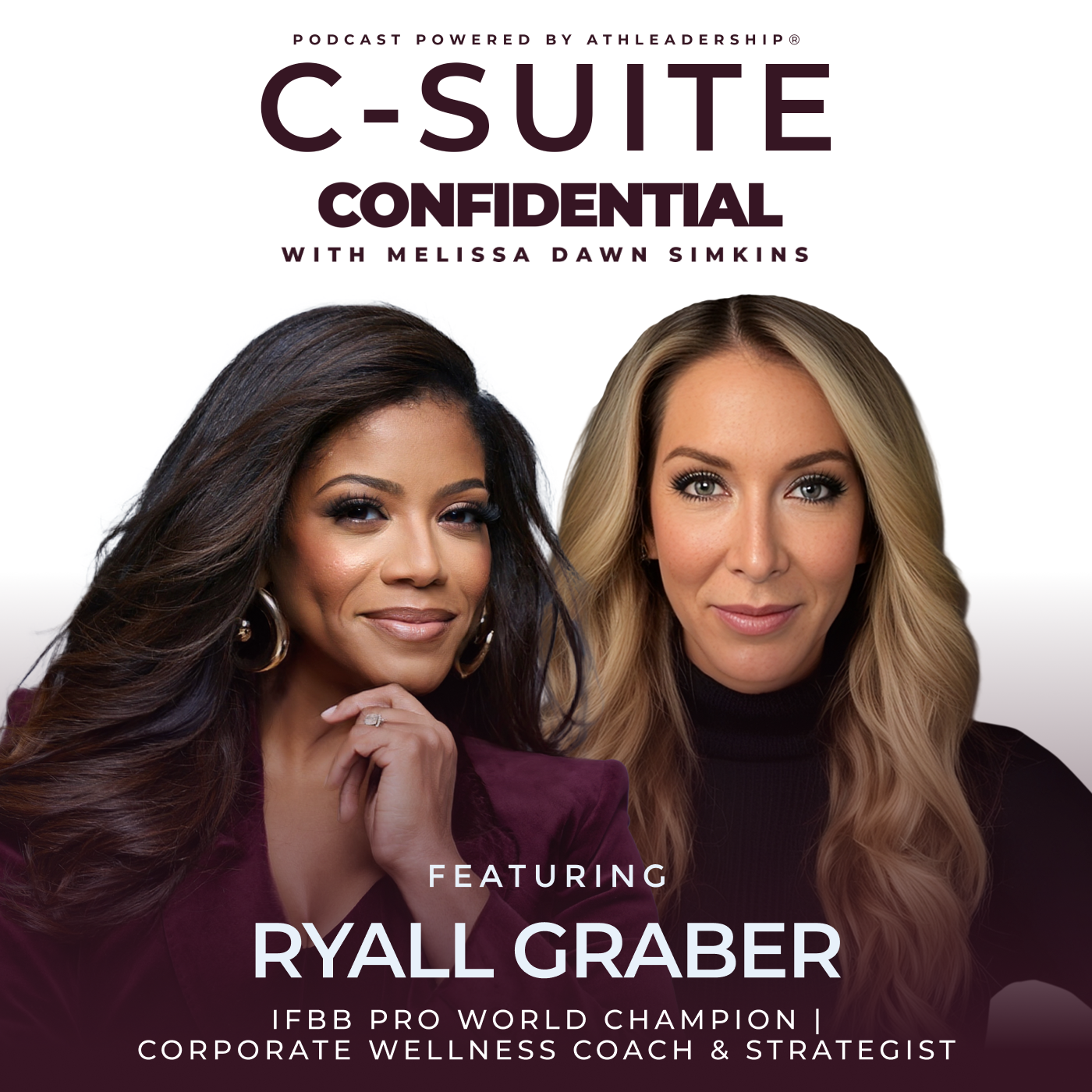 The Secret To Sustainable Leadership (Our Founder’s Story)42 / 100