
Ask Ashley · 2026-05-01 · 24 min
Key moments - from our scoring
Substance score
44 / 100
Five dimensions, 20 points each
Jenilee Angeles-Pasco brings two decades of experience building HR functions from the ground up at multiple startups and growth-stage companies including post-production studios in Hollywood, biotech firms, advertising agencies, crypto gaming companies, and most recently Runpod. Her journey - shaped by immigrant parents who worked multiple jobs while maintaining family presence - informs her philosophy that HR's primary role is creating psychological safety and supporting employee experiences holistically. At Runpod, she's implemented intentionally proactive policies rather than reactive fixes: 90% premium coverage for employees and dependents, health and wellness stipends, training and development budgets, summer Fridays, and company-wide winter holiday breaks designed to eliminate "return guilt." She challenges the notion of "culture fit," advocating instead for "culture addition," where diverse perspectives strengthen teams. As a mother of a six- and two-year-old working in a fast-paced startup, Angeles-Pasco models radical honesty about the impossibility of having it all - she works evenings after bedtime and acknowledges self-care is secondary to priorities. Her leadership emphasizes empathy as the core soft skill, positioning HR as employees' safe space rather than enforcement arm.
Runpod uses intentional proactive policies including health and wellness stipends, training and development budgets, summer Fridays, and company-wide winter holiday breaks where everyone takes time off simultaneously - eliminating the guilt of leaving work behind.
Culture fit means hiring people who conform to existing company norms; culture addition means hiring people with different backgrounds and perspectives who add value precisely because they think differently, which is more sustainable at startups.
Angeles-Pasco works mornings for meetings and school drop-offs, then resumes work after 8 p.m. when children are asleep; she emphasizes this requires employer flexibility and trade-offs - not perfect self-care or balanced time.
Creating psychological safety where employees feel comfortable raising issues without fear of retaliation, combined with proactive policies that demonstrate the company supports their wellbeing before crises occur.
It prompted Angeles-Pasco to formalize HR at her post-production company to ensure women had a safe space, educate all employees on harassment policies, and implement unbiased hiring and retention practices.
Our reviewer’s read on each dimension, with quotes from the episode.
The episode contains some practical HR insights about proactive employee retention strategies and scaling challenges, but much of the content is anecdotal narrative and general platitudes about empathy and work-life balance. Claims like 'empathy goes such a long way' and advice to check in with employees are standard HR wisdom rather than novel, non-obvious insights. The discussion of intentional hiring ('culture addition vs. fit') offers modest value but lacks depth or surprising findings.
we're being more proactive than reactive we don't want our employees to get to the point where they come to me and they're like oh I'm so burnt out
it should be an addition cause everybody is different right you're not gonna try to fit into a mold
The episode recycles familiar HR talking points - flexible work, diversity and inclusion, employee wellness, proactive vs. reactive management - without fresh perspective or contrarian thinking. The 'culture addition' framing is a minor variation on culture fit discourse. There is no first-principles thinking or counterintuitive argument; most claims reflect conventional HR best practice. The work-life balance narrative itself is a well-worn podcast genre.
it should be an addition cause everybody is different right you're not gonna try to fit into a mold
I'm here to support you in your entire employee experience
Jenilee Angeles Pasco is a Director of Operations at Runpod with meaningful practitioner experience building HR functions at multiple early-stage companies (post-production, biotech, crypto gaming, startups). She has genuine operational scale experience and has been first HR hire at multiple organizations. However, she is not a widely recognized industry figure, and her company (Runpod) is not a household name, limiting the caliber relative to top-tier operators who have scaled to major exits or well-known enterprises.
I'm currently the director of operations at Runpod
being the first HR person at all these companies
The episode includes some concrete details (90% insurance premium coverage, dependent benefits addition, summer Fridays, winter breaks) and specific company names (Runpod, biotech, post-production firm), but largely avoids quantifiable metrics on impact. Claims about retention, scaling success, and burnout reduction are stated without data, timelines, or comparative benchmarks. The guest rarely cites specific examples, employee counts, or measurable outcomes to substantiate claims about effectiveness.
we started off with paying I think it was 100% towards employees for their premiums but nothing for the dependents
now we've come to the point where we're paying 90% for premiums and we've added dependents
The host Ashley Russo asks reasonable opening questions but rarely probes deeply or challenges claims. Follow-ups are supportive rather than sharp - she validates Jenilee's answers and rarely pushes back or dig into contradictions (e.g., Jenilee admits not following her own self-care advice, but Ashley simply compliments her 'realness' rather than exploring why). The conversation is warm but lacks the tension and skeptical questioning that would elevate substance. No productive disagreement or tough follow-ups occur.
I really appreciate and I think our listeners will as well that you didn't just tell us you took 3 hours to meditate
sounds like you're really working to cultivate emotional and psychological safety
Computed from the transcript - who did the talking, and the words that came up most.
In this episode of *Ask Ashley*, host Ashley Russo sits down with Jenilee Angeles-Pasco, the Director of Operations at Runpod, Inc., to explore the intricate balance between work and family life. Jenilee shares her inspiring journey from Hollywood to HR, where she has been a pioneering force in shaping organizational culture and employee well-being. With a background that spans various industries, including biotech and entertainment, she emphasizes the importance of being the first HR hire in establishing foundational practices that support diverse employees. Jenilee opens up about her upbringing as an immigrant and how it has influenced her perspective on work and motherhood. She discusses the challenges of being a working mom, the realness of juggling responsibilities, and the importance of flexibility in the workplace. Throughout the conversation, Jenilee highlights the need for empathy in leadership and the proactive measures her company takes to create a supportive environment for all employees.
Transcribed and scored by The B2B Podcast Index.
welcome to ask Ashley the podcast where we shine a light on the unsung heroes of the workplace I'm your host Ashley Russo financial AI board member thought leader and wealth management advisor each week we sit down with inspiring leaders exploring their journeys motivations and the real challenges they face from job insecurity to the evolving role of AI in a world where many feel overlooked these guests are building hope and connection for their colleagues join us as we uncover their stories and discover how they're making a difference one conversation at a time well I'd love to start with you just giving an introduction of yourself obviously your personal accomplishments give us an overview of you yes so hi I'm Jenilee Angeles Pasco and I am currently the director of operations at Runpod and um yes so on top of that I'm a mom of two children I have a six year old and a two year old and so my life is just a lot love my career love being a mom and just trying to balance everything just a few things on your plate right um I'd love to start with your career journey so your early days um all the way up to your current position and leadership give us an overview of that yeah so I started in HR about 10 years ago when I well actually more than 10 years ago so I started off in post production in Hollywood and it was really interesting in that we've never had an HR person a lot of it was going through our operations manager but I went to my boss one day and I was like hey you know I think as we're growing we do need an HR person here to make sure that we're you know recruiting the right people the right talent uh things you know there's compliance issues and there's like making sure that our employees are supported and um so yeah that's where my HR journey started I went there um was there for about 5 years then got furloughed during um Covid started working for a biotech company which I was also the first HR hire um which was a different animal than I was than it was at the post production company this was more buttoned up more formal so I did work a lot with um scientists which is also another um a very different um animal from working with entertainment in Hollywood and um I was their first HR manager after that I worked at another company it was an advertising company in LA also as their first HR hire so you can kind of see where my trajectory is being the first HR person at all these companies and I worked for a crypto gaming company which was I was also the first HR hire and now I'm still the first HR hire at Runpod so that's kind of been my journey of building HR foundations at these organizations so I'm curious going back um you were obviously around I believe the time you would line up for the Me Too movement in Hollywood uh huh curious how that impacted your world your decisions um if that influenced how you lead now I'm curious about that yes so you know I'm a staunch women supporter basically one of the reasons I did ask my manager at that time to be um to move into HR was because I felt like the women we only had three women out of um I think it was almost like 25 employees um I wanted to make sure that women had a safe space and also to be able to retain and attract you know different people than um the the ha uh employees we've had at that time so it was basically making sure that I was supporting the women and also educating our employees on like you know safety policies and the Me Too movement was huge in Hollywood at that time so I felt like I wanted to make sure that I supported not just the women but also making sure that we did educate like the entire workplace on like what constitutes as harassment or just like hiring policies and and um you know not having any bias in the workplace um but it was it was a very interesting time and making sure that our employees were were they knew what was going on and and how we can make it a better workplace for whoever we wanted to retain and attract since what I'm curious in terms of your upbringing so most people have the awareness and care to you know you know guide other people through their journeys and make sure they feel supported and in any which way usually comes from our own awareness in our own lives so I'm curious how did your upbringing influence just your viewpoint in the world yeah so I mean I'm an immigrant uh with my parents we came to America back in like the 90 I mean the late 80s and so my parents you know my dad was an architect in the Philippines and my mom was an accountant but when we got to America obviously they weren't that anymore and so they had to kind of start from scratch um and they worked hard they worked two jobs each they basically figured out a way to take care of me and my brother they'll put us in good schools made sure that we you know had the right education um and you know I just saw them working so hard to make sure that we had a great life here and to make sure that we weren't um you know without so they they um the way that they did things was they made sure that they still you know showed up to our school events school activities my mom never missed it uh we still had the homemade meals we never had nannies they figured out a way to like fit their schedule with our school schedule made sure to help us with our homework and really support us and and so I feel that my upbringing really shaped who I am today as a mom and you know seeing my mom work and and still do so well as a mother who was supporting her children and we never really had gaps in that um it I think it really shaped my life now and how I see my career and being a mom and so I'm start I'm also trying to juggle it all and making sure that I have that career have my own you know life in outside of my children but also being a very present and and supportive mom to them I'm curious on the being a working mom and you know obviously in a leadership position how do you in reality balance it all are there self care routines you make sure you have in place I mean how do you have such a full plate I honestly I'm like the worst I I as HR you know I'm always telling employees like hey take the time off and relax and make sure that you know you're spending time with your family and you know finding benefits and all of that stuff to make sure that we're we're supporting our employees but I think for me I'm like the worst person to actually follow my own rules or my own recommendations and suggestions because I honestly don't know that there's enough hours in the day um but I think seeing my mom do it all it just kind of challenges me to be able to do the same thing for me and for myself and my children self care is out the window I mean like I'm sure you know as a mom too it's like the little bit of time you get to have for yourself is just like also thinking about doctor's appointments dental appointments like school activities like what's coming up on the calendar what meals I need to make um how can I maximize those meals for the week and you know helping with homework and and just even being able to read them their bedtime stories and and doing their bedtime routines with them and then after I put them to bed it's like OK now I still have to work and I think it's it's great that Runpod does provide that flexibility of remote work because I'll take all my meetings in the mornings and then I'll you know do my drop offs and my pickups for my kids in school but then after they go to bed at 8:00 I do work again and but it's also being able to work at a company that helps you have that balance I think that's so important and I think employers regardless if you're going in office or you're working remotely provide you that sort of flexibility I think it goes a long way um especially for working parents I really appreciate and I think our listeners will as well that you didn't just tell us you took 3 hours to meditate and you made a fresh pressed juice smoothie and then you had you know three hours to do your hair um I appreciate the realness of what you just said and I think many others will too but the reality is to have it all means that you're not necessarily you don't necessarily have it all meaning you don't have all that extra time but if it's important you right the family life and the work life and you make it work so I appreciate that very honest real response I think we all need to hear that more often thank you um I wanna go into uh into companies you had mentioned that so you know how do you balance the need in this moment in time where obviously it's a very polarized you know social environment how do you balance the diversity and inclusion aspect of it the feeling of belonging how are you addressing that so at my company we're very um so the way that we attract and retain our talents everybody's from different walks of life I think we provide a very safe space especially um with knowing and understanding that not everybody is the same person not everybody thinks the way you think right and I think Ron Paul does such a great job of just like welcoming and keeping that support for every employee um I feel like as HR you know you people are always like oh it's HR they hire and fire you and you know they're not they're not your friend and I hear that everywhere but for me it's not I'm not trying to be your friend and I'm not trying to you know um but I'm also I'm flattered that you think I have that that much power at this company but I'm here to support you in your entire employee experience I am not only here to see you when you get hired and I'm not only here to see you when you're exiting out of the company I wanna make sure that you're supported that you feel welcome that you have all the resources and that's why it's called human resources right not because I'm the principal of the school or I'm the fun police I'm here to make sure that your your experience is good good and you feel advocated for make sense and it's we should acknowledge it's a fast paced setting right in a startup it is and yes challenges that obviously come into play so how do you navigate that when you're existing in a lightning speed type of environment yeah it's different hats for everybody you know and I think that's that's the challenging but also amazing part of being a part of being in a startup is that like I think everybody knows and has the same mindset of like we're all working towards the same goals and towards the same um we have the same kind of ambition and the same kind of drive and when you all when you all have that you're more willing to be supportive and you're more willing to help each other out so for me in HR I do wear different hats but I don't want anybody to feel like they can never come to me or or feel like I'm so far removed from what's going on in the company that it's like they don't feel welcome by me I am always making sure that they are supported and advocated for and we do that by you know like even just benefits that we offer or like the stipends that we offer those things are all for the employees making sure that they they use it so it's for their health and wellness for their training and development like our our time off you know which is we have summer Fridays we have the winter break those things are to make sure that our employees don't burn out so we do try to make sure I keep thinking saying make sure a lot but like we do try to ensure that employees feel that they are being supported the whole time sounds like you're really working to cultivate emotional and psychological safety and you're almost trying to get ahead of a potential issue right of burnout that's a that's a great one fast paced environment you're almost anticipating a problem that might happen and you're prepared by having these benefits in place would you say that's true which is an interesting approach it's a progressive rate approach right getting ahead of the problem and then what happens if that fails so if an employee comes to you and is just mentally burnt out or having a challenge how do you address that so this is the reason why we do have the things that we do have in place is because Runpod is very intentional in not being reactive we're trying to be more proactive especially with the benefits and perks we do put out there um any policies really that come from HR have to go through leadership and making sure that we're not just on a soapbox or a platform of like hey this is what we wanna do because we're trying to um be like the best startup you know but we're trying to do this because we all we can see why a lot of startups fail or why a lot of people leave companies is because these are not in place and so when we when I say that we're being more proactive than reactive we don't want our employees to get to the point where they come to me and they're like oh I'm so burnt out we did initially have that and that you know employees are like you know I feel like I'm not taking enough time off or you know I feel like the company is not supporting us in this way and that's the reason we have those health and wellness stipends those training and development stipends our summer Fridays our winter holiday break is because employees tend to feel more supported when the entire company takes a time off so yes we do have flexible benefits or we have flexible time off but when a person leaves for their PTO they're gonna come back to more work right and sometimes it's like I'd rather not take the time off because I don't want to come back to more work so when the company does intentional things like a winter holiday break where the entire company takes time off then they feel like oh everybody's taking off the guilt is not there and I think these are very intentional policies that we do have to to help employees lessen that burden of guilt so question on that obviously as you guys have scaled right which is an impressive thing to do right with with the large employee size you have and that that sort of situation so has has there been anything that's been very surprising to you with scaling or has it been so intentional that there hasn't been a ton of surprises and it's really been quite sustainable um it's been both so you know there's growing pains at any startup I think you know you scale too fast or you scale too slow and you know money is money it's gonna go it's you have to make sure that you're doing a good job of retaining your talent and attracting even more talent that's going to be a valuable part of how you how fast you're scaling and I think we've not had that problem actually at Runpod every hire is very intentional we wanna make sure that you're not only a culture fit but you're a culture addition and I think that's a lot of companies are always like oh what if they're a culture fit or what if they're not a culture fit but it shouldn't be a fit it should be an addition cause everybody is different right you're not gonna try to fit into a mold you're trying to be a valuable addition to a company so Runpod's been very intentional with that um and so I think we do a good job of hiring the right people for the right roles so that that makes sense I'm curious personally have you experienced any moment of self doubt or challenge that you know you turned around and turn into personal growth is has there anything that that's you know affected you on that level yeah I mean I think HR you have like a an invisible load of everybody else's issues and problems and I try obviously not to let that get to me personally but it does you know it affects me every time I do a termination or or or I have to talk to an employee about an issue I that's when being human is the most important is having that empathy having that being able to relate and making sure that they have a safe space I think a lot of people think that with HR it's like um oh I'm gonna get in trouble I'm not gonna go to them because I feel like if I say something I'm gonna I'm gonna get in trouble with my manager and they're gonna tell on me uh for me I I do make sure that I'm intentionally giving them a safe space I'm always telling them like do you want me to document this or is this something that you feel comfortable with me documenting obviously if it's a more serious um uh issue of course I'm documenting it because that's just the policy for it but I'm also basically their therapist their confident their um advisor you know it can be anything from benefits to like family problems to like hey you know what like how come we don't have this policy in place and I do take everyone's suggestions um and I do bring it up to leadership because I wanna let them know that I'm actually actioning on it and not just writing things down and telling them like yeah you'll hear from me you know in a couple of weeks you know I I always let them know that I'm gonna let leadership know so we can actually improve on things uh and I and I always tell people this at work um if you don't let me know what's going on then I can't do anything to improve it yeah that's fair I'm curious has it ever backfired not everybody's going to be happy right like I think I Learned that the hard way in HR where it's just like I try not to let it get to me where it's like people aren't gonna always be happy no matter what company I worked at there's always going to be somebody who's like not happy with whatever policies put out there or it's not enough or it's too much or you know it's like that the Goldilocks porridge like it's never the right temperature what you do as HR is how you support them I I think that's how I I respond with that it's like like let's say for example um at Runpod our benefits were very not as robust as they are now so we started off with paying I think it was 100% towards employees for their premiums but nothing for the dependents and so when I came in I was like hey you know I I get that we have like this kind of team right now but as we grow we're going to be attracting people from with different ages different like groups and how are we going to support that scale and so now we've come to the point where we're paying 90% for premiums and we've added dependents and we're doing that for both employees and dependents and 90% for a small startup is pretty good because not everybody offers that and so we are very intentional with supporting employees and their families and and now that's showing and people are very happy about it you know they weren't happy about it before because dependents weren't part of it but now that dependents are part of it and we're paying so much towards premiums or towards uh employees and dependents they're very happy and um it's things like that that it's like it doesn't have to be robust right away but if you're if they're seeing you work towards something and they're seeing improvements I think it's honestly a win for HR like anything and HR doesn't get a lot of wins if that makes sense um you know you're not going out there going like oh Jenna Lee did a great job of like terminating this many people like let's applaud her you're not gonna get that kind of of recognition or or oh my gosh like generally put a policy out there you HR doesn't get that kind of applause the way an engineer would or a product manager would or you know because you don't see the visible work you only see it like I guess you see the work when people are actually happy and you're not getting as many complaints and that's where you kind of see HR winning that makes sense so my question on that is as as a leader in the space what would you consider to be the most important soft skills to have um in my space in HR I think it's empathy empathy goes such a long way you don't have to be people's best friends but I think they need to feel that you can get to their level and make sure that you're telling them that you're their safe space you're you're there to support them you might not have all the answers and I I think that's that's kind of the problem is they expect you to have the answers and you might not have all of it but even being able to air out any sort of of issue or or concern already goes a long way for employees you know you don't know the mental load that they're carrying whether something's happening at home or in their personal life or their health so sometimes they give like 50% to work instead of the hundred percent they normally give and you kind of have to understand that and I always let managers know you know like to check in and I think it's so important for managers to check in because if if employees don't feel like their managers care then they're not gonna go and it's gonna become an HR issue and it ends up going to me I think managers should be able to be the first point of contact before it escalates to HR I've Learned many things today um many many many things but I'm gonna give you my highlight um one is first of all again I'll repeat this the fact that you are so real of what it actually takes to have a full life again there's I didn't hear that you're fresh squeezing your juice every morning I hear that you're showing up you're dedicated um and it might take more right but you have the things you you want to have in your life which is really I also heard which I think is a fascinating way of looking at it the wins for you and your role um come from other people's happiness and success so you truly are a team player you're willing to get your shine from other people's shine which is an incredible human way to approach the world imagine if we all did right imagine if we all approached the world this be a much happier kinder place so I think take away I wanna give you my final question here and it's it's the question I always ask um at the end of our podcast my question is if you can give your younger self one piece of advice now being where you are today what would you tell her I think I'd tell her everything is gonna be OK I think you know when you're younger you get in your head and you're like you have especially coming from a Filipino background um you know there's certain things like oh you have to have to graduate college you have to get married by this age you have to have kids by this age and just having that timeline that pressure of like you have to do certain certain things by a certain time and you know I never did any of that the way that it was supposed to go and it still worked out and in that I have a career I'm a mom and you know it's as simple as it gets it's not complicated for me and that like I don't need to have it all I think I have everything I have right now is just what I've always wanted so I would tell my younger self that everything is gonna be alright I love that thank you for spending time with us today of course and I everyone will hear love hearing your incredible lessons in your journey thank you again thank you so much thanks Ashley
Other episodes covering the same guests and topics, from across The B2B Podcast Index.
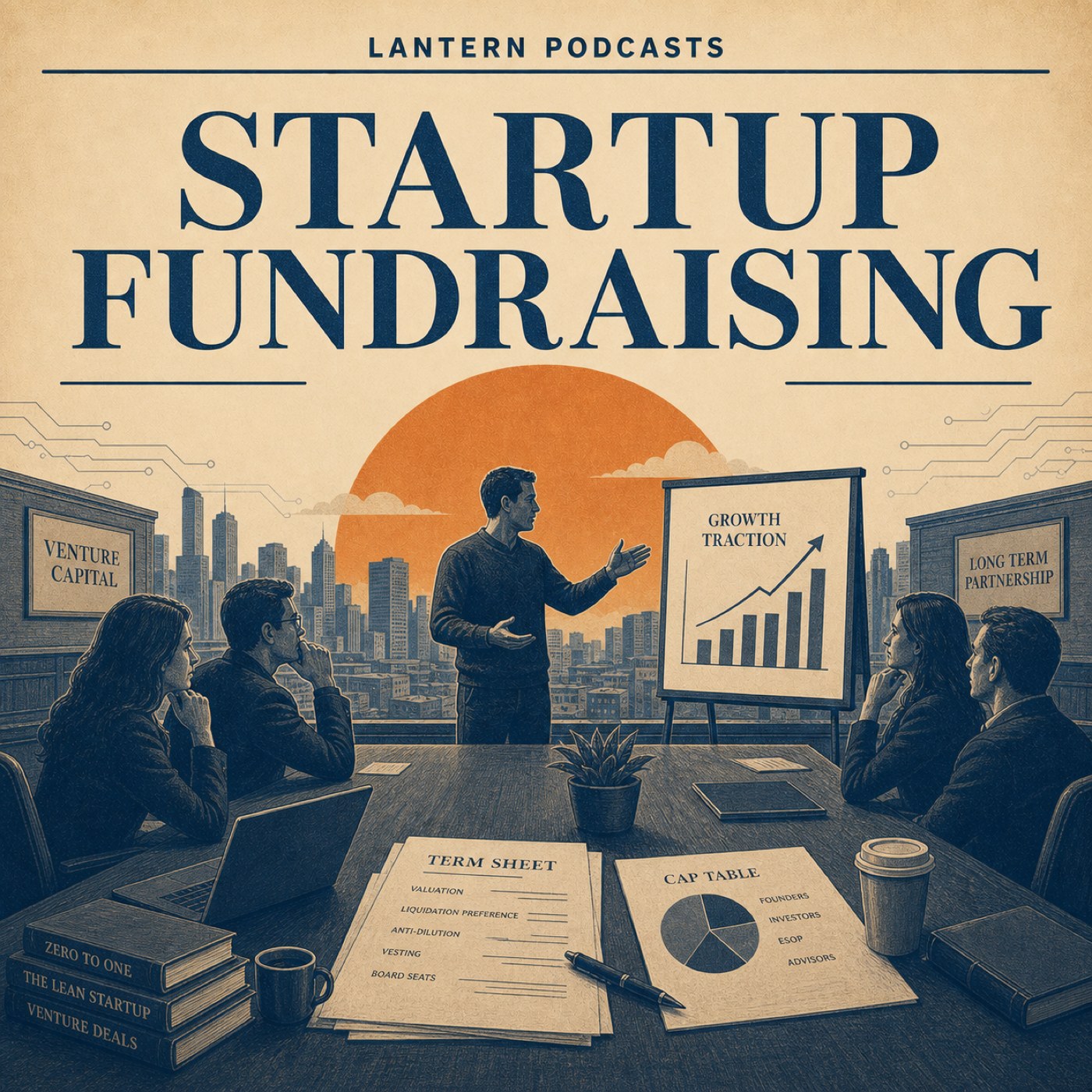 Mega-Rounds Hit Healthtech, AI Cloud and VC Funds - June 27, 2026Startup Fundraising · on Runpod81 / 100
 Kabrina Ashley with Onramp ConsultingThe Industrial Talk Podcast Network · on work-life balance77 / 100
 Neoclouds Are the New AI Infrastructure BattlefieldChatGPT and Beyond with Fexingo · on Runpod72 / 100
 From CD changers to FICA: a head of HR on money, AI, and peopleBeyond the Paycheck · on work-life balance67 / 100
 How To Personalize Employee Support Across Every Life Stage with Chris LockeHRchat Podcast · on work-life balance67 / 100
 How Healthcare Benefits Are Broken - and What Comes Next | Brandy Thompson, CEO of BenefitBayLiftoff with Keith · on employee benefits strategy66 / 100
 Layoffs, AI, and Respect: A Conversation with Shashank Bhushan55 / 100
 Mental Health Matters: KK Mayo on Supporting Employees in the Workplace55 / 100
 Creating Genuine Connections in a Virtual World with Parker Nielson51 / 100
 Can Authenticity Drive Workplace Culture? Insights from Sunny Myers50 / 100
 Building Hope: Dorion Baker's Journey in HR and People Operations43 / 100