
Ask Ashley · 2026-05-29 · 30 min
Key moments - from our scoring
Substance score
23 / 100
Five dimensions, 20 points each
Dorion Baker, HR and People Operations leader at BTI360, discusses how presence and consistency matter more than titles in building meaningful workplace cultures. Growing up in a single-parent household shaped his philosophy that leadership is stewardship - not authority - and that true impact comes from slowing down to see and serve people authentically. He explains how to maintain inclusive, supportive cultures beyond compliance and policy shifts by focusing on core behavioral values, one-on-one mentorship, and recognition. Baker emphasizes that faster isn't always better, especially with people; instead, leaders should prioritize substance over speed, consistency over slogans, and genuine human connection over trend-chasing. His approach resonates across tech, government contracting, and any sector where retention and belonging drive performance. For HR leaders, talent acquisition professionals, and anyone managing teams, Baker's framework offers practical alternatives to performative diversity initiatives and a roadmap for building lasting psychological safety.
Focus on consistent leadership action and core behavioral values rather than slogans or labels. Culture is defined by what you celebrate and what you absolutely will not tolerate; ensure leaders remove barriers instead of trying to control narratives, and maintain one-on-one recognition and transparency about growth opportunities regardless of shifts in political climate or administrative priorities.
Representation - holding a title or demographic identity - matters less than actual presence and showing up for people. Presence means being there consistently, letting people know they're not alone, and providing guidance and correction. Dorion learned this from his absent father: a title alone doesn't create impact; being there does.
Mentorship provides guidance that helps people avoid repeating others' mistakes and creates a support system for those who may lack role models. It signals to employees they're not alone and that leadership cares about their growth across multiple dimensions - career, industry, personal development - not just job performance.
The relentless pursuit of speed over substance. He argues that constantly moving fast makes us miss genuine human connection and real communication. Leaders should slow down to truly see people, replace quick exchanges with understanding, and prioritize what matters most rather than chasing the next promotion, degree, or achievement.
Growing up without an active father instilled in him a deep commitment to consistency and being someone people can count on. He backs up his words with action, follows through on promises, and brings that same reliability to his leadership so his team can trust him and find the same opportunities he's had.
Our reviewer’s read on each dimension, with quotes from the episode.
The episode is almost entirely personal anecdote and motivational reflection with no actionable frameworks a B2B operator couldn't already recite. The closest thing to a substantive idea is the culture definition, but even that is brief and underdeveloped amid lengthy personal storytelling.
culture is what what do you celebrate? And then what do you, prevent or that you absolutely will not allow to happen?
presence truly matters more than just a title
Every idea presented - mentorship matters, slow down, ask for help, presence over title, legacy mindset - is a well-worn leadership platitude. The guest even explicitly acknowledges borrowing the closing maxim, and nothing in the episode challenges conventional HR or people-ops thinking.
faster isn't always better
there's a saying, might I might with you this a little bit, but it says that, you can go fast alone, but you can go farther together
Dorion Baker is a genuine HR practitioner at a government-contracting tech firm, not a podcast-circuit thought leader, which gives him baseline credibility. However, he operates at a single mid-sized company and shares no evidence of having scaled programs, navigated notable challenges at meaningful scope, or produced measurable outcomes that would distinguish him to a B2B operator audience.
I am a leader in HR and people operations here in the BTI360
having the opportunity to launch employee resource groups, was really cool
There are virtually no concrete metrics, named program outcomes, timelines, or dollar figures in the entire episode. The most specific reference is a geographic observation about county wealth, and personal life details (27 years married) that carry no operational value.
Loudoun County and Fairfax County are two of the most wealthy counties, maybe the wealthiest counties in the nation
we've been married, for 27 years. This year, we've been together for 30 years
The host asks exclusively soft, open-ended biographical questions and responds with effusive affirmation rather than probing follow-ups. No claim is challenged, no metric is requested, and the conversation never escapes the inspirational-story format to extract anything operationally useful.
Were there any early life or career moments that shaped your values and maybe how you approach leadership?
I know it's a funny way of putting it
Computed from the transcript - who did the talking, and the words that came up most.
In this inspiring episode of Ask Ashley , host Ashley Russo sits down with Dorion Baker, a leader in HR and People Operations at BTI360. Dorion shares his compelling journey from an early fascination with human connections to becoming a pivotal figure in shaping inclusive workplace cultures. He reflects on the importance of presence over titles, emphasizing that true leadership lies in the genuine connections we make with others. Dorion’s experiences, including growing up in a single-parent household and navigating the complexities of diversity in the workplace, have shaped his approach to leadership. He discusses the significance of mentorship, both in his personal life and in the professional realm, revealing how he aims to provide the support he lacked during his own career journey. This conversation is a powerful reminder of the impact we can have on others when we lead with empathy, humility, and a commitment to uplifting those around us.
Transcribed and scored by The B2B Podcast Index.
00:00:01:16 - 00:00:33:23 Ashley Welcome to Ask Ashley, the podcast, where we shine a light on the unsung heroes of the workplace. I'm your host, Ashley Russo. Financial I board member, thought leader and wealth management advisor. Each week we sit down with inspiring leaders, exploring their journeys, motivations, and the real challenges they face from job insecurity to the evolving role of AI.
In a world where many feel overlooked, these guests are building hope and connection for their colleagues. 00:00:33:24 - 00:00:43:03 Ashley Join us as we uncover their stories and discover how they're making a difference. One conversation at a time. 00:00:43:05 - 00:00:57:10 Ashley Hello, everyone, this is Ashley Russo.
I am here with an extraordinary human being who I've had the pleasure of getting to know. So I'm going to have you introduce yourself. Please tell the world who you are. Go right ahead.
00:00:57:12 - 00:01:25:03 Dorion Yes. Hello, everyone. Thanks, Ashley. It's such an honor to be here and to join this podcast.
My name is Dorion. I am a leader in HR and people operations here in the BTI360, and I am so excited to share some of the things that I've learned over the course of my career and the things that I've learned recently in regards to how to lead people well. 00:01:25:05 - 00:01:38:02 Dorion I am, here because, actually at the neuro, a phenomenal job of sharing insights from people like myself and who have learned things over the course of their career. So, Let's go.
I'm excited to do this. 00:01:38:04 - 00:01:51:16 Ashley Let's go. I love it. So can you walk me through your professional journey?
What inspired you to pursue a career in tech? You know, develop people. And what were some of the key turning points along the way? 00:01:51:18 - 00:02:14:02 Dorion Yeah, so I grew up paying attention to people and thought about this.
My mom was, kind of a people watcher, but not in a creepy way, but in a fun way. We used to go to the mall and just sit in the mall. I just kind of watch people and observe, relationships and people. And I think I picked up some of that from her is I pay attention to people.
00:02:14:04 - 00:02:36:00 Dorion And so I've noticed that early on. But beyond that, in recruiting and and talent development, it's a great way to open doors for people. I love, love being able to call someone and say, got the job. And it used to be so exciting to share that news and to hear people in the background rooting them on.
Children, the family, like who got the job. 00:02:36:05 - 00:03:07:03 Dorion So that was the excitement for me, an opportunity to work with and have an impact on people. But a key turning point for me has been, and not just that, the outcome on recruiting or hiring, but being able to shape the systems, the culture, the leadership. And that has been a great, progression for me in my career from leading talent acquisition and recruiting teams to now leading HR and people operation operations altogether.
00:03:07:05 - 00:03:21:18 Dorion And so where I initially started in recruiting, now I have at the moment to be able to impact and to bring great opportunities to people otherwise that they might miss out on those opportunities. 00:03:21:20 - 00:03:38:21 Ashley I'm sure that's amazing to hear those heartwarming moments of joy for the opportunities you got to provide. That's really neat. Were there any early life or career moments that shaped your values and maybe how you approach leadership?
00:03:38:23 - 00:04:08:07 Dorion Yeah, yeah. So for sure, the more I think about my career, I think about my mom, because I was raised in a single parent household and, and anyone who has come up growing up in a single parent household, you learn responsibility early. I mean, you know, sometimes, get the, the luxury of this kind of drifting. And so I learned in that that, presence really matters more in my career than just having a title.
00:04:08:10 - 00:04:34:05 Dorion I have I've had titles, I've had a vice president title, and that was a big deal for me. I've had a VP title, and I was excited about it. But I learned that presence truly matters more than just a title. And so early in my career, I saw that in leaders.
I saw leaders, who were technically strong, but emotionally they were absent and that caused damage. 00:04:34:11 - 00:05:00:06 Dorion So for me, that shaped the leader that I did and did not want to be, I decided I never wanted to be, successful at the expense of another human being or at the expense of my team. And I wanted to be successful and leave people behind. So, for that, my my mom was a huge influence, as well as, other leaders who I saw demonstrate that.
00:05:00:08 - 00:05:18:13 Ashley I mean, I be curious based off that. Is there a moment that sticks out in your brain where it's a really proud moment in your career, or is it the collective ness of everything you just said? I've seen the impact. You know, really leaning into people.
00:05:18:15 - 00:05:48:09 Dorion Yeah, that's a great question. There's. Yeah, it is a collective mesmeric several. There are several moments.
For me, having the opportunity to launch employee resource groups, was really cool. For me, being able to, to lead something that was not just about having a program. Programs are great, don't get me wrong, but it was truly about belonging. 00:05:48:11 - 00:06:21:09 Dorion And for me, that was, a moment for me.
That was, I would say, proud. But really, the pride comes from the impact that outlives me. So it's not about, oh, hey, look at me. Look at what I did.
Well, what's the impact that lives on beyond once I leave? And for me, that that was a, a proud moment in being able to be a part of helping people to know that they are they are seeing they're felt, they're heard and valued. 00:06:21:11 - 00:06:46:19 Dorion And and that really changes how you show up to work. And so that is a, something that I look forward to even still today is any opportunity I get, whether it's through a survey to to really, truly understand how people are being impacted and how we can respond to that and, and care for our people better, or being able to launch programs and build teams and let people know that they're seen and that they're heard.
00:06:46:21 - 00:07:09:08 Ashley I'm curious. I'm going to go here, given the the current political climate around, you know, diversity, inclusion, ergs, especially being in between obviously tech in in government sectors. How are you approaching building a sustainable, inclusive, supportive culture. 00:07:09:10 - 00:07:40:15 Dorion Yeah.
So to to I'm glad you went there. To rewind a little bit, I think about culture and how we could be inclusive and not just the labels that companies or leaders might use, but what are those? What are the behaviors that we celebrate in our culture? And for me, when I simplify culture, to me culture is what what do you celebrate?
00:07:40:17 - 00:07:57:09 Dorion And then what do you, prevent or that you absolutely will not allow to happen? What are those things that if I see a piece of trash on the floor, are you going to pick it up or are you going to walk past it? And then what are the things that you actually celebrate and that really shapes who you are and your culture? 00:07:57:10 - 00:08:22:19 Dorion So in regards to the current political climate and, some of the shifting that has gone on, that community doesn't disappear when all the language changes and our compliance and policies and laws because the, the values have to carry forward.
So the values that you have as an organization, you say that as an organization, one of your core behaviors is to lead with humility. 00:08:22:21 - 00:08:52:23 Dorion Those values have to carry forward. And how, we are hearing and responding and respecting people. So that is something that continues and that that the belonging, I see it happens in those one on one exchanges and check ins, not just, hey, let's have a town hall meeting, but what are you doing?
And, and those one on one conversations that are creating that belonging and the recognition, that we bring forward to all of our team and our teammates. 00:08:52:23 - 00:09:17:15 Dorion And what kind of transparency have we built as an organization that allows people to see that? Oh, okay. I see myself and I see the opportunity, and I and I understand how, the company is supporting my growth.
So regardless of the changes in the political environment, we need to make sure that we continue to focus on that human connection. 00:09:17:16 - 00:09:27:07 Dorion Like I said, that one on one and that recognition and not just on those trends that, may have been popular before the shift in the administration. 00:09:27:09 - 00:09:49:01 Ashley Let me say a ton of sense, and it simplifies it. Right.
Which is is great. Imagine if we can take that approach, to a lot of things going on in the environment. Right? I think we'd all feel more connected.
That's the beautiful way of putting it. I be curious, so is it the same strategy when we're talking about minority groups, or does a strategy change? 00:09:49:03 - 00:10:15:13 Dorion Great question. I would say is it's the same strategy because the key here is consistency is that you know, you don't need, regardless of the group that slogans are great and names are great.
And I'm a creative guy, so I love coming up with names and slogans and things and acronyms. So that's fun stuff. All the slogans are great if you don't have consistency and consistent leadership action. 00:10:15:15 - 00:10:38:14 Dorion If you don't have the leadership to support that and to to create the space that's needed, then it won't it won't matter like what the group is.
So you really need to make sure that you have, leaders who remove barriers instead of, trying to control whatever that narrative might be around that group. 00:10:38:16 - 00:11:00:05 Ashley That's powerful. That's powerful. So I guess for those those employees who may not have role models or, support networks, maybe they're not leaning into it.
How do you mentor and support those employees and why is that meaningful when you're a leader? 00:11:00:07 - 00:11:34:22 Dorion Oh. Yeah. So mentorship is huge.
For me, first of all, because I was once that person that did not have, mentoring or a strong support system. So it is critical to me, like personally, and even today this is kind of off topic, but related, I realized that with my son, I'm his father. However, I was not I was leading him as a father and not as a mentor. 00:11:34:24 - 00:11:58:18 Dorion And I think there's a difference there in how you speak with your children, whether you're fathering them or mentoring.
And so recently we started having these mentoring sessions, which has been really cool, where we check in and talk about what does it mean to grow from being, a boy to being a man. And, in this in a very quick summary, a boy, needs others to take care of him. 00:11:58:18 - 00:12:38:08 Dorion And so, but a man can take care of others. And so making that shift is more than just meeting the father who loves my son, but the mentor who can bring, correction and guidance and speak truth, and, and give that direction.
So, for me, it's really important because I was once that person, and sometimes that leadership is just simply saying you're not alone in this, this knowing you're not by yourself and that reassures people, reassures me to know that I'm not alone in this and also that representation matters. 00:12:38:10 - 00:13:04:06 Dorion I believe representation matters, but just as much as that matters, presence matters more. So again, back to, my early upbringing. It's being in a single parent, household.
My mother was like mom and dad for me. And while my my father, he has the title of father, presence matters more and his presence wasn't there. 00:13:04:06 - 00:13:43:12 Dorion So as a mentor, me just saying, hey, I represent you or I hold a title. Doesn't matter as much as me actually being there, showing up.
And let me know that you're not alone then. And that has been, it's been something that I've learned later in life is how important a mentor is. And as a man, I teach my son that not only having a mentor for for fatherhood and to be a husband, have a mentor for your your career, have a mentor for your industry, you have various mentors and different ways that can help you, to miss out on the some of the mistakes that they made, that you don't have 00:13:43:12 - 00:13:45:04 Dorion to make the same ones.
00:13:45:06 - 00:14:10:21 Ashley You know, it's, calling at me right now is you're you're sharing that is you didn't have a mentor. It sounds like obviously early on and you're not punishing those around you. And I know it's a funny way of putting it, but your taking what you didn't have and you're leaning into it and creating a better environment for the people who are coming next, the employees, your son. 00:14:11:02 - 00:14:29:20 Ashley And that's an incredible, as an incredible thing to do.
That's an incredible awareness. You know, as humans, we often come from our own places of hurt. But you've taken what wasn't provided for you and helped those around you. That's incredible and significant.
00:14:29:22 - 00:14:55:04 Dorion Thank you. Yeah, I, yeah. So I'm at that stage of life. I'm not old.
I still feel young. I won't call myself old, but I am at this stage of life where I do think about legacy. I think about what I. The impact that I'm having, what I'm leaving behind.
Do I when I leave a room, when I leave people, am I leaving them better off than where where they were before? 00:14:55:06 - 00:15:24:12 Dorion And yeah, I guess, you know, when I think about this, I'm grateful. I have a lot of gratitude about, for where I, where I have been able to succeed in life. And because I'm grateful for that, I want other people to experience that, too.
And so I do think about impact. Like, what impact am I having, even for the people that watch this later, I what impact will this have? 00:15:24:16 - 00:15:36:02 Dorion Will this encourage someone? Will it, remind someone that you're not alone and that and that?
Yes, you can do it too. So I want to be able to have, positive impact. 00:15:36:04 - 00:16:04:17 Ashley I love that. And I, just in my time with you, I can tell you your words have impacted me.
So there, there's one so far. So in a world that is obviously, I think we can say somewhat disconnected, right. And and fast pace, would you say the solve to that is presence is mentorship or is there anything else there that could potentially bring back that connection to people? 00:16:04:19 - 00:16:35:07 Dorion Oh man.
Yeah. Well, for me personally, I'm going to speak for myself. It is my faith for sure. My foundation.
I would not be able to, have the compassion for people or the capacity to love people. The way that I do, if it was not for my faith in God. So that that's where it starts. 00:16:35:09 - 00:17:14:17 Dorion I, I believe that we all have an opportunity to serve others.
And service for me is what keeps me grounded. It reminds me, you know, we can sit in our cushy offices in our in our, cushy homes. But service keeps me grounded when I get out. And whether it's on the street to help the homeless or in a community where people are living in tents and, because they don't have they're unhoused or living in their cars, their cars are full of everything they've ever collected in life or on the street corner, asking for food or for money.
00:17:14:19 - 00:17:40:05 Dorion Having that encounter and being able to serve those people is what keeps me grounded. And I believe that that's what really will shift in your family and your community, and your neighborhood is when you have people, a group of people who are service minded and that care. It reminds me that leadership is not just, again, it's not a title, obviously, but it's really about stewardship. 00:17:40:07 - 00:17:59:13 Dorion It's about if you're a leader and you want to change your community and you want to impact your community, how are you stewarding over, the opportunities that you have to make an impact to bring change, to reach people, to make someone's day, better and brighter.
And so for me, I think, we all have that opportunity. 00:17:59:13 - 00:18:27:22 Dorion We all have, those moments. And I don't always get them asleep, but trust me, I miss them. And sometimes I am, not not condemned by maybe a little, I would say conviction.
And when I miss those opportunities because they're always passing us, we see people. And it's just a matter of us being connected enough to, open our, our hands and our hearts, to be a part of the change that our community needs. 00:18:27:24 - 00:18:50:20 Ashley That's beautiful. Absolutely beautiful.
And a great call to action. I'd be curious with today's world, if you could press pause on one trends, whether it's professional or social and redirect it, what would it be and why. 00:18:50:22 - 00:19:24:11 Dorion Yeah. So I I don't think I'm alone in this and we're always trying to move fast.
We're always trying to get to the next thing. And it's nothing wrong with, having that drive. There's nothing wrong with that. However, if there's something, there's one trend that I would pause or redirect is recognizing that faster isn't always better.
00:19:24:13 - 00:19:51:07 Dorion Especially with people. Sometimes. And I'm just as guilty of this. We need to slow our butts down.
We can't just slow down and and and recognize the opportunity to, one to care about and to see, truly see people. It's very easy if you walk past someone and they say how you're doing, doing fine, that's good enough. 00:19:51:07 - 00:20:10:07 Dorion Like, that's all I want to know. Don't give me the real.
I don't want to really I don't know want to know how it's really going. So in regards to the the pace where I live, I live in the DC metro area and all of Virginia, Loudoun County and Fairfax County are two of the most wealthy counties, maybe the wealthiest counties in the nation. 00:20:10:09 - 00:20:35:23 Dorion And, it's it's very common for us to just be moving at such a fast pace that we literally leave our driveways and our, our garages, and we go to our places of work, and then we go back to our garages and close our doors and go back into our homes, and we're separate.
That's one trend that I would pause is that let us not be so fast that we're we're not slowing down for people. 00:20:36:00 - 00:20:56:02 Dorion Let us be more about what is what is the opportunity for us to kind of move speed out of the way and replace it with substance and replace, those opportunity or replace that quick exchange with real communication and understanding and how we can make someone else's life better. 00:20:56:04 - 00:21:14:24 Ashley Oh, I know that's too long for a teacher, but I think we need to put that on a t shirt.
I'm, I'm guilty of this, too. I'm curious. Is it? What is it?
Is it the fear of slowing down? Why do we all, myself included? Why do we all get caught up in this speed race? 00:21:15:01 - 00:21:38:23 Dorion You know, priorities.
I think it's priorities. It's it's it's what what we prioritize what I prioritize. If I prioritize working nine, ten hour days, then I'm going to miss the relationships and relational, exchanges that I can have, because I'm so focused on getting the next degree and the next certification and the next promotion and the next increase and the next race. 00:21:39:00 - 00:21:57:20 Dorion So it's what it's really what I prioritize.
And I know we all have different stages. I, I'm an adult parent now. So my kids are in their early 20s, and I know there were some stages where and we were moved so quick. Every day was like Groundhog Day.
I was like, you're picking up the kids or dropping them off. 00:21:57:21 - 00:22:21:21 Dorion You're in that. So, you know, you're just go. You're just like your head is on a swivel.
Let me pick you up, drop you all get the food on the table is like day after day, you know? So I get it. There's going to be seasons, of that, and we just have to find in those seasons, what are those moments where we can just kind of throttle back, slow down and reassess our priorities? 00:22:21:23 - 00:22:27:03 Dorion What is the most important in my life right now?
00:22:27:05 - 00:22:53:05 Ashley That's good, that's good. I'm. I'm curious. What's going through my brain right now is you talked about significant life markers, everything from gratitude to life with, with a single parent.
Is it those life experiences that have shaped your perspective on growth and success, your general outlook? 00:22:53:07 - 00:23:32:21 Dorion Oh, yeah. No. For sure.
Yes. So I have such a, gratefulness in my heart for the relationships that I do have because of, having absentee dad in my life. And that has, for sure has had an impact on the way that I'm a father for my children. It also has given me a resilience of, being able to adapt to different relationships in my career, in my leadership.
00:23:32:23 - 00:23:58:23 Dorion I think that it's truly why I care so deeply about, I care about being consistent now. It's because I care about being consistent, Ashley, doesn't mean I'm always consistent. But I truly care about being consistent. If I say I'm going to do something, I'm going to do it.
There's a scripture and the Bible that says, let your yes, yes, let your no be no. 00:23:59:00 - 00:24:26:14 Dorion And I want to be able to back up what I say that matters to me. And, recognizing the, the, impact that it had on me for people who were not there, it just drives me even more to I want to be consistent, and I want to be someone that you can count on. I want to be someone who backs up my words and not just say one thing and do another.
00:24:26:16 - 00:24:56:02 Dorion And and so for me, that that really has molded the person that I am both in and life, but also in my career. As I look at the people who I'm responsible for leading, I want them to see a consistent leader, and I want them to, know that the opportunities that I had that they can also, find those same opportunities, because I'm going to support them, I'm going to cheer them on, and I want them to grow and to reach that. 00:24:56:04 - 00:25:07:09 Ashley I'm curious, who are your mentors today or who are your bigger, biggest influences to keep shaping you as this leader?
00:25:07:11 - 00:25:39:24 Dorion Yeah. So she'll be surprised if I say there's, But one big influence on my life is my wife to be like, what? Really? My wife.
So Leah and I, we've been married, for 27 years. This year, we've been together for 30 years, but just watching her navigate spaces that were and still today that are, that were not built for her, has been a huge influence on and on me. 00:25:40:05 - 00:26:03:20 Dorion And I saw some of this with my mom and definitely, being married to my wife. She's an African-American.
She's either socially a black female working in a technology space in the government contracting world. It is, very rare on a team that she would even see another woman at all and definitely hardly ever see another minority woman. 00:26:03:22 - 00:26:30:19 Dorion And navigating those spaces, it has been truly a challenge. And she could be on this podcast just on that topic alone of what that's been like for her.
So seeing her, work through that has been a huge influence on me. Certainly I've had mentors and kind of quiet leaders that have modeled for me the leadership and integrity that I watched from afar. 00:26:30:21 - 00:26:49:05 Dorion Leaders that are in, people operations and human resources leaders that are in the gov con, industry. And, yeah.
So it's a number of probably a long list of people. But yeah, I want to shout out my wife, Leah, who's been holding it down and, and her career, for such a very long time. 00:26:49:11 - 00:27:08:19 Ashley Cheers to Leah, I love that. I love that my final question, and the question I always like to end with, if you can talk to your younger self, given all the life and experience that you've had, what would you say?
00:27:08:21 - 00:27:47:08 Dorion Oh man. So here's a problem that I still have today. So younger. So, ask for help.
Ask for help sooner. I have I've come a long way in this, but I, I believe there's a part of, at least for me and some of the people that I work closely with, that we want to prove ourselves to the people around us, whether it's to our leaders, to our boss, we want to represent. 00:27:47:10 - 00:28:13:21 Dorion We want to represent who we are, want to represent, you know, our our faith in God. We want to represent our family.
We want to represent our community. And as a as a black man, I've always felt like, hey, I'm not saying that me being a black man is is, creating fewer opportunities, but always is in the forefront of my mind that I want to show up and I want to be the best that I can be. 00:28:13:23 - 00:28:38:00 Dorion And everything that I do, I wanted to double, triple check Cross T's eyes, and because of that drive, I would often fail to ask for help. And because I feel like I need to this, own this and do this and do this, and that's just that's not it.
Like being a great leader, being a strong leader, being, productive, impactful. 00:28:38:02 - 00:28:58:20 Dorion It's not about doing it yourself. It's not about doing it on your own. And and there's a saying, might I might with you this a little bit, but it says that, you can go fast alone, but you can go farther together or further.
I may have said it wrong. Further. Farther together. And I, I would say younger self.
00:28:58:23 - 00:29:07:11 Dorion Dorion asked for help because you can go further together than you can go along. 00:29:07:13 - 00:29:35:07 Ashley You just, I, I had chills, I, I think what we spoke about today will be so meaningful for so many people to hear. It's, you know, it's things that we, we have in our brains. But hearing it out loud from you in your perspective, hearing the journey you went through where you took something that wasn't easy, right.
00:29:35:12 - 00:30:01:11 Ashley Something that obviously, you know, going through that, the lack of mentorship, but then leaning into your fellow human to be that person, making sure you're representing on all levels to the point where, you know, back to the mentorship, how interesting to start to change the dynamic of relationship with your kid to become that for him. Right? That's just a beautiful, beautiful call to action is beautiful insight. 00:30:01:17 - 00:30:08:04 Ashley And I know that there will be quite a bit of impact from our conversation today.
So I want to thank you for spending time with us. 00:30:08:06 - 00:30:08:21 Dorion Thank you.
Other episodes covering the same guests and topics, from across The B2B Podcast Index.
 Danny Mays on Servant Leadership, Lessons to Learn, and the Human Factor s12 e4The Big Bid Theory · on Mentorship83 / 100
 Escaping the Prison of Prior Conditioning | George Bryant - E67Leadership Unlocked · on faith-based leadership75 / 100
 The $50,000 Question: How Bōde is Fixing Home SellingWhat The Tech? · on community67 / 100
 Is AI Changing How Humans Connect? A Conversation with Workday CEOFuture of Work · on Mentorship programs61 / 100
 Ep 159: The Leadership Test Every Owner Faces with Dan Thieken and Ted CookeThe Limitless Leadership Podcast · on Mentorship56 / 100
 Episode 329: Stop Fixing Women: Start Fixing Leadership Culture with Kim Anthony.Developing The Leader Within Podcast · on workplace culture51 / 100
 Layoffs, AI, and Respect: A Conversation with Shashank Bhushan55 / 100
 Mental Health Matters: KK Mayo on Supporting Employees in the Workplace55 / 100
 Creating Genuine Connections in a Virtual World with Parker Nielson51 / 100
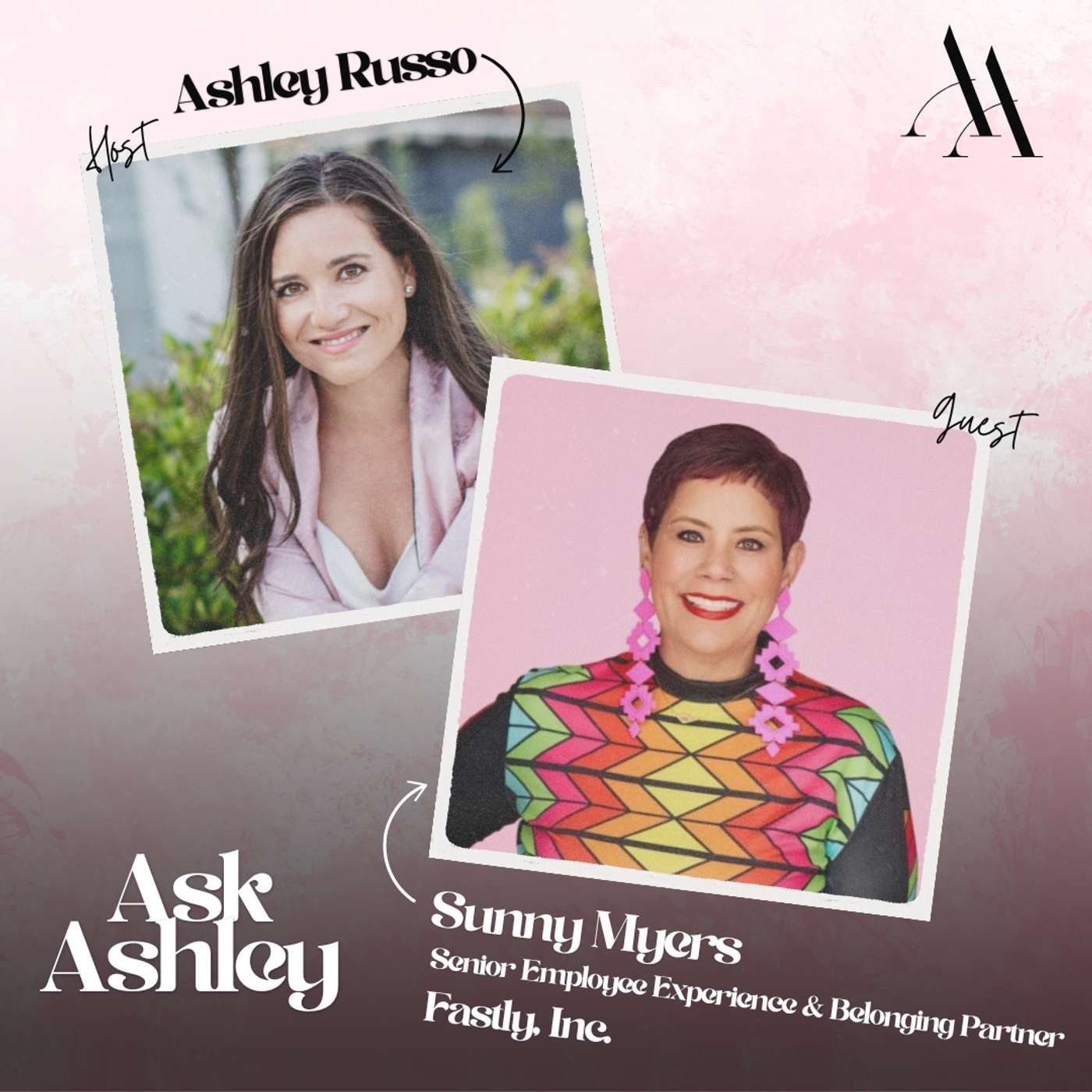 Can Authenticity Drive Workplace Culture? Insights from Sunny Myers50 / 100
 Finding Your Voice: Jyl Feliciano on Leading with Culture and Belonging66 / 100