AI for Founders with Ryan Estes · 2026-10-30 · 59 min
Key moments - from our scoring
Substance score
47 / 100
Five dimensions, 20 points each
This episode tackles the real threat landscape facing SaaS companies in late 2024. While companies like Salesforce and HubSpot remain entrenched due to network effects and data lock-in, Rickard Hansson argues that over-engineered platforms like Monday, Asana, and Trello face existential pressure because founders can now build the 5% of features they actually need in 15 minutes. Gainable bridges the gap between low-code platforms (too complex) and vibe-coding AI tools (too unstructured for enterprise). By treating data as the specification, Gainable infers data relationships and automatically generates fully functional, secure internal apps - not MVPs or prototypes - with built-in access controls, SSO, and standardized security across all apps. The discussion reveals a paradox: AI tools have made teams 7x more productive individually but increasingly siloed. Rickard proposes multiplayer workflows where builders and consumers collaborate in shared app grids, similar to mobile app ecosystems, ensuring data alignment across organizations while preserving individual customization.
Hosted by aiforfounders.co. The show scores 70.0/100 on substance across its analysed episodes. See the full show profile.
Yes - you upload your spreadsheet or connect legacy data systems, and Gainable's AI infers the data structure, relationships, and business logic to automatically generate a finished app with access controls, SSO, and security built in (not just an MVP).
Because most companies use only 5% of their features, and founders can now build that exact 5% in 15 minutes with tools like Gainable, eliminating the need to pay for (and manage) a bloated platform.
It provides a multiplayer ecosystem where builders create apps in a centralized platform with standardized architecture and security, and consumers interact through shared app grids - similar to how iOS or Android app ecosystems work.
Low-code platforms became too complex and require technical expertise; Gainable sits between them and vibe-coding tools, automatically inferring your data as the spec and generating production-ready apps instead of prototypes or MVPs.
Not HubSpot itself (enterprise data lock-in protects it), but HubSpot's founder created USpot (a personal CRM) because the company saw threats in the startup segment where builders now prefer custom solutions or nimble alternatives.
Our reviewer’s read on each dimension, with quotes from the episode.
The episode contains a genuinely interesting technical insight about deterministic compilers vs. probabilistic LLMs and the 'data-as-spec' framing, but a large fraction of the runtime is consumed by fitness chat, dry needling anecdotes, skateboarding nostalgia, and back-to-back ad reads. Usable insight-per-minute is low.
we use data. You drag and drop your old Excel sheet in, or you connect that old legacy data system in. It infers the data, finds the relationships and build application on top of that. So this sees the data as the spec. You don't say a thing, you don't prompt anything, you just give it data and it builds a finished app.
I had haiku back in the days code for me and then I created like hundreds of skills or validators that were deterministically that checked the code and said like, this is wrong or this is correct and then told haiku to fix it.
The deterministic-compiler-as-antidote-to-LLM-probabilism is a non-obvious architectural argument that stands out, and the 'data as spec' framing is fresh. But most other takes - Trello is dead, HubSpot retains via data lock-in, talk to customers before building - are well-worn startup tropes, and the Steve Jobs iPad anecdote is a recycled classic.
AI is probabilistic. It's really good at guessing, but all it does is guessing. That means it's always going to guess. Wrong code is absolute, so if it guesses wrong, it's not going to work.
in my product I have a compiler that actually codes. It takes a spec, uh, description saying build this and then it builds it in real code, but it compiles it. It means it's always working in the end it's deterministic, it's not probabilistic.
Hansson is a legitimate 6x founder with 20-plus years of B2B enterprise sales, NATO as a client, and real technical depth that comes through in specific architectural decisions. The deduction is that Gainable itself launched only months ago and is unproven at scale, so practitioner credibility rests mainly on prior companies rather than current execution.
I've sold to 1450 CEOs. I've even sold to Five Star Generals. NATO is one of my biggest clients still and one of my companies.
I took the dumbest model and I tried to make that code identically as good as an opus 5 or 4 or 5 back then quality... I created like hundreds of skills or validators that were deterministically that checked the code
A handful of concrete data points appear - Airtable's valuation collapse, the $1M pre-seed close, GEICO-scale pilot customers, and the five-person validation heuristic - but core claims like app-build reliability, user counts, and design-partner outcomes are never evidenced, and most SaaS competitive assertions are asserted without numbers.
Their valuation was what, at like 12 billion or something like that in 2021...And then they were acquired for like what, two and a half, Two and a half billion.
I just closed the pre seed of 1 millimeter, uh, close to now in August
The host occasionally lands a genuinely probing question - asking what features failed validation is the best example - but he concedes almost every claim with 'yeah, 100%' and burns a significant share of interview time on creatine dosing, a dry needling horror story, and skateboarding reminiscences, leaving bold product and market claims entirely unchallenged.
I was like, you know what? I think my. My PR on deadlift was like, 405. I was like, I'm going for 415. And I started lifting heavy deadlift like, twice a week. And I got some weird pinch in my back
Were there any features with gainable specifically that you were really excited about but just didn't pan out through validation?
Computed from the transcript - who did the talking, and the words that came up most.
How many tabs are in the one spreadsheet that secretly runs your company? Seventy-two? Rickard Hansson is betting that spreadsheet is about to become an app, without you writing a single prompt. Rickard is a Malmö-based serial entrepreneur on his sixth company in more than 20 years of building, including a decade in Los Angeles. His newest company, Gainable, sits in the gap between low-code platforms that grew too complex to use and vibe coding tools that IT departments won’t let near production. Gainable treats your data as the spec. Drop in an old Excel file or connect a legacy system, and its engine, Gaia, infers the data model, finds the relationships, and builds a finished internal app with security, access controls, and SSO already in place. It is a working app, not a prototype or an MVP. Ryan and Rickard open with the SaaSpocalypse that never quite arrived. Rickard thinks systems of record like Salesforce and HubSpot are safe for now because they hold so much data and are leaning into agentic interfaces. Task tools like Monday, Asana, and Trello are another story. Most teams use about 5% of those features, and that 5% can now be built in an afternoon.
Transcribed and scored by The B2B Podcast Index.
Speaker A: All right, gut check how many tabs are in that one spreadsheet that secretly runs your entire company? Monday, Asana and Trello, they're already dead. They just don't know it yet. Because right now, you can build the exact tool you need in 15 minutes. And of course, it doesn't have all the bells and whistles, just the 5% that you actually use. But most people can't describe that app that they need in a prompt. Owning a toolbox doesn't mean you can build a house. And AI is a brilliant guesser. But code doesn't forgive a wrong guess. They'll take your messy data you already have and treat it like a blueprint. Meanwhile, teams have never been more productive and never more siloed. Everyone's building in their own little corner, and the company's knowledge is scattering all over again. These little apps stop being products and start being files. You spin one up for a project and toss it next week, or every single person in your company becomes a builder and your business adapts in days instead of quarters. It would be catastrophic if a thousand private tools quietly fracture your data and nobody notices until a big decision gets made on the wrong numbers. It's already been said. Software isn't the moat anymore. It's your data. And your data deserves better tools. Welcome to AI for Founders. I'm Ryan Estes. Today you learn, while task management software is on the chopping block, how to turn your spreadsheets into real apps without writing a single prompt, and how six time founder lands enterprise design partners before he even launches. This one's for founders and operators who are drowning in spreadsheets, tool sprawl, and teams building in silos. And my guest is Ricard Hansen, founder of Gainable, which turns your existing spreadsheets and legacy data into finished, secure internal apps your whole team can use. And if you want this kind of insight in your inbox before everyone else catches on, head to AI for Founders Co and join the founders who read it every week. It's free, it's fast, it's the smartest five minutes of your week. And if this episode sparked even one idea, leave us a review on the podcast player, because the algorithm only listens when you do. All right, Rickard, welcome to the show. Thank you so much for joining me.
Speaker B: Thank you for having me. Absolutely.
Speaker A: Oh, uh, my pleasure. And did I pronounce your name correctly?
Speaker B: Yeah, I think so. Ricard is a good one. Like. Or my Starbucks name is Richard, because otherwise it can be anything in the end. Um, to be honest,
Speaker A: Nice. You know, my Starbucks name is Elvis.
Speaker B: That's a good one.
Speaker A: Because if I say Ryan, they think it's. I'm saying Ronnie or the, uh, Brian. You know, I'm just like. If you say Elvis, you can't get it wrong.
Speaker B: You cannot get it wrong and you get a. Laughter. I guess maybe not, but your name M. Can actually be Elvis, so. Sure.
Speaker A: Yeah, exactly. Excited to talk to you today. Now, before we get into the meat and potatoes a little bit, I want to give a shout out to our sponsor, momentous for setting me up with these amazing chewable creatine. I am creatine maxing, which means I'm up at about 15 grams per day, which is probably my max. I pushed it up to 20. I wouldn't recommend that, but 15 is great. Not only is it, Is it feel good? My, my workouts feel like a little bit like I'm getting stronger, a little faster, but, uh, like, cognitively I feel a little bit sharper. So let's hover here on maybe mental physical health. As founders, you know, we're, we're stressing our bodies and minds, um, constantly. What are you doing to, to stay limber, let's call it physically, mentally,
Speaker B: same as you. Um, I'm a creatine fan too. I just did 4.5 though, so I'm not maxing. And I'm using a Swedish brand shout out to them, to be honest, called Boost Bites. It's a very small company, but I do, like, hit the gym two to three times a week, uh, with weight training, you know, to keep, keep the body in a good shape, so to speak. Right. You're not getting younger, so. And you sit a lot in front of the computer every day. And yeah, brain is on high level, but body's not. So you need to stress on the level. So I agree in that.
Speaker A: Yeah, I agree. Do you like, what do you like to do? Do you like to, you know, lift slow and heavy like a bear? Are you doing hit exercises? How do you lift? Do you have kind of a protocol?
Speaker B: Uh, hit mostly I wanted to, like, get. Move fast, get the, you know, heart rate up, mix, um, it up sometimes with slow, not so heavy, more slow, like more control. I'm not young, right. I'm too scared to rip off her arm or limb or something. I just want to keep myself in a good shape.
Speaker A: Yeah, I agree. I, I kind of came back from the, the heavyweights. I miss it though. There's something about just like looking at your phone and staring in the mirror and do like, three lifts in an hour and a half and going home exhausted. Like, it. There's something fun with the heavy weights, but I'm with you, man. I'm, um. I'm just, you know, I don't want to watch the water go down the drain, and I want to keep what I've got. But, you know, am I really trying to, uh, P.R. my. My deadlift? I don't think so.
Speaker B: No, no, no. It's dangerous, man.
Speaker A: Yeah. I had a wild hair a couple of years ago, and I was like, you know what? I think my. My PR on deadlift was like, 405. I was like, I'm going for 415. And I started lifting heavy deadlift like, twice a week. And I got some weird pinch in my back, you know, and I was like, oh, dang, A stinger, you know, and it, uh, wasn't going away. And so I went and got a treatment to dry needling. You ever had dry needling? Dry?
Speaker B: Never.
Speaker A: Horrific,
Speaker B: horrific,
Speaker A: horrific. I mean, they use, like, a big, big needle and they find the spot. You know, it's like, oh, they found the spot with the finger, and then they just jab it, like, rapidly, like, over and over and over and over again with the needle right into that spot. And I swear to God, it feels like a lightning bolt is rocking through your body right there. It's, uh, it sounds
Speaker B: terrible.
Speaker A: So at that moment, I was like, you know, my days of heavy lifting, probably over, you know.
Speaker B: Yeah, yeah, yeah. Keep it safe, keep it safe,
Speaker A: keep it safe. Nice, man. Now I'm really excited about what you're doing. It looks really cool. And also, I appreciate an outspoken guest. And when I was doing research on you, there's no, uh, there's no shortage of hot takes. So I thought we'd open up the conversation to get going here about the SAS apocalypse that we kept hearing about, you know, six months ago, eight months ago, that never really panned out. You know, like, nobody abandoned all of their tools, Nobody abandoned HubSpot to rebuild HubSpot in a weekend. It turns out that it's just not really cost effective. So what do you feel about, like, that, you know, kind of the. The. The threat of vibe coding towards software companies.
Speaker B: I think there is a part of it that is definitely a real threat. Uh, the. I don't think the threat is, you know, going towards, like, Salesforce or HubSpot, because they're going to stay, at least for a foreseeable future, in my opinion, as the records, like a system of records, because there's so much data in them, but they're heading in the direction to be agentic. They're opening up everything. Uh, so it means you can talk to the data through agentic interfaces. So they're not leaning away from it, they're leaning into it. Um, where I actually would be worried is companies like Monday or Asana or products like Trello, which is basically task management systems, uh, they are completely super over engineered for one task kind of approach. Like you want to do tasks, you want to do a Trello board, you want to do a Kanban board, uh, you can build that easily with a Vibe coding platform for yourself for example. I do think those companies will cease to exist in a foreseeable future, in a couple of years because there's no reason for a company like that to, to have revenue in my opinion. That's going to be, I think that's going to be,
Speaker A: yeah, 100%. I mean you can literally build Trello in 15 minutes.
Speaker B: Yeah,
Speaker A: you know,
Speaker B: it doesn't have all the bells and whistles, but that's not the point, right, like, because if you buy Asana or Monday it has all these features and you always going to end up using 5% of them. Why don't build that 5% for yourself? And then when you need something else, so you just tweak it in the moment, uh, instead of like, you know, shoehorn yourself into a solution that was not built for you. So that's like the driving force I think as well. Like people are fed up uh, buying stuff and use 5% of the capacity.
Speaker A: Yeah, I mean Airtable is a great example of that too. Their valuation was what, at like 12 billion or something like that in 2021. Great product, love Airtable. And then they were acquired for like what, two and a half, Two and a half billion. I mean that is staggering, you know.
Speaker B: Yeah, it's rough, you know, and the classic spending boons, you know, spoons, uh, bending spending boots. That's pretty good actually. Spending bending. Boo. Spoons. Like do what I always do, like fire the whole company basically. Uh, so there's no one left now or the people.
Speaker A: Yeah. So what do you think are the attributes then? If we have software companies, it's like, okay, what makes, what makes a company invulnerable to some of these tools? At least where we're sitting right now. Q4, 2026, you know, HubSpot doesn't seem to be threatened. Rather they, their revenue is up. Um, Salesforce, I mean all these kind of like monolithic, um, uh, SaaS companies are seem to be hanging in there on the. At least at the kind of enterprise level.
Speaker B: Yeah. I mean it comes down to also where your customers are like HubSpot and whatnot and Salesforce, enterprise wise they're not threatened. Right. But HubSpot founder Dharmeesh, right. He created USpot which is like a CRM for one person company, like a solopreneur. So they are themselves also feeling the threat in some capacity and that's the. They're not onboarding enough new companies right now because there's so many other options. Both CRMs that are more in nimble or small or you build your own CRM. Um, in the beginning because. Totally.
Speaker A: Yeah. And that's one place and shout out to HubSpot. I used them for years but really didn't like their sales tactics, you know. So I've, I've built at least 3 or 4 CRMs just so I'm like I'm not going Back to uh, HubSpot, you know what I mean? And there's pluses and minus to that.
Speaker B: Yeah, exactly. And the same here. Like I'm not going into HubSpot either. I have other solutions for it but I'm not there. Right. Like as a company is size wise and whatnot.
Speaker A: Yeah, 100% that might dovetail nicely, you know. And I suppose a lot of these companies that, that um, they're maybe they're not seeing the growth that they were accustomed to but they're retaining their customers largely because they just have massive amounts of data within them and the idea of migrating somewhere else is just. People just don't want the headache, you know.
Speaker B: But
Speaker A: if you look at that
Speaker B: trajectory, right. That actually means at some point there is not going to be any growth, it's just going to be retention. And that's why I think HubSpot created USpot. Uh-huh. And then they want to. Obviously you know, there needs to be a bridge between uspot and HubSpot. Right. Because they're not onboarding enough new companies because the alternative is there, there wasn't before HubSpot was great for startups before they had great startup, you know, um, M discounts and you know, all in one place, you know, email marketing, marketing automation, blah blah blah blah. Uh, but nowadays there's so many other options. So, so in that sense like you know, they need to figure that shit out in terms of not just being retention.
Speaker A: Yeah, 100%, you know and it, I think probably it's a good introduction for gainable because it appears like you're creating kind of like a, um, intelligence layer in some of that, like, you know, ancient data that companies have that they don't really have access to. So give us a little introduction, a little bit to Gainable.
Speaker B: There's a gainable. The whole idea about gainable is bridging a gap between low code, which has been around for a decade, where the promise was like, you know, drag and drop and build internal apps. I'm talking internal apps specifically. And, um, those tools just grew to be incredibly complex. You need to be basically a professor, a PhD to build something in it. You're not even engineer. Like, it's like, I don't even understand it. And then you have now vibe coding on the other end, and that's wild west. It's great. You can build things and you can prototype. You can create an mvp. The second you present it to your IT or try to do something real with it, they will say, no, no, no, not in this company. So gainable is in the middle. Uh, so focusing on internal apps, building micro apps, I do believe micro SaaS is the future where you build a small, nimble app for yourself. You treat an app like a file, a file. You always done an Excel file, a word file for an event to write some notes for yourself. You throw it away a week later. Has no value, but it's no tangible value. Apps has always had a value because it's been incredibly complex, expensive to build. Uh, now it's not you just prompt or you tell someone to build it. Um, we use data. You drag and drop your old Excel sheet in, or you connect that old legacy data system in. It infers the data, finds the relationships and build application on top of that. So this sees the data as the spec. You don't say a thing, you don't prompt anything, you just give it data and it builds a finished app. And that's also the difference. Not an mvp, not a prototype. Because if I give this to a normal operator in a company that is used Excel and Outlook, they cannot prompt something, they cannot articulate an app end to end. It will not work. Uh, so I need to have a working full app in the end with, you know, access level, you know, rules and all the data models, how you store it, all the security, collaboration, whatnot, like everything in place. So it's like really aiming, you know, connecting back to the initial conversation around Monday and Asana, those kind of companies. I don't think that, um, gainable or not is going to be replaced by something similar. So we're not like a vibe coding platform like Reput Lovable. We're not the low code. We're in between. And there's like millions and millions and millions of people with that pain right now.
Speaker A: Yeah, I mean, it's, it's like. And I, uh, probably any of the founders listening to this, you know that there's that one spreadsheet, and that spreadsheet has 72 tabs. And that's really where everything is being run. Yeah,
Speaker B: it's the company
Speaker A: that's the whole company is that one spreadsheet. And you got everything in there. And I. Anytime I'm looking at a, uh, spreadsheet, you know, I'm like, how can I make this an app? So it sounds like gainable is a place where I could do that. You know, I'm looking at my spreadsheet right now. I have one of the tab is just called Tools, and it's a, uh, link of all the tools I come across in like a brief description and category. Yeah, you know, okay, founders, this one costs you nothing, so pay attention. I ran CEO Friends competitor analysis on my own business before this episode. Free. No sign up, just plugged in the company URL. Took a couple of minutes. I went in expecting the usual, you know, here are three companies you already know about and good luck. Instead, it flagged a positioning gap I hadn't clocked. Not a new competitor. Worse. A real answer to a question I'd been assuming customers already had about why they should pick us over anyone else. And I'm not going to tell you what it was. I'm not trying to help my competitors do their homework for free on the show. But I will say this. It's the kind of thing that's obvious once you see it and invisible until you do. If you run a business and haven't looked at it from the outside in a while, run the free report. No card, no commitment, just your company URL. I'm talking about CEO Friend. AI. And fair warning, once you see it, you can't unsee it. Check the show notes here for the link. You got to check out CEO Friend. All right, fitness fans. Creatine might be the most studied supplement on the planet. And for years, everybody thought it was just for guys trying to get huge in the gym. And we are. But that's maybe a third of the story. Yes, the physical benefits are real. More strength, better recovery, more output. But what got me taking it every single day is the mental side. Your brain runs on the same energy systems your muscles do. And the Research on creatine for focus, memory and mental fatigue is genuinely impressive. I notice it most on long days, back to back calls, deep work in the afternoon and I'm still not fried by 3pm And I really notice it when I don't take it. Momentous makes pure creatine. NSF certified and third party tested. No fillers, no junk. I'm on about 10 grams a day. And because it's a daily habit, this is exactly the kind of thing you should have on subscription instead of remembering to reorder. So click the link in the show notes and my code stacks with the standard 25% subscription discount for 35% off your first subscription order plus 10% off every recurring order after that. If you're taking daily creatine, this is the absolute best. Subscribe once, set it and forget it. Thanks. Momentous.
Speaker B: And the cool thing like uh, the idea with Gainable is also bridging the gap between an Excel sheet to an app and then into a workflow. So if, let's say you take your Excel sheet, right, tell Gainable to build an app and okay, that's fine, you get an app and you can interact with it and kind of leave the Excel behind. But every time you build an app you actually get an assistant like a cloud cowork built in with its own MCP server automatically. And then you can take that and just deploy it into your chatgpt or claude and then all of a sudden you have your tool Excel sheet in a workflow and you can instantly add request query, uh, you know, without a single line of code or any skill sets to be honest.
Speaker A: Beautiful. Well and like just the enriching the data is just such like a uh, it's like my favorite, you know, application of AI. So simple but like let me just give you ah, um, a URL and give me like a one sentence description and a category and a use case. That would be appropriate for me. It's great, you know.
Speaker B: Yeah, 100%
Speaker A: and is with Gainable too. I suppose that there's kind of probably like an SOP for building all the apps. So you can have all the, the guidance and you can have all the security protocols, you can have all the hierarchy of admin and credentials all built in for every single app. So as people are contributing apps then all of that stuff is already kind of standardized.
Speaker B: Exactly. So that's the difference. If you vibe code, anything from cloud code or up to lovable or whatever, every time you build an app you will actually get a unique app like it's like a fingerprint. Uh, when you build 1000 apps in gainable, the first app looks the same as the thousand you built in terms of ACL security, login, sso, the whole shebangs is the same. So that means also if you find something, you know, God forbid, like a vulnerability, that's one patch and then it's, you know, deployed, uh, throughout all your apps. So that, that's like, very different in the whole architecture, the whole design, uh, from, from, from A to Z.
Speaker A: Yeah, I love that. And it's, it kind of hits close to home because I did a, um, you know, a Q3 review, uh, with the team yesterday. And kind of the, you know, looking around the corner a little bit, some of the threats I think, to some of our growth is, you know, alignment. You know, we're all spinning up all this different work, but are we all working in the same direction? And then just leverage, you know, it's wonderful to look around and be like, wow, man, I've literally 7x my output conservatively. Yeah. You know, and so is everyone on the team. But that also means that, like, if I'm out for a day, then we're not losing one guy. You're losing seven guys.
Speaker B: Yeah.
Speaker A: You know,
Speaker B: but it's interesting. Like, we've never been as efficient, probably like we are now, but we never work more siloed like we do now.
Speaker A: Right? Yeah, uh, absolutely. Like,
Speaker B: what you do in your claw, no one else sees, you know.
Speaker A: Yeah. And then you'd have to share it, and then they need a place to go put it, and then they have to understand what's happening. Whereas I can see with something like, gainable, it's like everything is working. So, so you can see everything in that same place. It has all the same compliance and everything built in. So the alignment issue is like, you're not doing redundant, making redundant tools, or you're not, you know, duplicating spreadsheets where somebody's got a, uh, vibe coded tool over here. But you're using a spreadsheet and it's not talking to each other, it's not updating data. I mean, maybe that's, that's the. The was always. The nice thing about a big central CRM is you can see notes on, um, certain customers. But now we are siloed, so everyone's spinning up their own things to do and being creative. But now data is getting lost again.
Speaker B: Yeah. And I, I, I. But also that's like, exactly what is happening. You're creating something that is going to make your workday better because it's personalized to you, which is fine. Right. But it, in the end it means also siloed. Uh, and that is also like a barrier gainable, really wants to break down. I'm super inspired by Claude cowork and whatnot and what you can do, but it's incredibly siloed. Imagine, uh, having a cloud cowork. We actually collaborate. It's pure multiplayer to both build that workflow, but also the output and the income, uh, input and everything is like a pure multiplayer. And I think that's like really the future.
Speaker A: Yeah, I mean, well, even with Claude, like Claude teams, it's like if we build a project and share the project in CLAUDE teams and it has its instructions and it says the skills files and whatever, it's all there. Well, if a teammate is, is, uh, you know, prompting that project, I can't see their prompts in their. No, their work. It's like, well, what's the point of having a shared project if I can't even see what they're doing, you know?
Speaker B: Right, right, right. Uh, and yeah, and those are exactly like, you know, apart from all the, you know, focus on internal apps, but like how you actually work, you know, human in the loop AI, but also the multiplayer thing. Everything from building something to consuming it. I believe it needs to be a multiplayer, so to speak. And also it's going to be, I mean in any company, I don't know how big you are, but like, like my sweet spot in terms of company's eyes is like a couple of hundred people. Uh, and 10 to 15, 20% at least in the beginning, are builders. They build things and build things in gainable. You build apps like small or big, and then you consume them like you do on your iPhone. You get a grid where you can drag and drop your applications and that's where you share with the rest of the people. Like the 450 people that is not builder. They're consuming their app users and they can just build their own grids and whatnot. But even on that side, we need to have a multiplayer experience. As I said, every app gets their own cloud code work like attached, but they can then chat with that assistant. Uh, and then they can invite people and having like a one chat conversation, like a, uh, like a WhatsApp conversation. But the agent is present and it's contextually present and so on and so forth. So I think it's like the multiplayer break down the silos, collect all the data and have a governed, you know, Rail guards and whatnot. Uh, if you have all that in place for a 500 company, I mean, the goal for me in the end is if you're a 500 people company, every single person should be a builder. Either you build for yourself or the team or the company, because then you have a marvelous future where you can build and adapt, uh, in like minutes and days for any event. I think that's beautiful. Super cool.
Speaker A: Yeah. And it's fun.
Speaker B: Yeah, it's
Speaker A: fun. When everyone's a builder and they're sharing show and tell style what they're doing. Like, wow, that's so cool.
Speaker B: Yep, 100%
Speaker A: cool. Give us the, um. What was the origin story of gainable?
Speaker B: No, it started like as a side project for me a year ago. I'm a serial entrepreneur, so I built like a couple of companies. This is a six company and I'm um, building. I've been building a company for the last 20 to 25 years or something like that. But I was like, you know, quote unquote, very annoyed by the fact that every time a Vibe coding platform had an announcement say, like, we're 20% better, when a new model was released, like Opus4.5 back then or whatever, obviously you're better because the model got better. Because if I have an old car and put a new engine in it, it's going to go faster. It's still the same car. I just got a new engine. So I started like, I can do better, I can do different. So what I did, I took the dumbest model and I tried to make that code identically as good as an opus 5 or 4 or 5 back then quality. And I basically forced it in that direction. And I learned a lot on that path, like in terms of how many errors it's making. And then I then um, kind of discover like deterministically, like AI is probabilistic. It's really good at guessing, but all it does is guessing. That means it's always going to guess. Wrong code is absolute, so if it guesses wrong, it's not going to work. Or logic or a relationship deterministically you can build things or you can validate things. So I had haiku back in the days code for me and then I created like hundreds of skills or validators that were deterministically that checked the code and said like, this is wrong or this is correct and then told haiku to fix it. So, um, I achieved to make Haiku code, but I had to tell it. A lot of times you did wrong. You did wrong. You did wrong. And it came out like good. That's also when I then left to not have the LLM code anymore. So in my product I have a compiler that actually codes. It takes a spec, uh, description saying build this and then it builds it in real code, but it compiles it. It means it's always working in the end it's deterministic, it's not probabilistic. So the dilemma is writing a spec for my compiler. It's a preparatory format and that means LLMs are great. Which again, gainable. Coming back to pulling in data, uh, finding relationships is really good at looking at messy data, uh, find threads, nodes, connections and then analyzing it and writing it up. Don't code it, pseudo code it basically. Um, so that's kind of how gainable came around as an idea and then it grew into okay, I have something here in terms of an engine, but who am uh, I selling to? I don't want to do, I'm not going to do maybe the snake oil business that everyone is selling. And that industry is like, you're going to be a SaaS millionaire tomorrow if you use our tool. I'm not going to sell that. I'm going to help people do small gadgets, internal apps. Because I've always been in love with that fact that people in any organization. I'm a B2B guy. I've only said to Enterprise. I've sold to 1450 CEOs. I've even sold to Five Star Generals. NATO is one of my biggest clients still and one of my companies. Wow. Um, so, so that's my bread and butter. I want to empower these people to build things. Um, and that's not going to happen by, in natural language, even if that's fantastic, it's going to happen by other means. And that's like progressively grew into gainable. So I started like in Feb this year.
Speaker A: Great. Yeah. And I mean uh, great timing, you know, because I think when, you know, Claude, uh, or Anthropic is really kind of lifting off. Everyone was just, you know, token maxing and throwing all their budget at tokens and, and then they realized like, boy, do we really want all of our IP just opened up to these frontier models. I mean if you talk about like exposure, do you want the world's biggest companies to know everything intricately about your code base? You know, so maybe we don't want to use you know, uh, uh, anthropic to make little apps because then they have to see everything else and
Speaker B: it's like an unbalanced relationship. Like, we're not allowed to train. Uh, like, I have my own mobile. Um, I'm training right now. And we're not allowed to train. Right. We can't, like, uh, extract information. But they're literally training on everything we've given them. Their model is getting better because we are giving them information, data requests, challenges on a millisecond basis. Right. Uh, so it's kind of an unbalanced relationship. It's almost like a tariff war. Right. Um, but, uh, yeah, but I agree with that, you know, the power of don't. You know. And also there was this debacle with, I think it was grok, right, when they all of a sudden just did cloud clones of your code base without asking you. You know, it just took a whole week or made a copy of it. It's like, I didn't consent to that. Ah. Uh, you kind of did because it was like down here in line 500 in the term sheet.
Speaker A: Yeah, yeah, yeah. Now, I love talking to serial founders, particularly someone with who's got the success behind them, like you, you know, doing this for 20 years. You kick off, you launch the thing in February. What does a launch look like for you? And what is, how do you find your first customer, your tenth customer, your hundredth customer?
Speaker B: So I did something very different this time, actually. I did research. So I, like, I had a thesis, right, who's going to be my potential buyer? And I find a couple of those and I did proper interviews. I'm a sales guy, you know. Also, apart from being engineers, it's really hard to not sell when you talk to people, to put on your research hat and stay in your lane. It's really hard. But I managed, uh, so I got some really good data and that was like the first step to just do research and ask. And also in the end, have these people you talk to dream, like, what if you could, like, have an unlimited resources and no, no one saying no to you, what would you do with that? And what could you build? And that kind of like, if you're happy, if you're lucky, then they're going to describe the product you're thinking of or the product you have. So that was like the part of the foundation to actually build what I'm building. Like having the data as the input, not the prompt. Um, and then progressively just building iteration after iteration. Then first, foremost, friends, families and fools to pull in early usage to ask them, test this, give me some feedback. Obviously they don't understand why Should I use it? But they can tell you what's not working. Like I don't understand this, I don't understand this. But it can also give you, whoa, this was cool. This was a ha. I understand this. And that's really good. Like the mom test basically. Right. But run a little broad scale. And then I did like stealth for a long, long time in terms of just finding some pilot customer. All the interviews I did in research, they turned into pilot customers don't pay anything. And these are big companies, we're talking like GEICO size companies. But teams. But teams and they don't pay anything. But they're paying feedback, they're paying tests, they pay like, you know, talking to me, I can continue to interview them for a couple of months and just iterate and iterate until you have something that is actually working. And then after that I started to like starting to do, you know, outbound, uh, and started to do all the work in terms of inbound and whatnot. So the launch of Gainable officially I would say like on a broader scale was in end of July, early August. Uh, great. I actually got it. Like people started signing up and self serve and whatnot. So it's just a long, long ramp up, not that long, it's eight months, nine months or whatever. Right. In the end. But also like an entrepreneur or builder. Like you think you're always late, you always could do more, do faster. Uh, and the world is moving so frequently fast right now. So it's insane. But again when I did that research like I realized like, oh shit, you know, normal people are still saving Excel file and email. That is an attachment to out in outlook to their team and that all the time. That's actually the majority of the people. So I'm not late to the party. Right. I can actually still fix this
Speaker A: 100%. I mean just myself. I've been tip of the spear with AI since, you know, OpenAI came, you know, hit hit with chat GPT. I'm like trying to push everything but still I know that there's two spreadsheets and that's where everything really is. And I've just been waiting because it's like I don't want to have to tackle these ones because that it represents such a sea change. Yeah.
Speaker B: You know,
Speaker A: so it's now, now finding a uh, enterprise company to do as a design partner is like the holy grail and notoriously difficult to do were those relationships you had already, you already had and so you could go back to them and be like, hey, let's try this out.
Speaker B: No, actually it was all new relationships. But, uh, I do think, like in that room with that person, Right. I can build a trust because I had the background, uh, and I was actually solving their pain too. So it was like a combination of both. And like, obviously in that beginning was like super focused on WhiteCloud service, like between me and their team. And all I cared about that as well in the beginning. I think it's important for any foundries. Like, uh, all I cared about was that person or that team's pain. I didn't give a crap about the pain of geico, the company. I needed to solve that person's team pain and that team, because I know there's going to be hundreds of those teams and pains within Geico. If you go up to C level and whatnot in that company from day one to find the pain, you're going to find something completely different that is totally detached from reality, to be honest. Uh, so no, it's just like, get into the room, have a honest conversation. And I also think like, when you come into the first conversation and it's research, survey and you stick to that, you don't sell. You also build like a trust and a relationship because, oh, he didn't sell me. And I do think he has something that can help me and I'm happy to help. Like, you know, it's kind of a help, you know, let's do this together kind of relationship in the beginning. And that was really beneficial, for sure.
Speaker A: Yeah. Well, and I particularly like new founders, young founders should pay attention to this, you know, because that's 20 years of experience. You start with a thesis and a hypothesis and you're like, you know what? I need to make sure I'm chasing something that somebody needs.
Speaker B: Yeah.
Speaker A: You know, uh, there are way too many times do I find brilliant founders who have their head in the sand building some something for months, years, and they've never asked anybody if they want it.
Speaker B: No.
Speaker A: You know, and it's. Everybody does that. Everybody makes that mistake. And then sooner or later you're like, hey, I have a, I have, ah, ah, an idea that someone's going to want this. Let me go make sure before I go through the whole process of building it.
Speaker B: And also the 20 years of experience gives you the, um, capability to weed out what's not true or right. Like customers, like, I always made fun in the beginning of my career. Like I always said, the customer is wrong. Uh, we are right. We're building something they really want. What I Meant with that is basically, you know, if you have sales guys working for you, they're always going to come to you. It's like, if we had this feature, the customers were asking for this. If we had that, we're going to sell more. That's never true. Right. You have to actually dig a little bit deeper and be a little bit more creative. And what I'm meaning with that is basically okay, just because if you turn that coin completely and say, uh, you're going to just listen to the customer, you're not going to innovate anything. I mean, when Steve Jobs launched iPad, no one asked for an iPad. When an iPad was around, everyone wanted an iPad, but he listened like, okay, they probably set a bigger screen. Maybe they don't care about calling, they want to do more on a big screen. Okay, let's do something else. Uh, so that is listening and then innovate on top of that. And that is also something that is interesting in terms when you do these kind of interviews. And then statistically it's the same. If you ask five people something and five people say the same thing, you don't have to ask more people. The 6 and the 10th and the 100 is going to say the same thing. If you ask five people and say five different things, you're screwed. You have to start over. And the five people you ask and they say the same thing and it doesn't agree with you. It also tells you something that you need to. Okay, let's go back to the drawing board, pivot and then find five new victims and ask them the same thing and see if you can get five correlating answers and then you're done. And it doesn't take more than a couple of weeks to do it end to end.
Speaker A: Yeah. Were there any features with gainable specifically that you were really excited about but just didn't pan out through validation?
Speaker B: Uh, come again?
Speaker A: Like, any features that you were, you were planning, but through this whole validation process that you ended up scrapping or maybe even better question, were there, were there any kind of unknowns that kind of came to light through the process where you're able to say, like, I'm act, I'm working on that.
Speaker B: Yeah, exactly. In the beginning, I started like anyone else in the vibe coding industry. There was a prompt I was fully focus on, like, you know, it's going to be internal apps and then like the deterministic path. Right. So it's going to work in the end, like, that was my unique selling point. Right. Build something, it's not a prototype, it's a finished app. But then when I did these interviews and user research, yes, that was true. Right? They wanted internal apps, but there was no chance in hell they would be able to articulate the app in prompts. However I would tell it. So it's like that's how I kind of discovered together with them, it's like, okay, but hey, man, you have these Excel sheets, pretty complex and you connected it to three systems through an API bridge. And it's pretty advanced stuff you've done. You're not dumb, you're pretty good at this. Why don't you try any of those platforms? And they literally told me, I cannot articulate it. And just because in the vibe coding industry, from Claude code and up and you can. Natural language is absolutely not a thing you can code for that. It doesn't mean you're a program manager. You can't design a full software from that. It's like saying, okay, I have a toolbox in my shed, then I can build a house. That's not the same thing, Right. I can maybe fix a wall, but I can't build a house. I need to have a completely different skill set. So that was like a big learning. It's like, okay, it doesn't matter if I say internal tooling, it's always going to work because they're never going to build anything because they can't articulate it. So I need to help them on the other end. And that was then, um, Excel is the input, the data, whatever they have, that is the specification and that like I wouldn't be here with gainable with that design I have now without that insight.
Speaker A: Yeah. How'd you finance?
Speaker B: I do funding like anyone else. I'm used to like 6 of 4 of my companies. I do did bootstrapping. 2 of them. I did funding. This one is funding. I just closed the pre seed of 1 millimeter, uh, close to now in August. Um, so that's, that's. And that's basically a precede of angels at this stage.
Speaker A: Great. Do you have kind of like a cohort of angels that are just waiting for you to give them an email. They're like rikard, what are you doing?
Speaker B: Yes, yes, yes, yes, yes. We
Speaker A: want it, we want it.
Speaker B: Yeah, like, you know. Yeah, yeah. There's a trust for sure. There are some new ones in this round as well, which I really appreciate because I think it's good to, you know, broadly network. But I have some really good like obviously network over the years.
Speaker A: Yeah, amazing. I, uh, want to talk about the direction where we're going as an industry, if we're calling AI an industry.
Speaker B: Yeah,
Speaker A: um, you know, we went through. We kind of started with the, uh, I mean, we'll just start with the whole AI thing because of course, machine learning and there was a bunch of stuff that was on the heels of it. It just all got lumped into AI. But, you know, we had the chatbot era, you know, we had vibe code era. We're kind of coming into the tag end of the agentic era. What do you think is ahead of us in the next, you know, six months? There's a lot of talk about headless everything. You know, what's your take?
Speaker B: Headless, definitely. Right. That's why, like Salesforce and HubSpot open up everything. Uh, you know, so you can just do agentic. Um, and I think, you know, if you look at, you know, content management systems like webflow, Squarespace, definitely go in headless. Why don't just do that in cloud code? Not really web coding. You can just download a skill set. So absolutely. That from the coding perspective. And then you have this, um, debate about what is the future ui. Is that going to be chat or do I need a dashboard? Do I need forms to fill in? And I would argue they're both going to exist, but nothing can. Chat is to simplify it, but nothing can beat a really smart assistant that knows your data and you can talk to that data to find data and correlations than any table list or anything. But it's a worthless system to fill it with data. You need to still pour data into it and tap in data or whatever that is. I think there's always a moving target. You start like a normal data collector and then in the end to actually make sense of the data, it's going to be agentic and probably head less because you want to have it in your workflow. Uh, like either you're using ChatGPT or using Claude, um, and then you have like this again, consumer is heading a little bit with Muse. Right. And Grockbots helping. Very individual focusing. Like helping me get a sense of my work day or my personal life. Book me airline tickets. That whole, you know, spiel about that. And it's going to be so, you know, uh, simplified in the future. There's a lot of things happening there and I think it's going to be somewhat true still. We haven't seen like a major F up, like a major breach like
Speaker A: that hugging face.
Speaker B: Yeah, but it's like that was kind of also staged. Like, if you actually read between the lines and OpenAI, it really tried. And like, if you actually, like, look beneath what hugging face and what the different railguards put up actually played out correctly in the end. Right. But, yeah, that happened in the enterprise world. But I'm thinking, like, when. Let's say everyone has their Tamagotchi in the future, like Muse, they have their little gadget in their hand and there's a breach. And literally someone is able to access all personal data and it's deeply personal. Um, and it's going to happen for sure. And that's gonna be interesting. What happens. Like, I don't want to be like a Debbie Downer or anything, but, uh, I do also think it needs to happen for it to evolve. Like, in a. Like in a. The correct direction in a sense. Right.
Speaker A: All right. Maybe you're like me. Your entire wardrobe is from Costco and Home Depot. Kirkland jeans. Yep. Five pack of T shirts you grab next to the rotisserie chicken. Yes. Maybe a fleece you bought while shopping for drill bits. I get it. Shopping for clothes is a major pain, so you just don't do it. But the thing is, you still want to look good. You just don't want to earn it at the mall. Now this episode is brought to you by Taylor, the AI powered menswear styling service for busy professionals. Here's how it works. Taylor's AI teams up with professional human stylists and yes, actual humans with actual taste to curate outfits based on your fit, your goals, and what your life actually looks like. If you've got a big presentation coming up or a conference or a first date after a long hiatus, they got you the clothes show up at your door, you wear them as long as you want, and you send them back laundry free, and a fresh box arrives. Wear, return, repeat. It's the easiest way to look your best. And you never have to set foot in a fitting room. And you keep your Costco run for the snacks and the protein. And bonus, because you're renting premium clothes instead of buying stuff that dies in your closet, you're helping cut fashion waste, too. Look good, save time, waste less. Head to Taylor Style and use code RYAN30 for 30 bucks off your first shipment. Any plan code RYAN30. That's TAE L O R style. And use code RYAN30. In three years, AI fluency will be a baseline expectation for every college grad, not a differentiator. It'll be a requirement. The students getting ahead are the ones building that skill, right? Now in high school and college, before it becomes table stakes, ainativestudent.com is the program doing that weekly one on one coaching, live cohort sessions, on demand courses, and the fastest growing AI chat for students, all tailored to your student's specific career path. Pre med, they learn how AI is transforming diagnostics. Pre law, they learn legal, AI tools, business. They learn to think like an AI power operator. One flat membership less than a private tutor. Cancel anytime. And if you're a founder listening to the show, you already know the cost of falling behind. Don't let your kid pay that price. Go to ainativestudent.com apply in a couple minutes and get your student into the cohort that changes their trajectory. Ainativestudent.com and send them to the chat. It's totally free. Well, I don't think you're Debbie Downer at all, but you know, it's interesting that like the, the most transformative technology that's ever existed, it's all Debbie Downer news all the time and terrifying. And the more they, they beat the drum of AI is going to kill us all slowly. All my friends and family that weren't really paying attention, they come to me, um, because they know what I'm doing, they know about this podcast or whatever and they're like, hey, hey. They're spooked. They're literally like scared, you know, and they're like, what's going on? And I like to tell them the conversations I have because I get to meet people like you. I get to meet people that are working in medicine and like really amazing diagnostic and therapeutic ways. It's like that the benefits of AI in medicine and um, for patients and doctors already is incredible. So I love talking about that. But also I have a hard time really soothing them of like, well man, it might be a coin toss unless that, that something catastrophic doesn't happen. So if people come to you, they know what you're working on, they know that you work with these tools and they're scared. Like, how do you make them feel better?
Speaker B: That's a tough one, right? As I said, like, you know, I can't really sue them because we both know too much, right? Since everything is connected, I mean, you know, you're going to, at some point you're going to breach the, uh, I mean Texas has their own electric grid, right? That's just hours away to be, you know, going down because of AI breached it. Hugging face is just the beginning. That's not soothing anyone, right? But you know, um, uh, not many people are approaching me actually being scared about AI. They're just more like, I would say, at least here in Sweden, right? They're more like. They don't really understand it, right. Why is it so big and, um, what is the danger? And then obviously, like, anything in EU Brussels has to be involved and they now put out, like an EU AI act, it's called, which means I as a company, if I generate any content, publicly, blog or anything, it needs to be, uh, perfectly clear. It's been either completely AI generated or partially AI generated or AI assisted, otherwise you're going to get fined. Like, pretty hefty fines, actually. And this is like, on different levels, but they're specifically leaning into law and stuff like that. Because the contract is a contract. If you sign a contract is 100% AI generated, whose fault is it? Obviously the people, person who send it to you to sign it, it's that person's fault. But that can be debated. Uh, so that's like, you know, apart from like hacking in, you know, electric grid, I think the biggest risk right now, short term, is basically people trusting a too much. They're not even reading it, uh, on either end, if you know what I mean. And it's being used for real stuff, like a contract that is going to have some impacts. And then when you actually read it, in the end it's like, did I sign that? That was no good. And then you blame OpenAI, for example.
Speaker A: Yeah, well, shout out to EU for like, being able to act fast to kind of protect its citizens. But my gosh, are they behind? It's like.
Speaker B: And it also, like, puts like a wet blanket over the, like, innovation force here. Not like people like me, we're going to do it anyways. But it's going to slow down big corporates like Alpha Laval, Tetrapak and AstraZeneca, those kind of companies you have in this region, they're going to then, okay, shit. We were like just leaning M into AI, but now this new rule and law is out there. So now we have to take a step back again before we're going to implement and work with AI correctly. So it definitely slows down. Uh, in terms of adoption creation, not so much, I think.
Speaker A: Is there any desire to hit the road? I mean, I know London's got a big AI scene, of course Zurich is just exploding with robotics and AI. Is there ever to feel like, man, this wet blanket is too wet?
Speaker B: Not yet. Because, like, you, you do like me and everyone in this country, you sell to North America you just avoid it.
Speaker A: Be like, uh, m. My VPN says that I live in Chicago. Uh, so
Speaker B: no problem in any shape or form. All good.
Speaker A: All right. Um, we're at the point in the podcast that we're getting ready for the founder challenge question. Are you ready for this?
Speaker B: I guess.
Speaker A: Uh, the founder challenge question is brought to you by our sponsor, Taylor Style. And Taylor Style, uh, Ricard, I know you don't need it. You're a snappy dresser. I can tell. But Taylor Style is a men's subscription fashion brand, and when I say fashion, we're talking about something you can wear to a board meeting, something you can wear to a presentation, something you can wear at a night out on the town. Like, we're not. We're not going to high fashion here. It's for guys. But basically, for like, 90 bucks a month, they'll send you six outfits. All you got to do is send them back at the end of the month. You don't do the laundry, they send you six more outfits. It's great. We're grateful to Taylor Style. Now, um, are you that founder? I have a founder, uh, challenge question right here. Teed up for you, and it is. What would your childhood self think of you today?
Speaker B: It would be surprised. Very surprised, because I, uh, was a scared kid. When I was a kid, I didn't want to see the world. I wanted to stay in my little cave in my family's house. I ended up building six different companies. I lived in LA for 10 years. Uh, I travel like a crazy person and whatnot. So the little self would be very surprised and probably proud.
Speaker A: You were a scared kid. What were you scared of?
Speaker B: World? Like. Like, I literally grew up on a field. Like, you know, my dad built the house in the 70s, and there was two houses in that where I lived. It was my. My dad and the neighbor. Everything around us was dirt and cows, you know, and that's how I grew up. I didn't have. I didn't have. I was a skater when I was a kid. I started skating. I was, like, 10. But there was no tarmac, so I ended up building a vert. Uh, so I built a big vert and a small vert, a mini vert, and all the kids obviously, you know, just, you know, pilgrim to my house and my garden and whatnot. So I skated vert for many, many years until we got some tarmac, and then I could do some street skating as well. So that's my upbringing. That was my world, right? Like, and I was happy with it and my Commodore 64. I was, I started coding when I was 10 years old. So that was that balance.
Speaker A: Oh man. Uh, we would have been best friends. I had one guy uh, in the neighborhood who had the half pipe in his backyard and I, it was just far enough that like, you know, it would take me about a half an hour on a bike to get to his house. But I just wanted to live there, man.
Speaker B: Yeah, yeah. And I was like. And I even like convinced like the village grew later on obviously and there was a village society and I actually convinced like the, the boardman of that village society to sponsor my birth and my mom. You can't do that because all the kids gonna be in my garden and it's like, yeah, whatever, you know. And yes, they were all there and my dad is like, I'm happy because like less garden to take care of, you know, because he didn't have green fingers. Like he didn't care that much. Like they were happy, both of them in the end. But. So if you ask any kid in my, my age that grew up in that vicinity, they will definitely know about that, that backyard.
Speaker A: We will fertilize the garden with our blood.
Speaker B: Yeah, that's. Yeah, exactly what that was. Some accidents for sure.
Speaker A: Yeah. Nice. Yeah. I was a skater as a kid too, man. It's really cool to see where the sport's gone now. I mean you got like seven hundred or seven year olds doing nine hundreds, you know. Yeah,
Speaker B: you know? Yeah, yeah, yeah. And then like. Yeah, it's crazy when you think about it.
Speaker A: It's crazy.
Speaker B: Yeah. And Tony Hawk is going strong. I think that's wonderful.
Speaker A: Amazing. I love that, man. Yeah, that's, that's really cool. Do you still skate?
Speaker B: No, I'm old now. So you have a con, like you have a uh, what do you, what do you say? A consequence thinking. Because if I do fall now, I will gonna. And like I live in a city called Malmo here in Sweden and there's this concrete skate park which is one of the best in the world. They say.
Speaker A: Cool.
Speaker B: And if, like, if I would be the 12 year old now, like I would literally live there like and ah, stay over in a sleeping bag. Uh, but now my six year old, she's very, she's intrigued. Uh, she. But she's just doing scooting so so far. But every time I go there it's like yes, I want to do it, but no, I won't.
Speaker A: And yeah, that's the one thing that never dies is just the abilities. Find good skate Spots, you know. Yeah. Be like, dude, that's, that's a good five step right there.
Speaker B: Yeah, yeah, yeah, yeah, yeah. Every time
Speaker A: I do
Speaker B: that. Yeah. Just in case, like, I would remember that. Like. Oh, I would do that. Yeah, for sure.
Speaker A: Cool. Um, love to give shout outs to charitable organizations. You had Mentzer 1. That's important to you. Cancer, uh, fund and tell us a little bit about that.
Speaker B: No, it's like, ah, you know, public NGO here in Sweden, uh, that you can chip into to um, support cancer, uh, research, um, you know, so they have more funds to do things that uh, the government won't pay for or privately.
Speaker A: Yeah, amazing. Shout out to them. Kind of wrapping up here. Um, being in Sweden. What's the scene there? Like, is there, is there a startup scene in Sweden?
Speaker B: A man, it's becoming, they call it like the, the Silicon Nordics. I mean you have so many. Like Sweden is such a small country but like, if you look at the IT industry like from the beginning you have dice, like digital illusions dice later Massive entertainment King, Candy Crush. You have Spotify, Skype, you have nowadays lovable Legora. You have uh, Sonalabs that are acquired by um, workday Listen, Labs that was acquired by Salesforce. Gainable, obviously. I mean there is so much innovation coming out of Sweden from the IT industry. And then IKEA, Volvo SQF, Alfaloal, Tetrapak, AstraZeneca, you just name it. And we are a country that is smaller than Los Angeles.
Speaker A: Wow.
Speaker B: So per capita is like freaking insane when you think about it. What comes out of this. So. And the startup scene is pretty viral. Like I'm, you know, in my limited spare time, I also a business coach or coach for uh, an incubator here in Malnutol. Mank. Shout out to them. M. It's one of the best one in northern Europe, I think. Uh, and I'm just helping companies from napkin ID or people from a napkin ID to materialize it in terms of. Okay, if you have this idea, go get it. Right. Because you can now technically wise you can buy code it, uh, but you can also build a business from it. And then I help people in the incubator, you know, to scale and whatnot. So it's a vibrant scene. It's a vibrant scene.
Speaker A: That's cool. What are the attributes of like, um, Swedish founders? Is there kind of a thread that, that unites or a vibe or something?
Speaker B: Um, yeah. Fearlessness, definitely. Right. And, and it's also very different. Like as I said, I lived in LA or in the States for 10 years. I know the difference in terms of the security, safety system you have around you. You can literally fail hard in Sweden, you won't fall through the net. You'll always be supported. If you see a homeless person here, it's a choice, you know, because the government will basically force you into something that will take care of you and help you build back your life. So if you screw up on all levels here in Sweden, you can, you always, you will fall soft, quote, unquote. You won't be rich, but you will fall soft. That makes you, helps you take risk. Doesn't mean you're a risk taker per se. Right. But like, if you look at the founders, I will say that system is definitely helping people to create these crazy companies and crazy visions and crazy dreams, um, here, because you don't risk that much. But um, yeah, when you have really successful founders, it's basically same thread as, you know, over in Silicon Valley as well. Like think big, you know, dream big, you know, um, Sweden is just your physical location. It uh, doesn't hinder you, doesn't limit you, especially in today's world.
Speaker A: Beautiful. Ricard, this has been awesome, man. Thank you so much for the conversation.
Speaker B: I appreciate it the same. It's been a lot of fun.
Speaker A: Absolutely. And um, give us a link, ah, roundup, so we can make sure we get it right in the notes. Best, uh, place for people to see your work and best place for people to connect with you online.
Speaker B: Yeah, that would be LinkedIn. Yeah. Yeah. You want me to say that or. No,
Speaker A: no, no,
Speaker B: that's
Speaker A: fine, we'll find it.
Speaker B: I do the URL, I read out the URL to LinkedIn, but LinkedIn is. We'll
Speaker A: have Claude go find it for us. And I'm
Speaker B: still
Speaker A: happy. It was interesting.
Speaker B: Any founder, you know, especially early stage, just ping me, you know, on LinkedIn and whatever I can do to help, you know, jump on a call with any skill set I have and that's going to be helpful in any capacity. Capacity. I'm super, super happy to help. I believe a lot of pay it forward in, in a sense, right,
Speaker A: 100. And if you know you have a company, it sounds like 500 heads are better. And you're looking for ways to like connect data and spin up apps on internal teams where you're not worried about over leveraged, you're not worried about, um, you know, alignment, uh, gainable is the place to go and that's gainable.dev uh, Ricard, this has been awesome. Thank you so Much.
Speaker B: Thank you, man. Thank you.
Speaker A: Every founder I know is posting on LinkedIn, grinding on X, maybe dabbling in short form video. And the dirty secret nobody wants to say out loud is you don't own any of it. One algorithm change and your audience evaporates overnight. The only audience you actually own is your email list. That's why the smartest founders in the world are building newsletters. And Inbox Alchemy builds it for you. They create your weekly founder newsletter, design a beautiful newsletter website, and grow your audience to 25,000 subscribers in the first six months. All of it is managed, so it drives real pipeline, it builds your reputation, it nurtures the relationships that turns into deals, partnerships, and opportunities you can't even predict yet. Social is rented, email is owned. The founders who figured that out early win for decades. Go to InboxAlchemy Co, that's Inbox Alchemy Co, and start building the audience that's actually yours. Every week I sit down and ask myself one question. What do founders actually need to know about AI right now? Not the think pieces or the stuff that sounds impressive, the real useful put it to work today stuff. Then I write it up, send it to you in your inbox free. That newsletter is called AI for Founders, and I built it because I was tired of wading through hit pieces and people that are afraid of the future. Each issue, I break down the tools worth your time, the strategies that are working, and the ways you can use AI to grow your company without burning out or getting left behind. Thousands of founders read it every week and I'd love for you to be one of them. Subscribe for free at aiforfounders co 3seconds to sign up and I promise it's worth it. What if you had a partnership manager working for your podcast full time, reaching out to brands, securing deals, handling all the back and forth while you just focused on making great content. That's Kasey. Kasey is the AI partnership agent from Howdy who actually goes out and gets your sponsors. Kasey reaches out to brands on your behalf, works the conversation and lands the partnership. You make the show, Casey makes the money. And look, Casey doesn't sleep, she doesn't lose track of follow ups, and she never gets discouraged by a non reply. Casey's out there right now working for podcasters who figured this out before you did. The only question is whether your show has a Casey yet. Uh, so go meet Casey, uh, at gethowdy.com that's G-E-T-H-O-W-I.com takes a couple of minutes to get started and Casey gets to work immediately. That's gethowdy.com.
Other episodes covering the same guests and topics, from across The B2B Podcast Index.
 Episode 029 AI and the Rise of the Superpowered SoloAI Tools for Practicing Lawyers · on Claude88 / 100
 Adamma Ihemeson on Building Autonomous AI Systems You Can TrustBack on T-R-A-C-K · on Claude84 / 100
 How to Hire a VP of RevOpsGTM Science · on HubSpot83 / 100
 What Happens When Everyone Can Build SoftwareY Combinator Startup Podcast · on Claude81 / 100
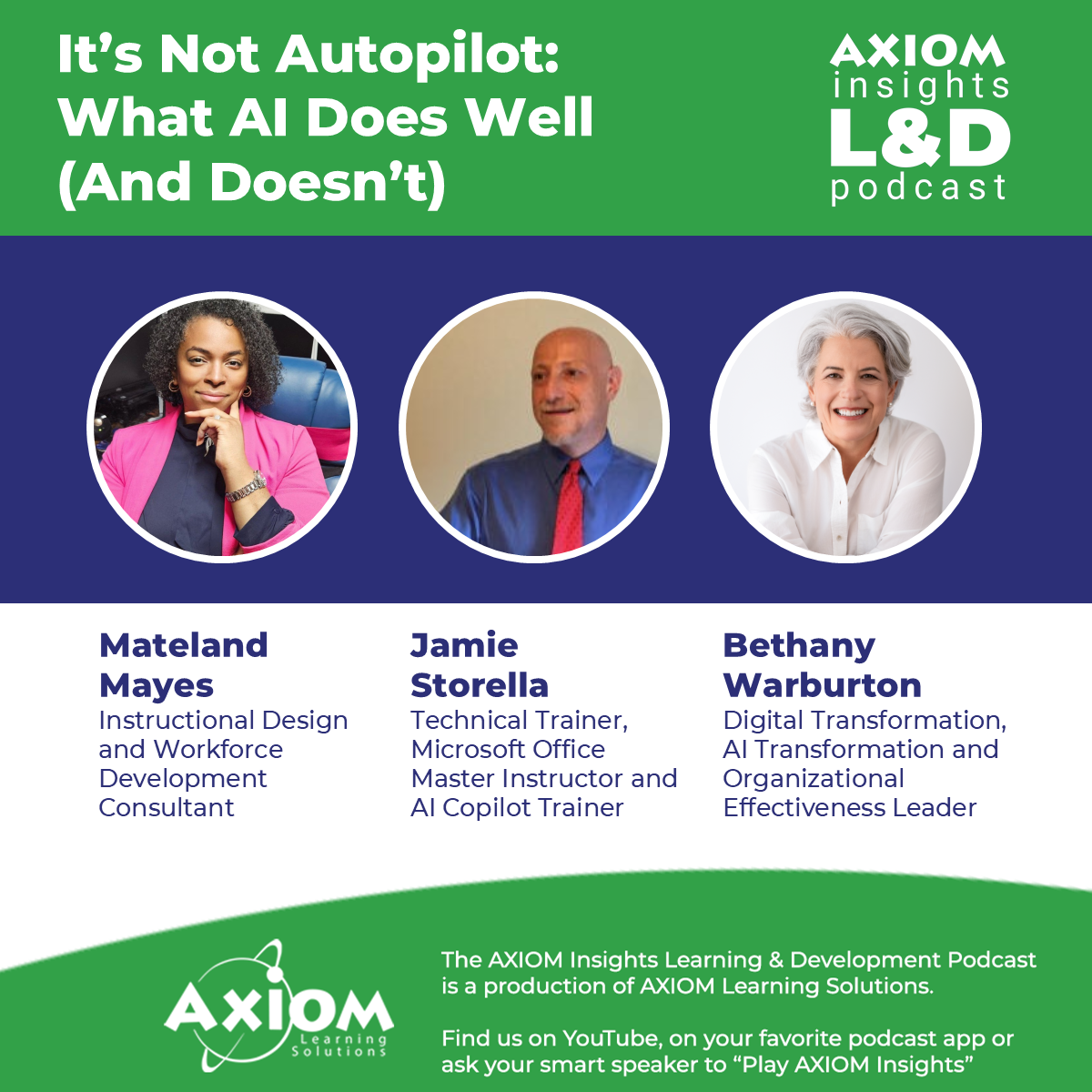 It's Not Autopilot: What AI Does Well (And Doesn't) - AXIOM Insights Learning & Development Podcast #46AXIOM Insights Learning and Development Podcast · on Claude79 / 100
 John Suarez on How Businesses Should Actually Use AI Without Losing Human JudgementMarketing for SMEs · on Claude78 / 100
 Vibe Coding Your MVP Is a Time Bomb: AI Workflows for Founders Who Want to Ship Twice80 / 100800,000 Lives, 210 Engineers, One Bet: Inside Collective Health's AI Push63 / 100
