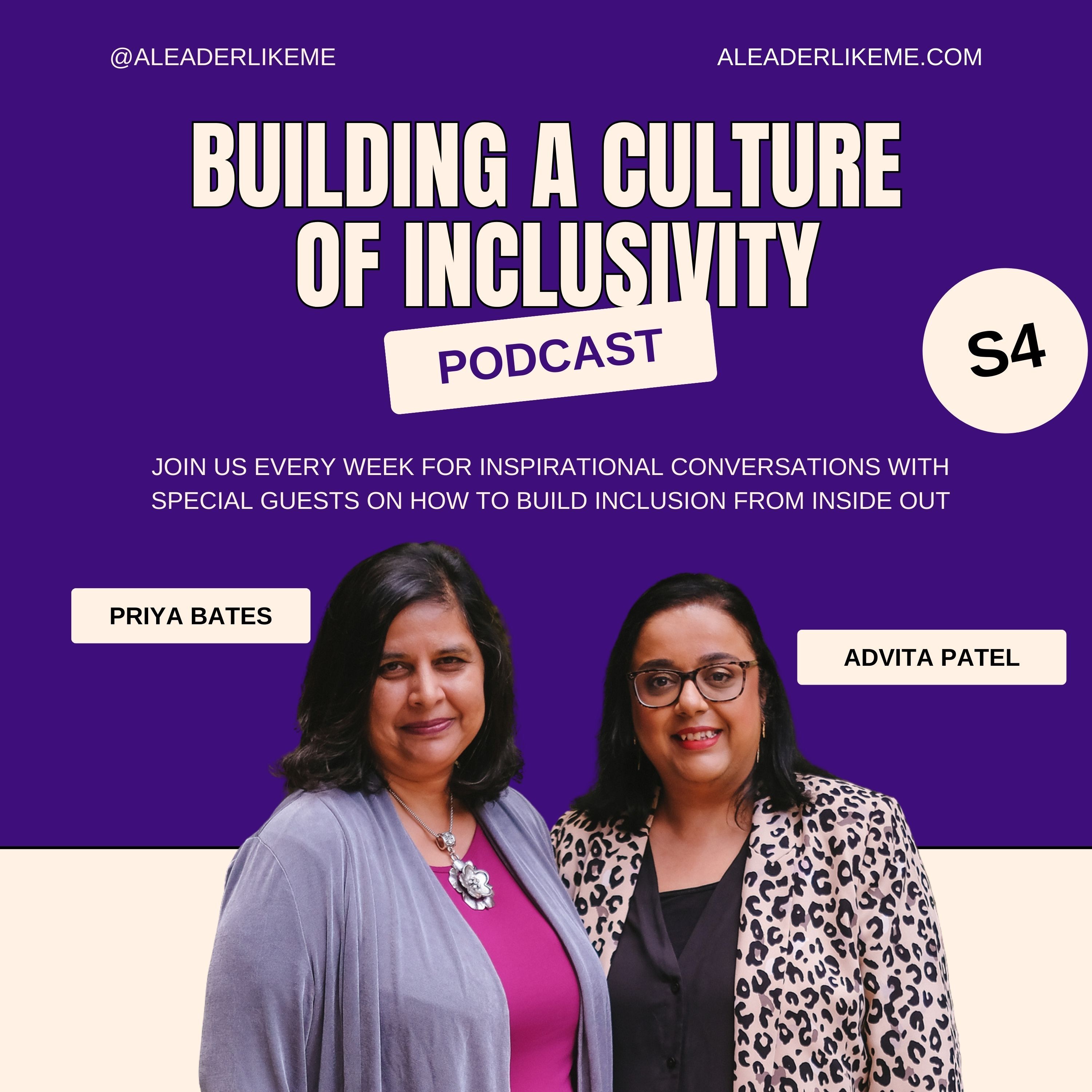
A Leader Like Me: Building a Culture of Inclusivity · 2025-05-15 · 18 min
Key moments - from our scoring
Substance score
47 / 100
Five dimensions, 20 points each
Matisse Hamel Nealis, principal of Matisse Nealis Consulting and part-time professor at Durham College, joins hosts Priya Bates and Agvita Patel to explore accessibility as a core business practice. The conversation centers on the universal design principle: when you design for outliers and marginalized communities, everyone benefits. Matisse shares concrete examples - transcripts enabling quick podcast navigation, meeting agendas for blind professionals, curb cuts serving stroller users - demonstrating that accessibility accommodations serve the broader population. The hosts and guest discuss how accessibility is often treated as an afterthought in campaigns and projects, leading to unnecessary costs and unintentional exclusion. They address the shifting language around DEI/EDI/IDEA, arguing that regardless of terminology, implementing inclusive practices is sound business strategy that aligns with organizational objectives. Matisse's expertise spans digital accessibility, communications strategy, and training other professionals on accessible content creation. The episode appeals to leaders seeking practical frameworks for building inclusive cultures and businesses looking to understand accessibility's bottom-line impact.
Accessibility benefits everyone because designs created for people with disabilities serve the broader population - transcripts help anyone find content quickly, meeting agendas benefit professionals across all abilities, and curb cuts serve stroller users and cyclists. When you design for outliers, you capture everybody.
Incorporating accessibility from the project start costs less than retrofitting it later; building inclusive practices into communications, campaigns, and digital products from the onset avoids expensive rework and complexity.
Accessibility is about removing barriers to access information and services; inclusion ensures everyone can participate in ways that suit them best, tailored to individual needs - they're complementary but distinct.
No - focus on implementing the good business practices and best practices that create welcoming, inclusive environments regardless of what acronym you use; the outcomes matter more than the label.
Avoiding back-to-back online meetings reduces overstimulation for neurodivergent employees but benefits all workers; providing agendas and PowerPoint decks in advance helps blind professionals and everyone else prepare; transcribed podcasts let anyone search and reference content quickly.
Our reviewer’s read on each dimension, with quotes from the episode.
The episode offers some valuable concepts (curb cuts as universal design, planning for outliers helps everyone, accessibility as business sense) but repeats these ideas multiple times without deepening them. Most insights are introductory-level familiarity with accessibility framing rather than novel operational guidance for B2B leaders.
when you are creating a podcast, like we're doing right now, um, you know, it's one thing to just have the recording, but then ensuring that you also have the transcript available at the same time, that is so key
if you plan for the outliers, you capture everybody
The curb cuts metaphor and 'design for the outliers' framing are well-established in accessibility discourse, not novel. The business case argument (accessibility saves money, helps everyone) is standard DEI talking points. No counterintuitive claims or first-principles thinking that would surprise informed practitioners.
when you think about the most marginalized person in your community and address challenges that they're facing, the majority will always benefit
We see with curb cuts, for example, they were meant to help people in wheelchairs, but if you have a stroller, win
Matisse Hamel-Nealis has genuine practitioner credentials (certified accessibility specialist, PR consultant, professor, podcast founder) and has done accessibility work at scale across communications. However, she is primarily a thought leader and educator rather than a scaling operator or exec who has built accessibility programs within large organizations.
She's an award winning Metis communications and digital accessibility consultant based in Toronto with extensive public relations experience
Certified as an accessible document specialist and a certified professional in accessibility core competencies through the International association of Accessibility Professionals
The episode lacks concrete examples, specific company case studies, metrics, or measurable outcomes. References to 'PR News PR Champion awards' and a forthcoming book are vague. Most advice is generic best practices (add transcripts, share agendas in advance) without data on ROI, adoption barriers, or implementation challenges in real B2B settings.
I was one of their DEI champions, uh, two years ago
Matisse has a book coming out in October which is all about accessible communications
The hosts ask open-ended questions but rarely push back or probe deeper into challenges. When Matisse mentions accessibility as an 'afterthought,' the hosts don't ask why, how often, or what systemic barriers cause this. Questions are warm and affirming rather than incisive; there's minimal disagreement or productive tension that would test claims.
If you were to introduce yourself without mentioning your job or your title, what would you want our audience to know about you?
And you know what I uh, love about that is it really is a combination of knowing what, how you work
Computed from the transcript - who did the talking, and the words that came up most.
In this episode of A Leader Like Me, we sit down with Matisse, an award-winning advocate for inclusive communications, to unpack why accessibility is good business - and why it's time we stopped treating it as an afterthought. We explore: Why designing for the 'outliers' creates better experiences for everyone Common accessibility oversights in communications - and how to fix them The problem with getting stuck on acronyms like DEI or IDEA The importance of listening to lived experience, especially in these polarised times Why accessibility is not just a disability issue - it's a human one Matisse also shares insights from her journey in the DEI space and gives us a sneak peek into her upcoming book on accessible communications, out this October."Accessibility isn’t a bolt-on. It’s a mindset. And when you bake it in from the start, you tell people: you are welcome here." Listen now and discover how to make your communications - and your workplace - more inclusive, effective, and welcoming for all. Priya and Advita. ______________ Did you know?
Transcribed and scored by The B2B Podcast Index.
Speaker A: Welcome to A Leader Like Me, the podcast where we celebrate the leaders making workplaces more inclusive. I'm Priya Bates.
Speaker B: And I'm Agvita Patel. We're the co founders of A Leader Like Me and the co authors of Building a Culture of Inclusivity, Effective Internal Communication for Diversity, equity and, uh, inclusion. We believe that true leadership isn't just about titles. It's about creating spaces where everyone feels valued, heard, uh, and empowered.
Speaker A: This season, we're taking you behind the scenes.
Speaker B: That's right. A leader like me has grown into a global movement and we couldn't do it alone. So in this season five, we're introducing you to our incredible team. Passionate, diverse and driven leaders who are helping us shape inclusive cultures worldwide.
Speaker A: Each episode will highlight a new team member, the their stories, their insights, and the impact they're making. You'll also hear more about us and why this work matters so much.
Speaker B: So whether you're a leader looking to drive change or are, uh, passionate about creating inclusive cultures where all employees can thrive, we're excited to have you with us. Let's dive into season five of A Leader Like Me.
Speaker A: In today's episode, we are interviewing Matisse Hamel Nealis. She's an award winning Metis communications and digital accessibility consultant based in Toronto with extensive public relations experience. Matisse is the principal of Matisse Nealis Consulting and a part time professor at Durham UM College where she developed and now leads the public relations graduate certificate program. She is the founder and host of PRN Lattes, a podcast and blog that provides a platform for communications professionals to share insights and ideas on public relations, marketing and accessibility. Matisse is deeply committed to fostering inclusivity and accessibility in all her roles. Certified as an accessible document specialist and a certified professional in accessibility core competencies through the International association of Accessibility Professionals. Matisse is a respected authority on accessibility in digital communications. I hope you'll enjoy this conversation with Matisse. So excited to have you here, Matisse. Uh, let's start with a question we ask all of our guests. If you were to introduce yourself without mentioning your job or your title, what would you want our audience to know about you?
Speaker C: I am an advocate for all. I believe that what any profession can do. This is an interesting, tricky question to not say your profession. Um, but I believe that anything in any profession that we do, advocating for everyone to have the same access to what everybody else has is key. So that is what I do. I work towards advocating for everyone to have access to information.
Speaker A: That's amazing. I, you know, one of the things I realize, especially when you're focusing on the accessibility space, you know, access. Accessibility, right. Is, uh, one of the big light bulbs for me, uh, as I've navigated through, through, um, this space over the last, you know, 30 years. In some ways, um, is that so many of things we're asking for help us. All right? So it's. I think that there's this kind of misinformation that it's just for some, but it really is about everyone.
Speaker C: It really is. And I always tell people when you're thinking about creating content or when you're thinking about anything that you're doing, whether it's in the communication space or any other space, it's designed for the outliers because then you capture everybody. Right? So when you are creating a podcast, like we're doing right now, um, you know, it's one thing to just have the recording, but then ensuring that you also have the transcript available at the same time, that is so key because sometimes it doesn't necessarily mean that somebody has a, uh, hearing disability or is deaf or hard of hearing, but rather, I remember they said something on that podcast, and I just quickly need to get to it. I can do a control F to find it in the transcript and then go exactly to where it was to listen to it. So it helps everybody across the board. When you're thinking about what people would consider the outliers or, you know, accessibility tends to fall in that space sometimes, um, it actually winds up helping everybody instead. Right. We see with curb cuts, for example, they were meant to help people in wheelchairs, but if you have a stroller, win, if you're. If you, uh, have a bike or a skateboard, it's a win.
Speaker A: Right?
Speaker C: It helps just everybody when you think that way.
Speaker B: Yeah. We wrote about per plots in our book as well, because that was a really, uh, great example to demonstrate how when you. You think about the most marginalized person in your community and address challenges that they're facing, the majority will always benefit. Like, there's. There's nothing out there where. Address for the minority groups and the marginalized communities where the majority won't benefit from. Uh, and this is what I, I find really interesting about some of the conversations that we're hearing about, uh, accessibility and inclusion and how people are a little bit more dismissive of it when actually you're right. You know, the outliers is where it all is at the end of the day. You know, this is where if we can all just put a little bit more effort in to make things as inclusive as we possibly can, then every single person will benefit from that. And uh, that's what we say to our workplaces, right, that aim it on the marginalized and the majority will always benefit. Like uh, right now you'll know all about this at the neurodivergent community and you know, put in some practices, good practices in place in the workplace, like not having back to back online meetings, you know, giving people time to reflect and download what they've heard, making sure that it's not too much overstimulation in the workplace so people have time to um, focus and do what they need to do. All of that, if you implemented all those guidelines and good practices in the workplace, every person, whether you're neurodivergent or not, will always benefit from that. Like who wants back to back meetings where they can't have opportunity to think? So, yeah, completely with you. 100% agree.
Speaker C: Yeah. And that's so accurate. Just to sort of build on that. Because even something as simple for people who are blind or partially sighted, the request for the agenda or the PowerPoint deck in advance of the meeting, that helps me tremendously because then I know exactly what we're covering. I can review the slides and just sort of make notes of when I have questions or I need clarification in advance instead of being in the meeting and sort of being put on the spot, any questions, um, I'll get to you, I'll get back to you kind of thing. Right. So yeah, no, I completely agree with everything you just said.
Speaker B: Uh, and on that note, what does inclusion mean to you?
Speaker C: Inclusion to me means everyone gets to participate in a way that suits them best because uh, it's not a one size fits all when it comes to inclusion or accessibility or belonging, but we have to tailor it for the individual and um, for inclusion. That that would be allowing and ensuring that everyone can be part of the conversation or be part of what is happening in a way that suits them best.
Speaker A: And you know what I uh, love about that is it really is a combination of knowing what, how you work, uh, in the workplace and then knowing what's available to you to make that as easy as possible. Right. And, and I mean work doesn't, it doesn't have to be so hard. Everything doesn't need to be so hard sometimes.
Speaker C: Right.
Speaker A: I think that sometimes we over complicate things, uh, you know, and that doesn't help anyone. And uh, I think there's such an opportunity. So tell me Matisse, what has been your Proudest achievement to date.
Speaker C: Oh, that's a great question. I, um, would say my proudest achievement to date would be being recognized for my work in the DEI space, um, particularly around accessibility. So I like to say idea space. So accessibility is in there, um, through the PR News, PR Champion, uh, PR People of the Year awards. I was one of their DEI champions, uh, two years ago. Um, but it was more so for the work that I did, um, in promoting accessibility within our communications space. So yes, I was recognized, but my proudest moment was just getting to do that work and helping educate other professional communicators, um, and just communicators in general, uh, because you might not be doing it for a profession, but if you talk to people, you're a communicator in some way, um, understanding how to be more accessible in their communications to ensure that they are really reaching everyone as much as possible versus maybe, uh, unintentionally excluding people by not having, you know, like an accessible website or their social media content not being fully accessible. So for me that was definitely just knowing that people appreciated, if you will, uh, that work going into it and sort of trying to change those mindsets.
Speaker A: And you know, you were talking about the word idea and we've, and Evita and I go back and forth about DEI edi. I think we, um, sometimes we'll think, uh, we get so caught up in the semantics, um, versus the intent and the impact. Um, you know, and especially it'll be really interesting to navigate. We're recording this at the end of January. So there's been a lot of noise, a lot of things happening in the U.S. um, ah, that has ah, really attacked DEI in general and uh, and is intended to distract, um, how much of this is about what we call it versus where we're going and what we're trying to achieve.
Speaker C: Exactly. And part of that is also people are kind of looking at it as, or this in the conversations I've been having, that it's just doing good business when you incorporate DEI Idea Abide. There's so many different acronyms for this. Um, but it's just doing good business. And you know, if we have to change the name or not have a name for it, but still implement those best practices. Right. And if that's, if, if it's the acronym that's the scary part, fine, we lose the acronym, but we still do what we need to do to be good business and to be welcoming and inclusive to everybody. We just won't call it dei.
Speaker B: Yeah, that's a really valid point because I do think people get stuck on the, the edi di ideas, you know, the unfairness of some of it. But to your point, it's good business sense. And Priya and I always talk about, yes, morally, we should be doing it anyway without having the need to do a business case. But ultimately, you know, business leaders will want to know the impact that kind of stuff is going to have on their bottom line. And if we have to kind of align it to the objectives of the organization and the outcomes that they're trying to achieve, then ultimately it will help building more inclusive spaces to help everyone belong in the right way. And I think that's why we're seeing such a, such, uh, a violent reaction to what's going on right now, because folks have got lost within it without actually thinking about the bigger picture of what we're actually trying to do. And it's not about taking away from one community to give to another. It's about making that table bigger. And I always say that, you know, make that table bigger. So you're inviting more people to the conversation.
Speaker C: Yeah.
Speaker B: And it's not just about a small, a small group of people, sorry, you contribute and thrive. It's about everyone. But, yeah, love that. What one piece of advice would you share with our listeners who want to learn more about inclusive cultures?
Speaker C: I would say the biggest one is to listen. Um, LinkedIn is a great place where thought leaders, those with lived experience, are sharing their insights, their perspectives, and even tips and tricks on how to be more inclusive for their particular community or just for everybody at large. Like we said, if you plan for the outliers, you capture everybody, um, following different people and different voices on your social media platforms, I think is a big one. Um, because it gets you outside of your own perspective and thinking about how others are seeing the world, if you will.
Speaker A: That's, uh, that's awesome. You know, it's, uh, interesting times and, uh, and I think it's going to call on people to really understand who they are and how each individual navigates these spaces. Uh, and, and whether you're going to be a leader or a follower.
Speaker C: Exactly.
Speaker A: During these times. Uh, I'm curious about what you're really excited about, uh, working with a leader like me.
Speaker C: For me, it's the excitement of being able to share more insights and understanding around accessibility. When it comes disability community. It is the one marginalized community that anybody can join at any given time. Right. Whether it's a permanent disability, a temporary or a situational disability, we, we can all fall into that, um, area at any given time. So helping educate businesses and other individuals and like minded individuals on the importance of accessibility, how to be accessible, is so key. And what really excites me because it's sometimes the afterthought in campaigns and in projects where it's like, okay, we've done all this incredible work and now it's like, but it's not accessible. So now how do we incorporate accessibility into it? So when we think about it from the onset, a, it saves on money from a budgetary perspective, which, you know, everybody loves to save some money there. Um, but also it makes it easier to weave it in as you're going along and thinking about it. So providing that, understanding that how do we do this properly in that regard is what really excites me. Because, um, without it, you know, without the accessibility component, we, um, are unintentionally telling people you're not welcome. And I like to believe that. And it might be a little naive, but I like to believe nobody's intentionally telling people they don't want them to spend their money or, you know, engage with their services, um, by being inaccessible. So, um, you know, by providing this sort of outlet. I'm really excited to be able to do that.
Speaker A: And it's a little bit like this group that we've gathered through a leader like me. We all do have, we do have. We're realist, realistic.
Speaker C: Yeah.
Speaker A: But we do kind of approach things with a sense of belief and optimism and hope.
Speaker C: Yeah.
Speaker A: You know, uh, for all the right reasons. Because we believe that we're helping create a better world and better workplaces through the work that we do.
Speaker C: Exactly, exactly. And it's such a phenomenal team. So just to be able to share my little insights with everybody is. I'm really excited to, to get going.
Speaker B: And we're really excited to work with you. You know, we've said on almost every interview we've done with our collective that uh, we're so privileged, uh, and, and lucky to be surrounded by such remarkable individuals like yourself who agreed, uh, to be part of the collective. And um, as you know, Gabriel said, it feels, it does feel like the Avengers, the inclusive Avengers. And I'm excited to work with you and I'm excited to see where a leader like me goes next and how we can help others in their challenges or questions that they may have as well. So thank you, Matisse, for this wonderful conversation. We're excited to work with you. And if anyone. Oh, one thing we should mention is that Matisse has a book coming out in October which is all about accessible communications, so we'll be sharing more of that over the coming months when it's ready for publication. So if you are wondering, oh, what can you introduce and what practical tips can you have, then this book is definitely going to be your, uh, answer to some of those questions. So we'll be celebrating and recognizing that over the next few months as well. So keep a lookout, uh, for, for that coming out in October, uh, in, in Canada and in the UK and globally. Yeah. Fantastic. Thank you so much, Matisse, for your time.
Speaker C: Thank you so much for having me.
Speaker A: Me.
Speaker B: That's a wrap on this episode of A Leader Like Me. Thank you so much for spending time with us and for being part of this journey towards more inclusive organizations.
Speaker A: If you found today's conversation valuable, don't forget to subscribe, leave us reviews and share this episode with someone who needs to hear it.
Speaker B: And if you're looking for more ways to build an inclusive culture in your workplace, check out our book, Building a Culture of Inclusivity. It's packed with insights and practical strategies to help you take action.
Speaker A: You can also learn more about our programs, services, and how we can support your inclusion journey@www.aleaderlikeme.com.
Speaker B: we'd also love to hear from you to connect with us on social media and let us know what resonated with you today.
Speaker A: Until next time, keep leading with purpose, inclusion and authenticity.
Speaker B: Take care and we'll see you soon. Sam.
S5 EP7 How to lead inclusive change from any role with Rachelle Henderson46 / 100S5 EP5 - The Real Risk of Exclusion: Janelle Benjamin on Building Safer, Stronger Workplaces59 / 100S5 EP4 - “From Fear to Fulfillment: Building Inclusive Cultures with Curiosity and Courage53 / 100 S5 Ep2 - A Journey of Resilience with Alexandra McAvoy40 / 100S4E8: Building a Culture of Inclusivity with Christelle Beneteau77 / 100