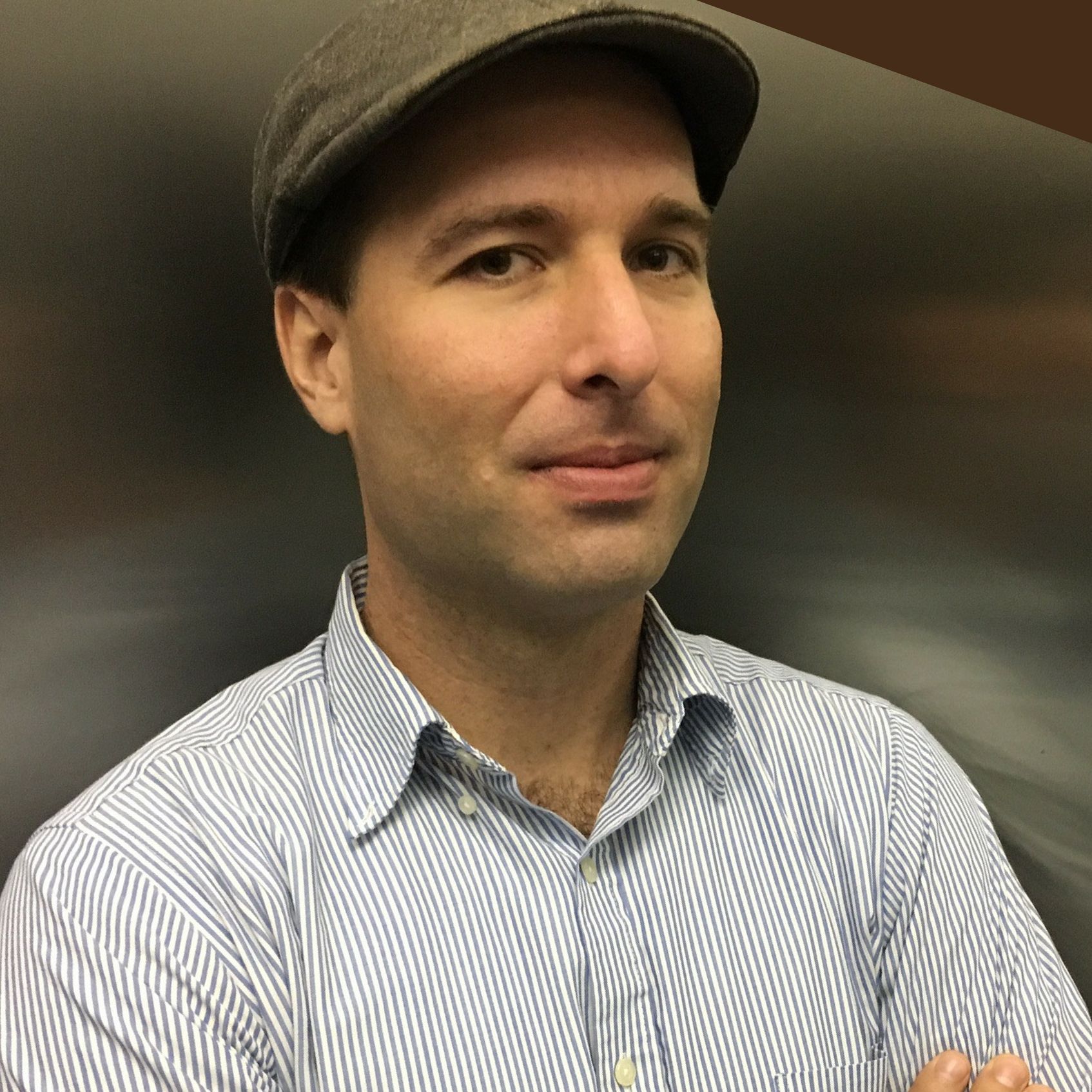
The Recovery Executive Podcast · 2025-10-08 · 1h 4m
Key moments - from our scoring
Substance score
55 / 100
Five dimensions, 20 points each
Cumberland Heights stands apart among nonprofit substance use disorder providers by maintaining consistent profitability and operating surpluses - a rarity in the field where many legacy nonprofits struggle with annual deficits. Jay Crosson attributes this success to disciplined financial management focused on net operating income before donations, measured geographic expansion within Tennessee, and unwavering commitment to the organization's 12-step-foundational model while adapting to clinical trends like medication-assisted treatment and co-occurring disorder services. Crosson's approach to growth differs fundamentally from for-profit expansion models: rather than rapid facility scaling across multiple states, Cumberland Heights adds services incrementally, understanding that new programs typically lose money for 18-24 months and require existing revenue to sustain. His philosophy - "if you take care of the patient, the patient will take care of you" - emphasizes that reputation and community word-of-mouth cannot be replicated across state lines or through marketing alone. This is essential listening for nonprofit and for-profit operators seeking sustainable growth models that don't sacrifice culture, clinical quality, or long-term financial health for short-term census gains.
Cumberland Heights operates with a discipline of budgeting to net operating income before factoring in donations, maintains conservative headcount growth (recognizing that 10 FTEs cost $750K-$1M annually), and funds new program startups through existing surpluses rather than relying on external capital - ensuring core operations remain profitable.
Expansion is Tennessee-focused and incremental rather than rapid multi-state scaling. New service lines are expected to lose money for 18-24 months, funded by existing profitable operations. Geographic decisions are community-driven and centered on Cumberland's established reputation, which cannot be quickly replicated elsewhere.
Cumberland Heights adopted MAT as a detox tool and expanded co-occurring services only after collecting patient data and consulting peers like Hazelden and Ashley, ensuring changes aligned with the organization's 12-step foundational model rather than chasing industry trends prematurely.
Treatment is not a calculated, copycat model - regulatory requirements, insurance payer relationships, community reputation, and clinical culture differ significantly across states, making rapid multi-facility scaling without local roots and reputation unsustainable.
Patients who receive quality care naturally promote the organization through word-of-mouth in 12-step rooms, churches, and their communities far more effectively than paid marketing, but this reputation advantage requires decades of consistent delivery and cannot be accelerated.
Our reviewer’s read on each dimension, with quotes from the episode.
The episode contains a handful of genuinely useful operational insights - particularly on nonprofit budgeting philosophy, AMA rate analysis, and the economics of new location ramp-up - but they are dispersed across long stretches of platitudes ('culture is huge,' 'patient first'), host summarising, and mutual agreement. The density of non-obvious claims per minute is low.
what I know in the culture of treatment centers, or at least in nonprofit treatment, the labor is not very variable. You know, it tends to be fixed until you've got a catastrophic event and then you have to do layoffs
My goal was always to budget in the block. And for a lot of nonprofits, they look at, you know, the, the bottom line of the 990, which includes donations and contributions and all of that, that is I want to operate in the black prior to all that
Most of the strategic advice - grow slowly, protect culture, stay local, avoid chasing growth - is conventional nonprofit management wisdom. The AMA recidivism finding and the 'quiet innovators' self-description are mildly fresh, but there are no genuinely contrarian or first-principles arguments that would reframe how a practitioner thinks.
sometimes say we're quiet innovators. Like, we're doing some things but nobody knows we're doing them until after we've been doing them for a while
every time you're saying yes to this, you're saying no to something else down the road, because there's a limit
Jay Crosson is a genuine long-tenure practitioner - 32 years at the same organisation, former patient, worked up from admissions through CFO to CEO - with verifiable operational outcomes to point to. He is not a conference circuit thought leader; he has actually managed P&Ls, capital campaigns, and multi-site expansion in a difficult sector.
I am the CEO of the organization. Did not start as the CEO, actually was a patient here, uh, got sober here at the age of 26 in 1989 and came back four years later and started in admissions
I was actually the CFO before the CEO
There are useful concrete data points - employee cost benchmarks, geographic patient mix percentages, named staff, specific programmes and timelines - but hard financials (actual revenue, margin percentages, grant dollar amounts beyond the capital campaign figure) are largely absent, and outcome data from the research institute is mentioned but never quoted.
10 employees would have been half a million dollars with benefits. Now it's probably 750 to a million dollars, you know, so it doesn't take many FTEs to tank your numbers
about 70 of our adults come from Tennessee, 30 come from elsewhere
The host connects threads reasonably well and occasionally surfaces a useful structural point, but he routinely answers his own questions before the guest can, delivers long unsolicited monologues, and rarely challenges or stress-tests a claim - turning what could be probing exchanges into mutual validation sessions.
I think I'm hearing two things that just related to my experience, seem to really successful one like you said, operating from the assumption that especially on the non profit side, we're not factoring in the donations into um, the operating budget. Right. Really important
Right. Yeah, yeah.
Computed from the transcript - who did the talking, and the words that came up most.
Cumberland Heights is one of the most consistently profitable non-profit treatment programs in the country. If you look at the 990s of many well-known non-profit treatment programs, they have consistent annual fiscal deficits when donor contributions are removed from the P&L. They have also continued to successfully expand throughout the state, adding on service lines and locations. In this episode, I speak with CEO Jay Crosson to learn just what it is about Cumberland Heights' strategy that has made is so consistently successful.
Transcribed and scored by The B2B Podcast Index.
Speaker A: Foreign.
Speaker B: Executive Podcast with your host, um, Nick Jaworski.
Speaker A: We bring you the business of recovery because those struggling with addiction need you
Speaker C: to be here tomorrow as well as today. Thank you for joining me here on the Recovery Executive Podcast. I'm your host, Nick Jaworski, CEO of uh, Circle Social Inc. A strategic marketing firm for healthcare and behavioral health providers across the country. Today I'm speaking with Jay Crossen. He is the current CEO of uh, Cumberland Heights, large statewide SUD provider in the state of Tennessee. As always, I, uh, try to bring on guests that can add a lot of value to listeners and legitimate value and Jay is certainly, uh, fit in that regard. Cumberland Heights has been one of the more profitable, if we can use that term, for non profits nonprofit SUD providers in the country. If we look at the 990s of a lot of uh, what we might term legacy providers or just non profit providers across the country, both big and small, we find that they have a budget shortfall. They're operating in the red almost every single year and are often propped up by donations or need to seek additional funding sources through grant mechanisms in order to fund their operations. However, Cumberland Heights has been fiscally sustainable and operated with a budget surplus in the black for nearly the past decade, which is very strong uh, variance compared to some of their peers. So Jay offers an excellent perspective into what works for a growing organization because Cumberland Heights has certainly grown. They started off as a single residential, now they have multiple residentials. They expanded to teen treatment programming. They expand iops and have multiple iops across the state and are just opening a new one in Memphis, as we'll hear. This is the key to this podcast and always has been. When I first started this podcast, uh, I started it because there wasn't a lot of good business advice out there for providers and business advice, whether we're dealing with clinical, whether we're dealing with marketing, whether they're doing operations. Instead, there was a lot of smoke and mirrors or what I consider misdirection. Oftentimes when we go to conferences we see people from large organizations speaking. And the reason that these people are most often brought in is not because their organizations are overly successful. Actually what I learned over the years is most of the time they weren't, they were part of a large organization. Maybe they had a wide geographic footprint, maybe they had a lot of private equity investment, or maybe they were just a big name in the space. And for this reason they were used more for promotional reasons than anything, whether they're on a podcast or speaking at a conference or invited to a webinar. Great. I'm so and so. I am the CEO, I'm the coo, I'm the CMO of this large organization. But oftentimes I've had direct experience with these same organizations and I've been in their P and ls. We've done the consulting work, we've helped with the turnarounds. And what I consistently came across was the fact that these organizations had maybe not been profitable in several years or maybe they had never been profitable in the first place. So here we are listening to people give us advice or give us a perspective and one that's not overly successful. That is something I've always been incredibly conscious of with this podcast is the people that I invite on are walking the walk and have demonstrated success in the areas that we're speaking about now. That doesn't mean I haven't brought on individuals from organizations that are struggling financially, but it takes a lot to make a really successful organization. So when I speak to someone or work with a team and I see that the head of business development is really doing things right and being very successful within their department or with their KPIs, that's someone I'm going to bring on. Maybe the organization overall isn't overly successful because maybe clinical AMAs are very high or billing is off or their marketing is not in alignment. There's 100 reasons why an organization might be struggling financially and it can't be all on the shoulders of one department. Even if one or two departments are doing really well, if the rest of the organization isn't following suit, then there's a good chance that that over organization overall is not going to be successful. So with Jay very appreciative of him coming on and being willing to share all of the things that he has learned at Culverin heights over his 30 plus year career there. And just the amazing work that they've done to be such a huge and positive influence not just in Nashville, but across the state of Tennessee and doing it profitably. We will talk about, uh, things like patience, strategy, culture, some of these really important pieces that can get lost when we are trying to go too fast or think we can run copycat models and just prop things up from an operational standpoint without really taking into consideration culture, strategy, community. Things are essential to a successful healthcare organization that might not be as necessary when propping up a subway franchise or a rent a center. And so Jay does an excellent job of sharing his insights with us. I think you will Find his perspective incredibly valuable. With that, let's jump in.
Speaker B: Hey Jay. Great to see you.
Speaker A: Good to see you Nick, as always.
Speaker B: Yeah. So you want to kick off a little bit, introduce yourself and tell us a little bit about Cumberland Heights?
Speaker A: Sure. So, uh, Cumberland Heights is a non, uh, profit located in uh, Nashville, Tennessee. Next year we'll celebrate 60 years. Multiple campuses started as most places with our residential campus, uh, out on 177 acres. Uh, we're part of Nashville. In addition to that we've grown, added independent uh, off site campuses for adolescent uh, boys and girls and uh, have a program called Stillwaters, which is what some would call 12 step immersion, sort of maybe old school treatment and um, soon to be 15 intensive outpatient locations. So got one that we're about to hopefully we get the inspection on Monday and get the license and we're ready to go in Memphis. So uh, been around for a long time, ah, really good quality care. Um, and I am the CEO of the organization. Did not start as the CEO, actually was a patient here, uh, got sober here at the age of 26 in 1989 and came back four years later and started in admissions and sort of work. Worked my way up and um, hope to retire here someday. So.
Speaker B: So how long have you been with Cumberland Heights in total then?
Speaker A: Yeah, so, uh, 32 years, uh, in May. And uh, in May I officially celebrated 10 years and another six, uh, months prior to that as interim CEO. So been here a minute.
Speaker B: So one of the reasons I wanted to have you on, and we talked a couple times on just uh, the success that Cumberland has, both before you started and obviously as ah, part of your uh, oversight continue to grow. And you've done it really well from a fiscally sustainable standpoint. You're continuing to expand programs like you just talked about. So over the time that you've been with Cumberland, what are some of the things you've seen change in the field and how um, do you think Cumberland has adapted and succeeded in adapting to those changes?
Speaker A: So I've seen the field change quite a bit in 32 years, you know, and in a positive way for the most part. We've always as you know, the. I feel sometimes like the field that there's a pendulum and it swings too far in one direction and then it might swing back and then it might swing back too far in the other direction. But it sort of returns to center, you know, for come for Cumberland Heights. You know, where I think we've really grown is we've always been 12, uh, step foundational model. Um, but I think we've also, and we've stayed too true to that tradition. We feel like that uh, having our patients um, be exposed to that, to have a rich experience and get connected to the recovery community provides a lasting pathway for recovery. Um, and we have a really strong alumni base, um, a lot of people in recovery in the rooms. And so there's a lot of support once they leave our official clinical services. So uh, we've stayed true to that. Where I've seen us grow and change over the last 10, 15 or so years is really adopting more of a co occurring presence. Being able to treat the whole patient. That's always been something we've talked about, treating the whole patient. But in the past that just meant, you know, having spiritual care counselors to address spiritual issues, the family program to address family issues, uh, the medical, the biomedical, the psychosocial. But we really, and I would not call us an early adopter. We're really kind of a late adopter maybe in the field of that. But once we collected data and saw who our patients were, it was like, you know, hey, this totally fits in. We've got to do a better job with these other co occurring themes. So that's been a big change that I've seen at Kremlin Heights through the years. Again, we were not probably an early adopter to you know, use Suboxone, past uh, the, as a detox medication because of that history. But you know, doing the research, looking at it, talking to our, our peers at, you know, Hazelden and Ashley, we, we learned to do that in a way that's true to Cumberland Heights and our legacy and tradition. And so um, I think those things have been changes that I've seen in recent years. Telehealth, you know, we all sort of, uh, that's, that's a new option for us sort of. We were working on telehealth a year before COVID It took us forever and then Covid hit and we got it done in eight days. So necessity is the mother of invention. So as a CEO, that was a lesson to me. It's like, you know, they can get it done if they have to, but.
Speaker B: Right.
Speaker A: But then just expanding our services, filling out the continuum of care, um, uh, recognizing that a lot of patients need long term recovery support. I'm glad to see that the field setting in that direction and I'm hoping with some of the changes at ASAM that the payers may start paying for some of those levels of care as well for uh, Ongoing recovery support, um, through case management or certified peer counselors. So we're living those sort of things. Um, you know, and I've seen this. We don't always succeed. You know, sometimes we venture in a place and then it doesn't work out. Um, but what I can say is there's, there are certain themes that underlie all those decisions and how we are going to do it. And um, one, it's always patient centered and making sure we might not be the fastest, but we're going to make sure that we do it in a way that's authentic to our traditions and takes care of the patient. Um, and then, um, and then we want to do it with quality and do it the right way. We'd rather be a little slower and do it the right way than to launch quickly and you know, have adverse outcomes.
Speaker B: Yeah. On that comment, you know, when you're kind of walking through the history here and some of the changes that you guys have made over the years, as you said, it's nothing radical, right? You added in co occurring disorders, you expanded your levels of care, you added in telehealth. And these are things that everyone has done, right?
Speaker A: That's right.
Speaker B: But if we look at your, your peers, maybe the nonprofit space, Cumberland Heights tends to stand out in terms of fiscal responsibility and operating uh, in the black regularly. And then even if we look at the for profit side of things, I mean we've both seen just the large number of bankruptcies and providers that are struggling, um, even on the for profit side. So what do you think about how you guys have uh, implemented these changes or how maybe you stayed true to certain mission focused aspects of the organization, has allowed you to be consistently successful where other providers maybe have struggled more.
Speaker A: So you know, some of that I think is born out of my own experience, uh, and my background. So you know, I'm not a clinical administrator. Nothing wrong with that. I think clinical administrators, that's their strength, they need to balance that with strong financial people that they don't um, ignore that they could listen to. You know, for me, you know, I was a business major, got in recovery. So I for, and being a nonprofit, you know, our focus is not increasing the bottom line or margins first and foremost. But I also know that without margins, without being in the block, it ultimately limits who we can serve, um, and can um, be a huge morale buster for employees. So I'm an employee that went through a three year uh, wage freeze. And so what I had observed prior to being in the leadership team was sort of boom and bust cycles. And so as I grew in the organization, went back, got my mba, I was actually the CFO before the CEO when I got the ability to help, um, push some of those levers and have a stronger voice in the conversation. My goal was always to budget in the block. And for a lot of nonprofits, they look at, you know, the, the bottom line of the 990, which includes donations and contributions and all of that, that is I want to operate in the black prior to all that. Because what I know, for us at least those donations, which they're designated for something, they're going to a building, they're going to a scholarship, I can't use that to pay the electricity bill or the roof that needs to be repaired and that sort of thing. So, so I am looking, even after depreciation, be at a net operating income in the black. Some years we do a better job of that. Another, sometimes we surprise to the upside. But what I know, you know, in business school they taught me that labor was a variable, uh, expense. What I know in the culture of treatment centers, or at least in nonprofit treatment, the labor is not very variable. You know, it tends to be fixed until you've got a catastrophic event and then you have to do layoffs, you know. So I want our employees to get a raise every year and all that. And I feel like if we manage that responsibly, we can take care of the employees. If we take care of the employees, then they'll take care of our patients. So that's sort of the philosophy behind that. And I'll have to say that Robin Cox, who just celebrated 19 years, who's my CFO, who had been the sick comptroller, we're aligned in that philosophy. But my leadership team, when we go into budget season, we do a very bottom up budget, but we've done a good job of helping people know that it has to be balanced. You know, it'd be great to have 10 more people over here, five more people over here. But one of the, one of my benchmarks was like, let's say we had, we were in the black by a million dollars. You know, back when I started as the CFO, you know, 10 employees would have been half a million dollars with benefits. Now it's probably 750 to a million dollars, you know, so it doesn't take many FTEs to tank your numbers. And so we, we're very mindful about how we grow in that way.
Speaker B: I think I'm hearing two things that just related to my experience, seem to really successful one like you said, operating from the assumption that especially on the non profit side, we're not factoring in the donations into um, the operating budget. Right. Really important on the for profit side where I think a lot of people get over their skis is they, they make this assumption that they spend all this money that somehow that's just going to work. And often that's mostly on the marketing side, quite frankly. They're like, if I take a hundred thousand dollars and we don't have that, you know, I've got investor capital or take out a loan or whatever, uh, for itself, uh, as we invest there and get all this money back. But really in what you guys are doing and what I also strongly advocate is actually what's our budget, what's our cash flow, what do we have available? And let's stay in within that and then grow or invest in marketing in other areas of the business or organization without breaking the budget.
Speaker A: Does that sound right?
Speaker B: Right. Yeah, yeah.
Speaker A: And I think uh, I think in some of those models it is about growth and getting bigger quick. And um, and um, you know, I remember hearing somebody in the past, you know, and they thought, well this is, this is really just like real estate. You know, we're buying these properties and all of that and then we provide these services. And so uh, I think bad things maybe happen because they weren't as developed clinically as they should have been. And then you know, you get bad press in the community and then there's, you know, there's fights on the campus and there's AMAs. And then I'm sure the investors are saying what's going on? Our census was 100 last month and that's only 70. And we're in the red. And the smart ones pivot and adjust, slow their growth. I remember another one that's uh, no, bankrupt, no longer in existence. And I was, they just started and they were going to go from I don't know, four facilities in two states to like 25 facilities in seven states in two years. And it was just too quick, too soon. I mean there's probably some people that can pull that off and you can scale in other businesses. And that's where I think sometimes pe, you know, it works in Rent A Centers or some other place where subways. Subway is a great franchise. Right. Everything's done the same everywhere and they do a good job of controlling all that. But what we do is not, it's not as uh, you know, calculated, uh, as the subway Kind of franchise.
Speaker B: Ah.
Speaker A: So, and so for us it's always been measured growth. Um, and what I know about uh, in my board is not getting bigger is not the goal. You know, growing to help more people incrementally is. What I know is that most new startups lose for us, they lose money usually in 18 to 24 months. And so if I'm trying to do too much of that and I'm funding that sort of through that excess net income, um, as I grow and so, you know, I can afford. Still Waters is a great example. Still Waters program lost money for two or three or four years and then it started contributing to the or. Well, it started contributing as I was doing some other venture, some Iops or something else. And you don't want, uh, you know, you need to be clicking on multiple cylinders and you don't want, you know, half your cylinders misfiring at the same time.
Speaker B: Right, right. I think there's a couple different threads to pull there. Number one is, I agree it's not a rent to center model. It's not a subway, it's not copy paste. Right. Can't just take the operations, pop it down somewhere else and it's just going to work. There's regulatory differences, there's insurance payer relationship differences, especially across state lines. Uh, there's community differences. But something that you said in the beginning was the importance of Cumberland Heights staying true to itself and that reputation. I think reputation is critical in healthcare and I can't copy paste our reputation into a new place. Very, very difficult to build a reputation. Every new community that we go into. Any comments around?
Speaker A: Um, that. Yeah, no, I think that's spot on. I remember uh, a guy that was a Beatty guy for us went to work for a kind of a newer place in Florida, really nice facility. You know, they had all of those elements. Right. You know, good food, nice property, you know, etc. Etc. Probably had a good clinical team. But he was like, you know how, you know, what do you attribute to your success? And, and part of that is our longevity. That's the one thing he didn't have. And so it goes back to a statement I remember that I heard. I attribute it to Joe Morgan. Other people attribute it to other people, but we still use it around here. If you take care of the patient, the patient will take care of you. I didn't take, totally understand that when I first started it was patient centered, patient first, the needs of the patient come first. But what I've, one of the ways that I've Learned what that means to me is that when we do good, high quality care, those patients go out into the community and they will sing our praises all day long, whether it's in a 12 step room or at their church. They'll get approached by a neighbor or a co worker or uh, and then they're gonna do better than we would ever do as far as promote self promotion. Right. So, but that takes time and there's no shortcuts to that. So uh, I do, I do think that's a strength that we have. I mean we've got challenges that other people don't have. We're in the middle of a $36 million capital campaign. PE people could go to the market, add another investor and that's just done like that. They might even leverage more debt. I don't want to have too much debt, you know, so, so we rely on the donor community for that.
Speaker B: But I think you hit the nail on the head there again on um, the marketing side. Often people coming to us and saying, well, who can we target and what message can we put out there that's going to drive patients in? And that's really the wrong way to think about health care. It's your patients going out having those conversations that drives that, ah, cumulative growth. I can tell people in the community that we're putting patients first. But if you're a new provider, to your point, it doesn't carry a lot of weight until you've been around a while, until you start hearing it from other people and then people really start to believe it. Right. The reputation build is that length of time and your consistency in the delivery of uh, fulfilling the promise that you're making. You know, there's a very big difference between saying something and doing something. And you always hear a lot of marketing messages, whether it's from health care providers or a car dealership. You know, the message is not super believable until that reputation's the there and you hear it from other sources to your point. So I think that's really important for people to understand. The uh, other part I want to look at in terms of what you said before was that growth strategy. And you guys have had really incremental growth. How do you think about when is the right time to expand or add on a new service line or location? And then how do you choose which service line or location to add?
Speaker A: So, uh, and I think we've matured in this process over time. I mean Our first IOP was in 1988. Right. Um, and then we didn't have any for like forever until really managed care hit hard and you couldn't get 28 days. In the, in the kind of late 80s, early 90s, you know, we'd gone from a PPO model of send Blue Cross a bill, they're going to pay 80% of it, no pre cert, everybody stays 28 days to. And that was uh, an example of the managed care coming in. It's like, you know, we're getting three days of detox and they're saying, well, we think they can go to IOP now. So what we realized during that process is that we needed to be able to provide to our patients a way for them to continue their recovery, their clinical journey. Um, not just at river road for a 28 or 30 day stay, which some might still get, but others might get 10 days or 14 days or 21 days or, you know, and they're just not, they need more time and, but, but rightly so, to some degree, the insurance was correct. Not all of those people all needed to stay the same length of time. So, so we started kind of Nashville centric and then we started growing out from there. So, um, for us, uh, all of our geographic footprint is in the state of Tennessee. And so in the past we were a little, uh, haphazard about that. Then we started looking at things that are just pretty logical, like what is the uh, what's the census of this, you know, community within a 20 mile or 20, 25 mile radius? Is it growing? What is the population? That is Medicare. We don't take Medicaid, we're commercial insurance, self pay a number of scholarships. But, uh, will it support that? What kind of makes sense. So we don't go out with huge IOP centers. They're pretty small maybe by some standards, but have the ability to grow as we grow into them. Um, and really in recent years we're um, you know, we're looking at. And actually like Memphis, we've not been in Memphis. Memphis is our newest IOP location. Uh, that we got the certificate of occupancy Thursday and the inspector comes Monday. So we hope to open that. But we've got a number. Um, you know, Memphis is three hours away. So can they drive to the hub? It's a little bit of a hub and spoke in my mind, you know, and about half of our IOP patients or patients that are stepping down, half of them, they'll start their finish there. A few of them, um, will struggle and they'll, they'll go upstream, they'll need, you know, they may have tried it, but they cannot, you know, maintain abstinence while, you know, long enough to get past two or three drug, drug screens. So. But that's kind of how we do that. We look at it that way. We also just, you know, staff wise, I can't, I don't have the staff that can manage five new IOP locations in a year. So we, we grow based on what they can digest and again, to do it the right way and bring people on and that, that sort of thing.
Speaker B: I think there's three different threads maybe I want to tie together here as we're talking to. Through this one, you've got the ability to expand basically revenue by having patients stay with you longer, especially post managed care. But also you're able to convert more of the people that are calling you. So the second thread there is. We have that reputation piece. You have an excellent reputation. And it extends pretty far outside Nashville, right? It really does extend across the state and beyond for the most part. So you are getting people calling you for team treatment, you're getting people calling you M for residential, you're getting people calling you for outpatient. So since you're getting all that call volume, uh, by having these different service lines, you're able to accept all of those patients looking for treatment rather than having to refer out. So that reputation aligns with the varied, uh, offerings. And then I think the third thread there is just the, the discipline as well as the patience to expand slowly within, you know, an operating cost structure that makes sense, or investment structure. I think where a lot of people get over their skis again is they try to do too much too fast. And to your point, a lot of them aren't profitable for 18 months, 24 months. And so if you want to open five IOPS, that's fine, but you better have enough capital to finance those IOPS for two years before they start paying back. You know. So are you thinking about that realistic timeline or are, um, you assuming it's going to somehow be profitable in six months just because you got a, uh, profitable center somewhere else? And the answer is probably not.
Speaker A: Yeah. And yes, and then in the stat, the right staff for that too. So, um, you know, uh, that can be challenging. I mean, and actually the labor post Covid, the labor in our space just got horrific. It was hard to retain anybody. I mean, our nurses for the medical unit, everybody knows about nurses, but, you know, that stabilized a little bit. But even licensed counselors more demand more them, you know, hearing they can just get Rich in private practice. And then the telehealth platforms, which, you know, many of which are large and um, maybe ultimately successful, I'm sure there's some that are more successful. But, but I also know of some names that I heard nothing but good things about them. And then they're not here anymore. So I don't always see behind the curtain, uh, you know, about some of that. They may be well capitalized, they may can become a national name and there's a strategy behind that. You want to be the Kleenex or the Coke of the industry. That's not our strategy. You know, we do telehealth right now we only do it in the state of Tennessee because there's rural parts of Tennessee where it will never make any sense for us to open a bricks and mortar. But our outpatient recovery centers where they are established, we're part of that community. We have 12 step meetings there. Uh, we invite reference in for CEU events, that sort of thing. We want to be partner, we try to partner with others in that agency. But, and I'll say this, going back to uh, measured growth, my, my board is also that way. If, if anything I'm pushing my board. Like you know, we can walk and chew gum too guys. You know, we can do this and we can do one more thing. And if they are slow to grow, it's because they're worried about me. My bandwidth, the team's bandwidth. And, and um, but, but not driving like, hey, we're at 40 million this year, we need to be 80 million in five years. That's not a message I've ever heard them say,
Speaker B: which makes it a lot. I um, know I want to say it makes it easier probably on your end and your executive team's end. Right. It's also just realistic, right?
Speaker A: Yes.
Speaker B: How many healthcare providers double in revenue every five years? Not, not too many.
Speaker A: Not too many.
Speaker B: Yeah. Well, another thing that you guys have done really well is we talked a lot about the reputation which I think is critical to Cumberland Heights or any healthcare provider, any sud provider's success long term. But you've also innovated a lot, right? So you've stayed true to your mission, stay true to who you are. Like the research institute is phenomenal. You guys brought in co occurring disorders. You've shifted your stance on certain things like Suboxone over time. How do you think about innovation and how is that contributed to sustainability and success?
Speaker A: Yeah. So the interesting thing is there's a phrase here, it's not mine, but sometimes say we're quiet innovators. Like, we're doing some things but nobody knows we're doing them until after we've been doing them for a while. Not because we don't want to share information, because, you know, particularly with research and some of that data that we're collecting, we, we have shared that with many others. People come and um, how do you do this? Can we send some folks down? Uh, when High Watch wanted to create a detox center, the CEO called their people, came down here and we gave them our protocols. I mean, you know, there's uh, we're not as proprietary about that, particularly in the nonprofit space, you know, um, but, um, we're willing to share information, but the research is, you know, that's a good example of something that, um, sort of fell into place a little bit. We had a guy who was an alarm. I'd heard him speak when he was getting his master's and was in Collegiate Recovery. And I said, you ought to work for us someday. And then Nico Dorn, who you probably know, Matt, we were at an aa, the arhe, the Collegiate Recovery Organization. And he was about to graduate and it was like, yeah, what are you wanting to do? And I'm thinking he'd make a good clinical director. And he says, well, I want to do research. And I'm like, that sounds like a luxury that we, that a non profit, you know, can't afford. But being at a national, uh, going to some conferences, hearing outcomes, outcomes, outcomes, you know, by the time he had finished his PhD, it's like, M. If we're not doing this, then we can't, we can't show to the payers that what we're doing is work. We can't tell to our donors what our outcomes are. And so we, we bootstrapped it. Paid him out of operations, you know, started with that. And then slowly, that's grown since 2018 of collecting more data. We were very fortunate. I mean, you know, um, we've got two software programmers that are on staff at our treatment center. I've only got 400 employees. Employees. And sometimes like, we really could use another one. I'll say. We've got two more than most residential treatment centers across the continent. So, uh, it's that measured growth, but we had the elements to kind of pull all that together. Um, we were not as data informed as we could have been and that we are today. So. So there was a lot of, um, uh, you know, maybe some of it was vision, maybe some of it was luck that we got the Right elements in place. And that's been, but that's been really pivotal. And then as we start to ask clinical questions, what I love, and it happened just this week in uh, a meeting, is that when we're trying to make a decision, should we start this or should we continue this or should we discontinue something, we can go back and look at what the data show, the data show. So um, that's been really instructive to us. We've still got a ways to go. But it has improved our clinical operations. Not just, I mean we've got a nice outcomes report and we've got nice dashboards and things to look at, but we can see the progress of our patient while they're with us and then over time and um, that is helping us to improve our clinical practices.
Speaker B: What I'm hearing that fits in with everything else that you said is that this was a measured decision, you did it again within the existing operating budget, core to your mission. Who are we, how does this fit in? But also just long term strategic planning like this is going to be important for payer relationship. It's going to be important for reporting to our donors and the board, it's going to be reporting important for us clinically to improve our care. So many times I'll uh, talk uh, to an operator or a private equity company and they'll be like, well again what can we do to get higher rates? Or how can we attract patients? And they think about patient outcomes as some kind of revenue generating engine. And like for Cumberland Heights it has resulted in that over time. But that's not why you did it, right, you did it because it was the right decision on all these levels or, and you know it took years for that to start really showing a consistent return and understanding how valuable it was. You know there's such a, um, such a trend I think within the uh, healthcare space sometimes where you want to hack, you want to gimmick and that's going to explode growth, um, and again that's the wrong way to look at it. What's the investment? How do we do this in a fiscally sustainable way and strategically? What I love about constantly what you're saying is it's a strategic decision like this is going to get us long term results. So we're going to make this investment, not I need this investment to pay for itself in three months somehow.
Speaker A: Uh, exactly. And you know, and where that's benefited us is you know, um, with opioid abatement grants that occurred in Tennessee, we Applied and we applied for three grants. Two of them were research based and we got them. So now we've, we've got three people in that department and that will pay dividends. Not only, you know, as we, uh, satisfy the grant requirements, but it'll also internally, you know, being able to look at things. So AMAs. What CEO is not concerned about AMAs. How can I prove it? Historically, we've always approached that anecdotally. Well, I think it's this. It's, you know, after the family visits, they get escalated, or it's in the evenings or it's on Tuesdays or whatever. And then you have an intervention and then you don't measure it. And then it was like, why is our AMA rate so bad? You know, one of the first things I had, Nick, uh, uh, Nick, Dr. Nikay do was look at our AMA rates. And the thing that we found was that the number one predictor of AMA was that they had gone AMA before. So at least now we know who to target. You know, we need to target that group and what can we do? And we, we still have theories. Okay. They're escalated, they're unsure. We can, we need to give them more love. We need to show them. We need to find out why did they go AMA before, You know, we need to be in tune to those people. Where I would love for research to get is to be, uh, prescriptive. So we know that it's AMAs, we see an AMA. And based on this AMA, with this GAD score of this and this sud diagnosis of this and that, they're young, adult male. We need to do these three things. We're not quite there. We're headed in that, that direction, but we're light years away from our anecdotes of. I think it's visitations on Sunday, so we should shorten them, you know, or it's, you know, phone calls. You know, they call home and they what the spouse says, the kids are this and the dishwasher's broke and come home. You know, there may be truth in all those, but they're all anecdotal truths.
Speaker B: Right? Right. Yeah. I mean, to your point, just, uh, there's all this value that comes out of some of these innovations, that strategic moves. And some of it you could see coming, like the payer relationships or donor conversations, you know, some of these other things you're like, well, I don't know, we're gonna see what happens. But wow, there is all this opportunity here. There's definitely, uh, A feedback loop that's really valuable that we hadn't thought about before or these opioid response grants, you know, abatement grants. That's really valuable. Wasn't an opportunity on their radar, but now you're positioned for it where other providers aren't as well. So a lot of downstream costs or opportunities, I guess, uh, know, often think about.
Speaker A: Yeah.
Speaker B: On the staffing side. So you got, you know, Dr. Hayes, who's phenomenal, but you have a lot of amazing staff. I mean, every time I met Cumberland, most of the people I'm talking to, I've talked to multiple times over the years. Right. You don't have a lot of high turnover. You've been there for 30 plus years. Anything that you think you do specifically that helps retain staff versus competitors in the marketplace, like what about Cumberland has people staying there so long.
Speaker A: So I think there is, ah, it's culture is huge, um, in that I think there is a culture of, you know, we have sort of a three steps of customer service. And the first one is the needs of the patient comes first. And so clinicians, by their nature, people with lived experience and recovery, by their nature, they want to, they're here because they want to help people. And so we give them the opportunity to do that. We try not to overload them. So we have limits on how many patients a therapist will get. So we're measured in that over time. That can be adjusted through the budget process. If we see, you know, uh, we need another group for men or for women or something, and those FTEs don't hurt you because they're going to generate more rapid. Right. So, so it's that culture of, um, of taking care of the family, uh, of the patients first. But then also, um, a lot of people will say it feels like a family here. You know, families are great and sometimes they're dysfunctional. We got a little bit of both. Everybody does. So, um, but I think, you know, the work we do is hard and if they're, if it's rewarding not just financially, but also that they feel like they're making a difference by what they do, then that's why I think it's sticky. And then sometimes we have people leave and some, many come back because they've gone out and you know, there's greener pastures or um, but, but then they return back home, you know, so to speak, because it's uh, very meaningful. In fact, Randall, you know, Randall Lee. Randall was with us about 15 years, went out, worked for the state, did some things and sober living. Um, I hired him back. He's about to complete 10 more years and then he's going to retire. So that just felt, felt really natural. It felt like great bookends to his career. Randall's another one of those guys. He started as a third shift tech in the adolescent department, but, you know, became, you know, a clinical director over time. And um, a lot of that is his accomplishment. But I think it's also to an organization that will hire from within as well.
Speaker B: Yeah, yeah. Well, you have an advantage there because you guys are fairly large. Like you said, 400 employees. It's pretty hard for smaller organizations to provide a career pathway for whatever roles coming in. Yeah, definitely have a, uh, significant advantage there. So what about positioning overall? So both on the recruitment side with staff, as well as tracking patients and connecting them to care, there's been an explosion of, uh, providers. I mean, I don't even know how many there are in Nashville. It's probably like 50, right?
Speaker A: A lot more.
Speaker B: Yeah. It's crazy. You just pull up a Google map and there's providers everywhere. Uh, how do you think about positioning Cumberland? You know, do you think about that as an executive team? And what do you think works for both recruitment and patient attraction versus all these other providers out there?
Speaker A: So we, we do think about that. You know, we've been, uh, we've grown. Uh, I've told you about the geographic. You know, I would say we, while we're nationally recognized, you know, we draw regionally. You know, Tennessee actually touches eight states. It's, it's long and across. There's eight states. And so, you know, um, about 70 of our adults come from Tennessee, 30 come from elsewhere. We don't spend money, you know, with uh, BD rep in Oregon, you know that there's plenty of places that they can go out there that are quality or uh, I sometimes say even some of the conferences, like, man, they're gonna have to fly halfway across the country to get here and pass, you know, 30 quality providers. So the exception to that might be good, strong strategic national accounts, you know, or, uh, we restarted our healthcare professionals program again and you know, we've got programs for like pilots and all that. So those are sort of exceptions to that. But we focus of where we want to spend our advertising dollars or Google advertising, you know. And fortunately Google got kind of local. You know, I don't know. Uh, you know, it really favored that. So that favored our strategy, um, in that regard and um, just a commitment to do what we do well and, and Stay committed to our communities here. You know, that starts at the top. We're actually in a new three year strategic plan. And one of the questions was we asked to the board because I need, I want to know, I want, I want guardrails from the board. And you know, there's, you know, I could, they could see us moving into an adjacent state. But I, I remember one time we had a property that possibly could have fell and all that was in California
Speaker B: and they were like, why would we
Speaker A: want to be in California? Now if I'd owned Cumberland Heights, it was a nice property. It was like, man, that would be a great place for my health care provider professionals. And um, but I, but it came at the time that we were doing Arch Academy where we're putting the adolescent boys on its own campus. And that would have fallen into. You're trying to do too much too soon, too quick. Let's focus on this. Let's make sure we do it right. Let's. Somebody else can pick up that property in California. And so that's what happened.
Speaker B: I love all those comments. So a couple pieces that I hear and just talking to a lot of other providers and investors, you'll be inspired by your capital allocation and saying, hey, we're taking on too much. We don't have the infrastructure to do this. The second piece was the California property. Uh, we have a lot of providers that buy properties opportunistically and they're like, oh, we're getting a good deal on this property, so we should buy and somehow make that work. Which I think is a terrible ideal usually. But you also made the comment that we would use that for healthcare professionals. Now that makes sense, right? You're not going to take all this Tennessee volume that you have and other, you know, adjacent states, Kentucky, whatever, ship them over to California. Uh, but your healthcare professional relationships, those are, those are often national contracts. Right. You're working.
Speaker A: Right.
Speaker B: Pharmaceutical association or the nursing association, whatever. So they're coming from all over the place. So it doesn't really matter where you're physically located as much then. So that would make sense to potentially, potentially make that investment if you already have that volume. I just think all of those comments are, are great and oftentimes not what I, I come across with other providers. I think that's really the value that you have personally. Um, but also that Cumberland has just exemplified in terms of very, very strategic approach to growing. Uh, rather than just throwing money around and hoping you're gonna make it work.
Speaker A: Yeah, well, and I, in, um, that does work all very synergistically, and, you know, I'll say so. Sometimes non profits, and we've had a history of this, we sometimes don't cut our losses as quickly as we should. You know, some of that is. I. I can. I can take the time for two years, maybe three. I mean, I've still got an Iop that's in community. Like, doesn't make a whole lot of sense to be there. Uh, but it's not such a distraction to what we're doing that I'm. I'm not. I'm still serving that community. I want it to turn around. I have hopes it's going to turn around, but I think sometimes nonprofits hang on too long. We did that in a couple of locations with Iops that just weren't working, and we didn't go for the right reasons. And, um, you know, we probably cut the cord a couple of years too late on that. But you can learn. You can learn from mistakes, you know, But I. I have heard of other non profits that they keep doing something, and from a fiscal response from Mission, it might make sense, but it's such a drag. And here's what. When I was CFO to talk to my predecessor, I. I convinced him at one time, like, Jim, every time you're saying yes to this, you're saying no to something else down the road, because there's a limit, you know, and every idea that comes up to you sounds good, and it's a good pitch, but we've got to weigh them against each other, not just individually. Um, and so that resonated, I think, finally, uh, at that point.
Speaker B: So I think, also cutting your losses. Yeah, I see that challenge a lot with nonprofits, but there's also often, especially with organizations that have been around as long as you guys have, it becomes an emotional connection.
Speaker A: Oh, yeah.
Speaker B: Properties to real estate, to a way of doing business. And we've helped nonprofits that were on the verge of bankruptcy, and they had two clinicians in every single group. I'm like, well, why do you do that? You know, I mean, you don't need to. Nobody does that. But they had a mental health counselor and an STD counselor in every single group. So they double the labor cost of everyone else. And then wondering why they're struggling so much. Yeah. Uh, but they want to let it go because that's how they've always done it.
Speaker A: Right.
Speaker B: And the board's like, well, that's the difference. We provide. It's like, let's create. It's valuable. But if you can't afford it, you're not helping yourselves.
Speaker A: Yeah, um, that certainly can be true. And that's, you know, that, that doesn't, you know, if I own my own place, I would have made that decision a lot quicker. If you've got PE investors that are expecting a return, that's going to happen much quicker. Yeah, I, I do, I do think that there's a. And we've talked about it, you know, you can't do it quick, you can't always replicate it fast. And then sometimes perhaps they didn't invest in a little bit more time and a lot. You know, I don't really know that world that well, but, but it is a different mindset. And you've got boards. It's like, well, we've always done that. Or, you know, they're losing money right and left and they're telling the CEO, you know, you need to get us into the block. And it's like, well, our 401k is a 7%, 100% match, you know, or it's like, we need to cut that. Oh, you can't cut the 401k, you know, so. Well, there has to balance. You have to have that balance.
Speaker B: And that's where it comes down to leadership and making hard decisions and, you know, communicating appropriately to people. I don't know. This is why we're doing it. This is the reality that we're in. And, you know, we're happy with what we're able to do in the past, but things are different. We got to make some changes. I'm still here tomorrow.
Speaker A: Yeah. And I. And that's that, you know, a worry sometimes in the non profit space, you know, good intentions, good heart, caring about the staff, all of those are good things. But then we, they're sometimes slow or late to make the tough choices. One of the things that I know the board appreciates with us is that we see it before they do. We have a plan before they tell us, you need to do something about that. And some of them sit on other boards where that's not always the case. So it makes their job. I mean, they love us because of our mission. They're all connected, but they also appreciate, appreciate the leadership because we're willing to take a look at those things.
Speaker B: I think there's also a danger, and I'm interested in your thoughts on this, but in the ability to raise donations or able to accept grants where sometimes you've got that situation where we've got two step, two clinicians in every Single group. And rather than saying, hey, this doesn't make sense fiscally, we default to, well, we just need to raise more money or more maybe there's a grant out there to support this. And so you look to find the funds versus managing responsibly.
Speaker A: Yeah, no, I think there's a good balance there.
Speaker B: Uh, did want to go back to one thing you said in the marketing, which I think is just really important is you said that you focus locally so it doesn't make sense for you regionally. Doesn't uh, make sense if you have a rep in Oregon. And I think that is actually like key part of your overall success. When you walk into an AA meeting in Tennessee, almost everyone has heard of Cumberland and probably knows someone that has been there and that has a really, really positive effect. Whereas if you had a handful of patients that came from somewhere in Oregon, that cumulative impact not, huh, going to be there where it's all working together. And then you made that comment about Google, Google being really local now from a search engine optimization standpoint, which is absolutely accurate. If I look for treatment near me in Tennessee, I guarantee you that you guys are probably going to pop up and someone's going to recognize that. And so now I've got two hits there. I'm like, oh, I've heard good things about Cumberland and they're showing up on the first page of Google. Great. You know, that's going to facilitate my, my inquiry there, my choice to go there. Whereas in Oregon you're not showing up, you're not going to show up. So there's no cumulative impact. Even if you did somehow randomly show up, what's the likelihood that someone in Oregon really knows Cumberland Heights? It's incredibly small. So you're, you're investing in, in this case a staff member that doesn't have any cumulative support around all these other things that you guys have built in Nashville and then kind of concentrically out. So I think it's just really important that you guys recognize the value of being very, very focused in who you serve.
Speaker A: Yeah. And um, and in the case of like you could spend. There are a lot of people that spend a lot of money on search or Google AdWords or of course all that's changing. Need to pick your brain about AI. Ah and all that, you know. But um, but you have to do it over and over and over and over and over again because they're all one offs. Right. They're all that person that's searching today at this time. And do you pop up in the sponsored ad because you paid as much money to show up. Then the more localized stuff, you get that synergy that you were talking about, like people know you or that, you know, we, uh, I'll have to say this. We had to do some work like when all of the stuff was happening with Google and legit scripts and all of that. And you know, I fought against some of the unethical things that were happening. Like we weren't even doing any Google search.
Speaker B: So we had.
Speaker A: It's like, why are everybody doing that? You know, so we, we need to show up too when they're looking for us. Um, but our, our budget there is not as large and. But it is necessary. You know, it is necessary. Things have changed again. We're looking for balance in that and um. Right. Sizing it. And um, you know, and as you did, you know, um, our alumni referrals are, you know, cost of acquisition or whatever the term is that people use. I mean that's always going to be your lowest one.
Speaker B: Yes.
Speaker A: And it's one of the strongest ones. What I found is sometimes when people are just looking at that, it's not as sticky. So then you're competing on the pictures and amenities and all of that. Uh, and, and they're not looking for you, they're just looking.
Speaker B: Right, right.
Speaker A: Whereas people that are looking for us, you know, that's an advantage because here we are.
Speaker B: Yeah, you're exactly right. There's. You want to have a little bit of your budget from a marketing standpoint going towards, towards those one offs because you're probably not going to get them otherwise. Right. But that's super expensive and you don't want that to be the majority of the people who are finding you. You want to be investing in these channels that are cumulative, that have all these different components that are working together. You know, that is what builds from a financial standpoint, a successful marketing strategy. Also, you know, like you were saying, just having all these people talking about you and thinking about that and then that creates what we would call like a moat. Right. So you've got 50 other providers now, uh, in the Nashville area. But you kind of own mind share in the community, both from professional referral partners as well as individuals who are looking for recovery. And so when someone new pops up, they're like, okay, great, they're here. But really, I know Cumberland, I trust Cumberland. Everyone I know trusts Cumberland in. And so it's a very protective mechanism, um, for your, your positioning, you know, within Tennessee overall.
Speaker A: Yeah, no, I would agree with those Statements and actually the interesting is that what we've learned is, you know, even like when we went to Knoxville to open iop, you know, Reference knew us there, we had alumni there, but that whole community didn't really know us like Nashville did. Right. So, you know, you know, so while you've got good strength, there is still some work. There's some boots on the ground, there's some work you gotta do, uh, along the way. So.
Speaker B: Right. But for you guys, you weren't starting from scratch. Right.
Speaker A: Whereas had you, that's true.
Speaker B: Facility in Connecticut, that would be a much different lift. And I think that's important for providers to recognize.
Speaker A: Yeah.
Speaker B: Well, covered a lot of topics here. Anything that you wanted to touch on that we haven't covered?
Speaker A: No, I appreciate uh, the work you do. I appreciate that you've always been willing to talk to me and you know, every time we have a conversation and some of it, you know, I feel like I get knowledge and insight. There's not a fee associated with that. You've done some contract work with us, which was very beneficial and, but I appreciate the opportunity to share about what's going on with Cumberland Heights today and um, to continue to learn. So, you know, that's the last thing, as I would say as a 60 year old, you know, legacy provider, as they call us, um, I own that with pride, not as a burden or baggage, but being able to innovate. And uh, you know, we are. Most dangerous moments are going to be when we believe everything in the marketing, brokerage and all the pitch and all the hype and we stopped looking at ourselves. And I've told this to Steph, you guys do great work, but we can get better. And that's what all of this is about. We got to continue to do. We're not perfect. We can always do something better. We may stumble, we may fall, but we can learn from that. And so as we continue to grow, um, I've appreciated our conversations that NAATP and at other, other places and your, your willingness to, to share.
Speaker B: Yeah, uh, same. I mean, you know, I'm really incredibly impressed by you and Cumberland overall and obviously that's why I've had you speak at the conferences and coming on this stuff. But I think you guys do an amazing job. I think a lot of people could learn from you both on the nonprofit or legacy side as well as new entrants into the market and, and some of the larger private equity backed sponsors could learn a lot from your guys. Growth story.
Speaker A: Yeah. Well, I appreciate you saying that. That's very kind.
Speaker B: It's true. Um, so if people want to contact you or Cumberland Heights, what would be the best way to do that?
Speaker A: Yeah, the best way. Uh, my email is J underscore crossing C R O S S o n@cumberlandheights.org.org. i don't answer phone numbers that I don't know. But if you call my office phone and you want to speak to me and you're not trying to sell me 100 different things, then leave a message. You know, um, I'm willing to talk to anybody. Grab me at a conference. You know, I feel like we can share best practices and we all get better, and there's lots of people that still need our help, and they need the best help available. So I'm, um, always willing to share ideas and in along those lines. And of course, our website, you know, which you can find if you want to learn more about us there.
Speaker B: Yeah. Well, I really encourage everyone to check out, obviously, the website, but also the research institute, if you're not familiar with it. Just. You guys publish a yearly or annual outcomes study, which is awesome. Uh, I love it. Go through it every year.
Speaker A: We do, and it's very transparent. You know, it's not just. I mean, there's a nice piece that we do that we print. But, uh, if you're a researcher, you can actually go and look at the methodology and you can see what the sample size is. You know, Nick was very true to that. Uh, you know, I don't want this to be just a spin, you know, on this, you know, this one good outcome.
Speaker B: Yeah. Yeah, he's great that way.
Speaker A: Yeah.
Speaker B: Well, appreciate the time. Excellent having you on. Good scene as always. And, uh, have a great weekend here.
Speaker A: All right. You too. Look forward to seeing you again.
Speaker B: See you.
Speaker A: Bye. Take care.
EP 108: Thinking Through Innovation in SUD with Brad SorteEP 107: Opportunities in Teen Treatment Models with Chris PerkinsEP 106: Maximizing OON Reimbursement on Self-funded Plans with Ali BeheshtiEP 105: How to Cultivate Private Pay Referrals with Mark OConnor.mp3EP 104: Common Sense Business Development with Shelley Plemons