The Recovery Executive Podcast · 2025-10-08 · 1h 6m
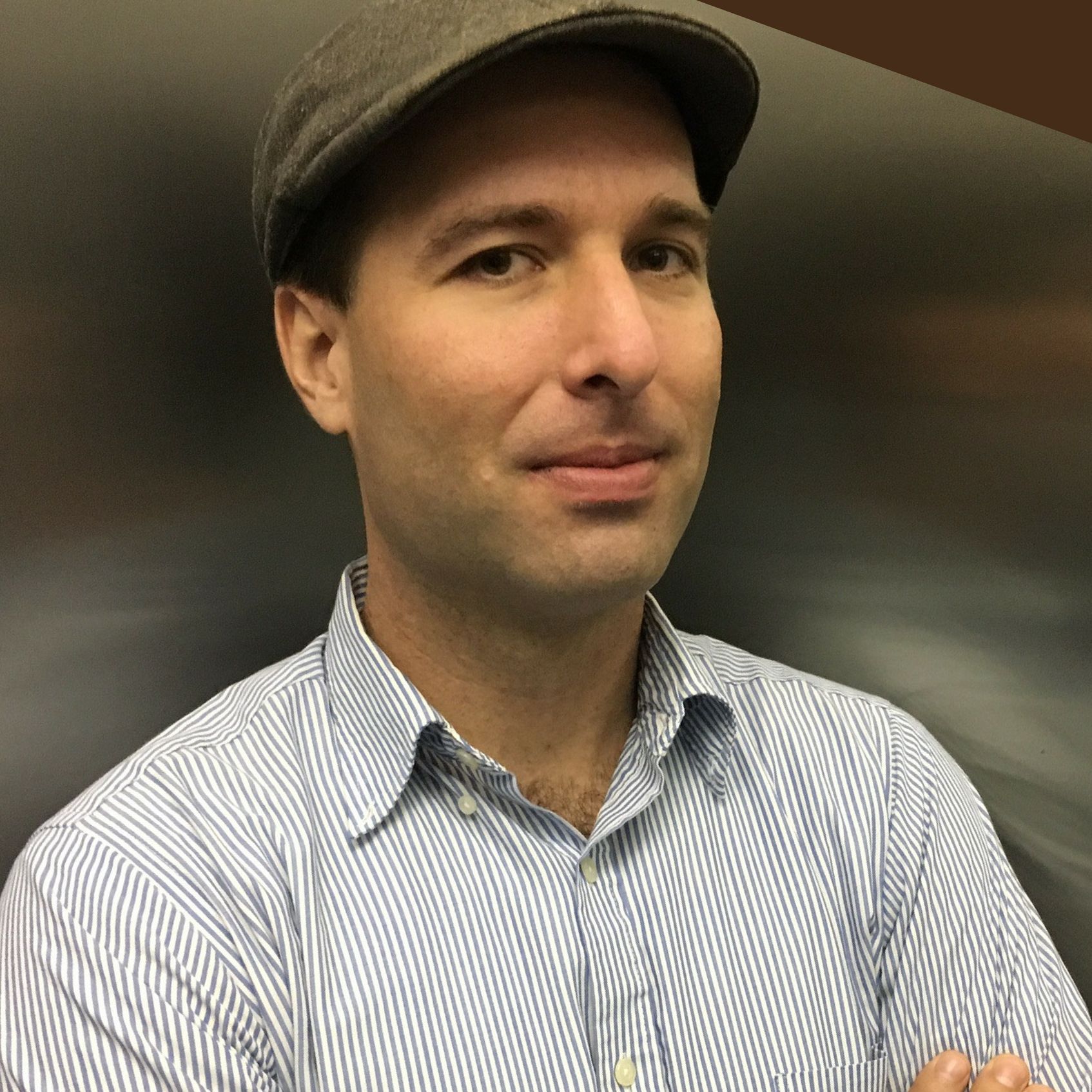
Brad Sorte brings a decade-long vision for technology-driven innovation in addiction treatment to this conversation, shaped by his recent departure from Karen in early 2023. Beyond co-founding an AI company focused on addiction, he's consulting on residential treatment facilities in the Middle East and Southeast Asia while supporting his wife Yasmin's family systems consulting practice. The episode centers on a critical industry problem: treating only 5-6% of the 23+ million Americans with diagnosable substance use disorders, leaving over 90% without any help. Sorte argues this gap stems not from denial but from stigma, lack of individualization, and rigid care models that don't meet people where they are. He highlights emerging solutions - DNA-verified drug screens, mobile breathalyzers, telehealth monitoring, and AI-driven chat companions - that enable care delivery outside traditional residential settings. His international work reveals how cultural context shapes treatment design: shame-based societies like the Philippines and Dubai require anonymous, technology-mediated pathways rather than group therapy models. He emphasizes the field's resistance to innovation, citing his own initial opposition to medication-assisted treatment and the slow adoption of Suboxone despite its life-saving impact. The conversation touches on appropriate triage into lower levels of care (PHP, IOP, outpatient), hybrid virtual-plus-in-person models that outperform digital-only approaches, and the risk of pathologizing culturally-appropriate family behaviors through a Western individualistic lens.
The SUD industry currently treats only 5-6% of the 23+ million Americans with diagnosable substance use disorders, leaving over 90% without any treatment whatsoever.
Beyond denial, barriers include social stigma around acknowledging addiction, lack of personalized or flexible care options, and rigid offerings like residential-only or fixed-schedule IOP programs that don't match individual circumstances.
Mobile breathalyzers, DNA-verified drug screens, telehealth platforms, and AI-driven chat companions allow real-time monitoring and support without requiring in-person facility-based care.
Collectivist cultures with strong face and shame concerns view public vulnerability and disclosure of personal problems as deeply stigmatizing and damaging to family honor, making group therapy culturally inappropriate.
Hybrid models combining initial in-person treatment with subsequent virtual continuation show the strongest engagement; pure digital-only programs from the start have significantly higher attrition.
Computed from the transcript - who did the talking, and the words that came up most.
How do treatment programs innovate and what innovations are on the horizon, especially as we move into more consistent use of AI across departments? In this episode, I speak with Brad Sorte, previous CEO of Caron and current Co-founder of Sober Companion AI to address these topics.
Transcribed and scored by The B2B Podcast Index.
Speaker A: Hey Brad. Appreciate taking the time to come back on, uh, how you doing?
Speaker B: Thanks, Nick. Yeah, honor to be here. Happy Memorial Day. And uh, yeah, thanks for having me here this afternoon.
Speaker A: Yeah, super excited to really dig into this with you. You and I have pretty similar perspectives I think, on a lot of areas of behavioral health and sud. And also since you've started a lot of new projects since leaving Karen, it sounds like you've gotten a different perspective on the space, which is interesting too, or maybe a broader view. So do you want to give us an update of kind of where you've been since Karen, what you're working on and how you're kind of starting to see things?
Speaker B: Yeah, definitely. Um, yeah, I've been very busy since. Since uh, leaving, uh, in early 23. Um, and so I had a vision that probably started to be formed maybe 2015, 2016 that was really uh, oriented towards the opportunities that would become available to the substance, uh, use and behavioral health industry. Just uh, in terms of the emerging technologies looking at everything from the science of gut microbiomes to psychedelics to artificial intelligence, uh, and how these things, while maybe somewhat still nascent, were beginning to have some more broad, uh, applicability in the behavioral realm. Um, but then in the coming years was probably going to have a lot more utility. So um, really the big desire, uh, for me on my departure from Karen was to take advantage of the fact that some of these technologies really had come of age, uh, and take this vision and kind of an idea that I've had for the better part of a decade, um, and begin to formulate a plan as to how best to use them to enhance the things that we're doing. So you know, within that, uh, two partners and I started ah, an AI, uh company focused uh, on addiction. Um, but then I've also done a couple of other things as well done, um, some consulting overseas, uh, in the Middle east and in uh, Southeast Asia for uh, residential treatment facilities there. Um, and then also help my wife Yasmin, uh, uh, grow her business. Yes, uh, consulting, which is a concierge bespoke, uh, family systems, uh, uh, practice, uh, that really does complex family systems work and individualized treatment protocols for people as an alternative to residential.
Speaker A: So why don't we start with the uh, technology piece as you've come up. Karen, um, you were very heavily involved in Karen for a long time when what we could maybe consider to be the traditional rehab continuum of care. So as you look at this tech space and obviously everyone's talking about AI, what do you see are the opportunities available for the space to maybe innovate or change, whether that's related to technology or anything else.
Speaker B: Yeah, I mean, look, one of the things that, to me was the biggest thing that we need to solve as an industry is the percentage of people who have a diagnosable substance use disorder who don't get any sort of help whatsoever. Um, so if we look at the broader SUD industry, it's largely been treating about 5 to 6% of the people who have substance use disorders, with over 90% of the people suffering, uh, going without any sort of help. And there's a variety of reasons for that. You know, I think that the cop out reason is that all those people just are in denial and don't want help. It's true that some people that have not had enough consequences to realize that this is a problem. But there were lots of other issues too. There was issues with, you know, this, uh, this, this, this kind of social stigma of even being curious about wanting to reduce or look at the may have an alcohol or a drug problem because being curious about it was kind of a tacit admission that you were an addict. So nobody really wanted to do that. And many people waited until they actually were before finally doing something. Um, there was also the issue of, uh, a lack of kind of meeting the client where they're at and individualization and personalization. I think that people experience with interacting with, uh, the uh, substance use continuum. And that was something that Yasmin and I saw as we were growing her business, is that many of these people that were not presenting for treatment, were not unwilling. It's just that they'd pick up the phone, they'd speak with somebody, and what was on offer didn't work for them either going away to residential or coming to a rigid three hour a day, three times a week. Iop. And so these folks kind of just gave up after a couple of attempts and tried to solve these issues on their own. And so I think there's a really big missed opportunity there of willing, you know, contemplative and more so individuals who want help. Um, but we just haven't been responsive enough in terms of figuring out how best to leverage some of these new innovations, um, to make the type of help that they're looking for available. Um, and what do I mean by that? I mean, if we think back just 20 years ago, we really didn't have the opportunity to remotely interact with clients other than a phone call. Um, we really didn't have the ability to remotely monitor their Sobriety with things like, uh, mobile breathalyzers and things like that. And we also have a much more frictionless way of being able to do very sophisticated urine drug screens, using DNA verified drug screens. I mean, these are really, really powerful tools in our ability to help people in their own environment that make things that were previously probably impossible, um, much more doable for people. And I think that that kind of expansion of our thinking in terms of what might be the right way for the, for each individual person is something that I think could probably continue to expand.
Speaker A: A couple of comments on those areas. I'm interested in your thoughts. First off, um, one of the things that we're hearing from clients across the country really consistently is that there is a higher level severity of patients coming into treatment, particularly at the residential level or inpatient. If you're on the behavioral health side, what I think is happening to your point is not that people are getting worse. I think what's happening is you're seeing an appropriate triage into lower levels of care. So when we first got involved in sud, it was just residential, right? That was pretty much what was available. And so everyone landed in the residential bucket regardless of where they landed on um, ASAM criteria or whatever screening method was being used. And then now you have a, uh, plethora of IOPS, PHPs, outpatient counseling, digital solutions. And so I think people are going into those solutions at the appropriate level of care and then the higher levels of care are getting the higher severity. And that's what I think is really happening across the space and it's, from my perspective, it's appropriate. Um, your thoughts or you see anything in that regard?
Speaker B: Yeah, I mean, probably the one that I think was one of the most important transitions, which is kind of in between the outpatient and the residential, was really kind of the recognition that partial hospitalization for the vast majority of people is inappropriate, appropriate primary level of care and that they don't need to go to full single campus, seven day a week residential. Uh, you know, I think that was a positive thing for a variety of reasons. One, for someone who is appropriate for a PHP with supervised housing level of care, I just think that clinically that's a much better level of care for them because we live in a world where we have to interact with the challenges of the real world and being able to integrate some of that very early on into someone's experience, I think is a powerful way for them to have a barometer as to, well, how well they're going to do when they leave I mean nobody wants to practice on game day. And I see PHP uh as being a really valuable way to scrimmage with real life where you still have a lot of support and structure. And I think the other benefits of that are stretches resources out. Insurance companies are more comfortable paying for it for longer. They're more comfortable paying for just the clinical services because the residential services are kind of carved out which is always bothers the them about uh, residential care. Um, and then people who are paying privately um, or out of network again it's going to be a lower cost. So we're able to kind of you know facilitate the capability of people to go to a 90 day program as opposed to a 30 day program which we know the correlations with that length of time across populations and across diagnoses is critically important in um, you know, increasing the chances of a better outcome for that person. So to answer your question, I think that's, I think we have gotten a lot better at that. Um, you know, I think that um, you know the, the options obviously for those different levels of care are going to you know, vary widely based on where somebody lives. I think it's been helpful that some of the virtual uh, services have made it so that you know people can, can participate remotely. Um, you know I think that the question is, is well what combination of in person versus virtual if it's somebody's first kind of interaction with, with a care continuum, um, is ideal for engagement and success. Um, you know generally speaking what, what I've seen and we saw uh, in, in our time at, at Karen kind of coming through Covid was people who are hybrid tended to have good engagement and do well. People who started in person and then moved to full virtual tended to have good engagement and do well. People who started in all digital and never had an in person component of it, they tended to have considerably higher attrition. So I just think that kind of you know, finding the right mix of things so that people are getting the, the level of support and care that they need for it to be effective is also really agreed.
Speaker A: That piece that you just mentioned there and you commented on earlier around meeting patients where they're at and maybe this will segue into some of your international as well. I think there's a lot of opportunity to do that. We've moved more towards multiple pathways for recovery which I think is great. But we still have a fairly one size fits all uh approach and sometimes that approach isn't culturally relevant or maybe like you said, what people want. And so when we look at our national admissions data. Uh, the vast majority come from the coasts. Yeah. So obviously those are population centers. That's part of it. But the other part is just culturally, people are very accepting or more accepting of treatment than we would get in, like, the, uh, Midwest. And I always use Wisconsin as an example, which is an interesting one because Wisconsin has the highest rates of like, drinking among the entire country by far, but also very, very small numbers of treatment programming. And so to your point, people aren't being engaged there because there's just not the cultural expectation to go to treatment. And then I would bridge that or make the connection between that and, like, international relationships. So you said you did something in Southeast Asia. A lot of Asian countries, you have a lot of concerns around face and really not having any kind of public shame. And so you're unable. We're very used to group therapy and being vulnerable and sharing. You're not going to do something like that in Korea or China. Like, there is no way in hell a family is going to approve for you to go and air all your dirty laundry to the community. Uh, and you wouldn't because it would be so shaming. Right. So group therapy is just not going to work in the same way that it would within a, within a Western culture. Uh, so, kind of thoughts and comments there.
Speaker B: Yeah. So, um, it's a great segue. Um, and so the two places where I've had some, some pretty in depth conversations about this issue is in the Philippines and in Dubai. Um, and in both of those places, the same social, uh, challenges that you're talking about, they exist. Um, there's some differences in both of those places. Obviously Dubai, if you are an Emirati, you know, there is no anonymity because everybody knows everybody. So first and foremost, it's very difficult to go to treatment or go to a meeting in a place like that and not be one or two degrees of separation away from somebody. And then that's kind of all circumscribed by the backdrop of, you know, a lot of shame, a lot of, you know, public embarrassment of these issues. Although I think people tend to look at the Middle east and think about how they treat substance, uh, use disorders through a lens that's maybe 10 or 15 years old. They've gotten a lot more progressive, um, and in some ways have an advantage over the west in terms of what, what sort of modalities and types of programming they want to onboard because they're kind of skipping over the 70 years of, uh, kind of iterative learning that we went through and I think some of the dogmatic thinking that kind of still exists there and just going straight to the objective, what works best and what is the best, and we're going to get the best. Um, so, you know, that's, I think, kind of unique thing about a wealthy country like that that tends to want to start two moves ahead of everybody else. Um, but in the Philippines, you know, the issue is very similar as well. Um, and you know, to the point where many people in the Philippines who are sober, uh, are sober from shabu, which is methamphetamine there, but they might drink, you know, so they're still kind of in that, you know, many decades ago line of thinking that you can be sober because you're not using drugs, um, but that you may still be drinking, uh, at an alcoholic clip. So in the Philippines has got a whole lot of issues, uh, to kind of navigate this situation in and of themselves because there's 130 million people there and you only have 1,000 psychiatrists and psychologists for the entire country, only a thousand treatment beds in the entire country. So, you know, a massive, massive unmet need. Because the industry was really neglected under Rodrigo Duterte's term because they had a very draconian approach to dealing with, uh, substance use disorders. You know, whether it's shoot to kill, where know, there was kind of a open, uh, rules of engagement to engage with lethal force by the police, suspected drug dealers, um, to a program called Knock Knock, where uh, without any sort of due process or any sort of hearing or evidence, people could turn people in for being suspected drug users. And they were basically swept up and locked away to the tune of 750,000 to a million people currently incarcerated in the Philippines with, with no due process, just waiting for a treatment bed to be able to get out. So, um, technology is going to be a huge factor for all of this. And um, part of the reason that I was over there was uh, to look at how technology could be an alternative to both incarceration and the intensive level of treatment, which would allow them to have a much more affordable way for these individuals to get the care that they need because ultimately the families have to pay for the care for the person to come out of prison, rapidly scale up the number of people who can be served, um, but also be able to do it in a way that's highly anonymous. Uh, so if somebody's interactions, uh, with uh, a chat companion or somebody's feedback that's coming to them based on behavioral changes, that kind of indicate higher levels of risk and warning. Well, they're not having to necessarily do that where all that accountability is coming from peers, and they have to kind of surround themselves with people who, you know, it might be too intimidating for them to do so because of the shame associated with it. So it's giving some of these people in areas where there's still a very heavy shame and social stigma, the ability to actually get a lot of support while doing it in a very, very, very private and confidential way with the hope that they can then grow some communities selectively with other people who are recovering. Um, but maybe they never would have gotten that far because they didn't have a bridge to get them comfortable in actually meeting and finding those people.
Speaker A: Right, right. So as you kind of had these experiences, you mentioned a couple pieces there where there's probably room for additional learnings, um, from what we've been working on for the past multitude of decades and what you guys are bringing over there. What about going the other way? Is there anything that you've learned as you've gotten engaged with these different cultures that might be useful to bring back here?
Speaker B: Well, I mean, I think one of these. That. One of the. One thing that was a validation of something that I did see, um, you know, in. In US practice, but it really kind of put a point of emphasis on it is, you know, being very aware of the cultural norms that we. That we kind of view cultures that are different than ours, um, and the lens how we view them. So kind of. What do I mean by that? That, you know, in our kind of Anglican, you know, independent, Puritan type, you know, attitude of a lot of the industry, I would say in this country that's really pushing towards individualism, you know, that might be very different than a family coming from Latin America or country, ah, someone coming from Asia, where it's more of a collectivist type family environment, the boundaries between generations may be more culturally appropriate, um, but seem aberrant to us. And, uh, I think that, you know, we do run the risk if we're not very careful of pathologizing and stigmatizing culturally appropriate behaviors from those different cultures. Um, and it just was kind of a thing that resonated to me. That just was another thing that we need to be very careful of. Um, because even if we have as much cultural competency training that we possibly can, it's still, uh, very easy for us to kind of make, um, inadvertent judgmental comments and assessments of people like that. So that's one thing that I think is really important, um, uh, in terms of kind of other practices and things that you know, we've kind of brought, brought back. You know, I think that it was great to see that a lot of these places they were doing things the ways that uh, you know, we would, I would want to see them do it. I mean looking, taking a very multidimensional framework, uh, whether it's uh, looking at the programming that they have in the Philippines, which is incorporating vocational and occupational components, uh, psychiatric and psychological family systems work. I mean it was, it was really great to see that even when you went to these other pockets of the world, they were really recognizing what those predominant systems that people are interacting with and will need to interact with and how they need to be addressed appropriately so the person can have the greatest chance of long term success.
Speaker A: One recent uh, program that we were working with, you know, related to what your comments are about bringing it back that cultural sensitivity is. I think you're right. You know, we can do a lot of cultural sensitivity training or um, making sure that we understand others as much. Each culture is really, really different. Right? I mean the Middle east is radically different from the Southeast. And then just within all of that. Right. Um, you know, so we had a patient that was uh, from Korea and their second generation at this point, but the you know, parents had just moved over. I think it was like a decade ago or something. So they had a very strong hierarchy within the family. And you know, it was dad at the top and then older brother and then mid brother and then younger brother. And the therapist had a really, really hard time because they were working with a younger brother. And you know, the older brothers would just come in and like yell at um, them and tell them to do all this stuff and they're like, well that's, you know, that's not appropriate. You should be engaging in this way or you know, standing up for yourself and you're setting your boundaries. But that's not going to fly in a Confucian culture. You know, maybe generations after they've been here for a while, they're going to shift and be more American. But if we don't know that, if we don't know how that culture works, if we don't know how they think, I think it's really, really difficult. Yeah, I don. Probably pretty familiar with uh, Joseph Henrik. He does the whole weird, right, white, educated, industrialized. I love his perspective because he takes a look at all these different cultures and says, hey look, we got this really narrow window, especially in the way that we've run psychology and sociology, it just tends to be with college kids. That's where most of the studies are done. So we have this very narrow view of, uh, very specific cultures and if we don't engage the right way. So as you're thinking about those different pieces, I think the field as a whole has struggled to innovate. I just don't feel like there's been a lot of innovation from a, uh, care delivery standpoint. I know that's part of what you're working on here with the AI and the tech piece. What do you think were some of the obstacles to innovation and how do you think we can move past those?
Speaker B: I think some of it's just, uh, availability bias sometimes just comes in. People tend to favor the familiar over the new. I mean, I'll give you kind of an anecdotal example that really stood out to me. So it was, uh, 2017 or 18, kind of a couple of years into my kick about potential disruptions to this field. I did a dinner Talk for about 200 people where I kind of talked about, uh, I think it was AI, gut, microbiome, um, blockchain, and, uh, something else. I don't remember what it was. And the goal was to kind of say, hey, here are these things that maybe you know about, maybe you don't. Here's how they're actually being used in the world today. And here's an example of how it's being used in behavioral health or addiction. So it's not just not going to affect us. It's already being used. So we want to kind of educate ourselves, uh, about these things. And, you know, 200 people in the room and only one person knew the different things that I was talking about. Um, and so, you know, I think that there is an intimidating component to new and novel things that leads to people not being as curious about them as maybe we would want them to be. Um, I think that we can see plenty of examples, uh, of where innovation did come about. And it took way too long for us to embrace some of these things. And that to me was part of the reason why I said, I don't ever want to be part of that, that phenomenon ever again. The big one for me was, uh, Suboxone and medication assisted treatment. You know, early in my career, I was very firmly in the camp of, oh, you're replacing one drug for another drug. You know, totally blind to the fact that it saved lives, it prevented relapse when used as a component of, you know, uh, A kind of an integrated continuum of care. You know, many of these people were, you know, finding success and having a happy and healthy life. And you know what, the life that they were having was not a lesser life than somebody who didn't have to use those medications. But I think that we as an industry and our gatekeeping of care and preventing people from being on maintenance, from getting into programs, we probably harmed a lot of people, we probably killed a lot of people. And I think as an industry, we have a responsibility that we need to take for that. Um, and so the lesson learned, I believe, is that we need to evaluate things. We don't just jump at the next shiny object and say it's the, it's a great panacea, but we should have a curiosity about it. And when something comes across our radar that seems like it could be very compelling, we owe it to our future clients and the field in general to really kind of run that down as the subject matter experts of what we do to see how this new thing might be of benefit to people. Um, so I think that that's a big hang up for it. And a lot of times what I tell people now when I talk about AI coming about and all these different, you know, new, new, new types of technologies, is that if you pulled therapists in 2019 and asked them, you know, do you think that zoom therapy is an adequate replacement for in person therapy? My guess is the numbers would have been like, I think I looked at this a while back and it would have been like 60/ percent said that Zoom therapy is completely inadequate and they'd never do it now, you know, 1 in 10 therapists actually do some in person. So obviously we all got on board with it pretty quickly and seem to have done a pretty good job. So I think that's one of these things that kind of happens in our field is that we kind of resist and we push back until something is kind of forced on us and then the dam kind of breaks and we start doing it more widespread. But I just feel like that's a very difficult way for us as an industry to both be at the leading edge of innovation, um, and be taken seriously, uh, by the people who are, uh, coming to us for care. Because, you know, it's not going to be very encouraging when people are asking about new and novel things and we're either not informed about them, we don't know what they're talking about, or, uh, we have some negative perception of it and we're not even willing to engage with the client on how maybe that thing could be incorporated into their care and how it could benefit them. Case in point with that is pharmacogenomics. You know, how many times I say to a client who's had two or three negative experiences with, uh, psychotropic medication, say, we need to find a psychiatrist who's willing to do this. And sometimes they have to go to one or two before someone's just willing to do the test and then partner with the client to say, okay, well, let's look at the green column. I realize it's a probabilistic thing. It's not a magic bullet, but, you know, like, why can't we. You know, we want to be able to be responsive to our clients, and we want to be able to dialogue with them about these new things that are coming. And I think that that doesn't happen as much as it should.
Speaker A: I agree. I like the, uh, emphasis on curiosity. I think that was lacking from the field for quite a while. We tend to be very dogmatic. You know, what worked for me is the only way that's going to work for everyone else. But to your point, the vast majority of people aren't seeking care. And so maybe there's an education piece there, but also maybe we're just not meeting different people in the ways that they need to be met. I think Suboxone and even methadone are good examples of that, where there's millions of people that are using those medications that probably wouldn't have sought care otherwise. So how are we engaging different people in different places at different points in their lives with things that work for them, going back to that whole cultural relevancy component of it or, you know, the way that people want to be engaged with. I think we have to open our horizons a little bit more. I feel the field has made a lot of advancements in that direction over really just the past five years. It's really been quite recent. Yeah.
Speaker B: And I think. And so, you know, one of the concerns that I have of that is, I think some of the damage that's been done is that, you know, the average consumer of addiction services is. Is a savvy and intelligent person. And now that they've got different tools, you know, you got everything from the traditional Internet to now AI to kind of help these people have a thought partner in these things. You know, like, they might not be able to know why something that you're saying is inconsistent, but they're able to pick up on the inconsistency. And the biggest. The biggest reasons why someone doesn't go to get help is because there's not enough trust and there's too many barriers. And so when we're coming across inconsistent or equivocal or mealy mouth, well, we're not doing a very good job of scaling up trust. And I don't just mean in me as a provider, I mean in us as an industry. And you know, and so that kind of goes back to some of the, you know, uh, I would say divergence on some very key principles that, that are probably quite confusing to the, to the consumers who are doing their due diligence confusion around what, what is it, what is a successful outcome? How do we measure that? Um, you know, kind of the disconnect of talking about substance use disorders as a chronic progressive illness, but then having outcome measures that are somewhat binary and focused on abstinence or non abstinence or at least that still being such a key, such a key dimension of it. You know, I think that there's also, um, uh, you know, inconsistencies about, you know, what are the best ways to treat different things. And I think a lot of times there's, there's an attitude of the right way to do things as opp to lots of different right ways that when put together specifically for persons, very specific issues, is the right combination of modalities. But I think that there's just too much zero sum conversation about is abstinence the right way versus is medication assisted treatment the right way? Is harm reduction the right way? And I think that that conversation, which to your point, I think is quieted in the past five years, was very loud and boisterous for quite some time before that. And I think that along with a lot of the fraud that was occurring in our industry really shattered people's, um, confidence, uh, in our ability as an industry to address this issue. And our messaging has been so bad because at the end of the day, you know, the relapse rates for someone with a substance use disorder are not too dissimilar from other chronic illnesses.
Speaker A: Right.
Speaker B: Uh, we've kind of painted ourselves into a corner where the success metric that we've been telling people that they should be driving towards is one that's going to be elusive to 2/3 of people, at least for a period of time.
Speaker A: Yeah. I think your perspective on just the need for nuance and better understanding and hopefully driven by data, which I want to dive into in a second. But I remember when I was going through treatment, you know, I was a teenager really at the Time. And that was one of the first roadblocks that I ran into personally was the whole denial thing. And it's like, well, I can either admit I'm an alcoholic or I can say I don't think I'm an alcoholic, which means I'm in denial, which means I'm an alcoholic. I mean, like, what is this circular logic, like, makes, you know, so you've already lost trust with me because you're using these nonsensical tautologies.
Speaker B: Exactly.
Speaker A: You know, just don't make sense. So I see that all the time. We do a lot of teen work, right? Teens been kind of growing as, uh, a segment of the SUD and the behavioral health arena. And with the teens, you can't, for the most part, you can't go and tell a teen that they're never going to be able to have a drink for the rest of their lives. Right? Um, maybe, maybe that's the right choice for them. But you're very rarely going to get buy in from a 16 year old, you know, um, when you say that. So. And then what, you know why I think what gets missed is I feel that, um, the logic wasn't always great. And the logic was like, okay, originally it was, uh, you know, bill w. It was an allergy. And so you have this allergy, you can't go near it. Then eventually we kind of believed it was some genetic predisposition. Right. Um, and those were the thought processes. And so because that was our logic, then we said, okay, well, you just can't go near anything. But then as we started to get more nuance and like what I'll always tell providers with teens, I said, you know, you see them using marijuana or they're using alcohol, you got to ask why? Why are they using it? Right? Is there, are they using it because they want to have fun? Are they trying to reduce social anxiety? Are they trying to calm down? Because we're stressed out all the time because home life kind of sucks. All of those require different interventions, right? If I'm using it for fun, I need different strategies for having fun or engaging in positive ways with community and friends. If I'm using it because I'm stressed, well, why don't we figure out different coping mechanisms to help you deal with stress, right? I mean, the intervention needs to match the, uh, causal mechanisms. And due to a lack of curiosity, due into, I think, a dogmatic approach, we failed to be open to that nuance. And that has, I think, alienated a lot of potential, potential clients or patients.
Speaker B: It has I think the other thing we also have to remember is that when diagnosing psychological issues, it's somewhat subjective. It's not, your cholesterol is over 200, you have, or total cholesterol is over 200, you have high cholesterol. If it's below 200, you don't have high cholesterol. It's very, very, very objective and it's very quantitative. You know, again, we have, we have a framework with which we diagnose these things, but that framework is dependent on accurate information from the person giving us the information, um, and not somehow biased because of the day that they're having or particular details that they've left out. Um, and so I think that, you know, we also have to have some level of sensitivity for people's kind of recoiling of a label or a particular diagnosis because, you know, again, there is inherently a level of subjectivity there. And kind of the thought experiment that I, that I want to kind of put out there and, you know, I think would be, you know, interesting for people listening to think about is that how much of, uh, how much of a function of somebody, you know, self identifying or being labeled an alcoholic or an addiction, you know, is a function of how much the people around them cared and actually chose to do something. And kind of the example that I give is go to a typical party college, go to a fraternity house that's like, you know, a heavy drinking fraternity house. You know, grab a sampling of 10 guys out of the fraternity house. Most of them would probably meet the criteria for one or more moderate to severe substance use disorders. Yet they're all going to graduate college and probably one in 10 of them is going to have an ongoing addiction. The other ones will have grown out of it. So then throw all those guys into treatment, into a young adult program somewhere. They'd walk out of it with a chronic diagnosis that they weren't. No one's getting out of there with, with, with a, with a no. With a, no, you know, addiction diagnosis yet many of them would have ceased to be addicts following college. And that's kind of another population and a phenomenon that just doesn't get talked about. And, and kind of. I remember I was speaking to a mentor of mine who is one of the early addiction medicine, uh, doctors in the country. And I said, you know, I said, well, you know, what about the 18 year old who goes to treatment, stays sober for five years and then, you know, decides that like, I don't think I actually had an alcohol problem. And he starts to drink. And he drinks normally for the rest of his life. Well, then he wasn't an alcoholic. And it's. It's kind of like, well, you know, but how do you know? How did you know? You know, it's just like the end. The end kind of proves itself. Right. I'm not saying that, you know, that there aren't people that have addiction that are in college. All I'm saying is I don't hear enough people in our industry talking about the fact that on some level this, this diagnosis, it needs to be looked at as also kind of a guide with some flexibility, in my opinion, because people's situational circumstances can lead to them using drugs and alcohol at a level that meets those criteria. But at the cessation of that external stressor, for some people, it will subside.
Speaker A: Right.
Speaker B: And the evidence, Evidence has shown that that was proven coming back from, uh, uh, Vietnam with the, uh, with GIs who were addicted to heroin when they were in Vietnam, and many of them returning back to the United States and ceasing, uh, their. Their addictive use of it. Some still did, but a good percentage of them actually stopped.
Speaker A: Yeah. Yeah. I think that's one of my challenges. We just see sometimes science takes a long time. What was it to Max Planck or something said that science advances one funeral at a time? Yeah. You know, it took like the one generation to kind of die off before I even think back. Probably, um, not topic to dive into too much. But, you know, thinking back to Covid, we had 50 of the schools across the country open, but the other 50 still closing down. It's like we got all the data, we're seeing the impact or not impact, like, it's all there. So why are we taking so long in certain areas? And it goes back to just kind of a. A desire or a need to cling to a, uh, previous approach, regardless of how accurate that is. And I think that definitely happened within SUD for quite a while.
Speaker B: It's a little bit of the emperor, emperor has no clothes phenomenon. Nobody wants to be the person to kind of stick their neck out on the limb and talk about something controversial. And I'll be honest with you, I've always been very comfortable doing that. And, uh, and more often than not, you know, people come up to me and say, actually, I really appreciate you saying that. Like, I couldn't say that in my position, or I would have, you know, been able to articulate that as well as you did. You know, probably the most funny one with that was, uh, psychedelics, um, you Know that, that, you know, I go to professional dinners or whatever it is and be like, so what do you think of psychedelics? I'm like, oh, I'm actually really intrigued by them and you know, done some work with Johns Hopkins and you know, here are the results. It's replicable. Like, you know, definitely warrants much, much, much further exploration. They're like, oh good, yeah, we're into it. It's like everyone, like they're looking for someone to give them permission to kind of be excited about this as a possibility, but they don't want to go to the room where someone's, you know, like anti, you know, anti psychedelics and then all of a sudden seem like there's some sort of a, uh, quack or an enabler or something like that. You know, probably the, you know, that. I mean, I was actually pleasantly surprised when I started having these different conversations with, with different stakeholders about people's willingness to kind of be open minded about how these things could really help a lot of people that, uh, currently suffer without any effective remedy.
Speaker A: Yeah, again, I think this goes back to meeting people where they are and different things are going to work for different people. Going into the data part, this is something I've talked about on the podcast a number of times, but when you're looking at technology and AI or maybe just in general, I think that's that piece that's missing. We're missing that feedback loop of, uh, having some kind of concrete data that we're able to use to help guide our treatment approaches. Because I think that's where we get stuck in this lack of innovation. Or maybe more of a dogmatic, um, stuck in the mud with a dogmatic approach. Because I don't have anything that tells me either way if the change I'm trying to make is positive or negative.
Speaker B: Right. Yeah, I mean, look, uh, at the end of the day, you know, it's going to, you know, that, that I believe is hopefully one of the great benefits of better technological integration with behavioral health is that we will be able to actually more effectively across a much larger sampling of the population of people going into treatment, actually collect, collects and collect data and actually be having data that can be compared to, across different programs because we're all measuring it the same way and measuring it, you know, the same degree. I mean, look, uh, you know, it. Listen, I ran Iran a treatment center. It's extremely difficult to get the data. You know, you can get the data from the people who are doing really well, but then you have sampling bias which is that those are the people who are doing really well, the people who are most likely to pick up the phone, people who are most likely to interact with the platform or talk to the, you know, companion, whatever it might be. And, you know, you don't get all the people that just disengage and you miss all the people kind of in the middle. Um, so it really has been a real challenge. I mean, the only time that we felt that we actually had some really good data, which wasn't even generated by us, was the data that was given back to us by Independence Blue Cross, where they were able to show really strong proxies and correlates for the success of the patient, such as, you know, did they recidivate? Did the person need to go back to treatment? Now, they could have been using and just didn't go back to treatment. But over a large number of individuals, most of them would probably end up in a detox or something somewhere. And they were also going to look at, uh, the health care expenditures that that person had in the. In the months and years following, and those were also lower. So even though it didn't necessarily say this person was sober or not sober, it showed that they weren't going back to treatment, and it showed that they weren't using a lot of, you know, preventable health services, which is probably a pretty good indicator that whether they're sober or not, their life is in a pretty good place. But beyond that, it has been a real challenge to get, um, you know, to get data that is capturing the experience of the person who's fully invested in doing well, the person who's really struggling, and maybe it wasn't going to be their last time, and then all the people in the middle who just get back to their busy lives and don't have the time, um, or energy to kind of put their effort into doing, you know, these. These things that are necessary to collect the data.
Speaker A: Yeah, such a gap. I was actually just talking to Deb Nussbaum last week, so she runs Behavioral health for Optum. Um, you know, I'm like, that. One of the things I think that would benefit us, uh, you know, as a field is better data. So we can do these things where we're talking about feedback loops and having. She's like, yeah, that's great. She's like, I'd love to see that. I'm like, well, but, Deb, you have the data.
Speaker B: Surprisingly, they have less than you think. Yeah, that was always something that stood out to me, I thought. And again, I thought that, you know, when I got into the rooms was, you know, with CEOs, some of the health, health insurers, you know, I was like, you know, it was going to be like all the keys to all the secrets were all going to be unlocked. First of all, the lack of emphasis that insurance companies have on the behavioral health segment of their portfolio is it would hurt most people's feelings in this field. It's not a big deal to them, they're not that interested in it and they don't really look at it all that much. It's a small segment of their business. Um, and so you know, thinking that they would have all this amazing data for all these actuarial calculations they do so they know exactly how much they really don't. Uh, Independence Blue Cross was, was, was the one that had probably the most sophisticated kind of uh, of granular client data like that. And many of the other uh, insurance companies wanted to learn from Independence Blue Cross so they could actually create something similar. So you know, it was, it, you know. So the solution wasn't on the insurance side either, at least not a couple of years ago.
Speaker A: Yeah, I agree. I think they're getting a little bit better. But there's still what insurance looks at and what a provider looks at are not necessarily the same things. And I wouldn't know if I'd say that they need to be. What I think needs to happen is more of a collaboration. So on the insurance side they're looking at total cost of care, right? They're looking at fee reduction. Um, so it's all your ER visits, your medication compliance, employment readmission rates. Right. On the provider side we're looking at total quality of life. What's the improvement look like? Obviously return to care is a metric of that, but we want to look at some of these pieces to say do people feel better and are they being more successful in their lives? Which doesn't always equate to a total quality of care. So you're pulling that together. Like what natives doing with forest I think is really good. Uh, some other providers are trying to implement outcomes tracking in different ways and we could get the payers and the providers together more. I think we could see some kind of mutually beneficial outcomes tracking that then we can use for some of this long term data, especially as we're starting to get bigger continuums of care. I mean I think it was very problematic. I don't think a 30 day treatment program is ever really going to have massive impact on an individual's life. Right. We need that long term care continuum,
Speaker B: um, 30 day treatments, detox, that's the modern detox, in my opinion.
Speaker A: Yeah, I agree. So I think if we can bring those pieces together on the tech side, are you are like, can you walk us through a little bit more about what you're doing there? So you gave us real general, but are you doing things specific? Is it around outcomes tracking or what exactly are you working on?
Speaker B: Yeah, I mean really the, you know, the concept behind it is the, it's, it's, you know, it's giving someone the operating system for their recovery. Uh, so, you know, what, you know, that's going to have contained within it, um, passive data collection that will be able to be analyzed using pattern recognition through a proprietary algorithm that our, uh, head of algorithmic implementation has created. Um, and that will both serve, uh, prompts and reminders to the individual as well as feedback to their clinician. So we really designed this, at least initially, to be a tool that is used by someone who is receiving some form of care. They could be in treatment, they could be working with someone on an outpatient basis, they could be in a sober living, they could be working with a sober coaching, it doesn't matter. Um, but we really, really, really wanted this to not be a substitute for somebody's, uh, care, but as an adjunct to it. Um, in addition to that, you know, the other thing that we're, you know, that we're building into it is, you know, using the conversational chat agents as a tool not only for somebody who is in recovery, who, you know, may have issues that come up in the middle of the night, um, don't feel comfortable picking up and calling a sober support. But really importantly was us, uh, building that infrastructure out so that the family members of somebody who is going through treatment, going through recovery would actually have at their disposal somebody who can walk them through all the different concerns, questions, gray area boundaries that they need to set. And this was inspired to a degree from my time as a family therapist both at Renaissance and Ocean Drive, because the number of phone calls and emails that I was having to field in between sessions, in between touch points with the family, which ultimately were really important, they wanted to respond effectively to a manipulation from their loved one. Left to their own devices, maybe they would, maybe they wouldn't. And you know, if they didn't do it the right way, then we have to use that to walk them back. Um, but this would give him the opportunity to be able to not respond to that text right away and say, my son's asking me for a, B and C. I want to make sure that I can set a boundary with him that's caring and supportive, but also clear that I'm not getting involved in his life financially, can help them work through how to script that so they can respond more effectively. Or if mom's just worried in the middle of the night, she's got something that she can, you know, talk to about what might be going on with her. And again, the family data also being able to get it served back to the provider, um, you know, gives them some prognosis as to, you know, how are mom and dad doing? You know, what is usually, what is usually one of the first things that starts to go pear shaped where somebody leaves treatment or is pulled from treatment. Mom and dad start to get negative about what's going on there. That oldens the patient to say, I can align with them and they'll scoop me up and get me out. And how often as clinicians are we not finding out about that until the letter is sent saying, we're coming to pick them up, we're going to be there in 12 hours, have this stuff ready. We don't want to have a conversation versus being able to know days and weeks before that mom and dad are getting more anxious, or mom and dad are, you know, with the distraction of their son being gone, mom and dad are, you know, kind of now having to reconcile the fact that they don't really like each other, you know, and as a result of that, we can now get ahead of what would have been an unfortunate pulling of treatment. Because it's just one of those natural resistance points where the growth really happens when it's, when we push through. But it gives us the ability to do that proactively as opposed to hoping we can intervene on it on a reactive basis.
Speaker A: So using your tool, you're seeing a lot of more opportunity because what we've talked about before, and I 100% agree, is the, uh, obstacles or the challenges around getting family involved because there's no reimbursement mechanism for it.
Speaker B: Right.
Speaker A: That's kind of your biggest challenge, especially at lower levels of care where you maybe don't have extra revenue to uh, squeeze in family sessions or things like that. So how is your tool available to the families and then what's the feedback loop to the, to the treatment team?
Speaker B: Yeah, so it'd all be so, you know, it's basically a per family fee. It's $200 a month, it's relatively inexpensive. It's the price of One reasonably priced therapy session for the entire family. So mom, dad, siblings, identified patient, whoever else may be, you know, part of that constellation. The theory or the way that we've kind of, you know, discussed this with providers is really using it as part of their onboarding process because what it allows you to do is immediately put tools in the hands of the people who are probably the most motivated to do something, which is the family and the people of concern, whether it's spouses, siblings, adult children, parents, whatever it might be. But from the very beginning, they now have something that can start to help them, you know, educate them about what they need to do to kind of help move this process along, deal with their anxiety, whatever it might be. And so they're kind of getting integrated with this very early on in the process. So that it is, is uh, kind uh, of a comfortable tool that is available to them in between touch points and sessions, you know, with their loved one at the program. And in some cases, you know, some programs don't really have a whole lot of interaction at all for the family anymore. So this would, let's say the, you know, let's say loved one doesn't sign a release for mom and dad and they're not able to get any support. Well, at least they can still get support via this with, with a, ah, you know, with, with obviously confidentiality between their experience and the patient's experience. So it opens up a lot of other doors there, um, to make sure that the families are able to get some of the support that they need, ideally integrated with the provider, family therapist, primary therapist, whoever's kind of managing that in a program. But even in the absence of that, they don't have to, you know, be fumbling around in the dark. They can actually continue to try to, you know, move forward and actually use the fact that they're not being included in their loved one's treatment as an important intervention for them to work, work through. That wouldn't happen otherwise because they wouldn't have anyone to show them that this is a really powerful intervention as opposed to what they see it as, as a problem that causes them to worry?
Speaker A: Yeah, yeah, 100%. Any other advice or thoughts around innovating or things that you think, uh, providers should be looking at as they look at potential opportunities, whether it's technology or just changes in the way that they operate?
Speaker B: Yeah, I mean, look, I think with the technology thing, all I would say is that, you know, things are going to happen faster than people think. I mean, that's long and short I think that, you know, I think that what, what, what the average person is kind of thinking is like, you know, a 2000s thing is going to probably happen in the 2000s. And what's going to happen in the 2000s you're probably not thinking about. So you know, and, and again the, you know, the web of uncertainty starts to expand pretty broadly after that. But I think that, you know, what we can pretty much expect for the next three years is that, you know, this year, 2025 is going to be the year where the uh, you know, the AI agent, um, has wide utility. And I think that you can already see that, that that's coming, whether it's the AI personal assistance, whether it's um, you know, all the little different narrow widgets and layer technologies that we use for dictation, for creating real videos, like you know, Google's latest iteration. Um, and then I think next year we'll start to see it actually solve problems, you know, um, that you know, like, and actually begin to start to come up with, with novel, you know, novel innovations and uh, and things like that. So I think that just being aware that that stuff is going to come and change very quickly, I think is, is really important. Um, I also think that it's, you know, that I think that there's a lot of opportunities to solve some of the problems that I see the brick and mortar industry, you know, facing and the headwinds associated with that. Um, it's expensive to run these programs. They have high operating leverage, they have high cost of human capital, probably for most places, well north of 50%, probably closer to 60, 65%. Um, you know, as an industry we, you know, went along for quite some time in a very low inflation, zero interest rate environment. And then we got hit with a couple of years of high inflation. But we don't, we don't move the revenue line the way that, that uh, inflationary effect drove the price of everything up. So even if it's cooling, it's still a process of catching up to what was a razor thin margin before we had all that inflation. So you know, what does that mean in terms of programming? You know, I mean, uh, one of the, one of the really sad statistics that I saw was that over the past 10 years the, the quantity or the percentage of addiction programs that have some sort of family support has actually dropped 10%. Um, I mean we all know that family involvement and treatment, length of time in a program are the two strongest correlates with better long term outcomes. So you Know, to me that's a real canary in the coal mine that these businesses are stressed. You know, there's something that they know that they want to provide that they know not only has a transformative benefit to the client, um, but also probably for their business because people will stick around longer and they'll have less attrition and they've even had to make sacrifices on that because in many cases there's no hard revenue associated with it. So you know, the, the, the, the ability to have some, embrace some disruption and be able to, you know, lever um, up the capacity and the bandwidth, the time of your existing employees to you know, one and one and a quarter, uh, times or one and a half times can have a really meaningful impact both on lowering burnout as well as being able to meet the needs and growth of the organization. So you know, I mean, it's everything from um, uh, you know, tools for, you know, documenting sessions and taking notes. AI has gotten really good at things like that, um, you know, to uh, uh, you know, um, you know, any number of different types of platforms and services that can take some of the, you know, diagnostic components or the recovery monitoring components out of a person's hands and allow them to be, be, you know, managed, uh, somewhat partially by, by a digital service. You know, you grab back 10, 20% of that employee's time and that way they have a little bit more slack in the system. They're able to actually meet the needs of what they're being asked to do as opposed to being in that situation that I know I, many of us have been in, in behavioral health, which is you've got 14 things that you need to do and you, the max you can do is 10. So who's not going to get their thing done today? Yeah, and again, that's just always been a phenomenon of the work and you know, to be able to give employees some support in that area I think will be really, really valuable. But it's just incumbent upon organizations to be very careful because even onboarding technology or a new thing that within a short period of time can make everybody's life a lot better, it can still fail because it just feels like you're asking you to do something else. Or if you're an organization that, you know, is constantly trying to onboard the new shiniest thing and it gets used for three months and then it dies on the vine. Like people aren't going to trust you that this isn't just going to be a thing that they can ignore because it's going to fall by the wayside. So, you know, it's a, it's a psychological shift, I think that kind of has to happen in many of these, uh, organizations that, you know, we have to kind of disabuse ourselves of this super strong connection to the way things used to be and how that should inform the way they should be in the future, um, to recognize that the world's going to be changing too quickly. And um, and you know, that way of thinking is probably going to not only just stand in the way of progress, um, but create a lot of, I would say, a lot of disruption within those organizations that are trying to change.
Speaker A: Yeah, I agree. There's a lot of overconfidence, I think, sometimes related to the way that maybe we used to do things or the way that we've done things before. And we were actually just talking about this somewhat related, um, before we jumped on this. And you know, what got you here won't necessarily get you there. So your past data and your past insights and your past approaches aren't necessarily the right approach for when you are a growing organization or you're adding on service lines, you're adding on levels of care, right? Because you don't have a past data set, you don't have past experience that's overly relevant. And so having a certain level of humility and curiosity is really valuable. And then from a leadership standpoint, it's always difficult. We want to get ahead and find process improvements that are going to free up our staff time. But we've always got this pressure around. As you said, inflation is increasing, but insurance reimbursements certainly aren't. And so now I've got revenue concerns on my hand and how do I pull myself away from that? What I see in our roles, often working with providers because we often get pulled in when things are becoming a problem, right. Very few people reach out to the marketing firms and consulting firms when things are great. Um, but you get so wrapped up in it, right? That's your challenge. Like all of a sudden everything's on fire and you're constantly dealing with the fires instead of saying, what tools can I bring to the table to actually make all of our lives easier and give me some breathing room so that I can give this the attention it deserves. And then to your point, really being intentional about that implementation, not just, hey, I'm going to throw this out, hopefully it works. And then I'm off to something else. It's like, uh, here's my plan for the next six months to 12 months. And here's two or three things that I'm really focused on. And so how do I make sure that we do those well before. Before jumping to the next one.
Speaker B: Yeah, and I think that, you know, um, that organizations that are large enough to be able to do this, and I would say that if you don't think you're large enough to do this, I would still consider trying to figure out how you can do this. Is you really need someone dedicated to owning all this stuff, you know. And uh, it can't be, it can't be what I've seen happen, which is giving it to the head of it. It's not really it's thing. This is a strategy thing. You know, it should work with the person there because they might have the subject matter expertise about the systems and all that stuff, but don't just give it to, is also not empowered enough to be able to do anything. So like, even if they want people to do something, people aren't going to listen to them. You have to empower someone who is powerful enough to actually do it. Um, you know, and, and don't just default it to the, you know, the millennial or something like that, which is like, oh, well, you're the youngest person, so you, you, you understand this stuff better than we do. You need an intentional approach to, to it. There's some things that you can do that, that, um, that can make it easier. You know, doing a little bit of venture investing into a platform that you like that you might want to use with your organization. Well, guess what, they're spending a lot of time doing scanning the competition. So you put a little bit of money backing something that you really like that you might use. You also get access to all of their competitive analysis of all the other things that are coming down the line. Really efficient way to get a ton of information without having to bring on, you know, like a head of digital transformation or strategy or something like that. Um, but no, but whatever, however it's done, somebody really should be, you know, keeping an eye on this stuff and really owning it. Um, and uh, ultimately being very judicious about what is brought to be evaluated by the people who are making the decision and even more judicious about what you choose to onboard and actually do because you don't want to get into that pattern where people just feel like we're keep, you know, running in one direction, in the next direction because we picked the wrong platform and now we realize why we need to change. You just got to make sure that those decisions are really, you know, really, really well thought out because, um, you know, and, and, and again, fail fast. But try not to, try not to pick the wrong one from the beginning, I would say.
Speaker A: Yeah, sure. Uh, and I think the owning piece is huge. I see a lot of, uh, failures of implementation just because no one's really been assigned true ownership with authority. To your point, it can't be the head of it who has no power to move the needle.
Speaker B: CEO has to be fully invested in these things and they have to be visible. They can't, I 100% believe in that too. They can't be. These types of transformations really have to be driven from the top. It has to be a shared vision. And if your organization is not in the place where you can do it yet, you need to get your organization in shape before you start to do these things because they will just become expensive and divisive.
Speaker A: That's very true, very true.
Speaker B: Yeah. And then the only other thing that I was going to say, you know, and you know, I bring it up to, so kind of while we're talking about the future, you know, I think it was, um, Harry will probably chuckle whenever he sees this later because he was there for this, but I kind of got laughed out of a room in D.C. like five or six years years ago. It was a room full of, you know, kind of, you know, people bantering and bickering over the same, you know, harm reduction versus, you know, abstinence versus treatment versus fellow, you know, 12 step model. And I just said, you know, I was like, listen, I just said, look, this is like the room of the biggest decision makers in this industry anywhere in this country, and we're still fighting about who's right, you know, as opposed to talking about the fact that, you know, there's still 110,000 people dying of drug overdoses, another 100,000 dying of alcohol over overdoses, like, we're not doing a very good job. And you know, uh, the one thing that I think that we don't talk enough about is that, you know, are we going to get to a point where this is actually something that has a cure or a vaccine? And they laughed at me and they said, yeah, not, not in your lifetime. But I'll be honest with you, I don't believe that to be true. Um, and I'll point to one recent innovation as something that I think gives some, um, credence to the fact that this is something that could get solved for addiction. And I think it's GLP1s. GLP1s are not the solution for, uh, addiction in kind of a vaccine sense. They seem to have some great benefit in reducing cravings, but they are a cure for people who have an addiction to food. It quiets the noise, it quiets the food noise, which is very much like the alcohol noise, which is very much like the drug use noise. It, you know, it kind of regulates the body in a different way so that even when that person eats food, they are satiated quicker, they don't continue to eat. Um, and, and so I just kind of leave that out there because I still hope for that or some sort of innovation like that to come about for what, you know, for, for the work that we do. And you know, every other cross the bottom line with this, every other chronic illness that doesn't yet have a cure talks about finding a cure. Type 1 diabetes, we don't have a cure yet. Cancer, everyone's trying to cure cancer. Why have our ambitions been so low that we don't find ways to treat this, but have as our lodestar finding a way to make it, you know, to make, have a permanent solution for people to be able to get lifelong, uh, relief. I just never understood why we would be, why we would believe that we would be, uh, you know, that wouldn't be possible to us at some point in the future. But anyway, I just felt that that was important in the future oriented conversation that I just think we should have that as another piece of what we're trying to do.
Speaker A: I would think everyone's goal is if we could eliminate addiction or mental health issues, we would. I think the challenge is similar to uh, cancer though. For example, there's no one size fits all. There's hundreds of different kinds of cancers. And so going back to our conversation earlier, for some people it's really that craving and withdrawal piece that's critical for them. And I think we see that positive result with a lot of Suboxone and methadone successful for people. But for other people it's the financial stress, it's the relationship issues, it's the lack of coping mechanisms. And so I think medications will help with that just as they do in the um, behavioral health arena today. But there's still, I think they'll still have to be nuance in terms of applying a treatment pathway, in my opinion.
Speaker B: Oh yeah, look, I mean, I don't know what it is. I'm not a biochemist, so I mean it's certainly not going to be an innovation that comes from me. But you know, really kind of my Whole thing is, I just think that we should as a field have that as an aspirational goal as well. Like every other chronic illness. Sure. Maybe, you know, maybe it's not a one side, one thing for everything. Totally can would agree with that. Same thing with cancer. But I just think that, you know, it's, you know, kind of the limitations that we put on ourselves. Um, you know, and uh, and I still hope that, you know, I still hope that that comes about sometime in my lifetime. And those people were wrong. Yeah.
Speaker A: Yeah, for sure. Yeah. Well, it's valid because again, it goes back to that kind of narrow approach. Very historically, you know, the whole mindset was addiction is something that is a permanent part of you. And so, you know, it's doing push ups in the park earlier in the meetings. And so that idea that's just always there, always back there and kind of incurable, um, versus something that can be managed or can be overcome. And I think you're right. I think there is definitely, I think there's multiple pathways to what I would consider to be full recovery. And that's going to look different for different people. But I mean I'm pretty sure we've got the evidence already based on um, what we see. Well, I appreciate the time. Yeah.
Speaker B: Uh, thanks Nick.
Speaker A: Any final comments? I mean I think that was kind of the, the great future oriented one.
Speaker B: Yeah.
Speaker A: Way to end.
Speaker B: Yeah, no, I think that's a good, a good note to end on. And um, you know, really, uh, really enjoyed getting to film one of our conversations. This feels like all of our other chats, but it was great that we were able to actually take it out of our heads and actually share it with some other folks and hopefully spark some interesting conversations within our field.
Speaker A: I agree. I think that's why I really want to have you come back on because really digging into um, pushing the innovation and pushing some different ways of looking at things I think is important for us. If someone wanted to reach and contact you, whether it's related to the AI and the tech component or what you're doing, the family consulting, what's the best way to get in touch with you?
Speaker B: Text message. Cell phone's the best. Uh, 215-767-3333. Um, that's always going to be the best way, either a call or a text message. But, um, text is always the best way to reach me.
Speaker A: Awesome. Well, I really appreciate the time and hope you have a great rest of your Memorial Day.
Speaker B: You too. Take care. Thank you.
Speaker A: Bye.
EP 109: Leading One of the Most Successful Non-profits in the Country with Jay Crosson75 / 100EP 107: Opportunities in Teen Treatment Models with Chris PerkinsEP 106: Maximizing OON Reimbursement on Self-funded Plans with Ali BeheshtiEP 105: How to Cultivate Private Pay Referrals with Mark OConnor.mp3EP 104: Common Sense Business Development with Shelley Plemons