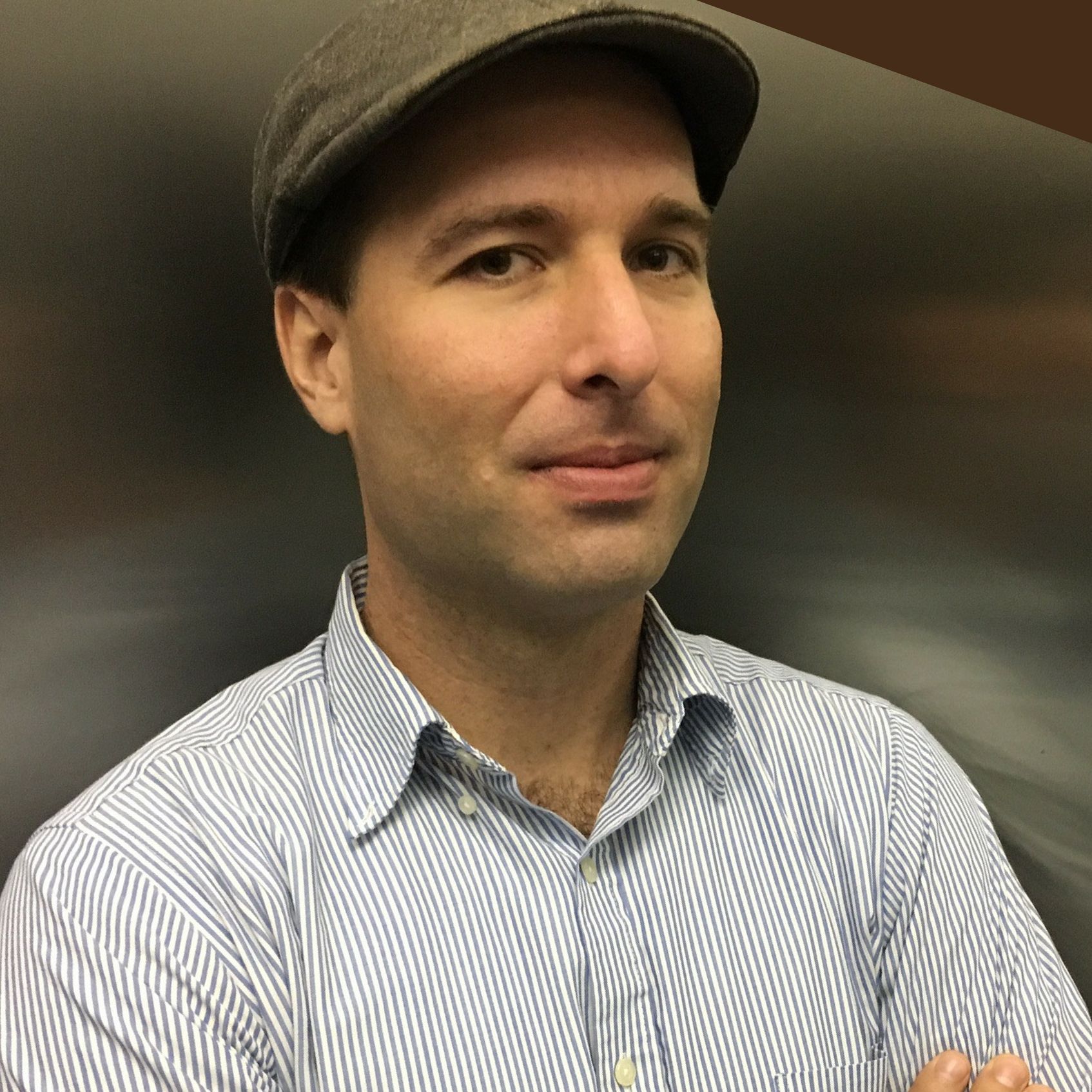
The Recovery Executive Podcast · 2024-04-24 · 50 min
Mark O'Connor's two tracks at Karen Treatment Centers - core programs (insurance-covered) and signature programs (private pay, ranging from $50,000-$100,000+ monthly) - require fundamentally different outreach strategies. Having spent 28 years in public relations and media before entering recovery work seven years ago, Mark brings a relationship-first approach to business development that contrasts with typical high-volume outreach. Karen's 70-year reputation precedes him, making initial contact with psychiatrists, therapists, and clinical partners easier, but the real work happens in face-to-face connection. Mark emphasizes that his book of business came from relationships built across the country through his time at Lighthouse and maintained through nursing those connections at Karen. His success stems from personal touch - phone calls and in-person meetings - rather than email blasts, and his willingness to listen without ego, referring cases elsewhere when Karen isn't the right fit. He recently transitioned to case management while maintaining those referral relationships, and discusses practical tactics like scheduling dinners with busy clinicians well in advance or walking with therapists to accommodate their schedules.
Core programs are 18+ (coed, young adult, standard) and accept insurance like Aetna and Blue Cross; signature programs include Grandview Executive (men's and women's) and Older Adult (55+) and are cash-pay private programs costing $50,000-$100,000+ monthly.
Plan dinners well in advance (starting after 7pm), use alternative venues like park walks with dogs if you share similar schedules, and give at least 3 weeks lead time so they can commit.
Email blasts serve as groundwork to announce new programs, but phone calls and in-person meetings drive actual relationship-building and conversion; Mark prioritizes personal calls over email except for mass announcements of genuinely new offerings.
A substantial portion comes from relationships built during his 28 years in PR and maintained at his previous role at Lighthouse, but Mark also actively pursues new clinical relationships through small group settings and conferences.
Yes - Karen's 70-year legacy and Mark's status as a program alumnus both significantly reduce friction in getting first meetings, though the real work happens in ongoing relationship nurturing.
Computed from the transcript - who did the talking, and the words that came up most.
High-end private pay programs charge as much as $100,000 a month for patients entering these exclusive facilities. Cultivating referral relationships for patients in the income bracket that can afford such programs require a specialized approach. Mark O'Connor has worked in outreach for both Caron and The Lighthouse, two programs renowned for the quality of care they provide, that comes at significant cost for their higher end programming. Mark walks us through his relationships and approach that have helped him regularly place patients into such programming.
Transcribed and scored by The B2B Podcast Index.
Speaker A: Foreign. Executive Podcast with your host, um, Nick
Speaker B: Jaworski,
Speaker C: We bring you the business of recovery. Because those struggling with addiction need you to be here tomorrow as well as today.
Speaker A: Joining me here on the Recovery Executive Podcast, I'm your host, Nick Jaworski, CEO of Circle sociallink, a strategic marketing firm for behavioral health and addiction treatment providers. Today we're speaking with Mark o'. Connor. He just changed roles into a case management specialist, but prior to that he was primarily focused on outreach for all of Karen's programs with a heavy uh, emphasis on reaching out to the signature program which is their private pay program. Sometimes patients are paying as much as 50, 70, $100,000 a month to go into some very high end exclusive executive programs. And for this reason the type of outreach that needs to be done is very specific and much different from what uh, some providers might be used to when dealing with the standard insurance markets specifically. So I'm excited to talk to Mark and learn from his decades of relationship building expertise. But before that, let's hear from our sponsors.
Speaker C: Outcome tracking is made easy with ERP Health. ERP Health is the US standard outcome tracking platform to deliver measurement based care for behavioral health. Their products are equipped with tools to improve population health, enhance the experience and outcomes of patients and reduce the cost of care and our communities tracking outcomes to individualize treatment and deliver measurement based care benefits both providers and patients. You can visit erphealth.com to learn more and book a demo today.
Speaker A: We recently did an interview with Shelly Plemons and we focused on business development and some of the common mistakes that are made and some of the many, many opportunities that exist for providers to better train, support and guide their outreach teams. And so I want to follow that up with this interview with Mark which is a bit more specific. The type of outreach that needs to be done when building an in network program is very different in terms of targeting, in terms of conversations, in terms of approach. When seeking private pay referrals, you're not going to go to your average hospital, you're not going to get an average referral from another provider. You really have to think through who your target audience is and who are really the top 1% a lot of the time of individuals who are able to afford and want to go into a very high end program. So that's a very, very specific target demographic that we'll speak with Mark about. I think one of the interesting things talking to Mark was that he developed uh, a networking style and method of relationship building very organically, having spent a lot of time in the media world. And so when we start the conversation, it takes a little bit for us to really dig into the different aspects of what works and what doesn't work for Mark, because he's been doing it so long at this point, it's just a natural part of him. And so sometimes we have to go back and remember what it was like before we developed those skills or before we developed those approaches. We dig into that in the second half of the conversation. Something additional that I think is pretty critical to highlight here is the advantage Mark has working for a program like Karen that has a reputation. That reputation allows Mark significant opportunity to get his foot in the door and to have easier conversations and to arrange referral relationships that are mutually beneficial between community referral partners, because Karen stands out as an emblem in the field of quality care. And so for Mark, it's much, much easier than if he was working for a brand new program that had no pre existing reputation. I thought that was quite significant for listeners to understand, Just as we do work with a lot of providers that are opening up new facilities all the time, or maybe they're opening up brand new facilities and really understanding the conjunction between the reputation that exists of the provider itself, combined with the skills, ability, and reputation of the individuals doing outreach, when those two things are aligned, you have much, much better results. Otherwise, it's just much harder. And we do talk about that a little bit in terms of what it's like if he wasn't working for Karen, how would he be able to leverage some of the skills and expertise and approaches he has? So with all of that, very excited to have you listen to Mark and his expertise and let's jump in.
Speaker C: Well, thanks, Mark. I really appreciate you taking the time to come on the show. Can you talk to us a little bit about, uh, who you are and what you do?
Speaker B: Sure. Well, thank you for asking me, Nick. Uh, my name is Mark o' Connor and I am an international case management specialist with care and treatment centers. I am based in New York City, but I work globally in terms of case management and people coming into treatment at either our Pennsylvania or Florida locations.
Speaker C: And you've done business development, outreach and case management is a newer part of the role. Is that accurate?
Speaker B: Exactly. So I have been with Karen almost four years, and for a majority of that time, I was on the business development side, first handling biz dev for New York City. Uh, then it became more of a national presence and international presence with markets such as London, Bermuda and Canada. And in the past month, I Have moved over to the case management side, which was more an organic change for me.
Speaker C: Great. Okay, so I want to dig into the case management piece, but I'd like to start with the business development, since that's what you were kind of first.
Speaker B: Yeah.
Speaker C: So Karen structure is a little bit different. Just want to give everyone a framework that's listening. So Karen has a core program and a signature program. Can you just give us a little bit of background on that first?
Speaker B: Sure. So there are two main tracks within Karen, both in Pennsylvania, and that is core and that is signature. The core program for Karen is for men and women, 18 plus. And that is our core men's program, core women's program, and we also have young adult male, young adult female that are separate than some of the older 18 plus people. The signature programs in Pennsylvania are our, uh, Grandview executive men and women's program and our older adult program, which is for people technically 55 plus. But, um, those age ranges vary very much depending on the medical acuity that is presented to us by a person. We have had people much younger than 55 who need a higher level of care on the medical side. Um, and then obviously we handle, um, the older people who are seeking treatment that might have issues with cognitive mobility, long term drug and alcohol use. So those are the two main sort of sects in Pennsylvania. Our core program, we are in network with a number of commercial insurances which are accepted in our core programs. Uh, most notably Aetna and Blue Cross Blue Shield. The signature programs in Pennsylvania are cash pay, although there's some clinical services under the older adult program that can be covered by insurance. And, you know, there's many differences between both core and signature.
Speaker C: Okay, and then in your work in the business development space, what would you say your percentage of people that you were working with were going into core versus Signature?
Speaker B: You know, it, it varies month to month. You know, uh, so much of business development is, is based on relationships and, and the contacts that I brought to the table when I joined KAREN nearly four years ago. For the most part, those were, were New York City based. So I, I would say that, you know, probably about 60% of my admissions would have been on the signature side, 40% on the core side. And that's just a rough estimation because it really does vary. Um, you know, everybody on the business development team is responsible for marketing both core and signature. So there is not a designation within the biz dev team where you are just marketing for core. You are just marketing for signature. Now that might change at some Point based on, you know, as Karen begins to, to evolve under new leadership. And uh, I would say that for the most part we get very high end psychiatrists, therapists, but they have a client that wants to utilize insurance. Could they afford a signature program? Most definitely. But it varies with each individual. It varies with everybody's sort of where they are in their journey of recovery, of whether or not, uh, a core program is most appropriate or a signature program more appropriate.
Speaker C: And then how do you look at that? Because it's two different types of clients and patients coming in. Do you see that your outreach is different or do you have different tactics in place when you're reaching out to uh, individuals that are going to the core versus the signature program.
Speaker B: The beauty and the reason that I joined Karen is that it is a legacy brand. Um, and it's not a new program on the block. It is not a program that. I mean, yes, we have to break out of the clutter. Yes, we have to continue to market our name and our programs and our clinical expertise. But you know, uh, for me I found that it was much easier to kind of be all things to all of my referral base around the country because you never know what somebody's needs are going to be, what somebody's financial picture is, whether or not they're insured or not insured. Um, so it's for me has always been a drive to market the Karen brand and then to really delve into the specifics with a referral based on what they're bringing to the table. As somebody who is in need of treatment.
Speaker C: I think that's actually pretty interesting. So I'd say a lot of programs are what I call representative first. It's really the representative building the relationship. And then there's a little bit of information may be provided around uh, the facility or the program. It sounds like you actually see Karen's name and brand and reputation leading and really supporting you and your work and actually makes it easier for you. So it almost sounds like Karen's more, more reputation or brand first. And then you're the uh, person that's
Speaker B: spreading that reputation it 100%. And you know, we have been around nearly 70 years. So it's, it's hard to find somebody in the United States that is somewhat well versed in the world of addiction and recovery that has not heard of Karen. Um, so it does precede itself in the marketplace now. It proceeds, as far as the name is concerned, what many people and what our jobs are as business development people and case managers. Is to really develop the dialogue with a referent so that they can better understand our clinical offerings, to make sure that we are making the right recommendation and the right level of care. For somebody coming into Karen, that makes
Speaker C: a lot of sense. You've um, worked at a couple other programs before Karen. Have you found it a little bit easier to maybe get an initial meeting or get meetings set up with individuals just because of the reputation that Karen already has?
Speaker B: Well, I, I never worked for another residential treatment center. I worked in the sober living arena, um, and I worked in the intervention case management arena. Um, the. But I will say that yes, it in it is indeed a little bit easier when you are carrying the Karen name. I also have the added benefit of being an alum of Karen. So when you have a business development case manager who is, for lack of a better word, selling a program, marketing a program, but if you also have somebody who has gone through the program, that is a big benefit to reference. And most importantly, it's a big benefit to families and individuals coming into treatment.
Speaker C: Sure. All right, well, let's kind of walk through just some of the routine day to day and what helps you make or makes you successful? Like how do you, or how did you structure your time in the business development role, um, that helped you be successful in connecting with partners?
Speaker B: I wish I had a straight answer for that because as you know, this work is 24, 7, 7 days a week. We never know when we are going to get a phone call and we don't know how long that phone call is going to take or how long it is going to be until the next one comes in. Um, so for me personally, I found that a majority of my day was being reactive. And it was being reactive because I have a number of contacts all over the place that come to me with a potential referral. You know, Today, Monday before 9am today I had a call from a referent in uh, the southern part of the state had a patient that is in end stage liver failure. So we're discussing options for this person. At the same time, I had a call from a northeast referent who has somebody in a relapse, but they're on a plane coming back from Southeast Asia. So that all happened before 9am this morning. So my day is many times structured based on what is coming through the transom, um, at any given time. In a perfect world, as a business development person, you would kind of want a 50, 50 split of getting out there, meeting with psychologists, psychiatrists, hospitals, people in the city that you are designated as your territory. And then obviously we like to have the phone ring with people with potential admissions. But this business can be up, uh, down and all over the place at any given time. So it's really hard to have a set structure of today. I'm going to devote 60% of my time on proactive outreach because I don't know when I'm going to have a call that comes in that somebody's on a plane and needs to get into treatment by 5 o' clock today.
Speaker C: Let's take a look at that, because I think most business development reps and most providers building those teams would wish that there they had calls coming in all the time and could be purely reactionary. So you must have done something in the past that built those relationships that drives that, that volume to you. What do you think you did originally that set it, uh, up to this point, being where now it's primarily reactionary?
Speaker B: Well, I spent 28 years of my life, my, my m. Career of a lifetime before I got sober in the public relations field. So I was for those 28 years a connector. And I handled global media for PR agencies. I handled internal public relations and spokesperson duties for television networks. So all I knew was how to connect and relate to other people, particularly the media in, in those worlds. And I grew up as a senior in college working in the CBS newsroom. So. And I started in the CBS newsroom the day the Persian Gulf War broke out, when I was ripping scripts for Dan Rather. And if that doesn't tell you how old I am, I don't know what will. But there's where the chaos and the energy for me came from. And I spent 28 years in those environments. So when I decided to move into the addiction recovery field, it was natural for me to network, to get out there to meet people. And when I was working for the Lighthouse in New Canaan, we were marketing to the entire country and to treatment centers across the country. So when I joined Perrin, I had a ton of relationships from all over the country that I maintained that I nurtured and that that came with me. So it, it is, I, I think that I am a little bit different than the other business development people in that my book of business was not just the territory that I sat in.
Speaker C: That makes a lot of sense. And would you say that a lot of the, uh, partners that you currently work with come from those previous relationships? So it's built in the media world or you still see yourself forming relationships with psychologists and things like that?
Speaker B: I always want to be forming new relationships. Because I think that, you know, particularly in this, this industry, there, there are a vast amount of people that I still have not met yet, particularly on the clinical side. And you know that that is another part of, you know, this case management role is yes, I'm handling all of those that are coming into me from relationships that, that I have built and nurtured. But at the same time it gives me the ability to attend different conferences or gatherings. I, um, I am not a big conference goer. I, I am a much more along the lines of small venues with a small amount of people because I feel that so much of this is personal connection and sitting down with people face to face in person to understand their background, their schooling, what they do in this field and then discuss sort of how Karen could potentially be a part of that in terms of clinical collaboration. But I am a huge fan of the real time, real life connection with people.
Speaker C: I think you answered part of my next question already. You're talking about sitting down, really understanding the needs of the person across the table from you in a personalized environment and then bringing um, what Karen has to the table and seeing how those two connect, which is I think a uh, skill a lot of business development reps could probably serve to learn from.
Speaker B: It's how I, it's how I grew up in, in, in the working world. And you know, when I first started out as a media relations specialist, we didn't even have the Internet. We didn't have these things that we now have at our fingertips right now. So I was bred that way in terms of you ask somebody to lunch, you ask somebody to dinner, let's go meet for coffee and to really get to know people that way. And I think that has been a huge benefit for me in terms of how I have built my own reputation in this field and also what I am able to bring to Karen in terms of my relationships and ongoing relationships with people.
Speaker C: And so you have all these calls coming and you know, people looking for treatment or seeking advice.
Speaker A: Mhm.
Speaker C: Do you think it is about you that they trust? Why do you think they trust you to be the person that they call in these situations?
Speaker B: You know, I am 100% honest, open, willing. There's not a phone call I won't take. Be it, uh, Sunday night at 10pm, Friday at 8pm I am always willing to listen to people and to help them. And many times if Karen is not the right place for them, then I will make sure that I do give them the recommendation of places that I feel are the right place for them. I have said over and over again to people that I got in this field seven years ago after getting sober myself. I don't ever call this a job. I don't call this work. And I'm not just saying this to say this to you, but this has become. My purpose as a sober person is to help the next person with whatever struggles they are having.
Speaker C: I love that. I'm sure it shines through to the people you're talking to too. You know, there's a, uh, genuineness and authenticity goes a long way when building those relationships and building trust.
Speaker B: Exactly, exactly. It's. It's. It's trust building. It's. It's the nurturing relationships that, That I pride myself on. But it's also, it's another person in recovery. And many times when I am talking to a potential admission, I can honestly say, hey, I've been right where you are right now, so let me help you.
Speaker A: Yeah.
Speaker C: Yeah. Thanks for sharing that. Going back to just some of the more routine, uh, structure you mentioned that you are reaching out to new people. How do you think about touch points? Whether it's with an existing partner or someone new that you're talking to? Do you have a cadence in place? Do you say, hey, I, uh, touch base, and then two weeks from now I set up a followup? Or is that more reactionary?
Speaker B: It. You know, I am a big fan of phone calls, and in person, I do think that email blast emails, they serve a small purpose, but it has nothing with the actual phone call and the connection that you have on the other end of the phone or the other end of the table. Um, so, you know, most of my cadence is phone calls and in person. Um, Karen sends out marketing materials weekly about different programs or highlighting different things, new offerings. And I think that can serve as sort of the groundwork. And they might see it or they might not see it. I mean, I know that I get spammed with hundreds of emails every week. And do I read all of them? Absolutely not. Um, but do I remember somebody who picked up the phone and said, hey, can I talk to you about xyz? I remember that much more. Or I remember a lunch or a coffee with somebody much more. Because we can connect on the business side of things, but we can also connect on the personal side of things.
Speaker C: And do you ever find it a challenge getting those phone calls especially?
Speaker B: Of course. Oh, yeah. I mean, try to get a New York City psychiatrist on the phone. Very difficult. Try to get them to Lunch or dinner very difficult. And I think post Covid where we have the huge prevalence of telehealth, I find that many of these therapists, psychiatrists are working from sunup to way past sundown because they can, because they can do it on a screen with somebody or they are just so booked up because of the high rates of mental health issues that um, that are ongoing, um, that everybody is, is jammed these days.
Speaker C: So how have you found to be able to try and get, you know, carve out some time with individuals like that?
Speaker B: You know there's many times I have one therapist who I know lives close to me and a couple Saturdays ago we went for a walk in the park with our dogs because that was a day that I had off. It was a day that she had off. If it's well planned in advance, I find that a dinner is much more easier for a uh, therapist to attend. Especially if it starts after 7 o' clock or so if you give them enough lead time and they know in three weeks I'm having dinner, dinner with four people at X restaurant. But, but it's not easy. It's not easy. So you know, many times we do have to resort to an email or follow up and you know, I don't have any particular cadence with that. It probably falls into kind of what the priorities are from a marketing perspective with Karen. And we just. This is a good example that happened a few weeks ago but we announced a new neurocognitive testing program at our new Keels center in Florida. And this is a 10 day neurocog testing that was a brand new offering that we packaged together um, coming out of our new Keels center. And that went to a mass marketing email blast to every referral around the country world. And then what I did is that I knew that there were a handful of people in New York that would really benefit from hearing this. And so I followed up with an email and then I follow up with a phone call. There's people in Canada, um, there's people in London, um, because it was such a new and different package of offerings, um, that was outside of our normal, you know, residential treatment programs. 30 day plus. Um, this is a 10 day program that was very new and innovative in terms of what Karen was doing particularly in the neurocog testing arena. So that warranted, you know, not only the big blast but the follow up phone call and then really having that knowledge in my own head of who might potentially be the right person that would have somebody, you know, maybe not Right away. But certainly their clientele of patients, clients that would benefit from this new program.
Speaker C: And then. Curious to your conversations. I think this is something a lot of, uh, outreach reps struggle with, but it's having those conversations with practitioners and providers. You know, when you're talking to psychologists or psychiatrists or even interventionists, what would you say is the focus of those conversations that might be different from if you're talking to, uh, another treatment provider, for example?
Speaker B: Well, you know, I think that, um, the conversations are. Are essentially the same in, in many aspects. I mean, a psychiatrist, a, uh, therapist, an interventionist. You are. Those referrals are much more plentiful into Karen than another treatment center. Referring into us. When I'm talking to another treatment center, I need to know what separates, differentiates Karen from that treatment center. And it could be our grandview, our Ocean Drive executive program. It could be the healthcare professional. It could be the older adult. I take X treatment center in Connecticut that does not serve the older adult population. Then I know that I have to call that person and say, hey, I just want you to make sure that you know about the older adult program. So conversations are always tailored in terms of really having my own knowledge of the population that they serve. And what I need to do is come to the table not with a broader overview of Karen. I need to tailor it and be very specific to. This is what is different between the two of us. So how can we get into a relationship where we have cross referrals?
Speaker C: Then when you're having those conversations, are there. Are there. Is there any particular collateral that you found helpful and whether that's advancing that conversation or just as a leave behind?
Speaker B: Yeah, I always, you know, we. We have moved much more towards the electronic library of things. And I think that, um, people, uh, are much more apt to use and pass on our electronic marketing materials than the leave behind that might collect dust on a waiting room coffee table. So I always have to, you know, okay, this person is Grandview focused, Ocean Drive focused. So I would follow up with electronic versions, thanking them for the meeting, thanking them for the phone call. And just so you have in your files, here are the materials highlighting those programs we discussed.
Speaker C: Yeah, that makes a lot of sense. Is there anything in particular you found super helpful that Karen provides, whether it's a simple trifold or maybe a research paper or something more?
Speaker B: Uh, well, we try to keep it. And, and I learned this in my PR days, particularly on the news. You know, the, the short, more concise things that you can have the better in terms of them being able to retain the knowledge. So something that is bullet pointed, maybe a photo or two, and that's it. Um, and the same goes, you know, we have a lot of research that come out of the team and research center in Wernersville. And you know, those, Those are not 20 page research findings. Those are bullet points. You know, one recent research that we underwent was the use of Ozempic for treating opiate cravings. Um, that's topical, that's news. That is something very different that many people don't realize. So you know, it's, you gotta be. People's attention spans in the electronic age that we live in are minute. So you have to be concise to the point and very minimal in terms of the takeaway for them.
Speaker C: And what I'm hearing from you that I think is really important is just how tailored it is. Right. It's not pray and spray. I'm not throwing everything at, ah, you know, a particular partner and saying, here, here's everything we do. You're identifying their needs through research, through conversations with them, um, and then presenting what it is that Karen has that would be a particular value to that individual or part.
Speaker B: Yep, definitely. I think that, you know, they don't need to receive 28 pages of marketing materials.
Speaker C: Right, right.
Speaker B: That will be deleted. But based on my information, based on our meeting, here are the two things that would be of huge benefit for you and your patients.
Speaker C: And you were talking about constantly doing new outreach and new partners. And you mentioned that Karen receives quite a few referrals from private psychologists and therapists and psychiatrists. Just a bit. It's not that normal.
Speaker B: Right.
Speaker C: Most treatment providers are probably. It's other treatment providers, it's hospitals. And so if you think of referrals coming from a hospital, that can be a pretty high volume if the hospital is sending a lot your way. Whereas a private psychiatrist or private psychologist, I mean they're only seeing maybe 50 patients the entire year. They're keeping patients for a long time.
Speaker A: Right.
Speaker C: So have you found to have a lot more of those individual relationships?
Speaker B: Personally, I tend to have more relationships with private psychiatrists, psychologists and interventionists. And that's, that's just my wheelhouse of expertise. I am not the expert on the hospital systems in New York City. We do get a handful of those referrals from hospital systems in New York. Could we have more? Maybe? Yeah. But for me personally, the relationships that I have in my pocket are the private therapists and interventionists. Interventionists, obviously much more than a private therapist or Psychiatrist in terms of the numbers of referrals that they are able to make, particularly the busy ones.
Speaker C: Right. I mean, I think that would make a lot of sense. Right. Because private psychologist, a psychiatrist, one they're treating a lot of whatever the patient's coming to them for already, so they're not as likely to refer out. And you know, like I mentioned, they're maybe only going to see 50 patients a year if they're just doing one on one therapy, 20 hours a week or whatever it is for exclusive clients.
Speaker B: Yep.
Speaker C: Whereas an interventionist might be seeing a family a week. And so there's a lot more potential there.
Speaker B: Exactly. Much more potential there. You know, we are broadening our business development footprint in New York with additional people and being very strategic in the outreach in terms of, you know, our signature programs and putting together a outreach plan for financial institutions, private family offices, wealth managers, those people that we know that if they had the opportunity or the need for treatment that they would fall into the category of our signature programming on the core program. You know, developing relationships with EAPs, with unions, where it is much more mass in terms of potential referrals and particularly referrals into our insurance based programs.
Speaker C: I think it's a really important point is again, you're, you're doing the research and you're looking at which referral partners are most likely to need which services your outreach specifically, which I think again is something probably a lot of providers could, could learn from there.
Speaker B: Yeah, yeah, most definitely. Very strategic. Very. You know, I would rather have two really good meetings in a day than seven to ten cold calls.
Speaker C: Yeah, I think that makes sense. I think especially when you're looking at things like signature programs or high end programs where there's a larger cash pay component, there's more trust that needs to be built.
Speaker B: Most definitely. Most definitely. Yep.
Speaker C: So related to that, if you were training someone to do what you do, what advice would you give to them?
Speaker B: Run. No, um, you know, really, it, it is understanding your market, understanding your constituents, client base. And again, I go, I'll go back to being very strategic and pointed in your pitch. You know, a very high end psychiatrist or therapist, you're not going to blanket them with your core programming, even though many times they would refer into the core program. But you know that a majority of their client base would most likely fall into our signature category or say a geriatric psychiatrist, point them towards our older adult program. Concierge, concierge doctors, you know, the neurocog testing to concierge doctors to Very high end psychiatrists. It's, it's you, you gotta know your audience and you've got to really tailor your speak to what, what is most appropriate for them. And again, I am um, I'm not one for Mass M emails blasting out cold calls. It's really looking at what is going to give you the best return, but also what is going to give those people the most notable information that they can use.
Speaker C: When you're doing this, I think just to uh, drive this point home, you're doing an excellent job of uh, finding what about Karen? That's the different or valuable that makes sense to that referral partner or that they have. Uh, you're in an advantage there because as you mentioned, you are an alum of Karen. So you've been through the program, you understand it really well. What about for a rep that hasn't been through the program that they're doing outreach for? Any suggestions?
Speaker B: You know, we, we have pretty extensive training for reps that are coming on board at Karen where they stand an immersive time within all of our programs both in Pennsylvania and Florida. And that is a chance to get to know the clinical staff, um, get to know, see and hear the patients that we are treating and really understand the inner workings. And I think that is integral in terms of any person's success in this field is that you need to live, breathe, feel, see, touch the programs that you are then marketing.
Speaker C: 100%. Yeah. Uh, I'm regularly disappointed when I come across programs where the reps never even been in the program, even from an observational standpoint. Like it just happens.
Speaker B: Yeah, no, I mean we spend a week in Renaissance as basically as patients, we do all the programming that's perfect.
Speaker C: Yeah, I wish more providers do that. It's obviously it's very, very hard to sell or recommend or provide. M. You haven't understood on a deep level and.
Speaker B: Exactly.
Speaker C: It's very personal.
Speaker A: Right.
Speaker C: Especially if you're asking someone to spend a lot of money. It's very, very personal. And so you really have to know what you're referring to.
Speaker B: Exactly. Most definitely.
Speaker C: Well, so that's obviously a big mistake I think providers make is they don't send their reps through the program enough or give them enough, uh, or observational opportunities. But any other common mistakes you see other reps make that you recommend they avoid if they're first coming into the
Speaker B: field, I think you just, you just nailed it there. You got to know what you're selling and you have to know what the differentiator is for your program, particularly in a market like New York City where it is chock full of marketers that are marketing programs from around the country. It is chock full and people are bombarded with emails, phone calls, events, you name it. Um, so you really have to know what you are selling and you have to be in a position to talk very efficiently, but also in a very knowledgeable way as far as what your program does.
Speaker C: And I'll throw you a little bit of a curveball one here. I'm not sure if you'll be able to answer it based on the experience that you've had, but at Karen, one of your advantages is you have all these programs, right? You have an older adult program that's quite unique. You have a pain management program, you have an executive program. There's a lot of things that around Kara that are highly differentiated, that your job easier. And something we always talk to providers about is, hey, you have to have the program, program's um, everything. And then your reps and your marketing team are communicating that differentiation. What about these reps that are coming from programs that maybe it's not that different, right? Maybe it's a, it's a younger program, it's a newer program. They're providing treatment and they're providing quality care, but it's the same standard group therapy, dual diagnosis program that everyone else is providing. Any, any thoughts around how?
Speaker B: Uh, it's, it's very difficult, you know, and, and I, I hear and, and see of these reps that are marketing, you know, a program that is thousands of miles away to a market like New York, it's very tough. And you know, as I said in the very beginning, you know, the legacy of Karen precedes me in, in any interaction that I have, which is very fortunate. What you need to do is really hone in on the why. So why would X therapist here in New York City choose that program over all of the programs that they are marketed on a daily basis? You have to figure out what the why is, what the differentiator is. Uh, and then you have to take that differentiator and you have to market the heck out of it.
Speaker C: Yeah, I think it's perfect advice. M. And obviously, as we all know, it's easier said than done.
Speaker B: 100%. 100%.
Speaker C: We were just talking with a provider. They opened up a new outpatient program and they're trying to, uh, pull from a 30 mile radius and they're having some challenges with it. You know, we pulled it up on a map. I said look on the outer rim of this, you know, kind of 30 mile radius where people might come from for outpatient, There are literally 40 treatment providers in any direction and. Mhm. So for someone to choose you, they have to bypass 40 other providers that are closer. So why would they do that? And then that becomes a question that you have to answer from a clinical side of things.
Speaker A: Right.
Speaker C: You know, don't leave that up to your business development team to figure it out. Like figure out what about you really sets you apart from all those other providers that they could go to along the way and then educate and support your business development team to be able to communicate that effectively.
Speaker B: Exactly, exactly. Yeah, it's very hard. It's very hard. And it seems, you know, there's always something new that's popping up, be it outpatient or be it treatment. So to, to be able to break into a new market and, and to have, you know, referrals come in, it takes a heck of a lot of work.
Speaker C: Yeah, yeah, I agree. Because you don't have the reputation there. I, uh, mean, obviously it's not built yet.
Speaker B: Right, right, right.
Speaker C: And I think just from the side, you know, dealing with a lot of new operators, oftentimes they haven't thought about it hard enough to say, hey, how are we going to be different? They kind of come in, we're going to do treatment and we want to do treatment, we value it, um, it's important to us. But they don't think about how they're going to differentiate themselves from, from the 40 other providers in the area.
Speaker B: Exactly.
Speaker C: Really gotta be your, you know, if you don't set the business that way, it's gonna be very, very hard to, like you said, break in or.
Speaker B: Yeah.
Speaker C: Break into new relationships with established ones already there. You know, like you got a couple psychologists that you're working with, for example. They know you, they trust you. How am I going to come in as a brand new facility and a brand new rep and replace you? That's a pretty hard proposition.
Speaker B: It's, yeah, it's daunting to be able to, not to be able to have that task at hand, to try to make that change with a provider who knows and trusts a handful of people, uh, and many times have the opportunity to refer to other programs because Karen is not the appropriate place for them then, not the right level of care. And I think I've heard a number of like 13 or 14,000 treatment centers in the United States. And I can honestly say that I am comfortable in referring to maybe a dozen sure.
Speaker C: Well, you know, that's a great question to kind of end on. Um, so you're obviously. I'm sure all the reps come to you all the time, and you want to sit down, have coffee, have meetings. So you've referred out to some other facilities here or there.
Speaker B: Sure, all the time.
Speaker C: What about the conversation did you have with the rep that says, hey, this would be a good person that we could refer out to because they don't fit something that Karen does? Like, what about their conversation or the program that they were offering made them stand out to you?
Speaker B: It's people that I know, and it's people that I trust, and it's 99 of the time a program that I have physically been to myself, and it's a clinical staff that I have worked with in the past or know. So isn't necessarily a matter of sitting down with somebody and having them sell me on something. I have to, uh. Like, I immersed myself into Karen. I had to, in many aspects, be immersed in that program that I am referring to.
Speaker C: And again, that rep, uh, ideally probably found something that was different. Maybe they provided eating disorder care.
Speaker B: Exactly. Yep. Yep.
Speaker C: All right, well, super helpful. I really appreciate the time, Mark.
Speaker A: This was great.
Speaker B: Thank you, Nick.
Speaker C: Thank you. If someone wanted to connect with you or Karen, what would be the best way to do that?
Speaker B: My Karen email is M M O C O N N O R karen.org and my cell phone is 203-258-6570.
Speaker C: Well, thanks so much for the time. For all of our listeners out there, this is Recovery Executive Podcast. I'm your host, Nick Jaworski, and we'll see you next time.
Speaker B: Thank you, Nick.
Other episodes covering the same guests and topics, from across The B2B Podcast Index.
 Navigating High-Cost Claims: Employer Strategies for Managing Complex Healthcare Cases with Dr. Christine Hale, Chief Medical Officer, US Benefits at GallagherThe Benefits Playbook · on case management85 / 100
 Founder Journey ft. Sally DaubFounder Journey · on case management75 / 100
 From PegaWorld: enGen's Richard Rutkowski on moving agentic AI from theoretical to practicalThe Agile Brand with Greg Kihlström® · on case management68 / 100EP 109: Leading One of the Most Successful Non-profits in the Country with Jay Crosson75 / 100EP 108: Thinking Through Innovation in SUD with Brad SorteEP 107: Opportunities in Teen Treatment Models with Chris PerkinsEP 106: Maximizing OON Reimbursement on Self-funded Plans with Ali BeheshtiEP 104: Common Sense Business Development with Shelley Plemons