The Limitless Podcast with Nick Jonsson · 2026-07-01 · 43 min
Key moments - from our scoring
Substance score
31 / 100
Five dimensions, 20 points each
Jenn Lim, CEO and founder of Beyond Happiness and co-founder of Delivering Happiness with Tony Hsieh, discusses her evolution from promoting scientific happiness in the workplace to confronting deeper human truths in her new book *Beyond the Bullshit*. The conversation traces her journey from co-authoring *Delivering Happiness* (2010) at Zappos - where she helped establish culture and positive psychology as organizational foundations - through *Beyond Happiness* (2020), written amid the pandemic and just weeks before Tony Hsieh's unexpected death. Lim reveals the personal toll of that period: depression, grief, and the realization that checking boxes and performative happiness masked unprocessed trauma, including 22 years of ungrieved loss from her father's death. Her thesis, "go deep to go light," argues that authentic transformation requires facing darkness rather than bypassing it. She addresses how leaders at any organizational level can drive human-centered culture, argues the future of work is fundamentally human regardless of AI advancement, and explains why even happiness experts must confront their own bullshit. Ideal for operators, entrepreneurs, and organizational leaders wrestling with purpose-driven culture beyond surface-level wellness initiatives.
Jenn identifies having a higher purpose, sense of progress, sense of control, and sense of connectedness as key levers, but emphasizes the table stakes are clarity on company values, behavioral alignment with those values, and individual purpose alignment with the company's purpose - going beyond the paycheck.
Her co-founder and best friend Tony Hsieh died unexpectedly. This occurred while she was already struggling with the decision to publish a happiness book during the pandemic, compounding her grief and forcing her to complete the manuscript during severe depression.
She intellectualized it, checking off the five stages of grief mentally without actually feeling the emotions. When Tony died, she realized she had never truly embodied her grief, and she finally began facing the raw, embodied experience of loss rather than numbing it through various coping mechanisms.
She means that genuine lightness and transformation only come from going inward to face one's pain, trauma, and unprocessed emotions - peeling back layers of conditioning from upbringing, culture, and genetics - rather than bypassing darkness through spiritual bypassing or performative positivity.
After being told to remove a profanity-based slide modification, she bombed her talk despite extensive preparation. This made her realize she was wearing a mask of authenticity while still hiding what was underneath, prompting the realization that she had more inner work to do despite appearing to have everything figured out.
Our reviewer’s read on each dimension, with quotes from the episode.
The episode is dominated by personal emotional narrative, grief processing, and generic positive-psychology platitudes. A B2B operator would find virtually no actionable, non-obvious claims per minute; the rare idea (integration over information consumption) is underdeveloped and surrounded by filler.
The future of work is human. Like there's just no way about. We gotta be more human than ever.
Go deep to go light. If I didn't go deep, I wouldn't feel this light anymore.
The core content recycles well-worn wellness and positive-psychology territory (purpose, values, grief stages, gratitude practice). The 'Beyond the Bullshit' framing hints at something fresher but the actual arguments delivered are conventional self-help, including explicit citation of Brené Brown and a 'not my circus, not my monkeys' reference.
Not my circus, not my monkey is one of the things that I've learned to realize
integration for me, the way I learned it and way it helped me, was like being able to actually reflect what's helpful for me. Not what Brene Brown just told me
Jenn Lim has genuine practitioner credentials - co-founding Delivering Happiness with Tony Hsieh and running it as CEO for 15 years - but the conversation almost entirely bypasses her operational knowledge, reducing her to a personal-development storyteller rather than a business practitioner.
Tony was the CEO of Zappos. I was working on the culture book there. So basically, it was a. It was a really high time of putting, um, culture on the map when it wasn't yet a buzzword.
I became the CEO, um, for that was like 15 years ago now
The Disney World keynote anecdote and the Zappos/2010 context are the only genuinely specific story beats; otherwise the episode offers no metrics, no named research (Robert Walding's study is cited vaguely by the host, not the guest), and no business data whatsoever.
I was doing a talk at Disney World, and it was like, pretty much when we started coming out again, it was like a thousand liters
he claims that if we have broken relationships in our lives, as dangerous as smoking 14 cigarettes a day
The host occasionally surfaces genuine emotional depth and does follow up on the grief thread meaningfully, but he repeatedly inserts his own recovery story in ways that redirect rather than deepen the guest's thinking, and he never challenges a claim or pushes back on the frameworks offered.
And most of the people I had on the show don't go there.
What was going through your life at that time then? You were ticking all the boxes. You did everything that you're supposed to.
Computed from the transcript - who did the talking, and the words that came up most.
Jenn Lim helped build a global movement around happiness. As the Co Founder of Delivering Happiness with Tony Hsieh, and now founder of Beyond Happiness, she spent years helping leaders and companies create cultures built on purpose, values, and human connection. But behind that mission, she was carrying a very different reality. In this deeply honest episode of Limitless, Jenn opens up about writing Beyond Happiness during one of the darkest periods of her life. COVID had changed the world, deadlines were closing in, and just five weeks before the book was due, she lost her close friend and long time collaborator, Tony Hsieh. What followed was grief, depression, emotional exhaustion, and the quiet pressure of trying to hold together an identity built around happiness while struggling internally. This conversation goes far beyond workplace culture. We explore unresolved grief, burnout, coping mechanisms, emotional numbness, and the danger of constantly saying “I’m fine” when you are not. Jenn shares how losing Tony also forced her to confront the earlier loss of her father, and how years of intellectualising pain had disconnected her from fully feeling it.
Transcribed and scored by The B2B Podcast Index.
Speaker A: People used to call me Zen Lim and they didn't know I was a ball of anxiety inside. You know one of the sub themes in my the new book is go deep to go light. If I didn't go deep, I wouldn't feel this light anymore. Like I was just at a conference about the future of work and they were asking me about my point of view and I said the future of work is human. Like there's just no way about. We gotta be more human than ever. No matter what everyone thinks about AI
Speaker B: if you compare yourself and where you are in your journey now, when you were completing Beyond Happiness, what have changed and what's the biggest difference?
Speaker A: It's gonna sound very cheesy. I wake up every morning and SM and it's real. Sometimes I give myself thumbs up.
Speaker B: Welcome back to another episode of Limitless. Today I'm very excited because I'm in the U.S. i'm in the Bay area where I have a special guest on the show today. We have with us Jen Lim. Um, she's the CEO and founder of Beyond Happiness. She's the co founder of Delivering Happiness that she built with Tony from Zappos. She's a best selling author. She is the world's top 50 keynote speaker. Jen, a warm welcome. How are you today?
Speaker A: I'm doing really well. Thank you for having me.
Speaker B: So exciting to be here. California springtime.
Speaker A: Yes, I know. I'm a California girl, born and raised so it's hard to leave home. But yeah, welcome here.
Speaker B: Yeah, it's really exciting. I was out this morning for morning jog and I was just chatting to you before. How friendly the people are in California.
Speaker A: Yeah, yeah, some can be. We have a lot of types but it's a beautiful place so. Yeah, thank you.
Speaker B: Yeah, it really is. And um, tell me Jen, what are you up to today? What are you writing on? A new book perhaps?
Speaker A: Yeah, I am actually, um, I'm pretty much finished up my next book so I come from Delivering Happiness that I did with Tony Hsieh back in the day. And then there's Beyond Happiness came out a few years ago and I just finished a new one called beyond the Bullshit.
Speaker B: Beyond the Bullshit. I love the title and that's what we're definitely gonna dig in today.
Speaker A: Thank you. Thank you.
Speaker B: Yeah and before we go there also uh, Beyond Happiness, a book I read myself and told listeners if you haven't read this book or listened to it, it's also on audible and as it happens J the the audiobook here in the studio where we Are today.
Speaker A: Yes, totally. Yeah. So I'm getting a little flashback to a few years ago when I, um, did the audio for that. And one funny story is that they, for some reason, my stomach kept on making noises. So they thought I was hungry, but I wasn't. I was full, but they kept on feeding me bagels and croissants. I'm like, I'm just really full. But it just turns out my stomach makes a lot of noise. So I had to take a, uh, Pepcid AC and it stopped. Just FYI. If encountered the same problem, well, then
Speaker B: I know some bagels are coming in here. We know why.
Speaker A: Uh, yeah, exactly.
Speaker B: Okay, fantastic. So maybe we can just go back a bit in time. Let us take us back to when you were working on the book with Tony. Um, tell us what. What was, uh, the connection you had then with the message on authentic leaders, and what's the link there?
Speaker A: Uh, so back to the delivering happiness days. Yeah, so that's a big rewind, uh, to 2010. Uh, Tony was the CEO of Zappos. I was working on the culture book there. So basically, it was a. It was a really high time of putting, um, culture on the map when it wasn't yet a buzzword. We were testing things like positive psychology and scientific happiness in the workplace. So that's when Tony and I started, uh, working on the book and published it and then created a company called the Learning Happiness. And I became the CEO, um, for that was like 15 years ago now. So it was such a high time of, um, doing really different, you know, like, cool things around this idea of, like, scientific happiness, positive psychology. What does that all mean? And then seeing it turn into what we kind of called out in the book but didn't know is going to be realized. A global movement. And we had delivering happiness all over the world. Um, and it was just like, wow, some people, some companies, some leaders can understand how, you know, life is life, work is work. Why not be as happy as we can? Um, so, yeah, that's the genesis of it all.
Speaker B: Yeah. Really beautiful work you did with Tony back then, and it lives on still today. We were also talking before the show. A lot of listeners are from Asia, perhaps, where the movement is, I would say, maybe a decade behind when it comes to this, uh, even the concept that you are talking about there, about the company culture, about purpose and so on. These are new concepts for many, many of the leaders over in Asia now. So if anyone is listening today, um, where should we start with all of this? What's the first step for someone, if you want to go down that path.
Speaker A: Well, uh, it's cool, though. I love that your audience, um, is Asian. I'm from Asia country, Asian countries. Because, like, I remember when we did our book tour back then, we got invited a lot to different, like Singapore to Hong Kong to Japan. Um, but what I loved about that you're saying there could be backwards, like, 10 years back. Back then, it didn't feel like it. It felt like they were just, you know, it really didn't country the industry. It was about the mindset and the leaders, and if they're open to this idea that you can, you know, bring happiness into work scientifically, I think that was probably one of the most inspiring things, is that it didn't really matter where you're from, like, what you did. It's just like, do you believe it or not? Um, so for us, um, the basic ingredients is, uh, going to most sustainable forms of happiness, and that is having a higher purpose. There are other levers of happiness. A sense of progress, sense of control, sense of connectedness, which is a huge one these days, more and more. So we bring all these elements in. But I can. The foundational. I call it table stakes now, because if you don't have purpose, if you don't have values for your employees, and if you don't have behaviors out of those values, because I think we've seen a lot in the world where you can take a word like integrity and have multiple definitions of what that means. Um, so having clarity from a leadership standpoint and aligning individuals, your employees, on their own purpose, aligning that with your company's purpose, that's like, so fundamental. So it's, you know, it goes beyond the paycheck. And, you know, that started in 2010. So it's really cool to see how it's evolved since then. But, um, I think with the title of my latest book, you could tell that I. The world has changed. And so, um. But that's like, the basic tenets of happiness.
Speaker B: And what I really like in reading your materials, Jenn, is that you say that you can be that kind of leader at any level, at any level of an organization and anyone in the community. Because too often I meet people who say, oh, no, that happiness stuff doesn't work in my company. You know, the CEO won't approve it. What would you say to those people who find themselves stuck in that kind of organization?
Speaker A: Yeah, I mean, if they find yourself stuck. And that happens a lot these days. Um, and I know it's easier said than done. But we have a choice. We have agency. And I think of anything. There's so much that's happened. I see the world right now in terms of BC and AC before COVID and after Covid. Covid's been six years ago now, but in so many ways, it feels like yesterday. So much has changed. So I think one of the biggest shifts since COVID hit is that people took a step back, forced, forcefully sometimes, um, and realized, hey, how am I spending my time? And I love this quote. Suzuki Roshi, uh, he's a Zen teacher. The most important thing is the most important thing, and that's it. Like, we had time to actually think, are we doing the most important thing and prioritizing, in a way, with our lives? So for those people that feel like they're stuck somewhere, I think the question is, are you really? And I know it's, you know, again, easier, uh, easier said than done, but there's more. The silver lining is more agency, more empowerment, more people just saying, this is my life, and I'm gonna, uh, make choices differently along those lines. So that's why I say everyone's a leader in their own right. Leader of your own life. This is it.
Speaker B: Yeah. And that kind of leadership, uh, mindset was something that you really were digging deep into when you were finishing the book. I read your book, and I understood that you were just five weeks out from finishing this book when something very challenging happened to you. May, you can take us back to that time. I'm sure it will be painful. So, yeah. Um, but please share, uh, what was happening as you were just finishing your book?
Speaker A: Yeah, well, while you were saying that, I'm just feeling my hands. It just bringing me back to that time. So just a little backstory. So this book, um, beyond Happiness, it signed the contract with the publisher, had a really nice and tidy outline, and then 2020, so we can all remember, every day, was a new headline of the world changing. So here I am staring at this really neat outline and thinking, I can just shred this up and toss it away because the world is not the same. Um, so I was already having very internal strife about what's right. You know, all these feelings of imposter syndrome, like, who am I? Like, putting happiness out in the world right now when people are dying, literally. Uh, it was, you know, it was a struggle, and I just had to just persevere, push through. I have amazing support system to. To help me through it, luckily. But, um, you know, to your question, it was, uh, five Weeks before the book was due to the publisher that, uh, co founder, my co founder, my best bud, uh, in many ways a soul mate to me, um, Tony Hsieh died and very unexpectedly. Um, and you know, when you have the backdrop of all the stuff that's happening in the world, I mean the world on fire in so many ways, people around you being changed, uh, affected, dying. It just didn't occur to me what happened to me. So that really um, shifted a lot of things. And I just had to finish the book. Like at least my publisher was very, uh, you know, understandable. I mean, uh, you know, she understood, she gave me. I joke about it, but she's like, she gave me another day, an extra day to finish it. Um, but, um. But I had to get it out. And I learned a lot from that process. And I think everyone had some sort of loss. It wasn't have. It didn't have to be a person in their life. It could have been an identity. It could have been a vision of what life used to be. It could have been a friendship, you know, it could have been a job. There's like so many ways to slice the. The lost cake, um, that caused grief. And so I feel that period for everyone in the world, um, was ah, such, excuse me, was such a foundational time. And to be really honest, I feel a lot of people are uh, still feeling it or uh, maybe have not processed it completely, uh, to be. To be living in today's world where the rate of change is even more exponentially big. And we were just talking about AI before this conversation and all these factors that really change us externally changing. But it really then begs the deeper question of who we are inside and are we grounded enough internally?
Speaker B: So a lot of things were happening in the world. You have the pandemic, uh, so many new things. You're about to finish your book, which in itself is something that is really challenging. On top of that, you lose your partner, your friend and loss. And with the grief, then what I've learned about grief, the only way to do it is to face it and to go through it and uh, feel the emotions and let it be there and give it time. Yeah, but it doesn't sound like you had. That you had a publisher giving you one more day. So what was it that gave you the strength in that time to. To really go through?
Speaker A: I, um. I have to be very honest and I, And I love your honesty. In the what. In the work you do. So, um, and this I actually haven't really shared with Anyone. Um, but, um, I was at a very big low in my life. I was very depressed and I mean, I could barely get out of bed kind of feeling. And I just, you know, when you're. The weight is so heavy and, you know, and I knew it was on me. It was me that's. You had. Had to get out of it. But, you know, like, we had a. Yeah, my. A lot of entrepreneurs and people that, um, you know, run businesses is a hustle culture. You get it done no matter what. GST gets it done. So I had to get this done. But I was in the lowest of my lows. I was coping, I was drinking. Um, it was, ah, whatever can get through me through the day, um, or night to get this book out. Um, and I felt like I, you know, there's like, loss of Tony. I talk about my dad in there. In some ways, it's very much a business book. But, um, some readers have told me, like, it's like a. Almost a little love letter to the people in my life because it's. It really made me want to, um, be more human. Um, and I think because that had to get done and I was in such a low and I. I had postpartum. You know, after you birth a book, it was even worse. You know, I was like, oh, my God, what did I do? And, um, it took all that time, and that was 2020 until me writing this latest book, to be very honest about, you know, being human, um, and how universal those feelings are of what we went through. Um, all different kinds of grief, especially as an entrepreneur. And, you know, we're always figuring shit out, like, but sometimes we can't.
Speaker B: Well, you're wearing the hat of happiness. You are sort of the role model for happiness. You're talking about, uh, such a positive thing. And you're at your low.
Speaker A: Yeah, yeah, yeah. Not a good look. Right. For a CEO of happiness.
Speaker B: So you. You said that you turned to your support group and they were there for you.
Speaker A: Yeah.
Speaker B: Uh, but as I read your book also, I also understand that when all of this happened, it also brought up a lot of emotions, including the loss of your own father. That. Yeah, when I read it, I thought this didn't sound like you had grieved enough for that.
Speaker A: Exactly. Yeah.
Speaker B: Ah, so you're adding another element. What was happening there?
Speaker A: Well, I love what you just said about what. What, as humans, what we do with grief. So my dad passed away 22 years ago, and I, um, did not know what you just said. The wisdom of being with your Grief of actually feeling the emotions, of actually not numbing them, no matter what kind of numbing mechanism you have, it could be anything. It's not just alcohol. Could be really anything that you just don't want to feel. Um, and I didn't realize how much I did that until Tony passed, that I intellectualized my dad's death. You know, like the five phases of grief. It's like, check, check, check, check. I got it. And I didn't know till that event of another death that I willed myself to be okay, but I didn't feel it yet. Like, I did not actually have it run through the embodiment of what grief is. And it's. It's horrible. That's why it's, like, really hard. But until I stopped all the different coping mechanisms and just kept it real and raw, um, that's when I knew that I was, you know, dealing with my grief in a more real way. Um, and it is really staring straight at it, like, and inviting it. It's almost as, um. Ah. I think there's a metaphor of, like, when the demon is in your presence, your demons, and it opens his mouth. It's you putting your head into the mouth and really sitting in it. And that's how I overcame a lot of these very negative emotions. Fear, essentially. I. I realized my reckoning was that my fear had always been, um, losing someone I couldn't imagine life without. First my dad, you know, and then Tony. We were best friends, best bud for a long time. So it was me facing my fear.
Speaker B: Well, thank you for sharing that, Jen. And, uh, it brings up a lot of emotions in myself because I was one of those people who ran from one place to another, and when things got too painful, then either I would, uh, screw something up and get fired from the job, or I would resign from the situation, or I would numb myself. It didn't matter if it was drugs or alcohol, medication, whatever. But I didn't face stuff. It was only a couple of years ago I was able to face stuff and then learn from that and looking it straight in the eye. And I know that we all have many different coping mechanisms, and many of the listeners I know might be going through something now, and they might be looking for this quick fix. And that is, as human beings, we are so busy, we don't have time to deal with it. But you have gone through it now then, is what I understand.
Speaker A: Yeah, I have. It's amazing. Yeah. To be. And kudos to you as well, in our conversations of what you've done. In really just facing and embracing the darkness as well as the light. And one of the sub themes in my, the the new book is go deep to go light. If I didn't go deep, I wouldn't feel this light anymore. Like having gone through the doldrums and depths. I'm sure you didn't understand that feeling. Um, and uh, it was a lot of like going inward to peel those. Like once I started peeling these onion layers and then seeing another onion underneath, it's like wow, that's so fascinating. You know, whether it's um, how we were born, how our raised our culture, our environment or even our genetics, our DNA, that stuff that is not even ours really, it might be our ancestors, it might be our parents. And being able to see things not just from the head of being logical about how we were, you know, why this exists, why does this body exist? Why does this mind exist the way it does? Why do I think the way I do, uh, or make assumptions the way I do? And just breaking that down in a way is just so much more simple in being um, more human and loving to the person that we were, you know, that we were born to be, um, as humans. And I say that and not to sound too woo or too spiritual or too whatever, but I think more than ever, um, like I was just at a conference about the future of work and they were asking me about my, my point of view and I said the future of work is human. Like there's just no way about like we got to be more human than ever. No matter what everyone thinks about AI. But uh, but yeah, there's so much beauty in that, what I've learned.
Speaker B: And thank you Jen for sharing that and thanks for showing up today, for talking through this. And this is also what I learned is part of grief, to talk about it, to face it and hopefully also to share your stories today to lift others. There might be some of the listeners who are going through something and we've spoken about beyond happiness. And with that I want to move then forward to beyond the bullshit. What's all that about? I love your title. So tell us, what can we expect?
Speaker A: Yeah, it's ah. I mean I think it like every book along the way describes that moment, you know, delivery happiness and then beyond happiness. And then um, it's again like beyond the bullshit. It's just so clear. I was just done with um, how things were in that my, in not just my life but the world. I mean I was just so ready for something, a new way to exist and to live more fully. And I'm not just. I'm, uh, not to say, obviously, I believe so big in delivering happiness. Like, we became global movement. That's crazy. You know, who knew about happiness? And then that could be in that effective way in life, be that effective and then. But beyond happiness, after I wrote that, I was like, something's still off. And I was like, uh, here I am checking all the boxes, doing all the right things. This is after Covid. And I was like, something is off. And one of the biggest things that, um, indicators was actually I was doing a talk at Disney World, and it was like, pretty much when we started coming out again, it was like a thousand liters. It's a big deal. Like Disney World, you know, like, how thick is the irony Is the happiest place in the. In the world. I'm the happy, you know, team happiness officer. And I was excited. Um, and, like, I remember I was in the green room, and the lady, the makeup artist, was just like, oh, I'm so excited. We really need this, you know, because we need some happiness now. Like, we've had enough of this stuff. And I was like, yeah, me too. And then I could feel myself getting, like, you know, before talks get, I usually don't get nervous, but for some reason, because it was Disney World, I really prepared for this one. Like, really prepared. And then I was waiting in the green room, and my agent at the time came in with the Disney rep, and Disney rep's like, uh, can we talk about your slides? And I'm like, yeah, sure. And I'm looking at the clock, like, cyclone was like, 15 minutes or whatever to Showtime. She's. He's like, um, we have a question about this one. And are you familiar with Frozen, the movie? Uh, and Elsa? So I have a slide of Frozen in there, and I've been using this slide in other audiences, and they loved it. But instead of let it go, I changed it to eff it all. So Disney reps, like, we are a family friendly company, and this is not so on brand for us. And I was like, everyone loves it. And I was like, oh, shit. And, uh, all of a sudden, I was like, getting like, you know, like, you know, your negative voice. And you're like, how do you think you can get away with this, Jen? And then the other side was like, dude, Walt Disney was innovative. He would be laughing right now, you know. So anyway, I had to change some slides. And I go up on stage, I'm like, I got this. I got this. I got this. I totally bombed. I totally bummed. I was off. It was, uh, it was terrible, like, and, you know, for perfectionist, recovering perfectionist, I get so chatty in my head about all the things I did wrong, even when it goes well. So you could imagine how bad this was, uh, after bombing, uh, at Disney World. And that was my reckoning. I was like, oh, I am off. Um, and I was like, you know, I'm here talking about being authentic and, um, being real with all the feels and not putting on a mask to pretend that of what, you know, hiding what's inside. And I'm like, wait, I think I've got some stuff to do. Some digger, deeper, uh, digging on. And that was my reckoning point. Um, to get more real about the things that were still underneath. The grief, the loss, me realizing I was again. I. I think the universal theme for me was like, people that are checking up all the boxes and don't realize, like, why something is off. And so I think when I share the title and I talk about this, I get so many emails, uh, heads that nod like, yes, I don't know what it is, but something's not working. Um, so, yeah, that's why I started writing the book or finished.
Speaker B: Well, thank you for sharing that, Jen. And what was going through your life at that time then? You were ticking all the boxes. You did everything that you're supposed to. You're wearing that happiness hat, and yet you showed up and you felt that it was off. Um, and what were. What was your turning point there? What did you realize in yourself then that you needed to do some more work or what was happening?
Speaker A: Yeah, it's funny how this interview flowed because it actually touches upon, because of your, you know, uh, your experience with Zappos and Tony. Like, it kind of spoke about the book even before we were talking about it. So that reckoning point on stage was me being honest about my own identity. Like, I've been the CEO of a Deliver Me Happiness, I've been a keynote speaker, blah, blah, blah. So, like, what do those things really mean? Because it just didn't really reflect what I was like, feeling fully to be inside. There is things that needed, uh, to be addressed. And so I've been in and out of depression and I got real of myself with the different coping mechanisms of not truly feeling what's inside. And I'm pointing to my heart right now because I've been so brain driven. I'm sure most of your audiences is like, you can figure shit out, but if something's off, Inside, um, I think that's where the real work is. When I started realizing I had to do.
Speaker B: And I appreciate that you share that, Jen. And most of the people I had on the show don't go there. It's, uh, actually on my next book that I'm writing, I have a first step that I learned in my recovery with my journey, recovering from alcoholism. And it's a surrender step where we really look at ourselves in the mirror, do an audit of ourselves and look at what are, uh, the unhealthy coping mechanism, what are the. Perhaps the bad habits I have in my life or even the addictions that I've creeped on and just list them in an audit and be completely honest about it because sometimes it can be something right there that we haven't worked on. And maybe we use that to go through the grief period.
Speaker A: Yeah, yeah.
Speaker B: And then we think that we are fine, but we are not.
Speaker A: Right, Right.
Speaker B: Uh, based on that and what was happening in your life and what did you have to become honest about?
Speaker A: Oh, all the things, um, I'm familiar with the, you know, the different programs of what people go through. And so what I had to. The way I, uh, like, uh, the way I structured my book, even though this. It's not. It's non linear, this process that we all go through of understanding ourselves and really getting to the core of who we are. But how I structured it is versus chaos, whether it's the world or inside. And then it's a reckoning where there's an understanding of like, oh, what happened to me at Disney World. And then there's clarity. We have moments of clarity of like, look what you're saying. Like, you had a behavior that was like in front of your face the whole time and you didn't realize why you're actually doing it could be to be covering something else. And then. And I think what I really wanted to hone in on the book was this, the next phase of integration. I think we are on the opposite end of like needing more information, like another podcast, another self help book. You know, I'm like, you don't have to read my book. There's a lot you already know. Um, inspirational memes, you know, all this stuff, we're flooded information. I think integration for me, the way I learned it and way it helped me, was like being able to actually reflect what's helpful for me. Not what Brene Brown just told me, not what, just the, you know, my favorite influencer is what is, um, helpful for me. And that's My practice, my everyday practice is integrating those things, not what people are telling me to do. And that's what uh, in this, the way I kind of phrased out this or structured this book is that's how I got to, from all those points to freedom. Freedom. Not in a permanent state. Like freedom's like, oh, this is the top of the, you know, the mountain. You're going to be free forever. It's like getting all the conditions right inside and feeling that no matter what's going on outside, it's sort of this ah, place of equanimity, um, where you could be ready for anything good or bad as life will do. But at least there's freedom here in a way. It's uh, an arrival to your own home, no matter where you are in life.
Speaker B: And I like how you lay that out, Jen, because it's the journey then, right? It's not the destination. It is that journey. And what I learned in my world of recovery as well was that we have to do this every day. And the day we stopped, we go backwards. And then in the terms of recovering, uh, from alcoholism, for example, then that would be when the relapse comes and we have to keep going and we have to keep giving. And um, in my work it was a lot about being of service to others as well. What's your take on that and being there for others?
Speaker A: Oh, it's huge. It's huge. I think, um, I guess being in a purpose driven company for so long and I think the way you've led your life, it's. Sometimes it's the reverse because like I've spoken to people in hospitals and non, uh, profits, the purpose is so clear, you know, like keep people alive or, you know, whatever it is. And sometimes it's important to remember when you're so purpose driven, it, the external purpose is amazing. But remembering or reinforcing or rebuilding the foundation of your internal one is that much more important. Of course the outcome of helping others is huge, you know, like, but I think people like you and I, we already want to do that. Like it's not about the money. It's not. And so I think it's a very important reminder to ourselves to, to um, you know, focus and ground ourselves first and then the support in helping other people. It's a natural ripple which is what I talk about in there is the ripple, ripple of impact. Not just the ROI of investment, it's the ripple of impact of when we can ground ourselves in, in the, in the good and the bad, in the Roots and in the trees, uh, and the leaves. Then that ripples to the we, me, we, team, company, and then community. And that's, I believe, the order of how it actually goes.
Speaker B: And if some of the listeners are going through a tough time, uh, will it be something, Some hope for them in your book? What, uh, will it help them to become more authentic beyond the. Yeah.
Speaker A: Oh, for sure. I hope. I hope. Yeah. Because I think it's. I mean, the way I wrote it is very specific and stories about Disney World or whatever, but every chapter has some neuroscience to it, and every chapter has, like, a mirror reflection or a field test for the reader, because it's not. I didn't write it for me, like, could have journaled for the rest, like, for a long time and not figure out how to put in a book. But, um, that's my hope, you know, like, so far, uh, you know, I. I'd love it to. The intention was to resonate with what's going on with people that like to think about things, but then also really get into, like, what's going on inside and, um. Yeah. Prompt those questions that maybe we haven't asked before.
Speaker B: Yeah. Because the typical answer for everyone is what I read also in your book or the outline or. It is easy to just say, I'm fine.
Speaker A: Thank you.
Speaker B: Thank you.
Speaker A: Right. Yeah, yeah, yeah. Uh, it's like that meme. You remember that dog that's sitting, drinking coffee and the house is on fire, and he's saying, it's fine. So it's kind of like that. It's like, are you really fine? There's no judgment, too. It's kind of like we can all, I hope, kind of exhale a little bit and say, maybe we're not fine. There's a lot of things we can be fine and happy about, but we could be honest about things that are not at the same time.
Speaker B: Yeah. I remember in my life when I went through the deepest and biggest depression of my life. I had the biggest smile on my face because I didn't want anyone to capture it. And, um, I have a photo from that time. It just looks so fake. People don't see it. People are busy with their own life. Right. So we have to become honest with ourselves and really feel it.
Speaker A: Yeah, exactly. Exactly. And that's the only way you'll know. I mean, I think people couldn't tell for me either, because I was supposed to be, you know, chief, happiness, whatever, but, like, now I know what it felt like, the difference between then and now in how I feel. Is so like, it's. It's a literal, like, embodiment of the feelings of lightness, you know.
Speaker B: Yeah, there's a big title you carry to be, uh, someone who's delivering happiness through depression. It's really like night and day. Uh, that imbalance. You must have been hard on your body. Perhaps harder than someone who is just in a depression who doesn't have to wear that hat, huh?
Speaker A: Yeah, thanks for bringing that up. I mean, yes, I haven't thought about in those terms, but I think there was so much of like, again, because we're so purpose driven. I'm doing this, I'm doing this for a reason. People are being impacted, and it's like, I love it, you know, like, why would I want anything to change? And here I am, like, you know, holding my fist, like, I can't. I'm grasping and clenching onto this identity that's important for people. Without realizing I was hurting myself. And so I think now it's like, it's the weirdest little things, like, I'd be clenching. People used to call me Zen Lim, and they didn't know I was a ball of anxiety inside. You know, I was like, clinging on to, like, okay, yeah, I'm cool, I'm cool. I'm Zen. You know, it's not until now, and I've just met up with like, an old. One of my old employees, and she's like, oh, you're really Zen now. Like, my mom knows the difference. I talk about, um, in the new book about, uh, relationships, how the work that we do, how that impacts not just work, but every single relationship we have. And, uh, there's something called the hidden Buddha. Have you heard about this? We all have hidden Buddhas in our world, which is the biggest test of whether or not we can keep it chill and, like, actually hold our Zen together. And my hidden boot is my mom, because I love her, but she's like, oh, you know, like, so grading. And it wasn't until I did the work, realized I was numbing myself, I was coping. And then been was able to realize, oh, I can care about her, but I don't have to carry all the stuff that she brings in my life, because that's hers, not mine. I'm here to love her. And in some, you know, not so weird way, we could apply that to all of our relationships in our life and work. It's like, we can care about people, but we don't have to carry their load of whatever they're bringing to the table. That's not honoring our space or, you know, aligned to the goals of what we need to do for this team or company. And it just becomes so much more clear. Not my circus, not my monkey is one of the things that I've learned to realize which ones are my sickest and mushrooms are my monkeys.
Speaker B: And I love the fact that you have, um, part about the relationships in your book. I'm looking forward to reading that one. Because what I learned in the world of recovery is that while these programs typically have 12 steps, and it's only the first step that tackled the, uh, bad habit or addiction that creeped in. And if you look at the 11 other steps, it's basically about relationships. And they have Robert Walding out there doing his study on happiness, right. And he claims that if we have broken relationships in our lives, as dangerous as smoking 14 cigarettes a day, for example. So relationships do matter. And um, I know that there might be some of the listeners who's listening who might have a broken relationship with someone close to them.
Speaker A: Totally.
Speaker B: What would you recommend them to do?
Speaker A: I kind of like hinted it with the care, not carry care, but not carry, um, because sometimes these broken relationships, ah, are there and need to be healed and mended and some don't. Some actually. I think you're nodding because, you know, like, they maybe it's not the healthiest, um, to continue that relationship. So I think asking the hard questions and, and acting upon it, um, not from an accusatory or judgmental point of view, but really just taking stock of yourself. Like, is this healthy for me? Am I being the best person I can with this person? And if I'm like, supposed to be, if I have to be with that person, then how can I, uh, grow and build myself to be as strong and, you know, evolving as I can in the presence of this person. And if that's possible, awesome. And if it's not, I think we are at a time in our lives to be honest about what relationships actually truly matter. Again, the most important thing is the most important thing and it's how we spend our time.
Speaker B: Yeah, I like that, Jen. So what I'm hearing in a nutshell is we need to keep our side of the street clean, but we don't have to be there for everyone.
Speaker A: Mhm. Yeah. And what's amazing, what I found, I don't know if you feel the same is like once you keep your side of the street cleaner or like your side of the table, then you don't have to sit at the table with everyone. You said people Tend to find your table and you want to sit with them, or you're more selective of getting up from the table that you were at before. And. And that, to me, ah, has been one of the most beautiful things of, like, just surrounding yourself with people that you just really want to be around. Um, and that's part of the fulfillment, I think, and how beautiful it could be.
Speaker B: Wonderful. And now you are wrapping up your latest book. You just about finish it and publish it. So if you compare yourself and where you are in your journey now, um, when you were, uh, completing beyond happiness, what have changed and what the biggest difference in. Jen.
Speaker A: Wow. Uh, I. This is going to sound very cheesy. I wake up every morning and smile and it. And, uh. And it's real. And sometimes I give myself thumbs up, you know, like, I look out the window. I have a tree up my window. And I just see every phase it goes through throughout the year now. And it went through the winter and now it's spring again. And just like, I truly appreciate all this shit. And it's so weird how, you know, reading about it and intellectualizing appreciation and gratitude, you know, I don't need a journal for that. You know, I need to. I don't need to time my meditation. You know, like, it's just, um, this more real existence, um, that, uh. That, uh. Yeah, I just. And I. I feel like I'm lighter if my mom is actually telling me. The other day she just said. Because she used to say stuff like, why don't you treat me like your friends? And I'd be like, you're not my friend. You know, like, whatever. The other day she said, thank you for, um, listening. I noticed the change in you. Thank you for listening. And that, you know, Asian mom, that's like winning the Pulitzer, you know, like, you can't get better. For her to have that, you know, come out of her mouth and mean is. I'm not saying that because I need validation. I'm saying that like, it's not just me that's feeling it. Um, and if the most important relationships in my life are feeling it too. And, uh, yeah, we can all be like these. These walking beams of, you know, light in the world when. A time when, uh, this world really needs it, especially as entrepreneurs, especially in businesses, especially just as a person walking down the street.
Speaker B: Yeah, sounds really inspiring. Jen. I cannot wait for your book to be out. I'm sure we get both. Will you make it at a. Where can we expect a book? Will it be a payment book or will you do audiobook again, you think, what's the plan?
Speaker A: Yeah, it'd be definitely a, uh, hardcover first, and then the audiobook, uh, we were just talking about AI could probably do it tomorrow. So it's just so different now. But like, yeah, it'll come out in all the things. Um, and I can't wait for yours. It feels like a very parallel universe that we're living in, in our beliefs and how we want to provide service and community to the world. So.
Speaker B: Yeah, exactly, Jen. And at the time when it needs it the most. So that's great. And any question that I forgot to ask you, any last message otherwise that you want to leave with the listeners today before.
Speaker A: Oh, uh, wow. Um, I guess this is all not meant to be like major life change stuff. It's just the little things I think that I learned of this everyday practice. And I used to hate the word practice because, you know, piano practice, two hours, three hours, but really is a just practice what is best for you and treat yourself well in the process.
Speaker B: And I think that's a great place to end today. Jen, I like, uh, the kind of curiosity experiment mindset that we hear so much about the workplace, but now you're saying that we should also do that for ourselves. Just because we read this help book, uh, or there's so much out there doesn't mean that it applies to you. So be curious and pick up what works for you. Is that what I'm hearing? Basically, yeah.
Speaker A: Yes. You said it better than me.
Speaker B: Okay, wonderful. Thank you so much, Jen. And thanks to all the listeners as well.
Speaker A: Thank you. Appreciate it. I enjoyed this a lot. Thank you for your questions.
Speaker B: Thank you.
Other episodes covering the same guests and topics, from across The B2B Podcast Index.
 Bonus Episode: Master Your Spiritual Intelligence, Featuring Yosi AmramHumanity Working · on Positive psychology77 / 100
 How Revenue Marketing Makes the CMO a Business Growth DriverThe B2B Revenue Executive Experience · on Positive psychology71 / 100
 Pull Up a Chair: A Conversation with Si ElliottAnalytics Friday · on Zappos63 / 100
 Workplace Wellbeing and Evidence-Based Hiring with Dr. Paul JonesHRchat Podcast · on Company culture60 / 100
 Layoffs, AI, and Respect: A Conversation with Shashank BhushanAsk Ashley · on Future of Work55 / 100
 Ep 167: The Promotion He Never Wanted Changed His Life with Nestor GutierrezThe Limitless Leadership Podcast · on Company culture54 / 100
 Episode 325: Tane Hunter - How To Stay Human In A Tech Obsessed World
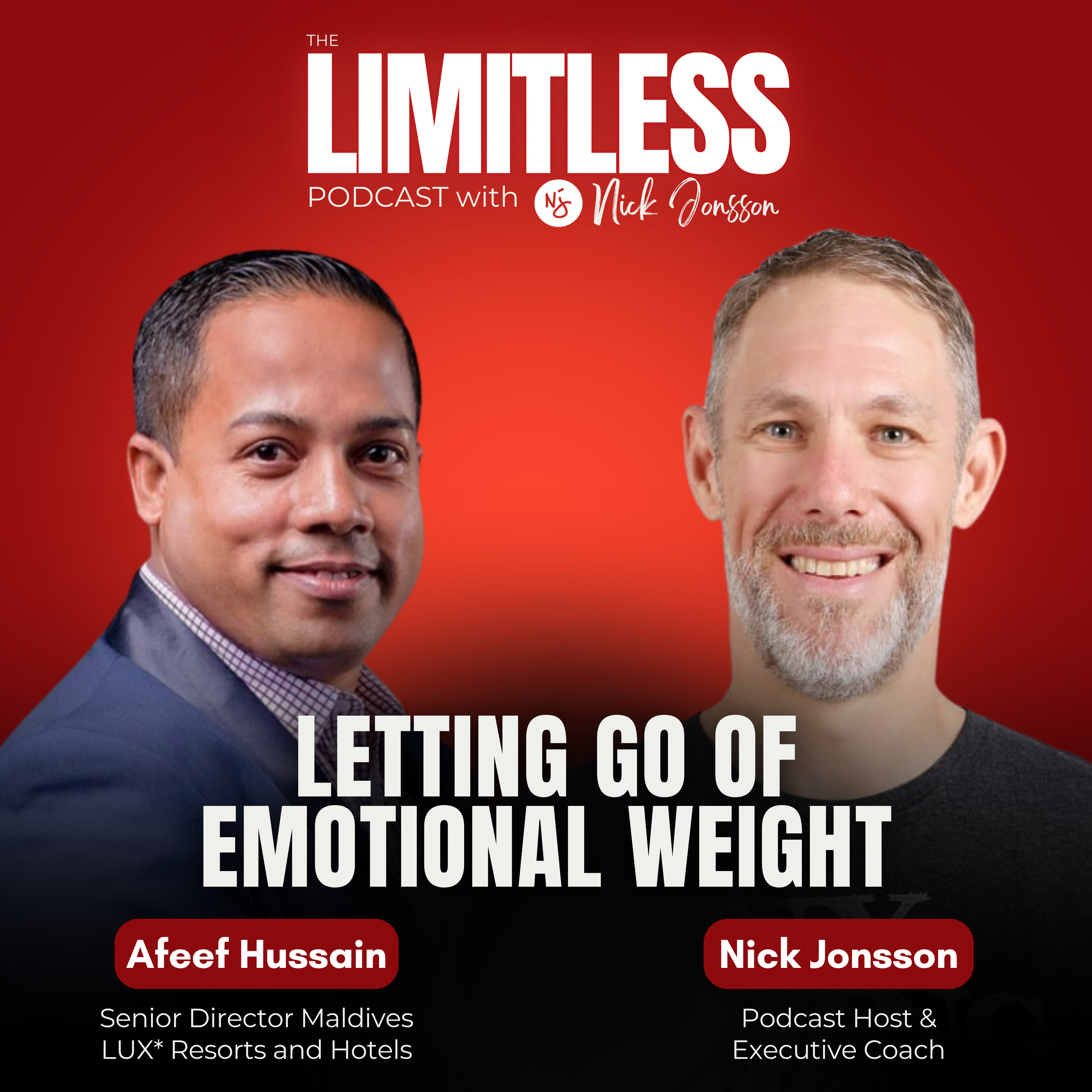 Episode 324: Afeef Hussain - Purpose Driven Leadership, Lifelong Learning, and Letting Go of Emotional Weight
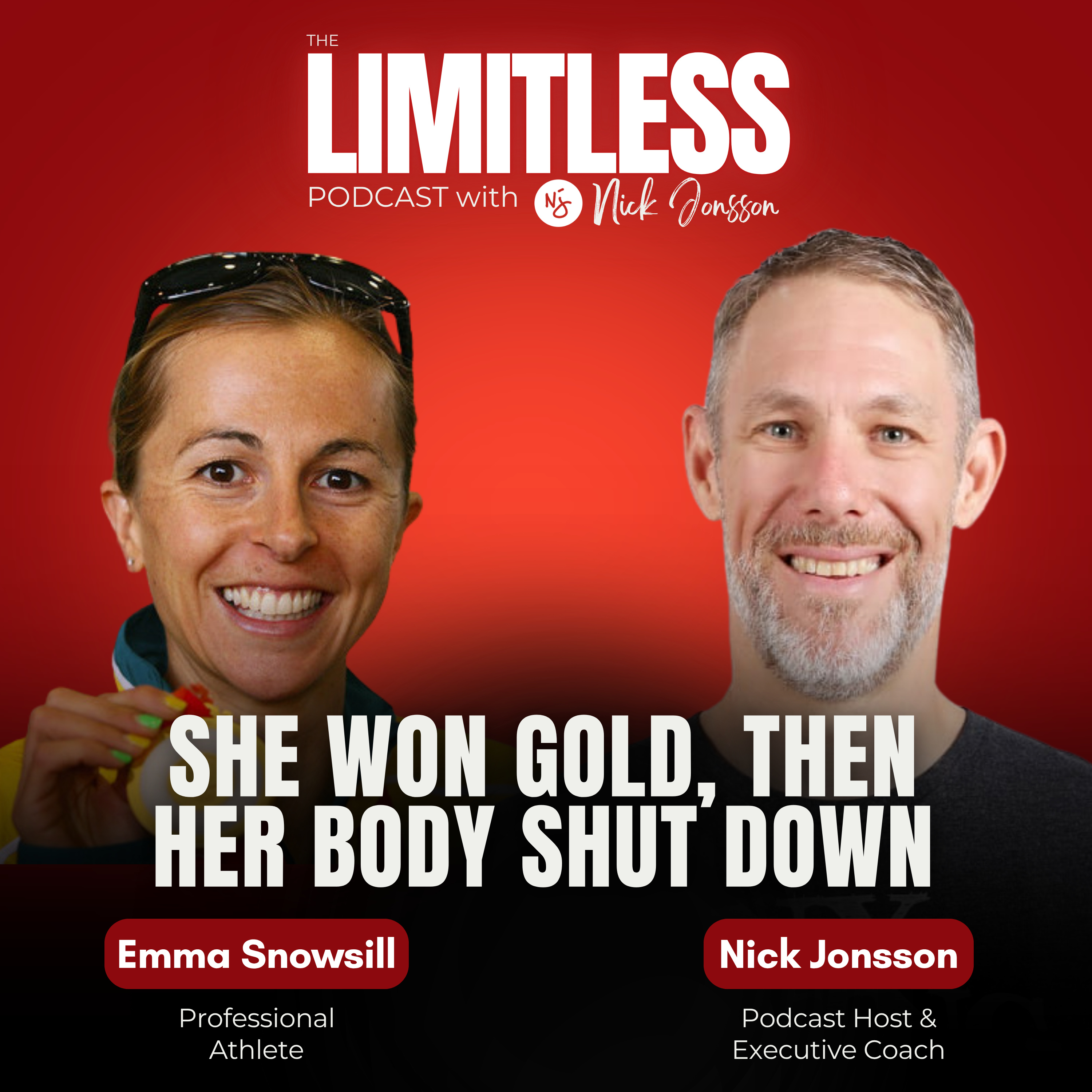 Episode 323: Emma Snowsill - She Won Gold, Then Her Body Shut Down
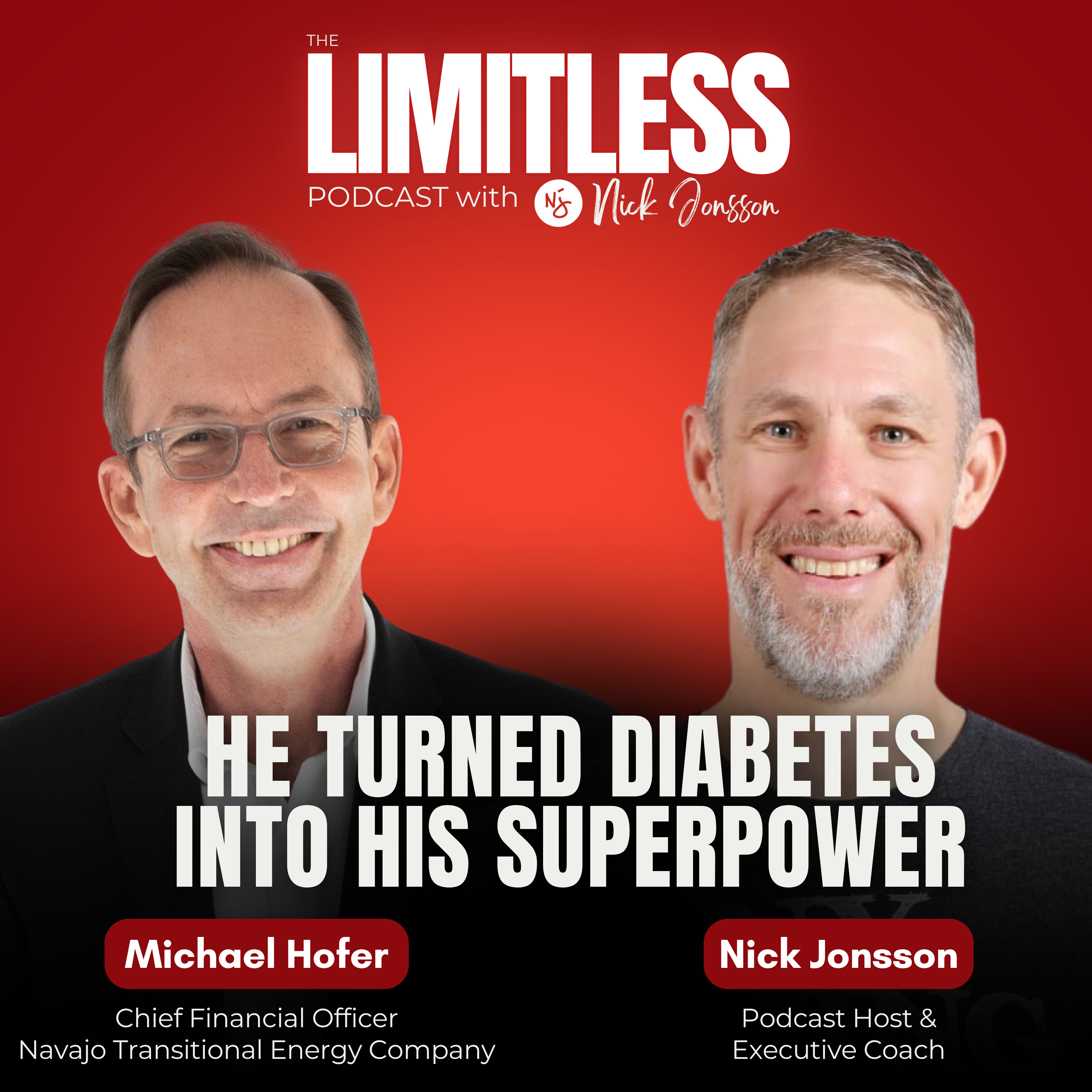 Episode 322: Michael Hofer - He Turned Diabetes Into His Superpower
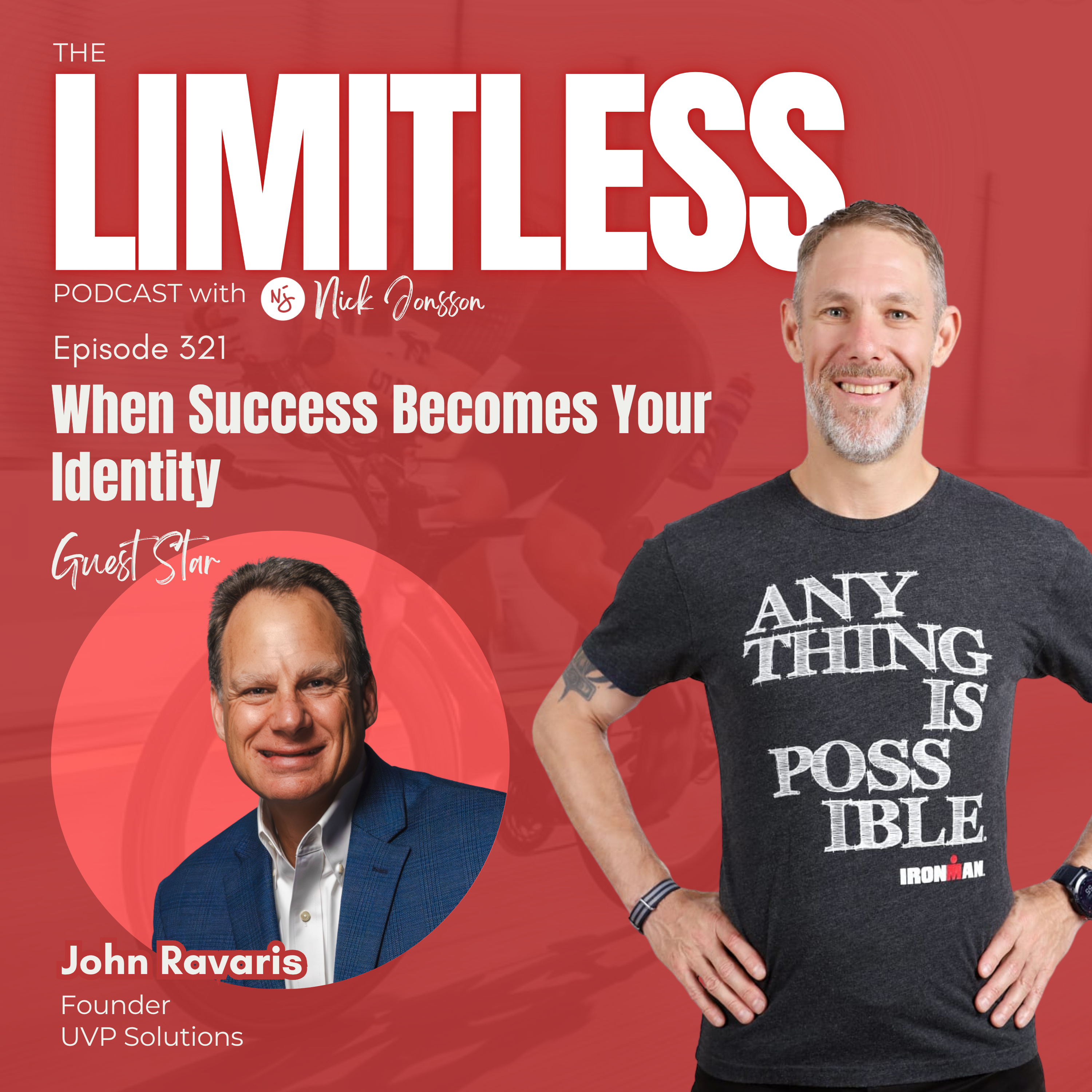 Episode 321: John Ravaris - When Success Becomes Your Identity