The Innovators of Things · 2025-08-01 · 32 min
Michel Langlois traces a compelling arc from rural Quebec origins to Silicon Valley executive, offering practical insights on organizational transformation and innovation strategy. During his tenure at Cisco (scaling from $600M to $50B in six years), Langlois learned to embrace technological shifts without rigid dogma, famously adopting a philosophy where mistakes were acceptable as long as they weren't repeated three times. His Juniper transformation work tackled infrastructure modernization without halting business momentum - using quarterly release cycles to show incremental wins while executing deeper change. Langlois emphasizes that innovation differs fundamentally from invention: it's about applying proven technologies in new contexts, leveraging open source and partnerships rather than pursuing internal purity. For B2B operators managing technical organizations, his kitchen metaphor for scaled engineering teams - emphasizing discipline, dependency mapping, quality maintenance, and menu planning - provides concrete frameworks for balancing current revenue with future positioning.
Innovation is doing something new to a specific space by applying proven technology in a context where it was never used before - like taking enterprise technology to service providers. Invention means creating something truly original, whereas innovation leverages existing components in new combinations.
Use quarterly release cycles to balance work: dedicate Q1 to infrastructure, let it stabilize, add features in Q3 for sales, focus on quality in Q4, and listen to customers in Q2. This lets you show incremental benefits rather than disappearing for years and returning with a complete overhaul.
Engage top customers who are frustrated with the status quo and ask for their support; their credibility with the board and industry provides the coverage needed to convince engineers to participate in change, plus their strategic insight helps shape the transformation roadmap.
Maintain 'LT paranoia' by constantly monitoring potential disruptions, plot a realistic 3-5 year course toward your end goal, stay committed to that goal, but preserve tactical flexibility to pivot when hitting obstacles - never deviate from the destination, only the path.
Seniority and organizational position don't guarantee transformation success; instead, identify 'silent connectors' with their own trusted networks who can cascade the vision authentically through their ecosystem, allowing decentralized buy-in rather than top-down mandate.
Computed from the transcript - who did the talking, and the words that came up most.
In this inspiring episode, Jillian Kaplan speaks with Michel Langlois, a trailblazer whose journey began on a chicken farm in rural Quebec and led to shaping some of the world’s most influential telecom companies. Michel shares his insights from building and scaling Cisco during its explosive growth, transforming Juniper from the inside out, and rethinking innovation not as invention, but integration. We discuss: Why innovation isn’t just invention - and how “Lego-thinking” builds breakthroughs Surviving Cisco’s hypergrowth and dot-com crash Building trust-driven teams and infrastructure without slowing business The power of mentorship (formal and informal) in leadership development Lessons from the farm that shaped a Fortune 500 career Plus, Michel shares how chickens, fiber broadband, and kitchen management all tie into successful innovation at scale. Visit to get his book, Beyond The Code.
Transcribed and scored by The B2B Podcast Index.
Speaker A: Welcome to the Innovators of Things podcast, a profile series about the builders and leaders of connected devices powered by hologram. Today's guest is Michel Lamois, former executive at uh, Cisco and Juniper, and author of a new book on innovation and leadership. And now to our host, Jillian Kaplan.
Speaker B: My name is Jillian Kaplan and welcome to Innovators of Things. I am here with Michelle Longwa. Welcome to the podcast.
Speaker C: And you said it well. Congratulations.
Speaker B: That was the whole test. We are just here to be able.
Speaker C: We're done.
Speaker B: Um, I'll take it, I'll take it. Is that innovation? I don't know.
Speaker C: Maybe.
Speaker B: Maybe. Thanks for joining me.
Speaker C: Thanks for having me on your show.
Speaker B: Of course. So, Michelle, I'd love to hear a little bit about your background and sort of how you got to where you are, because it's been an exciting journey with twists and turns and lots of different things happening along the way. So talk to us a little bit about where it all started.
Speaker C: Well, it's funny, it started on a chicken farm in some way. Chicken farm. I was in Quebec. My dad was the foreman of 4,000 chicken. And on the chicken farm, what I learned is to some extent, isolation is your enemy because you have distance, you have to travel to get everything you want. So kind of force us to build a discipline of, uh, planning and get ready for the unexpected. But out of it, I had the desire of my life to say there has to be ways to connect people among themselves and to their content so they can work, live and play, enjoy what it means, whatever they want to do. And that was the beginning of the computing space when I was at school, which led into the telecom. And look, the telecom at the time was nothing else than connecting campus among themselves or building, uh, using your favorite vendor technology. And none of those technology could speak to each other. In fact, it was working if you were buying everything from them. So, uh, I went in that time where to change the ecosystem from companies that were like 100 times bigger than you. I mean, you're talking Novell, IBM, Deck. I mean all those companies and small company were trying to innovate to break those silo and create standard and basically bypass the grip of technology that those juggernaut had on everybody. And turned out that I got in touch with Cisco early in my career and they say one day, look, if you want to come here, and he seems to love software, we need engineer and what's the risk? You come into Silicon Valley and you can wear short the whole year as opposed that it's blizzard or it's super humid and hot. So I decided to do it early in the game. And at the time Cisco was a company around 600 million. But going already into the first test of time which was new technology were emerging that treating the business. And when I joined it was the first test. It was are we gonna see or embrace switching versus routing which is a different ways to connect. And uh, if we do, are we gonna try to build it ourselves and miss completely the market window or are we going to embrace acquisition if you want. So it was right at the time where there, there's a little bit like an identity crisis in the company. There's like how did it happen to us despite our success? And went right there where he was like okay, we'll figure out how to do it. Let's have new technology religion which something I carry all the years technology come and go. Uh, if you have a religion about something, you could eventually be in denial or you're not going to embrace the new. So kind of learn on the fly to do this. And then I was lucky to be in the upper grow year of the company from 600 million and a thousand people up to 50 billion and 50,000 people in six years. So you can imagine we were doubling revenue and the number of people every nine months. There was no book. Everything was built on the fly. And what I learned out of this from an innovation perspective is when there's no book to follow because we couldn't say oh they did that at the time in this company. Well, just reuse what done. There was no book and there was no Internet to train us. He had to figure out how to do it.
Speaker B: Yeah.
Speaker C: And I remember talking to my boss, I don't know how to do it. Well, we pay you to do it. Figure out you're a big.
Speaker B: That's a very clear answer. We pay you, you figure it out. That's the way this works.
Speaker C: Figure out and talk to smarter than you and you come back with a plan. And uh, the philosophy at Cisco, at least for me was interesting which was we were not afraid of having mistake. What Chambers at the time, which was the CEO will say is as long you don't repeat the same mistake three times in a row, which is a sign of stupidity.
Speaker B: Yeah, yeah.
Speaker C: We done enough good B that we're going to learn from those mistakes. And as long as there's a learning by the way and you share the learning, then do it better the next time. So it was almost like I had no fears that will figure out uh because I was confident that uh, we're gonna find out through the best brain that exists if there's a path or we're gonna talk to customer that sometimes are way smarter than you. I mean I give an example. You were part of Verizon. I mean Verizon has so much trust brain over there. So sometimes the only thing you need to do is listen to your top customer.
Speaker B: Yeah.
Speaker C: Knowing they are connected with the industry, with the investor, with the VCs and, and the private equity and just connect the dot in the right thing. So that was the year of Cisco and it was interesting. Uh, unfortunately the, the dot com exploded in 2000. The revenue went from 50 to 18 billion in less than a quarter. We couldn't figure out what's happened but it was global so at least we could blame the entire world.
Speaker B: It's not just us. Everyone. Everyone.
Speaker C: It's not just us. I mean everybody drank the same Kool Aid. But it taught me a little bit about the notion is valuation doesn't mean reality. Sometimes and to some extent if you look a little bit what I see with AI or every 10 years as a new wave of technology that automation or SDN if you want or things like that, you have to say, you have to be pragmatic enough that ultimately there has to be a value in a return of investment and not just height. So from there I went to Juniper, which was the kind of the nemesis of Cisco. The one company that Cisco couldn't crack from its product plane. Uh, was happy to look under the hood when they have done. To be honest, I have a lot of friends there. Uh, but my role was to help to catapult Juniper to the next phase of revenue and grow. And I uh, went there thinking, oh that's going to be really cool. We're going to build more and more product and to find out that ultimately the challenge was uh, the infrastructure like any house, wasn't maintained over the years. And my challenge became how I can help to redesign not only the infrastructure, the product, but the processes. But doing it without stopping the business or doing it in a way where people can see benefits of quick win as opposed to I'm building this giant bridge and for 20 years it's going to look ugly and it never close. You know what I mean? It was, the challenge was we were under pressure to do something otherwise the business will go to somebody else. And there was new container as you can imagine, but took five years. It was my first transformation at the business and then I decided to leave that space because I was back to my root, a little bit about broadband and connecting the rural America. And I got a fantastic offer from a, uh, founder that was betting in broadband fiber to the home problem. He was 20 years ahead of the market despite that fire. Yes. Was already there in the city.
Speaker B: Yeah.
Speaker C: You can imagine deploying fiber in rural America where you don't have density to leverage the investment. So we had to figure out a business model. We took advantage of what was out there. What I learned about innovation, by the way, it's not about invention. Uh, I have kids, multiple kids, five of them by the way. And then I learned about Legos. I learned that Legos are great. You pick up Legos, you assemble with something else, it become a different thing.
Speaker B: So can I back up one second? You said that. Did you say something like innovation is different from invention? You feel like. Is that what you said? You can't hear me?
Speaker C: Uh, you're back now. Okay.
Speaker B: I think it's something with your. Okay, I'll start that over. Did you say something that uh, you feel like innovation is different from invention?
Speaker C: Yeah. Because
Speaker B: love for you to expand on that.
Speaker C: Yeah. One of my challenges with engineer was to say if I apply a technology that can be proven, let's say in the enterprise and I bringing to service provider, let's say in a space where it was never used, the engineer will look at me to say, yeah, but that's not an invention. There's no value of doing this. We're just reusing what's been done there. And I used to say innovation is about doing something new.
Speaker B: Mhm.
Speaker C: That never exists in the space. It was never has to be the first of something. So if you know, and I strongly believe that company to succeed, need to learn to become system integrator as opposed to develop everything yourself. So if you believe that thing, you're going to leverage open source, you're going to leverage sustained or you're going to leverage different type of company or partners to get you there as opposed to. Well, uh, it's not pure enough for me now. It's not noble enough. And as in your company, I try to be noble. There's a graveyard in Silicon Valley of those company that I'd be glad to visit with you. Um, because you remember the logo.
Speaker B: Yeah, yeah. That's fascinating, honestly. And you even started off this conversation talking about moving from like build everything yourself to this open ecosystem idea. So like way ahead of your time there as well. So that's really exciting. And while you were at Juniper, you know, you're trying to Obviously maintain the current business to grow it, but also trying to look at the future. Like, what was that challenge like as you're trying to innovate and make sure that you have the money to keep innovating. Right?
Speaker C: Yeah, look, I think the key for me was to say when, uh, when we manage essentially to have a discussion among ourselves around what will it take to be a company that can build 3 times more product with 3 times more people and partner and increase productivity by threefold. When we finally had that discussion, as opposed to say, well, everything is perfect, we need m just more people, it was interesting. We end up into a set of uh, where are we strong, where are we weak, what we're missing, what we would like to have. And then it was a big exercise of. I used to call it a heat map. How do you prioritize those hundred of things you could do? I mean if you go from number one to 300, you're never going to finish. If you only try to do the top three, it doesn't mean they have the maximum impact. That's a certain level. So we figure out the ways to take all those ideas or those need, prioritize with the weight system across and say, okay, now we have a plan. Let me sell the plan to the executive. I'll take care of getting the funding because I'll go to the board. But we're going to have to be realistic to say when is the bridge that we starting from both sides of the company is going to meet in the middle. And the challenge, as you say, is I had to do it in a way where I say, look, I'm not going to basically disappear with the best engineer for three years and come back out of the mountain. It has to be something that is incremental. But the problem of the incremental is, is if you go too smooth with it, uh, people never see the benefits. So the way I managed to secure the funding beyond the board, I went to the top customer that were frustrated with us and I sold the story to them and I asked them their support. They were smart, like I said, and they kind of helped me to get the coverage I needed to say it's safe for the engineer to jump now. How do we do things? Changing the wheel while you're flying or driving is. We were really targeted because the uh, model of release at Juniper was quite innovative. It was like every quarter we ship a ah, release. So I had like four cycle to make a change. So I could basically decide do an infrastructure at the in Q1 let it cool off. Add feature in Q3 so sales can feed their appetite. If you want, focus on quality with the services on the fourth quarter and then listen to the customer to fit something in Q2. So I realized that I had tools. It was just like, I cannot do just a big bang, but I have to use a cycle of delivery with the goal to measure an outcome and to show that ultimately it'll be connected together. So it could last, essentially, yeah. And once you have the plan and we all agree about the plan, my problem was to say, so who's going to do it, by the way? So, I mean, you can imagine the tendency to say, I'm going to take the top engineer, uh, everything, or the top leader or the top manager and will give you essentially a big lab and have fun. And I realized that it's not the way it works because I made the mistake at the time to think that seniority and top of the organization chart mean necessarily they are the best people to transform a company. So I learned there was a lot of silent connector that I needed to get on my club, if you want, and the moment I could sign. Let's say you that have your own set of people that trust you, and you basically will be able to tell the story in a way that resonates with your own team and your ecosystem and friend, I was signing you up to the mission. So, um, this kind of survival to some extent, to say, versus, you know, my way is the only way come in and control and people will have essentially just bail. What I'm saying this is I learned that over the course of those three years. It's not like I came like, that's what I'm going to do. Uh, I learned the hard way that, okay, now I need. I need to have a different approach now.
Speaker B: And one thing I've really noticed with a lot of the guests we've had on the podcast is that true innovators learn from mistakes, right? They don't give up. They take them as learning experiences. And I think that's incredibly important. It sounds like that's something that you went through as well. But I have one very important question for you. So you went from chickens to Silicon Valley. Have you gone back to the chickens or are we still in Silicon Valley?
Speaker C: Oh, I'm still in Silicon Valley.
Speaker B: Okay. So no, no chickens. Yeah. We need a chicken like, IoT solution, though, so I believe we should.
Speaker C: I think people are chicken now. This
Speaker B: nice and funny. I love it. Um, cool, cool. So you had a lot of experience in Corporate right. And like building businesses, seeing them grow, seeing them shrink, having to maintain while trying to figure out what's next. Which I think had a few CTOs in the podcast. And that's really like a job of a cto, right. Is to say, hey, you know, we need to make sure we're building for the future, but we need to sell today. Is that sort of the challenge you saw as a.
Speaker C: Well, I uh, think it's true because you have to have essentially an LT paranoia to say if I look at the tendency when you're successful at a certain level of revenue is you have a recurrent type of business, you establish with your customer, you know, their wallet share, you know how to manage a relationship to an outcome. But the problem become you could be victim of a disruption that come out of the blue and, and you never see coming because you are uh, to some extent you don't have an LT paranoia that somebody is going to supplant you this and that. I think part of the CTO is to look at what could be a wave of disruption that challenged the company to its core or to its ground. And also how do competitors that are smart by the way, if they really want to beat you at your game, how would the content leave you? So I was always interested to see what they will do if they put their brain together or together they try to displace us and how will you resist this? So was a little bit on the paranoid side of things. And then once you get the plan to say okay, I can plot a course of let's say three to five years. And I apologize, I don't believe in 10. 10 years old roadmap like I used to be asset by the telecom folks to say show me you 10 years roadmap. And I remember the first time I say come on because I'll be retired by the time. He didn't like the answer. But uh, it was funny at that time. But the point is once you have the course, I learned to not deviate from the goal. This is the end game, this is where you want to be. And then along the path you have to have level of freedom that allow you to pivot when you hit the wall. And because I was on the farm, I think my dad used to say can you. There's no Amazon that can ship something to save us. We'll have to figure out how to fix this broken equipment or this and that or deal with things we cannot control. And I think I was used to adapt to things where I don't lose my temper or I panic. And I was used to reach out to people. And I find out that reaching out is not just talk to the smart in your company. Uh, I'd be surprised, but most of the time there was somebody that I knew that I bet hit the wall the same way. Or if it didn't, they will tell me, well, you're thinking the problem, the different ways which led into, gosh, I need mentors if I want to survive, because if otherwise, I become an organic product of one recipe and one method. And as you climb in the food chain, the danger is people tell you the truth the way you want to hear it, and there's no amount of skip level that will change the fact that how, huh? Do you know that you're really good at your game unless you benchmark yourself? So that was a little bit the thinking there.
Speaker B: Yeah, yeah. And, you know, it sounds like mentors sort of came into your life a little bit later in the game. Right. A lot of people I've spoken to, and me too, actually, I was late to the mentor game as well, but I know a lot of people I've spoken to have got them earlier. And as you came out of corporate and sort of into your own, uh, self, I guess, and like, what you're working on now, one of your first thoughts and things that you were encouraged to do was write a book. And when we talked about it, you had said, like, but I don't. I didn't have all the answers in the beginning, and I didn't. There's not a. There wasn't a leadership book for people like me. So can you tell us a little bit about how your book was inspired and like, how your innovation really made you decide to focus on certain things in your book?
Speaker C: Yeah, look, I think part of it is I wanted to establish that coming from the farm to being Fortune 500, it's not where you're born that dictate where you're going to be. I mean, uh, I think it was important for me because I knew the children, and sometimes they're like, oh, that you're a baby boomer. You got it easy. You get all the things. It's much harder for us. And they say no. There was different constraint at the time. So I wanted to talk a little bit about that. But also that you have to take risk and personal risk also, because, you know, coming as a, um, as an immigrant, if you want, I have to prove why people are me versus everybody else in the US if you want. So I was Born to say I have to compete for value. I cannot just rest on my laurel and tell my story like a hall of famer. I have to stay current with the technology and with the technique and how to manage. I also got to a point where I realized that trying to be the expert, the deep expert of everything is not going to get me to a certain level. Passive vice president if you want. Because the people that were running the company, they were good into market segmentation, investment investor, uh, board of director, customer, uh, how to shape an industry and how you play standard open source and this and that. And I was like, I don't have an mba. What am I going to do? And then I realized that, you know what, I start looking up their profile. They don't have an mba, must have done it. So they must have done something to broader their skill in a way that eventually allow uh, them, if there's their choice, to aspire to be a CXO level. So I was really interested to see how do you get there. And that's where the mentor were helping me because you know, if you're lucky, you could say the top executive of the company. It's kind of easy. They kind of look the same, they have the same profile, they think the same way, they do this and that. I bet you today's age they all have different character if you want. So I couldn't find any more like, oh, I need to look like this executive and that's my path to success. I had to learn into what they make successful. And what they told me is you have to be felt as essential or relevant for others. Because if you only work in your silo, uh, people no won't understand the value outside what you generate. So it was the beginning to learn that, wow, it's good to be nurturing. But I need to know sales, I need to know customer services. I need to know what's happened when the customer is angry and it's my fault. And it's not like I wanted to do all the job, but I find out that sitting with a peer review in their world and see what they see of your own team of uh, what you could do better is it's a pretty good exercise of making you humble. And if you succeed, to convince them, why don't we partner together while you have won the battle, if you want.
Speaker B: Yeah, I love that. I love that. And you know, while you were writing your book about like the lessons that you learned, was there any like really specific topic that you felt like was very important for Your audience to hear from someone that was, you know, an aspiring or, uh, someone that is an aspiring technical manager.
Speaker C: I mean, as you can see, English is a second language for me. So I got used to use an image if you want to express idea. And when I was trying to say what I learned, I came with the. What did I learn in the engine kitchen, cooking those products. And then it became. That's an easy way to explain that to run a kitchen at scale, well, you need to have differentiation. You need a good menu if you want, otherwise you won't attract any tenant issue. But after that, you need to organize your kitchen in a way that everybody understand their task and the context of what they need to do, understand they have dependency on the other. And understand that when you're dropping the plate or something happen or, uh, you burn the state, we're going to have to figure out together how, uh, to recover from that. So there was a lot that I say. That's what learning has to be for engineer. Because the technical leader need to know structure for success. And, uh, like any kitchen, if you don't clean your kitchen and you start to have quality issue in could close the entire company if you want. So there was things like the discipline of maintaining your code, you know, fixing your bugs up to also that like any kitchen, you're going to have to plan the next menu. How do you start planning the new. Preserving what was great into what you sold as a, As a brand if you want the restaurant. So I use that a lot. But I had also true principle that I wanted to share, which was my dad taught me I needed a moral compass because he said, in one day, you're gonna see the world is going to challenge you of doing the right thing.
Speaker B: Yep.
Speaker C: Or, uh, choosing a path which could serve yourself and screw up a lot of people around you. And that Pat will test your integrity if you want. And he said, I encourage you to know how to look at yourself in the mirror, because you will be tested. So that was the thing that I thought interesting, which was true, by the way. Um, there was another time where he told me also that if you do something, do it right the first time, don't cut the corner because you'll never come back.
Speaker B: Yeah.
Speaker C: And how many times. And look, you know, customer pressure on a vendor, you want to say yes. Ah, how many times I could have say, uh, you know, it takes nine months, we'll do it in four months. And somebody told me, a really smart engineer to say, you have children. Right. You understand you cannot do A baby in four months. And I was like, yeah, that's a physics. That's true.
Speaker B: Yeah, yeah, yeah.
Speaker C: In our life, sometimes standing on my ground was better. Especially if I go and take the position, I'll go explain the customer why they cannot have it in four months.
Speaker B: I love that. And your dad like, apparently knew a lot about chickens and a lot about how to run a business indirectly. So.
Speaker C: Well, think about it. The other thing he taught me is because I hated it as a, uh, I was 10 years old and say it's a 24 by 7 job.
Speaker B: Yeah.
Speaker C: I tried to say that to 10 years old, you have to wake up in the morning and do your chore. And if the chicken don't eat is going to be a nightmare, you have to cancel your baseball game and this and that. And I said that this is not a, uh, life. This is like slavery. I mean, why are you doing this? And you look at me and say, you understand. I never say, we're going to do the work, you and I, and say, we're going to build teams that we're going to trust that can cover the week because there's no weekdays and week on the farm. Just going to find the right people to delegate and you're going to have to build trust with them. But if you do, here's your solution to scale.
Speaker B: Yeah.
Speaker C: At that time I was like. And he sound like, oh boy, can we stop with that? But it turned out they were good advice.
Speaker B: Yeah, I love that. I love this conversation. Like really going back to your roots. And it sounds like while you didn't have a formal mentor in business, your dad was like an informal mentor early in life.
Speaker C: Interesting. And I have, you're right. He was really somebody that shaped the DNA.
Speaker B: Yeah.
Speaker C: Certain my mentor were my bosses in a strange way because I was always trying with them to say, coach me and tell me how you do your work. I mean, what do you do beyond managing a set of us? And through this process, I start to learn when they spend their time. And it was a fascinating. They were telling me, I have a discipline that do this or shows that. And for example, one of my big flow was I used to think that always on was always connected to email. I don't know if you ever seen that same drone. And it was addictive. And it was always the game over the weekend, who's going to send the email at 2 in the morning to kind of impress the people. But it wasn't efficient. So, uh, I start to learn to say, if I manage my time Better taking the best practice of the people that I respect in the company or outside. I could find time to think.
Speaker B: Yep.
Speaker C: And that's the biggest luxury for me is when you have the time to think. Good thing happened out of these things.
Speaker B: If you want A lot of innovation happens when you have time to think. 100%.
Speaker C: Yeah. And then that was a little bit the path I looked and finally for the book was like if there's a legacy and I tried to leave it to people is give them advice of new. If you could do better than me and you will, here's something for you to take with you. And hopefully right now I'm at the stage where I can follow some of the my former colleague and employee and say they're doing really well and I hope somewhere there's an ingredient of, uh, me that they can remember, not just the crazy story of things that happen.
Speaker B: I love that. I love that. That's amazing. Well, this was an amazing conversation. I learned so much. I know our audience did as well. About your innovation and your story and how chicken shaped it, which is the first time we've talked about chickens on the podcast. That was great. Um, thank you so much for joining
Speaker C: me and welcome and all the best in, uh, your podcast activity. And I think it's needed for people, they need to hear those kind of things, which is not in the book if you want lifeless. So keep going.
Speaker B: Thank you.
Speaker C: Thank you so much. Bye. Bye.
Speaker A: What an incredible conversation with Michelle Lagoa. Full of wisdom, humor and hard earned lessons on leadership and innovation and staying grounded even as you scale the heights of Silicon Valley. If you enjoyed this episode, be sure to follow innovators of things wherever you get your podcasts and share it with someone who's ready to think differently about growth and innovation. Until next time,
Other episodes covering the same guests and topics, from across The B2B Podcast Index.
 OpenAI launches Daybreak with Cisco, Cloudflare and CrowdStrike, Vapi wins Amazon Ring as it raises $50M Series B, JPMorgan picks Mistral as $430bn sovereign-AI rival, Isomorphic Labs banks $2.1bn led by Thrive CapitalThe Daily Marketing Brief · on Cisco88 / 100
 Fouad Jeryes (Maqsam) on Why MENA's Fragmentation is the Opportunity, Why Arabic AI Benchmarks are BS, & Why Your Competitors are Your Best SalespeopleFWDstart · on Cisco86 / 100
 How to Navigate Complex B2B Sales Qualification in Global MarketsStart Global Insights · on Cisco80 / 100
 Brent Sisco - Upscale CPG AdvisorsRetail and Social: Exploring The Connection · on Cisco77 / 100
 Cloud, AI, and Regulations in Healthcare IT, with Shane CreechIT Matters · on Infrastructure modernization77 / 100
 Turning Partnerships into Superpower | Sandeep Nagpal | B2B Marketing Shepherd Rajesh Kumar | EP 06B2B Marketing Shepherd · on System integrators76 / 100
 Building the Future of Cloud and Networking with Gal Malach, Co-Founder & CTO of Xsight Labs51 / 100
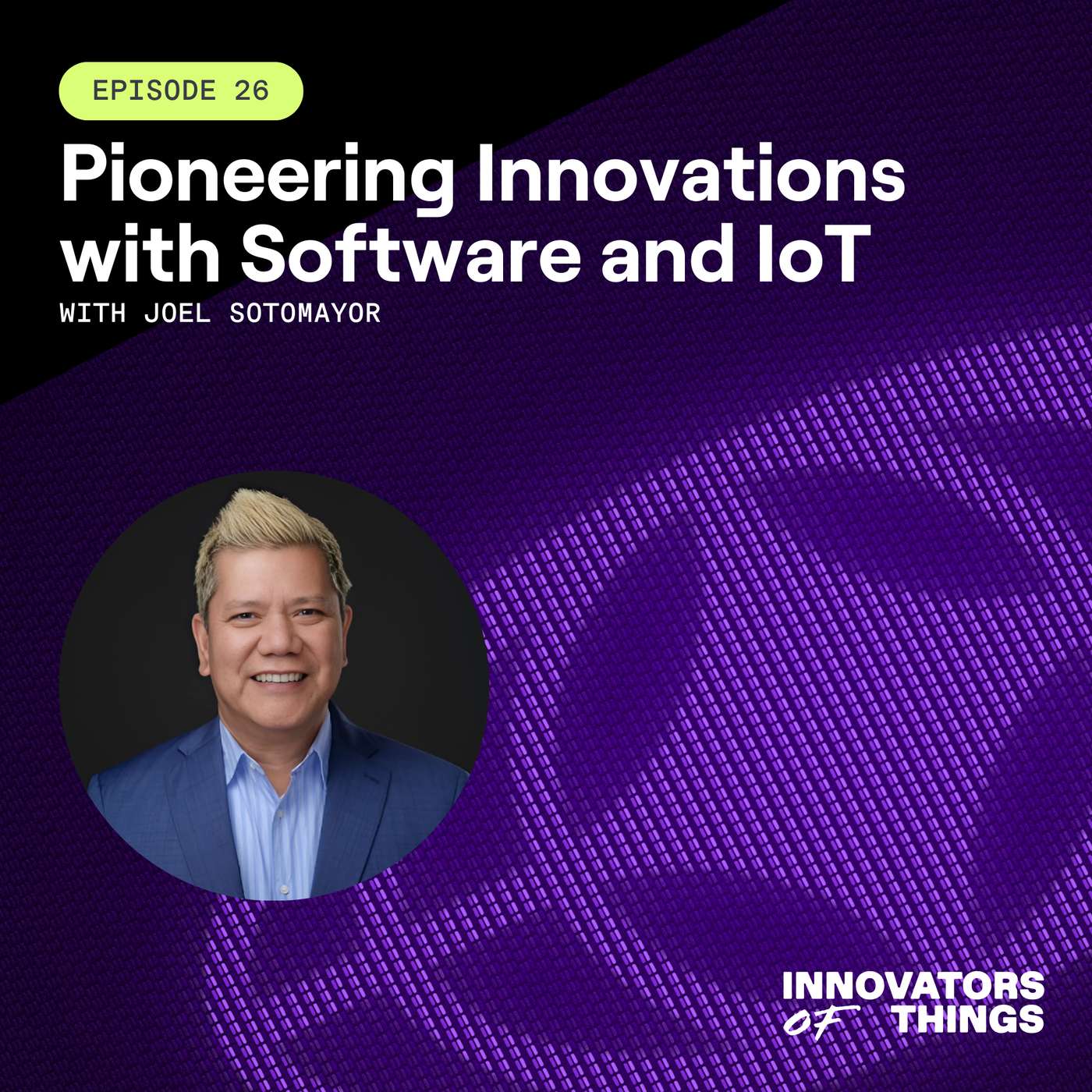 Pioneering Innovations in Software and IoT with Joel Sotomayor of agDirigo
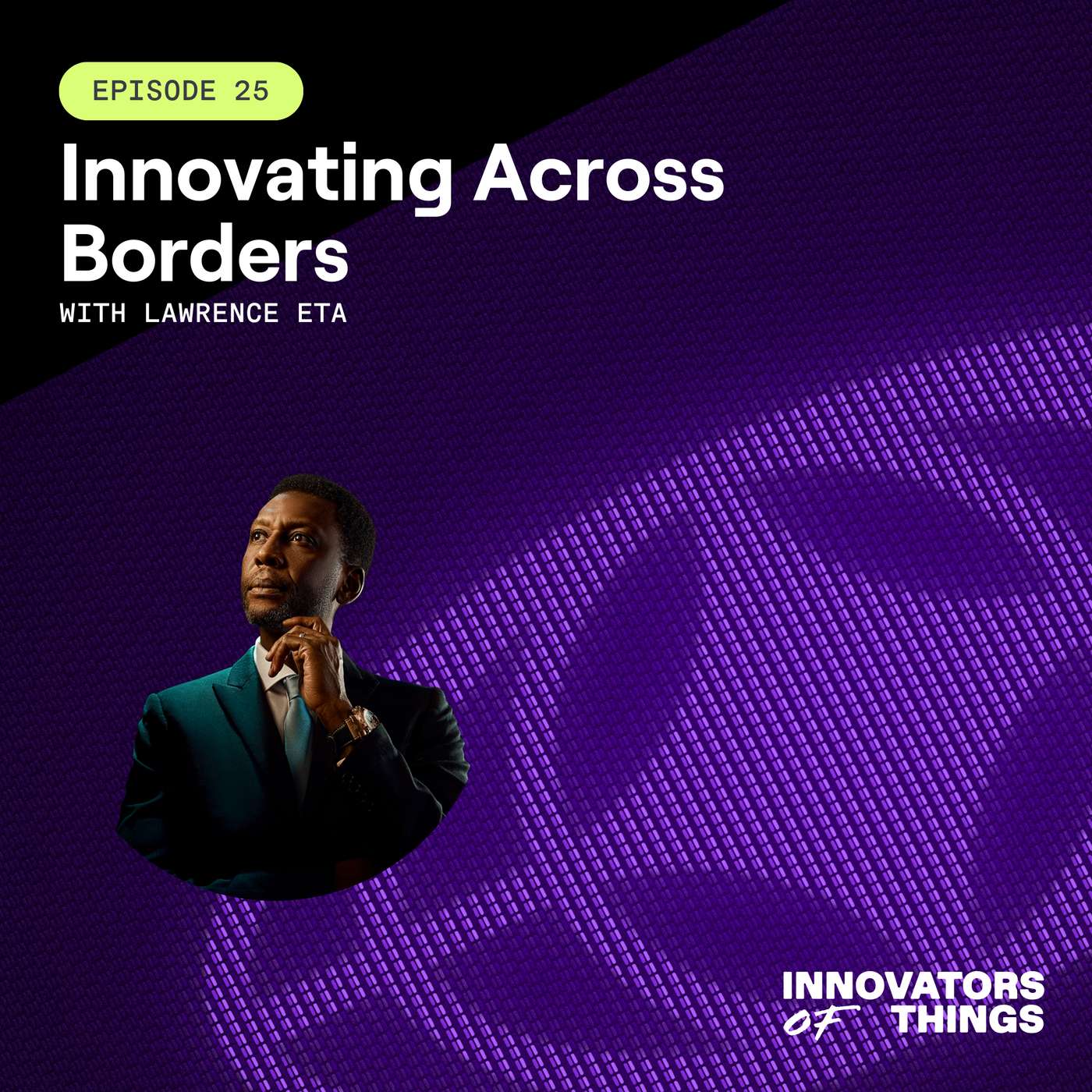 Innovating Across Borders with Lawrence Eta
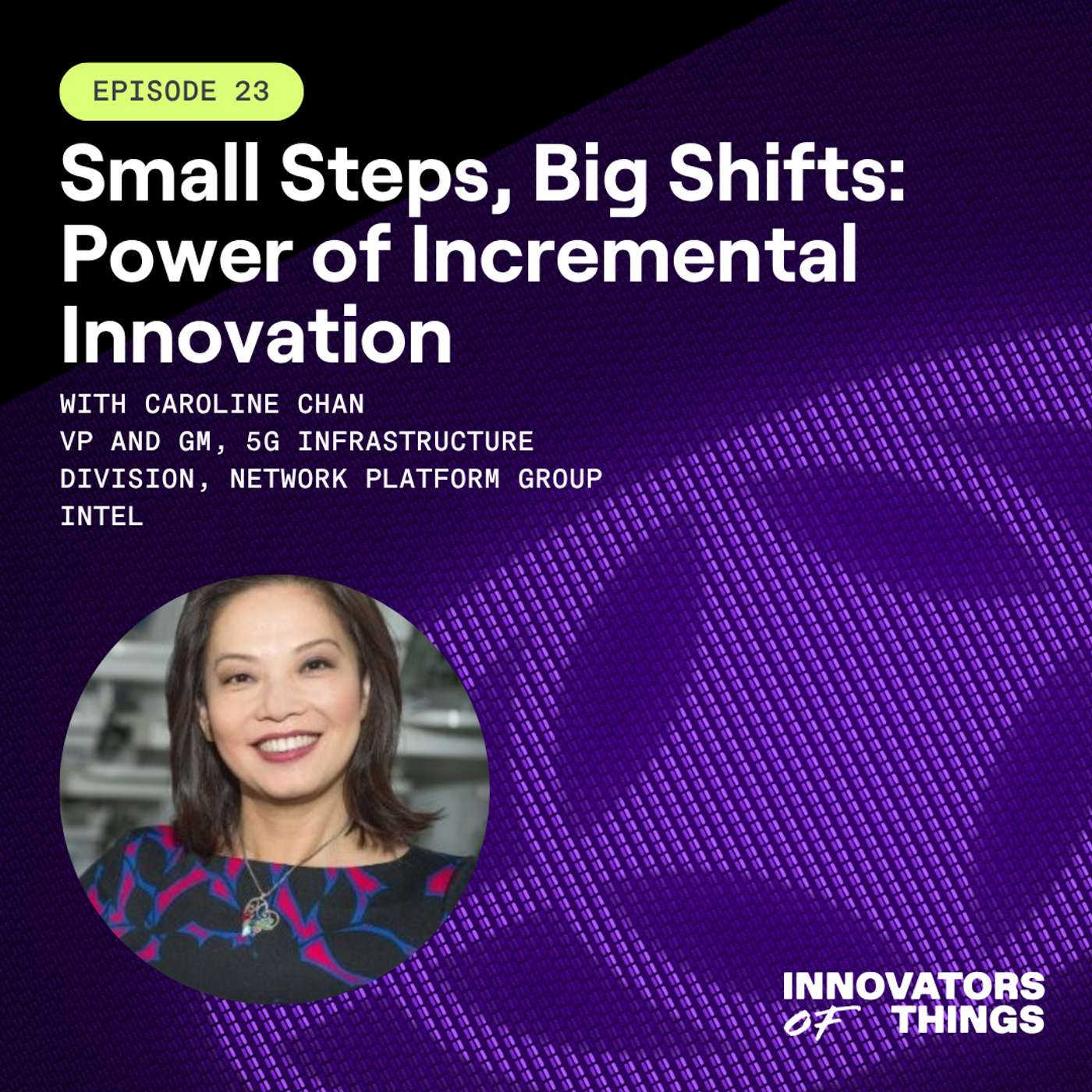 Small Steps, Big Shifts: Caroline Chan on the Power of Incremental Innovation
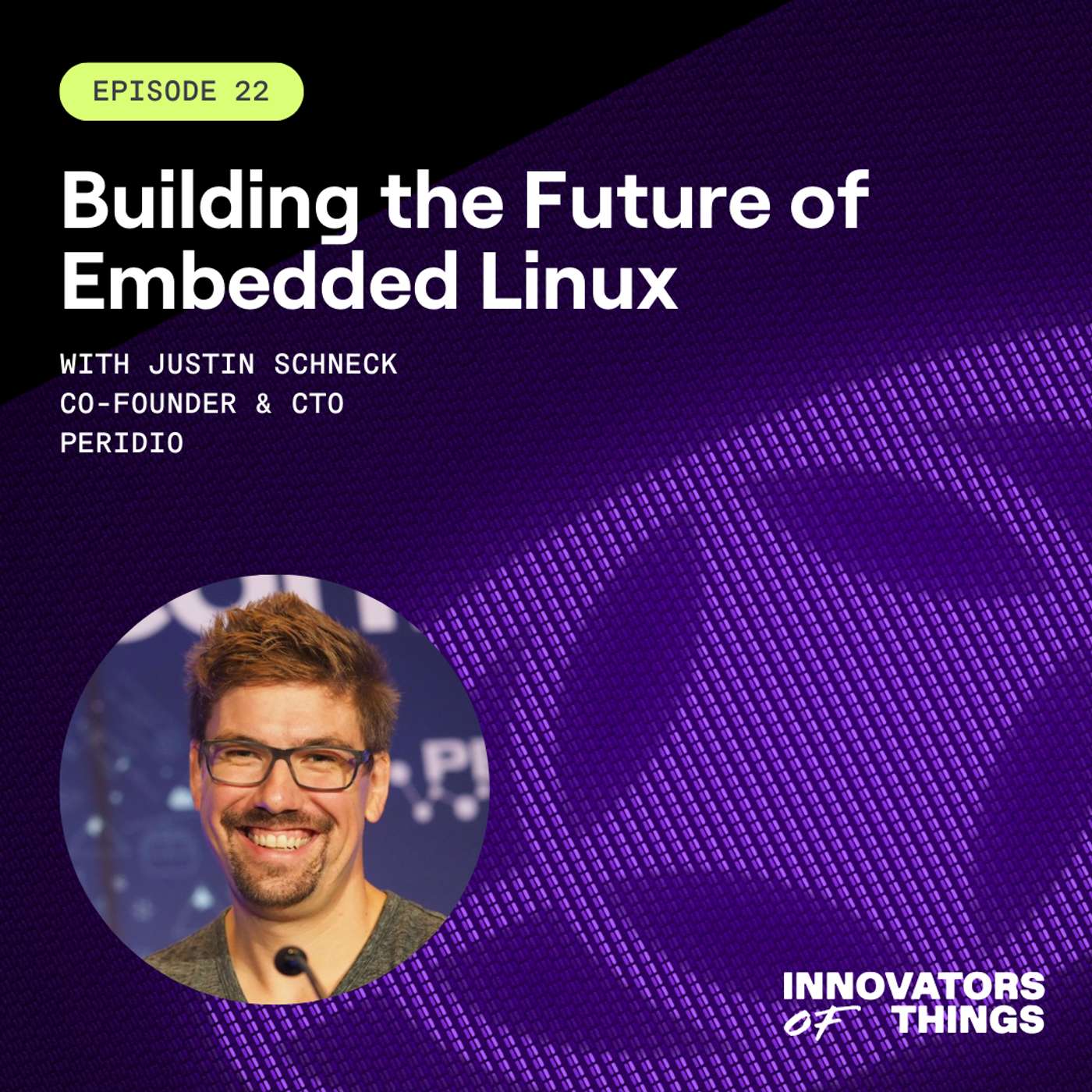 From Blinky Lights to Avocado OS: Justin Schneck on Building the Future of Embedded Linux