
The CEO Story · 2023-08-09 · 39 min
Key moments - from our scoring
Substance score
33 / 100
Five dimensions, 20 points each
Jake Kelfer's trajectory demonstrates the power of intentional networking and adaptability when initial plans fail. After a sports agent position fell through during his final semester at USC, Kelfer leveraged the connections he'd built to secure a corporate partnerships role with the Los Angeles Lakers during Kobe Bryant's final season. This experience sparked two pivotal questions - "What do I know and how can I help people?" - which led him to write his first book, Elevate Beyond 23, at age 23 with just one year of work experience. The book became an Amazon bestseller, launching him into speaking engagements at colleges nationwide. Recognizing his success stemmed entirely from his network, Kelfer wrote Elevate Your Network, then created a secondary NBA draft combine event that helped over 70 players sign professional contracts with a 100% initial success rate. When the pandemic shifted his business online, he wrote The Elevated Entrepreneur, interviewing top online creators like Lori Harder, Chris Ducker, and John Lee Dumas to rapidly expand his network. This pattern of using books as a gateway to new industries led him to formalize Big Idea to Bestseller in 2022, where he now coaches others on the exact methodology for writing and monetizing bestselling books. His story reveals how networking, saying yes before you're ready, and building on fundamentals - learned through observing Kobe's obsessive practice habits - can compress what normally takes years into months.
He spent four years at USC attending every networking event, club meeting, interview workshop, and meet-and-greet he could find to build connections in sports. When his planned sports agency job fell through, he leveraged those relationships to secure a corporate partnerships assistant role with the Lakers.
The NBA invites the top 60 players to their official combine; Kelfer created a secondary event inviting 24 additional players to gain exposure to NBA teams and international leagues. In the first year, all 24 attendees signed either to the NBA or overseas, and over three years the event helped over 70 players secure professional contracts.
While specific details aren't fully detailed in this episode, Kelfer emphasizes starting before you feel ready, using the book as a networking tool to connect with high-level people in your target industry, bundling book sales with speaking fees, and using each book to expand into adjacent opportunities (speaking, coaching, consulting).
Kelfer observed Kobe's obsessive focus on fundamentals - practicing the same fadeaway from the elbow and free throw line extended repeatedly - teaching him that mastery of basics transcends circumstances and age, and that showing up for your audience's sake, not just personal success, creates deeper impact.
After publishing his first book at 23, it became an Amazon bestseller, which led to speaking engagements at colleges. He then wrote additional books (Elevate Your Network and The Elevated Entrepreneur) to gain credibility and build his network, eventually formalizing Big Idea to Bestseller as his primary business in 2022.
Our reviewer’s read on each dimension, with quotes from the episode.
A few practical B2B-adjacent nuggets appear late (referral asks of 3 names, Instagram DM ads, lookalike audiences from existing buyers, book-as-evergreen-content), but the bulk of the episode is biographical storytelling, sports analogies, and motivational platitudes that offer no actionable density for operators.
one of our best source of lead gen comes from our existing clients... we'll say, well, who are three people that you think could benefit from working with us
I haven't created a piece of content in a couple months because I just go to a page of my book, see whatever the first paragraph is, and that's the content for the day
The episode leans almost entirely on recycled motivational frameworks - 'your network is your net worth' is attributed on-air to Jim Rohn, Kobe fundamentals stories are ubiquitous, and the 'life is a game' sports metaphor is a genre cliché; there is no contrarian or first-principles argument presented.
Your network is your net worth, Jim Rohn says. And it comes up all the time in personal development
I believe that life is a game. And, uh, I want to win this game of life badly
Jake Kelfer is a genuine practitioner who built and ran a real event business (NBA draft combine) with measurable outcomes and has scaled a book-coaching operation, but he operates at a relatively small scale and is primarily a motivational author/coach rather than a senior B2B operator with deep functional expertise.
We have 24 guys, uh, attend. All 24 guys get signed either to the NBA or overseas
We ended up Helping over the next three years, 70 plus guys. We had one first round draft pick in Desmond Baynes
The episode has a handful of genuine specifics - exact player counts, a named first-round pick, named venues and interview subjects - but the business-side claims (scaling 'rapidly,' 'thousands of dollars' in speaking fees, ad performance) are largely unquantified, and the host's own figures (52.5% tax savings) are self-referential rather than guest-provided evidence.
We had one first round draft pick in Desmond Baynes, who's one of the best shooters in the NBA right now. We had Langelo ball attend
whether it was IMG Academy in Florida, whether it was the Mamba Sports Academy in Thousand Oaks
The host occasionally lands a sharp follow-up ('Why 24?', 'How do you target someone who wants to write a book?') but repeatedly hijacks the conversation with extended personal anecdotes about Tony Robbins, Ray Dalio, EOS, and his own company, and never pushes back on any claim the guest makes.
Why 24?
I'm a huge Tony Robbins fan... one of the things he always talks about is the power of your network. Your network is your net worth, Jim Rohn says
Computed from the transcript - who did the talking, and the words that came up most.
Jake Kelfer is a lifestyle entrepreneur, 3x bestselling author, motivational speaker, investor, and the founder of the Professional Basketball Combine which has helped 70+ NBA draft prospects turn their dreams of playing pro basketball into reality. Learn more about Jake on his website:
Transcribed and scored by The B2B Podcast Index.
Speaker A: Foreign.
Speaker B: Hey guys, and welcome to another episode of the CEO Story. And we got a kick ass one today. We got Jake Kelfer here and this is a great book. So if you don't have this book, big idea to bestseller, you better go get it because you can write a best seller. Anyone can do it. And Jake is thankfully going to be here to break it down. I am about to go through this process with Jake so we can dig into it. Jake, thank you so much for joining us. How's it going?
Speaker A: Yeah, thanks so much for having me. It's, uh, it's great to be here. Appreciate the introduction.
Speaker B: Yeah. So we're going to cover a lot of different things. We'll get to the book at the end, but you've got such an amazing story to share. So why don't we start really high level. Tell us a little bit about yourself and then we'll dig into some of these amazing stories.
Speaker A: Yeah, let's, let's take it back. Let's dig in. There's, there's so much to go over. Um, but I want to preface it by just saying this is like everything that I've done has been because I've said yes to giving it a shot.
Speaker B: Yeah. And trying. Right?
Speaker A: Yeah. And I think that as I share this story, we have to remember that you don't have to be a certain age to do something. You don't have to wait to have a certain amount of money to be successful. You have to just go for it. And so my story, I was in college. I'm at the University of Southern California. And I want to be a sports agent.
Speaker B: Okay.
Speaker A: That's the dream.
Speaker B: Jerry Maguire. Let's go.
Speaker A: Jerry Maguire. Right. And so the entire time I'm there, I'm studying, I'm doing internships, and I'm like, I'm locked into this agency. I'm going to be the youngest person ever to represent a lottery pick. Then I'm going to get super wealthy. Then I'm going to buy a house, Then I'm going to buy an island. Then I'm going to get married, have kids, and then I'll write a book and I'll speak and I'll give back.
Speaker B: Well, sounds like a great life cycle. To be totally honest, that sounds pretty cool.
Speaker A: The plan was set in stone and it was amazing because my second semester senior year, that plan instantly got shook.
Speaker B: Okay, that was quick.
Speaker A: It was quick, right? The agency I was going to work for said, we can't bring you on anymore. We're not going to Be able to hire you.
Speaker B: So you already had connections before going down this route?
Speaker A: Yeah. I spent all four years at USC networking my tail off. I was going to every networking event I was in, every single club I was going to all the meet and greets I would do, every interview workshop I could because I knew that I was hustling because I had a dream and you weren't going to stop me. If I couldn't play on the NBA level, then I needed to represent the NBA player, be associated somehow.
Speaker B: Um, right.
Speaker A: And I was like, oh, shoot, you know, I'm going to graduate. Hundreds of thousands of dollars in student loan debt. What?
Speaker B: It always gets me here. Really upsets me how expensive it is to go. Especially like, USC is one of the best private schools here. Uh, it's so expensive. It's like, damn.
Speaker A: Yeah.
Speaker B: I was so astounded by that from when I moved here from Europe is like, I couldn't understand why it was hundreds of thousands of dollars when in Europe you get better schools for a fraction of the price.
Speaker A: Yeah. And look, I'm 22 at the time. Like, I'm like, I just want to go to college. I'll deal with the loans later. Right.
Speaker B: Like, that's the. Most people think like that.
Speaker A: Uh, right. Because you're like, oh, you don't really realize what interest rates are. You don't. I didn't fully understand it. Now my parents are very aware and they had shared, you know, this will happen. And I was like, yeah, but that's fine.
Speaker B: Like, so rich.
Speaker A: It doesn't matter. Right. And so now I'm starting to panic, though. It's my second semester, senior year, I'm graduating, and I don't have a job. And that's, like, the whole reason people go to college.
Speaker B: But most people are in that stage, right. Where they're going to go through uni and they're going to figure it out, and then they'll get a job at the end. They don't have that guarantee of a job throughout. So this is just a change of state for you because you're in relatively, like, a comfortable stage. I know I'm going in this direction. And then, boom. You get punched in the face.
Speaker A: Yeah. And so I'm like, okay, what am I going to do next? How do I leverage this as an opportunity? So I use all the connections that I had built while I was there. And it just so happens that I end up getting a job to work for the Los Angeles Lakers.
Speaker B: Awesome job. All right.
Speaker A: Yeah. And what was crazy is, you Know, I'm a die hard Lakers fan. Okay. I'm from Los Angeles. My parents, in their home growing up. We have a room called the Lakers Room. It's painted purple and gold. We, uh, have every Sports Illustrated with the Laker on the COVID since the 1960s or whenever it started. Like, huge Laker fan. This also happened to be Kobe Bryant's final NBA season.
Speaker B: Okay.
Speaker A: And so I was like, you know what? This is a once in a lifetime opportunity. Let's work here for a year, build relationships on the team side, and that way I can connect with agents on the other side.
Speaker B: What were you doing for the Lakers?
Speaker A: I was a corporate partnerships assistant.
Speaker B: Okay. All right. So you're schmoozing with the right people.
Speaker A: I'm schmoozing. I'm doing my thing. Like, my favorite part of the job, truthfully, was I got to pick all the contestants for all the contests.
Speaker B: Okay.
Speaker A: So I got to do all the meet and greets with the brand partners and the fans. And so it was a really great way to interact with some of the players, but also get to see the fan experience and experience all that with the team.
Speaker B: That's, uh, super cool.
Speaker A: And, uh, while I'm there, you know, it's Kobe's final season, and I got to see people from all over the world. They would literally spend their life savings to come across the world to watch Kobe play one final time. And I would just kept seeing it over and over and over again. Every game, I would see signs. Kobe, I traveled from China. Kobe, I traveled from Brazil, like, to see him. And I was like, this is the impact I want to have on the world. Like, how do I do this?
Speaker B: Yeah, it's deep, right?
Speaker A: But obviously, I couldn't snap my fingers and say, I'm Kobe Bryant. Like, I didn't have that does not happen overnight. Yeah, I don't have that kind of following. You know, social media was just getting really blowing up, and I was like, well, maybe I can't impact everybody's world, but what if I can impact one person's world? And so I come home and it's a, uh, day after a game, and I'm like, what's going on? And I asked myself two questions, and these two questions have taken me on an incredible journey.
Speaker B: All right, well, spit them out. What are the two questions?
Speaker A: And it was, what do I know and how can I help people?
Speaker B: Okay.
Speaker A: And truthfully, at that time, I didn't know much, but what I did know was how to get a job with the Lakers, how to get internships with the Lakers.
Speaker B: So how did you do it then? A young whippersnapper out of university. How do you get a really cool job with the Lakers?
Speaker A: Networking. Simply put, it was networking. And then the ability to have the right interview skills combined with the right resume. It was having the full package. Right. And when you look at, you know, athletes, and you're recruiting athletes, you look for five tool players. Right. Can they do this? Can they do this? Can they do this? The better you can do in each of these respective areas, the higher your draft stock goes more often than not.
Speaker B: So fun. You should say that, because I'm a huge Tony Robbins fan.
Speaker A: Yeah.
Speaker B: And one of the things he always talks about is the power of your network. Your network is your net worth, Jim Rohn says. And it comes up all the time in personal development, in sales. And it's exactly what you just said, right?
Speaker A: Yeah.
Speaker B: If you surround yourself with the right people, they will make you better. So your average goes up. And when your average goes up, more doors will naturally open for you as well.
Speaker A: Right. I mean, that's just the name. That's the name of the game. Right. If I could strip back everything from the last seven years of my career, eight years of my career since this started, I would just be like, everything I've gotten to has been because of the people I've been able to connect with. And once I realized that, like, I was like, okay, networking, resume building, interviewing. These were the things that I knew, and these were the things that my fraternity brothers kept asking me about. These are things my brother, who's three years younger than me, kept asking me about. And I was like, you know what? I'm gonna write about this. And so, uh, at 23, six months later, I asked those two questions. Six months later, Kobe Bryant retires from the game of basketball. I retire from the Los Angeles Lakers. And I released my very first book called elevate beyond 23, 23 years old, which was all about how to stand out in the job market and discover your passion. And this was crazy because I had one year of work experience, yet now I had a career development book. And the hate was real. People were like, who do you think you are to do this? Like, you don't like people that have more life experience than you have work experience. Right.
Speaker B: Like, you're always gonna get haters. One thing I've realized is the more haters you get, the better you're doing.
Speaker A: Yeah.
Speaker B: Bill will hate you until they love you.
Speaker A: Absolutely. And so this book comes out. It Becomes an Amazon bestseller. And I'm like, all right, let's go back to being an agent. And then someone tells me, no, no, you can be a speaker. And I was like, no, no, speaking's once I've made it. Speaking as well.
Speaker B: Because you already had your plan mapped out. Right.
Speaker A: And I thought, speaking as once I've made it, I have to have a certain amount of money in the bank account. I have to achieve a certain amount of success. I said, speaking is only for people who have done something. And this person looked at me and they said, jake, you have done something. You're a best selling author.
Speaker B: Yes. Give you perspective. Right.
Speaker A: And I was like, you're right. And so a few months after that, I was traveling all across the country and colleges giving motivational talks. You getting paid thousands of dollars.
Speaker B: So you were targeting the college kids that were just about to graduate that needed that book the most.
Speaker A: Absolutely. And I worked with all the, all the colleges, they would be the ones that would pay me and put on the event for the students. Because obviously the college kids, I mean, they don't got the money, but the schools have the budget for professionals.
Speaker B: Did you make the schools buy the books for the kids too?
Speaker A: Of course. That's how I added, you know, additional revenue to my speaking fee or I bake it in. And so I was able to make a lot more based on those things. And so that kind of started the book career, the speaking career. But I still love basketball.
Speaker B: Okay.
Speaker A: And so, you know, we were talking before this about working with, working with different athletes. And I was like, I need to get back in the game. But I had a best selling book. I wasn't about to be a assistant in the mailroom at a big time agency. So I was like, you're not going
Speaker B: to go ca and do photocopies?
Speaker A: And I was like, so I got to make a splash. And so I said, uh, let's go big. And so I decided to build out a secondary NBA draft combine, which basically is an event that helps NBA players raise their draft stock to ultimately get drafted or to sign a deal to play overseas.
Speaker B: This is like the J League they have here and stuff, right?
Speaker A: Yeah. And so we basically built out this whole event. The NBA had theirs for the top 60 players, we had ours for the guys right underneath that. And we put it on the first year. We have 24 guys, uh, attend. All 24 guys get signed either to the NBA or overseas.
Speaker B: Kidding me. You had 100% success rate.
Speaker A: 100% success rate overall. We ended up Helping over the next three years, 70 plus guys. We had one first round draft pick in Desmond Baynes, who's one of the best shooters in the NBA right now. We had Langelo ball attend and gave him a chance. We had the entire TV show. We had players that, you know, we had a D2 player come and he ended up going to sign with the G League. So we, we were able to, through this event, provide opportunities to these guys to further solidify their stock or, or to put them in an opportunity to get noticed when no one really gave them NBA credit. And so as I was doing all
Speaker B: that, how does that work? Like, I'm from England, I don't really know too much about it. So if these kids come through like the university system, the NBA is probably watching that really hard. All the stats, everything, all the games, and they've got their scouts there. Uh, and they're probably vetting the personalities of these kids as well, from family and the full package. Let's say how many kids get drafted a year?
Speaker A: There's two rounds, so it's 60. It's 60 draft picks.
Speaker B: So 60 kids out of how many thousands of.
Speaker A: A lot. Yeah.
Speaker B: So tens of probably hundreds of thousands of players in that one year. So likelihood is it's you're not going to get picked. But then there's the whole secondary market of overseas or lower leagues that also have money to spend. But how would you know? Let's say you're a, uh, 50th best in that country in that one year. Uh, how would you know whether you would get drafted into the real draft or into, let's just say, uh, the category two draft. What did you call it?
Speaker A: So there's all types of things here. All right, so. And we'll try to keep it simple because rules have changed and evolved since we started this. But at the end of the day, there's an NBA draft and they invite 60 players to get drafted. Now, those 60 players are not predetermined of who's going to be drafted or not going to be drafted. Right. And so in order to help the NBA teams make better decisions, they put on a draft combine. And so they invite who they think.
Speaker B: Each team does this?
Speaker A: No, no, no. The NBA as a collective.
Speaker B: Okay. So the NBA selects the top 60 that they think. They think based on what criteria?
Speaker A: Different. Different criteria, different people putting opinions in the bucket, etc. And they have their own event. But what we noticed, and what I noticed was, well, there's more opportunities than just those 60.
Speaker B: Yeah.
Speaker A: So we created a secondary event to invite 24 more guys to get exposure.
Speaker B: Why 24?
Speaker A: Because that was the number that we were allowed to do without interfering with the NBA regulations.
Speaker B: Okay.
Speaker A: So it was really interesting because the NBA has rules because they don't want people to compete with the NBA. And so I had to work directly with the legal department at the NBA to make sure that I didn't break any rules because they had told me, jake, no one's ever really done something at this level with the attention you've garnered. And I was like, well, I don't want to get sued by the NBA.
Speaker B: Like, I want to know you want to help.
Speaker A: I want to help. Like, I love the game of basketball.
Speaker B: Yeah.
Speaker A: I want to play my part because I got to meet all of the
Speaker B: top basketball you so much now because you helped elevate them, right?
Speaker A: Yeah. And it was. It was such a cool experience. And so we basically did that to try to helped the game of basketball be elevated so that people had more information to make better decisions with. And we helped players achieve their dream of playing professional basketball. So that was what I really focused on and how I made my splash in the game of basketball. And while I was doing that, you know, and you mentioned this earlier, your network is your net worth. And I realized that all of my success had been because of my network. So what did I do? I wrote a book, Elevate youe Network, and taught people how to elevate your network, how to build better relationships. And as you keep going on, things are going well. I'm speaking more. I'm getting invited to travel all over the world now. Like, I'm like, this is a good little life. I got books.
Speaker B: And you fast tracked your story from the beginning, right? Yeah.
Speaker A: And I'm like, this is amazing. Like, I'm getting to have the impact now while I create the money and the life that I. That I always dreamed of.
Speaker B: I like it.
Speaker A: And you know, fast forward, the pandemic happens. Things get shaken up. And, you know, I pivot my business online to start really learning out that type of, uh.
Speaker B: You couldn't do it in person anymore.
Speaker A: Exactly. And. And I was like, you know what? Every time I've wanted to grow, what's been the fastest way to get into a new industry? Write a book.
Speaker B: Write a book right here.
Speaker A: Uh, get plug. And so I wrote my third book called the Elevated Entrepreneur, where I interviewed all these top online entrepreneurs so that I could build rapport.
Speaker B: So who are this and which is some of the.
Speaker A: So you have. You Have Lori Harder, Chris Ducker, John Lee Dumas, Pat Flynn. You have the governor of Nevada, the former CEO of Liquid iv. You have a bunch of people in that book, the holistic psychologist. I mean, you have people from all walks of life in there who have been around the online space who have done a variety of things. And that just immediately allowed me to expand my network at a very, very high level. And from there, we started coaching, we started doing some things. And throughout this whole time, everyone's like, jake, how do you write your book so fast? Jake, how have you been able to monetize your books? Jake, how have you been able to do this? And I said, you know what? I'll show you. And I was just telling people all my little tips for fun and for free. And then I got really serious about it. And that's when big idea to bestseller became a real business. And since 2022, that's been the only business we focus on. We're scaling rapidly and we're helping people turn their dreams now, writing a book into their reality.
Speaker B: Yeah, it's been like on my to do list, like we shared off camera a minute ago for so long. And it's like, this is the kick up the ass to actually prioritize it and get it done and ultimately give more, give back, and kind of elevate that to the next level. So, yeah, I love what you guys are doing. And, um, tell me about the relationship with Kobe then, because you worked with him for, for that one year. And how was it, how was that? Because we all love Kobe. God rested. So.
Speaker A: So, you know, in the role that I was in, I got to interact with the team on. On certain occasions. And it was a lot with the business side. And what was really cool is that during Kobe's final year, so much revolved around him. The pro of that was that I got to see people spending more money on brand deals than ever before because everybody wanted a piece of it. But on the other side of it is the team wasn't very good. There was a lot of youth, and then there was Kobe. And so I tried to study Kobe every time he would take the court.
Speaker B: His mindset was unbelievable, Right.
Speaker A: It was unlike anything I'd ever seen. And it was so cool because I had grown up watching him and, you know, I had. He. I was born in 1992. Kobe joined the Lakers in 1996. So I started watching basketball with Kobe
Speaker B: in the Lakers room.
Speaker A: With Kobe. Yeah, in the Lakers room. And like, there was a cardboard cutout of Kobe behind Me, I mean, it was. It was crazy. And so, you know, I even got my Lakers socks on right now, because at the time we're recording this, we got playoff games. And what's important, though, is I was, I would say, like, what is he doing different than everybody else? And you would watch him in the warmups. Everyone else is doing dunks, everyone else is doing crazy layups or just throwing the ball up in the layup lines. Every single time I'd watch Kobe, he'd go to the elbow, free throw line extended. He would do his famous fadeaway, he'd give him a shake, do his fade away, and he would hit the same shots over and over and over again. And what it made me realize is that when you are so good at the fundamentals, it doesn't matter if other things start to slip up, other things start to change. You just are the best.
Speaker B: You know, repetition is the mother of smart.
Speaker A: And so that was one of the biggest things that I got to learn from Kobe, is you never want to think, uh, that the fundamentals don't matter anymore.
Speaker B: Well, Coach Wooden was the best. Right. Where the first thing he did was to teach you how to tie your shoes and laces and your socks. If you're not putting your socks on right, you're not tying your shoes right. Get out of here.
Speaker A: Right.
Speaker B: It's like the fundamentals, it comes back to the basics. Hit 100. All right? You can't hit 100. Keep going until you can hit 100 and then move on to the next one. Yeah, it's just building that, like, muscle memory. But for, uh, hitting the three point shot or whatever it is that you master in, right?
Speaker A: Yeah. And it was just, it was just awesome to see him, you know, year 20. The guy's been through so much and he's still showing up because he knew that people out there were spending a lot of money to watch him play. And so he might have been in a ton of pain, but he kept playing through it. He would do whatever he could to make his fans knew that he saw them. And that, to me, that's the next level connection that transcends the game of basketball. And so, like, one of my life mottos is it, uh, you know, now when we help people with books is like, sure, you're writing a book and you're going to help a lot of people, but we always say this, it's bigger than a book. And when Kobe played basketball, it's bigger than basketball. And I think that that's a mentality that we can all incorporate a little bit more. Doesn't matter what we're doing in the day to day, no matter how tiresome it gets, no matter how tedious the little tasks are. Because we're going to do things we don't always want to do.
Speaker B: Yeah.
Speaker A: But if we remember that it's bigger than just ourself, it's bigger than the task, it's bigger than the book, we're going to be able to think bigger, we're going to be able to take our actions bigger, and we're going to be more willing to do those fundamentals at a high level so that we could have the life and the results that we really do want.
Speaker B: It's action, right? You've got a one take action. And there's sacrifice as well. You don't just get it without any sacrifice. What are you willing to sacrifice to get to where you want to be? Whether that's the best NBA player in the world or winning X amount of championships, or whether it's having a bestselling book or traveling the world or speaking as it was for you. So it's all about putting in the action. But there is always a sacrifice. So let's talk about some of the issues that you've had in terms of the past, present and future. One of the things that we got written down is scaling with intimacy. You want to talk to us a little bit about that?
Speaker A: Uh, yeah. So I think, I think one of the things, you know, my second book was elevate your network. We know how important relationships are.
Speaker B: Yeah.
Speaker A: One of the things that I see that we experienced and that I see a lot of other people experience is that when you're scaling your business or when you're scaling your following, whatever it is, the more people that want your time, the more people that want your attention, what happens there is, well, how do you keep making sure that you're there? How do you make sure that the, uh, company has the same culture, the same feel? Right. When teams are growing or they have turnover or they're signing a new player
Speaker B: always dilutes the culture.
Speaker A: It dilutes the culture. If you bring in another superstar, then that other person doesn't get the same attention. And so for us, as we've grown our business we've really wanted to focus on, we're going to scale because we know that the more we scale, the more people we get to help and the more books get to be written. And that's very powerful. But we also know that we're not willing to Sacrifice the personal touch. Right. And so we've been really working on that in our business of how do we continue to help more and more people, but make sure that they know that they're part of this team. Because we're going to take care of them. We're going to go to bat with them, we're going to tell them what they need to hear, not what they want to hear, but we're going to be there for them and we're going to support them. And that's something that we've been working on. And we keep finding new ways to iterate on that and have some fun with it in the process.
Speaker B: No, it's really cool. I think it's, you know, as I scaled my company from just myself to 30 plus people now it's made me focus more on culture and making sure we bring the right people in. Because you bring one bad hire in, it's like a bad apple. When it gets rotten, it spreads to the other fruit.
Speaker A: Yeah.
Speaker B: It's the same with people. You got to guard that and then make sure you keep the nucleus of what it is you want. So we were talking about traction earlier and that really has helped me instill our core beliefs of who we are, what I want it to be, and then what it's grown into above me, bigger than me. Right. Uh, and then mixed with other people like Ray Dalio. I'm a huge Ray Dalio fan. So we mix our core values and beliefs from eos we with the principles of Ray Dalio and we hybridize that mixed with top grading, hiring system and like all of these different systems and we kind of Frankenstein bits and pieces of them together to find what works for us. But that's a huge bit. And I never gave this the credit it needed at, uh, the beginning phases of my business because I just didn't care it was me. I'm going to drag this business however I want it to be. But as you start adding people, that's really where culture, in my opinion, becomes so much more important. Because you want it to. Well, the way I build my businesses is I want them to grow without me being in them.
Speaker A: Yeah.
Speaker B: I'm going to build it up to a certain point and then it's going to take over and be bigger and better than I ever could be on my own.
Speaker A: Yeah.
Speaker B: And that's the lens I always wear. It's like, how do I do that? I got to take my ego to one side and I gotta take the feedback and then I've got to empower people, good people, to get the vision, because then they can drive it in the right direction.
Speaker A: Yeah. And it's interesting that you say that because, you know, we ran the combine, right? When we ran this event, it was a three day event. We'd put together a team of about 25, plus whatever on site staff for the locations we were using, whether it was IMG Academy in Florida, whether it was the Mamba Sports Academy in Thousand Oaks. And we put together this team for the week, right. And I'd bring in about 25 people or so to facilitate it. And it was amazing because in the first year, I tried to make sure that I oversaw every little thing because I didn't want it to go wrong. Huh. Because it was year one. But by the time we got to year three, we were starting to help empower our people. And that was a crazy lesson for me as an entrepreneur and as a CEO, because I got to realize, like, it doesn't have to be me to do a great job. And as you get bigger and bigger, honestly, there are other people better than you, Miles better than you at what you do. But it's so hard for you as an entrepreneur when you're making that shift. Because in our minds, it's like, well, it's my baby, it's my business, it always will be.
Speaker B: Yeah.
Speaker A: But you don't always have to be the one to doing it. And that's a, uh, huge lesson. And it's awesome to hear you talk about it, how you've expanded and done it. Uh, because I think that this is so important for everyone, I can give
Speaker B: you another example from a business context rather than an event one. So we do our level 10 weekly meetings as part of our EOS kind of structure. And to start off with, at the beginning, I used to host the meetings, lead the meetings, and I was like, I need to pass the grapevine over. Right. Using EOS language. So then we trained other person to do them. She's, um, doing a great job of them. But she happened to be out last week, so I was like, all right, well, I'll just do the meeting. And I ran it so badly because I've been out of the groove, even though I know the steps of what to do. But generally our meeting scores have been eight plus. And then this week it was six. I'm like, shit, I need to, uh, teach somebody else how to be the backup, because it can't be me. Yeah, I'm kind of. I want to empower the team. Right? So that was good and bad One that we have someone else doing a really good job, but then also to have the flexibility within the team to make sure, hey, if someone's off, we also have another, a team player backup.
Speaker A: Right.
Speaker B: So that our standards don't drop. Because one thing that we can't accept is for our standards to lower. We have to be high at all times. Which takes me to the next point of scaling. A company is one thing, but that comes from high volume lead gen. So can you talk to us a little bit about how you created that lead gen within your business and the various books and everything you've done?
Speaker A: Yeah, so we've done it. We've done a bunch of stuff with the lead gen. And you know, I think something that we're always doing is testing, but once we find something that works, we double down on it. Right. And so for us, one of our best source of lead gen comes from our existing clients. Right. And what we're always trying to do is after a client finishes a book and they're typically pretty happy about it because they just accomplished one of their biggest dreams, right? Or they just booked their first speaking gig, or they just sold a thousand copies to a corporation, they're like, oh my gosh, like, this is amazing. And so we'll say, well, who are three people that you think could benefit from working with us and writing a book? So that's one great way to get high quality leads. Right. The other thing that we do often is I actually give my book away for free all the time. I give the paperbacks away all the time. And then we also have, uh, a basic funnel for giving away our digital, uh, version of it. And so we can incorporate this at scale for anybody that's interested. Anybody can give this link away to other people as well. And so we're constantly getting people opting in and using it as gifts for other people and all these different ways. So we're bringing in people there and then we've poured gasoline on the fire with, uh, different, uh, forms of ads, leveraging mostly direct messaging ads actually. And those have been some of our
Speaker B: core social media platforms.
Speaker A: Social media platforms.
Speaker B: Which ones, uh, are working the best for you?
Speaker A: So Instagram direct messaging ads have been really amazing for us because it allows us to really just put our message in front of people and say, look, this is what we do. This is what I've done. This is what I want to show you. If you're interested, just say yes.
Speaker B: So how would you target someone who you think might want to write a book that's really. That's not an easy demographic to hit. So how do you figure that out?
Speaker A: So what we've done is we've worked the opposite way of, uh, instead of trying to find people who want to write a book, we found people who are in the industries of people who do write books. And so, for example, you know, we'll target. We've, we've tested all different things here and obviously we're always refining it and this changes, right? But if you don't have, and I'll say this, if you don't have an existing list, if you don't have an existing list of customers and you're kind of going for a generic approach, we've targeted Brene Brown. We've targeted.
Speaker B: I love Brene Brown, right?
Speaker A: And there's a lot of people in her audience that want to write books. Now, people in her audience are different than people in the GaryVee audience, but
Speaker B: they want to create content.
Speaker A: They want to create content.
Speaker B: Book is good piece of content, to be fair. It's evergreen, right?
Speaker A: Oh, it's evergreen. You can use your book. Like, I haven't created a piece of content in a couple months because I just go to a page of my book, see whatever the first paragraph is, and that's the content for the day. So books can be the form of content, but depending on who you want to generally target. That's kind of how we found our initial, uh, approach to targeting people. But then we also use our existing email list and create lookalike audiences. People that have booked calls or people that have signed up with us. Then we use those and turn those into lookalike audiences as well. And that's kind of helped us really narrow it down and fine tune it a little bit more.
Speaker B: Let me reframe that. And in what I think I'm understanding. So you'll pick an avatar. So let's just. In your example here, we use Brene Brown, who's fantastic speaker on emotional and connection and, and kind of being really connected at a human level. And she's. I've actually been through her workshop, believe it or not. So one of my old employers back in the day took us through the full course. My initial thought was, the hell's all this hugging bullshit? But by the end of it, I was like in tears and crying and hugging and yeah, very valuable right after the fact. But my own macho ego at the beginning was like, I don't need to hug you, bro. We're good. Like, but I should have left that at the Door.
Speaker A: Right.
Speaker B: And I found great value in it. So, anyway, enough of the Brene Brown fanboy there. But you'd pick your avatar and then why would Brene Brown's audience particularly want to write a book? I don't see that direct correlation.
Speaker A: Yeah. So there's a few different approaches that we're testing out. A lot of people who want to write books from our initial clientele were females 35 to 55, often mothers. And so there's a large audience there. Um, my mom is almost 60 and she loves Brene Brown. I have clients that love Brene Brown. And so I was like, so you're
Speaker B: looking for the people who actually influence your audience.
Speaker A: Right, we're looking for the people who actually influence the audience. And, and we know that there are a lot of people in. And, uh, Brene Brown audience is definitely more female targeted, but there are a lot of people who love her books, a lot of people who read a lot. I've always had a dream in the back of their head to write a book. Now her audience might be more focused on writing a book to focus on just legacy impact or a bucket list item. When you target a grant cardone audience, you're going to find more of an audience that tends to be more masculine, focused.
Speaker B: Energy sales, real estate sales, marketing.
Speaker A: Um, and so what you're going to find there is they're going to write books to use as the fastest resource to get in the door to go on podcast tours, make more money, charge higher amounts. Like, there are sometimes different approaches, but we know the ultimate reasons of why people write books. And so if we can target people who have the audience of people who fall into those categories, we test it and then we move on and we improve. And so that's the initial way that we've kind of targeted. Um, before, we had different email list and various different ways to be more segmented.
Speaker B: Yeah, super interesting. So I think if. If we boil it all down into a couple of sentences, then the gist of it is, do your market research. Ab. Test the hell out of everything until you go down a rabbit hole that aligns enough and then you get some small results and then amplify it.
Speaker A: Yeah. Simply put, go where you think, test it. Read the data, trust the data. Because the numbers are. You're not. The numbers don't lie. I will get emotional, I will get excited. I'll be like, oh, no, no, but this. But this. But this is the numbers. Show me this. And when you look at the numbers, you follow the decisions, and we do
Speaker B: On a daily basis. So the average client with US is saving 52.5% year one on their taxes. Yeah, I know that number because it's ingrained in my head. It's like, people might push back, but I'm like, where else can you save 52.5% on your tax? I don't think there's many places you can do that. Okay. They soon back down. Because it's backed by numbers and certainty. Right. It's not just, oh, I feel this is the best way because I'm wearing a black T shirt today or because the sun's shining. We should do it this way. It's backed by substance. Right. So I like that. Okay. So as we wrapping up, the last point we wanted to talk to you about was. Excuse me. Making the journey enjoyable, uh, along the way. You seem like a fun guy to me. Hustling, networking, it's all about people and relationships. That equals a lot of fun to me. But how do you make it fun for yourself as you go through all these phases of life, of learning of jobs and writing and kind of learning new things? Right. You didn't. Nobody gave you the playbook. You just figuring it out, which can be frustrating. It's unknown, so a lot of people don't like uncertainty. So how do you go about making that fun and a challenge rather than being scared? Like, a lot of people would do that.
Speaker A: Right. I have so much to say on this.
Speaker B: Yeah.
Speaker A: You know, um, I. I think that I love life. I love life. And I lost a friend the first week I was at usc. He had been battling cancer for four years. He. He beat cancer, passed away from liver failure. It was my first week at college, and that was the first loss I'd really gone through. And, you know, when I think back to that, that was one of the darkest times in my life. And it made me realize, you know, we can get so caught up in doing everything, but when we look, uh, at, uh, look out, we take the macro view and we look and see what we got. It's like, you're alive. You woke up today. And, you know, when I think about it, when it's all said and done, I just want people to know me that I was a great dude that had a smile on my face and put a smile on your face, that's worth way more than all the business sets, all this other stuff. Like, when it's all said and done, all we want to do is say that we had a great life. Right. And so I try to live every day Like, I'm having fun. And one of the hardest things as an entrepreneur is how do you have fun when your head's down and you're grinding, trying to make something work because your back's against the rope? And so the way that I have really found this, and I have a whole formula for this, but one of the things that I've really started to incorporate into practice, into my daily life is making sure that I design my schedule around my priorities, not designing my schedule around my work button here.
Speaker B: Dropping bombs. Like my buddy Brad. I would give you one right there.
Speaker A: Yeah, right. Because, you know, most people just spend time doing meeting after meeting. They're busy, they have things on the counter. But that's not life. Life is meant to be enjoyed, you know, and when you look around the world and you look at different cultures, it's not the same.
Speaker B: I'm European. I know this all too well, uh, compared to you Americans over here.
Speaker A: And. And when you combine that now, tie it all together with everything we've talked about. The sports analogy is this. I believe that life is a game. And, uh, I want to win this game of life badly. I don't just want to win, but I want to become a champion. And the only way you can become a champion is if at the end of the day, when your time is up, you can look back and say, I had more wins than losses. When you look back and say I had more assists, meaning I helped more people than turnovers, then I made mistakes or regrettable decisions. And when you can live a life with more assists than turnovers and a life of more wins than losses, a life where you're shooting your shot every day and you're taking the chances, whether or not you have certainty, you're going to become a champion of your own life, and you're going to look back and say, I did it. And so that's how I have fun every day. Because this is such a beautiful thing. Look at what we're doing, man. This is incredible. So that's how I do it.
Speaker B: I love it. So thanks for sharing that. There's a couple of things that come, uh, to my mind. Firstly, it reminds me a lot of Gary Vaynerchuk. He talks about death and the impact he's made and the journey he's had along the way and making the most of it. So I really like that side of it because most people don't think like that. Contrarian thinking would be, I don't want to think about dying. That's morbid, that. But Ultimately, you're saying I'm present, and I'm enjoying being present rather than worrying about later. Right. So being centered is really important. Um, I've lost the trail of thought on the second one there. But I think just having that perspective and having a death close to you. Unfortunately, I've had a lot in my family growing up from my father and my brother. Um, it just makes you think differently. It's like it never gets easier to deal with, but you get better at dealing with it every day, and you grow as a person, and you can. And Tony says this a lot. He's like, if you can make the worst moment of your life the best moment of your life, you can be free. And I. And I heard that maybe a few times over. I'm like, this guy's full of shit. How the hell am I gonna make that moment the best? And then it was until I re. I was able to reframe it in a way where that was the time I became from a boy to a man. And having a perspective, a positive outlook on whichever. Whether it's tragic, whether it's great, like helping all these athletes become multimillionaires by creating that combine is impacting their lives, their family's lives, and their whole community's lives tenfold. Right. So whatever that is is taking the silver lining in the cloud.
Speaker A: Yeah.
Speaker B: So as we look to wrap up big ideas, how can people reach out to you and get hold of this book?
Speaker A: Yeah, the best way to reach out to me is on Instagram Akelfer. And if you reach out to me and say, you heard us on the show, I'll send you a free copy of the book. Just that simple.
Speaker B: We love it. So if you want a free copy of the book, go to Jake Kelfer.
Speaker A: Akelfer.
Speaker B: Uh, yep. We'll put the link below. Get a free copy of the book, give it a read, leave us some comments, follow this guy and show him some love. So, Jake, thank you so much for coming in.
Speaker A: Yeah, thanks so much for having me. It's been a blast, Sam.
Other episodes covering the same guests and topics, from across The B2B Podcast Index.
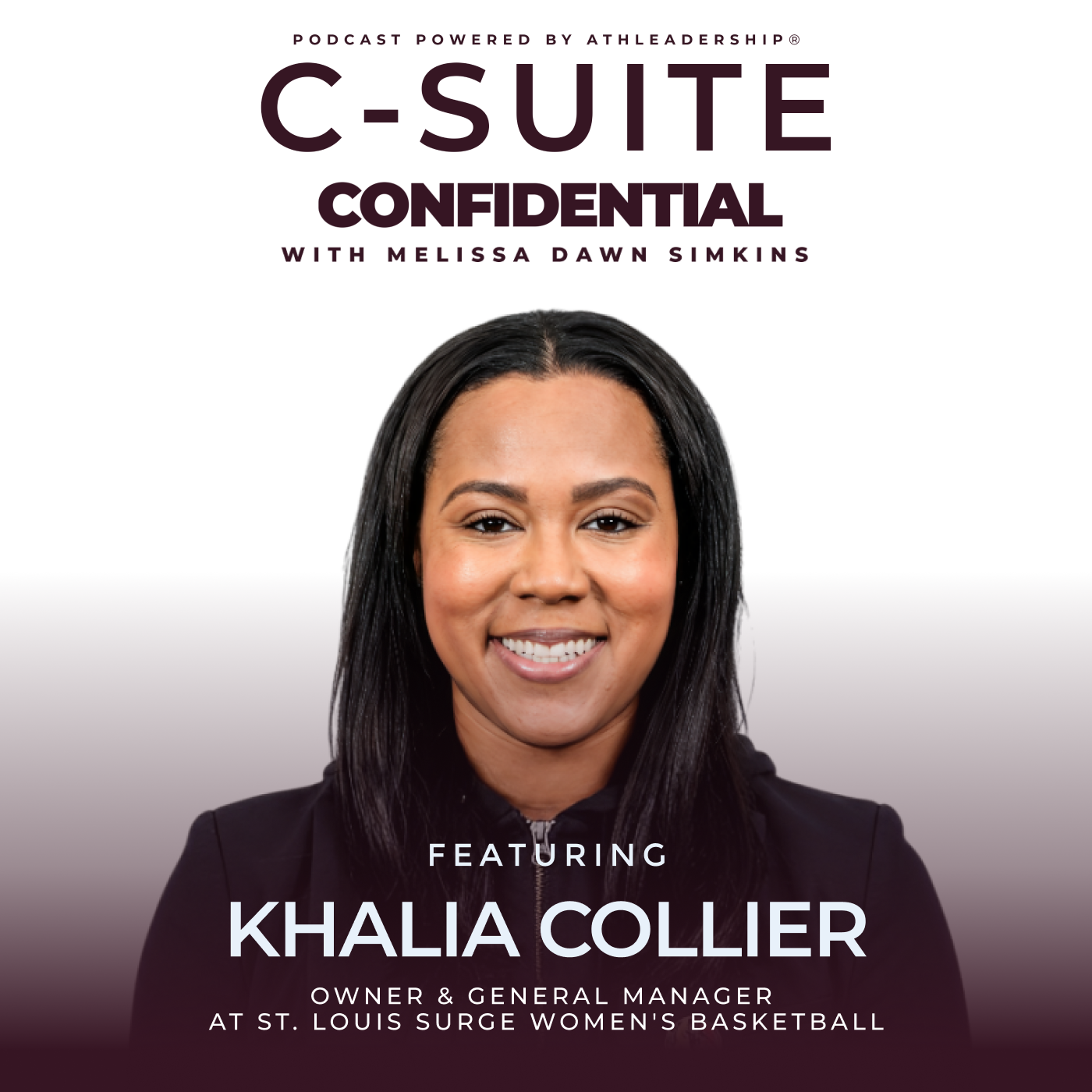 Rest, Resilience, and the Science of Sustainable Success with Khalia CollierC-Suite Confidential · on Kobe Bryant82 / 100
 Sustainable Success Looks Nothing Like You Think.Jim A. James & The UnNoticed Entrepreneur · on Chris Ducker76 / 100
 Practice makes permanent with Dave HoplaThree Points · on Kobe Bryant66 / 100
 Introducing the Jordan Harbinger ShowB2B Agility with Greg Kihlström™ · on Kobe Bryant22 / 100Lucas James On Creating And Growing A 7-Figure Business | CEO StoryFrom C-Suite to Health and Wellness with Jennifer Hill | CEO StoryHow Anson Sowby Revolutionized Gaming | CEO StoryThe Human Side of Law with Rob Huddock | CEO StoriesHow the Blair Enns is Changing the Way We Think About Business | CEO Stories