Startup Science Podcast with Gregory Shepard · 2025-08-14 · 24 min
Marcia Dawood brings over a decade of experience in early-stage investing to discuss the structural challenges and opportunities in angel investing. Starting from a 2012 angel investing meeting in Pittsburgh, she discovered that less than 2% of early-stage funding went to women founders - a disparity she's worked to address through her podcast Angel Next Door, her book Do Good by Doing Well, and her role as Chair Emeritus of the Angel Capital Association. While angel funding to women founders has improved to 25-30%, Dawood attributes this progress to having more women investors writing checks. She also serves on the SEC's Small Business Capital Formation Advisory Committee, where she's broadened her perspective to include underrepresented entrepreneurs, including those with disabilities. For new investors, Dawood emphasizes the importance of patience before making first investments, maintaining a diversified portfolio (5-7% of investable assets in early-stage companies), and evaluating companies collaboratively rather than alone. She stresses the primacy of the founding team over the business idea and advocates for balanced teams with complementary skills across technical, operational, and sales functions.
Angel funding to women founders has increased to approximately 25-30%, up from just 2% when Dawood started investing in 2012, primarily because more women are now investors writing checks.
Watch and learn for a while before investing; don't rush to write your first check based on meeting an entrepreneur. Take time to understand diligence, term sheets, and the process before committing capital.
The Angel Capital Association recommends allocating 5-7% of your investable assets to early-stage companies, and you should also reserve additional capital for follow-on rounds in future years.
She prioritizes the founding team (the jockey) over the business idea (the horse), preferring a stellar team with a mediocre idea over a mediocre team with a stellar idea, because building a company requires balanced, complementary skills.
Many angel investors suffer from 'shiny halo syndrome' - moving on to the next exciting opportunity rather than staying engaged - so they often never reach a decision point about whether to exit or provide follow-on support.
Computed from the transcript - who did the talking, and the words that came up most.
Greg Shepard sits down with Marcia Dawood, early-stage investor, author of Do Good While Doing Well, TEDx speaker, and host of The Angel Next Door Podcast. Marcia shares her journey from attending her first angel investing meeting in 2012 to investing in over 50 startups and funds, chairing the Angel Capital Association, and advocating for diverse founders. They discuss why only a small percentage of venture funding goes to women, how representation among investors impacts funding outcomes, and the unique strengths female founders bring to the table. Marcia also reveals her top advice for new angel investors, the biggest misconceptions about investing in startups, and how she evaluates companies based on the “horse and jockey” test. This conversation is packed with insights on funding gaps, the importance of balanced teams, and how both for-profit and nonprofit efforts can drive meaningful change.
Transcribed and scored by The B2B Podcast Index.
Speaker A: Forbes Books presents the Startup Science Podcast with Gregory shepherd brought to you by StartupScience IO. Uh, Greg is an entrepreneur who's built and sold 12 businesses, a recipient of four private equity awards, featured TEDx speaker, and Ben Bella Publishing and Penguin Random House author. Here's Gregory Shepherd.
Speaker B: My guest today is Marcia Dawood of a visionary, early stage investor, author of do good by doing well and passionate advocate for empowering diverse founders and impactful innovation. As a TEDx speaker and host of the Angel Next Door podcast, she bridges the gap between ideas and thriving companies while investing in over 50 startups and funds. Marsha, welcome to the show.
Speaker C: Well, thanks for having me. Happy to be here. Uh, yeah.
Speaker B: I want to start out with your career. It is absolutely fascinating and chock full of just pretty much everything in the startup ecosystem. What inspired you to become an early stage investor and how did you get started in the space, like originally?
Speaker C: Yeah. So one day in 2012, I was invited to an angel investing meeting and I thought, cool, what is that? What's angel investing? I have no idea what that is. So I wasn't sure if people like sat around and picked stocks or no idea. But I decided I'll go and see what's going on. And I was just so fascinated. I was living in Pittsburgh, Pennsylvania at the time and I met these entrepreneurs that were doing these really cool things and they lived right in my backyard. I had no idea. And I thought, wow, but I can't be a part of that because, you know, that's for rich people and that's for people who are well connected and things like that. Like, I work, what am I going to add? And I start to realize that, hey, entrepreneurs are everywhere, in every city, in every town. And it would be really cool if I could get involved. And so I became a member of this particular angel group in Pittsburgh and I started going to meetings and meeting entrepreneurs and learning about it. And then about a year or two later, I moved to New York City and became a member of a different group and found out that less than 2% of venture capital funding or angel investing money, any type of early stage funding goes to women. And I thought, wait a minute, so women, we're like 50% of the population, so you can't really tell me we only have like 2% of the good ideas. Like, so what's going on here? So I started getting more involved and learning about it and then I was just so fascinated by like all the different ways that you could invest. I learned about funds. I became a fund manager, uh, I became, I went onto the investment committee of several, uh, different funds. And, and I just learned about all of the different ways that you could invest. I learned about equity crowdfunding. And through that I just thought, wow, how come more people don't know about this? And it's really because they all thought what I thought at the beginning or they are. That's what they're still thinking. So I decided to start my own podcast called the Angel Next Door. And then from there I did a, uh, TEDx talk in Charlotte in 2022. And now I wrote a book called Do Good while Doing well to demystify this whole crazy early stage investing space.
Speaker B: I think it's amazing. You're also the chair Emerson of the Angel Capital Association. So what changes have you seen in the angel investing landscape over the past, I don't know, five years? I mean, considering where you came from and your perspective on things. And then I do want to spend a little time talking about women in not just investing, but entrepreneurship. It's one of my passions to try to like, level out that gap. So let's start out with your experience with the Angel Capital association, what you've seen.
Speaker C: Yeah, so when I got started and actually joined the board in 2015, I was, I went to my first Angel Capital association summit. It's like our annual meeting and lots of angels get together and it's a little bit like Disneyland. You get all these cool, different, um, sessions that you can go to. There's keynote speakers, you get to meet other angel investors. And there was a line at the men's room. So I remember thinking to myself, huh, huh, this is a little bit odd. I'm not used to this, uh, not very many women here. And to your point about women getting funding and why that does or doesn't happen, it really still to this day, here we are in 2025 and we really don't have a whole lot of, uh, women getting funding from the venture capital dollars that are out there. But it has changed slightly when it comes to angel funding. So the Angel Capital association does do their own data report. It's called the Angel Funders Report. You can get it, you can get it for free on their website, the angelcapitalassociation.org um, but in there it basically has said that now instead of it being just 2% for Angel Angels and, um, going to female founders, it's more like 25, 30%. So we're making progress now. Why are we making progress? I think it's because we're starting to see more investors that look like the people that we want to see getting the funding. So if female founders are out there, um, really trying to get funding for their startups, there's a couple of different ways that they can go about doing that. But one of the things is really needing to get more women to actually be sitting and writing the checks.
Speaker B: Yeah, I agree 100%. I remember when I was doing the research for the book, I ran into this as well and I was just like floored and I couldn't believe it, um, because there are so many amazing founders that are starting these companies that are women. And then I'm looking at the checks being written and it just didn't line up right. There's definitely, the founders are definitely there. So why are the women not getting the checks? I mean, that's, I get, uh, do you have any answer for that? Because I was just, I couldn't understand it. Outside of discrimination, I couldn't understand it.
Speaker C: Well, there's a couple reasons. One is because we don't have enough people writing checks that look like the people we want to have funded, like I just mentioned. But the other thing is women in general. Again I'm making generalization statements, so bear with me here. Um, but women sometimes come across that they are, uh, creating a lifestyle business, that this is something that they're going to do until they have a baby. I mean, it's really horrible that those are the kind of societal norms that, that we can come across. But really a woman, especially, uh, a female founder CEO, is really going to struggle to get her voice heard, to get her point across, um, without sounding too over overly aggressive. So in this particular case we're really. I, when I coach female, uh, founders, I usually talk to them about, look, you have to know your numbers, you have to know your business inside and out better than any of the guys. But then stand on that and, and know that you do. And now you're going to just show people how much better you are. Because there have been studies that have come out now that have shown that women, they can stretch a dollar farther, they can raise less capital and produce more revenue for their startup businesses.
Speaker B: I absolutely agree. And I actually ran into the same numbers when I was doing my research, which was one of the reasons why I was so dumbfounded. I was sitting there going, am I the only one that reads why aren't more people aware of this? So on the heels of that, and this may your previous, uh, statement there may be part of the answer, but what is the most Rewarding part of being in this space at, uh, not just as an angel investor, but all of the things that you do and what keeps you motivated.
Speaker C: Yeah, I mean, I think a lot of it has to do with, I thought to myself, you know, even as I was growing up, going through college, you know, you hear this, the saying, be the change you want to see in the world. And I would think, yes, yeah, I want to do that. I want to be the change I want to see in the world. Um, but how do I do that? And how, like, how can I. Only one person, how could I actually do that? So to me, that's really the reward if you want to see change in the world. For profit companies are really the companies that can help to bring that change at an accelerated rate. What I worry about is there's a lot of nonprofits out there that are doing some amazing work and we absolutely 100% need to support them, but they are underfunded and they are not appreciated and they are not given the resources that they need in order to solve some of these very, very big problems like heart disease, cancer, all of these things, poverty, um, all these, uh, things that we need to have solved with children. So we need to help them, but we also need to get the for profit companies working on some of these problems as well and back them so that together we can have a much better world.
Speaker B: So moving on to a different topic. How do you balance. I'm like looking at your bio here and, um, this is insane. I mean, SEC Advisor, you have this really successful podcast, you're an angel investor, you sit on boards. How do you balance all of. And do all of this stuff at the same time? I mean, you're like a superwoman.
Speaker C: I like that. I'll take it. I'll take, I'll take the. Keep the compliments flowing. It's all good. Um, no, no, no. So a lot of things ebb and flow, right? Just like anything in life. So there's. Sometimes the companies will need my help, you know, my portfolio companies more than others. And then also with the, um, SEC Advisory Committee, that's. That's a whole lot of fun. Because what we do is there's 20 of us on the committee, and we are helping to think about how we can get more capital to small businesses. And when I say small businesses, it's all kinds of businesses, not just startups, um, but every type of business, Main Street. And there are a lot of different types of companies and people that are represented through that committee. So we have some really awesome discussions. If you ever wanted to see any of the discussions, they're all, uh, recorded and put on the SEC's website. Um, but there's a lot of resources, and I think that entrepreneurs don't realize how many resources the SEC has. They put out an annual report that's also free on their website, sec.gov, and it has a lot of information about fundraising, about how people are doing what they're doing. And I think from an entrepreneur's perspective, there are, there are a lot of things that they could get, um, for free and a lot of information that they can get for free without necessarily having to waste so much time. You know, one of the reasons that I wrote this book and one of the things that I am really passionate about and the one thing that keeps me motivated is how can we get this to be an easier process? Why does it have to be so hard? It shouldn't be so hard for any entrepreneur, but especially for underrepresented entrepreneurs, they are really, really, really struggling. And we have to as a whole, figure out how we can change that.
Speaker B: Amen, sister. I feel the exact same way. It's, it's staggering when you look at the data. Uh, I spent so much time looking at this and I was just sitting back, I, I can't tell you how many times I was just sitting back in my chair, just going, wow, this is really bad. Uh, you know, it's, it's, it's, it's really bad. The, the uh, numbers are all white men, right? It's just white dude, white dude, white dude all over the place. And it's really scary actually when I look at it, because the diversity just isn't there. And I think of startups as being a way to help with diversity, with help, uh, wealth equality. So I really love your focus on this. When you think about the Small Business Capital Formation Advisory Committee and your perspective of the whole startup ecosystem, has it changed since you've been on that board?
Speaker C: I don't know that it's changed, but it's definitely interesting within the committee to hear the different perspectives. So we have, uh, someone on the committee who works with a nonprofit and also that also has a for profit arm related to entrepreneurs with disabilities. And I know that was one thing. You know, I'm always the first person to say, hey, we need to get more funding to women, people of color, you know, all, all shapes, sizes. But I didn't really think about the disabled community. And to me that's been such an eye opener. There are so Many entrepreneurs who are working to help solve problems in this particular space. And it isn't even on the radar. So we need it on the radar. We need to really be helping all entrepreneurs who are solving all types of problems to be able to get to the capital that they need. So that I think it's, it's, it's changed my perspective a little bit because I think I was living in my own little bubble of whatever I thought was going on, and now my perspective has been broadened.
Speaker B: It's, uh, you and I have, we have so many. So I got to tell you this. So last week I was doing research trying to find incubators and accelerators, entrepreneur organizations, uh, that specialized. And so I looked up blind and I looked up people that are in wheelchairs and disabled in that fashion, and deaf people. And I was looking up autistic people and all the neurodivergent community. And I found nothing in most of the space, like, nothing. Like there's nobody. Um, and then I found like a couple in other areas. And one of the things that I know is that, you know, if you're experiencing the problem, you're probably the best entrepreneur to fix it. And so here we are to your point, right? We're not empowering the same people that can fix all the problems that the whole community has. And I agree with you wholeheartedly. I just love you. You're just my people. So I wanna change a little bit. So let's move into, let's say you're a brand new investor and you were going to give that investor one piece of advice that maybe you had received earlier in your career. What piece of advice would that be?
Speaker C: Watch for a while. Do not make an investment right off the bat. So many times I see new investors come in and they'll meet an entrepreneur, they'll like what the entrepreneur's doing, they'll kind of fall in love with a company, and the next thing you know, they're like, I can't wait, I'm going to invest. This is my first company. It's like. And it's been like five whole minutes. They've been even like getting any exposure to anything that has to do with diligence, term sheets, anything like that. So I always tell people, you really want to look around, you want to wait before you write your first check. You can still do that same company that you really liked at the beginning. But let's take some time to really learn about the company, learn about the process, kind of get your feet wet, talk to People ask a lot of questions. Those are the kind of things I think every new investor should do.
Speaker B: I, I lost a million five on, uh, because when I first did that, I did the exact same thing. I was just like, I'm going to go back this company. And then I just didn't give up. Even though I knew the, the game was over at some point. You know, it's like I went, uh, I went kite surfing one time and you're not supposed to hold onto the kite when you crash. And I held on and I got dragged through the sand. I feel like that happens to founder, to investors, uh, sometimes. How do you know when it's time to pull the plug?
Speaker C: You know, that's a good question. And in a lot of cases, I don't know that I actually see angel investors or individual investors who even get to that point of a decision. And I say that because, um, if you are talking about a fund manager and a little bit more sophisticated investor, if they do invest in a company, in a lot of cases they're going to set aside some, some extra money either in the fund, or maybe if they're an individual, they might set aside some extra money in order to follow on. We call it, like, be able to get to a point where they can help the company later on if they're doing well. But in so many cases, I've seen where angels are what I call in my book, uh, they have shiny halo syndrome. They're like, squirrel, squirrel, like, what's, what's next, what's new, what's exciting, right? And they don't necessarily even get to the point where they can decide if they're going to pull the plug because they've moved on to something else. And while that company could still be operating, they might need their help. So I always also encourage, uh, in new investors, like, really be thoughtful in the companies that you're picking to invest in and don't just think about, hey, I might have to invest in this round, but I also might have to invest in future rounds and where's that money going to come from? Do I have that set aside in the little kitty that I have in order to keep, uh, the company going and to be able to help them if in fact they do get in trouble in the future, which usually does happen.
Speaker B: So this just popped into my mind. What is the biggest misconception that you think the, uh, people or the new angel investors have about investing into private equity in the startup ecosystem?
Speaker C: Well, some of the biggest misconceptions of people who Are, are learning about the space, I think has to do with, you know, how much money am I going to set aside into this asset class. So at the Angel Capital association we talk about it being like 5, 7% of your investable assets. So what I hate to see is when people get a little overzealous at the beginning in making investments and then they realize, whoopsie, I m didn't really mean to invest my kids college education money in um, because he, you know, he or she is now like 17 years old and gonna go to college soon. Don't do that.
Speaker B: Right.
Speaker C: That's a big no. No, like so a, uh, lot of things about, you know, how much and, and when and all of those things. So I think having a plan, having a thesis, that's a lot of what I talk about in my book is I didn't really have a plan. I kind of went into it like, hey, here I am, you know, I'm a new investor, let me see what happens. And then I quickly ran out of my own money in order to invest because, uh, I was like, wait a minute, I. Now I'm starting to get it, you know, that this asset class is risky and we want to make sure that we're diversifying properly and we are protecting our other assets. So I think that's one of the big myths that people have at the beginning. They don't really think through what is this going to mean and how can it help me down the road make sure that I don't get myself into a pickle.
Speaker B: So on that, right on the heels of that, how do you approach evaluating these early stage companies? Like how do you look at them? What questions do you ask the founder? What documents do you look at? How do you assess the whole situation as an angel investor yourself?
Speaker C: Well, first of all, never alone. That's my number one rule. Never ever, ever would I do diligence and make a decision about a company by myself. And the reason why is I have so much expertise in so many areas, but like that's it, you know, I don't have expertise in all of these different areas. And I tend to like companies that are solving big problems, especially in the science area. And I am not a scientist, okay? So I have no business doing diligence on a company that is a science company because that's just not for me. So. But I would love to gather around with a lot of other people who have this type of knowledge and together we can gather the people that we need in order to really evaluate the company. Because the things that you're really looking for, my biggest thing is, is this a company that is really solving a big problem. Way too often I hear companies talk about their solution and that their solution is so great and wait until I tell you all about them and tell you every single thing about what I just built. But if I don't really, as an investor understand the problem that they're solving, I don't know that people will buy their solution. So, you know, that's a big part of it too. And then of course, like you said, the team, the documents, you know, you get into all that. But really some of the high level things that entrepreneurs could kind of hook an investor with, at least to get another conversation or at least have them take a look at the opportunity is to really start to think about, hey, what is it that uh, the problem is and who is it that can actually solve the problem, problem.
Speaker B: So I always talk to, uh, on panels and everything I say there's a difference between the horse and the jockey.
Speaker C: That's right.
Speaker B: The horse being the business, the jockey being the founder. The founder can't ride the horse. You still have a broken business. When you think about the horse and the jockey, which of these do you focus on more or do you focus on one or the other more?
Speaker C: Well, I mean, there's a big saying in Angel World, to your point, you know, you bet on the, on the jockey, uh, not the horse. Um, because it is about the team. I think I would rather take like a really, really stellar team with kind of a mediocre idea and bet on them as opposed to a mediocre team that has a really stellar idea. Because it's really, really, really, really, really hard to build a company. Very hard. And you need to have that team that is balanced. And so all too often, and this is something that we see in the tech world especially where you'll have, you know, a very technical founder comes up with a buddy who's another technical founder and maybe a third buddy, and then they start a company. But they all have the same skill set. So they're all writing code and they're all making this incredible thing that's going to save the world or whatever it's going to do. But who's actually going to build the business, who's going to run the business, who's going to sell the product, all of those things. You need that balance. So there has to be the executor, the operations person, the salesperson. So, um, being able to really take a good look at the team and see who's doing what. I think that's super important.
Speaker B: That's awesome. All right, hang on, Marcia. We have to stop right there. But there's more to cover. Next time on Startup Science, podcaster and author Marcia Dawood shares the qualities she looks for when deciding whether to invest in a founder.
Speaker C: I think one of the biggest things that I've seen has really made an entrepreneur successful is humility, and you don't see it very often. And it's a little bit of a balancing act because remember, entrepreneurs, they have to be visionaries. They have to be ready to go and just take it all the way to the end and they've got it right. But at the same time, if they're a little too overzealous, if they're a little bit too big for their britches, then, you know, in a lot of cases, I don't see them succeed.
Speaker A: The Startup Science Podcast with Gregory shepherd is brought to you by StartupScience IO. Founders can log on to StartupScience IO and use code Forbes to get free access. To connect and find out more about greg, go to gregoryshepherd.com the startup science Podcast Podcast is a production of Forbes Books.
Other episodes covering the same guests and topics, from across The B2B Podcast Index.
 Dr. Veronika von Heise-Rotenburg, CFO & MD @Everphone, shares lessons of raising capital, debt funding and the importance of the CEO partnershipCFO Insights · on Term sheets90 / 100
 Episode 62: Baylor Angel Network's Steven Diedrich on Training Students to Think Like Angel InvestorsThe Diligent Observer Podcast · on Angel Capital Association88 / 100
 ramzi rizk / wip capitalslice podcast · on Angel investing82 / 100
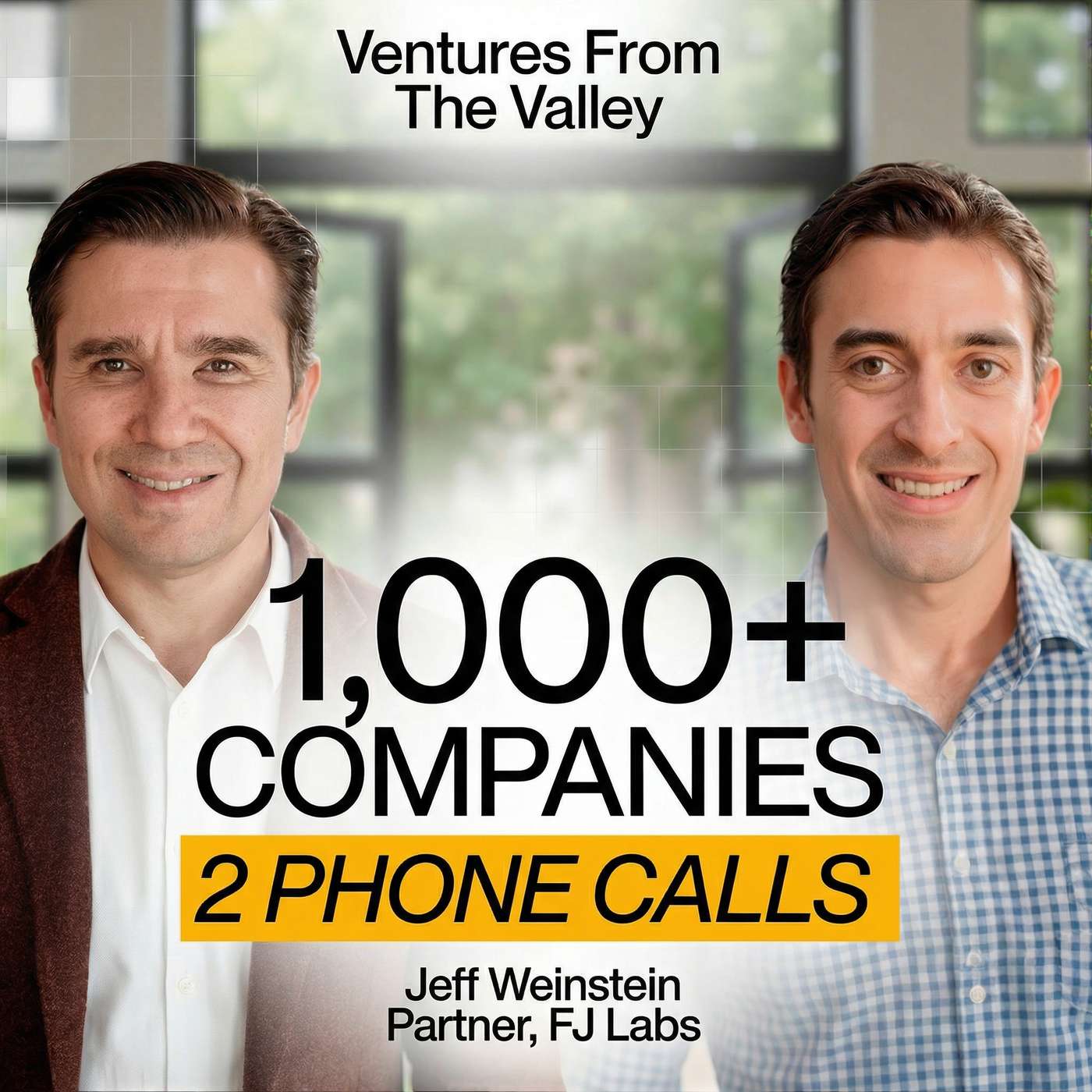 How Smart Founders Raise Capital in 2026 (VC Reality Check)Ventures from The Valley · on Angel investing81 / 100
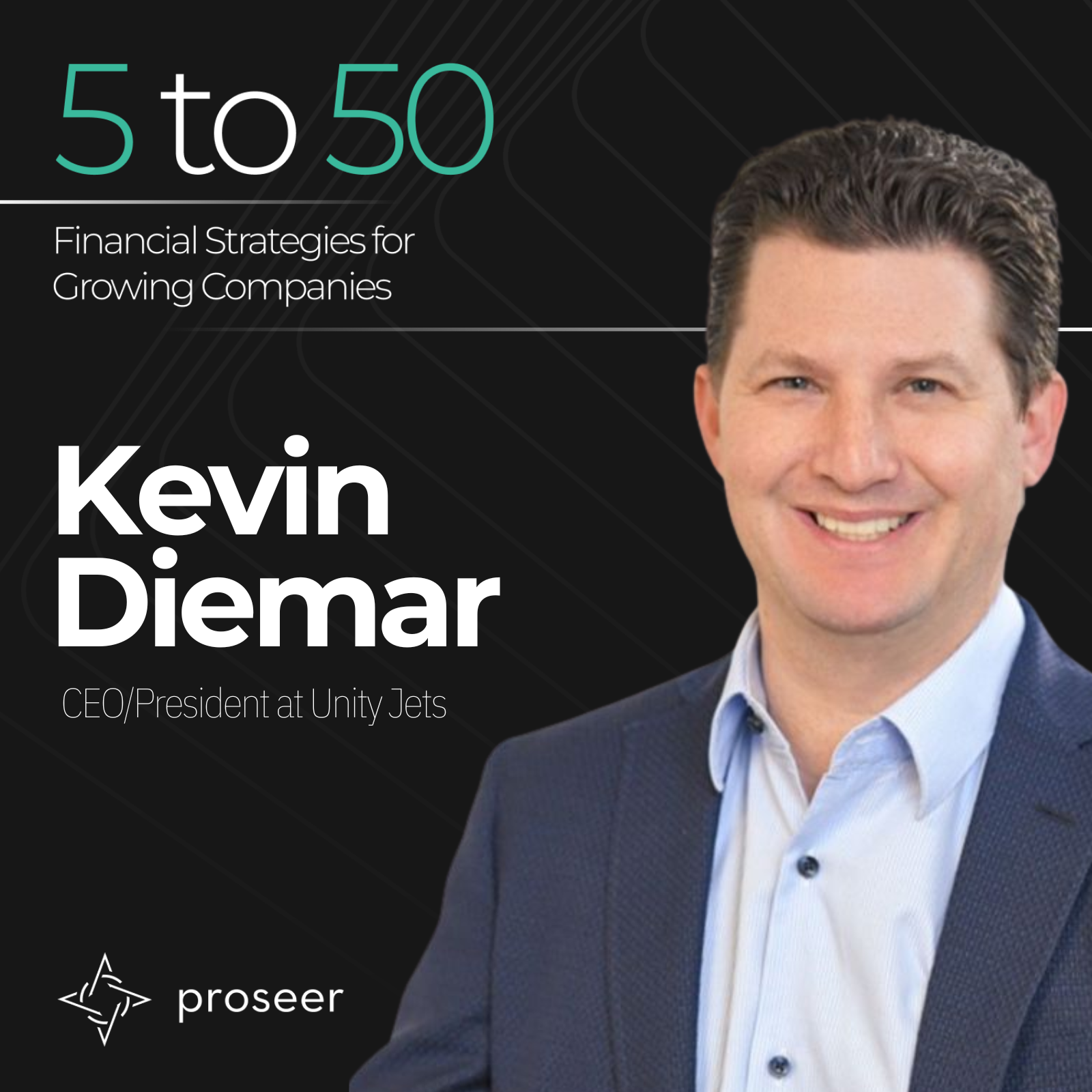 17 - Kevin Diemar on Angel Investing5 to 50: Financial Strategies for Growing Companies · on Angel investing80 / 100
 61 | Is Your Business Right for Venture Capital with Natalia Bishop, Owner of Story LouisvilleWoman-Owned Wallet: The Podcast · on Angel investing75 / 100Funding the Future: Marcia Dawood on Investing with Impact (Part Two)54 / 100From Farm to Fortune: Toph Day on Building Businesses, Leading with Humility, and Fueling Innovation in the Midwest (Part Two)From Farm to Fortune: Toph Day on Building Businesses, Leading with Humility, and Fueling Innovation in the Midwest (Part One)Aras Sheikhi: Bridging Academia and Entrepreneurship for Immigrant Innovators (Part Two)Aras Sheikhi: Bridging Academia and Entrepreneurship for Immigrant Innovators (Part One)