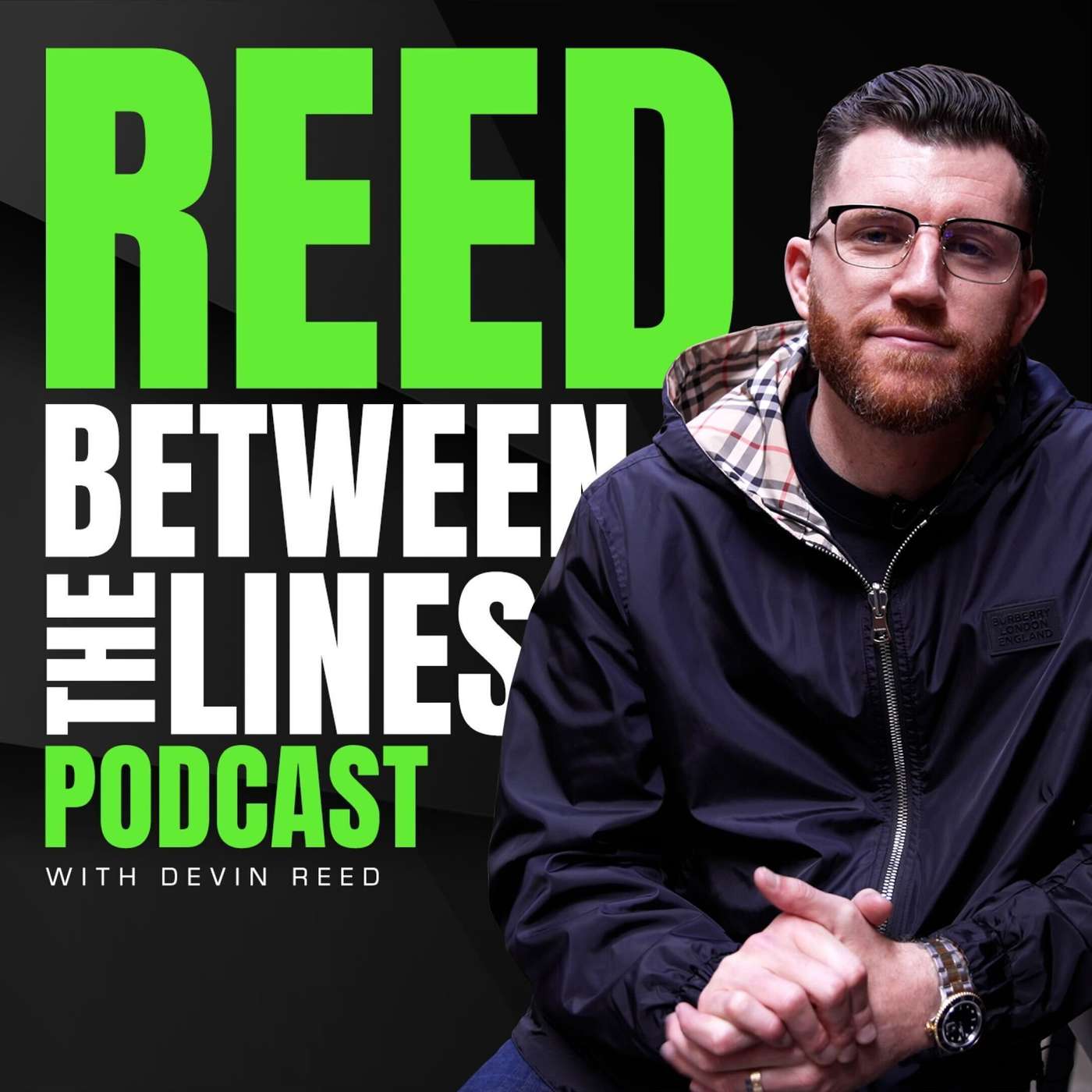
Reed Between the Lines · 2025-02-26 · 1h 7m
Nick Cegelski reveals the strategic thinking behind 30 Minutes to Presence Club's explosive growth. Rather than chasing every channel, the co-founders laser-focused on podcast as their primary medium, choosing it because they understood their audience (salespeople commuting or training), had credibility through thousands of sales calls, and identified a gap in the market for genuinely tactical sales content instead of mindset-focused advice. The show's defining feature is extreme value density - they edit out 30-40% of recorded material, cutting warm greetings, repetitive points, and theoretical content. Every episode must pass a simple test: can the listener do, say, or write the advice that very day? This brand protection discipline extends to uncomfortable conversations with underperforming guests, potential sponsorship deals that misalign, and careful pre-show screening. Nick and co-host Armand maintain this tension productively, with Armand serving as the stricter guardian. The episode explores how this single-channel mastery created the foundation to expand into newsletters (90,000+ subscribers), monthly webinars, and their first book (30,000+ copies sold). The message for B2B operators: don't try to be everywhere - be maniacal about one channel, nail the identity, then expand selectively based on what drives traffic to your core asset.
He chose podcasting because he personally consumed podcasts during his commute on his electric bike and while driving to wrestling tournaments, he identified a gap in sales content that was too theoretical, and he had credibility from thousands of sales calls. He modeled the show partly on BiggerPockets, a successful podcast format in real estate investing.
Content must pass a 'do, say, or write' test: if a listener can't do, say, or write something actionable that same day, it gets cut. They remove approximately 30-40% of recorded material including pleasantries, overqualified answers, and repetitive points, aiming for extreme value density.
He screens guests before recording through pre-show documents and past podcast appearances, conducts a 15-minute live pre-show to assess actionability, and calls out weak content before recording starts. If an episode is recorded but substandard, he has a phone conversation (not email) with the guest to protect both brands, offering coaching for a future appearance rather than publishing below-standard content.
The show has expanded to a monthly webinar series, a sales newsletter with 90,000+ subscribers, and published their first book in the year of recording (which sold over 30,000 copies). These channels are designed to drive traffic back to the core podcast, not replace it.
The show got roughly 1,000 downloads in the first week and 5,000 in the first month, exceeding expectations. The timing helped - they launched in May 2020 when everyone was listening to podcasts more frequently.
Computed from the transcript - who did the talking, and the words that came up most.
How do you turn one podcast into a multi-million dollar content machine? Nick Cegelski, co-founder of 30 Minutes to President's Club , did it by starting with a single podcast and expanding into LinkedIn, newsletters, digital events, and a bestselling book with over 30,000 copies sold. In this episode, Nick breaks down: - How to create a content engine that gets people to like, download, and subscribe - Why going all-in on one channel first sets you up for long-term success - The secret to producing highly tactical content your audience actually wants - How to use personal networks to drive early traction - Smart ways to scale without losing quality Plus, Nick shares the unexpected challenges of writing a book - and why it became his biggest growth lever yet. Whether you're a content creator, marketer, or entrepreneur, this episode is packed with practical takeaways to help you grow. ⬛Get started with Goldcast: ⬛ Follow Nick on LinkedIn: More from The Reeder: Website: Subscribe: Partner with The Reeder: yo@thereeder.co LinkedIn: Instagram: TikTok:
Transcribed and scored by The B2B Podcast Index.
Speaker A: Yo, I'm um, Devin Reed and I'm on a mission to build a bigger and more inspired career as a marketer, creator and entrepreneur. After 10 years in sales and marketing and leading content for $2 billion SaaS startups, I know one thing. Real growth takes more than basic tips and tricks. And learning from the best will help me reach my potential. Let's ride. So I'm traveling America for candid, street level conversations about creativity, marketing and playing your own rules. You'll get practical advice to grow your career, confidence and income and have fun doing it. Are you ready? This is Read between the Lines. The show for people who want to achieve phenomenal results. My guest today built a multi million dollar content empire. And it all started with one podcast. I'm talking about Nick Segelski. Nick is co host and and co founder of 30 Minutes to Presence Club, one of the fastest growing sales podcasts on the planet. Now they're active and growing on LinkedIn digital events newsletter and they just launched their first book earlier this year which sold over 30,000 copies. Nick is a personal friend of mine and one of the savviest marketers I know. So today we're gonna break down how he achieved all this success. In just a short couple years, you're going to hear how to design unignorable content offers that motivate people to like, download and subscribe. Practical tips for scaling into new channels without spreading yourself too thin or burning valuable resources along the way. Plus content distribution tactics. So you get as many people as possible to engage with your content every time you hit publish. Are you ready? Let's ride. Shout out to our sponsor, Goldcast. They are the B2B video content platform. They know that video is the most effective medium for for engaging audiences and building long lasting brand relationships. And they do more than just host amazing digital events. They recently released Content Lab, which is an AI powered video tool that I use to turn long form content into branded clips in minutes, not hours. And it's cool because you can use your digital event footage or upload video files. To open your account, go to Goldcast IO or hit the link in the show notes. Now onto the show. So your podcast has gotten millions, millions. At least 4 million downloads, which is phenomenal. And where I wanted to. One thing I wanted to talk with you today and I want to start with the podcast is you and Arman. And I know you have other employees now too. You guys have a true content empire, multi channel. You quit your day job and you're doing it full Time. So is Arman, I think Sean and a couple of people. You have like multiple people employed by this business. So I say content empire because it's profitable and it spans a lot of, uh, depth and width, I think, like, you know, in terms of like channels, Correct?
Speaker B: Yes.
Speaker A: So I want. What I really want to talk about is how to avoid what I think is one of the biggest mistakes in B2B marketing, which is thinking that you have to be everywhere all the time, all at once. And you guys did a great job, which is we designed a podcast. We designed one program slash channel, and we invested in it. We were maniacal about it. And you designed it very intentionally.
Speaker B: Mhm.
Speaker A: Grew it. And then you started being very selective with which channels to invest in.
Speaker B: Still are.
Speaker A: Exactly. So I want to talk about that today.
Speaker B: Yeah.
Speaker A: Okay, so let's start with the show. Give folks who haven't heard it yet kind of just like the quick intro to like what, 30 minutes the presence club is.
Speaker B: Yeah, yeah. So it's a sales podcast. We interview different sales leaders and salespeople. Where it deviates from your typical B2B sales content is. There is lots of sales content out there that talks about the what to do. You've got to have a strong cold call opener. You've got to sell value if you want to be great at sales. You got to have a lot of empathy, Devin. And all of that stuff is true. But at least for me, when I was a new salesperson, I listened to these podcasts saying, you got to be a great listener. And I think, well, then what the hell do I do when I show up? And like, the CIO is like, all right, I got 10 minutes, tell me what you got. I'm like, what do I say in that situation?
Speaker A: How do I listen my way through that?
Speaker B: Yeah. And so the whole focus of our content is exclusively on the actionable, practical how to content for almost exclusively, like B2B sales professionals. Um, and so we talk about everything from like, how you would design a comp plan as a VP of sales, like the step by step breakdowns of that to what you say when you open a cold call. Um, so the content is very, very practically oriented. Um, and we have a number of different channels like you alluded to earlier. So most folks know us for the podcast, which is getting over 2 million plays a year. We've also got a really, really popular monthly webinar series. Um, we've invested a lot and this might be something we dig into in growing our sales newsletter. We're now I think we just cracked 90,000 subscribers on the newsletter. Um, we've been really, really focused on that channel because it helps us drive to the other content.
Speaker A: Yeah.
Speaker B: Um, I don't know what your original question was, but hopefully that gives you a sense of, like, what the media is about.
Speaker A: I'm looking at the judges and you're getting an 8.5 on that answer.
Speaker B: What would have made it. This is actually a great sales question. What would have made it a 10?
Speaker A: I made it a 10. Was you jumped ahead a little bit on the channels, but that's okay. No, no, I'm kidding. So I know the show. I've been on it a couple times. Some people said it's the best, uh, episodes of the series. Not me, just a lot of people. Um, I'm kidding.
Speaker B: Obviously, people. Sorry. Delayed laugh.
Speaker A: Delayed laugh. Because, you know, cue applause. Um, I would say your show is hyper tactical.
Speaker B: Yeah.
Speaker A: And so walk me through all the decisions of. Okay, Armand, your co host. You are going to make a podcast. Why did you choose podcasts of all the channels that you could use to reach salespeople?
Speaker B: Okay, so I'll give you the appropriate level of context on this. My first sales job, like a lot of people, it was one of those sales job where they say, here's your phone, here's your territory. Get selling. And I had no idea what to do. I had no idea who to call, what to say, how to overcome objections, how to book meetings. But I worked really, really hard, and I did okay. Uh, m. And it was really frustrating because I was a high performer my whole life. But, um, the technical skill of selling is not something that you typically get taught in your high school college education. Um, and so for me, I had started listening to podcasts, um, when I was in college. Cause I would drive a lot. Um, like, we'd go to wrestling tournaments, and I'd listen to podcasts while we'd be driving there. And there was one podcast that I really loved called Biggerpockets, which is actually a real estate investing podcast. And a lot of 30 minutes to President's Club is modeled off of Bigger Pockets, believe It or not, which is a real estate podcast. Podcast. Um, I would ride my electric bike to work because my wife and I could only. Well, then girlfriend, now wife. We could only afford one car. And so I'd ride this E bike 12 miles each way. And I had a big speaker on my bike, and I would listen to different sales podcasts on the way to the office. And so I got a feel for what was out there. Um, and I was frustrated with most of the content out there. There was occasionally, like, a gem here or there, but I didn't get, like, the. I was really looking for, like, sales training in the form of a podcast. And so I think there was that planted in my head of, like, oh, okay. Like, this is a medium that I like to use to learn. I consume a lot of these. I feel like there's sort of a gap in the market. And then the reason that we picked it to start with was we knew it. And it was also the middle of the pandemic, and Armand and I were like. We. Armand and I were college wrestling teammates.
Speaker A: Oh, okay. I didn't know that.
Speaker B: So, like, he and I, we started, like, beating each other up on a wrestling mat. And after college, actually, because of this Bigger Pockets podcast, he and I were investing in real estate together. We were buying rental houses in Texas. And every single week, he and I would have. With Sean also. So Sean, actually, it's funny. Let me go back a little bit. Sean. People don't see him in the content. Sean has been with us since day one. Sean wrestled with us in college. He does all of, like, the backend operations for 30 MPC. And so we wouldn't be able to operate the business without all of the connective tissue that Sean like, the connective glue he does in making stuff happen.
Speaker A: I think one of the most powerful skills for marketers, entrepreneurs, is how do you design a content program or a channel.
Speaker B: Yeah.
Speaker A: That has longevity and impact, and that's what you guys have done. So you picked. You picked podcast because it sounds like you want. People are inside.
Speaker B: Yep.
Speaker A: People commute. Or maybe just commute. Maybe not to work, but they're on the move. You can get them there. You picked highly tactical because personally, you realized I'm not getting a lot of tactical coaching and advice in my sales career.
Speaker B: Yes.
Speaker A: So that seems to be kind of like a lot of personal experience. And as you're listening to other shows, you're spotting a gap. Like, you're seeing, uh, an open, like, niche, an open field where you're like, hey, I can do that.
Speaker B: Yeah.
Speaker A: But also, I think people don't think about the channel that I can do.
Speaker B: Well, yes.
Speaker A: Like, if you're like, you know, don't. Don't go into blogging if you're not a great writer. Or maybe not right away. Right. Don't go on to podcasts if you're not a good speaker. I'm guessing you and Armand leaned into podcasting because You've done hundreds, if not thousands of sales calls. Definitely by now.
Speaker B: Yeah.
Speaker A: So you know what I mean? I'm just trying to kind of, like, almost like triangulate and figure out, like, what were the aha. Moments that made you go, this is how we're going to design something that we really believe in?
Speaker B: So I'll talk about some of the design. Design decisions that we were really intentional with. The first one was we looked at the podcast through the lens of what I call value density. First, I need to understand why would people listen to a sales podcast at all. And I think there's a difference between entertaining content and educational content. Uh, right. So I'm not listening to a sales podcast for the same reason that I'm watching Love Island. Right. One of them, I'm trying to shut my brain off, decompress, relax, whatever. The other one, I'm consuming. Cause I want to get better at my job so that I can make more money. And I think this is where a lot of people mix things up in B2B. Marketing is like, I see a lot of these, like, cold call competitions on Facebook. Gosh. LinkedIn recently.
Speaker A: Yeah.
Speaker B: And I'm like, I think those, like, they're creative, they're interesting, they've got great graphics, but I don't think a lot of people want to consume those because I don't want to watch somebody else cold call in a competition. Like, I want to get better at cold calling.
Speaker A: So anyways, you're kind of saying, like, basically, if I'm in the mindset of getting better.
Speaker B: Yeah.
Speaker A: Don't try to give me entertainment.
Speaker B: Correct.
Speaker A: It's like, if I want entertainment, I'll go to Podcast Smart List, or I'll go to Love Island. Like.
Speaker B: Right.
Speaker A: You're very, very compartmentalized for you.
Speaker B: Yes.
Speaker A: And I think for salespeople, that's also very true for that Persona.
Speaker B: That's right.
Speaker A: Yeah.
Speaker B: And I guess it helped that we were that Persona. So we did a couple things by design, which is your original question piece number one. From a value density perspective, we cut every episode by probably 30 to 40%, meaning we would record a full hour with the guest. Half of the interview would never see the light of day. It would go right in the trash. It would be the pieces. Like, all right, Nick, welcome to the show. And it would be the guest being like, thank you so much for having me here. I'm really excited for this one, et cetera. Like, the audience doesn't care about that. They don't care about your gratitude. Um, it's true. Like you're laughing, but it's.
Speaker A: No, I'm laughing because the way you worded it is funny. But I do the same thing where I prep everyone and I go, I will tell them about. I will tell my audience about you in the intro before you.
Speaker B: Yep.
Speaker A: So when you get down and you sit down, we're going to jump right into it.
Speaker B: Yeah.
Speaker A: And so I'm laughing because I agree and I just like the way that
Speaker B: you so, so, like we literally would cut. I remember in the early days with the show, we would get a transcript of the show and we would go line by line by line. And if the guest restated a point, we were cutting one of those points. If they overqualified their answer. Oh, that's a good question. Well, it really depends on your scenario and your sales cycle length and, you know, the Persona that you're selling. All that's getting cut and we're going right to like the answer. It is really, really tight. I remember in the beginning, like we would start the show and Arman would be like, so, Nick, how are you doing today? And I would always give the same answer. Oh, I'm really good. I'm excited for this episode. Cut. That the audience doesn't care. Now we probably over rotated on that a little bit, but that was by design. The design of the show was if the guest is not saying something that somebody can do, say or write that very day, it does not make it into the final product. That even extended to. There's a lot of episodes we have not published. And that can get really, really awkward. But our first responsibility is to the audience and making sure that every time and anytime they tune into our episode, they are getting premium content. Um, and that's hard. It's really, really hard. We have to push guests, we have to have uncomfortable conversations with prospective guests. We've got to really put extra resources on the editing. But the end product, I think is the reason that we've grown.
Speaker A: So, uh, I have two stories on this, by the way, and I'm going to compliment you on this because a lot of creators and marketers think about building their brand.
Speaker B: Yeah.
Speaker A: They don't think a lot about protecting that brand. So you guys are really intentional on designing this show.
Speaker B: Yeah.
Speaker A: And look, it's like, it's highly tactical. I love what you say. If you can't say it, write it.
Speaker B: Or you can't do, say or write. The reason I can rattle it off so much is I still. When we prep guests. So like we. When now when we record, we do a 15 minute, like we book an hour with the guest. The first 20 minutes are us prepping the guest. Like we're giving them. Hey, nothing theoretical. No what or no what or why. Content we want, how we make them fill out a pretty in depth. Like you've done it.
Speaker A: It's like, um, that was my story.
Speaker B: That was my story.
Speaker A: So I want to applaud the protecting the brand. So yeah, I want to spend time on the design and the identity because it's like, okay, now we have our formula.
Speaker B: Mhm.
Speaker A: Highly actionable. 30 minutes to presence club is aspirational.
Speaker B: Correct.
Speaker A: It tells you how long you are spending 30 minutes.
Speaker B: Like I'm applying like the four hour work week actually. So it's brilliant. Yeah.
Speaker A: So. But my point is, okay, now you have it and you're like, okay, now we're going to start making episodes. Yes, now. And I've ran B2B podcasts. Two that weren't mine and this is obviously mine. This is my third one.
Speaker B: Mhm.
Speaker A: And I was a guest on your show.
Speaker B: Yes.
Speaker A: And I remember vividly you and Armand, one of the two being looking at like me in the camera and like we don't want theoretical, we don't want mindset. We want this, this and this. And I was like, wow.
Speaker B: Yeah.
Speaker A: No one does that.
Speaker B: Yeah.
Speaker A: No one is maniacal about the quality and of the content, but the identity of the content. And I loved that because one, I was like, cool. One, I've listened to the show so I already kind of knew. But most guests don't listen to the show as we know. That's that that happens. But I was like, wow, I love that these guys know their identity and they're sticking to it.
Speaker B: Yeah.
Speaker A: So that was like, love that. And I've, I've kept that myself. Like from that moment forward I was like, I have to keep this like protection mindset.
Speaker B: Yeah.
Speaker A: The second one you said was like, what do you do when the guest flops?
Speaker B: Yeah.
Speaker A: Now it happens. And it's a thing that no one talks about because it's like, how do you tell? Here's the trap. You're in B2B. You're in a corporate in house job. You got the SVP of operations from your customer.
Speaker B: Yep.
Speaker A: To come be on your show. And they're not good now they might just candelisha. Never been on the show. Mostly what it is is they just didn't do a great job. Yeah, it happens.
Speaker B: Yeah.
Speaker A: We all have bad games, bad days, whatever.
Speaker B: Yeah.
Speaker A: But in that Scenario. How do you tell a executive client you weren't good enough for our program? It's very, very hard to do. Now, I had someone, so. Because I've bought, uh, three or four sponsorships from 30 MPC your show. And I had a guest that we, we. I won't say, you know, who obviously, but we sent, we sent them over and I remember you like, hit. I think you called me and you're like, dev, kind of like tough news, like, so and so recorded. And, um, you know, we're not going to be able to use it.
Speaker B: Yeah.
Speaker A: And I remember just being like back to that moment, like, he's protecting his brand and show because if you allow this, uh, content to go out, that's below the bar, you're starting to dilute your brand. And you do it once, then what happens? You do it again. You do it again, you do it again. And I like the way you handle it, which was like, look, I'm open to giving them coaching and having them come back again and record. And I thought that was just like brilliant as a marketer. So I wanted to, like, applaud that, but call that out because it's so important.
Speaker B: Well, so there's sort of two. Two elements there. One is ounce of prevention, pound of cure. Anything that you can do up front to mitigate against having a, A bad episode, um, is better than trying to walk it back with somebody. And so that's part of the reason that, um, like, we screen guests before we bring them on the show. Like, I listen to other podcasts that they've been on or someone from our team will we have them do that prep document. And if it's not, like, where it needs to be, we'll. We'll tell them. Yeah. Um, and then we also have that pre show for a reason where we'll, like, we're feeling them out on the pre show.
Speaker A: Like we're tryout.
Speaker B: Yeah. I mean, we're taking them through like the, like we're talking with them live about the game plan for the interview. But if they can't get actionable in their. Well, we'll ask them. Okay. Like you wrote this for your action. We'll take away. Talk to me about what's behind that. And if they're not good, like, we've called it out before we've even turned on the recording. So that's all the upfront stuff that you can do.
Speaker A: Yeah.
Speaker B: Let's talk about actually. If it's not good, you actually end up recording. Yeah. And, um, it's Not a good episode. Actually, one more thing that I'll note is we actually get the benefit of because we record for almost an hour and we are going to cut it down to 30 minutes. You usually can get. If you record with somebody for an hour, you can get 20 minutes worth of usable content, God willing. Especially while what you do is if the guest is like, not so great, let's say it's me. And I'm like, I'm fumbling, I can't give you good answers. You start speaking up more. Devin, you as the host start injecting more, you start sharing your own stories and that makes the usability like a little bit longer. Um, but if you do have to cut it. Yeah. What we did was I called you. That's not an email. That's a tough conversation. But it's not just our brand, it's your brand. Right. You were a corporate client that was paying because you wanted to establish some thought leadership for your people. And I think what we said is like, hey, like, I don't know if this was the best reflection of your brand and you want to protect that also. And so it's, hey, like, we can give this person some coaching so when they come on next, it's better. Um, or maybe we find a different guest. Um, and I think you as a marketer respect that. Cause you're like, wait, no, we want to be represented well. And so, yeah, those are not easy conversations to have. But the problem is the audience. The only way that they tell you it was bad is by not listening anymore. And there's sort of a lag on that versus I would, I would rather choose short term discomfort over long term dysfunction or failure of the show.
Speaker A: Well, that goes back to your discipline that you're talking about.
Speaker B: Actually, I'll tell you, Armand is the one who is far more protective of the brand than me. It's actually good. We have a healthy tension of like, I'm a bit looser of like, oh, come on, like, let's get this person. I think they're going to be good. And he's definitely more protective. And so I actually think there's the good amount of tension there.
Speaker A: Um, definitely the good cop and the good cop, bad cop.
Speaker B: Yeah, definitely.
Speaker A: Um, I love Armand. Um, no, so I use the word maniacal for myself because I'm maniacal with my brand protecting. When I was a gong. The gong brand. And so I said it to you. It's the first time I think I've ever said it to another like marketer, like this is maniacal in the good way.
Speaker B: Yeah.
Speaker A: So I like that a lot. I think it's pretty clear in the design.
Speaker B: Mm.
Speaker A: Before we get to distribution, I, uh, want to know about how did you know that it was working? Like, you know, so you've got the identity.
Speaker B: Yeah.
Speaker A: You're protecting it. You're producing. I don't know for how long, but at what point were you like, hey, this is like, we've kind of, like, content market fit. Like, this is really resonating and it's starting to grow. Maybe even more than you expected. But, like, what signals did you see? And you're like, hey, we're really onto something. Just the podcast.
Speaker B: Honestly, I hate to say it, but it was kind of. From day one, it was like, kind of in the first month we were at, like, first week, it's a thousand Downloads. First month, 5000. I don't know. I'm just sort of directionally there. But, yeah.
Speaker A: Was it more than you anticipated, surely?
Speaker B: Yeah, yeah, it was. And the growth was really, really awesome. Now we got lucky in that we launched the show May 2020. And so everybody's listening to podcasts. Everyone's posting on LinkedIn for the first time. There was a massive spike there, but, like, we started getting really, really awesome feedback from people. I started getting a dozen messages a week of, like, oh, your show changed my life.
Speaker A: I was one of those messages. I'm pretty sure. I don't know exactly when, but I remember reaching out me, like, dude, you guys are, like, onto something.
Speaker B: So, I mean, I think we worked really, really hard. We were really, really intentional with the design. Um, we knew we didn't want to just. One of our other guiding philosophies is you can't be perceived to be better until you're first perceived to be different. And so we spent a lot of time in that upfront design to make sure things were different. I also want to be clear. We were really intentional with the initial, like, promotion, distribution plan, which I think we'll touch on.
Speaker A: What do you want to get on? Tell me about the. Yeah, tell me about it. Because I think. Well, I'll let you go ahead.
Speaker B: Okay. Biggest problem with podcasts is they actually are really from, like, a discovery, a podcast discovery perspective. It's really hard to find new podcasts. Like, if you go on your phone and you go on, like, Apple and look at the charts, like, you're not going to see B2B podcasts there.
Speaker A: It's tough. And I tried when I was researching this show, like, okay, who's my competition as I'm designing this show. Show.
Speaker B: Yeah.
Speaker A: And I, Yeah, it was hard to find them somehow. Like, you found the couple and you're like, okay, Chris Walker. Okay, Dave Gearhart. Like, everyone kind of knows them. And then, yeah, it was, it was actually hard to find. What I ended up doing was just asking marketers, hey, what are the top five podcasts you listen to? Or any podcast you listen to that you didn't like and you never came back?
Speaker B: Yeah.
Speaker A: And so, like, word of mouth to me is like the way we find podcasts. It is probably social media.
Speaker B: That's right. So podcast discovery is tough and word of mouth is actually that's the number one way that our podcast grows, at least according to the Spotify analytics I looked at last year. The hardest thing about growing your podcast is going from like, it's the cold start problem. It's going from zero listeners to your first hundred. It's a lot easier to go from 10,000 to 10,100 than it is to go to zero.
Speaker A: Sure.
Speaker B: So for us, it was like, how do we get this in front of people? So we used like our sales chops. Armand and I, when we launched the show, we both committed to each other that we were going to text. We were going to personally text in a drip sequence. 200 people in our network.
Speaker A: 100 each.
Speaker B: No, 200 each.
Speaker A: Wow.
Speaker B: 200 each. And the. Yeah, the first 50, it's easy, right? It's like guys I wrestled with. It's like buddies from high school, cousins. Next hundred a little bit tougher. Like coworkers from two jobs ago. The last 30, I'm like hitting up ex girlfriends and I'm like, hey, launching a podcast. Hope you've been good. Would you mind giving it a sub when it comes out? Like, so awkward. But we did actually a two step drip. Where the first one, I don't know. I think this was like, it was, it was kind of crafty. It was like the first ask. There wasn't anything anybody had to immediately do. It was just, hey, we're launching a podcast in a couple weeks. When it comes out, would you be open to giving us a five star review and sharing it with your network? You don't need to do anything today. And so the positive, um, response rate was much higher because there was no immediate action people had to take.
Speaker A: Just a quick agreement. Got you.
Speaker B: Yeah. Now you're locked in. You already said yes. So two weeks later, I'm like, hey, you know how you said yes to that thing? It's Live. Here's the link.
Speaker A: Will you share it? I like that.
Speaker B: And so we got that, like, initial burst, and Armand and I also. We intentionally, like, we kind of went on, like, a podcast tour. We went on a couple other sales podcasts, and we tried to game everything to all go out the same week or maybe same month to get, like, an initial burst. Um, but that was really by design, so it's not a really great answer to your question of, like, oh, this was the moment. But I think that was because we put a lot of upfront work into making sure it got a lot of eyes on it.
Speaker A: That's smart. It's smart. It's simple in a good way. Which is like. But most people won't do it. Most people wouldn't think to do it. Like, oh, either that's a lot of work, or it's, like, uncomfortable to. Like you said after that first 50, it's like, how bad do you want it? Like, do you want your show to have as many eyeballs as quickly as possible, or are you okay, you know, maybe a little slower roll and an easier path?
Speaker B: Well, you said something earlier about how you think most. Most B2B marketers think that they have to be everywhere, and you think that's, like, one of the biggest mistakes people make.
Speaker A: Sure.
Speaker B: I think this is an Alex Hormozy thing. Um, he talks about it's kind of hubris to believe that you can compete on 20 different battlegrounds and you're going to win all of them. If all of my attention is focused on the one battleground, the one front of the podcast, and I'm not worried about webinars or newsletter or live shows or anything else. I'm just focused on podcast. I'm going to beat 1 20th of Devin Reid. Even you might be way better at, uh, marketing than me. Right. But if you've got 20 things you're working on and I'm just focused on one, I'm going to win on that specific channel and for content that matters way more than other places, because, um, I think there's sort of like a power law in terms of the way content gets consumed, where the best quality content gets 90% of the downloads, and every other podcast goes to a graveyard where it gets 12 people listen to an episode. So I want to turn it back on you.
Speaker A: Okay.
Speaker B: And I want to ask you. I think you started with the newsletter. If I'm not mistaken, I've been reading your newsletter for a long time.
Speaker A: Technically, LinkedIn. Ah.
Speaker B: Uh, okay. Was it LinkedIn?
Speaker A: My first channel.
Speaker B: Sure. Okay.
Speaker A: If you want to go channel. If you're saying from there it would be newsletter.
Speaker B: Okay. What went into the promotion plan for the newsletter? I was actually going to ask about this show, but I'm really curious about how you got initial traction with the newsletter.
Speaker A: Uh oh, I wasn't ready for the, the reversal.
Speaker B: I try to flip it every now and then. You know, reversal, take the pressure off me when the guest is doing bad.
Speaker A: I like it. You're doing great. Okay, good question. So for context, it was 2021. 2021 leave, maybe 2020.
Speaker B: And you were full time other elsewhere.
Speaker A: So that's why I'm going to, I'm going to give the context that I was a full time employee. I was headed Continent Gong. And basically what I had realized was I had become good at my job, was starting to do well.
Speaker B: Right.
Speaker A: And I was in two things. One, I was posting a lot of advice and stuff about content marketing. Content strategy on LinkedIn. Yeah, I've done it for a while.
Speaker B: Yeah.
Speaker A: And people that were either at my I say level in terms of seniority or higher were reaching out and DMing me and be like, hey, can we get on 15 minutes, 30 minutes to pick your brain. Pick your brain, pick your brain. I got a lot of, a lot of brain pick a lot of, a lot of offers for the brain to get picked up. And so I was like, okay, what if instead of one doing free 30 minutes, which is really terrible, terrible for me now, it was really good at first because it built my confidence.
Speaker B: Yeah, totally.
Speaker A: I'm like, I was a content strategy manager, a title I had made up six months prior. And now directors and some VPs of smaller companies are reaching out, like, hey, can I get advice? And I was like, and you probably
Speaker B: showed up and they're wowed. Like you're saying basic stuff and they're like, oh man, like, how do we work with you more?
Speaker A: Well, I was like, I remember the first person who did it was um, a director. I won't say which company, but was a director. He reached out and he was like, can we get time? I'm like, sure. Because it was one of those early conversations where I'm like, sure, whatever. And um, he was like, how are you thinking about creating content? And I said, the first thing I start with is emotion. I think about what emotion do I want my reader to feel?
Speaker B: Yeah.
Speaker A: And he was like, he was like taken aback. He was like, oh my God. I had never thought of it that way. Yeah, I've been doing it for like eight years. And so I was like, I don't know if that makes me bad slash crazy.
Speaker B: Yeah.
Speaker A: Or if I am actually decent at this. And this is like an insight that could be shared broadly. So the first part was I should stop doing free 30 minute sessions and make and charge people candidly for my time.
Speaker B: Yeah.
Speaker A: I also was starting to have kids, so I'm like, time is spread thin, I might as well make money. But I also figured, why should one person get this advice for free when hundreds or thousands of people, you know, I could help more people basically at scale. So I thought, okay, great, let me start the newsletter. Now. The other, the other thing I should say is I thought I was going to write a book. So I was like, I'm going to write a book because I've always wanted to write a book as a kid. I'm like, I'm going to be an author. And I'm like, every Saturday morning I'm going to go to my office and I'm going to write like a thousand words for this book. In a few weeks, I'm going to have a book.
Speaker B: Yeah.
Speaker A: It was week three. Grab my laptop, I start walking upstairs, I'm like, on stair five and I go, I really do don't want to go do this.
Speaker B: Yeah.
Speaker A: And so I was like, okay, how do I continue to share this insight, uh, to help people? How do I ensure every week I'm writing something and I can hit some sort of like, quota?
Speaker B: Uh-huh.
Speaker A: So I'm still building a, A, um, body of work.
Speaker B: Right.
Speaker A: That I can turn into a book. So that's. Then I was like, I'll do the newsletter.
Speaker B: Yeah. Yeah.
Speaker A: So that was a whole lot of context. The answer to distributing it was literally like, I don't know, I had like 40, 50,000 people on LinkedIn. And I'm like, I'm just going to launch it into that audience. Like. And I did. I got like 1500 in like the first week or two. And it was probably like your super fans or the people. Maybe I did a decent job promoting it, but it was really like. I mean, we could probably find the post. It was literally, hey, I have a newsletter now. Here's what I'm going to talk about. Go subscribe. I think I just did a couple of those and got to like that first 1500, 2000. And then it's just been a. I say slow, meaning slow, methodical and organic growth since then.
Speaker B: Yeah.
Speaker A: Because I've also cut a lot of people, I remove people that are like dead or not engaged. I think I want a healthy list. Like, I have 45% or more open rate, but I like, I want, like, a dedicated group of people who believe what I believe, want what I have to say.
Speaker B: Yeah.
Speaker A: Versus, like, how do I get to 100,000 as fast as possible with a 14% open rate just so I can go sell a bunch of ads.
Speaker B: Totally. Yeah. I mean, the other. The other thing you might consider, though, is like, as that grows, the really powerful thing about a newsletter list is you can use it to direct to something probably faster and more powerfully than any other channel. Like, if I want someone to sign up for a webinar or take advantage of a sponsor offering, I think the newsletter is. The conversion rate on a newsletter is like the equivalent of us running half a million podcast ads. One newsletter send half a million podcast ads. It's crazy just, like, what it does from a conversion perspective.
Speaker A: But an email list is the number one marketing metric that I track right now.
Speaker B: Yeah.
Speaker A: So now that I'm gone, uh, solo and I'm full time with the reader.
Speaker B: Yeah.
Speaker A: Now I'm like, okay, I'm doing paid growth. I'm doing more organic growth. I'm thinking through it. I'm starting to do more lead magnets. So now I'm like, yeah, to your point, like, next year I want to get some at I think at time of recording my own 15,000. I want to get to 30 next year. You can do in a healthy way.
Speaker B: Are you considering paid ads for it?
Speaker A: I'm already doing. I just started paid ads last week.
Speaker B: Dude. The paid ads, I mean, we're acquiring people for, I don't know, a dollar and thirty cents for a subscriber.
Speaker A: And are you on LinkedIn or like, through the. Through the, like, uh, I actually run them.
Speaker B: Sean runs the paid ads. No, we run them on, like, we run paid ads on Instagram, we run them on Facebook. I think. I don't think we do LinkedIn because it was considerably more expensive for expensive $34. It's Meta is where we're seeing the most success. And so we have a ton of different lead magnets. And so we just run paid ads against those. And it. What completed the funnel for us is when we launched our book. So it's funny you're talking about the book. Yeah, I experienced that same pain in the prep document you sent me for this. You were like, what was one of the big growth bets that you placed?
Speaker A: Yeah, and I was in the Devin Reed voice too.
Speaker B: I like that. A couple Octaves deeper. Um, it was the book, dude. It was Armand and I decided we were going to write a book on cold calling.
Speaker A: I know I'm going to be really rude of a host. Can we go really quickly, sequentially through the channels? Because I think if people right now just hearing this, they're like, okay, they had a show, then the newsletter.
Speaker B: Yeah, we.
Speaker A: So quick. But just. And then we'll get to the book.
Speaker B: Yep.
Speaker A: So podcast, huh? Crazy growth immediately. Then you. What was your second channel?
Speaker B: So, okay, I'll give you the growth story of, like, timing because I think
Speaker A: the book is like your big recent thing.
Speaker B: That was the most recent.
Speaker A: Right.
Speaker B: So, okay, so we're back in 2020. We launch in, um, May. Three months go by. We originally, like, we were not going to sell sponsorships. We were like, that's lame.
Speaker A: Like, we thought sales guys didn't want to sell sponsorships.
Speaker B: No, we thought we were going to, um, like, consulting gigs. So we sold one consulting gig. It was. We rewrote a company's entire outbound sequence strategy. Like, we built multiple sequences for them, um, for $3,000, which, don't get me
Speaker A: wrong, so much work, though.
Speaker B: It's a lot. $3,000 is like, that's a depreciable amount of money.
Speaker A: I'll take three grand all day.
Speaker B: Except when I ran the math on what Armand I made dollar per hour, and I'm like, dude, we could probably go get a job at Pete's and make more than doing this. Um, and I'm like, we spent multiple Saturdays and Sundays on zoom meetings together, like, rewriting copy. It was brutal. So we're like, screw that. And the reality was, Devin, like, this is now November 2020. People are just throwing money at marketing stuff, and they don't care about attribution. They don't care about if it's effective.
Speaker A: There was a big budget increase because they had to move it from in person events to digital. And so digital got flush with cash.
Speaker B: Yeah. So, I mean, we sold 1, 2, 3, 4 sponsorship just for podcast ads. And, um, then someone was like, hey, dude, like, if you guys did webinars, people pay a lot of money for those lead lists. And I'm like, okay. So Armand and I debated that a lot because that was probably the first point that we felt tension between what's right for the audience versus what's right for sponsorships. And we were really skeptical of webinars. And frankly, we. We still kind of are. Um, the great thing about webinars is a lot of our content is Sales related content. And so it's tough to do a sales podcast about how to write a great sales email without being able to see that email. Yeah, you can do that in a webinar format. There's also something about like the live Q and A that people can do in a webinar. But, um, so we launched webinars next. So we did podcast webinars probably six months after that. And the first one we did, almost 2,000 people signed up for it. And I remember being like, wow. And people are like, hey, can we sponsor those?
Speaker A: Like that. I was one of those people. I think you've done one or something. And I remember like, like, yeah, we did like 2000. And I was like, so I will take all that. You have to buy all that you're selling. I'm buying.
Speaker B: So, so we did. That newsletter came right after that. Because we realized that newsletter and webinar worked really well in tandem. Because when someone signs up for a webinar, they opt into the newsletter list. But if they don't hear from us for another quarter until the next webinar comes, it's kind of like they're not used to seeing us in their inbox. Um, so we set up a newsletter cadence. In the beginning, though, it was once a month. Like, we only sent a newsletter once a month. And we were talking about this in the pre show. It was hideous. We made a decision with the newsletter. And this goes back to the educational versus entertaining content. Uh, we made a decision with the newsletter that we wanted the content to be valuable before it was like, well designed. I don't think the first editions hit on either of those.
Speaker A: You mean aesthetically designed? To be clear, aesthetically designed.
Speaker B: Correct. Yeah. Although I don't know how much. We had like seven different sections in the newsletter. Like this week's mindset tip and this week's cold call Opener of the month and shooting from the hip. Yeah. Um, so it took us a while to iterate, but also, I don't regret doing that. Cause we got something out there. So anyways, okay, Launch the podcast first. Six months later, we go webinars, uh, in tandem with newsletter. And we stuck with those channels for maybe three, uh, three years. How many more years? Probably two more years before launching anything else. Obviously, we had LinkedIn also.
Speaker A: What did you take from the podcast? Yeah, to the webinars and to the emails to make them successful. And what I mean by this is like, a lot of times people have like a gem. They have something that works and then they're like, we're going to go launch this new channel and they start from scratch.
Speaker B: Yeah.
Speaker A: Instead of like, hey, why don't you take 60% of that first channel that's working what, you know is hitting. Yeah. And then just like, um, molding it to the new channel. You know what I mean? So, like, were the webinars, like, pretty much designed, like the podcast and then a little bit. Sounds like a little bit over time. The newsletter was designed like the podcast, which is like highly actionable, super concise.
Speaker B: Yeah. It was all meant to be value dense. In fact, the webinars, we had a point of view of like, no 60 Minute webinars. We did not want 60 Minute webinars. They were going to be 30 minutes. The name of the show is 30.
Speaker A: I was like, it's right there. You have to.
Speaker B: The problem is, if you actually think about a webinar, you got to start two or three minutes after the hour starts because people show up late. You've got to like, let people know. This will be recorded. Ask your questions in the Q and A box. Um, and we consistently got feedback from the audience of like, we want these to be longer. And we actually like that we eventually switched to 60 minute ones because, um, yeah, it made the content better. So I think we wanted the constraint of we want to leave people. Leave people wanting more.
Speaker A: Yeah.
Speaker B: Uh, but at a certain point we're like, these will be better 60 minutes. So I think the. The focus for us was like, what. What gives the audience the best experience? What gives them what they are looking to do, which is in this case, learn how to sell. You're going to say something.
Speaker A: There's. Sorry, I know I signaled I wanted to talk. I apologize. Um, I got excited because there's a lesson in here. Yeah. Which is a lot of times people will say, oh, we had drop off at minute 50, or the consumption rate of our podcast isn't as high as we want. And the number one thing I hear is, let's make it shorter. Yeah, let's make it shorter.
Speaker B: Yeah.
Speaker A: People's attention spans are short. We need to make it shorter. And I like that you're saying value density. I say potency, But I like value density more, which is like, look, now, I'm not trying to be the Joe Rogan podcast, but it's the most popular show in the world, I know of, at least in America. And it's three hours long. Bollywood is the most popular movies in the world, and those are three hours long. Godfather three out, two or three hours long. So I'm like, don't tell me that the content's too long. Tell me that it's not good enough. Tell me that it's. The pace is slow or, you know what I mean, it's not value dense enough where there's a moment at minute 20 to 25 where we should have cut it going back to Michael. So that's why I love. It's like, hey, we stuck to the brand identity. 30 minutes. And our audience is the one that said we want more.
Speaker B: Correct.
Speaker A: Versus starting with 60 minutes. Being exhaustive and dragging on and being like, oh, crap, we should probably actually go to 40, 45 minutes. So I think that's great that you guys are listening in that way.
Speaker B: Well, so one more point that I want to make is around the different content work streams because, I don't know, I think we kind of glazed over it. It was the point that you made earlier, Devin, about taking on too much. And I, uh, made the point about, like, I don't want to have to fight on every single battleground. There are channels that we have purposely neglected because I don't think we can win those channels, and I don't think we can win them based on our team's current capacity. And the reality is every team has a certain amount of capacity and you have to decide, I would rather be the best in the world. Actually, this is one other thing. This came from the book Good to Great. Jim Collins.
Speaker A: I was waiting for you. We talk about this a lot. I was waiting for you to bring this up.
Speaker B: He talks about the hedgehog concept in the book. I forget why it's called the hedgehog concept, but he talks about the three elements that must be true in order for you to have a world class business. One, you have to have something that is economically feasible, meaning you can make money doing it. Doesn't matter how good you are at it. Doesn't matter how much people love your show, Devin. If you can't pay for your grocery bill, you can't do this anymore. So that's one piece. There has to be an economic engine behind it. Number two is you have to be the best in the world at it. Not just good, not great. You have to really believe that you can be the best in the world at that thing. And for us, it was like, okay, we think we can have the best in the world podcast, we think we can have the best in the world webinars. We think we can newsletter. We tried. We broke that once where we did like bespoke YouTube videos. And it Almost broke us, dude.
Speaker A: It was really.
Speaker B: It was like, it was a whole extra work day of work for me to, like, concept film. We had to get the editing team doing it. Like, it was too much. And it was a totally separate work stream, which I want to comment on in a second.
Speaker A: Yes, yes, it was too much.
Speaker B: And so we actually stopped doing custom. Like, you can see it. Like, we now we publish our podcast on YouTube because video, um, podcasts are exploding. There was just an article in the Wall Street Journal about this. More and more people are watching podcasts than they are listening to it. So I'm glad we're here with cameras on. Um, but you have to be the best in the world at it. And then the third piece is it has to be something that, like, you actually enjoy and believe in. And if those three, three things aren't true, like, you don't really have a business that's, like, long term going to be great. So that was point one that I wanted to make, which is like, I think we glazed over it, but it is really, really true. You are better off narrowing your focus and being the best in the world at the battlegrounds that fit those three things for you. And then two, one other thing that I would encourage folks listening to this to consider is to think about the work streams for those different domains. For us, we actually had a fourth channel, which would be LinkedIn, which you talked about earlier.
Speaker A: Yeah.
Speaker B: Every time I had a podcast guest on, we would carve out a video clip of them saying something particularly astute or me saying something that was like a great sound bite. Well, that fueled our LinkedIn growth.
Speaker A: Yeah.
Speaker B: And if we had a really, really good guest on the show where we were like, wow, this person was world class. Great. Hey, you're going to be on our next webinar and we're going to run back what we just did here. And so what happened? And then the newsletter, it's like, great. Hey, here's the top eight takeaways from this episode that we have now. There's two pieces. One, the content's already created for us from the guest.
Speaker A: Yes.
Speaker B: Two, we've got something to fuel the newsletter. Three, newsletter is now driving people to consume the podcast. And so it's not four separate bespoke channels that have nothing to do with each other.
Speaker A: Right.
Speaker B: We call it the connective tissue strategy of they all sort of work together in a way that allows us to produce more great media with less, um, effort from ourselves.
Speaker A: It was a flywheel. You figured out a flywheel because you can't do Content Island. You can't have the social person out doing their social stuff, disconnected from everything else. You can't have the podcast just doing its own thing. So I like that you. I like that you did that.
Speaker B: Did what I could.
Speaker A: So are you on you. I feel like you guys are on YouTube now, investing pretty heavily. Well, maybe, maybe. I caught the. We got started flash, flash in the pan, and then I assumed that you continued.
Speaker B: We invested a lot. So it was literally every Friday, Arman and IH committed to doing a video. We had a whole editing team. Arman spent like, I don't know, 40 hours over a couple weeks, like, uh, listening to all these Mr. Beast videos and, like, learning a specific editing style. And we, we did it and we, like, we got some good initial traction, but I'll be honest, like. Like we were not able to sustain all of the other things that we needed to do. And we decided to pivot our energy into. So we still publish the podcast. So podcast now we record video and I just got like a whole teleprompter set up. So when I'm doing it, like, I'm looking at size, um, as opposed to, like, making it look like a zoom where you're, like, looking up at the camera and up and down. Um, so that's going out on YouTube. We eventually want to do YouTube, but we need to create more back office leverage in our business. Because the sort of tough thing about our business is, like, I'm in the content, but I'm also selling all of our sponsorship deals. Armand is in the content. He's running all of, like, the marketing for our business. Sean's doing all the marketing ops and he does customer success. But, like, we all have two or three jobs and, uh, we can't afford to pull me off of sales to do more content, otherwise we're not going to make money.
Speaker A: Right. So probably almost a broken record. Podcast.
Speaker B: Yes.
Speaker A: Webinars.
Speaker B: Yes.
Speaker A: Don't tell me. Newsletter. But LinkedIn was in there somewhere. But we'll just.
Speaker B: LinkedIn was around the podcast.
Speaker A: Yeah.
Speaker B: Yeah.
Speaker A: So it was like, those are two. Distribution. That was kind of your distribution strategy.
Speaker B: We did two in tandem, actually. If you think about it, podcast and LinkedIn launched around the same time.
Speaker A: Yep.
Speaker B: Uh, webinars and newsletter around the same time. Yes. LinkedIn was a really intentional piece of podcast. And you asked about distribution. We always carved out video clips and we made the guest promote. We didn't ask, we made them.
Speaker A: How do you make versus ask? And I. And I ask.
Speaker B: Yeah.
Speaker A: Because I do the same thing on my show. Now, thankfully, all my guests post, but all my guests are usually, like, active on social, so they're grateful. But I did this when I was running the show at Gong too, which is. I went to the editor and I said, look, I need a clip of them looking cool or sounding smart. Ideally, both.
Speaker B: Yes.
Speaker A: Because if I give that to Nick afterwards, he's going to. It's like tapping, uh, into your ego a little bit. Like, whoa, I look really good and cool. I'm going to post this. But in. In B2B land, like, in house, not everyone posts, obviously. So how do you make someone post?
Speaker B: We probably have, like, a 90% compliance rate with guests sharing the show.
Speaker A: Yeah.
Speaker B: Uh, the way that we do that is one. We were talking about atomic habits earlier. I think it's. I forget what they call it. It's like a commitment contract or a commitment device. At the end of the show, when the recording's done, the cameras come down, the mics are away, rapport with you and the guest is at its highest. That's when you ask, you say, hey, man, this was awesome, Nick. You crushed it. Like, here's what's gonna happen next. I'm gonna get this over to the editing team. They're gonna chop it up. They're gonna put some work into this thing. Like, really build up. Like, we're doing some work here. Right. Uh, the day the show goes live. And this is planning to go out on August 15th. Right. Okay, I'm gonna make a post. Shali's gonna make a post. We'll have a newsletter blast go out to all the reader subscribers. Hey, if we get you that video clip, like, two or three weeks in advance, would you be cool posting on LinkedIn also, everyone's gonna say yes. Everybody's gonna say yes. Cause they're feeling so good about things. And you just showed. It's kind of a sales thing. Like, there's a reciprocity. The give. Forget they're gonna say yes. Well, now you've gotten their commitment. And so now when you follow up and you gotta just. You have to be disciplined in following up with them. Hey, here's your clips. Like, still good to make a post. And then if they don't, you guilt them. Hey, here's our newsletter blast attached here. Here's my LinkedIn post.
Speaker A: We did our thing.
Speaker B: Yeah, exactly. And like, people will. The other thing is, like, if you have a big name guest, don't ask them to post. Ask to be looped in with their marketing team. Um, and get that. Them to help amplify it. So, yeah, it's nothing like fancy. I think the commitment device thing helps quite a bit, though.
Speaker A: Have you read Influence by Cialdini?
Speaker B: Um, I've skimmed it. Uh, I think because you did a webinar with them with Gong years ago.
Speaker A: I did. I got to meet him. Robert Cialdini for folks, if you know me, you know, I've said this thousand times. If it's. If you're hearing for the first time the number one marketing, uh, book that I recommend, I gotta go through it. It is that good. When I think of, like, when I started to really get it in marketing and, like, seeing success, it was in tandem with reading this book, really. So there's two. There's seven laws of persuasion. You've just listed two, which is reciprocity and commitment.
Speaker B: Yes.
Speaker A: And they've even done some behavioral, uh, studies. Behavioral psychology studies of. Hey, if we call you two weeks before asking, will you do this thing? And they say yes, there's a 70% increase or 70% likelihood that they will comply later when the actual ask comes. Uh, so earlier when you were telling me the typescast guest.
Speaker B: Yeah, same thing.
Speaker A: Brilliant. Same thing. Now you're doing the same thing. You're also doing unity, which I think is Robert Cialdini's eighth law. He had an eighth one for his, you know, when he.
Speaker B: That's a great way to continue your books.
Speaker A: Exactly. Which is unity, which I think is something to the same effect of like, hey, I did it. Yeah, Charlie's doing it. We all did our part. It's kind of your turn.
Speaker B: Yeah, you don't want to be an outcast.
Speaker A: Yeah, you don't want to be an outcast. And you kind of. I would feel like a jerk if you. If you had sent that to me, but I wouldn't make you. I wouldn't be mad at you for making me feel that way. And that's the subtle difference, which is like, a lot of times, hey, I'm really trying to get someone to post. I'm really trying to do something. And it's easy to kind of like, point your finger or finger wag at someone. And guilt is a really bad motivator. Yeah, I think intrinsic guilt is a great one.
Speaker B: Well, what we'll do is we'll also be like, hey, this was like, this was a kid. Like, we'll hype it up. It's like, this is one of our best episodes. If we have, like, real problems.
Speaker A: Wait, you told that to. You said that to me, Devin, this
Speaker B: was the greatest episode we've ever had.
Speaker A: Can you tell all your guests that
Speaker B: you mind doing a newsletter? Um, yeah. So that's. That's sort of our approach.
Speaker A: I love it. Okay, now, I cut you off earlier like a jerk.
Speaker B: I've been cutting you off like a jerk. Actually, no, I've just been not staying on track. You ask a question and I answer a totally different.
Speaker A: It's okay, it's okay. I'm dry. You're doing great. Most of this will be kept, like 10% of the conversation will be kept.
Speaker B: And it'll be you talking and me
Speaker A: being like, yo, it's my intro. Some stuff I said in the outro. Um, you were talking about the book. Then I asked you what big, you know, uh, the prep question was, were there any big growth plays? Which is me trying to get stories out of you.
Speaker B: Yeah.
Speaker A: And it sounds like the book was one of them, which is also not a channel. I guess you could argue that. Yeah.
Speaker B: It is big project. You don't think a book's media?
Speaker A: Uh, is it a medium, I guess, like a channel?
Speaker B: Yeah.
Speaker A: Yeah. I wouldn't. I wouldn't even fight on that hill. I'd go, fine. My thought is, like, a book is a project.
Speaker B: Sure.
Speaker A: Because it's a one off. And then you obviously promote it. But tell me about the book, because I thought. And I texted you this. I said, brilliant that you did it, because I'm sure your audience, like, sales books sell like crazy.
Speaker B: Yes.
Speaker A: I'm sure your audience was asking slash demanding for one, and you very smartly partnered with Gong to do it. So walk me through. Why did you write a book and how did that go?
Speaker B: A variety of different drivers. Some, like, lifestyle like yours. Of like, we thought it'd be cool to write a book. Another of, there's a. If you think about our audience, Tammy, there's pretty much anyone who works in sales or sells something. Like, we have consultants, lawyers, et cetera, messenger. Um, but there's. If you think about, like, our audience, Tam, there's a segment that listens to sales podcasts. There's a segment that joins webinars. There's a segment that they're only gonna be on LinkedIn. And there's a lot of companies in sales onboarding. Not many companies on sales onboarding, you're joining a new company. They say, hey, go listen to these podcasts or sign up for this newsletter. Almost every salesforce, they're like, hey, you're gonna read this book before your first day.
Speaker A: Yeah, uh, Challenger sale.
Speaker B: Exactly.
Speaker A: Spin, sell.
Speaker B: Right. And we were like, this could be a way for us to infiltrate the teams and go way deeper. And we saw this as a massive audience growth play and a way to go much deeper with our audience. The other thing that I think folks sometimes miss with B2B content, or it's sort of like what you and I are doing is there's the depth of the relationship your audience has with you. And I think LinkedIn is you can have a really, really big LinkedIn following. But it's not the same as, like, if I listen to Devin every single week on his podcast or I watch him, you start to get to know that person in a book. You just go way deeper. Um, and so we saw it as a way to, like, deepen the relationship with the audience and then also, frankly, establish some credibility, which. One of the weirdest things about growing bigger and bigger and bigger is, dude, I'm still selling every single day. I sell. I prospect, I negotiate. I'm giving demos of our sponsorships. I'm, like, figuring out how we're gonna renew and expand. I sell every day and I see people are like, oh, 30 MPC. They're just sales influencers. And I'm like, dude, like, no, like, this is not true. Like, don't get me wrong, we've built an entire engine to amplify me and Armand, but, like, we're still getting in front of customers and selling. And so it sort of irks me sometimes when people are like, oh, those guys don't sell anymore because it's not true.
Speaker A: Have you gone on Reddit? Have you looked yourself up on, oh,
Speaker B: it's a great way to ruin your afternoon. It's a really, really great way. No. Yeah, I just don't do it anymore. Um, and I lean a lot on the David Goggins. There's a clip of David Goggins, I think, on Joe Rogan, where he's like, joe, you will never. Let me tell you, you will never meet a hater doing better than you. You will never meet a hater doing better than you. And it's true.
Speaker A: It is true.
Speaker B: Because, I don't know, I see these people are like, oh, you know, the best salespeople don't have time to be posting on LinkedIn. And I'm like, yeah, and the best salespeople don't have time to be posting hate comments on Reddit either, bro. But look like the reality is that stuff's gonna exist. And it's weird, though. Like, you probably get it also where like, you'll get 10 really, really awesome messages of people being like, your stuff really helped me. And then you've got one anonymous jerk and it like really hurts you.
Speaker A: That's um, all you remember is the one.
Speaker B: Yeah. And it's easy to say, oh, let it roll off your back. But like, I don't know. One of the best investments I ever made was starting to go to therapy a couple years ago. Like, help me a ton as a person. Anyways, book. It allowed us to like, you go read that book, dude. Like, it's a really good book.
Speaker A: Yeah.
Speaker B: And I was like, you. I'm like, yeah, we're gonna write. I told Armand in the beginning, I'm like, we'll probably get it done in a month. Oh my God.
Speaker A: But we took. Let me guess, I bet you it took at least six months to write and edit. Probably not.
Speaker B: We co wrote the book together. So he wrote a section, I wrote a section he wrote. It was actually. Probably made it take longer than just writing yourself.
Speaker A: In a way. Um, better in one way, probably harder.
Speaker B: If you want to go fast, go alone. If you want to go far, go with others.
Speaker A: Yep.
Speaker B: Every day, four hours a day, both of us, for 10 months straight.
Speaker A: I was close.
Speaker B: I said, so wake up, write for four hours, then go do your full job running a business. The next day, do it again. And it was painful. Devin. I remember Christmas Eve last year. I'm staying at my in laws place in Orange county and I wake up early. I go to a coffee shop, I put my four hours in. I wrote the section on, um, what we call a problem proposition, which is our response to a value proposition. We talk about pitching to problems rather than pitching value in a sales pitch. And I write what I think is some of my best work. I'm like reading it out loud to myself. I'm like, oh, this is freaking good. I sent it to Armand. 10 minutes go by, 20 minutes go by. He calls me and I'm like, you
Speaker A: want to give me compliments?
Speaker B: Um, and he's. He just like, in a kind way, just rips it up, man. Just like, he's like, it's not structured, right? It feels rushed. Like, and if, uh, I'm like, it's Christmas Eve, man. You're like, and I was so angry at him. And he'll tell you the same. We, it caused a lot of conflict because not in like, oh, we're yelling at each other, but like, it's really, really hard to align with somebody on. Here's the best practice. We're gonna present, and here's the structure and the flow and the writing. And writing is deeply, deeply personal, and we beat each other up. And I'm so freaking glad we did, because it is the best work he and I ever put out. It is better than the podcast. It is better than a newsletter. It is the best. The. It was the hardest thing that I've done in my professional career. It's also the best content I've produced.
Speaker A: So that's usually the case. That's usually the case. The things that are the hardest to do.
Speaker B: Yeah.
Speaker A: And, uh, they come out. They come out the best, but. And you're most proud of them.
Speaker B: I'm really proud of that. That work. We've sold almost 30,000 copies. Uh, it came out in August. So, yeah, we're doing. We're doing pretty good with it.
Speaker A: And you did a smart play, which was relying, uh, on relationships. And, uh, well, the Gong was one, but the. The. One of the ways you got the word out was. I imagine I was one of a couple hundred people that you hit up your guests.
Speaker B: Yeah.
Speaker A: And you said nice things to me, as you tend to do to, clearly, all your guests.
Speaker B: Uh-huh.
Speaker A: Uh, you know, hey, thanks so much for being on the show. We have this book coming out. Would you be open to promoting it? And I'm like, of course. You sent me a copy. And, uh, I did one. I would have done it, like, I think if you had said it day before, I still would have, because, like, you guys are, you know, my friends. I want to see you win. But you did a very good job. And I thought it was very smart. Like. Like, I felt a. There was very small. But I felt like a part of the book in the promotion because I'm like, oh, yeah, like, my small contribution to one episode helped them build this big thing that helped them lead to this other thing. And I'm taking zero credit. It just felt like kind of back to, like, unity. Yeah. I'm like, it's like rooting for your team. Like, I know I don't play for the warriors, but when they win, I still say we.
Speaker B: Yeah.
Speaker A: And so I think it was like, a similar thing. Um, I was very pleasantly surprised to see a GONG badge, or a little, uh, whatever you want to call it on the, um, on the COVID So, for those who maybe don't know, GONG is a revenue intelligence, sometimes called conversation intelligence tool. Uh, I worked there for a few years. Uh, and they record, uh, sales calls and give you sales insights. You use their database to give you Guys, some depth, some data. What was the reasoning behind that partnership?
Speaker B: There is a lot of sales advice that sounds good in theory but does not work in practice. And we wanted every piece of advice that we gave in the book to be data backed because we thought it would make the content better. And we polled the audience because we were torn. We were like, are people gonna think it's like sponsor y? Like, oh, uh, God. Like, we polled the audience. We were like, if we partnered with somebody who could provide data to support our claims, like, would that make you, like, would you. Would you put more credit in the book? Like, would you, Would you feel better about this? Overwhelmingly, people were like, yes, please. We want to know data back to what works. And it made the book way better. Like, we found out data around, like, when you leave a voicemail in sales, it doubles your cold email reply rate.
Speaker A: I saw that. I really liked that one.
Speaker B: Yeah. So we were able to, like, come to conclusions that, like, our first chapter about voicemails was all these, um, opinions about why you should leave voicemails and our anecdotal experience. But then we were able to just, like, we actually were able to delete a lot of the chapter and be like, look at the data. Here's what it says. Here's how you leave a great sales voicemail. So, yeah, we partnered with them on that front. Um, I'm happy to share more about it if you'd like.
Speaker A: I like you, man.
Speaker B: Yeah. I have a question for you, which is you followed 30 minutes of President's Club since it launched, right? You've been following us since day three. You've been a multiple time customer. M. You see where we are right now? What advice? And you've given us advice in the past. We didn't really talk about it. Our first newsletter edition, you gave us some, like, constructive criticism.
Speaker A: Um, what had been pushing you to do the newsletter? It was, I was telling you guys to get into email, right? And, uh, that's not like, and I told you so. It was just like, it's like when you see your friend doing something good and you're like, go, just go in this direction. I promise. Just trust me. And then you guys launched it. I'm pretty sure I bought out. What didn't I buy? I think the one negotiation thing I think I did really well, maybe in my life was, uh, uh, persuading you and Armand to give me exclusivity.
Speaker B: You got exclusivity on the newsletter for a full year. And we were like, so this is actually one of the tough things about sponsored content is sponsors want to pull on your content so hard.
Speaker A: Yeah.
Speaker B: And it's even harder for us. Cause you talked about protecting the brand. I've got someone. They're like, look, I'll give you $80,000 to do this. And we're like, we're going to. Like, you. And Jen talked about it on your episode about, like, the reputation piece and the year of diluted LinkedIn brands. Like, dude, I don't sell LinkedIn posts anymore. I do not sell sponsored LinkedIn posts.
Speaker A: Interesting.
Speaker B: Um, and so we were like, hm, okay, Devin wants exclusivity for a year on the podcast or on the newsletter. This can basically fund us growing this channel for a year. And we know he's aligned with us in terms of good content. So it's actually, I think, sort of smart. Like, eight months down the line, I was like, I can't wait to be out of this exclusivity contract. But for the time, it was like, I thought it was pretty smart. We worked with somebody that we liked, we made money. The content was the best in the world.
Speaker A: It was.
Speaker B: That's the hedgehog concept.
Speaker A: It was win, win. And the reason I did it was the, uh, exclusivity, for context, was like, you can't put other competitors on the channel while I'm on the channel. And the reason I was so big on it was. And I remember negotiating with it was like, you guys were like, you know, if we do this, then we can't do that. I'm like, yeah, yeah, yeah. But you haven't proven it yet. In the back of my head, I go, I know it's gonna take off, but I'm still like. I'm like a, uh, like, um. You know those, like, music managers that are, like, lock you into bad contracts, they know you're going to be a star. Yeah, I did pull that a little bit. But I did what you said, which was like, I know it's win, win. I would never do anything that I thought was, like, bad for 30 NPC. It was like, I know this is going to be great. I want exclusivity. So when it becomes great, I have that first mover's advantage. And I also knew, rightfully, you were going to charge me way more at renewal because the channel would blow up. So I was like, yeah, I'll get that going.
Speaker B: So, uh, my question was like, what? But if you. If you worked for 30 MPC, I M. Was like, devin, come on. Come aboard. We need a. We need a VP of marketing. We need a cmo.
Speaker A: CMO would be a little.
Speaker B: What? Uh, yeah, you know, we need. We need a CEO. What. What would. What would. How would you spend your first 30 days?
Speaker A: How would I spend my first 30?
Speaker B: And then how would you spend.
Speaker A: Yeah, I'm gonna give you the. I'm gonna. I'm gonna, uh, redact the answer. I know 30 mpc would hate. Which is like, I would get input and I would think, yeah, right. I would just give you the tactical stuff.
Speaker B: Stuff.
Speaker A: The first thing I would do is, uh, a very diligent audit. And the reason why is I have a framework for growth, which is you can optimize, you can build. Okay, so I want to look at what we're doing today and say, what can. What are we doing that should get cut for you guys? I doubt that's much, but it's more of like, where is there fat that I can trim to make us leaner and to optimize what's already working? So maybe it's like if the podcast is the gem, I'd say, you know, and you guys did this. So I'm giving an example. It's like, hey, it's worked so well with ICs. What about a leadership podcast? Like, I would scale and optimize what's working. Yeah, the other side. And by the way, that's going to give you short term, fast wins. Whenever I'm starting a new role, that's what I want to do. Within the first 30, maybe 60 days, I need a big public win or even a medium visible win. Then I go into build mode. Um, now build is the big bet that's read between the lines for the reader. Right. So then I'd say, okay, great. Based on the growth that we're seeing, the profitability and where we are in our content maturity, where is one, the market and like the world going? And two, where is their green space that our audience is being underserved that we can win at Hedgehog mindset? Where can we go be great? And if we're missing anything, like, hey, we need another voice, we need more, whatever resources. I'm like, great, let's think in what if land. Like, what could be big? And then fill in the how.
Speaker B: Yeah.
Speaker A: And that is a long term bet that will have huge upside. But maybe in six or 12, sometimes even 18 months. But that's your build program. And so that's how I'd break it down. New cmo.
Speaker B: That's good. Are there things that you see from an external perspective that you know, you Would change for us. I liked the leadership podcast edition, which obviously we've done. Are there flavors like that? Give me, give me one layer more tactical.
Speaker A: I would, I would revisit YouTube because. And not. And not. That's not the easy answer. That is. I thought you guys were still doing it. And when I saw the flash pan or flash in the pan, I was like, yup, that's where they should be. So I would revisit that and I'd understand. Why did it. I'm gonna say fail, but you know what I mean? Why did, why did we not continue?
Speaker B: Yep.
Speaker A: What, what do we think the upside is? And I personally think, like, I'm 80% sure in this moment.
Speaker B: Yeah.
Speaker A: That that's what I would bet. Because it's where you guys can be great. The channel's still booming, Salespeople watch a ton of YouTube. And so like, that's where I'd probably bet. Um, and I would resist the common CMO things of redoing the website or launching some big in person event. I think you guys would be great in person events, but they take a lot of time, they're very expensive. And I think based on what I know about your goals for the business, I don't think that's the direction that you would need to go for long term success.
Speaker B: Yeah, yeah, we've done them.
Speaker A: How'd I do? Would you hire me after that?
Speaker B: Pretty good. I'm like, all right, I gotta set
Speaker A: you 1 through 10. How would that be? How would you rate that answer?
Speaker B: Um, I thought your second answer, that latter one where you were like, the YouTube. I think the YouTube piece is right. Yeah. I think the hardest thing for us is like, you see the front office of the content and it's the back office of all of the ops and running the business that gets, uh, in the way of us having the bandwidth for it. And so I think you would come in and you would say, oh, okay. I actually think what you would fix first would be the guts behind the scenes. What slows us down the most is we've got a web of different contractors doing things for us that it's hard to find really good people. And that bogs us down more than anything where I can't just say, great, here's the raw footage. Make it great. Like, Armand has to handhold, um, folks all the way through. And that keeps him from being able
Speaker A: to do more content to build on that. I actually did this before in my career, which was, uh, it was that gong hyper growth. We've got Headcount. I had a headcount to grow my content marketing team. There's a shift where overall marketing, they just move some headcounts. We had less. I gave my content marketing role to ops to hire an operations person.
Speaker B: Yeah.
Speaker A: Because I was confident that's what was best for the marketing team and myself. Long run. Which was like, look, I could get another creator for output, but if the plumbing isn't up to par.
Speaker B: Yes.
Speaker A: It's actually going to hurt more later. So I'm like, take ops, take this person, make everything, make the whole foundation better.
Speaker B: Yes.
Speaker A: And we'll have a bigger impact on the world now.
Speaker B: We're really heating up. But I feel like the ops piece is the content. Ops is a really underrated element of content marketing and folks don't realize how much of an impact it has on the brand on the final product. Like, you're not putting together like the logo or the episode art for an image. Like, you might be thumbs upping it. And if you have someone that sucks and can't put together something that looks good, that's gonna hurt your brand and it's gonna distract you from prepping for the next guest interview.
Speaker A: You dashboards don't work, so you can't make strategic decisions. Links don't work, so your conversions drop. All those things matter, but they're not really, like, sexy.
Speaker B: They're not. They're not.
Speaker A: But it hurts when you say, hey, we sent an email to 82,000 people. We had an 8% click through rate, but it went to a dead link.
Speaker B: Oh, uh, it happens. Yeah.
Speaker A: And so it's like, that's content ops to me. And we had, we had one guy, uh, Vince, shout out to Vince. Love Vince. Vince was on the operations team, but he was half on my team, half on.
Speaker B: I know Vince. Vince is awesome.
Speaker A: Yeah.
Speaker B: Content is a badass.
Speaker A: Yeah. And that was like one of our superpowers was like, we had someone who understood the content strategy and understood the operation strategy and could like straddle both and made sure pages looked the way they needed to perform the way they needed to. And like, that was a big driver for us.
Speaker B: Yeah. Oh, it made me happy you bring him up because I like that guy.
Speaker A: Well, man, it's cliche to say, um, but I could talk to you all day. So instead what I'm going to say is, man, this was one of the best shows that we've ever done. So here, Nick, this is. What are we going to do? Yeah, we're going to chop this episode up. I'm going to post about it. Charlie's going to post about it. And, uh, we would love if, uh, you would post about it. And we'll give you a heads up about two weeks in advance. And I'm going to do newsletter blast. Does that sound like something you could commit to?
Speaker B: You know what? I think, uh, we can help promote this one for sure.
Speaker A: Fantastic.
Speaker B: Thank you for having. This is fun. It was fun to not talk about sales for once because that's what I spend 98% of my media appearances doing.
Speaker A: You did a great job despite what you made of, you know, despite what you think of yourself. You do a great job. Uh, but no, man, thanks for sharing your wisdom. I really appreciate it.
Speaker B: Thanks for having me.
Speaker A: All right, that's a wrap for today. And if you're still listening, you must really crave growth, and I respect that. Here are three ways I can help you grow your content right now. First, subscribe to the reader newsletter. You'll get actionable writing and marketing advice delivered straight to your inbox every Saturday morning. Two, make sure you hit subscribe on YouTube so you get access to new episodes and new videos when they drop drop. And three, if you want to sponsor or hire the reader, you can send me an email at yo thereeader Co. That's yeadeader co. And if you're enjoying the show, make sure to drop us a five star review. It helps us get new sponsors and grow. I'll see you next time.
Other episodes covering the same guests and topics, from across The B2B Podcast Index.
 Beyond Airbnb Building a Scalable Glamping Business with Garrett BrownRadical Hospitality Show · on BiggerPockets80 / 100
 Here's Where AI Fits into Your Content Strategy | With Natasha Vickery-OrmeThe Strategic Marketing Show · on LinkedIn content distribution77 / 100
 How One Startup Used a Single Conference Talk to Land 10000 SignupsMarketing for Startups with Fexingo · on LinkedIn content distribution59 / 100The #1 mistake brands make with B2B creators (Aneesh Lal, Wishly)65 / 100Why Playing It Safe Makes You Invisible (Jess Cook, Vector)How to Get Executive Buy-In for Bold Marketing Ideas (with Adam McQueen & Grayson Ottenbreit, Klue)Season 3 trailer: Big Bets in Las VegasThe Content Strategy Mistake Costing You Growth (with Brendan Hufford)