
Passion With Purpose · 2026-08-05 · 35 min
Key moments - from our scoring
Substance score
35 / 100
Five dimensions, 20 points each
After a decade of Instagram dominating photographer marketing, the platform's power has shifted but remains significant. The host, who coaches hundreds of photographers, observes that while Instagram was once nearly effortless for acquiring clients, today's saturated market requires a more sophisticated approach. Rather than abandoning the platform, successful photographers now view Instagram as one piece of a diversified marketing framework that includes referral networks, word-of-mouth, TikTok, paid ads through Meta, and emerging AI chatbots like ChatGPT and Claude. The key insight is that Instagram still functions as critical social proof and digital verification - clients continue to assess photographers' credibility by their Instagram activity level and content quality. However, the shift toward paid advertising, local TikTok dominance, and chatbot-driven discovery suggests photographers can no longer rely on organic posting alone. The episode specifically addresses the psychology of posting (emotional versus logical approaches) and provides tactical recommendations for treating Instagram as a business system rather than a creative outlet.
Yes, Instagram remains valuable because it serves as social proof and digital verification that clients actively check to assess whether a photographer is actively working and credible, even though it's no longer the sole path to clients like it was in 2016-2020.
TikTok is the fastest-growing alternative, especially for local photographers outside major cities, because there's still minimal competition from photographers on the platform compared to Instagram's saturation.
Paid Meta ads are becoming nearly essential because they provide consistent, predictable results that can be mathematized, whereas organic posting algorithms are unpredictable and require constant new content creation.
Treat Instagram posting as a business task on your to-do list - aim for 2-5 posts per week and spend 15-30 minutes per post rather than getting emotionally invested, which causes procrastination and poor posting consistency.
Yes, clients are increasingly using ChatGPT and Claude to search for photographers, making it important to optimize blog posts, website keywords, and specific content that chatbots can surface in their recommendations.
Our reviewer’s read on each dimension, with quotes from the episode.
The episode contains some useful tactical advice (the emotional vs. logical posting cycles, diversifying marketing channels, time-blocking with apps) but relies heavily on restating obvious points (Instagram is powerful, consistency matters, don't put all eggs in one basket). The insight density is diluted by extended anecdotes, product promotion for the coaching program, and repeated assertions without supporting data or novel frameworks.
the bad cycle of posting. Instagram looks like this. You get way too emotional to start off...Finally, after like three hours of making this carousel post that should have taken you like 30 minutes, if not 15, you finally post it out there, right?
don't get emotional. Don't get emotional. Stay logical when you're posting on Instagram
The core argument - Instagram is still useful but shouldn't be your only channel, diversify your marketing - is widely circulated conventional wisdom in creator and small business communities. The emotional vs. logical posting framework is somewhat useful but not novel. The mention of AI chatbots as a discovery channel is current but underdeveloped. Most recommendations (networking, SEO, paid ads, referrals) are standard industry practice.
Instagram isn't your one and only. Okay. It's too risky to just be on Instagram alone.
here's the bad cycle of posting on Instagram...the good cycle. You start logical.
This is a solo monologue with no guest. The only external voice is a testimonial from 'Brianna Lloyd,' a coaching program student whose success story is presented without independent verification or specific business context. No credible practitioner or operator is interviewed; no perspectives beyond the host's coaching observations are offered.
I finally implemented meta ads at the end of June after taking the course. And I'll be honest, I was skeptical at first.
I met a girl once at, um, this in person event that I did recently and she told me, she's like, I get almost all my inquiries from threads
The episode lacks concrete data, metrics, or named examples to substantiate claims. References to 'hundreds of photographers I've coached' and anecdotal success stories (Brianna, the Threads photographer) are vague and unverifiable. No specific platform metrics, conversion rates, cost-per-acquisition figures, or case studies with measurable outcomes are provided. Claims about Instagram's algorithm, TikTok's power, or chatbot discovery are asserted without evidence.
I still see many of my students, including myself as well, getting the lion's share of our business from Instagram specifically
I've been averaging three to five inquiries each week, and today I've received three inquiries in a single hour
As a solo monologue, there are no genuine host-guest interactions, follow-up questions, or productive disagreement. The episode reads more as a prepared lecture with embedded storytelling than a conversation. The host frequently veers into self-promotion (coaching program plug), long tangents (AI chatbot searching), and doesn't challenge his own assumptions or invite counterargument. The format lacks the friction and exploration that characterize strong conversational podcasts.
before we get into this episode, I want to tell you that next week, Wednesday, August 12, 2026, my business blueprint coaching program opens up, uh, to a limited amount of students
I actually made a reel about this whole dynamic and some of you, I'm sure have seen it
Computed from the transcript - who did the talking, and the words that came up most.
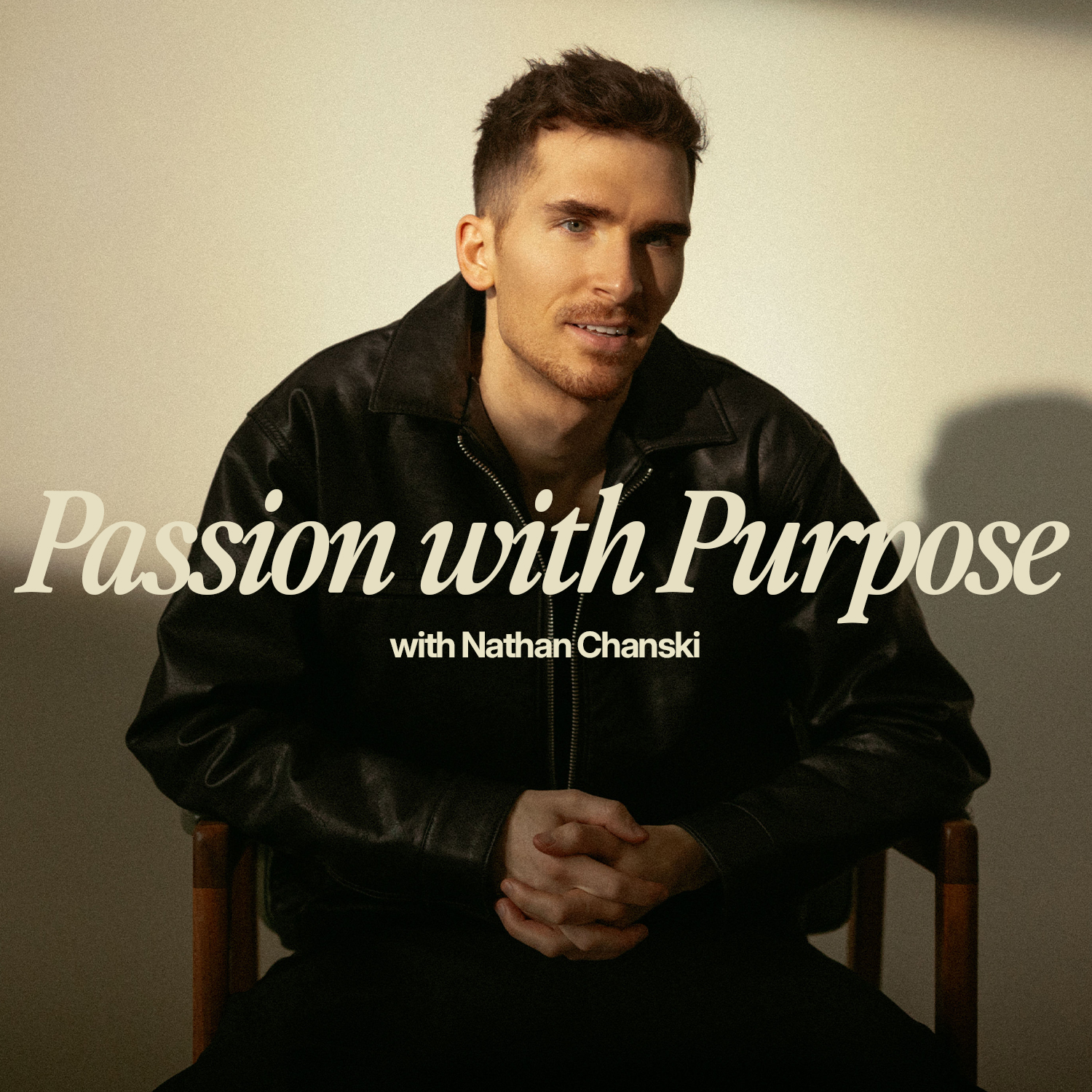
Is Instagram still worth your time in 2026, or is it time to get photography clients elsewhere? In this episode, I share what I've learned after coaching hundreds of photographers and where I believe client marketing is headed next.If you've been feeling discouraged by social media, I hope this episode gives you clarity and confidence to market your business with purpose. Get all the info for Nathan’s Signature Coaching Program: THE BUSINESS BLUEPRINT Questions about the Business Blueprint? Email info@nathanchanski.co to ask Nathan directly. ⭐️ Get the Free Inquiry & Follow Up Email & Text Templates Here! ⭐️ Follow Nathan on Instagram:
Transcribed and scored by The B2B Podcast Index.
Speaker A: Is Instagram still worth it for photographers or are there better ways to get clients? Welcome back to the Passion With Purpose podcast. This is we're going to be talking about today. Um, is it worth it? Is Instagram still the bread and butter of photographers marketing systems? And um, my answer would be yes and no. Um, but I want to give you a much more nuanced reply to that than just saying yes and no. So in this episode we're going to talk about first, um, of all, my take after coaching hundreds of photographers over the years and what I see happening right now. And then number two, I want to talk about where I do see the client getting approach shifting in terms of Instagram or marketing in other ways. And then number three, I want to talk about what I would recommend for you, a photographer in 2026 in our modern day with regards to Instagram. With regards to if you're going to choose Instagram as one of your main marketing channels or if you're going to go with something else. Okay, so real quick, before we get into this episode, I want to tell you that next week, Wednesday, August 12, 2026, my business blueprint coaching program opens up, uh, to a limited amount of students. So if you don't know about this, this is my signature coaching program. This is the only thing I, I do as a coach. Like, it's, it's my bread and butter. This is my thing. Um, um. And if you've been a listener to this podcast, this podcast has helped you before. What my words have given you have helped you to grow your business, to grow your income, whatever have you. I do believe, and I can almost guarantee you that the business blueprint coaching program is going to be an amazing fit for you. Like the things that I teach in my podcast, you guys are on my Instagram or on M, my YouTube. It's kind of like a giant test to see can you receive well from me, Nathan Shansky? And if you can, and if you've seen actual tangible increases in your business, I do believe the business blueprint is going to be an amazing next step for you. That's where the good stuff is. That's where what I really teach is going to start impacting you on such a larger, larger scale. Okay, so click below in the description to get on the wait list for the business blueprint. Or if it's out now and it's already, you know, August 12th, it's time get in limited seats. Um, and then if you have any questions, please email me with them at infonathanchansky co and I will personally respond to you. Okay, so we are halfway through 2026, right? And about a decade ago, photography was hugely exploding on Instagram at that time. And so you look at 2016, 2017, 2018, even into 2019, and I would say even into 2020, those were like these massive years of harvest for photographers. And that's where a lot of the photograph industry expanded and inflated. And almost, some people would say, got a little bit too bloated and oversaturated because it was almost like easy to get clients back then via, uh, social media, via specifically Instagram. I mean, Instagram was like that first, uh, photo first platform, even more than Facebook was. And so that was such a way that photographers could get clients and get clients very fast was posts on Instagram, right? You could almost just post an Instagram and get clients. Like that's like almost how easy it was. And if you remember, if you were part of that like movement back then, you know how easy it was. Now the question is, is that still true? Is Instagram still that, you know, this, this cash cow for photographers, or are there better ways to market yourself as a photographer? Are there better ways to get clients? So my first part of this is I want to talk about my take after coaching hundreds of photographers, because ob, that is a huge part of what we're going to be talking about today is like my experience not only for myself, but also for so many other photographers that I've coached. And I'm seeing them like in the trenches of their business, whether it's building their business at the beginning or they're already been in the industry for a while and they're, you know, having to figure out like on year five or even some of them on year ten, like, is Instagram still working? So my, my immediate one word answer for you right off the bat is yes, Instagram still has a lot of power in it. I totally also see the drawbacks of Instagram, especially with reference to the algorithm, with reference to there's a lot of competition on there, right? There's a lot of over saturation of the platform of Instagram. Kind of everybody wants to run their own business on Instagram, right? Like, that's like such an exploding thing, is that everyone's like, oh, I can get rich off Instagram. And that's a lot of people's goal too, because they'd rather do that instead of, you know, do their 9 to 5 job, whatever that is. But the thing is, even in the midst of all of that, maybe negatives of everyone else is doing it too. And it just makes a smaller little piece of the pie for me. When you think about marketing itself, which is marketing, and this is what I try to teach over and over again, is just don't make marketing this like, crazy, you know, weird word that no one knows what it means. Just marketing is most eyeballs on your thing. Marketing is pure exposure for your thing that you sell, that you do. Social media, specifically Instagram, it still executes on that task and it does it for free, which is incredible. Like, that hasn't gone away. Uh, I think also, uh, like Instagram is still the digital footprint that I think a lot of people still look for, a lot of clients still look for. It's kind of like your website, people are gonna look up your Instagram. They're still going to. Even in 2026, they're going to look up your Instagram. It still carries a dimension of social weight to it, a dimension of like social verification, social proof even beyond one's website. Like, this is a real human being that's behind this account. And people are either signing up to follow them or like their posts or share their posts, or they're not. And a lot of times you can kind of sniff out a scam really quickly if you go to their social media. Like I've, I've even had it before where I have been market somewhere else and I see their website and I'm like, oh, this is really interesting. Like I should, you know, look them up and whatever have you. And almost always I will go directly to someone, uh, someone's Instagram and be like, do they have an Instagram? I want to see it. Like I want to see what they post. And if their Instagram is dormant and it's not, there's nothing happening, it's not active at all. I'm like, uh, I don't even know if they're in business anymore. And even if they are, it doesn't look like they're very passionate about it. I have this with restaurants a lot of the time, or like my wife, when she wants to go to coffee shops, like Will oftentimes up the accounts or excuse me, woke up the Instagram account of whatever that business is, just to verify, like, are they up and running? Are they doing the thing? And if they're not on Instagram, oftentimes it kind of feels like a blow against them. And we're like, eh, maybe not. But if I see their Instagram is up and running, Kayla and I will often talk amongst ourselves and be like, yeah, they have a really active Instagram. They seem like they're really passionate, blah, blah, blah, blah, blah. And it just seems like it's another piece of the puzzle that verifies for me as a consumer, as a potential client, they mean business. They are serious about this. Um, they're passionate about it. And then even if I can see, like, faces talking to me in the camera, if I can see beautiful visuals, uh, you know, all these types of things, that is going to further solidify them in my hat, my head is something that's worth my time. And I think a lot of the reason people poo poo Instagram, obviously, is because you have that contrast of back in 2016-2020. It used to be so much more powerful. It used to be almost easy to get clients from a place like Instagram, especially as a photographer. I mean, photography, I feel like, just dominated that time period even before reels came out. And then reels came out, and it kind of really oversaturated things. Um, and so what you have now is you kind of have, like, Instagram is maybe a little less powerful, and it's not as easy to get clients for photographers on a place like Instagram. But that doesn't, in my opinion, mean it's still. It's not still very powerful nonetheless. Right. Like, obviously, was it more powerful back then? Yes, I do believe it was in many senses, but nowadays it still is powerful. And even, like, you look at something like reels and reels, while maybe it muddies up the photo, only part of the account, or, excuse me, part of the app, it's, you know, reels can go so much further than photos. Just algorithmically, like, the algorithm oftentimes takes reels so much further. And so it's like there's power in different ways, if that makes any sense. And I will tell you this, like, from what I see, I still see many of my students, including myself as well, getting the lion's share of our business from Instagram specifically. And I would say maybe TikTok would be like a close second but gaining strength. But we're kind of focusing on Instagram today. Um, now that just tells you. It should tell you it's worth your time. I really do believe it's worth your time. Here's where I do think, though, that Instagram falls short, and then we're going to talk about this kind of a lot on this episode, is if it is your only form of marketing. I think at one point that was a possible reality. That was a Possible pathway for a lot of people that it could be. Instagram is my only thing. Instagram is a one way market myself. And I think that was like you could do that and you could actually get away with that. I think that's less likely to happen to a photographer these days unless somebody has a very established social, social media presence. That's like maybe a different situation. But I do believe that most photographers that do well nowadays are getting inquiries on average from multiple places, not just one specific sole marketing channel. Which by the way is what I've taught for years, which is that Instagram is a great part of your marketing framework, but it's not and should not be your only piece of your marketing framework. And that all brings me to the second point that I want to talk about in this episode, which is where I see the client getting approach shifting industry wide as a whole. And I think number one, I see things like referral marketing growing a lot, a lot bigger. People are utilizing like the good old approach of hey, actually relationship build, put in the in person work, meet with other planners, go to meet a venue owner, go to meet with your local florists, like meet with your cake baker, develop relationships with all these people, go to vendor networking events. Um, and that, that also bleeds into just word of mouth as well as a marketing channel. Yes, I mean it's a little bit less, um, easy to kind of reverse engineer making word of mouth like a primary marketing channel. But word of mouth has never gone away as a format of marketing. It has always been kind of like the tried and true way to get clients in that your clients or your future clients, I should say, are going to trust your past clients the most or they're going to trust the friend of yours. Excuse me, the friend of theirs that, that worked with you already the most. More than even something like Instagram, more than even something like your website, it is the person to person connection that I think is going to win. And so it's like someone's mom's friend's daughter inquires with you, right? They met at a hair salon, they talked about you behind, behind closed doors, like when you never knew they were talking about you. And you know, we hear about this stuff in our inquiry. I've, I've heard about these kind of anecdotes in my inquiry forms and like, yeah, like I heard about you in a salon someone was telling me randomly about and I'm like, I don't even know who it was that vouched for me. But like that's what word of mouth is, it's that you made such an impression on whatever your client was at the time that they had to talk about you. Which is why it is so important that every touch point you have with people, I mean I would even say not only people who are your clients, but people who aren't your clients. Like people who come into contact with you and your brand in general. Right? Make your, make the experience that people have with you so, so good that you are remarkable, like remark worthy. They need to talk about you because you're so good at it. Another thing I, I see shifting is it's not just Instagram anymore, it really is Instagram and TikTok. TikTok is growing bigger and bigger, especially with the Gen Z crowd. We all know this, we've known this. And now the Gen Z crowd is getting older and older every single year, more likely to get married. And like the Gen Z crowd, like is the marriage crowd in many senses. Um, you see TikTok being promoted and utilized as a search engine like even above Google. For many people, they will go to TikTok instead of Google for their searches when they need something, when they're, when they're in search of something. And so I think what's really cool about TikTok is that TikTok still, because it is so new. I mean, I know it feels like it's been around since, you know, whatever, but it really is only, only been around for a good. I mean I 2020 was when it got big. I don't know actually the history on when TikTok was first launched, but 2020 we all know is when TikTok got really big, maybe even into early 2019, excuse me, late 2019. The thing is, I still believe that TikTok has that first mover advantage still going on. In other words, you getting on TikTok even now, you get a lot of advantage from being there because so many people choose not to be there or they don't know how to use it, or it scares them or they just don't want to add another profile, uh, another app to their arsenal of things they check every day or work on every day. And I would say especially for local markets, TikTok is especially very applicable and very powerful because you might say, well, there's so many accounts on TikTok. TikTok is so oversaturated. It may be, but not for local markets. So if you live in little town of whatever, whatever, Arkansas, most likely there's not a lot of photographers that are really Doing a lot of things on TikTok in that specific hometown of yours. If you live in like Manhattan, New York, okay, that's one thing. But if you like the average person who's living, you know, in like a smaller town or just like um, a general, generally sized, average size metropolitan area, you probably have a lot of space to grow in TikTok and a lot of market share to that. Uh, you could still grab on TikTok because there's just not a lot of people on there yet. Like you could take, like, I'm from Grand Rapids, Michigan. You could take Grand Rapids, Michigan and really dominate in Grand Rapids, Michigan, because I don't think there's tons and tons and tons of photographers who are making TikTok their main thing as a photographer to try to get clients. I think people are still on the Instagram train. Um, so I would consider TikTok as another format of marketing yourself. You can really dominate in some local markets. Another one I want to talk about where I see a lot of the market shifting to is paid ads. It's becoming almost like a non negotiable for a lot of photographers to market themselves on with paid. And organic has been dominating. You know, organic, I mean free. So posting Instagram for free, posting on TikTok for free, um, word of mouth is free, Vendor networking is free. Right? All these things are free. SEO is free. Um, but paid ads, obviously you pay for it instead of having it just be organic for free. But what you get is you get visibility because you're paying for the visibility. Right. Like the algorithms, when you post something on Instagram, normally they're making it harder and harder to produce consistent results of one day I got this many views and likes and follows, and then the next day did the same thing and the next day did the same thing. Right. It's hard to do that on Instagram these days because the algorithm seems like it's all over the place and you don't know what you're going to get based on whatever post you make that day. Ads, on the other hand, doing paid ads gives you that consistency of, hey, I pretty much know if I've been running these ads for like a month or two, I know that the next couple months are going to reap the same results that I had from those previous months. Unless there's like this massive ads manager change, which sometimes that happens, but oftentimes it's just more consistent. You mathematically can kind of reverse engineer your results. You also don't have to recreate the wheel Every single time. It's not like, oh, I have to make a brand new post today and tomorrow and the next day, it's, you made something or you made a whole series of, of posts. You put ad spend behind them, and then people can keep seeing those because the ads continue to run over and over again, almost like evergreen. And that's a beautiful thing for a lot of people. I know a lot of photographers that, that sounds amazing to them. And I get why, you know, you don't have to open Instagram, be like, what am I going to create brand new today? It's more like, I'd rather give my money away, a little bit of money away than have to recreate the wheel every single day. Um, and I noticed this, like, more and more people when they joined my program, the business blueprint. They want to know all about the ads course that's included in it, and they want to know all about the masterclass that we have with Peyton Helm in the program, um, where he talks all about his approach to, uh, meta ads and all of this. Like, I get it. I think it's very important, I think it's very high leverage to know ads these days. Um, so I do see that as another big shift in the industry that a lot of people want ads, they want to know how to do ads, and they're utilizing that get a lot of really cool results. And then now, um, another place I see the industry shifting is to AI chatbots. Here we are, folks, we made it. We are now living in the AI revolution. Um, like it or not, whatever, here we are. And so we've got ChatGPT and we've got Claude. There's other bots out there that people use. And I'd love to talk a lot about. Maybe I'd love to talk about that whole topic on another episode. The fact that people are finding their photographers on these chatbots, and then photographers are getting clients from these chatbots. Um, but what's so crazy is people just go to Google last. They go straight to the chatbot, straight to chatgpt. Find me a photographer in this area that does this, this and this. Now, to my understanding, chatbots kind of function very similarly to how Google scrubs things. They love blog posts, they love helpful articles, they love website keywords, website content that answers an exact search query that someone is putting in their chat. Um, it loves. Yeah, specifics. It loves. And, and, and it's so fascinating. Like, I would do this right now if I were you. I'd go to like, chatgpt. Go to like Claude or whatever have you and be like, hey, if I'm a, if I'm a client that is looking for a wedding photographer, if that's what you do, I'm looking for a wedding photographer. Here's my style, here's what I'm going for. Like, just describe what your client would be putting in your ideal client, right? And then see who comes up and be like, hey, Even ask, ask ChatGPT or ask Claude. Be like, what did you look for when you were finding these photographers that you spit back out to me? And if I am a photographer that wants to be in the search results for someone's chat bot inquiry, how can I be the person that is found by Claude or by Chat GPT? Like, how can I be that person? I mean, go straight to the source, right? See what it tells you to do. Anyway, we're gonna have to talk about that another time. That's a whole nother can of worms, but we'll have to talk about this soon. But that's again, that's another big area. I see the marketing front is shifting. It's shifting to AI bots. Okay, so then I want to talk about lastly, number three, what, what do I recommend you do with regards to Instagram in 2026? Um, first I want to talk about Instagram in general. Here's how you need to be living on Instagram right now, how you need to be functioning on Instagram. Biggest thing is if you still haven't made Instagram just a part of your like, business functionality yet, start now. And what I mean by that is, like, we think of Instagram so differently than we think of, like, I have to respond to this email, I have to check my calendar, I have to send this invoice. Like, for some reason we're all logical and we're rational and we just are task oriented in those areas of our business. Or I have to edit these photos, or I have to call these photos, I have to deliver them on time, right? We're so task oriented on those things. But then for some reason on Instagram we get so emotional, right? So emotional. And you know, instead of posting, we just get emotional and we put it off, right? So just you guys make it another thing in your to do list. Two posts a week, three posts a week, four posts a week, five posts a week. Whatever it is, just make it a to do, then do it, then be done with it. Like I did a post, that's it, right? Um, I actually made a reel about this whole dynamic and some of you, I'm sure have seen it. Um, and it's basically the two cycles of posting on Instagram. And here's the bad cycle. And by the way, I know this from experience, so I'm right there with you. It's the bad cycle of posting. Instagram looks like this. You get way too emotional to start off. You're about to make a post and you're way too emotional and you say to yourself, this post measures my worth as a person or as an artist. And so because of that, it takes you way too long to make this post because you're emotional, right? Finally, after like three hours of making this carousel post that should have taken you like 30 minutes, if not 15, you finally post it out there, right? Guess what happens though? Because you never post and you never get good at Instagram because you're just posting so infrequently. The actual post itself performs poorly. Barely gets likes, um, barely gets shares, barely gets seen, right? Because the algorithm doesn't like you because you never show up. Then you're like, wow, I just spent three hours doing that entire post and I got nothing for it. That was an awful experience. Like that's what your brain is registering. Okay, so then there is no surprise. There should be no surprise Anyway, why you procrastinate to post again. Because who wants to redo that awful experience, right? So you, you wait another like two or three weeks to post ever. Two or three weeks later, you finally force yourself to do it again. You get emotional. Everything happens exactly in the same cycle, right? And that's why, uh, you're posting every two to three weeks and you hate it. And you're like, I never want to be on Instagram again. Right? Okay, here is a different cycle of posting on Instagram that I'd love for you to just consider. This is the good cycle. You start logical. You say in your brain. I'm posting to market my business, period. That's it. I'm not here to self reflect. Done is better than perfect. Let's just take 30 minutes. My photos are good enough on their own. They're already edited. I'm just going to download them straight from the gallery. I'm not going to re edit these. I'm not going to re crop them. No, Just my photos can stand in their own two feet. Done is better than perfect. Create the post or create the talking head reel, okay? And then you're done. You post it. And I did, I literally did this this morning. I recorded something and then I posted it and I wanted Every bone in my body wanted to rerecord it. I was like, I could put a little more inflection on that little piece. Or I didn't like the way he started it or whatever. Have you. No, I just posted it. I posted it because I'm like, done is better than perfect. It's not that serious. So then after you post it, you know what you do next? You pat yourself on the back just for posting. You don't care how it performs quite yet and you just move on. And you're just like, listen, the task today was to post, not to perform a certain way. No, the task was just to post. So then two days later, because it didn't take you that long and you stayed logical, you post again. You did it again two days later after that, and after a month full of posts, then you analyze some numbers and you look at it as data. What overall performed well, what got, uh, good saves, shares, comments or likes. Did anything get some inquiries? What can I replicate again? What really connected with people? What maybe got some good follows? Like, you can check the metrics on like a lot of these things, right? Next month you take that into account, you shift a little bit your direction based on everything you learned. You're 10% better next month. After that you get 20% better. The next month after that you get 30% better. And after a year, you're 100% better than you were a year before. That is how you harness Instagram. Um, period. And then you move on to the next business item on your list. Okay? So don't get emotional. Don't get emotional. Stay logical when you're posting on Instagram. Another thing that's really important too, I would say with Instagram is block your time. Like I use an app called the Opal app. O P A L. Uh, some people I've heard use an app called Brick, or it's actually a physical thing which locks you out of your Instagram or your TikTok or whatever your social media apps are when you're not using them or when you don't want to be using them. Or you can give yourself time limits on them. Like I only need to be on social media for one hour per day, like a very reasonable amount of time to run your business to whatever get your little like feed fix. Um, and that's it. And that's it. And then you are locked out and you can't reopen it. Like that is such a powerful way to self discipline to make it harder on yourself to get distracted, you know, how it is you go to open Instagram to actually do something that is worthy of your time and you get sucked in to that post. Right? So make it impossible or just at least harder for you to scroll aimlessly if you're going to consume. Um, I would also say like, if you're, if you're going to consume, consume with a purpose. Like watch and learn and take. Because I think there is a point where like to be good at social media, you have to consume a little bit of social media. Right? Um, but don't take that too far. Be there to learn and to watch and to grow. Almost like you're a student learning the algorithm, you're learning what works for people. Um, now, outside of, outside of Instagram, here's what I would be doing to market yourself. Step one, dedicate yourself to the fact that Instagram isn't your one and only. Okay. It's too risky to just be on Instagram alone. I do think it is. Um, as a format of getting yourself clients. Step two, I would find yourself another marketing front, preferably something completely different in nature than Instagram. So not like an instagram adjacent like TikTok, press, um, into vendor networking, learn and implement SEO, learn meta ads, learn Google Ads, you know, et cetera, so on and so forth. I believe that if you are able to multiply your sources of where you're getting clients from from different places, your business is just going to be more sustainable. My only caveat to this is don't divide up your efforts too much. Like, don't be trying to, you know, market yourself on like seven fronts from the get go. Like, no, like, start with like two. Okay. Start with like an Instagram, like maybe something digital and then something like more in person. Okay. Um, you need to focus your ATT to get good at a few of them. And don't get me wrong, you can do Instagram and TikTok. Absolutely. That's a great way to diversify. But I also think it's really helpful if you can diversify even from digital to in person. Um, or even from something like organic to paid. I mean, for example, I often tell people, take into account your lifestyle and take into account the strengths that you have as a person. Many moms, I tell them, hey, I think it'd be really good for you to learn ads because they will come to me and they'll say, I just don't have time to post like every freaking day on Instagram. And I'm like, yeah, as you shouldn't. Like, that's totally Fine. Um, so learn ads because you probably because I'm like, hey, do you have some money to throw at ads? And they're like, yeah. I'm like, okay, well, if you have more money than you do time, learn some ads. Like, that's gonna be an amazing, amazing thing for you to get clients without having to be like, on Instagram constantly. Um, or another example would be, you know, there's so many super creative types. Like, they just love creating and they think they're not good. They think they don't like social media, but it's because they're just not creating. But the minute they start creating, like, this has actually happened with certain students of mine, I'm like, you should actually create because you, you have so much creativity in you and just the way you're talking and like your social charisma or just like your way with words or the way that you can post on social media. Like, you, you'd be really good at it if you actually stayed consistent. And then they do and they blow up and it's like, oh my gosh, like all this time you had that in you. Um, where there's certain really super charismatic outgoing types as photographers, and I'm like, do the networking thing. If you have that amazing personality in person with people, use it, leverage it. Not everybody has that, you know what I'm saying? Um, and there's so many different ways to market yourself. Like, the sky is truly the limit, you guys. I met a girl once at, um, this in person event that I did recently and she told me, she's like, I get almost all my inquiries from threads. Yes, Threads, the app threads, like the Twitter alternative, um, the X alternative, whatever. Like, she is a thriving business from threads. She just has a way with words and people connect with her through threads. And I'm pretty sure she has like thousands and thousands of followers because of it. The biggest thing is diversify a little bit. Give your marketing efforts room to breathe. And I would also tell you, remember that as you step into other marketing channels, there might be a, there might be a little learning curve for all of it. And that's okay. Like example, when you first go, when you first try to learn ads, if you're trying to learn ads, there's going to be a little bit of challenge and a, uh, feeling of, oh, this is new for me. I would say at the bare minimum, just make sure you have someone to guide you. That will make it a lot less challenging and a lot less new feeling for you. But once you do get it up and running, like, boom. You can get results, and you start becoming so thankful for your former self, for just putting in the work. Um, I actually had a girl in my business blueprint. Her name is Brianna Lloyd. And I just want to read this to kind of like, close this episode, because she had that situation where, like, it felt. It felt new for her to get into meta ads, but she really wanted to expand her marketing beyond just like the good old, like, what we do for marketing, right? Or post on Instagram. And so she wanted to learn meta ads. Okay, here's what Brianna said. I'm sharing a little win today because I know I would have loved to hear something like this when I was on the fence. If you've ever been hesitant about running meta ads, this is your sign to take the leap. I finally implemented meta ads at the end of June after taking the course. And I'll be honest, I was skeptical at first. The first inquiries I received either ghosted me or chose another photographer. And I wondered if it was even worth it. It. But God has a funny way of reminding us that faithfulness often comes before the fruit. Just this past week alone, I've booked four weddings for 2027 and one for 2028. On top of that, I have two proposals ready to book and two consultation calls tomorrow. I've been averaging three to five inquiries each week, and today I've received three inquiries in a single hour. More than anything, this has reminded me that sometimes we simply have to take the next step, trust the process, and leave the outcome in God's hands. So this was just like this perfect example of, um, stepping into something else. And even when you're skeptical, even when it feels new, and, you know, I'll tell you right now, Nathan Chansky, right here. Me, I'm still learning so many things new in my business each and every day. Absolutely, I'm right there with you. Um, but my. My call to you at the end of this episode is Instagram still is a powerful tool for marketing. I think it's even more powerful if you can learn the paid part of it, the paid ads part of it as well. Um, but just don't have Instagram be your only, like, organically posting on Instagram. I wouldn't have it be your only place to market yourself. Keep using it if you can. Keep it logical. Remember, like I said, not emotional. And simultaneously, don't be afraid to step app beyond it. So you got this. Thank you so much for listening, you guys. Hope this was helpful and I will see you next time.
Other episodes covering the same guests and topics, from across The B2B Podcast Index.
 Adam Mosseri: AI is a tailwind for authenticityLenny's Podcast · on Instagram algorithm80 / 100
 How Dagne Dover Turned Word of Mouth Into Its Biggest Marketing ChannelShopify Masters · on word-of-mouth marketing77 / 100
 Why Founder Led Brands are Breaking Ecommerce w/ Devon LevesqueSweat Equity · on word-of-mouth marketing76 / 100
 Building a premium, sustainable hair care brand with Kate Assaraf (Founder & CEO, Dip)SuperConnector Show · on word-of-mouth marketing76 / 100
 Earn It! with Steve PrattFunnel Reboot · on word-of-mouth marketing70 / 100
 You Will Break Before Your Leadership Strategy Does with Allan Cooper"You're In Charge" with Glenn Pasch · on word-of-mouth marketing69 / 100
 5 signs you’ll be a successful photographer.50 / 100Listen to this before your next wedding or photoshoot.39 / 100Booked, but burned out? This one's for you. (Live Coaching Call with Dana Mann)40 / 100Does the Bible say that money is evil?45 / 100Hot take: creating “for Instagram” vs “for the client.”42 / 100