
OWNR OPS Podcast · 2026-07-03 · 48 min
Key moments - from our scoring
Substance score
60 / 100
Five dimensions, 20 points each
Andy Walker, founder of Stryker Digital, attended Alex Hormozi's L3 coaching event at acquisition.com - a $75K+ program featuring personalized strategy sessions with Hormozi for service-based business owners. The episode covers the three-tier structure (L1, L2, L3), how Hormozi prepares custom strategies using financials and customer data, and the 8-10 hour intensive sessions in small cohorts. Rather than revealing novel tactics, Andy emphasizes that Hormozi's core value is mindset: thinking in 10x terms instead of 2x, understanding theory of constraints (demand vs. supply constraints), and recognizing that service business problems - hiring, retention, customer success - are universal regardless of vertical. A major takeaway for Andy was repositioning Stryker Digital's ideal customer profile upstream to $750K+ revenue businesses, accepting higher customer acquisition costs because retention and lifetime value justify it. Andy also observed ACQ's internal culture: high-caliber team members with multiple exits, mandatory training via Hormozi AI systems for all staff, and the use of AI knowledge bases for scaling training and consistency. He plans to return for L2 in October and commit to another L3 in 12 months, viewing the exposure and network as foundational for scaling to $100M+.
L3 is Alex Hormozi's premium coaching tier where business owners spend 8-10 hours in a private session with Hormozi. Entry requires pre-event vetting calls with ACQ's private equity team, submission of financials and customer data, and custom strategy development; it targets service-based businesses typically in the $500K-$10M+ range.
After L3, Andy increased Stryker Digital's minimum revenue qualifier for paid ad customers from $250K to $750K annually because higher-revenue businesses have better sales processes, higher retention, and greater lifetime value despite higher customer acquisition costs.
Demand constraints mean you can't generate enough leads or customers; supply constraints mean you lack the team capacity to fulfill more business. Most service businesses oscillate between both, and identifying which is currently limiting growth determines the next strategic priority.
As you grow, you can't personally deliver all the work. Training systems - documented processes, playbooks, and AI knowledge bases - let your team operate consistently at high standards without constant founder oversight, unlocking supply constraint relief.
Thinking in 10x growth targets rather than 2x forces you to consider completely different business solutions and take more aggressive action; even if you only 5x, that's far more growth than doubling would have yielded.
Our reviewer’s read on each dimension, with quotes from the episode.
The episode contains solid, actionable insights around customer segmentation, VSLs, pricing leverage, and team development systems - genuinely useful for B2B operators. However, much of the content rehashes well-established frameworks (theory of constraints, demand vs. supply constraints) without deep novelty, and significant portions devolve into storytelling about the event experience rather than compressed learning density. The VSL framework and pricing psychology insights are valuable but not exceptional.
it's like when you watch somebody's VSL or a customer's watching yours, it's like if you go, I've ever been to like a really good concert, you go to the concert and now you're in this artist's world, they're controlling, like everything around you
if you raise the price by 10%, your profit can actually grow by 40%
The core ideas presented - VSLs, pricing power, theory of constraints, personal branding's hiring benefit - are all circulating widely in the B2B coaching ecosystem and have been popularized by Hormozi himself. Andy's application to SEO agencies is moderately contextual but not groundbreaking. The framework-stacking approach (combining VSL with qualification questions) is sensible but incremental, not contrarian.
a business will grow until it hits a specific constraint. You have to identify what that constraint is. You solve that and the business will grow to the next level
there's two types of constraints in a business. There's demand...and a supply constraint
Andy Walker is a legitimate operator - he's grown Stryker Digital to $10M+ run-rate, attended Hormozi's L3 (an expensive, selective program), and is closing on commercial real estate. He has real execution credibility. However, he is primarily a guest *recounting* insights from Hormozi rather than a founder with breakthrough scale or unique domain authority. His relevance is strong for SEO/agency operators but limited beyond that niche.
I've got Andy Walker, founder of Stryker Digital. Andy has grown an SEO agency over the last several years
on a run rate of over $10 million a year coming in to the event
Andy provides specific numbers ($10M run-rate, $750K revenue qualifier, $2K/day ad spend, $10M/month portfolio company spend, $5K L1 price) and concrete examples (VSL implementation, revenue segmentation, 30-min call timelines). However, he relies heavily on Hormozi's case studies rather than his own proprietary data, lacks specific ROI metrics from his VSL changes, and provides limited hard evidence about the financial impact of the strategies he's implementing.
on a run rate of over $10 million a year coming in to the event
I used to have a revenue qualifier of at least 250,000 per year...I jumped that revenue qualifier up to $750,000 a year
The host (Austin) asks reasonable opening and transition questions but rarely pushes back, challenges inconsistencies, or drives deep follow-ups. Andy largely leads the conversation through long monologues. When Austin does ask clarifying questions ("What specifically was the question?"), Andy provides answers, but Austin doesn't probe further on contradictions or test assumptions. The interview reads more like an extended testimonial than a substantive interrogation.
Can you paint some, some of the picture for where you were at business wise when you got there?
What specifically happened in the conversation with you and your business? Are you willing to dive into that?
Computed from the transcript - who did the talking, and the words that came up most.
Apply for OPS Accelerator ️ Most of us will never get 10 hours one-on-one with someone like Alex Hormozi. Andy Walker did - through acquisition.com's L3 mastermind. He came back with a different way of thinking about pricing, hiring, and sales, and none of it is specific to running an agency. It applies just as much to land clearing and forestry mulching. I had him on to break it all down. Andy explains why the lowest-paying customers are often the most expensive ones to keep, how a Video Sales Letter can handle objections before you ever get on a call, and why raising your prices might be the single biggest lever you're not pulling. He also gets into demand vs. supply constraints, and how personal branding is becoming just as important for hiring as it is for getting new customers.
Transcribed and scored by The B2B Podcast Index.
Speaker A: It doesn't matter if I'm an agency and you're a home service business or you're a med spa. Like the service based business problems are the same.
Speaker B: In this episode, Andy's going to be sharing what he learned from L3.
Speaker A: It was really around mindset and how Alex thinks. Alex is just like, I would be devastated if one of you guys left here and you didn't feel clear and feel that you got the value from this day. And he's like, I will stay here until 1:00am um, if you can train
Speaker B: your system once on your knowledge base, think about how much time that saves you.
Speaker A: In order to grow really fast and really big, you have to provide the best customer service possible, the best product possible and things like that. But you can't ignore your team development.
Speaker B: Let's rock and roll. I've got Andy Walker, founder of Stryker Digital. Andy has grown an SEO agency over the last several years. We've become good friends and we just went out and hung out at their event a couple months ago. He was saying before we jumped into this, he learned a lot from teaching, but he also did something very interesting recently which he went out to acquisition.com. was this for L3?
Speaker A: L3? Yep.
Speaker B: Okay, fantastic. So in this episode, Andy's going to be sharing what he learned from L3, which was what, 10 hours with Alex Hormozi?
Speaker A: Yep, 10 hours. One room, nine other business owners, um, some of the private equity team in there as well.
Speaker B: Sweet. So what all did you learn?
Speaker A: Yeah, so to give some background for you guys that don't know because you hear L3, you're probably like wondering what that is. So their level one is like you, it's $5,000 ahead. You go out to a workshop. It's a two day workshop with them. They're going to upsell you and do different tiers. There's L1, there's L2 and there's L3. L3 is for a day with Alex. And so the way the process works is you basically work with, you do some calls prior with the private equity team. They ask you a bunch of questions about your business. You hand them over like the financials, customer data, all of these different types of things so they can have a true deep understanding of your business. They lay out two potential strategies for your business. They hand it to Alex. Then Alex creates his one kind of final strategy for your business. And, uh, he walks into the room and he has a notebook full of just handwritten notes for each person's business. Everybody in there is typically a service based business. You're with nine other business owners and it doesn't matter if I'm an agency and you're a home service business or you're a med spa. Like the service based business problems are the same. Like we just all deliver a different service but like hiring is a problem. Customer churn, customer success, firing people, promoting people. Like we all have the same exact issues, right? Mainly human problems. So that's kind of how the day looks. And then you're just in there and Alex is just like, I'll be here until 1am he's like, I would be devastated if one of you guys left here and you didn't feel clear and feel that you got the value from, from this day. And he's like, I will stay here until 1am so we were probably there from like 8am until like 6:30, 7 o' clock. And then we um. You get it, you get dinner afterwards with, with the team as well. So 8 to 10 hour range with Alex. And uh, something interesting is like because for me being someone who's consumed so much of his content, like he's just the exact same person around the content. Like you know, just like the way he moves, the way he talks, the way he thinks and stuff like that. He's actually, he's pretty funny too. He's literally the exact same person. But one of my biggest takeaways from it and I think this is the most important thing, like when we had the Stryker event, this was the talk that I gave. It was more mindset, uh, focused rather than oh, here's this business strategy or technique that nobody's ever heard of. And here's this like huge massive unlock of something to do inside of your business that's just like not it at all. I mean all that stuff is like, it's pretty simple. Most of the answers are out there for service based businesses. Especially if you're like 500k to $10 million business. Like all the information is available out there, all of it. And so there's no unique scenarios like any scenario that me or you are dealing with in our business. It's not unique. Somebody else has dealt with it before. It's not new. We're not building Claude or gbt. Right. It's super basic. And so it was really around mindset and how Alex thinks. And he referenced Elon quite a few times throughout the day. And I could tell like he takes, he learns a lot from Elon and studies Elon a lot. And the way he thinks, which is Also how I think he um, got his theory of constraints, which is, you know, a business will grow until it hits a specific constraint. You have to identify what that constraint is. You solve that and the business will grow to the next level and a new constraint will appear that you have to solve. And you're endlessly just solving different constraints. Because Elon talks about that too. Like most of the really high level, super high level entrepreneurs, they all talk about it. They just like have different names for it or speak about it a different way, but they all, it's all the same, essentially the same. If you read self help books, you know, like they're all, they all say the same stuff just in a, in a different manner. And so he just thinks way bigger than everybody else, just like Elon thinks way bigger than anybody else. And on shorter duration timelines as well. Because he doesn't think just to himself like, oh, how could I double this business over the next year? It's like, how can I 10x this business in the next six months? Uh, I'll stop there so I don't go on a huge monologue and see if you have any questions you want to ask about that. But like what we're going to get into is just like the difference of thinking between him and somebody who's just starting out, just like how big they think and then most of it's really just a mindset switch or just like being able to see numbers in a different way as well.
Speaker B: Yeah, absolutely. I'm absolutely down to go there and really interested to hear what you learned from that perspective. Can you paint some, some of the picture for where you were at business wise when you got there? Where was, where was your business at in its growth stage whenever you got there and what were some of the questions that you had in your head and then by the end of it, how did you come out of it? Yep.
Speaker A: Do it uh, on a run rate of over $10 million a year coming in to the event. And so there were a couple like problems I was dealing with inside that like I knew I had to make a hard decision on, uh, which is why I think is the whole benefit of coaching and consulting. It's like inside I do know what the right decision is, but I need somebody to cut through my bullshit and tell me and make me overcome this like little, little mental obstacle. So one of the things was for us it's like, you know, this is a typical thing in any service business, the customer that is the cheapest customer. If you're selling business to business. They're on the lower revenue range. They do under a million dollars per year, under $500,000 per year. Like, these are the most challenging customers to work with. They're expecting to pay you the least amount of money and expect you to deliver the entire world. These people churn at the highest rate. They pay the least amount of money, they consume the most amount of time from you. They make you feel bad about the service you deliver. Right? Because these people are just expecting you to deliver them the entire world. And so we've slowly been only accepting bigger and bigger businesses unless we think the person is like someone who we would want to work with. And it was just kind of putting more of like a hard stop to that of nobody. At least like people that come to us from Twitter are great people typically. So we'll work with most ranges of businesses as long as, like, we think we're the right fit for each other. But from like our ad side, the paid traffic side, I used to have a revenue qualifier of at least 250,000 per year. And people that come from cold traffic are just completely different animals, completely different beast. When you're advertising nationally, like, not, we're just not advertising like just in a location like a home service business with, you know, we're advertising across the United States. And, and so immediately I jumped that revenue qualifier up to $750,000 a year. And so one of the unlocks was, it was just a frame of thinking. Like I used to think, like, oh, we book calls at like 150 to $200 per call from our ads, right? And so I was kind of like mentally stuck, like, oh, we always need to book calls at that number. And if I move the revenue qualification up, then that is going to increase. Right? But what I wasn't thinking is how much higher the lifetime value and retention of a quality customer is rather than a lower quality customer. And how much easier it is to run the business when you're only working with businesses who already have a sales process, they already have a sales team, they know how to handle their leads, they know how to follow up with their leads and things like that. Which when you work with the lower end of businesses, they're just not there yet because they just haven't had the time to develop that skill. Like, we were all there at one point, they're just not there yet. Um, they have to get there. And when you just work with the kind, uh, of higher end businesses, they pay you more, you can deliver better results. They typically listen to you. And then when you generate them leads, they have a sales process to close them and so they pay you the most. They're typically super happy with our, you know, the results that we can drive for them because what we bring to them, they execute on and they do it well. And if we tell them, hey, we need to get you another Google business profile, like they're like, okay, when, where? What do I got to do? Tell me. And it's done like next week. Right. Like these people take aggressive action. So that, that was like a big learning point was just like, or something I already knew that we had to do was just like move upstream up market with bigger multi location businesses. Um, because our playbook and skill set is really valuable to them with what we have. So it makes sense for both parties to do that. It was just understanding like being okay with spending more money to acquire a customer knowing, uh, because you're making the bet that you do provide a good service and the lifetime value will be higher. So naturally it evens out is actually greater in the long run. That was one kind of, again, that's just a mindset switch there. That was no like technical skill or like certain unlock of this new thing. That was just a change in mindset was all that was.
Speaker B: And it's crazy whenever you look at it because at the end of the day you were the one who had that belief.
Speaker A: Yep.
Speaker B: And I've experienced this multiple times in business too. It's like, that's the harsh reality is like I'm the one that's holding the business back right now because of this belief.
Speaker A: Yep. I just also realized like I, I said like how big he thinks. Right. And um, I realized how small I was thinking because I was thinking how can I just double this business from here? And so the value of thinking and how can I 10x this business from here is that like, you know, Elon sets crazy targets on crazy short timelines. Rarely do they ever get hit. But that's not the point. And he understands that's not the point that you actually hit hit that. It's when you start thinking, how do I 10x this business? Now you're thinking through completely different frameworks, looking for completely different solutions than you would to just double the business. You're thinking about it completely different and you're taking aggressive action on a different level because you did set this crazy goal for yourself. So if you only 5x your business, only 5x your business. Right. That's still way more than doubling it. You know, that's like, uh, a massive increase. And he was just like nonchalantly talking about like one of the portfolio companies they have is like, so, yeah, we, we spend like 10 million a month on ads on, on this company. And I was like, what am I? I spent like $2,000 a day. I was just like thinking that I was a big dog.
Speaker B: Oh, geez. 10 million a month, huh?
Speaker A: Huh? Yeah.
Speaker B: Love it.
Speaker A: Yeah. And it's just, that's just a whole different level. And it's just like he understands the numbers and trusts the numbers. And also he's done it before. He's done it before and you know, everything gets a little bit easier after you've like, overcome that, that hurdle one time and like, you know, put the pedal to the floor and achieved it.
Speaker B: What specific question though did you have coming in? Was it, do I need to move my minimum qualifying price up? Do I need to change my targeting?
Speaker A: Yeah.
Speaker B: What specifically was the question?
Speaker A: To be honest, I actually didn't come in with a specific question. To me, the value that I wanted, it was being exposed to a person like that because that's like a, a one in like there's only a couple people like this that come through in your lifetime. And I wanted to be exposed to this person and how they think and how they act and how they carry themselves. And then, uh, an interesting takeaway that I wasn't expecting was just like, you know, with some of his team there, like the expectations like he holds them to, of like how much they have to do to if they want to continue working there at ACQ or and working with him directly, like they got to operate at a really high level and there's just like he, there's no tolerance for anything less than that. But I didn't go in with a specific question. It's like the exposure of it because when we went to the level one, I was just, I was just excited to go overall because I just completely subscribed to the same business philosophy. Uh, he also has like a value investing take on things like a Warren Buffett, Charlie Munger type of take, which I come from that background as well. So just like the business philosophy aligns with me. I wanted to take Jerry and Bodhi there because I was like, they need to be exposed to people that operate at this high of level. And it did as much for me as it did for them. But it just opens your eyes completely because we live in South Florida where people just are selling info products, you know, teaching people how to make money online and they have super nice watches, and they're driving supercars and stuff. And you just think, oh, these guys, that must be it. Or something like that. Then you go out there to acq and like, these guys are actually doing it big time. They're doing it super big. Nobody cares. They're not even wearing a watch, not driving some car like that or anything like that. And it was just like a really good perspective change all around to, uh, kind of get out of, like, the little bubble that you live in as well. But for me, it's really just like being in that environment, which is why we're going back in October. Because the way it works is you do the level one, and if you buy the level three, you do the level three first. Then like six months later you go out for the level two. And, um, so we're going back in October, me, Bod and Jerry and I already put a down payment for the next level three, like 12 months from now, more or less. Like one. I think it's important to be on someone like Alex's radar. If you're consistently there and the team knows them and stuff like that, nothing really bad is going to come from that potentially being on their radar. And just the exposure to the culture that they have of just how hard they work and the expectations they hold each other to, that's the big takeaway for me. It's just like these people are operating at the highest possible level, and, like, this is going to be, uh, the businesses are going to be worth billions and probably like $100 billion business that someday, like within the next, like two decades. And it just, like, you kind of get to be a part of it in a sense, early on and see what it actually looks like for some people who are building a business like that, which is super special, just a rare. A rare opportunity, which I think is worth every dollar.
Speaker B: What were some of the pieces about the culture that you particularly noticed?
Speaker A: So one, when Hormozi did that book launch, he had like the $6,000 offer, and you got like, all of those Playbooks. I read all the Playbooks. I've read all the books. So when I was out there at, uh, level one, the whole entire team is all subscribed to the same business philosophy. And they have. I was like, you guys, like, all, like, uh. Because I read the Playbooks. And like, everything that you guys say, every single individual person that comes in and talks to us, you guys are all, like, really abiding by the books. Like, you're following the plan exactly. Like, everything that you guys say is like exactly. These playbooks, they're like, yeah, we have ACQ University. Uh, we go, you know, we have like hardcore, hardcore training that we go through on this. And I think the question was like their culture, like what were some of the takeaways? It was also looking at like how high caliber the team was. Like every, like there's people there that have had like high eight, maybe a nine figure exit. This one guy had like, I think nine figure exit. And now he's working there just as like a director of like whatever. You know, he's not making millions of dollars doing the job either. He just so bought into the vision of the company and wanting to be surrounded by other individuals like that. Like if you think about sports teams, like if you have your, your, your choice like to go to college and play a sport or something like that, like you're uh. It's not like the coach is part of the culture, the past track records part of the culture. You're going to be around people like you who are chasing big goals. And so it's not just the personal brand that Alex has. I mean that's a huge part of it. That's like being the coach of the team. But it's the vision. And when you get enough people in the room that also have that big vision, it just attracts all those people and more talent, more talent keeps coming in. Because as I've studied billionaires, that's basically who I study. And you'll always hear them talk about, oh, uh, your people are the most important thing. Culture and people are the most important thing. And as our company's gotten bigger, I have started to realize at some point the culture and the people are just the driving force. It's no longer you. You can't do the work of 50 people, right? You can only do the work of you. And when I was there I was like, wow, like this culture, like the way they like the. It will just compound on its own. Like they could just stop, honestly, just like let these people run it and it'll just continue to compounding because the, the caliber of the team, the talent density was just so insane. So many people with so many exits under their belt working there. And then our team, like we're developing and getting better. You can't have that caliber of team at this level really. I mean it's just difficult to recruit those types of people in, to a position where we're at. But just realizing like what it takes and the people that it will take to do it with to achieve those levels. So I think that kind of answers the question about like the culture a little bit. But they're just so bought in and they just, their training is so hardcore and they train all of Hormozi's content. They use Hormozy AI internally for like every everything that they do. It's kind of like a religion there almost. You know what I mean? It's kind of like that, you know, he's kind of like the leader of the religion.
Speaker B: Stryker Digital specializes in SEO services specifically for local service businesses. Bodhi and Andy, the two co founders, have helped me get Bear Claw Land services to the number one search result on Google inside my state for my specific search term. If you want to learn more, visit stryker digital.com that's stryker-digital.com. that's crazy. Yeah, you brought up something that's really incredibly important. And I was just on the phone with one of our guys in Accelerator and was talking about how training your systems into your own knowledge base with an AI is arguably one of the biggest unlocks that we're going to experience. And the people who adopt this, and they've obviously gone to the furthest extent of this and they're pushing the needle at the top. But even at the level of small business, if you can train your team once, if you can train your system wants on your knowledge base, think about how much time that saves you. My question for anybody listening to this is how many times do you answer the same question over and over and over again? So one, at a very basic level, like doing what they've done and training an AI system on a knowledge base and on systems, things that happen inside of your company can one, save you time, two, it can make your training better internally. But then three, you open up so many new opportunities with your new time that you get back. And then four, I think the fourth thing there is like people just know the expectation on a more consistent basis.
Speaker A: Yeah, I agree. So one of the takeaways post L3 was you actually get um, the internal closer handbook, like their sales handbook, that is for their sales team. What I realized is cause this has happened, this will happen to every business owner. You hire somebody but you don't have like a training system in place like for when you first onboard them. So it's kind of sloppy, like we've probably all, all been there. Like it's still that it's always that way to an ext, like when there's new roles that come in and stuff like that. But in a Service based business, if you're going to grow it really big. What I learned is there's two types of constraints in a business. There's demand because that's, it's all about discovering like what is your constraint. But the constraints fall under two categories. There's your demand constraint, you can't generate enough leads and get enough customers. That would be a demand constraint. A supply constraint is if I come up to you and say, hey Austin, if I doubled the leads of your business next week, would you be able to handle it? And you tell me no, you're probably going to probably supply constrained, right? And you can kind of be in the middle of both. But like typically one is going to be, you're constantly going to flow back and forth like this if you're like growing a company. So I realized in order to grow really fast and really big, you need to have like. Because uh, all of we've focused on is like the customer onboarding the fulfillment for the customer, like giving like what you have to, you have to provide the best customer service possible, the best product possible and things like that. But you can't ignore your team development. So in a service based business where most people get stuck, which is we talked about the swamp, the $1 to $3 million range, it gets really hard to get out of the swamp because financially there's a tough aspect to it too. You only have so much profit left over after that to make like a bigger hire. But it's finding the hires as well to be able to escape there. So you have to treat your hiring just the same as you do your sales funnel for new customers, right? So you have to run an ad, you have to have a funnel for it. You have to do pre call like emails to like make sure they do research on your company so they feel strong and secure about the safety of like working at your company, right? Because an employee is going to think to themselves like is this a safe place for me to work? Is there longevity to this? And when you're a smaller business like you have to be able to paint the picture and sell the vision, vision to them. But you have to have a lead, uh, basically a lead generation system for finding new talent. Because you just like you do in any service based business, you have customer churn, but guess what, you also will have employee churn. That happens. So you constantly have to be recruiting. And when people aren't constantly recruiting, what happens is employees start to have leverage on the owner because they know that you need them just as much as they need you really. And so they start to, they start to have some leverage over you versus if you have constant recruiting, you can bring new talent in very quickly. There's no longer that leverage. That happens. There's. But it's not enough to just generate potential candidates and hire them. You have to have the ACQ University after it. Which I realized I was like, wow, you know, I was reading this, this closer handbook. And one, it's kind of like a video sales letter to start. Because it's laying out like, you know, this is going to be extremely challenging. This is going to be extremely tough. Like, this is going to be the hardest, one of the hardest things you ever did, but it's worth it. And then, uh, something employees also want to know is they also want to know, what is my career trajectory here? What does it look like when I'm here for 12, 24, 36 months? Is there upside for me over the long term? And he laid out like how we built career trajectory in here and lays it out as if, like reading this, like as if I'm an employee of acq. And it talks about to get promotions, you have to be undeniable. It's not just meet KPIs and hold KPIs. If you don't get the promotion, it's because you were deniable and someone else was undeniable. And so it pre frames expectations for them so their feelings don't get hurt as much if they don't get a promotion within your company at some point. But further along, the point that I'm trying to get to is that in here he has like a chart, like a spreadsheet of week one for a new sales rep, the training. And what's really interesting is. Cause I know I've done this before, I've hired somebody. It's like we have like a call for an hour and it's like, all right, just hang out for like an hour or two. Like, I don't have anything for you to do right now. We'll catch back up at this time and then we'll go, we'll go through this stuff, right? And they're just kind of like in a limbo versus here. You just mapped out like every like 30 minutes is mapped out of exactly what you're doing for your first week. Like, there's not, there's never a time from 6:30am to like 6:30pm where a new hire doesn't know what they're supposed to be doing. And that's just at like the simplest level because Then you have to build out all of those things that they have to do during that time, which gets more challenging. But there's just so much structure, like you are going through a university class, like with a uh, syllabus basically and training. And then I realized I was like, there's a reason that the people that are the best in the world are the best in the world is because the amount of preparation they do is absurd. Like the amount of ongoing training, the training just before they even take live calls with the sales rep, things like that. Um, um, there's just like hundreds of hours of training at that point. But that's kind of my monologue on one finding whether are. Are you demand constrained? Are you supply constrained? And then I kind of just laid out how to solve supply constraints really. Because if you're supply constrained, your customer service quality will decrease because you don't have enough like hands on deck to be able to provide the experience that you want.
Speaker B: Definitely. Let's go back to walking into the room at L3. Just walk me through like what was it like being there all the way from the time you showed up to the time you left?
Speaker A: Honestly, I mean it was, I mean the whole experience is great. Like it was something that they do well. There is. They just over deliver. They will make sure that like you definitely feel like you got your money's worth. But um, it's pretty cool walking in because it's a big price tag. I'm not going to reveal their price, but it's a big price tag to get in that room. So when you go into that room you're like, this is going to be a good day. Because I get surrounded by animals that are just like me, you know what I mean? Like these people are willing to pay this price tag to be here. They subscribe to this business philosophy as well. They're also probably a service based business and they're dealing with other problems. And now for the next nine or ten hours or whatever, I just get to hang out and meet with these. Someone was there from Dubai, somebody came from South Africa, people all over America and all sorts of different businesses, which was really cool. And then getting in there is his team as well, which is really young guys on the private equity team in there. And so you walk in, Alex isn't in there yet, but you're just already talking with everybody and it's already pretty exciting because uh, when you get a high level room together, you know, conversation just starts flowing really, really quickly. And like the topics you get on are are really interesting and you end up somehow knowing the same. Like once you keep rising up levels through business, you all kind of start to know similar people, um, as well or learn from people. Maybe you do have a mutual connection. And then when Alex comes in the room, it's pretty much game time. Um, and it's, it's so interesting watching all the principles he teaches him doing them live in action. And so like a video sales letter, right, like he, like it comes in the first like 10 minutes or so is him basically doing a VSL to us. He's not selling us anything besides, he's selling us on that day. But he's pre framing, he's setting expectations, he's handling objections, past complaints that he's got from people who have done it. He handles them prior. He's like, I swear, like I'm gonna say whatever I want. He's like, you can report me to hr. HR reports to me. Haha, uh, you know what I mean? He's like handling, he's handling these kind of objections or maybe past customer complaints to set expectations immediately. And then he has like those plans laid out for everybody. He just goes around the room one by one then. And so like you might, he might spend an hour talking to an individual person about their problems. But the thing is you can chime in at any time because like you might have the same problem. Like and he knows your, he knows your businesses inside and out. Like when he talks to you, he knows it completely. And it's not like, I mean he's just seen thousands and thousands of business models and they're all relatively the same. So he's an expert in those individual models as well. Which is interesting how widespread his knowledge is for different things. Um, but yeah, it's kind of just like a free flow. Like he's focused on one person but you can just chime in and you can also say hey, hey, I dealt with that problem, here's how I solve this problem at that stage. Or hey, I'm also dealing with that. How do you think that would work for me? Like you can just kind of free flow like that since you have unlimited time in the room essentially because you'll, you'll stay, um, for you. But I guess walking in the room, just cool because you know you're going to be in with high level people to get in there.
Speaker B: So what specifically happened in the conversation with you and your business? Are you willing to dive into that?
Speaker A: Yeah, um, so one was the conversation about moving upstream up market, charging higher prices because we want to work with bigger and bigger multi location businesses because we know we can move the needle for them by with the playbook we have right now, people will execute on what we give them like it's multiple seven figures that they can acquire if they can follow the playbook correctly. Because we already have case studies of it being done actively within the last 12 months when the playbook is ran correctly. The other part is, so for like an SEO agency like us, there's tons of skepticism, right? Especially if you're advertising to cold traffic, like with Facebook ads. Like people who don't aren't aware of your brand, aren't aware of who you are, your business, you look just like any other marketer to them. There's a lot of skepticism. And so a lot of times people will come on sales calls and they won't do research on us. Like we'll text them, we'll say here's a quick three minute video. Watch this, you know, handle some objections, gives them some background on who we are, what the services we provide. They'll get on the call, they'll have no idea, zero idea who we are. They'll be like, which one are you? You know, because they'll schedule like 10 calls and just kind of a waste of everybody's time. And so one of the takeaways is he does this with every business ever. Essentially, um, VSL's for everything. So even if let's say he owned med spas, he still doesn't reveal like what his portfolio companies are and I want air them m out anyways even if he did. But like let's say he owned like a med spa or a plastic surgery place or something like that. Let's use a plastic surgeon for example. You book like a, for maybe like potentially to get your nose done or like whatever, plastic surgery, right? What they're going to do is they don't want to waste that doctor's time by meeting with you, right? And then you're a smoker, meaning you can't get this surgery done anyways. It's way out of your budget. Like whatever the cases are, it's just a waste of time for, for both parties. And so it's text them a vsl going through all of it, make sure they watch it before the meeting. And if they didn't, when they show up to the office, you give them an iPad or like you first ask them like hey, did you watch that video? And you know, people will try and say yes, I watched it. And so you just ask them okay, what part really stood out to you? Now, you know if they watch you or not, because they're not gonna be able to answer the question. Because I've been through the ACQ sales process and they asked me that question before too. It was funny watching it in person. And so if not, they'll give them an iPad and sit down and watch the iPad. So a big takeaway for us was I just recorded the new VSL for the people that come to us from Facebook ads. And so yes, while we'll text them and email them and do everything we can to get them to watch prior to the call. When they come to the call now, we'll say, did you watch a video? If they say yes, we'll say what part really stood out to you or resonated with you? And if they can answer, you know, like, they watched us, now we continue the call. If not, we're going to say, hey, this video is like five or six minutes. I'm going to send you the link. I really want you to watch this. Andy's going to be able to explain everything way better than me. Super simple, super fast. It'll take five, eight minutes. And it'll save us like 30 minutes on this meeting. So I'm going to go grab a coffee real quick. I'm going to turn my camera off, mute myself. I'll let you watch this video. I'll be here when it ends. And, uh, then we'll hop right into things. And if they're not willing to watch the video, they're like, oh, let's just talk now. Let's just talk. Like they're probably just a bad prospect at that. If they're not willing to trade, like, what human doesn't trade five minutes to save 30 minutes? That's a trade that basically everybody takes. And like, I, I just question your sanity if you're not willing to take that trade. Like, if you don't value your time or anyone else's time, if you're not willing to take that trade. So VSL's for everything. That was like one of the things for us, like how to overcome skepticism with these people is like, because if you watch the vsl, because it's just like, speaks to their pain points. Like, ah, a vs, like a good VSL is like you, you have an intro, you speak to their pain points, you show some proof of what you've done. And then you go into like, what is your special sauce that you do? And then here are the top, like the top three questions you might have which is typically the top three objections like how long does this take to get results, how much does it cost, Whatever, just answer all of those. And something interesting is an idea takeaway that I had is clipping um, in all of our testimonials just at the end of the video and be like hey, and real quick here, if you want to hear from somebody else the next five minutes of this video, they're just testimonials from our customers. You can watch all of these, you can look up their business, you can look them up, um, see that they're real and um, go from there or whatever. So that was the two main takeaways was move upstream and VSLs to overcome skepticism because we already did it, we didn't force people to consume it. Which was is important.
Speaker B: I recently got back from launching a land clearing business down in Austin. And this last winter I launched a snow shoveling business alongside Bear Claw. And in both businesses I've implemented Jobber as a way for us to efficiently manage quoting job schedules and invoicing and even collecting online payment. Why? Because it's worked so well for us in Bearclaw and it saved us a ton of time and headache. So. So if you are looking for a software that can help you manage the backend of your business, look no further than Jobber. You can visit go getjober.com ownerops o w n R O P s And guys, uh, if any of you are listening who are normal listeners of uh, all the podcasts that we've been doing recently in land clearing and forestry mulching space, all this stuff applies specifically to service business as well. And so I want to stay on track with the conversation with Andy, but I just want to let you know that Andy, would you really quick define a VSL if we have any of our normal uh, listeners.
Speaker A: Yep. So it's a video sales letter which is, it's just a short video of you just talking to the camera which is you introduce who you are, the problems that you solve, how you solve the problems and then handle the typical objections that happen. I mean this should be commonplace in home services as well. I mean every service business. Like I'm talking about it for my business specifically because the question was kind of framed that way. But for your guys business and home service you could do this too. Like let's say you sell a really high, high ticket product like Austin sells a high ticket product which um, might be like from a price standpoint it might be tough to swallow for some people sometimes or there's just like they're completely unaware of how the process even works at all. And so if Austin can go, he could go to the person and have an hour conversation explaining all of it to him and still not walk away, which is why. And walk away understanding it. Which is why the video sales letter is so important. Because it's just a video that they watch. There's no back and forth with it. You're just, you just lay it out as simple as possible and you get to script it, you get to take your time, make sure that it's perfect. So like Austin would say, hey, we scheduled a time to be out at your place at 10am on Tuesday. I'm going to send you this video real quick. It's five minutes. It's going to save us like 30 minutes when I get there. Just watch this real quick. Let me know when you watch it. It'll be a big help. Whatever. Say however you want send. And then if they don't message back, you know, you might message them again in an hour or two and say, hey, want to make sure that you watch this video. It's super. So we can get right down to business. When I get out there, let me know if you have any questions. Right? And then hopefully you don't have to stand on the site and make them watch it. Right? Hopefully they do watch it. But like I said, most people will trade five minutes to save 30 minutes. So when you frame it that way, people will be like, oh yeah, for sure. But you're typically really sold if you ever watched a good video sales letter, if you ever bought into a program or something like that, like you're pretty sold if you watch the full video sales letter because there's basically no objections to overcome. You see it, it's very clear. And so like every high ticket service should probably do it because it's also can show how you differentiate yourself in the process. Like with a roofing business, you know, it's the intro, the pain points that homeowners have working with contractors, how you solve those the way and you say this is how everybody else does it and this is how we do it. You always frame it as like, here's the wrong way, but here's our way. That's your special sauce. The wrong way is you don't know what time they're going to show up to your house. Sometimes they say between this time and this time, you're never super clear on like what's done at the end of the day and what's going to Happen to your home the next day and so on. And so instead of what we do is we do a wrap up meeting with you at the end of every day. If you're not there, I'll record you a short video, I'll show you everything that we did, what we're going to do tomorrow, I'll send it to you. You'll be in the loop of communication the entire time, throughout the entire process. Right. Like that's just a spitball of an idea. But to me, if I owned a home and I'm having a $30,000 roof put on, I'm like, yeah, I think I would appreciate some communication and know what time you're going to be there, what was done that day, you know, because I'm paying you all this money, I would like to know if you're doing the job you said, said you're doing. And it's not even that difficult to do. All you literally just pull out your iPhone, walk around, show them, turn it around on your face and say, you know, this is what we're going to do tomorrow. This is what was done. Yada yada, send text to homeowner done. It's like under three minutes. You could do all of it. And so like, I mean that's like your, your special sauce that you could add. Cause special sauce doesn't have to be like some crazy thing nobody else does. It can literally just be better communication. Like it's something that we do at Stryker that we pride ourselves on is just better communication. You know, faster, more detailed, frequent video calls. You know, all of these things that like, because a major pain point with people that work with agencies is like, I have a really hard time getting in contact with these guys. They don't get back to me, I email them. It takes four days. The email, they, that's why you're in a private, like I handle these. This is why you're in a private group chat with us. That's why we have our onboarding call. We have a 14 day call, we have a 30 day call and then every time we're done with that call, we book in the next call. So you always know when you're going to talk to us again. That's how we solve the communication. Pain points. The same thing you could do in a home service business. They should, your customers should just always know the next time that they're going to, going to hear from you.
Speaker B: Yeah, I love it.
Speaker A: So breakdown of like how you could use a VSL and have some special sauce for, for yourself.
Speaker B: And then oh by the way, here's 87 other people who have said that this was a five star service. They enjoyed working with us because what we're saying right here on this video, sure anybody can say it but we've also proven that we've done this before and people have validated.
Speaker A: Yeah, good thing I think that that can be done too is because like a differentiation in home services is your reviews. People are going to judge you on the quality of your reviews. So a lot of times in a video sales letter you could literally pull up your screen and say here's our reviews and here's our bad, bad reviews right here. Here's all of our bad ones and I'm going to tell you about each one here. We messed up this, but we learned X, Y and Z from this to not let this happen again. Like don't hide your bad reviews. Like just put them right out there in front of because they're going to read them, they're going to see them. So just handle them up front and say yeah, we do have some bad reviews, we've messed up over time just like everybody else. But here's how we've gotten better because of these times that we have messed up and how it won't happen again and it won't happen for you. Meanwhile, we also do say have uh, these 300 five star reviews too as well. So you can see we, we do a pretty good service but you can just confront bad reviews instead of trying to hide away from them.
Speaker B: It was interesting. I was watching their sales playbook. It's funny how much time he spent on I think he calls it the VSL sandwich. It's like anytime you have a conversation with a potential customer and correct me if I'm wrong on this, but I believe what I took away from that was like we should be pre framing or sending a video before having the actual conversation with them. Yeah, I found it interesting how much time he spent in the sales portion of that playbook talking about VSLs.
Speaker A: Yeah, I mean I know because I've just been through so many other sales processes cuz I'm a purchaser of coaching, you know, info, products, learning and things like that. And when I watch the vsl, I'm always walking out of VSL slow. Cause the thing is it's like when you watch somebody's VSL or a customer's watching yours, it's like if you go, I've ever been to like a really good concert, you go to the concert and now you're in this artist's world, you are in their world. They're controlling, like everything around you. All of the input, the visual inputs, the audio inputs, they're controlling it and they're controlling your experience that way. And with the vsl, if you think of yourself as an artist who crafted the script, you are controlling everything for them. Which is why, like, in person, events for them can upsell people like me really quickly. Because they just controlled my whole world and like, shattered frameworks of thinking for me for the last like 16 hours straight. Of course I want more of this thing because I'm in, I'm sucked into that world.
Speaker B: Okay, so VSLs, they jumped into that with you. First thing was going up market. Second thing, making sure that you have a VSL before any sort of sales motion or sales call. Correct, Correct.
Speaker A: For everybody. Everybody. Not just me, that's for everybody. Every single person. There was a guy there that sold like generators or something like that. VSLs for him too.
Speaker B: Man, it's crazy. Thank you pages too.
Speaker A: Oh, thank. Yes, yes. Um, yeah. So like you have, um, when somebody submits a form and it goes to the video and there's a video there, you could have a thank you video, let them know what's happening next. Or you could just put the VSL there as well and say required watching prior to whatever, however you would, you would want to frame it.
Speaker B: Okay, so what next?
Speaker A: A lot for other people as well. Like a big thing like when you go out the ACQ is just raise prices. Just raise, raise prices as like a huge thing. And so now reveal this lady's business. But she has a super specialized skill that's very hard to get and it requires a lot of education to get this thing. And she was pricing where she believes like just the market is like, what's reasonable to pay what other people pay. And the thing in what she sells is that people aren't necessarily paying just for the cheapest price. They're paying because they want to have the feeling that you're the best. It's the safest, uh, person that they could go to to get this done. And in this type of market, they think if you're pricing cheap, then you probably aren't good at what you do. And one of the things that speaks is that I personally buy the most expensive. Typically I buy the most expensive thing because I'm just like, well, this is probably the best thing because I've just made the mistake of buying the cheap thing too many times. So it depends on like the demographic that you're selling to. But if you're selling a higher end product to a richer clientele, like if you price cheap, like we're going to look at you and just be like this, that this is all the value you think you can provide, like this is all you think it's worth, like, okay, must not be a good product at that point then. And so pricing higher, I mean there's easy ways to handle the objections, which is having a better offer, um, than other people do, which could just be the communication aspect to allow you to price higher. But the benefit that it has to the overall business when you understand the money math, like if price, if you raise, I'm not going to be able to do the perfect math here. But for example, if you raise the price by 10%, your profit can actually grow by 40%. Right? And it sounds crazy. If you like actually just like wrote this down and saw it work out live, you're like, oh yeah, that makes now it makes a ton of sense. But you have to be exposed to that framework of thinking, which is like why I go to this type of event, to be exposed to that type of thinking. But when you raise prices by 10%, you have a little bit better offer and it increases your profit by 40%. Let's say you now are way more profitable than everybody else in your market. Therefore you can reinvest more into marketing. You can hire better people, you can hire sooner, faster, you can afford to make mistakes and test new things because you have higher profit than anybody else. And so at the end of the day it just comes back to whoever can price the highest and make the most profit, has the biggest competitive advantage across the whole entire market.
Speaker B: It's such an interesting concept because it's like that for guys like you and me. We're going to take that and reinvest into building a better business which in turn allows us to offer and deliver a better service for the client on the other side. And so it's like this self fulfilling prophecy that just goes around and around the flywheel. And so yeah, it's so interesting like diving into the pricing concept. What else, uh, did you learn while you were there?
Speaker A: So I think to like me and you, we are doing this thing that we're doing right now which is like personal branding to an extent. Right. And so a lot of people there who are just in local businesses, not like trying to do things on a national scale, they don't think about personal branding too much or care about it or just maybe don't see the value in it at all. But there's like so he was frame breaking for those people of uh, like you have to be on camera, you have to. It's not just one like the brand representation. It will generate you more business, more people come to you, more people will pay you money, they will trust you more. Yes. And so that'll solve if you're demand constrained. But once you solve a demand constraint now you're going to run into a supply constraint. But guess what? When happens when you also have a really good personal brand, people want to work for you, people want to go to acq, people will. People will probably work at ACQ for like really cheap money just because they want to be there. Right. And so from the personal branding perspective, like great for brand and becoming like the local celebrity in your market to generate more demand. But also when you need to hire it's going to be much easier. Like I am going to guess that Tommy Mello probably doesn't have like a super difficult time finding new people. And maybe the people weren't exposed to who Tommy Mello is yet. But as soon as they do apply for that job and they start the hiring process, he probably has a really nice hiring funnel. And they like get, send a link to Tommy Mello and YouTube and how he built a billion dollar garage. People are probably like, oh wow, this is a company that I would like to work for versus if you're just the other garage door company over there that you've never even had a picture of your face posted on social media before, who's going to get the, who's going to win this applicant? You or Tommy Mello? Like Tommy mellow, probably not 8 times out of 10 times will get that because of the person, the personal brand. And so that was a big thing. I mean I think it's pretty well known to people like us that like personal branding is obviously extremely important to do that, which is for my YouTube content. Personally I'm, I do all home service content but I'm also going to start doing a video a week of just CEO content for service businesses. Because part of the goal with YouTube is to attract the best. I want the best people to work at Striker Digital to write a better service, you know, help the business grow, um, help the clients get better results. And so making content like that for my personal brand as well to draw those type of people who maybe they started their own agency, uh, but they're like ah, uh, this isn't really for me. I'd rather just work inside of one I don't want to deal with all the things the business owner has to deal with, which is a limiting belief he broke for some people as well, that they're like, well if the person's so good, why would they go start their own business? And the reality is not everybody wants to own the business. They don't want to deal with all of the things that business owner has to deal with. They just want to do the thing that they're really good at and do that and then go home. Not deal with the stress of everything else. Love it.
Speaker B: Anything else you want to share with listeners?
Speaker A: I think that's it. I mean it's worth it. I mean because there's a subset of people who just think that uh, like coaching consulting is basically, and basically all the people I've ever come around, I think all these people are scammers and stuff like that. They're typically not successful people like they, they don't realize the value and like why does Tom, why did Tom Brady have a coach? Why do the best athletes in the world still need coaches even if they're the best athletes in the world? Because they're still susceptible to their own biases, getting stuck in their own mindset, their own frameworks of thinking. They always need new people who can blast through those barriers, those mental barriers for them or teach them a new approach or something like that to a specific problem they're dealing with. There's a reason everybody has like at higher levels you go in business everybody has a coach, everybody does. Everybody's paying somebody for certain knowledge. And sometimes like you might pay this person for knowledge and then like a year later they might pay you for your knowledge.
Speaker B: Right?
Speaker A: Like we just trade, everybody just trades back and forth. But you have to one, you have to pay the money to like one get them to really buy in and want to help you. But you also have to financially put money out there for you to actually appreciate the knowledge you're going to get. Because you probably could just go get a lot of the same knowledge on YouTube but you're not going to appreciate it because it's free. You'd have to put money down for it. And so I would say just like break that framework of thinking, like buy coaching, buy consulting thing. I don't, I don't even sell that. I don't sell that. I'm m saying buy it because it's been so helpful to me. A lot of us build an eight figure business and under four years because was willing to set the ego aside, just go and learn from other people.
Speaker B: And I think that, that that's the important thing is just getting in the same room with somebody who is a couple steps ahead and who has already navigated the things that we're going to do. And that's what. When I flew out to Striker Van, I'm like, yeah, I got two kids at home. You know, like, I don't love being away from the kids for three straight days. But there are certain things that, if we want to continue moving the business forward, are worth doing. And so when you can strategically place yourself in the same room with people who are 1, 2, 3, 4 steps ahead and have conversations like you and I are having right now, it's how do I navigate the next things in business and how have other people successfully done those things? And so, yeah, thanks for all that you guys are doing. Um, just a quick plug for the Stryker event. Like, that was. That was awesome.
Speaker A: Awesome. I'm happy to share any of the learnings.
Speaker B: Sweet. Well, um, I know that, uh, we both need to wrap it up here and so, um, we can dive into. Maybe next time we do this. Let's, let's do like, what's the future of Stryker look like?
Speaker A: Probably more of the same. I'll tell you that right now. More doing more of the same and better. Um, maybe a couple additional things coming. We're about to close on a Striker hq. So that's, I guess, a teaser for maybe what's to come about to get the headquarters here in Fort Lauderdale. So that'll be pretty, uh, exciting. Getting a lot of the team to move in to south, uh, Florida and work in the same place. Have, uh, clients come to the office. That'll be a cool thing as well.
Speaker B: Is that the same one that you sent me?
Speaker A: Yes. Yep. Closing on it on May 4 now.
Speaker B: I bet this has been a crazy month, huh?
Speaker A: Yeah. Oh, yeah. I never bought commercial real estate before. It's a lot different than apparently buying residential too. So it was, uh, it was a journey. Learned a lot from that. But yeah, I also do have to. Have to hop off here, so thank you so much, Austin.
Speaker B: Hey, if you're looking to grow your land clearing or forestry mulching business, consider joining our school group where we offer a free Kickstarter training to show you how to put together a crew, day price, how to make the phone ring, and how to put together a simple operating system to help your business grow. You can join skool.com ownerops that's S K-O-O-L.com O W&R O, P s. See you over there. Yeah. Rock and roll listeners, thanks again for listening to another episode of the Owner Ops podcast. I'm your host, Austin Gray. Andy Walker with Stryker Digital. We will see you guys next week. Don't forget, work hard, do your best, never settle for less.
Other episodes covering the same guests and topics, from across The B2B Podcast Index.
 Discounting is slowly killing your brand: the hidden cost of promo dependence and how to break the habit with Nabeel SiddiqiMore 2 Marketing Podcast · on Customer Lifetime Value86 / 100
 Is AI Marketing Helping or Hurting Growth? With Sheila Rondeau Ep. 146Talk to Th3 Doc with Steve Meek · on Customer Lifetime Value83 / 100
 Growth: Turn Discounts into a Profit Engine with Smarter Promotion Strategy with Dan Bond, RevLifterKeep Optimising · on Customer Lifetime Value82 / 100
 How HubSpot Used the Flywheel to Replace the FunnelProduct Marketing with Fexingo · on Customer Lifetime Value82 / 100
 How CMOs Are Using Gamified Loyalty ProgramsThe CMO Podcast with Fexingo · on Customer Lifetime Value75 / 100
 DigitalTransformationTalk: Closing the engagement divide in the age of AI driven customer expectationsDigitalTransformationTalk · on Customer Lifetime Value72 / 100
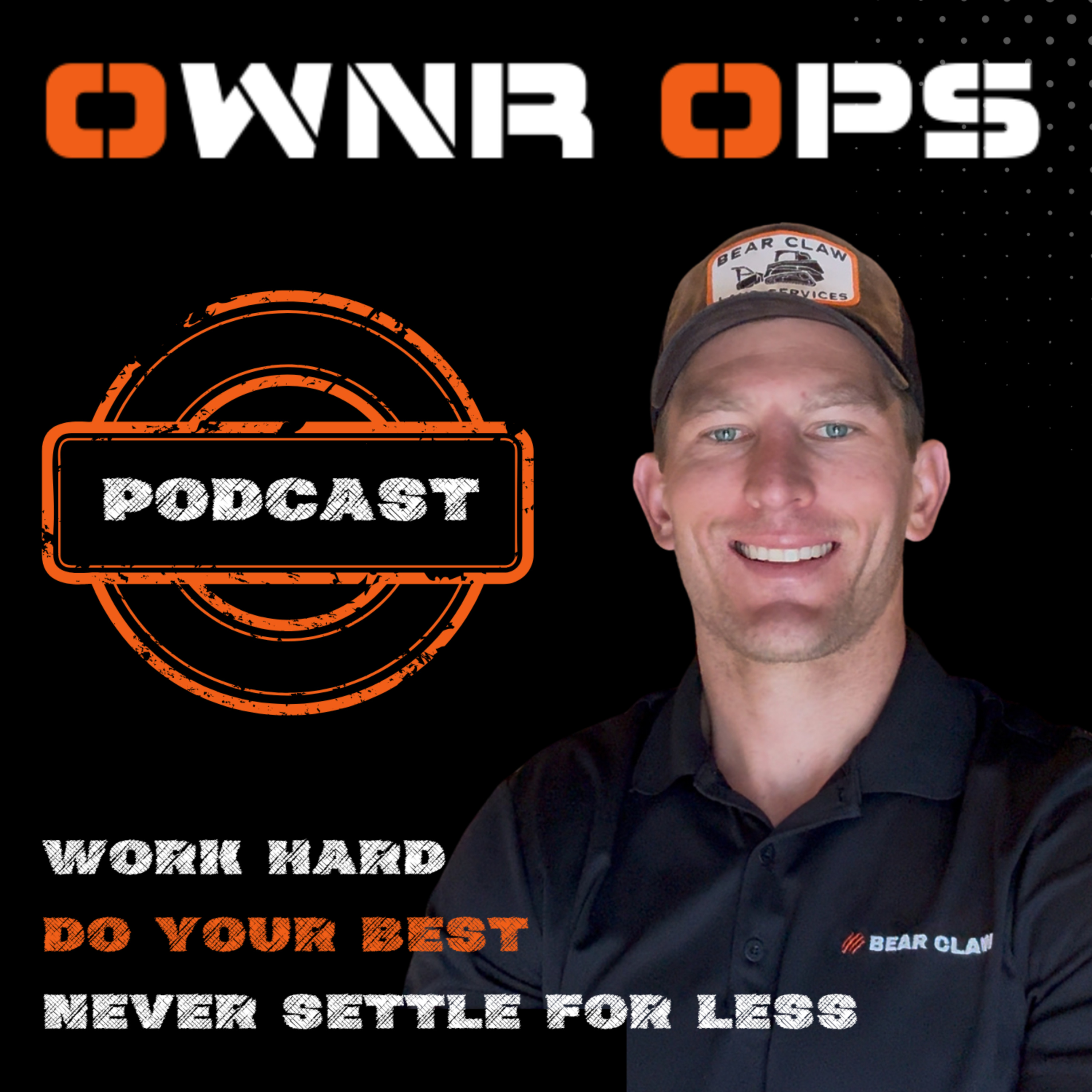 What Andy Learned From 10-Hour Training With Alex Hormozi82 / 100The Operators Who Make the Best Decisions Fastest Win - Here's How AI Helps62 / 100
 How Owner Operators Can Hire Better71 / 100
 The Decision Filter Every Land Clearing Business Owner Needs65 / 100How to Get Better Leads Using This AI Prompt for Core Messaging