Office Hours with David Meltzer · 2026-06-16 · 23 min
Key moments - from our scoring
Substance score
16 / 100
Five dimensions, 20 points each
David Meltzer hosts conversations with three enterprise and industry leaders addressing human-centered technology adoption and specialized market infrastructure. Seth Cushing, founder of Bodhi AI and former OpenAI consultant, discusses why only 6% of Fortune 500 companies actually implement AI at scale despite claiming to use it - the gap stems from fear of disruption and uncertainty about adoption pathways. Cushing emphasizes that AI should enhance rather than replace human work, and can help rebalance work-life integration especially in cultures outside the US where family takes priority. Jamie Hodges introduces ICDR (the industry's first privacy-compliant infrastructure for dance), addressing how fragmented dance industry systems leave minor dancers and parents vulnerable to data misuse and predatory targeting. ICDR provides unified participant verification, parental data control, and compliance with global privacy standards like GDPR. Both conversations center on leveling playing fields - startups competing with enterprise red tape, individual dancers gaining control over their digital footprints - and using technology to preserve human agency rather than erode it.
Only about 6% of Fortune 500 companies make the leap and implement AI completely at scale, while 94% claim to be doing AI but haven't truly operationalized it across their organization.
ICDR is an independent, privacy-compliant infrastructure that provides one-time verification and unique participant IDs for dancers and their guardians, addressing the dance industry's fragmented registration systems and vulnerability to data misuse or predatory access to minor dancers' images and videos.
Cushing advocates for AI that enhances human capability and work-life balance rather than replacing workers, and emphasizes implementing AI without completely removing people from business processes - the people are the most important factor in an organization's success.
Parents and dancers lack control over their own digital footprint and data; ICDR gives parents ownership and the ability to delete all data with a button press if their child leaves dance, which has never been available before in the fragmented industry.
The three no rule is a go/no-go qualification method where you call a prospect three times (two calls on day one, one on day two); if they don't answer all three times with commitment, you send a standard message and either they call back (50% do, now accelerated to action) or never call (50% who weren't serious prospects anyway).
Our reviewer’s read on each dimension, with quotes from the episode.
The episode is overwhelmingly promotional filler - event announcements, self-introductions, and platitudes dominate. The rare factual claim ('about 6% make the leap over the bridge') is unattributed and unexplained, and the 'three no rule' is a basic sales cadence repackaged as wisdom. Almost no actionable insight per minute.
the statistics today say about 6% make the leap over the bridge
too many people are busy working and they forget to make money
Every idea recycled from mainstream discourse: AI enhances rather than replaces humans, work-life balance matters, entrepreneurs move faster than corporates. No contrarian or first-principles argument is made in any segment. The dance-privacy angle is mildly novel but never explored with depth.
AI is here to make humans more human
AI just makes things happen a lot faster
Seth Cushing claims Fortune 500 C-suite consulting and early OpenAI exposure but demonstrates none of it substantively in the conversation. Jamie Hodge is an early-stage founder in a niche vertical. The third guest (Ming Tong Gu) never appeared. No guest reveals depth of practitioner experience in the transcript itself.
I've been delivering technology solutions at scale for enterprises for roughly about 15 years
I've been consulting now for a number of years, mainly in the C suites of Fortune 500 companies
Almost entirely abstraction and vague claims. The one named metric (6% AI adoption) has no source. References to 'Fortune 500 companies' and 'Global 500' are unnamed. The sole concrete company example (Salesforce) is mentioned in passing as part of a buzzword ('SaaS apocalypse'), not as a developed case study.
we're seeing what they call the SaaS apocalypse of all the stocks of these big companies like Salesforce and others dying
about to launch something that's a competitor of Barkbox called Edupalls
Host questions are entirely leading and flattering - never probing, never pushing back. Multiple segments are cut short by logistics or technical failures. The episode functions as an infomercial for the host's personal brand events rather than an interview, with follow-ups that simply restate the guest's point as praise.
how are you helping humans be more human
any man that admits how important and how wonderful our wives are, you can come on my show anytime
Computed from the transcript - who did the talking, and the words that came up most.
Seth Cushing is an entrepreneur, enterprise AI transformation leader, and founder of Bodhi AI, where he helps organizations integrate artificial intelligence in ways that drive innovation while preserving trust, accountability, and human judgment. With experience leading large-scale technology and digital transformation initiatives across industries such as healthcare, finance, telecommunications, government, manufacturing, and cybersecurity, Seth specializes in AI governance and adoption strategies. His journey from foster youth and former U.S. military service member to technology leader reflects a story of resilience, reinvention, and a commitment to helping organizations build effective Human + AI operating models.Jamie Hodgins is the Executive Director of the International Competitive Dancer Registry (ICDR) and a 20-year veteran of the competitive dance industry. An acclaimed performer, choreographer, and director, Jamie’s extensive credits span from dancing with icons like Madonna and Ariana Grande to directing projects for the National Ballet of Canada.
Transcribed and scored by The B2B Podcast Index.
Speaker A: Hey. All right, welcome to talking about and, uh, lots of talk about here. Just got off stage, uh, with the amazing Nick Saban, uh, both keynoting the Crash Champions event here in Louisville, Kentucky. We'll be off to Kalamazoo, Michigan tomorrow. Chicago and San Diego, come and join us. We love to see you, um, 200 cities, uh, if you're in any of these cities, we'll be there. Coming up, obviously, Newport, uh, Beach with Tim Story, Marie Diamond Jay Abraham will be in Las, uh, Vegas, uh, for season 11 of Office Hours. We'll be in Philly for the All Star Game, New York for Fanatics Fest. Uh, all include VIP dinners, meetups, holding courts, interviews, keynote speeches, etc. Uh, we're going to be in the UK so if you are interested in a private member mastermind, come to the uk. It'll be off the charts, off the hook. All right, very good. Um, let me see if we can. Looks like we're right on schedule. We moved it to where I wanted it to be. Seth is waiting, waiting for us. Uh, hopefully he'll be meeting us in Southern California. Enterprise AI Transformational leader, Human plus AI strategist and the founder of Bodhi AI. Hey, what's up, Seth?
Speaker B: What's going on, David? How are you doing?
Speaker A: I'm fantastic. Thank you so much for joining me.
Speaker B: Absolutely, absolutely excited to be here.
Speaker A: Well, you know, so much revolves around personal branding today. Um, and you obviously are transforming humans by utilizing AI. I always say, uh, all technology, but especially AI is here to make humans more human. So as humans, curious exactly what you're doing today, uh, with Bode AI and how you're helping humans be more human.
Speaker B: Yeah, you know, I, uh, had the lucky experience of working with OpenAI about three years ago, before ChatGPT was really open to the public. And I'll tell you, David, it was, ah, revolutionary. You start to see it. I've been delivering technology solutions at scale for enterprises for roughly about 15 years and realizing how much not only was it going to change my industry, but change many industries. I knew it was something that I was going to have to jump on that train as it was going 100 miles an hour and as it continues to do so. Um, one of the biggest things that I find in doing this, especially for enterprises is how do you have AI help the human rather than replace the human? That's been the most important thing for me. I've been consulting now for a number of years, mainly in the C suites of Fortune 500 companies. Really? How do they plan to implement AI at scale, um, and actually change the way they do business, but not completely change the way that they care about the humans that do the business with them.
Speaker A: When you talk about caring about humans, I think uh, like anything else, human, uh, nature never changes. And what makes you successful today are the same intangibles that made you successful 50 years ago. Before we had cell phones, computers, AI or anything. And so with great strategists like you that help uh, to elevate the awareness to how we use technology, any technology, let alone AI, um, to enhance those intangibles are critical. Um, now as a transformational AI leader and one of the few out there, um, how are bigger organizations utilizing, uh, this in the enterprise space?
Speaker B: You know, the statistics today say about 6% make the leap over the bridge. Yeah, it's about 94% of them are like we're doing AI. Um, it's a really small percentage that actually implements it completely at scale. I think there's a bit of fear there. There's so much changing in the market. It's a new frontier motto. Every month somebody else is coming out with something new all the time. And so where do we even turn to go to it? Um, what I've been doing is really how do we deliver products, solutions, transformational activities, processes that enhance how they deliver their business without completely taking the people out of it. Um, the people are the most important thing. That's the only way that they got to where they're at and that they're going to be able to go to where they want to go. AI just makes things happen a lot faster. Um, and so thinking whether it's a technology solution or revamping the way you get an agent to work alongside you so you have a little bit more of a work life balance. I just got back from Mexico, doing a two month stint, uh, in Mexico, helping a, uh, global organization start to implement it there. And one of the biggest things I realized is, you know, the difference of how here in the States we work and in other countries how they work. You know, in a lot of other countries the aspect of family and life is very important. Here in the States I feel like it's start to, you start to learn being away for that long that they kind of work to die sometimes, if I'm being completely honest with you, you know, we work a 40 hour week is what's required. Everything beyond that is what makes you successful in our eyes. Um, I think AI allows us to kind of turn that on its head a little bit, um, allows us to have something that can help us work better, but also find a little bit more of a balance in the work that we do and how we actually deliver value to the companies that we work for.
Speaker A: And in the same perspective as humans, uh, being more human. So many of us see replacement value of AI instead of enhancement value. And you mentioned enhancing our lives with more time to put towards the things that are most important to us. Um, but yet I'm sure some people will utilize that time just to be more productive and to, like you said, progress towards working till they die. Um, I always say too many people are busy working and they forget to make money or too busy working, but to spend time with their family, too busy working, forget about their health, and uh, they may be rich, but, uh, you know, most people get too busy working. Uh, that's a shame. Uh, but AI, um, or technology in general, uh, does provide us more time. It does, but if we don't have a strategist, uh, to do to help us use that time. But one of the aspects of that is evening the playing field. Uh, when you're communicating with a Global 500 company, uh, what do you communicate as far as not replacement value of AI, but actually, uh, empowering the systems, the processes, the capital that's already put into a Global 500 company so that the individual entrepreneurs, even, you know, that I'm coaching some of them, you know, are far, uh, progressing, you know, and they're competing with Global 500 companies in their entire business unit.
Speaker B: You know, I'll say, I always say the paycheck comes from the Global 500 companies. The passion comes from the small guys. You know, I worked with a lot of smaller startup AI startups to really bring them into market of like Fortune 500 companies. And they're really bypassing that freedom that comes with being an entrepreneur. Being out on your own, uh, really allows them to bypass some of the red tape that these big companies are still facing. You know, we're seeing what they call the SaaS apocalypse of all the stocks of these big companies like Salesforce and others dying because other companies are coming in and able to, hey, we decided to do something different for our client and that's value to everyone else. We're going to implement it immediately where there's boards and there's structures and there's everything else to like, bring those other companies onto that same type of playing field. I'm loving to see it, albeit, you know, my clients are the ones that pay the paycheck, you know, um, but I've Also helped, you know, small entrepreneurs. I'm actually, you know, about to launch something that's a competitor of Barkbox called Edupalls, uh, to bring, like, training to families, um, that have dogs. My wife's a dog trainer. So we wanted to go on a passion mission together, um, and work together. She's, uh, she's the greatest woman ever. And I always love that from you as, like, family's always first, you know.
Speaker A: Yeah, man. I'm my wife's biggest fan.
Speaker B: That's, uh, it. That's it.
Speaker A: I wouldn't be here without her. So just, you just elevated your status. Uh, any man that admits, uh, how important and how wonderful our wives are, you can come on my show anytime. Uh, thank you. That's a character revealer. Um, well, we're going to invite you down 30th to Newport Beach. Obviously we're up at Sofi as well, but Tim Story, Marie Diamond Jay Abraham, myself, John Doyle, bunch of great people. Uh, we'd love to have you at our mastermind and sharing your ideas with, uh, absolutely. Some extraordinary people right at Fashion Island. So all, uh, my team reach out and look forward to meeting you in person. Keep up the great work.
Speaker B: You too, David. Thank you so much. I appreciate you.
Speaker A: You got it. Vice versa, uh, the incredible Seth Cushing. Check them out if you want. The leading transformational AI strategist. Uh, if you want, uh, the help of being more human, uh, founder@bodhi AI self cushing.com. all right, thank you, Seth. Incredible. Next up on Talk About Tuesday, uh, I believe we got my friend Jamie Hodge. Uh, Hodgins is here. Jamie, uh, with the icdr, the industry's first independent privacy compliant infrastructure designed to connect, to protect the dance community. I didn't know the dance community needed protection, but we got to get into this. What's going on? Jamie?
Speaker C: Hi, David. How are you?
Speaker A: I'm doing fantastic. Thank you for joining me.
Speaker C: Thank you for having me. This is very exciting because, uh, we're at the heels of something very new and very fresh for the dance world. And I couldn't be more proud to be at the helm of it.
Speaker A: Well, dance is a big business, as I know from a father of three, uh, daughters. And, uh, it is also a very convoluted and complex space. And so wanted to get into that first idea of, um, protecting. I get connecting, uh, but protecting the dance community.
Speaker C: Well, I mean, you know, it's a content driven industry. You know, the dancer's looking for that perfect image, that perfect video. And unfortunately, the systems that we rely on have not matched the pace of growth of dance. We've exploded in popularity and we're still using sometimes just a birth date to protect the media download or sometimes we're using archaic um, Google Drive links or zenfolio links to send the entire studio's media when realistically what we can do. What I think is missing and what I know a lot of people agree with is we don't know who are behind these accounts. We don't know who is the confirmed guardian to protect a dancer online. You know, there's how many global privacy standards, David, that exist now, you know, that are very particular about what you can and cannot do with minor data. So we've developed a one time verification flow that unlocks a unique participant ID so that the entire dance industry can know who's behind these accounts and who should have rightful access to see these dancers in their videos and images. And I don't need to remind the audience they're not wearing hockey gear, right?
Speaker A: And uh, that registry and being in compliance, creating an infrastructure that's designed to do so. Um, also though you mentioned connect, so it's obviously a tremendous business development tool, uh, just like other such registries and communities, uh, to help the efficiencies of giving more exposure. And so it covers both sides of the friends. What are some of the things uh, in the connection beyond protection?
Speaker D: My name is Shannon Maldonado. I'm the founder of Yaoi, a gift shop from the lens of artists and handmade objects. I chose Shopify because when I was testing other platforms it was definitely one of the most user friendly. It was important to me to think about where we would be in the future. All of the tools for reading your sales, like planning inventory, they're just right there on your dashboard. For anyone starting a small business, the biggest thing I can tell you, it doesn't have to be perfect. Shopify can help you build upon it. Start your free trial on shopify.com well,
Speaker C: I mean when any group of people get too large, you have to assemble to find new solutions and new ways of doing things right. And unfortunately the dance world is very fragmented. Dance is very personal. But it's also business, David. And you know, that's why, you know, it's hard historically. Change is scary in dance. You know, there are registration systems that do not speak to each other. So my profile can be something completely different on one system than it is on another system. And I love what you said earlier. You said level the playing field. That's exactly what we're trying to do for the dancers that are at the bottom of the pyramid and their parents are actually paying but don't have enough control over their own digital footprint. So our centralized data model, the parent owns it, the parent is in control of it. So if their daughter or son, um, ever graduates their studio and decides to become a dentist, which sometimes that is a natural evolution, maybe not dentistry, but something, um, and they have children, then they're no longer in the dance sphere. It's their opportunity to remove their data with a press of a button, which has never been available before. Icdr.
Speaker A: Yeah. And there's so many subtleties as we, uh, see technology and the capability of technology being able to do these types of things. One of the challenges, I imagine, is that dance is a big business and it is fragmented. Uh, so how are you creating the marketplace and the awareness that's necessary to grow this unbelievable idea so that more people know about it?
Speaker C: Conversation, you know, conversation is key. And transparency, you know, everyone needs to know that we are fully Privacy compliant. Our IDs are absolutely free. Because, David, we need to broker the trust. We need to be seen as not a governing body. Because can you imagine anyone trying to govern dance, you know, and decide what is appropriate for jazz and what's appropriate for hip hop when that's an evolving genre? Right. Dance is artistic. You know, it's very subjective. But the subjectivity of what we do does not negate our responsibility to evolve with technology and not be catching up to it, you know, So I know you've talked a lot about AI. Well, unfortunately, the dance world is very, a very perfect target for a predator, you know, online. And we're not. Yeah, it's vulnerable. It's a vulnerable sector. So I'm really proud that this is an exciting opportunity where everyone can, you know, come together to unite under a shared ID system. Because we've just been missing that in dance, you know, there's no real ladder to climb because, you know, I was a professional dancer before that. I was an adjudicator before that, the competitive dancer. And I really had to figure my own way out, David. And I just feel like if we all honor a dancer's investment in terms of their hard work and their time and their effort and their parents dollar by having a shared ID system, we can start having a lot more respect, more records, stats, participant accident insurance, what athletes have always got. But dance was labeled as not appropriate for or it wasn't available for us. And I'm just asking, why not?
Speaker A: I love that. And uh, that question, uh, is a question that changes the world when we ask why not or why either one, uh, both appropriate in this case as well. How about capitalization? Uh, obviously big ideas need money. Uh, do you have a business, uh, plan or methodology to finance this?
Speaker C: Absolutely. So I'm very lucky to have some very trusted investors. We're always looking for more investment. If anyone is concerned about who owns it, well, let's go, uh, let's raise some money. Um, this is not an easy venture. It requires a lot of funds to get this across the finish line. But we really need to hammer down the message that the data is owned by the people it represents. So while there is someone shouldering a lot of the risk, we are inviting all of the industry to participate and share their insights, share their ideas, share their pocketbooks, if they're willing. Um, but, you know, yeah, I think transparency is really helping David, and, um, you know, the conversations and going back to what the capital, you know, we want to provide solutions at scale. You know, it's going to take some time to get there, but until we get to scale, we really see that revenue goal post, um, you know, too immediate. Uh, we just really have a lot of work to do to, uh, garner the trust. For sure.
Speaker A: Yeah. Working, I'm sure with the dance, uh, competitions and all the bigger events would, uh, be a great way to scale, I'm sure. Absolutely. That and register, making part of it as a registration process for the thousands and thousands of people, uh, that are in dance. So, uh, what a great, uh, business, what a great platform. It is aligned with my mission, which is to make a lot of money for the sake of helping others and having fun. And I can't think of a better project than that. Uh, if you're interested, I'm sure one degree of separation everybody has from a dancer, I promise you. ICDR, check out ICDRDance.com. let's all support them, either financially or by spreading the word. Both are great capabilities to help facilitate, which means to make easy this great protection and connection of the dance community. Thank you so much, Jamie. I look forward to talking to you.
Speaker C: Yeah, thank you so much for having me, David. Appreciate it.
Speaker A: Great job. Great idea, too. Thank you.
Speaker C: Cheers. Appreciate it.
Speaker A: Good guy. All right. Very good. Yeah, they're very vulnerable. Um, Ming Tong Goo is in the house and we will finish up here. As a reminder, we are here in Louisville and, uh, blessed to be with Nick Saban, incredible coach, and Matt Ebert. Thank you guys so much for allowing me to participate, uh, in this, Um, I Don't know why. Oh, uh, we've lost Ming Tong. He has a cut back. Teammates give him a call real quick. I don't know if he's not, uh, following me or didn't update, but, uh, Ming Tongu, global teacher and healer, author, movement leader, visionary, the founder of the Chi center and Southwest Sanctuary, embodied in wisdom, uh, out of New Mexico. So his new book is out, and it's coming home to embodied awakening. Very, very valuable. Elevating our awareness. All right, team, we got to reach out. I'll take a quick question as we wait for our friend. Thank you. Colleen, what question comes the most in your private networking group? What question comes up the most in a private networking group? Um, I think better would be what answer comes up the most? Because questions come and. But it facilitates the five daily practices. Um, next would be the three no rule. So questions, uh, that pertain to the five daily practices or the three no rule. And if anybody, by the way, would like the exercises, guides, and books on five daily practices or the three no rule, email me davidmeltzer.com David meltzer.com and I'll send you for free. I'll, um, sign it, send it to you, pay for shipping in the book as well. For the 5 daily practices or the 3 node rule. The most common answers in our private networking group, which, by the way, is Mondays. So if you want to be able to have proximity and access to me, every Monday, I do coaching for a group of people and also, uh, make personal introductions if you're interested. David means beloved is my first initial. Meltzer means servant. Let me be your beloved servant. Davidmeltzer.com Davidmeltzer.com uh, awesome. Anyways, I do not know where my team is. I do not know where Ming Tong Gu went. He was here and it dropped. What is the three no rule? Three no rule will change your life. The three no rule is, uh, when you create a go no go plan for anyone you're doing business with. So I will call you. Next step is I will call you Thursday at 9:00am when you call Thursday at 9:00am if they don't answer, you get a lame excuse. You call back at 4pm the same day. That's two times. And they don't answer. Lame excuse. That's two nos. You call back the next day. Right? Remember, if they've made a commitment for you to call, you don't have to wait. You're not bothering anyone. What you're doing is qualifying whether they're truly interested or not. And so on the third no, we have a standard message, which is, by the way, obviously this isn't the right time. When it is, let me know. 50% of the people, uh, will never call you back. Thank goodness, because they weren't going to ever do the deal. And you've accelerated the other 50% who want to do business with you, want to continue learning more. You've accelerated them to call you back. So the three no rules, one of the magic moments and most common answers on the private networking group. All right, we're going to call it a day. I do not know what happened to Ming Kong Gu, but pick up his book, uh, Coming Home to Embodied awakening. Reclaim your body, power and purpose in the age of AI. This book is very powerful and it's a path to wholeness, to oneness. Uh, so thank you so much and, uh, we'll, uh, get going there as I have. Ari. Hold on one second. Ari, uh, we're finishing up a show here. Uh, remember, we are in Louisville, Kentucky. We'll be in Chicago. We'll be in Michigan, uh, Chicago, uh, Michigan, San Diego, then Vegas. VIP dinners holding court, 200 cities a year. Uh, come and join us at the All Star Game. Come and join us at Fanatics Fest. Come and join us, um, in the UK. Come and join us with Messi at the FC Miami. David meltzer.com if you want to be informed and invited. 949-area- code 298-290-5949, area code 298-2905. Uh, remember, most importantly, be more interested than interesting. Be kind to your future self and do good deeds. See you tomorrow.
Other episodes covering the same guests and topics, from across The B2B Podcast Index.
 Ep 93: CEO of Redwood Research Buck Shlegeris on OpenAI/HuggingFace Revelations, Fixing AI Safety & Takeover OddsUnsupervised Learning with Jacob Effron · on OpenAI98 / 100
 Wins Above Replacement: The New Way to Judge FoundersVenture Unlocked · on ChatGPT88 / 100
 Paul Graham On Startups, Ambition, and Great FoundersY Combinator Startup Podcast · on ChatGPT88 / 100
 The AI-Native Law Firm, with Ryan Walker of General LegalMeeting of the Minds · on ChatGPT88 / 100
 Unscripted with Victor: Agentic AI, Fintech's Future, and the Death of the App EconomyVentures from The Valley · on OpenAI83 / 100
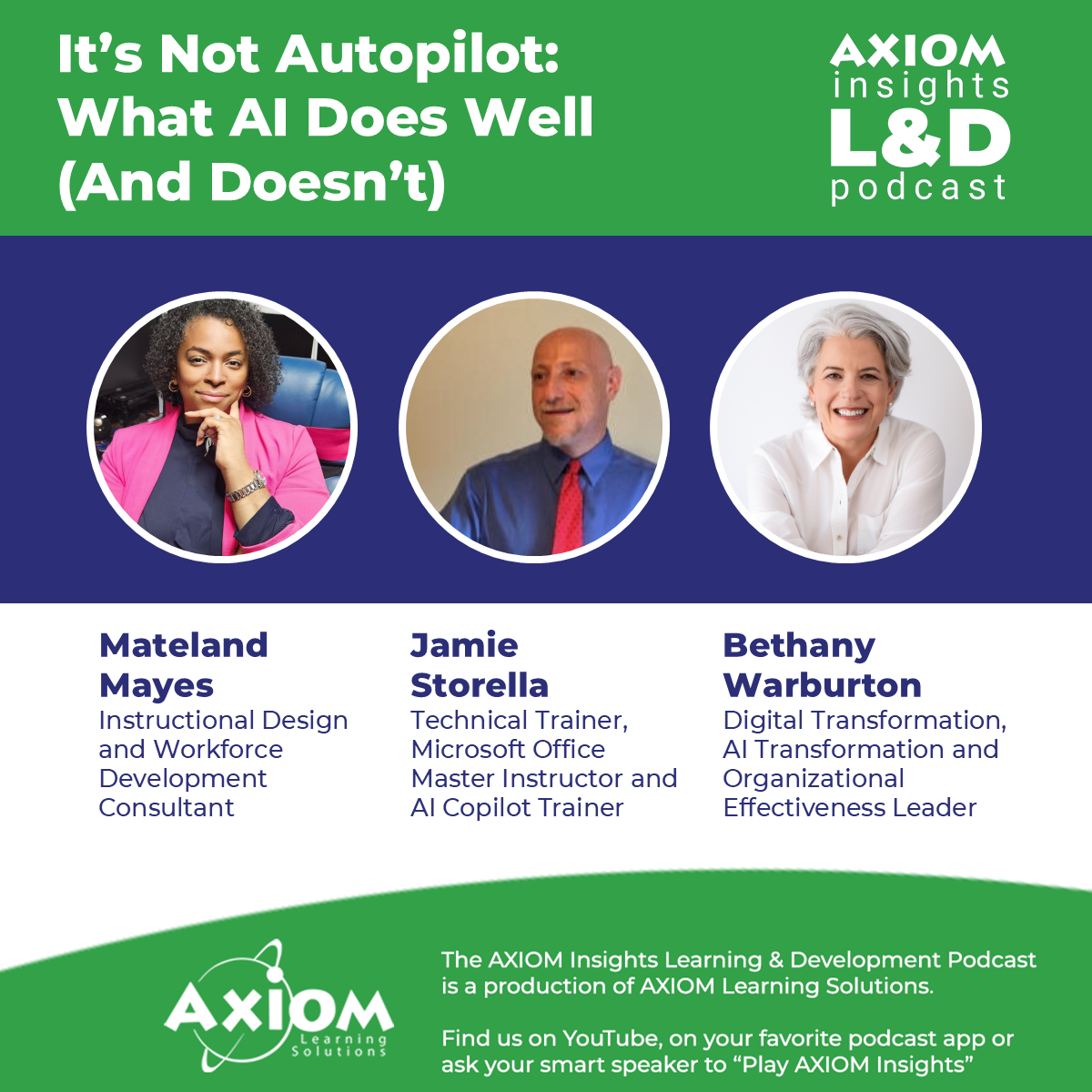 It's Not Autopilot: What AI Does Well (And Doesn't) - AXIOM Insights Learning & Development Podcast #46AXIOM Insights Learning and Development Podcast · on ChatGPT79 / 100Office Hours #906 | The Future of Business: Innovation, Smarter Decisions & Business Growth71 / 100Well-Oiled Machine | Time Is Your Greatest AssetOffice Hours #914 | How Kindness & Innovation Build Great Businesses with Colleen Joyce & Renee DuttonOffice Hours #913 | How to Raise Resilient Kids, Build Winning Companies & Lead with PurposeIG Live | Business Growth Secrets: Buying Companies, Leading with Purpose & Winning in Life