
Midstage Startup Momentum · 2025-05-24 · 24 min
TechSee brings visual AI to customer service interactions, allowing contact center agents, field technicians, and self-service AI to see exactly what customers are experiencing. By leveraging smartphone cameras and augmented reality guidance, the platform eliminates the frustration of blind troubleshooting - agents can draw arrows, highlight buttons, and guide customers through complex problems in real time. This visual-first approach directly addresses major pain points in telecom, manufacturing, home security, and smart home sectors, where device connectivity issues drive expensive truck rolls. Cohen founded TechSee after struggling to remotely help family members with technical problems, recognizing that existing screen-sharing solutions like TeamViewer didn't capture physical environments. The company now serves close to 1,000 customers across 53 countries in 23 languages, operates profitably, and employs about 150 people - 50% in R&D. Key partnerships with Verizon, AT&T, Vodafone, Orange, Salesforce, Accenture, and Capgemini power growth through indirect distribution rather than direct sales force scaling. The vision is "Taxi in every device" - embedding visual AI as a standard layer in customer interactions and product support ecosystems.
TechSee lets agents and AI systems see through a customer's smartphone camera what the customer is experiencing, then uses AR to draw arrows, highlight buttons, and guide the customer through troubleshooting - eliminating the frustration of verbal explanations and reducing call times and truck rolls.
TechSee operates profitably with about 1,000 customers across 53 countries, using an indirect distribution strategy with strategic partners like Salesforce, Accenture, and Capgemini rather than building a large direct sales force, keeping costs low while scaling quickly.
Customers see an average 20% reduction in truck rolls, with some achieving 40-50%, because visual guidance resolves issues remotely that would otherwise require on-site technician visits.
Cohen was repeatedly asked to remotely help family members with tech problems and realized existing screen-sharing tools like TeamViewer couldn't effectively capture or guide them through physical device issues - so he built a better solution using smartphone cameras and AR.
The vision is "Taxi in every device" - embedding visual AI as the eyes of any application so that software can intelligently understand and guide users through their physical environment, creating digital twins of devices and delivering hyper-personalized support.
Computed from the transcript - who did the talking, and the words that came up most.
As amazing as modern technology can be, it doesn’t always work the way we want it to work. Sometimes your home Internet goes out or your new coffee machine isn’t cooperating. In those instances, calling customer support or having a technician visit isn’t always a smooth process either. Luckily, TechSee is revolutionizing how people receive customer support for their devices. For customers, technicians, and service providers, the entire process is simplified by TechSee’s solutions to reduce the time and money it takes to provide customer service solutions. On his recent appearance on the Midstage Startup Momentum Podcast, TechSee co-founder and CEO Eitan Cohen spoke to Roland Siebelink about how TechSee’s products are helping and the success they’ve achieved thus far. How TechSee developed its product offering. The importance of having a vision and not losing faith in it. Why TechSee’s indirect distribution strategy is rare among startups. How TechSee finds and brings value to its partners. What it takes to get customers involved in the process.
Transcribed and scored by The B2B Podcast Index.
Speaker A: Though every time a customer call, you have uh, your super skilled agents flying blind. And when you fly blind, you run into a wall. If you could have seen it, you could solve it.
Speaker B: Welcome to the Mid Stage Startup Momentum podcast. Each week we interview upand coming founders of some of the fastest growing mid stage startups across the world. Your host is Roland Siebelink who will share some of his own experience helping startups scale from 10 to 1,000 people in a few years. Here is Roland.
Speaker C: Hello and welcome to the Midstage Startup Momentum um, podcast. My name is Roland Siebelink and I am a coach and ally for all the fast growing scale ups in the whole world. Today we are talking to one of the most amazing founders in the world. His name is Ethan Cohen and he's the founder and CEO of Taxi, joining us from New York City. Hello Ethan, how are you?
Speaker A: Hello Ronald. Thank you for inviting me over to your amazing podcast. I would love uh, uh, to be with you tonight and uh, answer any questions you may have about what we do, how we do and how we're doing it.
Speaker C: Those are the best podcast guests ever. The ones that want to spend the night with me and want to answer all my questions. I would love to do. That is great Ethan. So, uh, always the first question, just as an introduction for our audience. What does Taxi do? Who do you help in the world and what impact are you making?
Speaker A: What Taxi is doing, in a very simple word, is bringing satisfaction to customer service. And when you think about customer service, every time you need to call or interact with your service provider or your brand, it's always a challenge, right? You need to find which touch point you want to do it. Whether I'm going to call, I'm going to text, I'm going to email, and then you need to wait. And in the best case, whatever you want get resolved. In many cases it's not and you either have to uh, call again or to wait for a technician. And what Taxi does is basically transforming this experience by a very simple concept that Taxi brought to the table, which translated to visual AI technology. And it allows any organization really to get themselves over the customer's shoulder, um, and be able to see what the customers see when they call, basically see their products at the end of the customer and be able to show the customer to guide them how to use it or answer any question. The way we are doing that we doing it either in, by helping live agents in contact center to help the customers. We're also doing it in a self service manner where you don't need the live agents. It's agentic AI that, uh, can help you. And we're also helping with the field technicians when they come on site to help them resolve those issues. And the idea behind it is really create an impact M for us as consumer. Right. First of all, you want to be happy with what you purchase. Right. Very M Simple app many times. And you can see, uh, in the statistics, there is a lot of product returns. Okay. There is a lot of, uh, churn. Why? Because you didn't get what you expected. It doesn't mean that the product is not working. It means that what you expected wasn't there. And this is where Taxi creates, um, a very big impact by introducing visual into the conversation, into the interaction. So if I can see it, I can solve it. So this is one element of it. But think about also the poor people in the contact center which, uh, have to solve the same problems over and over every day. We bring them satisfaction as well. How we do that. Because once they are able to see, they do their job much better and with less frustration. Because, you know, they don't have to try and explain you what they mean when they told you to do something. And you don't have to be frustrated at them and yell at them that you've done it. They don't understand what they're talking about. Right.
Speaker C: Is it like text chats or is it the, the AI agents?
Speaker A: Actually it's a video where the AI agent is an icon.
Speaker C: Yeah.
Speaker A: Which speaks to you. But then you see, you see through it's uh, your camera, uh, what it's looking at, and it's looking at your machine. It's understand that you know what type of machine you have. Exactly. And it can now do AR to guide you. Hey, you know, it's like put an arrow here, press this button to open it. So you open in the motion and it's all visual. It's not like text. You don't have to type anything. You speak to it. Okay.
Speaker C: So it's almost like, uh, those screen sharing experiences with tech support, but then
Speaker A: for your whole world, it's surfing your physical environment with you and guiding you with ar. Now, if you wanted to speak with a person, it's the same experience. Now I'm an agent. I'm Joe in the contact center. And I'm saying, hey, Roland, uh, uh, thank you for reaching out. Um, let me send you a text message so I can see what you see. And in the background, Sophie, whisper to the agent, ask him these questions, tell him to do that. So the impact as I said for the customer it's great cset which translates into loyalty, right? Translate into more business. Because now I want to buy more parts from you, I want to return your product. Maybe I'll buy the next version. For the employee in the contact center it's less frustration which means higher retention. And you know contact center industry is notorious for high attrition rate which has a high cost of training, high cost of uh, um, holding back to people so they want. Because skilled workforce um, is also a big problem. But more than anything in this day uh, of age where cost is very important, it allow you to balance your cost with the customer, uh, satisfaction because there is a dramatic impact on cost. We showed across industries over 20% reduction in truck rolls. In those industries like uh, telecommunication, like manufacturing, like home security, smart home where you have to roll a truck in order to be able to uh, solve an issue. We reduced that by 20% on average we have some customers that we got to 40, 50%. We work with the greatest brands in uh, the world. We are fortunate uh, to be partners with the like of um, Verizon, with AT&T, uh Frontier, many of the leading telecommunication companies in the US as well in Europe uh, companies like Vodafone, like Orange Taxi is really at the center of the home working with all the tech companies that provide technology to your home and with the service providers that rely on devices to be connected in order to give you this connectivity. So you're talking about modem routers, mesh WI fi, smart speakers, alarm systems, EV charging. All this has very high um, requirement for visual capabilities in order to provide a streamlined service.
Speaker C: So Ethan, you said you had so much traction with telecom companies to start with, right? Like how did you persuade the first one to try out your solution and how did you scale that further?
Speaker A: Oh, uh, uh, that's a really interesting story because uh, when I started techsi with uh, my partner Amir, I was already retired. I had m like three exits and I'm like okay, I'm, I'm going just to enjoy time with family and travel around the world and everything. And I found myself you know, in the meantime helping my mother in law, my parents, running, driving all the time because they were calling me, my Internet is not working, my um, uh, my printer is not printing. You know those things that you try. Now think about your mother. You're trying to help her with asking uh, her what does she mean? It's, what does she mean when she said it's not working? Very difficult to understand because they simply say it's not working. I don't know why. After doing it too many times I said well they've got to be a solution and uh, log me in TeamViewer. Those remote screen solutions are not cutting it.
Speaker C: So I had honestly, were you just tired of retirement or were you tired of helping out your mother in law?
Speaker A: The latter. I said I'm going to solve it and it's just not worth it.
Speaker C: Right.
Speaker A: It just cost me too much to uh, do that. And so what I did, I basically put together a PowerPoint deck. Uh, I had kind of the product mocks that I want, the experience that I want in my head. Because the idea was everybody has smartphone, okay? Smartphone has camera. If I could see what she's talking about and I can.
Speaker C: We all have the hardware already, right?
Speaker A: Right, we have the hardware. And then I just have to do very simple thing of, you know, being able to draw an arrow on her screen and tell uh, her, you know, push this button or click here or
Speaker C: even click the button for them. Right? Yeah.
Speaker A: So I did screenshots. I went uh, to three uh, telecommunication companies because in telecommunication we all know the first thing to break is the Internet every time. And this is a major call driver and major dissatisfaction. And I showed, it's like I had this vision of Superman flying into a wall because their eyes were binded. So I'm saying, I was saying this is what your agents are doing. Every time a customer call you have your super skilled agents flying blind. And when you fly blind you run into a wall. Which means long calls, frustrated customers, truck rolls that you don't need to do all the things that you, you know, you incur because of that you can't see. If you could have seen it, you could solve it, right?
Speaker C: Mhm.
Speaker A: And that's, and I was like okay, this is aha moment was those customers that I saw them and say when can we do a beta? I said sure. You know, three months later I came um, uh, with the prototype and the rest is history.
Speaker C: So what can you share? Like how successful you've been in terms of, you know, a range of how many customers you have. I don't need specific numbers but more like are you in a range of 1 to 5 or more like 5 to 20 or something like that. An ARR too if you want to share a range that would be helpful so that people can see how far have you come.
Speaker A: So what uh, I can share is that we have close to 1,000 customers in our platform.
Speaker C: Wow. And those Are all corporate customers, right?
Speaker A: Yeah. Uh, uh, 53 countries, uh, 23 languages.
Speaker B: Wow.
Speaker A: And um, listen, visual is universal, right? We all visual creatures. And that's why, you know, it's like we experience fast growth and we're doing like, um, um, high double digits. And this is, uh, revenue and this is uh, great for us. We've been profitable for a while and we enjoy every moment because, you know, that's amazing. We all customers of our technology.
Speaker C: Absolutely. Very good, Very good. Excellent. So when you say you are already profitable, does that mean you are not interested in raising venture capital?
Speaker A: Well, you know, there is, um, you can see that OpenAI as successful as they are, they always raising money. So. But they're raising money because they feel like, and they can grow more. So we always balance between, okay, do we need to take more money because we want to accelerate growth or we are okay with the rate that we are going. So we never say no to money, but we are privileged that we don't need money for our current, uh, growth and current success.
Speaker C: Okay, that's excellent. And you mentioned in the pre conversation that you have already about 150 people in the company, Is that right?
Speaker A: Yes.
Speaker C: That's amazing. That's uh, bigger than many of the other people that I've interviewed on this podcast. So great for you. Can you tell us a little bit, how is that divided up between different, you know, streams in the business? Right. So how many people are on products and engineering? How many people are on sales and marketing? How many people are on the post Sales, customer success to some degree, like what ballpark numbers can you share with us?
Speaker A: Uh, we invest a lot in the technology. Uh, so about uh, 45% of our, uh, actually more 50% of our um, workforce is uh, in R and D and product.
Speaker C: Yeah. Tell me a little bit more, Ethan, about those 75, roughly. Uh, engineering, product people. Right. Uh, that has grown a lot from uh, the first days, I'm sure. Uh, so many tech companies say, well, there's a point where you start reaching this paralysis in engineering when, uh, the team grows too large and it's not that clear anymore what everyone is prioritizing. And have you experienced some of these, uh, growing pains? And if so, what have you done about it? What, what has helped to overcome it?
Speaker A: That's um, in our journey. It's been an interesting, um, to see that in the first three years we were, uh, um, uh, having increasing productivity of art, of engineering. And after, um, three, four years we reached a plateau where we said, okay, you know, we we have a legacy product. Everything that was developed, we have to make it better. But we don't need to grow because we need to see the market with new product. Just when, um, in 2022, when ChatGPT exploded, we saw the other hike. And since then it's like we're steadily growing R and D because we're bringing more and more products to market M and the productivity is actually much higher. So last year we released two new products. This year we're going to release two new products. And, and this is in partnership with our customers. We are not. You know, my philosophy is don't invent problems. There are enough in the world already. Just find out what they are and solve them. Right. It's like.
Speaker C: Right, right, right. Okay, so the close customer relationships help a lot, right?
Speaker A: Yes, yes, we invest a lot. It's in a true partnership with our customers and we build solutions for them and, and then we take it to the rest of the industry.
Speaker C: Okay, very good, very good. So the other half is going to be split between, I'm guessing sales and marketing, probably substantial customer support as well. Right. And then, uh, some finance overhead and, you know, maybe legal resources. Uh, how much is in sales, would you say? Like pure sales?
Speaker A: Yeah. So the interesting, uh, thing for us is that sales actually is about 20% of the company. But we have partners, we have very strong partner ecosystem. Um, Salesforce is, um, uh, a strategic partner for us and also investor. We have, uh, Accenture as a strategic partner and we have then Capgemini and a very long list of partners that we see value of going together to market. So our real scale comes from partners, not from our employees. Like every partner manager enables, I would say, you know, 100 customers. Okay. And that's how you actually grow much beyond, uh, what you can do organically without adding costs so you can stay profitable.
Speaker C: Why do you think it's so rare that startups employ an indirect distribution strategy? Because in theory you could of course scale a lot faster by using partners as opposed to building up your own direct sales force.
Speaker A: So I think, uh, when you look at most of the startups, uh, most of the founders, this is first time for them.
Speaker C: Mhm.
Speaker A: So your first time you learn a lot and partners comes way down the road. Okay. So once, you know, um, my, um, co founding team were like all ex CEOs. We all been there, done that, and we knew exactly how we want to build it. So that's why we started with the partner. It's not really because it requires a lot of things to be, to work efficiently with partners. Think about it. Your product needs to have not just the value for the customer and customer, it has to have the value for the partner. What is the added value? You have to build tools for them, you have to enable them. You have to do a lot of things that for many companies this is, comes, you know, after they build their internal muscle. Ah. We knew how we want to do it, so we built in parallel our internal muscles and our partner muscle from
Speaker C: day one, I'm guessing. Also, uh, one of the difficult things that you hinted at this Ethan, is that you have to know exactly what you build and what you're marketing in order to get partners interested. If you're constantly still changing your vision and like what you're building, like many founders are, then you don't have the stability to get big partners involved.
Speaker A: Right, exactly. To get a partner involved, it takes years. Yeah, we are literally years. Okay. So you have to be, you have to have a compass. You have to be to have a vision that sticks, that you don't change every day. And you have to build towards vision. You have to understand that you can't hit your vision not, you know, day one, day two. Vision is something that will always be your end goal, but you maybe never reach it fully. But it's fine, exactly. You know, as long as you make constant step. So we started simply with manual, um, tool for agents to see what the customers see. Okay. By learning from those millions of interactions that agents using our tool being able to help, we developed AI models that now can be provisioned and help those agents first to solve things faster. And think about average contact center. 50% of the workforce change every year. Every year. So you have AI now to train them to make it faster, to make, to be onboarded and be productive for the organization much faster.
Speaker C: So, uh, Ethan, you already gave some indication about how big you already are, but how big are you going to be? Like, let's say seven years down the road? Uh, what is the dream outcome for Taxi?
Speaker A: We want Taxi. And this is vision day one. We call it Taxi in every device, which literally what we mean is that we want Taxi to be the eyes of any application. So in order to make applications smart, it has to have vision. If it doesn't have vision, it's handicapped. Why? Because you have to type. It doesn't understand. It's not intelligent. I can't understand really. I mean, it's like how some organizations still running without having this as a standard part of their interactions with tools, with customers and with their products. Because really the information embedded in every visual is endless. You can describe it with words and that's what we bring to the table. And we want every device, we want to be the digital twin of that device which basically you point your phone and it talks with your device.
Speaker C: Mhm.
Speaker A: It's connected to your device. It's connect the knowledge in the cloud with the eyes to provide you the hyper personalized experience with your purchase so you are satisfied. And if you are satisfied, whoever sold you that is also satisfied because you didn't call them, you didn't cost them money and maybe you're going to buy more. Right?
Speaker C: That's excellent. Very good, very good. Okay Ethan, so last question is always you've been around the block a few times, right? But I'm sure that you also have younger, uh, founders, less experienced founders reaching out to you sometimes for advice. What is the most common advice you would give founders? Something you learned over the years and that you think can help younger newer founders do a better job faster?
Speaker A: I think, you know the thing that really, really make a lot of companies fail because the founder is losing faith, uh, at some point on their vision.
Speaker C: Mhm.
Speaker A: So you started something that you really believe. Don't leave it, don't forget it. It's like, because being in a startup is a roller coaster. It's ups and downs all the time. And when you are down, you think it's like, wow, you don't know how you're going to get up again, but you're going to get up. If you believe you'll make it up. And if you understand that you don't give up hope, no matter what, you will prevail. And if you prevail, it means you grow and you'll find your way. Because listen, your core instinct for starting the company and make it. Assuming you get the first few customers, there's no reason why you can grow those first customers to thousands of customers. It's not going to be easy, it's going to be very difficult. It's going to be very. Also, you know, sometimes the stress level and the uh, emotional swing is very high. But you know, find the strength and carry on. Don't be hard.
Speaker C: Excellent. Okay. Well, I'd loved having you on the podcast. Ethan Cohen, the uh, founder and CEO of TechSE. That's T E C H S E E. Correct Ethan. Uh, where can people go who want to learn more about your want to try out your product? What website should they go to and what should they download?
Speaker A: Taxi.com and see for themselves. The website should speak the taxi language.
Speaker C: Oh, I love that. And that's actually also, uh, a great example of delegating to folks like, yep, somebody's running the website. That should speak for itself. Right? I love it. Thank you so much, Ethan. This was an amazing interview. We really appreciate you joining us from New York City. And for the listeners, we will be back next week with a new episode. Thank you, everyone, for listening.
Speaker B: Like what you heard. Subscribe to this podcast and leave a review. Tune in next time for more hot startups and interviews with some of the highest momentum startup founders in tech today.
Other episodes covering the same guests and topics, from across The B2B Podcast Index.
 AI vs Human Traders in 2026 | Innovantage Podcast #49 | Powered by BMI Executive InstituteInnovantage Podcast · on Vodafone81 / 100
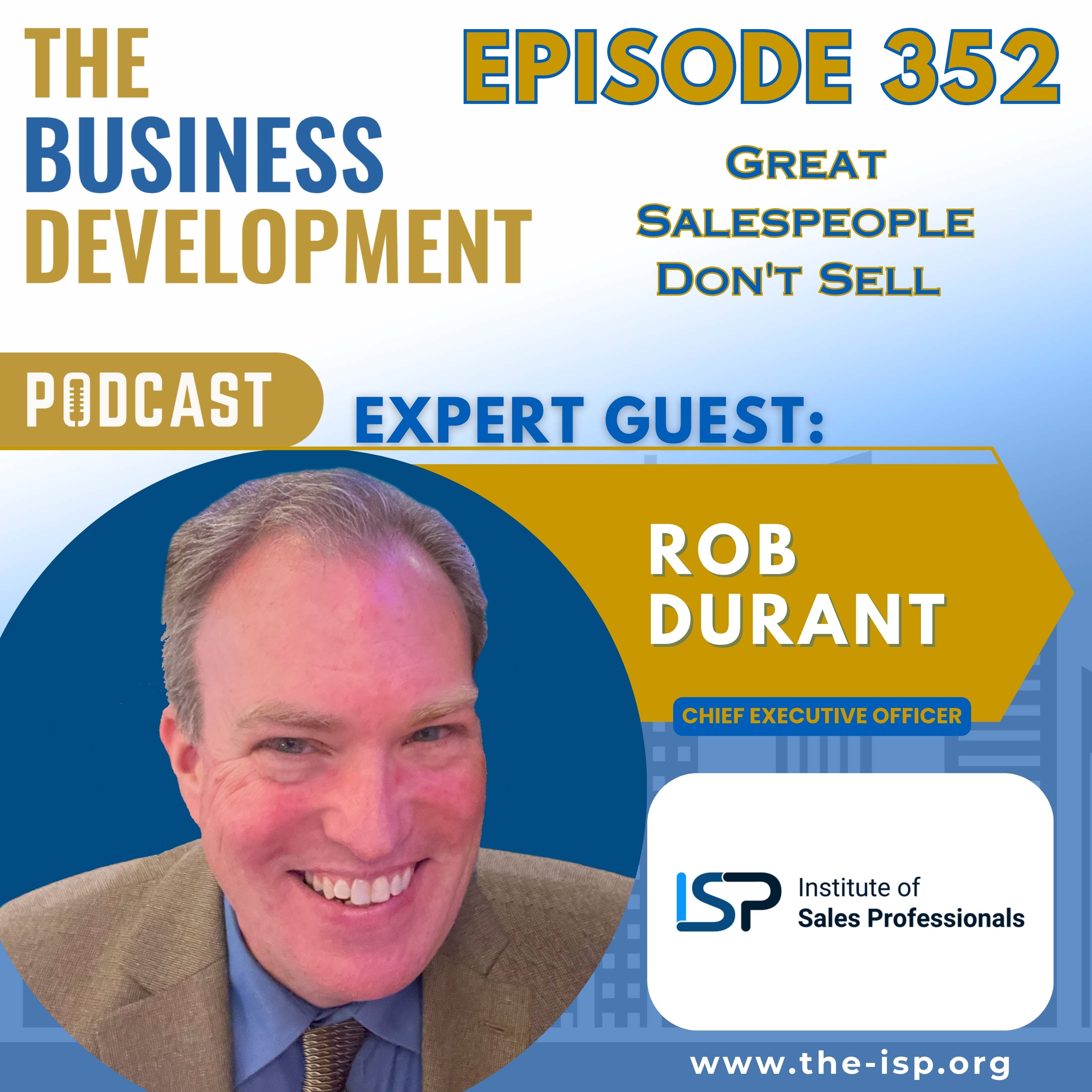 Great Salespeople Don't Sell with Rob DurantThe Business Development Podcast · on Verizon80 / 100
 The Social Shift, with Katie BrinkleyFunnel Reboot · on AT&T79 / 100
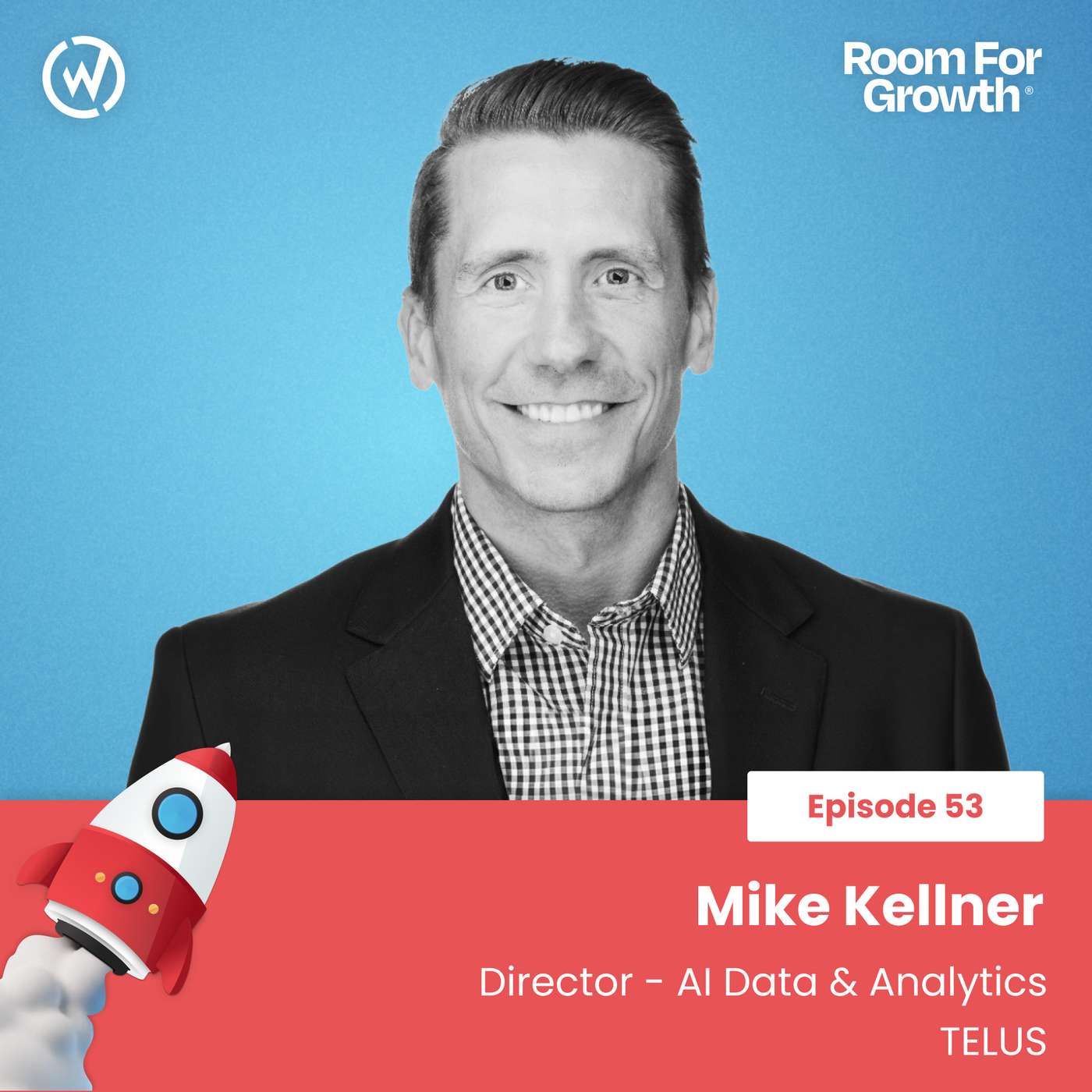 Reducing Call Center Volume with Adobe Customer Journey Analytics feat. TELUS’s Mike KellnerRoom For Growth · on contact center optimization75 / 100
 Inside AT&T's culture playbook with Keith JacksonLove Your People Podcast · on AT&T69 / 100
 'Friends' helped North Carolina 911's call centers withstand Hurricane HeleneStateScoop Radio · on AT&T69 / 100#098 GeniusLabs | If You Don’t Quit, Someday You Will Find Product-Market Fit54 / 100#097 Mother Games | Creating a New Way of Seeing the World#096 ForceMetrics | Go Head First Into the Bad#095 icetanaAI | We Write AI That Keeps People Safe#093 SensiAI | The Best Thing I Learned Was to Trust My Intuition