Matt Talks Hospitality: Real conversations for innovative hoteliers · 2026-07-01 · 28 min
Key moments - from our scoring
Substance score
63 / 100
Five dimensions, 20 points each
Cole Rubin built Conduit after managing a 200-property vacation rental portfolio and realizing that AI could transform hospitality's most painful workflow: guest communication. Unlike existing platforms, Conduit starts with a unified inbox that integrates all communication channels (SMS, WhatsApp, Instagram DMs, Airbnb messaging) and connects natively to PMS systems like Muse before layering AI agents on top. This architecture allows the AI to access complete guest context - booking details, calendar availability, pricing - and automate workflows end-to-end. A concrete example: late checkout requests that once cost $40 in labor to evaluate can now be instantly processed, including payment links, calendar updates, and cleaning team notifications. Rubin also discusses voice agents operating in both offensive modes (answering inbound calls as an intelligent IVR replacement) and defensive modes (capturing would-be missed calls), plus the emerging discipline of "conversation engineering" - dedicated team members who teach AI systems by addressing escalations weekly rather than fixing individual outputs. The episode touches on Claude integration with PMSs and how hoteliers can connect Claude or other AI tools directly to their systems via API before native integrations exist.
Because most AI agents lacked access to all the communication channels hotels use (SMS, WhatsApp, Airbnb, email, voice) and weren't integrated with PMS systems, so they couldn't access guest booking details or execute workflows - just answer generic questions.
Conduit's voice agents can collect card information with PII redaction and block bookings on the calendar, but real-time card processing over the phone is being added later this year; currently they send payment links via text or email to complete checkout.
Conduit feeds agents context from multiple sources (website scraping, Notion databases, Glean knowledge bases) plus gives them access to dynamic tools to look up real-time information like availability and pricing; a designated "conversation engineer" teaches it weekly via escalations.
Yes - if the PMS has an accessible API, hoteliers can connect Claude to it today using Anthropic's Model Context Protocol (MCP) or direct API documentation, though native PMS integrations will eventually provide better user experience.
Fixing one message output solves that single instance but the AI repeats the same error later; fixing the underlying input (prompt, knowledge base, guardrails) through a conversation engineer makes the AI smarter permanently so humans never have to touch outputs again.
Our reviewer’s read on each dimension, with quotes from the episode.
The episode provides concrete, operationally useful insights about guest communication automation and the late checkout use case, with specific process flows and business logic. However, much of the latter half devolves into general AI/Claude adoption advice that hoteliers have likely encountered elsewhere, and the conversation includes filler like extended personal anecdotes about building homes in Joshua Tree and extended tangents about internal Muse adoption.
They wouldn't even offer or allow the $40, $50 late checkout upgrade because it would cost about $40 worth of human labor to triage and figure out can we actually do that late checkout? We pretty much lose money orchestrated and facilitated these late checkouts. But now with AI that process can entirely be automated.
the AI can just automate entirely. And it's funny, like, there's customers too, that they wouldn't even offer or allow the $40, $50 late checkout upgrade because it would cost about $40 worth of human labor to triage and figure out, can we actually do that late checkout?
The core insight about unified inbox + PMS integration enabling AI agents is somewhat novel for 2024 hospitality, but the execution feels derivative of broader AI agent/MCP patterns already circulating in tech. The Claude integration advice and the 'use AI to teach you AI' framework are well-worn takes by this point. There is little contrarian or first-principles thinking; mostly sound application of existing LLM capabilities to a vertical.
The biggest thing we saw too was for the AI agent to be, to be good, to be useful, it needs access to all the channels, all the communication channels you talk to your customer on.
you would be replaced by a human that is really good with AI, that can do your job four times more effectively in half the time.
Cole Rubin is a legitimate practitioner - he actually ran a 200-property hospitality operation managing 19 million in portfolio before founding Conduit, giving him credible first-hand experience with the pain he's solving. He's not a career podcast guest or pure thought-leader. However, the co-host (Matt, presumed Muse founder) becomes a co-narrator rather than interviewer in parts, blurring the guest/host dynamic and reducing focus on Cole's depth.
he was um, a hospitality operator managing 19 million um, residential portfolio of around 200 properties across Airbnbs and Burkino Co.
I grew up really interested in real estate and construction and knew that that was something I wanted to do in my career... started just building spec homes out in Joshua Tree, California.
Good specificity on the late checkout workflow (mentions $40-$50 pricing, specific steps in the process, integration with cleaning teams). However, most other examples lack concrete numbers: no data on adoption rates, customer count, reduction in response time, conversion lift, or cost savings. The voice agent example is illustrative but anecdotal. Missing are named customers, usage metrics, or financial outcomes.
They wouldn't even offer or allow the $40, $50 late checkout upgrade because it would cost about $40 worth of human labor to triage
maybe they knew it was an AI, but it resolved what they need, so who really cares?
Matt asks reasonable setup questions but rarely pushes back or challenges Cole's claims. No probing on failure rates, accuracy metrics, customer churn, or limitations of voice agents beyond a surface-level question. The conversation drifts into extended personal tangents (Joshua Tree homes, Matt's internal Muse adoption journey) that consume airtime without testing Cole's assertions. Missing are questions about pricing, competitive differentiation, or edge cases where the solution struggles.
Yeah. What's the. So, uh, like messaging, inboxes, when it's written, text is easy. I've seen that happen. But voice is the thing that I've heard not great feedback on in the industry.
Can anyone integrate Claude with their pms? I think that's the thing that we people were wondering.
Computed from the transcript - who did the talking, and the words that came up most.
Up until a few years ago, Cole Rubin managed a $19 million residential portfolio of around 200 properties across Airbnb and Booking.com. He lived the midnight guest messages, the missed calls, the inbox chaos. That firsthand pain led him to build Conduit, an AI agent platform for hospitality. Guest requesting a late checkout? An agent checks availability, takes payment and updates the cleaning team, all without a human in the loop. Cole joins Matt to talk late checkouts, AI agents and the future of hotel guest communication. Cole Rubin is the Co-founder and CEO of Conduit. Before building the AI agent platform, Cole was a hospitality operator, managing a $19 million residential portfolio of around 200 properties across Airbnb and Booking.com. He lived the midnight guest messages, the missed calls, the inbox chaos. That firsthand pain led him to build Conduit. Learn more about the podcast here: #hoteltech #hospitalitypodcast #mews #hotelmanagementsystem #pms #hotelrevenue Matt Talks Hospitality is handcrafted by our friends over at: fame.so
Transcribed and scored by The B2B Podcast Index.
Speaker A: They wouldn't even offer or allow the $40, $50 late checkout upgrade because it would cost about $40 worth of human labor to triage and figure out can we actually do that late checkout? We pretty much lose money orchestrated and facilitated these late checkouts. That's not even offer them. But now with AI that process can entirely be automated.
Speaker B: Hi everyone. Welcome back to another Matt Talks Hospitality. My guest today is Cole Rubin. He is the co founder and CEO of Conduit. Um, Cole is not your typical tech founder. Before starting Conduit, he was um, a hospitality operator managing 19 million um, residential portfolio of around 200 properties across Airbnbs and Burkino Co. Lived um, with the messages and the missed calls and the inbox chaos and that really led to conduits today. I recently found Cole on LinkedIn. He posted um, a really interesting post about hotelier wanting to connect cloth to their, their pms. And that really got me into him and figuring out what Conduit does. And I'd love to just talk about his AI platform and how it can transform the lives of hoteliers in a modern kind of life today. Thank you for joining me today.
Speaker A: Thank you for having me excited to be here.
Speaker B: So you were a hotelier from day one. Like was it always your dream to become a hotelier or like, like in the hospitality world or did you just roll into that?
Speaker A: So I grew up really interested in real estate and construction and knew that that was something I wanted to do in my career. And um, you know, out of college I was working for a private equity group buying apartment buildings. And you know, I love that job but my passion was like construction design. And on the weekends I started just building spec homes out in Joshua Tree, California. Back then you could buy land for about 12,000, $20,000 for an acre land. And I was building these purpose built homes for Airbnb investors, um, so kind of started doing that on the side and then eventually that took off. Quit my W2 job, uh, about a year out of college and just went all in on developing homes for purpose built for vacation rentals and then built up a management business alongside doing that where a lot of times when I would sell them, people just wanted like a totally turnkey package where it'd be furnished on Airbnb with the forks in the drawer, management in place and they could just close and have guests in there the day after they closed on the house.
Speaker B: I love that. And then as you started managing Airbnb, I'm imagining in the beginning it was just you and you logging into the platform to respond to messages, et cetera. So I'm assuming it was very manual until it wasn't sustainable anymore.
Speaker A: It was entirely manual. Um, in the early days, a lot of it just run by myself, and then at a certain scale, started bringing on a team, outsourcing a lot of the, uh, communications, day to day stuff, overnight stuff overseas to a team. But the team was great. But it's constant back and forth, finding new people, filling gaps in their knowledge. And when AI was really coming around, it was evidently very clear to me that this, this was going to change the way businesses talk to their customers. And with hospitality, like the communications kind of being the entire part of the business, I saw this as a massive opportunity and really dove headfirst in and entirely stopped developing and just build, uh, AI. Now developing AI, not real estate anymore.
Speaker B: Why didn't you just buy a platform that was on the market? Was there a problem that you're like, no, I actually have a different idea about the platform that actually is going to solve this problem.
Speaker A: So. So when we started conduit, um, there were no other hospitality AI agents, um, in the space. Really. There were a couple, like very, very people in the early stages, like similar, maybe a little ahead of us when we started. But there was no product that really like took off and resonated. And the biggest thing we saw too was for the AI agent to be, to be good, to be useful, it needs access to all the channels, all the communication channels you talk to your customer on. If you can't feed that communication to the agents, it's not going to be able to automate anything. So really the first year of when we were building was focused on just building the best unified inbox for the hospitality space with the PMS integrated. So when you're texting or whatsapping a guest, you have their booking details integrated to the OTAs. You can natively message through platforms like Airbnb. So once we felt like we had built the best unified inbox in the space, we came around, started working on the AI. We felt like we actually had the playing field for the AI agent to go ahead and really focus on the AI technology. So kind of the first mission we set out to build was just getting everywhere, we're talking to these guests, all these people, into one platform. So it's just one thing the AI agent can sit on top of.
Speaker B: Got it. So it's a unified inbox and then you started building AI on top of it. So what are the AI elements like what are you automating or what reporting tool functionality that you offer?
Speaker A: So the core of what we're doing is just automating the guest communication. When a guest is looking to, you know, add a late checkout, book a reservation, get directions, we, we can instantly respond to that message, most times better than a human would be able to. Um, if there's ever a case where the AI can't respond, it brings in a human in the loop through our unified inbox. Um, what else people are doing is now with the MCP landscape and the tools that you can give the agents, now things are going beyond just sending a response to the guests. It's actually automating the workflow that happens after when you need to add a late checkout for a guest. Okay, we need to send them the payment link, we need to make sure they pay, we need to update the checkout time, update the cleaning team that this person's coming later, so on, so forth. So things have really gone from just being able to automate the back and forth communication to the actual back office work that happens after that communication transpires. And the communication is really just turning into triggers for all these agents in the business that do these back office tasks.
Speaker B: And how does that work with different pms? So Muse has an open API, so it's quite easy to integrate with, with that platform. How does that work with legacy PMSs? Is it possible to integrate these agents on top of that?
Speaker A: So one of the requirements um, for the agents to work is really just having like a accessible API. So if it's not one that the PMS exposes openly, we'll do direct integrations where maybe they like o off into our app or they just have some other way to integrate. We've experimented with like browser automations for like very, very old systems that don't even have an API, where it's just like, ah, basically like automating what a human would do over the screen.
Speaker B: The cowork, like Claude cowork kind of situation.
Speaker A: Right, exactly. It works. Um, but obviously having an open API with as much endpoints is going to give the end customer the best solution.
Speaker B: Yeah. So what's like a very specific example of a problem that you've been able to solve that honestly you needed multiple humans for before.
Speaker A: So one of the biggest requests is these late checkout requests, um, when the guest wants it. So front desk, or if it's Airbnb, they have to, okay, they have to look at the calendar. Is there actually the ability to accommodate this? Okay, can the cleaning team actually go do it. So what would take like four steps of communicating after the guest requests that the AI can just automate entirely. And it's funny, like, there's customers too, that they wouldn't even offer or allow the $40, $50 late checkout upgrade because it would cost about $40 worth of human labor to triage and figure out, can we actually do that late checkout? So it's just like, hey, like we, we pretty much like lose money orchestrated and facilitating these like, checkouts. Like, let's not even offer them. But now with AI like, process can entirely be automated.
Speaker B: It is such a genuine challenge that I often see and I, I travel every week and it's like when you ask the question, like, oh, can I have a late check? I can see them like go to the back office and then something. They come back like 10 minutes later. And then they have negotiated and uh, and often like, no, it's not possible. I'm like, but I'm willing to pay. How much is it? And there's no system to tell them how much it is. So, uh, this is a genuine complex workflow, I think that you're solving for hotels.
Speaker A: No. And you know, when it's right there integrated to like maybe even a muse portal where they can just click there and like sometimes the, the portal endpoints, like, can just push right back to us and you know, an action they request in the portal that would have just worked back to a human to orchestrate. The agent can orchestrate the behind the scenes of that.
Speaker B: Yeah. What's the. So, uh, like messaging, inboxes, when it's written, text is easy. I've seen that happen. But voice is the thing that I've heard not great feedback on in the industry. Do you think voice is moving? And are you, do you have any voice capabilities as well?
Speaker A: So we have voice agents at Conduit. Um, we do voice and chat. So really like any modality that your customers are talking on, whether it's Instagram, DMs, Facebook messenger, that, that little widget that you'll embed into your booking website, all of that comes into Conduit. The voice has actually gone really good these days. Um, I'll review like calls weekly. And you know, most of the time it ends with the customer saying thank you to the AI because it did what they called to. Maybe they knew it was an AI, but it resolved what they need, so who really cares? Um, and then the way I think about like the voice agents too is there's. There's two ways to do it. You can have it as offense or defense. So offense is. Look at it. Think of it as like glorified IVR. Instead of the guests hitting like a press 1 for this, 2 for this, blah, blah, blah. Voice agent just answers. Hey, Matt. Uh, looks like you're. You're staying at probably 1, 2, 3. What's going on? Oh, uh, I'm just looking to, uh, I need the house car. I want to go to the mall. Oh, let me, uh, let me send a note to the team and they'll text you when the car's ready. Great. Now, human didn't need to go in the loop or maybe this call would have went to voicemail instead of. Because a human wasn't going to get it. So, hey, let's just have that call fall back to a voice agent now that can figure out what the customer needs, maybe resolve their issue end to end. But at the least the customer is talking to someone, the company is hearing what they need, and then the agent could maybe collect that M would have been a missed call and send a recap to a Slack channel for the team to come in and action it
Speaker B: can it take actual bookings, which is a very complex workflow usually and then figuring out how to take the payments and send confirmations.
Speaker A: So the payments actually taking like a card over the phone. Like we have, um, you know, PII redaction where we could collect the information. Uh, we don't have the ability to actually process it in real time over the phone. That's something we're going to be adding this year. But how the booking workflow with the voice age it normally works is they'll call in, we'll block it on the calendar and then send them the link over text, WhatsApp or email to actually go check out and process the booking.
Speaker B: Nice. So I found you on LinkedIn because of a social media post that you wrote about asking hoteliers if they were interested in connecting Claude to their pms. Um, like, why do you think there was so much interest in that?
Speaker A: The Claude post is, I mean, admittedly, like very in vogue right now. So I did see that as like, I thought that'd be an opportunity that would go pretty viral. Um, and like, I think people are seeing it with like, once. Once you connect Claude or ChatGPT or whatever coding agent, AI tool you're using to an external tool, like out of the box, like they have those connectors like your Gmail, your Google Calendar, your notion. And when you start seeing go beyond just like using the ChatGPT or Cloud as just like a chat interface for back and forth QA and have it actually connect to other tools and go automate work. That's like the biggest, uh, that's how you, I'd say I really start using AI. Um, you unlock new workflows, new productivity that you didn't know was possible. And these PMSs don't have the native connectors to get it into cloud. So most people, they don't even know that this is possible. So that guide was just a simple way where it's like, hey, your PMS has an API. We have documentation on how the API works. We can feed both of this to the agent and it can automate a lot of the work that, you know, you would do by controlling your PMS with the mouse. So, I mean, I think it was just, you know, very in vogue right now. And uh, people wanted to do this, but there was no easy way that anyone had put out on how to yet.
Speaker B: Can anyone integrate Claude with their pms? I think that's the thing that we people were wondering. Or should they wait for the PMS to make that available?
Speaker A: It's going to be a better experience. Um, if the PMS has it natively, it'll just be easier to set up. Usually they'll build an API versus an mcp. Like, they'll make the MCP like purpose built for this use case. But I mean, if you have a use case and you want to connect your PMS before they have it natively, like, there's no downside or risk to just connecting it right with the API.
Speaker B: I love it. No, it was just really good to see the engagement because it makes me excited that hoteliers are clearly using Claude, um, and clearly excited about integrating it with a pms. Because I, you know, a lot of hoteliers are like, you know, I'll just build a pms. But if you think about your token spend, it's probably not worth building the core infrastructure. But it's incredibly cool to do things on top of the pms. And just. I was very happy to see the excitement of hoteliers because I've always been worried whether they're not catching up with what's happening in the world that we're experiencing. We're in tech, so we see. You know, I love Claude and it's so exciting, but the thing that really triggered me was like, oh, there is a real interest from hoteliers in this and that really is exciting.
Speaker A: There is good demand. I'm curious is, uh, a native MCP for Muse on the horizon.
Speaker B: I hope so. Like, we're, we're definitely. We've moved everyone at Muse onto Claude ourselves yesterday. So we've like, migrated that 1500 employees at Muse onto Claude. Um, we've given everyone significant token access because that's the thing that surprised us. So we're making it really come to life across our organization. So I think it's a natural next step that we'll, we'll actually add that as well now that everyone sees. Like, I really want to make sure that everyone at Muse understands, like. No, no. Uh, the world has changed since January, when Claude Cowork came out and Claude Code last year. The world has shifted very rapidly. And I want everyone at Muse to understand that this is the new world and we've got to figure this thing out fast. And we're, we're creating lots of enablements and training internally. There's not a human at Muse that doesn't have access to it now and is expected to do something with it. So I think it's just, it's just a matter of time before we get there.
Speaker A: I totally agree. How was that process like to move that many people? Was everyone using ChatGPT before and you migrated everyone to Claude?
Speaker B: Yeah, so, like, the developers were using Cursor before. Um, and then we realized that Claude code was significantly better, so we migrated them. Um, the rest of the organization. We use Glean for enterprise and it's very good, but it's good for internal knowledge bases. Um, and you had access to the GPTs, but they were always a model later, so it just wasn't catching up with what our teams wanted. And then we just said, okay, we need a real platform that's the best in the world. And Claude is just. Today, Claude is just the best in what we need as a business. So we retain Glean, but we're adding Claude on top of it. Now the next step will be all these apps that we're building, they're sitting locally hosted, so we need to figure out how do we lift them into the cloud. So we're now looking at additional platforms, like a lovable, so that we can lift things that people build into the cloud and host it so that we can have other people use those apps as well. And, uh, you know, this is what we do at News. But actually, I think a lot of hotels will replicate the same model, especially if you're a larger hotel, but even if you're a small hotel, there's so much to automate. Like, I always talk to hoteliers and like, can you give me your checklist? I was at a hotel yesterday and I said, I'm sure your front desk has a checklist, right? And they do. And they're just manually checking things. They go through reservations and check that the segment is correctly set on the reservation. Like, why do you do that? Why don't you just automate that? But it's because we've always done it and today that all changes with AI and we just need to take hoteliers on the journey that maybe they look at you and me and we've embraced it and like, yeah, but you're the tech companies. I'm like, no, no, no, it's, it's all of us, every manual checklist. There should be no paper with things that you have to check by hand because the computers can do some of that stuff and automate some of those workflows. Um, so that's why I think it's relevant to talk about it so openly.
Speaker A: No, I mean I totally agree with the sense word there. And yeah, it's like the magic of when you actually just connect Claude or whatever you're using to the actual tools that you use in your day to day and it goes to, it becomes literally an expert in every tool that you use. It builds better models than I can in Excel. Uh, it's going to do better research about something that I'm going to be able to. Um. So I mean the people that are using it today, it's just such an edge. Like it's 1000% the future and you're not going to be replaced by AI entirely. But I would say you would be replaced by a human that is really good with AI, that can do your job four times more effectively in half the time.
Speaker B: Yeah, absolutely. So if we go back to conduits, um, does your solution, how does it learn about the property? Because normally what you do is like what we used to do with these kind of bots was like you gave it a knowledge base, um, and then that was kind of what it feeds off. Like it knows your opening times, et cetera. Does it gradually learn as well? Is it like a semantic layer that builds over time?
Speaker A: So it does. So step one is feeding it all the contexts we have available. So maybe it's scraping your website, you have uh, a notion database about the properties, maybe it's even in glean that you just connect natively uh, to conduit. And then there's also another component of like the tools that the agent needs. So there's stuff that comes up that uh, is not just like finite forever, like pricing, nightly pricing, availability of certain team members. So there's some stuff that the agent needs to dynamically go find in time. So to do that we give it access to tools and whatever tools it would need to go figure out everything that your customers ask you just connect it, give it the context and then everything it knows it will automate, send the response, close the conversation anytime we're unsure of what to do. Need a human in the loop or it's just something you specified we don't want AI to handle. This comes back to you as an escalation. And then all these escalations, these things where the AI couldn't respond. We have a dedicated section of our app where we, during onboarding we, we really push like, hey, you need to dedicate someone who every week goes to the escalation center and teaches the AI what it didn't know. Because it's like a human, like a human gets a one on one every week, every other week to fill the gaps in their knowledge and become a better employee. But AI is doing the majority of your conversation. It's not done with the training. After you kick it off with onboarding, there's always going to be edge cases that come up and come up and you need to dedicate someone to unblocking and making the AI smarter in every situation that it gets blocked. And for our companies, we actually coined a new term, a new role. We call this a conversation engineer.
Speaker B: I love that. And I think what you're saying, uh, is a really critical thing to get right because often we're like, right, so it's giving me an output and I'll just fix it because there was a mistake in there, but I'll just fix the email that it's sending because it didn't get that one line right. And what you're saying is saying, no, no, don't fix the output. Go back to the input and teach it and figure out why it got it wrong in the first place. Because if you fix it every time, yeah, sure, but you save 90% on the thing, but you still every time if you get involved the output. So you have to go back to the inputs and constantly teach it. You want to never touch the output because you're constantly doing more and more automation. And it does require upfront quite some, you know, uh, specialists that you hire that always goes back to the input and fixes to prompt. And that's a skill that you need to either learn or you hire into the into the team. But once you get that culture in, you start to really reap the benefits.
Speaker A: Definitely, yeah. Like, you just want to go, you want to fix the underlying issue that we're pulling this information from to generate this response. We don't want to just edit the one message one time because you're just solving it right there. And to your point of knowing how to prompt and do all this, we've actually built an internal agent in conduit. So anytime you want to teach the AI, you just in natural language, pretty much exactly like the same way you would tell a human, hey, when that happens, do this or don't do this, would just tell our internal agents. And that agent looks at what you're saying and figures out, hey, is this just a piece of knowledge we need to add? Is this a new skill we need to teach the agent? Is it a guardrail we need to add? There's different types of, um, ways you can teach the agents. So we don't want to have to make every user feel like they need to become like a prompt engineer. So you just tell our AI like you tell a human, and our AI figures out how to, you know, achieve that outcome with the settings available.
Speaker B: When you're going to Claude and you're working Claude cowork, and I use it to set up all kinds of automations and, um, I use it like for simple things. Like, you know, when an employee is here three months, I send them a nice video saying, right, you're three months. And like, let me talk to you about what your next phase looks like. And. But it does get it wrong. And I always go back to like, right, let me, let me explain to you what you got wrong. Agents and like, you're constantly teaching it because, um, the prompt is never perfect the first time around. And you got to figure this thing out. And that's why I would say any hotelier out there that is listening that made it to this part of the episode is like, get Claude installed on your desktop and just build something. Like, really get your hands dirty. Because I think a lot of them are like, I'm too busy. Or, you know, I'm nervous about trying it and I'll wait for a perfect training moment to come up and that moment may never come. But I so enjoy my weekends now. I've moved entirely from stop watching Netflix and I spend my time in Claude because I find it much more interesting than whatever Netflix produces as content nowadays.
Speaker A: I'm in the same boat. I almost have to leave my laptop at the Office overnight sometimes because I'll bring home my laptop and you know, one more prompt, one more prompt, you know, next thing you know, it's, it's 2, 2:30 in the morning and we have a new internal tool. Um, but for the operators too that are feeling intimidated or a little scared by Claude, by the time this episode comes out, Conduit will have self serve onboarding. So in about 10 clicks you could connect your PMS and then just connect that to Claude right there. And there's like some native prompts in our app that you can just click and you know, within two, three minutes here you could be experiencing your first uh, like big connected tool AI moment.
Speaker B: I was going to ask you what's coming up but it sounds like you already got busy. Roadmap. But any other exciting things that you're developing and releasing soon?
Speaker A: I think the most requested thing has been the uh, mobile app which will be coming out towards the end of uh, Q2 here. Um, so as to, as we expand to other customer profiles that we're talking to not just guests but, but also now like vendors, cleaners, maybe asset managers. These other stakeholder conversations we're bringing into the con platform, a lot of these people are more on the run across different properties in the hotel where when the agent's pinging them they'll just be able to on the phone, uh, you know, loop the agent in or they'll get assigned a ticket that they need to go handle in real life. Uh, so super excited about the mobile app MCP we actually launched today, so this morning, uh, natively so excited about that as well. And then uh, an entire redesign of our platform is launching uh, at the end of May as well.
Speaker B: Well, never a boring day it sounds like. Um, and like congrats on the business. I'm, I'm really excited to see you growing. Um, and you're integrated with Muse so they can come into the Muse marketplace and they can connect it live there and then. Right?
Speaker A: Mhm. Yep.
Speaker B: Amazing.
Speaker A: And then by the time this is out we'll have self, ah, serve onboarding actually.
Speaker B: Brilliant.
Speaker A: Be able to go through the flow, check out Conduit without having to talk to anyone and uh, just a couple clicks through the onboard flow.
Speaker B: If you had to give a hotelier one kind of piece of advice to start tomorrow when they come back into the office, what would it be?
Speaker A: So I would say for like a week, start just kind of like jotting down like repetitive stuff you're doing. You know, don't, don't try to like build the workflow and figure it out. Right. Then just like kind of like take notes for a week and then take all your notes and put your notes in clob or chatgpt and say, hey, this is all the stuff I was doing this week. Also put in the notes. What apps you did that work in. These are the apps I use. Build me a guide. I'm um, I'm um, become. I'm a new becomer to AI. Build me a guide on what I could do and how I could use AI. And so my advice to you is use AI to teach you to use AI.
Speaker B: In short, excellent advice. I really love it and it seems so simple, but it's genuinely that easy. Um, and all of you who are still waiting for a trainer to come in, this is it. This is the training. Because the LLM knows how to explain it to you if you don't understand it. And if you get stuck, you just say, I feel like I'm stuck. Can you make it simpler? And I think that's really as easy as it is to build or to do anything exciting right now in the world.
Speaker A: Yeah. And like sometimes I'll be building something and it gives me like this list of instructions for the next steps. I'm like, that's too long, it's too confusing. Make it simpler and more concise. And it's just, you just keep telling, I don't understand how to do that, Tell me how to do it. And you know, people, they get stuck and then they like, I don't know, ask someone else, go to Google. Just like sit there and keep telling the AI you don't get it. And eventually like it's on your team, it wants you to figure it out. So it'll make it very easy and
Speaker B: it will be frustrating. Right. You will get things wrong and the LLM M just won't understand or just doesn't get it right. But you just gotta sometimes start a new prompt and try again with a slightly different prompt. But once uh, you get the hang of it, it's wonderful.
Speaker A: It's life changing.
Speaker B: Thank you so much for joining me today. Um, it sounds really exciting and I'm really excited to do more together in the future. Thank you.
Speaker A: I'd love to do more. And uh, no, thank you for having me. It was great. Ah, to be here.
Speaker B: Mhm.
Other episodes covering the same guests and topics, from across The B2B Podcast Index.
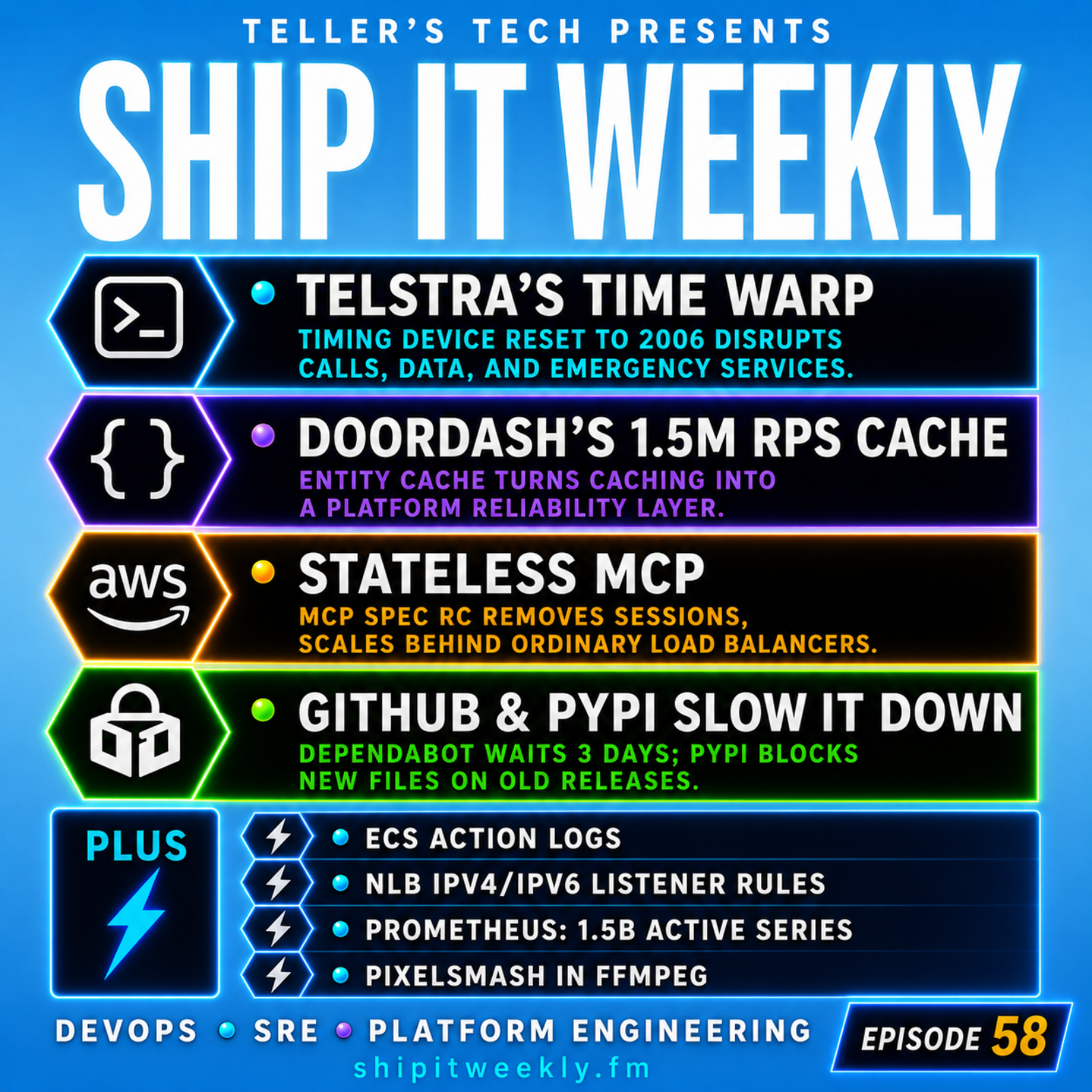 Telstra’s Time Sync Outage, DoorDash’s 1.5M RPS Cache, Stateless MCP, GitHub and PyPI Supply Chain Delays, and Why the Quietest Infrastructure Often Has the Biggest Blast RadiusShip It Weekly · on Model Context Protocol (MCP)97 / 100
 AI Agents, False Productivity, and the Sales Team Reset with Gabe LarsenMake It Happen Mondays · on Claude Cowork91 / 100
 The End of Software as We Know It: How AI Agents Are Rewriting HR, SaaS, and Organizational DesignAI First with Adam and Andy · on Model Context Protocol (MCP)81 / 100
 Boilerplate in Seconds: AI Handles Setup, Engineers Handle Logic - Klaudia Dussa ZiegerSoftware Testing Unleashed · on Model Context Protocol (MCP)80 / 100
 How airfocus Is Rebuilding Product Ops Around AI AgentsProduct Team Success · on Model Context Protocol (MCP)80 / 100
 How to make $10K/month selling AI services (step by step)Build With AI · on Claude Cowork79 / 100Guest data and direct bookings with the top 3 CRM solutions on Mews Marketplace79 / 100How small properties can outrun chains with tech ft. Elise Roberts of Happiness Hospitality63 / 100Ex-lawyer turned founder on reimagining hotel direct booking engine ft. Frédéric Robles of Namastay77 / 100Hotel gyms: Tick-box afterthought or an untapped opportunity? Ft. Lou Zameryka of Airbnb & Borivoj Vokrinek of Cushman & Wakefield81 / 100Can AI-based pricing lift hotel revenue? Testing the impact of Mews RMS autopilot ft. Richard Smithies & Conor Winders