
Marketing for SMEs · 2026-06-25 · 36 min
Key moments - from our scoring
Substance score
42 / 100
Five dimensions, 20 points each
Vince Warnock, an 11-time bestselling author and visibility strategist, breaks down the seven pillars of thought leadership - research he conducted while CMO at Signal Insurance using both qualitative and quantitative research firms. The seven pillars, in order, are: published author (ranked first due to cognitive biases), owning your platform (podcast, TV, summit), appearing on others' platforms, awards and recognition, press features, consistent thought leadership content, and TEDx talks. Warnock's approach is deeply personal: after leaving corporate marketing despite the dream job title, he built a publishing company focused on neurodivergent entrepreneurs - people with ADHD and dyslexia told they'd never write. He shares why personal storytelling in books matters more than generic frameworks (why his version of Seth Godin's concepts resonates differently), and traces his philosophy back to a transformative moment at age 11 when teacher Mr. Few challenged him to speak extemporaneously on the egg question, shifting his belief that he could shape his own future. This episode offers SMEs actionable validation that thought leadership isn't mystical - it's a learnable framework built on visibility mechanics and authentic voice.
The seven pillars, ranked by impact, are: (1) being a published author, (2) having your own platform like a podcast or TV show, (3) appearing on other people's platforms, (4) awards and recognition, (5) being featured in the press, (6) consistent thought leadership content, and (7) TEDx talks. This ranking is based on research analyzing cognitive biases and neuroscience.
Research combined with input from neuroscientists and psychologists revealed that published authorship triggers specific cognitive biases and neurological responses that make people perceive you as a thought leader. Warnock commissioned both qualitative and quantitative research to understand this effect.
People connect differently with the same information depending on the author's story and background. For example, readers who came from poverty will deeply resonate with Warnock's poverty story in his book, while readers with corporate experience might resonate more with Seth Godin's framework - same concepts, different emotional connection through personal narrative.
The overriding principle is "everybody deserves a voice." Warnock focuses on helping neurodivergent entrepreneurs (people with ADHD, dyslexia) who were told they'd never be able to write, inspired by a teacher at age 11 who showed him he could shape his own future despite his circumstances.
ADHD involves constantly having ten brains active on different topics simultaneously, and hyperstimulation in busy environments (like supermarkets) where sensory input becomes overwhelming - sounds, music, and competing stimuli flood the brain. The upside is enhanced creativity and pattern recognition across disparate concepts.
Our reviewer’s read on each dimension, with quotes from the episode.
The episode contains one genuinely research-derived framework (7 pillars of thought leadership from commissioned research) and a mildly interesting business model insight (publishing-as-coaching), but the majority of runtime is consumed by personal anecdotes, motivational platitudes about imposter syndrome, and a thinly veiled service pitch. Insight-per-minute is low.
we found thirteen different things that you can do that when you do them, people perceive you as a thought leader. It doesn't change who you are, it changes their perception of you.
number one by far is being a published author... Having your own platform is number two... Number three is going on other people's... Number four is awards and recognition... Number five, being featured in the press... six is consistent thought leadership content... And number seven is TEDx talk
The 7-pillar framework sourced from commissioned qualitative and quantitative research is the sole genuinely original element; everything else - 'everyone has a story,' stop comparing yourself to others, reframing imposter syndrome as a comfort-zone signal - is recycled self-help content that circulates widely in the marketing-and-mindset space.
we found thirteen different things that you can do that when you do them, people perceive you as a thought leader. It doesn't change who you are, it changes their perception of you.
If imposter syndrome is screaming at you saying you don't deserve to be here, you're outside of your comfort zone. Think about what that is. All that is is your brain going... that you're outside of your comfort zone and I'm trying to keep you safe.
Vince Warnock has legitimate operator credentials - CMO at a named Fortune 100 insurer, a multi-eight-figure startup exit, and Adobe's top-50-marketers recognition - placing him well above the average podcast thought-leader, but the conversation never extracts his sharpest strategic marketing knowledge, leaving his depth largely implied rather than demonstrated.
came off the back of selling our largest startup, which is multi-eight figuring sit
got recognized by Adobe as one the top fifty marketers in the world, published my first book when I was there
There are a handful of concrete data points - Signal Insurance named, revenue-doubled claim, a $5 - 6k per-book price benchmark, and the 13-finding/7-pillar research structure - but the research firms are unnamed, client outcomes are purely anecdotal, and the framework itself is never unpacked with actual numbers or case-study depth.
the revenue of that company doubled over the five years I was there
if it's five thousand, you're doing five books, that's twenty five thousand dollars you're paying up front
The host asks only surface-level questions, never probes the research methodology, client success rates, or any claim, and by the episode's end openly positions himself as a prospective buyer - turning the interview into an extended sales conversation with no meaningful pushback whatsoever.
do you want to go do you want to talk about that? I think that's so fascinating.
I'm I'm seriously thinking about doing it, you know what I mean?
Computed from the transcript - who did the talking, and the words that came up most.
What does it actually take to be seen as a thought leader? Vince Warnock ran the research - two firms, neuroscientists, the lot - and found 13 things that change how people perceive you. Being a published author came out number one, by a long way. In this episode, Vince breaks down the 7 primary pillars, why the research surprised even him, and how his publishing company helps neurodivergent entrepreneurs write books they were told they'd never be able to write. He also gets into ADHD and 10-Brain Theory, the self-doubt trap that keeps most entrepreneurs stuck, and the three barriers that stop people from ever starting their book. If you've thought about writing a book or building authority in your industry - and talked yourself out of it - this one's worth a listen.
Transcribed and scored by The B2B Podcast Index.
speaker-0: We could write the exact same book essentially, but with our own stories in there. You said there'll be people that read mine that just get it and they're like, ⁓ that clicks, that's perfect. But there'll be runs that read my book, Vincent, and they'll be like, Okay, well that kinda makes sense, I get. But then they'll read your book, and because of your stories within there, because of your experience, because of how you illustrate it, it's going to connect with them deeply and they're going to go, now I get it.
Never thought about it. And the reason for that is because When you tell your stories in that book to illustrate what you're teaching, they feel seen. They ⁓ wow, Vince gets me. He understands what I've been through.
I came from poverty, he came from poverty. Seth didn't come from poverty, you know? ⁓ or they'll look at Seth's book and they go, ⁓ this makes sense to me. I've worked in this corporate and that corporate.
And they you know, so yeah, never underestimate how many people are out there waiting for you to show up and waiting for you to tell your story because speaker-1: Hey guys, Jeremy here, Digital Glass Marketing, the online ads guy. I got to speak to Vince Warnock, which is ⁓ what the episode today is for marketing and AI for SMEs. ⁓ Vince is like the Seth Golden, I reckon, anyway, in my opinion, I reckon he's like the Seth Golden of Australia and New Zealand. ⁓ he's an 11-time best selling author, marketing strategist, and visibility coach.
He this guy's worked in startups, he's flipped companies, his latest one went to high A figures. Flip, ⁓ and he's worked in he was the marketing director of one of the biggest insurance companies in in the ⁓ ANZ. Just like really experienced guy ha covers the entire spectrum of marketing. And today we've got to talk a lot about ⁓ authorship, visibility, and just his backstories of of how he came to be where he got and really practical advice, which is ⁓ what I'm always trying to chase, right?
Practical advice For ⁓ SMEs when it comes to marketing AI. Marketing and AI. So yeah, Vince Warlock, really glad that I I did this episode with him. He's gonna have a lot of good nuggets coming out of this.
All right, give it a listen. Thanks guys. Bye. Welcome back to another episode of AI and Marketing for SMEs.
Today I'm with a very special guest. I know I say that every episode, but today I'm with ⁓ Vince Warnock. He's ⁓ the best selling author, keynote speaker. ⁓ he's ⁓ was a radio DJ for a while, so that's gonna be interesting to talk about.
⁓ he's been on both ends of the marketing sphere. So he's done the corporate thing and he's flipped his own businesses. ⁓ he's a CMO and you know I'm really grateful to have him as a guest. He came from ⁓ Philippa Games, another guest of mine who recommended him.
So ⁓ welcome to the show, Vince. speaker-0: ⁓ my goodness, man. I'm so happy to be here, Jeremy. Thank you.
speaker-1: Always man. Look, I'm not gonna my my intros don't do anyone any justice, ⁓ so probably get you to just ⁓ run through your own own thing, I reckon before we get into the the bulk of the podcast. speaker-0: Yeah, man. Look, ⁓ I I guess the main thing to know is I've been in and out of kind of corporate and startups, as you mentioned, ⁓ through most of my career.
⁓ came off the back of selling our largest startup, which is ⁓ multi-eight figuring sit. ⁓ after three and a half years of ⁓ a lot of stress and anxiety, but anyway, ⁓ came off the back of that and became the chief marketing officer at Signal Insurance. And one thing I discovered when you have what's on paper the dream job. Like signal insurance was the dream job, and I'm the chief marketing officer of Fortune One Hundred.
⁓ you know, I got the accolades while I was there, got recognized by Adobe as one the top fifty marketers in the world, published my first book when I was there, you know, got to travel the world on stages all over, work on really interesting stuff. And I was absolutely miserable. I absolut I hated my job. And I had a lot of shame and guilt around that as well, Jeremy, because ⁓ Yeah, it was the dream job.
Like most marketers would kill for that job and I had the job and didn't want it and kept thinking, What's wrong with me? ⁓ and it wasn't until I started really analyzing that and trying to find out why I was so miserable that I realized I was completely unfulfilled. ⁓ I you know, I'm in a position where People are considered dollar signs and numbers essentially. ⁓ I'm not helping anybody other than the bottom line of a large corporate.
And yeah. And one thing you know when you're in that level of corporate as well, I don't care what the corporate company is, they are corrupt and morally bankrupt. Like just putting it out there, all corporates that large. There's a a level of moral bankruptcy that is just unacceptable to me.
So so I kind of realize that I need to get back to what I'm passionate about, which is helping people and ⁓ off the back of some massive research that we did while we're there around what is thought leadership. ⁓ I took the knowledge of that that I gained, as well as my years and years in marketing, AI and and publishing and things, and went, right, that's it. We're gonna do something to help entrepreneurs. And it's kind of led me to where we are now, which is the most fulfilling thing I've ever done in my life, man.
Like honestly, I still have to pinch myself every now and then to go, we just get to help people and have a lot of fun. That's kind of crazy to me. speaker-1: No, it it's great and and you're actually really available as well, you know. Like your diary, like if I wanted to talk to somebody like you, right, it's not like three, four months away, it's not gatekeeped, like you just people can get a hold of you.
Even in that time that you were there when I was listening back to your story, ⁓ like you were there, basically the CEO wanted you for your entrepreneurial spirit as well, right? At the start. Like you were you were s shaking things up, a lot of good things were in the pipelines as well. Yeah.
Right. And and and whatever happened happened but Yeah. speaker-0: That was the thing too. I mean the the I was hired for a very specific purpose, which is they they realize that when you've got a large corporate like that, you know, a large ⁓ you know, ⁓ multinational, then You need some different energy in there.
And one of the things the CEO recognized is we need that entrepreneurial spirit in here because we want people to basically create from within. So he hired a bunch of us that were entrepreneurs as well as ⁓ you know experts in our industry and and we made a massive impact there. Like the revenue of that company doubled over the five years I was there. Yeah.
And it was just awesome, but yeah, very unfulfilling. speaker-1: Yeah no I I'll feel you. So where when the one of the podcasts you were actually going through the ⁓ the research that they finished. It was like top seven things and another like nine things or whatever.
Do you want to go do you want to talk about that? I think that's so fascinating. speaker-0: Yeah, absolutely. So ⁓ it it was fascinating for me too.
So basically one of the things I learned when you join a you know a large corporate like that is they have people on retainer and being paid a lot of money to do absolutely nothing. So just in case we need them to do something. And I don't like that idea, I hate wastage. So I thought, right, we got these research companies out there, why don't we get them actually doing something useful?
So we had two companies, one qualitative, one quantitative, said to them Find out what thought leadership is. Because we were wanting to position ourselves as thought leaders in the industry. And both of them came back with the pretty much the exact same thing, just word is slightly different, which was thought leadership is you having something to say and it being compelling or interesting or, you know, ⁓ intriguing enough that people want to hear it. Which is not helpful when you're trying to position yourself as a thought leader.
That means absolutely nothing to me. But within this, and I think I've spoken to you before on this, within that research, we found thirteen different things that you can do that when you do them, people perceive you as a thought leader. It doesn't change who you are, it changes their perception of you. And that was really important to find.
So we have we broke it into seven primary pillars and six secondary pillars. ⁓ and most of our businesses that we have at the moment, we have I think about twelve businesses. Yeah, yeah. speaker-1: Warehouse my warehouse businesses, yeah.
I love speaker-0: Exactly. So yeah, most of them are based around those ⁓ six of the seven primary pillars, which is crazy. speaker-1: W which is ⁓ I think one of them w well some of them is to do with like podcasting. Yep.
Right. And and one of them is the key like not not the key one, but probably your your one of your ⁓ babies is the ⁓ i is the book writing. speaker-0: Yes, exactly. Well the the top seven, I'll I'll I'll break them down for you, the top seven.
And these are in order. There's a very specific order to these. But number one by far is being a published author. And and for those that are doubting that, what we did, once we found this research, found those pillars, we actually brought in neuroscientists and psychologists and said, Look, please explain.
Even though my background's in neuromarketing, some of this didn't even make sense to me. So we brought in a team of people to actually analyze the results and When you understand the cognitive biases and some of the neuroscience behind this, it makes perfect sense. So publish author is number one. Having your own platform is number two.
And what that means is having a platform like a podcast or ⁓ like your podcast, ⁓ radio show, TV show, some kind of event like a summit where you bring people on, that is a very powerful perceived pillar. ⁓ to that positions you as a thought leader. Number three is going on other people's, like what I'm doing now, going on your podcast. Number four is awards and recognition, that makes sense.
Number five, being featured in the press, like having other people recognize you externally. ⁓ six is consistent thought leadership content, like actually having saliency and actually having presence to be, you know, constantly putting stuff out there. And number seven is TEDx talk, which is the one thing that we don't help with, man, because I've never done a TEDx talk in my life. speaker-1: And I know a story and you told you told a story as well about how like how how restrictive some things are.
But yeah, so that's what the research is as well. And you know, going going with your like just going off track of very quickly and I'll bring it back is that your book, Biases, the one I purchased and ⁓ read, ⁓ marketing, yeah, mindful marketing, really good book. I mean, like as I was reading and I was looking it up, I said, Man, anywhere where there's marketing, advertising happening, 'cause that's what I do, like people's gonna exploit it. Do you know what I mean?
And then speaker-0: I don't like that. for marketing. speaker-1: know, there's n there's ingenuine things happening around that. Right.
But ⁓ I mean like when you sold a company say like for the high A figures, like you you're not I guess you're not really doing this for the money of it anymore. You're doing it for the love of the game now. speaker-0: It's exactly it. Doing it for the I mean, in in all honesty, man, ⁓ like one of the most satisfying things we ever do, and we do a lot of satisfying things.
Like the we have a podcast management company, that's so much fun. We have all these things. But being the the publishing company, yeah. We work a lot with neurodivergent entrepreneurs.
⁓ people with ADHD, people with dyslexia, who were always told that they would never be able to write a book, you I I still remember when I was seven, man, I had a teacher this is back in the seventies, mind you. ⁓ they could say a lot of nasty things in the seventies. But I had a teacher who was trying to figure out why I couldn't read properly or write properly. And her conclusion was simple.
She was like, ⁓ You're never gonna read or write properly, Vince. You're retarded. And that was what I had spoken over to me at that age. Turns out my brain was just way faster than hers and yeah.
I was struggling to kind of get my hands and everything to keep up with what my brain was doing. Yeah. But for me, that's like getting to help these people is one of the most fulfilling things ever. Like one of the rules we have, when you've published your book, right, we we send them the ⁓ what's called the author copy or the the proof copy.
We send it to them, but they're not allowed to open it until they're on Zoom with me. Yeah. And this is just my little selfish thing where it's like, okay, they rip open that envelope, they pull out that book and they look at it and you see that look of accomplishment on their face. They're going, ⁓ my goodness, yeah, I'm an author.
I did this. And you see that little glint in their eye and everything. It is the most fulfilling thing. And even more so when you're dealing with someone who has had barrier after barrier in their life.
One one of my I'm not our say favorite clients, but one of my favorite clients is ⁓ dyslexic and fully dyslexic. And I still remember his first book ⁓ when he opened that envelope. pulled that book out. I'm waiting for the glint in his eye, the little smile on the corner of his lips.
Nothing. Blank. Just kind of looked at me and I thought, you know, my own insecurities kicked in. I'm like, ⁓ my goodness, he hates it.
He hates the cover design. He hates everybody, ⁓ no, ⁓ no. And then he just burst into tears. And this is like, this is a big guy.
He's military, ⁓ or retired military in the US. big manly man, bawling his eyes out on a call with me because he realized that he's done what he thought he would never be able to do. That That is a very special moment. That is a moment I get to share ⁓ with them.
And that's why we do what we do. We don't do it for the money, we do it for basically helping people's lives. And and we're at the stage where we get to do that and it's such a blessing. speaker-1: ⁓ that's great.
I I've heard that story. ⁓ when you when you told it, I th I was like really emotional, you know, 'cause I was thinking, wow, like this is ⁓ is a huge thing for ⁓ And I was listening to all your ⁓ we n ⁓ neurodivergent kind of things. Yeah, because and and you were speaking to another host and she kinda had the same thing, right? She kinda think Julie had the same thing and I was like, Well, I I don't have that.
I don't know say yes right or wrong. I say I don't have that 'cause I I can just go finish one thing, doesn't matter how boring it is. That's definitely speaker-0: ⁓ man, so the I'm so jealous, yeah. speaker-1: And then then I understood like you guys gotta have few things cooking at the same time.
Yep. Yeah, yeah. So it's so amazing. ⁓ so speaker-0: best way to explain it, ⁓ there's there's a a principle which a lot of people don't like is they they don't like it because they feel like if you're not ADHD it's an insult, but it's not the not the case at all.
It's just a way to help explain how people with ADHD think. ⁓ and it's called ten brain theory. And it really is like you have ten brains active at all time on different topics. Yep.
Yeah. So so you can't shut that out. And and this is the thing people don't understand. We get that thing called hyper stimulation where ⁓ you go like supermarkets are terrible for me.
When I go to the supermarket, the thing people don't understand is I can hear every conversation around me. And I have very good hearing for long distances. That makes it even worse. So I'm hearing every conversation, trying to shut it out, but I can't.
⁓ so trying to filter it just to make it a bit easier. But at the same time, you've got usually one bit of music playing on one side, one bit of music playing on the other side of the supermarket, then some I was gonna say idiot, some moron with their phone out on speakerphone, listening to some song, and you're like, all of this input's going into my brain and it's overwhelming my senses. Yeah. So I I I remember when we had not long moved here actually to where we are in Australia, ⁓ from New Zealand, and I was at the supermarket.
All I had to do, I had one job, Jeremy. I just had to go and get some almond butter for my wife. Yeah. And I went up and I was like, Right, and and by the way, there was only three types of almond butter in this little supermarket that I'm in.
So I'm standing there. But all of these senses were getting overloaded. And then to make it worse, somebody walking past me with a trolley banged into me. And no, it wasn't their fault or anything like that.
Yeah. But that extra sense that happened, that extra kind of thing, made my brain shut down. And I'm just standing there staring at this thing. And then suddenly I feel this tap on my shoulder.
Yeah. And it was this little old lady. She was the sweetest man. Like she just looked at me and she said, Are you are you okay, love?
And I said, ⁓ and my brain's going, Tell her what you're here for, tell her and I just went, I'm in butter. And then she goes, ⁓ and I went, ⁓ ADHD. And as soon as I said that, she goes, ⁓ okay, love, look, let me help you here. And she was wonderful.
And she just I felt totally sensed. She totally understood what was going on. She knew apparently I was standing there for five minutes looking at these three different types of almond butter, unable to make a decision on them. Now that's very, very rare.
Yeah. But that is kind of what we have to deal with is all of this input coming in. Yeah. Now That's the negative side of it.
The low dopamine is the negative side of it where you you can have a day where you have no dopamine. So you basically the thought of doing work, your brain just shuts down and goes, I can't do it, dude. I I really can't do it. And then and then you when you're a kid, you were just told try harder, work harder, try harder, work harder, press it, just get started.
No, no, it's it's next to impossible because the thought of doing that actually reduces my dopamine more. Which makes me almost like w we've had people that I know that have got ADHD worse than me, that ⁓ they're being misdiagnosed with narcolepsy because their their body just shuts down, they go to sleep. ⁓ wow, okay. The thought of doing work makes me and then they fall asleep, you know.
So Yeah. ⁓ so those are the downsides of it, but the plus sides of it is the creativity. The fact that you have these ten brain concepts going all the time, thinking of creative approaches, thinking outside the box, looking at pattern recognition across all of them. So you can see obscure patterns and things that other people can't.
⁓ it's just it's the best. I'd I would never take away ADHD, even though the downsides are pretty bad. Yeah. speaker-1: I we even when you talk about the seven when you were seven, what the teacher said to you, like the other side w of the story was also like someone wa another teacher was just trying to get you to do a five minute talk thing.
chicken egg thing. And that was like a a revelation moment I guess. That didn't lead you to marketing but like that was like speaker-0: ⁓ yeah. Kinda did actually.
It it led me to pretty much everything I'm doing now. I I was eleven and I d I I don't you know, won't go fully into my backstory, but I grew up in a very abusive home. A very abusive home and and in poverty. And up to age eleven I just thought there was no no you know, basically no future for me.
Other than the fact that I I was also convinced I was an avian 'cause I watched Star Wars. ⁓ but other than that I was like, there's no hope for me. And I had a teacher who saw past that. He was ⁓ his name is Mr.
Few and he was just So inspiring. And I remember and yeah, the story was we he was telling us we had to work on school projects, which ⁓ at the time were just, you know, you do these written reports and drawings and all this kind of thing and you pick a topic and all the boys seem to pick sharks and spiders and icky things like that, and all the girls seem to pick horses and it was just crazy. It was of its time. ⁓ and I think I was doing one on sharks and ⁓ the teacher said, ⁓ don't forget you have to do your oral presentations.
And I kind of scoffed a little bit and I'm like, ⁓ And he goes, ⁓ what's that? And he kinda challenged me on it. And I just said, Look, when are we ever going to have to or like why do we have to do this festival? And he said, ⁓ it's prepares you for the real world.
And I was like, When are any of us going to do an oral presentation? Like looking around the room at all these poor kids going, Yeah, like we're ever gonna have the opportunity and he goes, Okay, how about now? And he got me up in front of the class and he ⁓ Vince is gonna talk for five minutes on a topic. Class, what's the topic gonna be?
So, you know, eleven year olds are very creative. They came up with the topic of the egg. So Yeah, as you would have heard, I I I had to speak for five minutes. I had twenty seconds to prepare.
Yeah. And the only thing in my head at the end of that twenty seconds was that saying what came first, the chicken or the egg. So that's how I started. I just those words came out of my mouth.
Yeah. And then I went to this kind of other part of my brain and everything flowed. And it was the most like honestly, Jeremy, I was on a high at the end of this. Because I it'd be like I could pull a string and people would laugh.
I'd pull another string and people would be like, ⁓ whoa, and all this, and I'd just take them on this journey. It was like waves and things. And I got to the end and I kinda he goes, You got twenty seconds left, and blah blah blah. And I finished off.
So obviously the chicken came first, which made no sense by the way. Yeah, yeah. The class erupted and I was like, Yeah. And a little part of me thought, I just proved you wrong.
Ha ha ha I'm I'm good at this. But he did something that I didn't expect. He kinda he got down at my level, held me by the shoulders, and goes, Vince, listen to me. That was awesome.
And I say, ⁓ yeah, I how Jack and Rally goes, No, listen to me. He goes, You have a talent. Do you realize you could do something significant with your life? Yeah.
And in that moment, I have never felt more valued, never felt more seen. But it it taught me so much. It taught me that I don't have to be a product of my upbringing. I don't have to be a product of my past.
I don't I can write my own future. I can do something significant with my life. So that inspired me genuinely and many other things that he did as well. He's just an amazing teacher.
⁓ inspired me to be the person I am, to do what I'm doing. It inspired me to take risks and try things new, like working on radio and marketing, all those kind of things. Yeah. ⁓ but it also put in me this desire that Other people need that as well.
And we have a we have a mantra here in our businesses. ⁓ there's one overriding principle here, which is that everybody deserves a voice. And that underpins pretty much everything we do. So everybody has a story, everyone deserves that story to be told.
Everyone deserves to have a voice. And I I don't care who you are, I don't care if you politically believe the exact opposite of religiously or anything. I don't care what your beliefs are. It's just ⁓ a speaker-1: Really so it's not really like business or whatever.
Like the authorship thing is not like for entrepreneurship only. speaker-0: It it's not. We do focus on entrepreneurs obviously 'cause that's our area of expertise. So we know how to help them as much as possible.
But honestly, we just want to help people. It's as simple as that. We want people to feel like they're seen and feel heard and get their stories out there. speaker-1: Yeah, so it's it's so good that you've been you're telling these stories on my pod because the the thing is, ⁓ just say a lot of ⁓ SME owners, yeah, they're like, Man, I haven't done what he does 'cause you know, one thing I want to go back to point out is that you you know how you're doing a speech thing, right?
Yeah. So so people can come up with freestyle like radio hosts, right? But they don't have the technical side of it. They they don't they don't have the hands on the coding side, they're not, you know, like putting radios together.
Which is th to them on the other side of the spectrum. It's so interesting 'cause you got both. Like I'm not just cheating you up, you do have both. Like you you were like taking things apart and putting it together and you build tech and all of that.
Right. So what do you say to people who doesn't have have that? They go, I want to tell a story. Like I'm entrepreneurship.
I want authority. Like for me, my my downfall is my low risk taking. Yeah. Like I I don't take risks, right?
Like I I'm very steady, like one step at a time. speaker-0: For long. speaker-1: Like I'm never leaving a CMO job if I got it. Do you know what I mean?
I just just le ⁓ maybe that's why I wouldn't even get it. But like what do you say to those people? speaker-0: ⁓ my goodness. ⁓ first of all you're far you're far more capable than you think.
R risk taking is yeah like I I will say this. I don't think you don't take risks. I think you take calculated risks. It has to be completely thought out before you will take action on that.
Sure. And that comes from probably, you know, your childhood, it probably comes from your own trauma, if anything, you know. ⁓ I'm a risk taker because that's what kept me alive, you know. ⁓ if I didn't take risks I wouldn't be here, you know.
But for others, they don't take risks for that exact same reason because they keep safe and things. The thing is, nothing good happens by standing still. Nothing good happens inside your comfort zone. You need to be outside your comfort zone.
It's probably the biggest challenge that I see entrepreneurs have is they always there's always self-doubt that comes in. There's always like, ⁓ I don't have enough of a story, I don't have enough skill, I don't have enough of this, I don't have enough of that. Nobody does. Right?
And here's the thing. Part of that problem comes from we look at other people. I do this myself, so I'm I'm talking from a a point of experience here. But I often will look at other entrepreneurs and go, ⁓ man, I wish I had what they had.
I wish I had their experience. I wish I had their skills. I wish I had their audience. I wish I had all of these things.
The problem with that is, first of all, I'm not them. Right? That's a silly thing to compare myself with someone that I'm not. But the other the other thing there is that's my perception of them.
Right? That doesn't mean that's who they are. And I know this from experience because I I got to meet most of my heroes in marketing. So there were twenty-five of us at a dinner, we're all ⁓ it was The first kind of cohort of the Adobe's program to recognize the top fifty marketers.
So I'm there with all these people that I look up to. I've read every book of every person at that dinner table. I'm like, ⁓ my goodness, I can't believe this. ⁓ but when they started talking, when we started diving deep on things, I realized that they all had the same insecurities as me.
They all had this and some of them had the same experience as me. But I was riddled with self doubt. And it started to make me realize I've got as much right to be at the table as any of these people. I I've got as much right to be here.
So but it also made me realize that these people that I look up to, I put on this pedestal and I think, well, obviously nothing bad has ever happened to these people. They've never had to struggle like I've had to struggle. They've never had to break through like I've had to break through. That's absolute rubbish.
I just see what I see, which is the external facing. You don't see what they deal with on a day-to-day basis. So in other words, stop comparing yourself to people is the key thing there. ⁓ and and when you do that, when you stop comparing yourself to people and you start looking at where you are now.
versus where you have been, yeah, then you start to see that traction. And that gets you more open to taking risks, more open to realizing that you're way more capable, way more, you know, way more talented, way more creative, way more everything than you give yourself credit for. Got you. And to sum it all up, basically we're takes to ourselves.
speaker-1: Yeah, yeah for sure. No, that's good. So on a on the like just on the technical side of things, if someone does feel that way, then they get over it. Like I'm I'm trying to work out is your superpower like convincing them or talking them into do doing like, ⁓ man, you should write it.
And have you had experiences where there just really wasn't anything there after you spoke to them, like even if they wanted to do it? speaker-0: I no, don't think so. I I I don't think I've ever found anyone that can't write a book, for example. Umless unless you're like five years old and you've had no life, you know, like everyone's lived something.
Everyone has experiences and even like a a great example of this actually. Work with a client who was r new in industry. Absolutely new. They'd moved from ⁓ well retail basically into marketing.
Yeah and they like, Well, I'm just learning as I go and making this up as I go. Great, tell that story. ⁓ Tell that story because there are so many people wanting to do the same thing as you. Tell them what it's like.
Yeah. Like give them what they need to be able to make the same transition as you. You don't need to be the best marketer in the world to write that book. You need to be you.
You need to have your own experiences. So that's my best advice to people is, yeah, you you may not have the skill or anything like that. You may not think that you have the stories. You do.
Your life is a story. Simple as that. There are people out there that and this is the big lesson I had to learn. I had a really good conversation with Seth Godin around this because I I made some usual New Zealander, you know, Kiwi self deprecating comment around obviously my book is never gonna be as good as yours.
And he told me off so much, man. Like he ripped into me and he said, No, you listen to me. He said, You and I could write on the exact same topic, and probably will, 'cause we're in similar industries, right? We could write the exact same book essentially, but with our own stories in there.
He said, There'll be people that read mine that just get it and they're like, ⁓ that clicks, that's perfect. But there'll be runs that read my book, Vincent, and they'll be like, Okay, well that Kind of makes sense, I get, but then they'll read your book. And because of your stories within there, because of your experience, because of how you illustrate it, it's going to connect with them deeply and they're going to go, ⁓ now I get it. Never thought about it.
And the reason for that is because when you tell your stories in that book to illustrate what you're teaching, they feel scent. They ⁓ wow, Vince gets me. He understands what I've been through. I came from poverty.
He came from poverty. Seth didn't come from poverty, you know? ⁓ or they'll look at Seth's book and they go, ⁓ this makes sense to me. I've worked in this corporate and that corporate.
And that, you know, so yeah, never underestimate how many people are out there waiting for you to show up and waiting for you to tell your story because that's gonna make them feel like, Hey, I have hope, I have potential now, I could do what you're doing. speaker-1: Yeah, nice, nice. This this is ⁓ this is golden man, all this stuff. So on a on like the let's say the roadmap.
Yeah and you know that's I think we we went from a bigger story thing to now to the nitty gritty of it. Like w what would you say? Like just say someone got in contact with you, I guess there's gonna be a a session, a core of some sort, and then there's gonna be like sorry to to be rude and all that but like there's gotta be money talks involved. This is what's gonna happen.
Look this is how much you're gonna actually need and they say, all right let's let's just do this and then what happens? Like is that 'cause I I I'm seriously thinking about doing it, you know what I mean? speaker-0: ⁓ yeah of course. Okay, well I can tell you now the the first part of the process is simple, like you said, it's usually a strategy call with Yeah.
Okay. And the reason for that is because not everything is suited for everyone, right? Even though everyone's got a book in them, it might bot might not be where you are right now. It might be that actually you need leads more than anything, so a podcast will be the way to go.
Or it might be that, you know, you you have absolutely no presence. You might need to do some summits and things like that, some collaborative events to build up your email list. Things like that, you know. So so we kinda work out from there what's best suited for you, how to approach that.
Those are free. We don't charge for those. We just give in-depth kind of detail around this and help you out. And you can choose to go off and do it on your own, which is totally, totally valid.
Like you can, you can you can do this, I believe, in everyone. But also, if you need help with that, that's when we'll have that conversation. And the way it works is simple. Once they sign with us, ⁓ they actually we don't do ⁓ we used to do them, but we don't do it so much anymore.
We don't do like, hey, you want to publish a book? Here's how much a book's gonna cost. What we do is we say, because we deal a lot with obviously people that are neurodivergent, they're never writing one book at the same time, Jeremy. They're usually writing about half a dozen books and they also need marketing help and they also need podcasting help and all those kind of things.
So what we do is we do a publishing as coaching model where we say, Hey, just come and work with me. Right? When you when you get coaching from me, well, depending on what your needs are, weekly, ⁓ fortnightly, we have some that are on monthly. ⁓ you'll get the coaching that you require, but you also get full access to all of our services.
You get access to our publishing team, so they'll do all of the publishing aspects for you. You just have to show up and write. ⁓ if you need podcasts, you want to launch a podcast, we'll help you launch a podcast, all those kind of things. So we work out what's best for them.
But the first thing we do is that what we call a kickoff session. And that is we sit down and go, what are the priorities? Let's work out a roadmap for you. Let's work out here's where we are now, here's where we're gonna be in a month, two months, three months, four months, six months, that kind of thing.
speaker-1: So this is a thought leadership blueprint. speaker-0: Yeah, yeah, it it is. It is. Yeah.
And and every aspect of our business, whether it's the publishing company, podcast management company, we also have a done for you marketing agency, all those kind of things, they all fit within that kind of same framework. speaker-1: Really big time. It's all in under the umbrella. And then people can just jump in and they can do the whole thing like this kind of thing.
speaker-0: that this is the thing that we we we very rarely have had people that just do one book with us, right? ⁓ usually it's because that's where they're at in their life. But most people, when they sign with us, they write a book and then they stay with us and they go, hey, I'm launching a podcast now, I'm doing a summit now. Yeah.
We've got one woman at the moment, she's just done a summit which was massively successful. Now she's going, I'm doing a mastermind, help me with that. I want to do another book for this, I want to do this. We just get to be their guide to help them to achieve what they want to achieve.
And it is so much fun. speaker-1: Yeah, I c I can see it, you know, because it's like it's the the problem with marketing as you know, it's very siloed. So if you do one thing, it's like, ⁓ I I don't do this, I don't do the postings. Like, well w what what are you doing then?
You know, like that's what I thought ⁓ you'd be doing, you know? Okay, now I don't we don't do the videos. So well speaker-0: Yeah. But this is this is the exact problem and you're spot on because then they end up having to sign with this person, that person and they're paying so much money.
We we even like to be honest, the reason we worked to ⁓ the reason we launched the kind of publishing as coaching model was because we found that people were being paid ⁓ charged too much. And what I mean by that is if someone comes to us that's ADHD, they're writing five books at the same time. Like If I look, I've got a whiteboard over in the corner here. It's got 13 books that I'm at different stages of writing for myself at the moment.
No one works on one book at a time. So because of that, you don't want an ADHD entrepreneur to go, okay, I'm writing five books, so therefore I need to sign up, you know, it's like five or six thousand dollars for a book a minimum. ⁓ so now, you know, if you if it's five thousand, just so I can do math easy in my head. If it's five thousand, you're doing five books, that's twenty five thousand dollars you're paying up front.
Yeah. But the other problem with that is you don't have any motivation to hurry up. Yeah. And and we had this with a client who took like three years to write a book because they had paid up front with us.
Yeah. They were like, Right, I paid my money, now I just keep working with you and keep working, which is fine by us. But we felt like we're doing them a disservice because they still hadn't gotten output from that. Yeah.
So we thought if we do the publishing as coaching, they're highly motivated 'cause they can go, Wow, if I can do this in three months, I'm only paying bids for three months, that's a lot cheaper than a full book. Yeah. That being said, they do that and they always stay with us anyway. But you know speaker-1: No, I fully get it.
No, no, this is a great this is a great idea. 'Cause I that bit I don't think it's ⁓ like I I was doing a lot of my ⁓ research before this call. Yeah and I didn't hear that bit right because I was looking for I said, what is the program? Like what is it?
You know what I mean? Like I didn't I didn't hear it, so it's really good that we talked about it. Man, I'm so happy that you you came on to talk about all this and you know I hope that we can stay in touch. Was there anything else that you feel like we didn't ⁓ I did I didn't get to or you want to take speaker-0: But I I think the main thing so if I look at the the two biggest barriers, I'll just talk about writing a book for a moment.
The two biggest barriers that always come up. ⁓ well three actually. The first one is they know they want to write a book, but they feel like they don't have the experience. And they're like, I'd love to do this, but I don't have the experience.
I don't know, I'm not where I'm at. Just please trust me when I tell you this. That's absolute bollocks. You totally do.
Your story so far is already gonna help people. ⁓ and there's a ⁓ I don't like this saying. There's a saying called the the the three YouTube rule. All you have to be is three YouTube videos ahead of the people you're coaching.
And I'm like, that's I don't agree with that totally. But it it it does highlight that you just need to be further on than the people that you're helping. I think that's really, really powerful. Yeah.
⁓ the other thing there too is ⁓ I always hear this saying and I used to use this saying, fake it till you make it. Yeah. ⁓ you're not faking anything. Right.
If you know where you're heading, you're doing the steps now, like writing the book, launching the podcast, all of those different things. Because you know that that's where you're heading anyway. There is power in that. You're not faking anything.
So that's the first barrier is people's own kind of self-doubt there. The second thing that comes kicks in is, ⁓ but what right do I have to write a book? ⁓ you know, like people are gonna know I don't know what I'm doing, that I'm making this up as I go along. Of course you are.
You're an entrepreneur. That's kind of our job description. You know, we are making this up as we go along. That's pioneering.
When you're cutting a new path, when you're trying something new, you're outside of your comfort zone. That's exactly where you're supposed to be. So don't Like w we always get told about imposter syndrome, fight it, run from it, all these kind of things. No, embrace it.
Listen to me. If imposter s imposter syndrome is screaming at you saying you don't deserve to be here, you're outside of your comfort zone. Think about what that is. All that is is your brain going, Hey, guess what, Jeremy?
Guess what, Sam or Johnny or whoever else is listening to this, guess what? ⁓ that you're outside of your comfort zone and I'm trying to keep you safe. Your brain's actually doing what it's supposed to do. When you understand that, two things happen.
One of them is you realize that outside of your comfort zone is exactly where you're supposed to be. So like I said before, you don't break through from safety. You break through from s taking risks, you know, from actually trying something new. So your brain's actually saying to you, guess what, Jeremy?
You're exactly where you're supposed to be. You're outside of your comfort zone. Good work. And the other thing you that you realize is ⁓ it gives you perspective.
It gets you to look at your brain and go, Hey, brain, you're doing an awesome job keeping me safe. Thank you so much for that. But guess what? We've got this.
We're onto it. So that's the the second thing. The third thing is simple. No one knows what book to write.
They always think they have to write a memoir. They always think they have to write their life story. No, you don't. No one cares.
Honestly, I mean to be cruel, but yeah no one knows who you are unless you're super famous. speaker-1: I heard you say that one, yeah. I heard you say that one. It's it's basically like you kind of like incorporate some of the stories or whatever, but it's like they they want like more than that, right?
Like speaker-0: Well, they want ⁓ they want to s you to solve a problem for them. Yeah. And and this is how I always think. I think if you don't know what book to write, book a call with me, while I'll talk you through it.
But essentially it's simple. What is the outcome that you give a client? What is the thing that you want to resolve for them? And pick one thing.
Don't pick everything. Pick one thing. Right. If you can solve a problem for them, to bring that to life, you tell your stories.
Yeah. So your book is about solving the problem and the way that you help them is by giving them the experiences that you have and the learnings that you have through your stories and through what you that is the most powerful kind of book. That is the book that gets you recognized. That's the book that positions you as a thought leader.
speaker-1: And I'm telling you, I'm gonna write one of these books, man. I'm I'm gonna it's a hundred percent it's gonna happen. Well thanks again, Vince. Vince Warnock.
I mean what a what a guest. What a what a conversation and ⁓ I'll definitely have all the show notes and everything linked. ⁓ yeah, hope to, you know, ⁓ thanks again for coming on, man. speaker-0: I'm sure you are.
I'm not gonna leave I I'm gonna hound you now, Jeremy. So I think absolute privilege, Jeremy. Anytime you and I catch up, it's a lot of fun. Thank you.
speaker-1: Hey, what's up? Jeremy Yang, the online ads guy here, owner of Digital Glass Marketing. If you ⁓ found whatever you're watching helpful, you found interesting, like, subscribe, comment, suggest other topics you think we should cover here. We've aimed to release weekly episodes helping SMEs with marketing, advertising, talking to professionals about growth, processes, all that good stuff.
Alright, see you on the next one.
Other episodes covering the same guests and topics, from across The B2B Podcast Index.
 Digital Twins and the Limits of Synthetic Behavior with Olivier Toubia of Columbia Business SchoolData Gurus Podcast · on Neuromarketing83 / 100
 What should marketing and communications leaders actually do with AI right now?The Data Malarkey Podcast · on Neuromarketing75 / 100
 Redefining Disability Inclusion in the Modern Workplace - Tiffany Yu, DiversabilityBed & Butter: THE Hospitality Podcast · on TEDx Talks75 / 100
 Let's Talk Thought Leadership and Podcasting in Canada with Amanda CupidoHope + Possibilities · on TEDx Talks68 / 100
 Jay Acunzo on Resonance: How to Become a Sought-After BrandContent Disrupted: Bold Takes on Brand Marketing · on Platform building68 / 100
 The Power Of Brand Integration: Exploring The Impact And How It WorksMarketing Mistakes · on Neuromarketing66 / 100
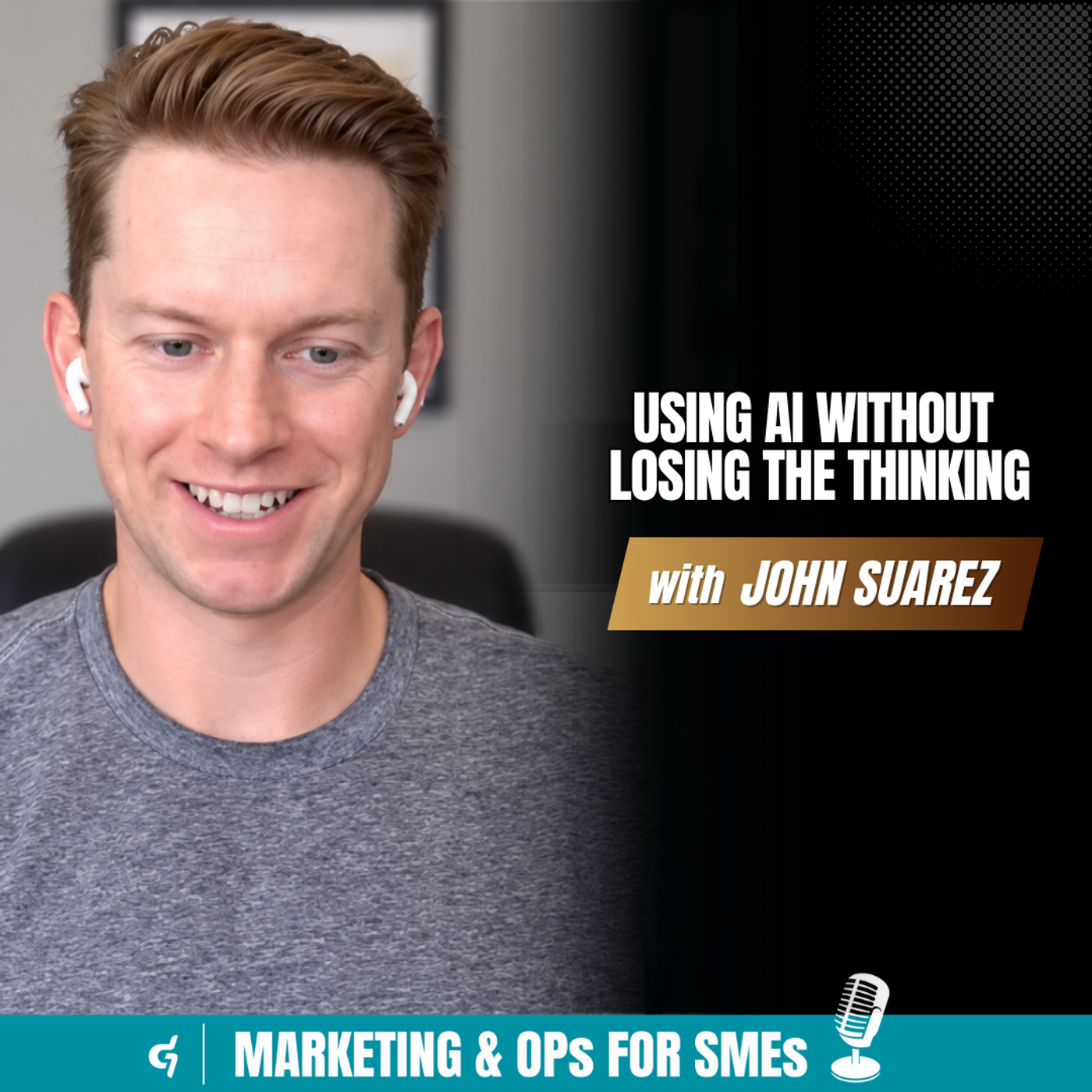 John Suarez on How Businesses Should Actually Use AI Without Losing Human Judgement78 / 100
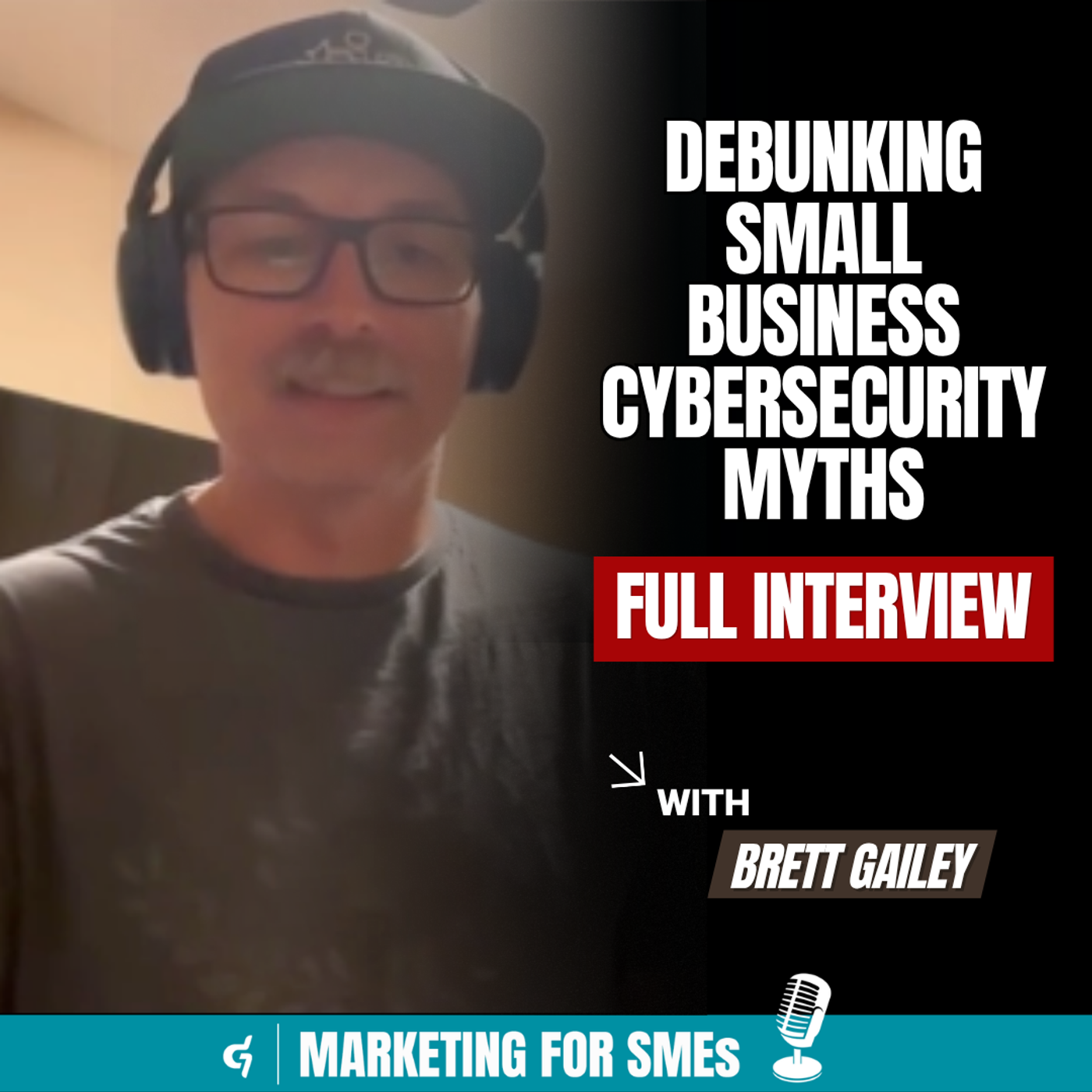 Brett Gailey on Cybersecurity Myths for SMEs71 / 100
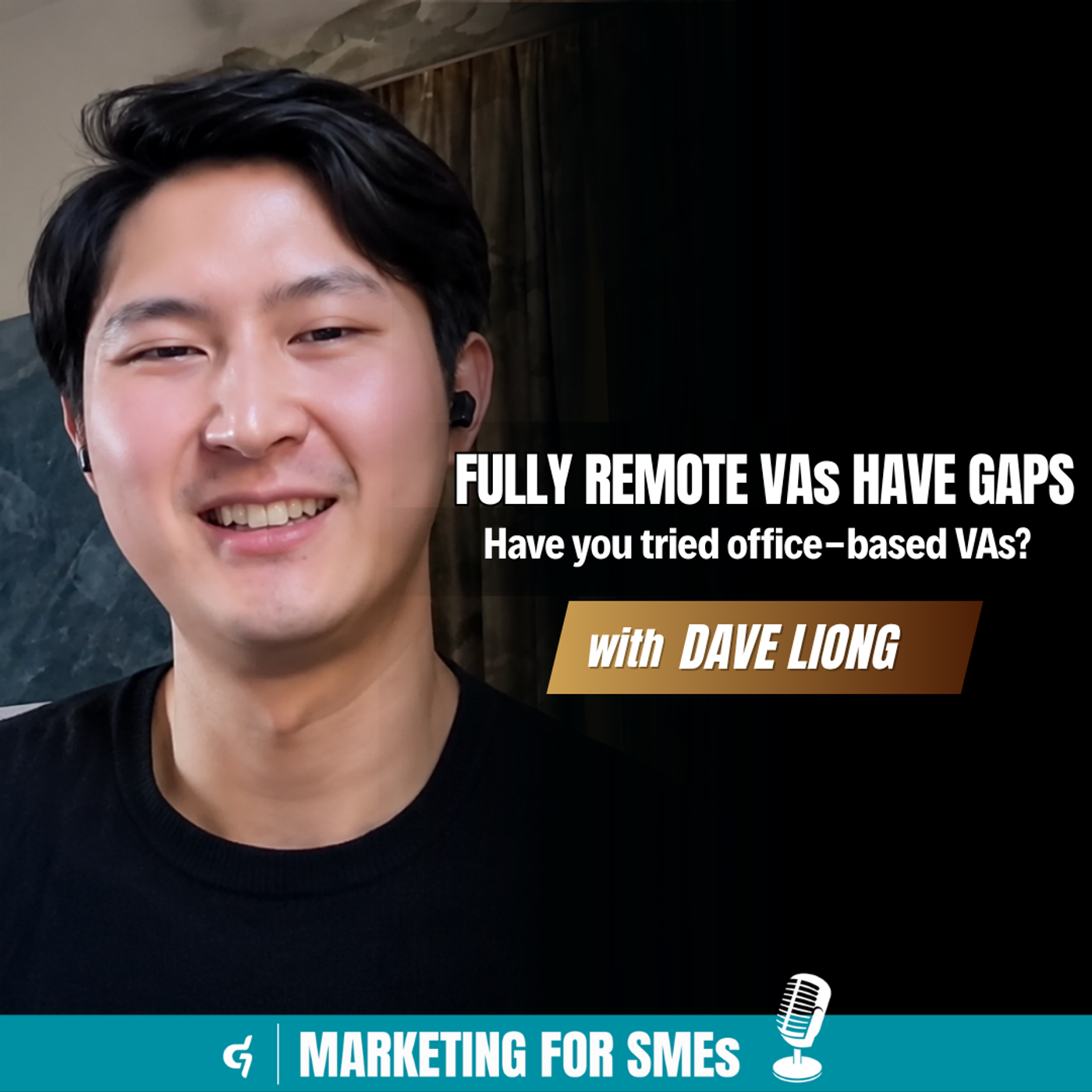 Dave Liong on Why Office-Based VAs From Indo Is The Way To Go
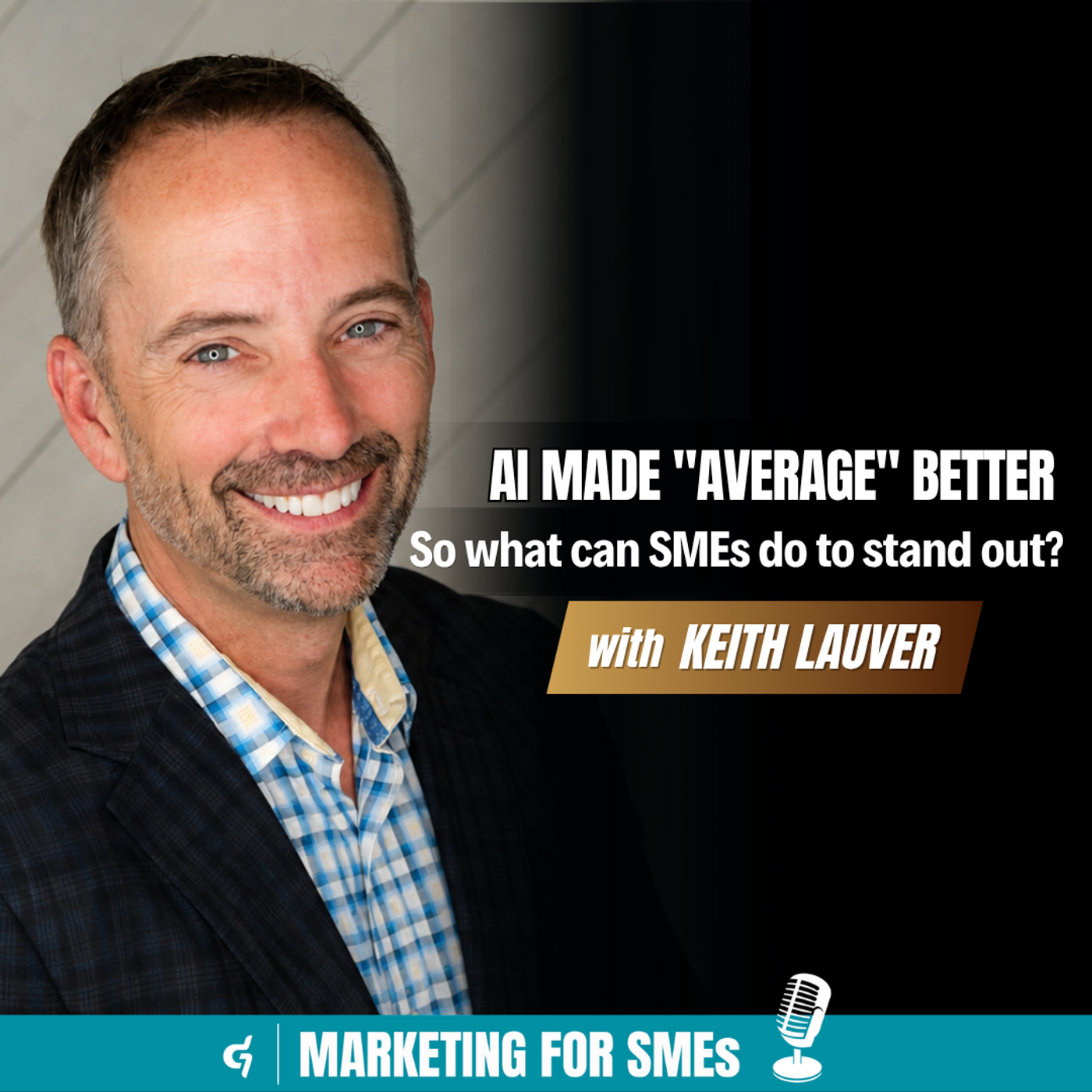 Keith Lauver on Escaping AI-Generated Mediocrity
 Solveig Petch on What Founders Misunderstand About Branding